

Towards eco-friendly crop protection: natural deep eutectic solvents and defensive secondary metabolites
Open accessThe DOI matches its Crossref record; 116 of the 117 references it cites were found in a registry or an index.
Abstract
With mounting concerns over health and environmental effects of pesticides, the search for environmentally acceptable substitutes has amplified. Plant secondary metabolites appear in the horizon as an attractive solution for green crop protection. This paper reviews the need for changes in the techniques and compounds that, until recently, have been the mainstay for dealing with pest insects. Here we describe and discuss main strategies for selecting plant-derived metabolites as candidates for sustainable agriculture. The second part surveys ten important insecticidal compounds, with special emphasis on those involved in human health. Many of these insecticidal metabolites, however, are crystalline solids with limited solubility which might potentially hamper commercial formulation. As such, we introduce the concept of natural deep eutectic solvents for enhancing solubility and stability of such compounds. The concept, principles and examples of green pest control discussed here offer a new suite of environmental-friendly tools designed to promote and adopt sustainable agriculture.
Overview
The claims and statistics of this paper haven’t been checked yet.
Free: it reads the open-access text and checks the first 5 claims that cite a source we can check. Create a free account to check every claim.
Integrity signals
Registry
Cites
Statistics
Figures
Verification
Claims the paper makes
The claims and statistics of this paper haven’t been checked yet.
Free: it reads the open-access text and checks the first 5 claims that cite a source we can check. Create a free account to check every claim.
Claims other papers make about this one
Each is checked against this paper’s own text: does it say what the citing paper says it does?
The source backs part of the claim, not all of it — or backs it for a different population, condition or comparison.
In the citing paper
“Apart from food/feed, pharmaceutical and nutraceutical applications, NADES extracts from agro-industrial sources can be considered for the production of green agrochemicals (fertilizers and diverse pesticides) to address the global challenges for sustainable food production (Mouden et al. 2017).”
From The perspectives of natural deep eutectic solvents in agri-food sector (2020) · cites this paper as Mouden et al. 2017
Experimental — accuracy not yet measured
Self-check
Percentages, sums and reported differences re-computed from the paper’s own numbers.
The self-check needs the paper’s full text.
Citations
Cites
Abbott, A. P., Capper, G., Davies, D. L., Rasheed, R. K., & Tambyrajah, V. (2003) · Chemical Communications · doi:10.1039/b210714g · Cited by 5,738 · cited 1×
“The term DES was first introduced by Abbott more than a decade ago (Abbott et al. 2003).”
BackgroundAbbott, A. P., Boothby, D., Capper, G., Davies, D. L., & Rasheed, R. K. (2004) · Journal of the American Chemical Society · doi:10.1021/ja048266j · Cited by 4,340 · cited 2×
“Following the pioneering work of Abbot, the concept of DES was extended to numerous combinations of natural origin (Abbott et al. 2004; Imperato et al. 2005; Choi et al. 2011; Ruß and König 2012).”
BackgroundIsman, M. B. (2006) · Annual Review of Entomology · doi:10.1146/annurev.ento.51.110104.151146 · Cited by 3,828
Natural deep eutectic solvents as new potential media for green technology
Dai, Y., van Spronsen, J., Witkamp, G.-J., Verpoorte, R., & Choi, Y. H. (2013) · Analytica Chimica Acta · doi:10.1016/j.aca.2012.12.019 · Cited by 2,694 · cited 10×
“Mixtures of organic acids were most polar, followed by amino acids based NADES whereas polyalcohol based NADES are least polar, displaying a polarity similar to that of methanol (Dai et al. 2013).”
BackgroundInfluentialSelf-citationNatural Deep Eutectic Solvents – Solvents for the 21st Century
Paiva, A., Craveiro, R., Aroso, I., Martins, M., Reis, R. L., & Duarte, A. R. C. (2014) · ACS Sustainable Chemistry & Engineering · doi:10.1021/sc500096j · Cited by 2,458
Drug Solubility: Importance and Enhancement Techniques
Savjani, K. T., Gajjar, A. K., & Savjani, J. K. (2012) · ISRN Pharmaceutics · doi:10.5402/2012/195727 · Cited by 2,004
Flavonoids in Food and Their Health Benefits
YAO, L. H., JIANG, Y. M., SHI, J., TOM�S-BARBER�N, F. A., DATTA, N., SINGANUSONG, R., & CHEN, S. S. (2004) · Plant Foods for Human Nutrition · doi:10.1007/s11130-004-0049-7 · Cited by 1,545 · cited 2×
“On the other hand, there are numerous phytochemicals, particularly phenolic compounds, are associated with human health benefits such as antioxidant, antimutagenic, anti-inflammatory, antimicrobial, antiviral, anti-allergic, immunoprotective and ultraviolet (UV) filtering properties (Dillard and German 2000; Yao et al…”
BackgroundThe phenylpropanoid pathway and plant defence—a genomics perspective
Dixon, R. A., Achnine, L., Kota, P., Liu, C., Reddy, M. S. S., & Wang, L. (2002) · Molecular Plant Pathology · doi:10.1046/j.1364-3703.2002.00131.x · Cited by 1,487 · cited 1×
“Phenylpropanoids, are among the most common and widespread plant secondary metabolites involved in plant defense (Dixon et al. 2002).”
BackgroundLow-transition-temperature mixtures (LTTMs): A new generation of designer solvents
Francisco, M., van den Bruinhorst, A., & Kroon, M. C. (2013) · Angewandte Chemie International Edition · doi:10.1002/anie.201207548 · Cited by 1,378 · cited 1×
“The plethora of possible combinations can therefore, be seen as a huge opportunity to find a suitable solvent for any application (Francisco et al. 2013).”
BackgroundChoi, Y. H., van Spronsen, J., Dai, Y., Verberne, M., Hollmann, F., Arends, I. W. C. E., Witkamp, G.-J., & Verpoorte, R. (2011) · Plant Physiology · doi:10.1104/pp.111.178426 · Cited by 1,368
Self-citation
Research works printed but not linked: 7
- European Commission (2009) Regulation (EC) No 1107/2009 of the European Parliament and of the Council of 21 October 2009 concerning the placing of plant protection products on the market and repealing Council Directives 79/117/EEC and 91/414/EEC. Official Journal of the European Union
- European Union (2013a) Commission Regulations (EU) No 283/2013 of 1 March 2013 setting out the data requirements for active substances, in accordance with Regulation (EC) No 1107/2009 of the European Parliament and of the Council concerning the placing of plant protection products on the market. Official Journal of the European Union
- European Union (2013b) Commission Regulations (EU) No 284/2013 of 1 March 2013 setting out the data requirements for plant protection products, in accordance with Regulation (EC) No 1107/2009 of the European Parliament and of the Council concerning the placing of plant protection products on the market. Official Journal of the European Union
- Grant GG Langevin D Structure-activity relationships of phenolic and nonphenolic aromatic acids as oviposition stimuli for the spruce budworm, Choristoneura fumiferana (Lepidoptera: Tortricidae) IOBC WPRS Bull 2002 25 1 10
- Havlickova H Cvikrova M Eder J Phenolic acids in wheat cultivars in relation to plant suitability for and response to cereal aphids Z Pflanzenkr Pflanzenschutz 1996 103 535 542
- Havlickova H Cvikrova M Eder J Hrubcova M Alterations on the levels of phenolics and peroxidases activities induced by Rhopalosiphum padi (L.) in two winter wheat cultivars Z Pflanzenkr Pflanzenschutz 1998 105 140 148
- Lipinski CA Poor aqueous solubility-an industry wide problem in drug discovery Am Pharm Rev 2002 5 82 85
Cited by
The perspectives of natural deep eutectic solvents in agri-food sector
Mišan, A., Nađpal, J., Stupar, A., Pojić, M., Mandić, A., Verpoorte, R., & Choi, Y. H. (2020) · Critical Reviews in Food Science and Nutrition · doi:10.1080/10408398.2019.1650717 · Cited by 316
“lenges for sustainable food production (Mouden et al. 2017).”
BackgroundInfluentialSelf-citationSilva, J. M., Pereira, C. V., Mano, F., Silva, E., Castro, V. I. B., Sá-Nogueira, I., Reis, R. L., Paiva, A., Matias, A. A., & Duarte, A. R. C. (2019) · ACS Applied Bio Materials · doi:10.1021/acsabm.9b00598 · Cited by 203
Marchel, M., Cieśliński, H., & Boczkaj, G. (2022) · Journal of Hazardous Materials · doi:10.1016/j.jhazmat.2021.127963 · Cited by 169
Natural deep eutectic solvents as a biocompatible tool for the extraction of blueberry anthocyanins
Silva, D. T. D., Pauletto, R., Cavalheiro, S. D. S., Bochi, V. C., Rodrigues, E., Weber, J., Silva, C. D. B. D., Morisso, F. D. P., Barcia, M. T., & Emanuelli, T. (2020) · Journal of Food Composition and Analysis · doi:10.1016/j.jfca.2020.103470 · Cited by 166
Photosynthesis Optimized across Land Plant Phylogeny
Gago, J., Carriquí, M., Nadal, M., Clemente-Moreno, M. J., Coopman, R. E., Fernie, A. R., & Flexas, J. (2019) · Trends in Plant Science · doi:10.1016/j.tplants.2019.07.002 · Cited by 159
Marchel, M., Cieśliński, H., & Boczkaj, G. (2022) · Industrial & Engineering Chemistry Research · doi:10.1021/acs.iecr.2c01898 · Cited by 170
Usmani, Z., Sharma, M., Tripathi, M., Lukk, T., Karpichev, Y., Gathergood, N., Singh, B. N., Thakur, V. K., Tabatabaei, M., & Gupta, V. K. (2023) · Science of The Total Environment · doi:10.1016/j.scitotenv.2023.163002 · Cited by 141
Antibacterial and antifungal activities of natural deep eutectic solvents
Bedair, H. M., Samir, T. M., & Mansour, F. R. (2024) · Applied Microbiology and Biotechnology · doi:10.1007/s00253-024-13044-2 · Cited by 110
“They also contain volatile oil compounds”
Calvo‐Flores, F. G., & Mingorance-Sánchez, C. (2021) · ChemistryOpen · doi:10.1002/open.202100137 · Cited by 112
A closer look in the antimicrobial properties of deep eutectic solvents based on fatty acids
Silva, J. M., Silva, E., Reis, R. L., & Duarte, A. R. C. (2019) · Sustainable Chemistry and Pharmacy · doi:10.1016/j.scp.2019.100192 · Cited by 113
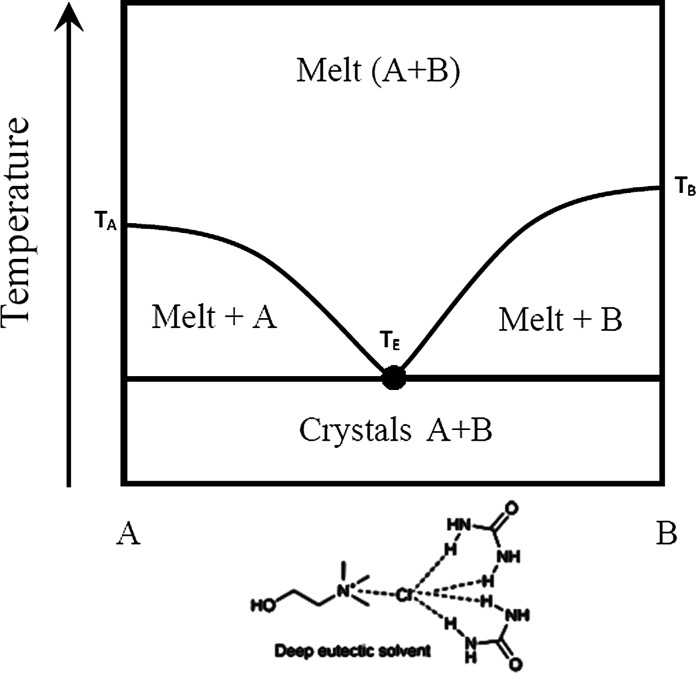
“DES are commonly defined as a mixture of two or more compounds, which at certain molar ratio present a significant reduction on the melting point of the pure starting compounds (Liu et al., 2015; Mbous et al., 2017; Mouden et al., 2017; Smith et al., 2014; Tang et al., 2015).”
BackgroundChallenges and advantages of electrospun nanofibers in agriculture: a review
Meraz-Davila, S., Pérez-García, C. E., & Feregrino‐Pérez, A. A. (2021) · Materials Research Express · doi:10.1088/2053-1591/abee55 · Cited by 96
Schnarr, L., Segatto, M. L., Olsson, O., Zuin, V. G., & Kümmerer, K. (2022) · The Science of The Total Environment · doi:10.1016/j.scitotenv.2022.153781 · Cited by 97
Liu, W., Zhang, K., Chen, J., & Yu, J. (2018) · Journal of Molecular Liquids · doi:10.1016/j.molliq.2018.03.092 · Cited by 74
Effects of essential oil-based formulation on biopesticide activity
Dunan, L., Malanga, T., Benhamou, S., Papaïconomou, N., Desneux, N., Lavoir, A., & Michel, T. (2023) · Industrial Crops and Products · doi:10.1016/j.indcrop.2023.117006 · Cited by 55
Jeran, N., Grdiša, M., Varga, F., Šatović, Z., Liber, Z., Dabić, D., & Biošić, M. (2020) · Phytochemistry Reviews · doi:10.1007/s11101-020-09724-2 · Cited by 51
“Along with the dramatic reduction in the number of available insecticides through recent EU legislation on the synthetic pesticide usage, owing to rising environmental and toxicological concerns, there is an urgent need to develop sustainable eco-friendly crop protection (Mouden et al. 2017).”
BackgroundRodríguez-Juan, E., López, S., Abia, R., Muriana, F. J. G., Fernández‐Bolaños, J., & García-Borrego, A. (2021) · Journal of Molecular Liquids · doi:10.1016/j.molliq.2021.116343 · Cited by 50
Tarif, E., Mondal, J., & Biswas, R. (2019) · The Journal of Physical Chemistry B · doi:10.1021/acs.jpcb.9b06783 · Cited by 47
Das, K. P., Sharma, D., & Satapathy, B. K. (2022) · Journal of Cleaner Production · doi:10.1016/j.jclepro.2022.133137 · Cited by 46
Natural-based electrospun nanofibers: Challenges and potential applications in agri-food sector
Jurić, M., Donsì, F., Bandić, L. M., & Jurić, S. (2023) · Food Bioscience · doi:10.1016/j.fbio.2023.103372 · Cited by 47
Jia, Y., Ma, Y., Zou, P., Cheng, G., Zhou, J., & Cai, S. (2019) · Journal of Agricultural and Food Chemistry · doi:10.1021/acs.jafc.8b07300 · Cited by 41
Hassan, M. K., Al-Farsi, A., Nasser, M. S., Hussein, I. A., & Khan, I. (2023) · Journal of Molecular Liquids · doi:10.1016/j.molliq.2023.123163 · Cited by 41
Antimicrobial Activity of Novel Deep Eutectic Solvents
Akbar, N., Khan, N. A., Ibrahim, T. H., Khamis, M. I., Khan, A. S., Alharbi, A. M., Alfahemi, H. H., & Siddiqui, R. (2023) · Scientia Pharmaceutica · doi:10.3390/scipharm91010009 · Cited by 39
Mouden, S., Bac-Molenaar, J. A., Kappers, I. F., Beerling, E. A. M., & Leiss, K. A. (2021) · Frontiers in Plant Science · doi:10.3389/fpls.2021.695908 · Cited by 30
“Phenolic secondary metabolites are a major group directly involved in host plant resistance to insects and pathogens (Daayf et al., 2012; Mouden et al., 2017).”
BackgroundSelf-citationUncovering biodegradability and biocompatibility of betaine-based deep eutectic systems
Ferreira, I. J., Paiva, A., Diniz, M., & Duarte, A. R. C. (2023) · Environmental Science and Pollution Research · doi:10.1007/s11356-022-25000-6 · Cited by 31
“DES can, hence, be described as a mixture of two or more components, at least one of which is a hydrogen bond donor (HBD) and the other a hydrogen bond acceptor (HBA), which, when combined in a certain molar ratio, results in a marked decrease in the melting point of the initial components (Ferreira et al. 2022; Liu e…”
BackgroundHong, S. M., Kamaruddin, A. H., & Nadzir, M. M. (2023) · Process Biochemistry · doi:10.1016/j.procbio.2023.07.026 · Cited by 25
Huang, X., Lv, S., Zhang, Z., & Chang, B. H. (2020) · Frontiers in Physiology · doi:10.3389/fphys.2020.00052 · Cited by 25
Preparation and application of chitosan/PVA films plasticized with deep eutectic solvent
Yu, J., Xie, Z., Han, Y., Wang, X., & Ma, Z. (2025) · Journal of Molecular Liquids · doi:10.1016/j.molliq.2025.126985 · Cited by 21
Deep Eutectic Solvents: Exploring Their Role in Nature
Craveiro, R., Mano, F., Paiva, A., & Duarte, A. R. C. (2019) · Wiley eBooks · doi:10.1002/9783527818488.ch6 · Cited by 20
Wang, Y., Huang, X., Chang, B. H., & Zhang, Z. (2020) · Applied Entomology and Zoology · doi:10.1007/s13355-020-00694-7 · Cited by 18
Al‐Akayleh, F., Alkhawaja, B. A., Al-Zoubi, N. M., Abdelmalek, S. M. A., Daadoue, S., AlAbbasi, D., Al-Masri, S., Agha, A. S. A. A., Olaimat, A. R., & Woodman, T. (2024) · Journal of Molecular Liquids · doi:10.1016/j.molliq.2024.125975 · Cited by 17
Secondary Metabolites in Xylella fastidiosa–Plant Interaction
Vergine, M., Nicolì, F., Sabella, E., Aprile, A., Bellis, L. D., & Luvisi, A. (2020) · Pathogens · doi:10.3390/pathogens9090675 · Cited by 16
““Metabolic fingerprinting” has led to the significant acquisition of information in recent years, as it is well-suited to the discovery of chemical metabolic markers related to plant resistance [97].”
BackgroundBosly, H. A. E.-K. (2022) · Journal of King Saud University - Science · doi:10.1016/j.jksus.2022.102396 · Cited by 14
Challenges in Developing Botanical Biopesticides for Pest Control
Lavoir, A., Michel, T., Poëssel, J.-L., & Siegwart, M. (2022) · Springer eBooks · doi:10.1007/978-94-024-2150-7_14 · Cited by 16
Alam, M. S., Sharma, M., Kumar, R., Das, J., Rode, S., Kumar, P., Prasad, R., & Sharma, A. K. (2022) · Journal of Biomolecular Structure and Dynamics · doi:10.1080/07391102.2022.2025904 · Cited by 12
Maldonado-Michel, M. A., Muñiz‐Valencia, R., Peraza-Campos, A. L., Parra‐Delgado, H., & Cupul, W. C. (2022) · Industrial Crops and Products · doi:10.1016/j.indcrop.2021.114494 · Cited by 11
Morderer, Y. Y., Guralchuk, Z. Z., & Morgun, V. V. (2019) · Ukrainian Botanical Journal · doi:10.15407/ukrbotj75.06.552 · Cited by 10
Huang, X., Zheng, L., & Wang, Y. (2024) · Insects · doi:10.3390/insects15020095 · Cited by 11
“To resist insect feeding or other stress, plants produce a large number of compounds, serving as “chemical weapons”, to resist damage [11,12].”
BackgroundYemensia, E. V., Steven, S., Soekotjo, E. S. A., & Abidin, A. Z. (2023) · IOP Conference Series Earth and Environmental Science · doi:10.1088/1755-1315/1268/1/012040 · Cited by 9
Gruseck, R., Hofmann, T., & Zumstein, M. (2025) · Journal of Agricultural and Food Chemistry · doi:10.1021/acs.jafc.5c02814 · Cited by 8
“− 11 Flavonoids can be classified into subgroups based on their chemical structure (e.g., position of the B-ring, presence of a C2 − C3 double bond).”
Măntăilă, S., Balan, N., Milea, Ș. A., Nistor, O. V., Andronoiu, D. G., Mocanu, G. D., Râpeanu, G., & Stănciuc, N. (2026) · Antioxidants · doi:10.3390/antiox15040429 · Cited by 7
“This polarity matching explains the predominance of phenolic acids extracted using ChCl:La, as it promotes stronger hydrogen bonding and dipole–dipole interactions [45].”
Zhang, H., Zhang, Y., Wang, Y., Wang, X., Zhao, F., Jing, X., & Han, J. (2024) · Industrial Crops and Products · doi:10.1016/j.indcrop.2024.120140 · Cited by 7
Thymol-Based Natural Deep Eutectic Solvents: New Trends in the Development of Bioinsecticides
Jesser, E. N., Fiego, M. J. L., Lucea, C. S., Lorenzetti, A. S., Silva, M. F., Gómez, F. J. V., Werdin‐González, J. O., & Domini, C. E. (2024) · ACS Sustainable Chemistry & Engineering · doi:10.1021/acssuschemeng.4c07779 · Cited by 6
Sarkar, S., & Müller‐Plathe, F. (2024) · The Journal of Chemical Physics · doi:10.1063/5.0243973 · Cited by 6
Li, F., Jin, H., Yao, Z., Xian, L., Liu, K., Wang, L., Zhang, K., Shi, X., Jiang, W. W., & Wu, S. (2024) · Tropical Plants · doi:10.48130/tp-0024-0014 · Cited by 5
Plant immune systems as pests and diseases mitigation
Purnomo, D. (2021) · IOP Conference Series Earth and Environmental Science · doi:10.1088/1755-1315/824/1/012089 · Cited by 3
Acidic deep eutectic systems and their capacity to increase drug bioavailability
Ferreira, I. J., Fernandes, C. C., & Duarte, A. R. C. (2025) · Fluid Phase Equilibria · doi:10.1016/j.fluid.2025.114332 · Cited by 3
van Overbeek, L., Leiss, K. A., Bac-Molenaar, J. A., Duhamel, M., & Mouden, S. (2022) · doi:10.18174/566561 · Cited by 4
Self-citationAkbar, N., Khan, A. S., Siddiqui, R., Ibrahim, T. H., Khamis, M. I., Alawfi, B. S., Al-ahmadi, B. M., & Khan, N. A. (2024) · Folia Microbiologica · doi:10.1007/s12223-024-01180-1 · Cited by 3
“Since their introduction by Abbot and colleagues in 2004, deep eutectic solvents (DES) have proven to be a potent substitute for both their ionic liquid equivalents and traditional organic solvents (Alonso et al. 2016; Mouden et al. 2017; Tang and Row 2013; Xu et al. 2017).”
Al‐Akayleh, F., Alkhawaja, B. A., Al-Zoubi, N. M., Abdelmalek, S. M. A., Daadoue, S., AlAbbasi, D., Al-Masri, S., Agha, A. S. A. A., Rifai, A., Olaimat, A. R., et al. (2025) · International Journal of Pharmaceutics · doi:10.1016/j.ijpharm.2025.126207 · Cited by 3
Attard, E., & Siedenburg, J. (2026) · Agrochemicals · doi:10.3390/agrochemicals5020022 · Cited by 2
“In fact, these receptors control calcium release from intra-https cellular stores, playing critical roles in muscle contraction and neuronal signaling [13,19].”
InfluentialControl de fitopatógenos con extractos de biomasa de chile y de maíz
Jiménez‐Ortega, L. A., Valdez-Baro, O., Heredia-Bátiz, J. M., García‐Estrada, R. S., & Heredia, J. B. (2023) · TIP Revista Especializada en Ciencias Químico-Biológicas · doi:10.22201/fesz.23958723e.2023.576 · Cited by 2
Barilli, D. R., Budzinski, I. G. F., Bronzel, J. L., Bolzani, V. D. S., Júnior, A. L. B., & Rossi, G. D. (2021) · Arthropod-Plant Interactions · doi:10.1007/s11829-021-09822-8 · Cited by 2
Assar, E., Divsalar, A., Jafari, T., Saboury, A. A., Ghalandari, B., & Ding, X. (2023) · Journal of the Iranian Chemical Society · doi:10.1007/s13738-023-02884-w · Cited by 2
Verpoorte, R., Witkamp, G., & Choi, Y. H. (2021) · Advances in botanical research · doi:10.1016/s0065-2296(21)00010-0 · Cited by 2
“…and analyzing the huge data sets by chemometric methods, e.g., to identify which genes, proteins, and compounds correlate with the resistance of a plant against pests and diseases (Kim, Choi, & Verpoorte, 2010; Leiss, Choi, Verpoorte, & Klinkhamer, 2011; Mouden, Klinkhamer, Choi, & Leiss, 2017).”
BackgroundSelf-citationBracho-Pérez, J. C., Valverde, I. R. T., & Vásquez-Castro, J. A. (2022) · Revista Científica BIOTECH AND ENGINEERING · doi:10.52248/eb.vol2iss02.39 · Cited by 1
Hernández, J. P., Mesa, F., & Riveros, A. J. (2025) · PLoS ONE · doi:10.1371/journal.pone.0331855 · Cited by 1
“Although no behavioral or physiological impairments were detected in bees receiving rutin in our previous or current experiments, it is important to consider that rutin is a plant-derived secondary metabolite originally evolved to deter herbivores and insects [92–94].”
Patil, N. B., & Patil, K. R. (2026) · Chemical Papers · doi:10.1007/s11696-026-05105-9 · Cited by 2
“…(Kumar et al. 2016), solubilizing non-water-soluble drugs for pharmaceutical applications (Gronlien et al. 2020; Shamseddin et al. 2017; Wikene et al. 2017), developing cosmetic ingredients (Villa et al. 2024) and for agrochemical purposes (Abo-Hamad et al. 2015; Mouden et al. 2017).”
Mishra, M., Sharma, A., Dagar, V. S., & Kumar, S. (2022) · Journal of the Entomological Research Society · doi:10.51963/jers.v24i2.2276 · Cited by 1
Christy, J. J. A., Padmavathy, S., Kirubahar, S. L., & Murugappan, R. M. (2025) · Symbiosis · doi:10.1007/s13199-025-01081-y
Wang, X.-M., Shi, H.-D., Liu, T.-T., Li, J.-J., & Wu, H. (2026) · Industrial Crops and Products · doi:10.1016/j.indcrop.2026.122864
Green Insecticidal Approach: Toxicity of Peganum harmala Fixed Oil against Tribolium castaneum
Alayat, M. S., AICHA, M., Guezzoun, N., Fouad, A., Nassima, S., Samira, G., Meriem, H., Chikha, M., & Bendali-Saoudi, F. (2026) · Annals of Arid Zone · doi:10.56093/aaz.v65i1.173062
“Faced with these challenges, the transition toward sustainable agriculture has become essential, placing biological control and bio-based alternatives at the core of crop protection strategies (Azaizeh et al ., 2002; Mouden et al ., 2017).”
Serafin, W., Corral, M. M., Valls, J., Gaubert, A., Richard, T., Cluzet, S., & Gaudin, K. (2026) · Journal of Chromatography A · doi:10.1016/j.chroma.2026.467065
Chakraborty, D., Naguib, M., Casey, E., & Jones, R. C. (2026) · Chemical Papers · doi:10.1007/s11696-026-05239-w · Cited by 1
Mooss, V. A., Hire, S., Gavai, P., Shete, A., Mulay, S., Gaikwad, S. V., Mishra, M., & Kutty, N. N. (2026) · ACS Omega · doi:10.1021/acsomega.6c08058
Kukrić, T., Iličić, R., Bagi, F. F., Pavlović, R. Ž., Uka, D. B., Jafari, T. H., & Popović, B. M. (2026) · Plant Pathology · doi:10.1111/ppa.70262
“Natural deep eutectic solvents (NADES) are mixtures of compounds widely present in nature, produced by plants (Mouden et al. 2017).”
Dutra, F. D. S., Nunes, A., & Schneider, A. R. (2026) · Brazilian Archives of Biology and Technology · doi:10.1590/1678-4324-2026250485
Silva, S. M., Afonso, A. C., Simões, M. V., & Estevinho, B. N. (2026) · International Journal of Biological Macromolecules · doi:10.1016/j.ijbiomac.2026.154561
Yemensia, E. V., & Abidin, A. Z. (2023) · ITB Graduate School Conference
Metadata
- Authors
- Mouden, S., Klinkhamer, P. G. L., Choi, Y. H., & Leiss, K. A.
- Affiliations
- Leiden University (NL)
- Corresponding author
- Mouden, Sanae
- Venue
- Phytochemistry Reviews
- Published
- 2017-03-25
- Volume
- 16
- Issue
- 5
- Pages
- 935-951
- ISSN
- 1568-7767 (ISSN-L)
- 1572-980X
- PMC
- PMC5674125
- OpenAlex
- W2601349601
- Cited by
- 67
- References
- 117
- Citations by year
- 2026: 9 · 2025: 7 · 2024: 8 · 2023: 10 · 2022: 10 · 2021: 8 · 2020: 5 · 2019: 9 · 2018: 1
- FWCI
- 4.04
- Type
- journal article
- Language
- en
- Open access
- hybrid
- doi.org
- Locations
- Phytochemistry Reviews (publishedVersion, cc-by)
- PubMed Central (publishedVersion, cc-by)
- PubMed (publishedVersion)
- Leiden Repository (Leiden University) (submittedVersion)
- Data Archiving and Networked Services (DANS) (submittedVersion, other-oa)
- Funders
- Stichting voor de Technische Wetenschappen (13553)
- Topics
- Life Sciences › Agricultural and Biological Sciences › Plant Science › Insect Pest Control Strategies
- Life Sciences › Agricultural and Biological Sciences › Insect Science › Insect-Plant Interactions and Control
- Physical Sciences › Chemistry › Physical and Theoretical Chemistry › Ionic liquids properties and applications
- Keywords
- natural deep eutectic solvents, plant secondary metabolites, insecticidal compounds, green pest control, pesticide alternatives, solubility enhancement, sustainable agriculture
About these checks
Registry, retraction, Cites and statistics results are computed, not judged, with one exception: a printed reference that no index lists is read once by a model before it counts as a citation error. Claims are extracted by a model and kept only when their quote appears verbatim in the text; each cited source is then checked, with a model’s help, for whether it says what the claim relies on. Those verdicts can be wrong — read the claim’s quote and the cited source before relying on one.
Statistics and arithmetic are recomputed, not judged.
Confidence bands are shown only for fields calibrated on our annotated test set. None is calibrated yet, so no band is shown.
What counts as a claim ›How we measure confidence ›How we check this ›
Are you an author, or do you see a problem with this page? Request a review
Data sources
Bibliographic data: Semantic Scholar, OpenAlex, Crossref.
Contains information from the Semantic Scholar Academic Graph Datasets, made available under the ODC Attribution License (ODC-BY 1.0).
Semantic Scholar’s data is described in: Kinney, R., et al. (2023). The Semantic Scholar Open Data Platform. arXiv:2301.10140.
