

Psychological interventions improve quality of life despite persistent pain in endometriosis: results of a 3-armed randomized controlled trial
Open accessThe DOI matches its Crossref record; 59 of the 59 references it cites were found in a registry or an index; 6 of the 15 sources its claims cite were checked for support.
Abstract
PURPOSE: Despite standard medical treatment endometriosis is often associated with disabling pain and poor quality of life (QoL). Studies indicate that psychological interventions (PIs) may improve pain and QoL, yet studies on the effects of PIs for women with endometriosis are sparse and limited by low-quality study designs. Therefore, this study aimed, in a rigorous three-armed design, to evaluate the effect of PIs on chronic pelvic pain (CPP) and QoL in women with endometriosis. METHODS: This three-armed parallel, multi-center randomized controlled trial included fifty-eight endometriosis patients reporting severe CPP [≥ 5 for pain intensity measured on a 0-10-point numeric rating scale (NRS)]. Patients were randomly assigned to (1) Specific mindfulness- and acceptance-based psychological intervention (MY-ENDO), (2) Carefully matched non-specific psychological intervention (Non-specific), or (3) A wait-list control group (WL). The primary outcome was pelvic pain intensity/unpleasantness measured on NRS. Secondary outcomes included endometriosis-related quality of life, workability, pain acceptance, and endometriosis-related symptoms. Differences in outcomes between groups at post-treatment follow-up were analyzed using mixed linear models. Analyses were performed on an intention-to-treat basis. RESULTS: Compared to WL, psychological intervention (MY-ENDO + Non-specific) did not significantly reduce pain. However, psychological intervention did significantly improve the QoL-subscales 'control and powerlessness', 'emotional well-being', and 'social support' as well as the endometriosis-related symptoms 'dyschezia' and 'constipation'. MY-ENDO was not superior to Non-specific. CONCLUSIONS: Women with endometriosis may have significant and large effects of psychological intervention on QoL despite an ongoing experience of severe CPP. TRIAL REGISTRATION: 12 April 2016, clinicaltrials.gov (NCT02761382), retrospectively registered.
Overview
CoChat Summary
## TL;DR
In this 3-armed randomized controlled trial of 58 women with endometriosis and severe chronic pelvic pain, psychological intervention did not significantly reduce pain versus wait-list, but it improved several quality-of-life and symptom outcomes. The mindfulness/acceptance-based program (MY-ENDO) was not superior to the carefully matched non-specific psychological intervention.
## Key findings
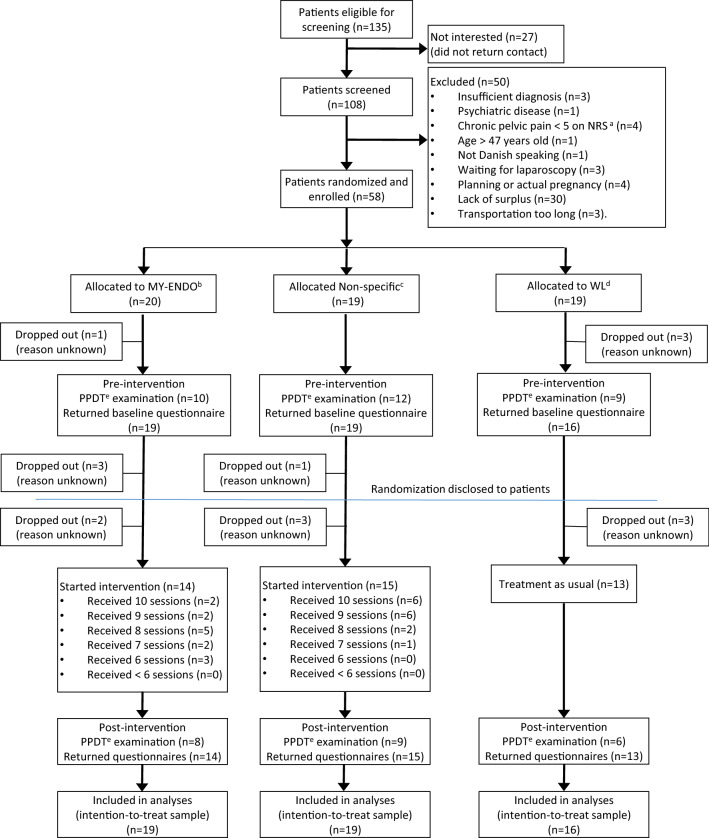
- The trial included 58 patients: 20 in MY-ENDO, 19 in Non-specific, and 19 in wait-list.
- Compared with wait-list, psychological intervention did not significantly reduce pain, but it significantly improved QoL subscales control and powerlessness (P = 0.019, d = 0.78), emotional wellbeing (P = 0.003, d = 1.01), and social support (P = 0.042, d = 0.66).
- Compared with wait-list, psychological intervention also improved endometriosis-related symptoms dyschezia (P = 0.047, d = 0.43) and constipation (P = 0.045, d = 0.47); the abstract also reports nausea (P = 0.016, d = 0.47).
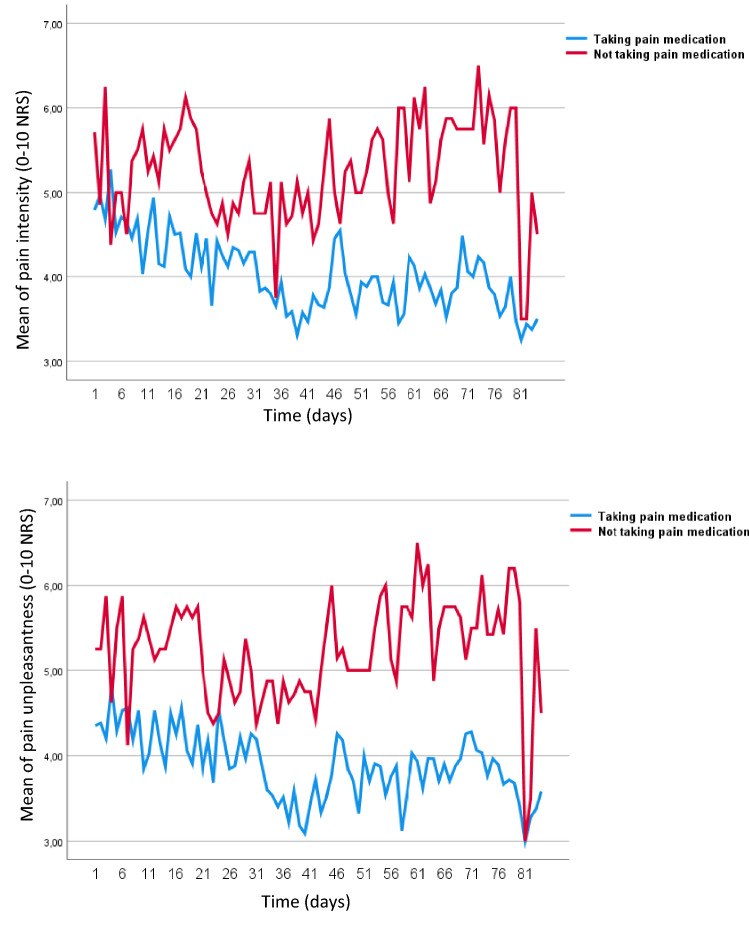
- MY-ENDO was not superior to Non-specific; between these two arms, significant time × group effects were reported for pelvic pain intensity (P = 0.037, d = 0.22) and unpleasantness (P = 0.049, d = 0.20), but these were no longer significant after adjusting for pain medication.
## Methods
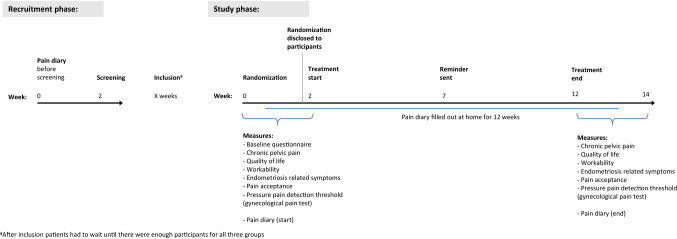
- Design: Three-armed, parallel, multi-center randomized controlled trial with intention-to-treat analysis; arms were MY-ENDO, matched Non-specific psychological intervention, and wait-list control, all alongside medical treatment as usual.
- Sample/data: 58 endometriosis patients recruited from three specialized outpatient clinics in Denmark and the Danish Endometriosis Patients Association; inclusion required surgery- or MRI-confirmed endometriosis and severe CPP (≥5 on a 0–10 NRS).
- Main analysis: Post-treatment differences were examined with mixed linear models; baseline differences were tested with χ²/Kruskal–Wallis and other standard tests, and effect sizes were reported as Cohen’s d.
## Limitations
- The paper states that the study was smaller than planned: power analysis suggested 81 participants were needed, but only 58 were included.
- The authors note a high risk of type 1 error because many statistical tests were performed, and a risk of type 2 error because of the small sample size.
- The text makes evident that dropout was substantial: 12 patients dropped out before study completion, and the reasons were unknown (evident from Results).
Model-written summary. Check it against the paper before relying on it.
Integrity signals
Registry
Cites
Statistics
Figures
Verification
Claims the paper makes
1 Valid · 1 Not valid · 4 Not checked · 34 Own results and interpretations
At least one cited source doesn’t support this claim or points to a different paper, and none confirmed it — see the verdicts below.
In the paper
“Importantly, it appears that a carefully matched non-specific control condition has not been used in previous studies [22, 23, 28, 51, 55]”
§ Psychological interventions improve quality of life despite persistent pain in endometriosis: results of a 3-armed randomized controlled trial > Discussion
What the sources say
- Disputedcites [22] Williams ACC Eccleston C Morley S Psychological therapies for the management of chronic pain (excluding headache) in adults Cochrane Database of Systematic Reviews 2012 10.1002/14651858.CD007407.pub3 23152245 PMC6483325 sourceExperimental — accuracy not yet measured
Section 2.1 says that relatively few trials used attention controls structurally equivalent to the active treatment to minimise nonspecific differences. That means such controls were used in some trials, contrary to the claim that they had not been used in previous studies. (LLM, conf=0.85)
Checked by a reasoning model — may be wrong.
- Could not verifycites [23] Williams ACC Fisher E Hearn L Eccleston C Psychological therapies for the management of chronic pain (excluding headache) in adults Cochrane Database of Systematic Reviews 2020 10.1002/14651858.CD007407.pub4 32794606 PMC7437545 sourceExperimental — accuracy not yet measured
The Types of interventions passage (page unavailable) allows placebo and active-treatment comparators, and the comparator description distinguishes active controls from treatment as usual. Neither passage says whether previous studies used carefully matched non-specific controls. Searches for matched controls, therapist contact, and non-specific effects found no decisive passage in our truncated copy. (LLM, conf=0.70)
- Disputedcites [28] Mohr DC Ho J Hart TL Baron KG Berendsen M Beckner V Cai X Cuijpers P Spring B Kinsinger SW Schroder KE Duffecy J Control condition design and implementation features in controlled trials: A meta-analysis of trials evaluating psychotherapy for depression Translational Behavioral Medicine 2014 4 4 407 423 10.1007/s13142-014-0262-3 25584090 PMC4286544 sourceExperimental — accuracy not yet measured
The Control condition design section defines nonspecific-factor controls as providing therapist time equivalent to the experimental treatment and reports trials using them. The Sensitivity analyses section also reports no significant difference in treatment length between experimental and nonspecific-control conditions. Thus, for the psychotherapy-for-depression trials this paper examined, it contradicts the claim that previous studies had not used a matched nonspecific control; it does not establish whether those controls were carefully matched in every respect. (LLM, conf=0.81)
Checked by a reasoning model — may be wrong.
- Not checked yetcites [51] Khoury B Lecomte T Fortin G Masse M Therien P Bouchard V Chapleau MA Paquin K Hofmann SG Mindfulness-based therapy: A comprehensive meta-analysis Clinical Psychology Review 2013 33 6 763 771 10.1016/j.cpr.2013.05.005 23796855 source
- Disputedcites [55] Goyal M Singh S Sibinga EM Gould NF Rowland-Seymour A Sharma R Berger Z Sleicher D Maron DD Shihab HM Ranasinghe PD Linn S Saha S Bass EB Haythornthwaite JA Meditation programs for psychological stress and well-being: A systematic review and meta-analysis JAMA Internal Medicine 2014 174 3 357 368 10.1001/jamainternmed.2013.13018 24395196 PMC4142584 sourceExperimental — accuracy not yet measured
The Methods (Study Selection; page unavailable) say the review included previous RCTs whose control groups were matched to the intervention in time and attention. The Methods (Data Abstraction and Data Management; page unavailable) also identify nonspecific active controls designed to account for time, attention, and expectation. That is contrary to the claim that previous studies had not used a matched nonspecific control condition. (LLM, conf=0.88)
Checked by a reasoning model — may be wrong.
hedged- Asserted: passes — The authors put it forward as true.
- Checkable: passes — It can be checked against evidence.
- Load-bearing: passes — The paper’s conclusions depend on it.
- Based: passes — The paper gives a reason why it holds.
- Disputed
The cited sources support only part of this claim — read each source’s verdict below.
In the paper
“The results of the current study are in line with the general finding that it is difficult to demonstrate reduction in pain levels in well-controlled studies [22, 23].”
§ Psychological interventions improve quality of life despite persistent pain in endometriosis: results of a 3-armed randomized controlled trial > Discussion
What the sources say
- Supportedcites [22] Williams ACC Eccleston C Morley S Psychological therapies for the management of chronic pain (excluding headache) in adults Cochrane Database of Systematic Reviews 2012 10.1002/14651858.CD007407.pub3 23152245 PMC6483325 source
The review’s Pain outcomes section reports that CBT had a small effect on pain compared with doing nothing, but not compared with an active control, and no effect at follow-up. This supports the cited point that pain reduction is difficult to demonstrate under more rigorous comparison conditions, in the context of psychological therapies for adult chronic pain. (LLM, conf=0.88)
- Partly supportedcites [23] Williams ACC Fisher E Hearn L Eccleston C Psychological therapies for the management of chronic pain (excluding headache) in adults Cochrane Database of Systematic Reviews 2020 10.1002/14651858.CD007407.pub4 32794606 PMC7437545 sourceExperimental — accuracy not yet measured
The Authors’ Conclusions report that pain reductions from cognitive behavioural therapy in adults with chronic pain are small or very small, and that most outcomes show no difference for behavioural therapy or acceptance and commitment therapy versus controls. This is consistent with pain reductions being hard to demonstrate for some psychological therapies, but the review also finds reasonably certain evidence that CBT reduces pain; it does not establish the claim as a general finding about all well-controlled studies. (LLM, conf=0.78)
plain- Asserted: passes — The authors put it forward as true.
- Checkable: passes — It can be checked against evidence.
- Load-bearing: unclear — It is unclear whether the paper’s conclusions depend on it.
- Based: passes — The paper gives a reason why it holds.
- Supported
A result the paper reports from its own data — it cites no other source for it, so there is none to check. The quote shows it is in the paper.
In the paper
“Statistically significant time × group effects were found for pelvic pain intensity (P = 0.037, d = 0.22) and pelvic pain unpleasantness (P = 0.049, d = 0.20).”
§ Psychological interventions improve quality of life despite persistent pain in endometriosis: results of a 3-armed randomized controlled trial > Results > MY-ENDO vs. non-specific
plainstates an association- Asserted: passes — The authors put it forward as true.
- Checkable: passes — It can be checked against evidence.
- Load-bearing: passes — The paper’s conclusions depend on it.
- Based: passes — The paper gives a reason why it holds.
A result the paper reports from its own data — it cites no other source for it, so there is none to check. The quote shows it is in the paper.
In the paper
“Neither did we find any statistically significant time × group interactions for the secondary outcomes except for diarrhea (P = 0.035, d = 0.25) (Table 3).”
§ Psychological interventions improve quality of life despite persistent pain in endometriosis: results of a 3-armed randomized controlled trial > Results > MY-ENDO vs. non-specific
plain- Asserted: passes — The authors put it forward as true.
- Checkable: passes — It can be checked against evidence.
- Load-bearing: unclear — It is unclear whether the paper’s conclusions depend on it.
- Based: passes — The paper gives a reason why it holds.
A result the paper reports from its own data — it cites no other source for it, so there is none to check. The quote shows it is in the paper.
In the paper
“MY-ENDO was not superior to Non-specific.”
- Also stated in: § Discussion · plain
“we did not find that MY-ENDO was superior to Non-specific on any outcomes.”
§ Psychological interventions improve quality of life despite persistent pain in endometriosis: results of a 3-armed randomized controlled trial > Abstract > Results
plain- Asserted: passes — The authors put it forward as true.
- Checkable: passes — It can be checked against evidence.
- Load-bearing: passes — The paper’s conclusions depend on it.
- Based: passes — The paper gives a reason why it holds.
- Also stated in: § Discussion · plain
12 more claims
Create a free account to see all 40 claims and to verify the 9 references still open.
- It may state two separate claims as one. 12
- Probably not a substantial claim. 13
- The quote only partly states this claim. 1
Claims other papers make about this one
Each is checked against this paper’s own text: does it say what the citing paper says it does?
The cited source doesn’t support the claim as written.
In the citing paper
“In this study, although Specific mindfulness and ACT psychological interventions (namely, MY‐ENDO) reduced pain intensity and unpleasantness, not significantly.”
From Pain-focused psychological interventions in women with endometriosis: A systematic review (2023) · cites this paper as [22]
Checked by a reasoning model — may be wrong.
Experimental — accuracy not yet measuredThe cited source doesn’t support the claim as written.
In the citing paper
“Other studies have further evidenced that physiotherapy, CBT, and mindfulness practices have decreased pain in such women, but the results have not been significant, 21 , 22 due to the use of different measurement tools and small sample sizes.”
From Pain-focused psychological interventions in women with endometriosis: A systematic review (2023) · cites this paper as [22]
Checked by a reasoning model — may be wrong.
Experimental — accuracy not yet measuredThe cited source says what the claim attributes to it.
In the citing paper
“Thirteen studies documented whether client engagement checks were conducted during the trial [28, 29, 46, 47, 49, 50, 52, 53, 56–60].”
From Acceptance and commitment therapy for patients with chronic pain: A systematic review and meta-analysis on psychological outcomes and quality of life (2024) · cites this paper as [28]
The cited source says what the claim attributes to it.
In the citing paper
“In some articles, self‐report and the NRS had been used to measure pain in patients with EMS 11 , 13 , 22 ; however, it was better to utilize a standardized questionnaire to do so, like other studies.”
From Pain-focused psychological interventions in women with endometriosis: A systematic review (2023) · cites this paper as [22]
The check wasn’t confident either way, so it gives no verdict — never disputed.
In the citing paper
“In terms of attrition bias, twenty studies were rated as”
From Acceptance and commitment therapy for patients with chronic pain: A systematic review and meta-analysis on psychological outcomes and quality of life (2024) · cites this paper as [28]
Experimental — accuracy not yet measured
1 more claim about this paper
Create a free account to see every claim other papers make about this one.
Citations
Cites
(2008) · Medical Entomology and Zoology · Cited by 7,477
Acceptance and commitment therapy: model, processes and outcomes
Hayes, S. C., Luoma, J. B., Bond, F. W., Masuda, A., & Lillis, J. (2006) · Behaviour Research and Therapy · doi:10.1016/j.brat.2005.06.006 · Cited by 6,587 · cited 3×
“Therefore, the Non-specific intervention was developed by removing all aspects specific to MBSR and ACT from the MY-ENDO manual, while aspects related to more non-specific factors of psychological intervention were held constant (Table 1).”
MethodMindfulness training as a clinical intervention: a conceptual and empirical review
Baer, R. A. (2003) · Clinical Psychology: Science and Practice · doi:10.1093/clipsy.bpg015 · Cited by 4,577 · cited 2×
“Therefore, the Non-specific intervention was developed by removing all aspects specific to MBSR and ACT from the MY-ENDO manual, while aspects related to more non-specific factors of psychological intervention were held constant (Table 1).”
MethodMindfulness training as a clinical intervention: A conceptual and empirical review.
Baer, R. A. (2003) · Clinical Psychology: Science and Practice · doi:10.1093/clipsy/bpg015 · Cited by 4,576
Clinical Psychology: Science and Practice
(2021) · Clinical Psychology Science and Practice · doi:10.1111/(issn)1468-2850 · Cited by 3,672
Chronic pain: an update on burden, best practices, and new advances
Cohen, S. P., Vase, L., & Hooten, W. M. (2021) · The Lancet · doi:10.1016/s0140-6736(21)00393-7 · Cited by 2,614 · cited 1×
“Importantly, it appears that a carefully matched non-specific control condition has not been used in previous studies [22, 23, 28, 51, 55], thereby underscoring the importance of using adequate control conditions [56].”
ResultSelf-citationMeditation Programs for Psychological Stress and Well-being: A Systematic Review and Meta-analysis
Goyal, M., Singh, S., Sibinga, E. M. S., Gould, N. F., Rowland-Seymour, A., Sharma, R., Berger, Z., Sleicher, D., Maron, D. D., Shihab, H. M., et al. (2014) · JAMA Internal Medicine · doi:10.1001/jamainternmed.2013.13018 · Cited by 2,380
Zondervan, K. T., Becker, C. M., & Missmer, S. A. (2020) · New England Journal of Medicine · doi:10.1056/nejmra1810764 · Cited by 2,249
ESHRE guideline: management of women with endometriosis
Dunselman, G. A. J., Vermeulen, N., Becker, C., Calhaz-Jorge, C., D'Hooghe, T., De Bie, B., Heikinheimo, O., Horne, A. W., Kiesel, L., Nap, A., et al. (2014) · Human Reproduction · doi:10.1093/humrep/det457 · Cited by 2,211
Mindfulness-based therapy: a comprehensive meta-analysis
Khoury, B., Lecomte, T., Fortin, G., Masse, M., Therien, P., Bouchard, V., Chapleau, M.-A., Paquin, K., & Hofmann, S. G. (2013) · Clinical Psychology Review · doi:10.1016/j.cpr.2013.05.005 · Cited by 2,003
Validity of four pain intensity rating scales
Ferreira-Valente, M. A., Pais-Ribeiro, J. L., & Jensen, M. P. (2011) · Pain · doi:10.1016/j.pain.2011.07.005 · Cited by 1,872
The Great Psychotherapy Debate: The Evidence for What Makes Psychotherapy Work
Wampold, B. E. (2015) · doi:10.4324/9780203582015 · Cited by 1,773
Psychological therapies for the management of chronic pain (excluding headache) in adults
Williams, A. C. D. C., Eccleston, C., & Morley, S. (2012) · Cochrane Database of Systematic Reviews · doi:10.1002/14651858.cd007407.pub3 · Cited by 1,634
Physical activity and exercise for chronic pain in adults: an overview of Cochrane Reviews
Geneen, L. J., Moore, R. A., Clarke, C., Martin, D., Colvin, L. A., & Smith, B. H. (2017) · Cochrane Database of Systematic Reviews · doi:10.1002/14651858.cd011279.pub3 · Cited by 1,222
Acceptance of chronic pain: component analysis and a revised assessment method
McCracken, L. M., Vowles, K. E., & Eccleston, C. (2004) · Pain · doi:10.1016/j.pain.2003.10.012 · Cited by 1,101
Wampold, B. E., Mondin, G. W., Moody, M., Stich, F., Benson, K., & Ahn, H.-N. (1997) · Psychological Bulletin · doi:10.1037/0033-2909.122.3.203 · Cited by 1,091
Mindfulness Meditation for Chronic Pain: Systematic Review and Meta-analysis
Hilton, L., Hempel, S., Ewing, B. A., Apaydin, E., Xenakis, L., Newberry, S., Colaiaco, B., Maher, A. R., Shanman, R. M., Sorbero, M. E., et al. (2017) · Annals of Behavioral Medicine · doi:10.1007/s12160-016-9844-2 · Cited by 977
Veehof, M. M., Trompetter, H. R., Bohlmeijer, E. T., & Schreurs, K. M. G. (2016) · Cognitive Behaviour Therapy · doi:10.1080/16506073.2015.1098724 · Cited by 737
The effects of work-related and individual factors on the Work Ability Index: a systematic review
van den Berg, T. I. J., Elders, L. A. M., de Zwart, B. C. H., & Burdorf, A. (2009) · Occupational and Environmental Medicine · doi:10.1136/oem.2008.039883 · Cited by 720
The social and psychological impact of endometriosis on women's lives: a critical narrative review
Culley, L., Law, C., Hudson, N., Denny, E., Mitchell, H., Baumgarten, M., & Raine-Fenning, N. (2013) · Human Reproduction Update · doi:10.1093/humupd/dmt027 · Cited by 684
Psychological therapies for the management of chronic pain (excluding headache) in adults
Williams, A. C. D. C., Fisher, E., Hearn, L., & Eccleston, C. (2020) · Cochrane Database of Systematic Reviews · doi:10.1002/14651858.cd007407.pub4 · Cited by 605
De Graaff, A. A., D'Hooghe, T. M., Dunselman, G. A. J., Dirksen, C. D., Hummelshoj, L., WERF EndoCost Consortium, Simoens, S., Bokor, A., Brandes, I., Brodszky, V., et al. (2013) · Human Reproduction · doi:10.1093/humrep/det284 · Cited by 473
Impact of endometriosis on quality of life and mental health:Pelvic pain makes the difference
Facchin, F., Barbara, G., Saita, E., Mosconi, P., Roberto, A., Fedele, L., & Vercellini, P. (2015) · Journal of Psychosomatic Obstetrics & Gynecology · doi:10.3109/0167482x.2015.1074173 · Cited by 468
Chronic pelvic pain and endometriosis: translational evidence of the relationship and implications
Stratton, P., & Berkley, K. J. (2011) · Human Reproduction Update · doi:10.1093/humupd/dmq050 · Cited by 442 · cited 1×
“However, medical treatment can induce serious side effects leading to discontinuation of treatment and recurrence of symptoms, and surgery that resolves endometriosis may not necessarily resolve pain since the extent of pain may be unrelated to the extent of disease [17].”
BackgroundPhysical Activity Improves Symptoms in Irritable Bowel Syndrome: A Randomized Controlled Trial
Johannesson, E., Simrén, M., Strid, H., Bajor, A., & Sadik, R. (2011) · American Journal of Gastroenterology · doi:10.1038/ajg.2010.480 · Cited by 431 · cited 3×
“Long-term symptoms include cyclical and chronic pelvic pain (CPP), dyspareunia, irritable bowel syndrome (IBS), infertility, and fatigue [3–5].”
BackgroundTest-retest reliability of the Work Ability Index questionnaire
de Zwart, B. C. H. (2002) · Occupational Medicine · doi:10.1093/occmed/52.4.177 · Cited by 420
Systematic review of endometriosis pain assessment: how to choose a scale?
Bourdel, N., Alves, J., Pickering, G., Ramilo, I., Roman, H., & Canis, M. (2015) · Human Reproduction Update · doi:10.1093/humupd/dmu046 · Cited by 372
Development of an endometriosis quality-of-life instrument: The Endometriosis Health Profile-30
Jones, G. (2001) · Obstetrics & Gynecology · doi:10.1016/s0029-7844(01)01433-8 · Cited by 334 · cited 2×
“The EHP-30 scale scores are standardized on a range from 0 to 100, defined by a mean of M = 50.0 and the standard deviation SD = 12.0.”
MethodInfluentialCentral changes associated with chronic pelvic pain and endometriosis
Brawn, J., Morotti, M., Zondervan, K. T., Becker, C. M., & Vincent, K. (2014) · Human Reproduction Update · doi:10.1093/humupd/dmu025 · Cited by 274
Vowles, K. E., McCracken, L. M., McLeod, C., & Eccleston, C. (2008) · Pain · doi:10.1016/j.pain.2008.08.012 · Cited by 226
Chen, L.-C., Hsu, J.-W., Huang, K.-L., Bai, Y.-M., Su, T.-P., Li, C.-T., Yang, A. C., Chang, W.-H., Chen, T.-J., Tsai, S.-J., et al. (2016) · Journal of Affective Disorders · doi:10.1016/j.jad.2015.10.030 · Cited by 224
Should We Adjust for Covariates in Nonlinear Regression Analyses of Randomized Trials?
Hauck, W. W., Anderson, S., & Marcus, S. M. (1998) · Controlled Clinical Trials · doi:10.1016/s0197-2456(97)00147-5 · Cited by 218
Depression in women with endometriosis with and without chronic pelvic pain
LORENÇATTO, C., PETTA, C. A., JOSÉ NAVARRO, M., BAHAMONDES, L., & MATOS, A. (2006) · Acta Obstetricia et Gynecologica Scandinavica · doi:10.1080/00016340500456118 · Cited by 198 · cited 1×
“Therefore, the negative impact on mental health and QoL seems to be associated with the number and severity of pain symptoms and not by having the diagnosis per se [14, 15].”
BackgroundDoes mindfulness improve outcomes in patients with chronic pain? Systematic review and meta-analysis
Bawa, F. L. M., Mercer, S. W., Atherton, R. J., Clague, F., Keen, A., Scott, N. W., & Bond, C. M. (2015) · British Journal of General Practice · doi:10.3399/bjgp15x685297 · Cited by 197
Sorosky, J. I. (2000) · Journal of the American College of Surgeons · doi:10.1016/s1072-7515(99)00248-3 · Cited by 175
Soliman, A. M., Coyne, K. S., Zaiser, E., Castelli-Haley, J., & Fuldeore, M. J. (2017) · Journal of Psychosomatic Obstetrics & Gynecology · doi:10.1080/0167482x.2017.1289512 · Cited by 166
Depressive symptoms among women with endometriosis: a systematic review and meta-analysis
Gambadauro, P., Carli, V., & Hadlaczky, G. (2019) · American Journal of Obstetrics and Gynecology · doi:10.1016/j.ajog.2018.11.123 · Cited by 162
Quality of Life in Women with Endometriosis: An Integrative Review
Marinho, M. C. P., Magalhaes, T. F., Fernandes, L. F. C., Augusto, K. L., Brilhante, A. V. M., & Bezerra, L. R. P. S. (2018) · Journal of Women's Health · doi:10.1089/jwh.2017.6397 · Cited by 149
Mohr, D. C., Ho, J., Hart, T. L., Baron, K. G., Berendsen, M., Beckner, V., Cai, X., Cuijpers, P., Spring, B., Kinsinger, S. W., et al. (2014) · Translational Behavioral Medicine · doi:10.1007/s13142-014-0262-3 · Cited by 139 · cited 2×
“Importantly, it appears that a carefully matched non-specific control condition has not been used in previous studies [22, 23, 28, 51, 55], thereby underscoring the importance of using adequate control conditions [56].”
BackgroundResultPorpora, M. G., Pallante, D., Ferro, A., Crisafi, B., Bellati, F., & Panici, P. B. (2008) · Fertility and Sterility · doi:10.1016/j.fertnstert.2008.10.018 · Cited by 134
Health-related quality of life in women with endometriosis: a systematic review
Jia, S.-Z., Leng, J.-H., Shi, J.-H., Sun, P.-R., & Lang, J.-H. (2012) · Journal of Ovarian Research · doi:10.1186/1757-2215-5-29 · Cited by 132 · cited 1×
“Therefore, the negative impact on mental health and QoL seems to be associated with the number and severity of pain symptoms and not by having the diagnosis per se [14, 15].”
BackgroundPsychological and mind-body interventions for endometriosis: A systematic review
Evans, S., Fernandez, S., Olive, L., Payne, L. A., & Mikocka-Walus, A. (2019) · Journal of Psychosomatic Research · doi:10.1016/j.jpsychores.2019.109756 · Cited by 131 · cited 1×
“Until now, empirical investigations of PIs for endometriosis have been sparse and limited by low-quality of the study designs including small pilot studies or insufficient control conditions that do not allow for a separation of the specific versus the non-specific effects [24, 25].”
BackgroundSeaman, H., Ballard, K., Wright, J., & De Vries, C. (2008) · BJOG: An International Journal of Obstetrics & Gynaecology · doi:10.1111/j.1471-0528.2008.01879.x · Cited by 131
Hansen, K. E., Kesmodel, U. S., Baldursson, E. B., Schultz, R., & Forman, A. (2013) · European Journal of Obstetrics & Gynecology and Reproductive Biology · doi:10.1016/j.ejogrb.2013.03.008 · Cited by 112
Self-citationPrevalence of newly diagnosed endometriosis in women attending the general practitioner
Ferrero, S., Arena, E., Morando, A., & Remorgida, V. (2010) · International Journal of Gynecology & Obstetrics · doi:10.1016/j.ijgo.2010.03.039 · Cited by 110
Leonardi, M., Gibbons, T., Armour, M., Wang, R., Glanville, E., Hodgson, R., Cave, A. E., Ong, J., Tong, Y. Y. F., Jacobson, T. Z., et al. (2020) · Journal of Minimally Invasive Gynecology · doi:10.1016/j.jmig.2019.10.014 · Cited by 89
Placebo analgesia —a role for endorphins?
Fields, H. L., & Levine, J. D. (1984) · Trends in Neurosciences · doi:10.1016/s0166-2236(84)80193-9 · Cited by 81 · cited 1×
“1 3 a cogent rationale, and expectations of improvement, but did not include the assumed specific ingredient, mindfulness or (3) A WL that involved treatment, as usual, to control for the natural fluctuations in pain [31].”
BackgroundA comprehensive review of hormonal and biological therapies for endometriosis: latest developments
Barra, F., Grandi, G., Tantari, M., Scala, C., Facchinetti, F., & Ferrero, S. (2019) · Expert Opinion on Biological Therapy · doi:10.1080/14712598.2019.1581761 · Cited by 69
Brandsborg, B., Dueholm, M., Kehlet, H., Jensen, T. S., & Nikolajsen, L. (2011) · British Journal of Anaesthesia · doi:10.1093/bja/aer264 · Cited by 66
Self-citationVisceral syndrome in endometriosis patients
Hansen, K. E., Kesmodel, U. S., Baldursson, E. B., Kold, M., & Forman, A. (2014) · European Journal of Obstetrics & Gynecology and Reproductive Biology · doi:10.1016/j.ejogrb.2014.05.024 · Cited by 60
Self-citationIs endometriosis associated with irritable bowel syndrome? A cross-sectional study
Schomacker, M. L., Hansen, K. E., Ramlau‐Hansen, C. H., & Forman, A. (2018) · European Journal of Obstetrics & Gynecology and Reproductive Biology · doi:10.1016/j.ejogrb.2018.10.023 · Cited by 58
Self-citationQuality of life of the woman carrier of endometriosis: systematized review
Ferreira, A. L. L., Bessa, M. M. M., Drezett, J., & de Abreu, L. C. (2016) · Reprodução & Climatério · doi:10.1016/j.recli.2015.12.002 · Cited by 54
Mindfulness-based psychological intervention for coping with pain in endometriosis
Kold, M., Hansen, T., Vedsted-Hansen, H., & Forman, A. (2012) · Nordic Psychology · doi:10.1080/19012276.2012.693727 · Cited by 53 · cited 16×
“With this rigorous three-armed RCT we have demonstrated that PIs specifically targeting endometriosis can lead to significant and large improvements in QoL and improvements in dyschezia and constipation despite an ongoing experience of severe CPP.”
BackgroundInfluentialSelf-citationVan Niekerk, L., Weaver-Pirie, B., & Matthewson, M. (2019) · Archives of Women's Mental Health · doi:10.1007/s00737-019-00972-6 · Cited by 52
Hansen, K. E., Kesmodel, U. S., Kold, M., & Forman, A. (2017) · Nordic Psychology · doi:10.1080/19012276.2016.1181562 · Cited by 47 · cited 16×
“With this rigorous three-armed RCT we have demonstrated that PIs specifically targeting endometriosis can lead to significant and large improvements in QoL and improvements in dyschezia and constipation despite an ongoing experience of severe CPP.”
BackgroundInfluentialSelf-citationModerators in psychotherapy meta-analysis
Spielmans, G. I., & Flückiger, C. (2018) · Psychotherapy Research · doi:10.1080/10503307.2017.1422214 · Cited by 40
Retreatment Rates Among Endometriosis Patients Undergoing Hysterectomy or Laparoscopy
Soliman, A. M., Du, E. X., Yang, H., Wu, E. Q., & Haley, J. C. (2017) · Journal of Women's Health · doi:10.1089/jwh.2016.6043 · Cited by 30
Hansen, K. E., Lambek, R., Røssaak, K., Egekvist, A. G., Marschall, H., Forman, A., & Kesmodel, U. S. (2022) · Human Reproduction Open · doi:10.1093/hropen/hoab042 · Cited by 28
Self-citationValidation of the Danish‐language chronic pain acceptance questionnaire
la Cour, P., & Højsted, J. (2015) · Acta Anaesthesiologica Scandinavica · doi:10.1111/aas.12567 · Cited by 9
Cited by
As-Sanie, S., Mackenzie, S. C., Morrison, L., Schrepf, A., Zondervan, K. T., Horne, A. W., & Missmer, S. A. (2025) · JAMA · doi:10.1001/jama.2025.2975 · Cited by 249
Pain-focused psychological interventions in women with endometriosis: A systematic review
Samami, E., Shahhosseini, Z., Khani, S., & Elyasi, F. (2023) · Neuropsychopharmacology Reports · doi:10.1002/npr2.12348 · Cited by 48
Ye, L., Li, Y., Deng, Q., Zhao, X., Zhong, L., & Yang, L. (2024) · PLoS ONE · doi:10.1371/journal.pone.0301226 · Cited by 43
Endometriosis: A Comprehensive Exploration of Inflammatory Mechanisms and Fertility Implications
Rathod, S., Shanoo, A., & Acharya, N. (2024) · Cureus · doi:10.7759/cureus.66128 · Cited by 65
Endometriosis: new insights and opportunities for relief of symptoms
Saunders, P. T. K., & Horne, A. W. (2025) · Biology of Reproduction · doi:10.1093/biolre/ioaf164 · Cited by 40
Metadata
- Authors
- Hansen, K. E., Brandsborg, B., Kesmodel, U. S., Forman, A., Kold, M., Pristed, R., Donchulyesko, O., Hartwell, D., & Vase, L.
- Affiliations
- Aarhus University (DK)
- Aalborg University Hospital (DK)
- Aalborg University (DK)
- University of Agder (NO)
- North Denmark Region (DK)
- Copenhagen University Hospital (DK)
- Corresponding author
- Hansen, K. E.
- Venue
- Quality of Life Research
- Published
- 2023-02-17
- Volume
- 32
- Issue
- 6
- Pages
- 1727-1744
- ISSN
- 0962-9343 (ISSN-L)
- 1573-2649
- PMC
- PMC10172241
- OpenAlex
- W4321015453
- Cited by
- 56
- References
- 58
- Citations by year
- 2026: 16 · 2025: 19 · 2024: 17 · 2023: 4
- FWCI
- 13.42
- Type
- journal article
- Language
- en
- Open access
- hybrid
- doi.org
- Licence
- cc-by
- creativecommons.org/licenses/by/4.0 (tdm)
- creativecommons.org/licenses/by/4.0 (vor)
- Locations
- Quality of Life Research (publishedVersion, cc-by)
- PubMed Central (publishedVersion, cc-by)
- PubMed (publishedVersion)
- VBN Forskningsportal (Aalborg Universitet) (publishedVersion, cc-by)
- Funders
- TrygFonden
- Ladywalk
- The Danish Endometriosis Patient Association
- Topics
- Health Sciences › Medicine › Reproductive Medicine › Endometriosis Research and Treatment
- Social Sciences › Psychology › Clinical Psychology › Mindfulness and Compassion Interventions
- Health Sciences › Medicine › Psychiatry and Mental health › Psychosomatic Disorders and Their Treatments
- Keywords
- endometriosis, chronic pelvic pain, psychological intervention, mindfulness-based interventions, acceptance and commitment therapy, quality of life, pain acceptance, emotional well-being, social support, dyschezia, constipation, workability
- MeSH terms
- Psychosocial Intervention, Emotions, Endometriosis, Female, Humans, Quality of Life, Pelvic Pain
About these checks
Registry, retraction, Cites and statistics results are computed, not judged, with one exception: a printed reference that no index lists is read once by a model before it counts as a citation error. Claims are extracted by a model and kept only when their quote appears verbatim in the text; each cited source is then checked, with a model’s help, for whether it says what the claim relies on. Those verdicts can be wrong — read the claim’s quote and the cited source before relying on one.
The claim verdicts this report counts are experimental: their accuracy is not yet measured.
A language model drew the claims from the paper on 2026-10-11, under version 3 of the claim definition (model deepseek-v4.1-flash, prompt extract-v3).
A second model labelled each claim on 2026-10-11 (model jev-1.13-20260917, definition revision gold-guideline-v0.2).
Cited sources are checked with a language model’s help (gpt-6-sol).
Statistics and arithmetic are recomputed, not judged.
Confidence bands are shown only for fields calibrated on our annotated test set. None is calibrated yet, so no band is shown.
What counts as a claim ›How we measure confidence ›How we check this ›
Are you an author, or do you see a problem with this page? Request a review
Data sources
Bibliographic data: Semantic Scholar, OpenAlex, Crossref.
Contains information from the Semantic Scholar Academic Graph Datasets, made available under the ODC Attribution License (ODC-BY 1.0).
Semantic Scholar’s data is described in: Kinney, R., et al. (2023). The Semantic Scholar Open Data Platform. arXiv:2301.10140.
