

Biochar physicochemical properties: pyrolysis temperature and feedstock kind effects
Open accessThe DOI matches its Crossref record; 223 of the 225 references it cites were found in a registry or an index, and 1 are not checked yet; 31 of the 174 sources its claims cite were checked for support.
Abstract
Abstract Biochar is a pyrogenous, organic material synthesized through pyrolysis of different biomass (plant or animal waste). The potential biochar applications include: (1) pollution remediation due to high CEC and specific surface area; (2) soil fertility improvement on the way of liming effect, enrichment in volatile matter and increase of pore volume, (3) carbon sequestration due to carbon and ash content, etc. Biochar properties are affected by several technological parameters, mainly pyrolysis temperature and feedstock kind, which differentiation can lead to products with a wide range of values of pH, specific surface area, pore volume, CEC, volatile matter, ash and carbon content. High pyrolysis temperature promotes the production of biochar with a strongly developed specific surface area, high porosity, pH as well as content of ash and carbon, but with low values of CEC and content of volatile matter. This is most likely due to significant degree of organic matter decomposition. Biochars produced from animal litter and solid waste feedstocks exhibit lower surface areas, carbon content, volatile matter and high CEC compared to biochars produced from crop residue and wood biomass, even at higher pyrolysis temperatures. The reason for this difference is considerable variation in lignin and cellulose content as well as in moisture content of biomass. The physicochemical properties of biochar determine application of this biomaterial as an additive to improve soil quality. This review succinctly presents the impact of pyrolysis temperature and the type of biomass on the physicochemical characteristics of biochar and its impact on soil fertility.
Verified 2026-11-25 · 1 reference not checked yet
Overview
CoChat Summary
TL;DR
This is a review of how pyrolysis temperature and feedstock type shape biochar physicochemical properties and, in turn, its usefulness for soil amendment and contaminant removal. The paper’s main message is that higher pyrolysis temperatures generally increase pH, specific surface area, ash and carbon content, while decreasing CEC, volatile matter, and acidic functional groups.
Key findings
- Increasing pyrolysis temperature was reported to increase biochar pH, with values ranging from 6.5 to 10.8, and pH becoming roughly constant around 600 °C when alkali salts are fully released.
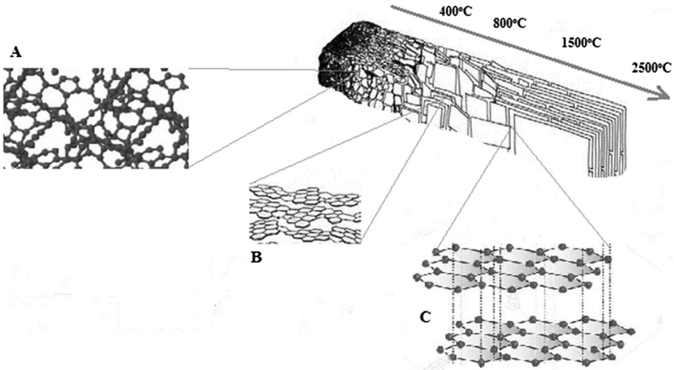
- The review states that higher pyrolysis temperature increases specific surface area and porosity, while decreasing CEC and volatile matter; it also notes that biochar produced at 600–700 °C is highly aromatic with well-organized C layers.
- Feedstock type strongly affects properties: biochars from animal litter and solid waste tend to have lower surface area, carbon content, and volatile matter, but higher CEC than those from crop residue and wood biomass.
- The paper reports several example values showing feedstock differences, e.g. wood biochar surface area 127.0 m²/g versus straw biochar 22.0 m²/g, green waste 46.0 m²/g, and algae 19.0 m²/g; and CEC 57.5 cmol/kg for algal biochar and 48.4 cmol/kg for poultry litter biochar at 500 °C.
Methods
- Review article synthesizing prior studies on biochar production and properties; no new experimental dataset was collected.
- The paper compares literature on the effects of pyrolysis temperature and feedstock kind on biochar physicochemical characteristics, and on resulting effects in soil.
- It draws on reported values from earlier studies and tables summarizing prior experiments and observed property ranges.
Limitations
- The paper does not report a systematic search strategy, study selection criteria, or meta-analytic methods; this is evident from the text, which presents a narrative review rather than a formal systematic review.
- The paper repeatedly notes that results vary by biomass and pyrolysis conditions, so many conclusions are broad generalizations across heterogeneous studies; this is evident from the text.
- Not stated in the paper.
Model-written summary. Check it against the paper before relying on it.
Integrity signals
Registry
Cites
Statistics
Figures

Verification
Claims the paper makes
28 Valid · 5 Not valid · 100 Not checked · 23 Own results and interpretations
At least one cited source doesn’t support this claim or points to a different paper, and none confirmed it — see the verdicts below.
In the paper
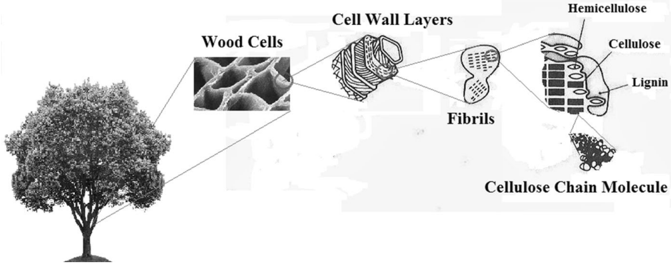
“Woody biomass often has higher cellulose, hemicellulose and lignin contents (Fig. 4) than biomass from herbaceous or grass species”
§ Biochar physicochemical properties: pyrolysis temperature and feedstock kind effects > 3.1 Volatile matter, carbon content and ash content
What the sources say
- Disputedcites Keiluweit et al. 2010 matched to “Dynamic Molecular Structure of Plant Biomass-Derived Black Carbon (Biochar)” (2010) sourceExperimental — accuracy not yet measured
The NEXAFS section attributes higher lignin content to woody material, but the Comparison of Precursor Materials section suggests grass has higher hemicellulose content—the opposite of the claim for that component. The cited passages do not establish that woody biomass has higher cellulose content. (LLM, conf=0.88)
Checked by a reasoning model — may be wrong.
- Not checked — no full text of the sourcecites Lupoi and Smith 2012 matched to “Characterization of Woody and Herbaceous Biomasses Lignin Composition with 1064 nm Dispersive Multichannel Raman Spectroscopy” (2012) source
hedgedstates an association- Asserted: passes — The authors put it forward as true.
- Checkable: passes — It can be checked against evidence.
- Load-bearing: unclear — It is unclear whether the paper’s conclusions depend on it.
- Based: passes — The paper gives a reason why it holds.
- Disputed
The cited sources support only part of this claim — read each source’s verdict below.
In the paper
“Numerous studies have proven that biochar increases the ability of soil to adsorb heavy metals and other contaminants, which is important for environmental protection and management”
- Also stated in: § 4.2 Inorganic and organic contaminates in soil · boosted
“Numerous studies have proven that biochar increases the ability of soil to adsorb heavy metals and other contaminants, which is important for environmental protection and management (Tomczyk et al. 2019;Wei et al. 2018).”
What the sources say
- Partly supportedcites Tomczyk et al. 2019 matched to “Biochar efficiency in copper removal from Haplic soils” (2019) sourceExperimental — accuracy not yet measured
The section ‘Amount of Cu adsorption on the soils as a function of biochar dose and pH value’ reports that adding biochar increased copper adsorption in the soils tested. The Conclusion limits the finding to copper in sandy and loess Haplic soils, with effective immobilization at acidic pH; it does not establish increased soil adsorption of other contaminants generally. (LLM, conf=0.86)
- Not checked — no full text of the sourcecites Wei et al. 2018 matched to “Biochar-based functional materials in the purification of agricultural wastewater: Fabrication, application and future research needs” (2018) source
boostedstates a cause- Asserted: passes — The authors put it forward as true.
- Checkable: passes — It can be checked against evidence.
- Load-bearing: passes — The paper’s conclusions depend on it.
- Based: passes — The paper gives a reason why it holds.
- Also stated in: § 4.2 Inorganic and organic contaminates in soil · boosted
The sources with a verdict support this claim; the rest weren’t checked yet, have no full text we could read, or their verdicts aren’t rated yet.
In the paper
“The pyrolysis temperature is strongly correlated with changes in the structure and physicochemical properties of biochar”
§ Biochar physicochemical properties: pyrolysis temperature and feedstock kind effects > 2 Effects of pyrolysis temperature
What the sources say
- Not checked — no full text of the sourcecites Asadullah et al. 2007 matched to “Production of bio-oil from fixed bed pyrolysis of bagasse” (2007) source
- Not checked — no full text of the sourcecites Chen et al. 2008 matched to “Transitional Adsorption and Partition of Nonpolar and Polar Aromatic Contaminants by Biochars of Pine Needles with Different Pyrolytic Temperatures” (2008) source
- Supportedcites Jindo et al. 2014 matched to “Physical and chemical characterization of biochars derived from different agricultural residues” (2014) source
The Conclusions state that pyrolysis temperature strongly influences biochar physicochemical properties. Section 3.4 also describes temperature-dependent changes in chemical composition and structure, supporting the structural part of the claim. (LLM, conf=0.93)
boostedstates an association- Asserted: passes — The authors put it forward as true.
- Checkable: passes — It can be checked against evidence.
- Load-bearing: passes — The paper’s conclusions depend on it.
- Based: passes — The paper gives a reason why it holds.
The cited sources support only part of this claim — read each source’s verdict below.
In the paper
“This was observed because the increasing temperature resulted in further cracking of the volatile fractions into low-molecular-weight liquids and gases instead of biochar”
§ Biochar physicochemical properties: pyrolysis temperature and feedstock kind effects > 2.3 Volatile matter
What the sources say
- Partly supportedcites Ronsse et al. 2012 matched to “Production and characterization of slow pyrolysis biochar: influence of feedstock type and pyrolysis conditions” (2013) sourceExperimental — accuracy not yet measured
The Discussion (page unavailable in our copy) reports that biochar’s volatile matter content declined as pyrolysis severity increased. The Proximate analysis section describes progressive devolatilization, and the Introduction identifies liquid and gaseous pyrolysis products. The paper does not establish the more specific explanation that volatile fractions underwent further cracking into low-molecular-weight liquids and gases instead of biochar. (LLM, conf=0.86)
plainstates a cause- Asserted: passes — The authors put it forward as true.
- Checkable: passes — It can be checked against evidence.
- Load-bearing: unclear — It is unclear whether the paper’s conclusions depend on it.
- Based: passes — The paper gives a reason why it holds.
- Partly supported
Every source the paper cites for this claim was checked and supports it.
In the paper
“increased pyrolysis temperature caused an increase of 5.7-18.7% in ash content”
§ Biochar physicochemical properties: pyrolysis temperature and feedstock kind effects > 2.4 Carbon content and ash content
What the sources say
- Supportedcites Rafiq et al. 2016 matched to “Influence of Pyrolysis Temperature on Physico-Chemical Properties of Corn Stover (Zea mays L.) Biochar and Feasibility for Carbon Capture and Energy Balance” (2016) source
Table 2 in Results and Discussion §4.1 reports ash content of 5.7%, 12.5%, and 18.7% at pyrolysis temperatures of 300°C, 400°C, and 500°C, respectively. The figures describe ash content rising from 5.7% to 18.7%, rather than a percentage increase of that magnitude. (LLM, conf=0.91)
plainstates a cause- Asserted: passes — The authors put it forward as true.
- Checkable: passes — It can be checked against evidence.
- Load-bearing: unclear — It is unclear whether the paper’s conclusions depend on it.
- Based: passes — The paper gives a reason why it holds.
- Supported
82 more claims · 15 with their cited sources checked
Create a free account to see all 156 claims and to verify the 11 references still open.
- It may state two separate claims as one. 60
- Probably not a substantial claim. 13
Claims other papers make about this one
Each is checked against this paper’s own text: does it say what the citing paper says it does?
The source backs part of the claim, not all of it — or backs it for a different population, condition or comparison.
In the citing paper
“For example, biochar with a high CEC retains more nutrients in soil by reducing nutrient loss through leaching (Tomczyk et al. 2020).”
From Biochar and its importance on nutrient dynamics in soil and plant (2020) · cites this paper as Tomczyk et al. 2020
Experimental — accuracy not yet measuredThe cited source says what the claim attributes to it.
In the citing paper
“the P and K contents increase due to an increase in ash content (Christel et al. 2016;Tomczyk et al. 2020;Wang et al. 2013).”
From Biochar and its importance on nutrient dynamics in soil and plant (2020) · cites this paper as Tomczyk et al. 2020
The cited source says what the claim attributes to it.
In the citing paper
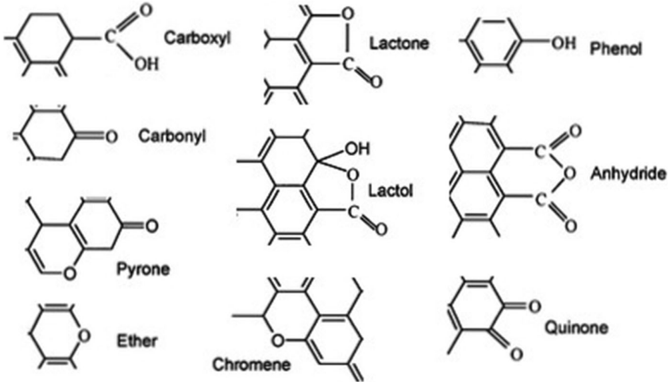
“The CEC of biochar is attributed to the generation of various functional groups, such as carboxyl and hydroxyl groups, during the pyrolysis of biomass (Tomczyk et al. 2020).”
From Biochar and its importance on nutrient dynamics in soil and plant (2020) · cites this paper as Tomczyk et al. 2020
In the citing paper
“Biochar also showed a positive impact on surface area of soil (Anawar et al. 2015), which varied with biochar types (Tomczyk et al. 2020).”
From Biochar and its importance on nutrient dynamics in soil and plant (2020) · cites this paper as Tomczyk et al. 2020
Citations
Cites
Pyrolysis of Wood/Biomass for Bio-oil: A Critical Review
Mohan, D., Pittman, C. U., & Steele, P. H. (2006) · Energy & Fuels · doi:10.1021/ef0502397 · Cited by 5,663
Biochar effects on soil biota – A review
Lehmann, J., Rillig, M. C., Thies, J., Masiello, C. A., Hockaday, W. C., & Crowley, D. (2011) · Soil Biology and Biochemistry · doi:10.1016/j.soilbio.2011.04.022 · Cited by 5,074
Biochar as a sorbent for contaminant management in soil and water: A review
Ahmad, M., Rajapaksha, A. U., Lim, J. E., Zhang, M., Bolan, N., Mohan, D., Vithanage, M., Lee, S. S., & Ok, Y. S. (2014) · Chemosphere · doi:10.1016/j.chemosphere.2013.10.071 · Cited by 4,662 · cited 4×
“As a result, the structure of biochar appears to have more organized C layers (like graphene structure) and less content of surface functional groups when pyrolysis temperature increases (Ahmad et al. 2014b).”
BackgroundInfluentialDynamic Molecular Structure of Plant Biomass-Derived Black Carbon (Biochar)
Keiluweit, M., Nico, P. S., Johnson, M. G., & Kleber, M. (2010) · Environmental Science & Technology · doi:10.1021/es9031419 · Cited by 3,230
Bio-char Sequestration in Terrestrial Ecosystems – A Review
Lehmann, J., Gaunt, J., & Rondon, M. (2006) · Mitigation and Adaptation Strategies for Global Change · doi:10.1007/s11027-005-9006-5 · Cited by 3,053
Structure Determination of Organic Compounds
Pretsch, E., Bühlmann, P., & Affolter, C. (2000) · Springer eBooks · doi:10.1007/978-3-662-04201-4 · Cited by 3,026
Biochar for environmental management: science and technology
(2009) · Choice Reviews Online · doi:10.5860/choice.47-0296 · Cited by 2,949
Glaser, B., Lehmann, J., & Zech, W. (2002) · Biology and Fertility of Soils · doi:10.1007/s00374-002-0466-4 · Cited by 2,890 · cited 3×
“However, Glaser et al. (2002) reported that Amazonian charcoal-rich anthrosols had a field water retention capacity 18.0% higher than that of surrounding soil without charcoal.”
BackgroundInfluentialSustainable biochar to mitigate global climate change
Woolf, D., Amonette, J. E., Street-Perrott, F. A., Lehmann, J., & Joseph, S. (2010) · Nature Communications · doi:10.1038/ncomms1053 · Cited by 2,680
Compant, S., Clément, C., & Sessitsch, A. (2010) · Soil Biology and Biochemistry · doi:10.1016/j.soilbio.2009.11.024 · Cited by 2,318
Research works printed but not linked: 10
- 39. Chen T, Zhang Y, Wang H, Lu W, Zhou Z, Zhang Y, Ren L (2015) Influence of pyrolysis temperature on characteristic and heavy metal adsorptive performance of biochar derived from municipal sewage sludge. Bioresour Technol 164:47-54 · DOI · Paper page
- 51. Denyes MJ, Parisien MA, Rutter A, Zeeb BA (2014) Physical, chemical and biological characterization of six biochar produced for the remediation of contamined soils. J Vis Exp 93:52183
- 56. Duong VT, Khanh NM, Nguyen NH, Phi NN, Nquyen T-C, Xo DH (2017) Impact of biochar on the water holding capacity and moisture of basalt and grey soil. J Sci Ho Chi Minh City Open Univers 7:36-43
- 58. El-Gamal E, Saleh M, Elsokkary I, Rashad M, Abd El-Latif MM (2017) Comparison between properties of biochar pro- duced by traditional and controlled pyrolysis. J Alex Sci Exch 38:413-424
- 66. Gerlach H (2014) Biochar in poultry farming. The Biochar Journal, Arbaz, Switzerland, www.biocharjournal.org/en/ ct/10
- 71. Guo M, Shen Y, He Z (2012) Poultry litter-based biochar: preparation, characterization, and utilization. In: He Z (ed) Applied research in animal manure management: chal- lenges and opportunities beyond the adverse environmental impacts. Nova Science Publishers, Hauppauge, NY, pp 171-202
- 114. Lewandowski W, Radziemska M, Ryms E, Ostrowski P (2010) Nowoczesne metody termochemiczne konwersji biomasy w paliwa gazowe, ciekłe i stałe. Proceedings of ECOpole 4 (2) (in Polish)
- 128. Malin ´ska K (2012) Biowe ˛giel odpowiedzia ˛na aktualne problem ochrony s ´rodowiska. In_ zynieria i ochrona s ´rodowiska 15:387-403 (in Polish)
- 203. Woolf D (2008) Biochar as a soil amendment: a review of the environmental implications. Swansea University, School of the Environment and Society. http://orgprints.org/13268
- 215. Yu H, Zhang Z, Li Z, Chen D (2014) Characteristic of tar for- mation during cellulose, hemicellulose and lignin gasifi- cation. Fuel 118:25-256
Cited by
Items 1,101–1,200 of 2,909
Yoon, S., & Bae, S. (2025) · Chemical Engineering Journal · doi:10.1016/j.cej.2025.169587 · Cited by 21
Mandal, S., Mendhe, A. C., Roy, M., Barse, N. S., Park, T., Lee, H., & Lee, H. (2026) · Carbon Energy · doi:10.1002/cey2.70178 · Cited by 23
Świechowski, K., Rasaq, W. A., Stegenta-Dąbrowska, S., & Białowiec, A. (2022) · Springer eBooks · doi:10.1007/978-981-19-2488-0_8 · Cited by 18
A Critical Review of Snail Shell Material Modification for Applications in Wastewater Treatment
Nhung, N. T. H., Long, V., & Fujita, T. (2023) · Materials · doi:10.3390/ma16031095 · Cited by 22
“The biochar production process consists of three stages: pre-pyrolysis, main pyrolysis, and after pyrolysis [112].”
MethodResultWaste biomasses as precursors of catalytic supports in benzaldehyde hydrogenation
Longo, L., Taghavi, S., Riello, M., Ghedini, E., Menegazzo, F., Michele, A. D., Cruciani, G., & Signoretto, M. (2023) · Catalysis Today · doi:10.1016/j.cattod.2023.02.015 · Cited by 17
Száková, J., Stiborová, H., Mercl, F., Hailegnaw, N. S., Lhotka, M., Derevyankina, T., Paul, C. S., Taisheva, A., Brabec, M., & Tlustoš, P. (2023) · Journal of Chemical Technology & Biotechnology · doi:10.1002/jctb.7421 · Cited by 21
Shin, Y., Iwabuchi, K., & Itoh, T. (2023) · Journal of Material Cycles and Waste Management · doi:10.1007/s10163-023-01808-3 · Cited by 15
“However, the properties of biochar are highly dependent on its production conditions, especially the pyrolysis temperature and feedstock [17].”
New porous amine-functionalized biochar-based desiccated coconut waste as efficient CO2 adsorbents
Zakaria, D. S., Rozi, S., Halim, H. N. A., Mohamad, S., & Zheng, G. K. (2024) · Environmental Science and Pollution Research · doi:10.1007/s11356-024-32285-2 · Cited by 14
“A similar statement was reported by Tomczyk et al. (2020) who reviewed the production of material-based biochar.”
Fan, X., Du, C., Zhou, L., Fang, Y. W., Zhang, G., Zou, H., Yu, G., & Wu, H. (2024) · Environmental Science and Pollution Research · doi:10.1007/s11356-024-32243-y · Cited by 14
“Biochar is generated from the pyrolysis of organisms in the absence of oxygen (Evangelou et al. 2015), which has a stable structure, rich carbon content, high cation exchange capacity, and large specific surface area (Cha et al. 2016; Tomczyk et al. 2020).”
Microwave pyrolysis of various wastes and analysis of energy recovery
Allende, S., Brodie, G. I., & Jacob, M. V. (2024) · Bioresource Technology Reports · doi:10.1016/j.biteb.2024.101821 · Cited by 20
Nguyen, T. T. T., Vu, T. A. N., Nguyên, D. P., Nguyen, V. H. N., Pham, T. T. H., Truong, T. T., Tâm, K. T., Nguyen, T. K. N., & Vuong, T. X. (2024) · Materials Research Express · doi:10.1088/2053-1591/ad3cba · Cited by 15
Influence of biochar on the removal of Microcystin-LR and Saxitoxin from aqueous solutions
Chambers, C., Grimes, S., Fire, S. E., & Reza, M. T. (2024) · Scientific Reports · doi:10.1038/s41598-024-61802-z · Cited by 18
“Presenting as a carbon-dense, highly porous, and functional material 30 .”
BackgroundUmare, S., Thawait, A. K., & Dhawane, S. H. (2024) · Environmental Science and Pollution Research · doi:10.1007/s11356-024-33679-y · Cited by 16
“…residence time of 450 to 550 s. Slow pyrolysis yields more valuable biochar (constituting 35–50% of the biomass weight) through three phases involving hemicellulose degradation, moisture evaporation, and lignin alteration compared to fast pyrolysis (Panwar et al. 2019; Tomczyk et al. 2020).”
Effect of wettable and hydrophobic biochar addition on properties of sandy soil
Šurda, P., Vítková, J., Lichner, Ľ., Botková, N., & Toková, L. (2024) · Biologia · doi:10.1007/s11756-024-01702-9 · Cited by 20
“The plant available water content, AWC, is the difference between the field capacity and the permanent wilting point, and its change due to biochar addition depends on the type of biochar feedstock and pyrolysis conditions (Głąb et al. 2016; Tomczyk et al. 2020).”
Two alternative approaches for the magnetic adsorption of the hydrophobic dye Methylene Blue
Sannino, F., Allia, P., Barrera, G., Cinquegrana, A., Cirillo, C., Latte, A., Olivetti, E. S., Tiberto, P. M., & Pirozzi, D. (2024) · Journal of Molecular Liquids · doi:10.1016/j.molliq.2024.125395 · Cited by 16
Predicting Stability of Barley Straw-Derived Biochars Using Fourier Transform Infrared Spectroscopy
McCall, M. A., Watson, J. S., & Sephton, M. A. (2024) · ACS Sustainable Resource Management · doi:10.1021/acssusresmgt.4c00148 · Cited by 21
Ngaba, M. J. Y., Hu, B., & Rennenberg, H. (2024) · The Science of The Total Environment · doi:10.1016/j.scitotenv.2024.176748 · Cited by 15
Torboli, A., Foladori, P., Lu, M., Gialanella, S., & Maines, L. (2024) · Cleaner Engineering and Technology · doi:10.1016/j.clet.2024.100839 · Cited by 30
Strength and Durability Performance of Sandy Loam Reinforced with Xanthan Gum and Biochar
Ding, H., & Geng, X. (2024) · Journal of Materials in Civil Engineering · doi:10.1061/jmcee7.mteng-18508 · Cited by 14
Progress and prospects of lithium-ion capacitors: a review
Liu, Y., Jiang, H., Guo, P., Li, J., Zhu, H., Fan, X., Huang, L., Sun, J., Cao, Z., & Wang, Y. (2025) · Journal of Materials Science · doi:10.1007/s10853-024-10586-8 · Cited by 16
Stability and carbon sequestration potential of bamboo biochar
Costa, C. R., de Souza, A. M., dos Santos, M. G. B., da Silva, I. G. R., Moraes, T. V., dos Santos, J. R., Dantas, V. F. D. S., & de Figueiredo, C. C. (2025) · Biomass Conversion and Biorefinery · doi:10.1007/s13399-025-06632-3 · Cited by 19
Greenhouse Gas Emissions from Forest Soils Reduced by Straw Biochar and Nitrapyrin Applications
Li, J., Kwak, J., Chang, S. X., Gong, X., An, Z., & Chen, J. (2021) · Land · doi:10.3390/land10020189 · Cited by 17
Soares, M. B., Milori, D. M. B. P., & Alleoni, L. R. F. (2021) · Journal of Soils and Sediments · doi:10.1007/s11368-021-03028-4 · Cited by 14
“The chemical composition of these two carbon classes of biochar is very different, CFixed being formed by aromatic carbon structures (Askeland et al. 2019; Tomczyk et al. 2020) while VMaterial is formed mainly by methanol, acetic acid, CO, H2, and CO2 (Da Róz et al.”
BackgroundZhou, Z., Sofi, M., Sabri, Y. M., et al. (2021) · Journal of Materials in Civil Engineering · doi:10.1061/(asce)mt.1943-5533.0003974 · Cited by 14
Lu, Z., Wang, Y., Zhu, Y., Hasebe, Y., & Zhang, Z. (2022) · ChemistrySelect · doi:10.1002/slct.202200148 · Cited by 16
Influence of Biochar on Soil Properties and Morphophysiology of Sugar Beet Under Fomesafen Residues
Li, X., Song, B., Yin, D., Lal, M. K., Riaz, M., Song, X. S., & Huang, W. (2023) · Journal of soil science and plant nutrition · doi:10.1007/s42729-023-01157-y · Cited by 16
“Thus, biochar can be used to adsorb pollutants, aiding in mitigating environmental pollution (Shalini et al. 2021; Tomczyk et al. 2020).”
BackgroundSana, H., Riaz, A., Arshad, Z., Zahra, S. T., Akhtar, J., Kanwal, S., Zeb, H., & Kim, J. (2023) · Korean Journal of Chemical Engineering · doi:10.1007/s11814-023-1465-4 · Cited by 15
Characterization of engineered corn cob biochar produced in allothermal pyrolysis reactor
Mari Selvam, S., Thiagarajan, J., & Balasubramanian, P. (2021) · Materials Today Proceedings · doi:10.1016/j.matpr.2021.04.469 · Cited by 15
Kang, Y., Chun, J., Lee, J.-H., Park, S.-Y., Luyima, D., Oh, T., & Yun, Y.-U. (2021) · Agronomy · doi:10.3390/agronomy12010061 · Cited by 15
“Biomass composition and pyrolysis conditions play a vital role in the production process and physicochemical properties of biochar [8,9].”
BackgroundValorization of Vine Prunings by Slow Pyrolysis in a Fixed-Bed Reactor
Calcan, S. I., Pârvulescu, O. C., Ion, V. A., Răducanu, C. E., Badulescu, L. A., Dobre, T., Egri, D., Moț, A., Popa, V. I., & Crăciun, M. E. (2021) · Processes · doi:10.3390/pr10010037 · Cited by 15
John, V., Braga, A. R. D. O., Danielli, C. K. A. D. O., Sousa, H. M., Danielli, F. E., de Araujo, R. O., Marques-dos-Santos, C. S. D. C., Falção, N. P. D. S., & Guerra, J. F. C. (2024) · Agronomy · doi:10.3390/agronomy14081861 · Cited by 14
Modelling, optimization and characterization of carbon black derived from waste tyre pyrolysis
Ore, O. T., & Adebiyi, F. M. (2025) · Discover Materials · doi:10.1007/s43939-025-00193-y · Cited by 17
“In contrast, at moderate temperatures (below 600 °C), which are common in many pyrolysis processes, the resulting carbon black has a denser structure with fewer pores [65–67].”
Sun, Z.-F., Gao, J., Chen, C., Wu, K., Liu, D., Yang, S.-S., Xing, D., Wang, A.-J., Ren, N., & Zhao, L. (2025) · Bioresource Technology · doi:10.1016/j.biortech.2025.132122 · Cited by 13
Ouyang, E., Zhang, R., Yang, W., Zhao, R., Wan, Y., Li, S., Yang, H., & Hu, Z. (2025) · Journal of Water Process Engineering · doi:10.1016/j.jwpe.2025.107622 · Cited by 14
Characterization and evaluation of commercial biochar for surface water purification
Animali, L., Corrado, S., Mitillo, N., Tuccimei, P., Bartoli, M., Mattei, M., & Giorcelli, M. (2025) · Sustainable Horizons · doi:10.1016/j.horiz.2025.100145 · Cited by 14
Chafik, Y., Sena-Vélez, M., Henaut, H., Idrissi, M. M. E., Carpin, S., Bourgerie, S., & Morabito, D. (2025) · Agronomy · doi:10.3390/agronomy15061295 · Cited by 21
Zhao, S., Zhao, S., & Wang, B. (2025) · Environmental Pollution · doi:10.1016/j.envpol.2025.126626 · Cited by 21
Faria, A. M., Amoresi, R. A. C., Bach-Toledo, L., Andrés, J., & Mazon, T. (2025) · ACS Omega · doi:10.1021/acsomega.5c02113 · Cited by 14
Yangin-Gomec, Ç., Dalkılıç, K., Perendeci, A., Güngörmüşler, M., Somorin, T. O., Roussel, J., Varol, M., Ramos, A., van Hullebusch, E. D., Trubetskaya, A., et al. (2025) · Biomass and Bioenergy · doi:10.1016/j.biombioe.2025.108122 · Cited by 19
Yu, Y., Chen, X., Zhao, L., He, S., Feng, L., Zhao, W., Mu, H., Zhao, Q., & Wei, L. (2025) · Journal of Environmental Management · doi:10.1016/j.jenvman.2025.126771 · Cited by 19
Kusuma, H. S., Amenaghawon, A. N., Darmokoesoemo, H., & Putra, N. R. (2025) · Journal of Molecular Structure · doi:10.1016/j.molstruc.2025.143529 · Cited by 15
Jiang, J.-J., Ma, X., Zhou, J., Batol, A., Gou, H., & Zhang, W. (2025) · RSC Sustainability · doi:10.1039/d5su00439j · Cited by 21
Paudel, P. P., Park, S., Kim, S. J., Kim, K. J., Kang, K. S., Kim, K. J., & Kim, D. H. (2025) · Bioresource Technology · doi:10.1016/j.biortech.2025.133120 · Cited by 14
Biochar as Additive and Modifier in Bitumen and Asphalt Mixtures
Dassanayake, C., & Mashaan, N. S. (2025) · Eng—Advances in Engineering · doi:10.3390/eng6120341 · Cited by 18
Osadebe, A. U., Akinrodoye, T. I., Ogugbue, C. J., & Okpokwasili, G. C. (2022) · Nanotechnology for Environmental Engineering · doi:10.1007/s41204-021-00207-z · Cited by 13
O'Connor, K. F., Al‐Abed, S. R., Sarah, H., & Pinto, P. X. (2022) · SSRN Electronic Journal · doi:10.1016/j.biteb.2022.101039 · Cited by 18
Urruchua, F. C., Fernandez, M. A., Jaworski, M., Zélis, P. M., Olivelli, M. S., & Montes, M. L. (2023) · Journal of environmental chemical engineering · doi:10.1016/j.jece.2023.110824 · Cited by 13
Tikoria, R., Kumar, D., Sharma, R., Parkirti, P., Jasrotia, S., Chowdhary, A. B., & Ohri, P. (2023) · Journal of soil science and plant nutrition · doi:10.1007/s42729-023-01489-9 · Cited by 14
“Further, the feedstock type is key factor influencing the carbon content of the biochar, carbon sequestration ability and ash content (Tomczyk et al. 2020; Li et al. 2023a).”
Ottani, F., Morselli, N., Luca, A. D., Puglia, M., Pedrazzi, S., & Allesina, G. (2023) · Measurement · doi:10.1016/j.measurement.2023.113662 · Cited by 17
Xu, X., Li, T., Cheng, K., Qian, Y., & Pan, G. (2023) · Current Research in Environmental Sustainability · doi:10.1016/j.crsust.2023.100239 · Cited by 15
Feng, K., Lin, R., Chen, T., Hu, Y., Feng, Y., Chen, D., Tahir, M. H., & Cao, T. (2024) · Journal of environmental chemical engineering · doi:10.1016/j.jece.2024.111891 · Cited by 12
Feng, H., Wang, Y., Li, N., et al. (2024) · Journal of Hazardous Materials · doi:10.1016/j.jhazmat.2024.133502 · Cited by 13
Stegenta-Dąbrowska, S., Syguła, E., Bednik, M., & Rosik, J. (2024) · Materials · doi:10.3390/ma17030563 · Cited by 18
“High-temperature biochars are characterized by a polymerized, aromatic structure [35,77], which results in increased carbon content and was confirmed in our study.”
BackgroundWang, Z., Tang, W., Ding, X., Dong, Q., Guo, Y. Y., Liu, G., Liu, Y., Liang, Y., Yin, Y., Cai, Y. Z., et al. (2024) · Journal of Environmental Sciences · doi:10.1016/j.jes.2024.01.055 · Cited by 16
Tomczyk, A., Vítková, J., Botková, N., Siryk, O., Kondracki, B., & Szewczuk‐Karpisz, K. (2024) · Chemosphere · doi:10.1016/j.chemosphere.2024.141916 · Cited by 14
Self-citationDeng, W., Kuang, X., Xu, Z., Li, D., Li, Y., & Zhang, Y. (2024) · Toxics · doi:10.3390/toxics12050356 · Cited by 14
“Some experimental results indicate that increasing basic ions and the ash content can raise the pH of hydrochar [39].”
BackgroundInvestigation of characteristics and application of food waste-derived bone char on plant growth
Huyen, D. T., Phat, L. N., Long, D. H., Nguyen, H. C., & Khoa, B. D. D. (2024) · Journal of environmental chemical engineering · doi:10.1016/j.jece.2024.113446 · Cited by 16
Afessa, M. M., Femi, O. E., Geleta, W. S., Legese, S. S., & Ancha, V. R. (2024) · Biomass Conversion and Biorefinery · doi:10.1007/s13399-024-05957-9 · Cited by 20
Ayman, M., Fahmy, M. A., Elnahal, A. S. M., Alfassam, H. E., Rudayni, H. A., Allam, A. A., & Farahat, E. M. (2024) · Heliyon · doi:10.1016/j.heliyon.2024.e37160 · Cited by 15
“Biochar contains various mineral nutrients such as nitrogen, phosphorus, potassium, calcium, magnesium, zinc, etc., which vary depending on the type of feedstock and the temperature used during pyrolysis [62].”
BackgroundMbasabire, P., Murindangabo, Y. T., Frouz, J., & Brom, J. (2024) · Chemosphere · doi:10.1016/j.chemosphere.2024.143565 · Cited by 14
A review on exploring pyrolysis potential of invasive aquatic plants
Palai, S. P., Sahoo, B. P., Senapati, S., Panda, A. K., Bastia, T. K., Rath, P., & Parhi, P. K. (2024) · Journal of Environmental Management · doi:10.1016/j.jenvman.2024.123017 · Cited by 20
Potential of pyrolyzed and co-pyrolyzed biomass-derived biochar for the removal of ciprofloxacin
Paul, S., & Selvasembian, R. (2024) · Journal of Analytical and Applied Pyrolysis · doi:10.1016/j.jaap.2024.106884 · Cited by 16
He, D., Liu, X., Hu, D., Lei, P., Zhang, J., Dong, Z., & Zhu, B. (2024) · Ecotoxicology and Environmental Safety · doi:10.1016/j.ecoenv.2024.117630 · Cited by 16
Iqbal, B., Nazir, M. J., Lou, J., Wang, Y., Jho, E. H., Ye, M., Sun, M., Raheem, A., Inamullah, Memon, M. S., et al. (2025) · Process Safety and Environmental Protection · doi:10.1016/j.psep.2025.107153 · Cited by 18
Arrigo, R., Bartoli, M., Torsello, D., Ghigo, G., & Malucelli, G. (2021) · Materials Today Communications · doi:10.1016/j.mtcomm.2021.102630 · Cited by 16
Tran, T. M. N., Prabhakar, M. N., & Song, J. (2021) · Industrial Crops and Products · doi:10.1016/j.indcrop.2021.114176 · Cited by 13
Wang, Q., Shao, J., Shen, L., Xiu, J., Shan, S., & Ma, K. (2022) · Environmental Science and Pollution Research · doi:10.1007/s11356-022-20177-2 · Cited by 15
Remediation via biochar and potential health risk of heavy metal contaminated soils
Hu, W., Gao, W., Tang, Y., Zhang, Q., Tu, C., & Cheng, J. (2022) · Environmental Earth Sciences · doi:10.1007/s12665-022-10595-3 · Cited by 13
“For example, Wang et al. (2011) reported that long-term environmental exposure to Cd and Pb may increase the risk of death from all types of cancer, including stomach, esophageal, and lung cancer.”
BackgroundDemissie, H., Gedebo, A., & Agegnehu, G. (2023) · Applied and Environmental Soil Science · doi:10.1155/2023/7531228 · Cited by 16
Hamad, A. A. A., Ni, L., Shaghaleh, H., Elsadek, E. A., & Hamoud, Y. A. (2023) · Sustainability · doi:10.3390/su15065100 · Cited by 14
Halder, S., Maiti, P., Karmakar, S., Roy, M. B., & Roy, P. K. (2023) · Journal of Water Process Engineering · doi:10.1016/j.jwpe.2023.103698 · Cited by 13
Slow pyrolysis of buri palm: Investigation of pyrolysis temperature and residence time effects
Rubi, R. V. C., Dimalibot, P. A., Hutamares, M., Solatre, S., Cruzada, K. I., Olay, J. G., Roque, E. C., Lopez, E. C. R., & Halabaso, E. R. (2023) · Materials Today Proceedings · doi:10.1016/j.matpr.2023.04.454 · Cited by 15
Onion skin–derived sorbent for the sequestration of methylparaben in contaminated aqueous medium
Adeola, A. O., Oyedotun, K. O., Waleng, N. J., Mamba, B. B., & Nomngongo, P. N. (2023) · Biomass Conversion and Biorefinery · doi:10.1007/s13399-023-04332-4 · Cited by 14
Properties of Poultry-Manure-Derived Biochar for Peat Substitution in Growing Media
Wystalska, K., Malinska, K. A., Sobik-Szołtysek, J., Dróżdż, D., & Meers, E. (2023) · Materials · doi:10.3390/ma16196392 · Cited by 18
“This is mostly due to the fact that biochar parameters can be easily modified, in terms of a substrate, pyrolysis temperatures, and heating time [20–22].”
Khajavi-Shojaei, S., Moezzi, A., Masir, M. N., & Taghavi, M. (2020) · Energy Sources Part A Recovery Utilization and Environmental Effects · doi:10.1080/15567036.2020.1783396 · Cited by 16
“Burning excessive crop residues directly in fields, dumping into the water sources or fertile land are also become a major environmental problem (Tomczyk, Sokołowska, and Boguta 2020).”
Soni, N. K., Yadav, K., Shrivastav, P., & Bhale, P. V. (2025) · Journal of Thermal Analysis and Calorimetry · doi:10.1007/s10973-025-14065-3 · Cited by 14
“The quality of bio-char was directly influenced by the temperature, feedstocks used, heating rate, and particle size, which determine its characteristics [97].”
Rubinsin, N. J., Isahak, W. N. R. W., Samidin, S., Pudukudy, M., Nemitallah, M. A., & Karim, N. A. (2025) · Renewable Energy · doi:10.1016/j.renene.2025.122886 · Cited by 15
Xiang, K., Chen, H., Yao, C., Wan, Y., Ren, H., & Zhou, J. (2025) · Biomass and Bioenergy · doi:10.1016/j.biombioe.2025.107958 · Cited by 15
Jiang, H., Wu, J., Guan, J., Zhao, F., Tan, L., & Chen, H. (2025) · Frontiers in Microbiology · doi:10.3389/fmicb.2025.1622408 · Cited by 23
Nano-biochar supported Zn delivery in plants to enhance seedling growth and ROS management in rice
Sashidhar, P., Yakkala, K., Bhunia, R. K., Patowary, S., Kochar, M., Mandal, S., Bräu, L., Cahill, D. M., & Dubey, M. (2025) · Environmental Science Nano · doi:10.1039/d4en00578c · Cited by 13
Raghunath, S., Hoque, M., Gondaliya, A., Jalaee, A., Zakani, B., dos Santos, F. B., Tu, Q., & Foster, E. J. (2025) · Green Chemistry · doi:10.1039/d5gc01405k · Cited by 16
Low-Cost Adsorbents for the Removal of Pharmaceuticals from Surface Waters
Onyekachukwu, E. O., Nesbitt, H., Tretsiakova‐McNally, S., & Coleman, H. M. (2025) · Water · doi:10.3390/w17172619 · Cited by 16
Xie, B., Wang, X., Sun, Y., Zhang, P., Song, J., Li, J., Sun, C.-G., & Wang, W. (2025) · Journal of environmental chemical engineering · doi:10.1016/j.jece.2025.120029 · Cited by 17
Moussa, O., & makkawi, Y. T. (2026) · Biomass and Bioenergy · doi:10.1016/j.biombioe.2026.108928 · Cited by 17
Batool, A., Zhang, K., Abbas, F., Akhtar, A., & Mao, J. (2026) · Agronomy · doi:10.3390/agronomy16020222 · Cited by 17
Development of maize cob‐based biochar filter for water purification
Oluk, I., Nagawa, C. B., Banadda, N., Tumutegyereize, P., & Owusu, P. A. (2020) · Water and Environment Journal · doi:10.1111/wej.12631 · Cited by 12
“Tomczyk et al. (2020) show that dry feedstock with minimum moisture content is frugal for biochar production due to a substantial reduction in the fuel-heat energy and time required during pyrolysis (Tomczyk et al., 2020).”
BackgroundEconomic assessment and application of bio-composite membrane in microbial fuel cell
Nagar, H., Aniya, V., & Saranya, C. N. (2021) · Journal of environmental chemical engineering · doi:10.1016/j.jece.2021.106477 · Cited by 12
Hu, Y., Li, P., Yang, Y., Ling, M., & Li, X. (2022) · BioResources · doi:10.15376/biores.17.4.6464-6475 · Cited by 13
Cruz, M. A., Xu, J., Foppen, J. W., Pérez, S., Vázquez‐Suñé, E., & Teixidó, M. (2023) · The Science of The Total Environment · doi:10.1016/j.scitotenv.2023.164264 · Cited by 13
Microbial mechanism of biochar addition to reduce N2O emissions from soilless substrate systems
Liang, X., Zhou, W., Yang, R., Zhang, D., Wang, H., Li, Q., Qi, Z., Li, Y., & Lin, W. (2023) · Journal of Environmental Management · doi:10.1016/j.jenvman.2023.119326 · Cited by 12
Fseha, Y. H., Shaheen, J. F., & Sızırıcı, B. (2023) · Journal of Analytical and Applied Pyrolysis · doi:10.1016/j.jaap.2023.106237 · Cited by 15
Alankarage, D., Betts, A. R., Scheckel, K. G., Herde, C., Cavallaro, M., & Juhasz, A. L. (2023) · Environmental Pollution · doi:10.1016/j.envpol.2023.122881 · Cited by 13
Marcińczyk, M., Krasucka, P., Duan, W., Pan, B., & Oleszczuk, P. (2023) · Chemosphere · doi:10.1016/j.chemosphere.2023.140721 · Cited by 13
Osadebe, A. U., Ogugbue, C. J., & Okpokwasili, G. C. (2024) · Environmental Chemistry and Ecotoxicology · doi:10.1016/j.enceco.2024.01.002 · Cited by 15
Reclamation of degraded soils: Analysis of selected parameters after organic/inorganic modifications
Szewczuk‐Karpisz, K., Tomczyk, A., Kercheva, M., Paparkova, T., Grygorczuk-Płaneta, K., Siryk, O., Kukowska, S., & Panek, R. (2024) · Journal of Soils and Sediments · doi:10.1007/s11368-024-03760-7 · Cited by 11
“The sorption capacity was correlated with specific surface area, porosity, pH, and abundance of surface functional groups (Das et al. 2015; Tomczyk et al. 2020).”
Self-citationSun, W., Li, Y., Xu, Z. H., Bai, Y., & Bai, S. H. (2024) · Plant and Soil · doi:10.1007/s11104-024-06647-1 · Cited by 14
“By improving the pH, cation exchange capacity (CEC), organic carbon and ash content of the soil (Rahim et al. 2020; Tomczyk et al. 2020), biochar may further reduce N loss from N leaching and ammonium volatilization (Deluca et al. 2015).”
Nguyen, T.-K.-T., Nguyen, T.-B., Chen, C., Chen, W., Bui, X., Lam, S. S., & Dong, C. (2024) · Environmental Research · doi:10.1016/j.envres.2024.119143 · Cited by 15
New Frontiers for Raw Wooden Residues, Biochar Production as a Resource for Environmental Challenges
Domenico, G. D., Bianchini, L., Stefano, V. D., Venanzi, R., Monaco, A. L., Colantoni, A., & Picchio, R. (2024) · C – Journal of Carbon Research · doi:10.3390/c10020054 · Cited by 20
“Given the diversity of feedstocks, conversion processes, and post-processing techniques for various end uses, biochar exhibits a wide variation in its physical and chemical properties [13].”
BackgroundBiochar manure decreases ammonia volatilization loss and sustains crop productivity in rice paddy
Canatoy, R. C., Cho, S. R., Galgo, S. J. C., Park, S. Y., & Kim, P. J. (2024) · Frontiers in Environmental Science · doi:10.3389/fenvs.2024.1421320 · Cited by 15
Gezahegn, A., Selassie, Y. G., Agegnehu, G., Addisu, S., Mihretie, F. A., Kohira, Y., Lewoyehu, M., & Sato, S. (2024) · Journal of Sustainable Agriculture and Environment · doi:10.1002/sae2.12117 · Cited by 24
Metadata
- Authors
- Tomczyk, A., Sokołowska, Z., & Boguta, P.
- Affiliations
- Institute of Agrophysics, Polish Academy of Sciences (PL)
- Corresponding author
- Tomczyk, Agnieszka
- Venue
- Reviews in Environmental Science and Bio/Technology
- Published
- 2020-02-05
- Volume
- 19
- Issue
- 1
- Pages
- 191-215
- ISSN
- 1569-1705 (ISSN-L)
- 1572-9826
- OpenAlex
- W3004850069
- Semantic Scholar
- 6c053f4f737e2b53804c4d5aa53f4b80224a386d
- Cited by
- 2,948
- References
- 217
- Citations by year
- 2026: 613 · 2025: 679 · 2024: 573 · 2023: 435 · 2022: 355 · 2021: 216 · 2020: 76
- FWCI
- 84.93
- Type
- journal article
- Language
- en
- Open access
- hybrid
- doi.org
- Licence
- cc-by
- creativecommons.org/licenses/by/4.0 (tdm)
- creativecommons.org/licenses/by/4.0 (vor)
- Locations
- Reviews in Environmental Science and Bio/Technology (publishedVersion, cc-by)
- Funders
- Narodowe Centrum Badań i Rozwoju (BIOSTRATEG3/345940/7/NCBR/2017)
- Topics
- Physical Sciences › Energy › Fuel Technology › Thermochemical Biomass Conversion Processes
- Life Sciences › Agricultural and Biological Sciences › Soil Science › Soil Carbon and Nitrogen Dynamics
- Physical Sciences › Environmental Science › Water Science and Technology › Adsorption and biosorption for pollutant removal
- Keywords
- biochar, pyrolysis temperature, biomass feedstock, physicochemical properties, cation exchange capacity, specific surface area, pore volume, ash content, carbon content, volatile matter, soil fertility, liming, carbon sequestration, pollution remediation, crop residues, woody biomass
About these checks
Registry, retraction, Cites and statistics results are computed, not judged, with one exception: a printed reference that no index lists is read once by a model before it counts as a citation error. Claims are extracted by a model and kept only when their quote appears verbatim in the text; each cited source is then checked, with a model’s help, for whether it says what the claim relies on. Those verdicts can be wrong — read the claim’s quote and the cited source before relying on one.
The claim verdicts this report counts are experimental: their accuracy is not yet measured.
A language model drew the claims from the paper on 2026-10-11, under version 3 of the claim definition (model deepseek-v4.1-flash, prompt extract-v3).
A second model labelled each claim on 2026-10-11 (model jev-1.13-20260917, definition revision gold-guideline-v0.2).
Cited sources are checked with a language model’s help (gpt-6-sol).
Statistics and arithmetic are recomputed, not judged.
Confidence bands are shown only for fields calibrated on our annotated test set. None is calibrated yet, so no band is shown.
What counts as a claim ›How we measure confidence ›How we check this ›
Are you an author, or do you see a problem with this page? Request a review
Data sources
Bibliographic data: Semantic Scholar, OpenAlex, Crossref.
Contains information from the Semantic Scholar Academic Graph Datasets, made available under the ODC Attribution License (ODC-BY 1.0).
Semantic Scholar’s data is described in: Kinney, R., et al. (2023). The Semantic Scholar Open Data Platform. arXiv:2301.10140.
