

Comprehensive metabolome analyses reveal N-acetylcysteine-responsive accumulation of kynurenine in systemic lupus erythematosus: implications for activation of the mechanistic target of rapamycin
Open accessThe DOI matches its Crossref record; 44 of the 45 references it cites were found in a registry or an index.
Abstract
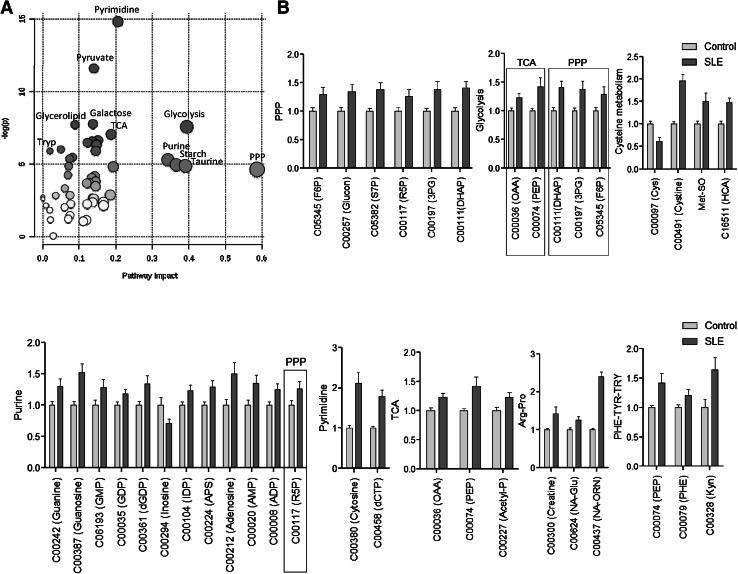
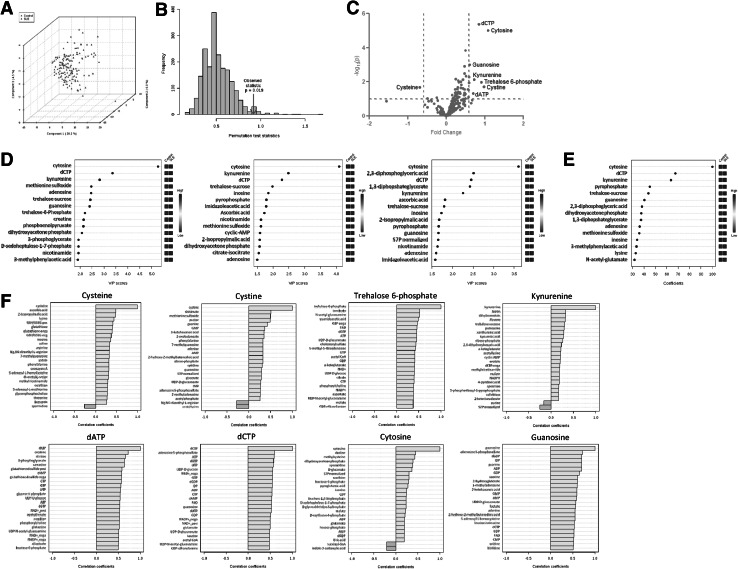
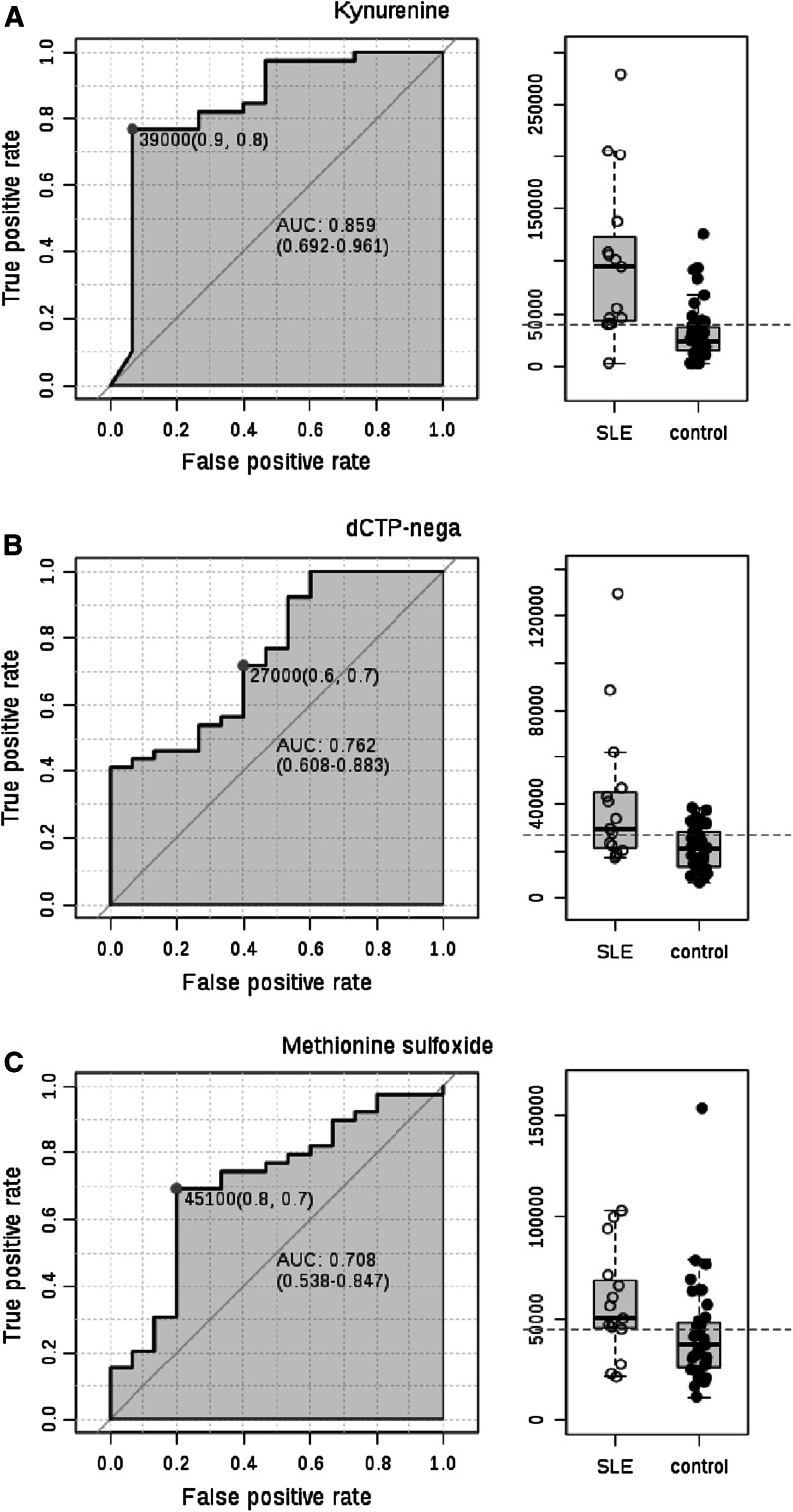
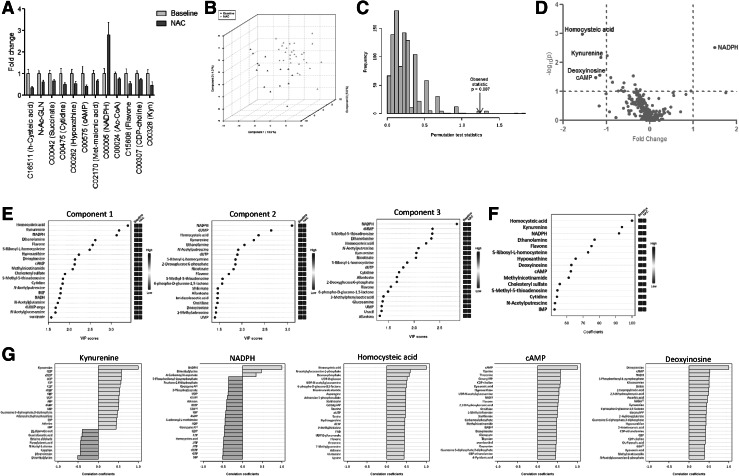
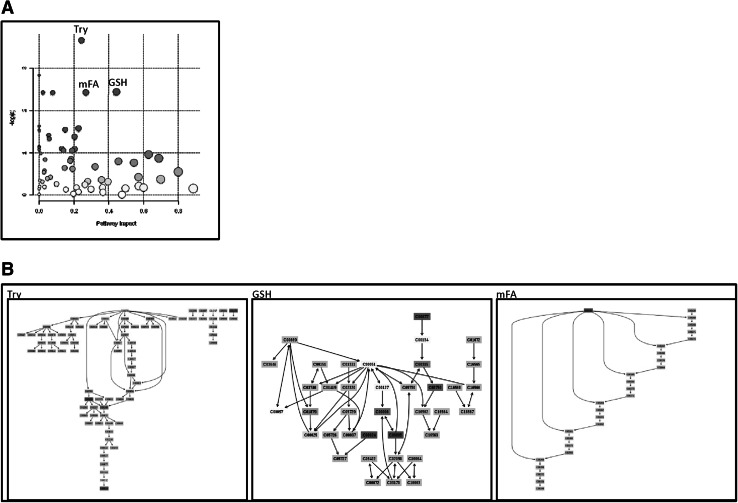
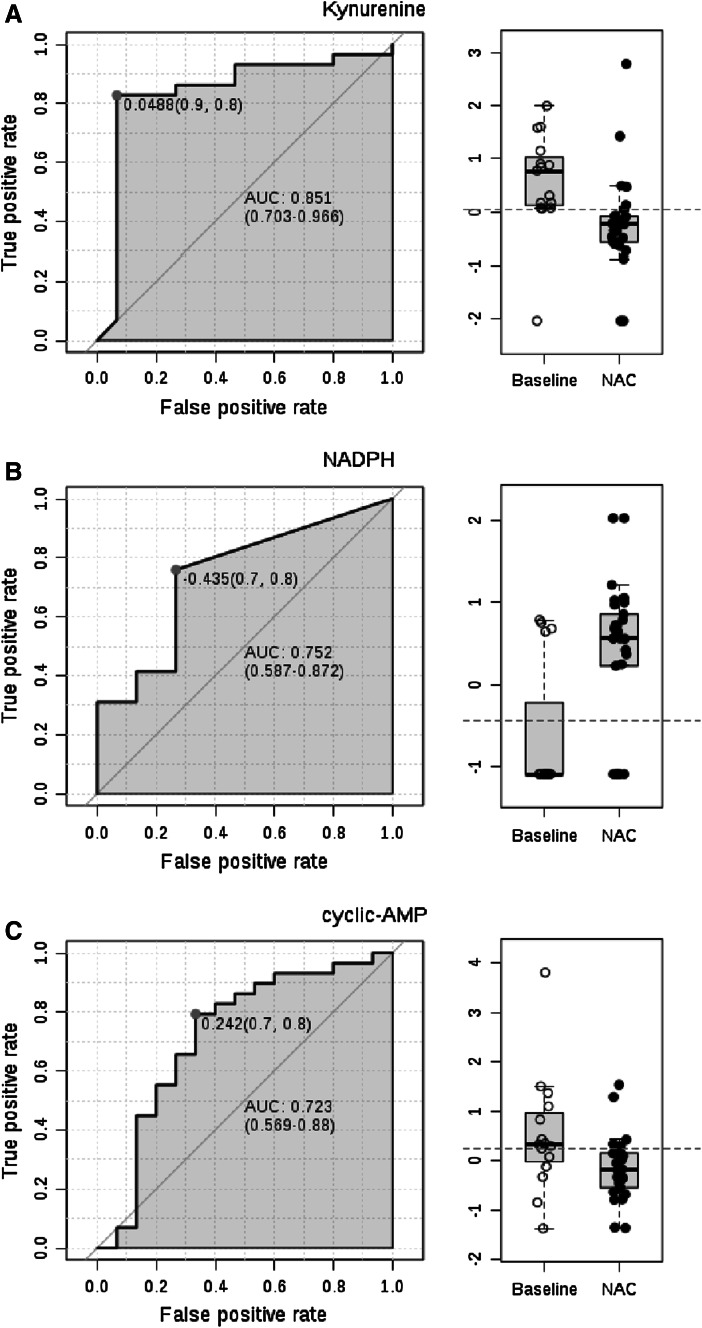
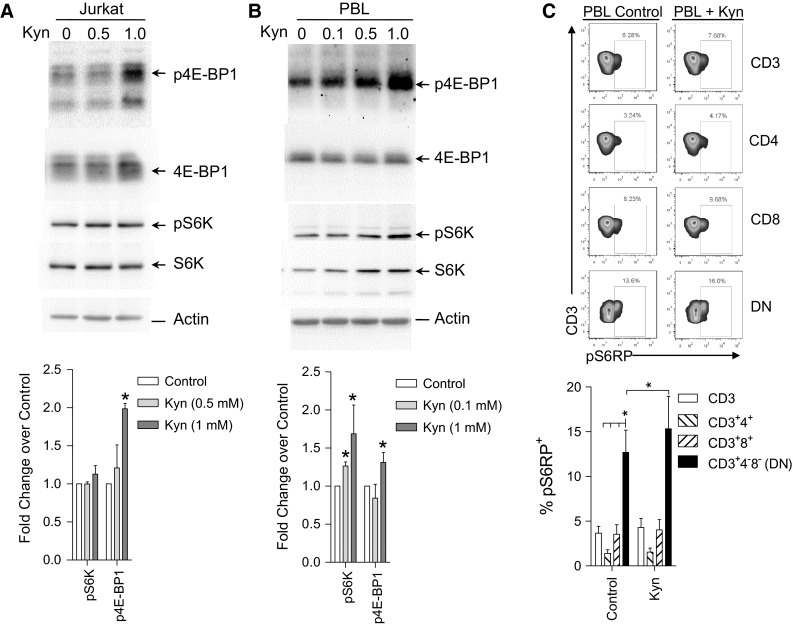
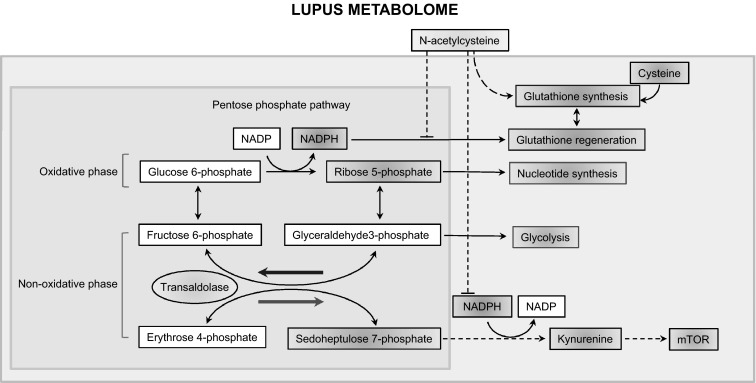
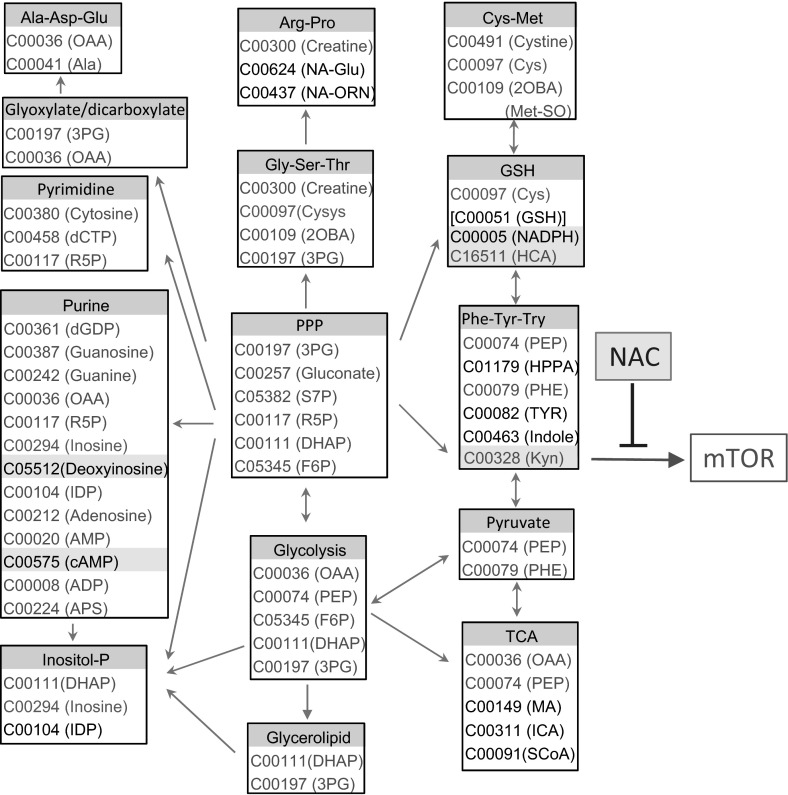
Systemic lupus erythematosus (SLE) patients exhibit depletion of the intracellular antioxidant glutathione and downstream activation of the metabolic sensor, mechanistic target of rapamycin (mTOR). Since reversal of glutathione depletion by the amino acid precursor, N -acetylcysteine (NAC), is therapeutic in SLE, its mechanism of impact on the metabolome was examined within the context of a double-blind placebo-controlled trial. Quantitative metabolome profiling of peripheral blood lymphocytes (PBL) was performed in 36 SLE patients and 42 healthy controls matched for age, gender, and ethnicity of patients using mass spectrometry that covers all major metabolic pathways. mTOR activity was assessed by western blot and flow cytometry. Metabolome changes in lupus PBL affected 27 of 80 KEGG pathways at FDR p < 0.05 with most prominent impact on the pentose phosphate pathway (PPP). While cysteine was depleted, cystine, kynurenine, cytosine, and dCTP were the most increased metabolites. Area under the receiver operating characteristic curve (AUC) logistic regression approach identified kynurenine (AUC = 0.859), dCTP (AUC = 0.762), and methionine sulfoxide (AUC = 0.708), as top predictors of SLE. Kynurenine was the top predictor of NAC effect in SLE (AUC = 0.851). NAC treatment significantly reduced kynurenine levels relative to placebo in vivo (raw p = 2.8 × 10 −7 , FDR corrected p = 6.6 × 10 −5 ). Kynurenine stimulated mTOR activity in healthy control PBL in vitro. Metabolome changes in lupus PBL reveal a dominant impact on the PPP that reflect greater demand for nucleotides and oxidative stress. The PPP-connected and NAC-responsive accumulation of kynurenine and its stimulation of mTOR are identified as novel metabolic checkpoints in lupus pathogenesis.
Overview
The claims and statistics of this paper haven’t been checked yet.
Free: it reads the open-access text and checks the first 5 claims that cite a source we can check. Create a free account to check every claim.
Integrity signals
Registry
Cites
Statistics
Figures
Verification
Claims the paper makes
The claims and statistics of this paper haven’t been checked yet.
Free: it reads the open-access text and checks the first 5 claims that cite a source we can check. Create a free account to check every claim.
Claims other papers make about this one
Each is checked against this paper’s own text: does it say what the citing paper says it does?
The source backs part of the claim, not all of it — or backs it for a different population, condition or comparison.
In the citing paper
“Dietary supplementation with N-acetylcysteine (a precursor of glutathione) inhibits the mTOR pathway, restores the mitochondrial membrane potential and increases the mitochondrial mass in lymphocytes from patients with SLE85,86”
From The role of mitochondria in rheumatic diseases (2022) · cites this paper as [86]
Experimental — accuracy not yet measured
Self-check
Percentages, sums and reported differences re-computed from the paper’s own numbers.
The self-check needs the paper’s full text.
Citations
Cites
A Simple Sequentially Rejective Multiple Test Procedure
(1979) · Scandinavian Journal of Statistics · doi:10.2307/4615733 · Cited by 21,526 · cited 1×
“The Holm p is the p value adjusted by Holm-Bonferroni method (Holm 1979).”
MethodHochberg, M. C. (1997) · Arthritis & Rheumatism · doi:10.1002/art.1780400928 · Cited by 11,409 · cited 7×
“10 Correlation t-stat p value FDR SLEDAI 1 Inf 0 0 BILAG 0.77074 8.8892 3.72E-12 4.41E-10 Compounds in italics correlated at FDR p\ 0.05 with SLE, BILAG, and FAS scores Correlation t-stat p value FDR BILAG 1 Inf 0 0 SLEDAI 0.77074 8.8892 3.72E-12 4.41E-10 Acetylphosphate 0.52377 4.5183 3.43E-05 0.002459 Deoxyribose-ph…”
MethodInfluentialKim, D.-H., Sarbassov, D. D., Ali, S. M., King, J. E., Latek, R. R., Erdjument-Bromage, H., Tempst, P., & Sabatini, D. M. (2002) · Cell · doi:10.1016/s0092-8674(02)00808-5 · Cited by 2,986 · cited 2×
“Although mTOR is widely recognized as a global sensor and integrator of nutrient pathways (Kim et al. 2002), in particular amino acids, the individual metabolites have not been identified (Jewell et al. 2013).”
BackgroundLu, S. C. (2013) · Biochimica et Biophysica Acta (BBA) - General Subjects · doi:10.1016/j.bbagen.2012.09.008 · Cited by 2,166 · cited 2×
“shown in this study, cysteine, which is the rate-limiting factor of de novo GSH synthesis (Lu 2013), was profoundly diminished in lupus PBL.”
BackgroundXia, J., & Wishart, D. S. (2011) · Nature Protocols · doi:10.1038/nprot.2011.319 · Cited by 1,349 · cited 7×
“Values reflect Pearson’s correlation coefficients between metabolite concentrations at FDR p\ 0.05 calculated by MetaboAnalyst (Color figure online) NAC was safe and effective in reducing disease activity in patients with SLE (Lai et al. 2012).”
MethodInfluentialMetaboAnalyst 2.0--a comprehensive server for metabolomic data analysis
Xia, J., Mandal, R., Sinelnikov, I. V., Broadhurst, D., & Wishart, D. S. (2012) · Nucleic Acids Research · doi:10.1093/nar/gks374 · Cited by 1,150 · cited 1×
“The pathways are arranged by the relative impact of the number of metabolites affected and their node of importance (Xia et al. 2012) 1162 A.”
BackgroundYuan, M., Breitkopf, S. B., Yang, X., & Asara, J. M. (2012) · Nature Protocols · doi:10.1038/nprot.2012.024 · Cited by 1,117 · cited 1×
“…interaction liquid chromatography with positive/negative ion switching to analyze 258 metabolites (289 Q1/Q3 transitions) from a single 15-min targeted liquid chromatography–tandem mass spectrometry (LC–MS/MS) acquisition with a 3-ms dwell time and a 1.55-s duty cycle time (Yuan et al. 2012).”
MethodInfluentialSelf-citationBar-Peled, L., Chantranupong, L., Cherniack, A. D., Chen, W. W., Ottina, K. A., Grabiner, B. C., Spear, E. D., Carter, S. L., Meyerson, M., & Sabatini, D. M. (2013) · Science · doi:10.1126/science.1232044 · Cited by 1,080 · cited 2×
“9). mTOR complex 1 (mTORC1), which was measured here via phosphorylation of its downstream substrate, pS6RP, is stimulated by oxidative stress (Sarbassov and Sabatini 2005) and the lysosomal accumulation of amino acids (Bar-Peled et al. 2013).”
BackgroundRegulation and function of mTOR signalling in T cell fate decisions
Chi, H. (2012) · Nature Reviews Immunology · doi:10.1038/nri3198 · Cited by 1,035 · cited 1×
“In turn, the mechanistic/mammalian target of rapamycin (mTOR) is a sensor of oxidative stress and regulator of T cell lineage specification (Chi 2012).”
BackgroundMurray, R. K. (1998) · Medical Entomology and Zoology · Cited by 905
Cited by
Items 101–191 of 191
Abnormal energy metabolism in the pathogenesis of systemic lupus erythematosus
Cao, S., Jiang, J., Yin, H., Wang, L., & Lu, Q. (2024) · International Immunopharmacology · doi:10.1016/j.intimp.2024.112149 · Cited by 19
Liang, J., Han, Z., Feng, J., Xie, F., Luo, W., Chen, H., & He, J. (2024) · Clinical Immunology · doi:10.1016/j.clim.2024.110235 · Cited by 19
Chen, X., Gao, D., Wang, M.-X., Wang, L., Wen, C., Hu, H., & Tang, Y. (2025) · Antioxidants · doi:10.3390/antiox15010025 · Cited by 18
“Furthermore, comprehensive metabolome analyses by Perl et al. [193] identified significant changes in patients with SLE’ metabolomes, particularly in the pentose phosphate pathway.”
Mohammadi, E., Nikbakht, F., Barati, M., Roghani, M., Vazifekhah, S., Mohammadkhanizadeh, A., & Heidari, Z. (2022) · Neuropeptides · doi:10.1016/j.npep.2022.102294 · Cited by 18
Li, W., Kolios, A. G. A., Pan, W., Burbano, C., Karino, K., Vichos, T., Humbel, M., Kyttaris, V. C., Tsokos, M., & Tsokos, G. C. (2025) · The Journal of Immunology · doi:10.1093/jimmun/vkag141.1774 · Cited by 18
T cell help in the autoreactive germinal center
Akama‐Garren, E. H., & Carroll, M. C. (2022) · Scandinavian Journal of Immunology · doi:10.1111/sji.13192 · Cited by 18
Principles behind SLE treatment with N-acetylcysteine
Nasr, S., & Perl, A. (2022) · Immunometabolism · doi:10.1097/in9.0000000000000010 · Cited by 17
“Treatment with NAC increased the abundance of NADPH which in turn resulted in increased catabolism by NADPH-dependent kynurenine hydroxylase leading to lower levels of kynurenine which subsequently inhibited the mTOR pathway in those T cells [19].”
BackgroundSelf-citationGlycolysis inhibition functionally reprograms T follicular helper cells and reverses lupus
Choi, S. C., Ge, Y., Elshikha, A. S., Park, Y. P., Fang, C. C., Joshi, M. V., Arena, M. M. D. O., Padilla, L., Zhu, Y., Clapp, W. L., et al. (2025) · Cell Reports · doi:10.1016/j.celrep.2025.116600 · Cited by 17
“46 Moreover, the abundance of these metabolites (Figure S6C) matched the expression of PPP enzymes in the three groups of T FH cells (Figures S4B-S4D).”
Park, J. S., & Perl, A. (2023) · International Journal of Molecular Sciences · doi:10.3390/ijms241310749 · Cited by 16
“MHP is linked to mTOR activation, which can be reversed by replenishing GSH by providing its rate-limited antioxidant precursor, N-acetylcysteine (NAC) [126].”
BackgroundSelf-citationNeuropsychiatric manifestations in systemic lupus erythematosus and Sjogren's disease
Costa, A. G. S., Nunes, D. P. F., Júlio, P. R., Marchi-Silva, R., de Aquino, B. M., Andrade, S. D. O., Pereira, D. R., Mazzola, T. N., de Souza, J. M., Martinez, A. R. M., et al. (2025) · Autoimmunity Reviews · doi:10.1016/j.autrev.2025.103756 · Cited by 15
Immunometabolic alterations in lupus: where do they come from and where do we go from there?
Ma, L., Roach, T., & Morel, L. M. (2022) · Current Opinion in Immunology · doi:10.1016/j.coi.2022.102245 · Cited by 15
Immunometabolomics provides a new perspective for studying systemic lupus erythematosus
Wu, Y., Zhao, M., Gong, N., Zhang, F., Chen, W., & Liu, Y. (2023) · International Immunopharmacology · doi:10.1016/j.intimp.2023.109946 · Cited by 14
Liu, Y., & Yang, X. (2024) · Frontiers in Immunology · doi:10.3389/fimmu.2024.1443440 · Cited by 13
Zhu, Q. M., Cui, J., Liu, S., Wei, S., Wu, Q., & You, Y. (2024) · Frontiers in Microbiology · doi:10.3389/fmicb.2024.1295378 · Cited by 13
Risk relationship between six autoimmune diseases and malignancies: An umbrella review
Yang, P., Liu, Q., Zhang, H., Wu, M., Zhao, J., Shen, G., & Zhao, Y. (2025) · Autoimmunity Reviews · doi:10.1016/j.autrev.2025.103779 · Cited by 13
Understand SLE heterogeneity in the era of omics, big data, and artificial intelligence
Puri, P., Jiang, S., Yang, Y., Mackay, F., & Yu, D. (2021) · Rheumatology & autoimmunity · doi:10.1002/rai2.12010 · Cited by 13
Intersection of the microbiome and immune metabolism in lupus
Garcia, A. C., Six, N., Ma, L., & Morel, L. M. (2024) · Immunological Reviews · doi:10.1111/imr.13360 · Cited by 12
“31,32 It has been suggested that this skewing on tryptophan metabolism is in part mediated by IFN-induced indoleamine 2,3-dioxygenase ( Ido1 ).”
Exposure to Environmental Toxins & Autoimmune Conditions.
Kharrazian, D. (2024) · PubMed Central · Cited by 12
Ning, W., Li, H., Meng, F., Cheng, J., Song, X., Zhang, G., Wang, W., Wu, S., Fang, J., Ma, K., et al. (2017) · Biomedical Chromatography · doi:10.1002/bmc.3999 · Cited by 12
“The pathway impact values were calculated from pathway topology analysis, and the threshold false discovery rate (FDR) P value was set at P 0.05 (Perl et al., 2015).”
MethodInfluentialThe role of indoleamine 2,3 dioxygenase 1 in the osteoarthritis.
Alahdal, M., Duan, L., Ouyang, H., & Wang, D. (2020) · PubMed Central · Cited by 13
Endosome traffic in rheumatic diseases: mechanistic insights and therapeutic opportunities
Perl, A. (2025) · Nature Reviews Rheumatology · doi:10.1038/s41584-025-01336-4 · Cited by 12
“RAB4A directly facilitates mTOR trafficking to lysosomes, where mTOR senses amino acid sufficiency, including branched-chain amino acids, tryptophan and kynurenine, which are accumulated in lupus-prone mice 177,178 and patients with SLE 179 .”
Self-citationYin, Y., Yan, C., Pei, X., Rao, J., Wu, L., Xue, Y., Sun, H., & Sheng, Y. (2026) · Frontiers in Immunology · doi:10.3389/fimmu.2026.1736082 · Cited by 11
“However, some studies have found that Kyn/Trp levels are elevated in SLE, accompanied by increased IDO activity, and are correlated with disease activity, which may result from mTOR activation induced by elevated Kyn levels (40, 41, 43).”
Iwata, S., & Tanaka, Y. (2021) · Expert Review of Clinical Immunology · doi:10.1080/1744666x.2021.1964957 · Cited by 11
Urinary metabolomic profiling of a cohort of Colombian patients with systemic lupus erythematosus
Rojo-Sánchez, A., Carmona-Martes, A., Díaz-Olmos, Y., Santamaría-Torres, M. A., Cala, M. P., Orozco‐Acosta, E., Aroca, G., Pacheco‐Londoño, L. C., Quiroz, E. N., & Pacheco-Lugo, L. (2024) · Scientific Reports · doi:10.1038/s41598-024-60217-0 · Cited by 11
“Moreover, kynurenine induces the activation of mTOR in human T cells 46 , contributing to the high level of mTOR activation typically observed in the CD4 + T cells of patients with SLE.”
BackgroundA global view of T cell metabolism in systemic lupus erythematosus
Goetz, A., Cagmat, J. G., Brusko, M., Brusko, T. M., Rushin, A., Merritt, M. E., Garrett, T. J., Morel, L. M., & Dixit, P. D. (2024) · Frontiers in Immunology · doi:10.3389/fimmu.2024.1371708 · Cited by 11
Muñoz-Urbano, M., Quintero-González, D. C., & Vásquez, G. M. (2022) · Immunopharmacology and Immunotoxicology · doi:10.1080/08923973.2022.2055568 · Cited by 11
“Kynurenine is elevated in SLE patients due to impaired degradation, which is associated with low levels of NADPHdependent kynurenine hydrolase [115].”
BackgroundLive fast, die young: neutrophils streamline their metabolism to maximize inflammation
Holder, B. E., Reber, C. P., & Monteith, A. J. (2025) · Infection and Immunity · doi:10.1128/iai.00498-24 · Cited by 11
Mao, Z., Tan, Y. C. R. S., Tao, J., Li, L., Yu, F., & Zhao, M. (2022) · Free Radical Biology and Medicine · doi:10.1016/j.freeradbiomed.2022.07.010 · Cited by 9
Campos-Blázquez, J. P., Schuth, N., Garay, E., Clark, A. H., Vogelsang, U., Nachtegaal, M., Contreras, R. G., Quintanar, L., & Missirlis, F. (2022) · Metallomics · doi:10.1093/mtomcs/mfac075 · Cited by 8
Metabolic traits of T cells and the implications in autoimmune diseases
Zhou, Y., Zhou, Y., Zhu, Q., Guo, W., & Li, C. (2026) · Autoimmunity Reviews · doi:10.1016/j.autrev.2026.103989 · Cited by 7
Immune cell signaling in autoimmune diseases
Tsokos, G. C., & Rose, N. R. (2017) · Clinical Immunology · doi:10.1016/j.clim.2017.05.015 · Cited by 7
Macrophage metabolic reprogramming: A trigger for cardiac damage in autoimmune diseases
Liu, L., Li, M., Zhang, C., Zhong, Y., Liao, B., Feng, J., & Deng, L. (2024) · Autoimmunity Reviews · doi:10.1016/j.autrev.2024.103733 · Cited by 6
Decoding tryptophan: Pioneering new frontiers in systemic lupus erythematosus
Huang, F., Sun, K., Zhou, J., Bao, J., Xie, G., Lu, K., & Fan, Y. (2025) · Autoimmunity Reviews · doi:10.1016/j.autrev.2025.103809 · Cited by 7
Gavin, P. G., Allman, E. L., Jayne, D. R. W., Mysler, E., Amoura, Z., Poto, C. D., Tian, X., Hess, S. Y., Csomor, E., Brohawn, P. Z., et al. (2025) · RMD Open · doi:10.1136/rmdopen-2025-005932 · Cited by 6
“50 This existing evidence aligns with findings from our study, in which urinary pyrimidine levels were elevated in patients with LN compared with healthy donors, and correlated with serological and renal measures of disease activity, including kidney histology.”
Baig, S., Vanarsa, K., Ding, H., Titus, A. S. C. L. S., McMahon, M. A., & Mohan, C. (2022) · Frontiers in Cardiovascular Medicine · doi:10.3389/fcvm.2022.861724 · Cited by 6
Pérez‐Sánchez, C., Perez-Campoamor, A., García-Delgado, G. D., Vellón-García, B., Llamas-Urbano, A., Romero-Zurita, L., Ortiz-Buitrago, P., Merlo, C. A., Cerdó, T., Corrales, S., et al. (2025) · Computers in Biology and Medicine · doi:10.1016/j.compbiomed.2025.111325 · Cited by 5
Multiomics analysis of neutrophils in SLE: insights from adult and paediatric disease
Filbertine, G., Kynoch, I., Abdullah, G. A., Gill, L., Grosman, R., Phelan, M. M., McLaren, Z., Deekajorndech, T., Chiewchengchol, D., Hirankarn, N., et al. (2025) · Clinical & Experimental Immunology · doi:10.1093/cei/uxaf077 · Cited by 5
“Mitochondrial hy-perpolarisation is closely linked to increased oxidative stress in T cells, evidenced by decreased cysteine levels, suggesting alterations in pathways such as the pentose phosphate pathway (PPP), taurine, thiamine, Gly-Ser-Thr, Cys-Met, and sulphur metabolism [39].”
Abdesheikhi, J., Sedghy, F., Mahmoodi, M., Fallah, H., & Ranjkesh, M. (2023) · Iranian Biomedical Journal · doi:10.52547/ibj.3811 · Cited by 5
“Glutathione possesses antioxidant properties and counteracts the oxidative stress observed in the tumor microenvironment [102] .”
BackgroundCai, Y., Deng, Z., Yang, Q., Pan, G., Liang, Z., Yang, X., Song, J., Xiao, X., & Li, S. (2024) · Frontiers in Immunology · doi:10.3389/fimmu.2024.1335042 · Cited by 5
Glycometabolic reprogramming of immune cells in autoimmune diseases
Lin, J., Yang, F., Zheng, Y., Wang, X., Fan, X., & Yang, L. (2025) · Autoimmunity Reviews · doi:10.1016/j.autrev.2025.103876 · Cited by 4
Chen, X., Zhou, X., Lv, X., Wu, L., Li, J., Chen, C., & Chen, C. (2025) · Spectrochimica Acta Part A Molecular and Biomolecular Spectroscopy · doi:10.1016/j.saa.2025.126836 · Cited by 4
Altered gut mycobiome and cross-kingdom microbial interactions in systemic lupus erythematosus
Wang, Z., Xing, Y., Xu, M., Chen, C., Zhu, Q., Chen, H., Zhang, Y., Chen, W., Feng, J., Zhang, A., et al. (2025) · Journal of Translational Medicine · doi:10.1186/s12967-025-07423-0 · Cited by 4
“This pathway has been linked to inflammation, fatigue, and mTOR activation in lymphocytes, suggesting its potential role in immune and metabolic dysregulation in lupus [44–46].”
Metabolic control of pathogenesis in autoimmune diseases
Perl, A., & Morel, L. M. (2024) · Elsevier eBooks · doi:10.1016/b978-0-443-23947-2.00059-x · Cited by 4
Self-citationHarder, J. W., Ma, J., Collins, J., Alard, P., Jala, V. R., Haribabu, B., & Kosiewicz, M. M. (2025) · Microorganisms · doi:10.3390/microorganisms13051023 · Cited by 4
The Role of Solute Carriers in the Metabolic Reprogramming of Skin Diseases
Chen, Y., Peng, C., Chen, X., & Li, J. (2025) · Clinical Reviews in Allergy & Immunology · doi:10.1007/s12016-025-09095-6 · Cited by 4
Metabolomics in systemic sclerosis
Gogulska, Z., Smoleńska, Ż., Turyn, J., Zdrojewski, Z., & Chmielewski, M. S. (2024) · Rheumatology International · doi:10.1007/s00296-024-05628-y · Cited by 4
Abbas, L. F., Barber, G., Lu, G., Chamseddin, B. H., Vu, H., Cai, L., Srivastava, D., Nijhawan, R. L., Wang, R. C., & Chong, B. F. (2025) · Lupus Science & Medicine · doi:10.1136/lupus-2024-001401 · Cited by 4
The Metabolomic View of Systemic Sclerosis—A Systematic Literature Review
Jendrek, S. T., Schmelter, F., Sina, C., Günther, U. L., & Riemekasten, G. (2025) · Sclerosis · doi:10.3390/sclerosis3020018 · Cited by 3
An Overview of the Pathogenesis of Cutaneous Lupus Erythematosus
Verdelli, A., Barletta, E., Mariotti, E. B., Landini, S., Magnatta, A., di Calabria, V. R., Corrà, A., Quintarelli, L., Bonanni, I., Sanna, L., et al. (2025) · Journal of Clinical Medicine · doi:10.3390/jcm14238285 · Cited by 3
“Although comprehensive skin-based metabolic studies are limited, insights from SLE models indicate that aberrant glycolytic activity, increased ROS production, and activation of mammalian Target of Rapamycin (mTOR) pathway may similarly affect immune and stromal cells within CLE lesions [38–40].”
Suffiotti, M., Tanner, L., Kozera, Ł., Sebastian, A., van Maurik, A., & Strasser, D. S. (2026) · RMD Open · doi:10.1136/rmdopen-2025-006312 · Cited by 3
Perl, A., & Banki, K. (2026) · Nature Reviews Rheumatology · doi:10.1038/s41584-026-01421-2 · Cited by 4
“Accordingly, TAL deficiency causes carbon trapping, GSH depletion 140,162 and KYN accumulation 163 mimicking metabolome distortion in SLE 162 .”
Self-citationEvaluation and Improvement of Current Computational Tools for Metabolomics Data Analysis
Li, S.-M. (2017) · Tuwhera (Auckland University of Technology) · Cited by 3
Wu, Y., Deng, D., Li, Y., Zhang, S., Wu, T., Huang, D., Cheng, L., Liu, Y., Tan, C., & Luo, Y. (2025) · Autoimmunity Reviews · doi:10.1016/j.autrev.2025.103975 · Cited by 2
Targeting mTOR in Systemic Lupus Erythematosus: From Immune Cell Dysfunction to Clinical Translation
Jiang, X., Sun, L., Ji, J. M., Zhao, C., Wang, Y., Zhang, H., Wu, Q., Su, Q., Li, F., Zhang, S., et al. (2026) · Journal of Inflammation Research · doi:10.2147/jir.s593467 · Cited by 2
“56,124,128 Another clinical trial indicated that NAC treatment significantly alleviated attention deficit hyperactivity disorder (ADHD) symptoms in patients with SLE.”
Metabolic changes during evolution of Sjögren's in both an animal model and human patients
Jacob, A., He, J., Peck, A. B., Jamil, A. K., Bunya, V. Y., Alexander, J. J., & Ambrus, J. L. (2024) · Heliyon · doi:10.1016/j.heliyon.2024.e41082 · Cited by 2
Metabolic and mitochondrial dysfunction in SLE
Perl, A. (2021) · Elsevier eBooks · doi:10.1016/b978-0-12-820583-9.00014-2 · Cited by 2
Self-citationMorel, L. M. (2019) · Elsevier eBooks · doi:10.1016/b978-0-323-47927-1.00013-x · Cited by 2
Rojo-Sánchez, A., Abuchaibe, A., Martes, A. L. C., Bravo, V. A., Chica-Valle, D., Díaz-Olmos, Y., & Pacheco-Lugo, L. (2024) · IntechOpen eBooks · doi:10.5772/intechopen.1005132 · Cited by 1
Unveiling Molecular Mechanisms Underlying Obesity‐Associated Systemic Lupus Erythematosus
Pillai, R. K., Pillai, R. K., Illankovan, V. R., Balasubramaniam, V. R. M. T., Alabsi, A. M., Biswas, A., Darnal, H. K., Kayarohanam, S., Janakiram, M. K. S., & Subramaniyan, V. (2025) · Endocrinology Diabetes & Metabolism · doi:10.1002/edm2.70077 · Cited by 1
Transaldolase deficiency – natural disease course towards adulthood
Horváth, V. B., Tsiakas, K., Brennenstuhl, H., Choukair, D., Hammann, N., Niesert, M., Fichtner, A., Prokisch, H., Santer, R., Wagner, M., et al. (2026) · Molecular Genetics and Metabolism · doi:10.1016/j.ymgme.2026.109872 · Cited by 1
Ueno, M., Kubo, S., Todoroki, Y., Nakayamada, S., & Tanaka, Y. (2026) · Frontiers in Immunology · doi:10.3389/fimmu.2026.1755589 · Cited by 1
“At the peripheral blood lymphocyte level, mTOR activation, glycolytic enzyme upregulation, increased oxidative stress, and higher cystine levels have also been observed, all of which are thought to re fl ect mitochondrial dysfunction (47, 61).”
Immunomodulatory mechanisms of bile acids in autoimmune diseases along the gut-liver axis
Zhang, S., Xiong, X., Wei, S., Meng, R., An, H., & Chen, L. (2026) · Autoimmunity Reviews · doi:10.1016/j.autrev.2026.104183 · Cited by 1
1205 Treatment of Lupus-prone BXSB Mice with a Modulatable CAR T cell System Targeting CD19
Rimann, I., Huang, H., Mace, P., González‐Quintial, R., Laborda, E., Viaud, S., Mora, H., Theofilopoulos, A. N., Young, T. S., & Kono, D. H. (2022) · Lupus Science & Medicine · doi:10.1136/lupus-2022-lupus21century.87 · Cited by 1
Lai, Z., Kelly, R., Winans, T., Marchena, I., Shadakshari, A., Yu, J. L., Dawood, M., Garcia, R., Tily, H., Francis, L., et al. (2022) · Lupus Science & Medicine · doi:10.1136/lupus-2022-lupus21century.85 · Cited by 1
Self-citationPersonalized Medicine - New Perspectives
Zhan, X. (2024) · IntechOpen eBooks · doi:10.5772/intechopen.1000393 · Cited by 1
Donley, D. W., Jenkins, T., Deiter, C. S., Campbell, R., Realing, M., Chopra, V., Hersch, S., Gigley, J. P., & Fox, J. H. (2019) · bioRxiv (Cold Spring Harbor Laboratory) · doi:10.1101/550624 · Cited by 1
“Of note, kynurenine is reported to activate the mammalian target of rapamycin (mTOR) in T cells, which decreases autophagy [89].”
Harder, J. W. (2021) · ThinkIR: The University of Louisville's Institutional Repository (University of Louisville) · doi:10.18297/etd/3585 · Cited by 1
Ma, L., Ge, Y., Brown, J., Choi, S. C., Elshikha, A. S., Kanda, N., Terrell, M., Six, N., Garcia, A., Mohamadzadeh, M., et al. (2024) · bioRxiv (Cold Spring Harbor Laboratory) · doi:10.1101/2024.01.16.575942 · Cited by 1
Njunge, L. W., Liu, K., Xiong, C., Chen, L., He, Q., Wang, P., Huang, G., Li, Y., Abhulimen, P. O., Cheng, W., et al. (2024) · medRxiv · doi:10.1101/2024.10.27.24316032 · Cited by 1
Aviña-Zubieta, J. A., Haag, H., Sayre, E. C., Esdaile, J. M., & Vera, M. A. D. (2018) · Lupus Science & Medicine · doi:10.1136/lupus-2018-lsm.27
“The depletion of GSH will be mechanistically connected to the depletion of cysteine (Cys) and NADPH and to the accumulation of kynurenine (Kyn) which have been uncovered by comprehensive metabolome studies of PBL from SLE and healthy subjects matched for age, gender, and ethnicity and processed in parallel.(4) Blockad…”
BackgroundLai, Z., Kelly, R., Winans, T., Marchena, I., Shadakshari, A., Yu, J. L., Dawood, M., Garcia, R., Tily, H., Francis, L., et al. (2018) · Lupus Science & Medicine · doi:10.1136/lupus-2018-lsm.26
Self-citationPerl, A. (2020) · Elsevier eBooks · doi:10.1016/b978-0-12-814551-7.00031-3
Self-citationChan, T. M., & Yung, S. (2020) · Faculty Opinions – Post-Publication Peer Review of the Biomedical Literature · doi:10.3410/f.732868595.793576806
A single-shot determination of differential gene network on multiple disease subtypes
Sadhu, A., Bhattacharyya, B., & Mukhopadhyay, T. (2022) · Computer Science · doi:10.7494/csci.2022.23.2.4339
Advances in Epigenetics and Integration of Omics in Lupus
Hui‐Yuen, J. S., Ganguli, S., & Jarvis, J. N. (2017) · EMJ Rheumatology · doi:10.33590/emjrheumatol/10311482
1204 Improving lymphatic function to reduce B cell responses in lupus
Ambler, W. G., Howlader, M. J., Chalasani, M. L. S., Seltzer, E. S., Sim, J., Shin, J., Schwartz, N., Dasoveanu, D., Carballo, C. B., Sevim, E., et al. (2022) · Lupus Science & Medicine · doi:10.1136/lupus-2022-lupus21century.86
Blagov, A. V., Zhuravlev, A. D., Sukhorukov, V. N., Popov, M. A., Grechko, A. V., & Orekhov, A. N. (2023) · European Journal of Inflammation · doi:10.1177/1721727x231194240
“27”
Additional file 2 of Alterations in the human oral microbiota in systemic lupus erythematosus
Guo, J., Cui, G., Huang, W. M., Zheng, Z., Li, T., Gao, G., Huang, Z., Zhan, Y., Ding, S., Liu, S., et al. (2023) · Figshare · doi:10.6084/m9.figshare.22608826
Metabolic control of immunopathogenesis in systemic lupus erythematosus
Perl, A. (2024) · Elsevier eBooks · doi:10.1016/b978-0-323-93232-5.00023-x
Self-citationSmilde, A. K., Marini, F., Westerhuis, J. A., & Liland, K. H. (2025) · Wiley eBooks · doi:10.1002/9781394211241.ref
Additional file 1 of Alterations in the human oral microbiota in systemic lupus erythematosus
Guo, J., Cui, G., Huang, W., Zheng, Z., Li, T., 高冠民, Huang, Z., Zhan, Y., Ding, S., Liu, S., et al. (2023) · Figshare · doi:10.6084/m9.figshare.22608823
Pedro, E. M. (2018) · LA Referencia (Red Federada de Repositorios Institucionales de Publicaciones Científicas)
Evaluation of Trp/Kyn/IDO Relevance with Autoimmune Rheumatological Diseases
Eser, B., Tecer, D., Özkan, Y., & Dinçel, A. S. (2025) · FUTURE BIOCHEMISTRY AND BIOSCIENCE · doi:10.48086/asd0087
Mielle, J. (2018) · theses.fr (ABES) · doi:10.70675/97ba80d1z789ez4813zabfbz668b70bf3519
Immunometabolism of systemic lupus erythematosus
Furment, M. M., & Perl, A. (2026) · Elsevier eBooks · doi:10.1016/b978-0-443-33957-8.00042-1
Self-citationWeber, J. L., Bui, T., Nuon, K., Fike, A. J., Crocker, S. M., Bricker, K. N., Maharjan, A., Zhang, W., Goldman, A. R., Chodisetti, S. B., et al. (2026) · Cell Reports · doi:10.1016/j.celrep.2026.117587
Zhou, X., Jiang, Y., Xu, S., & Shan, N. (2026) · Autoimmunity Reviews · doi:10.1016/j.autrev.2026.104168
The role of B cell glycolysis in autoimmune diseases
Shu, M., Peng, Y., Zhou, Z., & Li, J. (2026) · Translational research · doi:10.1016/j.trsl.2026.09.005
Kim, S., Kim, K., Singh, S., & Singh, G. (2026) · Autoimmunity Reviews · doi:10.1016/j.autrev.2026.104193
邹毅, Ren, Z., Kudo, Y., & Kono, M. (2026) · Frontiers in Immunology · doi:10.3389/fimmu.2026.1961063
“Instead, this dysfunction manifests as heightened stress on the electron transport chain, exhaustion of redox buffering capacity, and severe mitochondrial stress (Figure 1) (30, 31).”
Targeted metabolomics in investigating human diseases
Troisi, J., & Lombardi, M. (2026) · Elsevier eBooks · doi:10.1016/b978-0-443-23677-8.00018-3
Metadata
- Authors
- Perl, A., Hanczko, R., Lai, Z.-W., Oaks, Z., Kelly, R., Borsuk, R., Asara, J. M., & Phillips, P. E.
- Affiliations
- SUNY Upstate Medical University (US)
- Beth Israel Deaconess Medical Center (US)
- Venue
- Metabolomics
- Published
- 2015-01-20
- Volume
- 11
- Issue
- 5
- Pages
- 1157-1174
- ISSN
- 1573-3882 (ISSN-L)
- 1573-3890
- PMC
- PMC4559110
- OpenAlex
- W1993264589
- Semantic Scholar
- 3d97dd02e0b9a34aa8304196423821258d007452
- Cited by
- 189
- References
- 45
- Citations by year
- 2026: 13 · 2025: 32 · 2024: 27 · 2023: 15 · 2022: 22 · 2021: 12 · 2020: 23 · 2019: 13 · 2018: 12 · 2017: 10 · 2016: 5 · 2015: 5
- FWCI
- 8.95
- Type
- journal article
- Language
- en
- Open access
- hybrid
- doi.org
- Locations
- Metabolomics (publishedVersion, cc-by)
- Europe PMC (PubMed Central) (publishedVersion, cc-by)
- PubMed Central (publishedVersion, cc-by)
- PubMed (publishedVersion)
- Digital Access to Scholarship at Harvard (DASH) (Harvard University) (submittedVersion, cc-by)
- Funders
- Central New York Community Foundation
- National Institutes of Health (AI072648)
- National Cancer Institute (P01CA120964, P30CA006516)
- National Institute of Allergy and Infectious Diseases (R21AI061066, R01AI048079, R01AI122176, R01AI072648)
- National Institute of Diabetes and Digestive and Kidney Diseases (R01DK078922)
- National Institute of Arthritis and Musculoskeletal and Skin Diseases (U01AR076092)
- National Center for Complementary and Integrative Health (R01AT004332)
- Topics
- Health Sciences › Medicine › Rheumatology › Systemic Lupus Erythematosus Research
- Life Sciences › Biochemistry, Genetics and Molecular Biology › Molecular Biology › Metabolomics and Mass Spectrometry Studies
- Life Sciences › Neuroscience › Biological Psychiatry › Tryptophan and brain disorders
- Keywords
- systemic lupus erythematosus, N-acetylcysteine, kynurenine, mechanistic target of rapamycin, glutathione depletion, peripheral blood lymphocytes, pentose phosphate pathway, nucleotide metabolism, methionine sulfoxide, oxidative stress, lupus pathogenesis
About these checks
Registry, retraction, Cites and statistics results are computed, not judged, with one exception: a printed reference that no index lists is read once by a model before it counts as a citation error. Claims are extracted by a model and kept only when their quote appears verbatim in the text; each cited source is then checked, with a model’s help, for whether it says what the claim relies on. Those verdicts can be wrong — read the claim’s quote and the cited source before relying on one.
Statistics and arithmetic are recomputed, not judged.
Confidence bands are shown only for fields calibrated on our annotated test set. None is calibrated yet, so no band is shown.
What counts as a claim ›How we measure confidence ›How we check this ›
Are you an author, or do you see a problem with this page? Request a review
Data sources
Bibliographic data: Semantic Scholar, OpenAlex, Crossref.
Contains information from the Semantic Scholar Academic Graph Datasets, made available under the ODC Attribution License (ODC-BY 1.0).
Semantic Scholar’s data is described in: Kinney, R., et al. (2023). The Semantic Scholar Open Data Platform. arXiv:2301.10140.
