

Comprehensive metabolome analyses reveal N-acetylcysteine-responsive accumulation of kynurenine in systemic lupus erythematosus: implications for activation of the mechanistic target of rapamycin
Open accessThe DOI matches its Crossref record; 44 of the 45 references it cites were found in a registry or an index.
Abstract
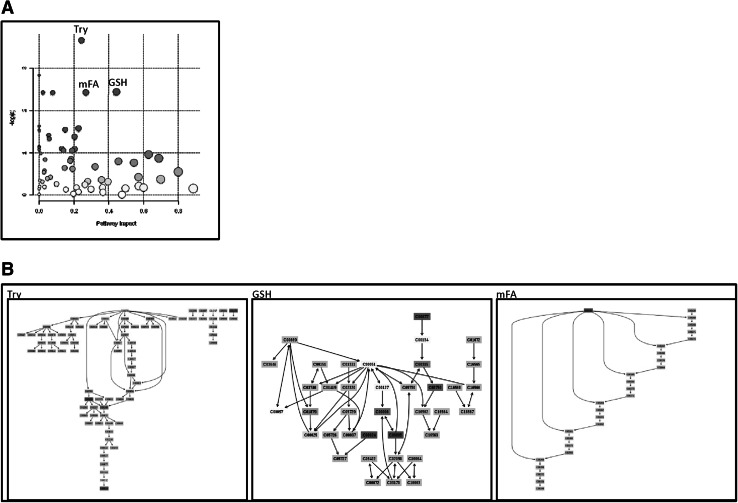
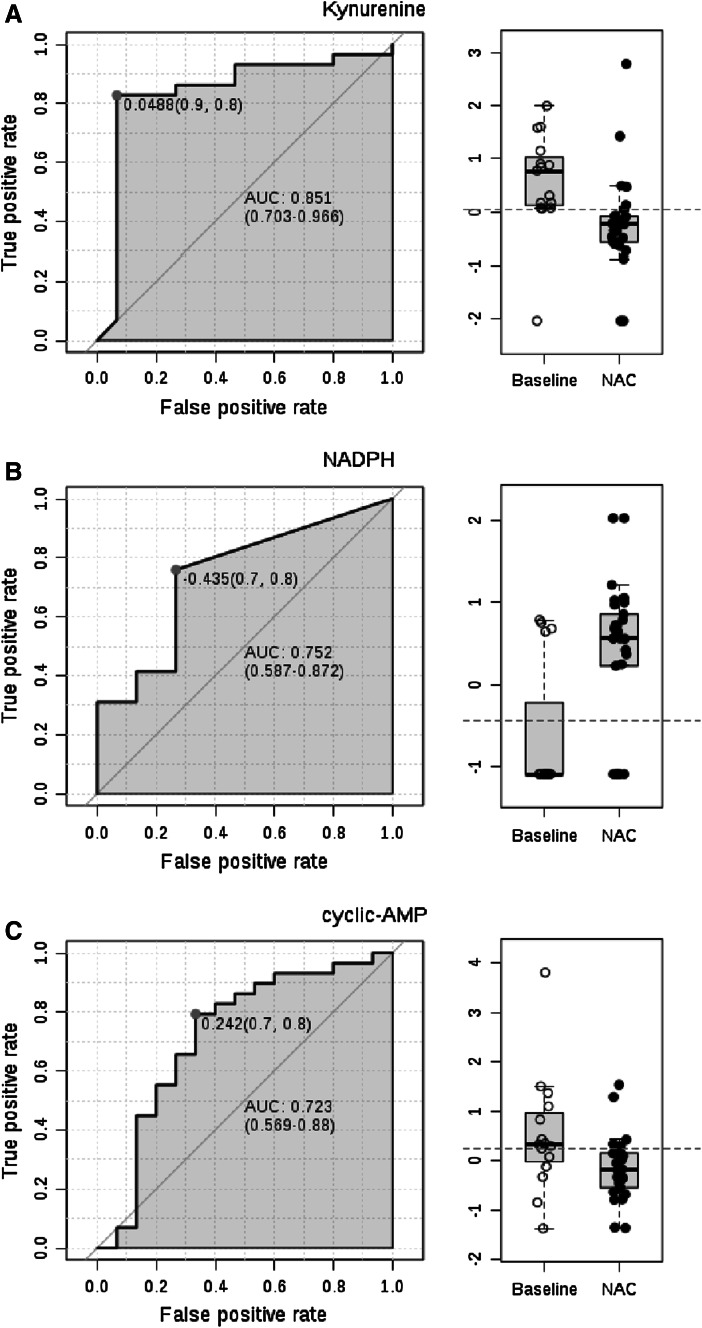
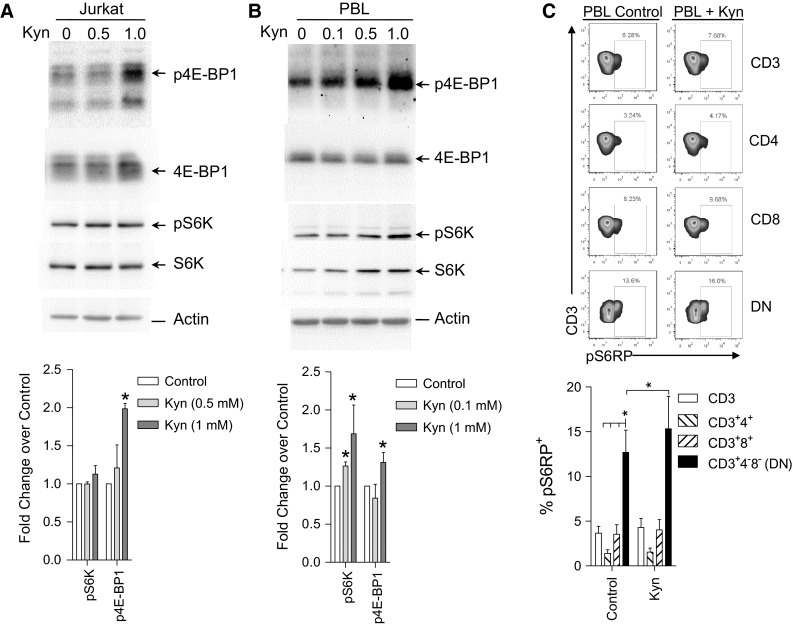
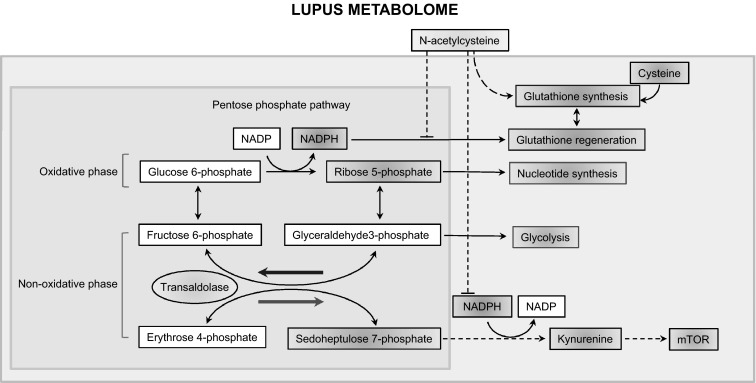
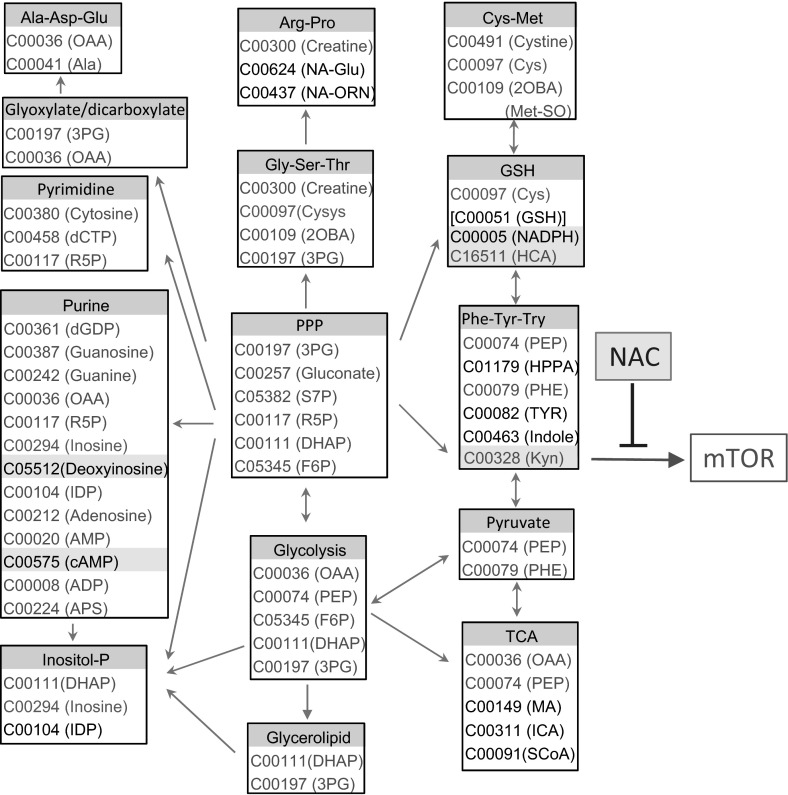
Systemic lupus erythematosus (SLE) patients exhibit depletion of the intracellular antioxidant glutathione and downstream activation of the metabolic sensor, mechanistic target of rapamycin (mTOR). Since reversal of glutathione depletion by the amino acid precursor, N -acetylcysteine (NAC), is therapeutic in SLE, its mechanism of impact on the metabolome was examined within the context of a double-blind placebo-controlled trial. Quantitative metabolome profiling of peripheral blood lymphocytes (PBL) was performed in 36 SLE patients and 42 healthy controls matched for age, gender, and ethnicity of patients using mass spectrometry that covers all major metabolic pathways. mTOR activity was assessed by western blot and flow cytometry. Metabolome changes in lupus PBL affected 27 of 80 KEGG pathways at FDR p < 0.05 with most prominent impact on the pentose phosphate pathway (PPP). While cysteine was depleted, cystine, kynurenine, cytosine, and dCTP were the most increased metabolites. Area under the receiver operating characteristic curve (AUC) logistic regression approach identified kynurenine (AUC = 0.859), dCTP (AUC = 0.762), and methionine sulfoxide (AUC = 0.708), as top predictors of SLE. Kynurenine was the top predictor of NAC effect in SLE (AUC = 0.851). NAC treatment significantly reduced kynurenine levels relative to placebo in vivo (raw p = 2.8 × 10 −7 , FDR corrected p = 6.6 × 10 −5 ). Kynurenine stimulated mTOR activity in healthy control PBL in vitro. Metabolome changes in lupus PBL reveal a dominant impact on the PPP that reflect greater demand for nucleotides and oxidative stress. The PPP-connected and NAC-responsive accumulation of kynurenine and its stimulation of mTOR are identified as novel metabolic checkpoints in lupus pathogenesis.
Overview
The claims and statistics of this paper haven’t been checked yet.
Free: it reads the open-access text and checks the first 5 claims that cite a source we can check. Create a free account to check every claim.
Integrity signals
Registry
Cites
Statistics
Figures
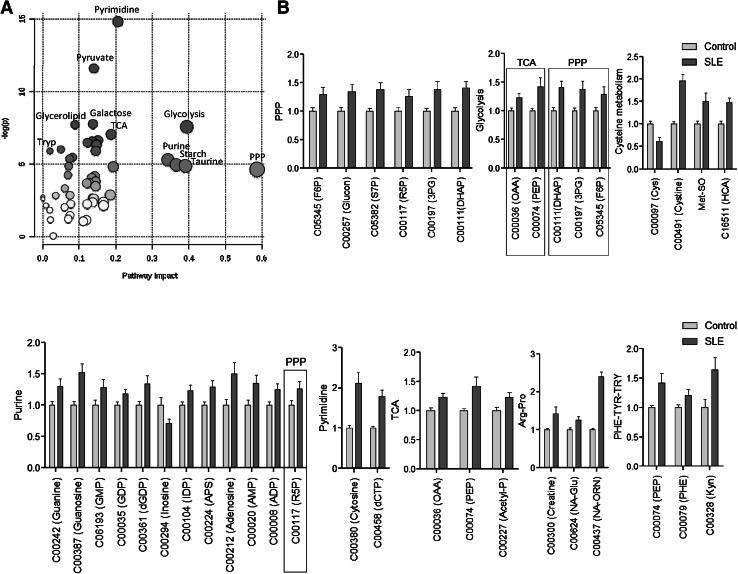
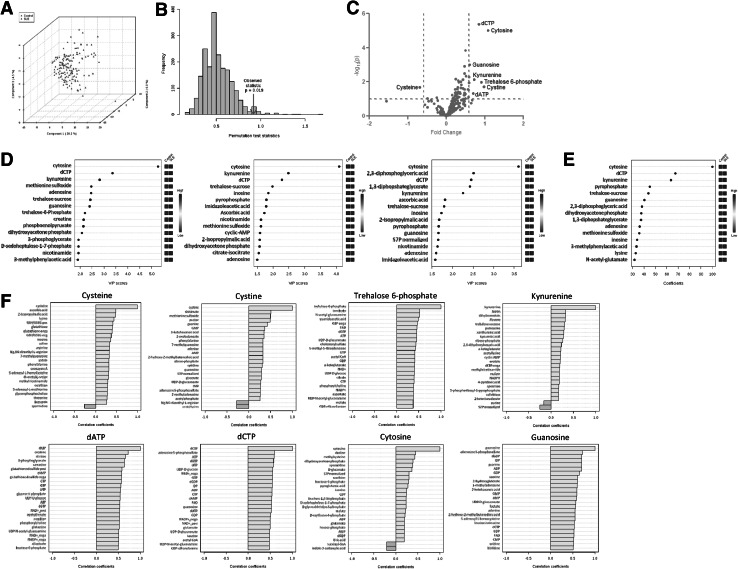
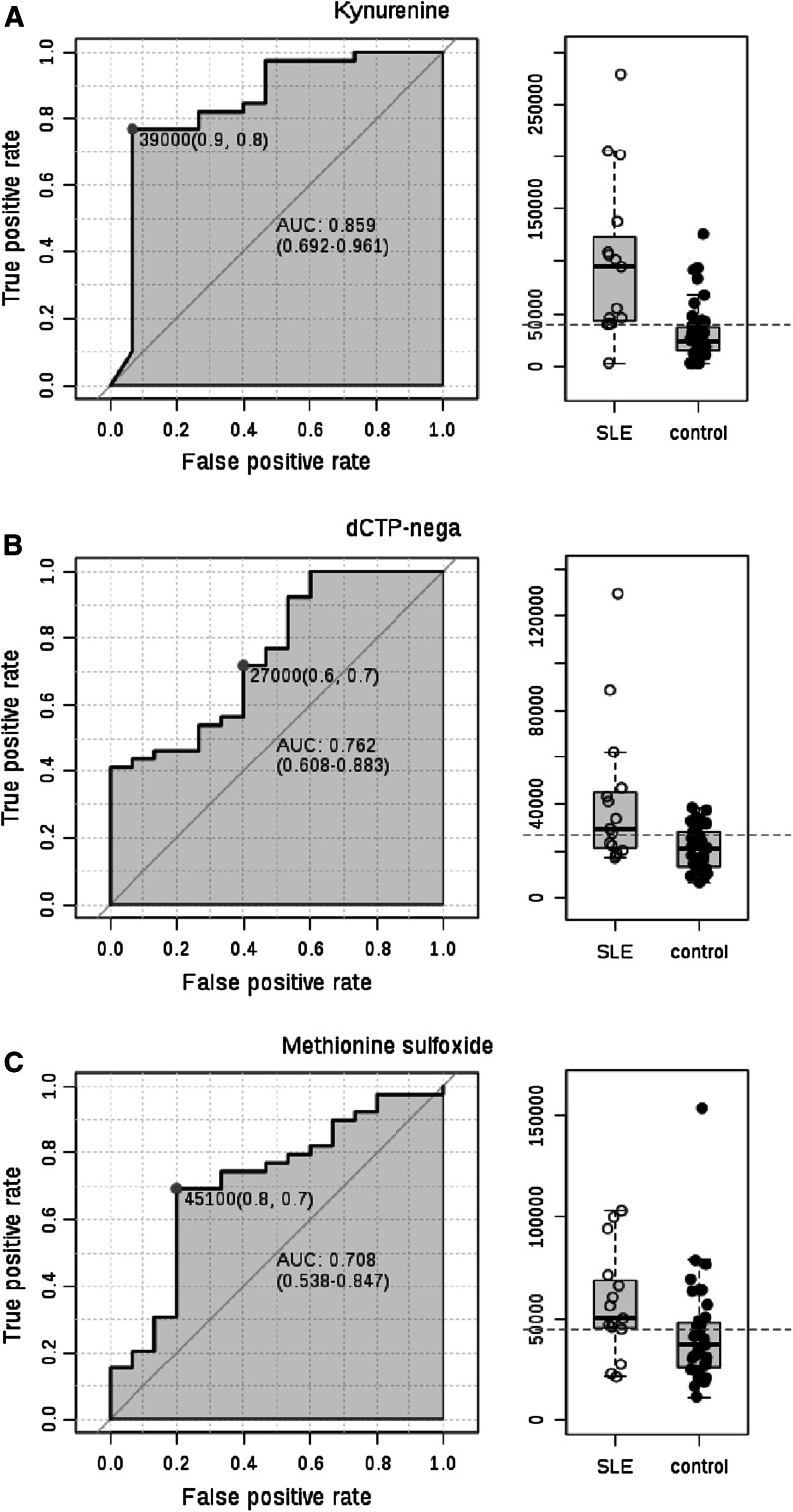
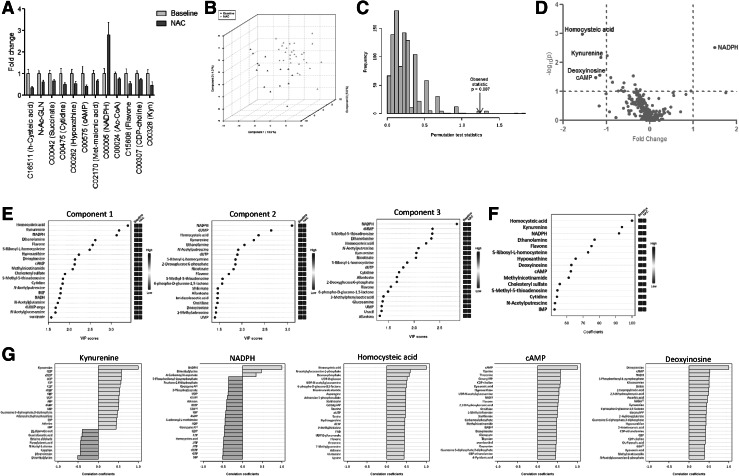
Verification
Claims the paper makes
The claims and statistics of this paper haven’t been checked yet.
Free: it reads the open-access text and checks the first 5 claims that cite a source we can check. Create a free account to check every claim.
Claims other papers make about this one
Each is checked against this paper’s own text: does it say what the citing paper says it does?
The source backs part of the claim, not all of it — or backs it for a different population, condition or comparison.
In the citing paper
“Dietary supplementation with N-acetylcysteine (a precursor of glutathione) inhibits the mTOR pathway, restores the mitochondrial membrane potential and increases the mitochondrial mass in lymphocytes from patients with SLE85,86”
From The role of mitochondria in rheumatic diseases (2022) · cites this paper as [86]
Experimental — accuracy not yet measured
Self-check
Percentages, sums and reported differences re-computed from the paper’s own numbers.
The self-check needs the paper’s full text.
Citations
Cites
A Simple Sequentially Rejective Multiple Test Procedure
(1979) · Scandinavian Journal of Statistics · doi:10.2307/4615733 · Cited by 21,526 · cited 1×
“The Holm p is the p value adjusted by Holm-Bonferroni method (Holm 1979).”
MethodHochberg, M. C. (1997) · Arthritis & Rheumatism · doi:10.1002/art.1780400928 · Cited by 11,409 · cited 7×
“10 Correlation t-stat p value FDR SLEDAI 1 Inf 0 0 BILAG 0.77074 8.8892 3.72E-12 4.41E-10 Compounds in italics correlated at FDR p\ 0.05 with SLE, BILAG, and FAS scores Correlation t-stat p value FDR BILAG 1 Inf 0 0 SLEDAI 0.77074 8.8892 3.72E-12 4.41E-10 Acetylphosphate 0.52377 4.5183 3.43E-05 0.002459 Deoxyribose-ph…”
MethodInfluentialKim, D.-H., Sarbassov, D. D., Ali, S. M., King, J. E., Latek, R. R., Erdjument-Bromage, H., Tempst, P., & Sabatini, D. M. (2002) · Cell · doi:10.1016/s0092-8674(02)00808-5 · Cited by 2,986 · cited 2×
“Although mTOR is widely recognized as a global sensor and integrator of nutrient pathways (Kim et al. 2002), in particular amino acids, the individual metabolites have not been identified (Jewell et al. 2013).”
BackgroundLu, S. C. (2013) · Biochimica et Biophysica Acta (BBA) - General Subjects · doi:10.1016/j.bbagen.2012.09.008 · Cited by 2,166 · cited 2×
“shown in this study, cysteine, which is the rate-limiting factor of de novo GSH synthesis (Lu 2013), was profoundly diminished in lupus PBL.”
BackgroundXia, J., & Wishart, D. S. (2011) · Nature Protocols · doi:10.1038/nprot.2011.319 · Cited by 1,349 · cited 7×
“Values reflect Pearson’s correlation coefficients between metabolite concentrations at FDR p\ 0.05 calculated by MetaboAnalyst (Color figure online) NAC was safe and effective in reducing disease activity in patients with SLE (Lai et al. 2012).”
MethodInfluentialMetaboAnalyst 2.0--a comprehensive server for metabolomic data analysis
Xia, J., Mandal, R., Sinelnikov, I. V., Broadhurst, D., & Wishart, D. S. (2012) · Nucleic Acids Research · doi:10.1093/nar/gks374 · Cited by 1,150 · cited 1×
“The pathways are arranged by the relative impact of the number of metabolites affected and their node of importance (Xia et al. 2012) 1162 A.”
BackgroundYuan, M., Breitkopf, S. B., Yang, X., & Asara, J. M. (2012) · Nature Protocols · doi:10.1038/nprot.2012.024 · Cited by 1,117 · cited 1×
“…interaction liquid chromatography with positive/negative ion switching to analyze 258 metabolites (289 Q1/Q3 transitions) from a single 15-min targeted liquid chromatography–tandem mass spectrometry (LC–MS/MS) acquisition with a 3-ms dwell time and a 1.55-s duty cycle time (Yuan et al. 2012).”
MethodInfluentialSelf-citationBar-Peled, L., Chantranupong, L., Cherniack, A. D., Chen, W. W., Ottina, K. A., Grabiner, B. C., Spear, E. D., Carter, S. L., Meyerson, M., & Sabatini, D. M. (2013) · Science · doi:10.1126/science.1232044 · Cited by 1,080 · cited 2×
“9). mTOR complex 1 (mTORC1), which was measured here via phosphorylation of its downstream substrate, pS6RP, is stimulated by oxidative stress (Sarbassov and Sabatini 2005) and the lysosomal accumulation of amino acids (Bar-Peled et al. 2013).”
BackgroundRegulation and function of mTOR signalling in T cell fate decisions
Chi, H. (2012) · Nature Reviews Immunology · doi:10.1038/nri3198 · Cited by 1,035 · cited 1×
“In turn, the mechanistic/mammalian target of rapamycin (mTOR) is a sensor of oxidative stress and regulator of T cell lineage specification (Chi 2012).”
BackgroundMurray, R. K. (1998) · Medical Entomology and Zoology · Cited by 905
Amino acid signalling upstream of mTOR
Jewell, J. L., Russell, R. C., & Guan, K.-L. (2013) · Nature Reviews Molecular Cell Biology · doi:10.1038/nrm3522 · Cited by 894 · cited 5×
“However, the identity of specific amino acids that are sensed by mTORC1 are presently unknown (Jewell et al. 2013).”
BackgroundInfluentialPsychometric qualities of a brief self-rated fatigue measure
Michielsen, H. J., De Vries, J., & Van Heck, G. L. (2003) · Journal of Psychosomatic Research · doi:10.1016/s0022-3999(02)00392-6 · Cited by 860 · cited 5×
“Fatigue was estimated using the fatigue assessment scale (FAS) (Michielsen et al. 2003).”
MethodInfluentialCrispín, J. C., Oukka, M., Bayliss, G., Cohen, R. A., Van Beek, C. A., Stillman, I. E., Kyttaris, V. C., Juang, Y.-T., & Tsokos, G. C. (2008) · The Journal of Immunology · doi:10.4049/jimmunol.181.12.8761 · Cited by 789 · cited 2×
“These DN T cells have been implicated in elevated production of IL-4 (Chan et al. 2006) and IL-17 (Kato and Perl 2014) and stimulating anti-DNA production (Shivakumar et al. 1989) and organ damage (Crispin et al. 2008).”
BackgroundStimulation of de novo pyrimidine synthesis by growth signaling through mTOR and S6K1
Ben-Sahra, I., Howell, J. J., Asara, J. M., & Manning, B. D. (2013) · Science · doi:10.1126/science.1228792 · Cited by 739 · cited 2×
“05 (Table 5), including mTOR-regulated orotate (Ben-Sahra et al. 2013).”
InfluentialSelf-citationIsenberg, D. A., Rahman, A., Allen, E., Farewell, V., Akil, M., Bruce, I. N., D'Cruz, D., Griffiths, B., Khamashta, M., Maddison, P., et al. (2005) · Rheumatology · doi:10.1093/rheumatology/keh624 · Cited by 636
Cysteine/cystine redox signaling in cardiovascular disease
Go, Y.-M., & Jones, D. P. (2011) · Free Radical Biology and Medicine · doi:10.1016/j.freeradbiomed.2010.11.029 · Cited by 447 · cited 14×
“As shown in this study, cysteine, which is the rate-limiting factor of de novo GSH synthesis (Lu 2013), was profoundly diminished in lupus PBL. Importantly, the loss of cysteine was associated with the accumulation of its oxidized product, cystine, as well as Met-SO (Haenold et al. 2008) and HCA (Boldyrev 2009; Go and…”
BackgroundInfluentialLai, Z., Hanczko, R., Bonilla, E., Caza, T. N., Clair, B., Bartos, A., Miklossy, G., Jimah, J., Doherty, E., Tily, H., et al. (2012) · Arthritis & Rheumatism · doi:10.1002/art.34502 · Cited by 428 · cited 10×
“As recently documented, Nacetylcysteine (NAC), a precursor of GSH and antioxidant in itself, reversed the depletion of GSH, and it also blocked mTOR activation and improved disease activity in SLE patients (Lai et al. 2012).”
BackgroundMethodResultInfluentialSelf-citationShivakumar, S., Tsokos, G. C., & Datta, S. K. (1989) · The Journal of Immunology · doi:10.4049/jimmunol.143.1.103 · Cited by 402 · cited 1×
“These DN T cells have been implicated in elevated production of IL-4 (Chan et al. 2006) and IL-17 (Kato and Perl 2014) and stimulating anti-DNA production (Shivakumar et al. 1989) and organ damage (Crispin et al. 2008).”
BackgroundOxidative stress in the pathology and treatment of systemic lupus erythematosus
Perl, A. (2013) · Nature Reviews Rheumatology · doi:10.1038/nrrheum.2013.147 · Cited by 358 · cited 5×
“2c) unveiled additional trends of oxidative stress, such as positive correlations of cysteine with ascorbate, GSH, and GSH/GSSG ratio (Fig.”
BackgroundInfluentialSelf-citationFernandez, D. R., Telarico, T., Bonilla, E., Li, Q., Banerjee, S., Middleton, F. A., Phillips, P. E., Crow, M. K., Oess, S., Muller-Esterl, W., et al. (2009) · The Journal of Immunology · doi:10.4049/jimmunol.0803600 · Cited by 257 · cited 1×
“Rab GTPases require geranylgeranyl pyrophosphate to attach to endosomes and to regulate endosome traffic, which is increased in lupus T cells (Fernandez et al. 2009).”
BackgroundSelf-citationIsoprenoids: Remarkable diversity of form and function
Holstein, S. A., & Hohl, R. J. (2004) · Lipids · doi:10.1007/s11745-004-1233-3 · Cited by 249 · cited 1×
“GPP is an intermediate towards the biosynthesis of farnesyl pyrophosphate, geranylgeranyl pyrophosphate, and cholesterol (Holstein and Hohl 2004).”
BackgroundRedox regulation of the nutrient-sensitive raptor-mTOR pathway and complex
Sarbassov, D. D., & Sabatini, D. M. (2005) · Journal of Biological Chemistry · doi:10.1074/jbc.m506096200 · Cited by 248 · cited 3×
“9). mTOR complex 1 (mTORC1), which was measured here via phosphorylation of its downstream substrate, pS6RP, is stimulated by oxidative stress (Sarbassov and Sabatini 2005) and the lysosomal accumulation of amino acids (Bar-Peled et al. 2013).”
BackgroundPerl, A., Hanczko, R., Telarico, T., Oaks, Z., & Landas, S. (2011) · Trends in Molecular Medicine · doi:10.1016/j.molmed.2011.01.014 · Cited by 204 · cited 6×
“S7P is a substrate of transaldolase (TAL), and it is known to only accumulate in the deficiency of this enzyme in mice (Perl et al. 2011; Hanczko et al. 2009) and humans (Qian et al.”
BackgroundInfluentialSelf-citationImbalance of Th1/Th2 transcription factors in patients with lupus nephritis
Chan, R. W. Y., Lai, F. M.-M., Li, E. K.-M., Tam, L., Chow, K.-M., Li, P. K.-T., & Szeto, C. (2006) · Rheumatology · doi:10.1093/rheumatology/kel029 · Cited by 166 · cited 2×
“This mechanism is particularly significant for lupus pathogenesis, given that DN T cells are a primary source of proinflammatory IL-4, IL-17 and necrotic debris (Lai et al. 2013).”
BackgroundKato, H., & Perl, A. (2014) · The Journal of Immunology · doi:10.4049/jimmunol.1301859 · Cited by 165 · cited 2×
“This mechanism is particularly significant for lupus pathogenesis, given that DN T cells are a primary source of proinflammatory IL-4, IL-17 and necrotic debris (Lai et al. 2013).”
BackgroundSelf-citationProspects for prevention and treatment of cancer with selective PPARγ modulators (SPARMs)
Sporn, M. B., Suh, N., & Mangelsdorf, D. J. (2001) · Trends in Molecular Medicine · doi:10.1016/s1471-4914(01)02100-1 · Cited by 159
Lai, Z.-W., Borsuk, R., Shadakshari, A., Yu, J., Dawood, M., Garcia, R., Francis, L., Tily, H., Bartos, A., Faraone, S. V., et al. (2013) · The Journal of Immunology · doi:10.4049/jimmunol.1301005 · Cited by 155 · cited 2×
“This mechanism is particularly significant for lupus pathogenesis, given that DN T cells are a primary source of proinflammatory IL-4, IL-17 and necrotic debris (Lai et al. 2013).”
BackgroundSelf-citationAune, T. M., & Pogue, S. L. (1989) · Journal of Clinical Investigation · doi:10.1172/jci114247 · Cited by 108 · cited 1×
“Only 2/34 altered metabolites were depleted, cysteine and inosine tryptophan catabolism (Aune and Pogue 1989) and regulator of the PPP (Fabregat et al. 1987).”
BackgroundMolecular mechanisms of homocysteine toxicity
Boldyrev, A. A. (2009) · Biochemistry (Moscow) · doi:10.1134/s0006297909060017 · Cited by 107 · cited 2×
“…was profoundly diminished in lupus PBL. Importantly, the loss of cysteine was associated with the accumulation of its oxidized product, cystine, as well as Met-SO (Haenold et al. 2008) and HCA (Boldyrev 2009; Go and Jones 2011), all of which represent metabolic evidence of oxidative stress in SLE.”
BackgroundDoherty, E., Oaks, Z., & Perl, A. (2014) · Antioxidants & Redox Signaling · doi:10.1089/ars.2013.5702 · Cited by 106 · cited 2×
“MHP is associated with increased O2 consumption and electron transport chain activity (Doherty et al. 2014), promoting the transfer of electrons to O2, thus resulting in the enhanced production of reactive oxygen intermediates (ROI), i.e. oxidative stress (Gergely et al. 2002), and the depletion of…”
BackgroundSelf-citationHanczko, R., Fernandez, D. R., Doherty, E., Qian, Y., Vas, G., Niland, B., Telarico, T., Garba, A., Banerjee, S., Middleton, F. A., et al. (2009) · Journal of Clinical Investigation · doi:10.1172/jci35722 · Cited by 106 · cited 3×
“…which are thus considered redox-sensitive drivers of lupus pathogenesis (Color figure online) Along these lines, NAC dramatically augmented the levels of NADPH, which can occur through sparing of NADPH via the enhancement of de novo GSH synthesis by NAC (Perl et al. 2011; Hanczko et al. 2009).”
BackgroundSelf-citationOxidative Stress, T Cell DNA Methylation, and Lupus
Li, Y., Gorelik, G., Strickland, F. M., & Richardson, B. C. (2014) · Arthritis & Rheumatology · doi:10.1002/art.38427 · Cited by 97 · cited 2×
“Both GSH depletion (Shah et al. 2011) and oxidative stress have been confirmed and implicated in T cells dysfunction in SLE (Li et al. 2014).”
BackgroundXie, J., Ponuwei, G. A., Moore, C. E., Willars, G. B., Tee, A. R., & Herbert, T. P. (2011) · Cellular Signalling · doi:10.1016/j.cellsig.2011.06.025 · Cited by 79 · cited 1×
“Inhibition of mTOR by cAMP was consistent with earlier findings (Xie et al. 2011).”
ResultShah, D., Aggarwal, A., Bhatnagar, A., Kiran, R., & Wanchu, A. (2011) · Free Radical Research · doi:10.3109/10715762.2011.555765 · Cited by 72 · cited 2×
“Both GSH depletion (Shah et al. 2011) and oxidative stress have been confirmed and implicated in T cells dysfunction in SLE (Li et al. 2014).”
BackgroundLinetsky, M., Raghavan, C. T., Johar, K., Fan, X., Monnier, V. M., Vasavada, A. R., & Nagaraj, R. H. (2014) · Journal of Biological Chemistry · doi:10.1074/jbc.m114.554410 · Cited by 71 · cited 2×
“Kynurenine has been recently linked to oxidative damage in the eye (Linetsky et al. 2014).”
BackgroundFunctional characterization and mechanism of action of recombinant human kynurenine 3‐hydroxylase
Breton, J., Avanzi, N. R., Magagnin, S., Covini, N., Magistrelli, G., Cozzi, L., & Isacchi, A. (2000) · European Journal of Biochemistry · doi:10.1046/j.1432-1327.2000.01104.x · Cited by 70 · cited 1×
“The accumulation of Kyn may be a result of decreased catabolism by Kyn hydroxylase owing to NADPH dependence of this enzyme (Breton et al. 2000).”
BackgroundFabregat, I., Revilla, E., & Machado, A. (1987) · Biochemical and Biophysical Research Communications · doi:10.1016/0006-291x(87)90618-8 · Cited by 66 · cited 2×
“tryptophan catabolism (Aune and Pogue 1989) and regulator of the PPP (Fabregat et al. 1987).”
BackgroundQian, Y., Banerjee, S. K., Grossman, C. E., Amidon, W., Nagy, G., Barcza, M., Niland, B. P., Karp, D. R., Middleton, F. A., Bánki, K., et al. (2008) · Biochemical Journal · doi:10.1042/bj20080722 · Cited by 60 · cited 2×
“S7P is a substrate of transaldolase (TAL), and it is known to only accumulate in the deficiency of this enzyme in mice (Perl et al. 2011; Hanczko et al. 2009) and humans (Qian et al. 2008).”
BackgroundSelf-citationGrewal, P. S., Mallaney, M., Lau, K., & Sreedhara, A. (2014) · Molecular Pharmaceutics · doi:10.1021/mp4007375 · Cited by 36 · cited 2×
“Tryptophan breakdown products, including Kyn, have been found to possess both antioxidant (Gostner et al. 2015; Grewal et al. 2014) and pro-oxidant properties (Linetsky et al.”
BackgroundGostner, J. M., Becker, K., Croft, K. D., Woodman, R. J., Puddey, I. B., Fuchs, D., & Hodgson, J. M. (2015) · BBA Clinical · doi:10.1016/j.bbacli.2014.11.007 · Cited by 24 · cited 1×
“Tryptophan breakdown products, including Kyn, have been found to possess both antioxidant (Gostner et al. 2015; Grewal et al. 2014) and pro-oxidant properties (Linetsky et al. 2014).”
BackgroundHaenold, R., Wassef, R., Brot, N., Neugebauer, S., Leipold, E., Heinemann, S. H., & Hoshi, T. (2008) · Free Radical Research · doi:10.1080/10715760802566541 · Cited by 17 · cited 7×
“As shown in this study, cysteine, which is the rate-limiting factor of de novo GSH synthesis (Lu 2013), was profoundly diminished in lupus PBL. Importantly, the loss of cysteine was associated with the accumulation of its oxidized product, cystine, as well as Met-SO (Haenold et al. 2008) and HCA (Boldyrev 2009; Go and…”
BackgroundInfluentialTuikkala, J., Vähämaa, H., Salmela, P., Nevalainen, O., & Aittokallio, T. A. (2012) · BioData Mining · doi:10.1186/1756-0381-5-2 · Cited by 15 · cited 2×
“Since metabolic networks are directed, we use relative-betweeness centrality for a metabolite importance measure (Tuikkala et al. 2012).”
MethodPileni, M. P., Santus, R. C., & Land, E. J. (1977) · International Journal of Radiation Biology and Related Studies in Physics Chemistry and Medicine · doi:10.1080/09553007714550731 · Cited by 13 · cited 1×
“These latter findings are consistent with the involvement of Kyn in nucleotide metabolism (Pileni et al. 1977).”
ResultMitochondrial hyperpolarization and ATP depletion in patients with systemic lupus erythematosus
Gergely, P., Grossman, C., Niland, B., Puskas, F., Neupane, H., Allam, F., Banki, K., Phillips, P. E., & Perl, A. (2002) · Arthritis & Rheumatism · doi:10.1002/1529-0131(200201)46:1 · Cited by 5
Self-citation
Cited by
Pathogenesis of Human Systemic Lupus Erythematosus: A Cellular Perspective
Moulton, V. R., Suarez-Fueyo, A., Meidan, E., Li, H., Mizui, M., & Tsokos, G. C. (2017) · Trends in Molecular Medicine · doi:10.1016/j.molmed.2017.05.006 · Cited by 469
“Therefore, the accumulation of kynurenine in SLE patients and its stimulation of mTORmight constitute an important metabolic checkpoint in lupus pathogenesis [33].”
BackgroundDiverse Roles of Mitochondria in Immune Responses: Novel Insights Into Immuno-Metabolism
Angajala, A., Lim, S., Phillips, J. B., Kim, J.-H., Yates, C., You, Z., & Tan, M. (2018) · Frontiers in Immunology · doi:10.3389/fimmu.2018.01605 · Cited by 455
Lai, Z.-W., Kelly, R., Winans, T., Marchena, I., Shadakshari, A., Yu, J., Dawood, M., Garcia, R., Tily, H., Francis, L., et al. (2018) · The Lancet · doi:10.1016/s0140-6736(18)30485-9 · Cited by 412
Self-citationGorrochategui, E., Jaumot, J., Lacorte, S., & Tauler, R. (2016) · TrAC Trends in Analytical Chemistry · doi:10.1016/j.trac.2016.07.004 · Cited by 352
Activation of mTOR (mechanistic target of rapamycin) in rheumatic diseases
Perl, A. (2016) · Nature Reviews Rheumatology · doi:10.1038/nrrheum.2015.172 · Cited by 332
Self-citation
Metadata
- Authors
- Perl, A., Hanczko, R., Lai, Z.-W., Oaks, Z., Kelly, R., Borsuk, R., Asara, J. M., & Phillips, P. E.
- Affiliations
- SUNY Upstate Medical University (US)
- Beth Israel Deaconess Medical Center (US)
- Venue
- Metabolomics
- Published
- 2015-01-20
- Volume
- 11
- Issue
- 5
- Pages
- 1157-1174
- ISSN
- 1573-3882 (ISSN-L)
- 1573-3890
- PMC
- PMC4559110
- OpenAlex
- W1993264589
- Cited by
- 189
- References
- 45
- Citations by year
- 2026: 13 · 2025: 32 · 2024: 27 · 2023: 15 · 2022: 22 · 2021: 12 · 2020: 23 · 2019: 13 · 2018: 12 · 2017: 10 · 2016: 5 · 2015: 5
- FWCI
- 8.95
- Type
- journal article
- Language
- en
- Open access
- hybrid
- doi.org
- Locations
- Metabolomics (publishedVersion, cc-by)
- Europe PMC (PubMed Central) (publishedVersion, cc-by)
- PubMed Central (publishedVersion, cc-by)
- PubMed (publishedVersion)
- Digital Access to Scholarship at Harvard (DASH) (Harvard University) (submittedVersion, cc-by)
- Funders
- Central New York Community Foundation
- National Institutes of Health (AI072648)
- National Cancer Institute (P01CA120964, P30CA006516)
- National Institute of Allergy and Infectious Diseases (R21AI061066, R01AI048079, R01AI122176, R01AI072648)
- National Institute of Diabetes and Digestive and Kidney Diseases (R01DK078922)
- National Institute of Arthritis and Musculoskeletal and Skin Diseases (U01AR076092)
- National Center for Complementary and Integrative Health (R01AT004332)
- Topics
- Health Sciences › Medicine › Rheumatology › Systemic Lupus Erythematosus Research
- Life Sciences › Biochemistry, Genetics and Molecular Biology › Molecular Biology › Metabolomics and Mass Spectrometry Studies
- Life Sciences › Neuroscience › Biological Psychiatry › Tryptophan and brain disorders
- Keywords
- systemic lupus erythematosus, N-acetylcysteine, kynurenine, mechanistic target of rapamycin, glutathione depletion, peripheral blood lymphocytes, pentose phosphate pathway, nucleotide metabolism, methionine sulfoxide, oxidative stress, lupus pathogenesis
About these checks
Registry, retraction, Cites and statistics results are computed, not judged, with one exception: a printed reference that no index lists is read once by a model before it counts as a citation error. Claims are extracted by a model and kept only when their quote appears verbatim in the text; each cited source is then checked, with a model’s help, for whether it says what the claim relies on. Those verdicts can be wrong — read the claim’s quote and the cited source before relying on one.
Statistics and arithmetic are recomputed, not judged.
Confidence bands are shown only for fields calibrated on our annotated test set. None is calibrated yet, so no band is shown.
What counts as a claim ›How we measure confidence ›How we check this ›
Are you an author, or do you see a problem with this page? Request a review
Data sources
Bibliographic data: Semantic Scholar, OpenAlex, Crossref.
Contains information from the Semantic Scholar Academic Graph Datasets, made available under the ODC Attribution License (ODC-BY 1.0).
Semantic Scholar’s data is described in: Kinney, R., et al. (2023). The Semantic Scholar Open Data Platform. arXiv:2301.10140.
