

Validation and Psychometric Evaluation of the Italian Version of the Fear of COVID-19 Scale
Open accessThe DOI matches its Crossref record, with a small difference in title or year; 51 of the 53 references it cites were found in a registry or an index; none of the 10 sources its claims cite is checked for support yet.
Abstract
Background: The advent of COVID-19 worldwide has led to consequences for people's health, both physical and psychological, such as fear and anxiety. This is the case in Italy, one of the countries most affected by the pandemic. Given the heightened fear concerning COVID-19 in Italy., the present study analyzed the psychometric properties of the Italian version of the Fear of COVID-19 Scale (FCV-19S). Methods: The sample comprised 250 Italian participants who were administered Italian versions of the FCV-19S, the Hospital Anxiety and Depression Scale (HADS), and the Severity Measure for Specific Phobia-Adult (SMSP-A). Several psychometric tests were performed to investigate the validity and reliability of the test including confirmatory factor analysis. Results: Analysis of the data showed satisfactory psychometric characteristics and confirmed the scale's unidimensional properties. The seven FCV-19S items had acceptable correlations with the test total (from .443 to .784). Furthermore, the loadings on the factor were significant and strong (from .684 to .897). The internal consistency was very good (α = .871). Construct validity for the FCV-19S was supported by significant and positive correlations with the HADS (r=.649) and SMSP-A (r=.703). Conclusions: The Italian version of the Fear of COVID-19 Scale is valid and reliable in assessing fear of COVID-19 among the general Italian population.
Overview
CoChat Summary
## TL;DR
This study validated the Italian version of the Fear of COVID-19 Scale (FCV-19S) in 249 Italian adults. The scale showed a unidimensional structure, good reliability, and positive correlations with anxiety/depression and specific phobia measures.
## Key findings
- The sample included 249 participants aged 18 to 76 years; 92% were female (n = 229) and 8% male (n = 20).
- The Italian FCV-19S showed a unidimensional structure; the reported eigenvalue was 4.60 with proportion of variance = 0.657 and explained common variance = 74.31%.
- Internal consistency was very good: Cronbach’s α = .871; the composite reliability = 0.907 and the Factor Determinacy Index = 0.966.
- Construct/convergent validity was supported by positive correlations with HADS (r = .649) and SMSP-A (r = .703); item–total correlations ranged from .443 to .784, and factor loadings ranged from .684 to .897.
## Methods
- Design: Psychometric validation study of the Italian FCV-19S using confirmatory factor analysis and reliability/validity testing.
- Data/sample: 249 Italian-speaking adults recruited through an online survey posted in Italian forums and social network communities between 18 and 21 March 2020; participants also completed the HADS and SMSP-A.
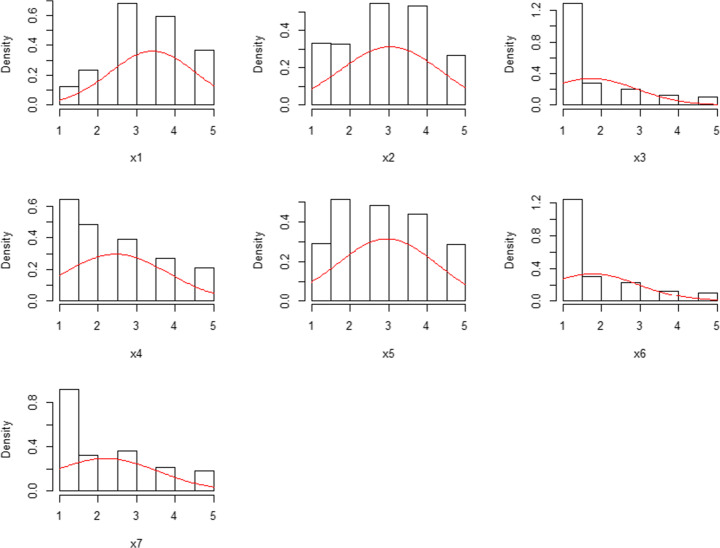
- Main analysis: Descriptive statistics, normality checks, parallel analysis/DWLS (polychoric correlations), confirmatory factor analysis with fit indices (χ², CFI, TLI, RMSEA, SRMR), and correlations for construct/convergent validity.
## Limitations
- The paper states the sample was self-selected, came from the general Italian population, and was mostly female, so tests for gender differences were not possible.
- The paper states that no formal diagnosis of mood disorders was undertaken and that social desirability may have influenced responses.
- Evident from the text: the study was conducted over a very short period and used an online convenience sample, which limits representativeness beyond the surveyed participants.
Model-written summary. Check it against the paper before relying on it.
Integrity signals
Registry
Cites
Statistics
Figures
Verification
Claims the paper makes
0 Valid · 0 Not valid · 7 Not checked · 31 Own results and interpretations
A result the paper reports from its own data — it cites no other source for it, so there is none to check. The quote shows it is in the paper.
In the paper
“confirmed the scale’s unidimensional properties”
- Also stated in: § Psychometric Analysis of the Italian FCV-19S · hedged
“the Italian FCV-19S appeared to have a unidimensional structure (i.e., a single factor)”
- Also stated in: § Discussion · hedged
“Results indicated a stable unidimensional structure of the Italian FCV-19S, confirming the findings of the original validation study (Ahorsu et al. 2020).”
§ Validation and Psychometric Evaluation of the Italian Version of the Fear of COVID-19 Scale > Abstract > Results
plainn = 249 ·- Asserted: passes — The authors put it forward as true.
- Checkable: passes — It can be checked against evidence.
- Load-bearing: passes — The paper’s conclusions depend on it.
- Based: passes — The paper gives a reason why it holds.
- Rests on an assumption not shown here.
- Also stated in: § Psychometric Analysis of the Italian FCV-19S · hedged
A result the paper reports from its own data — it cites no other source for it, so there is none to check. The quote shows it is in the paper.
In the paper
“Construct validity for the FCV-19S was supported by significant and positive correlations with the HADS (r=.649) and SMSP-A (r=.703).”
§ Validation and Psychometric Evaluation of the Italian Version of the Fear of COVID-19 Scale > Abstract > Results
plainstates an association- Asserted: passes — The authors put it forward as true.
- Checkable: passes — It can be checked against evidence.
- Load-bearing: passes — The paper’s conclusions depend on it.
- Based: passes — The paper gives a reason why it holds.
In the paper
“The explained common variance (ECV) was 74.31% (Fornell and Larcker 1981).”
§ Validation and Psychometric Evaluation of the Italian Version of the Fear of COVID-19 Scale > Results > Psychometric Analysis of the Italian FCV-19S
What the sources say
- Not checked yetcites Fornell and Larcker 1981 matched to “Evaluating structural equation models with unobservable variables and measurement error” (1981) source
plainn = 249- Asserted: passes — The authors put it forward as true.
- Checkable: passes — It can be checked against evidence.
- Load-bearing: passes — The paper’s conclusions depend on it.
- Based: passes — The paper gives a reason why it holds.
A result the paper reports from its own data — it cites no other source for it, so there is none to check. The quote shows it is in the paper.
In the paper
“The Factor Determinacy Index was 0.966 and the composite reliability was 0.907.”
§ Validation and Psychometric Evaluation of the Italian Version of the Fear of COVID-19 Scale > Results > Psychometric Analysis of the Italian FCV-19S
plain- Asserted: passes — The authors put it forward as true.
- Checkable: passes — It can be checked against evidence.
- Load-bearing: passes — The paper’s conclusions depend on it.
- Based: passes — The paper gives a reason why it holds.
A result the paper reports from its own data — it cites no other source for it, so there is none to check. The quote shows it is in the paper.
In the paper
“the loadings on the factor were significant and strong (from .684 to .897).”
§ Validation and Psychometric Evaluation of the Italian Version of the Fear of COVID-19 Scale > Abstract > Results
boosted- Asserted: passes — The authors put it forward as true.
- Checkable: passes — It can be checked against evidence.
- Load-bearing: passes — The paper’s conclusions depend on it.
- Based: passes — The paper gives a reason why it holds.
14 more claims
Create a free account to see all 38 claims and to verify the 10 references still open.
- It may state two separate claims as one. 15
- Probably not a substantial claim. 8
- The quote only partly states this claim. 1
Claims other papers make about this one
Each is checked against this paper’s own text: does it say what the citing paper says it does?
In the citing paper
“This scale has been used in a wide range of countries, such as Iran (Alyami et al., 2020), Bangladesh (Sakib et al., 2020), Italy (Soraci et al., 2020), Turkey (Satici et al., 2020), Russia and Belarus (Reznik et al., 2020), Israel (Tzur Bitan et al., 2020), Peru (Huarcaya-Victoria et al., 2020), and Paraguay (Barrios et al., 2020).”
From Fear of COVID-19, Stress, and Anxiety in University Undergraduate Students: A Predictive Model for Depression (2020) · cites this paper as Soraci et al., 2020
Self-check
Percentages, sums and reported differences re-computed from the paper’s own numbers.
Each contradiction between two passages listed here was confirmed by an independent check.
Rated minor: it would not touch a result — a value no result rests on, a p-value that stays on the same side of the significance level, or a conflict that is clerical, resolved elsewhere in the paper, or outside its own findings.
In the paper
§ Validation and Psychometric Evaluation of the Italian Version of the Fear of COVID-19 Scale > Abstract > Methods
“The sample comprised 250 Italian participants who were administered Italian versions of the FCV-19S, the Hospital Anxiety and Depression Scale (HADS), and the Severity Measure for Specific Phobia–Adult (SMSP-A).”
§ Validation and Psychometric Evaluation of the Italian Version of the Fear of COVID-19 Scale > Methods > Participants and Procedure
“A total of 249 participants (age 18 to 76 years) volunteered to take part in the study via an online survey posted in Italian online forums and social network communities (e.g., Facebook).”
Citations
Cites
R: A Language and Environment for Statistical Computing
R Core Team (2025) · doi:10.32614/r.manuals · Cited by 352,181
Diagnostic and Statistical Manual of Mental Disorders
American Psychiatric Association (2013) · doi:10.1176/appi.books.9780890425596 · Cited by 116,369
Diagnostic and Statistical Manual of Mental Disorders
Williams, J. B. W., & First, M. (2013) · Encyclopedia of Social Work · doi:10.1093/acrefore/9780199975839.013.104 · Cited by 109,519
Evaluating Structural Equation Models with Unobservable Variables and Measurement Error
Fornell, C., & Larcker, D. F. (1981) · Journal of Marketing Research · doi:10.2307/3151312 · Cited by 109,314 · cited 3×
“…deviations of themain items); (ii) construct and criterion validity of the Italian FCV-19S; (iii) the reliability of the scale, examined via composite reliability (CR) (e.g., CR values greater than 0.7 are associated with good test reliability; Fornell and Larcker 1981; Netemeyer et al. 2003).”
BackgroundInfluentialEvaluating structural equation models with unobservable variables and measurement error
Fornell, C., & Larcker, D. F. (1981) · Journal of Marketing Research · doi:10.1177/002224378101800104 · Cited by 109,190
Hu, L., & Bentler, P. M. (1999) · Structural Equation Modeling A Multidisciplinary Journal · doi:10.1080/10705519909540118 · Cited by 108,788 · cited 2×
“…(Kline 2011); chi-square test is very sensitive to the size of the sample, so several indices were used (Kline 2016), TLI = 99, CFI = 99, RMSEA=0.069 (90% confidence interval, lower limit 0.032, upper limit 0.105, p = .173, i.e., not significant for p= .01) and SRMR=0.047 (Hu and Bentler 1999).”
MethodInfluentialTabachnick, B. G., & Fidell, L. S. (1983) · Cited by 80,031
The Hospital Anxiety and Depression Scale
Zigmond, A. S., & Snaith, R. P. (1983) · Acta Psychiatrica Scandinavica · doi:10.1111/j.1600-0447.1983.tb09716.x · Cited by 47,139 · cited 1×
“The HADS (Zigmond and Snaith 1983) is a 14-item scale comprising seven items relating to anxiety and seven items relating to depression.”
BackgroundClinical characteristics of coronavirus disease 2019 in China
Guan, W.-J., Ni, Z.-Y., Hu, Y., Liang, W.-H., Ou, C.-Q., He, J.-X., Liu, L., Shan, H., Lei, C.-L., Hui, D. S. C., et al. (2020) · New England Journal of Medicine · doi:10.1056/nejmoa2002032 · Cited by 30,246
lavaan : An R Package for Structural Equation Modeling
Rosseel, Y. (2012) · Journal of Statistical Software · doi:10.18637/jss.v048.i02 · Cited by 27,955
Research works printed but not linked: 4
- Gorsuch, R. L. (1983). Factor analysis (2nd Edition). Hillsdale, NJ: Erlbaum.
- Kline, R. B. (2011). Methodology in the social sciences. Principles and practice of structural equation modeling (3rd ed.). New York: Guilford Press.
- Kline, R. B. (2016). Methodology in the social sciences. Principles and practice of structural equation modeling (4th ed.). Guilford Press.
- Muthén, L. K., & Muthén, B. O. (1998-2017). Mplus user’s guide (8th ed.). Los Angeles: Muthén & Muthén.
Cited by
Depression and Anxiety in Hong Kong during COVID-19
Choi, E. P. H., Hui, B. P. H., & Wan, E. Y. F. (2020) · International Journal of Environmental Research and Public Health · doi:10.3390/ijerph17103740 · Cited by 893
“Recent studies among Italian [36] and Iranian [37] populations found that fear of COVID-19 was significantly correlated with depression and anxiety, as measured by the hospital anxiety and depression scale; the authors also explained that fear of COVID-19 may be exacerbated by coexisting depression and anxiety disorde…”
BackgroundGalanti, T., Guidetti, G., Mazzei, E., Zappalà, S., & Toscano, F. (2021) · Journal of Occupational & Environmental Medicine · doi:10.1097/jom.0000000000002236 · Cited by 826
“Furthermore, since this research was conducted during the first phase of the COVID-19 pandemic, subjective perceptions and concerns regarding the COVID-19 may also have an impact on the experiences and well-being of the participants.18 Therefore, fear of COVID-19 was used as a control variable and assessed using the s…”
BackgroundBakioğlu, F., Korkmaz, O., & Ercan, H. (2021) · International Journal of Mental Health and Addiction · doi:10.1007/s11469-020-00331-y · Cited by 812
“Additionally, the FCV-19S was confirmed in Bangla (Sakib et al. 2020), Italy (Soraci et al. 2020), and Eastern Europe (Reznik et al. 2020) versions.”
BackgroundSakib, N., Bhuiyan, A. K. M. I., Hossain, S., Al Mamun, F., Hosen, I., Abdullah, A. H., Sarker, M. A., Mohiuddin, M. S., Rayhan, I., Hossain, M., et al. (2022) · International Journal of Mental Health and Addiction · doi:10.1007/s11469-020-00289-x · Cited by 414
“In general, the results of the study were comparable with the original Iranian validation (Ahorsu et al. 2020) and a recent Italian validation study (Soraci et al. 2020).”
BackgroundResultInfluentialSelf-citationRodríguez-Hidalgo, A. J., Pantaleón, Y., Dios, I., & Falla, D. (2020) · Frontiers in Psychology · doi:10.3389/fpsyg.2020.591797 · Cited by 408
Chen, H., & Eyoun, K. (2021) · International Journal of Hospitality Management · doi:10.1016/j.ijhm.2020.102850 · Cited by 381
“Studies in other cultural contexts and industry sectors have shown that fear of COVID-19 was significantly associated with concerns of job instability and poor mental health including psychological distress, depression, anxiety, and low life satisfaction (Ahorsu et al., 2020; Sasaki et al., 2020; Satici et al., 2020;…”
BackgroundPsychometric evaluation of the Arabic version of the Fear of COVID-19 Scale
Alyami, M., Henning, M., Krägeloh, C. U., & Alyami, H. (2021) · International Journal of Mental Health and Addiction · doi:10.1007/s11469-020-00316-x · Cited by 313
“Concurrent validity analysis showed significant positive correlations with anxiety and depression as assessed by the HADS, and this was also consistent with previous findings (Ahorsu et al. 2020; Sakib et al. 2020; Satici et al. 2020; Soraci et al. 2020).”
BackgroundResultInfluentialThe fear of COVID-19 scale: Validation in spanish university students
Martínez-Lorca, M., Martínez-Lorca, A., Criado-Álvarez, J. J., Armesilla, M. D. C., & Latorre, J. M. (2020) · Psychiatry Research · doi:10.1016/j.psychres.2020.113350 · Cited by 301
Gender and Fear of COVID-19 in a Cuban Population Sample
Broche-Pérez, Y., Fernández-Fleites, Z., Jiménez-Puig, E., Fernández-Castillo, E., & Rodríguez-Martin, B. C. (2022) · International Journal of Mental Health and Addiction · doi:10.1007/s11469-020-00343-8 · Cited by 302
“Recently, the Fear of COVID-19 Scale was also validated for Italian sample (Soraci et al. 2020) and Bangla sample (Sakib et al. 2020).”
MethodKunzler, A. M., Röthke, N., Günthner, L., Stoffers-Winterling, J., Tüscher, O., Coenen, M., Rehfuess, E., Schwarzer, G., Binder, H., Schmucker, C., et al. (2021) · Globalization and Health · doi:10.1186/s12992-021-00670-y · Cited by 262
On the Nature of Fear and Anxiety Triggered by COVID-19
Coelho, C. M., Suttiwan, P., Arato, N., & Zsido, A. N. (2020) · Frontiers in Psychology · doi:10.3389/fpsyg.2020.581314 · Cited by 236
Validation of the Fear of COVID-19 Scale in a US College Sample
Perz, C. A., Lang, B. A., & Harrington, R. (2022) · International Journal of Mental Health and Addiction · doi:10.1007/s11469-020-00356-3 · Cited by 233
“Its psychometric qualities were explored with samples from Italy (Soraci et al. 2020), Turkey (Satici et al. 2020), Bangladesh (Sakib et al. 2020), Eastern Europe (Reznik et al. 2020), and Saudi Arabia (Alyami et al. 2020).”
BackgroundResultInfluentialSchnell, T., & Krampe, H. (2020) · Frontiers in Psychiatry · doi:10.3389/fpsyt.2020.582352 · Cited by 232
“Frontiers in Psychiatry | www.frontiersin.or Edited by: Antonella Granieri, University of Turin, Italy Reviewed by: Gabriele Sani, Università Cattolica del Sacro Cuore, Italy Eleftherios Spartalis, National and Kapodistrian University of Athens, Greece *Correspondence: Tatjana Schnell tatjana.schnell@uibk.ac.at Specia…”
BackgroundResultThe relationship between fear of COVID-19 and mental health problems: A meta-analysis
Şimşir, Z., Koç, H., Seki, T., & Griffiths, M. D. (2022) · Death Studies · doi:10.1080/07481187.2021.1889097 · Cited by 219
“…erez et al., 2020), Ethiopa (Elemo et al., 2020), Greece (Tsipropoulou et al., 2020), India (Doshi et al., 2020), Israel (Bitan et al., 2020), Italy (Soraci et al., 2020), Japan (Wakashima et al., 2020), Malaysia (Pang et al., 2020), Mexico (Garc ıa-Reyna et al., 2020), New Zealand (Winter et al.,…”
BackgroundInfluentialSelf-citationSystematic Review and Meta-Analysis of Fear of COVID-19
Luo, F., Ghanei Gheshlagh, R., Dalvand, S., Saedmoucheshi, S., & Li, Q. (2021) · Frontiers in Psychology · doi:10.3389/fpsyg.2021.661078 · Cited by 209
“reported this score by gender, and 17 reported the mean scores by item (Abuhammad et al., 2020; Alyami et al., 2020; Bitan et al., 2020; Cavalheiro and Sticca, 2020; Caycho-Rodríguez et al., 2020; Elemo et al., 2020; Giordani et al., 2020; Huarcaya-Victoria et al., 2020; Martínez-Lorca et al., 2020; Masuyama et al., 2…”
BackgroundHuarcaya-Victoria, J., Villarreal-Zegarra, D., Podestà, A., & Luna-Cuadros, M. A. (2022) · International Journal of Mental Health and Addiction · doi:10.1007/s11469-020-00354-5 · Cited by 185
“The internal consistency of the Spanish FCV-19S was 0.87, which is similar to the 0.82 reported for the original scale (Ahorsu et al. 2020), 0.88 for the Arabic version (Alyami et al. 2020), 0.85 for the Turkish (Satici et al. 2020), 0.87 for the Bangla version (Sakib et al. 2020), 0.81 for the Russian version (Reznik…”
BackgroundMethodInfluentialThe consequences of COVID-19 on social interactions: an online study on face covering
Calbi, M., Langiulli, N., Ferroni, F., Montalti, M., Kolesnikov, A., Gallese, V., & Umiltà, M. A. (2021) · Scientific Reports · doi:10.1038/s41598-021-81780-w · Cited by 186
Alimoradi, Z., Ohayon, M. M., Griffiths, M. D., Lin, C.-Y., & Pakpour, A. H. (2022) · BJPsych Open · doi:10.1192/bjo.2022.26 · Cited by 181
Self-citationWinter, T., Riordan, B. C., Pakpour, A. H., Griffiths, M. D., Mason, A., Poulgrain, J. W., & Scarf, D. (2023) · International Journal of Mental Health and Addiction · doi:10.1007/s11469-020-00342-9 · Cited by 169
“In rapid time, the FCV-19S has been translated and validated in Bangla (Sakib et al. 2020), Italian (Soraci et al. 2020), Arabic (Alyami et al. 2020), Russian (Reznik et al. 2020), Hebrew (Bitan et al. 2020), and Turkish (Satici et al. 2020).”
BackgroundMethodSelf-citationRossi, A., Panzeri, A., Pietrabissa, G., Manzoni, G. M., Castelnuovo, G., & Mannarini, S. (2020) · Frontiers in Psychology · doi:10.3389/fpsyg.2020.02177 · Cited by 166
“…negative cognitions and emotions that significantly affect the idea of oneself (i.e., “I am a failure”, “I am worthless”) (Beck, 1979) – thus, leaving scars in the self-concept, as well as persistently threatening and reducing self-esteem and selfefficacy (Mannarini, 2010; Sowislo and Orth, 2013).”
BackgroundDo we experience pandemic fatigue? current state, predictors, and prevention
Haktanır, A., Can, N., Seki, T., Kurnaz, M. F., & Dilmaç, B. (2021) · Current Psychology · doi:10.1007/s12144-021-02397-w · Cited by 172
“The fear of coronavirus may trigger several psychological problems such as anxiety, depression, phobias, and eating disorders (Colizzi et al., 2020; Soraci et al., 2020).”
BackgroundFear of COVID‐19 Scale (FCV‐19S) across countries: Measurement invariance issues
Lin, C., Hou, W., Mamun, M. A., Aparecido da Silva, J., Broche‐Pérez, Y., Ullah, I., Masuyama, A., Wakashima, K., Mailliez, M., Carre, A., et al. (2021) · Nursing Open · doi:10.1002/nop2.855 · Cited by 162
Self-citationTomasoni, D., Bai, F., Castoldi, R., Barbanotti, D., Falcinella, C., Mulè, G., Mondatore, D., Tavelli, A., Vegni, E., Marchetti, G., et al. (2021) · Journal of Medical Virology · doi:10.1002/jmv.26459 · Cited by 159
“To date, few studies investigated psychological consequences of COVID‐19 pandemics by HADS‐A/D.(7,8) In most cases mental health status of general population or of health care workers was assessed via online surveys, highlighting substantial rates of disorders, especially anxiety.”
BackgroundMasuyama, A., Shinkawa, H., & Kubo, T. (2022) · International Journal of Mental Health and Addiction · doi:10.1007/s11469-020-00368-z · Cited by 166
“While the initial version of the scale was developed in Persian (Ahorsu et al. 2020), the instrument was then translated into several languages, including English (Ahorsu et al. 2020), Italian (Soraci et al. 2020), and Bangla (Sakib et al. 2020).”
BackgroundMethodResultInfluentialGasparro, R., Scandurra, C., Maldonato, N. M., Dolce, P., Bochicchio, V., Valletta, A., Sammartino, G., Sammartino, P., Mariniello, M., di Lauro, A. E., et al. (2020) · International Journal of Environmental Research and Public Health · doi:10.3390/ijerph17155338 · Cited by 170
“[29]), a 7-item scale assessing the fear of being infected by COVID-19.”
BackgroundWakashima, K., Asai, K., Kobayashi, D., Koiwa, K., Kamoshida, S., & Sakuraba, M. (2020) · PLOS ONE · doi:10.1371/journal.pone.0241958 · Cited by 140
“The FCV-19S has been confirmed to have reliability and validity in various countries such as Bangladesh [14], Iran [10], Israel [15], Italy [16], New Zealand [17], Russia and Belarus [18], Saudi Arabia [19], Turkey [20], and Vietnam [21].”
BackgroundServidio, R., Bartolo, M. G., Palermiti, A. L., & Costabile, A. (2021) · Journal of Affective Disorders Reports · doi:10.1016/j.jadr.2021.100097 · Cited by 148
Zurlo, M. C., Cattaneo Della Volta, M. F., & Vallone, F. (2020) · Frontiers in Psychology · doi:10.3389/fpsyg.2020.576758 · Cited by 145
Psychometric Testing of Three COVID-19-Related Scales Among People with Mental Illness
Chang, K., Hou, W., Pakpour, A. H., Lin, C., & Griffiths, M. D. (2020) · International Journal of Mental Health and Addiction · doi:10.1007/s11469-020-00361-6 · Cited by 144
“Compared to previous studies psychometrically testing the FCV-19S (Ahorsu et al. 2020; Sakib et al. 2020; Satici et al. 2020; Soraci et al. 2020) the present findings demonstrate similar results, especially the single-factor structure of the FCV-19S.”
BackgroundResultInfluentialSelf-citationPsychological distress associated with the COVID-19 lockdown: A two-wave network analysis
Di Blasi, M., Gullo, S., Mancinelli, E., Freda, M. F., Esposito, G., Gelo, O. C. G., Lagetto, G., Giordano, C., Mazzeschi, C., Pazzagli, C., et al. (2021) · Journal of Affective Disorders · doi:10.1016/j.jad.2021.02.016 · Cited by 143
Psychometric Properties of the Greek Version of FCV-19S
Tsipropoulou, V., Nikopoulou, V. A., Holeva, V., Nasika, Z., Diakogiannis, I., Sakka, S., Kostikidou, S., Varvara, C., Spyridopoulou, E., & Parlapani, E. (2021) · International Journal of Mental Health and Addiction · doi:10.1007/s11469-020-00319-8 · Cited by 127
“2020) and previous validation findings in Italy, Bangladesh, and Turkey (Sakib et al. 2020; Satici et al. 2020; Soraci et al. 2020), yet with rather modest factor loadings.”
MethodResultInfluentialSatıcı, S. A., Kayiş, A. R., Satıcı, B., Griffiths, M. D., & Can, G. (2020) · International Journal of Mental Health and Addiction · doi:10.1007/s11469-020-00443-5 · Cited by 153
“The FCVS-19 has already been adapted to many different languages including Arabic (Alyami et al. 2020), Bangla (Sakib et al. 2020), English (Harper et al. 2020 [in the UK]; Winter et al. 2020 [in New Zealand]); Hebrew (Bitan et al. 2020), Italian (Soraci et al. 2020), Japanese (Masuyama et al. 2020), Malay (Pang et al…”
Self-citationPsychometric Evaluation of the Fear of COVID-19 Scale Among Chinese Population
Chi, X., Chen, S., Chen, Y., Chen, D., Yu, Q., Guo, T., Cao, Q., Zheng, X., Huang, S., Hossain, M. M., et al. (2022) · International Journal of Mental Health and Addiction · doi:10.1007/s11469-020-00441-7 · Cited by 137
“Moreover, similar to previous FCV-19S validation studies (Ahorsu et al. 2020; Alyami et al. 2020; Soraci et al. 2020), we also assessed the internal consistency of the FCV-19S scores using Cronbach’s alpha coefficients and composite reliability (CR) coefficients.”
MethodResultLee, Y., Jeon, Y. J., Kang, S., Shin, J. I., Jung, Y.-C., & Jung, S. J. (2022) · BMC Public Health · doi:10.1186/s12889-022-13409-0 · Cited by 131
Fear, Anger, and Media-Induced Trauma During the Outbreak of Covid-19 in the Czech Republic
Trnka, R., & Lorencová, R. (2020) · Psychological Trauma Theory Research Practice and Policy · doi:10.1037/tra0000675 · Cited by 166
“At the end of March, 2020, the decrease of R0 was also accompanied by a partial decrease of fear and pessimism in the general public (Figure 1; see also Ahorsu et al., 2020; Harper, Satchell, Fido, & Latzman, 2020; Soraci et al., 2020).”
BackgroundCOVID-19 Fear, Mental Health, and Substance Use Among Israeli University Students
Zolotov, Y., Reznik, A., Bender, S., & Isralowitz, R. (2020) · International Journal of Mental Health and Addiction · doi:10.1007/s11469-020-00351-8 · Cited by 154
“This instrument has been shown to have satisfactory psychometric characteristics and validity in multiple populations around the world (Alyami et al. 2020; Reznik et al. 2020; Sakib et al. 2020; Satici et al. 2020; Soraci et al. 2020).”
BackgroundFactors related to preventive COVID-19 infection behaviors among people with mental illness
Chang, K., Strong, C., Pakpour, A. H., Griffiths, M. D., & Lin, C. (2020) · Journal of the Formosan Medical Association · doi:10.1016/j.jfma.2020.07.032 · Cited by 139
Self-citationMalay Version of the Fear of COVID-19 Scale: Validity and Reliability
Pang, N. T. P., Kamu, A., Hambali, N. L. B., Mun, H. C., Kassim, M. A., Mohamed, N. H., Ayu, F., Rahim, S. S. S. A., Omar, A., & Jeffree, M. S. (2022) · International Journal of Mental Health and Addiction · doi:10.1007/s11469-020-00355-4 · Cited by 122
“Compared with the existing validated instruments that are currently available, the single factor structure and good factor loadings for each of the seven items are mirrored in this study too, thus the validation of the FCV-19SM appears to be resonant with the results of the Turkish and Italian studies (Satici et al. 2…”
Sigorski, D., Sobczuk, P., Osmola, M., Kuć, K., Walerzak, A., Wilk, M., Ciszewski, T., Kopeć, S., Hryń, K., Rutkowski, P., et al. (2020) · ESMO Open · doi:10.1136/esmoopen-2020-000970 · Cited by 110
“16 In the present study, CRA and SRA were significantly higher in female individuals what was confirmed in a multi-variate model.”
Alrahimi, J., Nass, N. M., Hassoubah, S. A., Wazqar, D. Y., & Alamoudi, S. A. (2021) · PLoS ONE · doi:10.1371/journal.pone.0250554 · Cited by 114
Andrade, E. F., Pereira, L. J., de Oliveira, A. P. L., Orlando, D. R., Alves, D. A. G., Guilarducci, J. D. S., & Castelo, P. M. (2020) · Death Studies · doi:10.1080/07481187.2020.1809786 · Cited by 129
“In a study carried out in the Italian population (Soraci et al., 2020), no difference in fear of COVID-19 scores was observed according to age.”
BackgroundMethodResultInfluentialCan COVID-19 related mental health issues be measured?
Ransing, R. S., Ramalho, R., Orsolini, L., Adiukwu, F. N., González-Díaz, J. M., Larnaout, A., da Costa, M. P., Grandinetti, P., Bytyçi, D. G., Shalbafan, M., et al. (2020) · Brain Behavior and Immunity · doi:10.1016/j.bbi.2020.05.049 · Cited by 105
“The FCV-19S has been already translated and validated in different languages with evidence of good reliability (internal consistency) and validity (convergent and construct) (Reznik et al., 2020; Sakib et al., 2020; Satici et al., 2020; Soraci et al., 2020).”
BackgroundNikopoulou, V. A., Holeva, V., Parlapani, E., Karamouzi, P., Voitsidis, P., Porfyri, G.-N., Blekas, A., Papigkioti, K., Patsiala, S., & Diakogiannis, I. (2020) · International Journal of Mental Health and Addiction · doi:10.1007/s11469-020-00414-w · Cited by 119
“This scale, the only available and validated in the Greek language (Tsipropoulou et al. 2020), has been translated and validated in 18 other languages, that is, in Argentinian Spanish (Alomo et al. 2020), Arabic (Alyami et al. 2020), Bangla (Sakib et al. 2020), Brazilian Portuguese (Faro et al. 2020), Chinese (Chi et…”
BackgroundInfluentialPakpour, A. H., Griffiths, M. D., & Lin, C.-Y. (2021) · International Journal of Mental Health and Addiction · doi:10.1007/s11469-020-00334-9 · Cited by 101
“…advantage of different language versions, including English (Harper et al. 2020), Persian (Ahorsu et al. 2020), Bangla (Sakib et al. 2020), Italian (Soraci et al. 2020), Hebrew (Bitan et al. 2020), Arabic (Alyami et al. 2020), Russian (Reznik et al. 2020), and Turkish (Satici et al. 2020), and…”
BackgroundMethodInfluentialSelf-citationDuplaga, M., & Grysztar, M. (2021) · Healthcare · doi:10.3390/healthcare9010043 · Cited by 106
Bibliometric analysis of mental health during the COVID-19 pandemic
Chen, Y., Zhang, X., Chen, S., Zhang, Y., Wang, Y., Lu, Q., & Zhao, Y. (2021) · Asian Journal of Psychiatry · doi:10.1016/j.ajp.2021.102846 · Cited by 126
Confirming validity of The Fear of COVID-19 Scale in Japanese with a nationwide large-scale sample
Midorikawa, H., Aiba, M., Lebowitz, A., Taguchi, T., Shiratori, Y., Ogawa, T., Takahashi, A., Takahashi, S., Nemoto, K., Arai, T., et al. (2021) · PLoS ONE · doi:10.1371/journal.pone.0246840 · Cited by 108
“showed a higher number of Italian respondents who selected “strongly disagree” for items under Factor 2 (Item 3, Item 6, Item 7) [23].”
BackgroundChen, I., Chen, C., Liu, C., Ahorsu, D. K., Griffiths, M. D., Chen, Y., Kuo, Y., Lin, C., Pakpour, A. H., & Wang, S. (2021) · Journal of Behavioral Addictions · doi:10.1556/2006.2021.00052 · Cited by 122
Self-citationChen, I.-H., Ahorsu, D. K., Pakpour, A. H., Griffiths, M. D., Lin, C.-Y., & Chen, C.-Y. (2020) · Frontiers in Psychiatry · doi:10.3389/fpsyt.2020.00875 · Cited by 101
Self-citationMagano, J., Vidal, D. G., Sousa, H. F. P. E., Dinis, M. A. P., & Leite, Â. M. T. (2021) · International Journal of Environmental Research and Public Health · doi:10.3390/ijerph18020427 · Cited by 117
“This scale has been validated in the Bangla [21], Greek [22], Arabic [23], Malay [24], Italian [25], Hebrew [26] and Spanish [27] languages, Spanish language in Peru [28], Spanish language in Argentina [29], Portuguese language in Brazil [30], Japanese [31] and Chinese [32] languages and in Eastern Europe [33] and Ind…”
MethodPatelarou, E., Galanis, P., Mechili, E. A., Argyriadi, A., Argyriadis, A., Asimakopoulou, E., Brokaj, S., Bucaj, J., Carmona‐Torres, J. M., Cobo‐Cuenca, A. I., et al. (2021) · Nurse Education Today · doi:10.1016/j.nedt.2021.105010 · Cited by 109
Chen, C.-Y., Chen, I.-H., Hou, W.-L., Potenza, M. N., O’Brien, K. S., Lin, C.-Y., & Latner, J. D. (2022) · Journal of Addiction Medicine · doi:10.1097/adm.0000000000000845 · Cited by 87
Fear of COVID-19 and Mental Health: The Role of Mindfulness in During Times of Crisis
Belen, H. (2022) · International Journal of Mental Health and Addiction · doi:10.1007/s11469-020-00470-2 · Cited by 92
“…(Şahin et al., 2020), post-traumatic stress symptoms (Bo et al., 2020; Hao et al., 2020; Liu et al., 2020), and particularly moderate to severe depressive symptoms (Belen, 2020; Holmes et al., 2020; Šljivo et al., 2020; Soraci et al., 2020) and anxiety (Cameron et al., 2020; Roy et al., 2020).”
BackgroundChen, C.-Y., Chen, I.-H., O’Brien, K. S., Latner, J. D., & Lin, C.-Y. (2021) · International Journal of Obesity · doi:10.1038/s41366-021-00741-5 · Cited by 87
Mahmood, Q. K., Jafree, S. R., & Qureshi, W. A. (2020) · International Journal of Mental Health and Addiction · doi:10.1007/s11469-020-00371-4 · Cited by 81
“However, this value is less than that reported for Italian (α = .87) (Soraci et al. 2020), Bangla (α = .87) (Sakib et al. 2020), Turkish (α = .85), (Satici et al. 2020), and Arabic versions (Alyami et al. 2020).”
BackgroundMethodKASAPOĞLU, F. (2020) · Journal of Turkish Studies · doi:10.7827/turkishstudies.44284 · Cited by 96
Voitsidis, P., Nikopoulou, V. A., Holeva, V., Parlapani, E., Sereslis, K., Tsipropoulou, V., Karamouzi, P., Giazkoulidou, A., Tsopaneli, N., & Diakogiannis, I. (2021) · Psychology and Psychotherapy: Theory, Research and Practice · doi:10.1111/papt.12315 · Cited by 78
“The emergence of COVID-19 led to the development of newpsychometric instruments, such as the FCV-19S that was correlated with the Hospital Anxiety and Depression Scale (HADS), the Severity Measure for Specific Phobia-Adult scale (SMSP-A), and the Perceived Vulnerability to Disease Scale (PVDS) (Ahorsu et al., 2020; So…”
MethodUncertainty upon uncertainty: supportive Care for Cancer and COVID-19
Young, A. M., Ashbury, F. D., Schapira, L., Scotté, F., Ripamonti, C. I., & Olver, I. N. (2020) · Supportive Care in Cancer · doi:10.1007/s00520-020-05604-9 · Cited by 71
“A screening tool of ‘fear of COVID-19’, developed in Iran and validated in the Italian population (8), may be used to individualize psychological care.”
MethodStănculescu, E. (2021) · International Journal of Mental Health and Addiction · doi:10.1007/s11469-020-00428-4 · Cited by 81
“Various studies have confirmed the validity of the Fear of COVID-19 Scale (FCV-19S) in different cultures (Alyami et al. 2020; Bharatharaj et al. 2020; Doshi et al. 2020; Mahamid et al. 2020; Perz et al. 2020; Satici et al. 2020a; Soraci et al. 2020; Winter et al. 2020).”
BackgroundResultInfluentialFernández‐Aranda, F., Munguía, L., Mestre‐Bach, G., Steward, T., Etxandi, M., Baenas, I., Granero, R., Sánchez, I., Ortega, E., Andreu, A., et al. (2020) · European Eating Disorders Review · doi:10.1002/erv.2784 · Cited by 74
“Some of these new scales are: the Fear of COVID-19 Scale (FCV-19S; (Ahorsu et al., 2020; Sakib et al., 2020; Soraci et al., 2020), the COVID-19 Anxiety Scale (CAS; (Chandu et al.”
BackgroundIncome Differences and COVID-19: Impact on Daily Life and Mental Health
Hall, L., Sanchez, K., da Graca, B., Bennett, M., Powers, M. B., & Warren, A. M. (2021) · Population Health Management · doi:10.1089/pop.2021.0214 · Cited by 87
Measuring the Impact of COVID-19 on Mental Health: A Scoping Review of the Existing Scales
Chandu, V. C., Marella, Y., Panga, G. S. K., Pachava, S., & Vadapalli, V. (2020) · Indian Journal of Psychological Medicine · doi:10.1177/0253717620946439 · Cited by 76
Fear of COVID-19 among Healthcare Workers: The Role of Neuroticism and Fearful Attachment
Troisi, A., Nanni, R. C., Riconi, A., Carola, V., & Cave, D. D. (2021) · Journal of Clinical Medicine · doi:10.3390/jcm10194358 · Cited by 78
Fear of COVID-19 Scale for Hospital Staff in Regional Hospitals in Mexico: a Brief Report
García-Reyna, B., Castillo-García, G. D., Barbosa‐Camacho, F. J., Cervantes‐Cardona, G. A., Cervantes‐Pérez, E., Torres-Mendoza, B. M., Fuentes‐Orozco, C., Pintor‐Belmontes, K. J., Guzmán-Ramírez, B. G., Hernández, A. B., et al. (2020) · International Journal of Mental Health and Addiction · doi:10.1007/s11469-020-00413-x · Cited by 85
“Numerous tests have found high internal consistency and robust psychometric properties in several languages (Alyami et al. 2020; Huarcaya-Victoria et al. 2020; Reznik et al. 2020; Sakib et al. 2020; Satici et al. 2020; Soraci et al. 2020; Winter et al. 2020).”
BackgroundMethodSaraçoğlu, K. T., Şimşek, T., Kahraman, S., Bombacı, E., Sezen, Ö. K., Saraçoğlu, A., & Demirhan, R. (2020) · Clinical Psychopharmacology and Neuroscience · doi:10.9758/cpn.2020.18.4.607 · Cited by 74
“firmatory factor analysis was performed [18].”
Caycho‐Rodríguez, T., Vilca, L. W., Cervigni, M., Gallegos, M., Martino, P., Portillo, N., Barés, I., Calandra, M., & Videla, C. G. B. (2020) · Death Studies · doi:10.1080/07481187.2020.1836071 · Cited by 72
“languages and demonstrated adequate psychometric evidence of validity and reliability (Alyami et al., 2020; Bitan et al, 2020; Broche-P erez et al., 2020; Chang et al., 2020; Haktanir et al., 2020; Huarcaya-Victoria et al., 2020; Mart ınez-Lorca et al., 2020; Masuyama et al., 2020; Pang et al., 2020; Perz et al., 2020…”
BackgroundResultFear of COVID-19 Among College Students: A Systematic Review and Meta-Analysis
Wang, F., Zhang, L., Ding, L., Wang, L., & Deng, Y. (2022) · Frontiers in Public Health · doi:10.3389/fpubh.2022.846894 · Cited by 77
Canale, N., Marino, C., Lenzi, M., Vieno, A., Griffiths, M. D., Gaboardi, M., Giraldo, M., Cervone, C., & Santinello, M. (2021) · Journal of Happiness Studies · doi:10.1007/s10902-021-00421-1 · Cited by 93
Self-citationLo Coco, G., Gentile, A., Bosnar, K., Milovanović, I., Bianco, A., Drid, P., & Pišot, S. (2021) · International Journal of Environmental Research and Public Health · doi:10.3390/ijerph18052586 · Cited by 60
Assessing the fear of COVID-19 among different populations: A response to Ransing et al. (2020)
Pakpour, A. H., Griffiths, M. D., Chang, K., Chen, Y., Kuo, Y., & Lin, C. (2020) · Brain Behavior and Immunity · doi:10.1016/j.bbi.2020.06.006 · Cited by 69
Self-citationPsychometric Properties of the Norwegian Version of the Fear of COVID-19 Scale
Iversen, M. M., Norekvål, T. M., Oterhals, K., Fadnes, L. T., Mæland, S., Pakpour, A. H., & Breivik, K. (2021) · International Journal of Mental Health and Addiction · doi:10.1007/s11469-020-00454-2 · Cited by 57
The Fear of COVID-19 Scale: Psychometric Properties of the Ethiopian Amharic Version
Elemo, A. S., Satıcı, S. A., & Griffiths, M. D. (2020) · International Journal of Mental Health and Addiction · doi:10.1007/s11469-020-00448-0 · Cited by 62
“…the FCV-19S is the same or very similar to other studies such as the English version (α= .84 to .86; Winter et al. 2020), the Italian version (α= .87; Soraci et al. 2020), theHebrew version (α= .86; Bitan et al. 2020), theRussian version (α= .80; Reznik et al. 2020), the Bangla version (α= .87;…”
BackgroundResultInfluentialSelf-citationCaycho‐Rodríguez, T., Valencia, P. D., Vilca, L. W., Cervigni, M., Gallegos, M., Martino, P., Barés, I., Calandra, M., Anacona, C. A. R., López-Calle, C., et al. (2021) · Death Studies · doi:10.1080/07481187.2021.1879318 · Cited by 61
“…model (e.g., Ahorsu et al., 2020; Mart ınez-Lorca et al., 2020; Pang et al., 2020; Perz et al., 2020; Sakib et al., 2020; Satici et al., 2020; Soraci et al., 2020) However, other studies also point to the presence of two factors (Bitan et al., 2020; Caycho-Rodr ıguez et al., 2020, 2021;…”
BackgroundTools to measure the psychological impact of the COVID-19 pandemic: What do we have in the platter?
Cortêz, P. A., Joseph, S. J., Das, N., Bhandarı, S. S., & Shoib, S. (2020) · Asian Journal of Psychiatry · doi:10.1016/j.ajp.2020.102371 · Cited by 60
Impact of COVID-19 First Wave on Psychological and Psychosocial Dimensions: A Systematic Review
Filindassi, V., Pedrini, C., Sabadini, C., Duradoni, M., & Guazzini, A. (2022) · COVID · doi:10.3390/covid2030022 · Cited by 60
“[327] Italy 250 Anxiety, Analysis of the data showed satisfactory psychometric characteristics Depression, and confirmed the scale’s unidimensional properties.”
BackgroundPakpour, A. H., Liu, C.-H., Hou, W., Chen, Y., Li, Y.-P., Kuo, Y., Lin, C., & Scarf, D. (2021) · Frontiers in Public Health · doi:10.3389/fpubh.2021.740333 · Cited by 55
“Moreover, the FCV-19S has promising psychometric properties in different language versions, including Persian (20), Bangla (31), Russian (32), Turkish (33), Italian (34), Arabic (35), and Hebrew (36).”
BackgroundSarfraz, M., Ji, X., Asghar, M., Ivaşcu, L., & Öztürk, İ. (2022) · International Journal of Environmental Research and Public Health · doi:10.3390/ijerph19052657 · Cited by 70
Assessment of Fear of COVID-19 in Older Adults: Validation of the Fear of COVID-19 Scale
Caycho‐Rodríguez, T., Tomás, J. M., Barboza-Palomino, M., Ventura‐León, J., Gallegos, M., Reyes-Bossio, M. A., & Vilca, L. W. (2021) · International Journal of Mental Health and Addiction · doi:10.1007/s11469-020-00438-2 · Cited by 62
“Several studies on the factor structure of the FCV-19S have supported a one-dimensional model (for example, Ahorsu et al. 2020; Alyami et al. 2020; Haktanir et al. 2020; Sakib et al. 2020; Satici et al. 2020; Soraci et al. 2020; Tsipropoulou et al. 2020; Winter et al. 2020).”
BackgroundInfluentialAumento de Óbitos Domiciliares devido a Parada Cardiorrespiratória em Tempos de Pandemia de COVID-19
Guimarães, N. S., Carvalho, T. M. L., Machado‐Pinto, J., Lage, R., Bernardes, R. M., Peres, A. S. S., Raposo, M. A., Carvalhais, R. M., Mancini, R. A., Shiomatsu, G. Y., et al. (2021) · Arquivos Brasileiros de Cardiologia · doi:10.36660/abc.20200547 · Cited by 53
Adaptation and Validation of the Brazilian Version of the Fear of COVID-19 Scale
Cavalheiro, F. R. S., & Sticca, M. G. (2020) · International Journal of Mental Health and Addiction · doi:10.1007/s11469-020-00415-9 · Cited by 57
“This version also showed satisfactory internal consistency (α = 0.871), with factorial loads of items ranging from 0.688 to 0.897, resulting in a unidimensional scale (Soraci et al. 2020).”
BackgroundMethodResultInfluentialMarotta, M., Gorini, F., Parlanti, A., Berti, S. L., & Vassalle, C. (2022) · Journal of Clinical Medicine · doi:10.3390/jcm11113136 · Cited by 52
“[48] after MBSR training, suggesting the effectiveness of MBSR training to cope with the fear of COVID-19.”
BackgroundResultGarcía‐Martín, J., & Sánchez, J. N. G. (2022) · International Journal of Environmental Research and Public Health · doi:10.3390/ijerph19063358 · Cited by 74
Effects of COVID-19 Fear on Society’s Quality of Life
Demirbaş, N., & Kutlu, R. (2021) · International Journal of Mental Health and Addiction · doi:10.1007/s11469-021-00550-x · Cited by 55
“People living in different parts of the world have experienced intense fear of COVID-19, despite their geographical and cultural differences (Alyami et al., 2020; Broche-Pérez et al., 2020; Ornell et al., 2020; Ozamiz-Etxebarria et al., 2020; Reznik et al., 2020; Soraci et al., 2020; Tzur Bitan et al., 2020).”
BackgroundAlyami, M. M., de Albuquerque, J. V., Krägeloh, C. U., Alyami, H., & Henning, M. A. (2020) · Saudi Journal of Medicine and Medical Sciences · doi:10.4103/sjmms.sjmms_630_20 · Cited by 68
“Although the FCV‑19S is a developing scale without normative values, the FCV‑19S mean score in our sample was comparable with scores reported in other studies with Spanish,[45] Italian[46] and Vietnamese samples[47] but lower compared with other studies conducted with New Zealand[48] and Japanese samples.”
ResultAlsalhe, T. A., Aljaloud, S. O., Chalghaf, N., Guelmami, N., Alhazza, D. W., Azaiez, F., & Bragazzi, N. L. (2020) · Frontiers in Psychology · doi:10.3389/fpsyg.2020.570085 · Cited by 58
Assessing Fear and Anxiety of Corona Virus Among Dental Practitioners
Suryakumari, V. B. P., Reddy, Y. P., Yadav, S. S., Doshi, D., & Reddy, V. S. (2020) · Disaster Medicine and Public Health Preparedness · doi:10.1017/dmp.2020.350 · Cited by 50
Caycho‐Rodríguez, T., Tomás, J. M., Vilca, L. W., Carbajal‐León, C., Cervigni, M., Gallegos, M., Martino, P., Barés, I., Calandra, M., Anacona, C. A. R., et al. (2021) · Frontiers in Psychology · doi:10.3389/fpsyg.2021.695989 · Cited by 62
Winter, T., Riordan, B. C., Pakpour, A. H., et al. (2020) · doi:10.31234/osf.io/mvtd8 · Cited by 48
Self-citationFear of COVID-19 and Fear of Earthquake: Multiple Distressing Events and Well-Being in Croatia
Prizmić‐Larsen, Z., Vujčić, M. T., & Lipovčan, L. K. (2023) · Psychological Reports · doi:10.1177/00332941231156813 · Cited by 55
“Higher levels of fear of COVID-19 were associated with lower life satisfaction and poorer perceived health, which is in line with other studies (Gundogan, 2021; Iversen et al., 2021; Soraci et al., 2020).”
InfluentialGori, A., & Topino, E. (2021) · International Journal of Environmental Research and Public Health · doi:10.3390/ijerph18115651 · Cited by 50
Masuyama, A., Shinkawa, H., & Kubo, T. (2020) · doi:10.31234/osf.io/jkmut · Cited by 43
Patelarou, E., Galanis, P., Mechili, E. A., Argyriadi, A., Argyriadis, A., Asimakopoulou, E., Kiçaj, E., Bucaj, J., Carmona‐Torres, J. M., Cobo‐Cuenca, A. I., et al. (2022) · Vaccines · doi:10.3390/vaccines10010098 · Cited by 40
Pakpour, A. H., Griffiths, M. D., & Lin, C. (2020) · Psychiatry Research · doi:10.1016/j.psychres.2020.113127 · Cited by 40
Self-citationŁaskawiec-Żuławińska, D., Grajek, M. K., Szlacheta, P., & Korzonek-Szlacheta, I. (2022) · Healthcare · doi:10.3390/healthcare10060975 · Cited by 49
“Thus, this is another study that justifies the strong need to focus on psychological support for this particular professional group [66].”
BackgroundÜngüren, E., & Kaçmaz, Y. Y. (2022) · Journal of Hospitality Leisure Sport & Tourism Education · doi:10.1016/j.jhlste.2022.100369 · Cited by 56
Experiencing fear during the pandemic: validation of the fear of COVID-19 scale in Polish
Pilch, I., Kurasz, Z., & Turska–Kawa, A. (2021) · PeerJ · doi:10.7717/peerj.11263 · Cited by 42
“, 2020), specific phobia(s) (Soraci et al., 2020), satisfaction with life (Satici et al.”
BackgroundInfluentialFear of novel coronavirus disease (COVID-19) among pregnant and infertile women in Japan
Asai, K., Wakashima, K., Toda, S., & Koiwa, K. (2021) · Journal of Affective Disorders Reports · doi:10.1016/j.jadr.2021.100104 · Cited by 38
Italians on the Age of COVID-19: The Self-Reported Depressive Symptoms Through Web-Based Survey
Balsamo, M., & Carlucci, L. (2020) · Frontiers in Psychology · doi:10.3389/fpsyg.2020.569276 · Cited by 52
Did Wine Consumption Change During the COVID-19 Lockdown in France, Italy, Spain, and Portugal?
Dubois, M., Agnoli, L., Cardebat, J., Compés, R., Faye, B., Frick, B., Gaeta, D. N. V., Giraud-Heraud, E. E., Fur, E. L., Livat, F., et al. (2021) · Journal of Wine Economics · doi:10.1017/jwe.2021.19 · Cited by 49
“…that affects people worldwide has been further fueled by the disease ’ s severe symptoms, uncertainty about its outcome, implementation of massive containment measures (Guan et al., 2020; Huang et al., 2020), and the fact that the event is unprecedented for most individuals (Soraci et al., 2020).”
BackgroundCOVID-19 and Health-Related Quality of Life: A Community-Based Online Survey in Hong Kong
Choi, E. P. H., Hui, B. P. H., Wan, E. Y. F., Kwok, J. Y. Y., Tam, T. H. L., & Wu, C. (2021) · International Journal of Environmental Research and Public Health · doi:10.3390/ijerph18063228 · Cited by 43
Metadata
- Authors
- Soraci, P., Ferrari, A., Abbiati, F. A., Del Fante, E., De Pace, R., Urso, A., & Griffiths, M. D.
- Affiliations
- University of Milano-Bicocca (IT)
- University of Turin (IT)
- Pontifical University of Saint Thomas Aquinas (IT)
- Nottingham Trent University (GB)
- Corresponding author
- Griffiths, Mark D.
- Venue
- International Journal of Mental Health and Addiction
- Published
- 2020-05-04
- Volume
- 20
- Issue
- 4
- Pages
- 1913-1922
- ISSN
- 1557-1874 (ISSN-L)
- 1557-1882
- PMC
- PMC7198091
- OpenAlex
- W3023650990
- Cited by
- 427
- References
- 53
- Citations by year
- 2026: 4 · 2025: 7 · 2024: 24 · 2023: 41 · 2022: 120 · 2021: 157 · 2020: 74
- FWCI
- 39.16
- Type
- journal article
- Language
- en
- Open access
- hybrid
- doi.org
- Licence
- cc-by
- www.springer.com/tdm (tdm)
- www.springer.com/tdm (vor)
- Locations
- International Journal of Mental Health and Addiction (publishedVersion, cc-by)
- PubMed Central (publishedVersion, cc-by)
- PubMed (publishedVersion)
- Nottingham Trent University's Institutional Repository (Nottingham Trent Repository) (acceptedVersion)
- BOA (University of Milano-Bicocca) (submittedVersion)
- Topics
- Social Sciences › Psychology › Clinical Psychology › COVID-19 and Mental Health
- Social Sciences › Psychology › Experimental and Cognitive Psychology › Anxiety, Depression, Psychometrics, Treatment, Cognitive Processes
- Social Sciences › Decision Sciences › Management Science and Operations Research › Psychometric Methodologies and Testing
- Keywords
- Fear of COVID-19 Scale, fear of COVID-19, Italian translation, psychometric validation, scale reliability, construct validity, anxiety, specific phobia, Hospital Anxiety and Depression Scale
About these checks
Registry, retraction, Cites and statistics results are computed, not judged, with one exception: a printed reference that no index lists is read once by a model before it counts as a citation error. Claims are extracted by a model and kept only when their quote appears verbatim in the text; each cited source is then checked, with a model’s help, for whether it says what the claim relies on. Those verdicts can be wrong — read the claim’s quote and the cited source before relying on one.
A language model drew the claims from the paper on 2026-10-11, under version 3 of the claim definition (model deepseek-v4.1-flash, prompt extract-v3).
A second model labelled each claim on 2026-10-11 (model jev-1.13-20260917, definition revision gold-guideline-v0.2).
Statistics and arithmetic are recomputed, not judged.
Confidence bands are shown only for fields calibrated on our annotated test set. None is calibrated yet, so no band is shown.
What counts as a claim ›How we measure confidence ›How we check this ›
Are you an author, or do you see a problem with this page? Request a review
Data sources
Bibliographic data: Semantic Scholar, OpenAlex, Crossref.
Contains information from the Semantic Scholar Academic Graph Datasets, made available under the ODC Attribution License (ODC-BY 1.0).
Semantic Scholar’s data is described in: Kinney, R., et al. (2023). The Semantic Scholar Open Data Platform. arXiv:2301.10140.
