

Home Telehealth Uptake and Continued Use Among Heart Failure and Chronic Obstructive Pulmonary Disease Patients: a Systematic Review
Open accessThe DOI matches its Crossref record; 107 of the 107 references it cites were found in a registry or an index.
Abstract
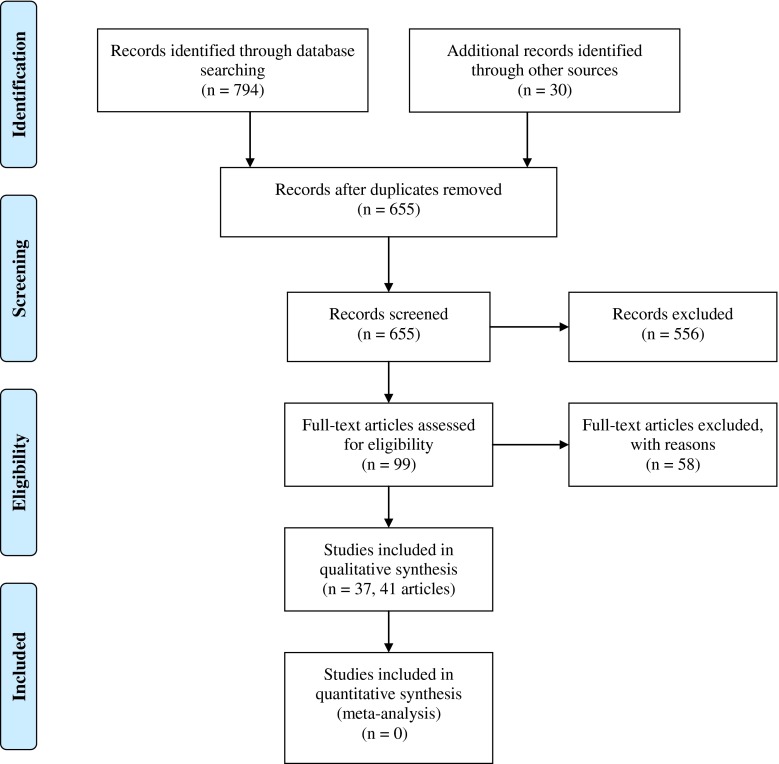
BACKGROUND: Home telehealth has the potential to benefit heart failure (HF) and chronic obstructive pulmonary disease (COPD) patients, however large-scale deployment is yet to be achieved. PURPOSE: The aim of this review was to assess levels of uptake of home telehealth by patients with HF and COPD and the factors that determine whether patients do or do not accept and continue to use telehealth. METHODS: This research performs a narrative synthesis of the results from included studies. RESULTS: Thirty-seven studies met the inclusion criteria. Studies that reported rates of refusal and/or withdrawal found that almost one third of patients who were offered telehealth refused and one fifth of participants who did accept later abandoned telehealth. Seven barriers to, and nine facilitators of, home telehealth use were identified. CONCLUSIONS: Research reports need to provide more details regarding telehealth refusal and abandonment, in order to understand the reasons why patients decide not to use telehealth.
Overview
The claims and statistics of this paper haven’t been checked yet.
Free: it reads the open-access text and checks the first 5 claims that cite a source we can check. Create a free account to check every claim.
Integrity signals
Registry
Cites
Statistics
Figures
Verification
Claims the paper makes
The claims and statistics of this paper haven’t been checked yet.
Free: it reads the open-access text and checks the first 5 claims that cite a source we can check. Create a free account to check every claim.
Claims other papers make about this one
Each is checked against this paper’s own text: does it say what the citing paper says it does?
The cited source says what the claim attributes to it.
In the citing paper
“The first review concluded that lack of training, poor patient tolerance with faulty systems, and technical problems all negatively affected uptake and sustained use of home-based remote monitoring [88].”
From Telemedicine in the OECD: An umbrella review of clinical and cost-effectiveness, patient experience and implementation (2020) · cites this paper as [88]
Self-check
Percentages, sums and reported differences re-computed from the paper’s own numbers.
The self-check needs the paper’s full text.
Citations
Cites
CONSORT 2010 Statement: updated guidelines for reporting parallel group randomised trials
the CONSORT Group, Schulz, K. F., Altman, D. G., & Moher, D. (2010) · BMC Medicine · doi:10.1186/1741-7015-8-18 · Cited by 13,371
Lopez, A. D., Mathers, C. D., Ezzati, M., Jamison, D. T., & Murray, C. J. (2006) · The Lancet · doi:10.1016/s0140-6736(06)68770-9 · Cited by 5,630
CONSORT 2010 statement: updated guidelines for reporting parallel group randomized trials
Schulz, K. F., Altman, D. G., Moher, D., & for the CONSORT Group* (2010) · Annals of Internal Medicine · doi:10.7326/0003-4819-152-11-201006010-00232 · Cited by 3,824 · cited 1×
“Moreover, some reporting guidelines are not as explicit as others, for example the Standards for Quality Improvement Reporting Excellence (SQUIRE) guidelines do not state that information relating to intervention acceptance and withdrawal should be recorded [81], whereas the Consolidated Standards of Reporting Trials…”
BackgroundHeidenreich, P. A., Albert, N. M., Allen, L. A., Bluemke, D. A., Butler, J., Fonarow, G. C., Ikonomidis, J. S., Khavjou, O., Konstam, M. A., Maddox, T. M., et al. (2013) · Circulation: Heart Failure · doi:10.1161/hhf.0b013e318291329a · Cited by 2,804
Global Burden of Disease and Risk Factors
(2006) · World Bank, Washington, DC eBooks · doi:10.1596/978-0-8213-6262-4 · Cited by 2,605
Telemonitoring in patients with heart failure
Chaudhry, S. I., Mattera, J. A., Curtis, J. P., Spertus, J. A., Herrin, J., Lin, Z., Phillips, C. O., Hodshon, B. V., Cooper, L. S., & Krumholz, H. M. (2010) · New England Journal of Medicine · doi:10.1056/nejmoa1010029 · Cited by 1,232
Adherence in Internet Interventions for Anxiety and Depression
Christensen, H., Griffiths, K. M., & Farrer, L. (2009) · Journal of Medical Internet Research · doi:10.2196/jmir.1194 · Cited by 1,133 · cited 1×
“The majority of papers included in the review were RCTs, where patient withdrawal from interventions has been found to be lower compared with practice [84].”
BackgroundPrediction of institutionalization in the elderly. A systematic review
Luppa, M., Luck, T., Weyerer, S., Konig, H.-H., Brahler, E., & Riedel-Heller, S. G. (2010) · Age and Ageing · doi:10.1093/ageing/afp202 · Cited by 902 · cited 1×
“” Studies scoring lower than 50 % were considered “low quality” [42].”
BackgroundMills, E. J., Nachega, J. B., Bangsberg, D. R., Singh, S., Rachlis, B., Wu, P., Wilson, K., Buchan, I., Gill, C. J., & Cooper, C. (2006) · PLoS Medicine · doi:10.1371/journal.pmed.0030438 · Cited by 818
Juenger, J., Schellberg, D., Kraemer, S., Haunstetter, A., Zugck, C., Herzog, W., & Haass, M. (2002) · Heart · doi:10.1136/heart.87.3.235 · Cited by 779
Research works printed but not linked: 1
- 101. Royal College of Nursing. RCN eHealth survey 2012 report: Positioning nursing in a digital world. London: RCN; 2013.
Cited by
Greenhalgh, T., Wherton, J., Papoutsi, C., Lynch, J., Hughes, G., A'Court, C., Hinder, S., Fahy, N., Procter, R., & Shaw, S. (2017) · Journal of Medical Internet Research · doi:10.2196/jmir.8775 · Cited by 2,887
“We searched the reference lists of key studies [33-41]; we also put their titles into Google Scholar to identify 160 articles (surprisingly few) that had cited them subsequently, and manually screened these titles for relevance.”
O’Connor, S., Hanlon, P., O’Donnell, C. A., Garcia, S., Glanville, J., & Mair, F. S. (2016) · BMC Medical Informatics and Decision Making · doi:10.1186/s12911-016-0359-3 · Cited by 636
Bringing health care to the patient: An overview of the use of telemedicine in OECD countries
(2020) · OECD Health Working Papers · doi:10.1787/8e56ede7-en · Cited by 539
Eze, N. D., Mateus, C., & Cravo Oliveira Hashiguchi, T. (2020) · PLoS ONE · doi:10.1371/journal.pone.0237585 · Cited by 345
“The first review concluded that lack of training, poor patient tolerance with faulty systems, and technical problems all negatively affected uptake and sustained use of home-based remote monitoring [88].”
BackgroundCulture as a cure: Assessments of patient safety culture in OECD countries
(2020) · OECD Health Working Papers · doi:10.1787/6ee1aeae-en · Cited by 231
Patients’ Experiences of Telehealth in Palliative Home Care: Scoping Review
Steindal, S. A., Nes, A. A. G., Godskesen, T. E., Dihle, A., Lind, S., Winger, A., & Klarare, A. (2020) · Journal of Medical Internet Research · doi:10.2196/16218 · Cited by 223
“Although patients seem to highly value the use of telehealth, many simultaneously underline the importance and value of the physical presence of health care professionals at their home [58,59].”
Using eHealth Technologies: Interests, Preferences, and Concerns of Older Adults
Ware, P., Bartlett, S. J., Paré, G., Symeonidis, I., Tannenbaum, C., Bartlett, G., Poissant, L., & Ahmed, S. (2017) · Interactive Journal of Medical Research · doi:10.2196/ijmr.4447 · Cited by 142
“However, increased Internet use has not yet translated into greater use of eHealth technologies in chronic disease populations [9,10].”
Understanding heart failure; explaining telehealth—a hermeneutic systematic review
Greenhalgh, T., A’Court, C., & Shaw, S. (2017) · BMC Cardiovascular Disorders · doi:10.1186/s12872-017-0594-2 · Cited by 141
“Implementation studies of telehealth in heart failure 3 systematic reviews [32, 48, 49], 2 narrative reviews [50, 51], 7 qualitative case studies (in 11 publications) of real-world implementation, including staff and patient experience [58, 60, 61, 87, 89, 101, 110, 111, 113, 114, 122], 3 national/international audits…”
BackgroundPatient experiences with technology enabled care across healthcare settings- a systematic review
Leonardsen, A. L., Hardeland, C., Helgesen, A. K., & Grøndahl, V. A. (2020) · BMC Health Services Research · doi:10.1186/s12913-020-05633-4 · Cited by 180
Janjua, S., Carter, D. R., Threapleton, C. J., Prigmore, S., & Disler, R. T. (2021) · Cochrane Database of Systematic Reviews · doi:10.1002/14651858.cd013196.pub2 · Cited by 154
Cook, E. J., Randhawa, G., Sharp, C., Ali, N., Guppy, A., Barton, G., Bateman, A., & Crawford-White, J. (2016) · BMC Health Services Research · doi:10.1186/s12913-016-1379-5 · Cited by 110
“In contrast, some studies have shown that patients using TH have perceived it to be convenient as it has avoided unnecessary GP and emergency visits [59, 60].”
ResultImplementing Telerehabilitation After Stroke: Lessons Learned from Canadian Trials
Caughlin, S., Mehta, S., Corriveau, H., Eng, J. J., Eskes, G. A., Kairy, D., Meltzer, J. A., Sakakibara, B. M., & Teasell, R. W. (2020) · Telemedicine Journal and e-Health · doi:10.1089/tmj.2019.0097 · Cited by 126
“25 Use of self-monitoring interventions through telerehabilitation resulted in increased confidence and a sense of security, particularly among elderly patients.”
Using New Technologies to Improve the Prevention and Management of Chronic Conditions in Populations
Oldenburg, B., Taylor, C. B., O'Neil, A., Cocker, F., & Cameron, L. D. (2015) · Annual Review of Public Health · doi:10.1146/annurev-publhealth-031914-122848 · Cited by 103
Ware, P., Dorai, M., Ross, H. J., Cafazzo, J. A., Laporte, A., Boodoo, C., & Seto, E. (2019) · JMIR mhealth and uhealth · doi:10.2196/13259 · Cited by 108
“In terms of facilitating conditions, studies support the availability of technical support services and features to help with remembering as important factors in technology use [3,19,37,38].”
BackgroundInfluentialBarriers and Facilitators for Sustainability of Tele-Homecare Programs: A Systematic Review.
Radhakrishnan, K., Xie, B., Berkley, A., & Kim, M. (2016) · Health Services Research · doi:10.1111/1475-6773.12327 · Cited by 95
Using telehealth to support end of life care in the community: a feasibility study
Tieman, J., Swetenham, K., Morgan, D. D., To, T. H. M., & Currow, D. C. (2016) · BMC Palliative Care · doi:10.1186/s12904-016-0167-7 · Cited by 81
“However, it is worth considering that in a palliative care context where changes and decline should be anticipated that variability in participation and compliance with the data entry regime should also be anticipated [35].”
BackgroundA Systematic Review of Telehealth in Palliative Care: Caregiver Outcomes
Zheng, Y., Head, B. A., & Schapmire, T. J. (2016) · Telemedicine and e-Health · doi:10.1089/tmj.2015.0090 · Cited by 71
“The vast majority of telehealth interventions have been directed toward chronic diseases such as diabetes, 1,2 heart failure, 3,4 and chronic obstructive pulmonary disease, 5 and the telehealth strategy is most often focused on preventing, managing, or improving the condition.”
Nunes, F., & Fitzpatrick, G. (2018) · CHI Conference on Human Factors in Computing Systems · doi:10.1145/3173574.3173976 · Cited by 87
“This includes medical devices, such as the blood glucose monitor, and tools for exchanging data remotely with the medical care team, often under the umbrella of Telehealth [76, 37, 71, 36], Telehealthcare [55], and Telecare [6, 53].”
MethodA qualitative study of COPD-patients’ experience of a telemedicine intervention
Nissen, L., & Lindhardt, T. (2017) · International Journal of Medical Informatics · doi:10.1016/j.ijmedinf.2017.08.004 · Cited by 68
Bonner, A., Gillespie, K. M., Campbell, K. L., Corones‐Watkins, K., Hayes, B., Harvie, B., Kelly, J. T., & Havas, K. (2018) · BMC Nephrology · doi:10.1186/s12882-018-0830-8 · Cited by 71
“High attrition rate is the major issue facing many studies investigating technologies, with up to 78% of participants failing to use, or rarely using the technologies being investigated [27, 30].”
BackgroundLefler, L. L., Rhoads, S., Harris, M., Funderburg, A. E., Lubin, S., Martel, I. D., Faulkner, J. L., Rooker, J. L., Bell, D. K., Marshall, H., et al. (2018) · JMIR Aging · doi:10.2196/12178 · Cited by 68
“It is also associated with high symptom burden, comorbidity, and mortality [2-4].”
BackgroundWho does not participate in telehealth trials and why? A cross-sectional survey
Foster, A., Horspool, K., Edwards, L., Thomas, C., Salisbury, C., Montgomery, A. A., & O’Cathain, A. (2015) · Trials · doi:10.1186/s13063-015-0773-3 · Cited by 59
“A recent review of 37 telehealth studies found an average decline rate of 32 %, but this varied between 4 % and 71 % for the individual studies; and only two studies were RCTs [4].”
BackgroundInfluentialSul, A.-R., Lyu, D. H., & Park, D. A. (2018) · Journal of Telemedicine and Telecare · doi:10.1177/1357633x18811757 · Cited by 65
Niño de Guzmán Quispe, E., Martínez García, L., Orrego Villagrán, C., Heijmans, M., Sunol, R., Fraile-Navarro, D., Pérez-Bracchiglione, J., Ninov, L., Salas-Gama, K., Viteri García, A., et al. (2021) · The Patient - Patient-Centered Outcomes Research · doi:10.1007/s40271-021-00514-2 · Cited by 54
“Some patients perceived this type of intervention to be as satisfactory as a nurse home visit [34].”
BackgroundInfluentialSin, D., Guo, X., Yong, D. W. W., Qiu, T. Y., Moey, P. K. S., Müller‐Riemenschneider, F., & Tan, N. C. (2020) · BMC Medical Informatics and Decision Making · doi:10.1186/s12911-020-1024-4 · Cited by 56
Diagnostic digital pathology implementation: Learning from the digital health experience
Betmouni, S. (2021) · Digital Health · doi:10.1177/20552076211020240 · Cited by 60
“Furthermore, even when telehealth solutions are adopted; the use of the technology is not always sustained.(69,70) Greenhalgh et al.”
BackgroundAtreya, S., Kumar, G., Samal, J., Bhattacharya, M., Banerjee, S., Mallick, P., Chakraborty, D., Gupta, S., & Sarkar, S. (2020) · Indian Journal of Palliative Care · doi:10.4103/ijpc.ijpc_145_20 · Cited by 51
“They felt that such service would help allay the anxiety by providing guidance on a timely manner, thus constantly reassuring them of a continued support.[19,20] There are some limitations that need to be acknowledged.”
BackgroundLundereng, E. D., Nes, A. A. G., Holmen, H., Winger, A., Thygesen, H., Jøranson, N., Borge, C. R., Dajani, O. F., Mariussen, K. L., & Steindal, S. A. (2023) · Journal of Medical Internet Research · doi:10.2196/43429 · Cited by 64
“Consistent with our review, a systematic review [88] found that HCPs may find it difficult to provide psychoemotional comfort and discuss end-of-life issues remotely [88].”
Telehealth services evaluation: a combination of SERVQUAL model and importance-performance analysis
Yin, S.-Y., Huang, K.-K., Shieh, J.-I., Liu, Y.-H., & Wu, H. (2015) · Quality & Quantity · doi:10.1007/s11135-015-0174-4 · Cited by 59
Man, M., on behalf of the Healthlines Study Group, Rick, J., Bower, P., & on behalf of the MRC-START Group (2015) · Trials · doi:10.1186/s13063-015-0820-0 · Cited by 46
“A recent systematic review revealed that, across eight studies, approximately one third of patients refused to take part in telehealth interventions, with the most common reasons being lack of interest and/or believing self-monitoring was not required [7].”
BackgroundVatnøy, T. K., Thygesen, E., & Dale, B. (2016) · Journal of Telemedicine and Telecare · doi:10.1177/1357633x15626854 · Cited by 52
“To be part of an intervention and participating in research were considered as meaningful and interesting for several participants, in particular contributing to knowledge aimed to improve the situation for patients diagnosed with COPD.”
BackgroundResultInfluentialDriessen, J. R., Castle, N. G., & Handler, S. M. (2016) · Journal of Applied Gerontology · doi:10.1177/0733464816651884 · Cited by 41
Voice Interface Technology Adoption by Patients With Heart Failure: Pilot Comparison Study
Apergi, L. A., Bjarnadóttir, M. V., Baras, J. S., Golden, B., Anderson, K. M., Chou, J., & Shara, N. M. (2021) · JMIR mhealth and uhealth · doi:10.2196/24646 · Cited by 44
“A recent review of studies on telehealth adoption by patients with HF can be found in the study by Gorst et al [17].”
Evidence and User Considerations of Home Health Monitoring for Older Adults: Scoping Review
Chan, A., Cohen, R., Robinson, K.-M., Bhardwaj, D., Gregson, G., Jutai, J. W., Millar, J., Rincon, A. M. R., & Fekr, A. R. (2022) · JMIR Aging · doi:10.2196/40079 · Cited by 43
Lundell, S., Modig, M., Holmner, Å., & Wadell, K. (2020) · JMIR mhealth and uhealth · doi:10.2196/16343 · Cited by 42
“Several other studies have also reported that telemonitoring and other eHealth solutions can improve health knowledge and produce a sense of security for patients who know that their disease is monitored [14,15,18,27,29].”
BackgroundInfluentialDarling, C. E., Dovancescu, S., Saczynski, J. S., Riistama, J. M., Kuniyoshi, F. H. S., Rock, J., Meyer, T. E., & McManus, D. D. (2017) · JMIR Cardio · doi:10.2196/cardio.6057 · Cited by 38
“Other studies have had similar adherence issues to telemonitoring with ranges of adherence between 4% and 55% withdrawing after enrollment [37].”
BackgroundKidney transplant recipient perspectives on telehealth during the COVID‐19 pandemic
Huuskes, B. M., Scholes-Robertson, N. J., Guha, C., Baumgart, A., Wong, G., Kanellis, J., Chadban, S., Barraclough, K. A., Viecelli, A. K., Hawley, C. M., et al. (2021) · Transplant International · doi:10.1111/tri.13934 · Cited by 34
“disease, settings such as heart failure and chronic obstructive pulmonary disease withdrawal of telehealth have been reported due to technical problems and nonadherence [22,23].”
BackgroundReeves, D., Howells, K., Sidaway, M., Blakemore, A., Hann, M., Panagioti, M., & Bower, P. (2017) · Journal of Clinical Epidemiology · doi:10.1016/j.jclinepi.2017.12.008 · Cited by 34
Gorst, S. L., Coates, E. J., & Armitage, C. J. (2015) · Health Psychology · doi:10.1037/hea0000246 · Cited by 36
Self-citationLang, C., Voigt, K., Neumann, R., Bergmann, A., & Holthoff‐Detto, V. (2020) · Journal of Telemedicine and Telecare · doi:10.1177/1357633x20901400 · Cited by 38
“1% refused participation in our study (‘non-participation’), which corresponds to the results of other studies.(50,51) The most mentioned reasons for non-participation in our study were concerns about investing too much time participating in the study and having no interest/need for telemonitoring, which also confirms…”
BackgroundResultInfluentialCeller, B. G., Argha, A., Varnfield, M., & Jayasena, R. (2018) · JMIR Medical Informatics · doi:10.2196/medinform.9200 · Cited by 33
“Their ability to adhere to a strict regime of telemonitoring has been identified as an important influence on the success of telemonitoring programs [23], and there is a perception that patients will not adhere to a monitoring protocol and will often abandon the program [24,25].”
BackgroundFrom medicalized to mundane self-care technologies
Nunes, F. (2019) · interactions · doi:10.1145/3319374 · Cited by 32
“Nevertheless, the uptake of self-care technologies has remained low [2].”
BackgroundAnalysis of Smart Home Technology Acceptance and Preference for Elderly in Dubai, UAE
Arar, M., Jung, C., Awad, J., & Chohan, A. H. (2021) · Designs · doi:10.3390/designs5040070 · Cited by 43
“…they refused or gave up access to personal health records, bio-signal measurement, and daily life monitoring through various sensing systems [34,35]. in reality, it was found that in many cases they refused or gave up access to personal health records, bio-signal measurement Users expressed…”
BackgroundUtilizing a Homecare Platform for Remote Monitoring of Patients with Idiopathic Pulmonary Fibrosis
Panagopoulos, C., Malli, F., Menychtas, A., Smyrli, E.-P., Georgountzou, A., Daniil, Z. D., Gourgoulianis, K. I., Tsanakas, P. D., & Maglogiannis, I. G. (2017) · Advances in experimental medicine and biology · doi:10.1007/978-3-319-57348-9_15 · Cited by 29
Virtual Care Initiatives for Older Adults in Australia: Scoping Review
Savira, F., Gupta, A., Gilbert, C. A., Huggins, C. E., Browning, C. J., Chapman, W. W., Haines, T. P., & Peeters, A. (2023) · Journal of Medical Internet Research · doi:10.2196/38081 · Cited by 31
“The reduced engagement of older Australians over time should also be anticipated across modalities [63,83], as has been identified globally [122].”
BackgroundSmithson, R., Roche, E., & Wicker, C. (2021) · Australian Health Review · doi:10.1071/ah20190 · Cited by 26
Mobile 5P-Medicine Approach for Cardiovascular Patients
Pires, I. M., Denysyuk, H. V., Villasana, M. V., Sá, J., Lameski, P., Chorbev, I., Zdravevski, E., Trajkovik, V., Morgado, J. F., & García, N. M. (2021) · Sensors · doi:10.3390/s21216986 · Cited by 31
“Qualitative studies can only reach some total users, but it gives more insight into barriers and facilitators [76].”
BackgroundEwart, C., Baharani, J., Wilkie, M. E., & Thomas, N. (2022) · Journal of Renal Care · doi:10.1111/jorc.12419 · Cited by 30
Barken, T. L., Söderhamn, U., & Thygesen, E. (2019) · Journal of Advanced Nursing · doi:10.1111/jan.14117 · Cited by 30
Ware, P., Ross, H. J., Cafazzo, J. A., Laporte, A., Gordon, K., & Seto, E. (2018) · JMIR Cardio · doi:10.2196/11466 · Cited by 36
“However, what appears most important is that patients can access telemonitoring services using devices they are most familiar with (ie, personal smartphones and tablets) [33-35] and that the perceived advantages of a telemonitoring program are greater than any usability inconveniences caused by manually entering biome…”
BackgroundLang, C., Scheibe, M., Voigt, K., Hübsch, G., Mocke, L., Schmitt, J. M., Bergmann, A., & Holthoff‐Detto, V. (2019) · Zeitschrift für Evidenz Fortbildung und Qualität im Gesundheitswesen · doi:10.1016/j.zefq.2019.02.009 · Cited by 24
Rixon, L., Hirani, S. P., Cartwright, M., Beynon, M., Selva, A., Sanders, C., & Newman, S. P. (2013) · Journal of Assistive Technologies · doi:10.1108/jat-06-2013-0017 · Cited by 27
Aronow, W. S., & Shamliyan, T. (2018) · Journal of the American Medical Directors Association · doi:10.1016/j.jamda.2018.03.012 · Cited by 27
Odeh, B., Kayyali, R., Nabhani‐Gebara, S., Philip, N. Y., Robinson, P., & Wallace, C. (2015) · Journal of Telemedicine and Telecare · doi:10.1177/1357633x15574807 · Cited by 28
García, E. C., González‐González, A. I., Heijmans, M., de Guzmán, E. N., Valli, C., Beltran, J., Hernandez, H. P., Ninov, L., Strammiello, V., Immonen, K., et al. (2021) · PLoS ONE · doi:10.1371/journal.pone.0247522 · Cited by 22
Broendum, E., Ulrik, C. S., Gregersen, T. L., Hansen, E. F., Green, A., & Ringbæk, T. (2016) · Health Informatics Journal · doi:10.1177/1460458216667166 · Cited by 23
Young, H. M. L., Castle, E. M., Briggs, J., Walklin, C., Billany, R. E., Asgari, E., Bhandari, S., BISHOP, N. C., Bramham, K., Burton, J. O., et al. (2024) · Scientific Reports · doi:10.1038/s41598-023-50507-4 · Cited by 21
“46 .”
Hofer, F., Achelrod, D., & Stargardt, T. (2016) · Applied Health Economics and Health Policy · doi:10.1007/s40258-016-0267-9 · Cited by 22
Accounting for Complexity in Home Telemonitoring: A Need for Context-Centred Evidence
Ware, P., Seto, E., & Ross, H. J. (2018) · Canadian Journal of Cardiology · doi:10.1016/j.cjca.2018.01.022 · Cited by 18
Foster, M., Xiong, W., Quintiliani, L. M., Hartmann, C. W., & Gaehde, S. A. (2022) · JMIR Formative Research · doi:10.2196/41317 · Cited by 14
“Approximately 20% of all hospital discharges in older adults are associated with HF, and it is one of the major readmission diagnoses among Medicare beneficiaries [5].”
BackgroundMateo, A. C., López‐López, L., Ciuró, A. H., Núñez, J. M., Rodríguez‐Torres, J., Ortíz‐Rubio, A., & Valenza, M. C. (2021) · International Journal of Environmental Research and Public Health · doi:10.3390/ijerph182312692 · Cited by 21
Review of Systematic Reviews in the Field of Telemedicine
Goharinejad, S., Hajesmaeel-Gohari, S., Jannati, N., Goharinejad, S., & Bahaadinbeigy, K. (2021) · Medical Journal of The Islamic Republic of Iran · doi:10.47176/mjiri.35.184 · Cited by 18
Kayyali, R., Hesso, I., Ejiko, E., & Nabhani‐Gebara, S. (2017) · BMC Health Services Research · doi:10.1186/s12913-017-2257-5 · Cited by 25
Does “hospital loyalty” matter? Factors related to the intention of using a mobile app
Lin, Y., Guo, J., Hsu, H., Yang, L.-S., Fu, Y.-L., & Huang, C. (2019) · Patient Preference and Adherence · doi:10.2147/ppa.s207031 · Cited by 16
Yu, J., Zhang, T., Liu, Z., Hatab, A. A., & Lan, J. (2020) · International Journal of Environmental Research and Public Health · doi:10.3390/ijerph17010375 · Cited by 15
“[12] assess the levels of uptake of home telehealth by patients diagnosed with heart failure and chronic obstructive pulmonary diseases and the factors determining patients’ willingness to continue using telehealth.”
BackgroundHome Telehealth Technologies for Heart Failure: An Examination of Adherence Among Veterans
Guzman-Clark, J., Yefimova, M., Farmer, M. M., Wakefield, B. J., Viernes, B., Lee, M. L., & Hahn, T. J. (2020) · Journal of Gerontological Nursing · doi:10.3928/00989134-20200605-05 · Cited by 15
“V A A uthor M anuscript V A A uthor M anuscript V A A uthor M anuscript found comfort in knowing that someone was monitoring them and/or may have built a relationship with telehealth nurses or staff such that they preferred telehealth over in-person care (Gorst et al, 2014).”
BackgroundOelschlägel, L., Christensen, V. L., Moen, A., Heggdal, K., Österlind, J., Dihle, A., & Steindal, S. A. (2022) · Journal of Clinical Nursing · doi:10.1111/jocn.16592 · Cited by 15
“The significance of the physical presence of HCPs in patients' homes is in accordance with the results of previous studies investigating technology- based communication between patients at home and HCPs (Gorst et al., 2014; Rykkje & Hjorth, 2017; Steindal et al., 2020).”
ResultHome-Telemonitoring Lung Cancer Intervention in Appalachia: A Pilot Study
Yj, C., Narsavage, G. L., & Frick, K. D. (2016) · International Journal of Chronic Diseases & Therapy · doi:10.19070/2572-7613-160005 · Cited by 14
“In recent systematic reviews [8, 13, 17], home telehealth benefits for chronic diseases were summarized as improving health care communication, patient education and related health outcomes (e.”
BackgroundResultIncorporating digital platforms into nutritional care in chronic kidney disease
Dawson, J., Lambert, K., Campbell, K. L., & Kelly, J. T. (2021) · Seminars in Dialysis · doi:10.1111/sdi.12998 · Cited by 14
“33 These interventions are also cost-effective.”
Bente, B. E., Wentzel, J., Schepers, C., Breeman, L. D., Janssen, V. R., Pieterse, M. E., Evers, A. W. M., & van Gemert‐Pijnen, J. E. W. C. (2023) · JMIR Cardio · doi:10.2196/43781 · Cited by 15
“eHealth enables patients to access their health data [1] and receive feedback on their behavior and health [2] and provides tips and support to improve their health.”
BackgroundCrundall-Goode, A., Goode, K. M., & Clark, A. L. (2016) · European Journal of Cardiovascular Nursing · doi:10.1177/1474515116657465 · Cited by 13
Sentiment Analysis and Text Mining of Questionnaires to Support Telemonitoring Programs
Zucco, C., Paglia, C., Graziano, S., Bella, S., & Cannataro, M. (2020) · Information · doi:10.3390/info11120550 · Cited by 12
“In particular, in [8], a systematic review among 37 healthcare programs for Heart Failure and Chronic Obstructive Pulmonary Disease was carried out.”
BackgroundKrag, T., Jørgensen, E. H., Phanareth, K., & Kayser, L. (2023) · JMIR Rehabilitation and Assistive Technologies · doi:10.2196/43237 · Cited by 15
“According to a systematic review by Gorst et al [44], some of the benefits of receiving telehealth are improved self-care, increased access to health care, improved health knowledge, ease of use, peace of mind, convenience, effective health management, appreciation of telehealth nurses, and believing telehealth to be…”
BackgroundResultInfluentialLukka, L., Salonen, A., Vesterinen, M., Karhulahti, V., Palva, S., & Palva, J. M. (2023) · BMC Digital Health · doi:10.1186/s44247-023-00037-w · Cited by 12
Bolzani, A., Ramsenthaler, C., Hodiamont, F., Burner-Fritsch, I., & Bausewein, C. (2021) · BMJ Open · doi:10.1136/bmjopen-2020-042266 · Cited by 10
Barriers to telemedicine for patients with heart failure: Who are the patients being left behind?
Zuchinali, P., Béchard, S., Rémillard, É., Grigoletti, S. S., Marier-Tétrault, E., Jean-Charles, L., Ribeiro, P. A. B., & Tournoux, F. (2022) · Journal of Telemedicine and Telecare · doi:10.1177/1357633x221093428 · Cited by 11
Michaud, T. L., Siahpush, M., King, K. M., Ramos, A. K., Robbins, R., Schwab, R. J., Clarke, M. A., & Su, D. (2019) · Diabetes Research and Clinical Practice · doi:10.1016/j.diabres.2019.107944 · Cited by 10
Lindberg, T., Sandström, B., Andersson, E. K., Borg, C., Hjelm, M., Nilsson, L., Olsson, A., & Skär, L. (2021) · Health Informatics Journal · doi:10.1177/14604582211059370 · Cited by 13
“However, increased internet use has not yet resulted in the greater use of eHealth technologies in chronic disease populations.(17) Sociodemographic factors, including age, gender, socioeconomic status(18,19) and a lack of user-friendly interfaces have been identified as key barriers to eHealth use among older persons…”
BackgroundPolsky, M. B., Moraveji, N., HENDRICKS, A., Teresi, R., Murray, R. K., & Maselli, D. J. (2023) · International Journal of COPD · doi:10.2147/copd.s388049 · Cited by 15
“These remote monitoring solutions often place a high technological burden on an aging patient population with potential barriers to care such as technology anxiety and difficulty in collecting data manually.(24,25) Furthermore, the efficacy of telehealth solutions in COPD populations has yet to be fully demonstrated a…”
BackgroundPraha, N., Sriyuktasuth, A., Puwarawuttipanit, W., Chuengsaman, P., & Kusakunniran, W. (2023) · Journal of Medical Internet Research · doi:10.2196/48623 · Cited by 16
“Furthermore, perception of telehealth services, particularly perceived usefulness, was found to be a strong influencing factor in telehealth service use, as confirmed by previous studies [18,19,49-52], systematic reviews, and meta-analyses [20,53,54].”
Telehealth care enhancement using the internet of things technology
Boumehrez, F., Sahour, A., & Doghmane, N. (2021) · Bulletin of Electrical Engineering and Informatics · doi:10.11591/eei.v10i5.2968 · Cited by 10
“It also helps the busy ones struggling with finding time to meet the physician in-person through the provision of out-of-hospital care [11], [12].”
BackgroundHickey, K. T., Wan, E. Y., Garan, H., BIVIANO, A. B., Morrow, J., Siacca, R., Turchioe, M. R., Koleck, T. A., Caceres, B. A., Zhang, Y., et al. (2019) · Journal of Innovations in Cardiac Rhythm Management · doi:10.19102/icrm.2019.100902 · Cited by 11
Virtual Care: The Future for Telehealth
Perimal‐Lewis, L., Williams, P. A. H., Mudd, G., & Gunasekara, G. (2021) · Studies in health technology and informatics · doi:10.3233/shti210033 · Cited by 9
“These barriers can be addressed by enabling on-time technical support [9] and delivering educational initiatives to reduce anxiety around technology use.”
BackgroundInfluentialBerry, R., & Keeling, P. J. (2022) · Telemedicine Journal and e-Health · doi:10.1089/tmj.2021.0225 · Cited by 10
“18 Interestingly, the studies in this review that excluded patients living with Alzheimer’s or dementia did not report low levels of compliance with telemonitoring.”
Jahre, L. M., Lortz, J., Rassaf, T., Rammos, C., Mallien, C., Skoda, E., Teufel, M., & Bäuerle, A. (2023) · European Heart Journal - Digital Health · doi:10.1093/ehjdh/ztad038 · Cited by 10
“In another study, 20% of patients with heart failure or chronic obstructive pulmonary disease discontinued telehealth treatment.(26) These barriers need to be adequately addressed in the development of future eHealth interventions.”
Background"Personalising" NHS information technology in England
Greenhalgh, T., & Keen, J. (2014) · BMJ · doi:10.1136/bmj.g7341 · Cited by 10
An Iterative and Collaborative End-to-End Methodology Applied to Digital Mental Health
Boulos, L., Mendes, A., Delmas, A., & Kaadoud, I. C. (2021) · Frontiers in Psychiatry · doi:10.3389/fpsyt.2021.574440 · Cited by 12
“On the other hand, numerous barriers potentially prevent people from participating in evaluations of DHIs such as being too busy, feeling incapable of using the technology, or disliking its impersonal nature (75, 76).”
BackgroundChapel, B., Alexandre, F., Héraud, N., Ologeanu‐Taddei, R., Cases, A.-S., Bughin, F., & Hayot, M. (2022) · BMC Health Services Research · doi:10.1186/s12913-022-08370-y · Cited by 9
Predicting Abandonment in Telehomecare Programs Using Sentiment Analysis: A System Proposal
Zucco, C., Bella, S., Paglia, C., Tabarini, P., & Cannataro, M. (2018) · IEEE International Conference on Bioinformatics and Biomedicine (BIBM) · doi:10.1109/bibm.2018.8621481 · Cited by 7
“In particular, in [4] a systematic review among 37 healthcare programs for Heart failure (HF)”
BackgroundSelf-care Activation, Social Support, and Self-care Behaviors among Women Living with Heart Failure
Beckie, T. M., Campbell, S. M., Schneider, Y. T., & Macario, E. (2017) · American Journal of Health Education · doi:10.1080/19325037.2017.1335626 · Cited by 9
Chambers, D., Cantrell, A. J., & Booth, A. (2020) · Health Services and Delivery Research · doi:10.3310/hsdr08020 · Cited by 12
Craig, W., & Ohlmann, S. (2024) · Journal of Medical Internet Research · doi:10.2196/49710 · Cited by 11
A realist review of factors critical for the implementation of eHealth in chronic disease management
Shahid, N., Parker, G., BIELECKI, J. M., Rac, V. E., & Berta, W. B. (2025) · BMC Health Services Research · doi:10.1186/s12913-025-12361-0 · Cited by 13
“…and low (health/technical) literacy are associated with decreased provider (e.g., acceptance), user (e.g., perceived usability) and implementation level (e.g., uptakes) outcomes (M), in turn hindering user acceptance, attitudes, adherence and program adoption [86, 88, 104, 112, 115, 116].”
InfluentialInibhunu, C., Schauer, A., Redwood, O., Clifford, P., & McGregor, C. (2017) · IEEE Life Sciences Conference (LSC) · doi:10.1109/lsc.2017.8268197 · Cited by 6
“As such, effective management of cardiac chronic conditions such as HF and COPD could greatly benefit from remote patient monitoring services in telehealth [1].”
BackgroundInfluentialCasey, S. D., Sax, D. R., Mark, D. G., Rana, J. S., Solomon, M. D., Huang, J., & Reed, M. E. (2024) · JACC Advances · doi:10.1016/j.jacadv.2024.100969 · Cited by 6
Home telehealth in older patients with heart failure – costs, adherence, and outcomes
Spinsante, S. (2014) · Smart Homecare Technology and TeleHealth · doi:10.2147/shtt.s45318 · Cited by 12
“As discussed in the review by Gorst et al, 47 the common reasons for withdrawal from trials and studies, by patients offered telehealth only, are related to the unwillingness to use telehealth devices, health deteriora-tions, and technical problems.”
Delivering Social Telerehabilitation Services
Marzano, G., Ļubkina, V., & Rižakova, L. (2015) · SOCIETY INTEGRATION EDUCATION Proceedings of the International Scientific Conference · doi:10.17770/sie2015vol4.411 · Cited by 6
“…of telerehabilitation in a variety of areas, and shows the advantages and effectivity in expanding the quality of, and access to, rehabilitation services for many types of patients in both rural and urban areas (Rogante et. al., 2010; Hailey et al, 2011; Gorst et al., 2014; Di Cerbo et al., 2015).”
BackgroundPredicting hospital admissions and emergency room visits using remote home monitoring data
Inibhunu, C., Schauer, A., Redwood, O., Clifford, P., & McGregor, C. (2017) · IEEE Life Sciences Conference (LSC) · doi:10.1109/lsc.2017.8268198 · Cited by 5
“This normally leads to increasing costs for care of such patients when in hospitals and therefore a more cost-effective model could be realized with services like telehealth [5].”
BackgroundKassaw, M., Amare, G., Shitu, K., Tilahun, B. C., & Assaye, B. T. (2024) · Frontiers in Digital Health · doi:10.3389/fdgth.2024.1437134 · Cited by 8
“A structured administrative questionnaire was adapted and modi fi ed from various literature studies to collect data including socio-demographic characteristics, attitude toward RPM, technological factors, clinical factors, healthcare access, and willingness to use remote monitoring (35 – 37).”
MethodNoguchi, M., Nomura, A., Takeji, Y., Shimojima, M., Yoshida, S., Kitano, T., Ohtani, K., Tada, H., Takashima, S., Sakata, K., et al. (2025) · Circulation Reports · doi:10.1253/circrep.cr-24-0099 · Cited by 4
Metadata
- Authors
- Gorst, S. L., Armitage, C. J., Brownsell, S., & Hawley, M. S.
- Affiliations
- University of Sheffield (GB)
- Manchester Academic Health Science Centre (GB)
- James Cook University Hospital (GB)
- Corresponding author
- Hawley, Mark S.
- Venue
- Annals of Behavioral Medicine
- Publisher
- Oxford University Press (OUP)
- Published
- 2014-04-25
- Volume
- 48
- Issue
- 3
- Pages
- 323-336
- ISSN
- 0742-5554 (ISSN-L)
- 0883-6612
- 1532-4796
- PMC
- PMC4223578
- OpenAlex
- W2079736485
- Cited by
- 135
- References
- 107
- Citations by year
- 2026: 2 · 2025: 7 · 2024: 6 · 2023: 11 · 2022: 15 · 2021: 22 · 2020: 14 · 2019: 8 · 2018: 10 · 2017: 15 · 2016: 11 · 2015: 10 · 2014: 3
- FWCI
- 2.03
- Type
- journal article
- Language
- en
- Open access
- hybrid
- doi.org
- Licence
- other-oa
- Locations
- Annals of Behavioral Medicine (publishedVersion, other-oa)
- Europe PMC (PubMed Central) (publishedVersion, cc-by)
- PubMed Central (publishedVersion, cc-by)
- PubMed (publishedVersion)
- Research Explorer (The University of Manchester) (publishedVersion)
- White Rose Research Online (University of Leeds, The University of Sheffield, University of York) (acceptedVersion)
- Funders
- Economic and Social Research Council (TS/J00 0019/1)
- Topics
- Health Sciences › Medicine › Public Health, Environmental and Occupational Health › Telemedicine and Telehealth Implementation
- Health Sciences › Medicine › Geriatrics and Gerontology › Technology Use by Older Adults
- Health Sciences › Health Professions › General Health Professions › Mobile Health and mHealth Applications
- Keywords
- home telehealth, heart failure, chronic obstructive pulmonary disease, barriers to telehealth
- MeSH terms
- Heart Failure, Humans, Telemedicine, Pulmonary Disease, Chronic Obstructive
About these checks
Registry, retraction, Cites and statistics results are computed, not judged, with one exception: a printed reference that no index lists is read once by a model before it counts as a citation error. Claims are extracted by a model and kept only when their quote appears verbatim in the text; each cited source is then checked, with a model’s help, for whether it says what the claim relies on. Those verdicts can be wrong — read the claim’s quote and the cited source before relying on one.
Statistics and arithmetic are recomputed, not judged.
Confidence bands are shown only for fields calibrated on our annotated test set. None is calibrated yet, so no band is shown.
What counts as a claim ›How we measure confidence ›How we check this ›
Are you an author, or do you see a problem with this page? Request a review
Data sources
Bibliographic data: Semantic Scholar, OpenAlex, Crossref.
Contains information from the Semantic Scholar Academic Graph Datasets, made available under the ODC Attribution License (ODC-BY 1.0).
Semantic Scholar’s data is described in: Kinney, R., et al. (2023). The Semantic Scholar Open Data Platform. arXiv:2301.10140.
