

Weight Loss and Maintenance Related to the Mechanism of Action of Glucagon-Like Peptide 1 Receptor Agonists
Open accessThe DOI matches its Crossref record; 73 of the 73 references it cites were found in a registry or an index.
Abstract
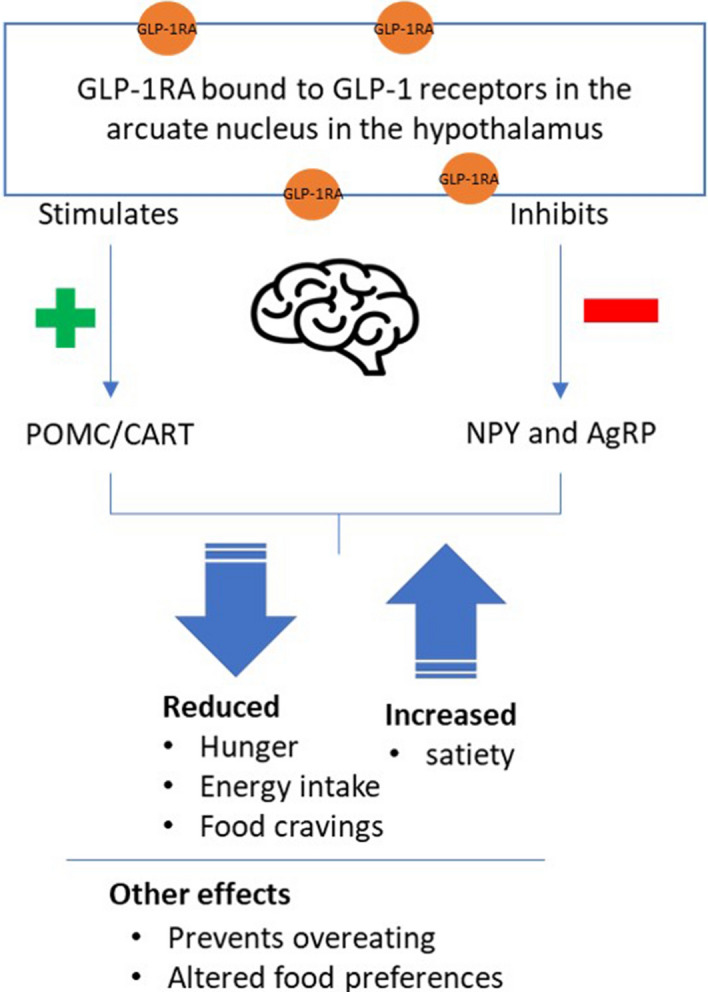
Obesity is a chronic disease associated with many complications. Weight loss of 5–15% can improve many obesity-related complications. Despite the benefits of weight reduction, there are many challenges in losing weight and maintaining long-term weight loss. Pharmacotherapy can help people with obesity achieve and maintain their target weight loss, thereby reducing the risk of obesity-related complications. The prevalence of obesity in the USA has been increasing over the past few decades, and despite the availability of approved anti-obesity medications (AOMs), people with obesity may not be accessing or receiving treatment at levels consistent with the disease prevalence. Reasons for low levels of initiation and long-term use of AOMs may include reluctance of public health and medical organizations to recognize obesity as a disease, lack of reimbursement, provider inexperience, and misperceptions about the efficacy and safety of available treatments. This article aims to inform primary care providers about the mechanism of action of one class of AOMs, glucagon-like peptide 1 receptor agonists (GLP-1RAs), in weight loss and longer-term maintenance of weight loss, and the efficacy and safety of this treatment class. GLP-1RA therapy was initially developed to treat type 2 diabetes. Owing to their effectiveness in reducing body weight, once-daily subcutaneous administration of liraglutide 3.0 mg has been approved, and once-weekly subcutaneous administration of semaglutide 2.4 mg is being investigated in phase III trials, for obesity management. Considerations regarding adverse effects and contraindications for different drug classes are provided to help guide treatment decision-making when considering pharmacotherapy for weight management in patients with obesity. Obesity is a growing public health issue that increases the risk of developing heart disease, type 2 diabetes, and osteoarthritis. Weight loss can reduce the risk of developing these health problems but, despite this, levels of obesity remain high. Achieving and maintaining weight loss is challenging for many individuals. There is therefore a need for some patients to take medications to help them lose weight and prevent weight regain. Glucagon-like peptide 1 receptor agonists (GLP-1RAs) are a type of medication originally developed to treat type 2 diabetes, but are now being used for the treatment of obesity because they are effective at helping people to lose weight. One GLP-1RA, liraglutide, has been approved to treat obesity, and another, semaglutide, is in clinical trials. GLP-1RAs work by reducing the appetite and feelings of hunger, slowing the release of food from the stomach, and increasing feelings of fullness after eating. Most people can tolerate GLP-1RAs well. The most common side effects (nausea, vomiting, and diarrhea) are usually mild and occur in the first few weeks of treatment, reducing over time. Because of the difficulties many people face in maintaining weight loss, lifelong treatment may be needed. In clinical trials, GLP-1RAs were well tolerated and effective at helping people prevent weight regain, and may be a good option for long-term weight control and lowering patients’ chances of serious health problems.
Overview
The claims and statistics of this paper haven’t been checked yet.
Free: it reads the open-access text and checks the first 5 claims that cite a source we can check. Create a free account to check every claim.
Integrity signals
Registry
Cites
Statistics
Figures
Verification
Claims the paper makes
The claims and statistics of this paper haven’t been checked yet.
Free: it reads the open-access text and checks the first 5 claims that cite a source we can check. Create a free account to check every claim.
Claims other papers make about this one
Each is checked against this paper’s own text: does it say what the citing paper says it does?
The source backs part of the claim, not all of it — or backs it for a different population, condition or comparison.
In the citing paper
“Some effects, such as delayed gastric emptying, reverse quickly through restored antral motility,31 and central anorexigenic signaling in the hypothalamus may downregulate soon after GLP-1R stimulation ends.32”
From Metabolic rebound after GLP-1 receptor agonist discontinuation: a systematic review and meta-analysis (2025) · cites this paper as [32]
Experimental — accuracy not yet measuredThe cited source says what the claim attributes to it.
In the citing paper
“Within this axis, GLP-1 functions by acting on both the gut and the brain.391”
From Glucagon-like peptide-1 receptor: mechanisms and advances in therapy (2024) · cites this paper as [391]
The cited source says what the claim attributes to it.
In the citing paper
“This activation holds the ability to modulate food consumption by reducing food intake and conveying signals of satiety to the brain.391”
From Glucagon-like peptide-1 receptor: mechanisms and advances in therapy (2024) · cites this paper as [391]
In the citing paper
“acting peripherally and centrally to reduce appetite and promote satiety resulting in significant weight loss.9”
From Randomised trial comparing weight loss through lifestyle and GLP-1 receptor agonist therapy in people with MASLD (2025) · cites this paper as [9]
In the citing paper
“evidence suggests that CR is more effective than exercise alone at reducing body weight and fat mass [115, 122].”
From Targeting Intramyocellular Lipids to Improve Aging Muscle Function (2025) · cites this paper as [122]
2 more claims about this paper
Create a free account to see every claim other papers make about this one.
Self-check
Percentages, sums and reported differences re-computed from the paper’s own numbers.
The self-check needs the paper’s full text.
Citations
Cites
Liraglutide and Cardiovascular Outcomes in Type 2 Diabetes
Marso, S. P., Daniels, G. H., Brown-Frandsen, K., Kristensen, P., Mann, J. F. E., Nauck, M. A., Nissen, S. E., Pocock, S., Poulter, N. R., Ravn, L. S., et al. (2016) · New England Journal of Medicine · doi:10.1056/nejmoa1603827 · Cited by 7,629 · cited 1×
“5 years in patients with type 2 diabetes who had either cardiovascular disease or risk factors for cardiovascular disease [60].”
BackgroundOnce-Weekly Semaglutide in Adults with Overweight or Obesity
Wilding, J. P. H., Batterham, R. L., Calanna, S., Davies, M., Van Gaal, L. F., Lingvay, I., McGowan, B. M., Rosenstock, J., Tran, M. T. D., Wadden, T. A., et al. (2021) · New England Journal of Medicine · doi:10.1056/nejmoa2032183 · Cited by 5,205 · cited 1×
“Rapid weight loss has been associated with gallbladder-related disorders including cholelithiasis and cholecystitis [67, 68], and these adverse events, while rare, have been observed more with GLP-1RAs compared with placebo in clinical trials [21, 38].”
BackgroundProspective Studies Collaboration (2009) · The Lancet · doi:10.1016/s0140-6736(09)60318-4 · Cited by 4,807
Biology of Incretins: GLP-1 and GIP
Baggio, L. L., & Drucker, D. J. (2007) · Gastroenterology · doi:10.1053/j.gastro.2007.03.054 · Cited by 3,639
European Guidelines for Obesity Management in Adults
Yumuk, V., Tsigos, C., Fried, M., Schindler, K., Busetto, L., Micic, D., & Toplak, H. (2015) · Obesity Facts · doi:10.1159/000442721 · Cited by 3,432 · cited 7×
“Given this pattern in weight loss following treatment with an AOM, anti-obesity therapy should be conceptualized as initiating weight loss followed by establishing a new weight plateau and assisting in maintaining this weight in the long term [9, 11].”
BackgroundInfluentialA Randomized, Controlled Trial of 3.0 mg of Liraglutide in Weight Management
Pi-Sunyer, X., Astrup, A., Fujioka, K., Greenway, F., Halpern, A., Krempf, M., Lau, D. C. W., le Roux, C. W., Violante Ortiz, R., Jensen, C. B., et al. (2015) · New England Journal of Medicine · doi:10.1056/nejmoa1411892 · Cited by 2,724 · cited 3×
“…orlistat; placebo) 37%; 14%; 10% (Liraglutide 2.4/3.0 mg vs. orlistat) ‡ 5% weight loss: 52% vs. 29% (p\ 0.001) ‡ 10% weight loss: 26% vs. 16% (p = 0.04) Pi-Sunyer et al., 2015: placebo-controlled, double-blind, randomized, 56-week trial of liraglutide 3.0 mg QD in patients with BMI C 30 kg/m2 (or…”
BackgroundInfluential(2020) · PubMed · Cited by 2,642
Mechanisms of Action and Therapeutic Application of Glucagon-like Peptide-1
Drucker, D. J. (2018) · Cell Metabolism · doi:10.1016/j.cmet.2018.03.001 · Cited by 2,170 · cited 2×
“However, the action of GLP-1 is glucose-dependent and blood glucose is only lowered by GLP-1 if concentrations are above fasting levels [40, 41].”
BackgroundChanges in Energy Expenditure Resulting from Altered Body Weight
Leibel, R. L., Rosenbaum, M., & Hirsch, J. (1995) · New England Journal of Medicine · doi:10.1056/nejm199503093321001 · Cited by 2,012 · cited 1×
“In addition, energy expenditure is decreased following diet-induced weight loss, with the implication that reduced food intake would need to be maintained in the long-term [12].”
BackgroundGarvey, W. T., Mechanick, J. I., Brett, E. M., Garber, A. J., Hurley, D. L., Jastreboff, A. M., Nadolsky, K., Pessah-Pollack, R., & Plodkowski, R. (2016) · Endocrine Practice · doi:10.4158/ep161365.gl · Cited by 1,914 · cited 5×
“These data suggest a potential for long-term benefit of liraglutide treatment in many patients, as weight loss of 5–15% has been shown to improve obesity-related complications including diabetes and cardiovascular disease risk factors [5, 9, 59].”
BackgroundInfluential
Cited by
Items 101–200 of 371
Ruseva, A., Michalak, W., Fabricatore, A. N., Hartaigh, B. Ó., Zhao, Z., & Umashanker, D. (2025) · Advances in Therapy · doi:10.1007/s12325-025-03320-6 · Cited by 13
Lee, C. C., Newland, M., Yau, A., Chroneos, R., & Johnson, T. S. (2025) · Plastic & Reconstructive Surgery · doi:10.1097/prs.0000000000012703 · Cited by 13
Chen, H., Li, X., Chen, J.-Q., Ren, T., Zhang, Y., Wang, Y.-N., & Zhao, Q. (2023) · Medicine · doi:10.1097/md.0000000000034122 · Cited by 13
“In clinical trials, GLP1RA was well tolerated and effective in helping people prevent weight regain, which may be a good option for long-term weight control and reducing the chance of serious health problems in patients.[18] The “younger” trend of diabetes is becoming more and more obvious.”
BackgroundObesity management in the setting of endometrial cancer and hyperplasia: A narrative review
Moshayedi, N., Clair, K. H., & Francoeur, A. (2025) · Gynecologic Oncology Reports · doi:10.1016/j.gore.2025.101929 · Cited by 12
“Though the exact mechanism for weight loss is unknown, GLP-1 inhibitors have been shown to decrease gastric emptying, reduce feelings of hunger, and increase measures of satiety directly in the hypothalamus (Ard, 2021).”
Abdelhamid, M., Abdrabou, M. M., Faris, E., Elkaffas, S. M. H., Hosny, M., & Hassan, A. (2025) · Cardiac failure review · doi:10.15420/cfr.2025.17 · Cited by 12
Wu, W., Zhou, Q., Yuan, P., Qiao, D., Deng, S., Cheng, H., & Ren, Y. (2022) · Diabetes Metabolic Syndrome and Obesity · doi:10.2147/dmso.s365192 · Cited by 12
Treatable Traits-Based Pharmacologic Treatment of Sleep Apnea
Lisik, D., & Zou, D. (2024) · Sleep Medicine Clinics · doi:10.1016/j.jsmc.2024.10.002 · Cited by 12
Waqas, S. A., Ali, D., Afridi, M. K., Siddiqui, H. F., Nazir, A., Greene, S. J., & Khan, M. S. (2025) · Archives of Gerontology and Geriatrics · doi:10.1016/j.archger.2025.105981 · Cited by 11
Reassessing type 2 diabetes in adolescents and its management strategies based on insulin resistance
Jia, Q.-Y., Zhang, Y., Zhang, B., & An, X. (2024) · Frontiers in Endocrinology · doi:10.3389/fendo.2024.1377918 · Cited by 11
Pop, A. S. K., Dănilă, M. D., Giuchici, S., Buriman, D. G., Lolescu, B. M., Sturza, A., Muntean, D. M., & Lascu, A. (2025) · Canadian Journal of Physiology and Pharmacology · doi:10.1139/cjpp-2024-0384 · Cited by 11
Lee, B., Cho, Y. M., Kim, S. G., Ko, S., Lim, S. K., Dahaoui, A., Jeong, J. S., Lim, H. J., & Yu, J. M. (2024) · Diabetes Therapy · doi:10.1007/s13300-023-01515-0 · Cited by 12
Medical Weight Management Considerations in Plastic Surgery
Paranzino, A. B., Vieira, B. L., Apovian, C. M., & Agarwal, S. (2024) · Plastic & Reconstructive Surgery · doi:10.1097/prs.0000000000011445 · Cited by 11
“35 In addition to the side effect profile, GLP-1 agonists can be extremely expensive, even with insurance coverage.”
Chen, B., Tao, L., Tian, M., & Ji, Z. (2025) · Clinical Nutrition ESPEN · doi:10.1016/j.clnesp.2025.01.056 · Cited by 11
von Haehling, S., Sato, R., Langer, H., Khan, M. S., Coats, A. J. S., Evans, W., Heymsfield, S., & Anker, S. D. (2025) · Journal of Cachexia, Sarcopenia and Muscle · doi:10.1002/jcsm.70147 · Cited by 10
Chen, Q. H., Yang, Y., Xu, J., Wang, J., Fang, T., Yuan, Y., Wang, C., & Zhang, L. (2024) · Endocrine Practice · doi:10.1016/j.eprac.2024.11.013 · Cited by 10
Relevance of Glucagon-Like Peptide 1 (GLP-1) in Inflammatory Bowel Diseases: A Narrative Review
Gravina, A. G., Pellegrino, R., Izzo, M., Costanzo, I. D., Imperio, G., Landa, F., Tambaro, A., & Federico, A. (2025) · Current Issues in Molecular Biology · doi:10.3390/cimb47050383 · Cited by 10
“Once produced by enteroendocrine cells of the gut, it can contribute to anti-hunger actions by modifying gastrointestinal motility and slowing gastric emptying [24].”
Ganson, K. T., Testa, A. M., Lavender, J. M., & Nagata, J. M. (2025) · Eating Behaviors · doi:10.1016/j.eatbeh.2025.102013 · Cited by 10
Rahman, E., Webb, W. R., Esfahlani, S. S., Rao, P., Garcia, P. E., Sayed, K., Ioannidis, S., Yu, N., Nassif, A. D., Goodman, G. J., et al. (2025) · Plastic & Reconstructive Surgery · doi:10.1097/prs.0000000000012307 · Cited by 10
Oestrogen changes at menopause: insights into obesity-associated breast risk and outcomes
Sho, M., Qureshi, R., & Slingerland, J. M. (2025) · Nature Reviews Endocrinology · doi:10.1038/s41574-025-01208-7 · Cited by 10
Jobanputra, R., Sargeant, J. A., Plekhanova, T., James, E., Almaqhawi, A., Webb, D. R., Davies, M. J., & Yates, T. E. (2026) · Diabetes/Metabolism Research and Reviews · doi:10.1002/dmrr.70194 · Cited by 11
Chen, Y., Xiao, Y., Lian, G., Yi, J., & Liu, X. (2023) · Expert Opinion on Drug Safety · doi:10.1080/14740338.2023.2278708 · Cited by 10
An analogue of the Prolactin Releasing Peptide reduces obesity and promotes adult neurogenesis
Jörgensen, S. K. M., Karnošová, A., Mazzaferro, S., Rowley, O., Chen, H. C., Robbins, S. J., Christofides, S. R., Merkle, F. T., Maletínská, L., & Petřík, D. (2023) · EMBO Reports · doi:10.1038/s44319-023-00016-2 · Cited by 10
“Or it may indicate a desensitisation of GRP10 signalling by LiPR, which would resemble insulin resistance in T2DM (DeFronzo et al, 2015).”
Medical weight loss in older persons with obesity
Gavras, A., & Batsis, J. A. (2024) · Clinical Obesity · doi:10.1111/cob.12684 · Cited by 10
Song, R., Qian, H., Wang, Y., Li, Q., Li, D., Chen, J., Yang, J., Zhong, J., Yang, H., Min, X., et al. (2022) · Journal of Diabetes Research · doi:10.1155/2022/4554996 · Cited by 10
Zupec, J. F., Munger, R., Scaletta, A., & Quinn, D. H. (2025) · Nutrition in Clinical Practice · doi:10.1002/ncp.11279 · Cited by 9
Malgave, A., Akbar, S., Tiwari, A., Hande, S., Joseph, A., & Malayandi, R. (2025) · Journal of Peptide Science · doi:10.1002/psc.70039 · Cited by 9
“Additionally, they are used in obesity management due to their significant ability to reduce body weight [2].”
Megerian, M. F., Reddy, R. P., Kim, B. I., White, A. E., Miller, M., Gulotta, L. V., Fu, M. C., & Taylor, S. A. (2025) · Seminars in Arthroplasty JSES · doi:10.1053/j.sart.2025.05.006 · Cited by 9
Marinho, T. D. S., Bittencourt, J. D. O. A., Águila, M. B., & Mandarim‐de‐Lacerda, C. A. (2025) · Brain Research · doi:10.1016/j.brainres.2025.150113 · Cited by 9
Bernardini, F., Nusca, A., Coletti, F., Porta, Y. L., Piscione, M., Vespasiano, F., Mangiacapra, F., Ricottini, E., Melfi, R., Cavallari, I., et al. (2023) · Pharmaceutics · doi:10.3390/pharmaceutics15071858 · Cited by 9
“Recent pre-clinical studies reported that administering GLP1RA reduces food intake, determining weight loss in animal models [37].”
BackgroundA Study on Weight Loss Cause as per the Side Effect of Liraglutide
Yu, J. S., Lee, J., Lee, S., Cho, J., & Kim, H. (2022) · Cardiovascular Therapeutics · doi:10.1155/2022/5201684 · Cited by 9
Bjerkan, K. K., Sandvik, J., Nymo, S., Johnsen, G., Hyldmo, Å. A., Kulseng, B. E., Salater, S., Høydal, K. L., & Hoff, D. A. L. (2024) · Obesity Research & Clinical Practice · doi:10.1016/j.orcp.2024.02.004 · Cited by 9
Liraglutide-associated depression in a patient with type 2 diabetes: A case report and discussion
He, Y., Liang, F., Wang, Y., Wei, Y., & Ma, T. (2024) · Medicine · doi:10.1097/md.0000000000037928 · Cited by 9
“[1] Liraglutide, as a GLP-1RA, has been approved by the FDA (Food and Drug Administration) for the control of blood sugar in patients with type 2 diabetes and for weight loss in obese patients.”
BackgroundSun, Y. X., Yan, K., Zhang, Y., Han, Y., Hao, L.-H., Gao, Y., Wang, H., Chu, H., Ye, J., Liu, Y., et al. (2025) · Military Medical Research · doi:10.1186/s40779-025-00672-6 · Cited by 8
d’Avila, J. C., Carlos, A. S., Vieira, R. L., Vergueiro, C., Lima, A. T., Silva, I. D. S., de Figueiredo, V. C., Chateaubriand, P. H., Moreno, A. M., Castro-Faria-Neto, H. C., et al. (2023) · Microcirculation · doi:10.1111/micc.12825 · Cited by 8
Page, A. J. (2023) · The Journal of Physiology · doi:10.1113/jp284075 · Cited by 8
“Although the focus has been on the central (CNS) mechanisms of action of GLP-1 analogues (Ard et al., 2021), it is possible that activation of gastric Glp1r + neurones is contributing to the increased feelings of fullness after a meal observed in individuals treated with GLP-1 analogues (Ard et…”
Liu, Y., Ma, W., Fu, H., Zhang, Z., Yin, Y., Wang, Y., Liu, W., Yu, S., & Zhang, Z. (2024) · Frontiers in Pharmacology · doi:10.3389/fphar.2024.1235639 · Cited by 8
“…insulin secretion, inhibiting glucagon secretion, improving insulin resistance, and inhibiting hepatic glucose output by activating insulin phosphatidyl inositol 3-kinase/protein kinase B (PI3K/AKT) pathway (Rameshrad et al., 2020; Ard et al., 2021; Zeng et al., 2021; Zhang et al., 2021).”
BackgroundHemiplegic Migraines Exacerbated using an Injectable GLP-1 Agonist for Weight Loss
Modestino, E. J., Bowirrat, A., Lewandrowski, K., Sharafshah, A., Badgaiyan, R. D., Thanos, P. K., Baron, D. A., Dennen, C. A., Elman, I., Sunder, K. R., et al. (2024) · Acta Scientific Neurology · doi:10.31080/asne.2024.07.0731 · Cited by 8
Paggers, L., Mesotten, D., & Stragier, H. (2024) · European Journal of Anaesthesiology · doi:10.1097/eja.0000000000002103 · Cited by 8
Vilarrasa, E., Nicolau, J., de la Cueva, P., Goday, A., Gallardo, F., Martorell, A., & Carrascosa, J. M. (2023) · Actas Dermo-Sifiliográficas · doi:10.1016/j.ad.2023.10.019 · Cited by 8
Vieira, F. T., Deng, Z., Müller, M. J., Bergamasco, G. G. L., Cawsey, S., Manco, M., Heymsfield, S. B., Prado, C. M. M., & Haqq, A. M. (2026) · Obesity Reviews · doi:10.1111/obr.70116 · Cited by 7
“GLP-1 slows gastric emptying, increases insulin release, promotes glycogenesis [14], reduces food cravings, and increases satiety [15].”
Keshen, A. R., Koning, E., Allison, K. C., Amaro, A., Bartel, S. J., Belliveau, P., Boniferro, L., Brar, S., Butalia, S., Bulik, C. M., et al. (2026) · World Psychiatry · doi:10.1002/wps.70096 · Cited by 7
“GLP-1RAs function by activating GLP-1 hormone receptors that regulate several metabolic pathways 1 , resulting in reduced appetite, lower blood glucose and blood pressure, slowed gastric emptying, and clinically meaningful weight loss 6 .”
Role of Glucagon-Like Peptide-1 Receptor Agonists in People With Infertility and Pregnancy
Finkle, J., & Brost, B. C. (2025) · Obstetrics and Gynecology · doi:10.1097/aog.0000000000005825 · Cited by 7
A Probable Case of Tirzepatide-Induced Acute Pancreatitis
Sumaruth, Y. R. K., Gopal, R., Chater, F., Dhawan, S., & Wild, T. (2025) · Cureus · doi:10.7759/cureus.85291 · Cited by 7
Dietary approaches for normalizing dysbiosis induced by high-fat, obesogenic diets
Djurić, Z. (2023) · Current Opinion in Clinical Nutrition & Metabolic Care · doi:10.1097/mco.0000000000000917 · Cited by 7
Huang, X., Jiang, D., Feng, X., & Fang, Z.-M. (2024) · European Journal of Pharmacology · doi:10.1016/j.ejphar.2024.176698 · Cited by 6
Efficacy of antiobesity medications among breast cancer survivors taking aromatase inhibitors
Fansa, S., Ghusn, W., Tama, E., Nicolalde, B., Añazco, D., Andre, S. D. ’., Faubion, S. S., SHUFELT, C. L., Acosta, A., & Andrade, M. D. H. (2024) · Breast Cancer Research and Treatment · doi:10.1007/s10549-024-07450-3 · Cited by 6
“AOM have been demonstrated to induce more weight loss than lifestyle interventions alone, and when taken long-term, they also result in weight loss maintenance [45–47].”
Navaux, E., La, C., Dufour, S., Huberty, V., Mourabit, Y., Caës, T., Koliakos, N. N., Mikhalski, D., Moine, A. L., & Catalano, C. (2025) · Frontiers in Transplantation · doi:10.3389/frtra.2025.1623096 · Cited by 6
“Their main mechanism of action is to promote glucose-dependent insulin secretion in the pancreatic beta cells but they also slow gastric emptying and increase the feeling of satiety by acting on the hypothalamus through a central anorectic effect (11, 12).”
Armanious, A. J., Hunter, R.-M., Griffiths, K. R., Bowrey, H. E., Brown, R. M., & James, M. H. (2026) · Journal of Medical Internet Research · doi:10.2196/78391 · Cited by 6
“It delays gastric emptying and influences appetite-regulating neural pathways, increasing satiety and reducing food intake in some individuals [8].”
Shirmard, F. O., Pourfaraji, S. M., Omouri‐Kharashtomi, M., & Amani, A. (2025) · BMC Gastroenterology · doi:10.1186/s12876-025-04496-5 · Cited by 6
“GLP-1 RAs, including semaglutide and liraglutide, are anti-diabetic medications that also exert weight loss effects through various mechanisms, including delaying gastric emptying, increasing satiety, reducing appetite, and improving eating habits [13].”
AbuAlhommos, A. K., Hawaj, M. A. A., Alrasheed, S. Y., Alessa, R. A., Alhussain, A. Y., Alabdulkareem, R. A., & Alzamil, R. I. A. (2026) · Medicine · doi:10.1097/md.0000000000046957 · Cited by 6
“[19] Side effects listed aligned with those reported during clinical trials.”
Gut hormone analogues and skeletal health in diabetes and obesity: Evidence from preclinical models
Mabilleau, G., & Bouvard, B. (2024) · Peptides · doi:10.1016/j.peptides.2024.171228 · Cited by 6
“However, one has to bear in mind that weight loss is also a significant side effect of GLP-1RAs [129].”
BackgroundMaideen, N. M. P., & Rashid, S. A. (2024) · Current Drug Safety · doi:10.2174/0115748863301925240507044637 · Cited by 6
Liu, Y., Duan, X., Hua, P., Wu, S., & Liu, X. (2024) · Journal of Research in Medical Sciences · doi:10.4103/jrms.jrms_693_23 · Cited by 6
Cao, Y., Zhao, J., Ma, Y., Cao, S., & Ying, L. (2024) · Diabetes Metabolic Syndrome and Obesity · doi:10.2147/dmso.s472968 · Cited by 6
Alali, S., Alotaibi, W. S., Ashodian, K., Achour, N., Almulla, A., & Mutlaq, H. (2025) · Frontiers in Nutrition · doi:10.3389/fnut.2025.1590379 · Cited by 5
“GLP-1 receptor agonist medications function similarly by reducing blood glucose levels, increasing satiety, and delaying gastric emptying (11, 12).”
Milad, C., Logwin, S., Antón, N., Jiménez, A., Flores, L., Ibarzábal, A., Moize, V. L., Pané, A., Vidal, J., & de Hollanda, A. (2025) · Medicina Clínica (English Edition) · doi:10.1016/j.medcli.2025.107153 · Cited by 5
Jia, A., Yang, M., Wang, T., Hua, Y., & Lu, H. (2025) · Frontiers in Cardiovascular Medicine · doi:10.3389/fcvm.2025.1633114 · Cited by 5
Vercalsteren, E., Karampatsi, D., Neicu, M., Romanitan, M. O., Haebel, P., Bleymehl, K., Nyström, T., Klein, T., Darsalia, V., & Patrone, C. (2025) · Diabetologia · doi:10.1007/s00125-025-06567-4 · Cited by 5
Chan, M. K., Wong, M. B., Chernykh, V., Iemeliyanova, M., Alvin, G., Nishkumai, O., Lakey, J. R. T., & Klokol, D. (2025) · Journal Of Stem Cell Research · doi:10.52793/jscr.2025.6(2)-77 · Cited by 5
Zhang, S., Niu, S., An, S., Cai, X., & Lao, X. Q. (2026) · European Journal of Pharmacology · doi:10.1016/j.ejphar.2026.178587 · Cited by 5
GLP‐1 Receptor Agonists and Weight Loss: A Critical Review of Mechanisms
Rutigliani, G., Cross, T.-W., de Jong, E., Glover, E. S., Mendoza, I. D., Adisa, M., Tomoo, K., Zhou, X., & Mattes, R. D. (2026) · Obesity Reviews · doi:10.1111/obr.70148 · Cited by 5
“Multiple mechanisms of action related to GLP-1RA have been identified [27, 28].”
Pharmacological treatment of obesity
Anglart, G., Dominiak, K., & Dettlaff, K. (2023) · Farmacja Polska · doi:10.32383/farmpol/161473 · Cited by 5
Chen, Y., Chen, J., Zhang, S., Zhu, D., Deng, F., Zuo, R., Hu, Y., Zhao, Y., Duan, Y., Lin, B., et al. (2024) · Frontiers in Pharmacology · doi:10.3389/fphar.2024.1370594 · Cited by 5
Ali, A., Siddiqui, A. A., Usman, M., Shahid, I., Khan, M. S., & Perswani, P. (2025) · Clinical Obesity · doi:10.1111/cob.70012 · Cited by 5
Elucidating the role of weight loss and glycaemic control in patients with type 2 diabetes
Sharma, A., Mariam, A., Zacherle, E. W., Milinovich, A., Bauman, J. M., Sugano, D., Noone, J. M., Rajpura, J. R., Zimmerman, R. S., Burguera, B. G., et al. (2024) · Diabetes Obesity and Metabolism · doi:10.1111/dom.15896 · Cited by 5
“32,33 T2D is a complex chronic disease accompanied by comorbidities such as CVD, the leading cause of death in these patients.”
Talay, L., Vickers, M., Bell, C., & Galvin, T. (2024) · Telemedicine Reports · doi:10.1089/tmr.2024.0058 · Cited by 5
Afrăsânie, I., Matei, I. T., Leancă, S. A., Chetran, A., Costache, A. D., Afrăsânie, V.-A., Dmour, B.-A., Crișu, D., Bădescu, M. C., Șerban, L., et al. (2023) · Life · doi:10.3390/life13020443 · Cited by 5
Obesity and Comorbidity Management in Psoriatic Arthritis
Maharaj, A. B., Eder, L., & Ogdie, A. (2025) · Rheumatic Disease Clinics of North America · doi:10.1016/j.rdc.2025.07.001 · Cited by 4
Kramer, H. J., & Bakris, G. L. (2026) · Journal of Internal Medicine · doi:10.1111/joim.70066 · Cited by 4
Gadelmawla, A. F., Hammad, N., Atta, K., Diaa, A., Abouzkaly, F., Soni, K., Kelkar, R., Agrawal, S. P., Ahmed, R., Jain, H., et al. (2026) · The American Journal of Cardiology · doi:10.1016/j.amjcard.2026.02.030 · Cited by 4
Singleton, J., & Wantuch, G. A. (2024) · JACCP JOURNAL OF THE AMERICAN COLLEGE OF CLINICAL PHARMACY · doi:10.1002/jac5.2035 · Cited by 4
Gniaź, N., Górska, A., Grela, W., Niewiadomska, J., Furtak, D., Tulej, D., Głogowska, P., Dziedzic, A., Marciniuk, D., & Marko, N. (2024) · Journal of Education Health and Sport · doi:10.12775/jehs.2024.75.56672 · Cited by 4
Glucagon-like peptide 1 receptor agonists in obesity treatment - a literature review
Jentkiewicz, A., Obeid, E. H., Ulrych, J., Krupa, J., Malinowski, M., Krasowski, M., Kalinowska, A., Pietras, W., Kozieł, A., & Kurek, Z. (2025) · Journal of Education Health and Sport · doi:10.12775/jehs.2025.78.57712 · Cited by 4
Metabolic‐Associated Steatotic Liver Disease: From Molecular Mechanisms to Novel Therapies
Cooper, J., Patel, P., Tristeza, J., & Yang, A. (2025) · International Journal of Hepatology · doi:10.1155/ijh/5580454 · Cited by 4
“They have been recently approved for obesity along with T2DM [34 – 36].”
Njei, B. M., Abdu, M. N., Al‐Ajlouni, Y. A., Mohamed, M. F. H., Deng, Y., Osta, E., Kanmounye, U. S., Vilarinho, S., Dranoff, J. A., Lim, J. K., et al. (2025) · Baylor University Medical Center Proceedings · doi:10.1080/08998280.2025.2524199 · Cited by 4
Clauss, M., Puissant, C., Bastani, N. E., Nielsen, L. L. K., Skålhegg, B. S., Jeppesen, P. B., & Jensen, J. (2025) · Frontiers in Endocrinology · doi:10.3389/fendo.2025.1618142 · Cited by 4
GLP-1 analog therapy and hemoglobin levels: Insights from a retrospective study
AlMuammar, S., & Alzahrani, H. (2025) · Saudi Medical Journal · doi:10.15537/smj.2025.46.8.20240100 · Cited by 4
“4,5 Among the various physiological effects of GLP-1 analogs, their influence on hematological parameters remains an area of active investigation.”
Li, Y., Yang, L., Li, F., Fu, J., Zhao, W., Wu, X., Guo, J., & Chen, Y. (2025) · Frontiers in Pharmacology · doi:10.3389/fphar.2025.1627691 · Cited by 4
“Gastrointestinal adverse events (e.g., nausea, vomiting) may stem from GLP-1 RAs-mediated delayed gastric emptying, particularly during dose escalation (Ard et al., 2021).”
Petrakis, V., Rafailidis, P. I., Panopoulou, M. I., Konstantinidis, T. G., Tsantes, A. G., Babaka, N., Papazoglou, D., & Panagopoulos, P. (2025) · Experimental and Clinical Endocrinology & Diabetes · doi:10.1055/a-2737-6227 · Cited by 4
“The profound and sustained weight loss achieved with glucagon-like peptide-1 (GLP-1) receptor agonists, such as semaglutide, has positioned this drug class as a significant treatment option for obesity [12, 13].”
The Impact of GLP-1 Receptor Agonists on Hair: Beneficial Effects or Adverse Outcomes?
Jafari, S. M. S., Caro, G., Lipner, S. R., & Iorizzo, M. (2026) · American Journal of Clinical Dermatology · doi:10.1007/s40257-026-01021-6 · Cited by 6
“Through these mechanisms, GLP-1RAs improve glycemic control and promote weight loss supporting appetite regulation [1, 2].”
Zhou, R., Guo, L., Gao, X., Wang, Y., Xu, W., Zou, Y., Li, W., Zhuang, Y., Liu, G., & Liu, Y. (2022) · Clinical and Translational Science · doi:10.1111/cts.13374 · Cited by 4
Debras, C., Córdova, R., Mayén, A., Maasen, K., Knaze, V., Eussen, S. J. P. M., Schalkwijk, C. G., Huybrechts, I., Tjønneland, A. M., Halkjær, J., et al. (2024) · British Journal Of Nutrition · doi:10.1017/s0007114524000503 · Cited by 4
“A previous experimental study suggested that dietary 3-DG could inhibit glucagon-like peptide 1 (48) , which has been associated with weight loss in clinical trials (49) .”
BackgroundHau, K. T., Mohamed, M., & Leong, X.-B. (2024) · Journal of Diabetology · doi:10.4103/jod.jod_80_24 · Cited by 4
White, M. E., & Kushnir, V. M. (2024) · Gastrointestinal Endoscopy Clinics of North America · doi:10.1016/j.giec.2024.06.003 · Cited by 4
Hepatic effects of GLP-1 mimetics in diabetic milieu: A mechanistic review of involved pathways
Yaribeygi, H., Kashian, K., Moghaddam, K. I., Karim, S. R., Bagheri, N., Karav, S., Jamialahmadi, T., Rizzo, M., & Sahebkar, A. (2024) · Journal of Diabetes and its Complications · doi:10.1016/j.jdiacomp.2024.108928 · Cited by 4
Xu, Z., Wen, S., Dong, M., & Zhou, L. (2024) · Diabetes Obesity and Metabolism · doi:10.1111/dom.16146 · Cited by 4
“Similar to GLP-1, the rapid degradation of endogenous GIP by dipeptidyl peptidase 4 makes it less likely that this incretin could access the brain.”
Takyi, A. K., Gaffey, R. H., & Shukla, A. P. (2025) · Current Treatment Options in Gastroenterology · doi:10.1007/s11938-024-00465-1 · Cited by 4
“Its mechanism of action mimics that of endogenous GLP-1, a key regulator of appetite suppression, reducing caloric intake and delaying gastric emptying [7–10].”
InfluentialBlum, K., Dennen, C. A., Lewandrowski, K.-U., Sharafshah, A., Pinhasov, A., Bowirrat, A., Elman, I., Cadet, J. L., Braverman, E. R., Thanos, P. K., et al. (2025) · Medical Hypotheses · doi:10.1016/j.mehy.2025.111612 · Cited by 4
Progress and challenges in obesity pharmacotherapy: semaglutide as a milestone
Ferrara, F., Bazzani, D., Crivelli, B., Danieli, E., Gazzola, P., Guarnieri, G., Handschin, G., Lauria, C., Marchetti, C., Sbraga, E., et al. (2025) · Naunyn-Schmiedeberg s Archives of Pharmacology · doi:10.1007/s00210-025-04319-0 · Cited by 4
“These agents delay gastric emptying, enhance satiety, and reduce caloric intake by acting on GLP-1 receptors located in the arcuate nucleus of the hypothalamus (Ard et al. 2021; Secher et al. 2014).”
Chow, J., Lim, W., Li, L., Yu, Q., Zhong, Y., Wang, Z., Shah, S. A. A., Zhu, C., Yan, S., Liu, H., et al. (2025) · Journal of Endocrinological Investigation · doi:10.1007/s40618-025-02655-9 · Cited by 4
“In addition, GLP-1 RAs exert additional metabolic benefits through their action on hypothalamus receptors, leading to reduction of BW by suppressing hunger, slowing gastric emptying, and promoting satiety, thereby improving insulin sensitivity and further enhancing glycemic control [ 23, 25 ].”
Semaglutide for the treatment of obesity
Oleszczuk, R., Kozińska, I., Gras-Ozimek, J., Kozińska, U., & Oleszczuk, A. (2022) · Journal of Education Health and Sport · doi:10.12775/jehs.2022.12.08.095 · Cited by 4
“GLP-1 skutecznie zmniejsza apetyt i przyjmowanie energii, na czym opierają swoje działanie analogi GLP-1 [5].”
BackgroundTalay, L. A., Vickers, M., Lagesen, L., & Liu, N. (2024) · Cureus · doi:10.7759/cureus.74321 · Cited by 3
Qual a relação entre o uso de análogos de GLP- 1 e o tratamento da obesidade?
Malta, L. M., Cacau, B. L., Santos, L. R., Lyra-Pereira, J., dos Remédios, G. S., Sousa, M. V. S. E., Araújo, A. L. S. D. C., Rocha, J. S., de Lima, B. G., & Mendes, É. D. A. S. (2023) · Research Society and Development · doi:10.33448/rsd-v12i10.43327 · Cited by 3
Lin, J., Green, V., Sohal, A., & Roytman, M. M. (2025) · Journal of Clinical Gastroenterology · doi:10.1097/mcg.0000000000002234 · Cited by 3
What Clinicians Need to Know About Glucagon-like Peptide 1 Agonists
da Silva, D. L. F., Singla, S., & Mease, P. J. (2025) · The Journal of Rheumatology · doi:10.3899/jrheum.2025-0531 · Cited by 3
Benavidez, M. C., Redpath, S., Trautmann, S., Ceron, S. A., Schimpke, S. W., Myers, J. A., Omotosho, P. A., Torquati, A., & Skertich, N. J. (2025) · Surgery for Obesity and Related Diseases · doi:10.1016/j.soard.2025.09.010 · Cited by 3
Li, C. L., Lin, C., Cai, X., Lv, F., Yang, W., & Ji, L. (2025) · Obesity · doi:10.1002/oby.70054 · Cited by 3
Lateral Septum as a Key Integrative Regulator of Feeding: Role of the GLP ‐1/ GLP ‐ 1R System
Dib, T., Covarrubias, M. J., Escobar, A. P., Renard, G. M., Bravo, J. A., & Sotomayor‐Zárate, R. (2025) · Journal of Neurochemistry · doi:10.1111/jnc.70301 · Cited by 3
“Accordingly, the U.S. Food and Drug Administration (FDA) has approved GLP-1RAs to improve glycemic control in patients with type 2 diabetes mellitus and to reduce excess body weight (Ard et al. 2021).”
Francis, L., & Butler, M. G. (2025) · Current Issues in Molecular Biology · doi:10.3390/cimb47121007 · Cited by 3
“These effects invoke GLP1 binding to GLP1R by stimulating adenylyl cyclase and G-protein signaling to promote insulin synthesis with release [12].”
InfluentialOfili, S. C., & Chen, H. (2026) · Journal of Managed Care & Specialty Pharmacy · doi:10.18553/jmcp.2026.32.2.166 · Cited by 3
Metadata
- Authors
- Ard, J., Fitch, A., Fruh, S., & Herman, L.
- Affiliations
- Atrium Health Wake Forest Baptist (US)
- Harvard University (US)
- University of South Alabama (US)
- University of Lynchburg (US)
- Corresponding author
- Ard, Jamy
- Venue
- Advances in Therapy
- Published
- 2021-05-11
- Volume
- 38
- Issue
- 6
- Pages
- 2821-2839
- ISSN
- 0741-238X (ISSN-L)
- 1865-8652
- PMC
- PMC8189979
- OpenAlex
- W3163721607
- Cited by
- 297
- References
- 73
- Citations by year
- 2026: 46 · 2025: 99 · 2024: 84 · 2023: 47 · 2022: 19 · 2021: 2
- FWCI
- 4.81
- Type
- journal article
- Language
- en
- Open access
- hybrid
- doi.org
- Licence
- cc-by-nc
- creativecommons.org/licenses/by-nc/4.0 (tdm)
- creativecommons.org/licenses/by-nc/4.0 (vor)
- Locations
- Advances in Therapy (publishedVersion, cc-by-nc)
- PubMed Central (publishedVersion, cc-by-nc)
- PubMed (publishedVersion)
- Funders
- Novo Nordisk Inc
- Topics
- Health Sciences › Medicine › Pharmacology (medical) › Pharmacology and Obesity Treatment
- Health Sciences › Medicine › Endocrinology, Diabetes and Metabolism › Diabetes Treatment and Management
- Life Sciences › Neuroscience › Endocrine and Autonomic Systems › Regulation of Appetite and Obesity
- Keywords
- GLP-1 receptor agonists, obesity pharmacotherapy, weight loss, weight maintenance, liraglutide, semaglutide, appetite suppression, anti-obesity drugs, obesity as a disease, barriers to treatment, obesity complications, type 2 diabetes
- MeSH terms
- Glucagon-Like Peptide-1 Receptor, Liraglutide, Diabetes Mellitus, Type 2, Pharmaceutical Preparations, Glucagon-Like Peptides, Humans, Hypoglycemic Agents, Weight Loss
About these checks
Registry, retraction, Cites and statistics results are computed, not judged, with one exception: a printed reference that no index lists is read once by a model before it counts as a citation error. Claims are extracted by a model and kept only when their quote appears verbatim in the text; each cited source is then checked, with a model’s help, for whether it says what the claim relies on. Those verdicts can be wrong — read the claim’s quote and the cited source before relying on one.
Statistics and arithmetic are recomputed, not judged.
Confidence bands are shown only for fields calibrated on our annotated test set. None is calibrated yet, so no band is shown.
What counts as a claim ›How we measure confidence ›How we check this ›
Are you an author, or do you see a problem with this page? Request a review
Data sources
Bibliographic data: Semantic Scholar, OpenAlex, Crossref.
Contains information from the Semantic Scholar Academic Graph Datasets, made available under the ODC Attribution License (ODC-BY 1.0).
Semantic Scholar’s data is described in: Kinney, R., et al. (2023). The Semantic Scholar Open Data Platform. arXiv:2301.10140.
