

The DOI matches its Crossref record; 75 of the 75 references it cites were found in a registry or an index.
Futuristic biosensors for cardiac health care: an artificial intelligence approach
Open accessAbstract
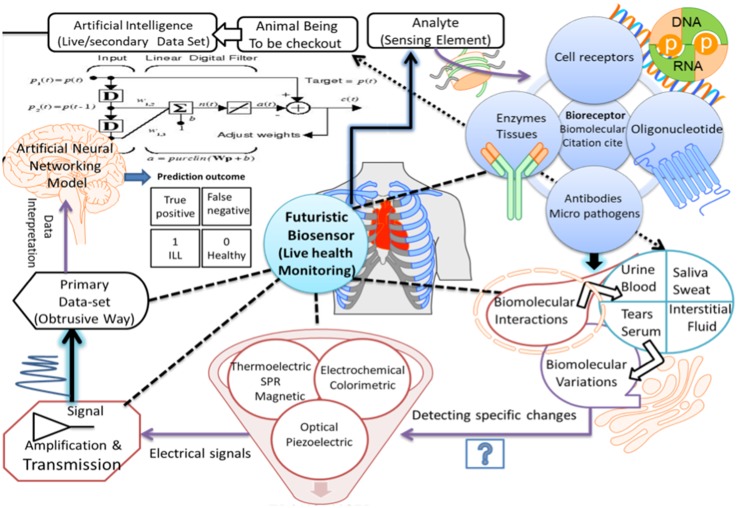
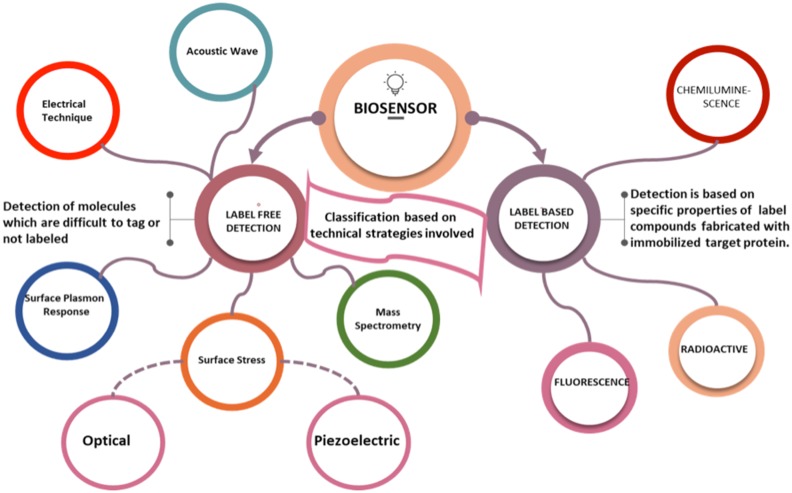
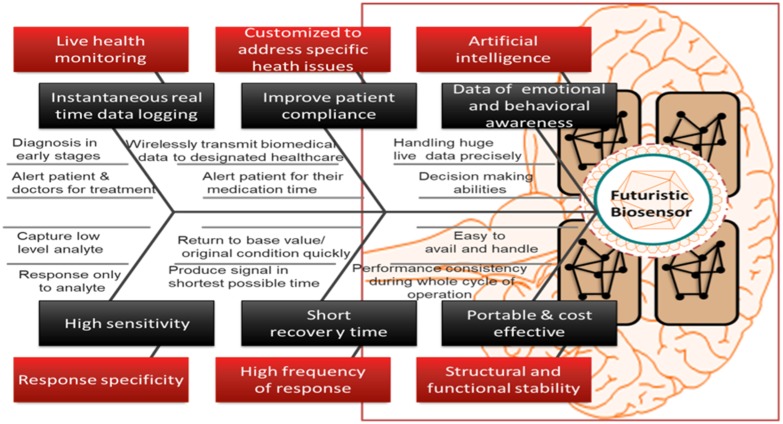
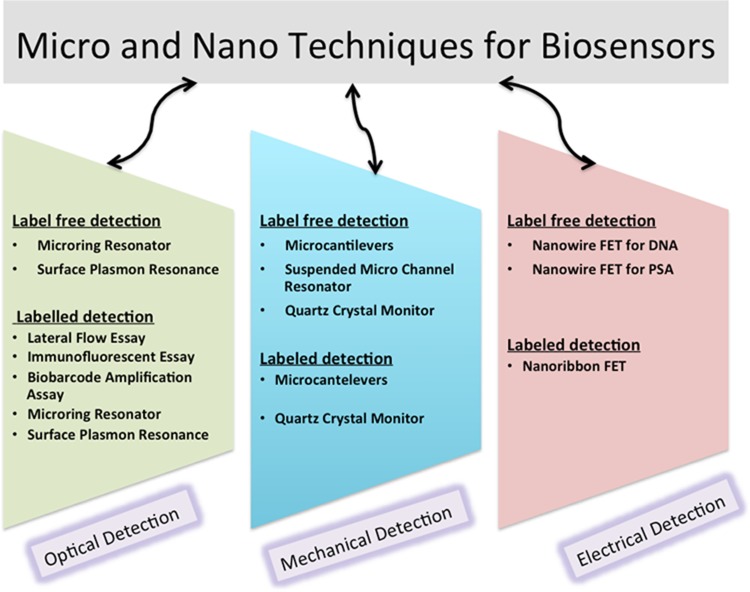
Biosensor-based devices are pioneering in the modern biomedical applications and will be the future of cardiac health care. The coupling of artificial intelligence (AI) for cardiac monitoring-based biosensors for the point of care (POC) diagnostics is prominently reviewed here. This review deciphers the most significant machine-learning algorithms for the futuristic biosensors along with the internet of things, computational techniques and microchip-based essential cardiac biomarkers for real-time health monitoring and improving patient compliance. The present review also discusses the recently developed cardiac biosensors along with technical strategies involved in their mechanism of working and their applications in healthcare. Additionally, it provides a key for the ontogeny of an effective and supportive hierarchical protocol for clinical decision-making about personalized medicine through combinatory information analysis, and integrated multidisciplinary AI approaches.
Overview
The claims and statistics of this paper haven’t been checked yet.
Run the check — free, no account needed. It reads the open-access text and checks the sources it cites.
Integrity signals
Registry
Cites
Statistics
Figures
Verification
Claims the paper makes
The claims and statistics of this paper haven’t been checked yet.
Run the check — free, no account needed. It reads the open-access text and checks the sources it cites.
Claims other papers make about this one
Each is checked against this paper’s own text: does it say what the citing paper says it does?
In the citing paper
“As the biosensors are still in the development stage in monitoring biochemical signals, the technology is yet to sense biological biomarkers continuously, and they need to achieve higher sensitivity, selectivity, and accuracy towards specific biomolecule sensing [14,17].”
From The emergence of AI-based wearable sensors for digital health technology: a review (2023) · cites this paper as [17]
In the citing paper
“DL algorithms have been proven effective in the early detection and preventing of chronic diseases, like diabetes and cardiovascular disease [17,195].”
From The emergence of AI-based wearable sensors for digital health technology: a review (2023) · cites this paper as [17]
In the citing paper
“Integration with smartphones and mobile devices enhances the accessibility of wearable ECG monitors for real-time monitoring, data storage, and cloud-based analytics, enabling seamless integration into telemedicine and remote patient monitoring systems [4,16,17].”
From The emergence of AI-based wearable sensors for digital health technology: a review (2023) · cites this paper as [17]
Self-check
Percentages, sums and reported differences re-computed from the paper’s own numbers.
The self-check needs the paper’s full text.
Citations
Cites
A Real-Time QRS Detection Algorithm
Pan, J., & Tompkins, W. J. (1985) · IEEE Transactions on Biomedical Engineering · doi:10.1109/tbme.1985.325532 · Cited by 7,855
Opportunities and obstacles for deep learning in biology and medicine
Ching, T., Himmelstein, D. S., Beaulieu-Jones, B. K., Kalinin, A. A., Do, B. T., Way, G. P., Ferrero, E., Agapow, P.-M., Zietz, M., Hoffman, M. M., et al. (2018) · Journal of The Royal Society Interface · doi:10.1098/rsif.2017.0387 · Cited by 2,310
Electrochemical biosensors: recommended definitions and classification
Thévenot, D. R., Tóth, K., Durst, R. A., & Wilson, G. S. (2001) · Biosensors and Bioelectronics · doi:10.1016/s0956-5663(01)00115-4 · Cited by 1,858
Machine learning and data mining methods in diabetes research
Kavakiotis, I., Tsave, O., Salifoglou, A., Maglaveras, N., Vlahavas, I., & Chouvarda, I. (2017) · Computational and Structural Biotechnology Journal · doi:10.1016/j.csbj.2016.12.005 · Cited by 1,445
Wearable Chemical Sensors: Present Challenges and Future Prospects
Bandodkar, A. J., Jeerapan, I., & Wang, J. (2016) · ACS Sensors · doi:10.1021/acssensors.6b00250 · Cited by 778 · cited 1×
“These days, scientists are quite interested and engaged in developing of the novel, smart and advanced devices such that more specific, sensitive and stable biosensors for theranostics purposes can be invented (Bandodkar et al. 2016).”
BackgroundEvolving support vector machines using fruit fly optimization for medical data classification
Shen, L., Chen, H., Yu, Z., Kang, W., Zhang, B., Li, H., Yang, B., & Liu, D. (2016) · Knowledge-Based Systems · doi:10.1016/j.knosys.2016.01.002 · Cited by 539
Multiplexed Point-of-Care Testing – xPOCT
Dincer, C., Bruch, R. C., Kling, A., Dittrich, P. S., & Urban, G. A. (2017) · Trends in biotechnology · doi:10.1016/j.tibtech.2017.03.013 · Cited by 508
Machine Learning and Decision Support in Critical Care
Johnson, A. E. W., Ghassemi, M. M., Nemati, S., Niehaus, K. E., Clifton, D. A., & Clifford, G. D. (2016) · Proceedings of the IEEE · doi:10.1109/jproc.2015.2501978 · Cited by 459
Biosensors for cardiac biomarkers detection: A review
Qureshi, A., Gürbüz, Y., & Niazi, J. H. (2012) · Sensors and Actuators B Chemical · doi:10.1016/j.snb.2012.05.077 · Cited by 412
Nanomaterial-based devices for point-of-care diagnostic applications
Quesada-González, D., & Merkoçi, A. (2018) · Chemical Society Reviews · doi:10.1039/c7cs00837f · Cited by 407
Cited by
Sorted by citations
Artificial Intelligence in Healthcare: Review and Prediction Case Studies
Rong, G., Mendez, A., Assi, E. B., Zhao, B., & Sawan, M. (2020) · Engineering · doi:10.1016/j.eng.2019.08.015 · Cited by 590
“With integrated AI, biosensors and related point-of-care testing (POCT) systems can diagnose cardiovascular diseases in the early stage [75].”
BackgroundThe emergence of AI-based wearable sensors for digital health technology: a review
Shajari, S., Kuruvinashetti, K., Komeili, A., & Sundararaj, U. (2023) · Sensors · doi:10.3390/s23239498 · Cited by 535
Artificial Intelligence and Personalized Medicine
Schork, N. J. (2019) · Cancer treatment and research · doi:10.1007/978-3-030-16391-4_11 · Cited by 531
“[83] In addition to exploiting greater speed and computational efficiency, AI-based health products and tools will likely incorporate greater understanding of biology in their formulations in the future.”
BackgroundArtificial intelligence: a survey on evolution, models, applications and future trends
Lu, Y. (2019) · Journal of Management Analytics · doi:10.1080/23270012.2019.1570365 · Cited by 641
Recent developments in biosensors for healthcare and biomedical applications: A review
Mohankumar, P., Ajayan, J., Mohanraj, T., & Yasodharan, R. (2020) · Measurement · doi:10.1016/j.measurement.2020.108293 · Cited by 277
Biosensors for rapid detection of Salmonella in food: A review
Shen, Y., Xu, L., & Li, Y. (2020) · Comprehensive Reviews in Food Science and Food Safety · doi:10.1111/1541-4337.12662 · Cited by 203
Smart Wearables for the Detection of Cardiovascular Diseases: A Systematic Literature Review
Moshawrab, M., Adda, M., Bouzouane, A., Ibrahim, H., & Raad, A. (2023) · Sensors · doi:10.3390/s23020828 · Cited by 120
Lopes, L. C., Santos, A., & Bueno, P. R. (2022) · Sensors and Actuators Reports · doi:10.1016/j.snr.2022.100087 · Cited by 121
Kerry, R. G., Ukhurebor, K. E., Kumari, S., Maurya, G. K., Patra, S., Panigrahi, B., Majhi, S., Rout, J. R., Rodríguez-Torres, M. D. P., Das, G., et al. (2021) · Biomaterials Science · doi:10.1039/d0bm02164d · Cited by 115
Tailored point-of-care biosensors for liquid biopsy in the field of oncology
Singh, S., Podder, P. S., Russo, M., Henry, C. S., & Cinti, S. (2022) · Lab on a Chip · doi:10.1039/d2lc00666a · Cited by 116
Smart materials: rational design in biosystems via artificial intelligence
Sagdic, K., Eş, İ., Sitti, M., & İnci, F. (2022) · Trends in biotechnology · doi:10.1016/j.tibtech.2022.01.005 · Cited by 108
“Moreover, AI-based techniques have been initiated to utilize SMs in healthcare applications [26]; for instance, AI-assisted systems are the key to combating the COVID-19 pandemic [27].”
MethodOn the Challenges for the Diagnosis of SARS-CoV-2 Based on a Review of Current Methodologies
Mattioli, I. A., Hassan, A., Oliveira, O. N., & Crespilho, F. N. (2020) · ACS Sensors · doi:10.1021/acssensors.0c01382 · Cited by 103
Murala, D. K., Panda, S. K., & Dash, S. P. (2023) · IEEE Access · doi:10.1109/access.2023.3340791 · Cited by 129
“Governments and tech companies pour money into artificial intelligence’s potential healthcare applications [19], [20], [122], [158].”
BackgroundSmart Graphene-Based Electrochemical Nanobiosensor for Clinical Diagnosis: Review
Irkham, I., Ibrahim, A. U., Pwavodi, P. C., Al-Turjman, F. M., & Hartati, Y. W. (2023) · Sensors · doi:10.3390/s23042240 · Cited by 87
Emerging Applications of Nanobiosensors in Pathogen Detection in Water and Food
Valenzuela-Amaro, H. M., Aguayo-Acosta, A., Meléndez-Sánchez, E. R., de la Rosa, O., Vázquez-Ortega, P. G., Oyervides-Muñoz, M. A., Sosa‐Hernández, J. E., & Parra‐Saldívar, R. (2023) · Biosensors · doi:10.3390/bios13100922 · Cited by 74
Futuristic CRISPR-based biosensing in the cloud and internet of things era: an overview
Ibrahim, A. U., Al-Turjman, F. M., Sa’id, Z., & Özsöz, M. (2020) · Multimedia Tools and Applications · doi:10.1007/s11042-020-09010-5 · Cited by 68
“…supermagnetic), electrochemical (single walled Carbon nanotubes, Gold NPs modified on screen printed carbon electrodes, Au NP based graphite epoxy composite, Platinum NP coated nanoporous film et.) for detection of wide range of pathogenic bacteria such as Salmonella, S. aureus , B. anthracis [95].”
BackgroundMethodGold Nanoparticle-Based Platforms for Diagnosis and Treatment of Myocardial Infarction
Khan, S., Hasan, A., Attar, F., Sharifi, M., Siddique, R., Mraiche, F., & Falahati, M. (2020) · ACS Biomaterials Science & Engineering · doi:10.1021/acsbiomaterials.0c00955 · Cited by 53
The nanomaterials and recent progress in biosensing systems: A review
Nayl, A. A., Abd-Elhamid, A. I., El-Moghazy, A. Y., Hussin, M., Abu-Saied, M. A., El-Shanshory, A. A., & Soliman, H. M. A. (2020) · Trends in Environmental Analytical Chemistry · doi:10.1016/j.teac.2020.e00087 · Cited by 53
Salazar-Reyna, R., Aleu, F. G., Gutiérrez, E. M. A. G., Díaz-Ramírez, J., Garza‐Reyes, J. A., & Kumar, A., V (2020) · Management Decision · doi:10.1108/md-01-2020-0035 · Cited by 56
Emerging Bioelectronic Strategies for Cardiovascular Tissue Engineering and Implantation
Cox‐Pridmore, D. M., de Castro, F. A., Silva, S. R. P., Camelliti, P., & Zhao, Y. (2022) · Small · doi:10.1002/smll.202105281 · Cited by 51
Wearable biosensors for cardiovascular monitoring leveraging nanomaterials
Chen, X., Manshaii, F., Tioran, K., Wang, S., Zhou, Y., Zhao, J., Yang, M., Yin, X., Liu, S., & Wang, K. (2024) · Advanced Composites and Hybrid Materials · doi:10.1007/s42114-024-00906-6 · Cited by 52
Supraja, P., Sudarshan, V., Tripathy, S., Agrawal, A., & Singh, S. G. (2019) · Analytical Methods · doi:10.1039/c8ay02617c · Cited by 45
Applications of Artificial Intelligence (AI) for cardiology during COVID-19 pandemic
Haleem, A., Javaid, M., Singh, R. P., & Suman, R. (2021) · Sustainable Operations and Computers · doi:10.1016/j.susoc.2021.04.003 · Cited by 47
Artificial intelligence in healthcare: a mastery
Mukherjee, J., Sharma, R., Dutta, P., & Bhunia, B. (2023) · Biotechnology and Genetic Engineering Reviews · doi:10.1080/02648725.2023.2196476 · Cited by 45
“Biosensors and associated point-of-care testing (POCT) systems are used in conjunction with integrated AI to diagnose cardiovascular disorders in the initial phase (Vashistha et al., 2018).”
Biosensors for healthcare: an artificial intelligence approach
Davé, S., Dave, A., Radhakrishnan, S., Das, J., & Dave, S. (2022) · Elsevier eBooks · doi:10.1016/b978-0-323-88464-8.00008-7 · Cited by 39
Wege, C., & Koch, C. (2019) · Wiley Interdisciplinary Reviews Nanomedicine and Nanobiotechnology · doi:10.1002/wnan.1591 · Cited by 36
Lab-on-a-chip models of the blood–brain barrier: evolution, problems, perspectives
Deli, M. A., Porkoláb, G., Kincses, A., Mészáros, M., Szecskó, A., Kocsis, A. E., Vigh, J. P., Valkai, S., Veszelka, S., Walter, F. R., et al. (2024) · Lab on a Chip · doi:10.1039/d3lc00996c · Cited by 35
Diagnostic and Therapeutic Aptamers
Mauro, V. D., Lauta, F. C., Modica, J., Appleton, S. L., de Franciscis, V., & Catalucci, D. (2023) · JACC Basic to Translational Science · doi:10.1016/j.jacbts.2023.06.013 · Cited by 32
The application of machine learning in 3D/4D printed stimuli-responsive hydrogels
Ejeromedoghene, O., Kumi, M., Akor, E., & Zhang, Z. (2024) · Advances in Colloid and Interface Science · doi:10.1016/j.cis.2024.103360 · Cited by 32
Artificial intelligence in pediatric surgery
Tsai, A., Carter, S. R., & Greene, A. C. (2024) · Seminars in Pediatric Surgery · doi:10.1016/j.sempedsurg.2024.151390 · Cited by 30
A topical review on AI-interlinked biodomain sensors for multi-purpose applications
Thapa, R., Poudel, S., Krukiewicz, K., & Kunwar, A. (2024) · Measurement · doi:10.1016/j.measurement.2024.114123 · Cited by 33
Genetic circuits combined with machine learning provides fast responding living sensors
Saltepe, B., Bozkurt, E. U., Güngen, M. A., Çiçek, A. E., & Şeker, U. Ö. Ş. (2021) · Biosensors and Bioelectronics · doi:10.1016/j.bios.2021.113028 · Cited by 32
Revolutionizing Medical Practice: The Impact of Artificial Intelligence (AI) on Healthcare
(2024) · Open Access Journal of Applied Science and Technology · doi:10.33140/oajast.02.01.07 · Cited by 31
Machine Learning Used to Create a Multidimensional Calibration Space for Sensing and Biosensing Data
Neto, M. P., Soares, A. C., Oliveira, O. N., & Paulovich, F. V. (2021) · Bulletin of the Chemical Society of Japan · doi:10.1246/bcsj.20200359 · Cited by 28
Qian, H., McLamore, E. S., & Bliznyuk, N. (2023) · ACS Omega · doi:10.1021/acsomega.3c05797 · Cited by 26
Application of 4D printing and AI to cardiovascular devices
Faruque, M. O., Lee, Y., Wyckoff, G. J., & Lee, C. H. (2023) · Journal of Drug Delivery Science and Technology · doi:10.1016/j.jddst.2023.104162 · Cited by 27
Functional Ionic Liquids Decorated Carbon Hybrid Nanomaterials for the Electrochemical Biosensors
Ranjan, P., Yadav, S., Sadique, M. A., Khan, R., Chaurasia, J. P., & Srivastava, A. K. (2021) · Biosensors · doi:10.3390/bios11110414 · Cited by 25
The Use of Sensors in Blood-Brain Barrier-on-a-Chip Devices: Current Practice and Future Directions
Kincses, A., Vigh, J. P., Petrovszki, D., Valkai, S., Kocsis, A. E., Walter, F. R., Lin, H., Jan, J., Deli, M. A., & Dér, A. (2023) · Biosensors · doi:10.3390/bios13030357 · Cited by 25
Rouhi, N., Akhgari, A., Orouji, N., Nezami, A., Rahimzadegan, M., & Kamali, H. (2022) · Journal of Pharmaceutical and Biomedical Analysis · doi:10.1016/j.jpba.2022.115084 · Cited by 24
Munir, T., Akbar, M. S., Ahmed, S., Sarfraz, A., Sarfraz, Z., Sarfraz, M., Félix, M., & Chérrez-Ojeda, I. (2022) · Sensors · doi:10.3390/s22208051 · Cited by 30
Machine Learning in Cardiology: A Potential Real-World Solution in Low- and Middle-Income Countries
Alabdaljabar, M. S., Hasan, B. S., Noseworthy, P. A., Maalouf, J. F., Ammash, N. M., & Hashmi, S. K. (2023) · Journal of Multidisciplinary Healthcare · doi:10.2147/jmdh.s383810 · Cited by 23
AI-Enhanced Prediction Tools and Sensor Integration in Advanced Analytical Chemistry Techniques
Kumar, M., Nandi, A., Yadav, R. L., Gupta, G. D., & Sharma, K. (2025) · Current Analytical Chemistry · doi:10.2174/0115734110373957250516113853 · Cited by 24
Irshad, R. R., Hussain, S., Hussain, I., Alattab, A. A., Yousif, A., Alsaiari, O. A. S., & Ibrahim, E. I. I. (2023) · IEEE Access · doi:10.1109/access.2023.3297957 · Cited by 23
“detection at an early stage [22], but security, data privacy, and accurate identification remain major challenges in controlling the healthcare system through technology.”
BackgroundArtificial Intelligence for Risk Assessment on Primary Prevention of Coronary Artery Disease
Chen, S., Loguercio, S., Chen, K., Lee, S. E., Park, J., Liu, S., Sadaei, H. J., & Torkamani, A. (2023) · Current Cardiovascular Risk Reports · doi:10.1007/s12170-023-00731-4 · Cited by 26
Transformative biomedical devices to overcome biomatrix effects
Adil, O., & Shamsi, M. H. (2025) · Biosensors and Bioelectronics · doi:10.1016/j.bios.2025.117373 · Cited by 23
Asl, S. K., & Rahimzadegan, M. (2021) · Critical reviews in analytical chemistry · doi:10.1080/10408347.2021.1967721 · Cited by 22
Heart Energy Harvesting and Cardiac Bioelectronics: Technologies and Perspectives
Mariello, M. (2022) · Nanoenergy Advances · doi:10.3390/nanoenergyadv2040018 · Cited by 21
Sosnowski, K., Akarapipad, P., & Yoon, J. (2020) · Medical Devices & Sensors · doi:10.1002/mds3.10085 · Cited by 22
POC Sensor Systems and Artificial Intelligence—Where We Are Now and Where We Are Going?
Prashanthi, K., Kovur, K. M., Rayat, D. Y., & Wishart, D. S. (2025) · Biosensors · doi:10.3390/bios15090589 · Cited by 21
“DL models interpret ECG waveforms for cardiac monitoring [30,167], NLP mines electronic health records to screen trial eligibility, and predictive models optimize enrollment by forecasting treatment outcomes [168].”
Application of artificial intelligence in electrochemical diagnostics for human health
Ranjan, K., Barar, B., Prasad, M., & Prasad, G. (2025) · Discover Electrochemistry. · doi:10.1007/s44373-025-00042-w · Cited by 21
“The real-time result interpretation using ML techniques supports the clinical decision-making for individual patient [154].”
Kokilavani, R., Kotal, H., Kaushik, A. K., & Jana, S. K. (2024) · Journal of The Electrochemical Society · doi:10.1149/1945-7111/ad4c57 · Cited by 18
Cardiac Diagnosis with Machine Learning: A Paradigm Shift in Cardiac Care
Laad, M. S., Kotecha, K. V., Patil, K. R., & Pise, R. N. (2022) · Applied Artificial Intelligence · doi:10.1080/08839514.2022.2031816 · Cited by 17
“These techniques interpret the data in the form of structured, optimized, and meaningful information, which is readily available to physicians for a timely and accurate diagnosis (Bohr and Memarzadeh 2020; Vashistha et al. 2018).”
BackgroundMethodArtificial Intelligence in Healthcare
Sharma, A. (2024) · Advances in medical technologies and clinical practice book series · doi:10.4018/979-8-3693-3731-8.ch001 · Cited by 18
Comprehensive Claims of AI for Healthcare Applications-Coherence Towards COVID-19
Satpathy, S., Mohanty, S. N., Chatterjee, J. M., & Swain, A. (2021) · Medical virology · doi:10.1007/978-981-15-7317-0_1 · Cited by 15
Abdellatif, S. O., Mosalam, H., & Hussien, S. A. (2024) · IEEE Transactions on Nanotechnology · doi:10.1109/tnano.2024.3396505 · Cited by 15
Mishra, M., Singh, S. K., Bhardwaj, A. K., Kumar, L., Singh, M. K., & Sundaram, S. (2020) · ACS Omega · doi:10.1021/acsomega.0c00551 · Cited by 15
Catarino, S. O., Pereira, V., Sousa, N., & Minas, G. M. H. (2020) · IEEE Sensors Journal · doi:10.1109/jsen.2020.3004239 · Cited by 15
Boncristiani, C., Gilio, A. D., Castro, F. D., Nardini, A., Palmisani, J., Vàzquez, R. M., de Gennaro, G., Fanizzi, F. P., Ciccarella, G., & Vergaro, V. (2025) · Journal of Materials Chemistry B · doi:10.1039/d4tb02499k · Cited by 14
Artificial Intelligence with the Internet of Things on Healthcare systems: A Survey
Mahalakshmi, S. (2019) · International Journal of Advanced Trends in Computer Science and Engineering · doi:10.30534/ijatcse/2019/27862019 · Cited by 13
Review of Biosensors for Environmental Field Monitoring
Halilović, A., Merdan, E., Kovačević, Ž., & Pokvić, L. G. (2019) · Mediterranean Conference on Embedded Computing (MECO) · doi:10.1109/meco.2019.8760166 · Cited by 13
Severe Analysis of Cardiac Disease Detection using the Wearable Device by Artificial Intelligence
Khan, M. M., Yaseen, Q., Mumtaz, A., Saleem, A., Ishaq, S., & Udeen, H. (2020) · International Conference for Innovation in Technology (INOCON) · doi:10.1109/inocon50539.2020.9298388 · Cited by 13
“significant for future biosensors, such as machine learning algorithms and POCs [13].”
BackgroundInfluentialWireless monitoring and artificial intelligence: A bright future in cardiothoracic surgery
Kalfa, D. M., Agrawal, S. K., Goldshtrom, N., LaPar, D. J., & BACHA, E. A. (2019) · Journal of Thoracic and Cardiovascular Surgery · doi:10.1016/j.jtcvs.2019.08.141 · Cited by 11
Transforming Cardiovascular Care–Biosensors and Their Potential: A Review
Jegan, R., & Slaughter, G. E. (2025) · IEEE Sensors Journal · doi:10.1109/jsen.2025.3559473 · Cited by 11
“Restrictions apply. monitoring, particularly in the early detection of vital signs and other cardiac biomarkers and prevention of CVDs [124], [125], [126].”
Artificial intelligence in preventive and managed healthcare
Shenoy, S., Sanap, G., Paul, D., Desai, N., Tambe, V., Kalyane, D., & Tekade, R. K. (2021) · Elsevier eBooks · doi:10.1016/b978-0-12-814425-1.00003-6 · Cited by 10
Mukherjee, S., & Mukherjee, N. (2021) · Studies in systems, decision and control · doi:10.1007/978-981-15-9612-4_1 · Cited by 11
Barua, D. R., Das, D., & Biswas, N. (2025) · Biomicrofluidics · doi:10.1063/5.0268362 · Cited by 9
Xu, L. (2021) · International Journal of Systems Assurance Engineering and Management · doi:10.1007/s13198-021-01070-6 · Cited by 9
Answering the Challenge of COVID-19 Pandemic Through Innovation and Ingenuity
Kelley, K. C., Kamler, J., Garg, M., & Stawicki, S. P. (2021) · Advances in experimental medicine and biology · doi:10.1007/978-3-030-63761-3_48 · Cited by 9
Kumar, S. M., Nagesh, C. M., Singh, M., Pandian, A., DeLurgio, D. B., Khan, B. V., Chaudhary, R., & Gupta, P. (2019) · Indian Pacing and Electrophysiology Journal · doi:10.1016/j.ipej.2019.12.011 · Cited by 9
“Biosensors alongwith artificial intelligence andmachine learning have beenprojected for long as the future of cardiac care [12].”
BackgroundPaul, P. (2021) · Studies in systems, decision and control · doi:10.1007/978-981-15-9612-4_12 · Cited by 8
Janakiraman, S., Sha, R., & Mani, N. K. (2025) · Sensors and Actuators Reports · doi:10.1016/j.snr.2024.100280 · Cited by 7
AI-Enhanced smart sensors for heavy metal detection in water treatment
Noorisafa, F., Razmjou, A., Taheri‐Kafrani, A., Ejeian, F., Asadnia, M., & Ghavamabadi, H. A. (2026) · Desalination and Water Treatment · doi:10.1016/j.dwt.2026.101652 · Cited by 7
Nanobiosensors for early detection of neurodegenerative disease
Fazlali, P., Mahdian, A., Soheilifar, M. S., Amininasab, S. M., Shafiee, P., Wani, I. A., & AL-Mokaram, A. M. A. A. A. (2022) · Journal of Composites and Compounds · doi:10.52547/jcc.4.1.4 · Cited by 7
Paul, P. (2022) · Smart innovation, systems and technologies · doi:10.1007/978-981-19-7107-5_1 · Cited by 7
Exploring AI models and applications within a system framework
Sun, Y. C., Li, L., Yu, Z., Yu, H., & Wang, H. (2024) · Systems Research and Behavioral Science · doi:10.1002/sres.3036 · Cited by 10
Role of Artificial Intelligence in Diabetes Mellitus Care: A SWOT Analysis
Kataria, P., Madhu, S. V., & Upadhyay, M. (2024) · Indian Journal of Endocrinology and Metabolism · doi:10.4103/ijem.ijem_183_24 · Cited by 5
Optimal dynamic empirical therapy in a health care facility: A Monte-Carlo look-ahead method
Houy, N., & Flaig, J. (2020) · Computer Methods and Programs in Biomedicine · doi:10.1016/j.cmpb.2020.105767 · Cited by 5
The application of aptamers in the field of aging and age‐related diseases
Xu, L., Jiang, B., Qiu, W., Jiang, C., Zhang, F., & Tan, W. (2024) · Clinical and Translational Discovery · doi:10.1002/ctd2.346 · Cited by 4
“52 However, in the early stages of the disease, most biomarkers have low concentrations in the blood, making them difficult to detect even with enzyme-linked immunosorbent assay, leading to missing the optimal treatment window.”
Kanna, S. U., Parthiban, K. T., Senthilraja, K., Venkatesan, S., Nandhini, D. U., Kumar, S. M., Dhasarathan, M., Palaniyappan, K., Sai, M. J., Raveendran, M., et al. (2024) · Plants · doi:10.3390/plants13040470 · Cited by 4
“The selection process of CPTs involved utilizing the single-tree selection method, which relied on assessing the phenotypic traits with economic significance viz . total height, girth at breast height, bole height, and volume [50] (Figure S5, Table 6).”
BackgroundMethodZhang, Y., Ding, X., & Hu, F. (2020) · Journal of Physics Conference Series · doi:10.1088/1742-6596/1621/1/012108 · Cited by 6
Geometry design for a fully insertable glucose biosensor with multimodal optical readout
Fine, J. N., Coté, G. L., & McShane, M. J. (2022) · Journal of Biomedical Optics · doi:10.1117/1.jbo.27.11.117001 · Cited by 4
“parameters, many diseases, such as cardiovascular disease and diabetes, can be treated and managed.(3,4) A growing research space is that of continuous and skin-integrated biosensors.”
BackgroundApplications in the Field of Bioinformatics
Parvez, M., & Khan, T. M. (2023) · Springer eBooks · doi:10.1007/978-3-031-22206-1_7 · Cited by 4
Predicting Mental Health Outcomes Using Wearable Device Data and Machine Learning
Suryawanshi, N. S. (2024) · International Journal of Innovative Science and Research Technology (IJISRT) · doi:10.38124/ijisrt/ijisrt21mar587 · Cited by 5
Gessei, T., Monkawa, A., Arakawa, T., & Mitsubayashi, K. (2022) · Talanta · doi:10.1016/j.talanta.2022.123595 · Cited by 4
Electrochemical aptamer-based biosensors for cardiovascular disease
Alromithy, F. S., Alkathiry, H. A., Eid, R. A., Alshammery, K., Almansour, H., Alotaibi, A. S., & Solami, A. A. (2025) · Clinica Chimica Acta · doi:10.1016/j.cca.2025.120744 · Cited by 3
Artificial Intelligence Based on IoT for Healthcare
Supriya, M. S., Vismaya, K. J., Ramya, B. D. M., & Nikil Kumar, P. (2022) · Advances in medical technologies and clinical practice book series · doi:10.4018/978-1-6684-4405-4.ch003 · Cited by 3
Exploring the potential of ternary nanocomposite in biosensor development
Idris, A. O. (2024) · Electroanalysis · doi:10.1002/elan.202300353 · Cited by 3
Electrical biosensors for virus detection
Bacher, G. G., Bhand, S., & Deshpande, S. (2022) · Elsevier eBooks · doi:10.1016/b978-0-12-824494-4.00004-7 · Cited by 3
Menia, N. K., Diwan, S. G., Mehndiratta, A., & Venkatesh, P. (2024) · Expert Review of Ophthalmology · doi:10.1080/17469899.2024.2328620 · Cited by 3
“AI is proving to be useful in aiding in-vitro diagnostics and abnormality detection, early stage cardiovascular [7] and heart disease identification [8], living assistance for seniors and people with disabilities [9] or those going through pregnancy [10].”
BackgroundNanomaterials for Point of Care Disease Detection
Sharma, C., Walia, S., & Acharya, A. (2020) · Springer eBooks · doi:10.1007/978-981-15-4280-0_4 · Cited by 3
Open Source Robust Machine Learning Software for Medical Patient Data Analysis and Cloud Storage
Hossain, M. S. A., & Ashrafuzzaman, M. (2020) · World Congress on Medical Physics and Biomedical Engineering, September 7 - 12, 2009, Munich, Germany · doi:10.1007/978-3-030-64610-3_104 · Cited by 4
Fande, S., Sriram, D., Thundat, T. G., & Goel, S. (2025) · ACS Applied Nano Materials · doi:10.1021/acsanm.5c04610 · Cited by 2
Yang, Z., Huang, W., & Zhang, H. (2026) · Frontiers in Bioengineering and Biotechnology · doi:10.3389/fbioe.2025.1688586 · Cited by 3
Biosensors in tissue engineering
Zhou, Y., Chen, H., Guo, L., Liu, J., Zhou, H. H., Wang, L., Nanda, H. S., & Peng, X. (2022) · Elsevier eBooks · doi:10.1016/b978-0-12-824064-9.00026-5 · Cited by 2
Clinical Diagnostics Ex-Vivo Based on Fluorescence
Demchenko, A. P. (2023) · Springer eBooks · doi:10.1007/978-3-031-19089-6_14 · Cited by 2
A Novel Krill Herd Based Random Forest Algorithm for Monitoring Patient Health
Alam, M. M., Alam, M. M., Moinuddin, M., Ahmad, M. T., Hakami, J. W., Chaudhary, A. A., Khan, A. I., & Mohd, T. K. (2023) · Computers, materials & continua/Computers, materials & continua (Print) · doi:10.32604/cmc.2023.032118 · Cited by 2
Development of a Diagnostic Kit for Point‐of‐Care Biosensors: Fundamentals and Applications
Vaishampayan, V., Kulabhushan, P., Dasgupta, I., Kapoor, A., & Gumfekar, S. P. (2023) · doi:10.1002/9783527837946.ch11 · Cited by 2
Unlocking the potential of nanocellulose in biomedical innovations: A sustainable marvel
Chavali, M. S., Singh, M., Srivastava, A., Enamala, M. K., Kuppam, C., Nastro, R. A., Kapoor, S., & Mishra, R. (2025) · The Science of The Total Environment · doi:10.1016/j.scitotenv.2025.180778 · Cited by 1
Novel Nanotechnology-Driven Prototypes for AI-Enriched Implanted Prosthetics Following Organ Failure
Pereira, G. C. (2022) · Methods in molecular biology · doi:10.1007/978-1-0716-2716-7_10 · Cited by 1
Sharma, V. K., & Hooda, S. (2025) · SN Computer Science · doi:10.1007/s42979-025-03727-6 · Cited by 1
“This can aid in prompt and effective therapy, lower overall treatment costs, and improve patient outcomes [16].”
Influential
Metadata
- Authors
- Vashistha, R., Dangi, A. K., Kumar, A., Chhabra, D., & Shukla, P.
- Affiliations
- Maharshi Dayanand University (IN)
- Corresponding author
- Shukla, Pratyoosh
- Venue
- 3 Biotech
- Published
- 2018-08
- Volume
- 8
- Issue
- 8
- Pages
- 358-358
- ISSN
- 2190-572X (ISSN-L)
- 2190-5738
- PMC
- PMC6081842
- OpenAlex
- W2885820762
- Cited by
- 113
- References
- 74
- Citations by year
- 2026: 6 · 2025: 15 · 2024: 18 · 2023: 17 · 2022: 19 · 2021: 12 · 2020: 18 · 2019: 8
- FWCI
- 0.77
- Type
- journal article
- Language
- en
- Open access
- hybrid
- doi.org
- Licence
- Locations
- 3 Biotech (publishedVersion, cc-by)
- Europe PMC (PubMed Central) (publishedVersion, cc-by)
- PubMed Central (publishedVersion, cc-by)
- PubMed (publishedVersion)
- Topics
- Physical Sciences › Engineering › Biomedical Engineering › Non-Invasive Vital Sign Monitoring
- Health Sciences › Medicine › Cardiology and Cardiovascular Medicine › ECG Monitoring and Analysis
- Physical Sciences › Computer Science › Information Systems › Internet of Things and AI
- Keywords
- artificial intelligence, machine learning, point-of-care testing, cardiac monitoring, Internet of Things, cardiac biomarkers, real-time health monitoring, medication adherence, personalized medicine, clinical decision-making, wearable sensors
About these checks
Registry, retraction, Cites and statistics results are computed, not judged, with one exception: a printed reference that no index lists is read once by a model before it counts as a citation error. Claims are extracted by a model and kept only when their quote appears verbatim in the text; each cited source is then checked, with a model’s help, for whether it says what the claim relies on. Those verdicts can be wrong — read the claim’s quote and the cited source before relying on one.
Statistics and arithmetic are recomputed, not judged.
Confidence bands are shown only for fields calibrated on our annotated test set. None is calibrated yet, so no band is shown.
What counts as a claim ›How we measure confidence ›How we check this ›
Are you an author, or do you see a problem with this page? Request a review
