

Convolutional neural networks: an overview and application in radiology
Open accessThe DOI matches its Crossref record; 65 of the 65 references it cites were found in a registry or an index; 30 of the 49 sources its claims cite were checked for support.
Abstract
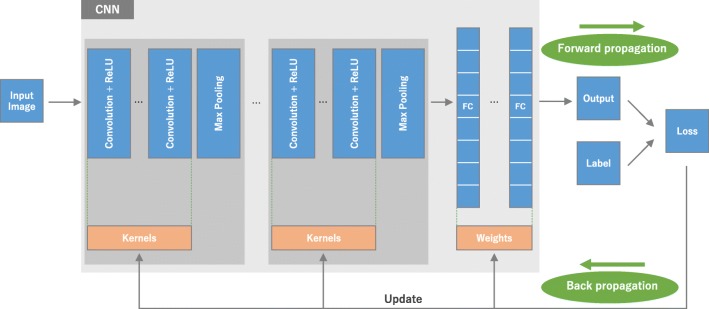
Convolutional neural network (CNN), a class of artificial neural networks that has become dominant in various computer vision tasks, is attracting interest across a variety of domains, including radiology. CNN is designed to automatically and adaptively learn spatial hierarchies of features through backpropagation by using multiple building blocks, such as convolution layers, pooling layers, and fully connected layers. This review article offers a perspective on the basic concepts of CNN and its application to various radiological tasks, and discusses its challenges and future directions in the field of radiology. Two challenges in applying CNN to radiological tasks, small dataset and overfitting, will also be covered in this article, as well as techniques to minimize them. Being familiar with the concepts and advantages, as well as limitations, of CNN is essential to leverage its potential in diagnostic radiology, with the goal of augmenting the performance of radiologists and improving patient care. KEY POINTS: • Convolutional neural network is a class of deep learning methods which has become dominant in various computer vision tasks and is attracting interest across a variety of domains, including radiology. • Convolutional neural network is composed of multiple building blocks, such as convolution layers, pooling layers, and fully connected layers, and is designed to automatically and adaptively learn spatial hierarchies of features through a backpropagation algorithm. • Familiarity with the concepts and advantages, as well as limitations, of convolutional neural network is essential to leverage its potential to improve radiologist performance and, eventually, patient care.
Overview
CoChat Summary
TL;DR
This narrative review explains the basic concepts of convolutional neural networks (CNNs) — their building blocks, training, and data requirements — and surveys their application to radiological tasks such as classification, segmentation, detection, image denoising, and report analysis. It highlights small datasets and overfitting as the two central challenges for CNN use in radiology and reviews techniques to mitigate them.
Key findings
- CNN is composed of convolution, pooling, and fully connected layers; convolution and pooling perform feature extraction while fully connected layers map features to outputs, with kernels and weights learned via backpropagation and gradient descent.
- CNN differs from conventional radiomics in that it does not require hand-crafted feature extraction or expert segmentation, but is far more data hungry and computationally expensive, typically requiring GPUs.
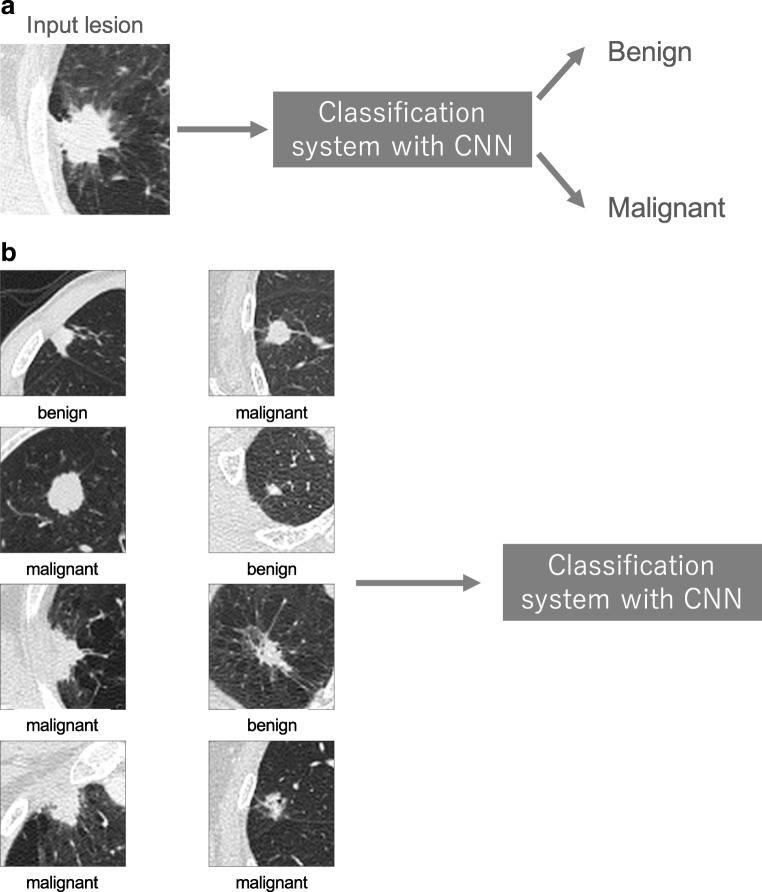
- Reported application results cited in the review include: an ensemble of AlexNet and GoogLeNet 2D-CNNs achieving a best AUC of 0.99 for detecting pulmonary tuberculosis on 1007 chest radiographs; a CNN-based CADe system trained on ~45,000 mammography images outperforming a hand-crafted-feature CADe system at low sensitivity and matching it at high sensitivity; and a detection system built from 33,688 bounding boxes mined from radiologists' reports showing significantly improved detection accuracy with pseudo-category labels.
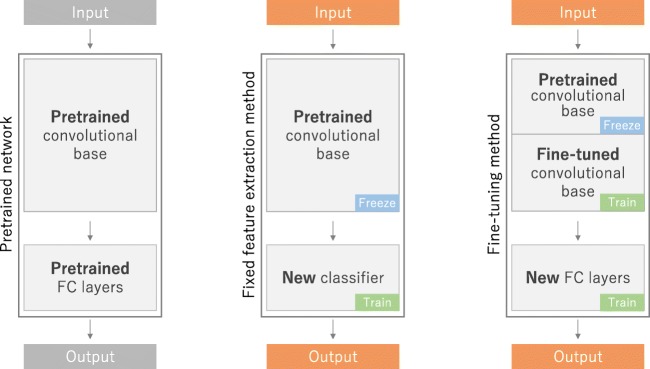
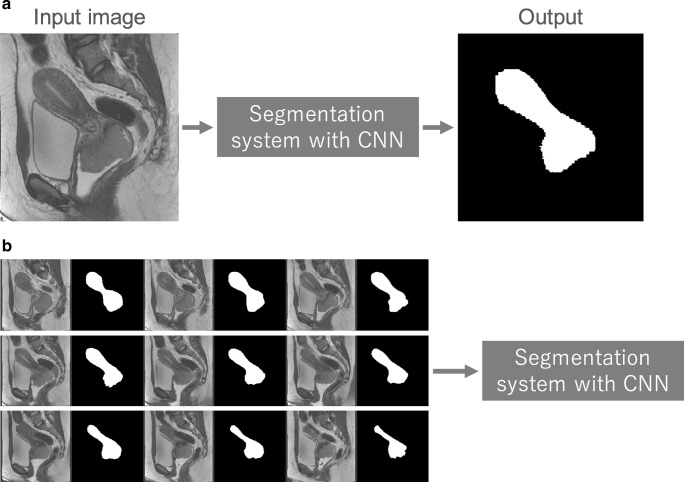
- Transfer learning from ImageNet (1.4 million images, 1000 classes) via fixed feature extraction or fine-tuning is presented as a key strategy for training on small datasets; U-net is highlighted for segmentation because it captures multiscale spatial context and can be trained end-to-end from limited data.
Methods
- Design: narrative review article (not a primary study), covering CNN concepts, training, data/label considerations, overfitting, small-dataset strategies, and radiology applications.
- Scope: applications are organized into classification, segmentation, detection, and "others" (denoising, image reconstruction, report classification); recurrent neural networks and other deep learning models are explicitly stated to be beyond the article's scope.
- Evidence base: illustrative prior studies are cited rather than systematically searched or quantitatively pooled; no new data, sample, or statistical analysis is generated by the authors.
Limitations
- Stated: the article is a perspective/overview, and other deep learning models such as recurrent neural networks for sequence models are beyond its scope; the details of improved gradient descent algorithms (momentum, RMSprop, Adam) are also stated to be beyond scope.
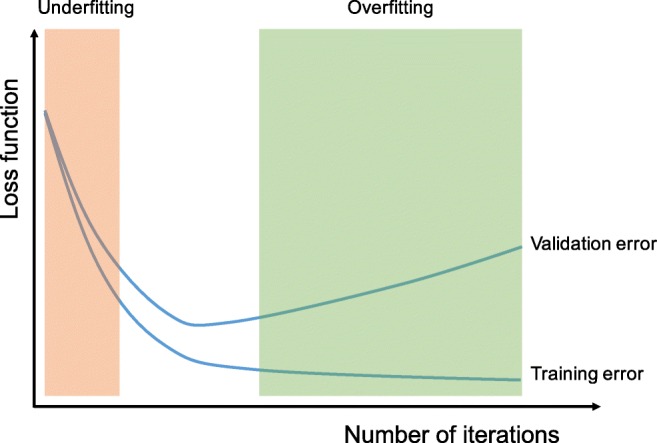
- Stated: whether semi-supervised techniques (pseudo-label, GANs) actually improve deep learning performance in radiology "is not clear and remains an area of active investigation," and whether medical pretrained networks would outperform ImageNet-pretrained transfer learning is likewise unclear.
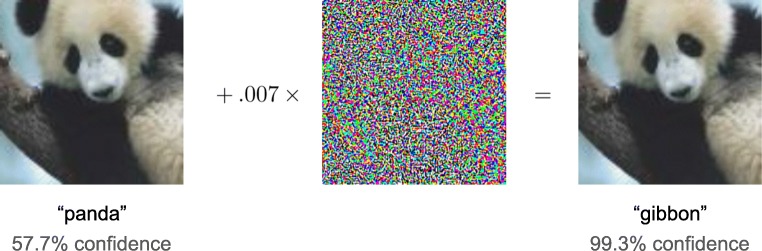
- Evident from the text: as a narrative review it reports no systematic search strategy, inclusion criteria, or quantitative synthesis, so the cited performance figures are illustrative examples rather than a comparative or exhaustive assessment; the authors also note deep learning's "black box" nature and vulnerability to adversarial examples as unresolved concerns for clinical robustness.
Model-written summary. Check it against the paper before relying on it.
Integrity signals
Registry
Cites
Statistics
Figures
Verification
Claims the paper makes
23 Valid · 11 Not valid · 6 Not checked · 47 Own results and interpretations
The sources with a verdict support this claim; the rest weren’t checked yet, have no full text we could read, or their verdicts aren’t rated yet.
In the paper
“several studies have already been published in areas such as lesion detection [7], classification [8], segmentation [9], image reconstruction [10, 11], and natural language processing [12].”
§ Convolutional neural networks: an overview and application in radiology > Introduction
What the sources say
- Not checked — no full text of the sourcecites [7] Lakhani P Sundaram B Deep learning at chest radiography: automated classification of pulmonary tuberculosis by using convolutional neural networks Radiology 2017 284 574 582 10.1148/radiol.2017162326 28436741 source
- Not checked — no full text of the sourcecites [8] Yasaka K Akai H Abe O Kiryu S Deep learning with convolutional neural network for differentiation of liver masses at dynamic contrast-enhanced CT: a preliminary study Radiology 2018 286 887 896 10.1148/radiol.2017170706 29059036 source
- Supportedcites [9] Christ PF, Elshaer MEA, Ettlinger F et al (2016) Automatic liver and lesion segmentation in CT using cascaded fully convolutional neural networks and 3D conditional random fields. In: Ourselin S, Joskowicz L, Sabuncu M, Unal G, Wells W (eds) Proceedings of Medical image computing and computer-assisted intervention – MICCAI 2016. 10.1007/978-3-319-46723-8_48 source
The citation [9] is attached to “segmentation,” not to the other listed applications. The paper’s opening page (p. 1) describes its CNN-based method for segmenting liver and lesions in CT images, so it is an example of the cited kind of study. (LLM, conf=0.95)
plain- Asserted: passes — The authors put it forward as true.
- Checkable: passes — It can be checked against evidence.
- Load-bearing: unclear — It is unclear whether the paper’s conclusions depend on it.
- Based: passes — The paper gives a reason why it holds.
Every source the paper cites for this claim was checked and supports it.
In the paper
“The results demonstrate that detection accuracy could be significantly improved by incorporating pseudo-category labels.”
§ Convolutional neural networks: an overview and application in radiology > Applications in radiology > Others
What the sources say
- Supportedcites [55] Yan K, Wang X, Lu L, Summers RM (2017) DeepLesion: automated deep mining, categorization and detection of significant radiology image findings using large-scale clinical lesion annotations. arXiv. Available online at: https://arxiv.org/pdf/1710.01766.pdf. Accessed 29 Jan 2018 source
In Results and Discussion (p. 7), the paper compares detection without categorization labels against detection with pseudo-category labels. Test accuracy rises from 59.45% to 64.30% overall, with improvements of 3–8 percentage points across the five lesion clusters. (LLM, conf=0.92)
hedgedstates a possible cause- Asserted: passes — The authors put it forward as true.
- Checkable: passes — It can be checked against evidence.
- Load-bearing: passes — The paper’s conclusions depend on it.
- Based: passes — The paper gives a reason why it holds.
- Supported
Every source the paper cites for this claim was checked and supports it.
In the paper
“As a result, U-net could be trained end-to-end from a limited number of training data.”
§ Convolutional neural networks: an overview and application in radiology > Applications in radiology > Segmentation
What the sources say
- Supportedcites [48] Ronneberger O, Fischer P, Brox T (2015) U-net: convolutional networks for biomedical image segmentation. In: Navab N, Hornegger J, Wells W, Frangi A (eds) Proceedings of Medical Image Computing and Computer-Assisted Intervention – MICCAI 2015. 10.1007/978-3-319-24574-4_28 source
The paper’s opening section states directly that U-Net can be trained end-to-end from very few images. The Conclusion likewise says it needs very few annotated images, thanks to data augmentation with elastic deformations. (LLM, conf=0.95)
hedgedstates a cause- Asserted: passes — The authors put it forward as true.
- Checkable: passes — It can be checked against evidence.
- Load-bearing: unclear — It is unclear whether the paper’s conclusions depend on it.
- Based: passes — The paper gives a reason why it holds.
- Supported
The sources with a verdict support this claim; the rest weren’t checked yet, have no full text we could read, or their verdicts aren’t rated yet.
In the paper
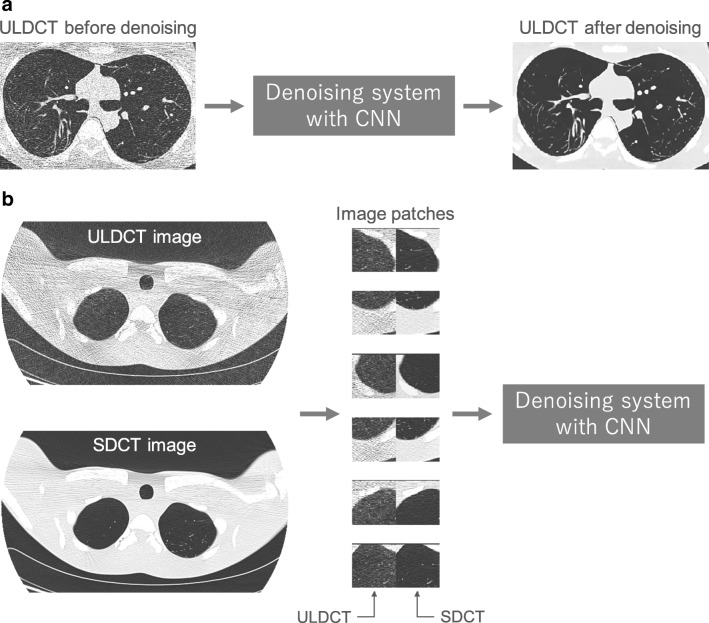
“Two previous studies showed that low-dose and ultra-low-dose CT images could be effectively denoised using deep learning [52, 53].”
§ Convolutional neural networks: an overview and application in radiology > Applications in radiology > Others
What the sources say
- Not checked — no full text of the sourcecites [52] Chen H Zhang Y Zhang W Low-dose CT via convolutional neural network Biomed Opt Express 2017 8 679 694 10.1364/BOE.8.000679 28270976 PMC5330597 source
- Supportedcites [53] Nishio M Nagashima C Hirabayashi S Convolutional auto-encoder for image denoising of ultra-low-dose CT Heliyon 2017 3 e00393 10.1016/j.heliyon.2017.e00393 28920094 PMC5577435 source
The Abstract (Materials and methods; Conclusion) reports that a convolutional auto-encoder denoised ultra-low-dose CT images of a chest phantom and performed better in visual assessments than the comparison methods. This supports the ultra-low-dose portion attributed to this study; the sentence cites two studies for the combined low-dose and ultra-low-dose claim. (LLM, conf=0.92)
hedgedstates a cause- Asserted: passes — The authors put it forward as true.
- Checkable: passes — It can be checked against evidence.
- Load-bearing: unclear — It is unclear whether the paper’s conclusions depend on it.
- Based: passes — The paper gives a reason why it holds.
The cited sources support only part of this claim — read each source’s verdict below.
In the paper
“Their study showed that U-net could effectively produce noiseless CT images from the subsampled sinogram.”
§ Convolutional neural networks: an overview and application in radiology > Applications in radiology > Others
What the sources say
- Partly supportedcites [54] Jin KH McCann MT Froustey E Unser M Deep convolutional neural network for inverse problems in imaging IEEE Trans Image Process 2017 26 4509 4522 10.1109/TIP.2017.2713099 28641250 sourceExperimental — accuracy not yet measured
The Experiments and Results section (p. 9) tests FBPConvNet on subsampled CT sinograms, and the Biomedical Dataset results (p. 13) report satisfactory removal of streaking artifacts and improved SNR. The network uses a modified U-net, but the paper does not claim its output is noiseless; the Discussion (p. 16) notes that artifacts can remain. (LLM, conf=0.88)
boostedstates a cause- Asserted: passes — The authors put it forward as true.
- Checkable: passes — It can be checked against evidence.
- Load-bearing: passes — The paper’s conclusions depend on it.
- Based: passes — The paper gives a reason why it holds.
- Partly supported
18 more claims · 8 with their cited sources checked
Create a free account to see all 87 claims and to verify the 4 references still open.
- Probably not a substantial claim. 56
- It may state two separate claims as one. 31
Citations
Cites
Deep Residual Learning for Image Recognition
He, K., Zhang, X., Ren, S., & Sun, J. (2016) · 2016 IEEE Conference on Computer Vision and Pattern Recognition (CVPR) · doi:10.1109/cvpr.2016.90 · Cited by 235,474 · cited 1×
“At present, many models pretrained on the ImageNet challenge dataset are open to the public and readily accessible, along with their learned kernels and weights, such as AlexNet [3], VGG [30], ResNet [31], Inception [32], and DenseNet [33].”
MethodVery Deep Convolutional Networks for Large-Scale Image Recognition
Simonyan, K., & Zisserman, A. (2014) · arXiv · doi:10.48550/arxiv.1409.1556 · Cited by 114,148 · cited 2×
“To perform unsupervised categorization, the following three steps were iteratively performed: (i) feature extraction using pretrained VGG16 model [30] from the lesions in the bounding box, (ii) clustering of the features, and (iii) fine-tuning of VGG16 based on the results of the clustering.”
MethodU-Net: Convolutional Networks for Biomedical Image Segmentation
Ronneberger, O., Fischer, P., & Brox, T. (2015) · Lecture notes in computer science · doi:10.1007/978-3-319-24574-4_28 · Cited by 99,404 · cited 1×
“Although segmentation based on image patch was successfully performed in deep learning, U-net of Ronneberger et al. [48] outperformed the image patch-based method on the ISBI [IEEE (The Institute of Electrical and Electronics Engineers) International Symposium on Biomedical Imaging] challenge for…”
MethodAdam: A Method for Stochastic Optimization
Kingma, D. P., & Ba, J. (2014) · arXiv · doi:10.48550/arxiv.1412.6980 · Cited by 98,946
LeCun, Y., Bengio, Y., & Hinton, G. (2015) · Nature · doi:10.1038/nature14539 · Cited by 84,126
Faster R-CNN: Towards Real-Time Object Detection with Region Proposal Networks
Ren, S., He, K., Girshick, R., & Sun, J. (2017) · IEEE Transactions on Pattern Analysis and Machine Intelligence · doi:10.1109/tpami.2016.2577031 · Cited by 73,472 · cited 1×
“The study also suggested that the detection system was built using the Faster R-CNN method [56], the lesions in the bounding box, and their corresponding pseudo-category.”
MethodFaster R-CNN: Towards Real-Time Object Detection with Region Proposal Networks
Ren, S., He, K., Girshick, R., & Sun, J. (2015) · arXiv · doi:10.48550/arxiv.1506.01497 · Cited by 70,812
Densely Connected Convolutional Networks
Huang, G., Liu, Z., Van Der Maaten, L., & Weinberger, K. Q. (2017) · 2017 IEEE Conference on Computer Vision and Pattern Recognition (CVPR) · doi:10.1109/cvpr.2017.243 · Cited by 48,566 · cited 1×
“At present, many models pretrained on the ImageNet challenge dataset are open to the public and readily accessible, along with their learned kernels and weights, such as AlexNet [3], VGG [30], ResNet [31], Inception [32], and DenseNet [33].”
MethodGoing deeper with convolutions
Szegedy, C., Liu, W., Jia, Y., Sermanet, P., Reed, S., Anguelov, D., Erhan, D., Vanhoucke, V., & Rabinovich, A. (2015) · 2015 IEEE Conference on Computer Vision and Pattern Recognition (CVPR) · doi:10.1109/cvpr.2015.7298594 · Cited by 48,562 · cited 5×
“According to the results, the best area under the curve of receiver operating characteristic curves for detecting pulmonary tuberculosis from healthy cases was 0.99, which was obtained by ensemble of the AlexNet and GoogLeNet 2D-CNNs.”
MethodInfluentialImageNet Large Scale Visual Recognition Challenge
Russakovsky, O., Deng, J., Su, H., Krause, J., Satheesh, S., Ma, S., Huang, Z., Karpathy, A., Khosla, A., Bernstein, M., et al. (2015) · International Journal of Computer Vision · doi:10.1007/s11263-015-0816-y · Cited by 39,380 · cited 1×
“…neural network (CNN), a class of artificial neural networks that has been a dominant method in computer vision tasks since the astonishing results were shared on the object recognition competition known as the ImageNet Large Scale Visual Recognition Competition (ILSVRC) in 2012 [2, 3].”
Method
Research works printed but not linked: 3
- Krizhevsky A, Sutskever I, Hinton GE (2012) ImageNet classification with deep convolutional neural networks. Adv Neural Inf Process Syst 25. Available online at: https://papers.nips.cc/paper/4824-imagenet-classification-with-deep-convolutional-neural-networks.pdf. Accessed 22 Jan 2018
- Lee DH (2013) Pseudo-label: the simple and efficient semi-supervised learning method for deep neural networks. In: Proceedings of the ICML 2013 Workshop: Challenges in Representation Learning. Available online at: http://deeplearning.net/wp-content/uploads/2013/03/pseudo_label_final.pdf. Accessed 23 Jan 2018
- Kurata Y, Nishio M, Fujimoto K et al (2018) Automatic segmentation of uterus with malignant tumor on MRI using U-net. In: Proceedings of the Computer Assisted Radiology and Surgery (CARS) 2018 congress (accepted)
Cited by
Items 2,101–2,200 of 4,673
Classification of Maturity Stages of Coconuts using Deep Learning on Embedded Platforms
Varur, S., Mainale, S., Korishetty, S., Shanbhag, A. R., Kulkarni, U., & M, M. S. (2023) · International Conference on Smart Data Intelligence (ICSMDI) · doi:10.1109/icsmdi57622.2023.00067 · Cited by 8
“The previous layer feeds its output to the succeeding layer and extracted features can hierarchically and progressively become more complex [25].”
BackgroundEpilepsy Seizure Prediction from EEG Signal Using Machine Learning Techniques
Sidaoui, B., & Sadouni, K. (2023) · Advances in Electrical and Computer Engineering · doi:10.4316/aece.2023.02006 · Cited by 8
A Novel Neural Network-Based Recommender System for Drug Recommendation
Mubasher, H. A., Doughan, Z. F., Sliman, L., et al. (2023) · Communications in computer and information science · doi:10.1007/978-3-031-34204-2_46 · Cited by 7
Image Quality Assessment of Diabetic Retinopathy Based on ADD-Net
Zhang, P., Hu, T., Han, X., Liu, X., Ni, J., Shen, J., & Liu, Q. (2023) · IEEE Access · doi:10.1109/access.2023.3318876 · Cited by 8
“The training of deep neural networks requires a large amount of data so that the network parameters can be tuned to obtain the best performance [43].”
BackgroundClassification of Date Fruit Types Using CNN Algorithm Based on Type
Nadhif, M. F., & Dwiasnati, S. (2023) · MALCOM Indonesian Journal of Machine Learning and Computer Science · doi:10.57152/malcom.v3i1.724 · Cited by 7
“CNNs are designed to automatically and adaptively learn a spatial hierarchy of features through backpropagation by using several building blocks, such as convolution layers, union layers, and fully connected layers [6].”
BackgroundOffline Handwritten Multilingual Numeral Recognition Using CNN
Jabde, M. K., Patil, C. H., Vibhute, A. D., et al. (2024) · Springer eBooks · doi:10.1007/978-981-99-6984-5_25 · Cited by 7
Kim, M., Kim, B., Kim, Y., Handriani, L. S., Jang, S., Jeong, D. Y., Yang, S. I., & Park, W. I. (2024) · IEEE photonics journal · doi:10.1109/jphot.2024.3361930 · Cited by 6
“This hardware could offer an effective solution for implementing various deep learning models, including transformers [22], convolutional neural networks (CNNs) [23], and spiking neural networks (SNNs) [24], to meet their computational demands across a range of applications.”
Performance Evaluation of Retrained CNN Models for Grape Leaf Disease Identification
Khandagale, H. P., & Patil, S. A. (2023) · International Conference on Informatics (ICI) · doi:10.1109/ici60088.2023.10421744 · Cited by 10
Improved signature recognition system based on statistical features and fuzzy logic
Melhaoui, O. E., Said, S., Benlghazi, A., et al. (2024) · e-Prime - Advances in Electrical Engineering Electronics and Energy · doi:10.1016/j.prime.2024.100505 · Cited by 7
Ige, T., Kiekintveld, C., & Piplai, A. (2024) · IEEE International Conference on Electro Information Technology · doi:10.1109/eit60633.2024.10609847 · Cited by 17
“1) Convolutional Neural Network (CNN): CNN is a deep learning model with a grid pattern for processing data that is designed to automatically and adaptively learn spatial hierarchies of features, from low-to high-level patterns [88], [38].”
BackgroundDeepEcho: Echoacoustic Recognition of Materials Using Returning Echoes With Deep Neural Networks
Kang, G., & Kim, S.-C. (2020) · IEEE Transactions on Emerging Topics in Computing · doi:10.1109/tetc.2020.3029044 · Cited by 7
“In order to learn the spectral properties that are captured in reflected signals, we employed up-to-date convolutional neural networks (CNNs) that can adaptively and efficiently learn spatial hierarchies of features [6].”
MethodA Comparative Study of Stand-Alone and Hybrid CNN Models for COVID-19 Detection
Alawad, W. M., Alburaidi, B., Alzahrani, A. A., & Alflaj, F. (2021) · International Journal of Advanced Computer Science and Applications · doi:10.14569/ijacsa.2021.01206102 · Cited by 7
“Max pooling and average pooling are the two operations available in this layer [21].”
BackgroundInfluentialHuang, Z., Xia, T., Kim, J., et al. (2021) · Proceedings of the Annual International Conference of the IEEE Engineering in Medicine and Biology Society · doi:10.1109/embc46164.2021.9630692 · Cited by 7
“CNNs learns and quantify sophisticated imaging representations by leveraging large volumes of image data [5].”
BackgroundKhural, B. S., Baer‐Beck, M., Fournié, É., Stierstorfer, K., Huang, Y., & Maier, A. (2022) · Biomedical Physics & Engineering Express · doi:10.1088/2057-1976/ac47fc · Cited by 11
“The model is mathematically composed of three layers: convolutional, pooling and fully connected layers [9].”
MethodHandwritten Devanagari Word Recognition using Customized Convolution Neural Network
Salunke, D., Sabne, P., Saini, H., et al. (2021) · International Conference on Computing, Communication and Green Engineering (CCGE) · doi:10.1109/ccge50943.2021.9776351 · Cited by 7
CNN-based Survival Model for Pancreatic Ductal Adenocarcinoma in Medical ImagingPreprint
Zhang, Y., Lobo-Mueller, E. M., Karanicolas, P. J., et al. (2019) · arXiv (Cornell University) · doi:10.48550/arxiv.1906.10729 · Cited by 7
Classification of COVID-19 in CT Scans using Multi-Source Transfer LearningPreprint
Martinez, A. R. (2020) · arXiv (Cornell University) · doi:10.48550/arxiv.2009.10474 · Cited by 7
“These computational tools have been successfully applied to CT and other medical imaging classification tasks with low rates of error [9], [10], [11].”
MethodDeep learning-based quantification of arbuscular mycorrhizal fungi in plant rootsPreprint
Evangelisti, É., Turner, C., McDowell, A., et al. (2021) · bioRxiv (Cold Spring Harbor Laboratory) · doi:10.1101/2021.03.05.434067 · Cited by 7
Using deep convolutional neural networks to forecast spatial patterns of Amazonian deforestationPreprint
Ball, J., Petrova, K., Coomes, D. A., et al. (2021) · bioRxiv (Cold Spring Harbor Laboratory) · doi:10.1101/2021.12.14.472442 · Cited by 7
Papadopoulos, L., Bakalakos, S., Nikolopoulos, S., et al. (2022) · SSRN Electronic Journal · doi:10.2139/ssrn.4065418 · Cited by 7
Kvak, D., Bendik, M., & Chromcová, A. (2022) · Preprints.org · doi:10.20944/preprints202203.0288.v1 · Cited by 8
(2023) · romanian journal of ophthalmology · doi:10.22336/rjo.2023.53 · Cited by 7
“Unlike traditional machine learning algorithms, CNNs can automatically learn and extract complex features directly from raw image data [ 21,22 ].”
BackgroundBadillo, F. L., Hernández, C. A. R., Narváez, B. M., & Estefanía, Y. (2021) · Revista colombiana de radiología · doi:10.53903/01212095.161 · Cited by 37
“De esta manera, si la respuesta de la red neuronal es equivocada, se hará la respectiva corrección en la CNN (29) (figura 10).”
BackgroundKim, J.-Y., & Oh, J.-S. (2023) · Journal of Marine Science and Engineering · doi:10.3390/jmse11091690 · Cited by 6
“Examples of data to which CNN models have been applied include videos in 3D format [39], images in 2D format [40], and signal data in 1D format [41].”
MethodStudy of feature selection algorithms to improve arrhythmia detection performance on ECG signal
Wijaya, I. G. M. B. A., & Mandala, S. (2023) · International Conference on Intelligent Cybernetics Technology & Applications (ICICyTA) · doi:10.1109/icicyta60173.2023.10429013 · Cited by 6
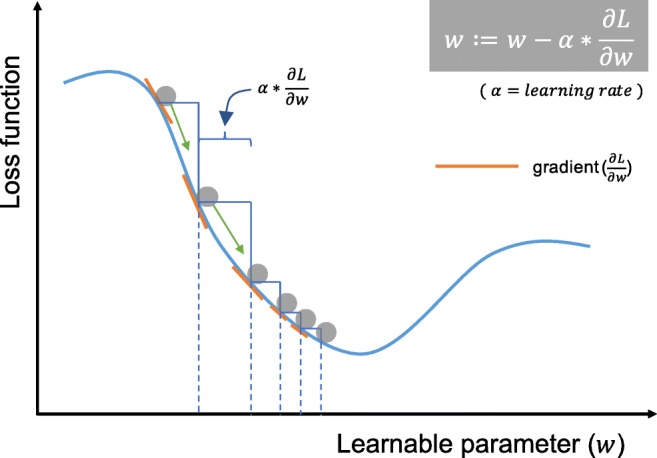
“Model performance is evaluated by a loss function during forward propagation on a training dataset, and learnable parameters (kernels and weights) are updated using optimization algorithms like backpropagation and gradient descent [18].”
MethodJeong, Y., Shin, J., Lee, J.-S., Baek, J.-Y., Schlapfer, D. R., Kim, S.-Y., Jeong, J., & Jo, Y. (2024) · Remote Sensing · doi:10.3390/rs16234347 · Cited by 9
Artificial intelligence in pediatric allergy research
Lisik, D., Basna, R., Dinh, D.-T., Hennig, C. M., Shah, S. A., Wennergren, G., Goksör, E., & Nwaru, B. I. (2024) · European Journal of Pediatrics · doi:10.1007/s00431-024-05925-5 · Cited by 15
“Numerous neural network types have been developed for specific tasks, such as convolutional neural networks, suitable for image analyses [23], and recurrent neural networks, applicable in sequential data/trajectory analyses [24].”
Enhanced CATBraTS for Brain Tumour Semantic Segmentation
Badaoui, R. E., Bonmati, E., Ψαρρού, Α., Asaturyan, H. A., & Villarini, B. (2025) · Journal of Imaging · doi:10.3390/jimaging11010008 · Cited by 10
“…analysis by outperforming artificial neural networks (ANN) and long short-term memory (LSTM) for automatic 3-dimensional (3D) organ segmentation [9] and classification in medical images; they have resulted in higher accuracy relative to the gold standard of expert-led manual segmentation [10,11].”
Al-baker, B., Ju, X., Mossey, P. A., & Ayoub, A. F. (2025) · European Journal of Orthodontics · doi:10.1093/ejo/cjaf009 · Cited by 8
“CNN have shown promising results in identifying specific visual patterns that correspond to landmarks’ locations [19].”
Optimized Handwritten Digit Recognition: A Convolutional Neural Network Approach
Rai, A., Singh, S., & Kushwaha, S. (2024) · International Conference on Communication, Control and Intelligent Systems (CCIS) · doi:10.1109/ccis63231.2024.10931867 · Cited by 6
“The authors of [10] The authors suggested a 7-layer model of CNN for the MNIST dataset in [11].”
Ghasemi, F., Shalbaf, A., & Esteki, A. (2025) · IEEE Access · doi:10.1109/access.2025.3558845 · Cited by 8
Xue, D., Dongwei, G. U. I., Liu, Q., Liu, Y., Chen, X., & Jin, Q. (2025) · Journal of Environmental Management · doi:10.1016/j.jenvman.2025.125215 · Cited by 6
Scalco, E., Rizzo, G., Bertolino, N., & Mastropietro, A. (2025) · Physica Medica · doi:10.1016/j.ejmp.2025.104978 · Cited by 6
Human-AI Complementarity in Diagnostic Radiology: The Case of Double Reading
Wagner, I. A., & Chakradeo, K. (2025) · Philosophy & Technology · doi:10.1007/s13347-025-00886-5 · Cited by 11
“Through training, CNNs learn to detect features like shape, texture, and color that support image classification (e.g., tumor-positive vs. tumor-negative) or localization of relevant regions (e.g., cancerous lesions) (Yamashita et al., 2018).”
Chilumukuru, N. S., Priyadarshini, P., & Ezunkpe, Y. (2025) · JMIR Formative Research · doi:10.2196/62996 · Cited by 10
“CNNs are central in computer vision applications, including image recognition and radiology [17-19].”
Zaid, Z. A. A. A., & Otaru, A. J. (2025) · Industrial Crops and Products · doi:10.1016/j.indcrop.2025.121489 · Cited by 7
Eshmawi, A. A., Aldrees, A., & Alharthi, R. S. (2025) · Frontiers in Computer Science · doi:10.3389/fcomp.2025.1622382 · Cited by 13
Takamido, R., Ota, J., & Nakamoto, H. (2025) · IEEE Access · doi:10.1109/access.2025.3589903 · Cited by 10
“From a technical viewpoint, deep learning algorithms such as convolutional neural networks (CNN) and recurrent neural networks (RNN) can offer significant advantages in handling large datasets consisting of noisy and highly complex data [6], [7].”
Bai, H., Tong, W., Geng, Z., & Gao, C. (2025) · PLoS ONE · doi:10.1371/journal.pone.0327206 · Cited by 12
“Morsy et al. [39] and Yamashita et al. [40] stated that convolutional neural networks (CNNs) rely on forward propagation and backpropagation to optimize network parameters, enabling effective feature extraction and classification.”
Securing Federated Learning in IoT: A Survey of Attacks, Defenses, and Frameworks
Atia, O. B., Samara, M. A., Bennis, I., Gaber, J., Abouaïssa, A., & Lorenz, P. (2025) · IEEE Internet of Things Journal · doi:10.1109/jiot.2025.3600617 · Cited by 9
Winiarski, S., Radziszewski, M., Wiśniewski, M., Cisek, J., Wąsowski, D., Plewczyński, D., Górska, K., & Korczyński, P. (2025) · Cancers · doi:10.3390/cancers17172835 · Cited by 12
“In medical imaging and diagnostics, algorithms show strong performance in disease detection and classification, yet challenges of data bias, transparency, and reproducibility limit clinical adoption [19].”
Reinforcement Learning in Medical Imaging: Taxonomy, LLMs, and Clinical Challenges
Riad, A. K. I., Barek, M. A., Shahriar, H., Francia, G., & Ahamed, S. I. (2025) · Future Internet · doi:10.3390/fi17090396 · Cited by 11
“Convolutional Neural Networks (CNNs) are predominantly employed for these tasks because of their effectiveness in capturing hierarchical spatial features from medical scans, including CT, MRI, and X-rays [12,28].”
Computational approaches for toxicology and Pharmacokinetic properties prediction
Kaboudi, N., Shekari, T., Shayanfar, A., & Pimentel, A. S. (2025) · Journal of Pharmacokinetics and Pharmacodynamics · doi:10.1007/s10928-025-09999-y · Cited by 6
“Basically, the process that how a specific output is formed is not clear [82]. besides, neural networks require more computing times than other statistical methods [83].”
Ultrasound-driven deep learning for glucose monitoring in flowing blood
Lee, J. E., Sharma, A. K., Kwon, T., Sridharan, B., Kim, D., Kang, J., & Lim, H. G. (2025) · Sensors and Actuators A Physical · doi:10.1016/j.sna.2025.117028 · Cited by 7
Jang, J., & Gi, S.-G. (2025) · Advanced Materials Technologies · doi:10.1002/admt.202500588 · Cited by 13
A comprehensive overview: deep learning approaches to central serous chorioretinopathy diagnosis
Shojaeinia, M., Hosseini, A., Naderi, M., Baloutch, B. D., Yekta, M. S., Akbarpour, L., & Moghaddasi, H. (2025) · BMC Ophthalmology · doi:10.1186/s12886-025-04372-6 · Cited by 8
“The architecture of CNNs is inspired by the organizational structure of the animal visual cortex [53].”
Sun, Z., Ye, W., Mao, Y., & Sui, Y. (2025) · Batteries · doi:10.3390/batteries11100384 · Cited by 7
“CNNs are deep learning models characterized by local receptive fields and weight sharing, which enable them to effectively extract local patterns and spatial features from input signals [24].”
Glaws, A., Schall, J., Ballen, A., Louks, A. E., Davis, K. O., Palmstrom, A. F., Ugirumurera, J., & Kern, D. B. (2025) · Energy and AI · doi:10.1016/j.egyai.2025.100640 · Cited by 6
Aerial monitoring of turkey behavior using unmanned aerial vehicles and computer vision
Calderone, G., Molins, M., Catania, P., Boney, J. W., & Casella, E. (2025) · Poultry Science · doi:10.1016/j.psj.2025.106103 · Cited by 8
“This hierarchical architecture enables automatic learning of features, from low-level details to complex patterns, making CNNs particularly suited for recognition, monitoring, and automatic tracking tasks (Yamashita et al., 2018).”
Intelligent thermography for detecting melamine adulteration in powdered milk
Ortiz-Chiliquinga, A., Pérez-Calabuig, A. M., Pradana‐López, S., Cancilla, J. C., & Torrecilla, J. S. (2025) · Food Control · doi:10.1016/j.foodcont.2025.111575 · Cited by 7
Ren, J., Wang, J., Mao, Y., Cao, X., & Kong, X. (2026) · Building and Environment · doi:10.1016/j.buildenv.2026.114199 · Cited by 7
Siam, A. A., Faruqui, N., Azad, A. K. M., & Moni, M. A. (2026) · Expert Systems · doi:10.1111/exsy.70217 · Cited by 18
“Though CNNs can work on tensorized flows/bytes, in zero-day conditions, there is usually no labelled exemplar, increasing the risk of overfitting and hampering generalisation (Yamashita et al. 2018; Elsayed et al. 2021).”
Choudhary, A., Pamidimokkala, S., Krithiga, R., & M., B. R. (2026) · Frontiers in Artificial Intelligence · doi:10.3389/frai.2025.1706369 · Cited by 13
“Yamashita et al. (2018) explains that unlike the traditional radiomics, which is based on handcrafted features and segmentation of professionals, CNNs do not need manual feature extraction, although they are computationally very demanding and require massive datasets.”
Adli, A., & Tyrrell, P. N. (2020) · Journal of Undergraduate Life Sciences · doi:10.33137/juls.v14i1.35883 · Cited by 6
Hybrid Convolutional Neural Networks Based Framework for Skimmed Milk Powder Price Forecasting
Malczewski, J., & Czubak, W. (2021) · Sustainability · doi:10.3390/su13073699 · Cited by 7
CNN-based morphological decomposition of X-ray images for details and defects contrast enhancement
Madmad, T., Delinte, N., & Vleeschouwer, C. D. (2021) · IEEE/CVF Conference on Computer Vision and Pattern Recognition Workshops (CVPRW) · doi:10.1109/cvprw53098.2021.00246 · Cited by 10
“A key advantage of CNNs consists of detecting local features at different positions in the input feature maps with learnable kernels [58].”
BackgroundSentiment Analysis in Arabic Social Media Using Deep Learning Models
Yafoz, A., & Mouhoub, M. (2021) · Conference proceedings/Conference proceedings - IEEE International Conference on Systems, Man, and Cybernetics · doi:10.1109/smc52423.2021.9659245 · Cited by 9
“In addition, the stride had the value of 1 because it is the most common stride value [26].”
BackgroundWong, C. H., Ng, S. M., Leung, C. W., & Zatsepin, A. F. (2022) · Brazilian Journal of Physics · doi:10.1007/s13538-021-01008-0 · Cited by 6
“The GoogLeNet [24] makes use of the inception modules and allows the network to choose different sizes of convolutional filters in each block [22].”
BackgroundMethodInfluentialLee, J., & Kim, I. (2022) · Water Resources Management · doi:10.1007/s11269-022-03120-5 · Cited by 6
“Machine learning is a technical field in which human judgment learned by the artificial neural network model is made into a decision-making model and utilized (Yamashita et al. 2018 ).”
BackgroundELECTRICITY PRICE FORECASTING IN TURKISH DAY-AHEAD MARKET VIA DEEP LEARNING TECHNIQUES
Arifoğlu, A., & KANDEMİR, T. (2022) · Mehmet Akif Ersoy Üniversitesi İktisadi ve İdari Bilimler Fakültesi Dergisi · doi:10.30798/makuiibf.1097686 · Cited by 7
Zeng, H. (2022) · Security and Communication Networks · doi:10.1155/2022/8532918 · Cited by 6
“As a representative algorithm of deep learning, it is a kind of feedforward neural network (FNN) with deep structure including convolution calculation [13].”
MethodRetractedIdentifying Root Cause of 5G Radio Quality Deterioration Using Machine Learning
Maruyama, S., Nishikawa, Y., Onishi, T., & Takahashi, E. (2022) · Asia-Pacific Network Operations and Management Symposium (APNOMS) · doi:10.23919/apnoms56106.2022.9919922 · Cited by 6
“2 Example of RSRP time series data in a mixed model 1D CNN [5] [6] [7].”
MethodSelf-labelled encoder-decoder (SLED) for multi-echo gradient echo-based myelin water imaging
Liu, H., Grouza, V., Tuznik, M., Siminovitch, K. A., Bagheri, H., Peterson, A. C., & Rudko, D. A. (2022) · NeuroImage · doi:10.1016/j.neuroimage.2022.119717 · Cited by 7
Analysis of SEM Images with Artificial Intelligence Methods
DEMİRKAN, A., & Topçu, İ. (2022) · European Journal of Science and Technology · doi:10.31590/ejosat.1219252 · Cited by 7
DL-Net: Sparsity Prior Learning for Grasp Pattern Recognition
Huang, Z., Zheng, J., Zhao, L., Chen, H., Jiang, X., & Zhang, X. (2023) · IEEE Access · doi:10.1109/access.2023.3236402 · Cited by 6
“Finally, convolutional neural networks require a large number of samples for training to extract robust features [10], [11], [12].”
BackgroundA Practical Approach of Recognizing and Detecting Traffic Signs using Deep Neural Network Model
Rani, E. G., Bellam, T., Mounika, E., et al. (2022) · International Conference on Emerging Research in Electronics, Computer Science and Technology (ICERECT) · doi:10.1109/icerect56837.2022.10060522 · Cited by 6
Enrique, M.-D.-C.-M., Sánchez-Méndez, P. A., Ruvalcaba-Limón, E., et al. (2023) · Exploration of Targeted Anti-tumor Therapy · doi:10.37349/etat.2023.00135 · Cited by 6
“00135 Page 303 architecture used in the infrared-AI software increases its efficiency when more data is provided [34], therefore continuing to collect data could improve the clinical effectiveness of the infrared-AI software.”
MethodNovel accelerated methods for convolution neural network with matrix core
Guo, Y., Lu, L., & Zhu, S. (2023) · The Journal of Supercomputing · doi:10.1007/s11227-023-05399-6 · Cited by 8
“CNN is a feed-forward neural network with convolution calculation and deep structure [1].”
Matsuo, H., Kitajima, K., Kono, A. K., Kuribayashi, K., Kijima, T., Hashimoto, M., Hasegawa, S., Yamakado, K., & Murakami, T. (2023) · Medical Physics · doi:10.1002/mp.16694 · Cited by 6
Deep learning to predict lymph node status on pre‐operative staging CT in patients with colon cancer
Bedrikovetski, S., Zhang, J., Seow, W., Traeger, L., Moore, J. W., Verjans, J. W. H., Carneiro, G., & Sammour, T. (2023) · Journal of Medical Imaging and Radiation Oncology · doi:10.1111/1754-9485.13584 · Cited by 8
“15 However, evidence regarding the use of deep learning for predicting LN staging in patients with colon cancer is scarce.”
BackgroundDNN-Based Legibility Improvement for Air-Writing in Millimeter-Waveband Radar System
Kwak, S., Park, C., & Lee, S. (2023) · IEEE Transactions on Instrumentation and Measurement · doi:10.1109/tim.2023.3325512 · Cited by 6
“A CNN is a type of artificial neural network commonly used for tasks involving image data, such as recognizing and categorizing objects within an image [17], [18].”
MethodSutomo, H. I. (2023) · Journal of Applied Intelligent System · doi:10.33633/jais.v8i3.9064 · Cited by 9
Efficient Deep Learning model for de-husked Areca nut classification
Patil, S., Naik, A., & Parab, J. S. (2023) · Journal of Applied and Natural Science · doi:10.31018/jans.v15i4.5067 · Cited by 11
“This reduces the size of the feature map, making the model more efficient and reducing the number of parameters used, thereby avoiding the overfitting image (Alzubaidi et al., 2021; Yamashita et al., 2018).”
BackgroundImplementing and Assessing a Teaching Mode Based on Smart Education in English Literature Teaching
Hu, Y., Fang, C., He, X., & Wu, J. (2024) · International Journal of Web-Based Learning and Teaching Technologies · doi:10.4018/ijwltt.336484 · Cited by 7
Wang, Z., Zheng, C., Xu, H., Chen, W., & Lu, L. (2024) · Diagnostics · doi:10.3390/diagnostics14040448 · Cited by 9
“These networks can include components such as Convolutional Neural Networks (CNNs) [6,7] to effectively capture different features from PET and CT images.”
BackgroundCNN-optimized text recognition with binary embeddings for Arabic expiry date recognition
Lotfy, M., & Soliman, G. (2024) · Journal of Electrical Systems and Information Technology · doi:10.1186/s43067-024-00136-2 · Cited by 12
“The initial stage of our model involves the extraction of dates within an image, employing Convolutional Neural Networks (CNNs) due to their effectiveness in capturing key features, particularly the spatial location of the date within the image [24].”
MethodThe Role of Artificial Intelligence in Early Cancer Detection: A Primer on Artificial Intelligence
Thaker, N. G., Dicker, A. P., Loaiza‐Bonilla, A., Manda, S., Frank, S. J., Orio, P. F., & Doria, C. (2024) · AI in Precision Oncology · doi:10.1089/aipo.2024.0003 · Cited by 7
“26,29,30 Figure 3B describes a CNN that calculates the probability that a nodule identified by a chest computed tomography (CT) represents a malignant nodule, a granuloma, or a normal finding.”
Optimizing loss functions for improved energy demand prediction in smart power grids
Nusipova, F., Rysbekov, S., Абдиахметова, З., & Kartbayev, A. Z. (2024) · International Journal of Power Electronics and Drive Systems/International Journal of Electrical and Computer Engineering · doi:10.11591/ijece.v14i3.pp3415-3426 · Cited by 12
“While this study primarily focuses on LSTM-based models, it's worth noting that convolutional neural networks (CNNs) [23] also present a viable option for sequence data analysis, although they were not explored in this research.”
BackgroundCell detection with convolutional spiking neural network for neuromorphic cytometry
Zhang, Z., Yang, H., Eshraghian, J. K., Li, J., Yong, K., Vigolo, D., McGuire, H. M., & Kavehei, O. (2024) · APL Machine Learning · doi:10.1063/5.0199514 · Cited by 6
Improving Efficiency: Automatic Intelligent Weighing System as a Replacement for Manual Pig Weighing
Hou, G., Li, R., Tian, M., Ding, J., Zhang, X., Yang, B., Chen, C., Huang, R., & Yin, Y. (2024) · Animals · doi:10.3390/ani14111614 · Cited by 7
“CNN is a special type of ANN that has been optimized for input data with grid patterns such as images or videos and has excellent performance in image analysis data [12,28].”
MethodIrastorza-Valera, L., Gómez, E. S., Benítez, J. M., Montáns, F. J., & Saucedo‐Mora, L. (2024) · Biomimetics · doi:10.3390/biomimetics9060362 · Cited by 7
“Most importantly, this allows for the analysis of medical imaging such as MRI [445,446], e.g., finding unnoticed patterns which could help identifying [447,448] and classifying [449] prodromal brain tumours or Alzheimer’s [450].”
BackgroundEnsuring food safety by artificial intelligence-enhanced nanosensor arrays
Yu, Z., Zhao, Y., & Xie, Y. (2024) · Advances in food and nutrition research · doi:10.1016/bs.afnr.2024.06.003 · Cited by 6
A deep learning architecture using hybrid and stacks to forecast weekly dengue cases in Laos
Patra, S., Jana, S., Adak, S., & Kar, T. K. (2024) · The European Physical Journal B · doi:10.1140/epjb/s10051-024-00752-x · Cited by 9
“Furthermore, it can be used in radiology [31], time series forecasting of COVID-19 cases [32], financial time series [33] etc. Recently, hybrid CNN-LSTM combining CNN and LSTM modules has become more prominent in several fields, such as classifying imbalanced ECG dataset [34], gold price prediction…”
Generated or Not Generated (GNG): The Importance of Background in the Detection of Fake Images
Tanfoni, M., Ceroni, E. G., Marziali, S., Pancino, N., Maggini, M., & Bianchini, M. (2024) · Electronics · doi:10.3390/electronics13163161 · Cited by 8
SIGNATURE-BASED BIOMETRIC AUTHENTICATION: A DEEP DIVE INTO DEEP LEARNING APPROACHES
(2024) · International Research Journal of Modernization in Engineering Technology and Science · doi:10.56726/irjmets29522 · Cited by 6
Evaluation of the Clinical Impact of a Smartphone Application for Cataract Detection
Janti, S. S., Saluja, R., Tiwari, N., Kolavai, R. R., Mali, K. R., Arora, A. J., Johar, A., Sahoo, D. P., & Sahithi, E. (2024) · Cureus · doi:10.7759/cureus.71467 · Cited by 9
“Researchers have developed solutions that use luminance-based eye image analysis to detect cataracts from smartphone images [13-14].”
Hybrid Deep-Learning Model for Deepfake Detection in Video using Transfer Learning Approach
Pandey, R., & Kushwaha, A. K. S. (2024) · National Academy Science Letters · doi:10.1007/s40009-024-01480-7 · Cited by 9
“…or inconsistencies over time, such as temporal artifacts introduced by forgery techniques. vi. Classification: Post-temporal modeling, the processed features enter a fully connected classification layer [14] for binary classification, determining the presence of deepfake alterations in the video.”
Unveiling and swift diagnosing chronic wound healing with artificial intelligence assistance
Deng, J., Shi, G., Ye, Z., Xiao, Q., Zhang, X., Ren, L., Yang, F., & Wang, M. (2024) · Chinese Chemical Letters · doi:10.1016/j.cclet.2024.110496 · Cited by 7
Duyar, C., Senica, S. O., & Kalkan, H. (2024) · Intelligence-Based Medicine · doi:10.1016/j.ibmed.2024.100180 · Cited by 12
Ito, S., Mine, Y., Urabe, S., Yoshimi, Y., Okazaki, S., Mizuho, S. A. N. O., Koizumi, Y., Peng, T., Kakimoto, N., MURAYAMA, T., et al. (2024) · Journal of Clinical Medicine · doi:10.3390/jcm13216346 · Cited by 10
“Through this hierarchical learning process, CNNs can automatically learn to recognize complex patterns and features in images without the need for manual feature engineering [10].”
BackgroundConvnext-PCA: A Parameter-Efficient Model for Accurate Kidney Abnormality Classification
Neha, F., & Bansal, A. K. (2024) · Machine learning for signal processing ... · doi:10.1109/mlsp58920.2024.10734811 · Cited by 7
Shetty, S., Ananthanarayana, V. S., Mahale, A. R., & Devi, S. A. (2024) · IEEE Access · doi:10.1109/access.2024.3498316 · Cited by 7
“CNNs have exhibited superior performance compared to traditional methods that rely on manually crafted features [23], [24].”
Prediction of aerial refueling docking results by flying-wing UAV bow wave model established on CNN
Yin, S., Yu, J., Song, Y., Fu, C., & Ma, J. (2024) · Aerospace Science and Technology · doi:10.1016/j.ast.2024.109760 · Cited by 6
Discovering Granger causality with convolutional neural networks
Sahinoglu, O., Topallı, A. K., & Topallı, İ. (2024) · Journal of Intelligent Manufacturing · doi:10.1007/s10845-024-02534-9 · Cited by 7
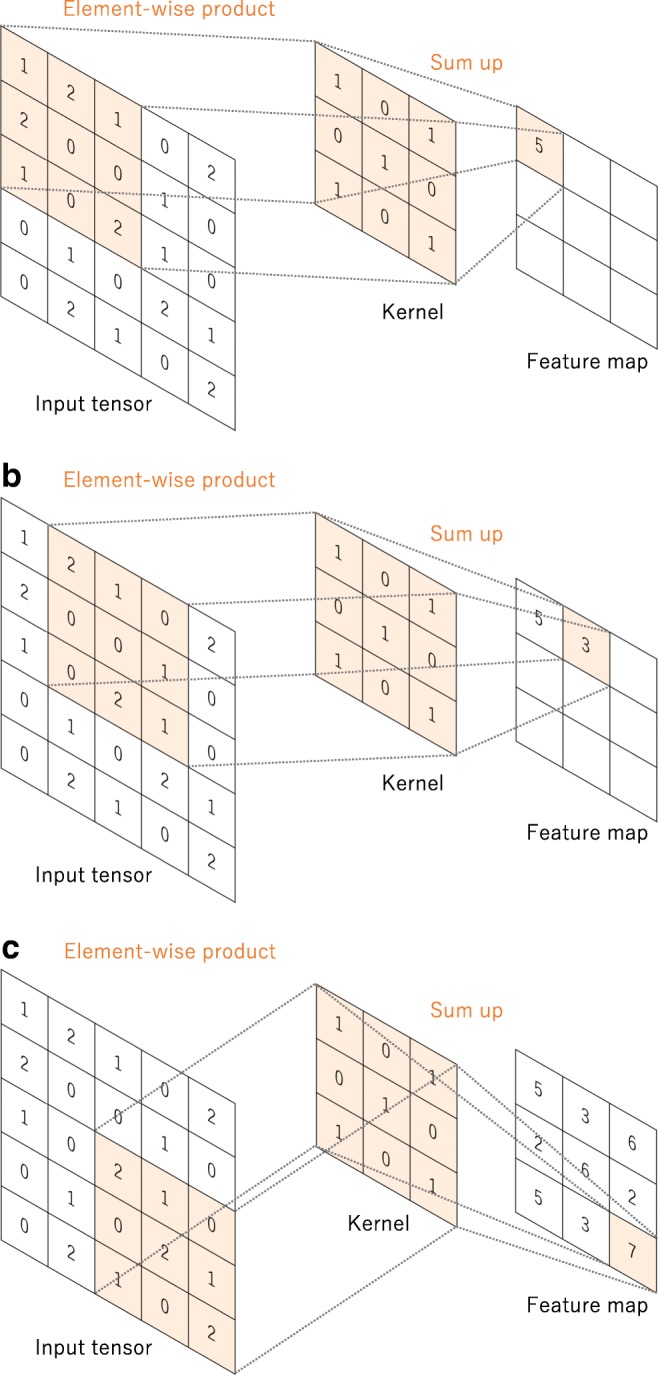
“This procedure can be repeated with multiple kernels to form multiple feature maps representing different characteristics of the input tensors (Yamashita et al., 2018).”
Integrating artificial intelligence in surgical sperm retrieval techniques: A narrative review
Kandil, H. (2024) · UroPrecision · doi:10.1002/uro2.100 · Cited by 9
An intelligent grading system for mangosteen based on improved convolutional neural network
Zhang, Y., & Chuah, J. H. (2024) · Knowledge-Based Systems · doi:10.1016/j.knosys.2024.112904 · Cited by 8
Stroke Detection and Diagnosis in CT Scan Based on Deep Learning
Foo, L. Y., Rana, M. E., & Hameed, V. A. (2024) · International Conference on Data Analytics for Business and Industry (ICDABI) · doi:10.1109/icdabi63787.2024.10800435 · Cited by 7
Performance Analysis of Big Transfer Models on Biomedical Image Classification
Joshi, A. L., Veetil, I. K., Premjith, B., Sowmya, V., Gopalakrishnan, E. A., & Vinayakumar, R. (2025) · Springer series in reliability engineering · doi:10.1007/978-3-031-72636-1_7 · Cited by 6
Exploring optimizer efficiency for facial expression recognition with convolutional neural networks
Madni, S. H. H., Pathmanatan, L. A. L., Faheem, M., Shehzad, H. M. F., & Shah, S. (2025) · The Journal of Engineering · doi:10.1049/tje2.70060 · Cited by 14
Optimized FPGA Architecture for CNN-Driven Voice Disorder Detection
Mishra, J., & Sharma, R. K. (2025) · Circuits Systems and Signal Processing · doi:10.1007/s00034-025-03032-w · Cited by 6
“Novel CNN architectures, optimization methods, and application systems have been proposed in numerous recent studies for both hardware and software platforms [12, 14, 33].”
Metadata
- Authors
- Yamashita, R., Nishio, M., Do, R. K. G., & Togashi, K.
- Affiliations
- Memorial Sloan Kettering Cancer Center (US)
- Kyoto University (JP)
- Corresponding author
- Yamashita, Rikiya
- Venue
- Insights into Imaging
- Published
- 2018-06-22
- Volume
- 9
- Issue
- 4
- Pages
- 611-629
- ISSN
- 1869-4101 (ISSN-L)
- PMC
- PMC6108980
- OpenAlex
- W2809254203
- Cited by
- 4,682
- References
- 55
- Citations by year
- 2026: 390 · 2025: 701 · 2024: 915 · 2023: 889 · 2022: 772 · 2021: 592 · 2020: 312 · 2019: 97 · 2018: 12
- FWCI
- 5.66
- Type
- journal article
- Language
- en
- Open access
- gold
- doi.org
- Licence
- cc-by
- creativecommons.org/licenses/by/4.0 (tdm)
- creativecommons.org/licenses/by/4.0 (vor)
- Locations
- Insights into Imaging (publishedVersion, cc-by)
- Europe PMC (PubMed Central) (publishedVersion, other-oa)
- PubMed Central (publishedVersion, cc-by)
- PubMed (publishedVersion)
- DOAJ (DOAJ: Directory of Open Access Journals) (submittedVersion, cc-by-sa)
- Funders
- Japan Society for the Promotion of Science (JP16K19883)
- Topics
- Health Sciences › Medicine › Health Informatics › Artificial Intelligence in Healthcare and Education
- Health Sciences › Medicine › Radiology, Nuclear Medicine and Imaging › Radiomics and Machine Learning in Medical Imaging
- Physical Sciences › Computer Science › Computer Vision and Pattern Recognition › Advanced Neural Network Applications
- Keywords
- convolutional neural networks, deep learning in radiology, convolutional layers, pooling layers, small datasets, overfitting, computer-aided diagnosis, radiology image analysis
About these checks
Registry, retraction, Cites and statistics results are computed, not judged, with one exception: a printed reference that no index lists is read once by a model before it counts as a citation error. Claims are extracted by a model and kept only when their quote appears verbatim in the text; each cited source is then checked, with a model’s help, for whether it says what the claim relies on. Those verdicts can be wrong — read the claim’s quote and the cited source before relying on one.
The claim verdicts this report counts are experimental: their accuracy is not yet measured.
A language model drew the claims from the paper on 2026-10-10, under version 3 of the claim definition (model deepseek-v4.1-flash, prompt extract-v3).
A second model labelled each claim on 2026-10-10 (model jev-1.13-20260917, definition revision gold-guideline-v0.2).
Cited sources are checked with a language model’s help (gpt-6-sol).
Statistics and arithmetic are recomputed, not judged.
Confidence bands are shown only for fields calibrated on our annotated test set. None is calibrated yet, so no band is shown.
What counts as a claim ›How we measure confidence ›How we check this ›
Are you an author, or do you see a problem with this page? Request a review
Data sources
Bibliographic data: Semantic Scholar, OpenAlex, Crossref.
Contains information from the Semantic Scholar Academic Graph Datasets, made available under the ODC Attribution License (ODC-BY 1.0).
Semantic Scholar’s data is described in: Kinney, R., et al. (2023). The Semantic Scholar Open Data Platform. arXiv:2301.10140.
