

Convolutional neural networks: an overview and application in radiology
Open accessThe DOI matches its Crossref record; 65 of the 65 references it cites were found in a registry or an index; 30 of the 49 sources its claims cite were checked for support.
Abstract
Convolutional neural network (CNN), a class of artificial neural networks that has become dominant in various computer vision tasks, is attracting interest across a variety of domains, including radiology. CNN is designed to automatically and adaptively learn spatial hierarchies of features through backpropagation by using multiple building blocks, such as convolution layers, pooling layers, and fully connected layers. This review article offers a perspective on the basic concepts of CNN and its application to various radiological tasks, and discusses its challenges and future directions in the field of radiology. Two challenges in applying CNN to radiological tasks, small dataset and overfitting, will also be covered in this article, as well as techniques to minimize them. Being familiar with the concepts and advantages, as well as limitations, of CNN is essential to leverage its potential in diagnostic radiology, with the goal of augmenting the performance of radiologists and improving patient care. KEY POINTS: • Convolutional neural network is a class of deep learning methods which has become dominant in various computer vision tasks and is attracting interest across a variety of domains, including radiology. • Convolutional neural network is composed of multiple building blocks, such as convolution layers, pooling layers, and fully connected layers, and is designed to automatically and adaptively learn spatial hierarchies of features through a backpropagation algorithm. • Familiarity with the concepts and advantages, as well as limitations, of convolutional neural network is essential to leverage its potential to improve radiologist performance and, eventually, patient care.
Overview
CoChat Summary
TL;DR
This narrative review explains the basic concepts of convolutional neural networks (CNNs) — their building blocks, training, and data requirements — and surveys their application to radiological tasks such as classification, segmentation, detection, image denoising, and report analysis. It highlights small datasets and overfitting as the two central challenges for CNN use in radiology and reviews techniques to mitigate them.
Key findings
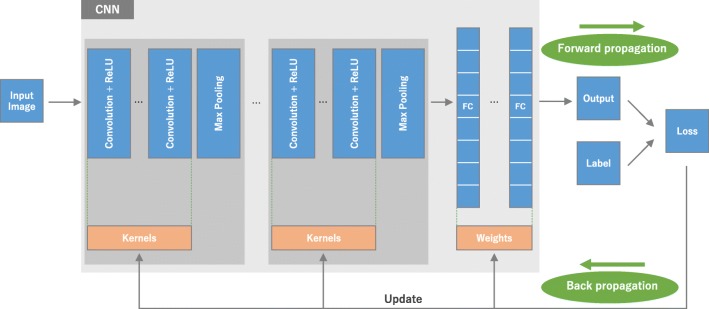
- CNN is composed of convolution, pooling, and fully connected layers; convolution and pooling perform feature extraction while fully connected layers map features to outputs, with kernels and weights learned via backpropagation and gradient descent.
- CNN differs from conventional radiomics in that it does not require hand-crafted feature extraction or expert segmentation, but is far more data hungry and computationally expensive, typically requiring GPUs.
- Reported application results cited in the review include: an ensemble of AlexNet and GoogLeNet 2D-CNNs achieving a best AUC of 0.99 for detecting pulmonary tuberculosis on 1007 chest radiographs; a CNN-based CADe system trained on ~45,000 mammography images outperforming a hand-crafted-feature CADe system at low sensitivity and matching it at high sensitivity; and a detection system built from 33,688 bounding boxes mined from radiologists' reports showing significantly improved detection accuracy with pseudo-category labels.
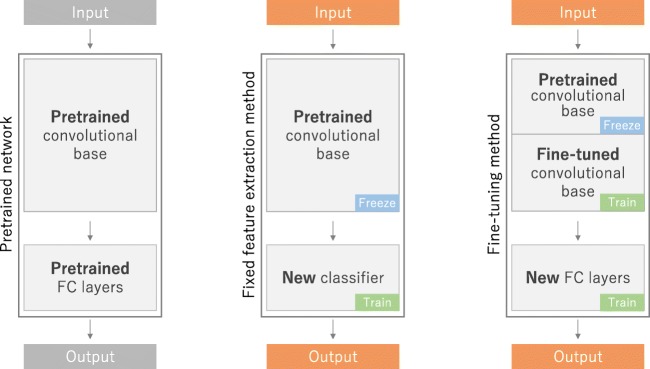
- Transfer learning from ImageNet (1.4 million images, 1000 classes) via fixed feature extraction or fine-tuning is presented as a key strategy for training on small datasets; U-net is highlighted for segmentation because it captures multiscale spatial context and can be trained end-to-end from limited data.
Methods
- Design: narrative review article (not a primary study), covering CNN concepts, training, data/label considerations, overfitting, small-dataset strategies, and radiology applications.
- Scope: applications are organized into classification, segmentation, detection, and "others" (denoising, image reconstruction, report classification); recurrent neural networks and other deep learning models are explicitly stated to be beyond the article's scope.
- Evidence base: illustrative prior studies are cited rather than systematically searched or quantitatively pooled; no new data, sample, or statistical analysis is generated by the authors.
Limitations
- Stated: the article is a perspective/overview, and other deep learning models such as recurrent neural networks for sequence models are beyond its scope; the details of improved gradient descent algorithms (momentum, RMSprop, Adam) are also stated to be beyond scope.
- Stated: whether semi-supervised techniques (pseudo-label, GANs) actually improve deep learning performance in radiology "is not clear and remains an area of active investigation," and whether medical pretrained networks would outperform ImageNet-pretrained transfer learning is likewise unclear.
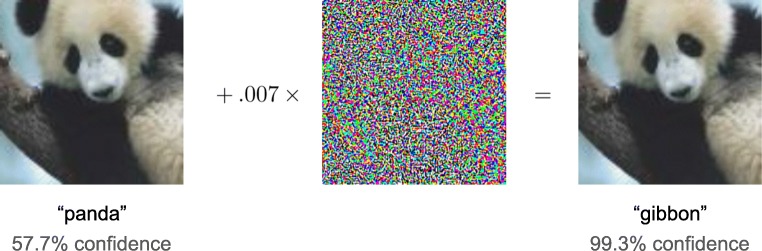
- Evident from the text: as a narrative review it reports no systematic search strategy, inclusion criteria, or quantitative synthesis, so the cited performance figures are illustrative examples rather than a comparative or exhaustive assessment; the authors also note deep learning's "black box" nature and vulnerability to adversarial examples as unresolved concerns for clinical robustness.
Model-written summary. Check it against the paper before relying on it.
Integrity signals
Registry
Cites
Statistics
Figures
Verification
Claims the paper makes
23 Valid · 11 Not valid · 6 Not checked · 47 Own results and interpretations
The sources with a verdict support this claim; the rest weren’t checked yet, have no full text we could read, or their verdicts aren’t rated yet.
In the paper
“several studies have already been published in areas such as lesion detection [7], classification [8], segmentation [9], image reconstruction [10, 11], and natural language processing [12].”
§ Convolutional neural networks: an overview and application in radiology > Introduction
What the sources say
- Not checked — no full text of the sourcecites [7] Lakhani P Sundaram B Deep learning at chest radiography: automated classification of pulmonary tuberculosis by using convolutional neural networks Radiology 2017 284 574 582 10.1148/radiol.2017162326 28436741 source
- Not checked — no full text of the sourcecites [8] Yasaka K Akai H Abe O Kiryu S Deep learning with convolutional neural network for differentiation of liver masses at dynamic contrast-enhanced CT: a preliminary study Radiology 2018 286 887 896 10.1148/radiol.2017170706 29059036 source
- Supportedcites [9] Christ PF, Elshaer MEA, Ettlinger F et al (2016) Automatic liver and lesion segmentation in CT using cascaded fully convolutional neural networks and 3D conditional random fields. In: Ourselin S, Joskowicz L, Sabuncu M, Unal G, Wells W (eds) Proceedings of Medical image computing and computer-assisted intervention – MICCAI 2016. 10.1007/978-3-319-46723-8_48 source
The citation [9] is attached to “segmentation,” not to the other listed applications. The paper’s opening page (p. 1) describes its CNN-based method for segmenting liver and lesions in CT images, so it is an example of the cited kind of study. (LLM, conf=0.95)
plain- Asserted: passes — The authors put it forward as true.
- Checkable: passes — It can be checked against evidence.
- Load-bearing: unclear — It is unclear whether the paper’s conclusions depend on it.
- Based: passes — The paper gives a reason why it holds.
Every source the paper cites for this claim was checked and supports it.
In the paper
“The results demonstrate that detection accuracy could be significantly improved by incorporating pseudo-category labels.”
§ Convolutional neural networks: an overview and application in radiology > Applications in radiology > Others
What the sources say
- Supportedcites [55] Yan K, Wang X, Lu L, Summers RM (2017) DeepLesion: automated deep mining, categorization and detection of significant radiology image findings using large-scale clinical lesion annotations. arXiv. Available online at: https://arxiv.org/pdf/1710.01766.pdf. Accessed 29 Jan 2018 source
In Results and Discussion (p. 7), the paper compares detection without categorization labels against detection with pseudo-category labels. Test accuracy rises from 59.45% to 64.30% overall, with improvements of 3–8 percentage points across the five lesion clusters. (LLM, conf=0.92)
hedgedstates a possible cause- Asserted: passes — The authors put it forward as true.
- Checkable: passes — It can be checked against evidence.
- Load-bearing: passes — The paper’s conclusions depend on it.
- Based: passes — The paper gives a reason why it holds.
- Supported
Every source the paper cites for this claim was checked and supports it.
In the paper
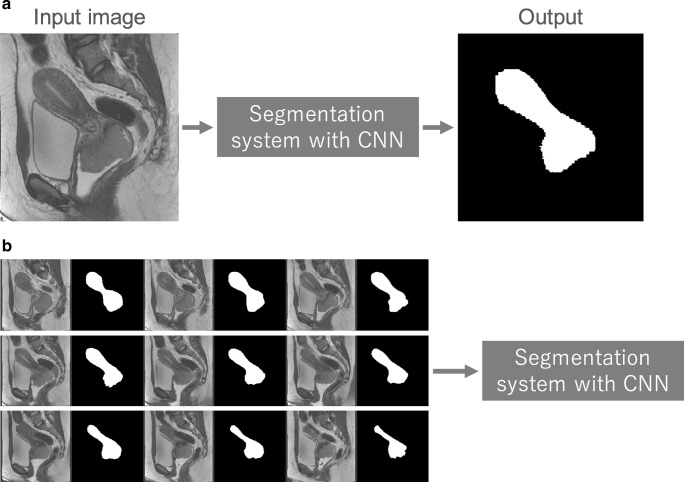
“As a result, U-net could be trained end-to-end from a limited number of training data.”
§ Convolutional neural networks: an overview and application in radiology > Applications in radiology > Segmentation
What the sources say
- Supportedcites [48] Ronneberger O, Fischer P, Brox T (2015) U-net: convolutional networks for biomedical image segmentation. In: Navab N, Hornegger J, Wells W, Frangi A (eds) Proceedings of Medical Image Computing and Computer-Assisted Intervention – MICCAI 2015. 10.1007/978-3-319-24574-4_28 source
The paper’s opening section states directly that U-Net can be trained end-to-end from very few images. The Conclusion likewise says it needs very few annotated images, thanks to data augmentation with elastic deformations. (LLM, conf=0.95)
hedgedstates a cause- Asserted: passes — The authors put it forward as true.
- Checkable: passes — It can be checked against evidence.
- Load-bearing: unclear — It is unclear whether the paper’s conclusions depend on it.
- Based: passes — The paper gives a reason why it holds.
- Supported
The sources with a verdict support this claim; the rest weren’t checked yet, have no full text we could read, or their verdicts aren’t rated yet.
In the paper
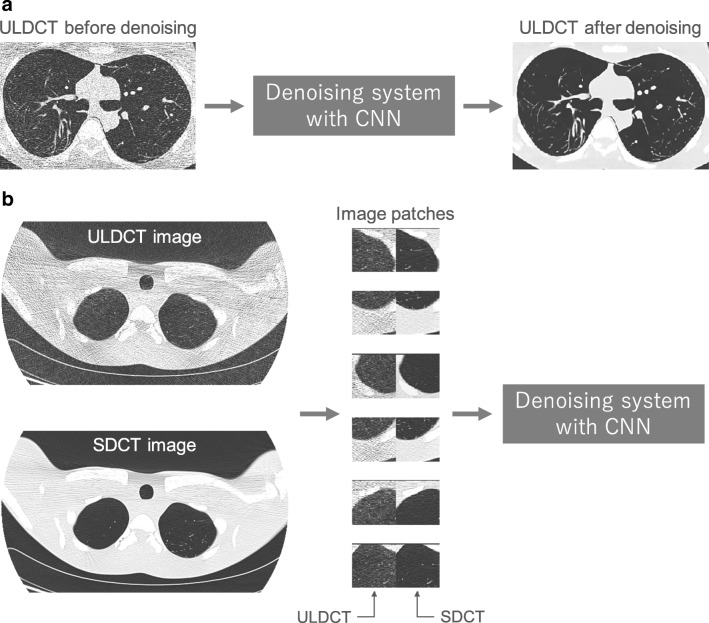
“Two previous studies showed that low-dose and ultra-low-dose CT images could be effectively denoised using deep learning [52, 53].”
§ Convolutional neural networks: an overview and application in radiology > Applications in radiology > Others
What the sources say
- Not checked — no full text of the sourcecites [52] Chen H Zhang Y Zhang W Low-dose CT via convolutional neural network Biomed Opt Express 2017 8 679 694 10.1364/BOE.8.000679 28270976 PMC5330597 source
- Supportedcites [53] Nishio M Nagashima C Hirabayashi S Convolutional auto-encoder for image denoising of ultra-low-dose CT Heliyon 2017 3 e00393 10.1016/j.heliyon.2017.e00393 28920094 PMC5577435 source
The Abstract (Materials and methods; Conclusion) reports that a convolutional auto-encoder denoised ultra-low-dose CT images of a chest phantom and performed better in visual assessments than the comparison methods. This supports the ultra-low-dose portion attributed to this study; the sentence cites two studies for the combined low-dose and ultra-low-dose claim. (LLM, conf=0.92)
hedgedstates a cause- Asserted: passes — The authors put it forward as true.
- Checkable: passes — It can be checked against evidence.
- Load-bearing: unclear — It is unclear whether the paper’s conclusions depend on it.
- Based: passes — The paper gives a reason why it holds.
The cited sources support only part of this claim — read each source’s verdict below.
In the paper
“Their study showed that U-net could effectively produce noiseless CT images from the subsampled sinogram.”
§ Convolutional neural networks: an overview and application in radiology > Applications in radiology > Others
What the sources say
- Partly supportedcites [54] Jin KH McCann MT Froustey E Unser M Deep convolutional neural network for inverse problems in imaging IEEE Trans Image Process 2017 26 4509 4522 10.1109/TIP.2017.2713099 28641250 sourceExperimental — accuracy not yet measured
The Experiments and Results section (p. 9) tests FBPConvNet on subsampled CT sinograms, and the Biomedical Dataset results (p. 13) report satisfactory removal of streaking artifacts and improved SNR. The network uses a modified U-net, but the paper does not claim its output is noiseless; the Discussion (p. 16) notes that artifacts can remain. (LLM, conf=0.88)
boostedstates a cause- Asserted: passes — The authors put it forward as true.
- Checkable: passes — It can be checked against evidence.
- Load-bearing: passes — The paper’s conclusions depend on it.
- Based: passes — The paper gives a reason why it holds.
- Partly supported
18 more claims · 8 with their cited sources checked
Create a free account to see all 87 claims and to verify the 4 references still open.
- Probably not a substantial claim. 56
- It may state two separate claims as one. 31
Citations
Cites
Deep Residual Learning for Image Recognition
He, K., Zhang, X., Ren, S., & Sun, J. (2016) · 2016 IEEE Conference on Computer Vision and Pattern Recognition (CVPR) · doi:10.1109/cvpr.2016.90 · Cited by 235,474 · cited 1×
“At present, many models pretrained on the ImageNet challenge dataset are open to the public and readily accessible, along with their learned kernels and weights, such as AlexNet [3], VGG [30], ResNet [31], Inception [32], and DenseNet [33].”
MethodVery Deep Convolutional Networks for Large-Scale Image Recognition
Simonyan, K., & Zisserman, A. (2014) · arXiv · doi:10.48550/arxiv.1409.1556 · Cited by 114,148 · cited 2×
“To perform unsupervised categorization, the following three steps were iteratively performed: (i) feature extraction using pretrained VGG16 model [30] from the lesions in the bounding box, (ii) clustering of the features, and (iii) fine-tuning of VGG16 based on the results of the clustering.”
MethodU-Net: Convolutional Networks for Biomedical Image Segmentation
Ronneberger, O., Fischer, P., & Brox, T. (2015) · Lecture notes in computer science · doi:10.1007/978-3-319-24574-4_28 · Cited by 99,404 · cited 1×
“Although segmentation based on image patch was successfully performed in deep learning, U-net of Ronneberger et al. [48] outperformed the image patch-based method on the ISBI [IEEE (The Institute of Electrical and Electronics Engineers) International Symposium on Biomedical Imaging] challenge for…”
MethodAdam: A Method for Stochastic Optimization
Kingma, D. P., & Ba, J. (2014) · arXiv · doi:10.48550/arxiv.1412.6980 · Cited by 98,946
LeCun, Y., Bengio, Y., & Hinton, G. (2015) · Nature · doi:10.1038/nature14539 · Cited by 84,126
Faster R-CNN: Towards Real-Time Object Detection with Region Proposal Networks
Ren, S., He, K., Girshick, R., & Sun, J. (2017) · IEEE Transactions on Pattern Analysis and Machine Intelligence · doi:10.1109/tpami.2016.2577031 · Cited by 73,472 · cited 1×
“The study also suggested that the detection system was built using the Faster R-CNN method [56], the lesions in the bounding box, and their corresponding pseudo-category.”
MethodFaster R-CNN: Towards Real-Time Object Detection with Region Proposal Networks
Ren, S., He, K., Girshick, R., & Sun, J. (2015) · arXiv · doi:10.48550/arxiv.1506.01497 · Cited by 70,812
Densely Connected Convolutional Networks
Huang, G., Liu, Z., Van Der Maaten, L., & Weinberger, K. Q. (2017) · 2017 IEEE Conference on Computer Vision and Pattern Recognition (CVPR) · doi:10.1109/cvpr.2017.243 · Cited by 48,566 · cited 1×
“At present, many models pretrained on the ImageNet challenge dataset are open to the public and readily accessible, along with their learned kernels and weights, such as AlexNet [3], VGG [30], ResNet [31], Inception [32], and DenseNet [33].”
MethodGoing deeper with convolutions
Szegedy, C., Liu, W., Jia, Y., Sermanet, P., Reed, S., Anguelov, D., Erhan, D., Vanhoucke, V., & Rabinovich, A. (2015) · 2015 IEEE Conference on Computer Vision and Pattern Recognition (CVPR) · doi:10.1109/cvpr.2015.7298594 · Cited by 48,562 · cited 5×
“According to the results, the best area under the curve of receiver operating characteristic curves for detecting pulmonary tuberculosis from healthy cases was 0.99, which was obtained by ensemble of the AlexNet and GoogLeNet 2D-CNNs.”
MethodInfluentialImageNet Large Scale Visual Recognition Challenge
Russakovsky, O., Deng, J., Su, H., Krause, J., Satheesh, S., Ma, S., Huang, Z., Karpathy, A., Khosla, A., Bernstein, M., et al. (2015) · International Journal of Computer Vision · doi:10.1007/s11263-015-0816-y · Cited by 39,380 · cited 1×
“…neural network (CNN), a class of artificial neural networks that has been a dominant method in computer vision tasks since the astonishing results were shared on the object recognition competition known as the ImageNet Large Scale Visual Recognition Competition (ILSVRC) in 2012 [2, 3].”
Method
Research works printed but not linked: 3
- Krizhevsky A, Sutskever I, Hinton GE (2012) ImageNet classification with deep convolutional neural networks. Adv Neural Inf Process Syst 25. Available online at: https://papers.nips.cc/paper/4824-imagenet-classification-with-deep-convolutional-neural-networks.pdf. Accessed 22 Jan 2018
- Lee DH (2013) Pseudo-label: the simple and efficient semi-supervised learning method for deep neural networks. In: Proceedings of the ICML 2013 Workshop: Challenges in Representation Learning. Available online at: http://deeplearning.net/wp-content/uploads/2013/03/pseudo_label_final.pdf. Accessed 23 Jan 2018
- Kurata Y, Nishio M, Fujimoto K et al (2018) Automatic segmentation of uterus with malignant tumor on MRI using U-net. In: Proceedings of the Computer Assisted Radiology and Surgery (CARS) 2018 congress (accepted)
Cited by
Items 2,401–2,500 of 4,673
A Hybrid Machine Learning Approach for Intrusion Detection and Mitigation on IoT Smart Healthcare
(2024) · International Journal of Advances in Computer Science and Technology · doi:10.30534/ijacst/2024/021372024 · Cited by 11
Mandouh, A. A., Ali, M. E. N. O., Mohamed, M. H. A., Taha, L. G. E.-D., & Mohamed, S. A. (2024) · Journal of the Indian Society of Remote Sensing · doi:10.1007/s12524-024-01940-z · Cited by 6
“The availability of large amounts of accurately labeled data is crucial for training CNN-based methods, as it directly affects the performance of deep learning models (Yamashita et al., 2018).”
Interplay of traditional methods and machine learning algorithms for tagging boosted objects
Bose, C., Chakraborty, A., Chowdhury, S., & Dutta, S. (2024) · The European Physical Journal Special Topics · doi:10.1140/epjs/s11734-024-01256-6 · Cited by 6
“…block of a CNN contains a set of learnable filters (termed kernels) that slide across the input image, computing the dot product between the filter and local regions of the input, leading to feature maps that highlight different aspects of the input image, such as edges, textures, or patterns [48].”
Hakim, V. F., & Riana, D. (2024) · Jurnal Nasional Pendidikan Teknik Informatika (JANAPATI) · doi:10.23887/janapati.v13i2.76497 · Cited by 5
Skin Cancer Classification Using Transfer Learning
Dhage, S., Chawan, H., Hoskote, A., et al. (2024) · Lecture notes in networks and systems · doi:10.1007/978-3-031-67444-0_17 · Cited by 5
Machine Learning-Based Prediction and Analysis of Air and Noise Pollution in Urban Environments
Vijayalakshmi, A. V., Ebenezer Abishek, B., Rubi, J., Dhivya, A. J. A., Kavidoss., K., & Aakas Ram, A. S. (2024) · International Conference on Sustainable Computing and Smart Systems (ICSCSS) · doi:10.1109/icscss60660.2024.10625644 · Cited by 8
He, X., Hu, J., Peng, X., et al. (2024) · Analytica Chimica Acta · doi:10.1016/j.aca.2024.343271 · Cited by 5
Deep-Learning-Based Amplitude Variation with Angle Inversion with Multi-Input Neural Networks
Tao, S., Guo, Y., Huang, H., Li, J., Chen, L., Gui, J., & Zhao, G. (2024) · Processes · doi:10.3390/pr12102259 · Cited by 5
Enhancing spatial auditory attention decoding with wavelet-based prototype training
Qiu, Z., Gu, J., Yao, D., Li, J., & Yan, Y. (2024) · Biomedical Signal Processing and Control · doi:10.1016/j.bspc.2024.107130 · Cited by 10
Liu, S., Kandakji, L., Stupnicki, A., Sumodhee, D., Leucci, M. T., Hau, S., Balal, S., Okonkwo, A. C. O., Moghul, I., Kanda, S. P., et al. (2025) · Translational Vision Science & Technology · doi:10.1167/tvst.14.6.12 · Cited by 9
“66 Interestingly, Bitton et al. 32 attempted to validate a prior deep learning pipeline using an independent out-of-sample dataset and reported comparable satisfactory performance in line with the original result.”
Rotating Machinery Fault Diagnosis Using One-Dimensional Convolutional Neural Network
Kibrete, F., Woldemichael, D. E., & Gebremedhen, H. S. (2025) · Green energy and technology · doi:10.1007/978-3-031-77339-6_5 · Cited by 8
A Deep Learning Technique For Lung Nodule Classification Based on False Positive Reduction
Ahmed, H. A., & Mahmood, S. A. (2019) · Journal of Zankoy Sulaimani - Part A · doi:10.17656/jzs.10749 · Cited by 5
Feedback Control for Online Training of Neural Networks
Zhao, Z., Cerf, S., Robu, B., & Marchand, N. (2019) · IEEE Conference on Control Technology and Applications (CCTA) · doi:10.1109/ccta.2019.8920662 · Cited by 6
“Convolutional Neural Networks (CNN) are state of the art learning mechanisms that give the best results comparing to other learning algorithms when modeling image datasets [14].”
BackgroundAadi, F. Z. A. H., Sadiq, A., & Souhar, A. (2019) · International Conference on Intelligent Computing in Data Sciences (ICDS) · doi:10.1109/icds47004.2019.8942336 · Cited by 5
“A convolutional neural network (CNN) is a specific type of artificial concept with multi-layered neural networks that uses perceptrons, a machine-learning algorithm, for supervised learning, to analyze data [8], [9].”
BackgroundLynda, N. O. (2019) · International Conference on Electronics, Computer and Computation · doi:10.1109/icecco48375.2019.9043261 · Cited by 5
“The first two, convolution and pooling layers, perform feature extraction, whereas the third, a fully connected layer, maps the extracted features into final output [11] These layers are stacked to form CNN architecture.”
BackgroundMethodReview Research of Medical Image Analysis Using Deep Learning
Mohammed, B. A., & Al-Ani, M. S. (2020) · UHD Journal of Science and Technology · doi:10.21928/uhdjst.v4n2y2020.pp75-90 · Cited by 8
Pradika, S. I., Nugroho, B. S., & Puspaningrum, E. Y. (2020) · Prosiding Seminar Nasional Informatika Bela Negara · doi:10.33005/santika.v1i0.35 · Cited by 9
Template-based Question Answering analysis on the LC-QuAD2.0 Dataset
Dileep, A. K., Mishra, A., Mehta, R., Uppal, S., Chakraborty, J., & Bansal, S. K. (2021) · IEEE International Conference on Semantic Computing (ICSC) · doi:10.1109/icsc50631.2021.00079 · Cited by 6
Generalized Brain Computer Interface System for EEG Imaginary Speech Recognition
Rusnac, A.-L., & Grigore, O. (2020) · International Conference on Circuits, Systems, Communications and Computers (CSCC) · doi:10.1109/cscc49995.2020.00040 · Cited by 6
“The convolution and pooling layer are usually used to extract the features from the input signals while the fully connected layers are aiming to classify the data [19].”
BackgroundConvolutional Neural Networks for Breast Tumor Classification using Structured Features
Algarni, A., Aldahri, B. A., & Alghamdi, H. S. (2021) · doi:10.1109/widstaif52235.2021.9430225 · Cited by 5
“The CNN architectures determined by the number of convolutions, pooling layers, the number of neurons in each layer, and the activation function's choice according to the purpose of use [14].”
MethodObject Detection and Mapping with Unmanned Aerial Vehicles Using Convolutional Neural Networks
Hensel, S., Marinov, M. B., & Schmitt, M. (2021) · Lecture notes of the Institute for Computer Sciences, Social Informatics and Telecommunications Engineering · doi:10.1007/978-3-030-78459-1_19 · Cited by 5
Health Condition Estimation of Bearings with Multiple Faults by a Composite Learning-Based Approach
Inyang, U. I., Petrunin, I. V., & Jennions, I. K. (2021) · Sensors · doi:10.3390/s21134424 · Cited by 6
“This process is repeated through the application of a different number of filters and sizes to obtain a varied number and depth of feature maps that describe the characteristics of the input tensor [35].”
BackgroundAccurate prediction of mega-electron-volt electron beam properties from UED using machine learning
Zhang, Z., Yang, X., Huang, X., Li, J., Shaftan, T., Smaluk, V., Song, M., Wan, W., Wu, L., & Zhu, Y. (2021) · Scientific Reports · doi:10.1038/s41598-021-93341-2 · Cited by 5
Geometric Calculus Applications to Medical Imaging: Status and Perspectives
Franchini, S., & Vitabile, S. (2021) · SEMA SIMAI Springer series · doi:10.1007/978-3-030-74486-1_3 · Cited by 5
Disrupting Audio Event Detection Deep Neural Networks with White Noise
dos Santos, R., Kassetty, A. V., & Nilizadeh, S. (2021) · Technologies · doi:10.3390/technologies9030064 · Cited by 5
“CNNs were inspired by the organization of the animal visual cortex [33], providing increasingly better performance as they become deeper, while also becoming harder to train [34].”
MethodArabic Document Classification by Deep Learning
Alghamdi, T., Snoussi, S., & Hsairi, L. (2021) · International Journal of Advanced Computer Science and Applications · doi:10.14569/ijacsa.2021.0121034 · Cited by 5
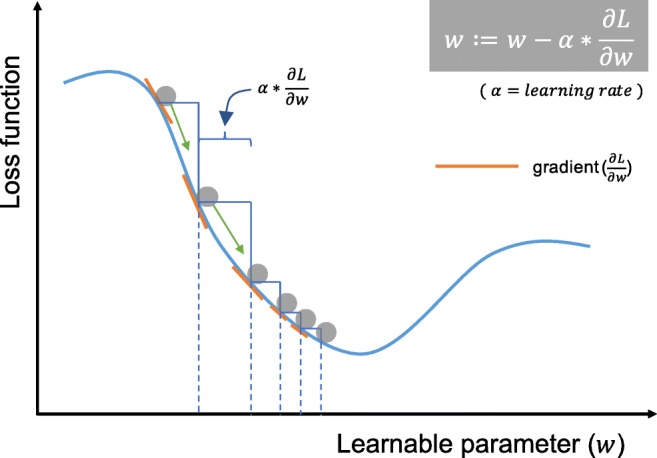
“A loss function calculates a model's performance under specific kernels and weights using forwarding propagation on a training dataset, and learnable parameters, including kernels and weights, are modified according to the loss value using optimization algorithms which include backpropagation and gradient descent [21].”
MethodAn Efficient Sports Classification Technique Incorporating CNN Transfer Learning Models
Rahman, Y., Mahfuza, R., & Hai, M. A. (2021) · International Conference on Signal Processing, Computing and Control (ISPCC) · doi:10.1109/ispcc53510.2021.9609380 · Cited by 5
Mechanics prediction of 2D architectured cellular structures using transfer learning
Li, S., Liu, N., Becton, M., Zeng, X., & Wang, X. (2022) · Journal of Micromechanics and Molecular Physics · doi:10.1142/s242491302144001x · Cited by 5
Using Deep Learning for Urban Pedestrian Counting
Deleu, E., Elez, S., Gadodia, A., Macvaugh, K., & Zhao, G. (2021) · IEEE MIT Undergraduate Research Technology Conference (URTC) · doi:10.1109/urtc54388.2021.9701649 · Cited by 6
LearnPhi: a Real-Time Learning Model for Early Prediction of Phishing Attacks in IoV
Sahraoui, Y., Kerrache, C. A., Korichi, A., Vegni, A. M., & Amadeo, M. (2022) · IEEE Consumer Communications and Networking Conference · doi:10.1109/ccnc49033.2022.9700545 · Cited by 8
Moitra, D., & Mandal, R. K. (2022) · Multimedia Tools and Applications · doi:10.1007/s11042-022-12229-z · Cited by 8
“Dense layers [67] are expressed in Eq.”
Najafiaghdam, H., Rabbani, R., Gharia, A., Papageorgiou, E. P., & Anwar, M. (2022) · Scientific Reports · doi:10.1038/s41598-022-10886-6 · Cited by 7
“Using adaptive network architectures such as residual neural networks (ResNets 16 ) and convolutional neural networks (CNNs 17 ), we present several applications for cancer imaging utilizing deep learning to enhance the resolution and capability of custom-made micro-imag-ers 18–22 .”
MethodAutomatic Plant Recognition: A Survey of Relevant Algorithms
Roslan, N. A. M., Diah, N. M., Ibrahim, Z., Hanum, H. M., & Ismail, M. (2022) · IEEE International Colloquium on Signal Processing & Its Applications (CSPA) · doi:10.1109/cspa55076.2022.9782022 · Cited by 6
“CNNs are three layers (or building blocks): convolution, pooling, and fully connected [11].”
BackgroundComparison Study on Convolution Neural Network (CNN) Techniques for Image Classification
Zainorzuli, S. M., Abdullah, S. A. C., Abidin, H. Z., & Ruslan, F. A. (2022) · Journal of Electrical & Electronic Systems Research · doi:10.24191/jeesr.v20i1.002 · Cited by 7
“CNN is one of the deep learning models that inspired by the structure of the animal visual cortex which organizes data with a grid pattern [13].”
BackgroundFish Species Identification Techniques: A Review
Hassoon, I. M. (2022) · Journal of Al-Nahrain University-Science · doi:10.22401/anjs.25.2.08 · Cited by 5
“Convolution neural networks use few preprocessing, receive any type of data as input compared to other techniques of image classification [36].”
MethodA Leaf Image-Based Automated Disease Detection Model
Ghosh, A., & Roy, P. (2022) · Lecture notes on data engineering and communications technologies · doi:10.1007/978-981-16-9416-5_63 · Cited by 5
COVID-19 CXR Classification: Applying Domain Extension Transfer Learning and Deep Learning
Park, K., Choi, Y., & Lee, H.-C. (2022) · Applied Sciences · doi:10.3390/app122110715 · Cited by 6
Heat Conduction Plate Layout Optimization Using Physics-Driven Convolutional Neural Networks
Sun, Y., Elhanashi, A., Ma, H., et al. (2022) · Applied Sciences · doi:10.3390/app122110986 · Cited by 5
“normalization, active function, convolutional calculation, and dropout [33, 34].”
BackgroundDahal, K., & Ali, M. H. (2022) · Electronics · doi:10.3390/electronics11213593 · Cited by 7
An Enhanced Machine Learning Approach for Brain MRI Classification
Siddiqi, M. H., Azad, M., & Alhwaiti, Y. S. (2022) · Diagnostics · doi:10.3390/diagnostics12112791 · Cited by 9
“However, the convolutional neural network has an overfitting problem [18].”
BackgroundAutomatic Anomaly Mark Detection on Fabric Production Video by Artificial Intelligence Techniques
Rueangsuwan, N., Jariyapongsgul, N., Chen, C.-C., Lin, C.-S., Ruengittinun, S., & Chootong, C. (2022) · IEEE International Conference on Knowledge Innovation and Invention (ICKII) · doi:10.1109/ickii55100.2022.9983584 · Cited by 6
“Convolutional Neural Networks (CNNs) These comprise a type of neural network based on simulating the human vision of space by using one of the bioinspired neural networks to bring a collection of small areas together to determine what exactly goes on [4-6].”
BackgroundUsing ECG Signals in Siamese Networks for Authentication in Digital Healthcare Systems
Behrouzi, P., Shirkani, B., & Fard, S. M. H. (2022) · Journal of Biomedical Research & Environmental Sciences · doi:10.37871/jbres1605 · Cited by 5
ARTD-Net: Anchor-Free Based Recyclable Trash Detection Net Using Edgeless Module
Kang, B., & Jeong, C. (2023) · Sensors · doi:10.3390/s23062907 · Cited by 7
“In Faster R-CNN, nine anchors with various width, height, ratio, and size are used.”
MethodInfluentialUse of telemedicine and artificial intelligence in Eye and ENT: a boon for developing countries
Upadhyaya, P., Upadhyay, S. K., Shrestha, A., Shrestha, N., Shrestha, R. K., Khatri, B., Pandey, J., Subedi, A., & Dhungana, S. R. (2022) · International Conference on Artificial Intelligence and Speech Technology (AIST) · doi:10.1109/aist55798.2022.10064808 · Cited by 7
“Of several DL methods available, we chose the CNN architecture over the others because it has been proven to be more effective and widely used [6].”
MethodEBSAR: Detecting of Objects that Hinder Visually Impaired in a Controlled Area Using Deep Learning
Aljarf, A., Almaghrabi, G., Albarakati, H., et al. (2022) · doi:10.1109/nccc57165.2022.10067421 · Cited by 5
Deep Learning with Convolutional Neural Networks: from Theory to Practice
Pandey, K., & Patel, S. (2023) · International Conference on Trends in Electronics and Informatics (ICOEI) · doi:10.1109/icoei56765.2023.10125854 · Cited by 8
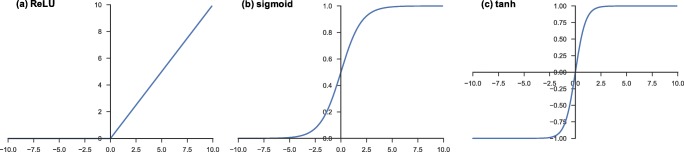
“The ReLu function returns 0 if the value is negative otherwise return the same value as shown in figure 6 [24].”
ResultMachine learning in the positron emission tomography imaging of Alzheimer’s disease
Ayubcha, C., Singh, S. B., Patel, K. H., Rahmim, A., Hasan, J., Liu, L., Werner, T. J., & Alavi, A. A. (2023) · Nuclear Medicine Communications · doi:10.1097/mnm.0000000000001723 · Cited by 7
Villegas-Ch, W. E., García-Ortiz, J., & Jaramillo-Alcázar, Á. (2023) · Big Data and Cognitive Computing · doi:10.3390/bdcc7030136 · Cited by 5
“It is essential to adapt and select the appropriate techniques for the specific case study to obtain clear and understandable explanations about the decisions made by the AI model [26].”
MethodReal-Time ITO Layer Thickness for Solar Cells Using Deep Learning and Optical Interference Phenomena
Fan, X., Wang, B., Khokhar, M. Q., Zahid, M. A., Pham, D. P., & Yi, J. (2023) · Energies · doi:10.3390/en16166049 · Cited by 5
Investigation of an Autonomous Vehicle's using Artificial Neural Network (ANN)
Varghese, A., Marri, M., & Chacko, S. (2023) · Indian Journal of Artificial Intelligence and Neural Networking · doi:10.54105/ijainn.f1072.103623 · Cited by 5
Deep Learning-Based Noise Type Classification and Removal for Drone Image Restoration
Ahmed, W., Khan, S. U., Noor, A., & Mujtaba, G. (2023) · Arabian Journal for Science and Engineering · doi:10.1007/s13369-023-08376-6 · Cited by 5
Behera, S. K., Mahakud, R., Panigrahi, M., Sethy, P. K., & Pati, R. (2024) · International Ophthalmology · doi:10.1007/s10792-024-03058-0 · Cited by 6
Artificial Intelligence for Drug Toxicity and Safety
Joshi-Barr, S., & Wampole, M. E. (2024) · Springer eBooks · doi:10.1007/978-3-031-35529-5_134 · Cited by 6
Using Convolutional Neural Networks to Recognition of Dolphin Images
Quiñonez, Y., Zataraín, O., Lizarraga, C., & Garzón, J. F. P. (2018) · Advances in intelligent systems and computing · doi:10.1007/978-3-030-01171-0_22 · Cited by 5
Ojeda, S. A. A., Solano, G. A., & Peramo, E. C. (2020) · International Conference on Artificial Intelligence in Information and Communication (ICAIIC) · doi:10.1109/icaiic48513.2020.9065238 · Cited by 5
“Such tasks include image classification, segmentation, and object detection [12].”
Fast Trajectory Prediction Method With Attention Enhanced SRU
Li, Y., Liu, B., Zhang, L., Yang, S., Shao, C., & Son, D. (2020) · IEEE Access · doi:10.1109/access.2020.3035704 · Cited by 5
“Liu et al. [17] put forward CoL-GAN, a new attention-based generative adversarial network [18], which used a convolutional neural network [19] as a discriminator to produce trajectories with fewer collisions and achieve state-of-the-art performance in accuracy and collision avoidance.”
BackgroundClassification of Autism Based on fMRI Data with Feature-Fused Convolutional Neural Network
You, Y., Liu, H., Zhang, S., & Shao, L. (2020) · Communications in computer and information science · doi:10.1007/978-981-33-4336-8_7 · Cited by 7
Facial Expressions Recognition through Convolutional Neural Network and Extreme Learning Machine
Jammoussi, I., Nasr, M. B., & Chtourou, M. (2020) · International Multi-Conference on Systems, Signals & Devices (SSD) · doi:10.1109/ssd49366.2020.9364189 · Cited by 5
“Indeed, convolutional neural network is currently applied based on successive layers for processing data and pattern recognition without providing manual features representation [4].”
MethodBinsawad, M., Albahar, M. A., & Sawad, A. B. (2021) · Computers, materials & continua/Computers, materials & continua (Print) · doi:10.32604/cmc.2021.016141 · Cited by 6
“Most have sought to generate automatic COVID-19 classification systems that typically employ CNNs [18].”
BackgroundMultilingual Text Summarization using Deep Learning
AlTimimi, R. T., & Al-Rubbiay, F. H. (2021) · International Journal of Engineering Research and Advanced Technology · doi:10.31695/ijerat.2021.3712 · Cited by 5
“CNN is one of the dominant classes in computer vision field [24] .”
Sato, Y., Takegami, Y., Asamoto, T., Ono, Y., Hidetoshi, T., Goto, R., Kitamura, A., & Honda, S. (2020) · arXiv (Cornell University) · doi:10.48550/arxiv.2003.12443 · Cited by 12
Huang, Y.-J., Shun, M., Zheng, K., et al. (2020) · doi:10.21203/rs.3.rs-76193/v1 · Cited by 5
Accurate Automatic Glioma Segmentation in Brain MRI images Based on CapsNetPreprint
Aziz, M. J., Tehranizadeh, A. A., Farnia, P., et al. (2021) · bioRxiv (Cold Spring Harbor Laboratory) · doi:10.1101/2021.07.03.450931 · Cited by 5
Neural Networks for Infectious Diseases Detection: Prospects and ChallengesPreprint
Javaid, S., & Saeed, N. (2021) · TechRxiv · doi:10.36227/techrxiv.16682206 · Cited by 10
“…have huge potential for a wide range of disciplines, including medical sciences [1] (especially in the areas of cardiology [2], radiology [3], oncology [4], urology [5]), veterinary [6], stock exchange [7], law enforcement department [8], ecology [9], human resource management [10], and…”
BackgroundFace Recognition Emotions Detection Using Haar Cascade Classifier and Convolutional Neural NetworkPreprint
Rasheed, L., Khadam, U., Majeed, S., Ramzan, S., Bashir, M. S., & Iqbal, M. M. (2022) · Research Square · doi:10.21203/rs.3.rs-2048290/v1 · Cited by 10
Kuswidiyanto, L. W., Han, X., Wang, P., et al. (2023) · SSRN Electronic Journal · doi:10.2139/ssrn.4535845 · Cited by 5
Proceedings of the Cardiff University Engineering Research Conference 2023
Stucchi, N. M. E., Nardi, C. D., Franceschin, G., Ronchin, L., Vavasori, A., & Traviglia, A. (2024) · doi:10.18573/conf1 · Cited by 4
Transforming Healthcare: The Role of Generative AI in Personalized Treatment Recommendations
Gupta, V., Singh, A., Singh, H., & Chaudhary, E. (2024) · Advances in Healthcare Information Systems and Administration · doi:10.4018/979-8-3693-7452-8.ch011 · Cited by 5
Parthasarathy, R., & Bhowmik, R. T. (2021) · IEEE Access · doi:10.1109/access.2021.3098775 · Cited by 63
“These applications often leverage machine learning frameworks based on Deep Neural Networks (DNN) trained with enormous volumes of image data, often referred to as ‘‘deep learning’’, to produce previously unattainable results [1].”
BackgroundMcKearney, R. M., Bell, S. L., Chesnaye, M. A., & Simpson, D. M. (2022) · PubMed · doi:10.1097/aud.0000000000001151 · Cited by 7
“…convolutional layers also allows the temporal hierarchy (equivalent to the spatial hierarchy for image processing) of patterns to be learnt (Yamashita et al. 2018), for example, it would be beneficial to learn that the trough of SN10 should follow the peak of wave V. Unlike the multilayer…”
BackgroundMobile Based Mosquito Larvae Recognition from Photo Image Using Convolutional Neural Network
Fariza, A., Yuwono, W., Akbar, R., et al. (2023) · Advances in science and technology · doi:10.4028/p-23an7b · Cited by 4
“The FC layer helps to map the representation between the input and the output [10].”
BackgroundMethodChuang, C.-C., Liu, Y.-C., Jhang, W.-E., Wei, S.-S., & Ou, Y. (2025) · Journal of Chemical Information and Modeling · doi:10.1021/acs.jcim.4c02144 · Cited by 4
Improvement of speed prediction for an urban network under GA-LSTM-CNN method
Hoon, B. S., Quang, D. T., & Trinh, H. T. (2025) · Transportation · doi:10.1007/s11116-025-10641-6 · Cited by 4
“…model (LSTM) is adept at managing temporal sequences by integrating nonlinear data and time series datasets (Van et al. 2020 ), while the convolutional neural network (CNN) has enabled spatial feature extraction and are widely used in object detection and image recognition (Yamashita et al. 2018 ).”
Artificial intelligence (AI) and CT in abdominal imaging: image reconstruction and beyond
Pisuchpen, N., Rao, S. S., Noda, Y., Kongboonvijit, S., Rezaei, A., & Kambadakone, A. R. (2025) · Abdominal Radiology · doi:10.1007/s00261-025-05031-6 · Cited by 7
Role of Artificial Intelligence in Nanomedicine and Organ-specific Therapy: An Updated Review
Rajpoot, K. (2025) · Current Drug Targets · doi:10.2174/0113894501394785250715165404 · Cited by 5
Liu, Y., Zou, D., Dong, H.-W., Liu, Y. Y., Fu, E.-H., Tian, Z.-L., & Liu, N.-G. (2025) · PLoS ONE · doi:10.1371/journal.pone.0329349 · Cited by 4
“As shown in Fig 6, overfitting was observed when the training set size exceeded 264 samples, which constituted more than 80% of the total samples [19].”
Pavement Crack Segmentation Based on Synthetic Data Sets and Unsupervised Domain Adaptation
Zhang, H., Feng, J., Dai, C., & Tong, Z. (2025) · Journal of Computing in Civil Engineering · doi:10.1061/jccee5.cpeng-6675 · Cited by 7
Intelligence Architectures and Machine Learning Applications in Contemporary Spine Care
Kumar, R., Dougherty, C., Sporn, K., Khanna, A., Ravi, P., Prabhakar, P., & Zaman, N. (2025) · Bioengineering · doi:10.3390/bioengineering12090967 · Cited by 11
“A coordinated effort among developers, clinicians, regulators, payers, and patients, guided by transparent validation, robust monitoring, and explicit equity goals, will be essential to realize AI’s promise while minimizing foreseeable harm. tion [24,25].”
InfluentialZhu, T., Bai, Y., Tu, J., & Zhang, L. (2025) · IEEE Access · doi:10.1109/access.2025.3610576 · Cited by 4
“CNNs are composed of three main components: convolutional layers, pooling layers, and fully connected layers [33].”
Entanglement-assisted authenticated BB84 protocol
Farré, P. J., Galetsky, V., Ghosh, S., Nötzel, J., & Deppe, C. (2025) · Physica Scripta · doi:10.1088/1402-4896/ae0838 · Cited by 6
Reschke, P., Gruenewald, L. D., Koch, V., Gotta, J., Höhne, E., Nica, A. I., Yel, İ., D’Angelo, T., Ascenti, G., Bucolo, G. M., et al. (2025) · La radiologia medica · doi:10.1007/s11547-025-02119-3 · Cited by 5
“CNNs do not require segmentation due to the fact that they learn patterns directly from large, pre-labeled datasets [9] [10].”
Automated weld defect detection using gated attention and squeeze and excitation fusion U-Net
Popuri, J. R., R, A. N., Nitish, N. A., Kumar, D. D., Gopi, V. P., & Palanisamy, P. (2025) · Scientific Reports · doi:10.1038/s41598-025-24406-9 · Cited by 4
Dharshini, B., Arivarasi, A., Kumar, P., Varsha, J., & Pavithraa, S. (2025) · Scientific Reports · doi:10.1038/s41598-025-25986-2 · Cited by 4
“Yamashita et al. 30 demonstrated spatiotemporal modeling using 3D CNNs, while more recent works like Amin et al. 31,32 and Shafi et al. 33 extended attention-based designs to diverse medical tasks (e.g., lung cancer CT scans), improving localization of clinically relevant features.”
Esmailzadeh, A., Kemmak, A. R., Dokhtfaroughi, S. S., Rasoulian, A., & Habibi, M. R. M. (2026) · Reproductive Health · doi:10.1186/s12978-025-02245-1 · Cited by 10
“CNNs are composed of multiple layers: convolutional layers for extracting image characteristics; pooling layers for reducing dimensionality; and fully connected layers for classification [15].”
Cheng, B., He, X., Huang, J., Li, H., Wu, S., & Chen, H. (2026) · Accident Analysis & Prevention · doi:10.1016/j.aap.2026.108424 · Cited by 4
Decoding Technical Diagrams: A Survey of AI Methods for Image Content Extraction and Understanding
Bray, N., Hempel, M., Boeding, M., & Sharif, H. (2026) · Information · doi:10.3390/info17020165 · Cited by 8
Clinical AI in Radiology: Foundations, Trends, Applications, and Emerging Directions
Hartsock, I., Koutsoubis, N., Ahmed, S., Parker, N. H., Schabath, M. B., Araujo, C. R., Qayyum, A., Lam, C. A., Gatenby, R. A., & Rasool, G. (2026) · Cancers · doi:10.3390/cancers18060942 · Cited by 12
Maurya, V., Borah, J., Chandrasekaran, M., & Kaushik, A. (2026) · Journal of Thermoplastic Composite Materials · doi:10.1177/08927057261439032 · Cited by 8
Al-Smadi, F., Al-Smadi, S., Xie, X., Abudourusuli, X., Ouyang, L., Zeng, R., Du, L., Liao, Y., Mi, B., & Liu, G. (2026) · Frontiers in Bioengineering and Biotechnology · doi:10.3389/fbioe.2026.1765936 · Cited by 9
Singh, S., Parmar, K. S., & Singh, S. (2026) · Applied Soft Computing · doi:10.1016/j.asoc.2026.115236 · Cited by 4
Lin, X. S., Wu, S., Li, L., Ouyang, R., Ma, J., Yi, C., & Tang, Y. (2023) · Acta Radiologica · doi:10.1177/02841851231152097 · Cited by 4
“Deep learning (DL) techniques based on convolutional neural networks are an emerging “computer vision” artificial intelligence technology, which has been used in diagnostic analyses for medical imaging (9).”
MethodJaved, M. A., Liaqat, H. B., Meraj, T., Alotaibi, A., & Alshammari, M. (2023) · Computational Intelligence and Neuroscience · doi:10.1155/2023/6357252 · Cited by 4
“Te convolutional neural network takes an image as input process the image and classify it into various categories the system recognize image as an array of pixel that varies on image resolution [14].”
BackgroundBackground of machine learning
Qi, C., Yilmaz, E., & Chen, Q. (2024) · Elsevier eBooks · doi:10.1016/b978-0-443-15524-6.00015-7 · Cited by 6
Sayed, B. A., Eldin, A. S., Elzanfaly, D. S., et al. (2023) · International Conference on Computer and Applications (ICCA) · doi:10.1109/icca59364.2023.10401672 · Cited by 4
“These outputs represent probabilities associated with each class in classification tasks [37].”
BackgroundComparison of Object Detection Technique for Applications in ETAT Automation Training Set
Kosiyanurak, K., Singsri, P., Seangsri, S., & Promput, S. (2023) · doi:10.1109/incit60207.2023.10413141 · Cited by 6
“Researchers have increasingly emphasized object detection, object identification, and classification when discussing CNN, as these domains have experienced remarkable progress and have found practical applications, driven by advancements in computer technology [2].”
BackgroundNaseri, S., Shukla, S., Hiwale, K., Jagtap, M. M., Gadkari, P. V., Gupta, K., Deshmukh, M., & Sagar, S. (2024) · Cureus · doi:10.7759/cureus.59171 · Cited by 13
Computer Vision—Radiomics & Pathognomics
Bourdillon, A. T. (2024) · Otolaryngologic Clinics of North America · doi:10.1016/j.otc.2024.05.003 · Cited by 6
Next step for bitcoin: Confluence of technical indicators and machine learning
Máté, D., Raza, H., Ahmad, I., & Kovács, S. (2024) · JOURNAL OF INTERNATIONAL STUDIES · doi:10.14254/2071-8330.2023/17-3/4 · Cited by 10
“Yamashita et al. (2018) used the copula-quantile causality method to investigate the correlation between trading volume and return and volatility variables in the cryptocurrency market.”
MethodTraffic Flow Prediction Using Novel Spatial-Temporal Multi-Head Attention Graph Convolution Networks
Cheng, Y., Cheng, P., Wang, Z., Liu, B., Feng, J., & Li, A. (2024) · Transportation Research Record Journal of the Transportation Research Board · doi:10.1177/03611981241283449 · Cited by 5
“Convolutional neural networks (CNN), known for processing data in parallel, effectively extract data features and are widely used in time series analysis ( 6 ).”
Williams, W. A., Arunprasad, A., & Aravamudhan, S. (2024) · ENVIRONMENTAL SYSTEMS RESEARCH · doi:10.1186/s40068-024-00384-1 · Cited by 5
“DL is a set of various tools, chiefly CNN (Yamashita et al. 2018), which possess a set of layers designed to process 2D data (images).”
Metadata
- Authors
- Yamashita, R., Nishio, M., Do, R. K. G., & Togashi, K.
- Affiliations
- Memorial Sloan Kettering Cancer Center (US)
- Kyoto University (JP)
- Corresponding author
- Yamashita, Rikiya
- Venue
- Insights into Imaging
- Published
- 2018-06-22
- Volume
- 9
- Issue
- 4
- Pages
- 611-629
- ISSN
- 1869-4101 (ISSN-L)
- PMC
- PMC6108980
- OpenAlex
- W2809254203
- Cited by
- 4,682
- References
- 55
- Citations by year
- 2026: 390 · 2025: 701 · 2024: 915 · 2023: 889 · 2022: 772 · 2021: 592 · 2020: 312 · 2019: 97 · 2018: 12
- FWCI
- 5.66
- Type
- journal article
- Language
- en
- Open access
- gold
- doi.org
- Licence
- cc-by
- creativecommons.org/licenses/by/4.0 (tdm)
- creativecommons.org/licenses/by/4.0 (vor)
- Locations
- Insights into Imaging (publishedVersion, cc-by)
- Europe PMC (PubMed Central) (publishedVersion, other-oa)
- PubMed Central (publishedVersion, cc-by)
- PubMed (publishedVersion)
- DOAJ (DOAJ: Directory of Open Access Journals) (submittedVersion, cc-by-sa)
- Funders
- Japan Society for the Promotion of Science (JP16K19883)
- Topics
- Health Sciences › Medicine › Health Informatics › Artificial Intelligence in Healthcare and Education
- Health Sciences › Medicine › Radiology, Nuclear Medicine and Imaging › Radiomics and Machine Learning in Medical Imaging
- Physical Sciences › Computer Science › Computer Vision and Pattern Recognition › Advanced Neural Network Applications
- Keywords
- convolutional neural networks, deep learning in radiology, convolutional layers, pooling layers, small datasets, overfitting, computer-aided diagnosis, radiology image analysis
About these checks
Registry, retraction, Cites and statistics results are computed, not judged, with one exception: a printed reference that no index lists is read once by a model before it counts as a citation error. Claims are extracted by a model and kept only when their quote appears verbatim in the text; each cited source is then checked, with a model’s help, for whether it says what the claim relies on. Those verdicts can be wrong — read the claim’s quote and the cited source before relying on one.
The claim verdicts this report counts are experimental: their accuracy is not yet measured.
A language model drew the claims from the paper on 2026-10-10, under version 3 of the claim definition (model deepseek-v4.1-flash, prompt extract-v3).
A second model labelled each claim on 2026-10-10 (model jev-1.13-20260917, definition revision gold-guideline-v0.2).
Cited sources are checked with a language model’s help (gpt-6-sol).
Statistics and arithmetic are recomputed, not judged.
Confidence bands are shown only for fields calibrated on our annotated test set. None is calibrated yet, so no band is shown.
What counts as a claim ›How we measure confidence ›How we check this ›
Are you an author, or do you see a problem with this page? Request a review
Data sources
Bibliographic data: Semantic Scholar, OpenAlex, Crossref.
Contains information from the Semantic Scholar Academic Graph Datasets, made available under the ODC Attribution License (ODC-BY 1.0).
Semantic Scholar’s data is described in: Kinney, R., et al. (2023). The Semantic Scholar Open Data Platform. arXiv:2301.10140.
