

Omega-3 Fatty Acid Formulations in Cardiovascular Disease: Dietary Supplements are Not Substitutes for Prescription Products
Open accessThe DOI matches its Crossref record; 87 of the 89 references it cites were found in a registry or an index.
Abstract
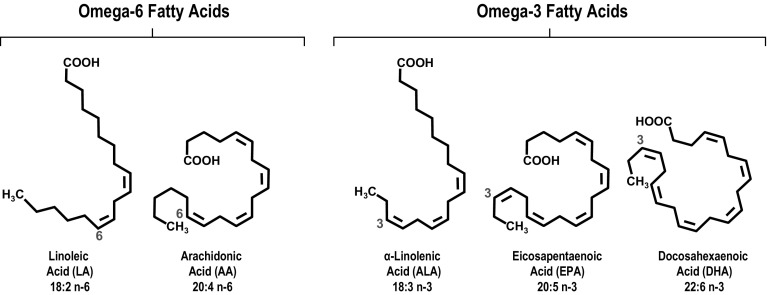
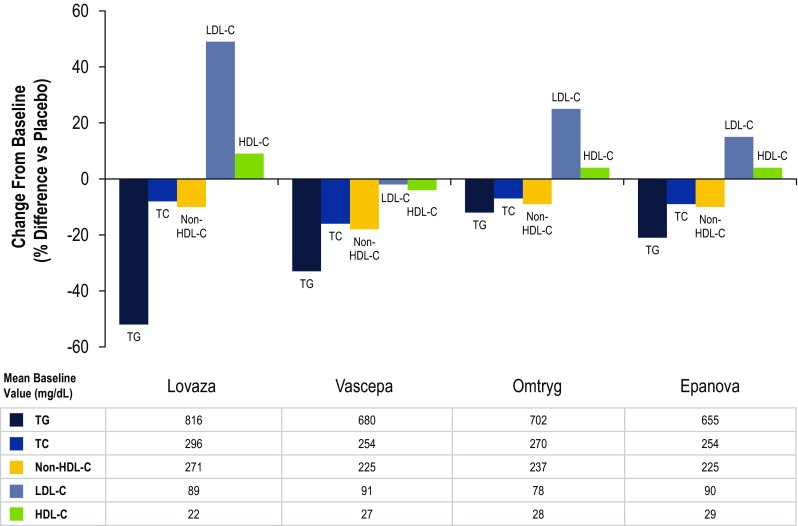
Omega-3 fatty acid products are available as prescription formulations (icosapent ethyl, omega-3-acid ethyl esters, omega-3-acid ethyl esters A, omega-3-carboxylic acids) and dietary supplements (predominantly fish oils). Most dietary supplements and all but one prescription formulation contain mixtures of the omega-3 fatty acids eicosapentaenoic acid (EPA) and docosahexaenoic acid (DHA). Products containing both EPA and DHA may raise low-density lipoprotein cholesterol (LDL-C). In clinical trials, the EPA-only prescription product, icosapent ethyl, did not raise LDL-C compared with placebo. To correct a common misconception, it is important to note that omega-3 fatty acid dietary supplements are not US FDA-approved over-the-counter drugs and are not required to demonstrate safety and efficacy prior to marketing. Conversely, prescription products are supported by extensive clinical safety and efficacy investigations required for FDA approval and have active and ongoing safety monitoring programs. While omega-3 fatty acid dietary supplements may have a place in the supplementation of diet, they generally contain lower levels of EPA and DHA than prescription products and are not approved or intended to treat disease. Perhaps due to the lack of regulation of dietary supplements, EPA and DHA levels may vary widely within and between brands, and products may also contain unwanted cholesterol or fats or potentially harmful components, including toxins and oxidized fatty acids. Accordingly, omega-3 fatty acid dietary supplements should not be substituted for prescription products. Similarly, prescription products containing DHA and EPA should not be substituted for the EPA-only prescription product, as DHA may raise LDL-C and thereby complicate the management of patients with dyslipidemia.
Overview
The claims and statistics of this paper haven’t been checked yet.
Free: it reads the open-access text and checks the first 5 claims that cite a source we can check. Create a free account to check every claim.
Integrity signals
Registry
Cites
Statistics
Figures
Verification
Claims the paper makes
The claims and statistics of this paper haven’t been checked yet.
Free: it reads the open-access text and checks the first 5 claims that cite a source we can check. Create a free account to check every claim.
Claims other papers make about this one
Each is checked against this paper’s own text: does it say what the citing paper says it does?
The cited source says what the claim attributes to it.
In the citing paper
“Although OM-3 dietary supplements are available, there are no Food and Drug Administration (FDA)-approved over-the-counter (OTC) OM-3 medications in the USA.”
From Critical Differences Between Dietary Supplement and Prescription Omega-3 Fatty Acids: A Narrative Review (2020) · cites this paper as [7]
The cited source says what the claim attributes to it.
In the citing paper
“Currently available OM-3 products in the US are either prescription (Rx) medications or non-Rx OM-3 dietary supplements (e.g., fish oils) [7].”
From Critical Differences Between Dietary Supplement and Prescription Omega-3 Fatty Acids: A Narrative Review (2020) · cites this paper as [7]
In the citing paper
“Patients and health care providers may mistakenly believe that dietary supplements are OTC medications [7].”
From Critical Differences Between Dietary Supplement and Prescription Omega-3 Fatty Acids: A Narrative Review (2020) · cites this paper as [7]
Self-check
Percentages, sums and reported differences re-computed from the paper’s own numbers.
The self-check needs the paper’s full text.
Citations
Cites
Standards of Medical Care in Diabetes
Power, D. (2006) · Diabetes Care · doi:10.2337/diacare.29.02.06.dc05-1593 · Cited by 8,673
Inflammation in atherosclerosis
Libby, P. (2002) · Nature · doi:10.1038/nature01323 · Cited by 8,315
Inflammation and Atherosclerosis
Libby, P., Ridker, P. M., & Maseri, A. (2002) · Circulation · doi:10.1161/hc0902.104353 · Cited by 7,724
Ezetimibe Added to Statin Therapy after Acute Coronary Syndromes
Cannon, C. P., Blazing, M. A., Giugliano, R. P., McCagg, A., White, J. A., Theroux, P., Darius, H., Lewis, B. S., Ophuis, T. O., Jukema, J. W., et al. (2015) · New England Journal of Medicine · doi:10.1056/nejmoa1410489 · Cited by 4,487
(1999) · The Lancet · doi:10.1016/s0140-6736(99)07072-5 · Cited by 3,812 · cited 1×
“Some trials showed significant improvements in clinical outcomes [81, 86, 87], whereas others did not [88–91].”
ResultInflammation in Atherosclerosis
Libby, P. (2012) · Arteriosclerosis, Thrombosis, and Vascular Biology · doi:10.1161/atvbaha.108.179705 · Cited by 3,736
Yokoyama, M., Origasa, H., Matsuzaki, M., Matsuzawa, Y., Saito, Y., Ishikawa, Y., Oikawa, S., Sasaki, J., Hishida, H., Itakura, H., et al. (2007) · The Lancet · doi:10.1016/s0140-6736(07)60527-3 · Cited by 2,516 · cited 1×
“Some trials showed significant improvements in clinical outcomes [81, 86, 87], whereas others did not [88–91].”
ResultEfficacy and Safety of Alirocumab in Reducing Lipids and Cardiovascular Events
Robinson, J. G., Farnier, M., Krempf, M., Bergeron, J., Luc, G., Averna, M., Stroes, E. S., Langslet, G., Raal, F. J., El Shahawy, M., et al. (2015) · New England Journal of Medicine · doi:10.1056/nejmoa1501031 · Cited by 2,296 · cited 1×
“More recently, clinical trials of ezetimibe (IMPROVE-IT [82]) and proprotein convertase subtilisin-kexin type 9 (PCSK9) inhibitors (OSLER study [83] and ODYSSEY LONG TERM study [84]) have confirmed or suggested that statin add-on therapy may be effective in further reducing residual cardiovascular risk.”
Background(1999) · PubMed · Cited by 2,062
EICOSAPENTAENOIC ACID AND PREVENTION OF THROMBOSIS AND ATHEROSCLEROSIS?
DYERBERG, J. (1978) · The Lancet · doi:10.1016/s0140-6736(78)91505-2 · Cited by 1,688
Research works printed but not linked: 4
- Niki T Wakatsuki T Bando M Effects of additional eicosapentaenoic acid to statin therapy on inflammatory cytokines and the tissue characterization of coronary plaque assessed by integrated backscatter intravascular ultrasound systems [abstract 14434] Circulation. 2012 126 21 Suppl. 14434
- Katoh A Ikeda H Daily intake of eicosapentaenoic acid inhibits the progression of carotid intimal-media thickness in patients with dyslipidemia [in Japanese] Ther Res. 2011 32 6 863 868
- Truong P Johnson C Gabriel D Variability of cholesterol and saturated fat content in dietary supplements [abstract P72] Circulation. 2007 115 8 e238
- Lopez JAG Ito MK PLA chapter update: prescription fish oil and Blue Cross of Idaho LipidSpin. 2010 8 3 32 34
Cited by
Serhan, C. N. (2017) · The FASEB Journal · doi:10.1096/fj.201601222r · Cited by 555
“It is clear that dietary supplements containing the n-3 fatty acids, precursors to the Rvs, PDs and MaRs, are not substitutes for prescription drugs (134).”
BackgroundSkulas-Ray, A. C., Wilson, P. W. F., Harris, W. S., Brinton, E. A., Kris-Etherton, P. M., Richter, C. K., Jacobson, T. A., Engler, M. B., Miller, M., Robinson, J. G., et al. (2019) · Circulation · doi:10.1161/cir.0000000000000709 · Cited by 512
Dietary Polyunsaturated Fatty Acids (PUFAs): Uses and Potential Health Benefits
Kapoor, B., Kapoor, D., Gautam, S., Singh, R., & Bhardwaj, S. (2021) · Current Nutrition Reports · doi:10.1007/s13668-021-00363-3 · Cited by 418
A Comprehensive Review of Chemistry, Sources and Bioavailability of Omega-3 Fatty Acids
Cholewski, M., Tomczykowa, M., & Tomczyk, M. (2018) · Nutrients · doi:10.3390/nu10111662 · Cited by 372
“This is due to the fact that the food of many fish are algae rich in EPA and DHA, and other organisms consuming algae, like fish or marine invertebrates [136,137].”
BackgroundInfluentialPPAR Agonists and Metabolic Syndrome: An Established Role?
Botta, M., Audano, M., Sahebkar, A., Sirtori, C., Mitro, N., & Ruscica, M. (2018) · International Journal of Molecular Sciences · doi:10.3390/ijms19041197 · Cited by 253
“Apparently, products containing DHA may increase LDL-C levels, whereas those containing EPA only products do not lead to a similar consequence [104,105].”
BackgroundOmega-9 fatty acids: potential roles in inflammation and cancer management
Farag, M. A., & Gad, M. Z. (2022) · Journal of Genetic Engineering and Biotechnology · doi:10.1186/s43141-022-00329-0 · Cited by 169
“The three omega FAs are generally present in several vegetable oils and in pharmaceutical formulations [1].”
BackgroundModulation of endothelium function by fatty acids
Mallick, R., & Duttaroy, A. K. (2022) · Molecular and Cellular Biochemistry · doi:10.1007/s11010-021-04260-9 · Cited by 118
Maki, K. C., Palacios, O. M., Bell, M., & Toth, P. P. (2017) · Journal of Clinical Lipidology · doi:10.1016/j.jacl.2017.07.010 · Cited by 107
Polyunsaturated fatty acids: any role in rheumatoid arthritis?
Navarini, L., Afeltra, A., Afflitto, G. G., & Margiotta, D. P. E. (2017) · Lipids in Health and Disease · doi:10.1186/s12944-017-0586-3 · Cited by 103
“Increasing evidence is showing that an adequate dietary intake of EPA and DHA is important for many physiological processes; the conversion of ALA into EPA and DHA is not very efficient in humans and cannot compensate an intake deficit [8, 9].”
BackgroundUpdate on Omega-3 Polyunsaturated Fatty Acids on Cardiovascular Health
Rodriguez, D., Lavie, C. J., Elagizi, A., & Milani, R. V. (2022) · Nutrients · doi:10.3390/nu14235146 · Cited by 81
Karageorgou, D., Rova, U., Christakopoulos, P., Katapodis, P., Μάτσακας, Λ., & Patel, A. (2023) · Trends in Food Science & Technology · doi:10.1016/j.tifs.2023.04.018 · Cited by 87
The Role of Omega-3 and Omega-6 Polyunsaturated Fatty Acid Supplementation in Human Health
Gutierres, D., Pacheco, R., & Reis, C. P. (2025) · Foods · doi:10.3390/foods14193299 · Cited by 71
Omega-3 Fatty Acids as Druggable Therapeutics for Neurodegenerative Disorders
Chitre, N. M., Moniri, N. H., & Murnane, K. S. (2019) · CNS & Neurological Disorders - Drug Targets · doi:10.2174/1871527318666191114093749 · Cited by 234
Khoury, M., Bigras, J., Cummings, E. A., Harris, K. C., Hegele, R. A., Henderson, M., Morrison, K. M., St‐Pierre, J., Wong, P. D., & McCrindle, B. W. (2022) · Canadian Journal of Cardiology · doi:10.1016/j.cjca.2022.05.002 · Cited by 64
“53 For patients who require treatment for hyper-triglyceridemia, fi brates may be considered by pediatric lipid specialists, particularly for those with moderate-severe elevations ( > 5.5 mmol/L) or worse.”
InfluentialBalakrishnan, J., Kannan, S., & Govindasamy, A. (2020) · Nutrition Research · doi:10.1016/j.nutres.2020.12.003 · Cited by 56
Siniarski, A., Haberka, M., Mostowik, M., Gołębiowska-Wiatrak, R., Poręba, M., Malinowski, K. P., Gąsior, Z. T., Konduracka, E., Nessler, J., & Gajos, G. (2018) · Atherosclerosis · doi:10.1016/j.atherosclerosis.2018.02.030 · Cited by 54
Hilleman, D. E., Wiggins, B. S., & Bottorff, M. B. (2020) · Advances in Therapy · doi:10.1007/s12325-019-01211-1 · Cited by 46
Cytochrome P450-derived eicosanoids and inflammation in liver diseases
Shoieb, S. M., El‐Ghiaty, M. A., Alqahtani, M. A., & El‐Kadi, A. O. S. (2019) · Prostaglandins & Other Lipid Mediators · doi:10.1016/j.prostaglandins.2019.106400 · Cited by 46
Review of Cardiometabolic Effects of Prescription Omega-3 Fatty Acids
Burke, M. F., Burke, F. M., & Soffer, D. E. (2017) · Current Atherosclerosis Reports · doi:10.1007/s11883-017-0700-z · Cited by 46
Zirpoli, H., Chang, C. L., Carpentier, Y., Michael-Titus, A. T., Ten, V. S., & Deckelbaum, R. J. (2020) · Annual Review of Nutrition · doi:10.1146/annurev-nutr-082018-124539 · Cited by 42
“Numerous oral omega-3 FA products, which vary widely in the amount of EPA and DHA they provide, are listed in the US National Institutes of Health Dietary Supplement Label Database (48, 60).”
BackgroundRaza, M. L., Hassan, S. T., Jamil, S., Fatima, W., & Fatima, M. (2025) · Clinical Nutrition · doi:10.1016/j.clnu.2025.01.009 · Cited by 49
Oily Fish and Omega-3s Across the Life Stages: A Focus on Intakes and Future Directions
Derbyshire, E. J. (2019) · Frontiers in Nutrition · doi:10.3389/fnut.2019.00165 · Cited by 39
“Within the diet oily fish is an important provider of EPA and DHA which is attributed to the fact that microalgae rich in EPA and DHA is the main food of many fish (3, 4).”
BackgroundMethodStrategies to improve bioavailability of omega-3 fatty acids from ethyl ester concentrates
Maki, K. C., & Dicklin, M. R. (2018) · Current Opinion in Clinical Nutrition & Metabolic Care · doi:10.1097/mco.0000000000000537 · Cited by 42
“There are several factors with the potential to affect the bioavailability of long-chain omega-3 fatty acids including [3,11]:”
BackgroundTélessy, I. G. (2018) · Elsevier eBooks · doi:10.1016/b978-0-12-813148-0.00024-4 · Cited by 38
Knowledge, Perceptions, and Patterns of Fish Oil Use in Cardiac Patients
Hilleman, D. E., Teply, R. M., & Packard, K. A. (2019) · Journal of Pharmacy Practice · doi:10.1177/0897190018824485 · Cited by 29
“Fish oil dietary supplements should not be substituted for the FDA-approved prescription omega-3 fatty acids.(4,12,14) Only 4% (27 of 711) of cardiac patients in our survey received a prescription from their health-care provider and only 2.”
BackgroundInfluentialWilliams, L. H., Baker-Smith, C. M., Bolick, J. P., Carter, J., Kirkpatrick, C. F., Ley, S. L., Peterson, A. L. H., SHAH, A. S., Sikand, G., Ware, A. L., et al. (2022) · Journal of clinical lipidology · doi:10.1016/j.jacl.2022.07.011 · Cited by 31
New alternative sources of omega-3 fish oil
Venegas‐Calerón, M., & Napier, J. A. (2023) · Advances in food and nutrition research · doi:10.1016/bs.afnr.2023.01.001 · Cited by 32
Khadke, S. P., Mandave, P. C., Kuvalekar, A., Pandit, V. A., Karandikar, M., & Mantri, N. L. (2020) · Nutrients · doi:10.3390/nu12123652 · Cited by 23
“Over a period of three decades, epidemiological studies also reported that omega-3 fatty acids dietary intake provides beneficial effects in cardiovascular diseases [15,16].”
BackgroundThe Rise of Nutraceuticals: Overview and Future
Kapoor, N., Jamwal, V. L., Shukla, M. R., & Gandhi, S. G. (2020) · Ecoproduction · doi:10.1007/978-3-030-36130-3_4 · Cited by 23
Moon, G. K., & Bu, S. Y. (2023) · Clinical Nutrition Research · doi:10.7762/cnr.2023.12.4.304 · Cited by 18
“…as functional food products and are added to several commercially available food products, such as foods for medical purposes and nutrient-fortified foods [16,17] which are usually supplied as alternatives to the main diet for off hospitalized patients or care-center-dwelling older adults [18].”
BackgroundOmega 3 Fatty Acid as a Health Supplement: An Overview of its Manufacture and Regulatory Aspects
Bhat, R. S., Suhaibani, A. A., Albugami, F. S., & Aldawsari, F. S. (2024) · Current Research in Nutrition and Food Science Journal · doi:10.12944/crnfsj.12.1.06 · Cited by 22
Omega-3 Fatty Acid Fortification of Plant-Based Beverages to Enhance Their Nutritional Profile
Pandey, A., Kamran, F., Choudhury, M., Li, L., Rahman, M. S., & Hussain, M. A. (2025) · Foods · doi:10.3390/foods14091602 · Cited by 17
“At the same time, regulatory authorities in different countries need to approve these supplements to ensure their safety [48].”
Zhang, Y., Min, J., & Zhang, L. (2019) · Journal of Ocean University of China · doi:10.1007/s11802-019-3620-4 · Cited by 12
“However, whether n-3 PUFAs can be used as drug in clinics is still a controversial issue (Calder, 2013; Fialkow, 2016b).”
BackgroundThe Future of Lipid-Lowering Therapy
Zwol, W. H.-V., Rimbert, A., & Kuivenhoven, J. A. (2019) · Journal of Clinical Medicine · doi:10.3390/jcm8071085 · Cited by 14
“Currently available efficacious drugs to lower LDL cholesterol and the general downfall of therapies that target HDL (discussed in Reference [108]) have contributed to a shift to target elevated Lp(a) and TRL. Recent genetic support to target Lp(a) and TG as causal risk factors, combined with the technical advances to…”
BackgroundInfluentialCapra, M. E., Stanyevic, B., Giudice, A., Monopoli, D., Decarolis, N. M., Esposito, S., & Biasucci, G. (2023) · Nutrients · doi:10.3390/nu15071661 · Cited by 11
“EPA and DHA are used in adult subjects with hypertriglyceridemia to lower plasma triglyceride levels.”
BackgroundInfluentialAfroze, S., Janakiraman, A. K., Gunasekaran, B., Djearamane, S., & Wong, L. S. (2024) · Journal of Pharmacy & Pharmacognosy Research · doi:10.56499/jppres23.1689_12.1.120 · Cited by 10
Khalaji, A., Behnoush, A. H., Alilou, S., Rezaee, M., Peiman, S., & Sahebkar, A. (2023) · Lipids in Health and Disease · doi:10.1186/s12944-023-01828-w · Cited by 9
“First, United States FDA has not approved omega-3 fatty acid dietary supplements as over-thecounter drugs [42], which severely limits their application and clinical use both as an anti-lipid agent and a candidate for COVID-19 treatment.”
BackgroundNyström, L., Mira, I., Benjamins, J.-W., Gopaul, S., Granfeldt, A., Abrahamsson, B., von Corswant, C., & Abrahmsén‐Alami, S. (2023) · Molecular Pharmaceutics · doi:10.1021/acs.molpharmaceut.3c00804 · Cited by 9
Icosapent ethyl: safely reducing cardiovascular risk in adults with elevated triglycerides
Pareek, M., Mason, R. P., & Bhatt, D. L. (2021) · Expert Opinion on Drug Safety · doi:10.1080/14740338.2021.1954158 · Cited by 9
“In the absence of clinical outcome evidence and FDA oversight, dietary supplements containing omega-3 fatty acids cannot be recommended to reduce triglycerides or cardiovascular risk.”
BackgroundInfluentialIs There Something Fishy About Fish Oil?
Šunderić, M., Robajac, D., Gligorijević, N., Miljuš, G., Nedić, O., Smilkov, K., Ackova, D. G., Rudić-Grujić, V., & Penezić, A. (2019) · Current Pharmaceutical Design · doi:10.2174/1381612825666190705185800 · Cited by 5
Liu, Q., Bassey, A. P., Li, Z., Zhou, G., Fan, X., & Ye, K. (2024) · Foods · doi:10.3390/foods13244098 · Cited by 5
“These fatty acids are essential for reducing blood lipid levels and are vital for human health [35].”
Budiadnyani, I. G. A., Dewi, R. N., Panjaitan, F. C. A., & Sayuti, M. (2024) · Trends in Sciences · doi:10.48048/tis.2024.7380 · Cited by 5
“EPA effectively treats cardiovascular diseases and prevents thrombosis, atherosclerosis, and inflammatory diseases [7-9].”
BackgroundEfficacy and Biomedical Roles of Unsaturated Fatty Acids as Bioactive Food Components
Vaezi, M. (2023) · Current Chemical Biology · doi:10.2174/2212796817666230222103441 · Cited by 6
Anti‐Neuroinflammation Activity of Essential Oils and Fatty Acids
Jin, Z., Song, Y., Abdelmoaty, A. A. A., Lin, F., Li, J., & Chen, X. (2026) · Food Science & Nutrition · doi:10.1002/fsn3.71422 · Cited by 4
“These issues lead to variability in purity and concentration, as well as potential contamination with environmental toxins or oxidized lipids in both fish oil supplements and essential oils (Fialkow 2016).”
Ismail, A., Ramadan, M. F., Ali, M. K., Abbas, A. M., Saman, A. M. E., & Makarem, M. H. (2016) · Journal of Perinatology · doi:10.1038/jp.2016.134 · Cited by 4
Is Omega-3 Index necessary for fish oil supplements for CVD risk prevention?
Luo, C., & Chen, Z. (2022) · Cardiology Plus · doi:10.1097/cp9.0000000000000015 · Cited by 4
Manubolu, V. S., Budoff, M. J., & Lakshmanan, S. (2022) · Heart International · doi:10.17925/hi.2022.16.1.2 · Cited by 3
“Omega-3-acid ethyl esters, omega-3 carboxylic acids and omega-3-acid ethyl esters type A contain both EPA and DHA, whereas IPE contains ethyl esters of EPA only.(14)”
BackgroundSingh, N., Dove, E., & Bhatt, D. L. (2023) · Elsevier eBooks · doi:10.1016/b978-0-323-88286-6.00019-4 · Cited by 4
Dyslipidemia in children: diagnosis, evaluation, and management
Khoury, M., Bigras, J., Cummings, E. A., Harris, K. C., Hegele, R. A., Henderson, M., Morrison, K. M., St‐Pierre, J., Wong, P. D., & McCrindle, B. W. (2026) · Paediatrics & Child Health · doi:10.1093/pch/pxag021 · Cited by 2
Produkty uboczne przetwórstwa owoców w projektowaniu żywności
Pachołek, B. (2020) · doi:10.18559/978-83-66199-86-6 · Cited by 2
Role of Omega-3PUFA: A Nutraceutical for Brain Functioning and Treatment of Mental Disorders
Garg, I., Kumari, R., & Sharma, M. (2023) · Current Indian Science · doi:10.2174/012210299x255340231115095951 · Cited by 1
Diagnostic features and management algorithm for children with dyslipidemia
Krutova, A. V., Мухортых, В. А., Miroshnichenko, A. S., Stolyarova, S. A., & Zyabkin, I. V. (2025) · Russian Pediatric Journal · doi:10.46563/1560-9561-2025-28-2-141-147 · Cited by 1
“Добавки оме-га-3 жирных кислот назначают в дозе 1–4 г/сут [29–33].”
Can fish oils help to prevent cardiovascular disease?
Laight, D. W. (2021) · Prescriber · doi:10.1002/psb.1932 · Cited by 1
An Overview of Analeptic Applications of Omega-3 Fatty Acids
Kwatra, B., Kaur, H., Majumdar, J., Shah, M., Upadhyaya, M., & Ahlawat, R. (2021) · Journal of Scientific Research and Reports · doi:10.9734/jsrr/2021/v27i630405 · Cited by 1
“Mammals cannot synthesize Linoleic and ɑLinolenic from Oleic acid since they lack Δ12desaturase and Δ15-desaturase enzyme, but they can convert ɑ-linolenic acid obtained in diet to EPA and DHA [17-25].”
BackgroundÇimen, H., & Öztürk, Y. E. (2015) · AYDIN SAĞLIK DERGİSİ · doi:10.17932/iau.asd.2015.007/asd_v08i1001 · Cited by 1
Abdulhussain, H., Khonji, A., Alsaloom, A., Meshaima, H., AlKooheji, L., Aldoseri, M., Al-Mannai, M. A., & Freije, A. M. (2023) · Arab Journal of Basic and Applied Sciences · doi:10.1080/25765299.2023.2249318 · Cited by 2
“Fatty acids are very important energy components within the body (Boelen, Dijk, Damste, Rijpstra, & Buma, 2013), where the most important group that has a crucial role in human health are omegas (Fialkow, 2016), especially omega-3 and omega-6 (Stice, 2019).”
BackgroundGıda Rejimleri ve Gıda Krizleri: Kapitalizmin Çıkmazında Alternatif Arayışlar
Şentürk, B. (2023) · Özgür Yayınları eBooks · doi:10.58830/ozgur.pub230.c1007 · Cited by 1
Defining the Role of Icosapent Ethyl in Clinical Practice
Chatterjee, S., Hajra, A., Bandyopadhyay, D., Ghosh, R. K., & DEEDWANIA, P. C. (2020) · American Journal of Cardiovascular Drugs · doi:10.1007/s40256-020-00402-4 · Cited by 1
The Effect of Omega-3 Fatty Acids on Lipids
Elkins, J. C. (2018) · The Journal for Nurse Practitioners · doi:10.1016/j.nurpra.2018.11.005
SUPLEMENTACIÓN DE ÁCIDOS GRASOS OMEGA-3 Y MARCADORES DE ACTIVIDAD DE LA ARTRITIS REUMATOIDE
Mejía-Montilla, J., Reyna-Villasmil, N., Bravo-Henríquez, A., Reyna‐Villasmil, E., Fernández-Ramírez, A., & Herrera-Moya, P. (2019) · Ciencia Unemi · doi:10.29076/issn.2528-7737vol12iss31.2019pp11-18p
Novotny, K., Fritz, K., & Parmar, M. S. (2021) · StatPearls · Cited by 2
Periodontal Disease: Resolving Inflammation
(2017) · International Journal of Experimental Dental Science · doi:10.5005/ijeds-6-1-v
CERUTIS, D. R. (2017) · International Journal of Experimental Dental Science · doi:10.5005/ijeds-6-1-i
Vasküler sağlık için balık yağı kullanımı
Arsava, E. M. (2023) · Turkish Journal of Cerebrovascular Diseases · doi:10.5505/tbdhd.2023.77699
Pesketaryen Beslenme ve Genel Özellikleri
KINAY, A. G., & Duyar, H. A. (2023) · Özgür Yayınları eBooks · doi:10.58830/ozgur.pub230.c1005
Sosyal Bilimler Üzerine Araştırmalar-VII
ŞANLI, H. K., Bayram, A. T., YAZIT, H., KILIÇ, A. G., GENÇER, K., Kök, A., Kınay, A. G., Duyar, H. A., Kantoğlu, B., Şentürk, B., et al. (2023) · Özgür Yayınları eBooks · doi:10.58830/ozgur.pub230
ŞANLI, H. K. (2023) · Özgür Yayınları eBooks · doi:10.58830/ozgur.pub230.c986
Ocak, A. (2023) · Özgür Yayınları eBooks · doi:10.58830/ozgur.pub230.c1010
Education and Time in Market Work in Turkey: Evidence from Time Use Surveys
Susanlı, Z. B. (2023) · Özgür Yayınları eBooks · doi:10.58830/ozgur.pub230.c1008
Ekoturizm ve Amasya Açısından Bir Değerlendirme
KILIÇ, A. G., & GENÇER, K. (2023) · Özgür Yayınları eBooks · doi:10.58830/ozgur.pub230.c1003
The Role of Omega-3 Fatty Acids in Alzheimer’s Disease Prevention and Therapy
Guruvaiya, P., & Subramaniam, K. (2023) · Nutritional neurosciences · doi:10.1007/978-981-99-0677-2_4
Besin Takviyelerine Bilimsel Bakış
Fidancı, A., Akpınar, B., Kutsal, E., Bal, E., Yıldırım, E., Duman, E. U., Ergin, E., Paksoy, F. N., Derici, G. E., Ergene, G., et al. (2022) · Akademisyen Kitabevi eBooks · doi:10.37609/akya.1062
Журавлёв, И. А., Бочарников, А. Ф., Maskin, E. V., Solodiy, D. D., & Шинкарук, П. А. (2024) · Chemical bulletin. · doi:10.58224/2619-0575-2024-7-4-64-86
THE ROLE OF OMEGA-3 FATTY ACIDS AND VITAMIN D IN THE PREVENTION AND MANAGEMENT OF RHEUMATIC DISEASES
(2025) · MINAR International Journal of Applied Sciences and Technology · doi:10.47832/2717-8234.23.9 · Cited by 1
Khalaji, A., Behnoush, A. H., Alilou, S., Rezaee, M., Peiman, S., & Sahebkar, A. (2024) · Figshare · doi:10.6084/m9.figshare.26587830
The effect of aggressive lipid-lowering therapy in diabetic patients with chronic ulcers
Μήλλου, Χ. Θ. (2025) · University of Thessaly Institutional Repository (University of Thessaly)
Nana, G. R. (2025) · White Rose eTheses Online (University of Leeds, The University of Sheffield, University of York)
La dyslipidémie chez les enfants : le diagnostic, l’évaluation et la prise en charge
Khoury, M., Bigras, J., Cummings, E. A., Harris, K. C., Hegele, R. A., Henderson, M., Morrison, K. M., St‐Pierre, J., Wong, P. D., & McCrindle, B. W. (2026) · Paediatrics & Child Health · doi:10.1093/pch/pxag022
Adisa, F. B., Akano, O. P., Oluwole, D. T., Hamed, M. A., & Ajayi, A. F. (2026) · Pharmacological Research - Reports · doi:10.1016/j.prerep.2026.100093
Beyond nutrition: lipids-based therapeutics from food and bioactive lipids
Kralovec, J. A. (2026) · Journal of Food Bioactives · doi:10.26599/jfb.2026.95034443
Microbial Foods: A Futuristic and Sustainable Source of Omega-3 Fatty Acids
Devi, D., Rana, D., & Belwal, N. S. (2026) · Food bioactive ingredients · doi:10.1007/978-3-032-19955-3_9
Cardiovascular Risk Factors in Youth
Khoury, M., & Urbina, E. M. (2026) · Elsevier eBooks · doi:10.1016/b978-0-443-11851-7.00015-x
Aggarwal, R., Bursill, C. A., Figtree, G. A., HOCKING, S. L., Mason, R. P., Michos, E. D., Miller, M. J., Nelson, A. J., Nicholls, S. J., Rye, K., et al. (2026) · Nature Reviews Cardiology · doi:10.1038/s41569-026-01358-9
Metadata
- Authors
- Fialkow, J.
- Affiliations
- Baptist Hospital of Miami (US)
- Corresponding author
- Fialkow, Jonathan
- Venue
- American Journal of Cardiovascular Drugs
- Published
- 2016-04-30
- Volume
- 16
- Issue
- 4
- Pages
- 229-239
- ISSN
- 1175-3277 (ISSN-L)
- 1179-187X
- PMC
- PMC4947114
- OpenAlex
- W2345135102
- Cited by
- 80
- References
- 89
- Citations by year
- 2026: 7 · 2025: 4 · 2024: 5 · 2023: 20 · 2022: 7 · 2021: 6 · 2020: 7 · 2019: 9 · 2018: 6 · 2017: 6 · 2016: 1
- FWCI
- 0.98
- Type
- journal article
- Language
- en
- Open access
- hybrid
- doi.org
- Licence
- Locations
- American Journal of Cardiovascular Drugs (publishedVersion, cc-by-nc)
- Europe PMC (PubMed Central) (publishedVersion, cc-by-nc)
- PubMed Central (publishedVersion, cc-by-nc)
- PubMed (publishedVersion)
- Scholarly Commons - Baptist Health South Florida (Baptist Health South Florida) (submittedVersion)
- Funders
- Amarin Corporation
- Amarin Pharma
- Topics
- Health Sciences › Nursing › Nutrition and Dietetics › Fatty Acid Research and Health
- Health Sciences › Medicine › Cardiology and Cardiovascular Medicine › Lipoproteins and Cardiovascular Health
- Health Sciences › Medicine › Complementary and alternative medicine › Complementary and Alternative Medicine Studies
- Keywords
- omega-3 fatty acids, icosapent ethyl, omega-3 acid ethyl esters, dietary supplements, fish oil, eicosapentaenoic acid, docosahexaenoic acid, LDL cholesterol, dyslipidemia, cardiovascular disease, FDA regulation of dietary supplements, oxidized fatty acids
- MeSH terms
- Animals, Hypolipidemic Agents, Cardiovascular Diseases, Chemistry, Pharmaceutical, Diet, Docosahexaenoic Acids, Humans, Cholesterol, LDL, Eicosapentaenoic Acid, Hypertriglyceridemia, Fatty Acids, Omega-3, Dietary Supplements, Dyslipidemias, Prescription Drugs
About these checks
Registry, retraction, Cites and statistics results are computed, not judged, with one exception: a printed reference that no index lists is read once by a model before it counts as a citation error. Claims are extracted by a model and kept only when their quote appears verbatim in the text; each cited source is then checked, with a model’s help, for whether it says what the claim relies on. Those verdicts can be wrong — read the claim’s quote and the cited source before relying on one.
Statistics and arithmetic are recomputed, not judged.
Confidence bands are shown only for fields calibrated on our annotated test set. None is calibrated yet, so no band is shown.
What counts as a claim ›How we measure confidence ›How we check this ›
Are you an author, or do you see a problem with this page? Request a review
Data sources
Bibliographic data: Semantic Scholar, OpenAlex, Crossref.
Contains information from the Semantic Scholar Academic Graph Datasets, made available under the ODC Attribution License (ODC-BY 1.0).
Semantic Scholar’s data is described in: Kinney, R., et al. (2023). The Semantic Scholar Open Data Platform. arXiv:2301.10140.
