

Unmet Needs in LDL-C Lowering: When Statins Won’t Do!
Open accessThe DOI matches its Crossref record; 119 of the 121 references it cites were found in a registry or an index.
Abstract
The use of low-density lipoprotein cholesterol (LDL-C)-lowering medications has led to a significant reduction of cardiovascular risk in both primary and secondary prevention. Statin therapy, one of the cornerstones for the prevention and treatment of cardiovascular disease (CVD), has been demonstrated to be effective in lowering LDL-C levels and in reducing the risk for CVD and is generally well-tolerated. However, compliance with statins remains suboptimal. One of the main reasons is limitations by adverse events, notably myopathies, which can lead to non-compliance with the prescribed statin regimen. Reducing the burden of elevated LDL-C levels is critical in patients with CVD as well as in patients with very high baseline levels of LDL-C (e.g. patients with familial hypercholesterolaemia), as statin therapy is insufficient for optimally reducing LDL-C below target values. In this review, we discuss alternative treatment options after maximally tolerated doses of statin therapy, including ezetimibe, proprotein convertase subtilisin/kexin type 9 (PCSK9) inhibitors, and cholesteryl ester transfer protein (CETP) inhibitors. Difficult-to-treat patients may benefit from combination therapy with ezetimibe or a PCSK9 inhibitor (evolocumab or alirocumab, which are now available). Updates of treatment guidelines are needed to guide the management of patients who will best benefit from these new treatments.
Overview
The claims and statistics of this paper haven’t been checked yet.
Free: it reads the open-access text and checks the first 5 claims that cite a source we can check. Create a free account to check every claim.
Integrity signals
Registry
Cites
Statistics
Figures
Verification
Claims the paper makes
The claims and statistics of this paper haven’t been checked yet.
Free: it reads the open-access text and checks the first 5 claims that cite a source we can check. Create a free account to check every claim.
Claims other papers make about this one
Each is checked against this paper’s own text: does it say what the citing paper says it does?
The source backs part of the claim, not all of it — or backs it for a different population, condition or comparison.
In the citing paper
“As a consequence, multiple authors have concluded that there is a significant unmet medical need for patients with dyslipidaemia to reduce blood lipid levels to prevent the incidence of adverse cardiovascular events [26–30].”
From Established and Emerging Lipid-Lowering Drugs for Primary and Secondary Cardiovascular Prevention (2023) · cites this paper as [27]
Experimental — accuracy not yet measuredThe source backs part of the claim, not all of it — or backs it for a different population, condition or comparison.
In the citing paper
“The primary choice of statins works well due to their effectiveness and safety as well as affordability, but they fail to meet LDL-C goals or are poorly tolerated by patients [74–76].”
From Inclisiran SiRNA therapy for durable LDL-C reduction: a systematic review and meta-analysis highlighting a breakthrough in long-term cardiovascular risk management (2026) · cites this paper as [75]
Experimental — accuracy not yet measured
Self-check
Percentages, sums and reported differences re-computed from the paper’s own numbers.
The self-check needs the paper’s full text.
Citations
Cites
General Cardiovascular Risk Profile for Use in Primary Care: The Framingham Heart Study
D’Agostino, R. B., Vasan, R. S., Pencina, M. J., Wolf, P. A., Cobain, M., Massaro, J. M., & Kannel, W. B. (2008) · Circulation · doi:10.1161/circulationaha.107.699579 · Cited by 7,491 · cited 1×
“Most guidelines use risk estimation systems based on either the Framingham or the SCORE projects [2, 14, 15].”
MethodThe metabolic and molecular bases of inherited disease
Chen, Y.-T. (2001) · Medical Entomology and Zoology · Cited by 6,928
Cholesterol Treatment Trialists' (CTT) Collaboration (2010) · The Lancet · doi:10.1016/s0140-6736(10)61350-5 · Cited by 6,550
Estimation of ten-year risk of fatal cardiovascular disease in Europe: the SCORE project
Conroy, R. (2003) · European Heart Journal · doi:10.1016/s0195-668x(03)00114-3 · Cited by 5,290 · cited 1×
“Most guidelines use risk estimation systems based on either the Framingham or the SCORE projects [2, 14, 15].”
Method2013 ACC/AHA Guideline on the Assessment of Cardiovascular Risk
Goff, D. C., Lloyd-Jones, D. M., Bennett, G., Coady, S., D’Agostino, R. B., Gibbons, R., Greenland, P., Lackland, D. T., Levy, D., O’Donnell, C. J., et al. (2014) · Journal of the American College of Cardiology · doi:10.1016/j.jacc.2013.11.005 · Cited by 4,945
Ezetimibe Added to Statin Therapy after Acute Coronary Syndromes
Cannon, C. P., Blazing, M. A., Giugliano, R. P., McCagg, A., White, J. A., Theroux, P., Darius, H., Lewis, B. S., Ophuis, T. O., Jukema, J. W., et al. (2015) · New England Journal of Medicine · doi:10.1056/nejmoa1410489 · Cited by 4,487
Goff, D. C., Lloyd-Jones, D. M., Bennett, G., Coady, S., D’Agostino, R. B., Gibbons, R., Greenland, P., Lackland, D. T., Levy, D., O’Donnell, C. J., et al. (2014) · Circulation · doi:10.1161/01.cir.0000437741.48606.98 · Cited by 3,697
ESC/EAS Guidelines for the management of dyslipidaemias
Reiner, Ž., Catapano, A. L., De Backer, G., Graham, I., Taskinen, M.-R., Wiklund, O., Agewall, S., Alegria, E., Chapman, M. J., Durrington, P., et al. (2011) · European Heart Journal · doi:10.1093/eurheartj/ehr158 · Cited by 3,549
Sequence Variations in PCSK9, Low LDL, and Protection against Coronary Heart Disease
Cohen, J. C., Boerwinkle, E., Mosley, T. H., & Hobbs, H. H. (2006) · New England Journal of Medicine · doi:10.1056/nejmoa054013 · Cited by 3,181 · cited 7×
“Additionally, individuals with loss-of-function mutations in PCSK9 were found to have reduced plasma levels of LDLC and to be protected from CHD [69, 74].”
BackgroundInfluentialNiacin in Patients with Low HDL Cholesterol Levels Receiving Intensive Statin Therapy
The AIM-HIGH Investigators (2011) · New England Journal of Medicine · doi:10.1056/nejmoa1107579 · Cited by 2,911
Research works printed but not linked: 6
- 1. European Cardiovascular Disease Statistics 2012 edition. http:// www.escardio.org/The-ESC/Initiatives/EuroHeart/2012-European- Cardiovascular-Disease-Statistics. Last accessed Jan 2016.
- 54. Golomb B, Yang E, Denenberg J, et al. Statin-associated muscle adverse effects. Circulation. 2003;107:e7028-9.
- 76. Dorey E. Cholesterol-busting PCSK9 drugs. Pharm J. 2015. http:// www.pharmaceutical-journal.com/news-and-analysis/features/ pcsk9-inhibitors-the-next-cholesterol-lowering-blockbusters/200 68181.article. Last accessed Jan 2016.
- 90. Ginsberg HN, Rader DJ, Raal FJ. ODYSSEY HIGH FH: effi- cacy and safety of alirocumab in patients with severe heterozygous familial hypercholesterolemia. Circulation. 2014;130:2119.
- 96. Roth E, Rader DJ, Moriarty P. Phase 3 randomized trial eval- uating alirocumab every four weeks dosing as add-on to statin or as monotherapy: ODYSSEY CHOICE I. Abstract no. 0254 presented at 17th International Symposium on Atherosclerosis. 2015.
- 97. Stroes E, Guyton J, Farnier M. Alirocumab in patients with hypercholesterolemia not on statin therapy: the ODYSSEY CHOICE II study. Abstract no. 0269 presented at 17th Inter- national Symposium on Atherosclerosis. 2015.
Cited by
Wright, R. S., Ray, K. K., Raal, F. J., Kallend, D. G., Jaros, M., Koenig, W., Leiter, L. A., Landmesser, U., Schwartz, G. G., Friedman, A., et al. (2021) · Journal of the American College of Cardiology · doi:10.1016/j.jacc.2020.12.058 · Cited by 229
Mechanisms of statin-associated skeletal muscle-associated symptoms
Bouitbir, J., Sanvee, G. M., Panajatovic, M. V., Singh, F., & Krähenbühl, S. (2020) · Pharmacological Research · doi:10.1016/j.phrs.2019.03.010 · Cited by 136
Self-citationAlleyne, C., Amin, R. P., Bhatt, B., Bianchi, E., Blain, J. C., Boyer, N., Branca, D., Embrey, M. W., Ha, S. N., Jette, K., et al. (2020) · Journal of Medicinal Chemistry · doi:10.1021/acs.jmedchem.0c01084 · Cited by 131
Established and Emerging Lipid-Lowering Drugs for Primary and Secondary Cardiovascular Prevention
Michaeli, D. T., Michaeli, J. C., Albers, S., Boch, T., & Michaeli, T. (2023) · American Journal of Cardiovascular Drugs · doi:10.1007/s40256-023-00594-5 · Cited by 109
Amino Acids and Their Metabolism in Atherosclerosis
Nitz, K., Lacy, M., & Atzler, D. (2019) · Arteriosclerosis Thrombosis and Vascular Biology · doi:10.1161/atvbaha.118.311572 · Cited by 114
A Versatile Nonviral Delivery System for Multiplex Gene‐Editing in the Liver
Gong, J., Wang, H., Lao, Y., Hu, H., Vatan, N. M., Guo, J., Ho, T., Huang, D., Li, M., Shao, D., et al. (2020) · Advanced Materials · doi:10.1002/adma.202003537 · Cited by 84
Li, M., Wang, Q., Li, Y., Cao, S., Zhang, Y., Wang, Z., Liu, G., Li, J., & Gu, B. (2020) · Pharmacology & Therapeutics · doi:10.1016/j.pharmthera.2020.107539 · Cited by 65
Familial Hypercholesterolemia: New Horizons for Diagnosis and Effective Management
Mytilinaiou, M. G., Kyrou, I., Khan, M., Grammatopoulos, D. K., & Randeva, H. S. (2018) · Frontiers in Pharmacology · doi:10.3389/fphar.2018.00707 · Cited by 79
Stefanutti, C. (2020) · Current Atherosclerosis Reports · doi:10.1007/s11883-020-00858-4 · Cited by 62
A network meta-analysis on the comparative effect of nutraceuticals on lipid profile in adults
Osadnik, T., Goławski, M., Lewandowski, P., Morze, J., Osadnik, K., Pawlas, N., Lejawa, M., Jakubiak, G. K., Mazur, A., Schwingshackl, L., et al. (2022) · Pharmacological Research · doi:10.1016/j.phrs.2022.106402 · Cited by 57
Development of the novel ACLY inhibitor 326E as a promising treatment for hypercholesterolemia
Xie, Z., Zhang, M., Song, Q., Cheng, L., Zhang, X., Song, G., Sun, X., Gu, M., Zhou, C., Zhang, Y., et al. (2022) · Acta Pharmaceutica Sinica B · doi:10.1016/j.apsb.2022.06.011 · Cited by 47
Hsu, S.-H., Syu, D.-K., Chen, Y., Liu, C., Sun, C., & Chen, M. (2022) · International Journal of Environmental Research and Public Health · doi:10.3390/ijerph19137804 · Cited by 39
Dyslipidemias in clinical practice
Cabezas, M. C., Burggraaf, B., & Klop, B. (2018) · Clinica Chimica Acta · doi:10.1016/j.cca.2018.09.010 · Cited by 46
Talic, S., Marquina, C., Ofori‐Asenso, R., Petrova, M., Liew, D., Owen, A. J., Lybrand, S., Thomson, D., Ilomäki, J., Zomer, E., et al. (2021) · Cardiovascular Drugs and Therapy · doi:10.1007/s10557-021-07199-7 · Cited by 36
Increased APOE glycosylation plays a key role in the atherogenicity of L5 low‐density lipoprotein
Ke, L., Chan, H., Chen, C., Chang, C., Lu, P., Chu, C., Lai, W., Shin, S., Liu, F., & Chen, C. (2020) · The FASEB Journal · doi:10.1096/fj.202000659r · Cited by 31
Farnier, M., Colhoun, H. M., Sasiela, W. J., Edelberg, J. M., Asset, G., & Robinson, J. G. (2017) · Journal of Clinical Lipidology · doi:10.1016/j.jacl.2017.05.016 · Cited by 30
Variability in Potency Among Commercial Preparations of Berberine
Funk, R. S., Singh, R. K., Winefield, R. D., Kandel, S. E., Ruisinger, J. F., Moriarty, P. M., & Backes, J. M. (2018) · Journal of Dietary Supplements · doi:10.1080/19390211.2017.1347227 · Cited by 29
VXX-401, a novel anti-PCSK9 vaccine, reduces LDL-C in cynomolgus monkeys
Vroom, M. M., Lu, H., Lewis, M., Thibodeaux, B. A., Brooks, J. K., Longo, M. S., Ramos, M. M., Sahni, J., Wiggins, J., Boyd, J. D., et al. (2024) · Journal of Lipid Research · doi:10.1016/j.jlr.2024.100497 · Cited by 31
“Importantly, VXX-401 consistently reduced LDL-C 30 – 40% in cynomolgus monkeys, which is on part with statin therapy (40).”
BackgroundNew Insights Into the Treatment of Hyperlipidemia: Pharmacological Updates and Emerging Treatments
Abbasi, S., Khan, A. A., & Choudhry, M. W. (2024) · Cureus · doi:10.7759/cureus.63078 · Cited by 49
Kumrić, M., Urlić, H., Božić, J., Vilović, M., Kurir, T. T., Glavaš, D., Miric, D., Zanchi, J., Bradarić, A., Lozo, M., et al. (2023) · International Journal of Molecular Sciences · doi:10.3390/ijms24098062 · Cited by 28
“In addition, in a number of cases, statins do not reduce cholesterol sufficiently, despite treatment with maximally tolerated statin doses [36].”
BackgroundUsefulness of Gemcabene in Homozygous Familial Hypercholesterolemia (from COBALT-1)
Gaudet, D., Durst, R. Y., Lepor, N. E., Bakker-Arkema, R. G., Bisgaier, C. L., Masson, L., Golden, L., Kastelein, J. J. P., Hegele, R. A., & Stein, E. A. (2019) · The American Journal of Cardiology · doi:10.1016/j.amjcard.2019.09.010 · Cited by 27
Suchowerska, A. K., Stokman, G., Palmer, J. T., Coghlan, P. A., Pieterman, E. J., Keijzer, N., Lambert, G. C., Chemello, K., Jaafar, A. K., Parmar, J., et al. (2022) · Journal of Lipid Research · doi:10.1016/j.jlr.2022.100293 · Cited by 28
“For many individuals at risk of CVD, statin monotherapy is often insufficient to achieve their LDL-C targets (50, 51).”
BackgroundBrieger, D. B., D'Souza, M. I., Hyun, K. K., Weaver, J. C., & Kritharides, L. (2018) · The Medical Journal of Australia · doi:10.5694/mja2.12035 · Cited by 24
Current pharmacotherapeutic options for primary dyslipidemia in adults
Cicero, A. F. G., Landolfo, M., Ventura, F., & Borghi, C. (2019) · Expert Opinion on Pharmacotherapy · doi:10.1080/14656566.2019.1604687 · Cited by 26
“A very high baseline levels or a large distance from LDL-C target, dramatically reduce the capacity of statin monotherapy to effectively reduce the CV risk [45].”
BackgroundSanvee, G. M., Hitzfeld, L., Bouitbir, J., & Krähenbühl, S. (2021) · Biochemical Pharmacology · doi:10.1016/j.bcp.2021.114750 · Cited by 26
Self-citationInclisiran—Silencing the Cholesterol, Speaking up the Prognosis
Rogula, S., Błażejowska, E., Gąsecka, A., Szarpak, Ł., Jaguszewski, M. J., Mazurek, T., & Filipiak, K. J. (2021) · Journal of Clinical Medicine · doi:10.3390/jcm10112467 · Cited by 27
“10%–20% of high- and very-high-risk patients do not reach their LDL-C targets despite statin therapy, indicating the urgent need for improved strategies to manage hypercholesterolemia in these patients [7].”
BackgroundPGC-1β modulates statin-associated myotoxicity in mice
Singh, F., Zoll, J., Duthaler, U., Charles, A., Panajatovic, M. V., LAVERNY, G., McWilliams, T. G., METZGER, D., Gény, B., Krähenbühl, S., et al. (2018) · Archives of Toxicology · doi:10.1007/s00204-018-2369-7 · Cited by 26
Self-citationSokolov, V. V., Helmlinger, G., Nilsson, C. A. M., Zhudenkov, K., Skrtic, S., Hamrén, B., Peskov, K. V., Hurt‐Camejo, E., & Jansson‐Löfmark, R. (2019) · Journal of Lipid Research · doi:10.1194/jlr.m092486 · Cited by 23
“, <70 mg/dl), even in combination with ezetimibe, a cholesterol uptake inhibitor (4).”
BackgroundInhibition of the mevalonate pathway improves myocardial fibrosis
Xu, H., Shen, Y. X., Liang, C., Wang, H., Huang, J., Xue, P., & Luo, M. (2021) · Experimental and Therapeutic Medicine · doi:10.3892/etm.2021.9655 · Cited by 19
Talic, S., Marquina, C., Ofori‐Asenso, R., Liew, D., Owen, A. J., Petrova, M., Lybrand, S., Thomson, D., Ilomäki, J., Ademi, Z., et al. (2021) · Current Problems in Cardiology · doi:10.1016/j.cpcardiol.2021.100880 · Cited by 19
Long-term, in vivo therapeutic effects of a single dose of miR-145 micelles for atherosclerosis
Chin, D. D., Patel, N., Lee, W., Kanaya, S., Cook, J., & Chung, E. J. (2023) · Bioactive Materials · doi:10.1016/j.bioactmat.2023.04.001 · Cited by 24
Weisshaar, S., & Zeitlinger, M. A. (2018) · Drugs · doi:10.1007/s40265-018-0915-5 · Cited by 18
Familial Hypercholesterolaemia as a Predisposing Factor for Atherosclerosis
Poznyak, A. V., Litvinova, L. S., Poggio, P., Orekhov, A. N., & Melnichenko, A. А. (2022) · Biomedicines · doi:10.3390/biomedicines10102639 · Cited by 15
Qian, J., Li, Z., Zhang, X., Chen, J., Ding, C., Yang, P., Liu, Y., Shi, M., Ren, X., & Ge, J. (2022) · Clinical Therapeutics · doi:10.1016/j.clinthera.2022.08.013 · Cited by 16
Han, S., Yang, W.-H., Yin, J., Tao, H., & Zhang, L. (2019) · American Journal of Cardiovascular Drugs · doi:10.1007/s40256-018-00317-1 · Cited by 12
Zarkasi, K. A., Abdullah, N., Murad, N. A. A., Ahmad, N., & Jamal, R. (2022) · Diagnostics · doi:10.3390/diagnostics12102561 · Cited by 16
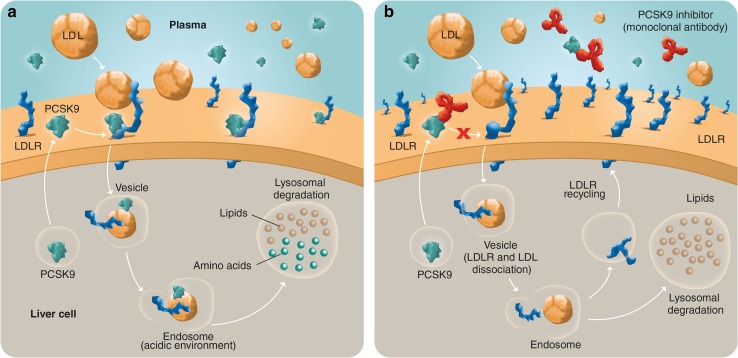
“It mediates lysosomal degradation of the PCSK9-LDLRLDL complex resulting in reduced LDLR availability and hampered LDL reuptake [72].”
BackgroundDanese, M. D., Sidelnikov, E., & Kutikova, L. (2018) · Current Medical Research and Opinion · doi:10.1080/03007995.2018.1463211 · Cited by 15
Bangash, H., Saadatagah, S., Naderian, M., Hamed, M. E., Alhalabi, L., Sherafati, A., Sutton, J. A., Elsekaily, O., Mir, A., Gundelach, J. H., et al. (2024) · npj Digital Medicine · doi:10.1038/s41746-024-01069-w · Cited by 12
“The associated increased morbidity and mortality could be reduced by early detection and initiation of lipid lowering therapy (LLT) including statins 6 – 10 .”
BackgroundIqbal, S., Sabbour, H. M., Siddiqui, M. S., Tikriti, A. A., Santos, R. D., & Buckley, A. J. (2022) · Clinical Therapeutics · doi:10.1016/j.clinthera.2022.08.005 · Cited by 11
Lee, M.-S., Lee, H.-Y., Oh, S.-H., Kim, C.-B., Kim, J., Yoo, S.-H., Yoo, Y., Lee, S., & Lee, B.-C. (2024) · Pharmaceuticals · doi:10.3390/ph17111426 · Cited by 12
“Additionally, a significant number of patients on statins do not achieve optimal LDL-C targets, highlighting the need for alternative or additional lipid-lowering therapies [6].”
Proprotein Convertase Subtilisin/Kexin 9 as a Modifier of Lipid Metabolism in Atherosclerosis
Poznyak, A. V., Sukhorukov, V. N., Eremin, I. I., Nadelyaeva, I. I., Gutyrchik, N. A., & Orekhov, A. N. (2023) · Biomedicines · doi:10.3390/biomedicines11020503 · Cited by 8
Zhang, J., Cao, G., Huo, Y., Guarneiri, L. L., Ditmarsch, M., Kastelein, J. J. P., Kling, D. F., Hsieh, A., Wuerdeman, E., & Davidson, M. H. (2024) · The Journal of Clinical Pharmacology · doi:10.1002/jcph.6121 · Cited by 7
Lai, T.-C., Hung, S.-C., Chan, H., Chu, C., Marathe, G. K., Schwarz, G., & Ke, L. (2026) · Biomedicine & Pharmacotherapy · doi:10.1016/j.biopha.2026.119069 · Cited by 9
Amore, B., Macdougall, D., Hanselman, J., & Emery, M. (2023) · Clinical pharmacology in drug development · doi:10.1002/cpdd.1297 · Cited by 5
Dunn, A., Ditmarsch, M., Kastelein, J. J. P., Kling, D. F., Neild, A. L., Davidson, M. H., & Gobburu, J. V. S. (2024) · The Journal of Clinical Pharmacology · doi:10.1002/jcph.2448 · Cited by 7
“8,9 Additionally, statin therapy only targets 1 risk factor for CVD prevention.”
Simvastatin Impairs Glucose Homeostasis in Mice Depending on PGC-1α Skeletal Muscle Expression
Panajatovic, M. V., Singh, F., Krähenbühl, S., & Bouitbir, J. (2020) · Biomedicines · doi:10.3390/biomedicines8090351 · Cited by 7
Self-citationXu, J. Q., Zhu, L., Xie, Y., Zhang, M., Xiao, Z., Su, R., Wen, T., & Liu, L. (2023) · Current Vascular Pharmacology · doi:10.2174/1570161121666230328110215 · Cited by 7
Lamia, T. H., Shah-Riar, P., Khanam, M., Khair, F., Sadat, A., Tania, M. K., Haque, S. M., Saaki, S. S., Ferdausi, A., Naurin, S. A., et al. (2024) · Cureus · doi:10.7759/cureus.71365 · Cited by 11
“Statins offer benefits beyond cholesterol reduction, including decreased hospitalizations, heart failure prevention, plaque stabilization, mortality benefits for patients with PAD, and enhanced myocardial function [20].”
Satyam, S. M., El-Tanani, M., Patni, M. A., Rehman, A., Irshad, S. M., Raheem, R., Junais, E., John, A. A., Rassal, R. Y., Kumari, R., et al. (2026) · BMC Cardiovascular Disorders · doi:10.1186/s12872-026-05515-3 · Cited by 9
Wei, Z., Wang, F., Zhang, L., & Dai, W. (2024) · British Journal of Hospital Medicine · doi:10.12968/hmed.2024.0457 · Cited by 5
Are We Using Ezetimibe As Much As We Should?
Manolis, A. S., Manolis, T. A., Mikhailidis, D. P., & Manolis, A. S. (2024) · Biomarker Insights · doi:10.1177/11772719241257410 · Cited by 9
Programming Biomolecular Interactions with All-Atom Generative ModelPreprint
Kong, X., Chen, J., Zhang, Z., Li, G., Zhu, Q., Wei, L., Li, M., Shi, Y., Dai, W., Zhang, Z., et al. (2026) · bioRxiv (Cold Spring Harbor Laboratory) · doi:10.64898/2026.03.12.711044 · Cited by 10
Lend, K., Twisk, J. W. R., Kumar, N., Dijkshoorn, B., Lampa, J., Rudin, A., Hetland, M. L., Uhlig, T., Nordström, D., Østergaard, M., et al. (2025) · RMD Open · doi:10.1136/rmdopen-2024-005129 · Cited by 4
Ballantyne, C. M., Graham, T. E., Anglen, L. J. V., Iteld, B. J., Serota, H., Niu, X., McElligott, S. C., Hanna, K. E., & Varisco, T. J. (2025) · Cardiology and Therapy · doi:10.1007/s40119-025-00438-0 · Cited by 6
“Anti-PCSK9 mAbs reduce cardiovascular events but require self-administered subcutaneous injections every 2–4 weeks [15, 16].”
Hyperlipidemia: effective disease management with a focus on PCSK9 inhibitors
Shaw, P. B. (2021) · The American Journal of Managed Care · doi:10.37765/ajmc.2021.88606 · Cited by 4
Liu, D., Zhang, J., Zhang, X., Jiang, F., Wu, Y., Yang, B., Li, X., Fan, X., Han, L., Sun, Y., et al. (2024) · Frontiers in Cardiovascular Medicine · doi:10.3389/fcvm.2024.1454918 · Cited by 9
Liu, C., Lu, H., Yuan, F., Chen, W., Xu, H., Li, H., Hsu, C., Egbuna, O. I., Wu, J., Dias, C. S., et al. (2019) · Clinical Pharmacology Advances and Applications · doi:10.2147/cpaa.s208033 · Cited by 4
van der Laarse, A., & Cobbaert, C. M. (2021) · Expert Review of Cardiovascular Therapy · doi:10.1080/14779072.2021.2022475 · Cited by 4
Inoue, I., Kubota, R., Yanagi, S., Akita, M., Nakano, T., Katayama, S., Shimada, A., & Noda, M. (2017) · Open Journal of Molecular and Integrative Physiology · doi:10.4236/ojmip.2017.71001 · Cited by 3
Zhang, J., Long, M., & Yu, Y. (2017) · Journal of Thoracic Disease · doi:10.21037/jtd.2017.03.186 · Cited by 3
“In these cases, combination therapy should be considered (20).”
BackgroundCan LDL cholesterol ever be lowered too much?
Laight, D. W. (2018) · Prescriber · doi:10.1002/psb.1694 · Cited by 4
Ali, A., AlAlawi, N., Sadiq, M. A., & Waly, M. I. (2020) · Journal of Pharmacy and Nutrition Sciences · doi:10.29169/1927-5951.2020.10.02.3 · Cited by 4
Emerging Pharmacological Therapies in the Management of Hyperlipidemia
Sharma, N., & Roy, S. (2026) · Current Clinical Pharmacology · doi:10.2174/0127724328440604260225063619 · Cited by 2
Чубыкина, У. В., Владиславович, Е. М., Saidova, M. A., Эмвярович, И. Т., Tmoyan, N. A., Прокопьевич, М. П., Алексеева, И. А., Kabardieva, M. R., Колегаев, А. С., Lepilin, P. M., et al. (2021) · Russian Cardiology Bulletin · doi:10.17116/cardiobulletin20211602165 · Cited by 2
Vasquez, M. S., Mertens, E., Berete, F., der Heyden, J. V., Peñalvo, J. L., & Vandevijvere, S. (2023) · Archives of Public Health · doi:10.1186/s13690-023-01134-y · Cited by 3
“Another factor could be the poor adherence to lipid-lowering drugs, particularly statins [30–32] which can be used in treating other conditions [33] or may not be appropriate for everybody with hypercholesterolemia [34].”
BackgroundЈаnkovic, S., Tešić, D., Anđelković, J., & Kostić, M. (2018) · Expert Review of Pharmacoeconomics & Outcomes Research · doi:10.1080/14737167.2018.1501679 · Cited by 2
“New therapeutic strategy with different mechanism of action is needed, and inhibition of a serum proprotein convertase subtilisin/kexin type 9 protein (PCSK9) is promising one, considering its important role in controlling the expression of LDL-C receptors [8].”
BackgroundManaged care pharmacist updates for proprotein convertase subtilisin/kexin type 9 (PCSK9) inhibitors
Patel, J. (2021) · The American Journal of Managed Care · doi:10.37765/ajmc.2021.88608 · Cited by 3
Clinical strategies for reducing cholesterol levels
Lardinois, C. K., & Karr, S. (2022) · Elsevier eBooks · doi:10.1016/b978-0-323-85857-1.00027-4 · Cited by 2
Role of Bailout Gene-Silencing Therapy in Plaque Lipid Reduction: Intravascular Imaging Study
Trušinskis, K., Kokina, B., Lapsovs, M., Karantajere, M., Kanašniece, E., Caunīte, L., Jēgere, S., Narbute, I., Sondore, D., Grāve, A., et al. (2025) · Cardiology · doi:10.1159/000543463 · Cited by 2
“Patients report an inability to tolerate full therapeutic doses of statins with an impact on compliance, high-lighting the need for additional treatment [24, 25].”
Julve, J., Rodríguez‐Calvo, R., Perret, B., Martinez, L. O., & Mauricio, D. (2025) · Journal of Clinical Medicine · doi:10.3390/jcm14248777 · Cited by 1
Sun, K., Zhang, W., Liu, W., Bai, C., Jiang, Y., Zhang, Y., & Song, W. (2026) · Korean Circulation Journal · doi:10.4070/kcj.2026.0038 · Cited by 1
wind of change – PCSK9 inhibitors in hypolipidemic treatment. The Polish perspective
Ilnicka, N., Zuziak, P., Sadlik, M., Matyja, D., & Abod, L. (2023) · Journal of Education Health and Sport · doi:10.12775/jehs.2023.15.01.014 · Cited by 1
Shaydyuk, О. Y., Кудинова, М. А., Таратухин, Е. О., & Romashenko, О. V. (2017) · Russian Journal of Cardiology · doi:10.15829/1560-4071-2017-9-104-108 · Cited by 2
Guideline recommendations, clinical trial data, and new and emerging therapies
Lindsley, J. (2021) · The American Journal of Managed Care · doi:10.37765/ajmc.2021.88607 · Cited by 1
Bempedoic Acid: A First-in-Class Agent for Lowering Cholesterol Levels
McGraw-Senat, C. M., Dillard, N., Guelda, T., Samuel, E., & Ling, H. (2021) · The Senior Care Pharmacist · doi:10.4140/tcp.n.2021.331
Sanvee, G. M., Hitzfeld, L., Bouitbir, J., & Krähenbühl, S. (2021) · Research Square · doi:10.21203/rs.3.rs-565395/v1
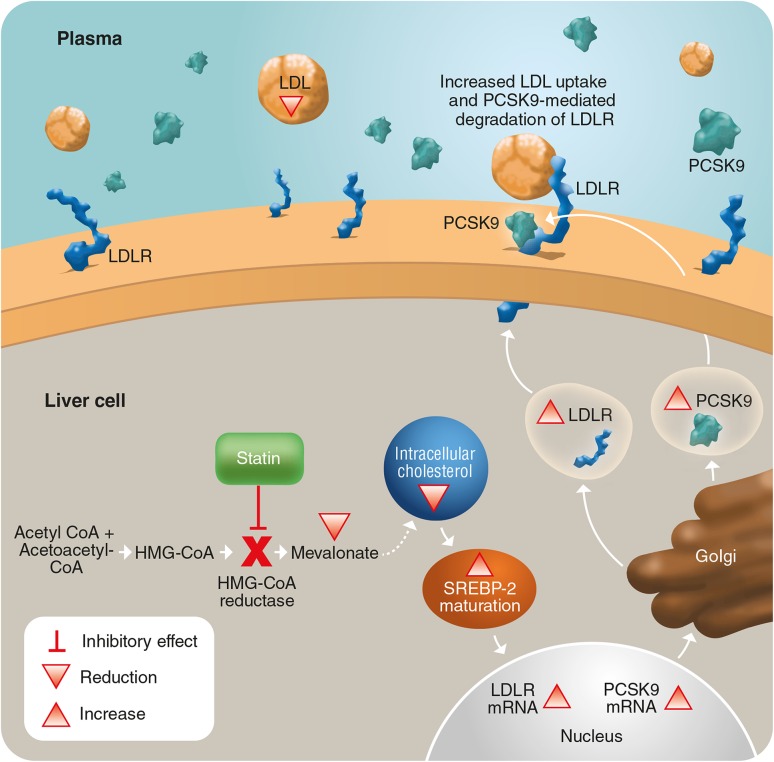
“They exert their effects in the liver, where they inhibit the de novo formation of cholesterol [1], which is associated with activation of SREBP-2 and increased expression of LDL-cholesterol receptors on the surface of hepatocytes [2].”
BackgroundSelf-citationCost-utility analysis of evolocumab in patients with ASCVD in Italy
Marcellusi, A., Bini, C., Rotundo, M. A., Arcangeli, E., Martínez, L., Vilela, F. S., & Mennini, F. S. (2021) · Global & Regional Health Technology Assessment · doi:10.33393/grhta.2021.2255
An Overview on the Role of Statins in Dyslipidemia Management in Primary Health Care
Albahrani, K. A., Alrushud, S. S., Albulaihed, A. K., Alqahtani, D. S. F., Aloush, K. M., Alshanqiti, H. M. A., Ghandorah, R., AlMalki, Y., Battash, O. I., & Alolah, A. A. (2021) · World Journal of Environmental Biosciences · doi:10.51847/p2ebehdqdf · Cited by 1
“FH is an autosomal dominant trait that causes substantial LDL and total cholesterol increases from birth and early ASCVD (Vogt, 2015; Krähenbühl et al ., 2016).”
Novel therapies in clinical use for the management of hyperlipidaemia
Mettananda, C. D. (2023) · Asian Journal of Internal Medicine · doi:10.4038/ajim.v2i2.105
Azizova, D. M., & Sabirova, R. A. (2023) · Journal of Advances in Medicine and Medical Research · doi:10.9734/jammr/2023/v35i205197
Yan, Z., Liu, M., Wu, X., Xiong, J., Yang, Z., Zhang, N. J., Yang, X., & Liu, M. (2024) · medRxiv · doi:10.1101/2024.02.14.24302641
“11 12 To help more patients achieve their lipid-lowering goals, the combination therapy of maximally tolerated statin with another non-statin lipid-lowering agent has been recommended by current guidelines.”
BackgroundRelationship between simvastatin pharmacokinetics and muscle toxicity in male mice
Bouitbir, J., Sanvee, G. M., Panajatovic, M. V., Fehrenbach, N. B., Fréchard, T., Manivannan, M., Duthaler, U., & Krähenbühl, S. (2025) · Food and Chemical Toxicology · doi:10.1016/j.fct.2025.115688
Self-citationZhang, J., Liu, M., Yue, J., Zuo, L., Xu, Q., Yang, J., Liu, G., & Cai, E. (2025) · Frontiers in Neurology · doi:10.3389/fneur.2025.1622361
“Despite widespread statin use in lipid-lowering therapy, some patients struggle to meet targets, necessitating additional medications like Ezetimibe or PCSK9 inhibitors to further reduce LDL-C levels (11).”
Vasquez, M. S., Mertens, E., Berete, F., der Heyden, J. V., Peñalvo, J. L., & Vandevijvere, S. (2024) · Figshare · doi:10.6084/m9.figshare.26601193
Wang, Y., Li, Z., Zhang, S., Zhang, D., He, Z., Tang, G., Wang, Z., Zhu, X., & Zheng, Q. (2026) · Irish Journal of Medical Science (1971 -) · doi:10.1007/s11845-026-04298-y
Evidence‐Based Recommendations on the Use of Inclisiran in Patients With Chronic Kidney Disease
Sharma, S., Kalra, S., Sahay, M., Kapoor, N., Nagendra, L., Verma, H., Sharma, N., Verma, M., RAJU, S. B., & Tang, S. C. W. (2026) · Nephrology · doi:10.1111/nep.70206
Jalal, A. A., Daniyal, S. M., Arif, Z., Siddiqui, E., Hussain, S. I., Qazi, F., & Burhan, M. (2026) · Annals of Pharmacotherapy · doi:10.1177/10600280261455109 · Cited by 1
When Rosuvastatin Meets Curcumin: Preclinical Insight into Novel Synergistic Combination
Pehlivanović, B., Lagumdžija, D., Suljić, T., Hamzić-Mehmedbašić, A., Kusturica, J., & Kulo, A. (2026) · Future Pharmacology · doi:10.3390/futurepharmacol6030045
“…of patients on statin therapy fail to reach their target lipid levels even when using the highest recommended doses or are unable to tolerate intensive statin regimens due to adverse effects such as muscle pain (myalgia), and in severe cases, rhabdomyolysis, and liver and kidney dysfunction [46].”
Gijsen, C. E. W., Mottaghy, F. M., Tawakol, A. A., Wildberger, J. E., & Bucerius, J. A. (2026) · EJNMMI Research · doi:10.1186/s13550-026-01489-7
“Lipid-lowering medications and acetylsalicylic acid (ASA) are considered fundamental therapies in the prevention and treatment of atherosclerotic cardiovascular disease (ASCVD) [7].”
Rehman, M. A., Oduoye, M. O., Ozoemena, D. J., Danso, E. A., Chukwuka, G., & Odelade, M. A. (2026) · Frontiers in Cardiovascular Medicine · doi:10.3389/fcvm.2026.1911458
“Persistent LDL-C remains a problem in patients who fail to reach target thresholds, particularly those with familial hypercholesterolemia or statin intolerance (34).”
Metadata
- Authors
- Krähenbühl, S., Pavik-Mezzour, I., & von Eckardstein, A.
- Affiliations
- University of Basel (CH)
- Amgen (Switzerland) (CH)
- Corresponding author
- Krähenbühl, Stephan
- ORCID
- Krähenbühl, Stephan
- Venue
- Drugs
- Published
- 2016-07-25
- Volume
- 76
- Issue
- 12
- Pages
- 1175-1190
- ISSN
- 0012-6667 (ISSN-L)
- 1179-1950
- PMC
- PMC4974266
- OpenAlex
- W2496801530
- Semantic Scholar
- 7f30ae4aa52afa3ab98b84823e58b05b6cddea29
- Cited by
- 89
- References
- 121
- Citations by year
- 2026: 11 · 2025: 6 · 2024: 11 · 2023: 10 · 2022: 9 · 2021: 15 · 2020: 7 · 2019: 7 · 2018: 8 · 2017: 5
- FWCI
- 1.32
- Type
- journal article
- Language
- en
- Open access
- hybrid
- doi.org
- Licence
- Locations
- Drugs (publishedVersion, cc-by-nc)
- PubMed Central (publishedVersion, cc-by-nc)
- PubMed (publishedVersion)
- Zurich Open Repository and Archive (University of Zurich) (acceptedVersion, cc-by-nc)
- edoc (University of Basel) (submittedVersion)
- Zurich Open Repository and Archive (University of Zurich) (submittedVersion, cc-by-nc)
- Zurich Open Repository and Archive (University of Zurich)
- Funders
- Funded by the institutions of the authors
- Topics
- Health Sciences › Medicine › Cardiology and Cardiovascular Medicine › Lipoproteins and Cardiovascular Health
- Life Sciences › Biochemistry, Genetics and Molecular Biology › Biochemistry › Cholesterol and Lipid Metabolism
- Life Sciences › Biochemistry, Genetics and Molecular Biology › Cancer Research › Cancer, Lipids, and Metabolism
- Keywords
- LDL cholesterol lowering, statin therapy, statin adverse effects, statin-induced myopathy, familial hypercholesterolemia, ezetimibe, PCSK9 inhibitors, evolocumab, alirocumab, CETP inhibitors, combination therapy, cardiovascular risk reduction, hypercholesterolemia
- MeSH terms
- Ezetimibe, Cardiovascular Diseases, Humans, Hyperlipoproteinemia Type II, Cholesterol, LDL, Risk Factors, Hydroxymethylglutaryl-CoA Reductase Inhibitors, Subtilisin
About these checks
Registry, retraction, Cites and statistics results are computed, not judged, with one exception: a printed reference that no index lists is read once by a model before it counts as a citation error. Claims are extracted by a model and kept only when their quote appears verbatim in the text; each cited source is then checked, with a model’s help, for whether it says what the claim relies on. Those verdicts can be wrong — read the claim’s quote and the cited source before relying on one.
Statistics and arithmetic are recomputed, not judged.
Confidence bands are shown only for fields calibrated on our annotated test set. None is calibrated yet, so no band is shown.
What counts as a claim ›How we measure confidence ›How we check this ›
Are you an author, or do you see a problem with this page? Request a review
Data sources
Bibliographic data: Semantic Scholar, OpenAlex, Crossref.
Contains information from the Semantic Scholar Academic Graph Datasets, made available under the ODC Attribution License (ODC-BY 1.0).
Semantic Scholar’s data is described in: Kinney, R., et al. (2023). The Semantic Scholar Open Data Platform. arXiv:2301.10140.
