

The perspectives of patients with chronic diseases and their caregivers on self-management interventions: A scoping review of reviews.
Open accessThe DOI matches its Crossref record; 193 of the 194 references it cites were found in a registry or an index.
Abstract
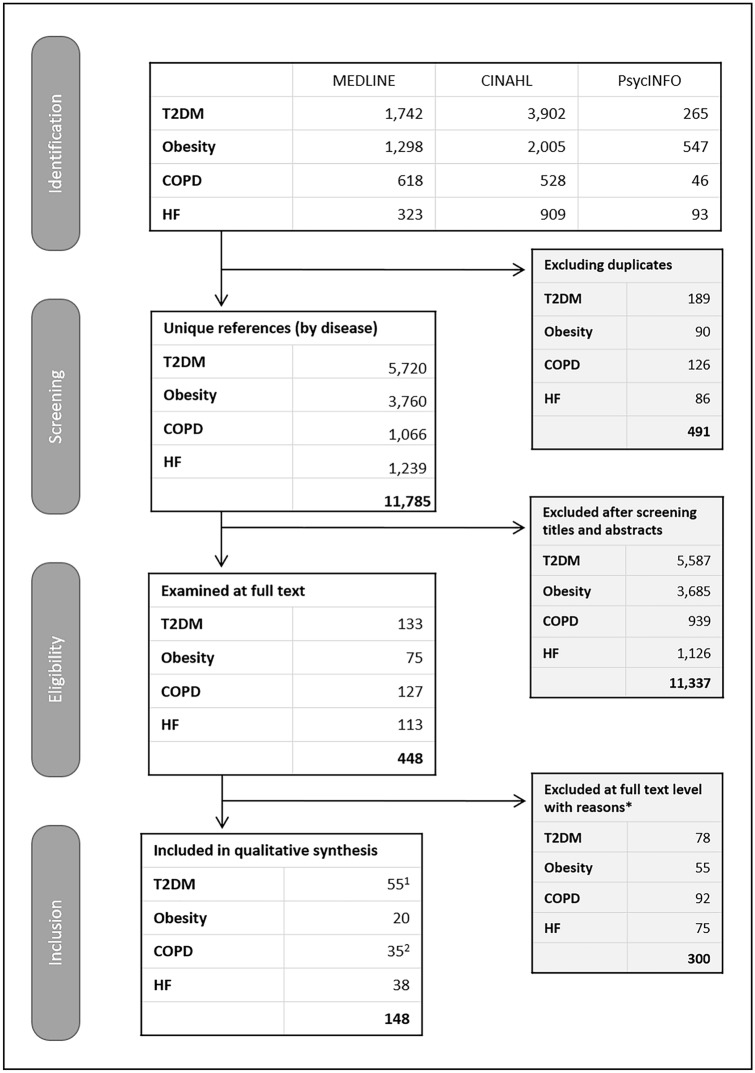
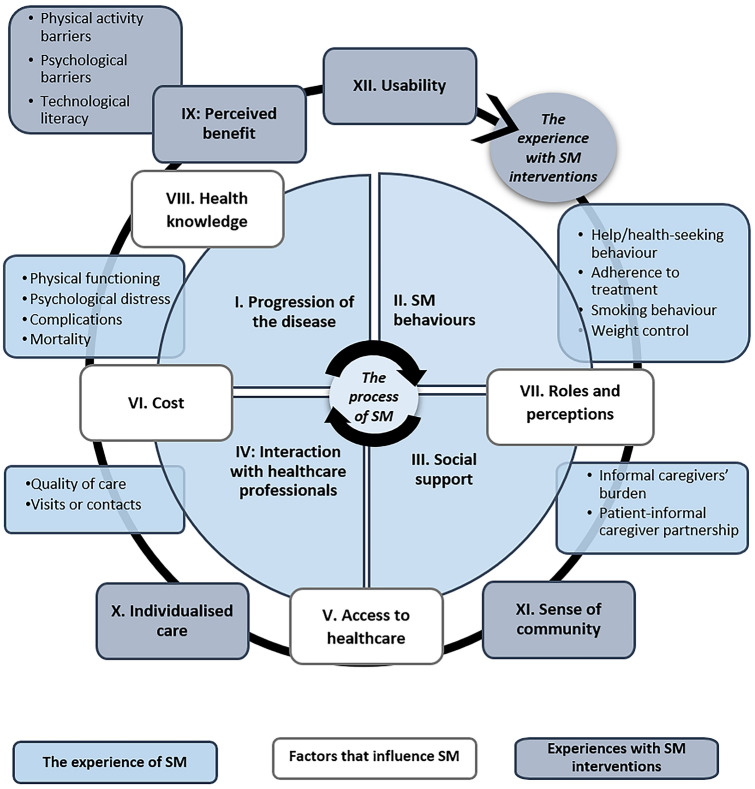
BACKGROUND: Self-management (SM) interventions are supportive interventions systematically provided by healthcare professionals, peers, or laypersons to increase the skills and confidence of patients in their ability to manage chronic diseases. We had two objectives: (1) to summarise the preferences and experiences of patients and their caregivers (informal caregivers and healthcare professionals) with SM in four chronic diseases and (2) to identify and describe the relevant outcomes for SM interventions from these perspectives. METHODS: We conducted a mixed-methods scoping review of reviews. We searched three databases until December 2020 for quantitative, qualitative, or mixed-methods reviews exploring patients' and caregivers' preferences or experiences with SM in type 2 diabetes mellitus (T2DM), obesity, chronic obstructive pulmonary disease (COPD), and heart failure (HF). Quantitative data were narratively synthesised, and qualitative data followed a three-step descriptive thematic synthesis. Identified themes were categorised into outcomes or modifiable factors of SM interventions. RESULTS: We included 148 reviews covering T2DM (n = 53 [35.8%]), obesity (n = 20 [13.5%]), COPD (n = 32 [21.6%]), HF (n = 38 [25.7%]), and those with more than one disease (n = 5 [3.4%]). We identified 12 main themes. Eight described the process of SM (disease progression, SM behaviours, social support, interaction with healthcare professionals, access to healthcare, costs for patients, culturally defined roles and perceptions, and health knowledge), and four described their experiences with SM interventions (the perceived benefit of the intervention, individualised care, sense of community with peers, and usability of equipment). Most themes and subthemes were categorised as outcomes of SM interventions. CONCLUSION: The process of SM shaped the perspectives of patients and their caregivers on SM interventions. Their perspectives were influenced by the perceived benefit of the intervention, the sense of community with peers, the intervention's usability, and the level of individualised care. Our findings can inform the selection of patient-important outcomes, decision-making processes, including the formulation of recommendations, and the design and implementation of SM interventions.
Overview
The claims and statistics of this paper haven’t been checked yet.
Free: it reads the open-access text and checks the first 5 claims that cite a source we can check. Create a free account to check every claim.
Integrity signals
Registry
Cites
Statistics
Figures

Verification
Claims the paper makes
The claims and statistics of this paper haven’t been checked yet.
Free: it reads the open-access text and checks the first 5 claims that cite a source we can check. Create a free account to check every claim.
Claims other papers make about this one
Each is checked against this paper’s own text: does it say what the citing paper says it does?
The source backs part of the claim, not all of it — or backs it for a different population, condition or comparison.
In the citing paper
“Most patients were unable to adhere to recommended HF self-care behaviors [36].”
From Effectiveness of a videoconferencing group-based dyad acceptance and commitment therapy on the quality of life of chronic heart failure patients and their family caregivers: A study protocol for a randomized controlled trial (2024) · cites this paper as [36]
Experimental — accuracy not yet measured
Self-check
Percentages, sums and reported differences re-computed from the paper’s own numbers.
The self-check needs the paper’s full text.
Citations
Cites
Ryan, R. M., & Deci, E. L. (2000) · American Psychologist · doi:10.1037//0003-066x.55.1.68 · Cited by 54,599 · cited 2×
“This theory outlines the process of self-regulation, describing how people internalise social values and extrinsic contingencies, thereby moving from controlled to autonomously motivated behaviours that align with personal values and goals [185].”
BackgroundPRISMA Extension for Scoping Reviews (PRISMA-ScR): Checklist and Explanation
Tricco, A. C., Lillie, E., Zarin, W., O'Brien, K. K., Colquhoun, H., Levac, D., Moher, D., Peters, M. D. J., Horsley, T., Weeks, L., et al. (2018) · Annals of Internal Medicine · doi:10.7326/m18-0850 · Cited by 43,565 · cited 1×
“We conducted a mixed-methods scoping review of reviews based on Arksey and O’Malley’s methodology [17–19] and reported findings using the Preferred Reporting Items for Systematic Reviews and Meta-Analyses Extension for Scoping Reviews (PRISMA-ScR) checklist [20].”
MethodScoping studies: towards a methodological framework
Arksey, H., & O'Malley, L. (2005) · International Journal of Social Research Methodology · doi:10.1080/1364557032000119616 · Cited by 36,742
Munn, Z., Peters, M. D. J., Stern, C., Tufanaru, C., McArthur, A., & Aromataris, E. (2018) · BMC Medical Research Methodology · doi:10.1186/s12874-018-0611-x · Cited by 11,385
Methods for the thematic synthesis of qualitative research in systematic reviews
Thomas, J., & Harden, A. (2008) · BMC Medical Research Methodology · doi:10.1186/1471-2288-8-45 · Cited by 9,312
Moral Identity and Developmental Theory
Lapsley, D. (2015) · Human Development · doi:10.1159/000435926 · Cited by 3,819
Patient Self-management of Chronic Disease in Primary Care
Bodenheimer, T. (2002) · JAMA · doi:10.1001/jama.288.19.2469 · Cited by 3,598
Self-management approaches for people with chronic conditions: a review
Barlow, J., Wright, C., Sheasby, J., Turner, A., & Hainsworth, J. (2002) · Patient Education and Counseling · doi:10.1016/s0738-3991(02)00032-0 · Cited by 2,800 · cited 1×
“SM was conceived as a dynamic, interactive, and daily process in of evidence about their effectiveness, cost effectiveness, and implementation considerations are yet available [5, 6].”
BackgroundDeveloping core outcome sets for clinical trials: issues to consider
Williamson, P. R., Altman, D. G., Blazeby, J. M., Clarke, M., Devane, D., Gargon, E., & Tugwell, P. (2012) · Trials · doi:10.1186/1745-6215-13-132 · Cited by 1,661 · cited 1×
“In COMPAR-EU, the perspectives of patients and caregivers (informal caregivers and healthcare professionals) on SM were contemplated as a key component in, for example, the development of the Core Outcome Sets (COS) of SM interventions and the development of recommendations [8, 9].”
BackgroundAndrews, J., Guyatt, G., Oxman, A. D., Alderson, P., Dahm, P., Falck-Ytter, Y., Nasser, M., Meerpohl, J., Post, P. N., Kunz, R., et al. (2013) · Journal of Clinical Epidemiology · doi:10.1016/j.jclinepi.2012.03.013 · Cited by 1,416
Applying GRADE-CERQual to qualitative evidence synthesis findings: introduction to the series
Lewin, S., Booth, A., Glenton, C., Munthe-Kaas, H., Rashidian, A., Wainwright, M., Bohren, M. A., Tunçalp, Ö., Colvin, C. J., Garside, R., et al. (2018) · Implementation Science · doi:10.1186/s13012-017-0688-3 · Cited by 1,231 · cited 1×
“In the last decade, systematic reviews of qualitative and mixed-method research synthesis have provided a more detailed understanding of the complexity of chronic diseases and their treatment from the perspective of patients and their caregivers [12, 13].”
BackgroundUtility approach to measuring health-related quality of life
Torrance, G. W. (1987) · Journal of Chronic Diseases · doi:10.1016/0021-9681(87)90019-1 · Cited by 1,072 · cited 1×
“Health state utility measures represent the strength of individuals’ preferences for specific health states or conditions, using a scale typically anchored at ‘one’ (full health) and ‘zero’ (dead) [25, 26].”
BackgroundSelf-Management: A Comprehensive Approach to Management of Chronic Conditions
Grady, P. A., & Gough, L. L. (2014) · American Journal of Public Health · doi:10.2105/ajph.2014.302041 · Cited by 923
Improving the quality of health care for chronic conditions
Epping-Jordan, J. E. (2004) · Quality and Safety in Health Care · doi:10.1136/qhc.13.4.299 · Cited by 783
Self-regulation, health, and behavior: A perceptual-cognitive approach
Leventhal, H., Leventhal, E. A., & Contrada, R. J. (1998) · Psychology & Health · doi:10.1080/08870449808407425 · Cited by 745 · cited 2×
“Across the four chronic diseases, our findings include some aspects of the five dimensions that determine illness representations [182]: (1) identity (e.”
BackgroundBarriers to diabetes management: patient and provider factors
Nam, S., Chesla, C., Stotts, N. A., Kroon, L., & Janson, S. L. (2011) · Diabetes Research and Clinical Practice · doi:10.1016/j.diabres.2011.02.002 · Cited by 680 · cited 6×
“In T2DM [54, 57, 78, 82], HF [53], and obesity [88], some patients, despite having adequate knowledge or information, reported that it was difficult to apply in practice or to reconcile with other advice.”
BackgroundInfluentialProcesses of Self‐Management in Chronic Illness
Schulman‐Green, D., Jaser, S., Martin, F., Alonzo, A., Grey, M., McCorkle, R., Redeker, N. S., Reynolds, N., & Whittemore, R. (2012) · Journal of Nursing Scholarship · doi:10.1111/j.1547-5069.2012.01444.x · Cited by 657 · cited 2×
“which individuals managed chronic diseases [21].”
BackgroundEvaluating meta-ethnography: systematic analysis and synthesis of qualitative research
Campbell, R., Pound, P., Morgan, M., Daker-White, G., Britten, N., Pill, R., Yardley, L., Pope, C., & Donovan, J. (2011) · Health Technology Assessment · doi:10.3310/hta15430 · Cited by 619 · cited 1×
“For reviews exploring preferences or experiences qualitatively, we included descriptive summaries of findings of primary studies (second-order constructs) or synthesised summaries proposed by the review authors (third-order constructs) [30].”
BackgroundKeating, A., Lee, A., & Holland, A. E. (2011) · Chronic Respiratory Disease · doi:10.1177/1479972310393756 · Cited by 583 · cited 3×
“Other factors included having a poor body perception and feelings of powerlessness and disappointment, mainly influenced by unrealistic expectations, in obesity [88–90, 125, 170]; anxiety about dyspnoea in COPD [42, 44, 73, 113, 165]; and technology anxiety in COPD and HF [34].”
BackgroundThe Shifting Perspectives Model of Chronic Illness
Paterson, B. L. (2001) · Journal of Nursing Scholarship · doi:10.1111/j.1547-5069.2001.00021.x · Cited by 578 · cited 1×
“The variable and sometimes opposing views reported within patients’ and caregivers’ experiences with SM were also aligned with the “shifting perspectives model of chronic illness,” which states that living with a chronic disease is an ongoing and continually shifting process [183].”
ResultNoyes, J., Booth, A., Moore, G., Flemming, K., Tunçalp, Ö., & Shakibazadeh, E. (2019) · BMJ Global Health · doi:10.1136/bmjgh-2018-000893 · Cited by 497
(2006) · PubMed · Cited by 485
Noyes, J., Booth, A., Flemming, K., Garside, R., Harden, A., Lewin, S., Pantoja, T., Hannes, K., Cargo, M., & Thomas, J. (2018) · Journal of Clinical Epidemiology · doi:10.1016/j.jclinepi.2017.06.020 · Cited by 480 · cited 1×
“In the last decade, systematic reviews of qualitative and mixed-method research synthesis have provided a more detailed understanding of the complexity of chronic diseases and their treatment from the perspective of patients and their caregivers [12, 13].”
BackgroundPriority Areas for National Action: Transforming Health Care Quality
(2003) · National Academies Press eBooks · doi:10.17226/10593 · Cited by 432
Decision Making in Health and Medicine: Integrating Evidence and Values
Hunink, M. G. M., Weinstein, M. C., Wittenberg, E., Drummond, M. F., Pliskin, J. S., Wong, J. B., & Glasziou, P. P. (2014) · doi:10.1017/cbo9781139506779 · Cited by 425
A review of health utilities using the EQ-5D in studies of cardiovascular disease
Dyer, M. T., Goldsmith, K. A., Sharples, L. S., & Buxton, M. J. (2010) · Health and Quality of Life Outcomes · doi:10.1186/1477-7525-8-13 · Cited by 420 · cited 3×
“We identified utility estimates for eight health states: T2DM diagnosis [62, 63], weight change in T2DM and obesity [62, 64], COPD severity [46, 65, 66], moderate and severe exacerbations [46, 65, 67, 68], dyspnoea and its progression [46], HF diagnosis [69, 70], chronic heart disease [71], changes in severity levels…”
BackgroundMethodPatient-centred communication is associated with positive therapeutic alliance: a systematic review
Pinto, R. Z., Ferreira, M. L., Oliveira, V. C., Franco, M. R., Adams, R., Maher, C. G., & Ferreira, P. H. (2012) · Journal of Physiotherapy · doi:10.1016/s1836-9553(12)70087-5 · Cited by 389 · cited 1×
“Other reviews also highlighted that patients need their concerns, fears, and feelings to be acknowledged and integrated into the SM process [186, 187].”
BackgroundFlemming, K., Booth, A., Garside, R., Tunçalp, Ö., & Noyes, J. (2019) · BMJ Global Health · doi:10.1136/bmjgh-2018-000882 · Cited by 389 · cited 1×
“We classified reviews according to the design of included primary studies into (1) quantitative systematic reviews (quantitative research), (2) qualitative evidence synthesis (qualitative research) [31], (3) mixed-methods research synthesis [32] (quantitative and qualitative or mixed-methods designs), and (4) other ty…”
MethodPavey, T., Anokye, N., Taylor, A., Trueman, P., Moxham, T., Fox, K., Hillsdon, M., Green, C., Campbell, J., Foster, C., et al. (2011) · Health Technology Assessment · doi:10.3310/hta15440 · Cited by 351
Brundisini, F. K., Giacomini, M. K., DeJean, D., Vanstone, M. G., Winsor, S., & Smith, A. L. (2013) · Europe PMC (PubMed Central) · Cited by 349
Correlates of weight stigma in adults with overweight and obesity: A systematic literature review
Papadopoulos, S., & Brennan, L. (2015) · Obesity · doi:10.1002/oby.21187 · Cited by 339
A metasynthesis of factors affecting self‐management of chronic illness
Schulman‐Green, D., Jaser, S. S., Park, C., & Whittemore, R. (2016) · Journal of Advanced Nursing · doi:10.1111/jan.12902 · Cited by 305 · cited 10×
“Similarly, our findings identified a risk of isolation for some patients because of the burden of symptoms [41, 50, 56, 74], the physical limitations as a consequence of disease progression [35, 42, 43, 49, 51, 52, 54, 55, 61, 72, 73] and complications [62, 63, 78, 102–104], and the impact of perceived or experienced…”
BackgroundResultInfluentialSystematic Overview of Cost-Utility Assessments in Oncology
Earle, C. C., Chapman, R. H., Baker, C. S., Bell, C. M., Stone, P. W., Sandberg, E. A., & Neumann, P. J. (2000) · Journal of Clinical Oncology · doi:10.1200/jco.2000.18.18.3302 · Cited by 296 · cited 1×
“qualitative evidence for specific conditions, such as stroke [179], rheumatic diseases, cancer, and fibromyalgia [177], others explored health utilities in oncology [178] or focused specifically on a particular aspect such as chronic non-malignant pain [180].”
BackgroundBarriers to effective management of type 2 diabetes in primary care: qualitative systematic review
Rushforth, B., McCrorie, C., Glidewell, L., Midgley, E., & Foy, R. (2016) · British Journal of General Practice · doi:10.3399/bjgp16x683509 · Cited by 289 · cited 5×
“In T2DM, some healthcare professionals also reported that remaining aware of changing recommendations [93] or methods to help patients to manage insulin effectively was challenging [79]; others expressed difficulties identifying end-of-life stages in patients with COPD [43].”
BackgroundMethodInfluentialZhang, Y., Alonso-Coello, P., Guyatt, G. H., Yepes-Nuñez, J. J., Akl, E. A., Hazlewood, G., Pardo-Hernandez, H., Etxeandia-Ikobaltzeta, I., Qaseem, A., Williams, J. W., et al. (2019) · Journal of Clinical Epidemiology · doi:10.1016/j.jclinepi.2018.01.013 · Cited by 281
Self-citationCox, N. S., Oliveira, C. C., Lahham, A., & Holland, A. E. (2017) · Journal of Physiotherapy · doi:10.1016/j.jphys.2017.02.002 · Cited by 264
Dwarswaard, J., Bakker, E. J. M., van Staa, A., & Boeije, H. R. (2016) · Health Expectations · doi:10.1111/hex.12346 · Cited by 261 · cited 2×
“Themes describing the perceived support from family or friends, the perceived quality of care, and relationships with healthcare professionals from our scoping review were consistently identified in these overviews and recognised as important factors for SM in chronic diseases [177, 179, 180].”
BackgroundHorigan, G., Davies, M., Findlay‐White, F., Chaney, D., & Coates, V. (2017) · Diabetic Medicine · doi:10.1111/dme.13120 · Cited by 258 · cited 3×
“tion The absence of symptoms and the perceived nonimportance of the intervention, not recognising the risk of complications, pessimistic beliefs, and negative perceptions on the programme diminished SM efforts in patients with T2DM [54, 60, 78, 82, 153], COPD [149, 159], or HF [70, 160].”
BackgroundReview of Utility Values for Economic Modeling in Type 2 Diabetes
Beaudet, A., Clegg, J., Thuresson, P.-O., Lloyd, A., & McEwan, P. (2014) · Value in Health · doi:10.1016/j.jval.2014.03.003 · Cited by 256 · cited 1×
“We identified utility estimates for eight health states: T2DM diagnosis [62, 63], weight change in T2DM and obesity [62, 64], COPD severity [46, 65, 66], moderate and severe exacerbations [46, 65, 67, 68], dyspnoea and its progression [46], HF diagnosis [69, 70], chronic heart disease [71], changes in severity levels…”
MethodFactors associated with cardiac rehabilitation attendance: a systematic review of the literature
Cooper, A. F., Jackson, G., Weinman, J., & Horne, R. (2002) · Clinical Rehabilitation · doi:10.1191/0269215502cr524oa · Cited by 254 · cited 2×
“tion The absence of symptoms and the perceived nonimportance of the intervention, not recognising the risk of complications, pessimistic beliefs, and negative perceptions on the programme diminished SM efforts in patients with T2DM [54, 60, 78, 82, 153], COPD [149, 159], or HF [70, 160].”
BackgroundWalker, R. C., Tong, A., Howard, K., & Palmer, S. C. (2019) · International Journal of Medical Informatics · doi:10.1016/j.ijmedinf.2019.01.013 · Cited by 250 · cited 5×
“Three included both COPD and HF [34–36], one included both T2DM and COPD [37], and one included COPD, HF, and T2DM [38] (Table 1; ESM 3).”
BackgroundInfluentialBarclay, S., Momen, N., Case-Upton, S., Kuhn, I., & Smith, E. (2011) · British Journal of General Practice · doi:10.3399/bjgp11x549018 · Cited by 236
Psychological insulin resistance: patient beliefs and implications for diabetes management
Brod, M., Kongsø, J. H., Lessard, S., & Christensen, T. L. (2009) · Quality of Life Research · doi:10.1007/s11136-008-9419-1 · Cited by 235 · cited 2×
“Misconceptions and a lack of knowledge led some patients to fear insulin therapy [76, 131].”
BackgroundThe experience of living with chronic heart failure: a narrative review of qualitative studies
Jeon, Y.-H., Kraus, S. G., Jowsey, T., & Glasgow, N. J. (2010) · BMC Health Services Research · doi:10.1186/1472-6963-10-77 · Cited by 230 · cited 6×
“In HF, both patients and healthcare professionals waited for the other to initiate endof-life conversations, differentiating between a “good” and “bad” death, the latter defined as being unexpected and unprepared [49, 51, 56, 86, 108, 109].”
BackgroundResultInfluentialAlleman, C. J. M., Westerhout, K. Y., Hensen, M., Chambers, C., Stoker, M., Long, S., & van Nooten, F. E. (2015) · Diabetes Research and Clinical Practice · doi:10.1016/j.diabres.2015.04.031 · Cited by 225 · cited 1×
“The health states with the highest impact on patients’ quality of life (lowest utility values) were severe painful diabetic polyneuropathy [102], stroke, end-stage renal disease, and amputation [63].”
BackgroundAre we teaching what patients need to know? Building skills in heart failure self-care
Dickson, V. V., & Riegel, B. J. (2009) · Heart & Lung · doi:10.1016/j.hrtlng.2008.12.001 · Cited by 197
Giacomini, M. K., DeJean, D., Simeonov, D., & Smith, A. (2012) · Europe PMC (PubMed Central) · Cited by 196
Coffey, L., Mahon, C., & Gallagher, P. (2019) · International Wound Journal · doi:10.1111/iwj.13010 · Cited by 196 · cited 4×
“tion The absence of symptoms and the perceived nonimportance of the intervention, not recognising the risk of complications, pessimistic beliefs, and negative perceptions on the programme diminished SM efforts in patients with T2DM [54, 60, 78, 82, 153], COPD [149, 159], or HF [70, 160].”
BackgroundInfluentialGreaves, C., Poltawski, L., Garside, R., & Briscoe, S. (2017) · Health Psychology Review · doi:10.1080/17437199.2017.1299583 · Cited by 181
Experience of Advanced Chronic Obstructive Pulmonary Disease: Metasynthesis of Qualitative Research
Disler, R. T., Green, A., Luckett, T., Newton, P. J., Inglis, S., Currow, D. C., & Davidson, P. M. (2014) · Journal of Pain and Symptom Management · doi:10.1016/j.jpainsymman.2014.03.009 · Cited by 177 · cited 9×
“When explored through patients’ experiences, dyspnoea was the most prominent symptom in the “roller coaster” experience of having COPD [42, 44, 45].”
BackgroundResultInfluentialHudon, C., Fortin, M., Haggerty, J., Loignon, C., Lambert, M., & Poitras, M.-E. (2012) · Patient Education and Counseling · doi:10.1016/j.pec.2012.01.009 · Cited by 177 · cited 1×
“Other reviews also highlighted that patients need their concerns, fears, and feelings to be acknowledged and integrated into the SM process [186, 187].”
BackgroundRussell, S., Ogunbayo, O. J., Newham, J. J., Heslop-Marshall, K., Netts, P., Hanratty, B., Beyer, F., & Kaner, E. (2018) · npj Primary Care Respiratory Medicine · doi:10.1038/s41533-017-0069-z · Cited by 162 · cited 10×
“Similarly, our findings identified a risk of isolation for some patients because of the burden of symptoms [41, 50, 56, 74], the physical limitations as a consequence of disease progression [35, 42, 43, 49, 51, 52, 54, 55, 61, 72, 73] and complications [62, 63, 78, 102–104], and the impact of perceived or experienced…”
BackgroundResultInfluentialMold, F., & Forbes, A. (2013) · Health Expectations · doi:10.1111/j.1369-7625.2011.00699.x · Cited by 154 · cited 8×
“Similarly, our findings identified a risk of isolation for some patients because of the burden of symptoms [41, 50, 56, 74], the physical limitations as a consequence of disease progression [35, 42, 43, 49, 51, 52, 54, 55, 61, 72, 73] and complications [62, 63, 78, 102–104], and the impact of perceived or experienced…”
BackgroundResultInfluentialClark, A. M., Spaling, M., Harkness, K., Spiers, J., Strachan, P. H., Thompson, D. R., & Currie, K. (2014) · Heart · doi:10.1136/heartjnl-2013-304852 · Cited by 152
Robinson, H., Williams, V., Curtis, F., Bridle, C., & Jones, A. W. (2018) · npj Primary Care Respiratory Medicine · doi:10.1038/s41533-018-0085-7 · Cited by 152 · cited 2×
“Some patients with COPD preferred more instrumental support [156] and continued support from healthcare professionals [168].”
BackgroundZhang, Y., Coello, P. A., Brożek, J., Wiercioch, W., Etxeandia-Ikobaltzeta, I., Akl, E. A., Meerpohl, J. J., Alhazzani, W., Carrasco-Labra, A., Morgan, R. L., et al. (2017) · Health and Quality of Life Outcomes · doi:10.1186/s12955-017-0621-0 · Cited by 151
Self-citationObesity, stigma, and responsibility in health care: A synthesis of qualitative studies
Malterud, K., & Ulriksen, K. (2011) · International Journal of Qualitative Studies on Health and Well-being · doi:10.3402/qhw.v6i4.8404 · Cited by 145 · cited 4×
“Similarly, our findings identified a risk of isolation for some patients because of the burden of symptoms [41, 50, 56, 74], the physical limitations as a consequence of disease progression [35, 42, 43, 49, 51, 52, 54, 55, 61, 72, 73] and complications [62, 63, 78, 102–104], and the impact of perceived or experienced…”
BackgroundResultInfluentialFactors influencing the ability to self-manage diabetes for adults living with type 1 or 2 diabetes
Wilkinson, A., Whitehead, L., & Ritchie, L. (2014) · International Journal of Nursing Studies · doi:10.1016/j.ijnurstu.2013.01.006 · Cited by 140 · cited 6×
“Patients felt ownership when their views and experiences were valued [150], but in some cases, patients were not always good at expressing their needs [98].”
BackgroundInfluentialLiving with chronic heart failure: a review of qualitative studies of older people
Yu, D. S. F., Lee, D. T. F., Kwong, A. N. T., Thompson, D. R., & Woo, J. (2008) · Journal of Advanced Nursing · doi:10.1111/j.1365-2648.2007.04553.x · Cited by 139 · cited 3×
“Similarly, our findings identified a risk of isolation for some patients because of the burden of symptoms [41, 50, 56, 74], the physical limitations as a consequence of disease progression [35, 42, 43, 49, 51, 52, 54, 55, 61, 72, 73] and complications [62, 63, 78, 102–104], and the impact of perceived or experienced…”
BackgroundResultGorst, S. L., Armitage, C. J., Brownsell, S., & Hawley, M. S. (2014) · Annals of Behavioral Medicine · doi:10.1007/s12160-014-9607-x · Cited by 135 · cited 6×
“Some patients perceived this type of intervention to be as satisfactory as a nurse home visit [34].”
BackgroundInfluentialSiabani, S., Leeder, S. R., & Davidson, P. M. (2013) · SpringerPlus · doi:10.1186/2193-1801-2-320 · Cited by 129 · cited 3×
“Cost for Patients Costs associated with treatment, transport, lack of insurance, and financial instability were reported as major barriers for SM and accessing healthcare in all chronic diseases [41, 54, 83, 96, 110, 119, 120, 122, 137].”
BackgroundYoung, B., & Bagley, H. (2016) · Research Involvement and Engagement · doi:10.1186/s40900-016-0039-6 · Cited by 129 · cited 1×
“In COMPAR-EU, the perspectives of patients and caregivers (informal caregivers and healthcare professionals) on SM were contemplated as a key component in, for example, the development of the Core Outcome Sets (COS) of SM interventions and the development of recommendations [8, 9].”
BackgroundToye, F., Seers, K., Hannink, E., & Barker, K. (2017) · BMC Medical Research Methodology · doi:10.1186/s12874-017-0392-7 · Cited by 127 · cited 3×
“Themes describing the perceived support from family or friends, the perceived quality of care, and relationships with healthcare professionals from our scoping review were consistently identified in these overviews and recognised as important factors for SM in chronic diseases [177, 179, 180].”
BackgroundDrobniewski, F. A., Cooke, M., Jordan, J., Casali, N., Mugwagwa, T., Broda, A., Townsend, C. L., Sivaramakrishnan, A., Green, N., Jit, M., et al. (2015) · Health Technology Assessment · doi:10.3310/hta19340 · Cited by 121
Barriers and facilitators to starting insulin in patients with type 2 diabetes: a systematic review
Ng, C. J., Lai, P. S. M., Lee, Y. K., Azmi, S. A., & Teo, C. H. (2015) · International Journal of Clinical Practice · doi:10.1111/ijcp.12691 · Cited by 120 · cited 2×
“Weight Control For some patients with T2DM, weight control was ranked as very important, as measured in willingness-to-pay or discrete-choice exercises [105, 129], and was a concern when starting insulin therapy [131, 133].”
BackgroundProblems experienced by informal caregivers of individuals with heart failure: An integrative review
Grant, J. S., & Graven, L. J. (2018) · International Journal of Nursing Studies · doi:10.1016/j.ijnurstu.2017.12.016 · Cited by 120 · cited 5×
“In COPD and HF, most informal caregivers felt like outsiders or abandoned in care processes [36, 143, 151].”
BackgroundInfluentialPeimani, M., Nasli-Esfahani, E., & Sadeghi, R. (2020) · Chronic Illness · doi:10.1177/1742395318782378 · Cited by 118 · cited 3×
“tion The absence of symptoms and the perceived nonimportance of the intervention, not recognising the risk of complications, pessimistic beliefs, and negative perceptions on the programme diminished SM efforts in patients with T2DM [54, 60, 78, 82, 153], COPD [149, 159], or HF [70, 160].”
BackgroundUnderstanding and using patient experiences as evidence in healthcare priority setting
Rand, L. Z., Dunn, M., Slade, I., Upadhyaya, S., & Sheehan, M. (2019) · Cost Effectiveness and Resource Allocation · doi:10.1186/s12962-019-0188-1 · Cited by 116 · cited 1×
“Preferences represent the relative desirability of specified alternatives among outcomes [10], and experiences explain the nature and impact of chronic diseases and how a specific intervention affects the health and quality of life of patients [11].”
BackgroundA Systematic Review of Patient Heart Failure Self-care Strategies
Harkness, K., Spaling, M. A., Currie, K., Strachan, P. H., & Clark, A. M. (2015) · Journal of Cardiovascular Nursing · doi:10.1097/jcn.0000000000000118 · Cited by 115 · cited 1×
“Culturally Defined Roles and Perceptions Religious beliefs or cultural backgrounds could affect patients’ willingness to improve their health [54, 57, 83, 94, 96, 98, 110, 115, 119, 122, 136, 156].”
BackgroundExperiences of breathlessness: A systematic review of the qualitative literature
Gysels, M., Bausewein, C., & Higginson, I. J. (2007) · Palliative and Supportive Care · doi:10.1017/s1478951507000454 · Cited by 111 · cited 9×
“When explored through patients’ experiences, dyspnoea was the most prominent symptom in the “roller coaster” experience of having COPD [42, 44, 45].”
BackgroundInfluentialFranklin, M., Lewis, S., Willis, K., Bourke-Taylor, H., & Smith, L. (2018) · Chronic Illness · doi:10.1177/1742395317710082 · Cited by 111 · cited 8×
“Patients valued being heard by their healthcare professionals and appreciated when they enquired about their personal circumstances [99, 155].”
BackgroundInfluentialBarriers to physical activity in obese adults: A rapid evidence assessment
McIntosh, T., Hunter, D. J., & Royce, S. (2016) · Journal of research in nursing · doi:10.1177/1744987116647762 · Cited by 106 · cited 2×
“Similarly, our findings identified a risk of isolation for some patients because of the burden of symptoms [41, 50, 56, 74], the physical limitations as a consequence of disease progression [35, 42, 43, 49, 51, 52, 54, 55, 61, 72, 73] and complications [62, 63, 78, 102–104], and the impact of perceived or experienced…”
BackgroundResultLow, J., Pattenden, J., Candy, B., Beattie, J. M., & Jones, L. (2010) · Journal of Cardiac Failure · doi:10.1016/j.cardfail.2010.10.003 · Cited by 104 · cited 3×
“In HF, both patients and healthcare professionals waited for the other to initiate endof-life conversations, differentiating between a “good” and “bad” death, the latter defined as being unexpected and unprepared [49, 51, 56, 86, 108, 109].”
BackgroundStigma-related experiences in non-communicable respiratory diseases: A systematic review
Rose, S., Paul, C. L., Boyes, A., Kelly, B. J., & Roach, D. (2017) · Chronic Respiratory Disease · doi:10.1177/1479972316680847 · Cited by 103 · cited 4×
“Similarly, our findings identified a risk of isolation for some patients because of the burden of symptoms [41, 50, 56, 74], the physical limitations as a consequence of disease progression [35, 42, 43, 49, 51, 52, 54, 55, 61, 72, 73] and complications [62, 63, 78, 102–104], and the impact of perceived or experienced…”
BackgroundResultInfluentialMatricciani, L., & Jones, S. (2014) · The Science of Diabetes Self-Management and Care · doi:10.1177/0145721714560441 · Cited by 100 · cited 3×
“For example, the influence of social networks, perceived social support, and marital status on self-care was identified in reviews that used quite different methods such as meta-ethnography [110], mixed-methods research synthesis [139], thematic analysis [60], or meta-aggregation [93].”
BackgroundMethodLippiett, K. A., Richardson, A., Myall, M., Cummings, A., & May, C. R. (2019) · BMJ Open · doi:10.1136/bmjopen-2017-020515 · Cited by 97 · cited 10×
“Of these, consultation time was the most frequently reported by both patients and healthcare professionals [41, 89, 96, 99, 123, 128, 130].”
BackgroundInfluentialBrunton, L., Bower, P., & Sanders, C. (2015) · PLOS ONE · doi:10.1371/journal.pone.0139561 · Cited by 96 · cited 4×
“They were perceived as contributing to increased knowledge, triggering actions, supporting SM, and promoting shared decision making [38, 113, 155, 158, 162, 163].”
BackgroundInfluentialBhattarai, B., Walpola, R. L., Mey, A., Anoopkumar‐Dukie, S., & Khan, S. A. (2020) · Respiratory Care · doi:10.4187/respcare.07355 · Cited by 96 · cited 4×
“Similarly, our findings identified a risk of isolation for some patients because of the burden of symptoms [41, 50, 56, 74], the physical limitations as a consequence of disease progression [35, 42, 43, 49, 51, 52, 54, 55, 61, 72, 73] and complications [62, 63, 78, 102–104], and the impact of perceived or experienced…”
BackgroundResultInfluentialKang, X., Li, Z., & Nolan, M. T. (2011) · Journal of Cardiovascular Nursing · doi:10.1097/jcn.0b013e3182076a69 · Cited by 95 · cited 1×
“Informal Caregivers’ Burden Most informal caregivers of patients with COPD [41, 43, 44, 145] or HF [36, 143, 144, 146, 147] considered their role to be challenging and burdensome, affectively and cognitively demanding, and involving feelings of anxiety, fear, loss of control, sense of duty, loss of intimacy, social is…”
BackgroundMay, C. R., Cummings, A., Myall, M., Harvey, J., Pope, C., Griffiths, P., Roderick, P., Arber, M., Boehmer, K., Mair, F. S., et al. (2016) · BMJ Open · doi:10.1136/bmjopen-2016-011694 · Cited by 95 · cited 2×
“One overview of qualitative reviews also explored patients’ and caregivers’ experiences of care with chronic diseases and included two of our selected diseases (HF and COPD) [181].”
BackgroundAlvarado, M. M., Kum, H.-C., Gonzalez Coronado, K., Foster, M. J., Ortega, P., & Lawley, M. A. (2017) · Journal of Medical Internet Research · doi:10.2196/jmir.6382 · Cited by 95 · cited 2×
“Technological (Digital) Literacy Most healthcare professionals and patients with T2DM [156, 164], COPD, and HF [37] found telehealth to be easy to use and a non-intimidating intervention.”
BackgroundTierney, S., Mamas, M., Skelton, D., Woods, S., Rutter, M. K., Gibson, M., Neyses, L., & Deaton, C. (2011) · Health Psychology · doi:10.1037/a0022848 · Cited by 94
Dewhurst, A., Peters, S., Devereux‐Fitzgerald, A., & Hart, J. (2016) · Patient Education and Counseling · doi:10.1016/j.pec.2016.12.017 · Cited by 93 · cited 2×
“In obesity, some healthcare professionals reported feeling frustrated with the scarcity of weight loss alternatives [81, 152].”
BackgroundMurphy, L. A., Harrington, P., Taylor, S. J., Teljeur, C., Smith, S. M., Pinnock, H., & Ryan, M. (2017) · Chronic Respiratory Disease · doi:10.1177/1479972316687208 · Cited by 93 · cited 1×
“SM was conceived as a dynamic, interactive, and daily process in of evidence about their effectiveness, cost effectiveness, and implementation considerations are yet available [5, 6].”
BackgroundPerceptions of insulin use in type 2 diabetes in primary care: a thematic synthesis
Ellis, K., Mulnier, H., & Forbes, A. (2018) · BMC Family Practice · doi:10.1186/s12875-018-0753-2 · Cited by 93 · cited 6×
“, patients from ethnic minorities living in Western countries found SM recommendations challenging when they conflicted with their beliefs or traditions [54, 122, 130, 135, 138, 139]).”
BackgroundInfluentialNon-Communicable Diseases-Related Stigma: A Mixed-Methods Systematic Review
Rai, S. S., Syurina, E. V., Peters, R. M. H., Putri, A. I., & Zweekhorst, M. B. M. (2020) · International Journal of Environmental Research and Public Health · doi:10.3390/ijerph17186657 · Cited by 93 · cited 9×
“Technological (Digital) Literacy Most healthcare professionals and patients with T2DM [156, 164], COPD, and HF [37] found telehealth to be easy to use and a non-intimidating intervention.”
BackgroundResultInfluentialOlder Patients’ Experiences of Heart Failure—An Integrative Literature Review
Falk, H., Ekman, I., Anderson, R., Fu, M., & Granger, B. (2013) · Journal of Nursing Scholarship · doi:10.1111/jnu.12025 · Cited by 92 · cited 4×
“In HF, both patients and healthcare professionals waited for the other to initiate endof-life conversations, differentiating between a “good” and “bad” death, the latter defined as being unexpected and unprepared [49, 51, 56, 86, 108, 109].”
BackgroundResultInfluentialOhsiek, S., & Williams, M. (2011) · Journal of the American Academy of Nurse Practitioners · doi:10.1111/j.1745-7599.2011.00647.x · Cited by 91 · cited 2×
“The benefits of weight loss in obesity also came with costs such as the time and effort needed to control weight, stress, frustration, and guilt over control failures [90].”
BackgroundIllness Perceptions and COPD: An Emerging Field for COPD Patient Management
Kaptein, A. A., Scharloo, M., Fischer, M. J., Snoei, L., Cameron, L. D., Sont, J. K., Rabe, K. F., & Weinman, J. (2008) · Journal of Asthma · doi:10.1080/02770900802127048 · Cited by 91 · cited 1×
“Having a greater sense of control, using problem-focused coping strategies, and perceived self-efficacy appeared to be associated with favourable outcomes in COPD [45, 84, 113, 114] and HF [34, 56, 58, 109, 115–120].”
BackgroundPatient Preferences for Noninsulin Diabetes Medications: A Systematic Review
Purnell, T. S., Joy, S., Little, E., Bridges, J. F. P., & Maruthur, N. (2014) · Diabetes Care · doi:10.2337/dc13-2527 · Cited by 90 · cited 3×
“• Adverse events: Some patients with T2DM highly valued avoiding transient nausea and gastrointestinal adverse effects, as measured in willingness-to-pay or discretechoice exercises [105, 129].”
BackgroundCurrie, K., Strachan, P. H., Spaling, M., Harkness, K., Barber, D., & Clark, A. M. (2015) · European Journal of Cardiovascular Nursing · doi:10.1177/1474515114547648 · Cited by 89 · cited 4×
“In contrast, frequent changes of healthcare professionals or conflicting advice between services were barriers to adherence [128].”
BackgroundInfluentialA systematic review of how patients value COPD outcomes
Zhang, Y., Morgan, R. L., Alonso‐Coello, P., Wiercioch, W., Bała, M. M., Jaeschke, R., Styczeń, K., Hernandez, H. P., Selva, A., Begum, H., et al. (2018) · European Respiratory Journal · doi:10.1183/13993003.00222-2018 · Cited by 89 · cited 5×
“In these patients, the extent of symptom relief was considered even more important than treatment for extending life [46].”
BackgroundMethodInfluentialSelf-citationContext Matters in Heart Failure Self-Care: A Qualitative Systematic Review
Strachan, P. H., Currie, K., Harkness, K. I., Spaling, M. A., & Clark, A. M. (2014) · Journal of Cardiac Failure · doi:10.1016/j.cardfail.2014.03.010 · Cited by 87 · cited 2×
“For example, informal caregivers described their experiences as challenging with a potentially negative impact on their quality of life [43, 44, 145–147], whereas patients recognised the caregiver’s role as fundamental for achieving SM goals [119, 120, 140].”
BackgroundPearce, G., Pinnock, H., Epiphaniou, E., Parke, H. L., Heavey, E., Griffiths, C. J., Greenhalgh, T., Sheikh, A., & Taylor, S. J. C. (2015) · PLOS ONE · doi:10.1371/journal.pone.0141803 · Cited by 87 · cited 3×
“Themes describing the perceived support from family or friends, the perceived quality of care, and relationships with healthcare professionals from our scoping review were consistently identified in these overviews and recognised as important factors for SM in chronic diseases [177, 179, 180].”
BackgroundSelf-Care of People with Chronic Obstructive Pulmonary Disease: A Meta-Synthesis
Clari, M., Matarese, M., Ivziku, D., & Marinis, M. G. D. (2017) · Patient · doi:10.1007/s40271-017-0218-z · Cited by 85 · cited 4×
“Because of symptoms, some patients lost the ability to engage in favourite pastimes and social activities [50, 56, 74], leading to involuntary social isolation [41].”
BackgroundResultInfluentialA Qualitative Metasynthesis of the Experience of Fatigue Across Five Chronic Conditions
Jaime-Lara, R. B., Koons, B. C., Matura, L. A., Hodgson, N. A., & Riegel, B. (2020) · Journal of Pain and Symptom Management · doi:10.1016/j.jpainsymman.2019.12.358 · Cited by 85 · cited 2×
“Similarly, our findings identified a risk of isolation for some patients because of the burden of symptoms [41, 50, 56, 74], the physical limitations as a consequence of disease progression [35, 42, 43, 49, 51, 52, 54, 55, 61, 72, 73] and complications [62, 63, 78, 102–104], and the impact of perceived or experienced…”
BackgroundResultJordan, R. E., Majothi, S., Heneghan, N. R., Blissett, D. B., Riley, R. D., Sitch, A. J., Price, M. J., Bates, E. J., Turner, A. M., Bayliss, S., et al. (2015) · Health Technology Assessment · doi:10.3310/hta19360 · Cited by 84 · cited 1×
“We identified utility estimates for eight health states: T2DM diagnosis [62, 63], weight change in T2DM and obesity [62, 64], COPD severity [46, 65, 66], moderate and severe exacerbations [46, 65, 67, 68], dyspnoea and its progression [46], HF diagnosis [69, 70], chronic heart disease [71], changes in severity levels…”
MethodOlano‐Lizarraga, M., Oroviogoicoechea, C., Errasti‐Ibarrondo, B., & Saracíbar‐Razquin, M. (2016) · Journal of Clinical Nursing · doi:10.1111/jocn.13285 · Cited by 83 · cited 4×
“In HF, both patients and healthcare professionals waited for the other to initiate endof-life conversations, differentiating between a “good” and “bad” death, the latter defined as being unexpected and unprepared [49, 51, 56, 86, 108, 109].”
BackgroundResultInfluentialUnderstanding self care coping styles in patients with chronic heart failure: A systematic review
Li, C., & Shun, S. (2015) · European Journal of Cardiovascular Nursing · doi:10.1177/1474515115572046 · Cited by 81 · cited 4×
“Cost for Patients Costs associated with treatment, transport, lack of insurance, and financial instability were reported as major barriers for SM and accessing healthcare in all chronic diseases [41, 54, 83, 96, 110, 119, 120, 122, 137].”
BackgroundInfluentialSohanpal, R., Steed, L., Mars, T. S., & Taylor, S. J. (2015) · npj Primary Care Respiratory Medicine · doi:10.1038/npjpcrm.2015.54 · Cited by 81 · cited 1×
“They were perceived as contributing to increased knowledge, triggering actions, supporting SM, and promoting shared decision making [38, 113, 155, 158, 162, 163].”
BackgroundKane, P. M., Murtagh, F. E. M., Ryan, K., Mahon, N. G., McAdam, B., McQuillan, R., Ellis-Smith, C., Tracey, C., Howley, C., Raleigh, C., et al. (2015) · Heart Failure Reviews · doi:10.1007/s10741-015-9508-5 · Cited by 79
Garip, G., & Yardley, L. (2011) · Clinical Obesity · doi:10.1111/j.1758-8111.2011.00021.x · Cited by 79 · cited 2×
“In T2DM, successful experiences reinforced treatment beliefs [40], whereas, in obesity, most patients were attracted to realistic, feasible, and inclusive diet plans [90, 124, 125].”
BackgroundMajeed‐Ariss, R., Jackson, C., Knapp, P., & Cheater, F. (2013) · Health Expectations · doi:10.1111/hex.12080 · Cited by 79 · cited 3×
“For example, the influence of social networks, perceived social support, and marital status on self-care was identified in reviews that used quite different methods such as meta-ethnography [110], mixed-methods research synthesis [139], thematic analysis [60], or meta-aggregation [93].”
BackgroundMethodSuglo, J. N., & Evans, C. (2020) · PLoS ONE · doi:10.1371/journal.pone.0240938 · Cited by 77 · cited 5×
“Of these, consultation time was the most frequently reported by both patients and healthcare professionals [41, 89, 96, 99, 123, 128, 130].”
BackgroundInfluentialLung, T. W.-C., Hayes, A., Hayen, A. D., Farmer, A. A., & Clarke, P. (2011) · Quality of Life Research · doi:10.1007/s11136-011-9902-y · Cited by 76 · cited 2×
“We identified utility estimates for eight health states: T2DM diagnosis [62, 63], weight change in T2DM and obesity [62, 64], COPD severity [46, 65, 66], moderate and severe exacerbations [46, 65, 67, 68], dyspnoea and its progression [46], HF diagnosis [69, 70], chronic heart disease [71], changes in severity levels…”
BackgroundMethodUnderstanding help-seeking decisions in people with heart failure: A qualitative systematic review
Clark, A. M., Savard, L. A., Spaling, M. A., Heath, S. L., Duncan, A. S., & Spiers, J. A. (2012) · International Journal of Nursing Studies · doi:10.1016/j.ijnurstu.2012.05.010 · Cited by 76 · cited 2×
“However, most patients found it challenging to access dedicated services [48, 72, 121, 128] and perceived a lack of care coordination at different levels [41, 86, 99, 108, 155].”
BackgroundMiller, M. J., Jones, J., Anderson, C. B., & Christiansen, C. L. (2018) · Disability and Rehabilitation · doi:10.1080/09638288.2018.1492031 · Cited by 76 · cited 1×
“Interventions In patients with T2DM, feelings of helplessness, anger, frustration, and fear limited their participation in physical activity [169].”
BackgroundDiabetes empowerment related to Pender's Health Promotion Model: A meta‐synthesis
Ho, A. Y. K., Berggren, I., & Dahlborg‐Lyckhage, E. (2010) · Nursing & Health Sciences · doi:10.1111/j.1442-2018.2010.00517.x · Cited by 72
Frost, J., Garside, R., Cooper, C., & Britten, N. (2014) · BMC Health Services Research · doi:10.1186/1472-6963-14-348 · Cited by 70
Jain, S. R., Sui, Y., Ng, C. H., Chen, Z. X., Goh, L. H., & Shorey, S. (2020) · PLOS ONE · doi:10.1371/journal.pone.0237647 · Cited by 70 · cited 8×
“Across the four chronic diseases, most patients recognised having limited knowledge [43, 49, 51, 54, 56, 59–61, 72–74, 78, 86, 93, 106, 109, 117, 118, 120, 128, 153, 157], with most reporting that they learned from their own experiences [41, 73, 92, 112, 123] or with the help of other stakeholders [41, 155, 161].”
BackgroundInfluentialVongmany, J., Luckett, T., Lam, L., & Phillips, J. L. (2018) · Diabetic Medicine · doi:10.1111/dme.13547 · Cited by 66 · cited 4×
“Patients valued informal caregivers’ help in identifying acute and chronic clinical status changes and contributing daily and positively to self-care [141].”
BackgroundInfluentialThe role of spousal support for dietary adherence among type 2 diabetes patients: a narrative review
Albanese, A. M., Huffman, J. C., Celano, C. M., Malloy, L., Wexler, D. J., Freedman, M. E., & Millstein, R. A. (2018) · Social Work in Health Care · doi:10.1080/00981389.2018.1563846 · Cited by 66 · cited 2×
“In T2DM, patients from ethnic minorities living in Western countries found it challenging to follow dietary, activity, or treatment (insulin) recommendations that conflicted with their beliefs or traditions [54, 122, 130, 135, 138, 139].”
BackgroundClari, M., Ivziku, D., Casciaro, R., & Matarese, M. (2018) · COPD Journal of Chronic Obstructive Pulmonary Disease · doi:10.1080/15412555.2017.1417373 · Cited by 64 · cited 5×
“Similarly, our findings identified a risk of isolation for some patients because of the burden of symptoms [41, 50, 56, 74], the physical limitations as a consequence of disease progression [35, 42, 43, 49, 51, 52, 54, 55, 61, 72, 73] and complications [62, 63, 78, 102–104], and the impact of perceived or experienced…”
BackgroundResultInfluentialHarper, C., Maher, J., Grunseit, A., Seimon, R. V., & Sainsbury, A. (2018) · Obesity Reviews · doi:10.1111/obr.12715 · Cited by 64 · cited 4×
“Participating in a weight loss programme required inner strength, despite many patients feeling they were dealing with addiction, and maintenance was a constant struggle [126].”
BackgroundInfluentialSibounheuang, P., Olson, P. S., & Kittiboonyakun, P. (2019) · Research in Social and Administrative Pharmacy · doi:10.1016/j.sapharm.2019.09.001 · Cited by 64 · cited 5×
“Of these, consultation time was the most frequently reported by both patients and healthcare professionals [41, 89, 96, 99, 123, 128, 130].”
BackgroundInfluentialWingham, J., Harding, G., Britten, N., & Dalal, H. (2014) · Chronic Illness · doi:10.1177/1742395313502993 · Cited by 63 · cited 6×
“In HF, both patients and healthcare professionals waited for the other to initiate endof-life conversations, differentiating between a “good” and “bad” death, the latter defined as being unexpected and unprepared [49, 51, 56, 86, 108, 109].”
BackgroundInfluentialKarimi-Dehkordi, M., & Clark, A. M. (2016) · International Journal of Nursing Studies · doi:10.1016/j.ijnurstu.2016.03.010 · Cited by 63
Selva, A., Solà, I., Zhang, Y., Pardo-Hernandez, H., Haynes, R. B., Martínez García, L., Navarro, T., Schünemann, H., & Alonso-Coello, P. (2017) · Health and Quality of Life Outcomes · doi:10.1186/s12955-017-0698-5 · Cited by 63 · cited 2×
“Our methods included a sensitive search strategy using a filter designed explicitly for values and preferences studies [28], including additional terms related to qualitative methods to enhance the sensitivity of qualitative reviews.”
MethodSelf-citationGao, L., Zhang, H., Xin, H., Liu, J., Pan, S., Li, X., Guan, L., Shen, F., Liu, Z., Wang, D., et al. (2018) · European Respiratory Journal · doi:10.1183/13993003.01470-2018 · Cited by 62
Consumer perspectives on mHealth for weight loss: a review of qualitative studies
Lyzwinski, L. N., Caffery, L. J., Bambling, M., & Edirippulige, S. (2018) · Journal of Telemedicine and Telecare · doi:10.1177/1357633x17692722 · Cited by 61 · cited 3×
“In technology-assisted programmes, a lack of technical skills and the complexity and difficulty of text messaging or editing their data were barriers in T2DM [161] and obesity [87].”
BackgroundDiabetes Barriers and Self-Care Management: The Patient Perspective
Stiffler, D., Cullen, D. L., & Luna, G. (2014) · Clinical Nursing Research · doi:10.1177/1054773813507948 · Cited by 60 · cited 1×
“Individualised Care Across the four chronic diseases, patients valued and responded better to education and advice tailored to their changing needs over time and to their personal factors [153, 155, 161, 173], but healthcare professionals did not always do this [95].”
BackgroundNoonan, M., Wingham, J., & Taylor, R. S. (2018) · BMJ Open · doi:10.1136/bmjopen-2017-020927 · Cited by 60 · cited 10×
“In COPD and HF, most informal caregivers felt like outsiders or abandoned in care processes [36, 143, 151].”
BackgroundInfluentialWoo, K., & Dowding, D. (2017) · Telemedicine Journal and e-Health · doi:10.1089/tmj.2017.0080 · Cited by 58 · cited 6×
“They were perceived as contributing to increased knowledge, triggering actions, supporting SM, and promoting shared decision making [38, 113, 155, 158, 162, 163].”
BackgroundInfluentialWinsor, S., Smith, A. P., Vanstone, M. G., Giacomini, M. K., Brundisini, F. K., & DeJean, D. (2013) · Europe PMC (PubMed Central) · Cited by 56
Grace, S. L., Racco, C., Chessex, C., Rivera, T., & OH, P. I. (2010) · Maturitas · doi:10.1016/j.maturitas.2010.07.001 · Cited by 56 · cited 3×
“Cost for Patients Costs associated with treatment, transport, lack of insurance, and financial instability were reported as major barriers for SM and accessing healthcare in all chronic diseases [41, 54, 83, 96, 110, 119, 120, 122, 137].”
BackgroundThe Lived Experience of Heart Failure at the End of Life: A Systematic Literature Review
Hopp, F. P., Thornton, N., & Martin, L. (2010) · Health & Social Work · doi:10.1093/hsw/35.2.109 · Cited by 54 · cited 3×
“Patients with heart failure were also concerned about weight-related problems and weight monitoring [50].”
BackgroundResultPinto, J. M. D. S., Nogueras, A. M. M., Morano, M. T. A. P., Macêdo, T. E. P. M., Arenillas, J. I. C., & Troosters, T. (2013) · Chronic Respiratory Disease · doi:10.1177/1479972313493796 · Cited by 53 · cited 1×
“They were perceived as contributing to increased knowledge, triggering actions, supporting SM, and promoting shared decision making [38, 113, 155, 158, 162, 163].”
BackgroundA scoping approach to systematically review published reviews: Adaptations and recommendations
Schultz, A. S. H., Goertzen, L. N., Rothney, J., Wener, P. F., Enns, J. E., Halas, G., & Katz, A. (2017) · Research Synthesis Methods · doi:10.1002/jrsm.1272 · Cited by 53 · cited 2×
“We believed a mixed-methods scoping review of reviews [15, 16] would be a suitable method to synthesise these sources of evidence.”
MethodBaker, E., & Fatoye, F. (2018) · International Journal of Nursing Studies · doi:10.1016/j.ijnurstu.2018.12.004 · Cited by 53 · cited 6×
“Some patients identified smoking cessation as a desirable goal yet had no conviction that they could realistically achieve this [132].”
BackgroundInfluentialWhittingham, K., Barnes, S., & Gardiner, C. (2013) · Palliative Medicine · doi:10.1177/0269216313477179 · Cited by 52 · cited 1×
“Informal Caregivers’ Burden Most informal caregivers of patients with COPD [41, 43, 44, 145] or HF [36, 143, 144, 146, 147] considered their role to be challenging and burdensome, affectively and cognitively demanding, and involving feelings of anxiety, fear, loss of control, sense of duty, loss of intimacy, social is…”
BackgroundPatient and physician preferences for type 2 diabetes medications: a systematic review
Toroski, M., Kebriaeezadeh, A., Esteghamati, A., Karyani, A. K., Abbasian, H., & Nikfar, S. (2019) · Journal of Diabetes & Metabolic Disorders · doi:10.1007/s40200-019-00449-4 · Cited by 52 · cited 1×
“Weight Control For some patients with T2DM, weight control was ranked as very important, as measured in willingness-to-pay or discrete-choice exercises [105, 129], and was a concern when starting insulin therapy [131, 133].”
BackgroundBallester, M., Orrego, C., Heijmans, M., Alonso‐Coello, P., Versteegh, M., Mavridis, D., Groene, O., Immonen, K., Wagner, C., Canelo‐Aybar, C., et al. (2020) · BMJ Open · doi:10.1136/bmjopen-2019-034680 · Cited by 51 · cited 2×
“Our findings will also inform the development of decision-making tools for the COMPAR-EU project [7], including evidence for decision frameworks to develop recommendations and decision aids.”
BackgroundSelf-citationLi-Geng, T., Kilham, J., & McLeod, K. M. (2020) · Health Equity · doi:10.1089/heq.2019.0087 · Cited by 51 · cited 3×
“When exploring participants’ perceptions of culturally tailored interventions, most reported feeling motivated, supported, and empowered [138, 173].”
BackgroundFoss, C., Knutsen, I. R., Kennedy, A. P., Todorova, E., Wensing, M., Lionis, C. D., Portillo, M. C., Serrano‐Gil, M., Koetsenruijter, J., Mujika, A., et al. (2015) · Health & Social Care in the Community · doi:10.1111/hsc.12272 · Cited by 50 · cited 6×
“Access to a specialist, nursing care, SM programmes, and alternative therapy was an essential factor for SM [54, 98, 110].”
BackgroundMethodInfluentialJones, V., & Crowe, M. (2017) · International Journal of Nursing Studies · doi:10.1016/j.ijnurstu.2017.08.016 · Cited by 49 · cited 2×
“Cost for Patients Costs associated with treatment, transport, lack of insurance, and financial instability were reported as major barriers for SM and accessing healthcare in all chronic diseases [41, 54, 83, 96, 110, 119, 120, 122, 137].”
BackgroundGorst, S. L., Young, B., Williamson, P. R., Wilding, J. P. H., & Harman, N. (2018) · BMJ Open Diabetes Research & Care · doi:10.1136/bmjdrc-2018-000615 · Cited by 49 · cited 4×
“These factors influenced patients’ emotional state, daily functioning, and engagement with their insulin treatment [75, 79, 107].”
BackgroundInfluentialWhat value is the CINAHL database when searching for systematic reviews of qualitative studies?
Wright, K., Golder, S., & Lewis-Light, K. (2015) · Systematic Reviews · doi:10.1186/s13643-015-0069-4 · Cited by 47 · cited 1×
“We included CINAHL and PsycINFO as they are considered good sources of qualitative studies and include topics related to nursing and psychological interventions [27].”
MethodA qualitative evidence synthesis on the management of male obesity
Archibald, D., Douglas, F., Hoddinott, P., van Teijlingen, E., Stewart, F., Robertson, C., Boyers, D., & Avenell, A. (2015) · BMJ Open · doi:10.1136/bmjopen-2015-008372 · Cited by 46 · cited 4×
“In T2DM, successful experiences reinforced treatment beliefs [40], whereas, in obesity, most patients were attracted to realistic, feasible, and inclusive diet plans [90, 124, 125].”
BackgroundInfluentialIvanova, O., Rai, M., Michielsen, K., & Dias, S. (2020) · International Journal of Environmental Research and Public Health · doi:10.3390/ijerph17218183 · Cited by 46
Kim, E. Y., Oh, S., & Son, Y.-J. (2020) · European Journal of Cardiovascular Nursing · doi:10.1177/1474515120915040 · Cited by 44 · cited 5×
“In HF and COPD, informal caregivers reported perceiving insufficient social support [36, 143, 144].”
BackgroundInfluentialThe Patient Perspective of Diabetes Care: A Systematic Review of Stated Preference Research
von Arx, L.-B., & Kjær, T. (2014) · The Patient - Patient-Centered Outcomes Research · doi:10.1007/s40271-014-0057-0 · Cited by 42
‘Consumed by breathing’ – a critical interpretive meta-synthesis of the qualitative literature
Harrison, S. L., Apps, L., Singh, S. J., Steiner, M. C., Morgan, M. D., & Robertson, N. (2014) · Chronic Illness · doi:10.1177/1742395313493122 · Cited by 42 · cited 6×
“When explored through patients’ experiences, dyspnoea was the most prominent symptom in the “roller coaster” experience of having COPD [42, 44, 45].”
BackgroundInfluentialTime preferences, diabetes self‐management behaviours and outcomes: a systematic review
Madsen, K. P., Kjær, T., Skinner, T. C., & Willaing, I. (2019) · Diabetic Medicine · doi:10.1111/dme.14102 · Cited by 42 · cited 1×
“In this subpopulation, having patience predicted more self-care behaviours [111].”
BackgroundThe experiences of diabetics on self‐monitoring of blood glucose: a qualitative metasynthesis
Chen, C., & Yeh, M. C. (2014) · Journal of Clinical Nursing · doi:10.1111/jocn.12691 · Cited by 41 · cited 2×
“3 Usability of Self‐Management Equipment Some patients with T2DM reported that the equipment required for glucose monitoring was burdensome [77].”
BackgroundMoredich, C. A., & Kessler, T. A. (2013) · Journal of Midwifery & Women s Health · doi:10.1111/jmwh.12061 · Cited by 41 · cited 1×
“to Healthcare Factors that restricted timely access to healthcare services were reported across the four chronic diseases and included the associated cost of treatment, lack of health insurance, lack of community-based resources, distance, weather, transportation, and structural or cultural barriers [43, 72, 94, 121,…”
BackgroundHenderson, E. (2015) · British Journal of General Practice · doi:10.3399/bjgp15x684397 · Cited by 41 · cited 7×
“Similarly, our findings identified a risk of isolation for some patients because of the burden of symptoms [41, 50, 56, 74], the physical limitations as a consequence of disease progression [35, 42, 43, 49, 51, 52, 54, 55, 61, 72, 73] and complications [62, 63, 78, 102–104], and the impact of perceived or experienced…”
BackgroundResultInfluentialSelf care from the perspective of people living with diabetes.
Spenceley, S. M., & Williams, B. A. (2006) · PubMed · doi:10.7939/r3dz0381j · Cited by 41 · cited 2×
“to Healthcare Factors that restricted timely access to healthcare services were reported across the four chronic diseases and included the associated cost of treatment, lack of health insurance, lack of community-based resources, distance, weather, transportation, and structural or cultural barriers [43, 72, 94, 121,…”
BackgroundHartmann-Boyce, J., Boylan, A.-M., Jebb, S. A., & Aveyard, P. (2019) · Qualitative Health Research · doi:10.1177/1049732318784815 · Cited by 40 · cited 1×
“Weight self-monitoring in obesity was considered as fostering ownership and self-knowledge, increasing the ability to understand and self-control weight loss and maintenance success [134].”
BackgroundA narrative review of South Asian patients’ experiences of cardiac rehabilitation
Galdas, P., Ratner, P. A., & Oliffe, J. L. (2011) · Journal of Clinical Nursing · doi:10.1111/j.1365-2702.2011.03754.x · Cited by 39 · cited 2×
“Culturally Defined Roles and Perceptions Religious beliefs or cultural backgrounds could affect patients’ willingness to improve their health [54, 57, 83, 94, 96, 98, 110, 115, 119, 122, 136, 156].”
BackgroundSutcliffe, K., Meléndez‐Torres, G. J., Burchett, H., Richardson, M. A., Rees, R. W., & Thomas, J. (2018) · Health Expectations · doi:10.1111/hex.12657 · Cited by 38 · cited 2×
“Supportive relationships helped motivate attendance at programmes and promote healthy eating and exercise [132, 175].”
BackgroundMezey, G., Meyer, D., Robinson, F., Bonell, C. P., Campbell, R. M., Gillard, S., Jordan, P., Mantovani, N., Wellings, K., & White, S. J. (2015) · Health Technology Assessment · doi:10.3310/hta19850 · Cited by 37
Poku, E. N., Brazier, J. E., Carlton, J., & Ferreira, A. (2013) · BMC Ophthalmology · doi:10.1186/1471-2415-13-74 · Cited by 37
Fleming, E., & Gillibrand, W. (2009) · Journal of Transcultural Nursing · doi:10.1177/1043659608330058 · Cited by 36 · cited 4×
“Cost for Patients Costs associated with treatment, transport, lack of insurance, and financial instability were reported as major barriers for SM and accessing healthcare in all chronic diseases [41, 54, 83, 96, 110, 119, 120, 122, 137].”
BackgroundInfluentialMultivariate Meta-Analysis of Preference-Based Quality of Life Values in Coronary Heart Disease
Stevanović, J., Pechlivanoglou, P., Kampinga, M. A., Krabbe, P. F. M., & Postma, M. J. (2016) · PLoS ONE · doi:10.1371/journal.pone.0152030 · Cited by 36 · cited 1×
“We identified utility estimates for eight health states: T2DM diagnosis [62, 63], weight change in T2DM and obesity [62, 64], COPD severity [46, 65, 66], moderate and severe exacerbations [46, 65, 67, 68], dyspnoea and its progression [46], HF diagnosis [69, 70], chronic heart disease [71], changes in severity levels…”
MethodHu, R., van Velthoven, M. H., & Meinert, E. (2020) · JMIR mhealth and uhealth · doi:10.2196/12651 · Cited by 36 · cited 2×
“The specific design of wearable devices for weight management in obesity could decrease their adoption [174].”
BackgroundUtilities for asthma and COPD according to category of severity: a comprehensive literature review
Einarson, T. R., Bereza, B. G., Nielsen, T. A., & Hemels, M. E. H. (2015) · Journal of Medical Economics · doi:10.3111/13696998.2015.1025793 · Cited by 35 · cited 1×
“We identified utility estimates for eight health states: T2DM diagnosis [62, 63], weight change in T2DM and obesity [62, 64], COPD severity [46, 65, 66], moderate and severe exacerbations [46, 65, 67, 68], dyspnoea and its progression [46], HF diagnosis [69, 70], chronic heart disease [71], changes in severity levels…”
MethodJoo, J. Y., & Liu, M. F. (2019) · Clinical Nursing Research · doi:10.1177/1054773819885952 · Cited by 35 · cited 2×
“Individualised Care Across the four chronic diseases, patients valued and responded better to education and advice tailored to their changing needs over time and to their personal factors [153, 155, 161, 173], but healthcare professionals did not always do this [95].”
BackgroundMethods to perform systematic reviews of patient preferences: a literature survey
Yu, T., Enkhamgalan, N., & Zorigt, G. (2017) · BMC Medical Research Methodology · doi:10.1186/s12874-017-0448-8 · Cited by 34 · cited 1×
“More recently, there is a growing interest in assessing patients’ preferences and developing systematic reviews of quantitative preferences studies [14].”
BackgroundDecisions about weight management: a synthesis of qualitative studies of obesity
Brown, I., & Gould, J. (2011) · Clinical Obesity · doi:10.1111/j.1758-8111.2011.00020.x · Cited by 33 · cited 1×
“Social relationships influenced the perceptions of patients with obesity [142].”
BackgroundRosa, F., Bagnasco, A., Aleo, G., Kendall, S. A., & Sasso, L. (2016) · Nursing Open · doi:10.1002/nop2.63 · Cited by 32 · cited 1×
“Informal Caregivers’ Burden Most informal caregivers of patients with COPD [41, 43, 44, 145] or HF [36, 143, 144, 146, 147] considered their role to be challenging and burdensome, affectively and cognitively demanding, and involving feelings of anxiety, fear, loss of control, sense of duty, loss of intimacy, social is…”
BackgroundA systematic review of the experience of older women living and coping with type 2 diabetes
Li, J., Drury, V., & Taylor, B. J. (2013) · International Journal of Nursing Practice · doi:10.1111/ijn.12135 · Cited by 30 · cited 2×
“A lack of or insufficient social support could affect mortality and morbidity outcomes [57, 85, 92, 98].”
BackgroundDretzke, J., Blissett, D. B., Dave, C., Mukherjee, R., Price, M. J., Bayliss, S. E., Wu, X., Jordan, R., Jowett, S. M., Turner, A. M., et al. (2015) · Health Technology Assessment · doi:10.3310/hta19810 · Cited by 30 · cited 1×
“We identified utility estimates for eight health states: T2DM diagnosis [62, 63], weight change in T2DM and obesity [62, 64], COPD severity [46, 65, 66], moderate and severe exacerbations [46, 65, 67, 68], dyspnoea and its progression [46], HF diagnosis [69, 70], chronic heart disease [71], changes in severity levels…”
MethodCoping styles associated with heart failure outcomes: A systematic review
Graven, L., Grant, J. S., Vance, D. E., Pryor, E. R., Grubbs, L., & Karioth, S. (2014) · Journal of Nursing Education and Practice · doi:10.5430/jnep.v4n2p227 · Cited by 30
Why Do Patients with COPD Decline Rehabilitation
Mathar, H., Fastholm, P., Hansen, I. R., & Larsen, N. S. (2015) · Scandinavian Journal of Caring Sciences · doi:10.1111/scs.12268 · Cited by 30
Psarou, A., Cooper, H., & Wilding, J. P. H. (2018) · Diabetes Therapy · doi:10.1007/s13300-018-0490-5 · Cited by 30 · cited 6×
“Perception of severity changed over time and was influenced by the presence of symptoms and complications [40].”
BackgroundInfluentialJones, L. I., & Grech, C. (2015) · Contemporary Nurse · doi:10.1080/10376178.2015.1111154 · Cited by 29 · cited 1×
“However, some others felt uncomfortable since it often required a steep learning curve [34, 172], which, in some cases, produced “technology anxiety” [34].”
BackgroundRole of telehealth in diabetic foot ulcer management - A systematic review
Singh, T. P., Vangaveti, V., Kennedy, R. L., & Malabu, U. H. (2016) · Australian Journal of Rural Health · doi:10.1111/ajr.12284 · Cited by 29 · cited 5×
“Technological (Digital) Literacy Most healthcare professionals and patients with T2DM [156, 164], COPD, and HF [37] found telehealth to be easy to use and a non-intimidating intervention.”
BackgroundInfluentialTan, P., Chen, H., Taylor, B. J., & Hegney, D. G. (2012) · International Journal of Evidence-Based Healthcare · doi:10.1111/j.1744-1609.2012.00276.x · Cited by 27 · cited 3×
“These factors influenced patients’ emotional state, daily functioning, and engagement with their insulin treatment [75, 79, 107].”
BackgroundChallenges faced in daily life by persons with type 2 diabetes: A meta-synthesis
Lindh, I., & Kerstin, B. (2018) · Chronic Illness · doi:10.1177/1742395318757852 · Cited by 26 · cited 3×
“, patients with COPD described their disease as a “roller coaster experience” [42–44] and patients with T2DM had ambivalent feelings regarding the diagnosis [39]); (2) cause (e.”
BackgroundO’Connell, S., Carthy, V. J. C. M., & Savage, E. (2019) · Chronic Illness · doi:10.1177/1742395319869443 · Cited by 26
Yzer, M. C. (2012) · Cited by 25
Chan, A., Elmer, S., Khanam, M., & Kinsman, L. (2018) · Australian journal of advanced nursing · doi:10.37464/2018.361.1448 · Cited by 25 · cited 1×
“In HF, medication management and compliance with a sodium-restricted diet were reported to be influenced by physical, social, and material determinants, knowledge, and cost-benefit analysis [109, 127].”
BackgroundTheories of Health Care Decision Making at the End of Life: A Meta-Ethnography
Kim, K., Heinze, K. E., Xu, J., Kurtz, M. J., Park, H.-J., Foradori, M. A., & Nolan, M. T. (2017) · Western Journal of Nursing Research · doi:10.1177/0193945917723010 · Cited by 23
García, E. C., González‐González, A. I., Heijmans, M., de Guzmán, E. N., Valli, C., Beltran, J., Hernandez, H. P., Ninov, L., Strammiello, V., Immonen, K., et al. (2021) · PLoS ONE · doi:10.1371/journal.pone.0247522 · Cited by 22 · cited 1×
“The resulting COS and the information provided in the infographics are published elsewhere [188].”
Self-citationHartmann‐Boyce, J., Nourse, R. A., Boylan, A. R., Jebb, S. A., & Aveyard, P. N. (2018) · Applied Psychology Health and Well-Being · doi:10.1111/aphw.12132 · Cited by 21
Utility values in diabetic kidney disease: a literature review
Kennedy‐Martin, T., Paczkowski, R., & Rayner, S. (2015) · Current Medical Research and Opinion · doi:10.1185/03007995.2015.1041895 · Cited by 20
Role of Digital Games in Self-Management of Cardiovascular Diseases: A Scoping Review
Radhakrishnan, K., Baranowski, T., Julien, C., Thomaz, E., & Kim, M. (2019) · Games for Health Journal · doi:10.1089/g4h.2018.0011 · Cited by 20 · cited 1×
“Digital games in HF were valued for their convenience and functionality, whereas barriers included sensory limitations [176].”
Backgroundde Guzmán, E. N., García, L. M., González‐González, A. I., Heijmans, M., Huaringa-Marcelo, J., Immonen, K., Ninov, L., Orrego, C., Bracchiglione, J., Salas-Gama, K., et al. (2020) · F1000Research · doi:10.12688/f1000research.22125.1 · Cited by 20
Self-citationLindenmeyer, A., Greenfield, S., Greenfield, C., & Jolly, K. B. (2016) · Qualitative Health Research · doi:10.1177/1049732316644430 · Cited by 17
Pennbrant, S., Berg, A., & Johansson, L. F. (2019) · Nordic journal of nursing research · doi:10.1177/2057158519868803 · Cited by 16 · cited 6×
“Likewise, our findings identified patients’ conflicted views regarding their diagnosis [39], the process of accepting a new identity [106], the progression of the disease and the burden of physical limitations [42, 153, 159, 165] or psychological distress [40, 41, 51, 54, 56, 59, 61, 74–98].”
BackgroundInfluentialCare-seeking decisions for worsening symptoms in heart failure: a qualitative metasynthesis
Ivynian, S., DiGiacomo, M., Jha, S. R., Crossley, C., & Newton, P. (2015) · Heart Failure Reviews · doi:10.1007/s10741-015-9511-x · Cited by 15 · cited 2×
“Similarly, some patients with HF chose to take an active role, whereas others relinquished the responsibility to others [59] with feelings of losing control [56].”
BackgroundMoayeri, F., Hsueh, Y.-S. A., Clarke, P., & Dunt, D. R. (2016) · Value in Health · doi:10.1016/j.jval.2016.01.012 · Cited by 13 · cited 1×
“We identified utility estimates for eight health states: T2DM diagnosis [62, 63], weight change in T2DM and obesity [62, 64], COPD severity [46, 65, 66], moderate and severe exacerbations [46, 65, 67, 68], dyspnoea and its progression [46], HF diagnosis [69, 70], chronic heart disease [71], changes in severity levels…”
MethodKnowledge among patients with heart failure: A narrative synthesis of qualitative research
Daley, C. N., Al‐Abdulmunem, M., & Holden, R. J. (2019) · Heart & Lung · doi:10.1016/j.hrtlng.2019.05.012 · Cited by 13 · cited 6×
“Across the four chronic diseases, most patients recognised having limited knowledge [43, 49, 51, 54, 56, 59–61, 72–74, 78, 86, 93, 106, 109, 117, 118, 120, 128, 153, 157], with most reporting that they learned from their own experiences [41, 73, 92, 112, 123] or with the help of other stakeholders [41, 155, 161].”
BackgroundInfluentialSiltanen, H., Jylhä, V., Holopainen, A., & Paavilainen, E. (2019) · The JBI Database of Systematic Reviews and Implementation Reports · doi:10.11124/jbisrir-d-19-00056 · Cited by 13 · cited 3×
“In COPD and HF, most informal caregivers felt like outsiders or abandoned in care processes [36, 143, 151].”
BackgroundKirkpatrick, P., Wilson, E., & Wimpenny, P. (2012) · JBI Library of Systematic Reviews · doi:10.11124/jbisrir-2012-6 · Cited by 11 · cited 5×
“Smoking Behaviours Smoking in patients with COPD was associated with anger, guilt, self-blame, and shame, all of which can adversely impact motivation for SM [43, 44, 47, 73, 91].”
BackgroundInfluentialWalthall, H., & Floegel, T. A. (2018) · Current Opinion in Supportive and Palliative Care · doi:10.1097/spc.0000000000000405 · Cited by 10 · cited 4×
“Most patients with HF had trouble explaining breathlessness [53].”
BackgroundInfluentialValencia, W. M., Florez, H. J., & Palacio, A. M. (2019) · Drugs & Aging · doi:10.1007/s40266-019-00706-4 · Cited by 10 · cited 1×
“In patients with T2DM, the perceived stigma was related to their experience of insulin self-injection [37, 76, 79, 101]; in patients with COPD, the internalised stigma was evident when they described their disease as “self-inflicted” [41].”
BackgroundDifferences in utility elicitation methods in cardiovascular disease: a systematic review
Betts, M. B., Gandra, S. R., Cheng, L., Szatkowski, A., & Toth, P. P. (2017) · Journal of Medical Economics · doi:10.1080/13696998.2017.1379410 · Cited by 9 · cited 1×
“We identified utility estimates for eight health states: T2DM diagnosis [62, 63], weight change in T2DM and obesity [62, 64], COPD severity [46, 65, 66], moderate and severe exacerbations [46, 65, 67, 68], dyspnoea and its progression [46], HF diagnosis [69, 70], chronic heart disease [71], changes in severity levels…”
MethodRu, T. Z., Associate, A., & Hegney, D. G. (2011) · JBI Library of Systematic Reviews · doi:10.11124/01938924-201109620-00001 · Cited by 8
Doyle, S., Lloyd, A. J., Moore, L., Ray, J. A., & Gray, A. M. (2012) · PharmacoEconomics · doi:10.2165/11599420-000000000-00000 · Cited by 8
Sørensen, S. S., Weinreich, U. M., & Ehlers, L. H. (2017) · Home Health Care Services Quarterly · doi:10.1080/01621424.2017.1393481 · Cited by 3
Care-seeking decisions for worsening symptoms in Heart Failure: a qualitative metasynthesis
Ivynian, S. E., DiGiacomo, M. L., Jha, S. R., Crossley, C., & Newton, P. J. (2015) · Heart Lung and Circulation · doi:10.1016/j.hlc.2015.06.711 · Cited by 2
A qualitative evidence synthesis on the management of male obesity. The ROMEO Project
Archibald, D., Douglas, F., Hoddinott, P., van Teijlingen, E., Robertson, C., & Stewart, F. J. (2015) · Appetite · doi:10.1016/j.appet.2014.12.132 · Cited by 1
Research works printed but not linked: 3
- FDA Guidance Patient Preference Information—voluntary submission, review in premarket approval applications, humanitarian device exemption applications, and de novo requests, and inclusion in decision summaries and device labeling. FDA. 2016.
- Ellis K, Mulnier H, Forbes A. Perceptions of insulin use in type 2 diabetes in primary care: a thematic synthesis. BMC Fam Pract. 2018;19(1):N.PAG-N.PAG. 10.1186/s12875-018-0753-2. PMC5964885 29788908 · DOI · Paper page
- Miller MJ Jones J Anderson CB Christiansen CL Factors influencing participation in physical activity after dysvascular amputation: a qualitative meta-synthesis Disabil Rehabil 2019 41 26 3141 3150 10.1080/09638288.2018.1492031 30261758 PMC6437000 · DOI
Cited by
Wu, Y., Wen, J. L., Wang, X., Wang, Q., Wang, W., Wang, X., Xie, J., & Li, C. (2022) · BMC Public Health · doi:10.1186/s12889-022-14695-4 · Cited by 107
Wang, R. S., Zhou, C., Wu, Y., Sun, M., Yang, L., Ye, X., & Zhang, M. (2021) · Journal of Advanced Nursing · doi:10.1111/jan.15077 · Cited by 99
Operationalizing the Chronic Care Model with Goal-Oriented Care
Grudniewicz, A., Gray, C. S., Boeckxstaens, P., Maeseneer, J. D., & Mold, J. W. (2023) · Patient · doi:10.1007/s40271-023-00645-8 · Cited by 94
“In response to self-management interventions, patients often report experiencing traditional didactic approaches over truly collaborative relationships with providers [44].”
BackgroundSeng, J. J. B., Gwee, M. F. R., Yong, M. H. A., Kwan, Y. H., Thumboo, J., & Low, L. L. (2023) · Journal of Medical Internet Research · doi:10.2196/46988 · Cited by 27
de Guzmán, E. N., Bracchiglione, J., Ballester, M., Groene, O., Heijmans, M., García, L. M., Noordman, J., Orrego, C., Rocha, C. A., Suñol, R., et al. (2023) · Archives of Public Health · doi:10.1186/s13690-023-01153-9 · Cited by 28
Self-citation
Metadata
- Authors
- Niño de Guzmán Quispe, E., Martínez García, L., Orrego Villagrán, C., Heijmans, M., Sunol, R., Fraile-Navarro, D., Pérez-Bracchiglione, J., Ninov, L., Salas-Gama, K., Viteri García, A., & Alonso-Coello, P.
- Affiliations
- Netherlands Institute for Health Services Research (NL)
- European Patients Forum (LU)
- Vall d'Hebron Institut de Recerca (ES)
- Venue
- The Patient - Patient-Centered Outcomes Research
- Published
- 2021-04-19
- Volume
- 14
- Issue
- 6
- Pages
- 719-740
- ISSN
- 1178-1653 (ISSN-L)
- 1178-1661
- PMC
- PMC8563562
- OpenAlex
- W3153762200
- Cited by
- 54
- References
- 194
- Citations by year
- 2026: 8 · 2025: 16 · 2024: 6 · 2023: 18 · 2022: 4 · 2021: 2
- FWCI
- 1.15
- Type
- journal article
- Language
- en
- Open access
- hybrid
- doi.org
- Licence
- cc-by-nc
- creativecommons.org/licenses/by-nc/4.0 (tdm)
- creativecommons.org/licenses/by-nc/4.0 (vor)
- Locations
- Patient (publishedVersion, cc-by-nc)
- Europe PMC (PubMed Central) (publishedVersion, other-oa)
- PubMed Central (publishedVersion, cc-by-nc)
- PubMed (publishedVersion)
- Dipòsit Digital de Documents de la UAB (Universitat Autònoma de Barcelona) (submittedVersion, cc-by-nc)
- Data Archiving and Networked Services (DANS) (submittedVersion, other-oa)
- RePEc: Research Papers in Economics (submittedVersion)
- Funders
- Horizon 2020 Framework Programme (754936)
- Topics
- Health Sciences › Medicine › Endocrinology, Diabetes and Metabolism › Diabetes Management and Education
- Health Sciences › Medicine › Epidemiology › Chronic Disease Management Strategies
- Health Sciences › Nursing › Research and Theory › Nursing care and research
- Keywords
- self-management interventions, chronic disease, patient perspectives, caregiver perspectives, informal caregivers, type 2 diabetes, obesity, chronic obstructive pulmonary disease, heart failure, patient-relevant outcomes, social support, peer support, individualized care, intervention usability
- MeSH terms
- Self-Management, Diabetes Mellitus, Type 2, Health Personnel, Humans, Review Literature as Topic, Review Literature As Topic, Caregivers, Pulmonary Disease, Chronic Obstructive
About these checks
Registry, retraction, Cites and statistics results are computed, not judged, with one exception: a printed reference that no index lists is read once by a model before it counts as a citation error. Claims are extracted by a model and kept only when their quote appears verbatim in the text; each cited source is then checked, with a model’s help, for whether it says what the claim relies on. Those verdicts can be wrong — read the claim’s quote and the cited source before relying on one.
Statistics and arithmetic are recomputed, not judged.
Confidence bands are shown only for fields calibrated on our annotated test set. None is calibrated yet, so no band is shown.
What counts as a claim ›How we measure confidence ›How we check this ›
Are you an author, or do you see a problem with this page? Request a review
Data sources
Bibliographic data: Semantic Scholar, OpenAlex, Crossref.
Contains information from the Semantic Scholar Academic Graph Datasets, made available under the ODC Attribution License (ODC-BY 1.0).
Semantic Scholar’s data is described in: Kinney, R., et al. (2023). The Semantic Scholar Open Data Platform. arXiv:2301.10140.
