

The DOI matches its Crossref record; 110 of the 110 references it cites were found in a registry or an index.
The Mental Health of Elite Athletes: A Narrative Systematic Review
Open accessAbstract
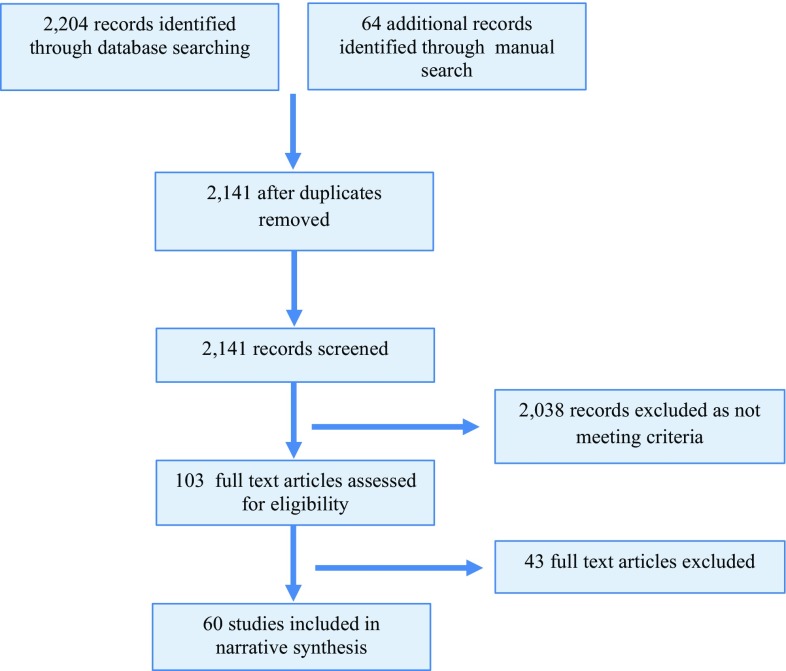
BACKGROUND: The physical impacts of elite sport participation have been well documented; however, there is comparatively less research on the mental health and psychological wellbeing of elite athletes. OBJECTIVE: This review appraises the evidence base regarding the mental health and wellbeing of elite-level athletes, including the incidence and/or nature of mental ill-health and substance use. METHODS: A systematic search of the PubMed, EMBASE, SPORTDiscus, PsycINFO, Cochrane and Google Scholar databases, up to and including May 2015, was conducted. RESULTS: The search yielded a total of 2279 records. Following double screening, 60 studies were included. The findings suggested that elite athletes experience a broadly comparable risk of high-prevalence mental disorders (i.e. anxiety, depression) relative to the general population. Evidence regarding other mental health domains (i.e. eating disorders, substance use, stress and coping) is less consistent. These results are prefaced, however, by the outcome of the quality assessment of the included studies, which demonstrated that relatively few studies (25 %) were well reported or methodologically rigorous. Furthermore, there is a lack of intervention-based research on this topic. CONCLUSION: The evidence base regarding the mental health and wellbeing of elite athletes is limited by a paucity of high-quality, systematic studies. Nonetheless, the research demonstrates that this population is vulnerable to a range of mental health problems (including substance misuse), which may be related to both sporting factors (e.g. injury, overtraining and burnout) and non-sporting factors. More high-quality epidemiological and intervention studies are needed to inform optimal strategies to identify and respond to player mental health needs.
Overview
The claims and statistics of this paper haven’t been checked yet.
Run the check — free, no account needed. It reads the open-access text and checks the sources it cites.
Integrity signals
Registry
Cites
Statistics
Figures
Verification
Claims the paper makes
The claims and statistics of this paper haven’t been checked yet.
Run the check — free, no account needed. It reads the open-access text and checks the sources it cites.
Claims other papers make about this one
Each is checked against this paper’s own text: does it say what the citing paper says it does?
The cited source says what the claim attributes to it.
In the citing paper
“To date, research has primarily examined the mental health outcomes of elite athletes [15–18], with comparatively less research focusing on understanding these psychological experiences among coaches [19].”
From The Mental Health of Elite-Level Coaches: A Systematic Scoping Review (2024) · cites this paper as [17]
Self-check
Percentages, sums and reported differences re-computed from the paper’s own numbers.
The self-check needs the paper’s full text.
Citations
Cites
The prevalence and correlates of eating disorders in the National Comorbidity Survey Replication
Hudson, J. I., Hiripi, E., Pope, H. G., & Kessler, R. C. (2007) · Biological Psychiatry · doi:10.1016/j.biopsych.2006.03.040 · Cited by 4,973 · cited 1×
“However, there was a tendency for higher vulnerability to these conditions in athletes involved in sports requiring a particularly lean body shape [21, 35, 38– 40] and in female athletes [41–43]—the latter being consistent with the findings of general population studies [87].”
Mental health of young people: A global public-health challenge
Patel, V., Flisher, A. J., Hetrick, S., & McGorry, P. (2007) · The Lancet · doi:10.1016/s0140-6736(07)60368-7 · Cited by 3,126 · cited 1×
“Such models should capitalise on an early-intervention framework [102–104], ensuring early detection and prompt access to high-quality, evidence-based interventions.”
Self-citationYoung People’s Help-Seeking for Mental Health Problems
Rickwood, D., Deane, F. P., Wilson, C. J., & Ciarrochi, J. (2005) · Australian e-Journal for the Advancement of Mental Health · doi:10.5172/jamh.4.3.218 · Cited by 1,619 · cited 1×
“Importantly, the mental health of hard-to-engage populations, such as young men [107] and older men [108, 109], could be targeted.”
How Emotions Influence Performance in Competitive Sports
Lazarus, R. S. (2000) · The Sport Psychologist · doi:10.1123/tsp.14.3.229 · Cited by 1,085 · cited 1×
“The ways by which athletes appraise and cope with these stressors can be a powerful determinant of the impact the stressors have on both their mental health and their sporting success [18].”
Prevalence of Eating Disorders in Elite Athletes Is Higher Than in the General Population
Sundgot-Borgen, J. K., & Torstveit, M. K. (2004) · Clinical Journal of Sport Medicine · doi:10.1097/00042752-200401000-00005 · Cited by 1,077 · cited 2×
“Three reported a higher incidence of eating disorder or body dissatisfaction in elite athletes relative to controls [36], especially in sports emphasising leanness or lower body weight [21, 35].”
Defining elite athletes: Issues in the study of expert performance in sport psychology
Swann, C., Moran, A., & Piggott, D. (2015) · Psychology of Sport and Exercise · doi:10.1016/j.psychsport.2014.07.004 · Cited by 998 · cited 1×
“While the included studies focused specifically on elite-level competition at the national or international level, differences between the included sports in terms of training, remuneration, media pressure and other salient variables must be considered [89].”
PHYSICAL ACTIVITY AND MENTAL HEALTH: THE ASSOCIATION BETWEEN EXERCISE AND MOOD
Peluso, M. A. M., & Andrade, L. H. (2005) · Clinics · doi:10.1590/s1807-59322005000100012 · Cited by 804 · cited 1×
“…that physical activity has a positive effect on mental health [6, 7], a review has found that intense physical activity performed at the elite athlete level might instead compromise mental wellbeing, increasing symptoms of anxiety and depression through overtraining, injury and burnout [8].”
Psychology of the elite athlete: An exploratory study
Mahoney, M. J., & Avener, M. (1977) · Cognitive Therapy and Research · doi:10.1007/bf01173634 · Cited by 615 · cited 1×
“Mahoney and Avener [80] Quantitative; crosssectional, observational Psychological factors and cognitive strategies 12 (12:0) Gymnastics; USA Self-verbalisations and certain forms of mental imagery differentiated Olympic-level and nonOlympic-level gymnasts.”
Gulliver, A., Griffiths, K. M., & Christensen, H. (2012) · BMC Psychiatry · doi:10.1186/1471-244x-12-157 · Cited by 611 · cited 3×
“Given that stigma, poor mental health literacy and negative past experiences of mental health help seeking are key barriers for elite athletes [12], more welldesigned studies, drawing on larger samples, are needed.”
Coping in sport: A systematic review
Nicholls, A. R., & Polman, R. C. J. (2006) · Journal of Sports Sciences · doi:10.1080/02640410600630654 · Cited by 575 · cited 1×
“Such an understanding is required to provide guidance for sport practitioners—including coaches, medical staff and sport psychologists—in developing the coping abilities of elite athletes and, in turn, improving their emotional wellbeing [20].”
Psychological Balance in High Level Athletes: Gender-Based Differences and Sport-Specific Patterns
Schaal, K., Tafflet, M., Nassif, H., Thibault, V., Pichard, C., Alcotte, M., Guillet, T., Helou, N. E., Berthelot, G., Simon, S., et al. (2011) · PLoS ONE · doi:10.1371/journal.pone.0019007 · Cited by 551 · cited 4×
“Sample sizes for these studies varied on the basis of the population of interest, ranging from N = 2067 for a national-level study [51] to N = 14 for a study of distance runners.”
InfluentialRisk and trigger factors for the development of eating disorders in female elite athletes
Sundgot-Borgen, J. K. (1994) · Medicine & Science in Sports & Exercise · doi:10.1249/00005768-199404000-00003 · Cited by 500 · cited 3×
“With the exception of the three studies that used an interviewer-administered diagnostic interview [35, 40, 43], all studies on eating disorders and body image used”
The mental health of Australian elite athletes
Gulliver, A., Griffiths, K. M., Mackinnon, A. J., Batterham, P. J., & Stanimirovic, R. (2014) · Journal of science and medicine in sport · doi:10.1016/j.jsams.2014.04.006 · Cited by 451 · cited 5×
“As in the general population, major negative life events, including injury [23], may increase the risk of mental ill-health in elite athletes [50], though focused quantitative studies with adequate followup assessment periods are needed to confirm this.”
InfluentialDose-response relationship between physical activity and mental health: the Scottish Health Survey
Hamer, M., Stamatakis, E., & Steptoe, A. (2009) · British Journal of Sports Medicine · doi:10.1136/bjsm.2008.046243 · Cited by 381 · cited 1×
“While it is well established that physical activity has a positive effect on mental health [6, 7], a review has found that intense physical activity performed at the elite athlete level might instead compromise mental wellbeing, increasing symptoms of anxiety and depression through overtraining, injury and burnout [8].”
Stress in elite sport performers: A comparative study of competitive and organizational stressors
Hanton, S., Fletcher, D., & Coughlan, G. (2005) · Journal of Sports Sciences · doi:10.1080/02640410500131480 · Cited by 356
Wiese‐Bjornstal, D. M. (2010) · Scandinavian Journal of Medicine & Science in Sports · doi:10.1111/j.1600-0838.2010.01195.x · Cited by 346 · cited 1×
“elite athletes relative to the general community, there is significant scope for coaches, team psychologists and sport administrators to focus on targeted screening and early detection, monitoring and intervention—especially at key risk periods, such as significant injury [91, 92], transition to retirement [44, 93] an…”
Torstveit, M. K., Rosenvinge, J. H., & Sundgot‐Borgen, J. (2007) · Scandinavian Journal of Medicine and Science in Sports · doi:10.1111/j.1600-0838.2007.00657.x · Cited by 339 · cited 3×
“In contrast, one study found no difference between elite athletes and controls when the sample was restricted to females [43].”
Exercise and depression: A review of reviews
Daley, A. (2008) · Journal of Clinical Psychology in Medical Settings · doi:10.1007/s10880-008-9105-z · Cited by 324 · cited 1×
“While it is well established that physical activity has a positive effect on mental health [6, 7], a review has found that intense physical activity performed at the elite athlete level might instead compromise mental wellbeing, increasing symptoms of anxiety and depression through overtraining, injury and burnout [8].”
Reardon, C. L., & Factor, R. M. (2010) · Sports Medicine · doi:10.2165/11536580-000000000-00000 · Cited by 319
Bonci, C. M., Bonci, L. J., Granger, L. R., Johnson, C. L., Malina, R. M., Milne, L. W., Ryan, R. C., & Vanderbunt, E. M. (2008) · Journal of Athletic Training · doi:10.4085/1062-6050-43.1.80 · Cited by 306 · cited 1×
“Development of comprehensive, targeted, disorder-specific treatment models are a required next step, and the National Athletic Trainers’ Association statement on preventing, detecting and managing disordered eating provides a useful disorder-specific model [99].”
Investing in youth mental health is a best buy
McGorry, P. D., Purcell, R., Hickie, I. B., & Jorm, A. F. (2007) · Medical Journal of Australia · doi:10.5694/j.1326-5377.2007.tb01326.x · Cited by 304 · cited 1×
“Such models should capitalise on an early-intervention framework [102–104], ensuring early detection and prompt access to high-quality, evidence-based interventions.”
Self-citationAge of Peak Competitive Performance of Elite Athletes: A Systematic Review
Allen, S. V., & Hopkins, W. G. (2015) · Sports Medicine · doi:10.1007/s40279-015-0354-3 · Cited by 298 · cited 1×
“Furthermore, the peak competitive years for elite athletes [10] tend to overlap with the peak age for the risk of onset of mental disorders [11, 12].”
Clinical staging: a heuristic model for psychiatry and youth mental health
McGorry, P. D., Purcell, R., Hickie, I. B., Yung, A. R., Pantelis, C., & Jackson, H. J. (2007) · The Medical Journal of Australia · doi:10.5694/j.1326-5377.2007.tb01335.x · Cited by 293
Self-citationElite athletes: Effects of the pressure to be thin
Byrne, S. M., & McLean, N. (2002) · Journal of science and medicine in sport · doi:10.1016/s1440-2440(02)80029-9 · Cited by 290 · cited 3×
“Three reported a higher incidence of eating disorder or body dissatisfaction in elite athletes relative to controls [36], especially in sports emphasising leanness or lower body weight [21, 35].”
Organizational psychology in elite sport: Its emergence, application and future
Fletcher, D., & Wagstaff, C. R. D. (2009) · Psychology of sport and exercise · doi:10.1016/j.psychsport.2009.03.009 · Cited by 284
Wolanin, A. T., Gross, M. P., & Hong, E. S. (2015) · Current Sports Medicine Reports · doi:10.1249/jsr.0000000000000123 · Cited by 281 · cited 1×
“The prevalence of diagnosable psychiatric disorders in this population remains a matter of debate [4]; however, notions that elite athletes are devoid of mental health problems have been increasingly scrutinised by sports medicine practitioners [5].”
Brown, A., Rice, S. M., Rickwood, D. J., & Parker, A. G. (2016) · Asia-Pacific Psychiatry · doi:10.1111/appy.12199 · Cited by 274 · cited 1×
“The methodological rigour of the included studies was assessed according to relevant published criteria [27, 28].”
Self-citationSystematic Reviews in Health Care
Glasziou, P., Irwig, L., Bain, C., & Colditz, G. A. (2001) · Cambridge University Press eBooks · doi:10.1017/cbo9780511543500 · Cited by 269
A Case Study of Organizational Stress in Elite Sport
Woodman, T., & Hardy, L. (2001) · Journal of Applied Sport Psychology · doi:10.1080/104132001753149892 · Cited by 268 · cited 1×
“…stress, elite athletes face a unique array of ‘workplace’ stressors, including the pressures of increased public scrutiny through mainstream and social media, limited support networks due to relocation, group dynamics in team sports and the potential for injuries to end careers prematurely [13–17].”
The Prevalence of Failure-Based Depression Among Elite Athletes
Hammond, T. G., Gialloreto, C., Kubas, H. A., & Davis, H. (2013) · Clinical Journal of Sport Medicine · doi:10.1097/jsm.0b013e318287b870 · Cited by 268 · cited 7×
“ted for prevalence rates of depression (34 %) based on diagnostic interviews undertaken with swimmers [45] and self-reported depression and anxiety (26 %) in European”
InfluentialComparison of Body Image between Athletes and Nonathletes: A Meta-Analytic Review
Hausenblas, H. A., & Downs, D. S. (2001) · Journal of Applied Sport Psychology · doi:10.1080/104132001753144437 · Cited by 263 · cited 2×
“Hausenblas and Symons Downs [37] Quantitative; metaanalysis Literature review; body image in athletes and non-athletes 19 studies with elite athletes, sex not reported Various; various Overall findings highlighted that athletes had a more positive body image than non-athletes.”
Intensity and interpretation of anxiety symptoms in elite and non-elite sports performers
Jones, G., Hanton, S., & Swain, A. (1994) · Personality and Individual Differences · doi:10.1016/0191-8869(94)90138-4 · Cited by 257 · cited 3×
“[33] Quantitative; crosssectional, observational Anxiety and performance 211 (sex not reported), 97 elite athletes Swimming; UK Elite performers interpreted anxiety as more facilitative to performance than non-elite performers.”
Gulliver, A., Griffiths, K. M., Christensen, H., Mackinnon, A., Calear, A. L., Parsons, A., Bennett, K., Batterham, P. J., & Stanimirovic, R. (2012) · Journal of Medical Internet Research · doi:10.2196/jmir.1864 · Cited by 243 · cited 6×
“[11] Quantitative; experimental, RCT Internet-based intervention to increase mental health help seeking 59 (16:43) Various; Australia None of the interventions were efficacious in improving either attitudes, intentions or behaviour for mental health help seeking.”
InfluentialSetting the bar: athletes and vulnerability to mental illness
Hughes, L., & Leavey, G. (2012) · The British Journal of Psychiatry · doi:10.1192/bjp.bp.111.095976 · Cited by 242 · cited 2×
“Researchers have emphasised the limited peer-reviewed literature regarding the mental health and wellbeing of elite athletes [9, 19].”
Mental and psychosocial health among current and former professional footballers
Gouttebarge, V., Frings‐Dresen, M. H. W., & Sluiter, J. K. (2015) · Occupational Medicine · doi:10.1093/occmed/kqu202 · Cited by 235 · cited 6×
“The ten general-prevalence studies on elite athlete mental health (see Table 4) reported data from either mixed samples [23, 46, 50, 51] or specific codes, including football [44], swimming [45], weight lifting [47], equestrian [48], distance running [49] and tennis [52].”
InfluentialBruner, M. W., Munroe‐Chandler, K. J., & Spink, K. S. (2008) · Journal of Applied Sport Psychology · doi:10.1080/10413200701867745 · Cited by 233 · cited 1×
“…stress, elite athletes face a unique array of ‘workplace’ stressors, including the pressures of increased public scrutiny through mainstream and social media, limited support networks due to relocation, group dynamics in team sports and the potential for injuries to end careers prematurely [13–17].”
Ivarsson, A., Johnson, U., & Podlog, L. (2013) · Journal of sport rehabilitation · doi:10.1123/jsr.22.1.19 · Cited by 231 · cited 2×
“Ivarsson [67] Quantitative; longitudinal, observational Psychological predictors of injury 56 (38:18) Soccer; Sweden Trait anxiety, negative-life-event stress and daily hassles significantly predicted injury among professional soccer players, accounting for 24 % of variance”
Systematic reviews in health care a practical guide
Glasziou, P. (2001) · Cited by 227
Self-esteem and perfectionism in elite athletes: effects on competitive anxiety and self-confidence
Koivula, N., Hassmén, P., & Fallby, J. (2002) · Personality and Individual Differences · doi:10.1016/s0191-8869(01)00092-7 · Cited by 222 · cited 3×
“Higher levels of athlete anxiety were also found to be related to negative patterns of perfectionism [34].”
Kinesiologia Slovenica: scientific journal on sport
(2022) · Kinesiologia Slovenica scientific journal on sport · doi:10.52165/kinsi · Cited by 207
Elite athletes' experiences of the motivational climate: The coach matters
Pensgaard, A. M., & Roberts, G. C. (2002) · Scandinavian Journal of Medicine and Science in Sports · doi:10.1034/j.1600-0838.2002.120110.x · Cited by 198 · cited 1×
“Pensgaard and Roberts [84] Mixed method; cross-sectional, observational Sources of distress, motivation, role of coach 7 (5:2) Skiing; Norway All athletes rated very highly on task orientation, and in the moderate to high range on ego orientation.”
Prevalence of Depressive Symptoms and Correlating Variables Among German Elite Athletes
Nixdorf, I., Frank, R., Hautzinger, M., & Beckmann, J. (2013) · Journal of Clinical Sport Psychology · doi:10.1123/jcsp.7.4.313 · Cited by 196 · cited 4×
“The ten general-prevalence studies on elite athlete mental health (see Table 4) reported data from either mixed samples [23, 46, 50, 51] or specific codes, including football [44], swimming [45], weight lifting [47], equestrian [48], distance running [49] and tennis [52].”
InfluentialGastin, P. B., Meyer, D., & Robinson, D. (2012) · The Journal of Strength and Conditioning Research · doi:10.1519/jsc.0b013e31827fd600 · Cited by 180 · cited 1×
“Gastin [65] Quantitative; longitudinal, observational Monitored coping over the season 27 (sex not reported) Australian Rules Football; Australia Players generally coped well with the demands of elite competition; however, relative poor sleep quality was observed.”
The Sources of Stress Experienced by Professional Australian Footballers
Noblet, A. J., & Gifford, S. (2002) · Journal of Applied Sport Psychology · doi:10.1080/10413200209339007 · Cited by 173
Perceived impact of anger and anxiety on sporting performance in rugby players
Robazza, C., & Bortoli, L. (2006) · Psychology of sport and exercise · doi:10.1016/j.psychsport.2006.07.005 · Cited by 155 · cited 3×
“Robazza and Bortoli [29] Quantitative; crosssectional, observational Perceived effects of trait anger 197 (197:0) Rugby; Italy Players experienced a moderate frequency of anger symptoms, interpreting these as facilitative rather than debilitative.”
Stressors, Coping, and Coping Effectiveness among Professional Rugby Union Players
Nicholls, A. R., Holt, N. L., Polman, R. C. J., & Bloomfield, J. (2006) · The Sport Psychologist · doi:10.1123/tsp.20.3.314 · Cited by 155 · cited 2×
“[69] Mixed method; longitudinal, observational Stressors and coping strategies 8 (8:0) Rugby; Europe Frequently cited stressors were injury concerns, mental errors and physical errors, with a general decline in frequency as the season progressed.”
Pensgaard, A. M., & Roberts, G. C. (2000) · Journal of Sports Sciences · doi:10.1080/026404100365090 · Cited by 146 · cited 1×
“Pensgaard and Roberts [83] Quantitative; crosssectional, observational Sources of distress, motivation, role of coach 69 (49:20) Various (winter sports); Norway Performance climate significantly predicted high total distress.”
Neal, T. L., Diamond, A. B., Goldman, S., Klossner, D. A., Morse, E. D., Pajak, D. E., Putukian, M., Quandt, E. F., Sullivan, J. P., Wallack, C., et al. (2013) · Journal of Athletic Training · doi:10.4085/1062-6050-48.4.13 · Cited by 136 · cited 1×
“Encouraging progress has been made in the development of mental health guidelines for working with school-aged athletes [95] and collegiate-level athletes [96– 98].”
An Updated Review of Interventions that Include Promotion of Physical Activity for Adult Men
Bottorff, J. L., Seaton, C. L., Johnson, S. T., Caperchione, C. M., Oliffe, J. L., More, K. R., Jaffer-Hirji, H., & Tillotson, S. M. (2014) · Sports Medicine · doi:10.1007/s40279-014-0286-3 · Cited by 134 · cited 1×
“Importantly, the mental health of hard-to-engage populations, such as young men [107] and older men [108, 109], could be targeted.”
Review: Psychological responses to injury in competitive sport: a critical review
Walker, N., Thatcher, J., & Lavallee, D. E. (2007) · The Journal of the Royal Society for the Promotion of Health · doi:10.1177/1466424007079494 · Cited by 131
Alcohol: Impact on Sports Performance and Recovery in Male Athletes
Barnes, M. J. (2014) · Sports Medicine · doi:10.1007/s40279-014-0192-8 · Cited by 130 · cited 1×
“Psychoeducation should also extend to substance use— in particular, alcohol—given the tendency for hazardous use (bingeing) outside competition periods [100] and the stigma related to athlete help seeking in this domain [61].”
Dugdale, J. R., Eklund, R. C., & Gordon, S. (2002) · The Sport Psychologist · doi:10.1123/tsp.16.1.20 · Cited by 123 · cited 2×
“[76] Quantitative; crosssectional, observational Coping with expected and unexpected stressors 91 (sex not reported) Various; New Zealand Unexpected stressors were perceived as more threatening than expected stressors.”
Sport specificity of mental disorders: the issue of sport psychiatry
Bär, K., & Markser, V. Z. (2013) · European Archives of Psychiatry and Clinical Neuroscience · doi:10.1007/s00406-013-0458-4 · Cited by 122
The Sources of Stress Experienced by Professional Australian Footballers
Noblet, S. M. G. A. J. (2002) · Journal of Applied Sport Psychology · doi:10.1080/104132002753403799 · Cited by 119
Personality structure, mood states, and performance in elite male distance runners.
Morgan, W. P., O’Connor, P. J., Ellickson, K. A., & Bradley, P. W. (1988) · International journal of sport psychology · Cited by 118
Achievement goals and gender effects on multidimensional anxiety in national elite sport
Abrahamsen, F. E., Roberts, G. C., & Pensgaard, A. M. (2007) · Psychology of sport and exercise · doi:10.1016/j.psychsport.2007.06.005 · Cited by 115 · cited 5×
“[31] Quantitative; crosssectional, observational Achievement motivation for performance anxiety 190 (101:89) Various; Norway Females reported greater performance worry, concentration disruption and somatic anxiety than males.”
InfluentialDrug use in English professional football
Waddington, I., Malcolm, D., Roderick, M., & Naik, R. (2005) · British Journal of Sports Medicine · doi:10.1136/bjsm.2004.012468 · Cited by 109 · cited 2×
“[62].”
Nicholls, A. R., Jones, C. R., Polman, R. C. J., & Borkoles, E. (2009) · Scandinavian Journal of Medicine and Science in Sports · doi:10.1111/j.1600-0838.2008.00772.x · Cited by 107 · cited 3×
“[71] Mixed method; longitudinal, observational Stressors and coping strategies 5 (5:0) Rugby; various Differences in stressors were identified in comparison of match and training days.”
Eating Attitudes, Perfectionism and Body-esteem of Elite Male Judoists and Cyclists.
Filaire, E., Rouveix, M., Pannafieux, C., & Ferrand, C. (2007) · Europe PMC (PubMed Central) · Cited by 101
Psychological predictors of elite and non-elite performance in Olympic weightlifting.
Mahoney, M. J. (1989) · International journal of sport psychology · Cited by 98
Eating disorders and health in elite women distance runners
Hulley, A. J., & Hill, A. J. (2001) · International Journal of Eating Disorders · doi:10.1002/eat.1090 · Cited by 97 · cited 2×
“Hulley and Hill [38] Quantitative; crosssectional, observational EDs and general health and wellbeing 181 (0:181) Distance runners; UK Levels of anorexia nervosa and EDNOS were higher than expected in similarly aged, non-athletic women.”
Neal, T. L., Diamond, A. B., Goldman, S., Liedtka, K. D., Mathis, K., Morse, E. D., Putukian, M., Quandt, E. F., Ritter, S. J., Sullivan, J. P., et al. (2015) · Journal of Athletic Training · doi:10.4085/1062-6050-50.3.03 · Cited by 95 · cited 1×
“Encouraging progress has been made in the development of mental health guidelines for working with school-aged athletes [95] and collegiate-level athletes [96– 98].”
Achievement involvement and stress coping in elite wrestling
Kristiansen, E., Roberts, G. C., & Abrahamsen, F. E. (2008) · Scandinavian Journal of Medicine and Science in Sports · doi:10.1111/j.1600-0838.2007.00646.x · Cited by 94 · cited 2×
“Coping strategies based on problem solving and behavioural change were found to be the most effective in managing stress [64, 70, 77] and developing resilience [74].”
Stress, control, and coping in elite athletes
Pensgaard, A. M., & Ursin, H. (1998) · Scandinavian Journal of Medicine and Science in Sports · doi:10.1111/j.1600-0838.1998.tb00190.x · Cited by 94 · cited 2×
“Pensgaard and Ursin [82] Mixed method; cross-sectional, observational Stressors and coping strategies 69 (49:20) Various (winter sports); Norway Stress was mainly experienced prior to competition.”
Gouttebarge, V., Aoki, H., & Kerkhoffs, G. M. M. J. (2015) · PubMed · Cited by 84
Hazardous drinking in New Zealand sportspeople: level of sporting participation and drinking motives
O’Brien, K., Ali, A., Cotter, J. D., O’Shea, R. P., & Stannard, S. R. (2007) · Alcohol and Alcoholism · doi:10.1093/alcalc/agm035 · Cited by 80 · cited 3×
“[60] Quantitative; cross-sectional, observational Hazardous drinking and drinking motives 1214 (630:584) [275 in elite group] Various; New Zealand Elite provincial sportspeople reported the highest level of hazardous drinking, and elite international sportspeople reported the lowest.”
An overview of sport psychiatry
Begel, D. (1992) · American Journal of Psychiatry · doi:10.1176/ajp.149.5.606 · Cited by 80 · cited 1×
“and impairment appears to be warranted [3, 101].”
HAZARDOUS DRINKING IN ELITE NEW ZEALAND SPORTSPEOPLE
O’Brien, K., BLACKIE, J. M., & HUNTER, J. A. (2005) · Alcohol and Alcoholism · doi:10.1093/alcalc/agh145 · Cited by 76 · cited 3×
“[59] Quantitative; cross-sectional, observational Hazardous drinking and level of sport participation 430 (147:283) [270 in elite group] Various; New Zealand Elite sportspeople reported higher rates of hazardous drinking than non-sportspeople and non-elite sportspeople.”
Richmond, L. K., DAWSON, B. T., Stewart, G. R., Cormack, S. J., Hillman, D. R., & Eastwood, P. R. (2007) · Journal of science and medicine in sport · doi:10.1016/j.jsams.2007.03.002 · Cited by 74 · cited 4×
“[53] Quantitative; longitudinal, observational Effects of interstate travel on sleep patterns 19 (19:0) Australian Rules Football; Australia In comparison with baseline, sleep duration was greater on the nights before home and away games (by 48 and 39 min, respectively, P\ 0.”
InfluentialMood and psychological skills of elite and sub-elite equestrian athletes.
Meyers, M. C., Bourgeois, A. E., LeUnes, A. D., & Murray, N. G. (1999) · Journal of sport behavior · Cited by 73
Baron, D. A., Reardon, C. L., & Baron, S. H. (2013) · Wiley eBooks · doi:10.1002/9781118404904 · Cited by 73 · cited 1×
“There is comparatively less research on, but growing interest in, the mental health and psychological wellbeing of elite-level athletes [1–3].”
Perceived Stress and Prevalence of Traumatic Stress Symptoms Following Athletic Career Termination
Wippert, P., & Wippert, J. (2008) · Journal of Clinical Sport Psychology · doi:10.1123/jcsp.2.1.1 · Cited by 72
Suicide in Athletes: A Review and Commentary
Baum, A. L. (2005) · Clinics in Sports Medicine · doi:10.1016/j.csm.2005.06.006 · Cited by 69 · cited 1×
“Some, though not all, research suggests that this population has an increased risk of mental health problems, including eating disorders [21] and suicide [22].”
Delenardo, S., & Terrion, J. L. (2014) · Canadian Journal of Community Mental Health · doi:10.7870/cjcmh-2014-023 · Cited by 67
Johnson, U. (1997) · Scandinavian Journal of Medicine and Science in Sports · doi:10.1111/j.1600-0838.1997.tb00169.x · Cited by 66 · cited 2×
“One study [79] found that coping behaviour varied between sporting types, with athletes in team-based sports more likely to seek social support than individual competitors, and female athletes more likely to engage in strategies focused on managing affect.”
Drinking by professional Australian Football League (AFL) players: prevalence and correlates of risk
Dietze, P., FitzGerald, J., & Jenkinson, R. (2008) · The Medical Journal of Australia · doi:10.5694/j.1326-5377.2008.tb02138.x · Cited by 65 · cited 5×
“Nonetheless, higher rates of alcohol use may occur in elite athletes relative to the general population, though this may be largely due to a binge pattern of consumption during non-competitive or vacation periods [54].”
InfluentialNicholls, A. R., Levy, A. R., Grice, A., & Polman, R. C. J. (2009) · European Journal of Sport Science · doi:10.1080/17461390902836049 · Cited by 61 · cited 4×
“Coping strategies based on problem solving and behavioural change were found to be the most effective in managing stress [64, 70, 77] and developing resilience [74].”
InfluentialKristiansen, E., Halvari, H., & Roberts, G. C. (2011) · Scandinavian Journal of Medicine and Science in Sports · doi:10.1111/j.1600-0838.2010.01259.x · Cited by 57 · cited 2×
“[86] Quantitative; crosssectional, observational Stress and motivation 82 (82:0) Football; Europe A mastery climate was directly and negatively associated with coach–athlete stress, while a performance climate was directly and positively associated with coach–athlete stress”
Lundqvist, C., & Raglin, J. S. (2014) · Motivation and Emotion · doi:10.1007/s11031-014-9444-z · Cited by 53 · cited 4×
“There were single studies identified for the domains of help seeking [11], sleep [53] and wellbeing [63] (see Table 7).”
InfluentialPsychological Predictors of Injury among Professional Soccer Players
Devantier, C. (2011) · Sport Science Review · doi:10.2478/v10237-011-0062-3 · Cited by 51 · cited 2×
“Devantier [75] Quantitative; crosssectional, observational Psychological factors and injury vulnerability 87 (87:0) Soccer; Denmark Somatic anxiety and coping with adversity were the best predictors of injury severity.”
Predictors of the Strain Experienced by Professional Australian Footballers
Noblet, A. J., Rodwell, J., & McWilliams, J. (2003) · Journal of Applied Sport Psychology · doi:10.1080/10413200305394 · Cited by 51 · cited 3×
“and planning ahead) were frequently reported [66, 71, 81]; however, there was a tendency for athletes to engage in less adaptive (i.”
Psychiatric and Neuropsychological Issues in Sports Medicine
Esfandiari, A., Broshek, D. K., & Freeman, J. R. (2011) · Clinics in Sports Medicine · doi:10.1016/j.csm.2011.03.002 · Cited by 48 · cited 1×
“collaborative efforts would be required between sports medicine practitioners, psychiatrists, psychologists and other mental health professionals [105], mindful of overcoming treatment barriers and stigma for athletes at the elite level and balancing the need for treatment with the need for ongoing performance in, or…”
Didymus, F. F., & Fletcher, D. (2014) · Journal of Clinical Sport Psychology · doi:10.1123/jcsp.2014-0020 · Cited by 48 · cited 2×
“Coping strategies based on problem solving and behavioural change were found to be the most effective in managing stress [64, 70, 77] and developing resilience [74].”
Food Preferences, Dieting Behaviors, and Body Image Perceptions of Elite Figure Skaters
Jonnalagadda, S. S., Ziegler, P. J., & Nelson, J. A. (2004) · International Journal of Sport Nutrition and Exercise Metabolism · doi:10.1123/ijsnem.14.5.594 · Cited by 47 · cited 2×
“[39] Quantitative; crosssectional, observational Food preferences, body image perceptions, dieting 49 (23:26) Figure skating; USA Disordered eating and preference for a thin body contour were reported among this group of athletes, particularly in females.”
Eating attitudes, body shape perceptions and mood of elite rowers
Terry, P. C., Lane, A. M., & Warren, L. (1999) · Journal of science and medicine in sport · doi:10.1016/s1440-2440(99)80185-6 · Cited by 44 · cited 3×
“[41] Quantitative; crosssectional, observational Influences on eating, body shape perception, mood 103 (59:44) Rowing; UK Risk of EDs among elite rowers was moderated by age, sex and weight category; body shape concerns were greater for younger athletes, greater for heavyweights than lightweights and greater for femal…”
Coaching communication issues with elite female athletes: Two N orwegian case studies
Kristiansen, E., Tomten, S. E., Hanstad, D. V., & Roberts, G. C. (2012) · Scandinavian Journal of Medicine and Science in Sports · doi:10.1111/j.1600-0838.2012.01521.x · Cited by 42
Illicit drug knowledge and information-seeking behaviours among elite athletes
Thomas, J. O., Dunn, M., Swift, W., & Burns, L. (2011) · Journal of science and medicine in sport · doi:10.1016/j.jsams.2011.02.001 · Cited by 42 · cited 4×
“fellow players or staff assuming that information seeking equates to actual drug use), a substantial proportion of elite athletes expressed a desire to receive additional information regarding the effects of some classes of recreational drugs [61].”
InfluentialDisordered Eating Assessment for College Student-Athletes
Carter, J. E., & Rudd, N. A. (2005) · Women in Sport and Physical Activity Journal · doi:10.1123/wspaj.14.1.62 · Cited by 42 · cited 1×
“Objective data, based on the results of medical review and tests, would likely assist in the assessment of eating pathologies and help counter the limitations of self-reporting (i.e. underreporting) [88].”
Impacto das estratégias de coping na resiliência de atletas de vôlei de praia de alto rendimento
Belém, I. C., Caruzzo, N. M., Júnior, J. R. A. D. N., Vieira, J. L. L., & Vieira, L. F. (2014) · Brazilian Journal of Kinanthropometry and Human Performance · doi:10.5007/1980-0037.2014v16n4p447 · Cited by 40 · cited 3×
“Coping strategies based on problem solving and behavioural change were found to be the most effective in managing stress [64, 70, 77] and developing resilience [74].”
Anshel, M. H., & Si, G. (2008) · Journal of sport behavior · Cited by 38
Dunn, M., Thomas, J. O., Swift, W., & Burns, L. (2011) · Drug and Alcohol Review · doi:10.1111/j.1465-3362.2011.00307.x · Cited by 36 · cited 1×
“[57] Quantitative; cross-sectional, observational Illicit drug use and consensus estimates 974 (736:238) Various; Australia Participants tended to report that there was a higher prevalence of drug use among athletes in general than among athletes in their sport, and these estimates appeared to be influenced by partici…”
Diagnosis and Psychiatric Treatment of Athletes
Glick, I. D., & Horsfall, J. L. (2005) · Clinics in Sports Medicine · doi:10.1016/j.csm.2005.03.007 · Cited by 36 · cited 1×
“Importantly, the mental health of hard-to-engage populations, such as young men [107] and older men [108, 109], could be targeted.”
A risk profile of elite Australian athletes who use illicit drugs
Dunn, M., & Thomas, J. O. (2011) · Addictive Behaviors · doi:10.1016/j.addbeh.2011.09.008 · Cited by 34 · cited 4×
“Dunn and Thomas [56] Quantitative; cross-sectional, observational Factors associated with illicit drug use 1684 (1212:472) Various; Australia 8 % of the sample reported use of at least one illicit drug in the previous year.”
InfluentialTraining Stress in Olympic Speed Skaters: A Psychological Perspective
Gutmann, M., Pollock, M. L., Foster, C., & Schmidt, D. H. (1984) · The Physician and Sportsmedicine · doi:10.1080/00913847.1984.11702009 · Cited by 34 · cited 5×
“[66] Quantitative; longitudinal, observational Psychological impact of training 11 (11:0) Speed skating; USA Stress reactivity and emotional lability likely to be detrimental to performance and characteristic of less experienced athletes.”
InfluentialRecreational substance use among elite Australian athletes
Dunn, M., Thomas, J. O., Swift, W., & Burns, L. (2010) · Drug and Alcohol Review · doi:10.1111/j.1465-3362.2010.00200.x · Cited by 31 · cited 2×
“[55] Quantitative; cross-sectional, observational Prevalence of illicit drug use 974 (736:238) Various; Australia One third of the sample had opportunity to use illicit drugs in the previous year; overall prevalence was lower than that reported by the general population.”
An in-depth appraisal of career termination experiences in professional cricket
Roberts, C.-M., Mullen, R., Evans, L., & Hall, R. (2015) · Journal of Sports Sciences · doi:10.1080/02640414.2014.977936 · Cited by 28 · cited 1×
“elite athletes relative to the general community, there is significant scope for coaches, team psychologists and sport administrators to focus on targeted screening and early detection, monitoring and intervention—especially at key risk periods, such as significant injury [91, 92], transition to retirement [44, 93] an…”
The Evolution of Sport Psychiatry, Circa 2009
Glick, I. D., Kamm, R. L., & Morse, E. D. (2009) · Sports Medicine · doi:10.2165/00007256-200939080-00001 · Cited by 24 · cited 2×
“There is comparatively less research on, but growing interest in, the mental health and psychological wellbeing of elite-level athletes [1–3].”
Perceptions of Mental Training Needs by Elite Field Hockey Players and Their Coaches
Grove, B., & Hanrahan, S. J. (1988) · The Sport Psychologist · doi:10.1123/tsp.2.3.222 · Cited by 23 · cited 1×
“Grove and Hanrahan [85] Quantitative; crosssectional, observational Psychological strengths profile; athlete and coach comparison 39 athletes (15:24), 5 coaches Field hockey; Australia Ranking by players (greatest perceived strength to weakness): control of anxiety, maintaining concentration, planning and analysis, em…”
A strategy to reduce illicit drug use is effective in elite Australian football
Harcourt, P. R., Unglik, H., & Cook, J. L. (2012) · British Journal of Sports Medicine · doi:10.1136/bjsports-2012-091329 · Cited by 23 · cited 3×
“[58] Quantitative; longitudinal, experimental (no controls) Illicit drug– testing programme 640 (640:0) Australian Rules Football; Australia Steady decline in the annual number of positive tests over the 7 years of the programme.”
Terry, P. C., & Waite, J. G. (1996) · PubMed · Cited by 22
Is it so hard to change? The case of a Hong Kong Olympic silver medallist
Si, G., & Lee, H. (2008) · International Journal of Sport and Exercise Psychology · doi:10.1080/1612197x.2008.9671876 · Cited by 21
Pre-Competition Anxiety and In-Competition Coping in Experienced Male Swimmers
Hatzigeorgiadis, A., & Chroni, S. (2007) · International Journal of Sports Science & Coaching · doi:10.1260/174795407781394310 · Cited by 20 · cited 4×
“Recommendations to elite-level coaches included development of athlete skills in appraisal and interpretation of anxiety states [32] and the type of training culture facilitated among athletes (i.e. mastery as opposed to performance) [31].”
InfluentialLifespan Perspective of Professional Footballers’ Health
Gouttebarge, V., & Aoki, H. (2014) · Asian Journal of Sports Medicine · doi:10.5812/asjsm.23813 · Cited by 19 · cited 2×
“Emerging research suggests that retired elite athletes may be at particularly elevated risk of mental ill-health [24], corresponding to both low rates of formal athlete mental health screening processes [25] and player perceptions of inadequate availability of mental health support [26].”
Medical examinations undertaken by Dutch professional football clubs
Gouttebarge, V., & Sluiter, J. K. (2013) · Occupational Medicine · doi:10.1093/occmed/kqt129 · Cited by 16 · cited 2×
“Emerging research suggests that retired elite athletes may be at particularly elevated risk of mental ill-health [24], corresponding to both low rates of formal athlete mental health screening processes [25] and player perceptions of inadequate availability of mental health support [26].”
Sports Psychiatry: Strategies for Life Balance and Peak Performance
(2012) · American Psychiatric Association Publishing eBooks · doi:10.1176/appi.books.9781615378203 · Cited by 15
Performance Enhancement and the Sports Psychiatrist
Lardon, M. T., & Fitzgerald, M. W. (2013) · doi:10.1002/9781118404904.ch13 · Cited by 12 · cited 1×
“As comparatively little progress has been made in the area of mental health, there is enormous scope for programmes to boost athlete wellbeing, which would likely flow on to benefits in competitive performance and increase the likelihood of a successful transition to retirement [24, 26, 49, 90].”
Developing and Evaluating a Model Program for Supporting the Mental Health of Student Athletes
Eisenberg, D. (2014) · Cited by 10
Mood States of Professional Female Tennis Players
Wughalter, E. H., & Gondola, J. C. (1991) · Perceptual and Motor Skills · doi:10.2466/pms.1991.73.1.187 · Cited by 9 · cited 3×
“The ten general-prevalence studies on elite athlete mental health (see Table 4) reported data from either mixed samples [23, 46, 50, 51] or specific codes, including football [44], swimming [45], weight lifting [47], equestrian [48], distance running [49] and tennis [52].”
Some psychological traits of Slovenian olympians (Beijing 2008) - a gender comparison.
Kotnik, A. B., Tušak, M., Topič, M. D., & Leskošek, B. (2012) · Cited by 7
Physical education and youth sport: in search of the 'holy grail'
Green, K. (2012) · Kinesiologia Slovenica scientific journal on sport · doi:10.52165/kinsi.18.3.5-18 · Cited by 4
Research works printed but not linked: 3
- Maestu J, Jurimae J, Jurimae T. Psychological and biochemical markers of heavy training stress in highly trained male rowers. Med dello Sport. 2003;56(2):95–101.
- Hainline B. Mind, body and sport: understanding and supporting student-athlete mental wellness. Indianapolis: National Collegiate Athletic Association; 2014.
- Thompson R, Sherman R. Managing student-athletes’ mental health issues. Indianapolis: National Collegiate Athletic Association; 2007.
Cited by
Sorted by citations
Mental health in elite athletes: International Olympic Committee consensus statement (2019)
Reardon, C. L., Hainline, B., Aron, C. M., Baron, D., Baum, A. L., Bindra, A., Budgett, R., Campriani, N., Castaldelli-Maia, J. M., Currie, A., et al. (2019) · British Journal of Sports Medicine · doi:10.1136/bjsports-2019-100715 · Cited by 1,277
“at major events, and the athlete’s interpretation of pre-competitive anxiety may mediate the functional impact of symptoms.(241)”
Self-citationMalm, C., Jakobsson, J., & Isaksson, A. (2019) · Sports · doi:10.3390/sports7050127 · Cited by 774
“Negative effects include the risk of failure leading to poor mental health [8,9], risk of injury [10,11], eating disorders [12], burnout [13], and exercise-induced gastrointestinal tract discomfort [14].”
BackgroundGouttebarge, V., Castaldelli-Maia, J. M., Gorczynski, P., Hainline, B., Hitchcock, M. E., Kerkhoffs, G. M., Rice, S. M., & Reardon, C. L. (2019) · British Journal of Sports Medicine · doi:10.1136/bjsports-2019-100671 · Cited by 604
“Single studies show that the prevalence of mental health symptoms and disorders among both current and former elite athletes seems substantial and similar to the prevalence in the general population.(5) A professional or elite sport career is characterised by more than 640 distinct stressors that could induce mental h…”
BackgroundSelf-citationSchinke, R. J., Stambulova, N. B., Si, G., & Moore, Z. E. (2017) · International Journal of Sport and Exercise Psychology · doi:10.1080/1612197x.2017.1295557 · Cited by 499
“The peak age for the risk of athletes’ onset of mental disorders overlaps with the peak competitive years for elite athletes due to the intense mental and physical demands they experience (Hughes & Leavey, 2012; Rice et al., 2016).”
BackgroundPurcell, R., Gwyther, K., & Rice, S. M. (2019) · Sports Medicine - Open · doi:10.1186/s40798-019-0220-1 · Cited by 394
Self-citation
Metadata
- Authors
- Rice, S. M., Purcell, R., De Silva, S., Mawren, D., McGorry, P. D., & Parker, A. G.
- Affiliations
- The University of Melbourne (AU)
- Orygen (AU)
- Corresponding author
- Rice, Simon M.
- Venue
- Sports Medicine
- Published
- 2016-02-20
- Volume
- 46
- Issue
- 9
- Pages
- 1333-1353
- ISSN
- 0112-1642 (ISSN-L)
- 1179-2035
- PMC
- PMC4996886
- OpenAlex
- W2278084024
- Cited by
- 1,205
- References
- 110
- Citations by year
- 2026: 175 · 2025: 161 · 2024: 157 · 2023: 148 · 2022: 155 · 2021: 129 · 2020: 105 · 2019: 74 · 2018: 64 · 2017: 27 · 2016: 10
- FWCI
- 10.78
- Type
- journal article
- Language
- en
- Open access
- hybrid
- doi.org
- Locations
- Sports Medicine (publishedVersion, cc-by)
- PubMed Central (publishedVersion, cc-by)
- PubMed (publishedVersion)
- Victoria University Research Repository (Victoria University) (submittedVersion, cc-by)
- Minerva Access (University of Melbourne) (submittedVersion, cc-by)
- Swinburne figshare (Swinburne University of Technology) (submittedVersion, cc-by)
- Funders
- Society for Mental Health Research (Early Career Fellowship)
- Topics
- Social Sciences › Psychology › Developmental and Educational Psychology › Sport Psychology and Performance
- Social Sciences › Psychology › Clinical Psychology › Psychological Treatments and Assessments
- Social Sciences › Psychology › Clinical Psychology › COVID-19 and Mental Health
- Keywords
- elite athletes, mental health, psychological well-being, anxiety, depression, eating disorders, substance use, stress coping, burnout, overtraining, injuries, mental health interventions
- MeSH terms
- Adaptation, Psychological, Anxiety, Feeding and Eating Disorders, Competitive Behavior, Depression, Humans, Mental Health, Risk Factors, Stress, Psychological, Incidence, Substance-Related Disorders, Athletes
About these checks
Registry, retraction, Cites and statistics results are computed, not judged, with one exception: a printed reference that no index lists is read once by a model before it counts as a citation error. Claims are extracted by a model and kept only when their quote appears verbatim in the text; each cited source is then checked, with a model’s help, for whether it says what the claim relies on. Those verdicts can be wrong — read the claim’s quote and the cited source before relying on one.
Statistics and arithmetic are recomputed, not judged.
Confidence bands are shown only for fields calibrated on our annotated test set. None is calibrated yet, so no band is shown.
What counts as a claim ›How we measure confidence ›How we check this ›
Are you an author, or do you see a problem with this page? Request a review
