

The DOI matches its Crossref record; 110 of the 110 references it cites were found in a registry or an index.
The Mental Health of Elite Athletes: A Narrative Systematic Review
Open accessAbstract
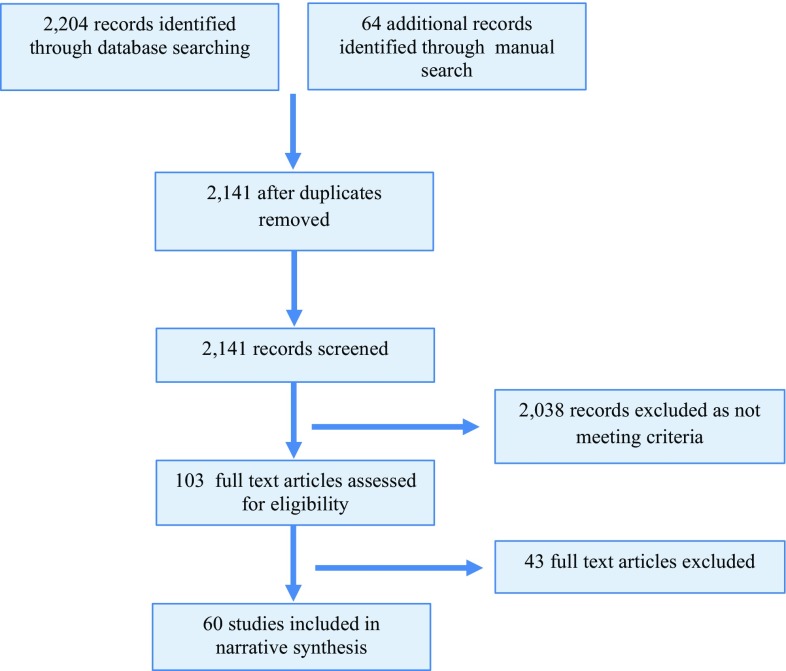
BACKGROUND: The physical impacts of elite sport participation have been well documented; however, there is comparatively less research on the mental health and psychological wellbeing of elite athletes. OBJECTIVE: This review appraises the evidence base regarding the mental health and wellbeing of elite-level athletes, including the incidence and/or nature of mental ill-health and substance use. METHODS: A systematic search of the PubMed, EMBASE, SPORTDiscus, PsycINFO, Cochrane and Google Scholar databases, up to and including May 2015, was conducted. RESULTS: The search yielded a total of 2279 records. Following double screening, 60 studies were included. The findings suggested that elite athletes experience a broadly comparable risk of high-prevalence mental disorders (i.e. anxiety, depression) relative to the general population. Evidence regarding other mental health domains (i.e. eating disorders, substance use, stress and coping) is less consistent. These results are prefaced, however, by the outcome of the quality assessment of the included studies, which demonstrated that relatively few studies (25 %) were well reported or methodologically rigorous. Furthermore, there is a lack of intervention-based research on this topic. CONCLUSION: The evidence base regarding the mental health and wellbeing of elite athletes is limited by a paucity of high-quality, systematic studies. Nonetheless, the research demonstrates that this population is vulnerable to a range of mental health problems (including substance misuse), which may be related to both sporting factors (e.g. injury, overtraining and burnout) and non-sporting factors. More high-quality epidemiological and intervention studies are needed to inform optimal strategies to identify and respond to player mental health needs.
Overview
The claims and statistics of this paper haven’t been checked yet.
Run the check — free, no account needed. It reads the open-access text and checks the sources it cites.
Integrity signals
Registry
Cites
Statistics
Figures
Verification
Claims the paper makes
The claims and statistics of this paper haven’t been checked yet.
Run the check — free, no account needed. It reads the open-access text and checks the sources it cites.
Claims other papers make about this one
Each is checked against this paper’s own text: does it say what the citing paper says it does?
The cited source says what the claim attributes to it.
In the citing paper
“To date, research has primarily examined the mental health outcomes of elite athletes [15–18], with comparatively less research focusing on understanding these psychological experiences among coaches [19].”
From The Mental Health of Elite-Level Coaches: A Systematic Scoping Review (2024) · cites this paper as [17]
Self-check
Percentages, sums and reported differences re-computed from the paper’s own numbers.
The self-check needs the paper’s full text.
Citations
Cites
The prevalence and correlates of eating disorders in the National Comorbidity Survey Replication
Hudson, J. I., Hiripi, E., Pope, H. G., & Kessler, R. C. (2007) · Biological Psychiatry · doi:10.1016/j.biopsych.2006.03.040 · Cited by 4,973 · cited 1×
“However, there was a tendency for higher vulnerability to these conditions in athletes involved in sports requiring a particularly lean body shape [21, 35, 38– 40] and in female athletes [41–43]—the latter being consistent with the findings of general population studies [87].”
Mental health of young people: A global public-health challenge
Patel, V., Flisher, A. J., Hetrick, S., & McGorry, P. (2007) · The Lancet · doi:10.1016/s0140-6736(07)60368-7 · Cited by 3,126 · cited 1×
“Such models should capitalise on an early-intervention framework [102–104], ensuring early detection and prompt access to high-quality, evidence-based interventions.”
Self-citationYoung People’s Help-Seeking for Mental Health Problems
Rickwood, D., Deane, F. P., Wilson, C. J., & Ciarrochi, J. (2005) · Australian e-Journal for the Advancement of Mental Health · doi:10.5172/jamh.4.3.218 · Cited by 1,619 · cited 1×
“Importantly, the mental health of hard-to-engage populations, such as young men [107] and older men [108, 109], could be targeted.”
How Emotions Influence Performance in Competitive Sports
Lazarus, R. S. (2000) · The Sport Psychologist · doi:10.1123/tsp.14.3.229 · Cited by 1,085 · cited 1×
“The ways by which athletes appraise and cope with these stressors can be a powerful determinant of the impact the stressors have on both their mental health and their sporting success [18].”
Prevalence of Eating Disorders in Elite Athletes Is Higher Than in the General Population
Sundgot-Borgen, J. K., & Torstveit, M. K. (2004) · Clinical Journal of Sport Medicine · doi:10.1097/00042752-200401000-00005 · Cited by 1,077 · cited 2×
“Three reported a higher incidence of eating disorder or body dissatisfaction in elite athletes relative to controls [36], especially in sports emphasising leanness or lower body weight [21, 35].”
Defining elite athletes: Issues in the study of expert performance in sport psychology
Swann, C., Moran, A., & Piggott, D. (2015) · Psychology of Sport and Exercise · doi:10.1016/j.psychsport.2014.07.004 · Cited by 998 · cited 1×
“While the included studies focused specifically on elite-level competition at the national or international level, differences between the included sports in terms of training, remuneration, media pressure and other salient variables must be considered [89].”
PHYSICAL ACTIVITY AND MENTAL HEALTH: THE ASSOCIATION BETWEEN EXERCISE AND MOOD
Peluso, M. A. M., & Andrade, L. H. (2005) · Clinics · doi:10.1590/s1807-59322005000100012 · Cited by 804 · cited 1×
“…that physical activity has a positive effect on mental health [6, 7], a review has found that intense physical activity performed at the elite athlete level might instead compromise mental wellbeing, increasing symptoms of anxiety and depression through overtraining, injury and burnout [8].”
Psychology of the elite athlete: An exploratory study
Mahoney, M. J., & Avener, M. (1977) · Cognitive Therapy and Research · doi:10.1007/bf01173634 · Cited by 615 · cited 1×
“Mahoney and Avener [80] Quantitative; crosssectional, observational Psychological factors and cognitive strategies 12 (12:0) Gymnastics; USA Self-verbalisations and certain forms of mental imagery differentiated Olympic-level and nonOlympic-level gymnasts.”
Gulliver, A., Griffiths, K. M., & Christensen, H. (2012) · BMC Psychiatry · doi:10.1186/1471-244x-12-157 · Cited by 611 · cited 3×
“Given that stigma, poor mental health literacy and negative past experiences of mental health help seeking are key barriers for elite athletes [12], more welldesigned studies, drawing on larger samples, are needed.”
Coping in sport: A systematic review
Nicholls, A. R., & Polman, R. C. J. (2006) · Journal of Sports Sciences · doi:10.1080/02640410600630654 · Cited by 575 · cited 1×
“Such an understanding is required to provide guidance for sport practitioners—including coaches, medical staff and sport psychologists—in developing the coping abilities of elite athletes and, in turn, improving their emotional wellbeing [20].”
Research works printed but not linked: 3
- Maestu J, Jurimae J, Jurimae T. Psychological and biochemical markers of heavy training stress in highly trained male rowers. Med dello Sport. 2003;56(2):95–101.
- Hainline B. Mind, body and sport: understanding and supporting student-athlete mental wellness. Indianapolis: National Collegiate Athletic Association; 2014.
- Thompson R, Sherman R. Managing student-athletes’ mental health issues. Indianapolis: National Collegiate Athletic Association; 2007.
Cited by
Sorted by citations
Mental health in elite athletes: International Olympic Committee consensus statement (2019)
Reardon, C. L., Hainline, B., Aron, C. M., Baron, D., Baum, A. L., Bindra, A., Budgett, R., Campriani, N., Castaldelli-Maia, J. M., Currie, A., et al. (2019) · British Journal of Sports Medicine · doi:10.1136/bjsports-2019-100715 · Cited by 1,277
“at major events, and the athlete’s interpretation of pre-competitive anxiety may mediate the functional impact of symptoms.(241)”
Self-citationMalm, C., Jakobsson, J., & Isaksson, A. (2019) · Sports · doi:10.3390/sports7050127 · Cited by 774
“Negative effects include the risk of failure leading to poor mental health [8,9], risk of injury [10,11], eating disorders [12], burnout [13], and exercise-induced gastrointestinal tract discomfort [14].”
BackgroundGouttebarge, V., Castaldelli-Maia, J. M., Gorczynski, P., Hainline, B., Hitchcock, M. E., Kerkhoffs, G. M., Rice, S. M., & Reardon, C. L. (2019) · British Journal of Sports Medicine · doi:10.1136/bjsports-2019-100671 · Cited by 604
“Single studies show that the prevalence of mental health symptoms and disorders among both current and former elite athletes seems substantial and similar to the prevalence in the general population.(5) A professional or elite sport career is characterised by more than 640 distinct stressors that could induce mental h…”
BackgroundSelf-citationSchinke, R. J., Stambulova, N. B., Si, G., & Moore, Z. E. (2017) · International Journal of Sport and Exercise Psychology · doi:10.1080/1612197x.2017.1295557 · Cited by 499
“The peak age for the risk of athletes’ onset of mental disorders overlaps with the peak competitive years for elite athletes due to the intense mental and physical demands they experience (Hughes & Leavey, 2012; Rice et al., 2016).”
BackgroundPurcell, R., Gwyther, K., & Rice, S. M. (2019) · Sports Medicine - Open · doi:10.1186/s40798-019-0220-1 · Cited by 394
Self-citationEather, N., Wade, L., Pankowiak, A., & Eime, R. (2023) · Systematic Reviews · doi:10.1186/s13643-023-02264-8 · Cited by 386
“However, the evidence regarding sports participation at the elite level is limited, with available research indicating that elite athletes may be more susceptible to mental health problems, potentially due to the intense mental and physical demands placed on elite athletes [12].”
BackgroundConsensus statement on improving the mental health of high performance athletes
Henriksen, K., Schinke, R., Moesch, K., McCann, S., Parham, W. D., Larsen, C. H., & Terry, P. (2020) · International Journal of Sport and Exercise Psychology · doi:10.1080/1612197x.2019.1570473 · Cited by 385
“First, current scales tend to measure mental illness (e.g. Gorczynski, Coyle, & Gibson, 2017; (Rice, Purcell, De Silva, Mawren, McGorry & Parker, 2016) rather than mental health.”
BackgroundDeterminants of anxiety in elite athletes: a systematic review and meta-analysis
Rice, S., Gwyther, K., Santesteban‐Echarri, O., Baron, D. A., Gorczynski, P. F., Gouttebarge, V., Reardon, C. L., Hitchcock, M., Hainline, B. W., & Purcell, R. (2019) · British Journal of Sports Medicine · doi:10.1136/bjsports-2019-100620 · Cited by 365
Self-citationRisk and protective factors for mental health in elite athletes: a scoping review
Kuettel, A., & Larsen, C. H. (2020) · International Review of Sport and Exercise Psychology · doi:10.1080/1750984x.2019.1689574 · Cited by 311
“These include competitive (e.g., performance expectation), organizational (e.g., travel), and personal (e.g., family issues) stressors, that potentially increase the risk of mental illness in athletes (Rice et al., 2016).”
BackgroundResultInfluentialFEPSAC position statement: Mental health disorders in elite athletes and models of service provision
Moesch, K., Kenttä, G., Kleinert, J., Quignon-Fleuret, C., Cecil, S., & Bertollo, M. (2018) · Psychology of sport and exercise · doi:10.1016/j.psychsport.2018.05.013 · Cited by 284
“It has been proposed that elite sport context-specific factors such as injury, excessive overtraining in combination with inadequate recovery, and career termination may increase vulnerability to certain mental disorders (see e.g., Gulliver et al., 2015; Meeusen et al., 2013; Raglin, 2001; Rice et al., 2016).”
BackgroundBreslin, G., Shannon, S., Haughey, T., Donnelly, P., & Leavey, G. (2017) · Systematic Reviews · doi:10.1186/s13643-017-0568-6 · Cited by 239
“There is relatively scant research on the mental health of athletes [5], and the prevalence of diagnosable psychiatric disorders in athletes is unclear [5–8].”
BackgroundMethodInfluentialDepressive symptoms in high-performance athletes and non-athletes: a comparative meta-analysis
Gorczynski, P. F., Coyle, M., & Gibson, K. (2017) · British Journal of Sports Medicine · doi:10.1136/bjsports-2016-096455 · Cited by 239
Sport-Related Concussion and Mental Health Outcomes in Elite Athletes: A Systematic Review
Rice, S., Parker, A. G., Rosenbaum, S., Bailey, A. P., Mawren, D., & Purcell, R. (2017) · Sports Medicine · doi:10.1007/s40279-017-0810-3 · Cited by 217
“5 Conclusions Regardless of the direction of the relationship, our findings and previous research [69] indicate that amongst elite athletes, both currently competing or retired, concussion and impaired mental health, particularly depression 462 S.”
Self-citationThe influence of blue light on sleep, performance and wellbeing in young adults: A systematic review
Silvani, M. I., Werder, R., & Perret, C. (2022) · Frontiers in Physiology · doi:10.3389/fphys.2022.943108 · Cited by 226
“A study stated that stress might lead to injury and issues with their mental health (Rice et al., 2016).”
BackgroundThe prevalence of mental health problems in elite athletes
Åkesdotter, C., Kenttä, G., Eloranta, S., & Franck, J. (2019) · Journal of science and medicine in sport · doi:10.1016/j.jsams.2019.10.022 · Cited by 243
Gerber, M., Best, S., Meerstetter, F., Walter, M., Ludyga, S., Brand, S., Bianchi, R., Madigan, D. J., Isoard‐Gautheur, S., & Gustafsson, H. (2018) · Journal of science and medicine in sport · doi:10.1016/j.jsams.2018.05.018 · Cited by 171
“Therefore, it is no surprise that psychological disorders are highly prevalent among elite athletes.(3) For instance, in a study of Australian athletes, almost half of the participants (46%) reported at least one mental health issue, including depression, eating disorder, general AC CE PT ED M AN US CR IP T”
BackgroundResultGucciardi, D. F., Hanton, S., & Fleming, S. (2016) · Journal of science and medicine in sport · doi:10.1016/j.jsams.2016.08.006 · Cited by 176
Ströhle, A. (2018) · European Archives of Psychiatry and Clinical Neuroscience · doi:10.1007/s00406-018-0891-5 · Cited by 160
“According to studies of the past 30 years [17] and a recent meta-analysis [18], overall, depressive symptoms are not increased but also not decreased in high-performance athletes, however, sport-related differences have been reported and it has been repeatedly shown that athletes competing in individual sports were mo…”
ResultAn Evidence-Informed Framework to Promote Mental Wellbeing in Elite Sport
Purcell, R., Pilkington, V., Carberry, S., Reid, D., Gwyther, K., Hall, K., Deacon, A., Manon, R., Walton, C. C., & Rice, S. (2022) · Frontiers in Psychology · doi:10.3389/fpsyg.2022.780359 · Cited by 156
Self-citationBissett, J. E., Kroshus, E., & Hebard, S. (2020) · BMJ Open Sport & Exercise Medicine · doi:10.1136/bmjsem-2019-000676 · Cited by 147
“Once athletes have chosen to seek help for mental health concerns, encouraging treatment adherence should theoretically help limit morbidity.”
BackgroundGriffin, A., Kenny, I. C., Comyns, T. M., & Lyons, M. (2019) · Sports Medicine · doi:10.1007/s40279-019-01218-2 · Cited by 145
Youth sport as a context for supporting mental health: Adolescent male perspectives
Swann, C., Telenta, J., Draper, G., Liddle, S. K., Fogarty, A. S., Hurley, D., & Vella, S. A. (2017) · Psychology of sport and exercise · doi:10.1016/j.psychsport.2017.11.008 · Cited by 164
Men, Mental Health and Elite Sport: a Narrative Review
Souter, G., Lewis, R., & Serrant, L. (2018) · Sports Medicine - Open · doi:10.1186/s40798-018-0175-7 · Cited by 144
Rice, S., Parker, A. G., Mawren, D., Clifton, P., Harcourt, P. R., Lloyd, M., Kountouris, A., Smith, B., McGorry, P. D., & Purcell, R. (2019) · International Journal of Sport and Exercise Psychology · doi:10.1080/1612197x.2019.1611900 · Cited by 147
“Furthermore, much of the research undertaken to date on elite athlete mental health, including psychometric validation studies, has been with non-representative samples (Rice et al., 2016).”
BackgroundResultInfluentialSelf-citationA Commentary on Mental Health Research in Elite Sport
Poucher, Z. A., Tamminen, K. A., Kerr, G., & Cairney, J. (2021) · Journal of Applied Sport Psychology · doi:10.1080/10413200.2019.1668496 · Cited by 127
The mental health of elite athletes in the United Kingdom
Foskett, R. L., & Longstaff, F. (2017) · Journal of science and medicine in sport · doi:10.1016/j.jsams.2017.11.016 · Cited by 125
Developing mental health literacy and cultural competence in elite sport
Gorczynski, P. F., Currie, A., Gibson, K., Gouttebarge, V., Hainline, B. W., Castaldelli-Maia, J. M., Mountjoy, M. L., Purcell, R., Reardon, C. L., Rice, S., et al. (2020) · Journal of Applied Sport Psychology · doi:10.1080/10413200.2020.1720045 · Cited by 142
“symptoms and disorders in elite athletes (Gorczynski et al., 2017; Rice et al., 2016).”
BackgroundResultInfluentialSelf-citationMeasuring Well-Being in Sport Performers: Where are We Now and How do we Progress?
Giles, S., Fletcher, D., Arnold, R., Ashfield, A., & Harrison, J. (2020) · Sports Medicine · doi:10.1007/s40279-020-01274-z · Cited by 145
“affected by underperformance, pressure and expectations, burnout, and the development of maladaptive psychological symptoms and disorders [5].”
BackgroundSebbens, J., Hassmén, P., Crisp, D. A., & Wensley, K. (2016) · Frontiers in Psychology · doi:10.3389/fpsyg.2016.00911 · Cited by 136
“Depression and anxiety were targeted in the content due to high prevalence rates in elite sport (Gulliver et al., 2015; Rice et al., 2016), as is observed in the general population.”
BackgroundInfluentialAthlete mental health in the Olympic/Paralympic Quadrennium: a multi-societal consensus statement
Henriksen, K., Schinke, R., McCann, S., Durand-Bush, N., Moesch, K., Parham, W. D., Larsen, C. H., Cogan, K., Donaldson, A., Poczwardowski, A., et al. (2020) · International Journal of Sport and Exercise Psychology · doi:10.1080/1612197x.2020.1746379 · Cited by 116
“Alongside a series of scientific reviews and commentaries (Breslin et al., 2017; Gorczynski, Coyle, & Gibson, 2017; Kuettel & Larsen, 2019, Poucher, Tamminen, Kerr & Cairney, 2019; Rice et al., 2016), the current collaboration bears witness to an increased focus on the topic of athlete mental health.”
BackgroundThe mental health of student-athletes: a systematic scoping review
Kegelaers, J. J., Wylleman, P., Defruyt, S., Praet, L., Stambulova, N. B., Torregrossa, M., Kenttä, G., & Brandt, K. D. (2022) · International Review of Sport and Exercise Psychology · doi:10.1080/1750984x.2022.2095657 · Cited by 149
“These challenges make it di ffi cult to draw accurate conclusions about the prevalence of MH disorders among student-athletes (Poucher et al., 2021).”
InfluentialVella, S. A., Schweickle, M. J., Sutcliffe, J., & Swann, C. (2021) · Psychology of sport and exercise · doi:10.1016/j.psychsport.2021.101946 · Cited by 123
Håkansson, A., Jönsson, C., & Kenttä, G. (2020) · International Journal of Environmental Research and Public Health · doi:10.3390/ijerph17186693 · Cited by 113
“Although the prevalence rates of mental health disorders have not demonstrated to be higher, an elite level athlete who shows signs of poor mental health is still associated with stigma and at risk of misperceptions of mental health symptoms by health care practitioners since athletes typically are in seemingly good p…”
BackgroundChallenges to Athletes During the Home Confinement Caused by the COVID-19 Pandemic
Andreato, L. V., Coimbra, D. R., & Andrade, A. (2020) · Strength and conditioning journal · doi:10.1519/ssc.0000000000000563 · Cited by 110
“This period may represent a sedentary moment for athletes, leading to consumption of high calorie foods due to impulse or anxiety (37).”
BackgroundPRISMA for Review of Management Literature – Method, Merits, and Limitations – An Academic Review
Mishra, V., & Mishra, M. P. (2023) · Review of management literature · doi:10.1108/s2754-586520230000002007 · Cited by 174
Simons, E. E., & Bird, M. D. (2022) · Journal for the Study of Sports and Athletes in Education · doi:10.1080/19357397.2022.2060703 · Cited by 105
“fatigue, and organizational stressors (Rice et al., 2016).”
McLoughlin, E., Fletcher, D., Slavich, G. M., Arnold, R., & Moore, L. J. (2020) · Psychology of sport and exercise · doi:10.1016/j.psychsport.2020.101823 · Cited by 133
Purcell, R., Rice, S., Butterworth, M., & Clements, M. (2020) · Sports Medicine · doi:10.1007/s40279-020-01266-z · Cited by 100
Self-citationChang, C. J., Putukian, M., Aerni, G. A., Diamond, A. B., Hong, E. S., Ingram, Y. M., Reardon, C. L., & Wolanin, A. T. (2020) · Clinical Journal of Sport Medicine · doi:10.1097/jsm.0000000000000817 · Cited by 117
Slingerland, K. J. V., Durand‐Bush, N., Bradley, L., Goldfield, G. S., Archambault, R., Smith, D., Edwards, C. D., Delenardo, S., Taylor, S., Werthner, P., et al. (2019) · Clinical Journal of Sport Medicine · doi:10.1097/jsm.0000000000000665 · Cited by 97
“Athletes often compete within sport cultures that stigmatize mental health, discouraging help-seeking and contributing to sport dropout.(2) Furthermore, many choose to suffer in silence because they are concerned that practitioners will not understand their unique needs and challenges.”
BackgroundFootball as work: the lived realities of professional women footballers in England
Culvin, A. (2021) · Managing Sport and Leisure · doi:10.1080/23750472.2021.1959384 · Cited by 106
Mental Health in the Young Athlete
Xanthopoulos, M. S., Benton, T. D., Lewis, J., Case, J. A. C., & Master, C. L. (2020) · Current Psychiatry Reports · doi:10.1007/s11920-020-01185-w · Cited by 118
Vaughan, R. S., Edwards, E. J., & Macintyre, T. E. (2020) · Frontiers in Psychology · doi:10.3389/fpsyg.2020.590559 · Cited by 98
“For example, the athlete environment produces unique stressors as a result of highpressure circumstances, constant mental effort, and experiences such as injury which may negatively impact mental health (Rice et al., 2016).”
BackgroundResultInfluentialControlled Evaluation of an Optimization Approach to Mental Health and Sport Performance
Donohue, B. C., Gavrilova, Y., Galante, M., Gavrilova, E., Loughran, T., Scott, J., Chow, G. M., Plant, C. P., & Allen, D. N. (2018) · Journal of Clinical Sport Psychology · doi:10.1123/jcsp.2017-0054 · Cited by 99
“However, sport-specific mental health interventions for athletes, although warranted, have been slow to develop (Donohue et al., 2013; Rice et al., 2016).”
BackgroundBeable, S., Fulcher, M. L., Lee, A. C.-L., & Hamilton, B. H. (2017) · Journal of science and medicine in sport · doi:10.1016/j.jsams.2017.04.018 · Cited by 93
“Although there may growing awareness about depression in elite athletes, it is not apparent this is translating into clinical practice and practitioners are unlikely to be recognising the true level and frequency of psychological distress.(10,24,25)”
BackgroundBreslin, G., Shannon, S., Cummings, M., & Leavey, G. (2022) · Systematic Reviews · doi:10.1186/s13643-022-01932-5 · Cited by 107
“For combining and reporting the results, we inspected each study’s outcomes and categorised them in accordance with the following key mental health constructs [35]: stigma, mental health knowledge, referral efficacy/confidence, help-seeking intentions and behaviour, well-being and additional outcomes.”
MethodFogaça, J. L. (2019) · Journal of Applied Sport Psychology · doi:10.1080/10413200.2019.1648326 · Cited by 90
University sport retirement and athlete mental health: a narrative analysis
Jewett, R., Kerr, G. A., & Tamminen, K. A. (2018) · Qualitative Research in Sport Exercise and Health · doi:10.1080/2159676x.2018.1506497 · Cited by 89
“As recent reviews and commentaries on the state of high performance athlete mental health research have suggested, considerably more research with this population and context is needed to develop our understanding of athletes’ mental healthcare needs (Rice et al. 2016; Lebrun and Collins 2017).”
BackgroundCosh, S., McNeil, D. G., Jeffreys, A., Clark, L. A., & Tully, P. J. (2023) · Psychology of sport and exercise · doi:10.1016/j.psychsport.2023.102586 · Cited by 119
Kuettel, A., Pedersen, A. K., & Larsen, C. H. (2021) · Psychology of Sport and Exercise · doi:10.1016/j.psychsport.2020.101837 · Cited by 89
How Mental Health Affects Injury Risk and Outcomes in Athletes
Rogers, D. L., Tanaka, M. J., Cosgarea, A. J., Ginsburg, R. D., & Dreher, G. M. (2023) · Sports Health A Multidisciplinary Approach · doi:10.1177/19417381231179678 · Cited by 88
“Elite athletes experience nearly the same rate of diagnosis of mental health disorders as the general population 54 ; this has been observed in collegiate as well as in internationally ranked athletes, 19,30,61 and some report they may be at greater risk than nonathletes.”
BackgroundLundqvist, C., & Andersson, G. (2021) · Frontiers in Psychology · doi:10.3389/fpsyg.2021.700829 · Cited by 110
“A direct relationship between exposure to elite sports stressors and mental health concerns is, however, challenged in available research, which indicates comparable levels of symptoms reported among elite athletes and non-athlete populations (e.g., Gulliver et al., 2015; Rice et al., 2016; Gorczynski et al., 2017; Go…”
BackgroundResultExamining the Predictors of Mental Ill Health in Esport Competitors
Smith, M. J., Sharpe, B. T., Arumuham, A., & Birch, P. D. J. (2022) · Healthcare · doi:10.3390/healthcare10040626 · Cited by 82
“Further research in sport has identified that symptoms of burnout have been shown to be significant contributors to diminished psychological wellbeing [27].”
BackgroundDrew, B. J., & Matthews, J. J. (2018) · Journal of Clinical Sport Psychology · doi:10.1123/jcsp.2017-0043 · Cited by 81
Self-compassion, social rank, and psychological distress in athletes of varying competitive levels
Walton, C. C., Baranoff, J. A., Gilbert, P., & Kirby, J. N. (2020) · Psychology of sport and exercise · doi:10.1016/j.psychsport.2020.101733 · Cited by 92
Gouttebarge, V., Hopley, P., Kerkhoffs, G. M. M. J., Verhagen, E. A. L. M., Viljoen, W., Wylleman, P., & Lambert, M. (2018) · European Journal of Sport Science · doi:10.1080/17461391.2018.1466914 · Cited by 80
“This concurs with the authors’ assumption and the scientific literature that symptoms of CMD are likely to interfere with several aspects essential to the performance of professional athletes such as, concentration and focus, coordination and emotion (Rice et al., 2016).”
ResultPsychotherapy for Mental Health Symptoms and Disorders in Elite Athletes: A Narrative Review
Stillman, M. A., Glick, I. D., McDuff, D., Reardon, C. L., Hitchcock, M. E., Fitch, V. M., & Hainline, B. (2019) · British Journal of Sports Medicine · doi:10.1136/bjsports-2019-100654 · Cited by 77
eSports: the need for a structured support system for players
Hong, H. J. (2022) · European Sport Management Quarterly · doi:10.1080/16184742.2022.2028876 · Cited by 96
“Rice et al. (2016) argue that athletes need to protect both their mental and physical health and that further intervention studies are required.”
BackgroundPsychological Safety for Mental Health in Elite Sport: A Theoretically Informed Model
Walton, C. C., Purcell, R., Pilkington, V., Hall, K., Kenttä, G., Vella, S. A., & Rice, S. (2023) · Sports Medicine · doi:10.1007/s40279-023-01912-2 · Cited by 99
“It is now clear that athletes in elite sports experience mental ill-health at similar rates to the general population [3, 4], with coaches and support staff also increasingly recognised as at risk [5, 6].”
BackgroundSelf-citationJunge, A., & Prinz, B. (2018) · British Journal of Sports Medicine · doi:10.1136/bjsports-2017-098033 · Cited by 77
Symptoms of Anxiety and Depression in Young Athletes Using the Hospital Anxiety and Depression Scale
Weber, S., Puta, C., Lesinski, M., Gabriel, B., Steidten, T., Bär, K., Herbsleb, M., Granacher, U., & Gabriel, H. H. W. (2018) · Frontiers in Physiology · doi:10.3389/fphys.2018.00182 · Cited by 76
“However, likely reasons for these high rates are the elevated risk of injuries, performance plateaus or decrements or an approaching retirement form elite sports (Rice et al., 2016).”
BackgroundMental and physical health outcomes of burnout in athletes: a systematic review and meta-analysis
Glandorf, H. L., Madigan, D. J., Kavanagh, O. V., & Mallinson‐Howard, S. H. (2023) · International Review of Sport and Exercise Psychology · doi:10.1080/1750984x.2023.2225187 · Cited by 76
“It may well be that there are aspects of athletes’ experiences such as injuries, performance slumps, and career transitions that make them more susceptible to such difficulties (Rice et al., 2016).”
Coyle, M., Gorczynski, P. F., & Gibson, K. (2016) · Psychology of sport and exercise · doi:10.1016/j.psychsport.2016.11.005 · Cited by 87
“Relationships between mental illness and physical activity has gained significant attention from researchers, however, relatively speaking, little attention has been devoted to elite athletes (Hughes & Leavey, 2012; Rice et al., 2016).”
BackgroundInfluentialKegelaers, J., Wylleman, P., van Bree, I. (. N. A., Wessels, F., & Oudejans, R. R. D. (2021) · International Sport Coaching Journal · doi:10.1123/iscj.2020-0066 · Cited by 71
Madigan, D. J., Olsson, L. F., Hill, A. P., & Curran, T. (2022) · Journal of Sport and Exercise Psychology · doi:10.1123/jsep.2020-0291 · Cited by 93
Nuetzel, B. (2023) · Frontiers in Sports and Active Living · doi:10.3389/fspor.2023.1265783 · Cited by 75
Jensen, S. N., Ivarsson, A., Fallby, J., Dankers, S., & Elbe, A. (2018) · Psychology of sport and exercise · doi:10.1016/j.psychsport.2018.02.008 · Cited by 87
“Recent studies (Gulliver et al., 2015; Hammond, Gialloreto, Kubas, & Davis, 2013; Rice et al., 2016) have, however, highlighted that elite athletes might be just as likely as non-athletes to experience depression, and that psychosocial benefits attributed to sport do not inherently occur through mere sport participati…”
BackgroundInfluentialMental toughness latent profiles in endurance athletes
Zeiger, J., & Zeiger, R. (2018) · PLoS ONE · doi:10.1371/journal.pone.0193071 · Cited by 74
Rice, S., Telford, N. R., Rickwood, D., & Parker, A. G. (2017) · Journal of Mental Health · doi:10.1080/09638237.2016.1276528 · Cited by 82
“Increasing numbers of male role models (i.e. elite sportspeople, musicians and actors) are speaking openly about their mental health challenges and advocating the benefits of help seeking (Rice et al., 2016).”
BackgroundSelf-citationMindfulness training enhances flow state and mental health among baseball players in Taiwan
Chen, J., Tsai, P.-H., Lin, Y., Chen, C., & Chen, C.-Y. (2018) · Psychology Research and Behavior Management · doi:10.2147/prbm.s188734 · Cited by 68
“Introduction Elite athletes have a comparable high prevalence of mental disorders like depression, anxiety, eating disorders, substance use, and compromised coping strategies.(1) In Australia, when researchers addressed the mental health of elite athletes from national sporting organizations, they found a similar prev…”
BackgroundPsychological Impact of the COVID-19 Pandemic on Athletes
Uroh, C. C., & Adewunmi, C. M. (2021) · Frontiers in Sports and Active Living · doi:10.3389/fspor.2021.603415 · Cited by 62
“Specifically, there are general risk indicators such as negative life events in which both athletes and the general population experience comparable psychological distress (Rice et al., 2016; Purcell et al., 2019).”
BackgroundSleep quality associated with mood in elite athletes
Andrade, A., Bevilacqua, G. G., Casagrande, P. D. O., Brandt, R., & Coimbra, D. R. (2018) · The Physician and Sportsmedicine · doi:10.1080/00913847.2018.1553467 · Cited by 61
“Elite athletes are constantly exposed to stressors that may impair mental health [31] and negatively influence sleep quality [21].”
BackgroundBipolar and psychotic disorders in elite athletes: a narrative review
Currie, A., Gorczynski, P. F., Rice, S., Purcell, R., McAllister-Williams, H., Hitchcock, M., Hainline, B. W., & Reardon, C. L. (2019) · British Journal of Sports Medicine · doi:10.1136/bjsports-2019-100685 · Cited by 62
Self-citationRice, S., Walton, C. C., Pilkington, V., Gwyther, K., OLIVE, L. S., Lloyd, M., Kountouris, A., Butterworth, M., Clements, M., & Purcell, R. (2022) · BMJ Open Sport & Exercise Medicine · doi:10.1136/bmjsem-2021-001251 · Cited by 71
Self-citationExamining mental health literacy, help-seeking behaviours, distress, and wellbeing in UK coaches
Gorczynski, P., Gibson, K., Clarke, N., Mensah, T., & Summers, R. (2020) · European Physical Education Review · doi:10.1177/1356336x19887772 · Cited by 59
“Research has demonstrated consistently that athletes, at all ages and levels of competition, are under pressure to perform well and deal with many stressors, which may result in poor mental health (Coyle et al., 2017; Gorczynski et al., 2017a; Gulliver, 2017; Gulliver et al., 2015; Rice et al., 2016).”
BackgroundLangbein, R. K., Martin, D., Allen-Collinson, J., Crust, L., & Jackman, P. C. (2021) · Journal of Sports Sciences · doi:10.1080/02640414.2021.1883312 · Cited by 66
“The potential adverse psychological effects of combining high levels of PA with inadequate nutrition are wide-ranging and include: anxiety; depression; substance misuse; disordered eating (DE) and eating disorders (ED; Mikkelsen et al., 2017; Rice et al., 2016).”
BackgroundThe prevalence of disordered eating in elite male and female soccer players
Abbott, W., Brett, A., Brownlee, T. E., Hammond, K. M., Harper, L. D., Naughton, R. J., Anderson, L. J., Munson, E. H., Sharkey, J. V., Randell, R. K., et al. (2020) · Eating and Weight Disorders - Studies on Anorexia Bulimia and Obesity · doi:10.1007/s40519-020-00872-0 · Cited by 67
Athlete perspectives on the enablers and barriers to nutritional adherence in high-performance sport
Bentley, M. R. N., Patterson, L. B., Mitchell, N., & Backhouse, S. H. (2020) · Psychology of sport and exercise · doi:10.1016/j.psychsport.2020.101831 · Cited by 68
“However, our findings reinforce the need to move beyond individual agency and take action on the cultural climate of high-performance sport (Mountjoy et al., 2016; Rice et al., 2016).”
BackgroundStudent‐Athletes and Mental Health Experiences
Ryan, H., Gayles, J. G., & Bell, L. (2018) · New Directions for Student Services · doi:10.1002/ss.20271 · Cited by 61
The Mental Health of Elite-Level Coaches: A Systematic Scoping Review
Frost, J., Walton, C. C., Purcell, R., Fisher, K., Gwyther, K., Kocherginsky, M., & Rice, S. M. (2024) · Sports Medicine - Open · doi:10.1186/s40798-023-00655-8 · Cited by 59
“In order to fully understand the extent to which elite-level coaches experience symptoms of mental ill-health, future research should seek to identify periods where coaches may experience heightened symptomatology, and also utilise more representative coaching samples ( n > 100) [17].”
BackgroundSelf-citationTayech, A., Mejri, M. A., Makhlouf, I., Mathlouthi, A., Behm, D. G., & Chaouachi, A. (2020) · International Journal of Environmental Research and Public Health · doi:10.3390/ijerph17228385 · Cited by 56
“Although physical activity has a positive effect on athletes’ mental health [43], the adopted home confinement measures and the fear of a second wave of COVID-19, which may delay the return to training and normality and may involve financial problems and depressing daily news, might compromise the athletes’ mental wel…”
BackgroundBurns, L., Weissensteiner, J. R., Cohen, M. M., & Bird, S. R. (2022) · BMC Sports Science Medicine and Rehabilitation · doi:10.1186/s13102-021-00393-y · Cited by 55
“From this we deemed that success both within sport and transition out of sport requires an holistic approach to athlete development that includes a complimentary mix of wellbeing, lifestyle practices, performance strategies, psychological attributes, education, and supportive interpersonal relationships [5].”
BackgroundAthlete Mental Health & Psychological Impact of Sport Injury
Haugen, E. N. J. (2022) · Operative Techniques in Sports Medicine · doi:10.1016/j.otsm.2022.150898 · Cited by 75
International society of sport psychology position stand: elite athlete mental health revisited
Schinke, R. J., Henriksen, K., Moore, Z. E., Stambulova, N. B., Bartley, J. D., Cosh, S., Wagstaff, C. R. D., Quartiroli, A., Wylleman, P., Maher, C. A., et al. (2024) · International Journal of Sport and Exercise Psychology · doi:10.1080/1612197x.2024.2359872 · Cited by 76
Management of mental health emergencies in elite athletes: a narrative review
Currie, A., Mcduff, D. R., Johnston, A., Hopley, P., Hitchcock, M., Reardon, C. L., & Hainline, B. W. (2019) · British Journal of Sports Medicine · doi:10.1136/bjsports-2019-100691 · Cited by 54
“Sports injuries are common(47) 48 and are associated with depressive symptoms and disorders.(40) 44 48–50 The relationship between sports injury and mood is not simply cause and effect.”
BackgroundPrevalence of disordered eating in elite female athletes in team sports in Greece
Kampouri, D., Kotopoulea‐Nikolaidi, M., Daskou, S., & Giannopoulou, I. (2019) · European Journal of Sport Science · doi:10.1080/17461391.2019.1587520 · Cited by 53
“…such as increased anxiety over body image and weight, excessive exercising, poor kcal intake, fasting or restrictive eating practices, binge eating and use of dietary supplements, pills and laxatives (Dosil, 2008; Melin, Torstveit, Burke, Marks, & Sundgot-Borgen, 2014; Rice et al., 2016).”
BackgroundKnowles, C., Shannon, S., Prentice, G., & Breslin, G. (2021) · Frontiers in Sports and Active Living · doi:10.3389/fspor.2021.612532 · Cited by 52
“, injury, de-selection, premature retirement) include feelings of depression and anxiety (Wylleman et al., 2004; Appaneal et al., 2009; Rice et al., 2016).”
BackgroundRoberts, C.-M., Faull, A. L., & Tod, D. (2016) · Frontiers in Psychology · doi:10.3389/fpsyg.2016.01067 · Cited by 52
Sports in time of COVID-19: Impact of the lockdown on team activity
Peña, J., Altarriba-Bartés, A., Vicens‐Bordas, J., Gil-Puga, B., Piniés-Penadés, G., Alba-Jiménez, C., Tantinyà, J. M., Baena-Riera, A., Loscos-Fàbregas, E., & Casals, M. (2020) · Apunts Sports Medicine · doi:10.1016/j.apunsm.2020.100340 · Cited by 53
Balcombe, L., & Leo, D. D. (2020) · JMIR Formative Research · doi:10.2196/22755 · Cited by 60
“Elite athlete mental health problems recently attracted great discussion as a worldwide relevant phenomenon [1], including reference to sporting factors, such as injury, overtraining, burnout, and career termination as well as nonsporting factors [2,3].”
BackgroundHåkansson, A., Moesch, K., Jönsson, C., & Kenttä, G. (2020) · International Journal of Environmental Research and Public Health · doi:10.3390/ijerph18010002 · Cited by 51
Chronic traumatic encephalopathy in sports: a historical and narrative review
Solomon, G. S. (2018) · Developmental Neuropsychology · doi:10.1080/87565641.2018.1447575 · Cited by 52
“A review by Wolanin and colleagues (2015) estimated the prevalence of depression in athletes at 15.6%–21%, while Rice et al. (2016) estimated the rate of depression to be similar to the general population.”
BackgroundInfluentialDaumiller, M. H., Rinas, R., & Breithecker, J. (2021) · International Journal of Sport and Exercise Psychology · doi:10.1080/1612197x.2021.1877326 · Cited by 55
“However, more research is needed concerning elite athletes specifically, who have been found to differ in their motivations when compared to non-elite athletes (Kavussanu et al., 2011) and may be at risk for a number of negative outcomes (e.g., Brand et al., 2012; Rice et al., 2016).”
BackgroundPrevalence of symptoms of common mental disorders among elite Canadian athletes
Poucher, Z. A., Tamminen, K. A., Sabiston, C. M., Cairney, J., & Kerr, G. A. (2021) · Psychology of sport and exercise · doi:10.1016/j.psychsport.2021.102018 · Cited by 70
Mansell, P. C. (2021) · Psychology of sport and exercise · doi:10.1016/j.psychsport.2021.102020 · Cited by 61
Problem gambling and gaming in elite athletes
Håkansson, A., Kenttä, G., & Åkesdotter, C. (2018) · Addictive Behaviors Reports · doi:10.1016/j.abrep.2018.08.003 · Cited by 50
“In general, it has been suggested that the prevalence of mental health problems in elite sports seems to mirror society as a whole (Rice et al., 2016), however, although a sparsely studied area, participation in team sports has been described as a particular risk factor of addictive behaviour (Grunseit et al.”
BackgroundRutter, L. A., Thompson, H. M., Howard, J., Riley, T. N., De Jesús-Romero, R., & Lorenzo-Luaces, L. (2021) · JMIR Mental Health · doi:10.2196/26134 · Cited by 51
“It is also important to consider the idea that physical activity in the form of competitive sports may increase depression and anxiety, as prior studies have shown that athletes are vulnerable to a range of mental health problems [55].”
Mental health and elite female athletes: A scoping review
Perry, C., Champ, F. M., Macbeth, J. L., & Spandler, H. (2021) · Psychology of sport and exercise · doi:10.1016/j.psychsport.2021.101961 · Cited by 60
Breslin, G., Haughey, T., O’Brien, W., Caulfield, L., Robertson, A., & Lawlor, M. (2018) · Journal of Clinical Sport Psychology · doi:10.1123/jcsp.2016-0039 · Cited by 47
“Recent evidence has shown athletes are at risk, if not more at risk, at certain times in their careers to: (a) developing mental health and (b) substance misuse problems, compared to the general population (Rice et al., 2016).”
BackgroundResultInfluentialDepression, anxiety and stress among female student-athletes: a systematic review and meta-analysis
Beisecker, L., Harrison, P. R., Josephson, M., & DeFreese, J. D. (2024) · British Journal of Sports Medicine · doi:10.1136/bjsports-2023-107328 · Cited by 53
Metadata
- Authors
- Rice, S. M., Purcell, R., De Silva, S., Mawren, D., McGorry, P. D., & Parker, A. G.
- Affiliations
- The University of Melbourne (AU)
- Orygen (AU)
- Corresponding author
- Rice, Simon M.
- Venue
- Sports Medicine
- Published
- 2016-02-20
- Volume
- 46
- Issue
- 9
- Pages
- 1333-1353
- ISSN
- 0112-1642 (ISSN-L)
- 1179-2035
- PMC
- PMC4996886
- OpenAlex
- W2278084024
- Cited by
- 1,205
- References
- 110
- Citations by year
- 2026: 175 · 2025: 161 · 2024: 157 · 2023: 148 · 2022: 155 · 2021: 129 · 2020: 105 · 2019: 74 · 2018: 64 · 2017: 27 · 2016: 10
- FWCI
- 10.78
- Type
- journal article
- Language
- en
- Open access
- hybrid
- doi.org
- Locations
- Sports Medicine (publishedVersion, cc-by)
- PubMed Central (publishedVersion, cc-by)
- PubMed (publishedVersion)
- Victoria University Research Repository (Victoria University) (submittedVersion, cc-by)
- Minerva Access (University of Melbourne) (submittedVersion, cc-by)
- Swinburne figshare (Swinburne University of Technology) (submittedVersion, cc-by)
- Funders
- Society for Mental Health Research (Early Career Fellowship)
- Topics
- Social Sciences › Psychology › Developmental and Educational Psychology › Sport Psychology and Performance
- Social Sciences › Psychology › Clinical Psychology › Psychological Treatments and Assessments
- Social Sciences › Psychology › Clinical Psychology › COVID-19 and Mental Health
- Keywords
- elite athletes, mental health, psychological well-being, anxiety, depression, eating disorders, substance use, stress coping, burnout, overtraining, injuries, mental health interventions
- MeSH terms
- Adaptation, Psychological, Anxiety, Feeding and Eating Disorders, Competitive Behavior, Depression, Humans, Mental Health, Risk Factors, Stress, Psychological, Incidence, Substance-Related Disorders, Athletes
About these checks
Registry, retraction, Cites and statistics results are computed, not judged, with one exception: a printed reference that no index lists is read once by a model before it counts as a citation error. Claims are extracted by a model and kept only when their quote appears verbatim in the text; each cited source is then checked, with a model’s help, for whether it says what the claim relies on. Those verdicts can be wrong — read the claim’s quote and the cited source before relying on one.
Statistics and arithmetic are recomputed, not judged.
Confidence bands are shown only for fields calibrated on our annotated test set. None is calibrated yet, so no band is shown.
What counts as a claim ›How we measure confidence ›How we check this ›
Are you an author, or do you see a problem with this page? Request a review
