

Methodological Considerations for Studies in Sport and Exercise Science with Women as Participants: A Working Guide for Standards of Practice for Research on Women
Open accessThe DOI matches its Crossref record; 78 of the 79 references it cites were found in a registry or an index.
Abstract
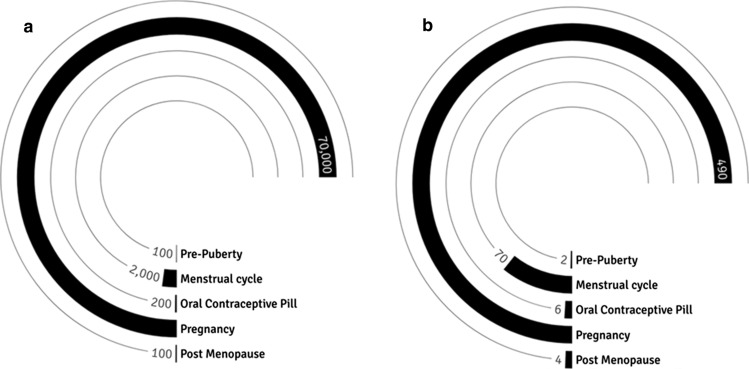
Until recently, there has been less demand for and interest in female-specific sport and exercise science data. As a result, the vast majority of high-quality sport and exercise science data have been derived from studies with men as participants, which reduces the application of these data due to the known physiological differences between the sexes, specifically with regard to reproductive endocrinology. Furthermore, a shortage of specialist knowledge on female physiology in the sport science community, coupled with a reluctance to effectively adapt experimental designs to incorporate female-specific considerations, such as the menstrual cycle, hormonal contraceptive use, pregnancy and the menopause, has slowed the pursuit of knowledge in this field of research. In addition, a lack of agreement on the terminology and methodological approaches (i.e., gold-standard techniques) used within this research area has further hindered the ability of researchers to adequately develop evidenced-based guidelines for female exercisers. The purpose of this paper was to highlight the specific considerations needed when employing women (i.e., from athletes to non-athletes) as participants in sport and exercise science-based research. These considerations relate to participant selection criteria and adaptations for experimental design and address the diversity and complexities associated with female reproductive endocrinology across the lifespan. This statement intends to promote an increase in the inclusion of women as participants in studies related to sport and exercise science and an enhanced execution of these studies resulting in more high-quality female-specific data.
Overview
The claims and statistics of this paper haven’t been checked yet.
Free: it reads the open-access text and checks the first 5 claims that cite a source we can check. Create a free account to check every claim.
Integrity signals
Registry
Cites
Statistics
Figures
Verification
Claims the paper makes
The claims and statistics of this paper haven’t been checked yet.
Free: it reads the open-access text and checks the first 5 claims that cite a source we can check. Create a free account to check every claim.
Claims other papers make about this one
Each is checked against this paper’s own text: does it say what the citing paper says it does?
The source backs part of the claim, not all of it — or backs it for a different population, condition or comparison.
In the citing paper
“The three-stage menstrual cycle control protocol was implemented to ensure the reliability of the study results28,33,34.”
From Impact of a single swimming session on inflammatory response and iron homeostasis in adolescent female athletes during the luteal phase (2025) · cites this paper as [34]
Experimental — accuracy not yet measuredThe cited source says what the claim attributes to it.
In the citing paper
“Indeed, when female participants are included in the studies, a poor consideration and characterization of the ovarian hormonal status, menstrual cycle phases, and use of oral contraceptives can be observed, leading to lack of information and inherent mixed female population (Elliott-Sale et al. 2021).”
From Analysis of sex-based differences in energy substrate utilization during moderate-intensity aerobic exercise (2022) · cites this paper as Elliott-Sale et al. 2021
The cited source says what the claim attributes to it.
In the citing paper
“the scientific design of the studies was scrutinized for scientific validity [1, 2] as part of the inclusion criteria”
From International society of sports nutrition position stand: nutritional concerns of the female athlete (2023) · cites this paper as [2]
In the citing paper
“In the present study, menstrual cycle control was implemented to ensure that all participants performed the exercise test during the luteal phase, thereby increasing sample homogeneity34.”
From Impact of a single swimming session on inflammatory response and iron homeostasis in adolescent female athletes during the luteal phase (2025) · cites this paper as [34]
Self-check
Percentages, sums and reported differences re-computed from the paper’s own numbers.
The self-check needs the paper’s full text.
Citations
Cites
The Practice Committee of the American Society for Reproductive Medicine
Birmingham, A. (2006) · Cited by 1,925
Harlow, S. D., Gass, M., Hall, J. E., Lobo, R., Maki, P., Rebar, R. W., Sherman, S., Sluss, P. M., & de Villiers, T. J. (2012) · Menopause · doi:10.1097/gme.0b013e31824d8f40 · Cited by 1,705
Harlow, S. D., Gass, M., Hall, J. E., Lobo, R., Maki, P., Rebar, R. W., Sherman, S., Sluss, P. M., de Villiers, T. J., & for the STRAW + 10 Collaborative Group (2012) · The Journal of Clinical Endocrinology & Metabolism · doi:10.1210/jc.2011-3362 · Cited by 1,325
Physical activity change during adolescence: a systematic review and a pooled analysis
Dumith, S. C., Gigante, D. P., Domingues, M. R., & Kohl, H. W. (2011) · International Journal of Epidemiology · doi:10.1093/ije/dyq272 · Cited by 1,275 · cited 1×
“At the recreational level, understanding the impact of changes in ovarian hormone concentration, experienced during the menstrual cycle or as a result of menstrual irregularities, hormonal contraceptive use, pregnancy or the menopause, on the ability and willingness to undertake exercise and physical activity may help…”
BackgroundMcNulty, K. L., Elliott-Sale, K. J., Dolan, E., Swinton, P. A., Ansdell, P., Goodall, S., Thomas, K., & Hicks, K. M. (2020) · Sports Medicine · doi:10.1007/s40279-020-01319-3 · Cited by 812 · cited 2×
“Moreover, if menstrual-cycle status is even considered by researchers, the hormonal profile of the participants is often implied rather than confirmed [25] which may exacerbate the variability between studies.”
BackgroundResultSelf-citationWhere are all the female participants in Sports and Exercise Medicine research?
Costello, J. T., Bieuzen, F., & Bleakley, C. M. (2014) · European Journal of Sport Science · doi:10.1080/17461391.2014.911354 · Cited by 599 · cited 1×
“Despite a recent growing interest in research in sport and exercise science with women as participants, the overall research quantity in this area is still very small compared to research with men as participants [15].”
ResultEffects of the Menstrual Cycle on Exercise Performance
Janse de Jonge, X. A. K. (2003) · Sports Medicine · doi:10.2165/00007256-200333110-00004 · Cited by 432
Methodological Recommendations for Menstrual Cycle Research in Sports and Exercise
JANSE DE JONGE, X., THOMPSON, B., & HAN, A. (2019) · Medicine & Science in Sports & Exercise · doi:10.1249/mss.0000000000002073 · Cited by 382 · cited 1×
“[48] consolidated the approaches and issues observed specifically in menstrual-cycle studies and proposed methodological guidelines for undertaking menstrual cycle-based research in sport and exercise science.”
BackgroundOosthuyse, T., & Bosch, A. N. (2010) · Sports Medicine · doi:10.2165/11317090-000000000-00000 · Cited by 380
Sex differences in exercise metabolism and the role of 17-beta estradiol.
TARNOPOLSKY, M. A. (2008) · Medicine & Science in Sports & Exercise · doi:10.1249/mss.0b013e31816212ff · Cited by 354
Research works printed but not linked: 2
- Hackney AC Constantini N Endocrinology of physical activity in sport 2020 3 Switzerland Humana
- Gove PB Webster’s third new international dictionary of the English language, unabridged, Springfield: Mass 1961 Merriam Co G. & C
Cited by
Items 201–300 of 874
Gooderick, J., Wood, T., Abbott, W., Hayes, M., & Maxwell, N. (2024) · Science and Medicine in Football · doi:10.1080/24733938.2023.2297903 · Cited by 14
“Elliott-Sale et al. (2021) states when a study is not examining direct effects on the menstrual cycle on an outcome, a description of the population is solely relevant.”
Effect of menstrual cycle and menopause on human gastric electrophysiology
Lim, A. H., Varghese, C., Sebaratnam, G., Schamberg, G., Calder, S. S., Gharibans, A. A., Andrews, C. N., Foong, D., Ho, V., Ishida, S., et al. (2024) · American Journal of Physiology-Gastrointestinal and Liver Physiology · doi:10.1152/ajpgi.00216.2023 · Cited by 14
Alfaro‐Magallanes, V. M., Romero‐Parra, N., Barba‐Moreno, L., Rael, B., Benito, P. J., Díaz, Á. E., Cupeiro, R., Peinado, A. B., & IronFEMME Study Group (2023) · European Journal of Sport Science · doi:10.1080/17461391.2021.2018503 · Cited by 12
“To be included in the study, participants were required to meet the following criteria: (i) healthy adult females between 18 and 40 years of age; (ii) regular menstrual cycles (defined as normally occurring menstrual cycles from 21 to 35 days in length (Elliott-Sale et al., 2021)) for the 6 months prior to the study f…”
BackgroundMethodDeters, J. R., Fietsam, A. C., Workman, C. D., & Rudroff, T. (2022) · Brain Sciences · doi:10.3390/brainsci12040506 · Cited by 13
“Because menstrual cycles have great inter-and intrasubject variability, and current menstrual cycle evaluation methods are inefficient [38], the peak estrogen levels of the subjects were not consistently found in the late-follicular phase, which is a common failing of menstrual cycle phase calendar estimation [39].”
BackgroundWomen's rugby for all: Toward an intersectional women's rugby research agenda
Mkumbuzi, N. S. (2024) · European Journal of Sport Science · doi:10.1002/ejsc.12127 · Cited by 14
Halioua, R., Wasserfurth, P., Toepffer, D., Claussen, M. C., & Koehler, K. (2024) · BMJ Open Sport & Exercise Medicine · doi:10.1136/bmjsem-2024-002035 · Cited by 13
Perceptions of menstrual cycle tracking among elite rugby players
Verrier, A., Knight, C. J., & Brown, N. (2024) · Journal of Sports Sciences · doi:10.1080/02640414.2024.2400810 · Cited by 12
“…(biologically menstruating females), (b) aged 18 years and older, (c) able to communicate in English, (d) member of a National Women’s Rugby Team who were had been using MC tracking for at least six months, (e) participating in MC tracking and were naturally menstruating (Elliot-Sale et al., 2021).”
Influence of Menstrual Phase and Symptoms on Match Running in Professional Footballers
Brown, G. A., & Duffield, R. (2024) · Scandinavian Journal of Medicine and Science in Sports · doi:10.1111/sms.14734 · Cited by 14
Nancekievill, D., Seaman, K., B̀ouchard, D. R., Thomson, A. M., & Sénéchal, M. (2025) · PLoS ONE · doi:10.1371/journal.pone.0301164 · Cited by 14
“…research with 1) pre-defined and standardized inclusion criteria and 2) to adapt the experimental design with consideration of menstrual cycle or hormonal contraceptive factors [65], recent evidence suggests that the impact of the menstrual cycle or hormonal contraceptives is nonexistent [66,67].”
Feuerbacher, J. F., Jacobs, M. W., Heumann, P., Pareja‐Blanco, F., Hackney, A. C., Zacher, J., & Schumann, M. (2025) · Scandinavian Journal of Medicine and Science in Sports · doi:10.1111/sms.70025 · Cited by 13
“Female participants were eligible if they had a natural menstrual cycle with regular menstrual bleeding for at least 3 consecutive months before the study and had not used hormonal contraceptives for 1.5 years before participation [19].”
InfluentialSelf-citationRecacha-Ponce, P., Suárez-Alcázar, M. P., Domingo, C. H., Salas‐Medina, P., Muriach, M., Baliño, P., Guisado‐Cuadrado, I., & Collado‐Boira, E. (2025) · Reproduction and Fertility · doi:10.1530/raf-24-0119 · Cited by 13
Critchlow, A. J., Hiam, D., O’Bryan, S. J., Williams, R. M., Soria, M., Engman, V., Belleghem, K. V., Wohlgemuth, R. P., GARNHAM, A. P., Fry, C. S., et al. (2025) · The Journal of Physiology · doi:10.1113/jp289765 · Cited by 13
“Although we found no inter-individual effect of menstrual cycle phase on our muscle function outcomes (Table 3), future studies should track menstrual cycles at least 2 months before participation commences using a cycle calendar (Elliott-Sale et al., 2021).”
O’Leary, T. J., Young, C. D., Wardle, S. L., & Greeves, J. P. (2022) · BMJ Military Health · doi:10.1136/bmjmilitary-2021-002015 · Cited by 12
Koşar, Ş. N., Güzel, Y., Köse, M. G., İŞLER, A. K., & Hazır, T. (2022) · Annals of Human Biology · doi:10.1080/03014460.2022.2088857 · Cited by 12
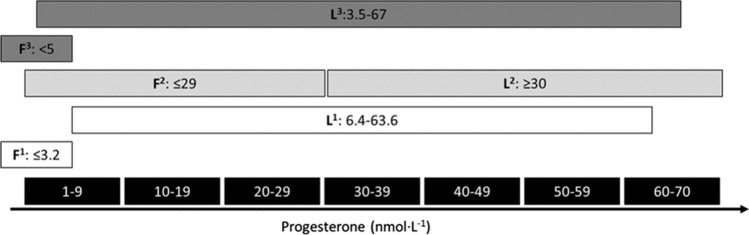
“Twelve participants were excluded since their progesterone levels during the luteal phase did not increase and/or were lower than 16nmol L–1 (Janse et al. 2019; Elliott-Sale et al. 2021) and one participant was excluded because of the extremely high oestradiol level during the MLP.”
BackgroundMethodInfluentialNocturnal Heart Rate Variability in Women Discordant for Hormonal Contraceptive Use
Ahokas, E. K., Hanstock, H. G., Löfberg, I. E., NYMAN, M., WENNING, P., Kyröläinen, H., Taipale, R. S., & Ihalainen, J. K. (2023) · Medicine & Science in Sports & Exercise · doi:10.1249/mss.0000000000003158 · Cited by 13
“Despite positive ovulation tests, some participants in the NM group had lower levels of E2 and P4 at the luteal phase measurements than might be expected in a eumenorrheic cycle (5,27).”
BackgroundMethodInfluentialHormonal intrauterine devices and heat exchange during exercise
Kirby, N. V., Meade, R. D., Richards, B. J., Notley, S. R., & Kenny, G. P. (2024) · The Journal of Physiology · doi:10.1113/jp285977 · Cited by 12
“Given the implications of these data for methodological and participant inclusion considerations for study design (Elliott-Sale et al., 2021), we also explored whether whole-body heat loss, body heat storage and body core temperature outcomes were equivalent between groups within physiologically…”
BackgroundInfluentialHamilton, R., McCarthy, O. M., Bain, S. C., & Bracken, R. M. (2024) · European Journal of Sport Science · doi:10.1002/ejsc.12201 · Cited by 12
Lafitte, A., Dupuit, M., Chassard, T., Barlier, K., Badier, N., Duclos, M., Toussaint, J., & Antero, J. (2024) · BMJ Open Sport & Exercise Medicine · doi:10.1136/bmjsem-2024-002078 · Cited by 13
“46 In addition, only a very small number assessed the fluctuations in salivary testosterone concentration across the MC.”
InfluentialRojo‐Tirado, M. Á., Benítez‐Muñoz, J. A., Alcocer‐Ayuga, M., Alfaro-Magallanes, V. M., Romero‐Parra, N., Peinado, A. B., Rael, B., de Castro, E. A., & Benito, P. J. (2021) · Biology · doi:10.3390/biology10100969 · Cited by 15
“Furthermore, eumenorrheic participants performed a urinary ovulation test (Ellatest, Alicante, Spain) to detect the luteinizing hormone surge occurring 24–36 h before ovulation from 3 days before the predicted ovulation day by the calendar-based counting method until a positive test was recorded, as previously indicat…”
BackgroundMethodKinnafick, F., Brinkley, A., Bailey, S. J., & Adams, E. J. (2021) · International Journal of Behavioral Nutrition and Physical Activity · doi:10.1186/s12966-021-01204-w · Cited by 13
“Whilst there are similarities in some environmental determinants of behaviour and factors which predict acceptability and feasibility [14], postmenopausal women differ to the middle- to older-age male and mixed-gender populations sampled in previous research both in terms of participation in PA and in terms of the phy…”
BackgroundImpact of Training Protocols on Lifting Velocity Recovery in Resistance Trained Males and Females
Amdi, C. H., Cleather, D. J., & Tallent, J. (2021) · Sports · doi:10.3390/sports9110157 · Cited by 17
“When studying women, multiple methodological measures have been suggested to be implemented to decrease the risk of different maturation, menstrual cycle, and contraceptive statuses impacting the observed results, thereby increasing the internal validity of the studies [36,37].”
BackgroundFactors Influencing the Hepcidin Response to Exercise: An Individual Participant Data Meta-analysis
Fensham, N. C., Govus, A. D., Peeling, P., Burke, L. M., & McKay, A. K. A. (2023) · Sports Medicine · doi:10.1007/s40279-023-01874-5 · Cited by 12
“Clearly, the influence of menstrual cycle on iron metabolism requires further research, which is focused on improved definitions and characterization of the menstrual cycle in line with best practice guidelines [52].”
BackgroundMethodTuma, C., Thomas, A., Braun, H., & Thevis, M. (2024) · Metabolites · doi:10.3390/metabo14060328 · Cited by 11
“For female study volunteers, a measurement time point of seven days after ovulation was chosen, where both E2 and P4 were significantly increased compared to the follicular phase [38].”
BackgroundLöfberg, I. E., Karppinen, J. E., Laatikainen‐Raussi, I., Ihalainen, J. K., Lehti, M., Hackney, A. C., & Taipale, R. S. (2025) · Medicine & Science in Sports & Exercise · doi:10.1249/mss.0000000000003676 · Cited by 11
“This strict inclusion criteria improves the validity of our data for eumenorrheic cycles (12).”
InfluentialSelf-citationDocter, H., Taylor, M., Müller, A. L., de Koning, J. J., Sandbakk, Ø. B., Osborne, J. O., & Noordhof, D. A. (2025) · Scandinavian Journal of Medicine and Science in Sports · doi:10.1111/sms.70050 · Cited by 11
“Data were retrospectively excluded from the analysis if the test cycle was anovulatory, progesterone concentration was 16 nmol/L in the ML phase [21, 24] or the luteal phase was shorter than 10 days [18, 21] (Figure 1).”
Caffeine’s influence on vertical jump height: a real-life collegiate student-athlete approach
Papadakis, Z., Panoutsakopoulos, V., Schwarz, A. V., & António, J. (2025) · Journal of the International Society of Sports Nutrition · doi:10.1080/15502783.2025.2501063 · Cited by 11
“While placebo interventions can surprisingly enhance repeated jump performance, neglecting adverse event documentation weakens the external validity of sports science findings and introduces uncertainty [145,146].”
Taipale, R. S., & Häkkinen, K. (2025) · Strength and conditioning journal · doi:10.1519/ssc.0000000000000917 · Cited by 12
Menstrual Cycle Effects on Sports Performance and Adaptations to Training: A Historical Perspective
Hackney, A. C., Hansen, M., & Melin, A. (2025) · Scandinavian Journal of Medicine and Science in Sports · doi:10.1111/sms.70107 · Cited by 11
“Furthermore, until the recent landmark works by Janse de Jonge et al. [50] and Elliott-Sale and associates, [51] there were little or no unambiguous terminology guidelines in the exercise science setting for the use and application of such terms as eumenorrheic, naturally menstruating women, and/or…”
Self-citationMenstrual Cycle and Athletic Status Interact to Influence Symptoms, Mood, and Cognition in Females
Ronca, F., Watson, E., Metcalf, I., & Tari, B. (2025) · Sports Medicine - Open · doi:10.1186/s40798-025-00924-8 · Cited by 12
“In the interest of consistency, we defer to the classification terminology referenced in Elliot-Sale et al.’s [33] opinion article when making these classifications.”
Whitfield, J., Egan, B., Coso, J. D., Derave, W., Saunders, B., & Burke, L. M. (2025) · International Journal of Sport Nutrition and Exercise Metabolism · doi:10.1123/ijsnem.2025-0111 · Cited by 12
Devrim-Lanpir, A., ARSLANOĞLU, E., Işık, H., ÇAKAR, A. N., Kabak, B., Akınoğlu, B., Kocahan, T., Hasanoğlu, A., Rosemann, T. J., & Knechtle, B. (2021) · Life · doi:10.3390/life11070707 · Cited by 14
“In addition, all female participants were tested during the mid-follicular phase (7–9 days of the menstrual cycle) to eliminate the effects of different phases on body composition and standardize the menstrual phase [27].”
MethodGarcia, L., Asano, R. Y., Silveira, R., Hackney, A. C., Takito, M. Y., Kilpatrick, M. W., & Prado, R. C. R. (2022) · Research Quarterly for Exercise and Sport · doi:10.1080/02701367.2022.2036316 · Cited by 12
“One final important consideration relates to recent recommendations around methodological manipulations for research in women (Elliott-Sale et al., 2021).”
BackgroundSelf-citationLangan‐Evans, C., Cronin, C., Hearris, M. A., Elliott-Sale, K. J., & Morton, J. P. (2022) · Women in Sport and Physical Activity Journal · doi:10.1123/wspaj.2022-0004 · Cited by 11
Self-citationOlenick, A., Pearson, R. C., & Jenkins, N. T. (2023) · Applied Physiology, Nutrition, and Metabolism · doi:10.1139/apnm-2023-0101 · Cited by 11
Alterations of postural control across the menstrual cycle – A systematic review
Pohle, C., Becker, L., & Baumeister, J. (2023) · Gait & Posture · doi:10.1016/j.gaitpost.2023.09.010 · Cited by 11
Sex differences in mood, hormone and immune response to combatives training in West Point Cadets
Beckner, M. E., Stein, J. A., Lee, M. R., Knapik, J. J., Farina, E. K., Smith, T. J., Dam, D. J. V., Barringer, N., Larsen, M., & Lieberman, H. R. (2023) · Psychoneuroendocrinology · doi:10.1016/j.psyneuen.2023.106656 · Cited by 12
Larochelambert, Q. D., Hamri, I., Chassard, T., Meignié, A., Storme, F., Dupuit, M., Diry, A., Toussaint, J., Louis, P., Coulmy, N., et al. (2024) · BMJ Open Sport & Exercise Medicine · doi:10.1136/bmjsem-2023-001810 · Cited by 12
Tan, R., Merrill, C., Riley, C. F., Hammer, M. A., Kenney, R. T., Riley, A. A., Li, J., Zink, A. C., Karl, S. T., Price, K. M., et al. (2024) · European Journal of Applied Physiology · doi:10.1007/s00421-024-05552-w · Cited by 14
“…was not timed according to a particular phase within the menstrual cycle due to logistical, time, equipment, and financial challenges; however, all women included in this study were defined as naturally menstruating (menstrual cycle length ≥ 21 and ≤ 35 days in duration) (Elliott-Sale et al. 2021).”
Beyond the Menstrual Cycle: Time for a Holistic Approach to Athlete Health and Performance
Stitelmann, A., Gard, S., Coen, S. E., Parsons, J. L., Arundale, A., Bel, L., & Forelli, F. (2024) · International Journal of Sports Physical Therapy · doi:10.26603/001c.126285 · Cited by 11
Camacho-Cardeñosa, A., Clavero‐Jimeno, A., Martín-Olmedo, J. J., Amaro‐Gahete, F. J., Cupeiro, R., Cejudo, M. T. G., Pérez, P. V. G., Hernández-Martínez, C., Sevilla-Lorente, R., De‐la‐O, A., et al. (2024) · BMJ Open · doi:10.1136/bmjopen-2023-078472 · Cited by 12
Johnson, K. A., & Shields, R. K. (2024) · Orthopaedic Journal of Sports Medicine · doi:10.1177/23259671241251720 · Cited by 13
“18,28”
MethodFrazer, R., Bowler, A.-L. M., Condo, D., Cox, G. R., Pelly, F. E., & Slater, G. (2024) · International Journal of Sport Nutrition and Exercise Metabolism · doi:10.1123/ijsnem.2024-0002 · Cited by 11
Su, Y., O’Donnell, E., Hoekstra, S. P., & Leicht, C. A. (2024) · Temperature · doi:10.1080/23328940.2024.2406730 · Cited by 10
“Non-users of HC all had regular menstrual cycles (21–35 days in duration) [34].”
Read, P., Rosenbloom, C., Mehta, R., Owen, H., Jobson, E., & Kryger, K. O. (2024) · Science and Medicine in Football · doi:10.1080/24733938.2024.2425291 · Cited by 10
“…available to online users, a better understanding of their validity, reliability, and a consensus in reported factors is needed to understand their effectiveness for monitoring and educating athletes on their menstrual cycles (Elliott-Sale et al. 2021; Dantas et al. 2022; Trépanier et al. 2023).”
Menstrual Cycle Phase-Based Strength and Conditioning Training for Elite Team Sport Female Athletes
Moore, S. R., Bruinvels, G., & Smith‐Ryan, A. E. (2024) · Strength and conditioning journal · doi:10.1519/ssc.0000000000000879 · Cited by 11
“second glaring issue in the MCBT models discussed so far is the observed between and within elite female athletes, which may include profiles of menstrual dysfunction g., oligomenorrhea, amenorrhea, deficiency (16)), and the consideration for hormonal contraception HC).”
The use of individualised, media‐based sleep hygiene education for professional female footballers
Gooderick, J., Clash, R., Fisher, H., Maxwell, N., & Hayes, M. (2025) · European Journal of Sport Science · doi:10.1002/ejsc.12247 · Cited by 10
Pereira-Santana, O., Cavalcante, V. H. V., Paulo, A. C., Rodacki, C. D. L. N., Bertuzzi, R., Lima‐Silva, A. E., & Cristina-Souza, G. (2022) · Journal of Sports Sciences · doi:10.1080/02640414.2022.2094560 · Cited by 11
“Nevertheless, as the early-follicular phase is classically demarcated by menstruation (Elliott-Sale et al., 2021; RomeroMoraleda, Del Coso et al., 2019) and trials in the early-follicular phase were performed when participants reported the presence of bleeding, the early-follicular phase was very…”
BackgroundMethodInfluentialFlood, T. R., Kuennen, M. R., Blacker, S. D., Myers, S., Walker, E. F., & Lee, B. (2022) · Cytokine · doi:10.1016/j.cyto.2022.155991 · Cited by 12
Taipale, R. S., Ihalainen, J. K., Davis-Wilson, H. C., & Hackney, A. C. (2023) · Springer eBooks · doi:10.1007/978-3-031-21881-1_1 · Cited by 14
Self-citationThe Effect of Sex Hormones Throughout Menstrual Cycle on Knee Kinematics
Bingzheng, Z., Yang, X., Zhuo, J., Jin, Z., Li, B., & Bai, L. (2022) · Frontiers in Bioengineering and Biotechnology · doi:10.3389/fbioe.2023.1209652 · Cited by 11
“Several reviews (Janse et al., 2019; Elliott-Sale et al., 2021; Schmalenberger et al., 2021) have suggested that although serial follicular ultrasound scanning is the gold standard for excluding anovulatory, the indirect method of combining menstrual calendar mapping with urinary pregnancy tests can effectively exclud…”
BackgroundMethodSantaBarbara, K., Helms, E. R., Armour, M., & Harris, N. (2024) · International Journal of Sports Science & Coaching · doi:10.1177/17479541241228986 · Cited by 10
Merrell, L. H., Perkin, O. J., Bradshaw, L., Collier‐Bain, H. D., Collins, A. J., Davies, S., Eddy, R., Hickman, J. A., Nicholas, A. P., Rees, D., et al. (2024) · International Journal of Sport Nutrition and Exercise Metabolism · doi:10.1123/ijsnem.2024-0091 · Cited by 11
Bischof, K., Stafilidis, S., Bundschuh, L., Oesser, S., Baca, A., & König, D. (2023) · Frontiers in Nutrition · doi:10.3389/fnut.2023.1266056 · Cited by 13
Sendra-Pérez, C., Encarnación-Martínez, A., Oficial-Casado, F., Salvador-Palmer, R., & Priego-Quesada, J. I. (2023) · Physiological Measurement · doi:10.1088/1361-6579/ad1457 · Cited by 9
Abbott, W., WALSH, L., & Clifford, T. (2024) · The Journal of Sports Medicine and Physical Fitness · doi:10.23736/s0022-4707.24.15964-6 · Cited by 9
Díaz‐Lara, J., Prieto-Bellver, G., Guadalupe‐Grau, A., & Bishop, D. J. (2024) · Sports Medicine · doi:10.1007/s40279-024-02119-9 · Cited by 10
“This is necessary for high-quality research on half of the world's population [49, 50].”
Howatson, G., Russell, S., Pedlar, C. R., & Halson, S. L. (2025) · Sports Medicine · doi:10.1007/s40279-025-02246-x · Cited by 11
“Furthermore, the cyclic fluctuations in ovarian hormones and complex changes, which occur across a female individual’s lifespan, could also influence aspects of cognition and mental recovery in female athletes [78, 79].”
Nolte, S., Maier, C., Klügel, S., Weyh, C., Hacker, S., Badenhorst, C. E., & Krüger, K. (2025) · Physiological Reports · doi:10.14814/phy2.70522 · Cited by 10
“…females be-tween 18 and 35 years; (b) no acute or chronic infection; (c) no consumption of medication; (d) regular menstrual cycles, defined by Elliott-Sale et al. (2021) as a cycle length of 21–35 days; (e) females with eumenorrhea (no hormonal contraception or implants for at least 6 months…”
Pojskić, H., Schiller, J., Pagels, P., Ragnarsson, T., & Melin, A. (2025) · Frontiers in Physiology · doi:10.3389/fphys.2025.1663590 · Cited by 10
Mikkonen, R. S., Ihalainen, J. K., Bruinvels, G., Mkumbuzi, N. S., Smith‐Ryan, A. E., Kaikkonen, M., Kasongo, M., & Hackney, A. C. (2025) · Sports Medicine · doi:10.1007/s40279-025-02338-8 · Cited by 11
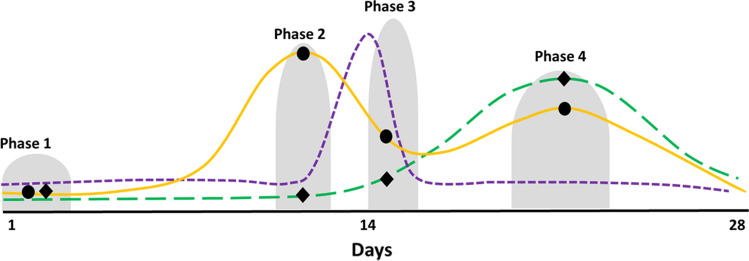
“…cycle with a “correct” hormone profile consisting of four distinct phases, while the term “natural menstrual cycle” can be used when specific hormonal criteria are not being measured but cycle characteristics indicate a “normal” cycle [7] (for more specific definitions, including phases, see Fig.”
InfluentialSelf-citationResources to Guide Researchers in the Pursuit of High-Quality Sport Science Research in Women
Smith, E. S., Elliott-Sale, K. J., Stellingwerff, T., Harris, R., Ackerman, K. E., McKay, A. K. A., & Burke, L. M. (2025) · International Journal of Sport Nutrition and Exercise Metabolism · doi:10.1123/ijsnem.2025-0136 · Cited by 9
Self-citationVascular adaptation to exercise: a systematic review and audit of female representation
Thompson, S. L., Brade, C. J., Henley-Martin, S. R., Naylor, L. H., & Spence, A. L. (2024) · American Journal of Physiology-Heart and Circulatory Physiology · doi:10.1152/ajpheart.00788.2023 · Cited by 9
Guisado‐Cuadrado, I., Romero‐Parra, N., Elliott-Sale, K. J., Sale, C., Díaz, Á. E., & Peinado, A. B. (2024) · Calcified Tissue International · doi:10.1007/s00223-024-01259-4 · Cited by 9
“The main strength of this study is the consideration of the hormonal environments throughout the MC and OC cycle, by measuring serum 17β-oestradiol and progesterone, and using ovulation tests to measure LH surge according to guidelines [19].”
MethodSelf-citationSchulz, M., Bø, K., & Gram, M. C. D. (2024) · International Journal of Environmental Research and Public Health · doi:10.3390/ijerph22010013 · Cited by 9
Blue plaque review series: A.V. Hill, athletic records and the birth of exercise physiology
Burnley, M., Vanhatalo, A., Poole, D. C., & JONES, A. M. (2025) · The Journal of Physiology · doi:10.1113/jp288130 · Cited by 8
A scoping review of research about women in sport: A perspective from the island of Ireland
Jackman, P. C., Cowley, E. S., Chéilleachair, N. N., Liston, K., Meade, M. M., Haughey, T. J., Faulkner, M., McCabe, C., Kitching, N., Egan, B., et al. (2025) · Performance Enhancement & Health · doi:10.1016/j.peh.2025.100335 · Cited by 10
Friedman, D. J., Hughes, D. C., Thornton, J. S., Saw, R., Girdwood, M., Wells, K. R., & Crossley, K. M. (2025) · British Journal of Sports Medicine · doi:10.1136/bjsports-2024-109328 · Cited by 8
Sherwin, G., Flood, T. R., Burden, R. J., Burke, L. M., Field, A., Kuikman, M. A., McKay, A. K. A., Smith, E. S., & Elliott-Sale, K. J. (2025) · Journal of Sports Sciences · doi:10.1080/02640414.2025.2583013 · Cited by 10
“To investigate the impact of MC phase on athletic performance in eumenorrheic female athletes, verifying the phase in which the outcome measurement is tested is vital (Burden et al., 2024; Elliott-Sale et al., 2021, 2024).”
InfluentialSelf-citationBostad, W., Williams, J. S., Berkel, E. K. V., Richards, D. L., MacDonald, M. J., & Gibala, M. J. (2023) · Scientific Reports · doi:10.1038/s41598-023-50016-4 · Cited by 10
Tomschi, F., Ransmann, P., Schmidt, A., & Hilberg, T. (2024) · BMC Sports Science Medicine and Rehabilitation · doi:10.1186/s13102-024-00969-4 · Cited by 9
“Here, the use of contraceptives should be controlled and the menstrual cycle phase, when interventions (i.e., exercise and controls sessions) are performed, should be carefully considered [58].”
BackgroundBarney, D. E., Cheung, S. N., Harris, A. R., Berryman, C. E., & Hennigar, S. R. (2024) · Current Developments in Nutrition · doi:10.1016/j.cdnut.2024.104475 · Cited by 8
“35 d between periods were considered naturally menstruating [20].”
Apicella, M. C. A., Jameson, T. S. O., Monteyne, A. J., Pavis, G. F., Abdelrahman, D. R., Murton, A. J., Alamdari, N., Dirks, M. L., Wall, B. T., & Stephens, F. B. (2025) · American Journal of Physiology-Endocrinology and Metabolism · doi:10.1152/ajpendo.00365.2024 · Cited by 8
Parker, L. J. F., Elliott-Sale, K. J., Hannon, M. P., Morton, J. P., & Close, G. L. (2022) · Science and Medicine in Football · doi:10.1080/24733938.2022.2123555 · Cited by 9
Self-citationExploring the relationship between nutritional intake and menstrual cycle in elite female athletes
Miyamoto, M., & Shibuya, K. (2023) · PeerJ · doi:10.7717/peerj.16108 · Cited by 11
“Estrogen is thought to have appetite-suppressing effects, whereas progesterone has been demonstrated to increase appetite, particularly when combined with estrogen (Devries et al., 2006; Elliott-Sale et al., 2021; Giersch et al., 2020).”
BackgroundSome problems of research exploring sex differences in sport-related concussions: a narrative review
Malcolm, D. (2023) · Research in Sports Medicine · doi:10.1080/15438627.2023.2271604 · Cited by 9
“While others have discussed the principle of, and best practice for, advancing towards sex/gender equality in sports science research cohorts (Elliot-Sale et al., 2021), and SRC research in particular (D’Lauro et al., 2022), this review focuses on the consequences of this changing research focus.”
Feuerbacher, J. F., Dragutinovic, B., Jacobs, M. W., & Schumann, M. (2023) · International Journal of Sports Physiology and Performance · doi:10.1123/ijspp.2022-0377 · Cited by 9
Toward Sex-Specific Biomaterials Innovation: A Perspective
Koons, G. L. (2025) · ACS Biomaterials Science & Engineering · doi:10.1021/acsbiomaterials.5c00342 · Cited by 7
Lower Bone Mineral Density in Female Elite Athletes With Menstrual Dysfunction From Mixed Sports
Stangerup, I., Melin, A., Lichtenstein, M. B., Friis-Hansen, L. J., Jørgensen, N. R., Schjerling, P., Kjær, M., & Mertz, K. H. (2025) · Translational Sports Medicine · doi:10.1155/tsm2/4969624 · Cited by 7
Gold, C. L. C., Clark, B., Lascu, A., Gorman, A. D., Ball, N. B., & Maloney, M. A. (2025) · Psychology of sport and exercise · doi:10.1016/j.psychsport.2025.102828 · Cited by 10
Vicente-Salar, N., Crespo, M., Pluim, B. M., Fernández-Fernández, J., Stroia, K. A., Ellenbecker, T. S., Rivas, D. S., Coso, J. D., Moreno-Pérez, V., Hainline, B. W., et al. (2025) · International Journal of Sport Nutrition and Exercise Metabolism · doi:10.1123/ijsnem.2025-0001 · Cited by 9
Menstrual Cycle Does Not Affect Peak Torque or Fatigue in Resistance-Trained Women
Velten, L., Prado, R. C. R., Conforti, A. L. P., Andreatta, M. V., Reis, C. B. F., & Leite, R. D. (2025) · International Journal of Sports Medicine · doi:10.1055/a-2688-5060 · Cited by 9
Badier, N., Dupuit, M., Chassard, T., Barlier, K., Lafitte, A., Saulière, G., Delrieu, L., Toussaint, J., & Antero, J. (2025) · Frontiers in Sports and Active Living · doi:10.3389/fspor.2025.1693190 · Cited by 7
Understanding Bone Metabolism Biomarker Variability Across the Menstrual Cycle: A Systematic Review
Guisado‐Cuadrado, I., Romero‐Parra, N., Recacha-Ponce, P., & Peinado, A. B. (2026) · Calcified Tissue International · doi:10.1007/s00223-026-01482-1 · Cited by 7
Body Composition and Dietary Intake of Combat Sports Athletes: A Systematic Review
Barceló, J. F. H., Sanz, J. M. M., & Castillo, M. (2026) · Nutrients · doi:10.3390/nu18060884 · Cited by 11
“Most studies have focused on male athletes, leading to the unjustified generalisation of results to females despite established sex-based physiological and hormonal differences [25,26].”
O’Loughlin, E., Reid, D. A., & Sims, S. T. (2023) · Physical Therapy Reviews · doi:10.1080/10833196.2023.2266320 · Cited by 7
“Women have significant inter-and intra-individual variations in reproductive hormone status, which, combined with low participant numbers, may lead to underpowered studies [39].”
BackgroundMethodInfluentialArhen, B. B., Renwick, J. R. M., Zedic, A. K., Menezes, E. S., Preobrazenski, N., Simpson, C. A., Stokes, T., McGlory, C., & Gurd, B. J. (2023) · Applied Physiology, Nutrition, and Metabolism · doi:10.1139/apnm-2023-0256 · Cited by 7
Wyatt, H., Sheerin, K. R., Hume, P. A., & Hébert‐Losier, K. (2024) · Sports Medicine · doi:10.1007/s40279-024-01994-6 · Cited by 9
“Alongside hormonal [8], laxity [9] and other physiological changes [10], gait alterations during pregnancy have the potential to influence the type and location of pain experienced by pregnant women [11].”
BackgroundPrado, R. C. R., Hackney, A. C., Silveira, R., Kilpatrick, M. W., Takito, M. Y., & Asano, R. Y. (2023) · Journal of Women s & Pelvic Health Physical Therapy · doi:10.1097/jwh.0000000000000283 · Cited by 12
“60 Finally, the present review examined physically active and healthy women (not users of hormone replacement) who were free of medical conditions related to MC dysfunction (eg, premenstrual syndrome and premenstrual dysphoric disorder).”
BackgroundSelf-citationKuikman, M. A., McKay, A. K. A., McCormick, R., Tee, N., Vallance, B. S., Ackerman, K. E., Harris, R., Elliott-Sale, K. J., Stellingwerff, T., & Burke, L. M. (2024) · Medicine & Science in Sports & Exercise · doi:10.1249/mss.0000000000003534 · Cited by 7
“DXA scans were done in accordance with Best Practice Guidelines (22) before and after the altitude training camp.”
Self-citationCitherlet, T., Raberin, A., Manferdelli, G., Bourdillon, N., & Millet, G. P. (2025) · High Altitude Medicine & Biology · doi:10.1089/ham.2024.0048 · Cited by 10
“Due to the large intra-individual variability in MC phases duration and in ovarian hormone concentrations (Elliott-Sale et al., 2021), one limitation of such retrospective analyses of large cohorts is that the MC phase determination being self-declared is likely inaccurate since no ovarian hormones…”
Crowell, G. E., Adams, J., Harmon, I., Morey, T., Long, R., Vopat, L., Vopat, B. G., & Herda, A. A. (2024) · Arthroscopy The Journal of Arthroscopic and Related Surgery · doi:10.1016/j.arthro.2024.10.051 · Cited by 8
Tucker, J. A. L., McCarthy, S. F., Bornath, D. P. D., Cohen, T. R., Medeiros, P. J., & Hazell, T. J. (2025) · Advanced Exercise and Health Science · doi:10.1016/j.aehs.2025.02.003 · Cited by 7
Sydney, M. G., Wollin, M., Chapman, D. W., Ball, N. B., & Mara, J. K. (2023) · Biology of Sport · doi:10.5114/biolsport.2024.129480 · Cited by 7
Influence of trunk rotator strength on rotational medicine ball throwing performance
Perea, Á. R., Morenas‐Aguilar, M. D., García, D. M., Ríos, L. J. C., & García-Buendia, G. (2023) · The Journal of Sports Medicine and Physical Fitness · doi:10.23736/s0022-4707.23.15266-2 · Cited by 7
Approaches on physiological changes in the performance of elite female basketball players
Lleshi, E., & Kurti, S. (2024) · Scientific Journal of Sport and Performance · doi:10.55860/djby5997 · Cited by 7
Can sleep hygiene interventions affect strength and power outcomes for female athletes?
Gooderick, J., Wood, T., Abbott, W., Clash, R., Hayes, M., & Maxwell, N. (2024) · Sport Sciences for Health · doi:10.1007/s11332-024-01247-z · Cited by 8
Convit, L., Orellana, L., Périard, J. D., Carr, A. J., Warmington, S. A., Beaugeois, M., Abraham, A., & Snipe, R. M. J. (2024) · International Journal of Sport Nutrition and Exercise Metabolism · doi:10.1123/ijsnem.2024-0125 · Cited by 10
Yardley, J. E., Govette, A., Laesser, C. I., Lespagnol, É., Logan, J. E., Sim, J. A. P., Talbo, M. K., Prévost, M. S., Perry, T., von Zezschwitz, J., et al. (2023) · Diabetologia · doi:10.1007/s00125-023-06022-2 · Cited by 7
Morenas‐Aguilar, M. D., Ruiz‐Alias, S. A., Blanco, A. M., Lago‐Fuentes, C., García‐Pinillos, F., & Pérez‐Castilla, A. (2023) · The Journal of Strength and Conditioning Research · doi:10.1519/jsc.0000000000004542 · Cited by 7
“However, most researchers have simplified the division of the MC into 2 (LFP and MLP) or 3 (EFP, LFP, and MLP) phases because of its complex determination and high economical costs (9).”
BackgroundHinks, A., Hess, A., Debenham, M. I. B., Chen, J., Mazara, N., Inkol, K. A., Cervone, D. T., Spriet, L. L., Dalton, B. H., & Power, G. A. (2021) · Journal of Biomechanics · doi:10.1016/j.jbiomech.2021.110448 · Cited by 7
Metadata
- Authors
- Elliott-Sale, K. J., Minahan, C. L., de Jonge, X. A. K. J., Ackerman, K. E., Sipilä, S., Constantini, N. W., Lebrun, C. M., & Hackney, A. C.
- Affiliations
- Nottingham Trent University (GB)
- Griffith University (AU)
- Boston Children's Hospital (US)
- University of Jyväskylä (FI)
- Hebrew University of Jerusalem (IL)
- University of Alberta (CA)
- University of North Carolina at Chapel Hill (US)
- Corresponding author
- Elliott-Sale, Kirsty J.
- ORCID
- Venue
- Sports Medicine
- Published
- 2021-03-16
- Volume
- 51
- Issue
- 5
- Pages
- 843-861
- ISSN
- 0112-1642 (ISSN-L)
- 1179-2035
- PMC
- PMC8053180
- OpenAlex
- W3139291660
- Cited by
- 731
- References
- 77
- Citations by year
- 2026: 181 · 2025: 184 · 2024: 152 · 2023: 123 · 2022: 61 · 2021: 30
- FWCI
- 79.30
- Type
- journal article
- Language
- en
- Open access
- hybrid
- doi.org
- Licence
- cc-by
- creativecommons.org/licenses/by/4.0 (tdm)
- creativecommons.org/licenses/by/4.0 (vor)
- Locations
- Sports Medicine (publishedVersion, cc-by)
- PubMed Central (publishedVersion, cc-by)
- PubMed (publishedVersion)
- Nottingham Trent University's Institutional Repository (Nottingham Trent Repository) (acceptedVersion)
- e-space (Manchester Metropolitan University) (acceptedVersion)
- Jyväskylä University Digital Archive (University of Jyväskylä) (submittedVersion, cc-by)
- Griffith Research Online (submittedVersion, cc-by)
- NOVA (University of Newcastle Australia) (submittedVersion)
- Topics
- Health Sciences › Medicine › Public Health, Environmental and Occupational Health › Sex and Gender in Healthcare
- Health Sciences › Medicine › Orthopedics and Sports Medicine › Sports Performance and Training
- Social Sciences › Gender Studies › Sports, Gender, and Society
- Keywords
- female reproductive endocrinology, menstrual cycle, hormonal contraceptive use, pregnancy, menopause, sex differences in physiology, participant selection criteria
- MeSH terms
- Adaptation, Physiological, Female, Humans, Male, Menstrual Cycle, Sports, Exercise, Athletes
About these checks
Registry, retraction, Cites and statistics results are computed, not judged, with one exception: a printed reference that no index lists is read once by a model before it counts as a citation error. Claims are extracted by a model and kept only when their quote appears verbatim in the text; each cited source is then checked, with a model’s help, for whether it says what the claim relies on. Those verdicts can be wrong — read the claim’s quote and the cited source before relying on one.
Statistics and arithmetic are recomputed, not judged.
Confidence bands are shown only for fields calibrated on our annotated test set. None is calibrated yet, so no band is shown.
What counts as a claim ›How we measure confidence ›How we check this ›
Are you an author, or do you see a problem with this page? Request a review
Data sources
Bibliographic data: Semantic Scholar, OpenAlex, Crossref.
Contains information from the Semantic Scholar Academic Graph Datasets, made available under the ODC Attribution License (ODC-BY 1.0).
Semantic Scholar’s data is described in: Kinney, R., et al. (2023). The Semantic Scholar Open Data Platform. arXiv:2301.10140.
