

Methodological Considerations for Studies in Sport and Exercise Science with Women as Participants: A Working Guide for Standards of Practice for Research on Women
Open accessThe DOI matches its Crossref record; 78 of the 79 references it cites were found in a registry or an index.
Abstract
Until recently, there has been less demand for and interest in female-specific sport and exercise science data. As a result, the vast majority of high-quality sport and exercise science data have been derived from studies with men as participants, which reduces the application of these data due to the known physiological differences between the sexes, specifically with regard to reproductive endocrinology. Furthermore, a shortage of specialist knowledge on female physiology in the sport science community, coupled with a reluctance to effectively adapt experimental designs to incorporate female-specific considerations, such as the menstrual cycle, hormonal contraceptive use, pregnancy and the menopause, has slowed the pursuit of knowledge in this field of research. In addition, a lack of agreement on the terminology and methodological approaches (i.e., gold-standard techniques) used within this research area has further hindered the ability of researchers to adequately develop evidenced-based guidelines for female exercisers. The purpose of this paper was to highlight the specific considerations needed when employing women (i.e., from athletes to non-athletes) as participants in sport and exercise science-based research. These considerations relate to participant selection criteria and adaptations for experimental design and address the diversity and complexities associated with female reproductive endocrinology across the lifespan. This statement intends to promote an increase in the inclusion of women as participants in studies related to sport and exercise science and an enhanced execution of these studies resulting in more high-quality female-specific data.
Overview
The claims and statistics of this paper haven’t been checked yet.
Free: it reads the open-access text and checks the first 5 claims that cite a source we can check. Create a free account to check every claim.
Integrity signals
Registry
Cites
Statistics
Figures
Verification
Claims the paper makes
The claims and statistics of this paper haven’t been checked yet.
Free: it reads the open-access text and checks the first 5 claims that cite a source we can check. Create a free account to check every claim.
Claims other papers make about this one
Each is checked against this paper’s own text: does it say what the citing paper says it does?
The source backs part of the claim, not all of it — or backs it for a different population, condition or comparison.
In the citing paper
“The three-stage menstrual cycle control protocol was implemented to ensure the reliability of the study results28,33,34.”
From Impact of a single swimming session on inflammatory response and iron homeostasis in adolescent female athletes during the luteal phase (2025) · cites this paper as [34]
Experimental — accuracy not yet measuredThe cited source says what the claim attributes to it.
In the citing paper
“Indeed, when female participants are included in the studies, a poor consideration and characterization of the ovarian hormonal status, menstrual cycle phases, and use of oral contraceptives can be observed, leading to lack of information and inherent mixed female population (Elliott-Sale et al. 2021).”
From Analysis of sex-based differences in energy substrate utilization during moderate-intensity aerobic exercise (2022) · cites this paper as Elliott-Sale et al. 2021
The cited source says what the claim attributes to it.
In the citing paper
“the scientific design of the studies was scrutinized for scientific validity [1, 2] as part of the inclusion criteria”
From International society of sports nutrition position stand: nutritional concerns of the female athlete (2023) · cites this paper as [2]
In the citing paper
“In the present study, menstrual cycle control was implemented to ensure that all participants performed the exercise test during the luteal phase, thereby increasing sample homogeneity34.”
From Impact of a single swimming session on inflammatory response and iron homeostasis in adolescent female athletes during the luteal phase (2025) · cites this paper as [34]
Self-check
Percentages, sums and reported differences re-computed from the paper’s own numbers.
The self-check needs the paper’s full text.
Citations
Cites
The Practice Committee of the American Society for Reproductive Medicine
Birmingham, A. (2006) · Cited by 1,925
Harlow, S. D., Gass, M., Hall, J. E., Lobo, R., Maki, P., Rebar, R. W., Sherman, S., Sluss, P. M., & de Villiers, T. J. (2012) · Menopause · doi:10.1097/gme.0b013e31824d8f40 · Cited by 1,705
Harlow, S. D., Gass, M., Hall, J. E., Lobo, R., Maki, P., Rebar, R. W., Sherman, S., Sluss, P. M., de Villiers, T. J., & for the STRAW + 10 Collaborative Group (2012) · The Journal of Clinical Endocrinology & Metabolism · doi:10.1210/jc.2011-3362 · Cited by 1,325
Physical activity change during adolescence: a systematic review and a pooled analysis
Dumith, S. C., Gigante, D. P., Domingues, M. R., & Kohl, H. W. (2011) · International Journal of Epidemiology · doi:10.1093/ije/dyq272 · Cited by 1,275 · cited 1×
“At the recreational level, understanding the impact of changes in ovarian hormone concentration, experienced during the menstrual cycle or as a result of menstrual irregularities, hormonal contraceptive use, pregnancy or the menopause, on the ability and willingness to undertake exercise and physical activity may help…”
BackgroundMcNulty, K. L., Elliott-Sale, K. J., Dolan, E., Swinton, P. A., Ansdell, P., Goodall, S., Thomas, K., & Hicks, K. M. (2020) · Sports Medicine · doi:10.1007/s40279-020-01319-3 · Cited by 812 · cited 2×
“Moreover, if menstrual-cycle status is even considered by researchers, the hormonal profile of the participants is often implied rather than confirmed [25] which may exacerbate the variability between studies.”
BackgroundResultSelf-citationWhere are all the female participants in Sports and Exercise Medicine research?
Costello, J. T., Bieuzen, F., & Bleakley, C. M. (2014) · European Journal of Sport Science · doi:10.1080/17461391.2014.911354 · Cited by 599 · cited 1×
“Despite a recent growing interest in research in sport and exercise science with women as participants, the overall research quantity in this area is still very small compared to research with men as participants [15].”
ResultEffects of the Menstrual Cycle on Exercise Performance
Janse de Jonge, X. A. K. (2003) · Sports Medicine · doi:10.2165/00007256-200333110-00004 · Cited by 432
Methodological Recommendations for Menstrual Cycle Research in Sports and Exercise
JANSE DE JONGE, X., THOMPSON, B., & HAN, A. (2019) · Medicine & Science in Sports & Exercise · doi:10.1249/mss.0000000000002073 · Cited by 382 · cited 1×
“[48] consolidated the approaches and issues observed specifically in menstrual-cycle studies and proposed methodological guidelines for undertaking menstrual cycle-based research in sport and exercise science.”
BackgroundOosthuyse, T., & Bosch, A. N. (2010) · Sports Medicine · doi:10.2165/11317090-000000000-00000 · Cited by 380
Sex differences in exercise metabolism and the role of 17-beta estradiol.
TARNOPOLSKY, M. A. (2008) · Medicine & Science in Sports & Exercise · doi:10.1249/mss.0b013e31816212ff · Cited by 354
Research works printed but not linked: 2
- Hackney AC Constantini N Endocrinology of physical activity in sport 2020 3 Switzerland Humana
- Gove PB Webster’s third new international dictionary of the English language, unabridged, Springfield: Mass 1961 Merriam Co G. & C
Cited by
Items 301–400 of 874
Chua, M. T., Sim, A., Aziz, A. R., Polglaze, T., & Burns, S. F. (2025) · Medicine & Science in Sports & Exercise · doi:10.1249/mss.0000000000003834 · Cited by 6
Niazi, H., Benbaruj, J. M., Sheel, A. W., & MacNutt, M. J. (2026) · Applied Physiology, Nutrition, and Metabolism · doi:10.1139/apnm-2025-0312 · Cited by 6
Oester, C., Norris, D., Lovell, R. J., Pedlar, C. R., Bruinvels, G., & Kalkhoven, J. T. (2026) · Sports Medicine · doi:10.1007/s40279-026-02411-w · Cited by 7
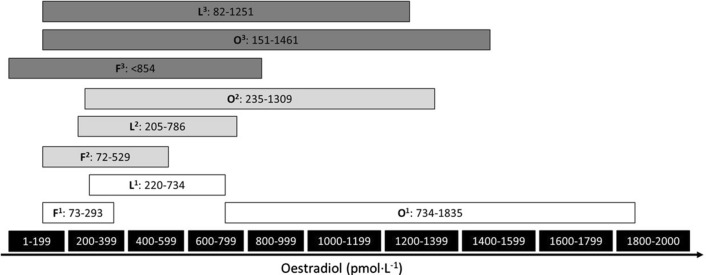
“…days, having at least nine menstruations per year, no use of hormonal contraceptives in the previous 3 months, evidence of an LH surge indicating potential ovulation, and the expected hormonal profile (mid-cycle oestradiol rise followed by an oestradiol and progesterone increase mid-luteal) [22].”
InfluentialNatalucci, V., Spinello, G., Moro, T., Pavei, G., Boccia, G., Torre, A. L., & Bonato, M. (2026) · Nutrients · doi:10.3390/nu18071144 · Cited by 7
Mănescu, D. C., Plastoi, C. D., Pîrvan, A., Pașcan, C. D., Păun, L., Sersea, I. E., Niculescu, B., Popescu, V., Voinea, A., & Popescu, A. (2026) · International Journal of Molecular Sciences · doi:10.3390/ijms27083675 · Cited by 6
“These domain-specific standards should be paired with sport-and exercise-specific reporting disciplines that explicitly define the exercise stimulus, recovery interval, time of day, participant sex or hormonal status, and repeated-measures context [14,15,20,33].”
InfluentialISHIKAWA, A., Matsuda, T., Ikegami, N., Funaki, A., Yamada, M., Kamemoto, K., & Sakamaki‐Sunaga, M. (2023) · The Journal of Sports Medicine and Physical Fitness · doi:10.23736/s0022-4707.23.15209-1 · Cited by 6
Androgenic Steroid Hormones and Endurance Exercise in Athletic Women
Hackney, A. C., Prado, R. C. R., & Dolan, E. (2024) · Endocrines · doi:10.3390/endocrines5030018 · Cited by 8
Self-citationConvit, L., Kelly, M. K., Jardine, W. T., Périard, J. D., Carr, A. J., Warmington, S. A., Bowe, S. J., & Snipe, R. M. J. (2024) · Journal of Sports Sciences · doi:10.1080/02640414.2024.2396225 · Cited by 8
Important features of bench press performance in non-disabled and Para athletes: A scoping review
Buhmann, R., Sayers, M. G. L., O’Brien, J., & Borg, D. N. (2024) · PLoS ONE · doi:10.1371/journal.pone.0310127 · Cited by 8
SantaBarbara, K., Helms, E. R., & Harris, N. (2024) · Journal of the International Society of Sports Nutrition · doi:10.1080/15502783.2024.2433743 · Cited by 6
Cook, M. D., Shan, Y., & Willems, M. E. T. (2025) · International Journal of Sport Nutrition and Exercise Metabolism · doi:10.1123/ijsnem.2024-0108 · Cited by 6
Rotllan, C., Hagenaers, J., Colls, M., & Viscor, G. (2025) · European Journal of Applied Physiology · doi:10.1007/s00421-025-05770-w · Cited by 7
“The second part starts after ovulation; oestrogens and progesterone rise progressively until their peak in the mid-luteal phase (L), followed by a decrease in hormone levels until the MC finish the day before bleeding (Elliott-Sale et al. 2021).”
InfluentialBelamjahad, A., Tourny, C., Hackney, A. C., Jebabli, N., Chariba, N., Laziri, F., Saeidi, A., Laher, I., Granacher, U., & Zouhal, H. (2025) · BMC Sports Science Medicine and Rehabilitation · doi:10.1186/s13102-025-01154-x · Cited by 7
“…the phases of the menstrual cycle were noted (Table 2) and divided according to the methodological recommendations of Elliott-Sale et al. [24] into the early follicular phase (day 1 to 4), the late follicular phase (day 10 to 13), and the mid-luteal phase (day 20 to 23) based on an…”
Self-citationShahid, W., & Noor, R. (2025) · Scientific Reports · doi:10.1038/s41598-025-00599-x · Cited by 7
Dupuit, M., Barlier, K., Tranchard, B., Toussaint, J., Antero, J., & Pla, R. (2025) · Sports · doi:10.3390/sports13060185 · Cited by 6
“While inter-and intra-individual MC variations can be observed, a typical MC ranges from 21 to 35 days and is usually divided into 2 phases: Follicular (FP), from menses to ovulation day, and luteal (LP), past ovulation [16].”
Ventilation differences in the menstrual cycle: A systematic review and meta-analysis
Rattley, C. A., Ansdell, P., Burgess, L. C., Felton, M., Dewhurst, S., Armstrong, M., & Neal, R. A. (2025) · Respiratory Physiology & Neurobiology · doi:10.1016/j.resp.2025.104468 · Cited by 7
Critical Power Is More Strongly Associated With Rowing Performance Than the Second Lactate Threshold
Dwyer, D., Lester, K. D., Siegel, R., Rice, A. J., & Hoffmann, S. M. (2025) · International Journal of Sports Physiology and Performance · doi:10.1123/ijspp.2024-0416 · Cited by 7
Vatne, E. A., Vatne, M., Cencer, D., Kraemer, W. J., Sáenz, C., Stone, J. D., Merrigan, J. J., Pulvermacher, K. R., Robinson, B., Dial, M. B., et al. (2025) · The Journal of Strength and Conditioning Research · doi:10.1519/jsc.0000000000005220 · Cited by 6
Steel, K. A., O’Shea, M., Brooks, C., Hagstrom, A. D., & Nelson, M. (2025) · International Journal of Sports Science & Coaching · doi:10.1177/17479541251372927 · Cited by 6
“3,35 However, due in part to the historical tendency to appoint men to leadership, managerial, and support roles, women ’ s numerical and cultural representation remains inequitable and deeply resistant to change.”
Kubica, C., Ketelhut, S., Querciagrossa, D., BURGER, M., WIDMER, M., BERNHARD, J., SCHNEIDER, M., Ries, T., & Nigg, C. R. (2023) · The Journal of Sports Medicine and Physical Fitness · doi:10.23736/s0022-4707.23.15277-7 · Cited by 6
Peak Speed in Gaelic Games: A Systematic Review of GPS Methods
McGuinness, E., Beattie, K., Lyons, M., Lane, A., Higginbotham, C. L., & Healy, R. (2023) · International Journal of Kinesiology and Sports Science · doi:10.7575/aiac.ijkss.v.11n.4p.25 · Cited by 6
Selvamoorthy, R., Macgregor, L. J., Donald, N., & Hunter, A. M. (2024) · Sports · doi:10.3390/sports12040104 · Cited by 7
Corson, A. E., Macdonald, M. L., Tzaneva, V., Edwards, C. M., & Adamo, K. B. (2024) · Advanced Exercise and Health Science · doi:10.1016/j.aehs.2024.04.001 · Cited by 7
“Given that females constitute half of the global population, there is a pressing need to include, and encourage female participation in sports and exercise science research 87 .”
BackgroundKubica, C., Ketelhut, S., & Nigg, C. R. (2024) · European Journal of Applied Physiology · doi:10.1007/s00421-024-05545-9 · Cited by 6
“Future studies should also consider recruiting larger samples to compensate for possible dropouts for the non-fulfillment of inclusion criteria related to the MC (Elliott-Sale et al. 2021).”
BackgroundPattern recognition in soccer: Perceptions of skilled defenders and experienced coaches
Feist, J., Runswick, O. R., Hope, E., North, J. S., & Pocock, C. (2024) · The Journal of Sport and Exercise Science · doi:10.36905/jses.2024.01.04 · Cited by 7
Bouvier, J., Prudent, M., Stauffer, É., Pingon, M., Fouré, A., & Martin, C. (2025) · Journal of science and medicine in sport · doi:10.1016/j.jsams.2025.01.008 · Cited by 6
Timpka, T., Dahlström, Ö., Fagher, K., Adami, P. E., Andersson, C., Jacobsson, J., Svedin, C. G., & Bermon, S. (2022) · Scientific Reports · doi:10.1038/s41598-022-12145-0 · Cited by 11
Dietary Intake and Menstrual Health among Acrobatics and Tumbling NCAA Division I Student-Athletes
Souza, L. C., Moris, J. M., Lee, K. M., Fant, K. H., Gallucci, A. R., & Funderburk, L. (2023) · Journal of the American Nutrition Association · doi:10.1080/27697061.2023.2218458 · Cited by 6
Matthews, C. R., Watson, P., Dening, T., Varley, I., Hunter, A. M., Malcolm, D., Flores, D., & AlHashmi, R. (2023) · Communications in Kinesiology · doi:10.51224/cik.2023.58 · Cited by 6
“Despite this, women remain significantly underrepresented in sports and exercise science research (Cowley et al., 2021; Elliott-Sale et al., 2021).”
Benítez‐Muñoz, J. A., Guisado‐Cuadrado, I., Rojo‐Tirado, M. Á., Alcocer‐Ayuga, M., Romero‐Parra, N., Peinado, A. B., & Cupeiro, R. (2024) · European Journal of Sport Science · doi:10.1002/ejsc.12211 · Cited by 5
“…training more than 3 h per week; and (c) be a nonsmoker; and for women to (d) not be users of hormonal contraceptives; (e) not be pregnant; (f) have natural and regular menstrual cycles (Elliott - Sale et al., 2021) and; (g) not have abundant menstrual bleeding ( < 80 mL; Magnay et al., 2020).”
BackgroundYoder, H. A., Mulholland, A. M., MacDonald, H. V., & Wingo, J. E. (2025) · Frontiers in Physiology · doi:10.3389/fphys.2025.1506325 · Cited by 6
Brown, G. A., Fullagar, H. H. K., & Duffield, R. (2025) · International Journal of Sports Physiology and Performance · doi:10.1123/ijspp.2024-0295 · Cited by 6
Rowland, S. N., Boit, M. D., Tan, R., Heaney, L. M., & Bailey, S. J. (2025) · Experimental Physiology · doi:10.1113/ep092415 · Cited by 5
Grootenhuis, A., Hiereth, F. C., Škarabot, J., Oßwald, M., Vecchio, A. D., Grüber, M., & Ruggiero, L. (2025) · Scandinavian Journal of Medicine and Science in Sports · doi:10.1111/sms.70065 · Cited by 5
“The absence of a circular normal distribution based on the time after the last ovulation may not prevent testing females in a specific phase of the cycle, given individual variations in hormonal profiles [78].”
Patellar tendon adaptations to resistance training in young women using combined oral contraceptives
Vesterhus, I., Hesseberg, E., Fjeldberg, K., Engstad, M. K., Paulsen, G., Hansen, M., Nordez, A., Lacourpaille, L., & Seynnes, O. (2025) · PeerJ · doi:10.7717/peerj.19581 · Cited by 5
Brassington, R. J., Mara, J. K., Ball, N. B., Waddington, G. S., Paul, K., & Cooke, J. (2025) · Biology of Sport · doi:10.5114/biolsport.2026.153306 · Cited by 5
Spillane, P., Pastorio, E., Nédélec, E., Piasecki, J., Goodall, S., Hicks, K. M., & Ansdell, P. (2026) · Journal of Neurophysiology · doi:10.1152/jn.00498.2025 · Cited by 5
Jenz, S. T., Spillane, P., O'Hanlon, M., Nédélec, E., Heckman, C. J., Piasecki, M., Ansdell, P., Piasecki, J., & Pearcey, G. E. P. (2026) · The Journal of Physiology · doi:10.1113/jp291036 · Cited by 6
Sex differences in resistance training: a brief narrative review
Cidrais, M., & Mendonça, G. V. (2026) · Sport Sciences for Health · doi:10.1007/s11332-026-01650-8 · Cited by 6
“There is a significant underrepresentation of females in human research [5, 6].”
D’Souza, A. C., Every, D. W. V., Bhinder, A., Elango, S., Lamont, G. A. C., Lees, M. J., Lim, C., McKendry, J., Newbold, J. P., Naphin, C., et al. (2026) · Medicine & Science in Sports & Exercise · doi:10.1249/mss.0000000000004031 · Cited by 5
“Using best practices of MC phase detection (14), equated weekly training volume (sets × repetitions × frequency) and a unilateral design to limit interindividual variability, we tested the hypothesis that follicular phase–based training would elicit superior hypertrophy and strength gains owing to…”
InfluentialMicronutrient intake and premenstrual syndrome in female collegiate athletes
Pallante, P., VEGA, A. C., ESCOBAR, A., Hackney, A. C., & Rubin, D. A. (2023) · The Journal of Sports Medicine and Physical Fitness · doi:10.23736/s0022-4707.22.13829-6 · Cited by 6
Self-citationOccupational and Environmental Challenges for Women
Lindberg, B. M., Rerucha, C. M., & Givens, M. (2023) · Current Sports Medicine Reports · doi:10.1249/jsr.0000000000001055 · Cited by 5
“It is essential to pursuemethodologies to either find and describe or refute gender differences in injury risk among pilots (6).”
BackgroundMorrison, B. N., Campbell, A. J., Coté, A. T., Mohammad, A., Sambrook, L., Robinson, G., George, K., & Oxborough, D. (2023) · Journal of Cardiovascular Development and Disease · doi:10.3390/jcdd10080331 · Cited by 5
Apicella, M. C. A., Jameson, T. S. O., Monteyne, A. J., Pavis, G. F., Abdelrahman, D. R., Murton, A. J., Alamdari, N., Dirks, M. L., Wall, B. T., & Stephens, F. B. (2025) · The Journal of Clinical Endocrinology & Metabolism · doi:10.1210/clinem/dgaf410 · Cited by 8
Miguel‐Ortega, Á., Calleja-González, J., & Mielgo‐Ayuso, J. (2023) · The Journal of Physical Fitness and Sports Medicine · doi:10.7600/jpfsm.12.119 · Cited by 5
Castellanos-Mendoza, M. C., Galloway, S. D. R., & Witard, O. C. (2023) · Frontiers in Sports and Active Living · doi:10.3389/fspor.2023.1279534 · Cited by 5
Millet, G. P., & Chamari, K. (2023) · Frontiers in Sports and Active Living · doi:10.3389/fspor.2022.1072154 · Cited by 5
“In both sport and exercise science (113) or medicine (114) areas, there is a lack of studies on the specificities of women, that are underrepresented in science, not only as researchers but also as research participants (115).”
Biomarkers for rapid H-reflex operant conditioning among females
Johnson, K. A., Petrie, M. A., & Shields, R. K. (2023) · Journal of Neurophysiology · doi:10.1152/jn.00188.2022 · Cited by 5
Nutrition-Related considerations for health and performance in female Volleyball: A narrative review
Miguel‐Ortega, Á., Calleja-González, J., & Mielgo‐Ayuso, J. (2023) · Journal of Human Sport and Exercise · doi:10.14198/jhse.2023.182.16 · Cited by 7
“This fact contributes to the reluctance of researchers to design specific studies for women (Elliott-Sale et al., 2021).”
BackgroundWalker, J. K., Dillard, C. C., Gonzalez, D. E., Waldman, H. S., & McAllister, M. J. (2025) · Stress · doi:10.1080/10253890.2024.2449098 · Cited by 4
“This model was based on suggestions by Elliott-Sale et al. (2021) for female participants in sport research.”
Study on the correlation between energy availability and subclinical menstrual disorders
Bingzheng, Z., Zhuo, J., Qihao, W., & Bai, L. (2024) · Frontiers in Nutrition · doi:10.3389/fnut.2024.1479254 · Cited by 4
Dole, A., Sims, S. T., Gan, H., Gill, N., & Beaven, C. M. (2024) · International Journal of Sports Physiology and Performance · doi:10.1123/ijspp.2024-0068 · Cited by 4
Convit, L., Périard, J. D., Carr, A. J., Warmington, S. A., Motiyani, G., Orellana, L., & Snipe, R. M. J. (2025) · Temperature · doi:10.1080/23328940.2025.2465023 · Cited by 4
“L −1 , although it was not clinically confirmed [26–28].”
Stein‐Brüggemann, D., Schultz, L., Kiefer, K. M., Fürst, J., Reer, R., & Schroeder, J. (2025) · European Journal of Sport Science · doi:10.1002/ejsc.12283 · Cited by 5
Osborne, J. O., Storvand, J. H., Engseth, T. P., Solli, G. S., Morseth, B., Taylor, M., Welde, B., Elliott-Sale, K. J., Andersson, E. P., Sandbakk, Ø. B., et al. (2025) · Scandinavian Journal of Medicine and Science in Sports · doi:10.1111/sms.70096 · Cited by 4
“Previously published criteria were used to classify the ovarian hormone profile, with the length of a ‘regular’ menstrual cycle considered as 21–35 days inclusive [23].”
Self-citationMessaoudène, L., Arc‐Chagnaud, C., Renier, F., Bretonneau, Q., Bosquet, L., Delpech, N., & Enéa, C. (2025) · Cryobiology · doi:10.1016/j.cryobiol.2025.105283 · Cited by 4
Abreu, M., Nakamura, F. Y., Carvalho, T., Silva, D., Vasconcellos, F. V. D. A., & Afonso, J. R. (2025) · Journal of Functional Morphology and Kinesiology · doi:10.3390/jfmk10030270 · Cited by 6
“Recent Recent reviews [33] emphasize the urgent need for sex-specific research, making this scientific gap a core motivation for the development and design of the present study.”
Kissow, J., Jacobsen, K. J., Jessen, S., Thomsen, L. B., Quesada, J. P., Bangsbo, J., Deshmukh, A. S., & Hostrup, M. (2025) · Molecular & Cellular Proteomics · doi:10.1016/j.mcpro.2025.101053 · Cited by 5
When time matters: Circadian rhythm outweighs menstrual cycle in strength, but not in motivation
Beníčková, M., Ihalainen, J. K., Taipale, R. S., Wagner, A., Bozděch, M., & Gimunová, M. (2025) · Journal of science and medicine in sport · doi:10.1016/j.jsams.2025.09.014 · Cited by 5
Schaffarczyk, M., HIPP, T., Fuchs, K., Reichelt, L., Rückemann, L., & Gronwald, T. (2025) · Medicine & Science in Sports & Exercise · doi:10.1249/mss.0000000000003861 · Cited by 5
Convit, L., Orellana, L., Périard, J. D., Carr, A. J., Warmington, S. A., Mruthunjaya, A. K. V., Torriero, A. A. J., & Snipe, R. M. J. (2025) · Nutrients · doi:10.3390/nu17233672 · Cited by 4
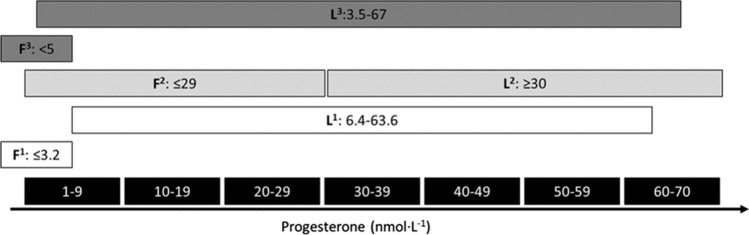
“A sensitivity analysis was performed on the No-LPD subgroup ( n = 8) to assess the impact of excluding those with potential luteal phase deficiency (LPD) ( n = 4), defined by progesterone levels < 16 nmol · L − 1 [17], while data from all participants in the early-follicular phase was retained.”
InfluentialAboulfaraj, A., Laziri, F., Haddou, S. E., Lahlou, S., Aghrouch, M., Belamjahad, A., Coso, J. D., Ardigò, L. P., & Zouhal, H. (2025) · Sports · doi:10.3390/sports13120445 · Cited by 4
Taylor, M., Docter, H., Madsen, K., Tjernes, V. S. S., Welde, B., Morseth, B., Haugen, T. A., Sandbakk, Ø. B., Osborne, J. O., & Noordhof, D. A. (2025) · European Journal of Sport Science · doi:10.1002/ejsc.70078 · Cited by 4
“…phases based on these hormonal fluctuations, including the early‐follicular phase (EFP, estrogen and progesterone are low), ovulatory phase (OP, estrogen is elevated and progesterone remains low), and mid‐ luteal phase (MLP, both estrogen and progesterone are elevated) (Elliott‐Sale et al. 2021).”
InfluentialFemale trail running: a systematic scoping review
Espasa-Labrador, J., Sandbakk, Ø. B., Cebrián‐Ponce, Á., Irurtia, A., Carrasco‐Marginet, M., & Osborne, J. O. (2026) · Frontiers in Sports and Active Living · doi:10.3389/fspor.2025.1694925 · Cited by 4
Kirschbaum, E. M., Henke, J., Heyde, K., & Legerlotz, K. (2026) · Health Science Reports · doi:10.1002/hsr2.71812 · Cited by 5
“…if their MC length ranged between 25 and 35 days [29]; otherwise, they were categorized as having MD, including primary amenorrhea (absence of menarche), oligomenorrhea (MC length > 35 and ≤ 90 days), secondary amenorrhea (MC length > 90 days), and polymenorrhea (MC length < 25 days) [30].”
Guisado‐Cuadrado, I., Recacha-Ponce, P., Peinado, A. B., & Romero‐Parra, N. (2026) · Scandinavian Journal of Medicine and Science in Sports · doi:10.1111/sms.70249 · Cited by 5
Adamczewski, J., Szymocha, M., Główka, N., Adrian, J., & Durkalec-Michalski, K. (2026) · International Journal of Sports Physiology and Performance · doi:10.1123/ijspp.2025-0447 · Cited by 4
Mee, J. A., & Flood, T. R. (2026) · Experimental Physiology · doi:10.1113/ep093344 · Cited by 4
“Crucially, no study confirmed naturally menstruating females to have eumenorrhoeic cycles (Kelly et al., 2024); that is, 21–35-day cycle length, confirmed ovulation, a correct hormonal profile from blood samples, confirmed for 2 months (Elliott-Sale et al., 2021; Smith et al., 2022).”
InfluentialKlug, P., Adams, J., Lents, G., Long, R., Herda, A. A., Vopat, B. G., & Vopat, L. (2024) · Foot & Ankle Orthopaedics · doi:10.1177/24730114241241318 · Cited by 4
“…however, it failed to run hormone panels and track the menstrual cycle, therefore being classified in silver tier according to Elliott-Sale et al. 3,12,41,42 Without proper control for the menstrual cycle and reporting of negative health outcomes by sex, medical guidelines cannot be formulated for…”
BackgroundDias, N. F., Bergamasco, J. G. A., Scarpelli, M. C., da Silva, D. G., Chaves, T. S., Bittencourt, D., Medalha, R. A., Filho, P. C. C., Souza, E. O. D., Ugrinowitsch, C., et al. (2024) · Applied Physiology, Nutrition, and Metabolism · doi:10.1139/apnm-2024-0004 · Cited by 4
Janicijevic, D. N., Cuevas-Aburto, J., Jukić, I., Gu, Y., & García‐Ramos, A. (2024) · International Journal of Sports Physiology and Performance · doi:10.1123/ijspp.2024-0056 · Cited by 4
Edwards, B. (2025) · Chronobiology International · doi:10.1080/07420528.2024.2445722 · Cited by 4
“However, recent work suggests that in females who are on a monophasic pill, any phase of the pill cycle can be chosen as exercise performance was consistent across the oral contraceptive pill user cycle (Elliott-Sale et al. 2021).”
Badier, N., Dupuit, M., Dormion, G., Chassard, T., Barlier, K., Lafitte, A., Delrieu, L., Toussaint, J., & Antero, J. (2025) · Applied Sciences · doi:10.3390/app15031357 · Cited by 5
“Irregular cycles, defined when their duration was shorter than 21 days or longer than 35 days [20], anovulatory cycles (among those measured), and atypical HC use, defined when the duration was not equal to the 28 days of a pill pack, were removed.”
Female Athletes Report Positive Experiences as Research Participants
Smith, E. S., McKay, A. K. A., Ackerman, K. E., Elliott-Sale, K. J., Stellingwerff, T., Harris, R., & Burke, L. M. (2025) · International Journal of Sport Nutrition and Exercise Metabolism · doi:10.1123/ijsnem.2024-0182 · Cited by 4
Self-citationLovell, R. J., & Kryger, K. O. (2025) · Sports Medicine · doi:10.1007/s40279-025-02250-1 · Cited by 7
“…to reflect the natural degree of within-and between-player variability in physiology such as symptomology and hormonal systemic effects owing to reproductive status [10, 11], and often requires longitudinal data in volumes that may exceed the capacity of individual researchers or single clubs.”
Willmott, A. G. B., James, C., Jewiss, M., Gibson, O. R., Brocherie, F., & Mee, J. A. (2025) · Sports Medicine - Open · doi:10.1186/s40798-025-00917-7 · Cited by 4
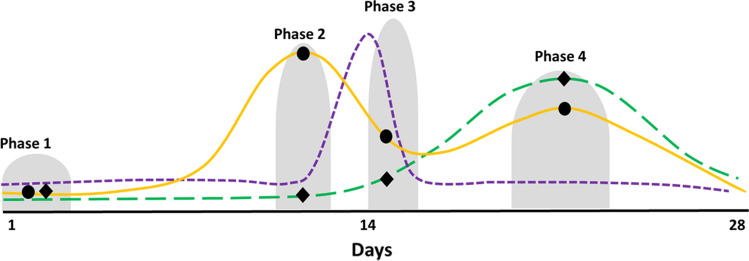
“It should also be made clear during which phase of the menstrual cycle testing occurred and where possible, conduct trials using the four-phase approach [81].”
Zhou, C., Qiu, M., Zeng, Z., Xie, Q., Xu, K., Yan, H., Wang, B., Qiu, B., & Shi, G. (2025) · Frontiers in Nutrition · doi:10.3389/fnut.2025.1678433 · Cited by 4
The transcriptomic signature of age and sex is not conserved in human primary myotubes
Lamon, S., Soria, M., Williams, R. M., Critchlow, A. J., Belleghem, K. V., GARNHAM, A. P., Varshney, A., Beilharz, T. H., Hiam, D., & Ziemann, M. (2026) · Skeletal Muscle · doi:10.1186/s13395-026-00416-7 · Cited by 4
“…the same day and oestrogen, progesterone, LH and FSH concentrations measured by high-performance liquid chromatography mass spectrometry (Triple Quad 5500, Sciex, Framingham, MA) at Monash Health Pathology laboratory (Victoria, Australia) were used to confirm the menstrual status according to [38].”
Zheng, H., Badenhorst, C. E., Lei, T., Muhamed, A. M. C., Liao, Y., Amano, T., Fujii, N., Nishiyasu, T., Kondo, N., & Mündel, T. (2021) · Journal of Applied Physiology · doi:10.1152/japplphysiol.00342.2021 · Cited by 4
Yoder, H. A., Mulholland, A. M., MacDonald, H. V., & Wingo, J. E. (2023) · Applied Physiology, Nutrition, and Metabolism · doi:10.1139/apnm-2023-0144 · Cited by 4
Female Physiology–Endocrinology: Education Is Lacking and Innovation Is Needed!
Hackney, A. C., & Elliott-Sale, K. J. (2023) · Women in Sport and Physical Activity Journal · doi:10.1123/wspaj.2023-0073 · Cited by 4
Self-citationGhasemi, S. A., Mahdizadeh, I., Salarsadeghi, M., & Miri, M. (2024) · doi:10.61838/kman.jayps.5.2.6 · Cited by 4
Hardaker, N. J., King, D. A., Hume, P. A., Stewart, T. I., Sims, S. T., Basu, I., Shilton, B., & Selfe, J. (2024) · BMC Neurology · doi:10.1186/s12883-024-03653-9 · Cited by 4
“Limitations of this study are that it relies on self-report hormone profiles and does not include verification using the ‘gold standard’ approach [66].”
MethodGovette, A., & Gillen, J. B. (2024) · Applied Physiology, Nutrition, and Metabolism · doi:10.1139/apnm-2023-0485 · Cited by 4
Agapito, L. G., Brownstein, C. G., & Maffiuletti, N. A. (2024) · The Journal of Strength and Conditioning Research · doi:10.1519/jsc.0000000000004934 · Cited by 4
Brown, G. A., Fullagar, H. H. K., & Duffield, R. (2025) · Scandinavian Journal of Medicine and Science in Sports · doi:10.1111/sms.70011 · Cited by 4
“…exclusion criteria involved pregnancy, using hormonal contraceptives or having used hormonal contraceptives in the previous 3 months, average MC in the previous 3 months < 21 or > 35 days, and being diagnosed with any illness or disease that disrupts the MC (e.g., polycystic ovary syndrome) [9].”
Osborne, J. O., Andersson, E. P., Pedersen, S., Welde, B., Pettersen, S. A., Emaus, A., Solli, G. S., Gunnarshaug, T. V. D., & Engseth, T. P. (2025) · International Journal of Sports Physiology and Performance · doi:10.1123/ijspp.2023-0382 · Cited by 5
Are post-exercise plasma glucose elevations involved in exercise-induced appetite suppression?
Bornath, D. P. D., McCarthy, S. F., Tucker, J. A. L., Cohen, T. R., Medeiros, P. J., & Hazell, T. J. (2025) · Applied Physiology, Nutrition, and Metabolism · doi:10.1139/apnm-2024-0331 · Cited by 6
Prado, R. C. R., Oliveira, T. N., Saunders, B., Foster, R., Bella, Z. I. K. D. J. D., Kilpatrick, M. W., Asano, R. Y., Hackney, A. C., & Takito, M. Y. (2025) · Endocrines · doi:10.3390/endocrines6010014 · Cited by 4
Self-citationRastgar, S., Zamani, W., Faghani, M., Ghiasvand, Z., Chitsaz, H., & Hosseini, S. K. (2025) · Aquaculture Reports · doi:10.1016/j.aqrep.2025.102777 · Cited by 7
Guisado‐Cuadrado, I., Alfaro-Magallanes, V. M., Romero‐Parra, N., Rael, B., Guadalupe‐Grau, A., & Peinado, A. B. (2023) · European Journal of Sport Science · doi:10.1080/17461391.2023.2211947 · Cited by 5
“…endurance or resistance training between 3 and 12 h per week; (iii) regular menstrual cycles (de fi ned as menstrual cycles from 21 to 35 days in length (Elliott-Sale et al., 2021)) during the 6 months prior to the study for the natural menstruation group, use of monophasic OCs for a minimum of six…”
Villegas-Serna, T., Wilson, L. J., & Curtis, C. (2023) · Journal of Thermal Biology · doi:10.1016/j.jtherbio.2023.103758 · Cited by 4
Bagot, S., Pereira, B., Lambert, C., Pélissier, L., Chanséaume, E., Duclos, M., Hackney, A. C., Elliott-Sale, K. J., Thivel, D., & Isacco, L. (2024) · The Journal of Sports Medicine and Physical Fitness · doi:10.23736/s0022-4707.24.15879-3 · Cited by 4
Self-citationFabunmi, O. A., Dludla, P. V., & Nkambule, B. B. (2024) · PLoS ONE · doi:10.1371/journal.pone.0298429 · Cited by 3
Supported to perform: sports bras and breast volume do not impair cycling performance in females
Illidi, C. R., & Jensen, D. M. (2024) · Frontiers in Sports and Active Living · doi:10.3389/fspor.2024.1439403 · Cited by 3
Jaén‐Carrillo, D., García‐Pinillos, F., Plaza‐Florido, A., Riquelme‐Sebastián, L., Fernández‐Navarrete, I., & Ruiz‐Alias, S. A. (2025) · American Journal of Human Biology · doi:10.1002/ajhb.24212 · Cited by 3
Jankelowitz, D., Wright, K. E., Suzuki, E., Maros, T., Pandit, A., Wewege, M. A., Jones, M. D., Clifford, B. K., Engel, A. C., & Hagstrom, A. D. (2025) · Social Sciences · doi:10.3390/socsci14030125 · Cited by 3
Newbould, S., Walker, J., Dinsdale, A. J., Whitehead, S., & Nicholson, G. (2025) · PLoS ONE · doi:10.1371/journal.pone.0306587 · Cited by 3
Angst, T., Weber, N., Fischer, S., Lehmann, J., Infanger, D., Teav, T., Schwendinger, F., Streese, L., Hinrichs, T., Croci, I., et al. (2025) · Computational and Structural Biotechnology Journal · doi:10.1016/j.csbj.2025.07.004 · Cited by 3
“This, coupled with excluding females taking hormonal contraceptives, decreased hormonal heterogeneity among female participants [32].”
Pirlot, T., Mihailovic, T., Gimenez, P., Millet, G. P., Brocherie, F., Fruchart, É., Ravier, G., Baron, B., Bouzigon, R., Guirronnet, S., et al. (2025) · European Journal of Sport Science · doi:10.1002/ejsc.12320 · Cited by 3
Metadata
- Authors
- Elliott-Sale, K. J., Minahan, C. L., de Jonge, X. A. K. J., Ackerman, K. E., Sipilä, S., Constantini, N. W., Lebrun, C. M., & Hackney, A. C.
- Affiliations
- Nottingham Trent University (GB)
- Griffith University (AU)
- Boston Children's Hospital (US)
- University of Jyväskylä (FI)
- Hebrew University of Jerusalem (IL)
- University of Alberta (CA)
- University of North Carolina at Chapel Hill (US)
- Corresponding author
- Elliott-Sale, Kirsty J.
- ORCID
- Venue
- Sports Medicine
- Published
- 2021-03-16
- Volume
- 51
- Issue
- 5
- Pages
- 843-861
- ISSN
- 0112-1642 (ISSN-L)
- 1179-2035
- PMC
- PMC8053180
- OpenAlex
- W3139291660
- Cited by
- 731
- References
- 77
- Citations by year
- 2026: 181 · 2025: 184 · 2024: 152 · 2023: 123 · 2022: 61 · 2021: 30
- FWCI
- 79.30
- Type
- journal article
- Language
- en
- Open access
- hybrid
- doi.org
- Licence
- cc-by
- creativecommons.org/licenses/by/4.0 (tdm)
- creativecommons.org/licenses/by/4.0 (vor)
- Locations
- Sports Medicine (publishedVersion, cc-by)
- PubMed Central (publishedVersion, cc-by)
- PubMed (publishedVersion)
- Nottingham Trent University's Institutional Repository (Nottingham Trent Repository) (acceptedVersion)
- e-space (Manchester Metropolitan University) (acceptedVersion)
- Jyväskylä University Digital Archive (University of Jyväskylä) (submittedVersion, cc-by)
- Griffith Research Online (submittedVersion, cc-by)
- NOVA (University of Newcastle Australia) (submittedVersion)
- Topics
- Health Sciences › Medicine › Public Health, Environmental and Occupational Health › Sex and Gender in Healthcare
- Health Sciences › Medicine › Orthopedics and Sports Medicine › Sports Performance and Training
- Social Sciences › Gender Studies › Sports, Gender, and Society
- Keywords
- female reproductive endocrinology, menstrual cycle, hormonal contraceptive use, pregnancy, menopause, sex differences in physiology, participant selection criteria
- MeSH terms
- Adaptation, Physiological, Female, Humans, Male, Menstrual Cycle, Sports, Exercise, Athletes
About these checks
Registry, retraction, Cites and statistics results are computed, not judged, with one exception: a printed reference that no index lists is read once by a model before it counts as a citation error. Claims are extracted by a model and kept only when their quote appears verbatim in the text; each cited source is then checked, with a model’s help, for whether it says what the claim relies on. Those verdicts can be wrong — read the claim’s quote and the cited source before relying on one.
Statistics and arithmetic are recomputed, not judged.
Confidence bands are shown only for fields calibrated on our annotated test set. None is calibrated yet, so no band is shown.
What counts as a claim ›How we measure confidence ›How we check this ›
Are you an author, or do you see a problem with this page? Request a review
Data sources
Bibliographic data: Semantic Scholar, OpenAlex, Crossref.
Contains information from the Semantic Scholar Academic Graph Datasets, made available under the ODC Attribution License (ODC-BY 1.0).
Semantic Scholar’s data is described in: Kinney, R., et al. (2023). The Semantic Scholar Open Data Platform. arXiv:2301.10140.
