

Chronic Effects of Static Stretching Exercises on Muscle Strength and Power in Healthy Individuals Across the Lifespan: A Systematic Review with Multi-level Meta-analysis
Open accessThe DOI matches its Crossref record; 116 of the 117 references it cites were found in a registry or an index.
Abstract
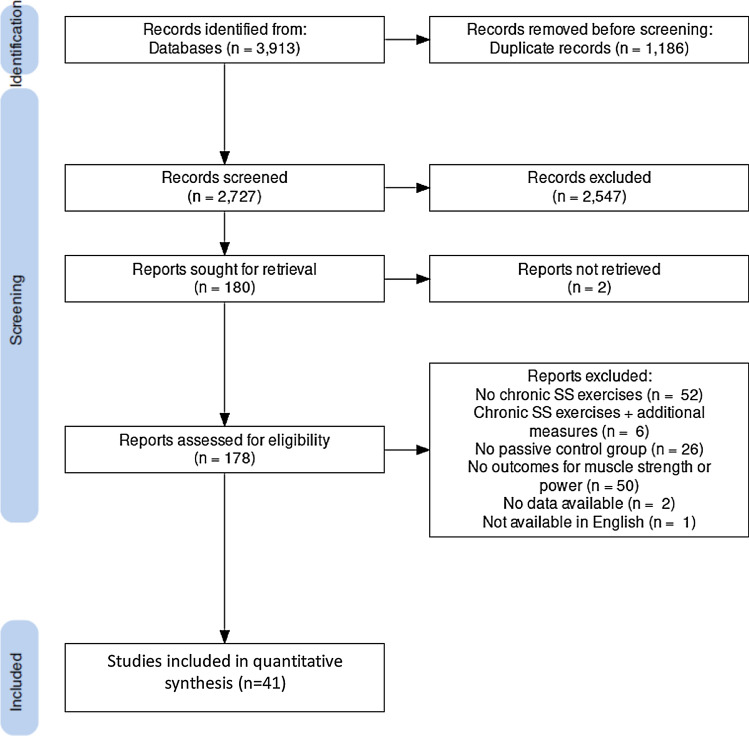
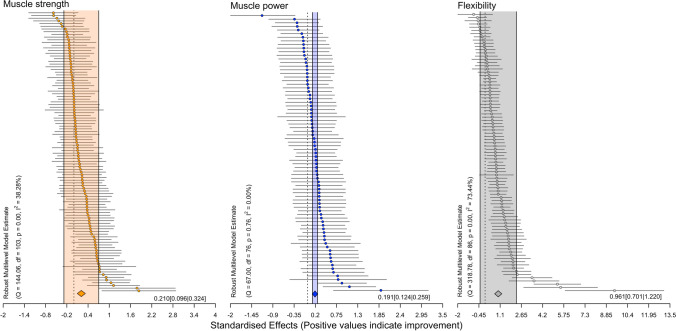
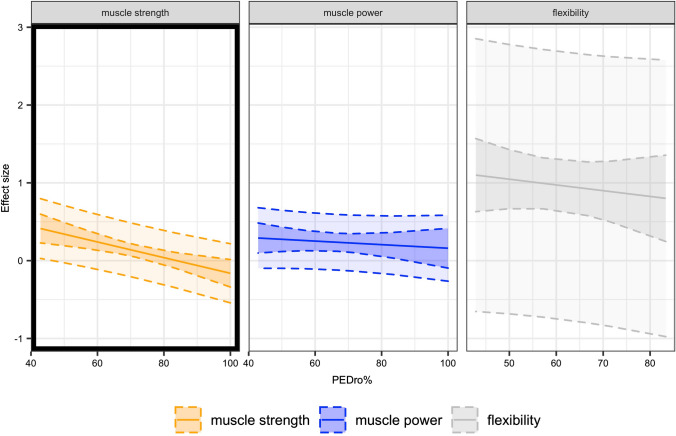
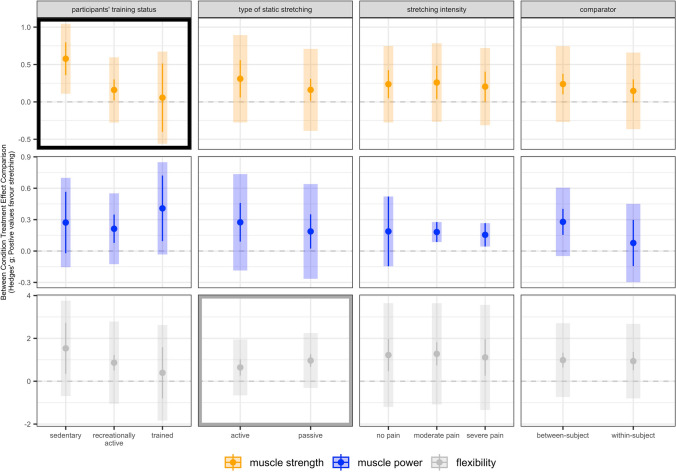
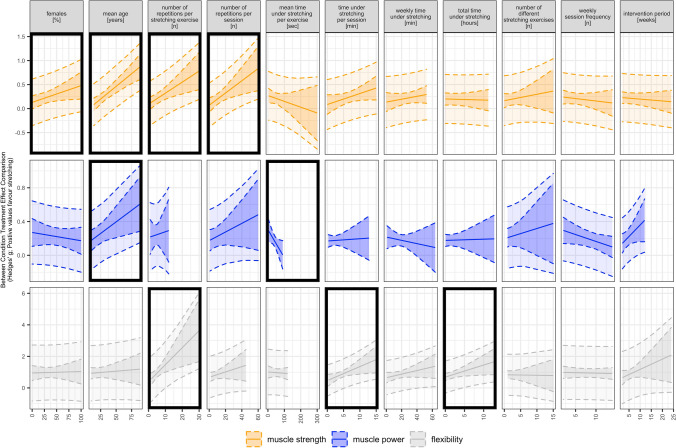
Background: The current literature on the chronic effects of static stretching (SS) exercises on muscle strength and power is unclear and controversial. Objective: We aimed to examine the chronic effects of SS exercises on muscle strength and power as well as flexibility in healthy individuals across the lifespan. Design: Systematic review with meta-analysis of (randomized) controlled trials. Data Sources: A systematic literature search was conducted in the databases PubMed, Web of Science, Cochrane Library, and SPORTDiscus up to May 2022. Eligibility Criteria for Selecting Studies: We included studies that investigated the chronic effects of SS exercises on at least one muscle strength and power outcome compared to an active/passive control group or the contralateral leg (i.e., using between- or within-study designs, respectively) in healthy individuals, irrespective of age, sex, and training status. Results: The main findings of 41 studies indicated trivial-to-small positive effects of chronic SS exercises on muscle strength (standardized mean difference [SMD] = 0.21, [95% confidence interval 0.10–0.32], p = 0.001) and power (SMD = 0.19, 95% confidence interval 0.12–0.26], p < 0.001). For flexibility, moderate-to-large increases were observed (SMD = 0.96, [95% confidence interval 0.70–1.22], p < 0.001). Subgroup analyses, taking the participants’ training status into account, revealed a larger muscle strength improvement for sedentary (SMD = 0.58, p < 0.001) compared with recreationally active participants (SMD = 0.16, p = 0.029). Additionally, larger flexibility gains were observed following passive (SMD = 0.97, p < 0.001) compared with active SS exercises (SMD = 0.59, p = 0.001). The chronic effects of SS on muscle strength were moderated by the proportion of female individuals in the sample ( β = 0.004, p = 0.042), with higher proportions experiencing larger gains. Other moderating variables included mean age ( β = 0.011, p < 0.001), with older individuals showing larger muscle strength gains, and the number of repetitions per stretching exercise and session ( β = 0.023, p = 0.004 and β = 0.013, p = 0.008, respectively), with more repetitions associated with larger muscle strength improvements. Muscle power was also moderated by mean age ( β = 0.006, p = 0.007) with larger gains in older individuals. The meta-regression analysis indicated larger flexibility gains with more repetitions per session ( β = 0.094, p = 0.016), more time under stretching per session ( β = 0.090, p = 0.026), and more total time under stretching ( β = 0.078, p = 0.034). Conclusions: The main findings indicated that chronic SS exercises have the potential to improve muscle strength and power. Such improvements appear to benefit sedentary more than recreationally active participants. Likewise, chronic SS exercises result in a marked enhancement in flexibility with larger effects of passive, as compared with active, SS. The results of the meta-regression analysis for muscle strength indicated larger benefits of chronic SS exercises in samples with higher proportions of female, older participants, and a higher number of repetitions per stretching exercise and session. For muscle power, results suggested larger gains for older participants. Regarding flexibility, findings indicated larger benefits following a higher number of repetitions per exercise and a longer time under stretching per session as well as a longer total time under stretching.
Overview
The claims and statistics of this paper haven’t been checked yet.
Free: it reads the open-access text and checks the first 5 claims that cite a source we can check. Create a free account to check every claim.
Integrity signals
Registry
Cites
Statistics
Figures
Verification
Claims the paper makes
The claims and statistics of this paper haven’t been checked yet.
Free: it reads the open-access text and checks the first 5 claims that cite a source we can check. Create a free account to check every claim.
Claims other papers make about this one
Each is checked against this paper’s own text: does it say what the citing paper says it does?
The source backs part of the claim, not all of it — or backs it for a different population, condition or comparison.
In the citing paper
“recent research illustrates that prolonged static stretching can produce muscle strength and hypertrophy benefits [143–145] with minimal intensity of effort (vs. minimal time concerns).”
From Minimalist Training: Is Lower Dosage or Intensity Resistance Training Effective to Improve Physical Fitness? A Narrative Review (2024) · cites this paper as [145]
Experimental — accuracy not yet measuredThe source backs part of the claim, not all of it — or backs it for a different population, condition or comparison.
In the citing paper
“Subgroup analyses showed larger strength gains in female, older, and sedentary individuals.”
From Minimalist Training: Is Lower Dosage or Intensity Resistance Training Effective to Improve Physical Fitness? A Narrative Review (2024) · cites this paper as Arntz et al. [145]
Experimental — accuracy not yet measuredThe cited source says what the claim attributes to it.
In the citing paper
“A greater number of stretch repetitions (mean stretching time per exercise was 30 s with a range of 2–300 s) provided larger muscle strength improvements.”
From Minimalist Training: Is Lower Dosage or Intensity Resistance Training Effective to Improve Physical Fitness? A Narrative Review (2024) · cites this paper as Arntz et al. [145]
The cited source says what the claim attributes to it.
In the citing paper
“Recently, a meta-analysis of 41 chronic stretching studies by Arntz et al. [145] calculated trivial to small magnitude increases in muscle strength and power (median weekly session frequency was three (range 2–14), with a median intervention period of 6 weeks (range 2–24)).”
From Minimalist Training: Is Lower Dosage or Intensity Resistance Training Effective to Improve Physical Fitness? A Narrative Review (2024) · cites this paper as Arntz et al. [145]
In the citing paper
“However, regular static stretching exercises have been associated with modest improvements in muscle strength, though it is important to note that these findings are largely derived from studies with predominantly younger samples (median age of 22) [135].”
From Global consensus on optimal exercise recommendations for enhancing healthy longevity in older adults (ICFSR) (2025) · cites this paper as [135]
3 more claims about this paper
Create a free account to see every claim other papers make about this one.
Self-check
Percentages, sums and reported differences re-computed from the paper’s own numbers.
The self-check needs the paper’s full text.
Citations
Cites
Measuring inconsistency in meta-analyses
Higgins, J. P. T., Thompson, S. G., Deeks, J. J., & Altman, D. G. (2003) · BMJ · doi:10.1136/bmj.327.7414.557 · Cited by 63,139
Preferred reporting items for systematic reviews and meta-analyses: The PRISMA statement
Moher, D., Liberati, A., Tetzlaff, J., Altman, D. G., & the PRISMA Group* (2009) · Annals of Internal Medicine · doi:10.7326/0003-4819-151-4-200908180-00135 · Cited by 37,554
Statistical Power Analysis for the Behavioral Sciences
Cohen, J. (2013) · doi:10.4324/9780203771587 · Cited by 25,373
Wickham, H., Averick, M., Bryan, J., Chang, W., McGowan, L., François, R., Grolemund, G., Hayes, A., Henry, L., Hester, J., et al. (2019) · Journal of Open Source Software · doi:10.21105/joss.01686 · Cited by 22,138
Conducting Meta-Analyses in R with the metafor Package
Viechtbauer, W. (2010) · Journal of Statistical Software · doi:10.18637/jss.v036.i03 · Cited by 20,464 · cited 1×
“Meta-analyses were performed using the ‘metafor’ [38] and ‘tidyverse’ [39] packages in R (v 4.1.2; R Core Team, R Foundation for Statistical Computing, Vienna, Austria; https:// www.r-proje ct. org/).”
MethodInfluentialCochrane Handbook for Systematic Reviews of Interventions
(2019) · doi:10.1002/9781119536604 · Cited by 14,828
The PRISMA 2020 Statement: An Updated Guideline for Reporting Systematic Reviews
Page, M. J., McKenzie, J. E., Bossuyt, P. M., Boutron, I., Hoffmann, T. C., Mulrow, C. D., Shamseer, L., Tetzlaff, J. M., Akl, E. A., Brennan, S. E., et al. (2021) · International Journal of Surgery · doi:10.1016/j.ijsu.2021.105906 · Cited by 11,748
Reliability of the PEDro Scale for Rating Quality of Randomized Controlled Trials
Maher, C. G., Sherrington, C., Herbert, R. D., Moseley, A. M., & Elkins, M. (2003) · Physical Therapy · doi:10.1093/ptj/83.8.713 · Cited by 4,808
Effect size, confidence interval and statistical significance: a practical guide for biologists
Nakagawa, S., & Cuthill, I. C. (2007) · Biological Reviews · doi:10.1111/j.1469-185x.2007.00027.x · Cited by 3,835
Defining Training and Performance Caliber: A Participant Classification Framework
McKay, A. K. A., Stellingwerff, T., Smith, E. S., Martin, D. T., Mujika, I., Goosey-Tolfrey, V. L., Sheppard, J., & Burke, L. M. (2022) · International Journal of Sports Physiology and Performance · doi:10.1123/ijspp.2021-0451 · Cited by 3,093
A Re-Evaluation of Random-Effects Meta-Analysis
Higgins, J. P. T., Thompson, S. G., & Spiegelhalter, D. J. (2009) · Journal of the Royal Statistical Society Series A: Statistics in Society · doi:10.1111/j.1467-985x.2008.00552.x · Cited by 2,569 · cited 1×
“In addition to the cluster robust models’ point estimates and 95% CIs, we calculated 95% prediction intervals (PIs) to account for the uncertainty of the effects expected in future similar studies [42–44].”
Methodde Morton, N. A. (2009) · Australian Journal of Physiotherapy · doi:10.1016/s0004-9514(09)70043-1 · Cited by 2,201
Estimating effect sizes from pretest-posttest-control group designs
Morris, S. B. (2008) · Organizational Research Methods · doi:10.1177/1094428106291059 · Cited by 2,133
Greenhalgh, T., & Peacock, R. (2005) · BMJ · doi:10.1136/bmj.38636.593461.68 · Cited by 2,045 · cited 1×
“All included studies, as well as corresponding meta-analyses, were searched for additional eligible publications in “snowball” searches [25].”
Doing Meta-Analysis with R: A Hands-On Guide
Harrer, M., Cuijpers, P., Furukawa, T. A., & Ebert, D. D. (2021) · doi:10.1201/9781003107347 · Cited by 1,850
Proske, U., & Morgan, D. L. (2001) · The Journal of Physiology · doi:10.1111/j.1469-7793.2001.00333.x · Cited by 1,399
Methodological issues and advances in biological meta-analysis
Nakagawa, S., & Santos, E. S. A. (2012) · Evolutionary Ecology · doi:10.1007/s10682-012-9555-5 · Cited by 1,032
Intercoder Reliability and Validity of WebPlotDigitizer in Extracting Graphed Data
Drevon, D., Fursa, S. R., & Malcolm, A. L. (2017) · Behavior Modification · doi:10.1177/0145445516673998 · Cited by 1,006 · cited 1×
“io/ wpd/) was used to extract relevant data in studies that reported measures of interest graphically [29].”
MethodThe importance of muscular strength: Training considerations
Suchomel, T. J., Nimphius, S., Bellon, C. R., & Stone, M. H. (2018) · Sports Medicine · doi:10.1007/s40279-018-0862-z · Cited by 940 · cited 1×
“participants achieved larger adaptations following training [104, 105].”
Schoenfeld, B. J., Grgic, J., Ogborn, D., & Krieger, J. W. (2017) · Journal of Strength and Conditioning Research · doi:10.1519/jsc.0000000000002200 · Cited by 851 · cited 1×
“As blinding of participants, therapists, and assessors is to some extent contrary to the nature of the investigated interventions, and thus, is rarely implemented and reported, items 5–7 were removed as in recently published systematic reviews [33, 34].”
BackgroundBehm, D. G., Blazevich, A. J., Kay, A. D., & McHugh, M. (2016) · Applied Physiology, Nutrition, and Metabolism · doi:10.1139/apnm-2015-0235 · Cited by 762
Self-citationA review of the acute effects of static and dynamic stretching on performance
Behm, D. G., & Chaouachi, A. (2011) · European Journal of Applied Physiology · doi:10.1007/s00421-011-1879-2 · Cited by 751
Self-citationThe Effect of Time and Frequency of Static Stretching on Flexibility of the Hamstring Muscles
Bandy, W. D., Irion, J. M., & Briggler, M. (1997) · Physical Therapy · doi:10.1093/ptj/77.10.1090 · Cited by 564
Physical activity is medicine for older adults
Taylor, D. (2014) · Postgraduate Medical Journal · doi:10.1136/postgradmedj-2012-131366 · Cited by 539
Shellock, F. G., & Prentice, W. E. (1985) · Sports Medicine · doi:10.2165/00007256-198502040-00004 · Cited by 520
Alternatives to P value: confidence interval and effect size
Lee, D. K. (2016) · Korean Journal of Anesthesiology · doi:10.4097/kjae.2016.69.6.555 · Cited by 479
Velocity Specificity of Resistance Training
Behm, D. G., & Sale, D. G. (1993) · Sports Medicine · doi:10.2165/00007256-199315060-00003 · Cited by 460 · cited 1×
“With the principle of training specificity in mind [99], the moderate-to-large effects of chronic SS exercises on flexibility was an expected outcome.”
Self-citationIncreasing Muscle Extensibility: A Matter of Increasing Length or Modifying Sensation?
Weppler, C. H., & Magnusson, S. P. (2010) · Physical Therapy · doi:10.2522/ptj.20090012 · Cited by 435
Warm-Up and Stretching in the Prevention of Muscular Injury
Woods, K., Bishop, P., & Jones, E. (2007) · Sports Medicine · doi:10.2165/00007256-200737120-00006 · Cited by 425
A mechanism for altered flexibility in human skeletal muscle.
Magnusson, S. P., Simonsen, E. B., Aagaard, P., Sørensen, H., & Kjaer, M. (1996) · The Journal of Physiology · doi:10.1113/jphysiol.1996.sp021768 · Cited by 406 · cited 2×
“However, it is worth noting that other studies did not report any changes in the mechanical properties of the MTU following chronic SS exercises [2, 97, 98], implying that this research question is still open for much discussion in future studies.”
BackgroundResultAnsdell, P., Thomas, K., Hicks, K. M., Hunter, S. K., Howatson, G., & Goodall, S. (2020) · Experimental Physiology · doi:10.1113/ep088548 · Cited by 403 · cited 2×
“A substantial body of evidence indicates sex differences in the integration of physiological systems, including the neuromuscular system, during exercise [109].”
BackgroundDoes Stretching Improve Performance?: A Systematic and Critical Review of the Literature
Shrier, I. (2004) · Clinical Journal of Sport Medicine · doi:10.1097/00042752-200409000-00004 · Cited by 402
Specific tension of human plantar flexors and dorsiflexors
Fukunaga, T., Roy, R. R., Shellock, F. G., Hodgson, J. A., & Edgerton, V. R. (1996) · Journal of Applied Physiology · doi:10.1152/jappl.1996.80.1.158 · Cited by 402
Effect of Acute Static Stretch on Maximal Muscle Performance: A Systematic Review
KAY, A. D., & BLAZEVICH, A. J. (2012) · Medicine & Science in Sports & Exercise · doi:10.1249/mss.0b013e318225cb27 · Cited by 400
Confidence intervals for the amount of heterogeneity in meta‐analysis
Viechtbauer, W. (2007) · Statistics in Medicine · doi:10.1002/sim.2514 · Cited by 394
The Effects of Stretching on Strength Performance
Rubini, E. C., Costa, A. L. L., & Gomes, P. S. C. (2007) · Sports Medicine · doi:10.2165/00007256-200737030-00003 · Cited by 303
GOSH – a graphical display of study heterogeneity
Olkin, I., Dahabreh, I. J., & Trikalinos, T. A. (2012) · Research Synthesis Methods · doi:10.1002/jrsm.1053 · Cited by 267
Guissard, N., & Duchateau, J. (2004) · Muscle & Nerve · doi:10.1002/mus.10549 · Cited by 233
Halbertsma, J. P. K., & Göeken, L. N. H. (1994) · Archives of Physical Medicine and Rehabilitation · doi:10.1016/0003-9993(94)90675-0 · Cited by 224
Stretch shorten cycle performance enhancement through flexibility training
WILSON, G. J., ELLIOTT, B. C., & WOOD, G. A. (1992) · Medicine & Science in Sports & Exercise · doi:10.1249/00005768-199201000-00019 · Cited by 217
Can chronic stretching change the muscle‐tendon mechanical properties? A review
Freitas, S. R., Mendes, B., Le Sant, G., Andrade, R. J., Nordez, A., & Milanovic, Z. (2018) · Scandinavian Journal of Medicine & Science in Sports · doi:10.1111/sms.12957 · Cited by 214
Blazevich, A. J. (2006) · Sports Medicine · doi:10.2165/00007256-200636120-00002 · Cited by 207
Investigating the Economic and Demographic Determinants of Sporting Participation in England
Farrell, L., & Shields, M. A. (2002) · Journal of the Royal Statistical Society Series A: Statistics in Society · doi:10.1111/1467-985x.00626 · Cited by 199
Konrad, A., & Tilp, M. (2014) · Clinical Biomechanics · doi:10.1016/j.clinbiomech.2014.04.013 · Cited by 195 · cited 3×
“[52] Between-subject; 41 (20|21) NA; 29; 23.”
Effect of stretching training on the viscoelastic properties of human tendon structures in vivo
Kubo, K., Kanehisa, H., & Fukunaga, T. (2002) · Journal of Applied Physiology · doi:10.1152/japplphysiol.00658.2001 · Cited by 192
Effect of Hamstring Stretching on Hamstring Muscle Performance
Worrell, T. W., Smith, T. L., & Winegardner, J. (1994) · Journal of Orthopaedic & Sports Physical Therapy · doi:10.2519/jospt.1994.20.3.154 · Cited by 191
Moseley, A. M., Rahman, P., Wells, G. A., Zadro, J. R., Sherrington, C., Toupin-April, K., & Brosseau, L. (2019) · PLOS ONE · doi:10.1371/journal.pone.0222770 · Cited by 174
Chronic Static Stretching Improves Exercise Performance
KOKKONEN, J., NELSON, A. G., ELDREDGE, C., & WINCHESTER, J. B. (2007) · Medicine & Science in Sports & Exercise · doi:10.1249/mss.0b013e3181238a2b · Cited by 165
Application of Passive Stretch and Its Implications for Muscle Fibers
De Deyne, P. G. (2001) · Physical Therapy · doi:10.1093/ptj/81.2.819 · Cited by 159
Effects of power and flexibility training on vertical jump technique
HUNTER, J. P., & MARSHALL, R. N. (2002) · Medicine & Science in Sports & Exercise · doi:10.1097/00005768-200203000-00015 · Cited by 158
Chaabene, H., Behm, D. G., Negra, Y., & Granacher, U. (2019) · Frontiers in Physiology · doi:10.3389/fphys.2019.01468 · Cited by 156
Self-citationBlazevich, A. J., Cannavan, D., Waugh, C. M., Miller, S. C., Thorlund, J. B., Aagaard, P., & Kay, A. D. (2014) · Journal of Applied Physiology · doi:10.1152/japplphysiol.00204.2014 · Cited by 144
Marshall, P. W., Cashman, A., & Cheema, B. S. (2011) · Journal of science and medicine in sport · doi:10.1016/j.jsams.2011.05.003 · Cited by 136
Medeiros, D. M., Cini, A., Sbruzzi, G., & Lima, C. S. (2016) · Physiotherapy Theory and Practice · doi:10.1080/09593985.2016.1204401 · Cited by 136
The Relation Between Stretching Typology and Stretching Duration: The Effects on Range of Motion
Thomas, E., Bianco, A., Paoli, A., & Palma, A. (2018) · International Journal of Sports Medicine · doi:10.1055/s-0044-101146 · Cited by 135
The Effects of Two Stretching Procedures on Hip Range of Motion and Gait Economy
Godges, J. J., MacRae, H., Longdon, C., Tinberg, C., & MacRae, P. (1989) · Journal of Orthopaedic & Sports Physical Therapy · doi:10.2519/jospt.1989.10.9.350 · Cited by 134
Medeiros, D. M., & Martini, T. F. (2017) · The Foot · doi:10.1016/j.foot.2017.09.006 · Cited by 134
Stretching Skeletal Muscle: Chronic Muscle Lengthening through Sarcomerogenesis
Zöllner, A. M., Abilez, O. J., Böl, M., & Kuhl, E. (2012) · PLoS ONE · doi:10.1371/journal.pone.0045661 · Cited by 128
Seabra, A., Mendonça, D. M., Thomis, M. A., Peters, T. J., & Maia, J. A. R. (2007) · European Journal of Public Health · doi:10.1093/eurpub/ckm049 · Cited by 128
The Case for Retiring Flexibility as a Major Component of Physical Fitness
Nuzzo, J. L. (2020) · Sports Medicine · doi:10.1007/s40279-019-01248-w · Cited by 127
Effect of a 5‐week static stretching program on hardness of the gastrocnemius muscle
Akagi, R., & Takahashi, H. (2014) · Scandinavian Journal of Medicine & Science in Sports · doi:10.1111/sms.12111 · Cited by 125
Grgic, J., Lazinica, B., Mikulic, P., Krieger, J. W., & Schoenfeld, B. J. (2017) · European Journal of Sport Science · doi:10.1080/17461391.2017.1340524 · Cited by 125
Resistance Training vs. Static Stretching: Effects on Flexibility and Strength
Morton, S. K., Whitehead, J. R., Brinkert, R. H., & Caine, D. J. (2011) · Journal of Strength and Conditioning Research · doi:10.1519/jsc.0b013e31821624aa · Cited by 124
Yüktaşır, B., & Kaya, F. (2007) · Journal of Bodywork and Movement Therapies · doi:10.1016/j.jbmt.2007.10.001 · Cited by 119
No Effect of Muscle Stretching within a Full, Dynamic Warm-up on Athletic Performance
BLAZEVICH, A. J., GILL, N. D., KVORNING, T., KAY, A. D., GOH, A. G., HILTON, B., DRINKWATER, E. J., & BEHM, D. G. (2018) · Medicine & Science in Sports & Exercise · doi:10.1249/mss.0000000000001539 · Cited by 110
Self-citationSimpson, C. L., Kim, B. D. H., Bourcet, M. R., Jones, G. R., & Jakobi, J. M. (2017) · Scandinavian Journal of Medicine & Science in Sports · doi:10.1111/sms.12822 · Cited by 102 · cited 3×
“However, a common theory is that chronic SS exercises seem to contribute to muscle growth and hence skeletal muscle hypertrophy [54, 55, 86].”
The Influence of Strength, Flexibility, and Simultaneous Training on Flexibility and Strength Gains
Simão, R., Lemos, A., Salles, B., Leite, T., Oliveira, É., Rhea, M., & Reis, V. M. (2011) · Journal of Strength and Conditioning Research · doi:10.1519/jsc.0b013e3181da85bf · Cited by 98 · cited 3×
“[17] Upper body, lower body, shoulders, hips, trunk [NA] Muscle strength 10RM—bench press [NA] 10RM—leg press [NA] Flexibility Sit and reach [NA]”
BackgroundEffects of Flexibility Training on Eccentric Exercise-Induced Muscle Damage
CHEN, C.-H., NOSAKA, K., CHEN, H.-L., LIN, M.-J., TSENG, K.-W., & CHEN, T. C. (2011) · Medicine & Science in Sports & Exercise · doi:10.1249/mss.0b013e3181f315ad · Cited by 97
Afonso, J., Ramirez-Campillo, R., Moscão, J., Rocha, T., Zacca, R., Martins, A., Milheiro, A. A., Ferreira, J., Sarmento, H., & Clemente, F. M. (2021) · Healthcare · doi:10.3390/healthcare9040427 · Cited by 88
Sprint and Vertical Jump Performances Are Not Affected by Six Weeks of Static Hamstring Stretching
Bazett-Jones, D. M., Gibson, M. H., & McBride, J. M. (2008) · Journal of Strength and Conditioning Research · doi:10.1519/jsc.0b013e31815f99a4 · Cited by 80
e Lima, K. M. M., Carneiro, S. P., de S. Alves, D., Peixinho, C. C., & de Oliveira, L. F. (2015) · Clinical Journal of Sport Medicine · doi:10.1097/jsm.0000000000000069 · Cited by 79
Influence of chronic stretching on muscle performance: Systematic review
Medeiros, D. M., & Lima, C. S. (2017) · Human Movement Science · doi:10.1016/j.humov.2017.05.006 · Cited by 79
Cipriani, D. J., Terry, M. E., Haines, M. A., Tabibnia, A. P., & Lyssanova, O. (2012) · Journal of Strength and Conditioning Research · doi:10.1519/jsc.0b013e31823b862a · Cited by 76
Brosseau, L., Wells, G. A., Pugh, A. G., Smith, C. A. M., Rahman, P., Álvarez‐Gallardo, I. C., Toupin‐April, K., Loew, L., Angelis, G. D., Cavallo, S., et al. (2015) · Clinical Rehabilitation · doi:10.1177/0269215515606198 · Cited by 75
Reid, J. C., Greene, R. M., Young, J. D., Hodgson, D. D., Blazevich, A. J., & Behm, D. G. (2018) · European Journal of Applied Physiology · doi:10.1007/s00421-018-3874-3 · Cited by 74
Self-citationWang, C., & Lee, W. (2019) · Research Synthesis Methods · doi:10.1002/jrsm.1345 · Cited by 70
Chronic effects of muscle and nerve-directed stretching on tissue mechanics
Andrade, R. J., Freitas, S. R., Hug, F., Le Sant, G., Lacourpaille, L., Gross, R., Quillard, J.-B., McNair, P. J., & Nordez, A. (2020) · Journal of Applied Physiology · doi:10.1152/japplphysiol.00239.2019 · Cited by 70
Stretching: Acute and Chronic? The Potential Consequences
Stone, M. H., Ramsey, M. W., Kinser, A. M., OʼBryant, H. S., Ayers, C., & Sands, W. A. (2006) · Strength and conditioning journal · doi:10.1519/1533-4295(2006)28[66:saactp]2.0.co;2 · Cited by 69
Panidi, I., Bogdanis, G. C., Terzis, G., Donti, A., Konrad, A., Gaspari, V., & Donti, O. (2021) · Frontiers in Physiology · doi:10.3389/fphys.2021.701338 · Cited by 69
Chronic Stretching and Voluntary Muscle Force
LaRoche, D. P., Lussier, M., & Roy, S. (2008) · The Journal of Strength and Conditioning Research · doi:10.1519/jsc.0b013e3181636aef · Cited by 65
A 10-Week Stretching Program Increases Strength in the Contralateral Muscle
Nelson, A. G., Kokkonen, J., Winchester, J. B., Kalani, W., Peterson, K., Kenly, M. S., & Arnall, D. A. (2012) · Journal of Strength and Conditioning Research · doi:10.1519/jsc.0b013e3182281b41 · Cited by 60
Nishikawa, Y., Aizawa, J., Kanemura, N., Takahashi, T., Hosomi, N., Maruyama, H., Kimura, H., Matsumoto, M., & Takayanagi, K. (2015) · Journal of Physical Therapy Science · doi:10.1589/jpts.27.3167 · Cited by 60
Yahata, K., Konrad, A., Sato, S., Kiyono, R., Yoshida, R., Fukaya, T., Nunes, J. P., & Nakamura, M. (2021) · European Journal of Applied Physiology · doi:10.1007/s00421-021-04608-5 · Cited by 59 · cited 2×
“[80] Within-subject; 16 Recreationally active; 0; 21.”
Self-citationLongo, S., Cè, E., Bisconti, A. V., Rampichini, S., Doria, C., Borrelli, M., Limonta, E., Coratella, G., & Esposito, F. (2021) · European Journal of Applied Physiology · doi:10.1007/s00421-021-04654-z · Cited by 58
Effects of Various Training Programs on Running Speed
Dintiman, G. B. (1964) · Research Quarterly American Association for Health Physical Education and Recreation · doi:10.1080/10671188.1964.10613341 · Cited by 57
Stretching Effects: High-intensity & Moderate-duration vs. Low-intensity & Long-duration
Freitas, S. R., Vaz, J. R., Bruno, P. M., Andrade, R. J., & Mil-Homens, P. V. (2015) · International Journal of Sports Medicine · doi:10.1055/s-0035-1548946 · Cited by 55
Does stretch training induce muscle hypertrophy in humans? A review of the literature
Nunes, J. P., Schoenfeld, B. J., Nakamura, M., Ribeiro, A. S., Cunha, P. M., & Cyrino, E. S. (2020) · Clinical Physiology and Functional Imaging · doi:10.1111/cpf.12622 · Cited by 55 · cited 4×
“[89] indicated that passive low-intensity stretching seems not to promote changes in muscle size and architecture.”
InfluentialSelf-citationActive Stretching Improves Flexibility, Joint Torque, and Functional Mobility in Older Women
Batista, L. H., Vilar, A. C., Ferreira, J. J. D. A., Rebelatto, J. R., & Salvini, T. F. (2009) · American Journal of Physical Medicine & Rehabilitation · doi:10.1097/phm.0b013e3181b72149 · Cited by 54
Interaction Between Resistance Training and Flexibility Training in Healthy Young Adults
Nóbrega, A. C. L., Paula, K. C., & Carvalho, A. C. G. (2005) · The Journal of Strength and Conditioning Research · doi:10.1519/r-15934.1 · Cited by 54
Nakamura, M., Yoshida, R., Sato, S., Yahata, K., Murakami, Y., Kasahara, K., Fukaya, T., Takeuchi, K., Nunes, J. P., & Konrad, A. (2021) · Frontiers in Physiology · doi:10.3389/fphys.2021.796497 · Cited by 54
Self-citationConsequences of relying on statistical significance: Some illustrations
CALSTER, B. V., Steyerberg, E. W., Collins, G. S., & Smits, T. (2018) · European Journal of Clinical Investigation · doi:10.1111/eci.12912 · Cited by 47
Ikeda, N., & Ryushi, T. (2018) · The Journal of Strength and Conditioning Research · doi:10.1519/jsc.0000000000002819 · Cited by 47
Altered Triceps Surae Muscle–Tendon Unit Properties after 6 Months of Static Stretching
MOLTUBAKK, M. M., VILLARS, F. O., MAGULAS, M. M., MAGNUSSON, S. P., SEYNNES, O. R., & BOJSEN-MØLLER, J. (2021) · Medicine & Science in Sports & Exercise · doi:10.1249/mss.0000000000002671 · Cited by 47
The differential effects of PNF versus passive stretch conditioning on neuromuscular performance
Minshull, C., Eston, R. G., Bailey, A. K., Rees, D., & Gleeson, N. (2013) · European Journal of Sport Science · doi:10.1080/17461391.2013.799716 · Cited by 43
Mizuno, T. (2019) · Journal of Strength and Conditioning Research · doi:10.1519/jsc.0000000000002260 · Cited by 43
Signorile, J. (2009) · Clinical Interventions in Aging · doi:10.2147/cia.s4152 · Cited by 41
The Role of Supervision in Resistance Training; an Exploratory Systematic Review and Meta-Analysis
Fisher, J. P., Steele, J., Wolf, M., Androulakis‐Korakakis, P., Smith, D., & Gießing, J. (2022) · International Journal of Strength and Conditioning · doi:10.47206/ijsc.v2i1.101 · Cited by 41
Statistical Considerations for Exercise Protocols Aimed at Measuring Trainability
Voisin, S., Jacques, M., Lucia, A., Bishop, D. J., & Eynon, N. (2019) · Exercise and Sport Sciences Reviews · doi:10.1249/jes.0000000000000176 · Cited by 40
Barbosa, G. M., Trajano, G. S., Dantas, G. A. F., Silva, B. R., & Vieira, W. H. B. (2020) · Journal of Strength and Conditioning Research · doi:10.1519/jsc.0000000000003080 · Cited by 36 · cited 4×
“[19] Hamstring [1] Muscle strength MVC eccentric peak torque—knee flexor [1]”
BackgroundInfluentialAbdel-aziem, A. A., & Mohammad, W. S. (2012) · Journal of Human Kinetics · doi:10.2478/v10078-012-0063-z · Cited by 34
Global Gender Gap Index: World Economic Forum perspective
Sharma, R. R., Chawla, S., & Karam, C. M. (2021) · Edward Elgar Publishing eBooks · doi:10.4337/9781788975728.00017 · Cited by 33
Brusco, C. M., Blazevich, A. J., Radaelli, R., Botton, C. E., Cadore, E. L., Baroni, B. M., Trajano, G. S., & Pinto, R. S. (2018) · Scandinavian Journal of Medicine & Science in Sports · doi:10.1111/sms.13068 · Cited by 32 · cited 2×
“In fact, there are studies showing improvements [7, 14, 15], no effects [16–18], or even negative effects [19, 20] of chronic SS exercises on measures of muscle strength and power.”
BackgroundRoss, M. D. (2007) · Research in Sports Medicine · doi:10.1080/15438620701693298 · Cited by 28
Effects of different stretching exercises on hamstring flexibility and performance in long term
Günaydın, G., Çıtaker, S., & Çobanoğlu, G. (2020) · Science & Sports · doi:10.1016/j.scispo.2020.04.009 · Cited by 28
Donti, Ο., Papia, K., Toubekis, A. G., Donti, A., Sands, W. A., & Bogdanis, G. C. (2021) · Biology of Sport · doi:10.5114/biolsport.2021.101127 · Cited by 26
Nakamura, M., Yoshida, R., Sato, S., Yahata, K., Murakami, Y., Kasahara, K., Fukaya, T., Takeuchi, K., Nunes, J. P., & Konrad, A. (2022) · Journal of Biomechanics · doi:10.1016/j.jbiomech.2022.110958 · Cited by 25
Self-citationBrusco, C. M., Blazevich, A. J., & Pinto, R. S. (2019) · European Journal of Applied Physiology · doi:10.1007/s00421-019-04159-w · Cited by 22
Cooper, A. N., McDermott, W. J., Martin, J. C., Dulaney, S. O., & Carrier, D. R. (2021) · Journal of Experimental Biology · doi:10.1242/jeb.236679 · Cited by 22
Effect of three types of flexibility training on active and passive hip range of motion.
López-Bedoya, J., Santana, M. V., Robles‐Fuentes, A., & Ariza-Vargas, L. (2013) · PubMed · Cited by 20
Chronic Effects of a Static Stretching Program on Hamstring Strength
Nakao, S., Ikezoe, T., Nakamura, M., Umegaki, H., Fujita, K., Umehara, J., Kobayashi, T., Ibuki, S., & Ichihashi, N. (2019) · The Journal of Strength and Conditioning Research · doi:10.1519/jsc.0000000000003037 · Cited by 20
Self-citationCaldwell, S. L., Bilodeau, R. L. S., Cox, M. J., & Behm, D. G. (2019) · Europe PMC (PubMed Central) · Cited by 19
Self-citationBengtsson, V., Yu, J., & Gilenstam, K. (2018) · The Journal of Sports Medicine and Physical Fitness · doi:10.23736/s0022-4707.17.07101-8 · Cited by 12
ACTIVE-ISOLATED STRETCHING IS NOT MORE EFFECTIVE THAN STATIC STRETCHING FOR INCREASING HAMSTRING ROM
Middag, T. R., & Harmer, P. (2002) · Medicine & Science in Sports & Exercise · doi:10.1097/00005768-200205001-00845 · Cited by 7
Effects of 8-week Static Stretch and PNF Training on the Angle-torque Relationship
Chen, C. H., Chen, T. C., Chen, H. L., Lin, M. J., Wu, C. J., & Tseng, K. (2009) · Journal of Medical and Biological Engineering · Cited by 7
Meliggas, K., Gkisis, I., Zakas, A., Papadopoulos, C., & Vrampas, I. (2015) · Cited by 5
Berenbaum, K., Bui, B., Megaro, S., & Whidden, M. A. (2015) · Journal of Sport and Human Performance · doi:10.12922/jshp.v3i4.65 · Cited by 3
Research works printed but not linked: 2
- Sermaxhaj S Effect of recuperation with static stretching in isokinetic force of young football players J Phys Educ Sport 2017 17 3 1948 1953
- Faigenbaum A. Age-and sex-related differences and their implications for resistance exercise. Essentialsof strength training and conditioning, vol. 3. Human kinetics Champaign, IL, USA; 2000. p. 142–58.
Cited by
Izquierdo, M., de Souto Barreto, P., Arai, H., Bischoff-Ferrari, H. A., Cadore, E. L., Cesari, M., Chen, L.-K., Coen, P. M., Courneya, K. S., Duque, G., et al. (2025) · The Journal of nutrition, health and aging · doi:10.1016/j.jnha.2024.100401 · Cited by 273
Behm, D. G., Granacher, U., Warneke, K., Aragão-Santos, J. C., Da Silva-Grigoletto, M. E., & Konrad, A. (2024) · Sports Medicine · doi:10.1007/s40279-023-01949-3 · Cited by 45
“Although not time efficient, recent research illustrates that prolonged static stretching can produce muscle strength and hypertrophy benefits [143–145] with minimal intensity of effort (vs. minimal time concerns).”
BackgroundSelf-citationPhysiology of Stretch-Mediated Hypertrophy and Strength Increases: A Narrative Review
Warneke, K., Lohmann, L. H., Lima, C. D., Hollander, K., Konrad, A., Zech, A., Nakamura, M., WIRTH, K. J., Keiner, M., & Behm, D. G. (2023) · Sports Medicine · doi:10.1007/s40279-023-01898-x · Cited by 61
Self-citationExercise-driven cellular autophagy: A bridge to systematic wellness
Zhou, X.-H., Luo, Y., & Yao, X. (2025) · Journal of Advanced Research · doi:10.1016/j.jare.2024.12.036 · Cited by 49
Chen, J.-W., Du, W.-Q., & Zhu, K. (2024) · European Child & Adolescent Psychiatry · doi:10.1007/s00787-024-02507-6 · Cited by 37
Metadata
- Authors
- Arntz, F., Markov, A., Behm, D. G., Behrens, M., Negra, Y., Nakamura, M., Moran, J., & Chaabene, H.
- Affiliations
- University of Potsdam (DE)
- Memorial University of Newfoundland (CA)
- Universitätsmedizin Rostock (DE)
- Manouba University (TN)
- Nishikyushu University (JP)
- University of Essex (GB)
- ORCID
- Venue
- Sports Medicine
- Published
- 2023-01-31
- Volume
- 53
- Issue
- 3
- Pages
- 723-745
- ISSN
- 0112-1642 (ISSN-L)
- 1179-2035
- PMC
- PMC9935669
- OpenAlex
- W4318670724
- Cited by
- 82
- References
- 117
- Citations by year
- 2026: 14 · 2025: 27 · 2024: 29 · 2023: 12
- FWCI
- 4.53
- Type
- journal article
- Language
- en
- Open access
- hybrid
- doi.org
- Licence
- cc-by
- creativecommons.org/licenses/by/4.0 (tdm)
- creativecommons.org/licenses/by/4.0 (vor)
- Locations
- Sports Medicine (publishedVersion, cc-by)
- PubMed Central (publishedVersion, cc-by)
- PubMed (publishedVersion)
- Open Access at Essex (University of Essex) (acceptedVersion, other-oa)
- OSF Preprints (OSF Preprints) (submittedVersion)
- Funders
- Universität Potsdam
- Topics
- Health Sciences › Medicine › Orthopedics and Sports Medicine › Sports Performance and Training
- Health Sciences › Medicine › Orthopedics and Sports Medicine › Sports injuries and prevention
- Health Sciences › Medicine › Physiology (medical) › Exercise and Physiological Responses
- Keywords
- static stretching, muscle strength, muscle power, flexibility, long-term training effects, training status, sedentary individuals, passive stretching, sex differences, age differences, lifespan, healthy adults, study heterogeneity
- MeSH terms
- Aged, Female, Humans, Longevity, Muscle Stretching Exercises, Muscle Strength, Resistance Training
About these checks
Registry, retraction, Cites and statistics results are computed, not judged, with one exception: a printed reference that no index lists is read once by a model before it counts as a citation error. Claims are extracted by a model and kept only when their quote appears verbatim in the text; each cited source is then checked, with a model’s help, for whether it says what the claim relies on. Those verdicts can be wrong — read the claim’s quote and the cited source before relying on one.
Statistics and arithmetic are recomputed, not judged.
Confidence bands are shown only for fields calibrated on our annotated test set. None is calibrated yet, so no band is shown.
What counts as a claim ›How we measure confidence ›How we check this ›
Are you an author, or do you see a problem with this page? Request a review
Data sources
Bibliographic data: Semantic Scholar, OpenAlex, Crossref.
Contains information from the Semantic Scholar Academic Graph Datasets, made available under the ODC Attribution License (ODC-BY 1.0).
Semantic Scholar’s data is described in: Kinney, R., et al. (2023). The Semantic Scholar Open Data Platform. arXiv:2301.10140.
