

Women at Altitude: Sex-Related Physiological Responses to Exercise in Hypoxia
Open accessThe DOI matches its Crossref record; 238 of the 238 references it cites were found in a registry or an index.
Abstract
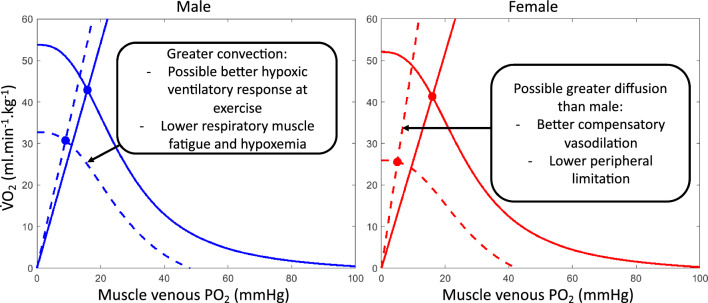
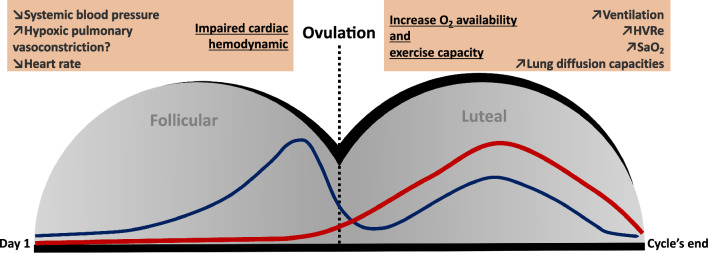
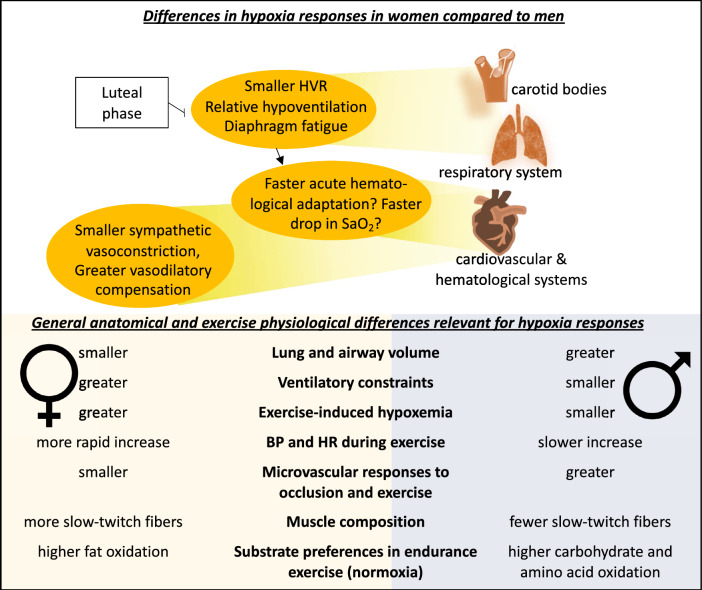
Sex differences in physiological responses to various stressors, including exercise, have been well documented. However, the specific impact of these differences on exposure to hypoxia, both at rest and during exercise, has remained underexplored. Many studies on the physiological responses to hypoxia have either excluded women or included only a limited number without analyzing sex-related differences. To address this gap, this comprehensive review conducted an extensive literature search to examine changes in physiological functions related to oxygen transport and consumption in hypoxic conditions. The review encompasses various aspects, including ventilatory responses, cardiovascular adjustments, hematological alterations, muscle metabolism shifts, and autonomic function modifications. Furthermore, it delves into the influence of sex hormones, which evolve throughout life, encompassing considerations related to the menstrual cycle and menopause. Among these physiological functions, the ventilatory response to exercise emerges as one of the most sex-sensitive factors that may modify reactions to hypoxia. While no significant sex-based differences were observed in cardiac hemodynamic changes during hypoxia, there is evidence of greater vascular reactivity in women, particularly at rest or when combined with exercise. Consequently, a diffusive mechanism appears to be implicated in sex-related variations in responses to hypoxia. Despite well-established sex disparities in hematological parameters, both acute and chronic hematological responses to hypoxia do not seem to differ significantly between sexes. However, it is important to note that these responses are sensitive to fluctuations in sex hormones, and further investigation is needed to elucidate the impact of the menstrual cycle and menopause on physiological responses to hypoxia.
Overview
The claims and statistics of this paper haven’t been checked yet.
Free: it reads the open-access text and checks the first 5 claims that cite a source we can check. Create a free account to check every claim.
Integrity signals
Registry
Cites
Statistics
Figures
Verification
Claims the paper makes
The claims and statistics of this paper haven’t been checked yet.
Free: it reads the open-access text and checks the first 5 claims that cite a source we can check. Create a free account to check every claim.
Claims other papers make about this one
Each is checked against this paper’s own text: does it say what the citing paper says it does?
The source backs part of the claim, not all of it — or backs it for a different population, condition or comparison.
In the citing paper
“Female athletes typically exhibit higher SmO2 values and lower muscle deoxygenation than their male counterparts, due to greater vasodilatory capacity and reduced oxygen extraction (Raberin et al., 2024; Sendra‐Pérez, Priego‐Quesada et al., 2023).”
From Agreement between muscle saturation breakpoints and lactate thresholds: Muscles comparison and sex difference in world‐class Nordic skiers (2026) · cites this paper as Raberin et al., 2024
Experimental — accuracy not yet measured
Self-check
Percentages, sums and reported differences re-computed from the paper’s own numbers.
The self-check needs the paper’s full text.
Citations
Cites
Miller, M. R., Hankinson, J., Brusasco, V., Burgos, F., Casaburi, R., Coates, A., Crapo, R., Enright, P., van der Grinten, C. P. M., Gustafsson, P., et al. (2005) · European Respiratory Journal · doi:10.1183/09031936.05.00034805 · Cited by 15,627 · cited 2×
“Lung size is related to standing height, and since men are taller than women, population-based studies indicate that women have smaller absolute lung volume even when matched for height with men [38].”
BackgroundHackett, P. H., & Roach, R. C. (2001) · New England Journal of Medicine · doi:10.1056/nejm200107123450206 · Cited by 1,302
El Khoudary, S. R., Aggarwal, B., Beckie, T. M., Hodis, H. N., Johnson, A. E., Langer, R. D., Limacher, M. C., Manson, J. E., Stefanick, M. L., Allison, M. A., et al. (2020) · Circulation · doi:10.1161/cir.0000000000000912 · Cited by 1,219 · cited 1×
“Meno-pause, in particular, marks the end of the reproductive life of women and is a life phase in which osteoporosis [209] and cardiovascular diseases [210] become more prevalent.”
BackgroundPulmonary arterial pressure during rest and exercise in healthy subjects: a systematic review
Kovacs, G., Berghold, A., Scheidl, S., & Olschewski, H. (2009) · European Respiratory Journal · doi:10.1183/09031936.00145608 · Cited by 1,057 · cited 1×
“Aging is also known to induce a pulmonary vascular remodeling that led to slight progressive increase in resting pulmonary vascular resistance and hypertension [233].”
BackgroundSex differences in healthy human heart rate variability: A meta-analysis
Koenig, J., & Thayer, J. F. (2016) · Neuroscience & Biobehavioral Reviews · doi:10.1016/j.neubiorev.2016.03.007 · Cited by 860 · cited 1×
“Women show greater vagal modulation in heart rate variability (HRV) in normoxia [144].”
BackgroundMcNulty, K. L., Elliott-Sale, K. J., Dolan, E., Swinton, P. A., Ansdell, P., Goodall, S., Thomas, K., & Hicks, K. M. (2020) · Sports Medicine · doi:10.1007/s40279-020-01319-3 · Cited by 812 · cited 1×
“…response at exercise, SaO 2 oxygen arterial saturation fluctuations impact numerous physiological functions that may influence training [160, 161] and performance [162, 163], such as recovery [164], wellness [165], and in particular, considering the altitude environment, respiratory function [166].”
BackgroundFiber Type Composition of the Vastus Lateralis Muscle of Young Men and Women
Staron, R. S., Hagerman, F. C., Hikida, R. S., Murray, T. F., Hostler, D. P., Crill, M. T., Ragg, K. E., & Toma, K. (2000) · Journal of Histochemistry & Cytochemistry · doi:10.1177/002215540004800506 · Cited by 730 · cited 1×
“For instance, studies reported that females have a higher portion of type I fibers in the vastus lateralis [117, 118], although males showed a larger fiber cross-sectional area [119].”
BackgroundProgesterone receptors: form and function in brain
Brinton, R. D., Thompson, R. F., Foy, M. R., Baudry, M., Wang, J., Finch, C. E., Morgan, T. E., Pike, C. J., Mack, W. J., Stanczyk, F. Z., et al. (2008) · Frontiers in Neuroendocrinology · doi:10.1016/j.yfrne.2008.02.001 · Cited by 675 · cited 1×
“…regarding HVR could be explained by the impact of sexual hormones on ventilation and hence the menstrual cycle since sex hormone receptors are located in the carotid body, which contains the primary chemoreceptors monitoring blood oxygen levels [17, 18] (peripheral chemoreceptors, see Sect.”
BackgroundLevine, B. D., & Stray-Gundersen, J. (1997) · Journal of Applied Physiology · doi:10.1152/jappl.1997.83.1.102 · Cited by 560 · cited 2×
“While the classification of altitude responders and non-responders remains debated [91, 102], it is well known that iron stores, with increasing demand at altitude [107], are an essential component of hematological adaptations [90, 104].”
BackgroundSex-Based Differences in Skeletal Muscle Kinetics and Fiber-Type Composition
Haizlip, K. M., Harrison, B. C., & Leinwand, L. A. (2015) · Physiology · doi:10.1152/physiol.00024.2014 · Cited by 521 · cited 1×
“For instance, studies reported that females have a higher portion of type I fibers in the vastus lateralis [117, 118], although males showed a larger fiber cross-sectional area [119].”
Background
Research works printed but not linked: 1
- León-Velarde F Rivera-Chira M Tapia R Huicho L Monge CC Relationship of ovarian hormones to hypoxemia in women residents of 4,300 m Am J Physiol 2001 280 2 R488 R493 11208579
Cited by
Tagliapietra, G., Citherlet, T., Raberin, A., Bourdillon, N., Krumm, B., Narang, B. J., Giardini, G., Pialoux, V., Debevec, T., & Millet, G. P. (2024) · Scientific Reports · doi:10.1038/s41598-024-79702-7 · Cited by 23
“However, it remains unclear whether the menstrual cycle affects resting ˙ V E at high altitude 6 , an important question to explore given the potential pathophysiological implications.”
Self-citationCitherlet, T., Raberin, A., Manferdelli, G., Pialoux, V., & Millet, G. P. (2024) · Scientific Reports · doi:10.1038/s41598-024-76404-y · Cited by 18
“Females are significantly under-represented in sports and exercise medicine research 1 and their specific physiological responses to altitude need to be further investigated 2 .”
BackgroundSelf-citationBalestra, C., Baldelli, S., Virgili, F., Salvagno, M., Mrakic‐Sposta, S., & Fratantonio, D. (2024) · International Journal of Molecular Sciences · doi:10.3390/ijms25042394 · Cited by 17
“However, some interesting positive benefits have been recently published using intermittent or “pulsed” hypoxia, showing interest in anti-aging, mitochondrial, or wellness and training effects [3–10].”
BackgroundPIPERI, A., Warnier, G., de ten Ryen, S. V. D., Benoît, N., Antoine, N., Copine, S., Francaux, M., & Deldicque, L. (2024) · Medicine & Science in Sports & Exercise · doi:10.1249/mss.0000000000003485 · Cited by 17
“Although sex differences in physiological responses to exercise in normoxia have been well documented, it is much less the case in hypoxia (25).”
Krumm, B., Vallance, B. S., Burke, L. M., Garcia, J., Bouten, J., Brocherie, F., SAUGY, J. J., Botrè, F., & Faiss, R. (2024) · European Journal of Sport Science · doi:10.1002/ejsc.12161 · Cited by 16
Self-citationKowalski, T., Rodrigues, G. D., & Zanini, M. (2025) · Frontiers in Sports and Active Living · doi:10.3389/fspor.2025.1632207 · Cited by 13
Millet, G. P., Raberin, A., Faiss, R., Giovanelli, N., Galindo, T., Place, N., & Sandbakk, Ø. B. (2024) · International Journal of Sports Physiology and Performance · doi:10.1123/ijspp.2024-0354 · Cited by 11
Self-citationCitherlet, T., Raberin, A., Manferdelli, G., Bourdillon, N., & Millet, G. P. (2025) · High Altitude Medicine & Biology · doi:10.1089/ham.2024.0048 · Cited by 10
“Similarly, the hypoxic ventilatory response has been shown inconsistently to be higher during the luteal phase (Gargaglioni et al., 2019), with a suggested mechanism being increased excitability of the medullary respiratory center by P4 (Raberin et al., 2023).”
Self-citationMountains of research: Where and whom high‐altitude physiology has overlooked
Tremblay, J. C. (2023) · The Journal of Physiology · doi:10.1113/jp285454 · Cited by 10
“Some, but not all (e.g. mechanisms of plasma volume contraction to acute hypobaric hypoxia) (Roche et al., 2022; Schlittler et al., 2021) physiological responses are influenced by sex and cyclical fluctuations in sex hormones (Raberin et al., 2023).”
Raberin, A., Manferdelli, G., SCHORDERET, F., Bourdillon, N., & Millet, G. P. (2024) · Medicine & Science in Sports & Exercise · doi:10.1249/mss.0000000000003433 · Cited by 9
“Although several sex differences to exercise in hypoxia are known (54), the specific responses associated with EIH in women and their potential consequences in hypoxia deserve further investigations.”
Self-citationRotllan, C., Hagenaers, J., Colls, M., & Viscor, G. (2025) · European Journal of Applied Physiology · doi:10.1007/s00421-025-05770-w · Cited by 7
Additive Effect of EPO and Altitude on Hemoglobin Mass But Not Peak Oxygen Uptake
Bonne, T. C., Andersen, A. B., Bejder, J., Loures, J. P., Dam, C., Huertas, J. R., & Nordsborg, N. B. (2025) · Medicine & Science in Sports & Exercise · doi:10.1249/mss.0000000000003680 · Cited by 7
Jiang, G., Qin, S., Yan, B., & Girard, O. (2024) · Frontiers in Physiology · doi:10.3389/fphys.2024.1445229 · Cited by 6
“This limits the generalizability of our fi ndings, particularly to individuals with different demographics, where gender differences in the endocrine and metabolic responses to hypoxic exercise have been noted (Raberin et al., 2023).”
BackgroundRandy, H., Perrin, T. P., Ghaith, A., Kohlbrenner, D., Flore, P., Champigneulle, B., Guinot, M., Doutreleau, S., Brugniaux, J. V., Vergès, S., et al. (2025) · Physiological Reports · doi:10.14814/phy2.70432 · Cited by 6
“Moreover, given known sex-related differences in both vascular function (Seeland et al., 2021) and responses to hypoxia (Raberin et al., 2024), including a dedicated sample of women to allow for sex-stratified analyses would be of considerable interest.”
Malinowski, K. S., Wszędybył-Winklewska, M., & Winklewski, P. J. (2025) · NeuroSci · doi:10.3390/neurosci6010003 · Cited by 5
“As noted by Raberin et al. [39], the hypoxic ventilatory response is governed by chemoreceptors.”
Intermittent Hypoxic Training Increases and Prolongs Exercise Benefits in Adult Untrained Women
Camacho-Cardeñosa, A., Camacho-Cardeñosa, M., Burtscher, J., Olivares, P. R., Olcina, G. J., & Brazo‐Sayavera, J. (2024) · High Altitude Medicine & Biology · doi:10.1089/ham.2023.0127 · Cited by 5
“The rigorous evaluation of hematological changes and potential sex-dependent differences in IHT (Raberin et al., 2023) are important next steps in the assessment of their role in mediating health bene fi ts of training in hypoxia.”
Self-citationBehrendt, T., Bielitzki, R., Behrens, M., Jahns, L.-M., Boersma, M., & Schega, L. (2024) · PeerJ · doi:10.7717/peerj.18027 · Cited by 4
Malley, Z. A., Sauli, E., & Martin, H. (2025) · Current Research in Nutrition and Food Science Journal · doi:10.12944/crnfsj.13.1.34 · Cited by 4
Chambion-Diaz, M., Chertin, J., Pialoux, V., & Billaut, F. (2025) · Journal of Sports Sciences · doi:10.1080/02640414.2025.2474333 · Cited by 4
“Due to ovarian sex hormones (estradiol, progesterone), females may also better handle hypoxic insults, in particular due to their greater vascular reactivity, compensatory vasodilation and hypoxic ventilatory response (Raberin et al., 2024).”
Gender differences of the brain structures in young high-altitude Tibetans
Zhang, X., Fan, C., Liu, Y., Zhao, C., Zhao, Y., Yin, W., Lin, J., & Zhang, J. (2025) · Cerebral Cortex · doi:10.1093/cercor/bhaf012 · Cited by 4
Foltyn, J., Płoszczyca, K., Czuba, M., Niemaszyk, A., Langfort, J., & Gajda, R. (2025) · Journal of Clinical Medicine · doi:10.3390/jcm14051514 · Cited by 4
Sex-differences in Mountain Ultra-trail Performance: Look at the Scenery
Millet, G. P., Callovini, A., & Raberin, A. (2025) · Sports Medicine - Open · doi:10.1186/s40798-025-00894-x · Cited by 3
Self-citationSex differences in elite ski mountaineering aerobic performance
Schorderet, F., Mottet, J., Lathion, A., Raberin, A., Bourdillon, N., & Millet, G. P. (2025) · Frontiers in Sports and Active Living · doi:10.3389/fspor.2025.1534315 · Cited by 3
“Lastly, the pulmonary system reveals marked sex-related differences under hypoxic conditions, with females showing greater susceptibility to hypoxemia and an increased work of breathing compared to men (41).”
Self-citationAdaptive PRKAA1 variant in Andeans is associated with improved ventilation and sleep phenotypes
Lawrence, E. S., Gu, W., Kong, M. C., Fassardi, S., Anza‐Ramirez, C., Moya, E. A., Heinrich, E. C., Yu, J. J., Orr, J. E., Cao, S., et al. (2025) · iScience · doi:10.1016/j.isci.2025.112911 · Cited by 3
Soo, J., Goods, P. S. R., Girard, O., Deldicque, L., Lawler, N. G., & Fairchild, T. J. (2025) · Experimental Physiology · doi:10.1113/ep092338 · Cited by 3
“This could be due to underlying physiological difference (e.g. body composition) as well as sex-specific differences in response to hypoxia (Raberin et al., 2024).”
Mujika, I., Mara, J. K., Zelenkova, I. E., Zacca, R., & Pyne, D. B. (2025) · Sports · doi:10.3390/sports13030086 · Cited by 3
Mujika, I., Tian, R., Zelenkova, I. E., & Pyne, D. B. (2025) · International Journal of Sports Physiology and Performance · doi:10.1123/ijspp.2025-0270 · Cited by 3
High altitude marathon physiology changes
Oak, M., Oak, A. S., & Oak, B. (2025) · International Journal of Advances in Medicine · doi:10.18203/2349-3933.ijam20251086 · Cited by 3
Taipale, R. S., McClung, H. L., Giersch, G. E. W., Cutsem, J. V., Wright, H., O’Leary, T. J., & Greeves, J. P. (2026) · Sports Medicine - Open · doi:10.1186/s40798-025-00963-1 · Cited by 2
“…environments, which are encountered at high terrestrial elevations, the few investigations that include women report conflicting findings, specifically associated with ventilation responses (either increased or no effect) and effects on performance (either decreased or no effect) [163, 185–188].”
Individual sex-based variability to altitude training in elite badminton players
Précart, C., Bouten, J., Giroux, C., Morales‐Artacho, A. J., Rousseau, Q., Rabita, G., Hollville, E., Calle-Herrero, J. D. L., & Brocherie, F. (2025) · Journal of Sports Sciences · doi:10.1080/02640414.2024.2448358 · Cited by 2
“Although the relationship between iron status (not supplemented in the present study) and altitude-induced hematological adaptations remains unclear (Raberin et al., 2023), menstrual phase could attenuate the intra-and inter-individual responses reported here since the luteal phase increases lung…”
InfluentialSelf-citationPirlot, T., Mihailovic, T., Gimenez, P., Millet, G. P., Brocherie, F., Fruchart, É., Ravier, G., Baron, B., Bouzigon, R., Guirronnet, S., et al. (2025) · High Altitude Medicine & Biology · doi:10.1089/ham.2024.0118 · Cited by 2
Self-citationMiliotis, P. G., Ntalapera, S. D., Lakeas, P., Loukas, I., Toubekis, A. G., Geladas, N. D., & Koskolou, M. D. (2025) · European Journal of Applied Physiology · doi:10.1007/s00421-025-05940-w · Cited by 2
Pun, M., Sanzana, F., Faundez, M., Mancilla, M., Jara, M., Gomez, G., Moraga, F. A., Barrientos, C., Hansen, B., Rawling, J. M., et al. (2025) · SLEEP Advances · doi:10.1093/sleepadvances/zpaf074 · Cited by 2
“Sex differences have been observed in physiological responses to rapid ascent, and acclimatization among altitude naïves [41, 43] and also among high-altitude residents [42, 44].”
MacKenzie, B. W. L., Johnson, N. A., Strzalkowski, N. D. J., & Day, T. A. (2025) · Experimental Physiology · doi:10.1113/ep092285 · Cited by 2
“The HVR magnitude is highly variable between individuals (e.g., Fatemian et al., 2016; Oeung et al., 2023), and the potential impact of biological sex on LG is equivocal (Raberin et al., 2024).”
Callovini, A., Fornasiero, A., Savoldelli, A., Dorelli, G., Decet, M., Bortolan, L., Pellegrini, B., & Schena, F. F. (2025) · Experimental Physiology · doi:10.1113/ep092468 · Cited by 2
Toro-Román, V., Simón-Sánchez, P., Illera-Domínguez, V., Buxadé, C. P.-C., González-Millán, S., Albesa-Albiol, L., Ledesma-Clopés, S., Solé, V., Teruel, O., & Fernández-Valdés, B. (2025) · Journal of Functional Morphology and Kinesiology · doi:10.3390/jfmk10030282 · Cited by 2
“However, there is no definitive answer [24]; (ii) although the sample is not large, 12 participants, with 5 girls in total, it is a representative sample compared to previous studies [13,14,37].”
InfluentialKowalski, T., Wilk, A., Rębiś, K., Malczewska‐Lenczowska, J., Klusiewicz, A., Debevec, T., & Faiss, R. (2025) · Biology of Sport · doi:10.5114/biolsport.2026.153530 · Cited by 2
“…showing that 1) haematological status plays a more prominent role in female exercise performance, likely due to well-established sex disparities [38]; 2) the CO rebreathing method offers unique physiological insights and should be considered a preferred approach for assessing haematological…”
Raberin, A., Krumm, B., Citherlet, T., Tagliapietra, G., Debevec, T., Pialoux, V., & Millet, G. P. (2026) · European Journal of Applied Physiology · doi:10.1007/s00421-026-06349-9 · Cited by 2
“Finally, although sex-based differences in respiratory function during exercise and altitude exposure are well documented (Raberin et al. 2023), our sample size, despite considerable effort to include both sexes, was insufficient to allow for sex-specific comparisons.”
Self-citationForot, J., Schorderet, F., Burdet, C., Brocherie, F., & Millet, G. P. (2026) · Experimental Physiology · doi:10.1113/ep093311 · Cited by 1
“Female athletes typically exhibit higher S mO 2 values and lower muscle deoxygenation than their male counter-parts, due to greater vasodilatory capacity and reduced oxygen extraction (Raberin et al., 2024; Sendra-Pérez, Priego-Quesada et al., 2023).”
Self-citationCommon and Divergent Physiological Responses to Hypoxia and Heat
Rousse, Y., Brocherie, F., & Millet, G. P. (2026) · Sports Medicine · doi:10.1007/s40279-026-02419-2 · Cited by 1
“No additional aerobic or performance adaptations - Hypoxia may blunt expected thermoregulatory adaptations [12, 16, 197, 198] Sequential*** approach Hypoxia → heat: ✓ effective - Maintains ↑ Hb mass , ↑ PV, ↑ blood volume post-altitude - Prevents Hb mass loss [14] Heat → hypoxia: ✓ Effective - ↓…”
Self-citationBerdeklis, A. N., Thompson, B. P., & Dominelli, P. B. (2025) · Journal of Applied Physiology · doi:10.1152/japplphysiol.00053.2025 · Cited by 1
Moya, E. A., Yu, J. J., Craig, S. R., Rienzo, A. D., Witonsky, D., Gu, W., Basnyat, B., Strohl, K., Powell, F. L., Simonson, T. S., et al. (2026) · The Journal of Physiology · doi:10.1113/jp290648 · Cited by 1
Goepp, T., Hayes, M., Domenico, H. D., Millet, G. Y., Hot, P., & Rupp, T. (2025) · International Journal of Sports Physiology and Performance · doi:10.1123/ijspp.2025-0022 · Cited by 1
Self-citationImpact of menopause on responses to hypoxia and incidence of acute mountain sickness
Citherlet, T., Raberin, A., Manferdelli, G., & Millet, G. P. (2025) · European Journal of Applied Physiology · doi:10.1007/s00421-025-05790-6 · Cited by 1
“There has been a growing research interest in this topic (Raberin et al. 2023).”
Self-citationNarang, B. J., Štritof, A., & Debevec, T. (2025) · International Journal of Sport Nutrition and Exercise Metabolism · doi:10.1123/ijsnem.2025-0024 · Cited by 1
Rochel-Vera, C., Esparza-Ros, F., Vaquero‐Cristóbal, R., & Martínez-Nicolás, A. (2025) · Frontiers in Psychology · doi:10.3389/fpsyg.2025.1688199 · Cited by 1
Impact of the menstrual cycle on oxidative stress, inflammation and iron status at high altitude
Tagliapietra, G., Citherlet, T., Raberin, A., Narang, B. J., Manferdelli, G., Giardini, G., Debevec, T., Pialoux, V., & Millet, G. P. (2025) · Nitric Oxide · doi:10.1016/j.niox.2025.12.001 · Cited by 1
Self-citationJaén‐Carrillo, D., Gobbo, C., Girard, O., & García‐Pinillos, F. (2026) · Physiological Reports · doi:10.14814/phy2.70996 · Cited by 1
“Sex differences are more pronounced during uphill endurance exercise than on flat terrain, potentially due to differences in body composition, including a lower lean- to-fat mass ratio and a smaller proportion of fast-twitch/type II fibers in females (Raberin et al., 2024).”
InfluentialFerrarini, G., Canevari, M., Azzini, V., Agostoni, P., Pezzuto, B., & Vignati, C. (2026) · High Altitude Medicine & Biology · doi:10.1177/15578682261442067 · Cited by 1
Born high, born fast: Does highland birth confer a pulmonary advantage for sea level endurance?
Paris, H. L. R., Baranauskas, M. N., Constantini, K., Shei, R., Allen, P. E., Jadovitz, J. R., Wiggins, C. C., & Storm, C. P. (2024) · Experimental Physiology · doi:10.1113/ep091830 · Cited by 1
“Further evidence suggests there may be sex differences in the adaptive responses of the pulmonary system to high altitude for sojourners (for further discussion see a recent review on this topic: Raberin et al., 2024).”
Integrative approaches to understanding human adaptation and acclimatization to high altitude
Yu, J. J. (2024) · eScholarship (California Digital Library) · Cited by 1
Bondi, D., Bonan, S., Cantarelli, S., Ietta, F., Casini, I., Taverna, A., Rua, R., Guagnano, M. T., Barbonetti, A., Bhandari, S., et al. (2026) · Pflügers Archiv - European Journal of Physiology · doi:10.1007/s00424-026-03166-z · Cited by 1
Optimizing female warfighter health and performance in environmental extremes.
Giersch, G. E. W., Bradbury, K. E., & Charkoudian, N. (2025) · PubMed Central · Cited by 1
Modelling lung and muscle oxygen diffusion capacities from sea-level to Mount Everest
Bourdillon, N., Manferdelli, G., Raberin, A., & Millet, G. P. (2026) · Scientific Reports · doi:10.1038/s41598-025-32441-9 · Cited by 1
“Since females experience greater respiratory limitations during exercise than males 46, 47, 48 , the findings of the present article may apply to males only and further studies are required to estimate DLO 2 and DMO 2 in females.”
Self-citationDehnavi, S. S., Roy, M., Taghizadeh, M., Billaut, F., & Brassard, P. (2026) · Journal of Applied Physiology · doi:10.1152/japplphysiol.00166.2026 · Cited by 1
Bernedo-Itusaca, M. E., Cutipa-Tinta, S., Merma-Valero, J. M., Cruz-Riquelme, T. M., Flores-Coila, S. T., Coa-Coila, M. A., Coriman-Cuentas, C. A., Condori-Apaza, M. A., Perez-Flores, R. K., Allazo, R. D. R. R., et al. (2026) · Oxygen · doi:10.3390/oxygen6030019
“In an initial unadjusted evaluation, the progressive increase in REE along the altitu-dinal gradient aligns with literature associating chronic hypoxia with heightened basal metabolic activity [40,41].”
García-León, X., Fernández-Moreira, E., del Moral, M. G., Ballaz, S., Chamorro, K., & Gómez-García, A. R. (2025) · Research Square · doi:10.21203/rs.3.rs-7408518/v1
Stein, M., Peeling, P., & Girard, O. (2025) · Sports Medicine · doi:10.1007/s40279-025-02371-7
Sex-Based Insights into Aortic Valve Disease and Scaffold Design
Suresh, J., Ibrahim, N., & Masters, K. S. B. (2026) · Springer eBooks · doi:10.1007/978-3-032-10745-9_17
Takei, N., 邑木, 隆., Girard, O., Hatta, H., & Takahashi, Y. (2026) · European Journal of Sport Science · doi:10.1002/ejsc.70244
“…highlighted that females and males may differ across several components of the oxygen transport and utilization cascade during hypoxic exercise, including ventilatory responses, vascular regulation, hematological characteristics, muscle metabolism, and autonomic modulation (Raberin et al. 2024).”
Cardiometabolic Risk Factors in Women Exposed to High Altitude
Flores, K., Arriaza, K., Alam, S. E., Pérez, P., & Pena, E. (2026) · International Journal of Molecular Sciences · doi:10.3390/ijms27146349
“Although most mechanistic evidence has been generated in mixed-sex populations, the available evidence in women suggests that hormonal status, body composition, and the characteristics of hypoxic exposure may further modulate these metabolic responses [15,65].”
Miao, J., Lai, Y., Yang, X., & Zhuang, J. (2026) · Clinical and Experimental Obstetrics & Gynecology · doi:10.31083/ceog52320
Chen, M., Zhao, L., Yang, L. T., Jin, M., Kong, J., & Yang, Q. (2026) · Life · doi:10.3390/life16081235
Durand, F., Villaro, S. B., & Raberin, A. (2026) · Experimental Physiology · doi:10.1113/ep093863
“…by exercise-induced hypoxaemia (EIH), a phenomenon observed in a large proportion of endurance-trained athletes (Constantini et al., 2017; Raberin, Manferdelli et al., 2024), which might further modulate certain adaptations to altitude/hypoxia (Raberin et al., 2020, Raberin, Nader, Lopez…”
Self-citationComparing the effects of a 7-week repeated sprint training in hypoxia vs. heat in males and females
PIPERI, A., Warnier, G., Schmit, L., Francaux, M., & Deldicque, L. (2026) · Frontiers in Sports and Active Living · doi:10.3389/fspor.2026.1833950
Effect of 2‐h hypoxic exposure on resting hepcidin levels in young adults
Lin, C.-A., Naruse, M., Tomiishi, C., Matsudo, H., Badenhorst, C. E., & Goto, K. (2025) · Physiological Reports · doi:10.14814/phy2.70530
“(Ganz, 2019; Weiss et al., 2019), and sex differences (Raberin et al., 2024) have also been discussed.”
Bushfield, N. V., MacKenzie, B. W. L., Johnson, N. A., Isakovich, R., Keess, J. L., Strzalkowski, N. D. J., Zubieta-Calleja, G. R., Wilson, R. J. A., & Day, T. A. (2026) · Comprehensive physiology · doi:10.1002/cph4.70279
Proposal for defining the severity of environmental hypoxia
Burtscher, M., Amaru, R., Burtscher, J., Hüfner, K., & Gassmann, M. (2026) · Frontiers in Physiology · doi:10.3389/fphys.2026.1985822
Self-citationAkuutin hypoksian vaikutukset sykeohjattuun submaksimaaliseen kestävyyskuormitukseen
Leiman, D. (2026) · Jyväskylä University Digital Archive (University of Jyväskylä)
Soo, J. (n.d.) · Murdoch University Research Portal
Training and Nutritional Specifics of Women Competing in Road Cycling - A Literature Review
Szczesniak, A., Syguda, A., Matyja, W., Tarnawska, K., & Strózik, A. (2026) · Quality in Sport · doi:10.12775/qs.2026.70.74552
Investigating the sex-based differences in locomotor muscle metaboreflex activation at high altitude
Taylor, K. M. (2025) · cIRcle (University of British Columbia) · doi:10.14288/1.0449996
Hansen, A. Ø., Martín-Rincón, M., Rud, B., Egebjerg, J. M., Wüstner, D., Ørtenblad, N., Boushel, R., Holmberg, H., Calbet, J. A. L., Hallén, J., et al. (2026) · The Journal of Physiology · doi:10.1113/jp291982
Effects of the menstrual cycle on physiological responses to high-altitude in eumenorrheic women
Tagliapietra, G. (2024) · SERVAL (Université de Lausanne)
Nurjaya, D. R., Syahid, A. M., Pitriani, P., Agus, H., Santoso, G. A., Santoso, B. A., & Cahyo, D. D. (2026) · Journal of Coaching and Sports Science · doi:10.58524/jcss.v5i1.1037
Grivas, G. V., Berryman, N., Vachon, A., Bosquet, L., & Mujika, I. (2026) · Sports Health A Multidisciplinary Approach · doi:10.1177/19417381261493394
Boulares, A., Dupuy, O., Bragazzi, N. L., Enéa, C., Delpech, N., Connes, P., Robach, P., Vergès, S., & Pichon, A. (2026) · Biology of Sex Differences · doi:10.1186/s13293-026-00954-1
“These include ventilatory control, vascular tone, endothelial function, blood pressure regulation, hematological status, and substrate metabolism, all of which are relevant under hypoxic conditions [12, 59, 60].”
Escudero, M., FERICHE, B., Pérez-Regalado, S., Almeida, F., Bonitch‐Góngora, J., Padial, P., & Benavente, C. (2026) · The Journal of Sports Medicine and Physical Fitness · doi:10.23736/s0022-4707.26.17856-6
de Carvalho, C. D., Putti, G. M., Ihsan, M., Scott, B. R., Peeling, P., Papoti, M., & Girard, O. (2026) · European Journal of Sport Science · doi:10.1002/ejsc.70284
Kovačić, A. (2026) · Repository of the University of Ljubljana (University of Ljubljana)
Effects of Hypoxic Exposure and Training Methods on Wingate Test Performance: A Systematic Review
Yamagishi, T., Précart, C., Bouten, J., Yamashita, D., Mujika, I., SLAWINSKI, J. S., & Brocherie, F. (2026) · Sports Medicine - Open · doi:10.1186/s40798-026-01125-7
Self-citationArn, S. R. (2025) · cIRcle (University of British Columbia) · doi:10.14288/1.0449745
Rotllan, C. (2025) · Dipòsit Digital de la Universitat de Barcelona (Universitat de Barcelona)
Belgiorgio, M. P., Poirier, M. P., & Blacklock, R. E. (2026) · Frontiers in Physiology · doi:10.3389/fphys.2026.1781446
Shen, Y., Zhang, J., Cai, C., & Liu, H. (2025) · Open Journal of Medical Imaging · doi:10.4236/ojmi.2025.152007
A Breath of Fresh Air—Improving Survival After Avalanche Burial
Martín, D., & McKenna, H. (2025) · JAMA · doi:10.1001/jama.2025.14396
Tagliapietra, G., Pompilio, P. P., Veneroni, C., Bizzotto, D., Dellacà, R. L., Strapazzon, G., Vinetti, G., Pratali, L., Cogo, A., & The K2‐70 Operation Study Group (2026) · Experimental Physiology · doi:10.1113/ep093452
Higher Prevalence of Cognitive Impairment in Residents of High-Altitude Regions
Bernedo-Itusaca, M. E., Merma-Valero, J. M., Cruz-Riquelme, T. M., Ccorimanya-Suni, R. M., Pancaya-Flores, M. E., Guevara-Mamani, Z. M., Chambi-Rodrigo, D., Coa-Coila, M. A., Apaza-Cansaya, W., Apaza-Quispe, M. M., et al. (2026) · Oxygen · doi:10.3390/oxygen6030016
“While some field studies describe functional preservation driven by acclimatization, our observations suggest that such adaptive resilience might not be fully sustained under conditions of prolonged, extreme hypobaric hypoxia [45].”
Murawska, N., Pociej, A. I., Lewińska, N., Synakiewicz, A., Olech, W., Kowalczyk, K., Kępska, J., Wójcik, K., Drobashko, A., & Brzózka, K. (2026) · International Journal of Innovative Technologies in Social Science · doi:10.31435/ijitss.2(50).2026.5888
Bodde, M., van de Sande, D. A., Kiès, P., Bijsterveld, N. R., & Jorstad, H. T. (2026) · European Heart Journal - Case Reports · doi:10.1093/ehjcr/ytag593
“3, 13 These responses are influenced by hormonal fluctuations; e.g. oestrogen may enhance hypoxic pulmonary vasoconstriction and reduce heart rate, potentially impairing haemodynamics and further reducing VO 2 peak.”
Metadata
- Authors
- Raberin, A., Burtscher, J., Citherlet, T., Manferdelli, G., Krumm, B., Bourdillon, N., Antero, J., Rasica, L., Malatesta, D., Brocherie, F., Burtscher, M., & Millet, G. P.
- Affiliations
- University of Lausanne (CH)
- Institut de Recherche bio-Médicale et d'Epidémiologie du Sport (FR)
- University of Calgary (CA)
- Institut National du Sport, de l'Expertise et de la Performance (FR)
- Universität Innsbruck (AT)
- Corresponding author
- Millet, Grégoire P.
- ORCID
- Venue
- Sports Medicine
- Published
- 2023-10-30
- Volume
- 54
- Issue
- 2
- Pages
- 271-287
- ISSN
- 0112-1642 (ISSN-L)
- 1179-2035
- PMC
- PMC10933174
- OpenAlex
- W4388034863
- Semantic Scholar
- 3f41521e8c8a6345b796742cb0cc1a0fbced4eb2
- Cited by
- 70
- References
- 237
- Citations by year
- 2026: 23 · 2025: 34 · 2024: 12 · 2023: 1
- FWCI
- 2.70
- Type
- journal article
- Language
- en
- Open access
- hybrid
- doi.org
- Licence
- cc-by
- creativecommons.org/licenses/by/4.0 (tdm)
- creativecommons.org/licenses/by/4.0 (vor)
- Locations
- Sports Medicine (publishedVersion, cc-by)
- PubMed Central (publishedVersion, cc-by)
- PubMed (publishedVersion)
- SERVAL (Université de Lausanne) (submittedVersion, cc-by)
- HAL (submittedVersion)
- IRIS (submittedVersion, cc-by)
- Funders
- University of Lausanne
- Topics
- Health Sciences › Medicine › Physiology (medical) › High Altitude and Hypoxia
- Health Sciences › Medicine › Physiology (medical) › Cardiovascular and exercise physiology
- Health Sciences › Medicine › Physiology (medical) › Exercise and Physiological Responses
- Keywords
- sex differences, hypoxia, women, oxygen transport, oxygen consumption, ventilatory response, cardiovascular response, vascular reactivity, hematologic response, muscle metabolism, autonomic function, sex hormones, menstrual cycle, menopause
- MeSH terms
- Altitude, Hypoxia, Female, Heart, Humans, Male, Oxygen Consumption, Gonadal Steroid Hormones, Exercise
About these checks
Registry, retraction, Cites and statistics results are computed, not judged, with one exception: a printed reference that no index lists is read once by a model before it counts as a citation error. Claims are extracted by a model and kept only when their quote appears verbatim in the text; each cited source is then checked, with a model’s help, for whether it says what the claim relies on. Those verdicts can be wrong — read the claim’s quote and the cited source before relying on one.
Statistics and arithmetic are recomputed, not judged.
Confidence bands are shown only for fields calibrated on our annotated test set. None is calibrated yet, so no band is shown.
What counts as a claim ›How we measure confidence ›How we check this ›
Are you an author, or do you see a problem with this page? Request a review
Data sources
Bibliographic data: Semantic Scholar, OpenAlex, Crossref.
Contains information from the Semantic Scholar Academic Graph Datasets, made available under the ODC Attribution License (ODC-BY 1.0).
Semantic Scholar’s data is described in: Kinney, R., et al. (2023). The Semantic Scholar Open Data Platform. arXiv:2301.10140.
