

Women at Altitude: Sex-Related Physiological Responses to Exercise in Hypoxia
Open accessThe DOI matches its Crossref record; 238 of the 238 references it cites were found in a registry or an index.
Abstract
Sex differences in physiological responses to various stressors, including exercise, have been well documented. However, the specific impact of these differences on exposure to hypoxia, both at rest and during exercise, has remained underexplored. Many studies on the physiological responses to hypoxia have either excluded women or included only a limited number without analyzing sex-related differences. To address this gap, this comprehensive review conducted an extensive literature search to examine changes in physiological functions related to oxygen transport and consumption in hypoxic conditions. The review encompasses various aspects, including ventilatory responses, cardiovascular adjustments, hematological alterations, muscle metabolism shifts, and autonomic function modifications. Furthermore, it delves into the influence of sex hormones, which evolve throughout life, encompassing considerations related to the menstrual cycle and menopause. Among these physiological functions, the ventilatory response to exercise emerges as one of the most sex-sensitive factors that may modify reactions to hypoxia. While no significant sex-based differences were observed in cardiac hemodynamic changes during hypoxia, there is evidence of greater vascular reactivity in women, particularly at rest or when combined with exercise. Consequently, a diffusive mechanism appears to be implicated in sex-related variations in responses to hypoxia. Despite well-established sex disparities in hematological parameters, both acute and chronic hematological responses to hypoxia do not seem to differ significantly between sexes. However, it is important to note that these responses are sensitive to fluctuations in sex hormones, and further investigation is needed to elucidate the impact of the menstrual cycle and menopause on physiological responses to hypoxia.
Overview
The claims and statistics of this paper haven’t been checked yet.
Free: it reads the open-access text and checks the first 5 claims that cite a source we can check. Create a free account to check every claim.
Integrity signals
Registry
Cites
Statistics
Figures
Verification
Claims the paper makes
The claims and statistics of this paper haven’t been checked yet.
Free: it reads the open-access text and checks the first 5 claims that cite a source we can check. Create a free account to check every claim.
Claims other papers make about this one
Each is checked against this paper’s own text: does it say what the citing paper says it does?
The source backs part of the claim, not all of it — or backs it for a different population, condition or comparison.
In the citing paper
“Female athletes typically exhibit higher SmO2 values and lower muscle deoxygenation than their male counterparts, due to greater vasodilatory capacity and reduced oxygen extraction (Raberin et al., 2024; Sendra‐Pérez, Priego‐Quesada et al., 2023).”
From Agreement between muscle saturation breakpoints and lactate thresholds: Muscles comparison and sex difference in world‐class Nordic skiers (2026) · cites this paper as Raberin et al., 2024
Experimental — accuracy not yet measured
Self-check
Percentages, sums and reported differences re-computed from the paper’s own numbers.
The self-check needs the paper’s full text.
Citations
Cites
Miller, M. R., Hankinson, J., Brusasco, V., Burgos, F., Casaburi, R., Coates, A., Crapo, R., Enright, P., van der Grinten, C. P. M., Gustafsson, P., et al. (2005) · European Respiratory Journal · doi:10.1183/09031936.05.00034805 · Cited by 15,627 · cited 2×
“Lung size is related to standing height, and since men are taller than women, population-based studies indicate that women have smaller absolute lung volume even when matched for height with men [38].”
BackgroundHackett, P. H., & Roach, R. C. (2001) · New England Journal of Medicine · doi:10.1056/nejm200107123450206 · Cited by 1,302
El Khoudary, S. R., Aggarwal, B., Beckie, T. M., Hodis, H. N., Johnson, A. E., Langer, R. D., Limacher, M. C., Manson, J. E., Stefanick, M. L., Allison, M. A., et al. (2020) · Circulation · doi:10.1161/cir.0000000000000912 · Cited by 1,219 · cited 1×
“Meno-pause, in particular, marks the end of the reproductive life of women and is a life phase in which osteoporosis [209] and cardiovascular diseases [210] become more prevalent.”
BackgroundPulmonary arterial pressure during rest and exercise in healthy subjects: a systematic review
Kovacs, G., Berghold, A., Scheidl, S., & Olschewski, H. (2009) · European Respiratory Journal · doi:10.1183/09031936.00145608 · Cited by 1,057 · cited 1×
“Aging is also known to induce a pulmonary vascular remodeling that led to slight progressive increase in resting pulmonary vascular resistance and hypertension [233].”
BackgroundSex differences in healthy human heart rate variability: A meta-analysis
Koenig, J., & Thayer, J. F. (2016) · Neuroscience & Biobehavioral Reviews · doi:10.1016/j.neubiorev.2016.03.007 · Cited by 860 · cited 1×
“Women show greater vagal modulation in heart rate variability (HRV) in normoxia [144].”
BackgroundMcNulty, K. L., Elliott-Sale, K. J., Dolan, E., Swinton, P. A., Ansdell, P., Goodall, S., Thomas, K., & Hicks, K. M. (2020) · Sports Medicine · doi:10.1007/s40279-020-01319-3 · Cited by 812 · cited 1×
“…response at exercise, SaO 2 oxygen arterial saturation fluctuations impact numerous physiological functions that may influence training [160, 161] and performance [162, 163], such as recovery [164], wellness [165], and in particular, considering the altitude environment, respiratory function [166].”
BackgroundFiber Type Composition of the Vastus Lateralis Muscle of Young Men and Women
Staron, R. S., Hagerman, F. C., Hikida, R. S., Murray, T. F., Hostler, D. P., Crill, M. T., Ragg, K. E., & Toma, K. (2000) · Journal of Histochemistry & Cytochemistry · doi:10.1177/002215540004800506 · Cited by 730 · cited 1×
“For instance, studies reported that females have a higher portion of type I fibers in the vastus lateralis [117, 118], although males showed a larger fiber cross-sectional area [119].”
BackgroundProgesterone receptors: form and function in brain
Brinton, R. D., Thompson, R. F., Foy, M. R., Baudry, M., Wang, J., Finch, C. E., Morgan, T. E., Pike, C. J., Mack, W. J., Stanczyk, F. Z., et al. (2008) · Frontiers in Neuroendocrinology · doi:10.1016/j.yfrne.2008.02.001 · Cited by 675 · cited 1×
“…regarding HVR could be explained by the impact of sexual hormones on ventilation and hence the menstrual cycle since sex hormone receptors are located in the carotid body, which contains the primary chemoreceptors monitoring blood oxygen levels [17, 18] (peripheral chemoreceptors, see Sect.”
BackgroundLevine, B. D., & Stray-Gundersen, J. (1997) · Journal of Applied Physiology · doi:10.1152/jappl.1997.83.1.102 · Cited by 560 · cited 2×
“While the classification of altitude responders and non-responders remains debated [91, 102], it is well known that iron stores, with increasing demand at altitude [107], are an essential component of hematological adaptations [90, 104].”
BackgroundSex-Based Differences in Skeletal Muscle Kinetics and Fiber-Type Composition
Haizlip, K. M., Harrison, B. C., & Leinwand, L. A. (2015) · Physiology · doi:10.1152/physiol.00024.2014 · Cited by 521 · cited 1×
“For instance, studies reported that females have a higher portion of type I fibers in the vastus lateralis [117, 118], although males showed a larger fiber cross-sectional area [119].”
BackgroundHypoxic Pulmonary Vasoconstriction
Dunham-Snary, K. J., Wu, D., Sykes, E. A., Thakrar, A., Parlow, L. R. G., Mewburn, J. D., Parlow, J. L., & Archer, S. L. (2017) · Chest · doi:10.1016/j.chest.2016.09.001 · Cited by 510 · cited 1×
“…nitric oxide (NO) represents a major vasodilatory signaling molecule released in response to acute hypoxia [73], with the exception of the pulmonary vasculature where hypoxia elicits vascular constriction [74], and sex-specific differences in NO release and NO-dependent vasodilation may exist.”
BackgroundUnderstanding near infrared spectroscopy and its application to skeletal muscle research
Barstow, T. J. (2019) · Journal of Applied Physiology · doi:10.1152/japplphysiol.00166.2018 · Cited by 470 · cited 1×
“However, this should be interpreted with caution because of the higher body fat mass reported in women that can confound the near-infrared spectroscopy signal [128].”
BackgroundThe sex difference in haemoglobin levels in adults—mechanisms, causes, and consequences
Murphy, W. G. (2014) · Blood Reviews · doi:10.1016/j.blre.2013.12.003 · Cited by 463 · cited 1×
“Despite lower average values in females [83], mainly caused by the effect of sex hormones on erythropoiesis [84], acute hematological changes seem to be sex independent [85].”
Background“Invisible sportswomen”: The sex data gap in sport and exercise science research
Cowley, E. S., Olenick, A. A., McNulty, K. L., & Ross, E. Z. (2021) · Women in Sport and Physical Activity Journal · doi:10.1123/wspaj.2021-0028 · Cited by 449 · cited 1×
“Moreover,”
Kronenberg, R. S., & Drage, C. W. (1973) · Journal of Clinical Investigation · doi:10.1172/jci107363 · Cited by 394 · cited 1×
“The effect of age on HVR is debated: some studies reported an increase [217, 218], similar [219–224], or decrease in HVR [225–228] with aging.”
ResultMethodological Recommendations for Menstrual Cycle Research in Sports and Exercise
JANSE DE JONGE, X., THOMPSON, B., & HAN, A. (2019) · Medicine & Science in Sports & Exercise · doi:10.1249/mss.0000000000002073 · Cited by 382 · cited 2×
“For all these reasons, monitoring the menstrual cycle with a validated methodology [159] prior to competitions or altitude exposure may be valuable for optimizing hypoxia-induced benefits/performance.”
BackgroundMethodThe Ventilatory Response to Hypoxia in Mammals: Mechanisms, Measurement, and Analysis
Teppema, L. J., & Dahan, A. (2010) · Physiological Reviews · doi:10.1152/physrev.00012.2009 · Cited by 381 · cited 1×
“Also, when comparing women to men, no clear differences in HVR were found [184, 186–192].”
BackgroundGlobal and country-level estimates of human population at high altitude
Tremblay, J. C., & Ainslie, P. N. (2021) · Proceedings of the National Academy of Sciences · doi:10.1073/pnas.2102463118 · Cited by 378 · cited 1×
“Over 500 million humans live above 1500 m, which represent about 7% of the total world population [5].”
BackgroundGender differences in sensitivity to adrenergic agonists of forearm resistance vasculature
Kneale, B. J., Chowienczyk, P. J., Brett, S. E., Coltart, D. J., & Ritter, J. M. (2000) · Journal of the American College of Cardiology · doi:10.1016/s0735-1097(00)00849-4 · Cited by 367 · cited 1×
“…during incremental leg exercise compared with men [60] and lower sympathetic vasoconstriction responsiveness to pharmacological and nonpharmacological stimuli [61, 62], suggesting that β-adrenergic receptors are either more sensitive or upregulated in premenopausal women versus age-matched men.”
BackgroundSex differences in exercise metabolism and the role of 17-beta estradiol.
TARNOPOLSKY, M. A. (2008) · Medicine & Science in Sports & Exercise · doi:10.1249/mss.0b013e31816212ff · Cited by 354 · cited 1×
“…and less carbohydrate and amino acids during endurance exercise compared with males [129], probably as a consequence of the higher portion of slow oxidative fibers and lower glycolytic enzyme activity [130], in association with higher levels of 17-β-estradiol, which mediates lipid oxidation [131].”
BackgroundHart, E. C., Charkoudian, N., Wallin, B. G., Curry, T. B., Eisenach, J. H., & Joyner, M. J. (2009) · Hypertension · doi:10.1161/hypertensionaha.108.126391 · Cited by 349 · cited 6×
“However, when body surface area is taken into account, no sex differences are reported for SV and peripheral resistance, though contrasting results still persist regarding Q ̇ C indexed for body surface area [51, 53].”
BackgroundResultInfluentialStray-Gundersen, J., Chapman, R. F., & Levine, B. D. (2001) · Journal of Applied Physiology · doi:10.1152/jappl.2001.91.3.1113 · Cited by 338
Physiological Risk Factors for Severe High-Altitude Illness: A Prospective Cohort Study
Richalet, J.-P., Larmignat, P., Poitrine, E., Letournel, M., & Canouï-Poitrine, F. (2012) · American Journal of Respiratory and Critical Care Medicine · doi:10.1164/rccm.201108-1396oc · Cited by 303 · cited 2×
“This is suspected to be involved in acute mountain sickness (AMS) [19] and relative hypoventilation during exercise [20].”
BackgroundLundsgaard, A.-M., & Kiens, B. (2014) · Frontiers in Endocrinology · doi:10.3389/fendo.2014.00195 · Cited by 289 · cited 2×
“…in skeletal muscle metabolism, with females oxidizing more fat and less carbohydrate and amino acids during endurance exercise compared with males [129], probably as a consequence of the higher portion of slow oxidative fibers and lower glycolytic enzyme activity [130], in association with higher…”
BackgroundIndividual variation in response to altitude training
Chapman, R. F., Stray-Gundersen, J., & Levine, B. D. (1998) · Journal of Applied Physiology · doi:10.1152/jappl.1998.85.4.1448 · Cited by 283 · cited 3×
“While the classification of altitude responders and non-responders remains debated [91, 102], it is well known that iron stores, with increasing demand at altitude [107], are an essential component of hematological adaptations [90, 104].”
BackgroundInternational Variability in Ages at Menarche, First Livebirth, and Menopause
Morabia, A., Costanza, M. C., & World Health Organization Collaborative Study of Neoplasia and Steroid Contraceptives (1998) · American Journal of Epidemiology · doi:10.1093/oxfordjournals.aje.a009609 · Cited by 277 · cited 1×
“While the median age of menopause among different populations worldwide is ~ 50 years [211], several studies have reported a younger menopausal age at altitude [212–215].”
BackgroundOperation Everest II: preservation of cardiac function at extreme altitude
Reeves, J. T., Groves, B. M., Sutton, J. R., Wagner, P. D., Cymerman, A., Malconian, M. K., Rock, P. B., Young, P. M., & Houston, C. S. (1987) · Journal of Applied Physiology · doi:10.1152/jappl.1987.63.2.531 · Cited by 277 · cited 1×
“Exercise at altitude (acute exposure) increases HR but not SV, leading to an increased Q ̇ C compared with the same exercise performed at sea level [77, 78].”
BackgroundIron considerations for the athlete: a narrative review
Sim, M., Garvican-Lewis, L. A., Cox, G. R., Govus, A., McKay, A. K. A., Stellingwerff, T., & Peeling, P. (2019) · European Journal of Applied Physiology · doi:10.1007/s00421-019-04157-y · Cited by 274 · cited 1×
“[108], this population could be more at risk for reduced hematological adaptations and this needs to be further investigated.”
BackgroundSexual influence on the control of breathing
White, D. P., Douglas, N. J., Pickett, C. K., Weil, J. V., & Zwillich, C. W. (1983) · Journal of Applied Physiology · doi:10.1152/jappl.1983.54.4.874 · Cited by 270 · cited 2×
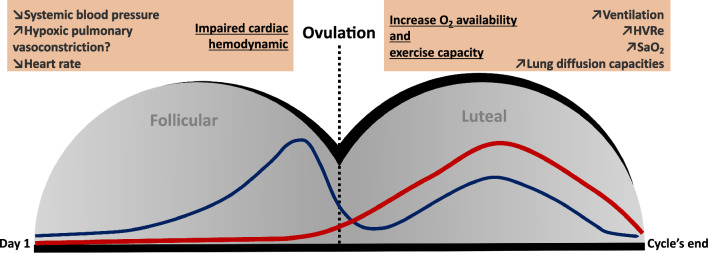
“This HVR increase during the luteal phase, with stimulated breathing associated with sex hormones, seems a robust finding [14, 183–185].”
BackgroundResultGeneral introduction to altitude adaptation and mountain sickness
Bärtsch, P., & Saltin, B. (2008) · Scandinavian Journal of Medicine & Science in Sports · doi:10.1111/j.1600-0838.2008.00827.x · Cited by 268 · cited 1×
“The duration, severity, type, and intermittent pattern of the exposure to hypoxia modulate the acute responses or long-term adaptations [3, 4].”
BackgroundImpact of Alterations in Total Hemoglobin Mass on V˙O2max
Schmidt, W., & Prommer, N. (2010) · Exercise and Sport Sciences Reviews · doi:10.1097/jes.0b013e3181d4957a · Cited by 265 · cited 1×
“Therefore, a critical point relates to iron status, with an adequate baseline s-ferritin (> 30 ng/mL for women and > 40 ng/mL for men) being assumed to support the general evidence of progressive enhancement of Hb mass with altitude/hypoxia exposure [95, 109–113].”
BackgroundRespiratory drives and exercise in menstrual cycles of athletic and nonathletic women
Schoene, R. B., Robertson, H. T., Pierson, D. J., & Peterson, A. P. (1981) · Journal of Applied Physiology · doi:10.1152/jappl.1981.50.6.1300 · Cited by 256 · cited 1×
“This HVR increase during the luteal phase, with stimulated breathing associated with sex hormones, seems a robust finding [14, 183–185].”
BackgroundGender affects sympathetic and hemodynamic response to postural stress
Shoemaker, J. K., Hogeman, C. S., Khan, M., Kimmerly, D. S., & Sinoway, L. I. (2001) · American Journal of Physiology-Heart and Circulatory Physiology · doi:10.1152/ajpheart.2001.281.5.h2028 · Cited by 243
Changes in skeletal muscle in males and females following endurance training
Carter, S. L., Rennie, C. D., Hamilton, S. J., & Tarnopolsky, M. A. (2001) · Canadian Journal of Physiology and Pharmacology · doi:10.1139/cjpp-79-5-386 · Cited by 238 · cited 1×
“Moreover, equivocal data are presented on skeletal muscle oxidative capacity [123, 124], even if the literature supports no differences between males and females when the populations are matched for fitness level and lean body mass [125, 126].”
BackgroundCentral neural mechanisms of progesterone action: application to the respiratory system
Bayliss, D. A., & Millhorn, D. E. (1992) · Journal of Applied Physiology · doi:10.1152/jappl.1992.73.2.393 · Cited by 236 · cited 1×
“There is ample evidence relating progesterone to the increase in resting minute ventilation during the mid-luteal phase [173, 174], favoring better oxygenation at high altitudes [175].”
BackgroundEffects of aging on ventilatory and occlusion pressure responses to hypoxia and hypercapnia.
Peterson, D. D., Pack, A. I., Silage, D. A., & Fishman, A. P. (1981) · PubMed · doi:10.1164/arrd.1981.124.4.387 · Cited by 234
Skeletal muscle fibre types, enzyme activities and physical performance in young males and females
Komi, P. V., & Karlsson, J. (1978) · Acta Physiologica Scandinavica · doi:10.1111/j.1748-1716.1978.tb06208.x · Cited by 220 · cited 2×
“…and less carbohydrate and amino acids during endurance exercise compared with males [129], probably as a consequence of the higher portion of slow oxidative fibers and lower glycolytic enzyme activity [130], in association with higher levels of 17-β-estradiol, which mediates lipid oxidation [131].”
BackgroundSex steroidal hormones and respiratory control
Behan, M., & Wenninger, J. M. (2008) · Respiratory Physiology & Neurobiology · doi:10.1016/j.resp.2008.06.006 · Cited by 208 · cited 1×
“…response at exercise, SaO 2 oxygen arterial saturation fluctuations impact numerous physiological functions that may influence training [160, 161] and performance [162, 163], such as recovery [164], wellness [165], and in particular, considering the altitude environment, respiratory function [166].”
BackgroundAdaptive Responses to Hypoxia and/or Hyperoxia in Humans
Burtscher, J., Mallet, R. T., Pialoux, V., Millet, G. P., & Burtscher, M. (2022) · Antioxidants and Redox Signaling · doi:10.1089/ars.2021.0280 · Cited by 197 · cited 1×
“The duration, severity, type, and intermittent pattern of the exposure to hypoxia modulate the acute responses or long-term adaptations [3, 4].”
BackgroundSelf-citationThe Effects of Menstrual Cycle Phase on Elite Athlete Performance: A Critical and Systematic Review
Meignié, A., Duclos, M., Carling, C., Orhant, E., Provost, P., Toussaint, J.-F., & Antero, J. (2021) · Frontiers in Physiology · doi:10.3389/fphys.2021.654585 · Cited by 196 · cited 2×
“Previous studies have highlighted the need for additional robust studies to identify minor to moderate impacts on complex outcomes, such as performance, in association with highly variant parameters of the menstrual cycle [163, 196].”
BackgroundSelf-citationThe rhythmicity of sympathetic nerve activity
Malpas, S. (1998) · Progress in Neurobiology · doi:10.1016/s0301-0082(98)00030-6 · Cited by 195 · cited 1×
“The sympathetic activity has a rhythmic component associated with the respiratory cycle [153], in which the sympathetic discharge occurs at the end of inspiration and the beginning of postinspiration [154, 155].”
BackgroundHemodynamic response to work at simulated altitude, 4,000 m.
Stenberg, J., Ekblom, B., & Messin, R. (1966) · Journal of Applied Physiology · doi:10.1152/jappl.1966.21.5.1589 · Cited by 192 · cited 1×
“During acute exposure to altitude (> 700 m [63]), sympathetic stimulation aims to increase HR, SV, and systemic blood flow (i.e., Q ̇ C ) proportionally to the degree of hypoxia [64, 65].”
BackgroundHypoxic Pulmonary Vasoconstriction
Swenson, E. R. (2013) · High Altitude Medicine & Biology · doi:10.1089/ham.2013.1010 · Cited by 190 · cited 1×
“Moreover, since hypoxic pulmonary vasoconstriction is one of the first adaptations to a hypoxic environment [42], its influence on sex-related differences in diffusion capacity remains to be characterized, especially given the attenuated pulmonary artery vasoreactivity in hypoxia when circulating…”
BackgroundEstrogen Enhances Basal Nitric Oxide Release in the Forearm Vasculature in Perimenopausal Women
Sudhir, K., Jennings, G. L., Funder, J. W., & Komesaroff, P. A. (1996) · Hypertension · doi:10.1161/01.hyp.28.3.330 · Cited by 189 · cited 1×
“…nonadrenergic vasoconstrictors [51], lower release of vasoconstrictors (primarily norepinephrine and/or neuropeptide Y) per burst of sympathetic traffic [51], and/or specific effects of female sex hormones (i.e., estrogens) that may offset sympathetically mediated vasoconstriction [54, 55].”
BackgroundSex differences in leg vasodilation during graded knee extensor exercise in young adults
Parker, B. A., Smithmyer, S. L., Pelberg, J. A., Mishkin, A. D., Herr, M. D., & Proctor, D. N. (2007) · Journal of Applied Physiology · doi:10.1152/japplphysiol.00662.2007 · Cited by 187
Bone Health During the Menopause Transition and Beyond
Karlamangla, A. S., Burnett-Bowie, S.-A. M., & Crandall, C. J. (2018) · Obstetrics and Gynecology Clinics of North America · doi:10.1016/j.ogc.2018.07.012 · Cited by 186 · cited 1×
“Meno-pause, in particular, marks the end of the reproductive life of women and is a life phase in which osteoporosis [209] and cardiovascular diseases [210] become more prevalent.”
BackgroundCombined effects of female hormones and metabolic rate on ventilatory drives in women
Regensteiner, J. G., Woodard, W. D., Hagerman, D. D., Weil, J. V., Pickett, C. K., Bender, P. R., & Moore, L. G. (1989) · Journal of Applied Physiology · doi:10.1152/jappl.1989.66.2.808 · Cited by 185 · cited 1×
“This HVR increase during the luteal phase, with stimulated breathing associated with sex hormones, seems a robust finding [14, 183–185].”
BackgroundImpact of High Altitude on Cardiovascular Health: Current Perspectives
Mallet, R. T., Burtscher, J., Richalet, J.-P., Millet, G. P., & Burtscher, M. (2021) · Vascular Health and Risk Management · doi:10.2147/vhrm.s294121 · Cited by 185 · cited 1×
“Moreover,”
Self-citationResponses in muscle sympathetic activity to acute hypoxia in humans
Saito, M., Mano, T., Iwase, S., Koga, K., Abe, H., & Yamazaki, Y. (1988) · Journal of Applied Physiology · doi:10.1152/jappl.1988.65.4.1548 · Cited by 183 · cited 1×
“One critical response to hypoxia is the modulation of the autonomous nervous system activity, with an increased sympathetic activation concomitant with a parasympathetic withdrawal [137, 138].”
BackgroundHigh-Altitude Training: Aspects of Haematological Adaptation
Berglund, B. (1992) · Sports Medicine · doi:10.2165/00007256-199214050-00002 · Cited by 182
Sex-related Differences in the Influence of Morphine on Ventilatory Control in Humans
Dahan, A. M., Sarton, E., Teppema, L., & Olievier, C. (1998) · Anesthesiology · doi:10.1097/00000542-199804000-00009 · Cited by 181 · cited 1×
“Also, when comparing women to men, no clear differences in HVR were found [184, 186–192].”
BackgroundEstrogen acutely increases peripheral blood flow in postmenopausal women
Volterrani, M., Rosano, G., Coats, A., Beale, C., & Collins, P. (1995) · The American Journal of Medicine · doi:10.1016/s0002-9343(99)80130-2 · Cited by 180 · cited 1×
“…nonadrenergic vasoconstrictors [51], lower release of vasoconstrictors (primarily norepinephrine and/or neuropeptide Y) per burst of sympathetic traffic [51], and/or specific effects of female sex hormones (i.e., estrogens) that may offset sympathetically mediated vasoconstriction [54, 55].”
BackgroundAcclimatization to 4,300-m altitude decreases reliance on fat as a substrate
Roberts, A. C., Butterfield, G. E., Cymerman, A., Reeves, J. T., Wolfel, E. E., & Brooks, G. A. (1996) · Journal of Applied Physiology · doi:10.1152/jappl.1996.81.4.1762 · Cited by 180 · cited 1×
“The shift in substrate preference in hypoxia (i.e., a decreased reliance on free fatty acids and an increase in glucose dependence) is well known [132, 133].”
BackgroundCentral respiratory modulation of medullary sympathoexcitatory neurons in rat
Haselton, J. R., & Guyenet, P. G. (1989) · American Journal of Physiology-Regulatory, Integrative and Comparative Physiology · doi:10.1152/ajpregu.1989.256.3.r739 · Cited by 176 · cited 1×
“The sympathetic activity has a rhythmic component associated with the respiratory cycle [153], in which the sympathetic discharge occurs at the end of inspiration and the beginning of postinspiration [154, 155].”
BackgroundBruinvels, G., Goldsmith, E., Blagrove, R., Simpkin, A., Lewis, N., Morton, K., Suppiah, A., Rogers, J. P., Ackerman, K. E., Newell, J., et al. (2021) · British Journal of Sports Medicine · doi:10.1136/bjsports-2020-102792 · Cited by 173 · cited 1×
“…ventilatory response at exercise, SaO 2 oxygen arterial saturation fluctuations impact numerous physiological functions that may influence training [160, 161] and performance [162, 163], such as recovery [164], wellness [165], and in particular, considering the altitude environment, respiratory…”
BackgroundIncidence of exercise induced hypoxemia in elite endurance athletes at sea level
Powers, S. K., Dodd, S., Lawler, J., Landry, G., Kirtley, M., McKnight, T., & Grinton, S. (1988) · European Journal of Applied Physiology and Occupational Physiology · doi:10.1007/bf00417266 · Cited by 173 · cited 2×
“The EIH phenomenon observed at sea level is suspected to be more common in women [23] than in men [24] during a maximal cycling exercise (67% versus 52%; respectively), despite the lack of temperature-corrected arterial blood gases.”
BackgroundCistulli, P. A., Barnes, D. J., Grunstein, R. R., & Sullivan, C. E. (1994) · Thorax · doi:10.1136/thx.49.7.699 · Cited by 172 · cited 1×
“Even if age and sex seem to have no clear effect on HVR, one may expect that the change in sex hormones following menopause impacts HVR. Cistulli et al. [229] also reported increased HVR with estradiol treatment in postmenopausal women.”
BackgroundAnaemia and Iron Deficiency in Athletes: Practical Recommendations for Treatment
Chatard, J., Mujika, I., Guy, C., & Lacour, J. R. (1999) · Sports Medicine · doi:10.2165/00007256-199927040-00003 · Cited by 163 · cited 1×
“Finally, an important clinical consideration is that men-struating people, particularly those with heavy menstrual bleeding, are at an elevated risk of iron deficiency, which can impair performance [201] especially in high-altitude environments [116].”
BackgroundExercise-Induced Arterial Hypoxaemia in Athletes: A Review
PREFAUT, C. G., Durand, F., Mucci, P., & Caillaud, C. (2000) · Sports Medicine · doi:10.2165/00007256-200030010-00005 · Cited by 158 · cited 2×
“This is suspected to be involved in acute mountain sickness (AMS) [19] and relative hypoventilation during exercise [20].”
Park, J. Y., Hwang, T. K., Park, H. K., & Ahn, R. S. (2014) · Neuroendocrinology · doi:10.1159/000363367 · Cited by 158
Gore, C. J., Sharpe, K., Garvican-Lewis, L. A., Saunders, P. U., Humberstone, C. E., Robertson, E. Y., Wachsmuth, N. B., Clark, S. A., McLean, B. D., Friedmann-Bette, B., et al. (2013) · British Journal of Sports Medicine · doi:10.1136/bjsports-2013-092840 · Cited by 158 · cited 2×
“Consecutive to the above-described initial hematological adaptations, the increase in erythropoietic activity is proportional to the severity of the hypoxic stimulation [86] and therefore determined by the hypoxic dose (e.g., the altitude and duration of exposure) [87].”
BackgroundInfluentialSex differences in large conducting airway anatomy
Dominelli, P. B., Ripoll, J. G., Cross, T. J., Baker, S. E., Wiggins, C. C., Welch, B. T., & Joyner, M. J. (2018) · Journal of Applied Physiology · doi:10.1152/japplphysiol.00440.2018 · Cited by 158 · cited 2×
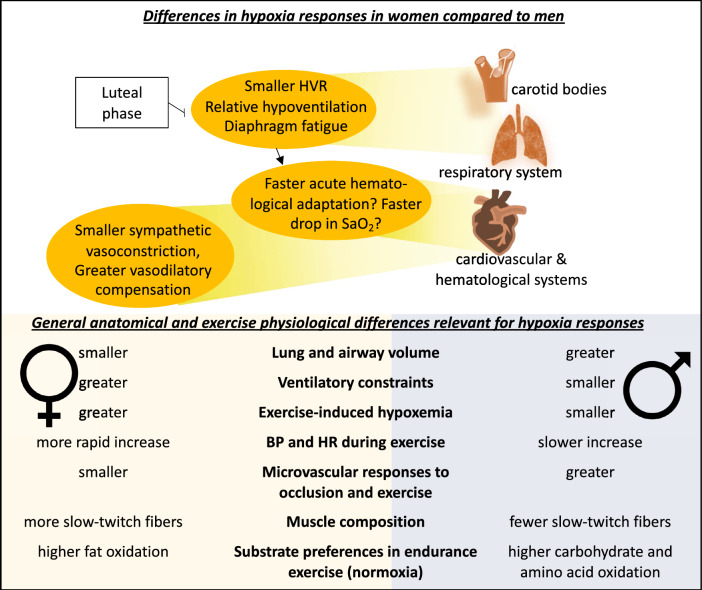
“References: Lung and airway volume [37, 38, 44], Ventilatory constraints [22, 23, 33], Exercise-induced hypoxemia [27, 28, 33], BP and HR during exercise [57–59], Microvascular responses to occlusion and exercise [122, 127], Muscle composition [130], Substrate preferences in endurance exercise…”
BackgroundSex-related differences in the normal cardiac response to upright exercise.
Higginbotham, M. B., Morris, K. G., Coleman, R. E., & Cobb, F. R. (1984) · Circulation · doi:10.1161/01.cir.70.3.357 · Cited by 155 · cited 3×
“Overall, it has been suggested that females have a greater reliance on HR to meet the metabolic demands of exercise, whereas men rely on preload and enhanced use of the Frank–Starling mechanism to increase Q ̇ C [59].”
BackgroundInfluence of body size and gender on control of ventilation
Aitken, M. L., Franklin, J. L., Pierson, D. J., & Schoene, R. B. (1986) · Journal of Applied Physiology · doi:10.1152/jappl.1986.60.6.1894 · Cited by 149 · cited 1×
“The impact of sex on HVR is not fully understood, with contradictory studies reporting either higher [13], lower [14], or similar [15] HVR between men and women.”
ResultPhysiologic considerations for exercise performance in women
Charkoudian, N., & Joyner, M. J. (2004) · Clinics in Chest Medicine · doi:10.1016/j.ccm.2004.01.001 · Cited by 146 · cited 2×
“Even when matched for body size, females demonstrated divergent cardiovascular responses to dynamic exercise compared with men [57], as demonstrated by a more rapid increase in blood pressure and HR, and a smaller exercise-induced increase in ejection fraction [58, 59].”
BackgroundSport, exercise and the menstrual cycle: where is the research?
Bruinvels, G., Burden, R. J., McGregor, A. J., Ackerman, K. E., Dooley, M., Richards, T., & Pedlar, C. (2017) · British Journal of Sports Medicine · doi:10.1136/bjsports-2016-096279 · Cited by 144 · cited 1×
“More research [197], relying on precise hormonal measurements (especially considering the potential alterations in the hormonal [198] and clinical profiles [199, 200] of the menstrual cycle at high altitudes), and on larger cohorts followed longitudinally, is needed to determine the coupled…”
Regulation of blood volume in lowlanders exposed to high altitude
Siebenmann, C., Robach, P., & Lundby, C. (2017) · Journal of Applied Physiology · doi:10.1152/japplphysiol.00118.2017 · Cited by 144 · cited 1×
“As the decrease in PV is only partially compensated for by the progressive increase of Hb mass , a decrease in blood volume is usually observed during the first weeks of exposure [101].”
BackgroundBlood doping and its detection
Jelkmann, W., & Lundby, C. (2011) · Blood · doi:10.1182/blood-2011-02-303271 · Cited by 143 · cited 1×
“Erythropoietin (EPO) is the key hormone in the erythropoietic process [88] due to the upregulation of the hypoxia-inducible factor (HIF) [89].”
BackgroundEvidence for dysanapsis using computed tomographic imaging of the airways in older ex-smokers
Sheel, A. W., Guenette, J. A., Yuan, R., Holy, L., Mayo, J. R., McWilliams, A. M., Lam, S., & Coxson, H. O. (2009) · Journal of Applied Physiology · doi:10.1152/japplphysiol.00562.2009 · Cited by 137 · cited 2×
“Women are known to have proportionally smaller lung volumes and airways than men [37], which lowers their ventilatory capacity.”
BackgroundSuperior Intrinsic Mitochondrial Respiration in Women Than in Men
Cardinale, D. A., Larsen, F. J., Schiffer, T. A., Morales-Alamo, D., Ekblom, B., Calbet, J. A. L., Holmberg, H.-C., & Boushel, R. (2018) · Frontiers in Physiology · doi:10.3389/fphys.2018.01133 · Cited by 134 · cited 1×
“Moreover, equivocal data are presented on skeletal muscle oxidative capacity [123, 124], even if the literature supports no differences between males and females when the populations are matched for fitness level and lean body mass [125, 126].”
BackgroundCritique of the Equivalent Air Altitude Model
Conkin, J., & Wessel, J. H. (2008) · Aviation Space and Environmental Medicine · doi:10.3357/asem.2331.2008 · Cited by 133
Resting and exercise ventilatory chemosensitivity across the menstrual cycle
MacNutt, M. J., De Souza, M. J., Tomczak, S. E., Homer, J. L., & Sheel, A. W. (2012) · Journal of Applied Physiology · doi:10.1152/japplphysiol.00727.2011 · Cited by 132 · cited 3×
“The impact of sex on HVR is not fully understood, with contradictory studies reporting either higher [13], lower [14], or similar [15] HVR between men and women.”
BackgroundResultCardiopulmonary responses of resting man during early exposure to high altitude
Vogel, J. A., & Harris, C. W. (1967) · Journal of Applied Physiology · doi:10.1152/jappl.1967.22.6.1124 · Cited by 131 · cited 2×
“Substantial evidence suggests that differences in resting cardiac hemodynamic responses and vascular regulation during both acute and prolonged exposure to altitude might be influenced by sex [63, 64, 68, 69].”
BackgroundThe Key Role of Nitric Oxide in Hypoxia: Hypoxic Vasodilation and Energy Supply–Demand Matching
Umbrello, M., Dyson, A., Feelisch, M., & Singer, M. (2013) · Antioxidants & Redox Signaling · doi:10.1089/ars.2012.4979 · Cited by 130 · cited 1×
“Moreover, nitric oxide (NO) represents a major vasodilatory signaling molecule released in response to acute hypoxia [73], with the exception of the pulmonary vasculature where hypoxia elicits vascular constriction [74], and sex-specific differences in NO release and NO-dependent vasodilation may…”
BackgroundArterial Pressure, Heart Rate, and Cerebral Hemodynamics Across the Adult Life Span
Xing, C., Tarumi, T., Meijers, R. L., Turner, M., Repshas, J., Xiong, L., Ding, K., Vongpatanasin, W., Yuan, L.-J., & Zhang, R. (2017) · Hypertension · doi:10.1161/hypertensionaha.116.08986 · Cited by 130 · cited 1×
“V ̇ O 2 oxygen uptake, PO 2 oxygen pressure reported to be similar to [139, 140], more efficient than [141, 142], or less efficient than age-matched men [143].”
MethodHemoglobin mass and intravascular volume kinetics during and after exposure to 3,454-m altitude
Siebenmann, C., Cathomen, A., Hug, M., Keiser, S., Lundby, A. K., Hilty, M. P., Goetze, J. P., Rasmussen, P., & Lundby, C. (2015) · Journal of Applied Physiology · doi:10.1152/japplphysiol.01121.2014 · Cited by 128 · cited 1×
“Following a sigmoidal pattern, a stabilization of Hb mass is usually observed after 3 weeks of exposure [100].”
BackgroundFactors limiting maximal oxygen consumption in humans
di Prampero, P. E., & Ferretti, G. (1990) · Respiration Physiology · doi:10.1016/0034-5687(90)90075-a · Cited by 127 · cited 1×
“Reducing the active muscles during exercise makes peripheral limitations predominant in determining endurance performance [136], and when this condition is achieved by studying upper limb exercises, females seemed to have no impairment in hypoxic compared with normoxic exercise conditions [135].”
BackgroundSubudhi, A. W., Bourdillon, N., Bucher, J., Davis, C., Elliott, J. E., Eutermoster, M., Evero, O., Fan, J., Houten, S. J.-V., Julian, C. G., et al. (2014) · PLoS ONE · doi:10.1371/journal.pone.0092191 · Cited by 126 · cited 1×
“The individual datasets are from [237].”
Self-citationHeinicke, K., Heinicke, I., Schmidt, W., & Wolfarth, B. (2005) · International Journal of Sports Medicine · doi:10.1055/s-2004-821052 · Cited by 123 · cited 2×
“While some results did not report differences between sexes [92, 93], a recent study showed a smaller increase in female athletes [102], although the latter results are probably partially explained by a low initial level of s-ferritin in the female cohort ( 30 μg L −1 ).”
BackgroundResultContemporary Periodization of Altitude Training for Elite Endurance Athletes: A Narrative Review
Mujika, I., Sharma, A. P., & Stellingwerff, T. (2019) · Sports Medicine · doi:10.1007/s40279-019-01165-y · Cited by 123 · cited 1×
“Adequate pre-altitude iron stores are needed for hematological adaptations during altitude exposure [109, 110].”
BackgroundAdaptation of iron requirement to hypoxic conditions at high altitude
Gassmann, M., & Muckenthaler, M. U. (2015) · Journal of Applied Physiology · doi:10.1152/japplphysiol.00248.2015 · Cited by 122 · cited 1×
“While the classification of altitude responders and non-responders remains debated [91, 102], it is well known that iron stores, with increasing demand at altitude [107], are an essential component of hematological adaptations [90, 104].”
BackgroundIncreased HVR in pregnancy: relationship to hormonal and metabolic changes
Moore, L. G., McCullough, R. E., & Weil, J. V. (1987) · Journal of Applied Physiology · doi:10.1152/jappl.1987.62.1.158 · Cited by 122 · cited 2×
“Adaptations related to female sex hormones, such as an increase in ventilation inducing hypocapnia [207] and an increase in HVR [180, 181], may also influence tolerance to hypoxia, as during the menstrual cycle (see Sect.”
BackgroundSarton, E., Teppema, L., & Dahan, A. (1999) · Anesthesiology · doi:10.1097/00000542-199905000-00017 · Cited by 121
Time for a new metric for hypoxic dose?
Garvican-Lewis, L. A., Sharpe, K., & Gore, C. J. (2016) · Journal of Applied Physiology · doi:10.1152/japplphysiol.00579.2015 · Cited by 121 · cited 1×
“Consecutive to the above-described initial hematological adaptations, the increase in erythropoietic activity is proportional to the severity of the hypoxic stimulation [86] and therefore determined by the hypoxic dose (e.g., the altitude and duration of exposure) [87].”
BackgroundExercise V˙e and physical performance at altitude are not affected by menstrual cycle phase
Beidleman, B. A., Rock, P. B., Muza, S. R., Fulco, C. S., Forte, V. A., & Cymerman, A. (1999) · Journal of Applied Physiology · doi:10.1152/jappl.1999.86.5.1519 · Cited by 119 · cited 5×
“The studied female population also widely ranges, from sedentary mice to trained women, from acclimated to high altitude to lowlanders tested at rest or in exercising conditions [9, 10, 15, 174, 176–179].”
BackgroundInfluentialPletzer, B., Harris, T.-A., Scheuringer, A., & Hidalgo-Lopez, E. (2019) · Neuropsychopharmacology · doi:10.1038/s41386-019-0435-3 · Cited by 118 · cited 1×
“This could be related to compensatory mechanisms allowing reaching of similar performance levels during the cycle through different parameter adjustments occurring in each phase, as has been shown to occur for cognitive tasks across the menstrual cycle [193].”
BackgroundTime course of the hemoglobin mass response to natural altitude training in elite endurance cyclists
Garvican, L., Martin, D., Quod, M., Stephens, B., Sassi, A., & Gore, C. (2012) · Scandinavian Journal of Medicine & Science in Sports · doi:10.1111/j.1600-0838.2010.01145.x · Cited by 118 · cited 2×
“Therefore, a critical point relates to iron status, with an adequate baseline s-ferritin (> 30 ng/mL for women and > 40 ng/mL for men) being assumed to support the general evidence of progressive enhancement of Hb mass with altitude/hypoxia exposure [95, 109–113].”
BackgroundArterial Flow, Pulse Pressure and Pulse Wave Velocity in Men and Women at Various Ages
Avolio, A. P., Kuznetsova, T., Heyndrickx, G. R., Kerkhof, P. L. M., & Li, J. K. ‐. (2018) · Advances in experimental medicine and biology · doi:10.1007/978-3-319-77932-4_10 · Cited by 117 · cited 2×
“…to a greater increase in systolic blood pressure and similar decrease in diastolic blood pressure as compared with men, healthy women present a larger increase in pulse pressure (i.e., the difference between systolic and diastolic blood pressures, which is an index of arterial stiffness) [52, 56].”
BackgroundPłoszczyca, K., Langfort, J., & Czuba, M. (2018) · Frontiers in Physiology · doi:10.3389/fphys.2018.00375 · Cited by 115 · cited 2×
“While the classification of altitude responders and non-responders remains debated [91, 102], it is well known that iron stores, with increasing demand at altitude [107], are an essential component of hematological adaptations [90, 104].”
BackgroundHyatt, R. E. (1983) · Journal of Applied Physiology · doi:10.1152/jappl.1983.55.1.1 · Cited by 114 · cited 1×
“EFL occurs when ventilatory demands reach ventilatory capacity and refers to the inability to generate higher expired flow despite increased expiratory effort [36].”
BackgroundAshenden, M., Gore, C., Martin, D., Dobson, G., & Hahn, A. (1999) · European Journal of Applied Physiology and Occupational Physiology · doi:10.1007/s004210050620 · Cited by 112 · cited 1×
“In line with the latter assertion, 12 nights of normobaric hypoxia were insufficient to detect a significant Hb mass increase in elite female athletes [99], with the hypoxic dose probably being too low.”
BackgroundIron balance and iron supplementation for the female athlete: A practical approach
Pedlar, C. R., Brugnara, C., Bruinvels, G., & Burden, R. (2018) · European Journal of Sport Science · doi:10.1080/17461391.2017.1416178 · Cited by 111 · cited 2×
“Finally, an important clinical consideration is that men-struating people, particularly those with heavy menstrual bleeding, are at an elevated risk of iron deficiency, which can impair performance [201] especially in high-altitude environments [116].”
BackgroundPulmonary gas exchange during exercise in women: effects of exercise type and work increment
Hopkins, S. R., Barker, R. C., Brutsaert, T. D., Gavin, T. P., Entin, P., Olfert, I. M., Veisel, S., & Wagner, P. D. (2000) · Journal of Applied Physiology · doi:10.1152/jappl.2000.89.2.721 · Cited by 110 · cited 1×
“However, greater pulmonary gas exchange impairment in women has not always been reported [25, 26].”
BackgroundSex differences in mitochondrial respiratory function in human skeletal muscle
Miotto, P. M., McGlory, C., Holloway, T. M., Phillips, S. M., & Holloway, G. P. (2018) · American Journal of Physiology-Regulatory, Integrative and Comparative Physiology · doi:10.1152/ajpregu.00025.2018 · Cited by 109 · cited 1×
“Moreover, equivocal data are presented on skeletal muscle oxidative capacity [123, 124], even if the literature supports no differences between males and females when the populations are matched for fitness level and lean body mass [125, 126].”
BackgroundRole of endogenous female hormones in hypoxic chemosensitivity
Tatsumi, K., Pickett, C. K., Jacoby, C. R., Weil, J. V., & Moore, L. G. (1997) · Journal of Applied Physiology · doi:10.1152/jappl.1997.83.5.1706 · Cited by 108 · cited 1×
“HVR was also shown to be higher during pregnancy [180, 181], when progesterone levels increase; while ovariectomy, which decreases natural hormones production, decreased HVR [182].”
BackgroundPorter, M. M., Stuart, S., Boij, M., & Lexell, J. (2002) · Journal of Applied Physiology · doi:10.1152/japplphysiol.00744.2001 · Cited by 107 · cited 1×
“In the literature, mixed results have been reported when sex differences in muscle capillarization are investigated [120, 121], but greater microvascular reactivity has been found in males compared with females [122].”
BackgroundGender in Endocrine Diseases: Role of Sex Gonadal Hormones
Lauretta, R., Sansone, M., Sansone, A., Romanelli, F., & Appetecchia, M. (2018) · International Journal of Endocrinology · doi:10.1155/2018/4847376 · Cited by 107 · cited 1×
“The different endocrine environments between females and males promoted by estrogen, progesterone, testosterone, and their precursors influence human physiology and sex differences [158].”
BackgroundMillet, G. P., & Debevec, T. (2020) · The Journal of Physiology · doi:10.1113/jp278673 · Cited by 105 · cited 2×
“Moreover,”
BackgroundSelf-citationCatecholamine response during 12 days of high-altitude exposure (4,300 m) in women
Mazzeo, R. S., Child, A., Butterfield, G. E., Mawson, J. T., Zamudio, S., & Moore, L. G. (1998) · Journal of Applied Physiology · doi:10.1152/jappl.1998.84.4.1151 · Cited by 104 · cited 1×
“An investigation of the sympathoadrenal responses during acute high-altitude exposure in healthy women showed no differences in catecholamine levels during cycle phases but found higher blood pressure and HR during the luteal phase [195].”
BackgroundMolkov, Y. I., Zoccal, D. B., Moraes, D. J. A., Paton, J. F. R., Machado, B. H., & Rybak, I. A. (2011) · Journal of Neurophysiology · doi:10.1152/jn.00070.2011 · Cited by 104 · cited 1×
“This respiratory–sympathetic coupling is mainly due to synaptic interactions between respiratory and presympathetic neurons at the rostral ventral medulla [156, 157].”
BackgroundDoes gender affect human pulmonary gas exchange during exercise?
Olfert, I. M., Balouch, J., Kleinsasser, A., Knapp, A., Wagner, H., Wagner, P. D., & Hopkins, S. R. (2004) · The Journal of Physiology · doi:10.1113/jphysiol.2003.056887 · Cited by 103 · cited 3×
“However, greater pulmonary gas exchange impairment in women has not always been reported [25, 26].”
BackgroundInfluentialExercise‐induced arterial hypoxaemia and the mechanics of breathing in healthy young women
Dominelli, P. B., Foster, G. E., Dominelli, G. S., Henderson, W. R., Koehle, M. S., McKenzie, D. C., & Sheel, A. W. (2013) · The Journal of Physiology · doi:10.1113/jphysiol.2013.252767 · Cited by 100 · cited 3×
“Apart from reduced chemosensitivity, hypoventilation may also be due to mechanical constraints such as expiratory flow limitation (EFL) [27].”
BackgroundModification by Beta-Adrenergic Blockade of the Circulatory Responses to Acute Hypoxia in Man*
Richardson, D. C., Kontos, H. A., Raper, A. J., & Patterson, J. L. (1967) · Journal of Clinical Investigation · doi:10.1172/jci105513 · Cited by 99 · cited 1×
“With prolonged exposure, gradual systemic adaptations (i.e., decreases in SV and Q ̇ C despite an increased HR) occur to attempt to restore cardiovascular function toward normoxic levels [66, 67].”
BackgroundDynamic cerebral autoregulation is attenuated in young fit women
Labrecque, L., Rahimaly, K., Imhoff, S., Paquette, M., Blanc, O. L., Malenfant, S., Drapeau, A., Smirl, J. D., Bailey, D. M., & Brassard, P. (2019) · Physiological Reports · doi:10.14814/phy2.13984 · Cited by 98 · cited 1×
“V ̇ O 2 oxygen uptake, PO 2 oxygen pressure reported to be similar to [139, 140], more efficient than [141, 142], or less efficient than age-matched men [143].”
MethodTime course of haemoglobin mass during 21 days live high:train low simulated altitude
Clark, S. A., Quod, M. J., Clark, M. A., Martin, D. T., Saunders, P. U., & Gore, C. J. (2009) · European Journal of Applied Physiology · doi:10.1007/s00421-009-1027-4 · Cited by 96
The relationship between cardiac output and dynamic cerebral autoregulation in humans
Deegan, B. M., Devine, E. R., Geraghty, M. C., Jones, E., OLaighin, G. M., & Serrador, J. M. (2010) · Journal of Applied Physiology · doi:10.1152/japplphysiol.01262.2009 · Cited by 96 · cited 1×
“V ̇ O 2 oxygen uptake, PO 2 oxygen pressure reported to be similar to [139, 140], more efficient than [141, 142], or less efficient than age-matched men [143].”
MethodEstrogen Paradox in Pulmonary Hypertension: Current Controversies and Future Perspectives
Umar, S., Rabinovitch, M., & Eghbali, M. (2012) · American Journal of Respiratory and Critical Care Medicine · doi:10.1164/rccm.201201-0058pp · Cited by 93 · cited 1×
“While estrogen seems beneficial for pulmonary reactivity [43], women are more susceptible to pulmonary hypertension, a phenomenon known as the ‘estrogen paradox’ [234].”
BackgroundPatel, H. N., Miyoshi, T., Addetia, K., Henry, M. P., Citro, R., Daimon, M., Gutiérrez‐Fajardo, P., Kasliwal, R. R., Kirkpatrick, J. N., Monaghan, M. J., et al. (2021) · Journal of the American Society of Echocardiography · doi:10.1016/j.echo.2021.05.012 · Cited by 93 · cited 3×
“Across all ages, at rest, women present similar [51] or higher heart rate (HR) [52] and lower absolute stroke volume (SV) and cardiac output ( Q ̇ C ), but higher peripheral resistance, compared with men [51, 53].”
BackgroundIron Supplementation for Female Athletes: Effects on Iron Status and Performance Outcomes
DellaValle, D. M. (2013) · Current Sports Medicine Reports · doi:10.1249/jsr.0b013e31829a6f6b · Cited by 92 · cited 1×
“Hence, screening for iron deficiency is widely recommended [202], notably before high training loads in hypoxic conditions for menstruating athletes.”
BackgroundGovus, A. D., Garvican-Lewis, L. A., Abbiss, C. R., Peeling, P., & Gore, C. J. (2015) · PLOS ONE · doi:10.1371/journal.pone.0135120 · Cited by 91 · cited 3×
“Adequate pre-altitude iron stores are needed for hematological adaptations during altitude exposure [109, 110].”
BackgroundDegree of arterial desaturation in normoxia influences &OV0312;O2max decline in mild hypoxia
CHAPMAN, R. F., EMERY, M., & STAGER, J. M. (1999) · Medicine & Science in Sports & Exercise · doi:10.1097/00005768-199905000-00006 · Cited by 91 · cited 2×
“It is known that individuals with EIH have a larger drop in maximal O 2 uptake ( V O 2max ) during exercise in acute hypoxia [31, 32].”
BackgroundThe effects of classic altitude training on hemoglobin mass in swimmers
Wachsmuth, N. B., Völzke, C., Prommer, N., Schmidt-Trucksäss, A., Frese, F., Spahl, O., Eastwood, A., Stray-Gundersen, J., & Schmidt, W. (2013) · European Journal of Applied Physiology · doi:10.1007/s00421-012-2536-0 · Cited by 91 · cited 2×
“Overall, most of the results do not show any large impact of sex on erythropoietic adaptation [91, 93, 104].”
ResultHuman adaptation to high altitude: a review of convergence between genomic and proteomic signatures
Sharma, V., Varshney, R. K., & Sethy, N. K. (2022) · Human Genomics · doi:10.1186/s40246-022-00395-y · Cited by 90 · cited 1×
“Moreover,”
Aging, Tolerance to High Altitude, and Cardiorespiratory Response to Hypoxia
Richalet, J., & Lhuissier, F. (2015) · High Altitude Medicine & Biology · doi:10.1089/ham.2015.0030 · Cited by 88
Favre, M. E., & Serrador, J. M. (2019) · American Journal of Physiology-Heart and Circulatory Physiology · doi:10.1152/ajpheart.00474.2018 · Cited by 87 · cited 1×
“V ̇ O 2 oxygen uptake, PO 2 oxygen pressure reported to be similar to [139, 140], more efficient than [141, 142], or less efficient than age-matched men [143].”
Lahm, T., Patel, K. M., Crisostomo, P. R., Markel, T. A., Wang, M., Herring, C., & Meldrum, D. R. (2007) · American Journal of Physiology-Endocrinology and Metabolism · doi:10.1152/ajpendo.00201.2007 · Cited by 86 · cited 4×
“A reduction in estrogen could be suspected to be at the onset of this change since estrogen is known to modulate vascular tone in animal models during dynamic exercise [235] or hypoxia exposure [43].”
BackgroundInfluentialSex differences in baroreflex function in health and disease
Fu, Q., & Ogoh, S. (2019) · The Journal of Physiological Sciences · doi:10.1007/s12576-019-00727-z · Cited by 84 · cited 1×
“Com-parably, there was no clear difference in baroreflex function in premenopausal women and age-matched men, yet baroreflex sensitivity seemed blunted in older women (> 40 years old) [145].”
BackgroundWomen at altitude: ventilatory acclimatization at 4,300 m
Muza, S. R., Rock, P. B., Fulco, C. S., Zamudio, S., Braun, B., Cymerman, A., Butterfield, G. E., & MOORE, L. G. (2001) · Journal of Applied Physiology · doi:10.1152/jappl.2001.91.4.1791 · Cited by 83 · cited 1×
“The studied female population also widely ranges, from sedentary mice to trained women, from acclimated to high altitude to lowlanders tested at rest or in exercising conditions [9, 10, 15, 174, 176–179].”
BackgroundTrevino, M. A., Sterczala, A. J., Miller, J. D., Wray, M. E., Dimmick, H. L., Ciccone, A. B., Weir, J. P., Gallagher, P. M., Fry, A. C., & Herda, T. J. (2019) · Acta Physiologica · doi:10.1111/apha.13151 · Cited by 83 · cited 1×
“For instance, studies reported that females have a higher portion of type I fibers in the vastus lateralis [117, 118], although males showed a larger fiber cross-sectional area [119].”
BackgroundAges at menopause and menarche in a high-altitude Himalayan population
Beall, C. M. (1983) · Annals of Human Biology · doi:10.1080/03014468300006531 · Cited by 81
Prevalence of Exercise-Induced Arterial Hypoxemia in Healthy Women
RICHARDS, J. C., MCKENZIE, D. C., WARBURTON, D. E. R., ROAD, J. D., & SHEEL, A. W. (2004) · Medicine & Science in Sports & Exercise · doi:10.1249/01.mss.0000139898.30804.60 · Cited by 80 · cited 3×
“The EIH phenomenon observed at sea level is suspected to be more common in women [23] than in men [24] during a maximal cycling exercise (67% versus 52%; respectively), despite the lack of temperature-corrected arterial blood gases.”
BackgroundDiaz-Canestro, C., Pentz, B., Sehgal, A., & Montero, D. (2022) · Cardiovascular Research · doi:10.1093/cvr/cvab028 · Cited by 77 · cited 1×
“…exposed to the same hypoxic intensity and duration because of poor ventilatory response, right shift in the oxyhaemoglo-bin dissociation curve, and a lower circulating capacity and reservoir [i.e., lower body surface area and lower normalized blood volume and haemoglobin mass (Hb mass )] [33–35].”
BackgroundJELKMANN, W. E. B. (2016) · Frontiers of hormone research · doi:10.1159/000445174 · Cited by 77
Moraes, D. J. A., Bonagamba, L. G. H., Costa, K. M., Costa‐Silva, J. H., Zoccal, D. B., & Machado, B. H. (2014) · The Journal of Physiology · doi:10.1113/jphysiol.2013.262212 · Cited by 75 · cited 1×
“This respiratory–sympathetic coupling is mainly due to synaptic interactions between respiratory and presympathetic neurons at the rostral ventral medulla [156, 157].”
BackgroundAre there sex differences in the capillary blood volume and diffusing capacity response to exercise?
Bouwsema, M. M., Tedjasaputra, V., & Stickland, M. K. (2017) · Journal of Applied Physiology · doi:10.1152/japplphysiol.00389.2016 · Cited by 75 · cited 2×
“As a consequence, absolute gas exchange surface and pulmonary capillary volume are reduced as well as lung diffusion capacity (i.e., the ability of the pulmonary system to allow effective gas transfer between alveoli and pulmonary capillaries) [39].”
BackgroundRoels, B., Thomas, C., Bentley, D. J., Mercier, J. G., Hayot, M., & Millet, G. P. (2006) · Journal of Applied Physiology · doi:10.1152/japplphysiol.01319.2005 · Cited by 74 · cited 1×
“The shift in substrate preference in hypoxia (i.e., a decreased reliance on free fatty acids and an increase in glucose dependence) is well known [132, 133].”
BackgroundSelf-citationExercise-induced hypoxemia in older athletes
Prefaut, C., Anselme, F., Caillaud, C., & Masse-Biron, J. (1994) · Journal of Applied Physiology · doi:10.1152/jappl.1994.76.1.120 · Cited by 72 · cited 1×
“Because of these mechanical constraints, EIH appears more frequently and at lower intensity in older individuals [232].”
BackgroundDistribution of androgen receptor immunoreactivity in the brainstem of male rats
Hamson, D. K., Jones, B. A., & Watson, N. V. (2004) · Neuroscience · doi:10.1016/j.neuroscience.2004.06.006 · Cited by 72 · cited 1×
“…regarding HVR could be explained by the impact of sexual hormones on ventilation and hence the menstrual cycle since sex hormone receptors are located in the carotid body, which contains the primary chemoreceptors monitoring blood oxygen levels [17, 18] (peripheral chemoreceptors, see Sect.”
BackgroundAgeing and cardiorespiratory response to hypoxia
Lhuissier, F., Canouï‐Poitrine, F., & Richalet, J. (2012) · The Journal of Physiology · doi:10.1113/jphysiol.2012.238527 · Cited by 70 · cited 1×
“The effect of age on HVR is debated: some studies reported an increase [217, 218], similar [219–224], or decrease in HVR [225–228] with aging.”
ResultBeever, A. T., Tripp, T. R., Zhang, J., & MacInnis, M. J. (2020) · Journal of Applied Physiology · doi:10.1152/japplphysiol.00017.2020 · Cited by 70 · cited 1×
“Moreover, equivocal data are presented on skeletal muscle oxidative capacity [123, 124], even if the literature supports no differences between males and females when the populations are matched for fitness level and lean body mass [125, 126].”
BackgroundRael, B., Alfaro-Magallanes, V., Romero-Parra, N., Castro, E., Cupeiro, R., Janse de Jonge, X., Wehrwein, E., Peinado, A., & IronFEMME Study Group (2021) · International Journal of Environmental Research and Public Health · doi:10.3390/ijerph18030860 · Cited by 70
Determinants of maximal oxygen consumption
Wagner, P. D. (2022) · Journal of Muscle Research and Cell Motility · doi:10.1007/s10974-022-09636-y · Cited by 70 · cited 2×
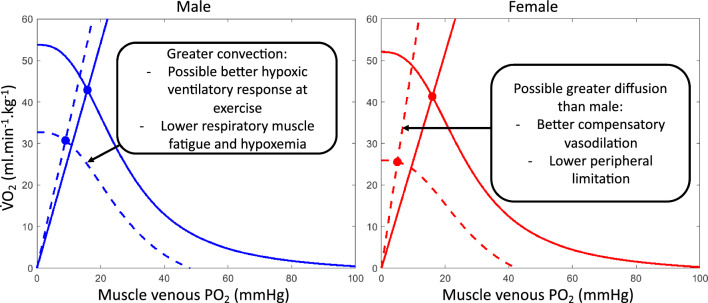
“…V ̇ O 2 = cardiac output × difference in arterio-venous O 2 content, sigmoid line, [236]) and diffusive (calculated from V ̇ O 2 = diffusion coefficient × mixed venous O 2 pressure, straight line, [236]) components of V ̇ O 2max in one male and female individual matched for sea-level V ̇ O 2max .”
BackgroundThe effect of menstruation on the pulmonary carbon monoxide diffusing capacity.
Sansores, R. H., Abboud, R. T., Kennell, C., & Haynes, N. (1995) · American Journal of Respiratory and Critical Care Medicine · doi:10.1164/ajrccm.152.1.7599851 · Cited by 69 · cited 1×
“A reduced diffusion capacity in women, which is known to change at rest [40] and during exercise [41] across the menstrual cycle, may affect pulmonary gas exchange under hypoxic conditions.”
BackgroundThe Physiology of the Highly Trained Female Endurance Runner
Burrows, M., & Bird, S. R. (2000) · Sports Medicine · doi:10.2165/00007256-200030040-00004 · Cited by 68 · cited 1×
“In normoxic conditions, an increase in ventilation, basal temperature, and resting HR has been well established during the luteal phase when progesterone peaks [167, 168].”
BackgroundRelationship of ovarian hormones to hypoxemia in women residents of 4,300 m
Lèon‐Velarde, F., Rivera, M. C., Tapia, R., Huicho, L., & Monge-C, C. (2001) · American Journal of Physiology-Regulatory, Integrative and Comparative Physiology · doi:10.1152/ajpregu.2001.280.2.r488 · Cited by 68 · cited 1×
“The studied female population also widely ranges, from sedentary mice to trained women, from acclimated to high altitude to lowlanders tested at rest or in exercising conditions [9, 10, 15, 174, 176–179].”
BackgroundAge and sex differences in sympathetic and hemodynamic responses to hypoxia and cold pressor test
Miller, A. J., Cui, J. G., Luck, J. C., Sinoway, L. I., & Muller, M. D. (2019) · Physiological Reports · doi:10.14814/phy2.13988 · Cited by 68 · cited 2×
“The response may differ between vascular beds, with sex-related differences being reported in the forearm circulation [71, 149] but absent in the legs [70].”
BackgroundHemoglobin Mass and Aerobic Performance at Moderate Altitude in Elite Athletes
Wehrlin, J. P., Marti, B., & Hallén, J. (2016) · Advances in experimental medicine and biology · doi:10.1007/978-1-4899-7678-9_24 · Cited by 67 · cited 1×
“An Hb mass expansion of ∼ 1.0 to 1.1% per 100 h of altitude exposure is commonly expected in male athletes [86, 98].”
BackgroundInfluentialChemoreflex control of breathing during wakefulness in healthy men and women
Jensen, D., Wolfe, L. A., O’Donnell, D. E., & Davies, G. (2004) · Journal of Applied Physiology · doi:10.1152/japplphysiol.01208.2003 · Cited by 66 · cited 1×
“Also, when comparing women to men, no clear differences in HVR were found [184, 186–192].”
BackgroundChanges in peak expiratory flow and respiratory strength during the menstrual cycle
da Silva, S. B., Viana, E. D. S. R., & de Sousa, M. B. C. (2005) · Respiratory Physiology & Neurobiology · doi:10.1016/j.resp.2005.03.001 · Cited by 65 · cited 1×
“Studies have reported variations in ventilatory measures across the menstrual cycle [169–171].”
Altitude Exposure at 1800 m Increases Haemoglobin Mass in Distance Runners.
Garvican‐Lewis, L. A., Halliday, I., Abbiss, C. R., Saunders, P. U., & Gore, C. J. (2015) · PubMed Central · Cited by 65
Ventilation is greater in women than men, but the increase during acute altitude hypoxia is the same
Loeppky, J. A., Scotto, P., Charlton, G. C., Gates, L., Icenogle, M. V., & Roach, R. C. (2001) · Respiration Physiology · doi:10.1016/s0034-5687(00)00221-8 · Cited by 64 · cited 1×
“Studies have reported variations in ventilatory measures across the menstrual cycle [169–171].”
BackgroundGiorno, R. C., Clifford, J. H., Beverly, S., & Rossing, R. G. (1980) · American Journal of Clinical Pathology · doi:10.1093/ajcp/74.6.765 · Cited by 62 · cited 1×
“Despite lower average values in females [83], mainly caused by the effect of sex hormones on erythropoiesis [84], acute hematological changes seem to be sex independent [85].”
BackgroundRASICA, L., INGLIS, E. C., IANNETTA, D., SOARES, R. N., & MURIAS, J. M. (2022) · Medicine & Science in Sports & Exercise · doi:10.1249/mss.0000000000002806 · Cited by 62 · cited 2×
“…[22, 23, 33], Exercise-induced hypoxemia [27, 28, 33], BP and HR during exercise [57–59], Microvascular responses to occlusion and exercise [122, 127], Muscle composition [130], Substrate preferences in endurance exercise [129] mass, no clear consensus is apparent and the putative sex…”
BackgroundSelf-citationThe progressive effects of ageing on chemosensitivity in healthy subjects
Rio, F. G., Villamor, Á. C., Mendieta, A. G., Lores, V., Rojo, B., Ramírez, T., & Villamor, J. (2007) · Respiratory Medicine · doi:10.1016/j.rmed.2007.04.015 · Cited by 61 · cited 1×
“The effect of age on HVR is debated: some studies reported an increase [217, 218], similar [219–224], or decrease in HVR [225–228] with aging.”
ResultHeikura, I. A., Burke, L. M., Bergland, D., Uusitalo, A. L. T., Mero, A. A., & Stellingwerff, T. (2018) · International Journal of Sports Physiology and Performance · doi:10.1123/ijspp.2017-0547 · Cited by 61 · cited 1×
“Furthermore, the influence of the initial Hb mass level on the potential gains does not seem to be fully understood, with contradictory results [103].”
ResultJensen, D., Webb, K. A., & O’Donnell, D. E. (2007) · Applied Physiology, Nutrition, and Metabolism · doi:10.1139/h07-120 · Cited by 60 · cited 1×
“Adaptations related to female sex hormones, such as an increase in ventilation inducing hypocapnia [207] and an increase in HVR [180, 181], may also influence tolerance to hypoxia, as during the menstrual cycle (see Sect.”
BackgroundBarba-Moreno, L., Cupeiro, R., Romero-Parra, N., Janse de Jonge, X. A. K., & Peinado, A. B. (2022) · Journal of Strength & Conditioning Research · doi:10.1519/jsc.0000000000003447 · Cited by 60 · cited 3×
“In normoxic conditions, an increase in ventilation, basal temperature, and resting HR has been well established during the luteal phase when progesterone peaks [167, 168].”
BackgroundSchlittler, M., Gatterer, H., Turner, R., Regli, I. B., Woyke, S., Strapazzon, G., Rasmussen, P., Kob, M., Mueller, T., Goetze, J. P., et al. (2020) · The Journal of Physiology · doi:10.1113/jp280601 · Cited by 59 · cited 1×
“This hemoconcentration, which arises from a reduction in total circulating plasma protein mass (TCPP) rather than a fluid loss [81], is similar between men and women [82].”
ResultSex and vasodilator responses to hypoxia at rest and during exercise
Casey, D. P., Shepherd, J. R. A., & Joyner, M. J. (2013) · Journal of Applied Physiology · doi:10.1152/japplphysiol.00409.2013 · Cited by 58 · cited 6×
“Substantial evidence suggests that differences in resting cardiac hemodynamic responses and vascular regulation during both acute and prolonged exposure to altitude might be influenced by sex [63, 64, 68, 69].”
BackgroundInfluentialAnalysis of Hypoxic and Hypercapnic Ventilatory Response in Healthy Volunteers
Goldberg, S., Ollila, H. M., Lin, L., Sharifi, H., Rico, T., Andlauer, O., Aran, A. A., Bloomrosen, E., Faraco, J. H., Fang, H., et al. (2017) · PLoS ONE · doi:10.1371/journal.pone.0168930 · Cited by 58 · cited 1×
“A recent study on a large cohort reported a lower HVR in women even after correction for body surface area [16].”
BackgroundHormone profile during the menstrual cycle at high altitude
Escudero, F., Gonzales, G. F., & Góñez, C. (1996) · International Journal of Gynecology & Obstetrics · doi:10.1016/0020-7292(96)02697-5 · Cited by 56 · cited 1×
“More research [197], relying on precise hormonal measurements (especially considering the potential alterations in the hormonal [198] and clinical profiles [199, 200] of the menstrual cycle at high altitudes), and on larger cohorts followed longitudinally, is needed to determine the coupled…”
Aging Effects on the Interaction of Hypercapnia and Hypoxia As Ventilatory Stimuli
Chapman, K. R., & Cherniack, N. S. (1987) · Journal of Gerontology · doi:10.1093/geronj/42.2.202 · Cited by 56 · cited 1×
“The effect of age on HVR is debated: some studies reported an increase [217, 218], similar [219–224], or decrease in HVR [225–228] with aging.”
ResultThe electrocardiogram at extreme altitude: Experience on Mt. Everest
Karliner, J. S., Sarnquist, F. H., Graber, D. J., Peters, R. M., & West, J. B. (1985) · American Heart Journal · doi:10.1016/0002-8703(85)90555-1 · Cited by 56 · cited 1×
“Exercise at altitude (acute exposure) increases HR but not SV, leading to an increased Q ̇ C compared with the same exercise performed at sea level [77, 78].”
BackgroundHannhart, B., Pickett, C. K., Weil, J. V., & Moore, L. G. (1989) · Journal of Applied Physiology · doi:10.1152/jappl.1989.67.2.797 · Cited by 55 · cited 2×
“Adaptations related to female sex hormones, such as an increase in ventilation inducing hypocapnia [207] and an increase in HVR [180, 181], may also influence tolerance to hypoxia, as during the menstrual cycle (see Sect.”
BackgroundAntero, J., Golovkine, S., Niffoi, L., Meignié, A., Chassard, T., Larochelambert, Q. D., Duclos, M., Maître, C., Maciejewski, H., Diry, A., et al. (2023) · Frontiers in Physiology · doi:10.3389/fphys.2023.1110526 · Cited by 55 · cited 1×
“…response at exercise, SaO 2 oxygen arterial saturation fluctuations impact numerous physiological functions that may influence training [160, 161] and performance [162, 163], such as recovery [164], wellness [165], and in particular, considering the altitude environment, respiratory function [166].”
BackgroundSelf-citationThe Oxygen Cascade During Exercise in Health and Disease
Dominelli, P. B., Wiggins, C. C., Roy, T. K., Secomb, T. W., Curry, T. B., & Joyner, M. J. (2021) · Mayo Clinic Proceedings · doi:10.1016/j.mayocp.2020.06.063 · Cited by 53 · cited 1×
“As a consequence, steps involved in the O 2 transport, known as the O 2 cascade, are altered [2], and without appropriate responses, O 2 supply may be compromised.”
BackgroundEdgell, H., Robertson, A. D., & Hughson, R. L. (2012) · Journal of Applied Physiology · doi:10.1152/japplphysiol.01204.2011 · Cited by 52 · cited 1×
“V ̇ O 2 oxygen uptake, PO 2 oxygen pressure reported to be similar to [139, 140], more efficient than [141, 142], or less efficient than age-matched men [143].”
MethodTissue Oxygenation in Men and Women During Repeated-Sprint Exercise
Smith, K. J., & Billaut, F. (2012) · International Journal of Sports Physiology and Performance · doi:10.1123/ijspp.7.1.59 · Cited by 52 · cited 2×
“…[22, 23, 33], Exercise-induced hypoxemia [27, 28, 33], BP and HR during exercise [57–59], Microvascular responses to occlusion and exercise [122, 127], Muscle composition [130], Substrate preferences in endurance exercise [129] mass, no clear consensus is apparent and the putative sex…”
BackgroundIgonin, P.-H., Rogowski, I., Boisseau, N., & Martin, C. (2022) · International Journal of Environmental Research and Public Health · doi:10.3390/ijerph19084465 · Cited by 52 · cited 1×
“…response at exercise, SaO 2 oxygen arterial saturation fluctuations impact numerous physiological functions that may influence training [160, 161] and performance [162, 163], such as recovery [164], wellness [165], and in particular, considering the altitude environment, respiratory…”
BackgroundVariability in hemoglobin mass response to altitude training camps
Nummela, A., Eronen, T., Koponen, A., Tikkanen, H., & Peltonen, J. E. (2021) · Scandinavian Journal of Medicine & Science in Sports · doi:10.1111/sms.13804 · Cited by 51 · cited 3×
“While the classification of altitude responders and non-responders remains debated [91, 102], it is well known that iron stores, with increasing demand at altitude [107], are an essential component of hematological adaptations [90, 104].”
BackgroundResultSex Differences in Awake Ventilatory Drive and Abnormal Breathing during Sleep in Eucapnic Obesity
Kunitomo, F., Kimurâ, H., Tatsumi, K., Kuriyama, T., Watanabe, S., & Honda, Y. (1988) · CHEST Journal · doi:10.1378/chest.93.5.968 · Cited by 50
Ageing reduces the compensatory vasodilatation during hypoxic exercise: the role of nitric oxide
Casey, D. P., Walker, B. G., Curry, T. B., & Joyner, M. J. (2011) · The Journal of Physiology · doi:10.1113/jphysiol.2010.203539 · Cited by 49 · cited 1×
“The response may differ between vascular beds, with sex-related differences being reported in the forearm circulation [71, 149] but absent in the legs [70].”
BackgroundAdams, K. F., Vincent, L. M., McAllister, S. M., Elashmawy, H., & Sheps, D. S. (1987) · American Heart Journal · doi:10.1016/0002-8703(87)90714-9 · Cited by 49 · cited 1×
“Even when matched for body size, females demonstrated divergent cardiovascular responses to dynamic exercise compared with men [57], as demonstrated by a more rapid increase in blood pressure and HR, and a smaller exercise-induced increase in ejection fraction [58, 59].”
BackgroundNiermeyer, S. (1999) · Advances in experimental medicine and biology · doi:10.1007/978-1-4615-4711-2_5 · Cited by 47 · cited 3×
“These acclimatization mechanisms maintain sufficient oxygenation in healthy pregnancies during acute exposure up to 4000 m [205].”
BackgroundInfluentialParasympathetic withdrawal increases heart rate after 2 weeks at 3454 m altitude
Siebenmann, C., Rasmussen, P. V., Hug, M., Keiser, S., Flück, D., Fisher, J. P., Hilty, M. P., Maggiorini, M., & Lundby, C. (2017) · The Journal of Physiology · doi:10.1113/jp273726 · Cited by 47 · cited 1×
“One critical response to hypoxia is the modulation of the autonomous nervous system activity, with an increased sympathetic activation concomitant with a parasympathetic withdrawal [137, 138].”
BackgroundRichalet, J., Lhuissier, F., & Jean, D. (2019) · High Altitude Medicine & Biology · doi:10.1089/ham.2019.0063 · Cited by 47 · cited 9×
“A study including a large cohort, with 1060 healthy women showed that HVR at exercise (HVRe), which is a determinant factor of tolerance to high altitude, depends on the ovarian cycle phase [9].”
BackgroundResultInfluentialYang, H., Cooke, W. H., Reed, K. S., & Carter, J. R. (2012) · Journal of Applied Physiology · doi:10.1152/japplphysiol.01407.2011 · Cited by 45 · cited 1×
“Moreover, women were shown to have a smaller increase in sympathetic indices and cerebrovascular resistance index, and greater parasympathetic withdrawal and vasodilation during the tilt test than men [146–148].”
BackgroundSex differences in the sympathetic neurocirculatory responses to chemoreflex activation
Sayegh, A. L. C., Fan, J., Vianna, L. C., Dawes, M., Paton, J. F. R., & Fisher, J. P. (2022) · The Journal of Physiology · doi:10.1113/jp282327 · Cited by 45 · cited 3×
“Moreover, it was recently demonstrated that women had a lower hypercapnic ventilatory response (i.e., lower central chemosensitivity) than men at rest [21] and during aerobic exercise [22], which may contribute to relative hypoventilation.”
BackgroundDoes menstrual cycle phase affect lung diffusion capacity during exercise?
Smith, J. R., Brown, K. R., Murphy, J. D., & Harms, C. A. (2014) · Respiratory Physiology & Neurobiology · doi:10.1016/j.resp.2014.10.014 · Cited by 44
Takase, K., Nishiyasu, T., & Asano, K. (2002) · The Japanese Journal of Physiology · doi:10.2170/jjphysiol.52.553 · Cited by 42 · cited 3×
“In addition, the partial pressure of end-tidal carbon dioxide during exercise was lower in the luteal phase, indicating that a hyperventila-tory response occurred during peak exercise [177].”
BackgroundGeriatric Men at Altitude: Hypoxic Ventilatory Sensitivity and Blood Dopamine Changes
Serebrovskaya, T. V., In, K., Kolesnikova, E. E., Mishunina, T. M., Swanson, R. J., Pv, B., Ilyin, V. N., Krasuk, A. N., Safronova, O. S., & Kuzminskaya, L. A. (2000) · Respiration · doi:10.1159/000029507 · Cited by 41
Beidleman, B. A., Staab, J. E., Muza, S. R., & Sawka, M. N. (2016) · American Journal of Physiology-Regulatory, Integrative and Comparative Physiology · doi:10.1152/ajpregu.00225.2016 · Cited by 41
Pokorski, M., Walski, M., Dymecka, A., & Marczak, M. (2004) · PubMed · Cited by 41
Jordan, A. S., Catcheside, P. G., Orr, R. S., O'Donoghue, F. J., Saunders, N. A., & McEvoy, R. D. (2000) · Journal of Applied Physiology · doi:10.1152/jappl.2000.88.1.3 · Cited by 39
Effect of menstrual cycle phase on exercise performance of high-altitude native women at 3600 m
Brutsaert, T. D., Hilde Spielvogel, E., Cáceres, E., Araoz, M., Chatterton, R. T., & Vitzthum, V. J. (2002) · Journal of Experimental Biology · doi:10.1242/jeb.205.2.233 · Cited by 37
Lobigs, L. M., Sharpe, K., Garvican‐Lewis, L. A., Gore, C. J., Peeling, P., DAWSON, B. T., & Schumacher, Y. O. (2017) · American Journal of Hematology · doi:10.1002/ajh.24941 · Cited by 37 · cited 1×
“A greater within-subject variability in reticulocyte level was observed in female athletes, potentially explained by the influence of the menstrual cycle [96].”
BackgroundExpiratory flow limitation and operating lung volumes during exercise in older and younger adults
Smith, J. R., Kurti, S. P., Meskimen, K., & Harms, C. A. (2017) · Respiratory Physiology & Neurobiology · doi:10.1016/j.resp.2016.12.016 · Cited by 36 · cited 1×
“Indeed, loss of elastic recoil implies reduced ventilatory capacity and increased EFL in older men and women, but no sex-based comparison was performed [231].”
BackgroundExercise-Induced Hypoxemia in Endurance Athletes: Consequences for Altitude Exposure
Durand, F., & Raberin, A. (2021) · Frontiers in Sports and Active Living · doi:10.3389/fspor.2021.663674 · Cited by 36 · cited 2×
“It is known that individuals with EIH have a larger drop in maximal O 2 uptake ( V O 2max ) during exercise in acute hypoxia [31, 32].”
BackgroundSelf-citationHirschberg, A. L. (2022) · Sports Medicine · doi:10.1007/s40279-021-01616-5 · Cited by 36 · cited 1×
“Previous studies have highlighted the need for additional robust studies to identify minor to moderate impacts on complex outcomes, such as performance, in association with highly variant parameters of the menstrual cycle [163, 196].”
BackgroundVentilatory response to hypoxia in elderly women
Pokorski, M., & Marczak, M. (2003) · Annals of Human Biology · doi:10.1080/03014460210162000 · Cited by 35 · cited 1×
“However, most studies do not support this hypothesis: Pokorski and Marczak [221] found that HVR was not different between premenopausal and older healthy women, while Richalet and Lhuissier reported an increased HVR with aging in men but not in untrained postmenopausal women [230], and that HVR at…”
ResultAge-related reflex responses from peripheral and central chemoreceptors in healthy men
Paleczny, B., Niewiński, P., Rydlewska, A., Piepoli, M. F., Borodulin-Nadzieja, L., Jankowska, E. A., & Ponikowska, B. (2014) · Clinical Autonomic Research · doi:10.1007/s10286-014-0263-9 · Cited by 35 · cited 1×
“The effect of age on HVR is debated: some studies reported an increase [217, 218], similar [219–224], or decrease in HVR [225–228] with aging.”
ResultIron Supplementation and Altitude: Decision Making Using a Regression Tree.
Garvican‐Lewis, L. A., Govus, A. D., Peeling, P., Abbiss, C. R., & Gore, C. J. (2016) · PubMed · Cited by 35
Sex differences in forearm vasoconstrictor response to voluntary apnea
Patel, H. M., Heffernan, M. J., Ross, A. J., & Muller, M. D. (2013) · American Journal of Physiology-Heart and Circulatory Physiology · doi:10.1152/ajpheart.00746.2013 · Cited by 34
Rogers, J. L., & Sheriff, D. D. (2004) · Journal of Applied Physiology · doi:10.1152/japplphysiol.00115.2004 · Cited by 34 · cited 1×
“A reduction in estrogen could be suspected to be at the onset of this change since estrogen is known to modulate vascular tone in animal models during dynamic exercise [235] or hypoxia exposure [43].”
BackgroundGender differences in the endocrine and metabolic responses to hypoxic exercise
Sandoval, D. A., & Matt, K. S. (2002) · Journal of Applied Physiology · doi:10.1152/japplphysiol.00526.2001 · Cited by 34 · cited 1×
“Sandoval and Matt investigated sex differences in metabolic substrate utilization in hypoxia, with females shifting toward greater fat use and males shifting toward greater carbohydrate use during exercise [134].”
BackgroundSouza, G. M. P. R., Bonagamba, L. G. H., Amorim, M. R., Moraes, D. J. A., & Machado, B. H. (2016) · Experimental Physiology · doi:10.1113/ep085850 · Cited by 34 · cited 1×
“The sympathetic activity has a rhythmic component associated with the respiratory cycle [153], in which the sympathetic discharge occurs at the end of inspiration and the beginning of postinspiration [154, 155].”
BackgroundAn integrative approach to the pulmonary physiology of exercise: when does biological sex matter?
Archiza, B., Leahy, M. G., Kipp, S., & Sheel, A. W. (2021) · European Journal of Applied Physiology · doi:10.1007/s00421-021-04690-9 · Cited by 34 · cited 2×
“During pregnancy, the outward expansion of the ribcage to accommodate the growing uterus induces a decrease in functional residual capacity [45].”
BackgroundImpact of high altitude on key determinants of female reproductive health: a review
Shaw, S., Ghosh, D., Kumar, U., Panjwani, U., & Kumar, B. (2018) · International Journal of Biometeorology · doi:10.1007/s00484-018-1609-0 · Cited by 33 · cited 1×
“…[197], relying on precise hormonal measurements (especially considering the potential alterations in the hormonal [198] and clinical profiles [199, 200] of the menstrual cycle at high altitudes), and on larger cohorts followed longitudinally, is needed to determine the coupled influence of…”
BackgroundAcute physiological response to a normobaric hypoxic exposure: sex differences
Camacho-Cardeñosa, A., Camacho-Cardeñosa, M., Tomás-Carús, P., Timón, R., Olcina, G. J., & Burtscher, M. (2022) · International Journal of Biometeorology · doi:10.1007/s00484-022-02298-y · Cited by 33
Self-citationPeripheral Vascular Responses of Men and Women to LBNP
Hachiya, T., Hashimoto, I., Saito, M., & Blaber, A. P. (2012) · Aviation Space and Environmental Medicine · doi:10.3357/asem.3174.2012 · Cited by 32 · cited 1×
“…during incremental leg exercise compared with men [60] and lower sympathetic vasoconstriction responsiveness to pharmacological and nonpharmacological stimuli [61, 62], suggesting that β-adrenergic receptors are either more sensitive or upregulated in premenopausal women versus age-matched men.”
BackgroundMullen, J., Bækken, L. V., Bergström, H., Bergman, L. B., Ericsson, M., & Ekström, L. (2020) · Drug Testing and Analysis · doi:10.1002/dta.2873 · Cited by 32 · cited 1×
“Although the menstrual cycle is known to impact multiple blood variables such as Hb and reticulocyte parameters [97], study of the menstrual cycle in relation to hematological adaptations at altitude remains poorly documented.”
BackgroundTurner, C. G., Stanhewicz, A. E., Nielsen, K. E., Otis, J. S., Feresin, R. G., & Wong, B. J. (2023) · Journal of Applied Physiology · doi:10.1152/japplphysiol.00586.2022 · Cited by 31 · cited 1×
“However, greater microvascular NO-dependent vasodilation was found in eumenorrheic women compared with both women using oral contraceptives and men [76].”
ResultHigh Altitude Pregnancies and Vascular Dysfunction: Observations From Latin American Studies
González‐Candia, A., & Herrera, E. A. (2021) · Frontiers in Physiology · doi:10.3389/fphys.2021.786038 · Cited by 30 · cited 1×
“However, important alterations in fetal development and growth can occur in pregnant highlander women [206].”
BackgroundHypoxia briefly increases diuresis but reduces plasma volume by fluid redistribution in women
Roche, J., Rasmussen, P., Gatterer, H., Roveri, G., Turner, R., van Hall, G., Maillard, M. P., Walzl, A., Kob, M., Strapazzon, G., et al. (2022) · American Journal of Physiology-Heart and Circulatory Physiology · doi:10.1152/ajpheart.00394.2022 · Cited by 30 · cited 1×
“This hemoconcentration, which arises from a reduction in total circulating plasma protein mass (TCPP) rather than a fluid loss [81], is similar between men and women [82].”
ResultVentilatory response to hypoxia in elderly humans
Ahmed, M., Giesbrecht, G. G., Serrette, C., Georgopoulos, D., & Anthonisen, N. R. (1991) · Respiration Physiology · doi:10.1016/0034-5687(91)90053-l · Cited by 29 · cited 1×
“The effect of age on HVR is debated: some studies reported an increase [217, 218], similar [219–224], or decrease in HVR [225–228] with aging.”
ResultAge of natural menopause among women in Lima City, Peru
Gonzales, G. F., Villena, A., & de la Cruz, D. (1997) · International Journal of Gynecology & Obstetrics · doi:10.1016/s0020-7292(96)02823-8 · Cited by 29
Comparison of effects of sustained isocapnic hypoxia on ventilation in men and women
Sajkov, D., Neill, A. M., Saunders, N. A., & McEvoy, R. D. (1997) · Journal of Applied Physiology · doi:10.1152/jappl.1997.83.2.599 · Cited by 29
Pokorski, M., Walski, M., Dymecka, A., & Marczak, M. (2004) · PubMed · Cited by 28
Exercise-induced arterial hypoxemia; some answers, more questions
Dominelli, P. B., & Sheel, A. W. (2019) · Applied Physiology, Nutrition, and Metabolism · doi:10.1139/apnm-2018-0468 · Cited by 28 · cited 2×
“Moreover, while EIH is exclusively observed in highly trained male endurance athletes [24], it has been reported in both trained and untrained women [23, 27, 28].”
BackgroundSex differences in sympathetic vasoconstrictor responsiveness and sympatholysis
Just, T. P., & DeLorey, D. S. (2017) · Journal of Applied Physiology · doi:10.1152/japplphysiol.00139.2017 · Cited by 27 · cited 1×
“Early animal models suggested greater NO-mediated sympa-tholysis and sympathetic vasoconstriction at rest in females compared with male rats [75].”
Background
Research works printed but not linked: 1
- León-Velarde F Rivera-Chira M Tapia R Huicho L Monge CC Relationship of ovarian hormones to hypoxemia in women residents of 4,300 m Am J Physiol 2001 280 2 R488 R493 11208579
Cited by
Tagliapietra, G., Citherlet, T., Raberin, A., Bourdillon, N., Krumm, B., Narang, B. J., Giardini, G., Pialoux, V., Debevec, T., & Millet, G. P. (2024) · Scientific Reports · doi:10.1038/s41598-024-79702-7 · Cited by 23
“However, it remains unclear whether the menstrual cycle affects resting ˙ V E at high altitude 6 , an important question to explore given the potential pathophysiological implications.”
Self-citationCitherlet, T., Raberin, A., Manferdelli, G., Pialoux, V., & Millet, G. P. (2024) · Scientific Reports · doi:10.1038/s41598-024-76404-y · Cited by 18
“Females are significantly under-represented in sports and exercise medicine research 1 and their specific physiological responses to altitude need to be further investigated 2 .”
BackgroundSelf-citationBalestra, C., Baldelli, S., Virgili, F., Salvagno, M., Mrakic‐Sposta, S., & Fratantonio, D. (2024) · International Journal of Molecular Sciences · doi:10.3390/ijms25042394 · Cited by 17
“However, some interesting positive benefits have been recently published using intermittent or “pulsed” hypoxia, showing interest in anti-aging, mitochondrial, or wellness and training effects [3–10].”
BackgroundPIPERI, A., Warnier, G., de ten Ryen, S. V. D., Benoît, N., Antoine, N., Copine, S., Francaux, M., & Deldicque, L. (2024) · Medicine & Science in Sports & Exercise · doi:10.1249/mss.0000000000003485 · Cited by 17
“Although sex differences in physiological responses to exercise in normoxia have been well documented, it is much less the case in hypoxia (25).”
Krumm, B., Vallance, B. S., Burke, L. M., Garcia, J., Bouten, J., Brocherie, F., SAUGY, J. J., Botrè, F., & Faiss, R. (2024) · European Journal of Sport Science · doi:10.1002/ejsc.12161 · Cited by 16
Self-citation
Metadata
- Authors
- Raberin, A., Burtscher, J., Citherlet, T., Manferdelli, G., Krumm, B., Bourdillon, N., Antero, J., Rasica, L., Malatesta, D., Brocherie, F., Burtscher, M., & Millet, G. P.
- Affiliations
- University of Lausanne (CH)
- Institut de Recherche bio-Médicale et d'Epidémiologie du Sport (FR)
- University of Calgary (CA)
- Institut National du Sport, de l'Expertise et de la Performance (FR)
- Universität Innsbruck (AT)
- Corresponding author
- Millet, Grégoire P.
- ORCID
- Venue
- Sports Medicine
- Published
- 2023-10-30
- Volume
- 54
- Issue
- 2
- Pages
- 271-287
- ISSN
- 0112-1642 (ISSN-L)
- 1179-2035
- PMC
- PMC10933174
- OpenAlex
- W4388034863
- Semantic Scholar
- 3f41521e8c8a6345b796742cb0cc1a0fbced4eb2
- Cited by
- 70
- References
- 237
- Citations by year
- 2026: 23 · 2025: 34 · 2024: 12 · 2023: 1
- FWCI
- 2.70
- Type
- journal article
- Language
- en
- Open access
- hybrid
- doi.org
- Licence
- cc-by
- creativecommons.org/licenses/by/4.0 (tdm)
- creativecommons.org/licenses/by/4.0 (vor)
- Locations
- Sports Medicine (publishedVersion, cc-by)
- PubMed Central (publishedVersion, cc-by)
- PubMed (publishedVersion)
- SERVAL (Université de Lausanne) (submittedVersion, cc-by)
- HAL (submittedVersion)
- IRIS (submittedVersion, cc-by)
- Funders
- University of Lausanne
- Topics
- Health Sciences › Medicine › Physiology (medical) › High Altitude and Hypoxia
- Health Sciences › Medicine › Physiology (medical) › Cardiovascular and exercise physiology
- Health Sciences › Medicine › Physiology (medical) › Exercise and Physiological Responses
- Keywords
- sex differences, hypoxia, women, oxygen transport, oxygen consumption, ventilatory response, cardiovascular response, vascular reactivity, hematologic response, muscle metabolism, autonomic function, sex hormones, menstrual cycle, menopause
- MeSH terms
- Altitude, Hypoxia, Female, Heart, Humans, Male, Oxygen Consumption, Gonadal Steroid Hormones, Exercise
About these checks
Registry, retraction, Cites and statistics results are computed, not judged, with one exception: a printed reference that no index lists is read once by a model before it counts as a citation error. Claims are extracted by a model and kept only when their quote appears verbatim in the text; each cited source is then checked, with a model’s help, for whether it says what the claim relies on. Those verdicts can be wrong — read the claim’s quote and the cited source before relying on one.
Statistics and arithmetic are recomputed, not judged.
Confidence bands are shown only for fields calibrated on our annotated test set. None is calibrated yet, so no band is shown.
What counts as a claim ›How we measure confidence ›How we check this ›
Are you an author, or do you see a problem with this page? Request a review
Data sources
Bibliographic data: Semantic Scholar, OpenAlex, Crossref.
Contains information from the Semantic Scholar Academic Graph Datasets, made available under the ODC Attribution License (ODC-BY 1.0).
Semantic Scholar’s data is described in: Kinney, R., et al. (2023). The Semantic Scholar Open Data Platform. arXiv:2301.10140.
