

Biochar compost blends facilitate switchgrass growth in mine soils by reducing Cd and Zn bioavailability
Open accessThe DOI matches its Crossref record; 73 of the 74 references it cites were found in a registry or an index, and 1 are not checked yet; none of the 21 sources its claims cite is checked for support yet.
Abstract
Biochars have the potential to reclaim mine-impacted soils; however, their variable physico-chemical properties incite speculation about their successful remediation performance. This investigation examined the capability of biochars produced from three different feedstocks along with a compost blend to improve switchgrass growth conditions in a mine-impacted soil by examining influences on soil pH, grass metal contents, and soil-extractable metal concentrations. Cadmium (Cd)- and zinc (Zn)-contaminated mine soil was collected from a site near Webb City, Missouri, USA—a location within the Tri-State Mining District. In a full factorial design, soil was treated with a 0%, 2.5%, and 5% ( w/w ) compost mixture (wood chips + beef cattle manure), and 0%, 2.5% and 5% of each biochar pyrolyzed from beef cattle manure, poultry litter, and lodgepole pine feedstocks. Switchgrass ( Panicum virgatum , ‘Cave-In-Rock’ variety) was grown in a greenhouse for 50 days and the mass of shoots (above-ground biomass) and roots was assessed, while soil pH, deionized H 2 O- and 0.01 M CaCl 2 -extractable Cd and Zn concentrations were measured. Poultry litter biochar and compost had the greatest ability to raise soil pH (from 4.40 to 6.61), beef cattle manure biochar and compost moderately raised pH (from 4.4 to 5.92), and lodgepole pine biochar and compost weakly raised pH (from 4.40 to 5.05). Soils treated with beef cattle manure biochar, poultry litter biochar significantly reduced deionized H 2 O- and 0.01 M CaCl 2 -extractable Cd and Zn concentrations, while lodgepole pine biochar-treated soils showed mixed results. Switchgrass shoot and root masses were greatest in soil treated with compost in combination with either beef cattle manure biochar or poultry litter biochar. Soils treated with 5% beef cattle manure biochar + 5% compost had greater reductions in total Cd and Zn concentrations measured in switchgrass shoots and roots compared to the other two treatments. The three biochars and compost mixtures applied to heavy metal, mine-impacted soil had considerable performance dissimilarities for improving switchgrass productivity. Switchgrass growth was noticeably improved after treatment with the compost in combination with biochar from beef cattle manure or poultry litter. This may be explained by the increased soil pH that promoted Zn and Cd precipitation and organic functional groups that reduced soil-available heavy metal concentrations. Our results imply that creating designer biochars is an important management component in developing successful mine-site phytostabilization programs.
Checked 2026-11-22 · 1 reference not checked yet
Overview
CoChat Summary
TL;DR
Biochars from poultry litter and beef cattle manure, especially blended with compost, raised acidic mine soil pH and reduced Cd and Zn bioavailability enough to improve switchgrass growth. Lodgepole pine biochar was consistently less effective for pH amelioration and metal immobilization.
Key findings
- Poultry litter biochar + compost raised soil pH most (from 4.40 to 6.61), beef cattle manure biochar + compost moderately (from 4.40 to 5.92), and lodgepole pine biochar + compost weakly (abstract reports 4.40 to 5.05; results text reports 4.40 to 4.81).
- 5% poultry litter biochar + compost reduced 0.01 M CaCl2-extractable Cd from 20.2 to 1.4 mg/kg and Zn from 346 to 14 mg/kg, i.e., 93% and 96% reductions versus the control.
- Switchgrass shoot and root masses were greatest with compost plus either beef cattle manure biochar or poultry litter biochar; 5% beef cattle manure biochar + 5% compost gave greater reductions in total Cd and Zn in shoots and roots than the other two treatments.
- Total Cd in switchgrass shoots was reduced by 74% with 5% poultry litter biochar + 5% compost and 64% with 5% beef cattle manure biochar + 5% compost; total Zn was reduced by 81% and 94%, respectively. Lodgepole pine biochar alone did not significantly reduce bioavailable Cd and Zn versus the control (P < 0.27), though adding compost improved reductions (P < 0.01).
Methods
- Full factorial greenhouse experiment using Cd- and Zn-contaminated mine soil from near Webb City, Missouri, USA (Tri-State Mining District), treated with 0%, 2.5%, and 5% compost (wood chips + beef cattle manure) and 0%, 2.5%, and 5% biochar from beef cattle manure, poultry litter, or lodgepole pine.
- Switchgrass (Panicum virgatum, ‘Cave-In-Rock’) was grown for 50 days in triplicate pots; shoot and root masses, soil pH, deionized H2O- and 0.01 M CaCl2-extractable Cd and Zn, and total Cd and Zn in plant digests were measured, with metals quantified by ICP-OES.
- Two-way ANOVA tested biochar and compost as fixed factors, with significance at P < 0.05.
Limitations
- The paper does not include an explicit limitations section.
- Evident from the text: this was a 50-day greenhouse pot study on one mine-impacted soil, so field-scale phytostabilization performance and longer-term durability are not demonstrated.
- Evident from the text: poultry litter biochar was produced under proprietary pyrolysis conditions, limiting reproducibility; some treatments showed mixed results or outliers, such as three H2O-extractable Cd and Zn outliers with 2.5% poultry litter biochar + 0% compost.
Model-written summary. Check it against the paper before relying on it.
Integrity signals
Registry
Cites
Statistics
Figures
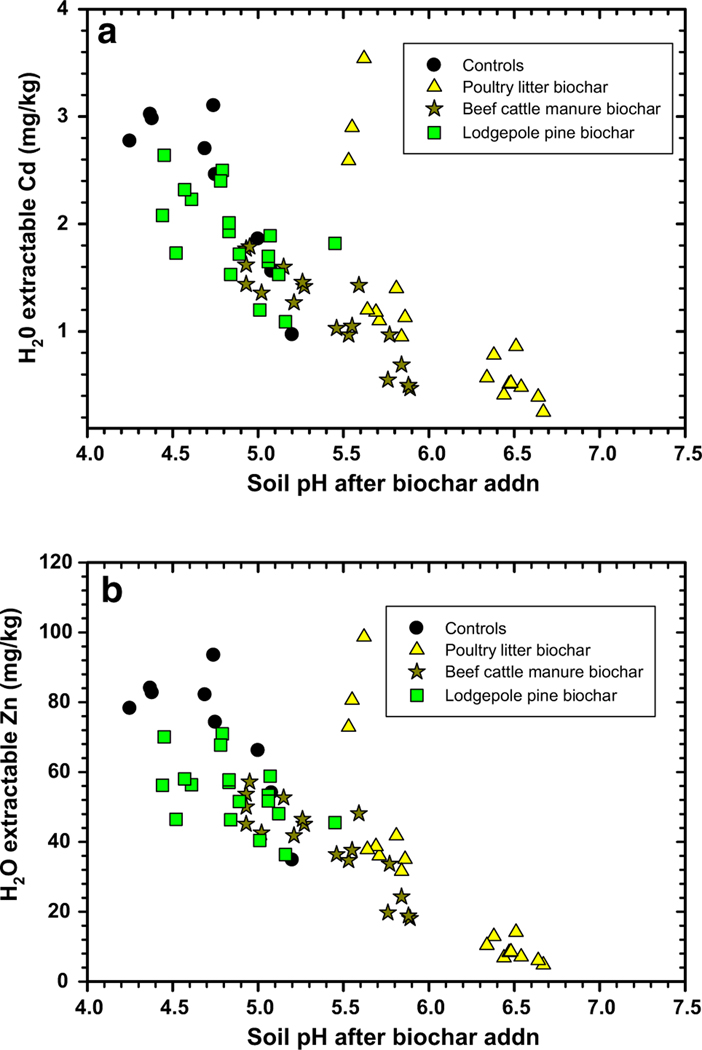
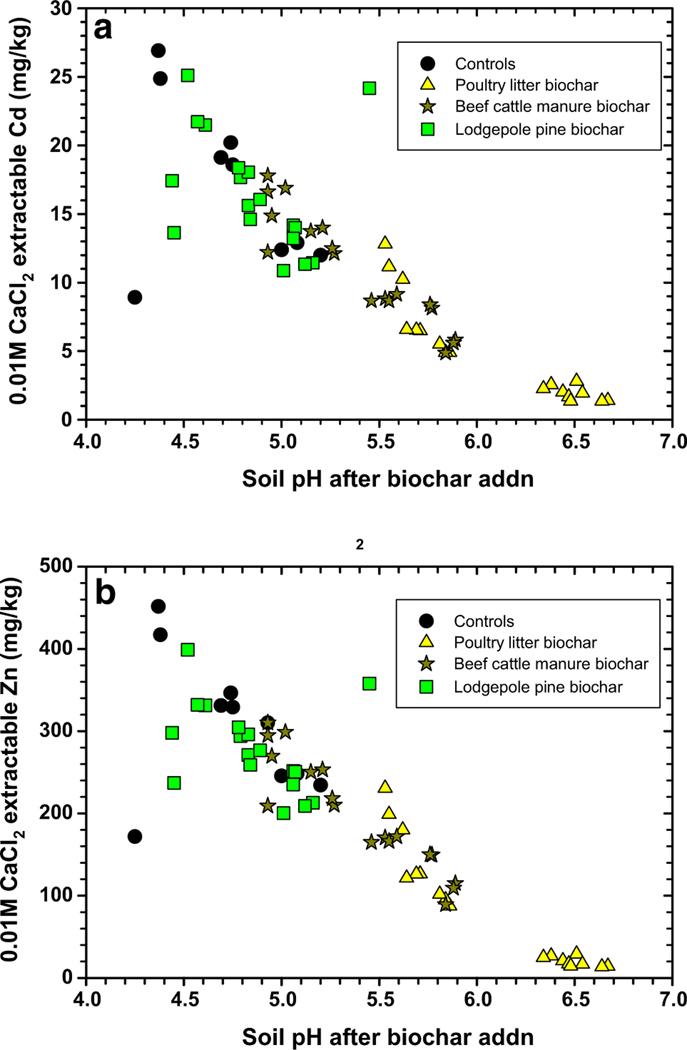
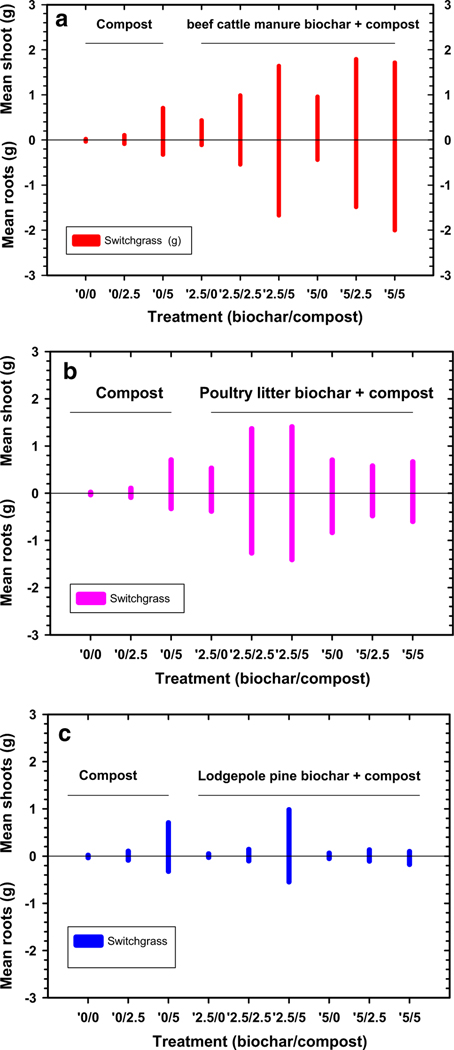
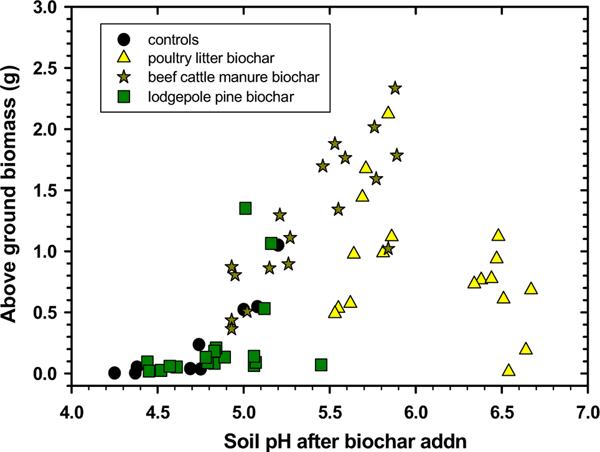
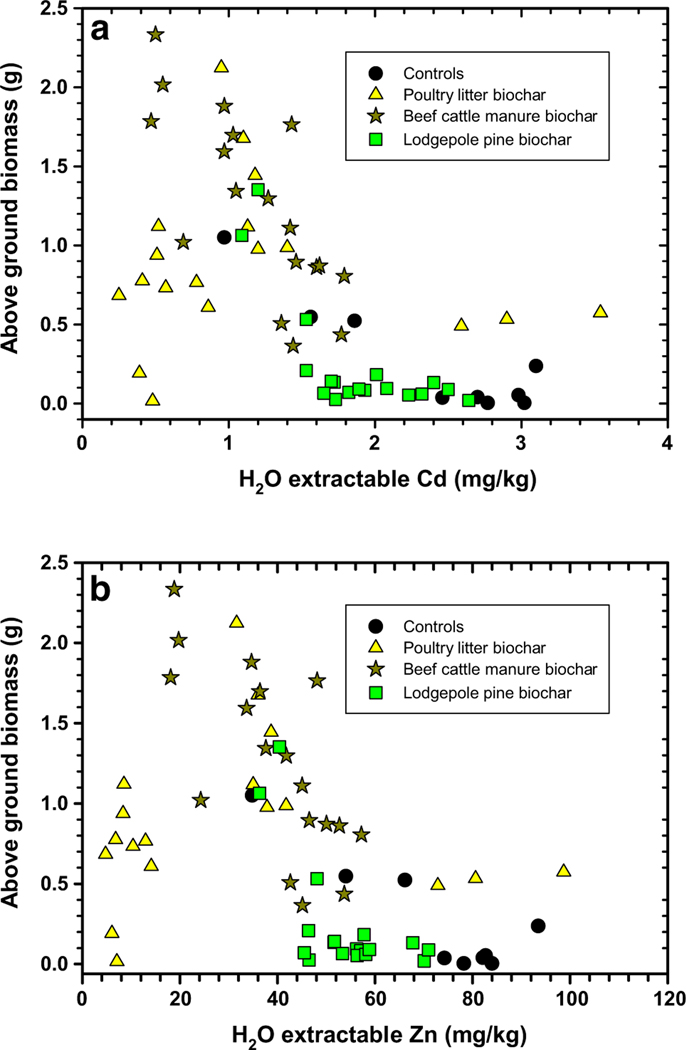
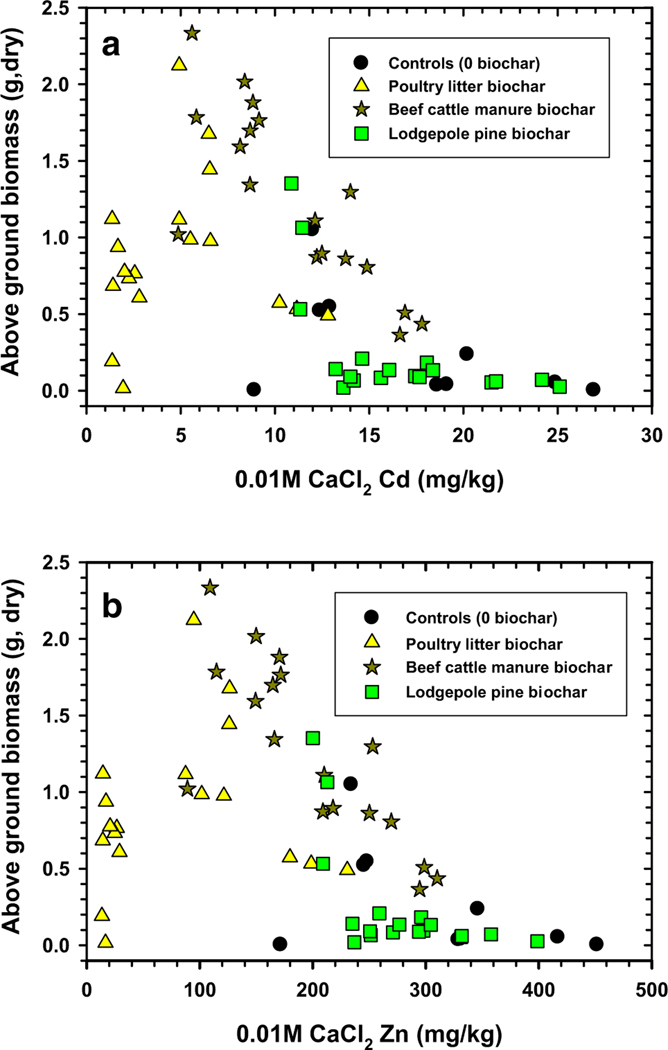
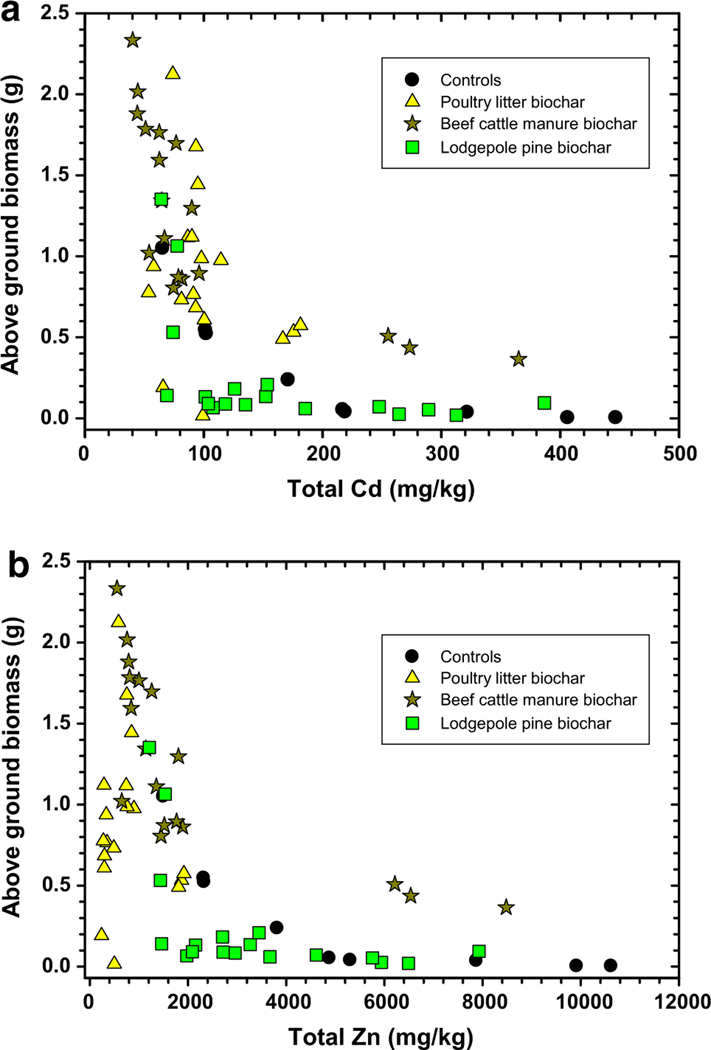
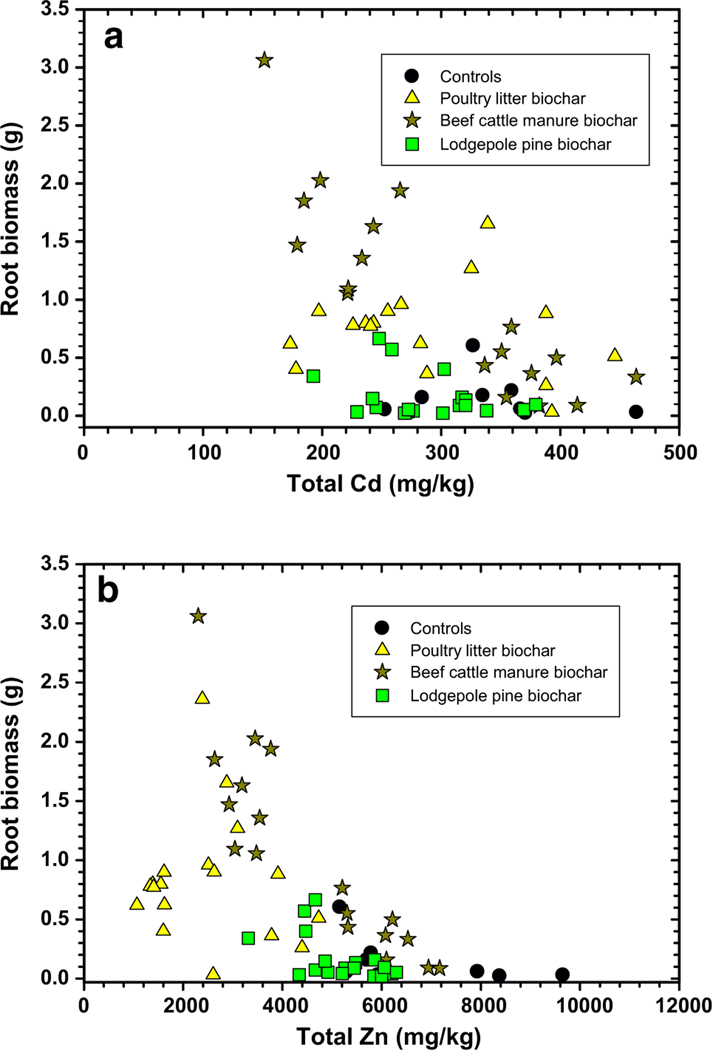
Verification
Claims the paper makes
0 Valid · 0 Not valid · 16 Not checked · 86 Own results and interpretations
A result the paper reports from its own data — it cites no other source for it, so there is none to check. The quote shows it is in the paper.
In the paper
“In most cases, the interaction between biochar and compost was significant on switchgrass root and shoot growth.”
§ Biochar compost blends facilitate switchgrass growth in mine soils by reducing Cd and Zn bioavailability > Results and discussion > Switchgrass growth in treated and untreated soil
plainstates an association- Asserted: passes — The authors put it forward as true.
- Checkable: passes — It can be checked against evidence.
- Load-bearing: passes — The paper’s conclusions depend on it.
- Based: passes — The paper gives a reason why it holds.
- Rests on 2 assumptions not shown here.
A result the paper reports from its own data — it cites no other source for it, so there is none to check. The quote shows it is in the paper.
In the paper
“Ideally, switchgrass growth in soil was optimal after treatment with 2.5% poultry litter biochar and either 2.5% or 5% compost treatment.”
§ Biochar compost blends facilitate switchgrass growth in mine soils by reducing Cd and Zn bioavailability > Results and discussion > Switchgrass growth in treated and untreated soil
hedgedstates a cause- Asserted: passes — The authors put it forward as true.
- Checkable: passes — It can be checked against evidence.
- Load-bearing: passes — The paper’s conclusions depend on it.
- Based: passes — The paper gives a reason why it holds.
A result the paper reports from its own data — it cites no other source for it, so there is none to check. The quote shows it is in the paper.
In the paper
“The soil controls treated with 0% biochar and 0% or with 2.5% compost alone had minimal switchgrass shoot growth.”
§ Biochar compost blends facilitate switchgrass growth in mine soils by reducing Cd and Zn bioavailability > Results and discussion > Switchgrass growth in treated and untreated soil
plain- Asserted: passes — The authors put it forward as true.
- Checkable: passes — It can be checked against evidence.
- Load-bearing: passes — The paper’s conclusions depend on it.
- Based: passes — The paper gives a reason why it holds.
A result the paper reports from its own data — it cites no other source for it, so there is none to check. The quote shows it is in the paper.
In the paper
“Poorer switchgrass shoots and root mean masses occurred in soil treated with lodgepole pine biochar and compost (Fig. 3; Table 4).”
§ Biochar compost blends facilitate switchgrass growth in mine soils by reducing Cd and Zn bioavailability > Results and discussion > Switchgrass growth in treated and untreated soil
plainstates a cause- Asserted: passes — The authors put it forward as true.
- Checkable: passes — It can be checked against evidence.
- Load-bearing: unclear — It is unclear whether the paper’s conclusions depend on it.
- Based: passes — The paper gives a reason why it holds.
- Rests on 2 assumptions not shown here.
A result the paper states — it cites no source for it, so there is none to check. The quote shows it is in the paper.
In the paper
“In general, compost by itself was able to reduce soil-extractable Cd and Zn concentrations and total Cd and Zn in switchgrass shoots particularly at the 5% application rate.”
§ Biochar compost blends facilitate switchgrass growth in mine soils by reducing Cd and Zn bioavailability > Conclusions
plainstates a cause- Asserted: passes — The authors put it forward as true.
- Checkable: passes — It can be checked against evidence.
- Load-bearing: passes — The paper’s conclusions depend on it.
- Based: passes — The paper gives a reason why it holds.
53 more claims
Create a free account to see all 102 claims and every source verdict.
- Probably not a substantial claim. 19
- It may state two separate claims as one. 29
- The quote only partly states this claim. 4
Citations
Cites
Mineral Nutrition of Higher Plants
(1995) · Elsevier eBooks · doi:10.1016/b978-0-12-473542-2.x5000-7 · Cited by 19,181
Trace Elements in Soils and Plants
Kabata-Pendias, A. (2010) · doi:10.1201/b10158 · Cited by 11,918
Trace Elements in Soils and Plants
Kabata-Pendias, A. (2000) · CRC Press eBooks · doi:10.1201/9781420039900 · Cited by 5,078
Biochar as a sorbent for contaminant management in soil and water: A review
Ahmad, M., Rajapaksha, A. U., Lim, J. E., Zhang, M., Bolan, N., Mohan, D., Vithanage, M., Lee, S. S., & Ok, Y. S. (2014) · Chemosphere · doi:10.1016/j.chemosphere.2013.10.071 · Cited by 4,662
Wuana, R. A., & Okieimen, F. E. (2011) · ISRN Ecology · doi:10.5402/2011/402647 · Cited by 3,822
Development of biochar-based functional materials: toward a sustainable platform carbon material
Liu, W.-J., Jiang, H., & Yu, H.-Q. (2015) · Chemical Reviews · doi:10.1021/acs.chemrev.5b00195 · Cited by 1,754
Impact of pyrolysis temperature and manure source on physicochemical characteristics of biochar
Cantrell, K. B., Hunt, P. G., Uchimiya, M., Novak, J. M., & Ro, K. S. (2012) · Bioresource Technology · doi:10.1016/j.biortech.2011.11.084 · Cited by 1,502
Self-citationImpact of Biochar Amendment on Fertility of a Southeastern Coastal Plain Soil
Novak, J. M., Busscher, W. J., Laird, D. L., Ahmedna, M., Watts, D. W., & Niandou, M. A. S. (2009) · Soil Science · doi:10.1097/ss.0b013e3181981d9a · Cited by 1,291
Self-citationCharacterization of biochars to evaluate recalcitrance and agronomic performance
Enders, A., Hanley, K., Whitman, T., Joseph, S., & Lehmann, J. (2012) · Bioresource Technology · doi:10.1016/j.biortech.2012.03.022 · Cited by 1,113
Biochar: A synthesis of its agronomic impact beyond carbon sequestration
Spokas, K. A., Cantrell, K. B., Novak, J. M., Archer, D. W., Ippolito, J. A., Collins, H. P., Boateng, A. A., Lima, I. M., Lamb, M. C., McAloon, A. J., et al. (2012) · Journal of Environmental Quality · doi:10.2134/jeq2011.0069 · Cited by 1,014
Self-citation
Research works printed but not linked: 5
- ASTM (2006) Petroleum products, lubricants, and fossil fuels: gaseous fuels, coal, and coke. ASTM International, Conshohocken
- Gibson AM (1972) Wilderness Bonanza: the Tri-State Mining District of Mossouri, Kansas, and Oklahoma. Univ. Oklahoma Press, Norman (ISBN: 13:9780806109909)
- Ippolito JA, Spokas KA, Novak JM, Lentz RD, Cantrell KB (2015) Biochar elemental composition and factors influencing nutrient retention. In: Lehmann J, Joseph SJ (eds) Biochar for environmental management: science, technology, and implementation, 2nd edn. Earthscan, Rutledge, pp 139– 164
- Li RS, Daniels WL (1997) Reclamation of coal refuse with papermill sludge amendment. In: Brandt JE (ed) Proceedings national meeting American Society Surficial Mining and Reclamation, Austin TX, ASSMR, Princeton, WV, USA, 10–15 May, pp 277– 290
- Norland MR (1993) Reclamation of abandoned Tri-State Mining District lead-zinc chat tailing. In: Proceedings of the Association of Abandoned Mine Land Programs, Jackson, WY, USA, 13–15 Sept 1993, pp 1– 33
Cited by
Ippolito, J. A., Cui, L., Kammann, C., Wrage-Mönnig, N., Estavillo, J. M., Fuertes-Mendizabal, T., Cayuela, M. L., Sigua, G., Novak, J., Spokas, K., et al. (2020) · Biochar · doi:10.1007/s42773-020-00067-x · Cited by 927
Self-citationAntonangelo, J. A., Sun, X., & Zhang, H. (2021) · Journal of Environmental Management · doi:10.1016/j.jenvman.2020.111443 · Cited by 210
Lyu, H., Tang, J., Cui, M., Gao, B., & Shen, B. (2020) · Chemosphere · doi:10.1016/j.chemosphere.2019.125609 · Cited by 181
Gao, Y., Wu, P., Jeyakumar, P., Bolan, N., Wang, H., Gao, B., Wang, S., & Wang, B. (2022) · Journal of Environmental Management · doi:10.1016/j.jenvman.2022.114973 · Cited by 164
Mudhoo, A., Ramasamy, D. L., Bhatnagar, A., Usman, M., & Sillanpää, M. E. T. (2020) · Ecotoxicology and Environmental Safety · doi:10.1016/j.ecoenv.2020.110587 · Cited by 128
Song, B., Almatrafi, E., Tan, X., Luo, S., Xiong, W., Zhou, C., Qin, M. H., Liu, Y., Cheng, M., Zeng, G., et al. (2022) · Renewable and Sustainable Energy Reviews · doi:10.1016/j.rser.2022.112529 · Cited by 121
Cadmium toxicity symptoms and uptake mechanism in plants: a review
Shaari, N. E. M., Tajudin, M. T. F. M., Khandaker, M. M., Majrashi, A., Alenazi, M. M., Abdullahi, U. A., & Mohd, K. S. (2024) · Brazilian Journal of Biology · doi:10.1590/1519-6984.252143 · Cited by 148
Wang, J., Odinga, E. S., Zhang, W., Zhou, X., Yang, B., Waigi, M. G., & Gao, Y. (2019) · Environment International · doi:10.1016/j.envint.2019.06.009 · Cited by 109
Ghosh, D., & Maiti, S. K. (2020) · International Journal of Phytoremediation · doi:10.1080/15226514.2020.1840510 · Cited by 106
“…most common being waste wood (Fellet et al. 2011; Karami et al. 2011; Khan et al. 2020), rice husk and wheat straw (Meng et al. 2018; O’Connor et al. 2018; Li et al. 2019), manure wastes (Gasc o et al. 2019; Novak et al. 2019), weeds (Kumar et al. 2013; Masto et al. 2013; Ghosh et al. 2020).”
BackgroundPeng, J., Han, X., Li, N., Chen, K., Yang, J., Zhan, X., Luo, P., & Liu, N. (2021) · Biochar · doi:10.1007/s42773-021-00090-6 · Cited by 100
Teodoro, M., Trakal, L., Gallagher, B. N., Šimek, P., Soudek, P., Pohořelý, M., Beesley, L., Jačka, L., Kovář, M., Seyedsadr, S., et al. (2020) · Chemosphere · doi:10.1016/j.chemosphere.2019.125255 · Cited by 94
Zhu, Y., Wang, H., Lv, X., Zhang, Y., & Wang, W. (2020) · Scientific Reports · doi:10.1038/s41598-020-77142-7 · Cited by 103
Mosa, A. A., Mansour, M. M., Soliman, E. M., El-Ghamry, A. M., Alfy, M. E., & Kenawy, A. E. (2023) · Sustainability · doi:10.3390/su15021206 · Cited by 111
Naveed, M., Tanvir, B., Xiukang, W., Brtnický, M., Ditta, A., Kučerík, J., Subhani, Z., Nazir, M. Z., Radziemska, M., Saeed, Q., et al. (2021) · Frontiers in Plant Science · doi:10.3389/fpls.2021.775785 · Cited by 89
Fan, C., Cui, Y., Zhang, Q., Yin, N., Cai, X., Yuan, X., Senadheera, S. S., Cho, Y., & Ok, Y. S. (2023) · Biochar · doi:10.1007/s42773-023-00278-y · Cited by 99
“…environmentally beneficial because biochar can be obtained from abundant and widely available waste biomass resources, which mainly include agricultural and garden waste, forest waste, industrial waste, and live-stock waste (Feng et al. 2021; Khan et al. 2020; Li et al. 2019c; Novak et al. 2019).”
BackgroundBilias, F., Nikoli, T., Kalderis, D., & Gasparatos, D. (2021) · Toxics · doi:10.3390/toxics9080184 · Cited by 83
“Zinc is considered an important micronutrient for cellular enzymatic functions, protein production and membrane integrity, however, at excessive concentrations it is considered phytotoxic [165].”
BackgroundAzeem, M., Ali, A., Jeyasundar, P. G. S. A., Bashir, S., Hussain, Q., Wahid, F., Ali, E. F., Abdelrahman, H. M., Li, R., Antoniadis, V., et al. (2021) · Chemosphere · doi:10.1016/j.chemosphere.2021.131016 · Cited by 83
Chen, L., Li, X., Peng, Y., Xiang, P., Zhou, Y., Yao, B. W., Zhou, Y., & Sun, C. (2022) · Chemosphere · doi:10.1016/j.chemosphere.2022.133619 · Cited by 90
Jain, S., Khare, P., Mishra, D., Shanker, K., Singh, P., Singh, R. P., Das, P., Yadav, R., Saikia, B. K., & Baruah, B. P. (2020) · Journal of Hazardous Materials · doi:10.1016/j.jhazmat.2019.121799 · Cited by 74
Can biochar reclaim coal mine spoil?
Ghosh, D., & Maiti, S. K. (2020) · Journal of Environmental Management · doi:10.1016/j.jenvman.2020.111097 · Cited by 67
Qiao, J., Yu, H., Wang, X., Li, F., Wang, Q., Yuan, Y., & Liu, C. (2019) · Biochar · doi:10.1007/s42773-019-00015-4 · Cited by 67
Biochar mitigates the biotoxicity of heavy metals in livestock manure during composting
Chen, X., Du, Z., Liu, D., Wang, L., Pan, C., Wei, Z., Jia, L., & Zhao, R. (2022) · Biochar · doi:10.1007/s42773-022-00174-x · Cited by 59
Biochar implications in cleaner agricultural production and environmental sustainability
Babu, S., Singh, R., Kumar, S., Rathore, S. S., Yadav, D., Yadav, S. K., Yadav, V., Ansari, M. A., Das, A., Rajanna, G. A., et al. (2023) · Environmental Science Advances · doi:10.1039/d2va00324d · Cited by 67
“18,121,122 The improvement of soil chemical properties was witnessed with the increase in organic matter.”
How temperature affects biochar properties for application in coal mine spoils? A meta-analysis
Roshan, A., Ghosh, D., & Maiti, S. K. (2023) · Carbon Research · doi:10.1007/s44246-022-00033-1 · Cited by 61
Hussain, S., Irfan, M., Sattar, A., Hussain, S., Ullah, S., Abbas, T., Ur-Rehman, H., Nawaz, F., Al-Hashimi, A., Elshikh, M. S., et al. (2022) · Agronomy · doi:10.3390/agronomy12020434 · Cited by 47
“The use of biochar enhanced the processes of antioxidant enzymes and improved the response of plants against oxidative stress produced due to Cd [51].”
BackgroundXu, W., Xie, X., Li, Q., Yang, X. Y., Jiajia, R., Shi, Y., Liu, D., Shaheen, S. M., & Rinklebe, J. (2024) · Journal of Hazardous Materials · doi:10.1016/j.jhazmat.2024.133486 · Cited by 40
Biochar: A promising soil amendment to mitigate heavy metals toxicity in plants
Tang, H., Shubin, W. A. N. G., Ying, L. I. U., Hassan, M., Ying, S. O. N. G., Huang, G., Hashem, M., Alamri, S., & Mostafa, Y. S. (2022) · Notulae Botanicae Horti Agrobotanici Cluj-Napoca · doi:10.15835/nbha50312778 · Cited by 46
“The application of BC and bio-fertilizers increases the activities of antioxidant enzymes which in turn increase the plant response to Cd stress (Nookongbut et al., 2019; Novak et al., 2019).”
BackgroundSigua, G. C., Novak, J., Watts, D. W., Ippolito, J. A., Ducey, T. F., Johnson, M. G., & Spokas, K. A. (2019) · Environments · doi:10.3390/environments6060069 · Cited by 47
Self-citationKumari, S., & Maiti, S. K. (2022) · Soil Use and Management · doi:10.1111/sum.12787 · Cited by 41
Alhar, M. A. M., Thompson, D. F., & Oliver, I. W. (2020) · Journal of Environmental Management · doi:10.1016/j.jenvman.2020.111500 · Cited by 40
Porous carbon material production from microwave-assisted pyrolysis of peanut shell
Qiu, T., Li, C., Guang, M., & Zhang, Y. (2023) · Carbon Research · doi:10.1007/s44246-023-00079-9 · Cited by 37
“Biochar produced from agricultural residues showed a great potential as biofuel (Fodah et al. 2021), soil remediation (Novak et al. 2019; Chen 2019; Chen et al. 2019), heavy metal adsor-bent (Liu et al. 2022a; Huang et al. 2019; Kumuduni Niro-shika Palansooriya et al. 2019), purification (Liu et…”
BackgroundMckenna, A. M., Chacón-Patiño, M. L., Chen, H., Blakney, G. T., Mentink‐Vigier, F., Young, R. B., Ippolito, J. A., & Borch, T. (2021) · Analytical Chemistry · doi:10.1021/acs.analchem.1c03058 · Cited by 32
Self-citationRadziemska, M., Gusiatin, Z. M., Cydzik‐Kwiatkowska, A., Blazejczyk, A., Holátko, J., & Brtnický, M. (2023) · The Science of The Total Environment · doi:10.1016/j.scitotenv.2023.163634 · Cited by 30
Biochar—A Panacea for Agriculture or Just Carbon?
Tenic, E., Ghogare, R., & Dhingra, A. (2020) · Horticulturae · doi:10.3390/horticulturae6030037 · Cited by 49
Hou, J., Xing, C., Wang, Z., Liu, M., Yang, L., Yu, D., & Zhao, H. (2024) · Frontiers in Plant Science · doi:10.3389/fpls.2024.1389864 · Cited by 34
Lu, Y., Cheng, J., Wang, J., Zhang, F., Tian, Y., Liu, C., Cao, L., & Zhou, Y. (2022) · Processes · doi:10.3390/pr10081627 · Cited by 32
Nitrogen-enriched biochar co-compost for the amelioration of degraded tropical soil
Nain, P., Purakayastha, T. J., Sarkar, B., Bhowmik, A., Biswas, S., Kumar, S., Shukla, L., Biswas, D. R., Bandyopadhyay, K. K., Agarwal, B. K., et al. (2022) · Environmental Technology · doi:10.1080/09593330.2022.2103742 · Cited by 31
“…only make the biochar rich in nutrient contents [54], but also facilitate a slow release of those nutri-ents in synchronization with crop demands [55,56], reclaim acid soils [57], improve soil biological health [58], enhance carbon sequestration, reduce GHG emissions [59], immobilize organic…”
BackgroundMasocha, B. L., & Dikinya, O. (2022) · Applied Sciences · doi:10.3390/app122312294 · Cited by 24
“[35] showed the same biochar pH results.”
Cox, J., Hue, N. V., Ahmad, A. A., & Kobayashi, K. D. (2021) · Biochar · doi:10.1007/s42773-020-00081-z · Cited by 25
“Recent studies have ascertained that the combination is superior to the amendments on their own due to increased water-holding capacity, increased nutrient retention and nutrient use efficiency (especially N), improved soil pH and CEC, decreased soil bulk density, increased soil macroaggregates, and suppressed disease…”
BackgroundZhang, D., Yan, K., Liu, Y., & Naidu, R. (2022) · Processes · doi:10.3390/pr10061127 · Cited by 21
Pandey, M., Mishra, S. M., Tiwari, A., Tirkey, A., Tiwari, A., Dubey, R., Alamri, S. A., & Pandey, S. K. (2024) · Environmental Technology & Innovation · doi:10.1016/j.eti.2024.103775 · Cited by 29
Garau, M., Pinna, M. V., Nieddu, M., Castaldi, P., & Garau, G. (2024) · Plants · doi:10.3390/plants13020284 · Cited by 21
“These findings agree with Novak et al. [66] who reported reduced Zn translocation in Panicum virgatum grown in compost alone and compost–biochar mixture.”
ResultSwitchgrass and Giant Reed Energy Potential when Cultivated in Heavy Metals Contaminated Soils
Gomes, L., Costa, J., Moreira, J., Cumbane, B., Abias, M., Santos, F., Zanetti, F., Monti, A., & Fernando, A. L. (2022) · Energies · doi:10.3390/en15155538 · Cited by 18
Mawof, A., Prasher, S. O., Bayen, S., Anderson, E. C., Nzediegwu, C., & Patel, R. M. (2022) · Sustainability · doi:10.3390/su14095665 · Cited by 18
Rasafi, T. E., & Haddioui, A. (2020) · Bulletin of Environmental Contamination and Toxicology · doi:10.1007/s00128-020-02914-w · Cited by 18
Biochar—A Panacea for Agriculture or Just Carbon?Preprint
Tenic, E., Ghogare, R., & Dhingra, A. (2020) · Horticulturae · doi:10.20944/preprints202005.0329.v1 · Cited by 36
“5%, and 5%, (W/W) [189] Poultry litter 500”
Liu, H., Li, C., Yang, L., Chen, Y., Zhang, Z.-J., Wei, K., & Lei, M. (2024) · Frontiers in Microbiology · doi:10.3389/fmicb.2023.1334338 · Cited by 19
Guo, H., Ogawa, S., Isoda, Y., Shen, F., & Smith, R. L. (2022) · Biochar · doi:10.1007/s42773-022-00170-1 · Cited by 17
“600 °C) to produce biochars has been applied for the production of adsorbents, catalysts and additives (Gopal et al. 2020; Novak et al. 2019; Sakhiya et al. 2020).”
MethodRole of biochar and compost in cadmium immobilization and on the growth of Spinacia oleracea
Tanveer, K., Ilyas, N., Akhtar, N., Yasmin, H., Hefft, D. I., El‐Sheikh, M. A., & Ahmad, P. (2022) · PLoS ONE · doi:10.1371/journal.pone.0263289 · Cited by 18
“[78] also reported that biochar stabilizes Cd and reduces its toxicity.”
BackgroundRetractedSigua, G. C., Novak, J. M., Watts, D. W., et al. (2019) · Preprints.org · doi:10.20944/preprints201905.0019.v1 · Cited by 17
“[60] from their most recent study on using blends of compost and biochars concluded that designer biochar 446”
BackgroundSelf-citationMicrobial response to designer biochar and compost treatments for mining impacted soils
Ducey, T. F., Novak, J. M., Sigua, G. C., Ippolito, J. A., Rushmiller, H. C., Watts, D. W., Trippe, K. M., Spokas, K. A., Stone, K. C., & Johnson, M. G. (2021) · Biochar · doi:10.1007/s42773-021-00093-3 · Cited by 18
Self-citationBenhabylès, L., Djebbar, R., Miard, F., Nandillon, R., Morabito, D., & Bourgerie, S. (2020) · Environmental Science and Pollution Research · doi:10.1007/s11356-020-08833-x · Cited by 17
Abideen, Z., Koyro, H., Zulfiqar, F., Moosa, A., Rasool, S. G., Ahmad, M. Z., Altaf, M. A., Sharif, N., & El‐Keblawy, A. A. (2023) · South African Journal of Botany · doi:10.1016/j.sajb.2023.05.036 · Cited by 20
Chafik, Y., Sena-Vélez, M., Henaut, H., Idrissi, M. M. E., Carpin, S., Bourgerie, S., & Morabito, D. (2025) · Agronomy · doi:10.3390/agronomy15061295 · Cited by 21
Li, X., Jeyakumar, P., Bolan, N. S., Huang, L., Rashid, M., Liu, Z., Wei, L., & Wang, H. (2023) · Toxics · doi:10.3390/toxics12010008 · Cited by 13
“The main challenge of high Cd accumulation in soil is characterized by its persistent toxicity, non-degradability, and solubility [5,6].”
BackgroundBiochar Affects Essential Nutrients of Carrot Taproots and Lettuce Leaves
Olszyk, D. M., Shiroyama, T., Novak, J. M., Cantrell, K. B., Sigua, G. C., Watts, D. W., & Johnson, M. G. (2020) · HortScience · doi:10.21273/hortsci14421-19 · Cited by 16
“For example, application of PL or SS biochar, along with compost, reduced Cd and Zn concentrations in a metal-contaminated mine soil and switchgrass roots and shoots, which were associated with increased root and shoot growth (Novak et al., 2019).”
BackgroundInfluentialSelf-citationCorn and hardwood biochars affected soil microbial community and enzyme activities
Pérez‐Guzmán, L., Lower, B. H., & Dick, R. P. (2020) · Agrosystems Geosciences & Environment · doi:10.1002/agg2.20082 · Cited by 13
“Furthermore, through designer biochar (Novak et al., 2009) this material could be tailored to ameliorate specific problems affecting soil quality (Novak, Cantrell, Watts, Busscher, & Johnson, 2014; Novak et al., 2019).”
BackgroundDucey, T. F., Sigua, G. C., Novak, J. M., Ippolito, J. A., Spokas, K. A., & Johnson, M. G. (2021) · Microorganisms · doi:10.3390/microorganisms9122545 · Cited by 14
“[18] utilized the designer biochar approach on these mining impacted soils, demonstrating that three different biochars, coupled with compost, could significantly decrease bioavailable Cd and Zn concentrations, and allowed for growth of switchgrass.”
Self-citationCui, L., Li, L., Bian, R., Ippolito, J. A., Yan, J., & Quan, G. (2021) · Biochar · doi:10.1007/s42773-021-00108-z · Cited by 16
Self-citationVirú-Vásquez, P., Pilco-Nuñez, A., Tineo-Cordova, F., Madueño-Sulca, C., Ojeda, T. C. Q., Arroyo-Paz, A., Arteaga, R. J. A., Zúñiga, Y. V., Oscanoa-Gamarra, L. L., Villarroel, J. S., et al. (2025) · Plants · doi:10.3390/plants14101448 · Cited by 18
“Biochar–compost blends have successfully reduced the bioavailability of Cd and Zn [44,45] and stabilized Pb and As [46], while Zea mays L. has been widely investigated as a phytoextractor of Cu [47], Zn [47,48], Pb [49–51], and Cr [52].”
Ilić, Z. H., Pajević, S., Borišev, M., & Luković, J. (2020) · Environmental Science and Pollution Research · doi:10.1007/s11356-020-09228-8 · Cited by 11
von Gunten, K., Hubmann, M., Ineichen, R., Gao, Y., Konhauser, K. O., & Alessi, D. S. (2019) · Biochar · doi:10.1007/s42773-019-00018-1 · Cited by 11
“Such analyses are more often performed when evaluating soil contaminant immobilization by biochar, such as Cd, Pb, or Ni (Bian et al. 2014; Liqiang et al. 2016; Shen et al. 2016; Novac et al. 2019), but are often neglected in agricultural studies aiming to improve crop yield.”
BackgroundThe effects of biochar and redox conditions on soil Pb bioaccessibility to people and waterfowl
Plunkett, S. A., Eckley, C. S., Luxton, T. P., & Johnson, M. G. (2022) · Chemosphere · doi:10.1016/j.chemosphere.2022.133675 · Cited by 10
Self-citationLebrun, M., Aguinaga, M., Zahid, Z., Šimek, P., Ouředníček, P., Klápště, P., Száková, J., Berchová‐Bímová, K., Jačka, L., Beesley, L., et al. (2024) · Soil Use and Management · doi:10.1111/sum.13135 · Cited by 16
“Biochar is the solid product from pyrolysis of waste biomass residues, under anoxic conditions using temperatures ranging from 350°C to 900°C, resulting in material with a very high surface area for minimal mass (Novak et al., 2019).”
Liu, Q., Chen, Z., Lin, Q., Yuan, J., Liu, Y., Huang, L., & Feng, Y. (2024) · Journal of Cleaner Production · doi:10.1016/j.jclepro.2024.142106 · Cited by 13
Bashir, M. A., Naveed, M., Ashraf, S., Mustafa, A., Ali, Q., Rafique, M., Alamri, S. A., & Siddiqui, M. H. (2020) · Physiologia Plantarum · doi:10.1111/ppl.13277 · Cited by 20
Sayed, A. A. S., Seoudi, Z., Osman, A. S., Semida, W. M., Rady, M. M., Elkelish, A., & Mahmoud, A. E. M. (2024) · Journal of soil science and plant nutrition · doi:10.1007/s42729-024-02061-9 · Cited by 11
“Our findings align with prior studies by (Cheng et al. 2016; Suksabye et al. 2016; Novak et al. 2019; Kamran et al. 2020).”
Advances in precision nutrient management of fruit crops
Kuldeep, Singh, A. K., Sajwan, A., Kamboj, A. D., Joshi, G., Gautam, R., Kumar, M., Mani, G., Lal, S., & Kaur, J. (2024) · Journal of Plant Nutrition · doi:10.1080/01904167.2024.2377411 · Cited by 13
“Biochar-amended soil exhibits increased CEC (Novak et al. 2019), facilitating improved nutrient retention and exchange between the soil and plant roots (Figure 14).”
Kumar, A., Singh, S., Gupta, A. K., & Rani, K. (2025) · Environmental and Sustainability Indicators · doi:10.1016/j.indic.2025.100872 · Cited by 9
Iqbal, Y., Mu, B., Yi, Z., Zegada‐Lizarazu, W., von Cossel, M., Peroni, P., Alexopoulou, E., Monti, A., Papazoglou, E. G., Fu, T., et al. (2025) · Industrial Crops and Products · doi:10.1016/j.indcrop.2025.121610 · Cited by 9
Zhou, B., Zhang, T., & Wang, F. (2023) · Environmental Science and Pollution Research · doi:10.1007/s11356-023-29382-z · Cited by 8
“…of various substances such as polymeric materials (An et al. 2019), rock phosphate (Iqbal et al. 2020), metal oxides (Emamverdian et al. 2022), organic compost (Li et al. 2016), microorganisms (Ghorbani et al. 2020), and biochar (BC) (Novak et al. 2019) to mitigate the toxicity of heavy metals.”
BackgroundMeng, Z., Huang, S., Mu, W., Wu, J., & Lin, Z. (2023) · Environmental Science and Pollution Research · doi:10.1007/s11356-023-25342-9 · Cited by 8
“Biochar has a long-term stabilizing effect on Cd immobilization in the soil, while organic fertilizers provide the necessary nutrients for crop growth; therefore, the combination of the two passivators has great potential for remediating Cd in the soil and increasing crop yields (Novak et al. 2019).”
BackgroundEffects of Biochar on Purslane-Mediated Transfer and Uptake of Soil Bioavailable Cadmium
Han, X., Cui, L., & Yan, J. (2022) · Water Air & Soil Pollution · doi:10.1007/s11270-022-05952-8 · Cited by 10
Use of Biochar as an Amendment for Remediation of Heavy Metal‐Contaminated Soils
Maiti, S. K., & Ghosh, D. (2021) · Wiley eBooks · doi:10.1002/9781119670391.ch8 · Cited by 7
Rasafi, T. E., Oukarroum, A., & Haddioui, A. (2021) · Biomass Conversion and Biorefinery · doi:10.1007/s13399-021-01390-4 · Cited by 8
Jiang, W., Liu, Y., Jing, Z., Tang, H., Meng, G., Tang, X., Ma, Y., Yi, T., & Elsaid, F. G. (2024) · Frontiers in Plant Science · doi:10.3389/fpls.2024.1475510 · Cited by 6
Lataf, A., Pecqueur, I., Huybrechts, M., Carleer, R., Rineau, F., Yperman, J., Cuypers, A., & Vandamme, D. (2024) · Scientific Reports · doi:10.1038/s41598-024-62468-3 · Cited by 7
“The reduction in the bioavailability of Zn by biochar was already evidenced 43 .”
BackgroundLu, K., Wang, L., Pei, Y., Zhang, K., Liu, W., Zhu, M., Duan, Y., Feng, Q., & Liu, M. (2025) · International Journal of Biological Macromolecules · doi:10.1016/j.ijbiomac.2025.144592 · Cited by 5
Xiang, Y., Mao, Y., Liu, Y., Luo, Y., Xue, J., He, J., Shurpali, N., Bhattarai, H. R., Deepagoda, T. K. K. C., Yao, B. W., et al. (2024) · Food and Energy Security · doi:10.1002/fes3.70034 · Cited by 6
Gomes, L. A., Costa, J. F. D., Santos, F., & Fernando, A. L. A. D. C. (2021) · Lecture notes in mechanical engineering · doi:10.1007/978-3-030-79165-0_38 · Cited by 5
Lahori, A. H., Vu, N. H., Du, J., Dinh, Q. T., Saif-ur-Rehman, Naheed, Z., Ahmed, M., & Zhang, Z. (2019) · Journal of Soils and Sediments · doi:10.1007/s11368-019-02453-w · Cited by 5
“…al. 2017a), minerals (Usman et al. 2005; Yi et al. 2017), slag (He et al. 2017), phosphate compounds (Zhang and Pu 2011), biochar (Zhou et al. 2017; Novak et al. 2019; Xiang et al. 2019), cement (Saeed et al. 2014), eggshell and banana stem (Ashrafi et al. 2015), persulfate (Zhou et al. 2018), and…”
BackgroundSoil amendments as promising strategies for phytomanagement of Cd contaminated soils
Rasafi, T. E., Moukhtari, A. E., Farissi, M., Ziouti, A., Prasad, M. N. V., Oukarroum, A., & Haddioui, A. (2024) · Elsevier eBooks · doi:10.1016/b978-0-443-21610-7.00041-0 · Cited by 4
Biochar Applications for Sustainable Agriculture and Environmental Management
Prasad, M. N. V. (2023) · Wiley eBooks · doi:10.1002/9781119911999.ch7 · Cited by 7
Agbede, T. M., & Oyewumi, A. (2022) · Communications in Soil Science and Plant Analysis · doi:10.1080/00103624.2022.2069799 · Cited by 5
Technosol Construction for Sustainable Agriculture: Research Status and Prospects
Ma, X., Wang, W., Han, F. X., Jiang, B., Liu, Y., Geng, Y., Ma, Y., Wu, J., & Wu, S. (2025) · Agronomy · doi:10.3390/agronomy15122903 · Cited by 4
“The strategic selection of raw materials can effectively suppress heavy metal uptake by crops, reducing risks associated with their transfer through the food chain [38,93].”
Jiao, Z., Ge, S., Chen, M., Jeyakumar, P., Wang, H., Xu, X., & Wang, Y. (2024) · Bulletin of Environmental Contamination and Toxicology · doi:10.1007/s00128-024-03881-2 · Cited by 3
“%) in soil and improved soil properties (Novak et al. 2019; Yang et al. 2021).”
Atemni, I., Hjouji, K., Barnossi, A. E., Ainane, A., Ainane, T., Taleb, M., & Rais, Z. (2023) · Journal of soil science and plant nutrition · doi:10.1007/s42729-023-01512-z · Cited by 7
“Secondly, the increase in soil pH may also have promoted the sorption of metals to the surface of the BM amendment (Palansooriya et al. 2020; Novak et al. 2019).”
Biomass-Based Engineered Materials for Soil Remediation
Das, S. C., Newar, R., Saikia, A., & Baruah, A. (2023) · Springer eBooks · doi:10.1007/978-981-99-4221-3_12 · Cited by 3
Indraratne, S. P., Pierzynski, G. M., Baker, L. R., Prasad, P. V. V., & Arachchige, P. S. P. (2022) · Canadian Journal of Soil Science · doi:10.1139/cjss-2021-0157 · Cited by 2
“Novak et al. (2019) noted improved switchgrass growth and lower Cd and Zn availability after amending mine soils with beef cattle manure compost + biochar mix.”
BackgroundInfluentialBiochar-based composting for sustainable and eco-friendly agriculture
Mishra, E., Jain, S., & Mishra, D. (2022) · Elsevier eBooks · doi:10.1016/b978-0-323-90034-8.00013-0 · Cited by 2
Mclennon, E., Solomon, J. K. Q., & Davison, J. (2021) · Grassland Science · doi:10.1111/grs.12330 · Cited by 2
Rajbanshi, S., Gebremedhin, M. T., Hower, J. C., et al. (2026) · Frontiers in Plant Science · doi:10.3389/fpls.2026.1783879 · Cited by 1
Ibrahim, N. Y. A., El-Khatib, A., & Mostafa, S. (2026) · International Journal of Phytoremediation · doi:10.1080/15226514.2026.2645912 · Cited by 2
“This response suggests an improvement in soil–plant interactions and redox homeostasis, consistent with previous findings that biochar can induce physiological priming and enhance plant stress preparedness (Novak et al .”
The effect of biochar obtained from waste filter coffee grounds on plant germination
Ciner, M. N., Özbaş, E. E., Savuk, H., Günay, Ş., Özcan, H. K., & Öngen, A. (2024) · International Journal of Agriculture Environment and Food Sciences · doi:10.31015/jaefs.2024.3.9 · Cited by 1
Hou, J., Xing, C., Wang, Z., et al. (2023) · SSRN Electronic Journal · doi:10.2139/ssrn.4626374 · Cited by 1
Agbede, T. M., & Oyewumi, A. (2021) · SSRN Electronic Journal · doi:10.2139/ssrn.3918944 · Cited by 1
A review of the impact of biochar on the soil-plant system and pollutant mitigation
Thapa, S., Rawal, S., Chapagaee, P., Adhikari, S., Rai, N., Zhang, Y., & Omara, P. (2026) · CABI Reviews · doi:10.1079/cabireviews.2026.0043
Rao, S., Wang, J., & Shi, J. (2026) · Ecotoxicology and Environmental Safety · doi:10.1016/j.ecoenv.2026.120420 · Cited by 3
Leghari, A., Khand, F. M., & Lakho, S. A. (2026) · Journal of environmental chemical engineering · doi:10.1016/j.jece.2026.123367
Synthesis and optimization of biochar compost nanocomposites for enhanced seed germination
Nantambi, H. R., Kigozi, J. B., Juma, S., & Lubwama, M. (2026) · Discover Materials · doi:10.1007/s43939-026-00681-9 · Cited by 1
“The overall safety profile is further reinforced by the low cadmium concentration (2 mg kg − 1 ) and the near absence of lead and zinc, contrasting with manure-based or contaminated systems where Zn (133 mg kg − 1 ) and Pb (50 mg kg − 1 ) are frequently detected [15, 20].”
Metadata
- Authors
- Novak, J. M., Ippolito, J. A., Watts, D. W., Sigua, G. C., Ducey, T. F., & Johnson, M. G.
- Affiliations
- Agricultural Research Service (US)
- Colorado State University (US)
- Environmental Protection Agency (US)
- Corresponding author
- Novak, Jeffrey M.
- ORCID
- Venue
- Biochar
- Published
- 2019-03
- Volume
- 1
- Issue
- 1
- Pages
- 97-114
- ISSN
- 2524-7867 (ISSN-L)
- 2524-7972
- PMC
- PMC8939468
- OpenAlex
- W2925771411
- Cited by
- 103
- References
- 69
- Citations by year
- 2026: 6 · 2025: 8 · 2024: 17 · 2023: 15 · 2022: 21 · 2021: 14 · 2020: 14 · 2019: 8
- FWCI
- 4.27
- Type
- journal article
- Language
- en
- Open access
- hybrid
- doi.org
- Licence
- cc-by
- creativecommons.org/licenses/by/4.0 (tdm)
- creativecommons.org/licenses/by/4.0 (vor, 28 d)
- Locations
- Biochar (publishedVersion, cc-by)
- PubMed (publishedVersion)
- PubMed Central (acceptedVersion, cc-by)
- Funders
- Agricultural Research Service (USDA-ARS (60-6657-1-204) and USEPA (DE-12-92342301-2))
- Topics
- Physical Sciences › Environmental Science › Pollution › Heavy metals in environment
- Physical Sciences › Environmental Science › Water Science and Technology › Adsorption and biosorption for pollutant removal
- Physical Sciences › Environmental Science › Water Science and Technology › Environmental and Analytical Chemistry Studies
- Keywords
- switchgrass, mine-impacted soils, cadmium, zinc, heavy metal bioavailability, soil remediation, soil pH, poultry litter biochar, plant metal uptake, Tri-State Mining District, soil reclamation, biomass production
About these checks
Registry, retraction, Cites and statistics results are computed, not judged, with one exception: a printed reference that no index lists is read once by a model before it counts as a citation error. Claims are extracted by a model and kept only when their quote appears verbatim in the text; each cited source is then checked, with a model’s help, for whether it says what the claim relies on. Those verdicts can be wrong — read the claim’s quote and the cited source before relying on one.
A language model drew the claims from the paper on 2026-10-10, under version 3 of the claim definition (model deepseek-v4.1-flash, prompt extract-v3).
A second model labelled each claim on 2026-10-10 (model jev-1.13-20260917, definition revision gold-guideline-v0.2).
Statistics and arithmetic are recomputed, not judged.
Confidence bands are shown only for fields calibrated on our annotated test set. None is calibrated yet, so no band is shown.
What counts as a claim ›How we measure confidence ›How we check this ›
Are you an author, or do you see a problem with this page? Request a review
Data sources
Bibliographic data: Semantic Scholar, OpenAlex, Crossref.
Contains information from the Semantic Scholar Academic Graph Datasets, made available under the ODC Attribution License (ODC-BY 1.0).
Semantic Scholar’s data is described in: Kinney, R., et al. (2023). The Semantic Scholar Open Data Platform. arXiv:2301.10140.
