

Production and release of proopiomelanocortin (POMC) derived peptides by human melanocytes and keratinocytes in culture: regulation by ultraviolet B
Open accessThe DOI matches its Crossref record; 51 of the 52 references it cites were found in a registry or an index.
Abstract
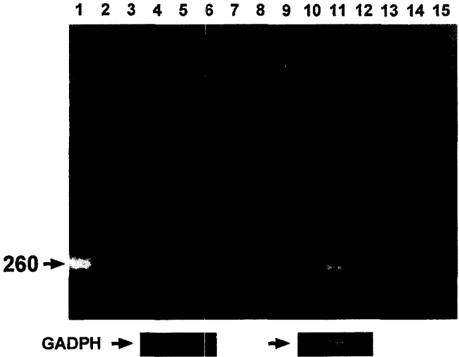
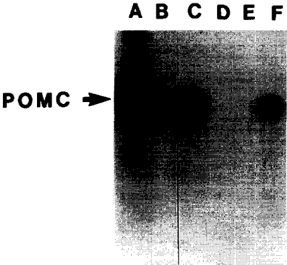
It is demonstrated that ultraviolet B (UVB) radiation stimulates increased expression of the proopiomelanocortin (POMC) gene which is accompanied by production and release of alpha-melanocyte stimulating hormone (alpha-MSH) and adrenocorticotropin (ACTH) by both normal and malignant human melanocytes and keratinocytes. The production and release of both peptides are also stimulated by dibutyryl cyclic adenosine monophosphate (dbcAMP) and interleukin 1 alpha (IL-1 alpha) but not by endothelin-1 (ET-1) or tumor necrosis factor-alpha (TNF-alpha). N-acetyl-cysteine (NAC), a precursor of glutathione (GSH), an intracellular free radical scavenger, abolishes the UVB-stimulated POMC peptide production and secretion. Conclusions are as follows: (1) Cultured human cells of cutaneous origin, namely keratinocytes and melanocytes, can produce and express POMC; (2) POMC expression is enhanced by exposure to UVB, possibly through a cyclic AMP-dependent pathway; and (3) The action of UVB on POMC production may involve a cellular response to oxidative stress.
Overview
The claims and statistics of this paper haven’t been checked yet.
Free: it reads the open-access text and checks the first 5 claims that cite a source we can check. Create a free account to check every claim.
Integrity signals
Registry
Cites
Statistics
Figures
Verification
Claims the paper makes
The claims and statistics of this paper haven’t been checked yet.
Free: it reads the open-access text and checks the first 5 claims that cite a source we can check. Create a free account to check every claim.
Claims other papers make about this one
Each is checked against this paper’s own text: does it say what the citing paper says it does?
In the citing paper
“Upon α-MSH binding, MC1R activates the cAMP pathway and melanin production in melanocytes.”
From Melanocyte-stimulating hormone directly enhances UV-Induced DNA repair in keratinocytes by a xeroderma pigmentosum group A-dependent mechanism (2010) · cites this paper as [10]
In the citing paper
“MC1R is expressed in melanocytes and is activated by its ligand melanocyte-stimulating hormone (α-MSH), a pro-pigmentation hormone produced and secreted by both keratinocytes and melanocytes after UV irradiation (4, 10).”
From Melanocyte-stimulating hormone directly enhances UV-Induced DNA repair in keratinocytes by a xeroderma pigmentosum group A-dependent mechanism (2010) · cites this paper as [10]
Self-check
Percentages, sums and reported differences re-computed from the paper’s own numbers.
The self-check needs the paper’s full text.
Citations
Cites
Prooxidant States and Tumor Promotion
Cerutti, P. A. (1985) · Science · doi:10.1126/science.2981433 · Cited by 2,497
Meister, A. (1991) · Pharmacology & Therapeutics · doi:10.1016/0163-7258(91)90076-x · Cited by 907
The mammalian ultraviolet response is triggered by activation of src tyrosine kinases
Devary, Y., Gottlieb, R. A., Smeal, T., & Karin, M. (1992) · Cell · doi:10.1016/s0092-8674(05)80058-3 · Cited by 852
Proopiomelanocortin Processing in the Pituitary, Central Nervous System, and Peripheral Tissues
SMITH, A. I., & FUNDER, J. W. (1988) · Endocrine Reviews · doi:10.1210/edrv-9-1-159 · Cited by 540
Inflammation and Oxidative Stress in Carcinogenesis
Cerutti, P., & Amstad, P. (1993) · Eicosanoids and Other Bioactive Lipids in Cancer, Inflammation and Radiation Injury · doi:10.1007/978-1-4615-3520-1_75 · Cited by 407
Endothelins secreted from human keratinocytes are intrinsic mitogens for human melanocytes
Imokawa, G., Yada, Y., & Miyagishi, M. (1992) · Journal of Biological Chemistry · doi:10.1016/s0021-9258(18)35817-4 · Cited by 385
An overview of the relationship between oxidative stress and chemical carcinogenesis
Trush, M. A., & Kensler, T. W. (1991) · Free Radical Biology and Medicine · doi:10.1016/0891-5849(91)90077-g · Cited by 372
Proopiomelanocortin-derived peptides are synthesized and released by human keratinocytes.
Schauer, E., Trautinger, F., Köck, A., Schwarz, A., Bhardwaj, R., Simon, M., Ansel, J. C., Schwarz, T., & Luger, T. A. (1994) · Journal of Clinical Investigation · doi:10.1172/jci117224 · Cited by 348
Kupper, T. S., Chua, A. O., Flood, P., McGuire, J., & Gubler, U. (1987) · Journal of Clinical Investigation · doi:10.1172/jci113090 · Cited by 343
POTENTIAL INVOLVEMENT OF FREE RADICAL REACTIONS IN ULTRAVIOLET LIGHT‐MEDIATED CUTANEOUS DAMAGE*
Black, H. S. (1987) · Photochemistry and Photobiology · doi:10.1111/j.1751-1097.1987.tb04759.x · Cited by 342
Research works printed but not linked: 10
- Slominski, A., Wortsman, J., Mazurkiewicz, J.E., Matsuoka, L., Dietrich, J., Lawrence, K., Gorbani, A. and Paus, R. (1993) J. Lab. Clin. Med. 122, 658-666.
- Cramer, S.F. (1991) Arch. Pathol. Lab. Med. 115, 115-119.
- Kippenberger, S., Bernd, A., Loitsch, S., Ramirez-Bosca, A., Bere- iter-Hahn, J., Holzmann, H. (1995) Eur. J. Dermatol. 5, 395-397.
- Bolognia, J., Murray, M., Pawelek, J. (1989) J. Invest. Dermatol. 92, 651-656. · doi:10.1016/0022-202x(89)90177-2
- Luger, T.A. (1989) Acta Derm. Venereol. (Stockh) 69, 61-76.
- Fukuda, S., Ando, S., Sanou, O., Taniai, M., Fuji, M., Masaki, N, Nakamura, K., Ando, O., Torigoe, K., Sugimoto, T. and Kurimoto, M. (1988) J. Lymphokine Res. 7, 175-185.
- Reisine, T., Rougon, G., Barbet, J., Affolter, H.V. (1985) Proc. Natl. Acad. Sci. USA. 82, 8261-8266.
- Birchall, N., Orlow, S.J., Kupper, T. and Pawelek, J. (1991) Biochem. Biophys. Res. Commun. 175, 839-845. · DOI · Paper page
- Siegrist, W., Stutz, S. and Eberle, A.N. (1994) Cancer Res. 54, 2604-2610.
- Cerruti, P., Trump, B.F. (1991) Cancer Cells 3, 1-7.
Cited by
Items 201–300 of 359
Albers, I., Zernickel, E., Stern, M. E., Broja, M., Busch, H. L., Heiß, C., Grotheer, V., Windolf, J., & Suschek, C. V. (2019) · Free Radical Biology and Medicine · doi:10.1016/j.freeradbiomed.2019.09.022 · Cited by 25
Murase, D., Hachiya, A., Kikuchi-Onoe, M., Fullenkamp, R., Ohuchi, A., Kitahara, T., Moriwaki, S., Hase, T., & Takema, Y. (2015) · Biology Open · doi:10.1242/bio.011973 · Cited by 25
“Among such cytokine-receptor signaling cascades, α-melanocyte stimulating hormone (αMSH) and its receptor, melanocortin 1 receptor (MC1R), endothelin-1 (ET-1) and its receptor (Endothelin B receptor, ET-B) and stem cell factor (SCF) and its receptor (KIT), have been shown to substantially contribute to UVB-induced mel…”
BackgroundFunasaka, Y., & Ichihashi, M. (1997) · Pigment Cell Research · doi:10.1111/j.1600-0749.1997.tb00469.x · Cited by 25
Self-citationGong, C., ABDEL‐MALEK, Z. A., Porter-Gill, P. A., Gill, P. S., Boyce, S. T., Grabowski, G. A., Nordlund, J. J., & FAROOQUI, J. Z. (1998) · Journal of Investigative Dermatology · doi:10.1046/j.1523-1747.1998.00315.x · Cited by 25
“…O F INVESTIGATIVE DERMATOLOGY 1989) and rodent melanoma cell lines (Chakraborty et al, 1995) as well as in cultured human melanocytes (Farooqui et 01,1993; Kippenberger et al, 1995; Chakraborty et al, 1996) and keratinocytes (Kippenberger et a[, 1995; Chakraborty et al, 1996; Wintzen et al, 1996).”
BackgroundNeuffer, S. J., & Cooper, C. D. (2022) · Cancers · doi:10.3390/cancers14071752 · Cited by 24
“MSH then interacts with melanocortin receptor 1 (MCR1) on the surface of melanocytes (melanin producing cells) to activate a signaling cascade that directs melanocyte specific organelles, melanosomes, to synthesize, store, and transport melanin within pigment cells [9].”
BackgroundStress Augmented Ultraviolet-Irradiation-Induced Pigmentation
Inoue, K., Hosoi, J., Ideta, R., Ohta, N., Ifuku, O., & Tsuchiya, T. (2003) · Journal of Investigative Dermatology · doi:10.1046/j.1523-1747.2003.12326.x · Cited by 24
Moattari, C. R., & Granstein, R. D. (2021) · Acta Physiologica · doi:10.1111/apha.13644 · Cited by 23
ABDEL‐MALEK, Z. A., & Kadekaro, A. L. (2006) · Wiley eBooks · doi:10.1002/9780470987100.ch20 · Cited by 23
Skin Hydration—A Key Determinant in Topical Absorption
Bouwstra, J. A., Pirot, F., & Falson, F. (2007) · CRC Press eBooks · doi:10.3109/9780849375903-8 · Cited by 22
Pleshkan, V. V., VINOGRADOVA, T., & Sverdlov, E. D. (2008) · Biochimica et Biophysica Acta (BBA) - Gene Regulatory Mechanisms · doi:10.1016/j.bbagrm.2008.06.002 · Cited by 22
Sakeh, N. M., Razip, N. N. M., Ma’in, F. I. M., Bahari, M. N. A., Latif, N., Akhtar, M. N., Yusof, Z. N. B., & Ahmad, S. (2020) · Molecules · doi:10.3390/molecules25153403 · Cited by 22
“α-MSH is one of bioactive melanocortin family peptides which derived from larger precursor peptide of POMC that is present in melanocytes and keratinocytes [57].”
BackgroundGlycine Inhibits Melanogenesis in Vitro and Causes Hypopigmentation in Vivo
Ishikawa, M., Kawase, I., & Ishii, F. (2007) · Biological and Pharmaceutical Bulletin · doi:10.1248/bpb.30.2031 · Cited by 22
Kobayashi, A., Hachiya, A., Ohuchi, A., Kitahara, T., & Takema, Y. (2002) · Biological and Pharmaceutical Bulletin · doi:10.1248/bpb.25.229 · Cited by 22
López, S., Alonso, S., García de Galdeano, A., & Smith‐Zubiaga, I. (2015) · Photodermatology, Photoimmunology & Photomedicine · doi:10.1111/phpp.12169 · Cited by 21
Implication of Immunobiological Function of Melanocytes in Dermatology
Zhang, H., Xia, M., Li, H., Zeng, X., Jia, H., Zhang, W., & Zhou, J. (2025) · Clinical Reviews in Allergy & Immunology · doi:10.1007/s12016-025-09040-7 · Cited by 21
“Additionally, UVR also induces POMC gene expression in the skin [69, 70]. α-MSH is a powerful anti-inflammatory peptide that inhibits NF-κB activation in many cell types, including melanocytes and melanoma cells [14].”
Reduced MC4R signaling alters nociceptive thresholds associated with red hair
Robinson, K. C., Kemény, L. V., Fell, G. L., Hermann, A. L., Allouche, J., Ding, W., Yekkirala, A. S., Hsiao, J. J., Su, M. Y., Theodosakis, N., et al. (2021) · Science Advances · doi:10.1126/sciadv.abd1310 · Cited by 20
Nam, G., An, S. K., Park, I., Bae, S., & Lee, J. H. (2022) · Bioscience Biotechnology and Biochemistry · doi:10.1093/bbb/zbac016 · Cited by 20
Yang, Y., Zhou, H., Shu, H., Zhong, D., Zhang, M., & Xia, J. H. (2019) · PLoS ONE · doi:10.1371/journal.pone.0214589 · Cited by 19
Syndecan‐2 regulates melanin synthesis via protein kinase C β II ‐mediated tyrosinase activation
Jung, H., Chung, H., Chang, S. E., Choi, S.-R., Han, I., Kang, D., & Oh, E. (2014) · Pigment Cell & Melanoma Research · doi:10.1111/pcmr.12223 · Cited by 19
“Ultraviolet (UV) irradiation is well known to stimulate melanin synthesis in the skin by enhancing the expres- sion levels of tyrosinase, MC1R and proopiomelanocortin (Chakraborty et al., 1996).”
BackgroundJuhász, B., Dér, P., Szodoray, P., Gesztelyi, R., Lekli, I., Bak, I., Antal, M., Maulik, N., Tósaki, Á., & Vecsernyés, M. (2007) · Antioxidants and Redox Signaling · doi:10.1089/ars.2006.1535 · Cited by 19
Ochiai, Y., Kaburagi, S., Okano, Y., Masaki, H., Ichihashi, M., Funasaka, Y., & Sakurai, H. (2008) · International Journal of Cosmetic Science · doi:10.1111/j.1468-2494.2007.00423.x · Cited by 19
Self-citationMiller, C. L. (2013) · Frontiers in Behavioral Neuroscience · doi:10.3389/fnbeh.2013.00082 · Cited by 19
Effects of Coccoloba uvifera L. on UV‐stimulated melanocytes
Silveira, J. E. P. S., Pereda, M. D. C. V., Eberlin, S., Dieamant, G., & Stasi, L. C. D. (2008) · Photodermatology Photoimmunology & Photomedicine · doi:10.1111/j.1600-0781.2008.00382.x · Cited by 19
“Indeed, UV radiation promotes overproduction of melanocyte-stimulating hormone a (a-MSH), which contributes to photodamage and hyperpigmentation process in the skin (3).”
BackgroundNeprilysin, a Novel Target for Ultraviolet B Regulation of Melanogenesis Via Melanocortins
Aberdam, É., Auberger, P., Ortonne, J. P., & Ballotti, R. (2000) · Journal of Investigative Dermatology · doi:10.1046/j.1523-1747.2000.00075.x · Cited by 19
Swope, V. B., Starner, R. J., Rauck, C., & Abdel‐Malek, Z. A. (2020) · Pigment Cell & Melanoma Research · doi:10.1111/pcmr.12823 · Cited by 18
“…homeostasis is maintained by a network of para‐ crine factors, including the keratinocyte‐derived α‐melanocyte‐stim‐ ulating hormone (α‐melanocortin; α‐MSH) and endothelin‐1 (End‐1) (Chakraborty et al., 1996; Halaban, Ghosh, & Baird, 1987; Imokawa, Yada, & Miyagishi, 1992; Kadekaro et al., 2005).”
Wang, X., Héraud, S., Thepot, A., Santos, M. D., & Luo, Z. (2021) · Clinical Cosmetic and Investigational Dermatology · doi:10.2147/ccid.s302997 · Cited by 18
“In response to ROS accumulation, keratinocytes secrete melanocyte activating factors to induce pigmentation.(8) Both mixture treatment and punicalagin treatment protected the skin from oxidative damages caused by UV rays.”
BackgroundInhibitory Effects of Saururi chinensis Extracts on Melanin Biosynthesis in B16F10 Melanoma Cells
Lee, D. H., Kim, D. H., Oh, I. Y., Kim, S. Y., Lim, Y. Y., Kim, H. M., Kim, Y. H., Choi, Y. M., Kim, S. E., Kim, B. J., et al. (2013) · Biological and Pharmaceutical Bulletin · doi:10.1248/bpb.b12-00917 · Cited by 18
Influence of chemical peeling on the skin stress response system
Kimura, A., Kanazawa, N., Li, H., Yonei, N., Yamamoto, Y., & Furukawa, F. (2012) · Experimental Dermatology · doi:10.1111/j.1600-0625.2012.01495.x · Cited by 18
Ali, A., Ashraf, Z., Rafiq, M., Kumar, A., Jabeen, F., Lee, G. J., Nazir, F., Ahmed, M., Rhee, M., & Choi, E. H. (2019) · Medicinal Chemistry · doi:10.2174/1573406415666190319101329 · Cited by 17
López, S., Zubiaga, I. S., de Galdeano, A. G., Boyano, M. D., García, O., Gardeazábal, J., Martínez‐Cadenas, C., Izagirre, N., Vaca, C. D. L. R., & Alonso, S. (2015) · PLoS ONE · doi:10.1371/journal.pone.0134911 · Cited by 17
Lee, S., Ryu, J.-H., Joo, J.-H., Choi, Y., Lee, H.-J., Kim, Y.-J., Kim, K.-B., & Yoon, J. (2011) · American Journal of Respiratory Cell and Molecular Biology · doi:10.1165/rcmb.2009-0420oc · Cited by 17
α-Melanocyte stimulating hormone can reduce T-cell interaction with melanoma cells in vitro
Hedley, S. J., Murray, A., Sisley, K., Ghanem, G., Morandini, R., Gawkrodger, D. J., & Neil, S. M. (2000) · Melanoma Research · doi:10.1097/00008390-200008000-00003 · Cited by 17
Wolnicka-Głubisz, A., Fabo, E. D., & Noonan, F. P. (2013) · Experimental Dermatology · doi:10.1111/exd.12100 · Cited by 16
Zhao, N., Su, X., Li, H., Li, Z., Wang, Y., Chen, J., & Zhuang, W. (2020) · Bioscience Biotechnology and Biochemistry · doi:10.1093/bbb/zbaa100 · Cited by 16
UVB‐inhibited H19 activates melanogenesis by paracrine effects
Pei, S., Huang, J., Chen, J., Hu, S., Lei, L., Fu, C., Jiang, L., Ding, Y., Leng, Y., Huang, L., et al. (2018) · Experimental Dermatology · doi:10.1111/exd.13749 · Cited by 16
Taylor, A. W. (2013) · PLoS ONE · doi:10.1371/journal.pone.0074488 · Cited by 16
“The neuropeptide alpha-Melanocyte Stimulating Hormone (α-MSH) is a thirteen amino acid peptide derived from endopeptidase cleavage of proopiomelanocortin hormone produced by the hypothalamus, monocytes, and retinal pigment epithelial cells (RPE) [1–4].”
BackgroundCatania, A., Colombo, G. I., Carlin, A., Garofalo, L., Gatti, S., Buffa, R., Carboni, N., Rosso, L., Santambrogio, L., CANTALAMESSA, L., et al. (2003) · Journal of Leukocyte Biology · doi:10.1189/jlb.0603264 · Cited by 16
Alpha-MSH regulates protein ubiquitination in T cells.
Biros, D. J., Namba, K., & Taylor, A. W. (2006) · PubMed · Cited by 16
McRobie, H. R., King, L. M., Fanutti, C., Symmons, M. F., & Coussons, P. J. (2014) · FEBS Letters · doi:10.1016/j.febslet.2014.05.032 · Cited by 15
“a-MSH is also produced by keratinocytes in the epidermis [12].”
BackgroundEpidermal Melanocytes: Regulation of Their Survival, Proliferation, and Function in Human Skin
ABDEL‐MALEK, Z. A., & Swope, V. B. (2011) · Springer eBooks · doi:10.1007/978-3-7091-0371-5_2 · Cited by 16
“…namely IL-1 a and TNF-a, by keratinocytes is upregulated by UV (Kock et al. 1990; Kupper et al. 1987), and that these cytokines regulate the synthesis of potent mitogenic and melanogenic factors by keratinocytes, such as a-MSH and endothelin-1 (ET-1) (Chakraborty et al. 1996; Imokawa et al. 1992).”
Satou, G., Maji, D., Isamoto, T., Oike, Y., & Endo, M. (2018) · Experimental Dermatology · doi:10.1111/exd.13862 · Cited by 15
Condition-dependent presence of β-lipotropin-like peptide in human keratinocytes
Wintzen, M., Zanello, S. B., Holick, M. F., Wiegant, V. M., Burbach, J. P. H., & Vermeer, B. J. (2000) · Peptides · doi:10.1016/s0196-9781(00)00193-5 · Cited by 15
Li, J., Yin, S., Wei, Z., Xiao, Z., Kang, Z., Wu, Y., Huang, Y., Jia, Q., Peng, Y., Ru, Z., et al. (2024) · Peptides · doi:10.1016/j.peptides.2024.171215 · Cited by 14
Xin, X. J., Zou, J., Zou, T., Shang, H., & Sun, L. (2018) · Evidence-based Complementary and Alternative Medicine · doi:10.1155/2018/8485670 · Cited by 14
Jorge, A. T. S., Arroteia, K. F., Santos, Í. A. F. M., Andres, E., Medina, S. P. H., Ferrari, C. R., Lourenço, C. B., Biaggio, R. M. T. T., & Moreira, P. L. (2012) · International Journal of Cosmetic Science · doi:10.1111/j.1468-2494.2012.00736.x · Cited by 14
Takenaka, Y., Hoshino, Y., Nakajima, H., Hayashi, N., Kawashima, M., & Imokawa, G. (2013) · The Journal of Dermatology · doi:10.1111/1346-8138.12178 · Cited by 14
Identification of candidate genes involved in marble color pattern formation in genus Salmo
Sivka, U., Snoj, A., Palandačić, A., & Bajec, S. S. (2013) · Comparative Biochemistry and Physiology Part D Genomics and Proteomics · doi:10.1016/j.cbd.2013.06.003 · Cited by 14
“Pomcencoded protein is a precursor to α-MSH and expressed not only in the pituitary gland and the central nervous system but also in the melanocytes (Chakraborty et al., 1996).”
BackgroundAqueous extract of Phragmites communis rhizomes attenuates phototoxicity in skin cells
Kim, S. H., Ha, C. W., Lim, H., Jang, S., Namkoong, S., Hong, S., Kim, Y. K., Kim, J., Lee, S. R., & Sohn, E. (2020) · Molecular & Cellular Toxicology · doi:10.1007/s13273-020-00106-5 · Cited by 14
“α-MSH not only activates MC1R, which stimulates eumelanin synthesis, but also upregulates the mRNA expression of MC1R (Chakraborty 1996).”
BackgroundLiu, F., Chiu, C., Johnson, D. L., Miller, P. W., Glazer, E. S., Wu, Z., & Wilson, M. W. (2021) · Current Oncology · doi:10.3390/curroncol28040245 · Cited by 13
“Men showed an average higher level of plasma α-MSH than women [51], and it is known that human melanocytes can produce local α-MSH [52].”
BackgroundThe Evolution of Tanning Needs Its Day in the Sun
Quillen, E. (2015) · Human Biology: The Official Publication of the American Association of Anthropological Genetics · doi:10.13110/humanbiology.87.4.0352 · Cited by 10
Ichimiya, M. (1999) · The Journal of Dermatology · doi:10.1111/j.1346-8138.1999.tb02035.x · Cited by 13
Raghunath, A., Sambarey, A., Sharma, N., Mahadevan, U., & Chandra, N. R. (2015) · BMC Research Notes · doi:10.1186/s13104-015-1128-6 · Cited by 12
“N-acetylcysteine with antioxidant properties can suppress alphaMSH and ACTH production in response to UV [51].”
BackgroundGarcin, G., Gallic, L. L., Stoebner, P., Guezennec, A., Guesnet, J., Lavabre‐Bertrand, T., Martínez, J., & Meunier, L. (2009) · Photochemistry and Photobiology · doi:10.1111/j.1751-1097.2009.00598.x · Cited by 12
Store-operated calcium channels in skin
Manning, D., Dart, C., & Evans, R. L. (2022) · Frontiers in Physiology · doi:10.3389/fphys.2022.1033528 · Cited by 11
Liu, X., Zhang, H., Zhang, K., Deng, X., He, C., Chen, H., Li, G., Zhu, C., & Jiang, M. (2024) · Aquaculture · doi:10.1016/j.aquaculture.2024.741550 · Cited by 11
Vinterstare, J., Brönmark, C., Nilsson, P. A., Langerhans, R. B., Chauhan, P., Hansson, B., & Hulthén, K. (2022) · Evolution · doi:10.1093/evolut/qpac030 · Cited by 11
Thingnes, J., Øyehaug, L., Hovig, E. J., & Omholt, S. W. (2009) · BMC Systems Biology · doi:10.1186/1752-0509-3-60 · Cited by 11
Endo, K., Mizutani, T., Okano, Y., & Masaki, H. (2018) · Journal of Cosmetic Dermatology · doi:10.1111/jocd.12716 · Cited by 10
“NHEKs cultured in Humedia‐KB2 containing α‐ MSH had a significantly increased level of fluorescent bead incorporation Figure 2, which is consistent with previously published results.(5) To confirm the expression of the α‐MSH precursor protein POMC, mRNA expression levels of POMC were examined.”
BackgroundResultLee, E.-J., Kim, J., Jeong, M. K., Lee, Y. M., Chung, Y. J., & Kim, E. M. (2020) · Korean Journal of Physiology and Pharmacology · doi:10.4196/kjpp.2021.25.1.15 · Cited by 10
“The factors secreted from keratinocytes mainly by UV irradiation, including alpha-melanocyte-stimulating hormone (-MSH), adrenocorticotropic hormone, stem cell factor, endothelin 1, hepatocyte growth factor, basic fibroblast growth factor, and granulocyte-macrophage colony-stimulating factor, stimulate each receptors…”
BackgroundGalvanic zinc–copper microparticles inhibit melanogenesis via multiple pigmentary pathways
Won, Y.-K., Lin, C. B., Seiberg, M., Chen, N., Hu, Y., Rossetti, D., Saliou, C., & Loy, C. J. (2013) · Archives of Dermatological Research · doi:10.1007/s00403-013-1369-y · Cited by 10
Khemis, A., Cabou, J., Dubois, J., & Ortonne, J. P. (2011) · Journal of Cosmetic Dermatology · doi:10.1111/j.1473-2165.2011.00588.x · Cited by 10
Lack of somatic alterations of MC1R in primary melanoma
Kim, R. D., Curtin, J. A., & Bastian, B. C. (2008) · Pigment Cell & Melanoma Research · doi:10.1111/j.1755-148x.2008.00497.x · Cited by 10
“It is stimulated by the release of alpha-melanocyte stimulating hormone (MSH), from keratinocytes in response to UV radiation (Chakraborty et al., 1996; Schauer et al., 1994).”
BackgroundHosaka, E., Soma, Y., Kawa, Y., Kaminaga, H., Osumi, K., Ooka, S., Watabe, H., Ito, M., Murakami, F., & Mizoguchi, M. (2004) · Pigment Cell Research · doi:10.1046/j.1600-0749.2003.00119.x · Cited by 10
Jang, J.-Y., Kim, H.-N., Kim, Y.-R., Kim, B., Choi, Y. H., & Choi, B.-T. (2010) · Journal of Life Science · doi:10.5352/jls.2010.20.11.1617 · Cited by 9
“α-MSH는 뇌하수체 중 엽에서 분비되며 멜라닌세포에서만 발현 되는 막수용체인 MC1R (melanocortin 1 receptor)과 결합하여 adenylyl cyclase 를 활성화시키고, 세포내 cAMP신호를 증폭시켜, protein kinase A (PKA)의 활성화를 유도하며, 세포내 cAMP response element binding protein (CREB)을 활성화시킴으로써 멜라닌 세포에 특이적 전사인자인 microphthalmia-associated transcription factor (MITF)의 발현을 증가시킨다[1,3,4].”
Rutschmann, S., Crozat, K., Li, X., Du, X., Hanselman, J. C., Shigeoka, A. A., Brandl, K., Popkin, D. L., McKay, D. B., Xia, Y., et al. (2012) · G3 Genes Genomes Genetics · doi:10.1534/g3.112.002196 · Cited by 9
Inhibitory Effect of Belamcandae Rhizoma on the Melanogenesis in MSH-stimulated B16F10 cells
Kim, D., Sung, B.-G., Lee, J.-C., BooKyun, L., Woo, W.-H., & Lim, K. (2011) · The Journal of Korean Medicine Ophthalmology and Otolaryngology and Dermatology · doi:10.6114/jkood.2011.24.1.025 · Cited by 9
Funasaka, Y., Chakraborty, A. K., Ichihashi, M., & Yodoi, J. (2001) · Journal of Investigative Dermatology Symposium Proceedings · doi:10.1046/j.0022-202x.2001.00002.x · Cited by 9
Self-citationLu, D., Haskell‐Luevano, C., Våge, D. I., & Cone, R. D. (2000) · Humana Press eBooks · doi:10.1007/978-1-59259-031-5_10 · Cited by 9
Tanning Dependence: Is Tanning an Addiction?
Shah, A., Smith, S., Heckman, C. J., & Feldman, S. R. (2011) · Springer eBooks · doi:10.1007/978-94-007-2048-0_7 · Cited by 8
Robinson, C. D., Hale, M. D., Wittman, T. N., Cox, C. L., John‐Alder, H. B., & Cox, R. M. (2023) · Journal of Heredity · doi:10.1093/jhered/esad046 · Cited by 8
“However, the location of POMC synthesis is unknown in our system and could occur in keratinocytes or melanophores (Schauer et al. 1994; Chakraborty et al. 1996; Wintzen et al. 1996; Rousseau et al. 2007), such that the use of POMC expression for inferences about melanophore development is tenuous.”
BackgroundTakeuchi, R., Kambe, M., Miyata, M., Jeyadevan, U., Tajima, O., Furukawa, K., & Furukawa, K. (2019) · Scientific Reports · doi:10.1038/s41598-019-51333-3 · Cited by 8
Watanuki, Y., Takayasu, S., Kageyama, K., Iwasaki, Y., Sakihara, S., Terui, K., Nigawara, T., & Suda, T. (2013) · Molecular and Cellular Endocrinology · doi:10.1016/j.mce.2013.01.022 · Cited by 8
Lipidome Complexity in Physiological and Pathological Skin Pigmentation
Bastonini, E., Kovacs, D., Maresca, V., Ottaviani, M., Nardo, A. D., Flori, E., Cardinali, G., & Briganti, S. (2025) · International Journal of Molecular Sciences · doi:10.3390/ijms26146785 · Cited by 7
“MITF is a key regulator of the expression of numerous pigmentation-associated genes and melanin synthesis enzymes [96,113–115], promoting melanogenesis [116–119].”
Mathematics and Biological Process of Skin Pigmentation
Querleux, B. (2014) · doi:10.1201/b17205-7 · Cited by 7
Potential of Medicinal Plants Extractives as Anti-Melanogenesis Ingredients
Setyawati, A., Yamauchi, K., & Mitsunaga, T. (2018) · Reviews in Agricultural Science · doi:10.7831/ras.6.46 · Cited by 7
Effects of Hizikia fusiforme Fractions on Melanin Synthesis in B16F10 Melanoma Cells
Choi, E. O., Kim, H. S., Han, M. H., Choi, Y. H., Park, C., Kim, B. W., & Hwang, H. J. (2013) · Journal of Life Science · doi:10.5352/jls.2013.23.12.1495 · Cited by 7
“시킴으로써 멜라닌 세포에 특이적 전사인자인 microphthalmia-associated transcription factor (MITF)의 발현을 증가시킨다[1, 4, 5].”
Chang, S. H., Jung, E. J., Lim, D. G., Park, Y. H., Wee, Y., Kim, J. H., Kim, Y. H., Choi, M. Y., Koo, S.-K., Choi, K. D., et al. (2008) · Immunology Letters · doi:10.1016/j.imlet.2008.02.010 · Cited by 7
Age-related changes in the intramuscular distribution of melanocytes in the Silky fowl
Nishimura, S., Oshima, I., Ono, Y., Tabata, S., Ishibashi, A., & Iwamoto, H. (2006) · British Poultry Science · doi:10.1080/00071660600825082 · Cited by 7
“In the case of mammals, MSH is also present in rat skin (Thody et al., 1983), and -MSH and its related peptides are detected in keratinocytes, melanocytes or Langerhans cells in human skin (Schauer et al., 1994; Chakraborty et al., 1996; Wakamatsu et al., 1997).”
Backgroundα-Melanotropin immunoreactivity in human melanoma exudate is related to necrosis
Loir, B., Salès, F., Deraemaecker, R., Morandini, R., García-Borrón, J. C., & Ghanem, G. (1998) · European Journal of Cancer · doi:10.1016/s0959-8049(97)10016-8 · Cited by 7
Ji, Y., Sun, C., Yong, T., Li, D., Huang, L., Han, X., Meng, F., Liang, Q., Huang, A., Zeng, X., et al. (2024) · Aquaculture Reports · doi:10.1016/j.aqrep.2024.102110 · Cited by 6
Modulation of gene expression by solar ultraviolet radiation
Modak, S. B., & Tyrrell, R. M. (2001) · Comprehensive series in photosciences · doi:10.1016/s1568-461x(01)80050-8 · Cited by 7
Inhibitory effects of Taraxacum mongolicum with phreatic water on melanin synthesis
Jang, M.-H., & Ahn, T.-W. (2014) · Integrative Medicine Research · doi:10.1016/j.imr.2014.08.001 · Cited by 6
Epigenetic Echoes: Decoding the Acetylation Journey from Neural Crest to Melanocyte
Nasreen, A., Chowdhury, S., Selvam, D. A., & Natarajan, V. T. (2025) · Results and problems in cell differentiation · doi:10.1007/978-3-031-91459-1_7 · Cited by 5
Antimelanogenic of Artemisia fukudo Makino Extract in Melanoma Cells
Kim, M., Kim, S., Cha, K. H., Kim, D. S., Kim, S., & Hyun, C. (2017) · KSBB Journal · doi:10.7841/ksbbj.2017.32.3.233 · Cited by 5
The role of hydrophobic collapse in cytotoxic and functional amyloid oligomerization
King, K. M., Zaheer, H., & Brown, A. M. (2025) · Biophysical Journal · doi:10.1016/j.bpj.2025.07.042 · Cited by 4
“…β -en- dorphins ( β Es), a class of μ -opioid receptor agonists (16,17) produced in pituitary glands (18), the hypothalamus (19), and skin tissues (20,21). β Es are a component of the endogenous opioid system and function as analgesics (22) and as stress-response modulators (23). β Es are…”
Biology of Skin Pigmentation and Cosmetic Skin Color Control
Loy, C. J., & Govindarajan, R. (2007) · CRC Press eBooks · doi:10.3109/9780849375903-6 · Cited by 4
Watanuki, Y., Kageyama, K., Takayasu, S., Matsuzaki, Y., Iwasaki, Y., & Daimon, M. (2014) · Peptides · doi:10.1016/j.peptides.2014.09.009 · Cited by 4
Hiramoto, K. (2011) · Clinical and Experimental Dermatology · doi:10.1111/j.1365-2230.2010.03777.x · Cited by 4
Walking in the footsteps of giants: melanocortins and human pigmentation, a historical perspective
Kadekaro, A. L., & ABDEL‐MALEK, Z. A. (2007) · Pigment Cell Research · doi:10.1111/j.1600-0749.2007.00379.x · Cited by 4
Abdel-Malek, Z., Swope, V., & Indra, A. (2017) · Springer eBooks · doi:10.1007/978-3-319-41319-8_2 · Cited by 2
Key amino acid residue in Melanocortin-1 receptor (melanocyte α-MSH receptor) for ligand selectivity
Yang, Y., Chen, M., Ventro, G. J., & Harmon, C. M. (2017) · Molecular and Cellular Endocrinology · doi:10.1016/j.mce.2017.05.038 · Cited by 4
Studies of Proteins that Regulate Melanin Synthesis and Distribution
Amsen, E. (2009) · TSpace (University of Toronto) · Cited by 4
Walker, W. P. (2010) · eCommons (Cornell University) · Cited by 4
Kwathai, M., Taemaitree, L., Roytrakul, S., Daduang, S., Klaynongsruang, S., & Jangpromma, N. (2025) · International Journal of Biological Macromolecules · doi:10.1016/j.ijbiomac.2025.140582 · Cited by 3
Extracellular vesicles derived from fermented milk whey suppress melanogenesis in B16 melanoma cells
Shinozaki, Y., Ikarashi, N., Nishinaka, Y., Kaneko, K., Tabata, K., Saito, R., Yokoyama, K., Kon, R., Sakai, H., & Hosoe, T. (2025) · Food Bioscience · doi:10.1016/j.fbio.2025.107732 · Cited by 3
Psoriasis and Stress – Psoriasis Aspect of Psychoneuroendocrinology
Zangeneh, F. Z., Fazeli, A., & Shooshtary, F. S. (2012) · InTech eBooks · doi:10.5772/25525 · Cited by 3
“…control (Schauer et al., 1994) being stimulated by UVB, selected cytokines, and by disease processes(Slominski et al., 1996c, 1998, 1993a, 1993b)( Chakraborty et al., 1996) ( Winzen et al. 1996)( Wakamatsu et al., 1997). www.intechopen.com ┚-endorphin, with their corresponding receptors,…”
BackgroundThadani, J., Kshatriya, P., Marathe, A. P., Vyas, R., Vyas, B., & Deb, K. D. (2015) · Stem Cell Biology and Research · doi:10.7243/2054-717x-2-3 · Cited by 3
“OA1, P, MATP, ATP7A, BLOC-1 [10-12] to synthesize eumelanin and pheomelanin [13,14].”
Fujiwara, Y., Akimoto, K., Ninomiya, S., Sakaguchi, Y., & Seyama, Y. (2003) · Nippon Eiyo Shokuryo Gakkaishi · doi:10.4327/jsnfs.56.221 · Cited by 3
Local Immunosuppression: The Eye
Streilein, J. W., & Taylor, A. W. (2001) · Springer eBooks · doi:10.1007/978-94-010-0765-8_11 · Cited by 3
Diehl, C. (2021) · Ukrainian Journal of Dermatology Venerology Cosmetology · doi:10.30978/ujdvk2021-1-58 · Cited by 2
Metadata
- Authors
- Chakraborty, A. K., Funasaka, Y., Slominski, A., Ermak, G., Hwang, J., Pawelek, J. M., & Ichihashi, M.
- Affiliations
- Yale University (US)
- Kobe University Hospital (JP)
- Albany Medical College (US)
- Corresponding author
- Slominski, Andrzej
- Venue
- Biochimica et Biophysica Acta (BBA) - Molecular Cell Research
- Publisher
- Elsevier BV
- Published
- 1996-08
- Volume
- 1313
- Issue
- 2
- Pages
- 130-138
- ISSN
- 0167-4889 (ISSN-L)
- OpenAlex
- W2168604311
- Cited by
- 333
- References
- 52
- Citations by year
- 2026: 1 · 2025: 6 · 2024: 4 · 2023: 4 · 2022: 7 · 2021: 12 · 2020: 14 · 2019: 11 · 2018: 12 · 2017: 7 · 2016: 7 · 2015: 11 · 2014: 19 · 2013: 13 · 2012: 8
- FWCI
- 5.78
- Type
- journal article
- Language
- en
- Open access
- hybrid
- doi.org
- Licence
- cc-by-nc-nd
- www.elsevier.com/tdm/userlicense/1.0/ (tdm)
- www.elsevier.com/legal/tdmrep-license (tdm)
- creativecommons.org/licenses/by-nc-nd/4.0/ (vor, 964 d)
- Locations
- Biochimica et Biophysica Acta (BBA) - Molecular Cell Research (publishedVersion, cc-by-nc-nd)
- PubMed (publishedVersion)
- Funders
- National Science Foundation (07263109, 07272106, IBM-9405242)
- Brain Science Foundation
- Indian Council of Medical Research
- Ministry of Education
- Topics
- Life Sciences › Biochemistry, Genetics and Molecular Biology › Cell Biology › melanin and skin pigmentation
- Life Sciences › Neuroscience › Cellular and Molecular Neuroscience › Neuropeptides and Animal Physiology
- Health Sciences › Medicine › Dermatology › Skin Protection and Aging
- Keywords
- proopiomelanocortin, melanocytes, keratinocytes, UV-B radiation, alpha-melanocyte-stimulating hormone, ACTH, POMC gene expression, cyclic AMP, interleukin-1 alpha, N-acetylcysteine, glutathione, oxidative stress, melanoma, peptide secretion
- MeSH terms
- Acetylcysteine, Cyclic AMP, Adrenocorticotropic Hormone, Base Sequence, Cells, Cultured, Bucladesine, Humans, Melanocytes, Molecular Sequence Data, Melanocyte-Stimulating Hormones, Pro-Opiomelanocortin, RNA, Messenger, Tetradecanoylphorbol Acetate, Tumor Cells, Cultured, Ultraviolet Rays, Keratinocytes, Gene Expression, Cytokines, Endothelins, DNA Primers
About these checks
Registry, retraction, Cites and statistics results are computed, not judged, with one exception: a printed reference that no index lists is read once by a model before it counts as a citation error. Claims are extracted by a model and kept only when their quote appears verbatim in the text; each cited source is then checked, with a model’s help, for whether it says what the claim relies on. Those verdicts can be wrong — read the claim’s quote and the cited source before relying on one.
Statistics and arithmetic are recomputed, not judged.
Confidence bands are shown only for fields calibrated on our annotated test set. None is calibrated yet, so no band is shown.
What counts as a claim ›How we measure confidence ›How we check this ›
Are you an author, or do you see a problem with this page? Request a review
Data sources
Bibliographic data: Semantic Scholar, OpenAlex, Crossref.
Contains information from the Semantic Scholar Academic Graph Datasets, made available under the ODC Attribution License (ODC-BY 1.0).
Semantic Scholar’s data is described in: Kinney, R., et al. (2023). The Semantic Scholar Open Data Platform. arXiv:2301.10140.
