

Production and release of proopiomelanocortin (POMC) derived peptides by human melanocytes and keratinocytes in culture: regulation by ultraviolet B
Open accessThe DOI matches its Crossref record; 51 of the 52 references it cites were found in a registry or an index.
Abstract
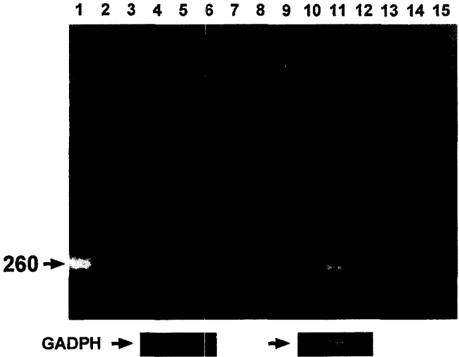
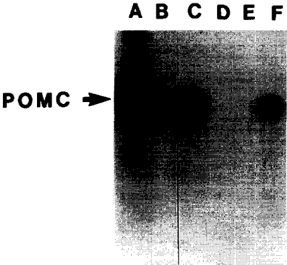
It is demonstrated that ultraviolet B (UVB) radiation stimulates increased expression of the proopiomelanocortin (POMC) gene which is accompanied by production and release of alpha-melanocyte stimulating hormone (alpha-MSH) and adrenocorticotropin (ACTH) by both normal and malignant human melanocytes and keratinocytes. The production and release of both peptides are also stimulated by dibutyryl cyclic adenosine monophosphate (dbcAMP) and interleukin 1 alpha (IL-1 alpha) but not by endothelin-1 (ET-1) or tumor necrosis factor-alpha (TNF-alpha). N-acetyl-cysteine (NAC), a precursor of glutathione (GSH), an intracellular free radical scavenger, abolishes the UVB-stimulated POMC peptide production and secretion. Conclusions are as follows: (1) Cultured human cells of cutaneous origin, namely keratinocytes and melanocytes, can produce and express POMC; (2) POMC expression is enhanced by exposure to UVB, possibly through a cyclic AMP-dependent pathway; and (3) The action of UVB on POMC production may involve a cellular response to oxidative stress.
Overview
The claims and statistics of this paper haven’t been checked yet.
Free: it reads the open-access text and checks the first 5 claims that cite a source we can check. Create a free account to check every claim.
Integrity signals
Registry
Cites
Statistics
Figures
Verification
Claims the paper makes
The claims and statistics of this paper haven’t been checked yet.
Free: it reads the open-access text and checks the first 5 claims that cite a source we can check. Create a free account to check every claim.
Claims other papers make about this one
Each is checked against this paper’s own text: does it say what the citing paper says it does?
In the citing paper
“Upon α-MSH binding, MC1R activates the cAMP pathway and melanin production in melanocytes.”
From Melanocyte-stimulating hormone directly enhances UV-Induced DNA repair in keratinocytes by a xeroderma pigmentosum group A-dependent mechanism (2010) · cites this paper as [10]
In the citing paper
“MC1R is expressed in melanocytes and is activated by its ligand melanocyte-stimulating hormone (α-MSH), a pro-pigmentation hormone produced and secreted by both keratinocytes and melanocytes after UV irradiation (4, 10).”
From Melanocyte-stimulating hormone directly enhances UV-Induced DNA repair in keratinocytes by a xeroderma pigmentosum group A-dependent mechanism (2010) · cites this paper as [10]
Self-check
Percentages, sums and reported differences re-computed from the paper’s own numbers.
The self-check needs the paper’s full text.
Citations
Cites
Prooxidant States and Tumor Promotion
Cerutti, P. A. (1985) · Science · doi:10.1126/science.2981433 · Cited by 2,497
Meister, A. (1991) · Pharmacology & Therapeutics · doi:10.1016/0163-7258(91)90076-x · Cited by 907
The mammalian ultraviolet response is triggered by activation of src tyrosine kinases
Devary, Y., Gottlieb, R. A., Smeal, T., & Karin, M. (1992) · Cell · doi:10.1016/s0092-8674(05)80058-3 · Cited by 852
Proopiomelanocortin Processing in the Pituitary, Central Nervous System, and Peripheral Tissues
SMITH, A. I., & FUNDER, J. W. (1988) · Endocrine Reviews · doi:10.1210/edrv-9-1-159 · Cited by 540
Inflammation and Oxidative Stress in Carcinogenesis
Cerutti, P., & Amstad, P. (1993) · Eicosanoids and Other Bioactive Lipids in Cancer, Inflammation and Radiation Injury · doi:10.1007/978-1-4615-3520-1_75 · Cited by 407
Endothelins secreted from human keratinocytes are intrinsic mitogens for human melanocytes
Imokawa, G., Yada, Y., & Miyagishi, M. (1992) · Journal of Biological Chemistry · doi:10.1016/s0021-9258(18)35817-4 · Cited by 385
An overview of the relationship between oxidative stress and chemical carcinogenesis
Trush, M. A., & Kensler, T. W. (1991) · Free Radical Biology and Medicine · doi:10.1016/0891-5849(91)90077-g · Cited by 372
Proopiomelanocortin-derived peptides are synthesized and released by human keratinocytes.
Schauer, E., Trautinger, F., Köck, A., Schwarz, A., Bhardwaj, R., Simon, M., Ansel, J. C., Schwarz, T., & Luger, T. A. (1994) · Journal of Clinical Investigation · doi:10.1172/jci117224 · Cited by 348
Kupper, T. S., Chua, A. O., Flood, P., McGuire, J., & Gubler, U. (1987) · Journal of Clinical Investigation · doi:10.1172/jci113090 · Cited by 343
POTENTIAL INVOLVEMENT OF FREE RADICAL REACTIONS IN ULTRAVIOLET LIGHT‐MEDIATED CUTANEOUS DAMAGE*
Black, H. S. (1987) · Photochemistry and Photobiology · doi:10.1111/j.1751-1097.1987.tb04759.x · Cited by 342
Research works printed but not linked: 10
- Slominski, A., Wortsman, J., Mazurkiewicz, J.E., Matsuoka, L., Dietrich, J., Lawrence, K., Gorbani, A. and Paus, R. (1993) J. Lab. Clin. Med. 122, 658-666.
- Cramer, S.F. (1991) Arch. Pathol. Lab. Med. 115, 115-119.
- Kippenberger, S., Bernd, A., Loitsch, S., Ramirez-Bosca, A., Bere- iter-Hahn, J., Holzmann, H. (1995) Eur. J. Dermatol. 5, 395-397.
- Bolognia, J., Murray, M., Pawelek, J. (1989) J. Invest. Dermatol. 92, 651-656. · doi:10.1016/0022-202x(89)90177-2
- Luger, T.A. (1989) Acta Derm. Venereol. (Stockh) 69, 61-76.
- Fukuda, S., Ando, S., Sanou, O., Taniai, M., Fuji, M., Masaki, N, Nakamura, K., Ando, O., Torigoe, K., Sugimoto, T. and Kurimoto, M. (1988) J. Lymphokine Res. 7, 175-185.
- Reisine, T., Rougon, G., Barbet, J., Affolter, H.V. (1985) Proc. Natl. Acad. Sci. USA. 82, 8261-8266.
- Birchall, N., Orlow, S.J., Kupper, T. and Pawelek, J. (1991) Biochem. Biophys. Res. Commun. 175, 839-845. · DOI · Paper page
- Siegrist, W., Stutz, S. and Eberle, A.N. (1994) Cancer Res. 54, 2604-2610.
- Cerruti, P., Trump, B.F. (1991) Cancer Cells 3, 1-7.
Cited by
Melanin pigmentation in mammalian skin and its hormonal regulation
Slominski, A., Tobin, D. J., Shibahara, S., & Wortsman, J. (2004) · Physiological Reviews · doi:10.1152/physrev.00044.2003 · Cited by 2,015
Self-citationHuman skin pigmentation: Melanocytes modulate skin color in response to stress
Costin, G.-E., & Hearing, V. J. (2007) · The FASEB Journal · doi:10.1096/fj.06-6649rev · Cited by 976
“-MSH, ACTH, basic fibroblast growth factor (bFGF), nerve growth factor (NGF), endothelins, granulocyte-macrophage colony-stimulating factor (GM- 980 Vol. 21 April 2007 COSTIN AND HEARINGThe FASEB Journal CSF), steel factor, leukemia inhibitory factor (LIF), and hepatocyte growth factor (HGF) are keratinocyte-derived f…”
BackgroundInfluentialRole of antioxidants in the skin: Anti-aging effects
Masaki, H. (2010) · Journal of Dermatological Science · doi:10.1016/j.jdermsci.2010.03.003 · Cited by 788
Slominski, A., Wortsman, J., Luger, T., Paus, R., & Solomon, S. (2000) · Physiological Reviews · doi:10.1152/physrev.2000.80.3.979 · Cited by 776
“UVR also stimulates POMC gene expression with enhanced production and secretion of POMC peptides such as ACTH, a-MSH, b-LPH, and b-endorphin in a number of rodent and human cutaneous cell systems (48, 64, 67, 71, 96, 219–221, 337, 341, 342, 446).”
BackgroundInfluentialSelf-citationCentral role of p53 in the suntan response and pathologic hyperpigmentation
Cui, R., Widlund, H. R., Feige, E., Lin, J. Y., Wilensky, D. L., Igras, V. E., D'Orazio, J., Fung, C. Y., Schanbacher, C. F., Granter, S. R., et al. (2007) · Cell · doi:10.1016/j.cell.2006.12.045 · Cited by 657
“It remains to be determined to what degree melanocytic POMC/MSH contributes to actual pigmentation (something not addressed here), although evidence that is consistent with a major role for paracrine signaling has been reported (Imokawa, 2004; Im et al., 1998; Friedmann and Gilchrest, 1987; Schwarz et al., 1995; Chakr…”
InfluentialIto, N., Ito, T., Kromminga, A., Bettermann, A., Takigawa, M., Kees, F., Straub, R. H., & Paus, R. (2005) · The FASEB Journal · doi:10.1096/fj.04-1968fje · Cited by 498
Targeting melanocortin receptors as a novel strategy to control inflammation
Catania, A., Gatti, S., Colombo, G., & Lipton, J. M. (2004) · Pharmacological Reviews · doi:10.1124/pr.56.1.1 · Cited by 438
“Especially important to inflammation, POMC mRNA also occurs in lymphocytes, monocytes, keratinocytes, and melanocytes, and it is clear that POMC peptides have regulatory functions in these cells (Star et al., 1995; Chakraborty et al., 1996; Blalock, 1999; Slominski and Wortsman, 2000; Slominski et al., 2000).”
BackgroundKennedy, C., ter Huurne, J., Berkhout, M., Gruis, N., Bastiaens, M., Bergman, W., Willemze, R., & Bouwes Bavinck, J. N. (2001) · Journal of Investigative Dermatology · doi:10.1046/j.0022-202x.2001.01421.x · Cited by 407
“…via the MC1 receptor, also in¯uences proliferation and differentiation of keratinocytes and melanocytes and thus may affect growth and development of melanoma cells (Lunec et al, 1990; De Luca et al, 1993; Abdel-Malek et al, 1995; Chakraborty et al, 1996; Suzuki et al, 1996; Valverde et al, 1996).”
BackgroundKey role of CRF in the skin stress response system
Slominski, A. T., Zmijewski, M. A., Zbytek, B., Tobin, D. J., Theoharides, T. C., & Rivier, J. (2013) · Endocrine Reviews · doi:10.1210/er.2012-1092 · Cited by 400
Self-citationMelanocortin‐1 receptor structure and functional regulation
García‐Borrón, J. C., Sánchez‐Laorden, B. L., & Jiménez‐Cervantes, C. (2005) · Pigment Cell Research · doi:10.1111/j.1600-0749.2005.00278.x · Cited by 385
UV-induced DNA damage and melanin content in human skin differing in racial/ethnic origin
Tadokoro, T., Kobayashi, N., Zmudzka, B. Z., Ito, S., Wakamatsu, K., Yamaguchi, Y., Korossy, K. S., Miller, S. A., Beer, J. Z., & Hearing, V. J. (2003) · The FASEB Journal · doi:10.1096/fj.02-0865fje · Cited by 378
Autocrine and paracrine regulation of melanocytes in human skin and in pigmentary disorders
Imokawa, G. (2004) · Pigment Cell Research · doi:10.1111/j.1600-0749.2003.00126.x · Cited by 369
Topical drug rescue strategy and skin protection based on the role of Mc1r in UV-induced tanning
D'Orazio, J. A., Nobuhisa, T., Cui, R., Arya, M., Spry, M., Wakamatsu, K., Igras, V., Kunisada, T., Granter, S. R., Nishimura, E. K., et al. (2006) · Nature · doi:10.1038/nature05098 · Cited by 350
New aspects on the melanocortins and their receptors
Wikberg, J. E. S., Muceniece, R., Mandrika, I., Prusis, P., Lindblom, J., Post, C., & Skottner, A. (2000) · Pharmacological Research · doi:10.1006/phrs.2000.0725 · Cited by 319
Cutaneous expression of corticotropin-releasing hormone (CRH), urocortin, and CRH receptors
SLOMINSKI, A., WORTSMAN, J., PISARCHIK, A., ZBYTEK, B., LINTON, E. A., MAZURKIEWICZ, J. E., & WEI, E. T. (2001) · The FASEB Journal · doi:10.1096/fj.00-0850rev · Cited by 305
Self-citationWhat are melanocytes really doing all day long…?
Plonka, P. M., Passeron, T., Brenner, M., Tobin, D. J., Shibahara, S., Thomas, A., Slominski, A., Kadekaro, A. L., Hershkovitz, D., Peters, E., et al. (2009) · Experimental Dermatology · doi:10.1111/j.1600-0625.2009.00912.x · Cited by 297
Self-citationHirobe, T. (2005) · Pigment Cell Research · doi:10.1111/j.1600-0749.2004.00198.x · Cited by 285
“(1996) a-MSH RIA/RT-PCR 11–45 pg/ml ±(UVB) SC SC Chakraborty et al. (1996)”
BackgroundInfluentialUltraviolet radiation and cutaneous malignant melanoma
Jhappan, C., Noonan, F. P., & Merlino, G. (2003) · Oncogene · doi:10.1038/sj.onc.1206450 · Cited by 283
“UV induces the production of active a-MSH and its receptor, MC1R (Bolognia et al., 1989; Chakraborty et al., 1995, 1996; Funasaka et al., 1998; Suzuki et al., 1999).”
BackgroundMelanocortin 1 Receptor: Structure, Function, and Regulation
Wolf Horrell, E. M., Boulanger, M. C., & D’Orazio, J. A. (2016) · Frontiers in Genetics · doi:10.3389/fgene.2016.00095 · Cited by 272
Cutaneous hypothalamic–pituitary–adrenal axis homolog: regulation by ultraviolet radiation
Skobowiat, C., Dowdy, J. C., Sayre, R. M., Tuckey, R. C., & Slominski, A. (2011) · American Journal of Physiology-Endocrinology and Metabolism · doi:10.1152/ajpendo.00217.2011 · Cited by 269
Self-citationBastiaens, M. T., Huurne, J. A. C. T., Kielich, C., Gruis, N. A., Westendorp, R. G. J., Vermeer, B. J., & Bavinck, J. N. B. (2001) · The American Journal of Human Genetics · doi:10.1086/319500 · Cited by 249
“UV light induces the release of a-MSH and other POMC peptides and up-regulates the expression of MC1R in the epidermis ( Chakraborty et al. 1995 and 1996 ) indicating that a-MSH may have a role in regulating responses to UV radiation and inflammatory stimuli and that a-MSH may contribute to UV-mediated immunosuppressi…”
BackgroundMelanocyte Function and Its Control by Melanocortin Peptides
Tsatmali, M., Ancans, J., & Thody, A. J. (2002) · Journal of Histochemistry & Cytochemistry · doi:10.1177/002215540205000201 · Cited by 241
“Keratinocytes and melanocytes secrete melanocortin peptides in response to UVR (Schauer et al. 1994; Chakraborty et al. 1996).”
BackgroundThe melanocortin-1-receptor gene is the major freckle gene
Bastiaens, M. (2001) · Human Molecular Genetics · doi:10.1093/hmg/10.16.1701 · Cited by 236
“Ultraviolet light was found to induce the release of α-MSH and other POMC peptides and to upregulate the expression of the MC1 receptor in the epidermis (29,30).”
BackgroundRoles of β-Endorphin in Stress, Behavior, Neuroinflammation, and Brain Energy Metabolism
Pilozzi, A., Carro, C., & Huang, X. (2020) · International Journal of Molecular Sciences · doi:10.3390/ijms22010338 · Cited by 211
Hachiya, A., Kobayashi, A., Ohuchi, A., Takema, Y., & Imokawa, G. (2001) · Journal of Investigative Dermatology · doi:10.1046/j.1523-1747.2001.01290.x · Cited by 205
MC 1R, the c AMP pathway, and the response to solar UV: extending the horizon beyond pigmentation
García‐Borrón, J. C., Abdel‐Malek, Z., & Jiménez‐Cervantes, C. (2014) · Pigment Cell & Melanoma Research · doi:10.1111/pcmr.12257 · Cited by 187
“Indeed, UVR-induced tanning is largely dependent on the production and release of a-MSH and ACTH by irradiated keratinocytes (Chakraborty et al., 1996; Cui et al., 2007) resulting in paracrine activation of MC1R in melanocytes.”
BackgroundMelanocortin receptors: their functions and regulation by physiological agonists and antagonists
Abdel-Malek, Z. A. (2001) · Cellular and Molecular Life Sciences · doi:10.1007/pl00000868 · Cited by 183
Rousseau, K., Kauser, S., Pritchard, L. E., Warhurst, A., Oliver, R. L., Slominski, A., Wei, E. T., Thody, A. J., Tobin, D. J., & White, A. (2007) · The FASEB Journal · doi:10.1096/fj.06-7398com · Cited by 181
“-MSH in culture medium and cell extracts from normal human keratinocytes (12) and melanocytes (45), with concentrations similar to those found in the present study.”
ResultSelf-citationCutaneous Photobiology. The Melanocyte vs. the Sun: Who Will Win the Final Round?
Kadekaro, A. L., Kavanagh, R. J., Wakamatsu, K., Ito, S., Pipitone, M. A., & Abdel‐Malek, Z. A. (2003) · Pigment Cell Research · doi:10.1034/j.1600-0749.2003.00088.x · Cited by 180
Ultraviolet exposure is a reinforcing stimulus in frequent indoor tanners
Feldman, S. R., Liguori, A., Kucenic, M., Rapp, S. R., Fleischer, A. B., Lang, W., & Kaur, M. (2004) · Journal of the American Academy of Dermatology · doi:10.1016/j.jaad.2004.01.053 · Cited by 179
The Melanocortin-1 Receptor: Red Hair and Beyond
Schaffer, J. V., & Bolognia, J. L. (2001) · Archives of Dermatology · doi:10.1001/archderm.137.11.1477 · Cited by 157
MC1R and the response of melanocytes to ultraviolet radiation
Rouzaud, F., Kadekaro, A. L., Abdel-Malek, Z. A., & Hearing, V. J. (2005) · Mutation Research - Fundamental and Molecular Mechanisms of Mutagenesis · doi:10.1016/j.mrfmmm.2004.09.014 · Cited by 173
Virador, V. M., Muller, J., Wu, X., Abdel-Malek, Z. A., Yu, Z.-X., Ferrans, V. J., Kobayashi, N., Wakamatsu, K., Ito, S., Hammer, J. A., et al. (2002) · The FASEB Journal · doi:10.1096/fj.01-0518fje · Cited by 145
“It has been shown that cultured human keratinocytes and melanocytes can produce proopiomelanocortin and that proopiomelanocortin expression is enhanced after exposure to UV radiation (25).”
BackgroundMelanocortin Receptor Ligands: New Horizons for Skin Biology and Clinical Dermatology
Böhm, M., Luger, T. A., Tobin, D. J., & García-Borrón, J. C. (2006) · Journal of Investigative Dermatology · doi:10.1038/sj.jid.5700421 · Cited by 166
“Most cutaneous cell types express POMC, pro-hormone convertases, and release MCs in vitro (Chakraborty et al., 1996; Peters et al., 2000; Schiller et al., 2001; Bo¨hm et al., 2005a; Kauser et al., 2005).”
BackgroundGalván, I., & Alonso‐Álvarez, C. (2009) · Proceedings of the Royal Society B Biological Sciences · doi:10.1098/rspb.2009.0774 · Cited by 168
Namba, K., Kitaichi, N., Nishida, T., & Taylor, A. W. (2002) · Journal of Leukocyte Biology · doi:10.1189/jlb.72.5.946 · Cited by 120
“The neuropeptide -MSH is a 13 amino acid-long protein produced by a limited number of cells, and like most neuropeptides, -MSH and its receptors are evolutionarily conserved [5–8].”
BackgroundTada, A., Suzuki, I., Im, S., Davis, M. B., Cornelius, J. R., Babcock, G. F., Nordlund, J. J., & ABDEL‐MALEK, Z. A. (1998) · PubMed · Cited by 162
Ocular Immunosuppressive Microenvironment
Taylor, A. W. (2007) · Chemical Immunology and Allergy · doi:10.1159/000099255 · Cited by 147
MC1R, ASIP, and DNA Repair in Sporadic and Familial Melanoma in a Mediterranean Population
Landi, M. T., Kanetsky, P. A., Tsang, S., Gold, B., Munroe, D., Rebbeck, T., Swoyer, J., Ter-Minassian, M., Hedayati, M., Grossman, L., et al. (2005) · JNCI: Journal of the National Cancer Institute · doi:10.1093/jnci/dji176 · Cited by 159
KADEKARO, A. L., KANTO, H., KAVANAGH, R., & ABDEL‐MALEK, Z. A. (2003) · Annals of the New York Academy of Sciences · doi:10.1111/j.1749-6632.2003.tb03200.x · Cited by 140
Animals under the sun: effects of ultraviolet radiation on mammalian skin
Slominski, A. T., & Pawelek, J. M. (1998) · Clinics in Dermatology · doi:10.1016/s0738-081x(98)00023-6 · Cited by 151
Self-citationCutaneous Expression of CRH and CRH‐R: Is There a “Skin Stress Response System?”
SLOMINSKI, A. T., BOTCHKAREV, V., CHOUDHRY, M., FAZAL, N., FECHNER, K., FURKERT, J., KRAUSE, E., ROLOFF, B., SAYEED, M., WEI, E., et al. (1999) · Annals of the New York Academy of Sciences · doi:10.1111/j.1749-6632.1999.tb08686.x · Cited by 147
Self-citationCorre, S., Primot, A., Sviderskaya, E., Bennett, D. C., Vaulont, S., Goding, C. R., & Galibert, M.-D. (2004) · Journal of Biological Chemistry · doi:10.1074/jbc.m409768200 · Cited by 131
Scott, M. C., Suzuki, I., & Abdel‐Malek, Z. A. (2002) · Pigment Cell Research · doi:10.1034/j.1600-0749.2002.02051.x · Cited by 122
Melanocortin 1 receptor variants and skin cancer risk
Han, J., Kraft, P., Colditz, G. A., Wong, J., & Hunter, D. J. (2006) · International Journal of Cancer · doi:10.1002/ijc.22074 · Cited by 121
Does α‐MSH Have a Role in Regulating Skin Pigmentation in Humans?
THODY, A. J., & GRAHAM, A. (1998) · Pigment Cell Research · doi:10.1111/j.1600-0749.1998.tb00735.x · Cited by 117
Abdel-Malek, Z. A., Kadekaro, A. L., & Swope, V. B. (2010) · Pigment Cell & Melanoma Research · doi:10.1111/j.1755-148x.2010.00679.x · Cited by 134
“Among these factors are endothelin-1 and a-MSH (Chakraborty et al., 1996; Imokawa et al., 1992; Wakamatsu et al., 1997) that have profound melanogenic and mitogenic effects on cultured human melanocytes (Abdel-Malek et al.”
BackgroundHachiya, A., Kobayashi, A., Yoshida, Y., Kitahara, T., Takema, Y., & Imokawa, G. (2004) · American Journal Of Pathology · doi:10.1016/s0002-9440(10)63260-9 · Cited by 134
Hida, T., Kamiya, T., Kawakami, A., Ogino, J., Sohma, H., Uhara, H., & Jimbow, K. (2020) · International Journal of Molecular Sciences · doi:10.3390/ijms21176129 · Cited by 134
“UV light-irradiated keratinocytes and melanocytes produce α-MSH and ACTH from the POMC gene [76].”
BackgroundTaylor, A., & Namba, K. (2001) · Immunology & Cell Biology · doi:10.1046/j.1440-1711.2001.01022.x · Cited by 119
The enigma and challenges of vitiligo pathophysiology and treatment
ABDEL‐MALEK, Z. A., Jordan, C. S., Ho, T., Upadhyay, P. R., Fleischer, A. B., & Hamzavi, I. H. (2020) · Pigment Cell & Melanoma Research · doi:10.1111/pcmr.12878 · Cited by 127
“Additionally, it is well documented that exposure to UVB increases the production of a network of paracrine factors, including POMC-derived melanocortins, End-1, and vitamin D3 (Chakraborty et al., 1996; Corre et al., 2004; Holick, 1985; Imokawa, Miyagishi, & Yada, 1995).”
BackgroundUltraviolet Radiation and Melanomagenesis: From Mechanism to Immunotherapy
Sun, X.-Y., Zhang, N., Yin, C., Zhu, B., & Li, X. (2020) · Frontiers in Oncology · doi:10.3389/fonc.2020.00951 · Cited by 84
Melanocortin Regulation of Inflammation
Wang, W., Guo, D.-Y., Lin, Y.-J., & Tao, Y. (2019) · Frontiers in Endocrinology · doi:10.3389/fendo.2019.00683 · Cited by 122
MC1R: Front and Center in the Bright Side of Dark Eumelanin and DNA Repair
Swope, V. B., & Abdel-Malek, Z. A. (2018) · International Journal of Molecular Sciences · doi:10.3390/ijms19092667 · Cited by 103
“Keratinocytes and melanocytes synthesize POMC and process it to the bioactive peptides α-MSH, ACTH and β-endorphin [85,92,93].”
BackgroundThe Melanocortin‐1 Receptor and Human Pigmentation
ABDEL‐MALEK, Z., SUZUKI, I., TADA, A., IM, S., & AKCALI, C. (1999) · Annals of the New York Academy of Sciences · doi:10.1111/j.1749-6632.1999.tb08669.x · Cited by 107
Nahhas, A. F., Abdel‐Malek, Z. A., Kohli, I., Braunberger, T. L., Lim, H. W., & Hamzavi, I. H. (2019) · Photodermatology, Photoimmunology & Photomedicine · doi:10.1111/phpp.12423 · Cited by 95
Characterization of Corticotropin-Releasing Hormone (CRH) in Human Skin1
Slominski, A., Ermak, G., Mazurkiewicz, J. E., Baker, J., & Wortsman, J. (1998) · The Journal of Clinical Endocrinology & Metabolism · doi:10.1210/jcem.83.3.4650 · Cited by 99
Self-citationα‐MSH and the Regulation of Melanocyte Function
THODY, A. J. (1999) · Annals of the New York Academy of Sciences · doi:10.1111/j.1749-6632.1999.tb08679.x · Cited by 103
The Melanocortin 1 Receptor and the UV Response of Human Melanocytes—A Shift in Paradigm†
Abdel‐Malek, Z. A., Knittel, J., Kadekaro, A. L., Swope, V. B., & Starner, R. (2008) · Photochemistry and Photobiology · doi:10.1111/j.1751-1097.2008.00294.x · Cited by 111
Murase, D., Hachiya, A., Amano, Y., Ohuchi, A., Kitahara, T., & Takema, Y. (2009) · Journal of Biological Chemistry · doi:10.1074/jbc.m805570200 · Cited by 104
Expression Profiling of UVB Response in Melanocytes Identifies a Set of p53-Target Genes
Yang, G., Zhang, G., Pittelkow, M. R., Ramoni, M. F., & Tsao, H. (2006) · Journal of Investigative Dermatology · doi:10.1038/sj.jid.5700470 · Cited by 110
“For instance, keratinocytes, when exposed to UVR, have been shown to elaborate a-melanocyte stimulating hormone (MSH) and endothelin 1 (Yohn et al., 1993; Chakraborty et al., 1996), both of which can stimulate melanogenesis (Abdel-Malek et al.”
Modulating skin colour: role of the thioredoxin and glutathione systems in regulating melanogenesis
Lu, Y., Tonissen, K. F., & Trapani, G. D. (2021) · Bioscience Reports · doi:10.1042/bsr20210427 · Cited by 109
A melanocyte-keratinocyte coculture model to assess regulators of pigmentation in vitro.
Lei, T., Virador, V., Vieira, W., & Hearing, V. (2002) · Analytical Biochemistry · doi:10.1006/abio.2002.5665 · Cited by 109
Huang, H.-C., Wang, H.-F., Yih, K.-H., Chang, L.-Z., & Chang, T.-M. (2012) · International Journal of Molecular Sciences · doi:10.3390/ijms131114679 · Cited by 89
“The contribution of ROS to melanogenesis has been studied by using antioxidants such as N-acetyl cysteine to abolish UVB-induced -Melanocyte stimulating hormone [22].”
MethodLogesh, R., Prasad, S. R., Chipurupalli, S., Robinson, N., & Mohankumar, S. K. (2023) · Biochimica et Biophysica Acta (BBA) - Reviews on Cancer · doi:10.1016/j.bbcan.2023.188968 · Cited by 104
The melanocortin system in leukocyte biology
Catania, A. (2007) · Journal of Leukocyte Biology · doi:10.1189/jlb.0706426 · Cited by 98
Nodake, Y., Matsumoto, S., Miura, R., Honda, H., Ishibashi, G., Matsumoto, S., Dekio, I., & Sakakibara, R. (2015) · Journal of Dermatological Science · doi:10.1016/j.jdermsci.2015.05.001 · Cited by 103
“epidermidis may inactivate cytokines, hormones and chemical mediators that are released from epidermal cells to stimulate melanocytes [32–35].”
BackgroundUpadhyay, P. R., Ho, T., & ABDEL‐MALEK, Z. A. (2021) · Pigment Cell & Melanoma Research · doi:10.1111/pcmr.12985 · Cited by 105
“…pro- convertases I and II that process POMC to its bioactive products, resulting in the synthesis and secretion of α- MSH and adrenocorticotropic hormone (ACTH), which are increased upon UV exposure and treatment with IL- 1α (Chakraborty et al., 1996; Rousseau et al., 2007; Wakamatsu et al., 1997).”
BackgroundRac and Rho: The Story Behind Melanocyte Dendrite Formation
Scott, G. (2002) · Pigment Cell Research · doi:10.1034/j.1600-0749.2002.02056.x · Cited by 91
Keratinocytes regulate the function of melanocytes
Hirobe, T. (2014) · Dermatologica Sinica · doi:10.1016/j.dsi.2014.05.002 · Cited by 78
Beaumont, K. A., Hamilton, N. A., Moores, M. T., Brown, D. L., Ohbayashi, N., Cairncross, O., Cook, A. L., Smith, A. G., Misaki, R., Fukuda, M., et al. (2011) · Traffic · doi:10.1111/j.1600-0854.2011.01172.x · Cited by 97
Do adolescent indoor tanners exhibit dependency?
Zeller, S., Lazovich, D., Forster, J. L., & Widome, R. (2006) · Journal of the American Academy of Dermatology · doi:10.1016/j.jaad.2005.12.038 · Cited by 98
CHAKRABORTY, A. K., FUNASAKA, Y., SLOMINSKI, A., BOLOGNIA, J., SODI, S., ICHIHASHI, M., & PAWELEK, J. M. (1999) · Annals of the New York Academy of Sciences · doi:10.1111/j.1749-6632.1999.tb08668.x · Cited by 89
Self-citationOchiai, Y., Kaburagi, S., Obayashi, K., Ujiie, N., Hashimoto, S., Okano, Y., Masaki, H., Ichihashi, M., & Sakurai, H. (2006) · Journal of Dermatological Science · doi:10.1016/j.jdermsci.2006.07.001 · Cited by 95
“The possibility that VC-IP suppresses UVBinduced pigmentation via ROS scavenging and reducing secretion of melanocyte proliferation factors was examined.”
BackgroundInfluentialSelf-citationMitogen- and Ultraviolet-B-Induced Signaling Pathways in Normal Human Melanocytes
Tada, A., Pereira, E., Beitner‐Johnson, D., Kavanagh, R. J., & ABDEL‐MALEK, Z. A. (2002) · Journal of Investigative Dermatology · doi:10.1046/j.0022-202x.2001.01694.x · Cited by 95
Funasaka, Chakraborty, Hayashi, Komoto, Ohashi, Nagahama, Inoue, Pawelek, & Ichihashi (1998) · British Journal of Dermatology · doi:10.1046/j.1365-2133.1998.02357.x · Cited by 81
The physiology of melanin deposition in health and disease
Lambert, M. W., Maddukuri, S., Karanfilian, K. M., Elias, M. L., & Lambert, W. C. (2019) · Clinics in Dermatology · doi:10.1016/j.clindermatol.2019.07.013 · Cited by 91
Fujii, T., & Saito, M. (2009) · Bioscience Biotechnology and Biochemistry · doi:10.1271/bbb.90181 · Cited by 90
Neuropeptides and neuroendocrine hormones in ultraviolet radiation-induced immunosuppression
Seiffert-Sinha, K., & Granstein, R. D. (2002) · Methods · doi:10.1016/s1046-2023(02)00214-1 · Cited by 89
Kauser, S., Thody, A. J., Schallreuter, K. U., Gummer, C. L., & Tobin, D. J. (2005) · Endocrinology · doi:10.1210/en.2004-1145 · Cited by 81
“The production of ACTH and -MSH has also been reported to be up-regulated in response to ultraviolet B radiation in normal human EM and epidermal keratinocyte (13).”
BackgroundJiang, Z., Xu, J., Minghai, L., Tu, Z., Yang, G., & He, G. (2009) · Life Sciences · doi:10.1016/j.lfs.2009.05.022 · Cited by 86
Rougier, A., Schiller, M., Brzoska, T., Böhm, M., Metze, D., Scholzen, T. E., & Luger, T. A. (2004) · Journal of Investigative Dermatology · doi:10.1046/j.0022-202x.2004.22239.x · Cited by 86
Englaro, W., Bahadoran, P., Bertolotto, C., Buscà, R., Dérijard, B., Livolsi, A., Peyron, J., Ortonne, J. P., & Ballotti, R. (1999) · Oncogene · doi:10.1038/sj.onc.1202446 · Cited by 87
“In epidermis ultraviolet radiation triggers the secretion by keratinocytes of aMSH and TNFa that elicit antagonistic e ects on melanogenesis (Chakraborty et al., 1996; Kock et al., 1990).”
BackgroundWintzen, M., Ostijn, D. M. J. D., Polderman, M. C. A., le Cessie, S., Burbach, J. P. H., & Vermeer, B. J. (2001) · Photodermatology, Photoimmunology and Photomedicine · doi:10.1034/j.1600-0781.2001.170602.x · Cited by 77
Slominski, A., Roloff, B., Curry, J., Dahiya, M., Szczesniewski, A., & Wortsman, J. (2000) · The Journal of Clinical Endocrinology & Metabolism · doi:10.1210/jcem.85.2.6381 · Cited by 77
Self-citationAbdel‐Malek, Z. A., Ruwe, A., Kavanagh‐Starner, R., Kadekaro, A. L., Swope, V., Haskell‐Luevano, C., Koikov, L., & Knittel, J. J. (2009) · Pigment Cell & Melanoma Research · doi:10.1111/j.1755-148x.2009.00598.x · Cited by 83
microRNAs in the Regulation of Melanogenesis
Hushcha, Y., Blo, I., Oton, L., Mauro, G. D., Martini, F., Tognon, M. G., & Mattei, M. D. (2021) · International Journal of Molecular Sciences · doi:10.3390/ijms22116104 · Cited by 85
Taylor, A. W. (2005) · Journal of Neuroimmunology · doi:10.1016/j.jneuroim.2005.01.008 · Cited by 82
“…alpha-melanocyte-stimulating hormone (a-MSH), a 13-amino acid-long peptide derived from the proteolytic cleavage of proopiomelnocotin hormone (Chakraborty et al., 1996; Lee et al., 1961), is well documented to be a potent suppressor of endotoxin-, IL-1-, and TNFmediated inflammation (Lipton…”
BackgroundHuang, H.-C., Ho, Y.-C., Lim, J.-M., Chang, T.-Y., Ho, C.-L., & Chang, T.-M. (2015) · International Journal of Molecular Sciences · doi:10.3390/ijms160510470 · Cited by 68
“The contribution of ROS to melanogenesis was studied by using antioxidants such as N-acetyl cysteine to abolish UVB-induced melanin production [22].”
Neuroendocrine Functions of Melanocytes: Beyond the Skin-Deep Melanin Maker
Takeda, K., Takahashi, N.-H., & Shibahara, S. (2007) · The Tohoku Journal of Experimental Medicine · doi:10.1620/tjem.211.201 · Cited by 79
“…rise to adrenocorticotropic hormone (ACTH), an essential component of the hypothalamus-pituitaryadrenal axis. α -MSH and ACTH are well documented to regulate human skin pigmentation via action at the melanocortin-1 receptor (AbdelMalek et al. 1995; Chakraborty et al. 1996; Slominski et al. 2004).”
BackgroundScholzen, T. E., Brzoska, T., Kalden, D.-H., O'Reilly, F. M., Armstrong, C. A., Luger, T. A., & Ansel, J. C. (1999) · Journal of Investigative Dermatology Symposium Proceedings · doi:10.1038/sj.jidsp.5640182 · Cited by 79
Yoshida, Y., Hachiya, A., Sriwiriyanont, P., Ohuchi, A., Kitahara, T., Takema, Y., Visscher, M. O., & Boissy, R. E. (2007) · The FASEB Journal · doi:10.1096/fj.06-6845com · Cited by 73
“Cytokines secreted after UVB irradiation that enhance melanogenesis in melanocyte consist of bFGF (14), endothelin-1 (ET-1), (15), -MSH (16), proopiomelanocortin (POMC), ( 17 ), and stem cell factor (SCF; ref.”
BackgroundUltraviolet B stimulates production of corticotropin releasing factor (CRF) by human melanocytes
Slominski, A., Baker, J., Ermak, G., Chakraborty, A., & Pawelek, J. (1996) · FEBS Letters · doi:10.1016/s0014-5793(96)01315-4 · Cited by 78
Self-citationScott, G. A., & Cassidy, L. (1998) · Journal of Investigative Dermatology · doi:10.1046/j.1523-1747.1998.00276.x · Cited by 66
Malignant melanoma and melanocortin 1 receptor
Rosenkranz, A. A., Slastnikova, T. A., Durymanov, M. O., & Sobolev, A. S. (2013) · Biochemistry (Moscow) · doi:10.1134/s0006297913110035 · Cited by 78
Park, S. Y., JIN, M. L., Kim, Y. H., Kim, Y., & Lee, S.-J. (2011) · Archives of Dermatological Research · doi:10.1007/s00403-011-1155-7 · Cited by 77
Eves, P. C., Haycock, J. W., Layton, C., Wagner, M., Kemp, E. H., Szabo, M., Morandini, R., Ghanem, G., García-Borrón, J. C., Jiménez‐Cervantes, C., et al. (2003) · British Journal of Cancer · doi:10.1038/sj.bjc.6601349 · Cited by 77
“POMC and a-MSH are synthesised by normal human keratinocytes and melanocytes (Schauer et al, 1994; Kippenberger et al, 1995; Chakraborty et al, 1996), and administration in vivo can produce skin darkening in humans (Lerner and McGuire 1961).”
BackgroundNeuroendocrine factors: The missing link in non-melanoma skin cancer
Lupu, M., Căruntu, A., Căruntu, C., Papagheorghe, L. M. L., Ilie, M. A., Voiculescu, V. M., Boda, D., Constantin, C., Tănase, C., Sifaki, M., et al. (2017) · Oncology Reports · doi:10.3892/or.2017.5817 · Cited by 75
“Two mechanisms of mast cell activation by means of uVR exposure are proposed: first a photoinduced isomerization of a photo-receptor, trans-urocanic acid (uCA) and second LC antigen-presenting dysfunction (188,199,200).”
BackgroundBÖHM, M., SCHULTE, U., KALDEN, H., & LUGER, T. A. (1999) · Annals of the New York Academy of Sciences · doi:10.1111/j.1749-6632.1999.tb08685.x · Cited by 67
POMC‐Derived Peptides and Their Biological Action
Solomon, S. (1999) · Annals of the New York Academy of Sciences · doi:10.1111/j.1749-6632.1999.tb08663.x · Cited by 75
Metadata
- Authors
- Chakraborty, A. K., Funasaka, Y., Slominski, A., Ermak, G., Hwang, J., Pawelek, J. M., & Ichihashi, M.
- Affiliations
- Yale University (US)
- Kobe University Hospital (JP)
- Albany Medical College (US)
- Corresponding author
- Slominski, Andrzej
- Venue
- Biochimica et Biophysica Acta (BBA) - Molecular Cell Research
- Publisher
- Elsevier BV
- Published
- 1996-08
- Volume
- 1313
- Issue
- 2
- Pages
- 130-138
- ISSN
- 0167-4889 (ISSN-L)
- OpenAlex
- W2168604311
- Cited by
- 333
- References
- 52
- Citations by year
- 2026: 1 · 2025: 6 · 2024: 4 · 2023: 4 · 2022: 7 · 2021: 12 · 2020: 14 · 2019: 11 · 2018: 12 · 2017: 7 · 2016: 7 · 2015: 11 · 2014: 19 · 2013: 13 · 2012: 8
- FWCI
- 5.78
- Type
- journal article
- Language
- en
- Open access
- hybrid
- doi.org
- Licence
- cc-by-nc-nd
- www.elsevier.com/tdm/userlicense/1.0/ (tdm)
- www.elsevier.com/legal/tdmrep-license (tdm)
- creativecommons.org/licenses/by-nc-nd/4.0/ (vor, 964 d)
- Locations
- Biochimica et Biophysica Acta (BBA) - Molecular Cell Research (publishedVersion, cc-by-nc-nd)
- PubMed (publishedVersion)
- Funders
- National Science Foundation (07263109, 07272106, IBM-9405242)
- Brain Science Foundation
- Indian Council of Medical Research
- Ministry of Education
- Topics
- Life Sciences › Biochemistry, Genetics and Molecular Biology › Cell Biology › melanin and skin pigmentation
- Life Sciences › Neuroscience › Cellular and Molecular Neuroscience › Neuropeptides and Animal Physiology
- Health Sciences › Medicine › Dermatology › Skin Protection and Aging
- Keywords
- proopiomelanocortin, melanocytes, keratinocytes, UV-B radiation, alpha-melanocyte-stimulating hormone, ACTH, POMC gene expression, cyclic AMP, interleukin-1 alpha, N-acetylcysteine, glutathione, oxidative stress, melanoma, peptide secretion
- MeSH terms
- Acetylcysteine, Cyclic AMP, Adrenocorticotropic Hormone, Base Sequence, Cells, Cultured, Bucladesine, Humans, Melanocytes, Molecular Sequence Data, Melanocyte-Stimulating Hormones, Pro-Opiomelanocortin, RNA, Messenger, Tetradecanoylphorbol Acetate, Tumor Cells, Cultured, Ultraviolet Rays, Keratinocytes, Gene Expression, Cytokines, Endothelins, DNA Primers
About these checks
Registry, retraction, Cites and statistics results are computed, not judged, with one exception: a printed reference that no index lists is read once by a model before it counts as a citation error. Claims are extracted by a model and kept only when their quote appears verbatim in the text; each cited source is then checked, with a model’s help, for whether it says what the claim relies on. Those verdicts can be wrong — read the claim’s quote and the cited source before relying on one.
Statistics and arithmetic are recomputed, not judged.
Confidence bands are shown only for fields calibrated on our annotated test set. None is calibrated yet, so no band is shown.
What counts as a claim ›How we measure confidence ›How we check this ›
Are you an author, or do you see a problem with this page? Request a review
Data sources
Bibliographic data: Semantic Scholar, OpenAlex, Crossref.
Contains information from the Semantic Scholar Academic Graph Datasets, made available under the ODC Attribution License (ODC-BY 1.0).
Semantic Scholar’s data is described in: Kinney, R., et al. (2023). The Semantic Scholar Open Data Platform. arXiv:2301.10140.
