

Production and release of proopiomelanocortin (POMC) derived peptides by human melanocytes and keratinocytes in culture: regulation by ultraviolet B
Open accessThe DOI matches its Crossref record; 51 of the 52 references it cites were found in a registry or an index.
Abstract
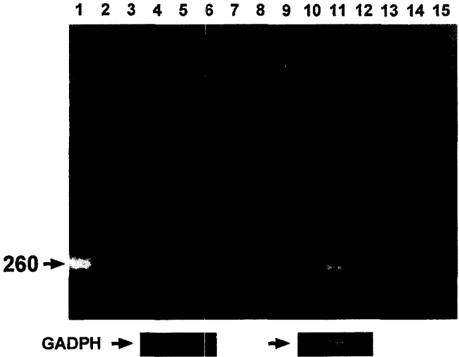
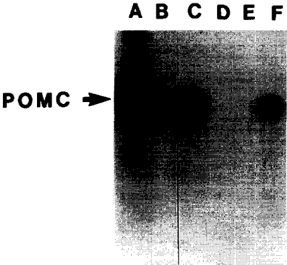
It is demonstrated that ultraviolet B (UVB) radiation stimulates increased expression of the proopiomelanocortin (POMC) gene which is accompanied by production and release of alpha-melanocyte stimulating hormone (alpha-MSH) and adrenocorticotropin (ACTH) by both normal and malignant human melanocytes and keratinocytes. The production and release of both peptides are also stimulated by dibutyryl cyclic adenosine monophosphate (dbcAMP) and interleukin 1 alpha (IL-1 alpha) but not by endothelin-1 (ET-1) or tumor necrosis factor-alpha (TNF-alpha). N-acetyl-cysteine (NAC), a precursor of glutathione (GSH), an intracellular free radical scavenger, abolishes the UVB-stimulated POMC peptide production and secretion. Conclusions are as follows: (1) Cultured human cells of cutaneous origin, namely keratinocytes and melanocytes, can produce and express POMC; (2) POMC expression is enhanced by exposure to UVB, possibly through a cyclic AMP-dependent pathway; and (3) The action of UVB on POMC production may involve a cellular response to oxidative stress.
Overview
The claims and statistics of this paper haven’t been checked yet.
Free: it reads the open-access text and checks the first 5 claims that cite a source we can check. Create a free account to check every claim.
Integrity signals
Registry
Cites
Statistics
Figures
Verification
Claims the paper makes
The claims and statistics of this paper haven’t been checked yet.
Free: it reads the open-access text and checks the first 5 claims that cite a source we can check. Create a free account to check every claim.
Claims other papers make about this one
Each is checked against this paper’s own text: does it say what the citing paper says it does?
In the citing paper
“Upon α-MSH binding, MC1R activates the cAMP pathway and melanin production in melanocytes.”
From Melanocyte-stimulating hormone directly enhances UV-Induced DNA repair in keratinocytes by a xeroderma pigmentosum group A-dependent mechanism (2010) · cites this paper as [10]
In the citing paper
“MC1R is expressed in melanocytes and is activated by its ligand melanocyte-stimulating hormone (α-MSH), a pro-pigmentation hormone produced and secreted by both keratinocytes and melanocytes after UV irradiation (4, 10).”
From Melanocyte-stimulating hormone directly enhances UV-Induced DNA repair in keratinocytes by a xeroderma pigmentosum group A-dependent mechanism (2010) · cites this paper as [10]
Self-check
Percentages, sums and reported differences re-computed from the paper’s own numbers.
The self-check needs the paper’s full text.
Citations
Cites
Prooxidant States and Tumor Promotion
Cerutti, P. A. (1985) · Science · doi:10.1126/science.2981433 · Cited by 2,497
Meister, A. (1991) · Pharmacology & Therapeutics · doi:10.1016/0163-7258(91)90076-x · Cited by 907
The mammalian ultraviolet response is triggered by activation of src tyrosine kinases
Devary, Y., Gottlieb, R. A., Smeal, T., & Karin, M. (1992) · Cell · doi:10.1016/s0092-8674(05)80058-3 · Cited by 852
Proopiomelanocortin Processing in the Pituitary, Central Nervous System, and Peripheral Tissues
SMITH, A. I., & FUNDER, J. W. (1988) · Endocrine Reviews · doi:10.1210/edrv-9-1-159 · Cited by 540
Inflammation and Oxidative Stress in Carcinogenesis
Cerutti, P., & Amstad, P. (1993) · Eicosanoids and Other Bioactive Lipids in Cancer, Inflammation and Radiation Injury · doi:10.1007/978-1-4615-3520-1_75 · Cited by 407
Endothelins secreted from human keratinocytes are intrinsic mitogens for human melanocytes
Imokawa, G., Yada, Y., & Miyagishi, M. (1992) · Journal of Biological Chemistry · doi:10.1016/s0021-9258(18)35817-4 · Cited by 385
An overview of the relationship between oxidative stress and chemical carcinogenesis
Trush, M. A., & Kensler, T. W. (1991) · Free Radical Biology and Medicine · doi:10.1016/0891-5849(91)90077-g · Cited by 372
Proopiomelanocortin-derived peptides are synthesized and released by human keratinocytes.
Schauer, E., Trautinger, F., Köck, A., Schwarz, A., Bhardwaj, R., Simon, M., Ansel, J. C., Schwarz, T., & Luger, T. A. (1994) · Journal of Clinical Investigation · doi:10.1172/jci117224 · Cited by 348
Kupper, T. S., Chua, A. O., Flood, P., McGuire, J., & Gubler, U. (1987) · Journal of Clinical Investigation · doi:10.1172/jci113090 · Cited by 343
POTENTIAL INVOLVEMENT OF FREE RADICAL REACTIONS IN ULTRAVIOLET LIGHT‐MEDIATED CUTANEOUS DAMAGE*
Black, H. S. (1987) · Photochemistry and Photobiology · doi:10.1111/j.1751-1097.1987.tb04759.x · Cited by 342
Research works printed but not linked: 10
- Slominski, A., Wortsman, J., Mazurkiewicz, J.E., Matsuoka, L., Dietrich, J., Lawrence, K., Gorbani, A. and Paus, R. (1993) J. Lab. Clin. Med. 122, 658-666.
- Cramer, S.F. (1991) Arch. Pathol. Lab. Med. 115, 115-119.
- Kippenberger, S., Bernd, A., Loitsch, S., Ramirez-Bosca, A., Bere- iter-Hahn, J., Holzmann, H. (1995) Eur. J. Dermatol. 5, 395-397.
- Bolognia, J., Murray, M., Pawelek, J. (1989) J. Invest. Dermatol. 92, 651-656. · doi:10.1016/0022-202x(89)90177-2
- Luger, T.A. (1989) Acta Derm. Venereol. (Stockh) 69, 61-76.
- Fukuda, S., Ando, S., Sanou, O., Taniai, M., Fuji, M., Masaki, N, Nakamura, K., Ando, O., Torigoe, K., Sugimoto, T. and Kurimoto, M. (1988) J. Lymphokine Res. 7, 175-185.
- Reisine, T., Rougon, G., Barbet, J., Affolter, H.V. (1985) Proc. Natl. Acad. Sci. USA. 82, 8261-8266.
- Birchall, N., Orlow, S.J., Kupper, T. and Pawelek, J. (1991) Biochem. Biophys. Res. Commun. 175, 839-845. · DOI · Paper page
- Siegrist, W., Stutz, S. and Eberle, A.N. (1994) Cancer Res. 54, 2604-2610.
- Cerruti, P., Trump, B.F. (1991) Cancer Cells 3, 1-7.
Cited by
Items 101–200 of 359
Imokawa, G., & Ishida, K. (2014) · International Journal of Molecular Sciences · doi:10.3390/ijms15058293 · Cited by 73
“On the other hand, alpha-melanocyte stimulating hormone (αMSH) and adrenocorticotropic hormone (ACTH) have also been reported to be up-regulated both at the protein and mRNA levels upon treatment with UVB in human keratinocytes [16,17].”
BackgroundTAYLOR, A. W., YEE, D. G., NISHIDA, T., & NAMBA, K. (2000) · Annals of the New York Academy of Sciences · doi:10.1111/j.1749-6632.2000.tb05389.x · Cited by 71
Presence of immunoreactive β‐endorphin in human skin
Wintzen, M., Winter, S. D., Out‐Luiting, J. J., van Duinen, S. G., & Vermeer, B. J. (2001) · Experimental Dermatology · doi:10.1034/j.1600-0625.2001.100502.x · Cited by 72
α-Melanocyte-Stimulating Hormone Inhibits NF-κB Activation in Human Melanocytes and Melanoma Cells
Haycock, J. W., Wagner, M., Neil, S. M., Morandini, R., Ghanem, G., & Rennie, I. G. (1999) · Journal of Investigative Dermatology · doi:10.1046/j.1523-1747.1999.00739.x · Cited by 74
Abdel-Malek, Z. A., Kadekaro, A. L., Kavanagh, R. J., Todorovic, A., Koikov, L. N., Mcnulty, J. C., Jackson, P. J., Millhauser, G. L., Schwemberger, S., Babcock, G., et al. (2006) · The FASEB Journal · doi:10.1096/fj.05-5655fje · Cited by 71
“The melanocortins -MSH and ACTH are important paracrine/autocrine regulators of cutaneous pigmentation (24, 25).”
BackgroundDall’Olmo, L., Papa, N., Surdo, N. C., Marigo, I., & Mocellin, S. (2023) · Journal of Translational Medicine · doi:10.1186/s12967-023-04405-y · Cited by 71
“…is well-characterized and first described for its melanin-inducing activity in frogs. α-MSH is a 13 amino acid neuropeptide secreted by melanocytes and keratinocytes after ultraviolet light exposure and it is responsible of the melanin synthesis, being the main actor of skin pigmentation [1–3].”
BackgroundFunasaka, Y., Sato, H., Chakraborty, A. K., Ohashi, A., Chrousos, G. P., & Ichihashi, M. (1999) · Journal of Investigative Dermatology Symposium Proceedings · doi:10.1038/sj.jidsp.5640192 · Cited by 71
Self-citationFlavonoids, apigenin and icariin exert potent melanogenic activities in murine B16 melanoma cells
Ye, Y., Chou, G., Wang, H., Chu, J., & Yu, Z. (2010) · Phytomedicine · doi:10.1016/j.phymed.2010.06.004 · Cited by 70
Newton, R. A., Roberts, D. W., Leonard, J. H., & Sturm, R. A. (2007) · Peptides · doi:10.1016/j.peptides.2007.10.003 · Cited by 70
Receptor-Mediated Modulation of Murine Mast Cell Function by α-Melanocyte Stimulating Hormone
Adachi, S., Nakano, T., Vliagoftis, H., & Metcalfe, D. D. (1999) · The Journal of Immunology · doi:10.4049/jimmunol.163.6.3363 · Cited by 70
Lei, T., Vieira, W. D., & Hearing, V. J. (2002) · Pigment Cell Research · doi:10.1034/j.1600-0749.2002.02044.x · Cited by 69
Swope, V., Alexander, C., Starner, R., Schwemberger, S., Babcock, G., & Abdel‐Malek, Z. A. (2014) · Pigment Cell & Melanoma Research · doi:10.1111/pcmr.12252 · Cited by 67
“Exposure of human skin to UV up-regulates the expression of POMC in vivo, and the POMC derivatives a-MSH and ACTH increase the expression of MC1R in cultured human melanocytes (Corre et al., 2006; Kade- karo et al., 2010; Swope et al., 2012; Wakamatsu et al., 1997).”
BackgroundNagahama, Funasaka, Fernandez-Frez, Ohashi, Chakraborty, Ueda, & Ichihashi (1998) · British Journal of Dermatology · doi:10.1046/j.1365-2133.1998.02263.x · Cited by 58
Dong, L., Wen, J., Pier, E., Zhang, X., Zhang, B., Dong, F., Ziegler, N., Mysz, M., Armenta, R., & Cui, R. (2010) · Cancer Research · doi:10.1158/0008-5472.can-09-4596 · Cited by 65
“Cancer Res; 70(9) May 1, 2010 irradiation (10, 34, 35).”
BackgroundKadekaro, A. L. (2006) · Frontiers in Bioscience · doi:10.2741/1958 · Cited by 61
“Among those factors are the melanocortins MSH and ACTH, as well as ET-1, which regulate human melanocyte proliferation and melanogenesis (14, 60, 86-88).”
PGE2 is a UVR‐inducible autocrine factor for human melanocytes that stimulates tyrosinase activation
Starner, R. J., McClelland, L., Abdel‐Malek, Z., Fricke, A., & Scott, G. (2010) · Experimental Dermatology · doi:10.1111/j.1600-0625.2010.01074.x · Cited by 60
Chakraborty, A. K., Funasaka, Y., Pawelek, J. M., Nagahama, M., Ito, A., & Ichihashi, M. (1999) · Journal of Investigative Dermatology · doi:10.1046/j.1523-1747.1999.00608.x · Cited by 65
Self-citationMelanocytes in the Skin – Comparative Whole Transcriptome Analysis of Main Skin Cell Types
Reemann, P., Reimann, E., Ilmjärv, S., Porosaar, O., Silm, H., Jaks, V., Vasar, E., Kingo, K., & Kõks, S. (2014) · PLoS ONE · doi:10.1371/journal.pone.0115717 · Cited by 64
“[2, 6–9].”
Melanocortins and the melanocortin 1 receptor, moving translationally towards melanoma prevention.
Abdel-Malek, Z., Swope, V., Starner, R., Koikov, L., Cassidy, P., & Leachman, S. (2014) · Archives of Biochemistry and Biophysics · doi:10.1016/j.abb.2014.07.002 · Cited by 48
Pathophysiology of melanocortin receptors and their accessory proteins
Novoselova, T. V., Chan, L. F., & Clark, A. (2018) · Best Practice & Research Clinical Endocrinology & Metabolism · doi:10.1016/j.beem.2018.02.002 · Cited by 63
Illuminating insights into opsin 3 function in the skin
Olinski, L. E., Lin, E. M., & Oancea, E. (2019) · Advances in Biological Regulation · doi:10.1016/j.jbior.2019.100668 · Cited by 64
“The DNA repair mechanism, through a series of molecular steps, leads to production of pro-opiomelanocortin (POMC) in keratinocytes and melanocytes, which is cleaved into a-melanocyte stimulating hormone (αMSH) and other peptide hormones that are secreted (Chakraborty et al., 1996).”
BackgroundThe Dark Side of Melanin Secretion in Cutaneous Melanoma Aggressiveness
Cabaço, L. C., Tomás, A., Pojo, M., & Barral, D. C. (2022) · Frontiers in Oncology · doi:10.3389/fonc.2022.887366 · Cited by 62
宍戸, 悦., Kadono, S., Manaka, I., Kawashima, M., & Imokawa, G. (2001) · Journal of Investigative Dermatology · doi:10.1046/j.0022-202x.2001.01440.x · Cited by 62
“…or growth factors other than ET that are involved with hyperpigmentation, bFGF (Halaban et al, 1988) or amelanocyte-stimulating hormone (a-MSH) (Chakraborty et al, 1996) are also believed to be involved in UVB-induced pigmentation because they can stimulate the proliferation and/or…”
BackgroundBöhm, M., Eickelmann, M., Li, Z., Schneider, S. W., Oji, V., Diederichs, S., Barsh, G. S., Vogt, A., Stieler, K., Blume-Peytavi, U., et al. (2005) · Endocrinology · doi:10.1210/en.2005-0665 · Cited by 60
“This is in contrast to epidermal melanocytes and keratinocytes (36), human dermal fibroblasts (27), and microvascular endotheBöhm et al.”
ResultScholzen, T. E., Brzoska, T., Fastrich, M., Schiller, M., Böhm, M., Schwarz, T., Luger, T. A., Kalden, D.-H., Armstrong, C. A., & Ansel, J. C. (2000) · Journal of Investigative Dermatology · doi:10.1046/j.1523-1747.2000.00174.x · Cited by 62
Choi, H., Kim, K., Han, J., Choi, H. J., Jin, S. H., Lee, E. K., Shin, D. W., Lee, T. R., Lee, A., & Noh, M. (2012) · Journal of Dermatological Science · doi:10.1016/j.jdermsci.2012.03.002 · Cited by 61
“Since NHMs can produce various cytokines and neuropeptides in response to external stimuli [2,26], it is possible that NHM-derived factors influence the epidermal functions of NHKs, such as skin-permeability barrier development.”
BackgroundSlominski, A. T., Heasley, D. D., Mazurkiewicz, J. E., Ermak, G., Baker, J. E., & Carlson, J. A. (1999) · Human Pathology · doi:10.1016/s0046-8177(99)90278-2 · Cited by 61
Self-citationZbytek, B., Wortsman, J., & Slominski, A. (2006) · Molecular Endocrinology · doi:10.1210/me.2006-0116 · Cited by 60
Self-citationMetabolism of progesterone to DOC, corticosterone and 18OHDOC in cultured human melanoma cells
Slominski, A., Gomez-Sanchez, C. E., Foecking, M. F., & Wortsman, J. (1999) · FEBS Letters · doi:10.1016/s0014-5793(99)00889-3 · Cited by 60
Self-citationBarrier requirements as the evolutionary “driver” of epidermal pigmentation in humans
Elias, P. M., Menon, G., Wetzel, B. K., & Williams, J. (. W. (2010) · American Journal of Human Biology · doi:10.1002/ajhb.21043 · Cited by 59
“Importantly, these keratinocyte-derived signaling mechanisms regulate pigmentation both under basal conditions (Schauer et al., 1994;Wintzen and Gilchrest, 1996), and also after increased UV-B exposure (Chakraborty et al., 1996;Slominski et al., 1993).”
BackgroundJang, J. Y., Lee, J., Kang, B. W., Chung, K. T., Choi, Y. H., & Choi, B. T. (2009) · Experimental Dermatology · doi:10.1111/j.1600-0625.2008.00794.x · Cited by 59
Melanocortin 1 Receptor (MC1R): Pharmacological and Therapeutic Aspects
Mun, Y. W., Kim, W. H., & Shin, D. (2023) · International Journal of Molecular Sciences · doi:10.3390/ijms241512152 · Cited by 60
Detection of melanocortin‐1 receptor antigenicity on human skin cells in culture and in situ
Böhm, M., Metze, D., Schulte, U., Becher, E., Luger, T. A., & Brzoska, T. (1999) · Experimental Dermatology · doi:10.1111/j.1600-0625.1999.tb00303.x · Cited by 51
Peters, E. M. J., Tobin, D. J., Schallreuter, K. U., & Seidah, N. G. (2000) · Journal of Investigative Dermatology · doi:10.1046/j.1523-1747.2000.00913.x · Cited by 58
“1998 ) and are capable of producing POMC as well as α-MSH and ACTH”
BackgroundEthnic variation in tyrosinase and TYRP1 expression in photoexposed and photoprotected human skin
Alaluf, S., Barrett, K., Blount, M., & Carter, N. (2003) · Pigment Cell Research · doi:10.1034/j.1600-0749.2003.00005.x · Cited by 56
Huang, H., Wang, S.-S., Tsai, T.-C., Ko, W.-P., & Chang, T. (2020) · Antioxidants · doi:10.3390/antiox9121270 · Cited by 56
“The effect of ROS on melanin production has been studied using various antioxidants, such as N-acetyl cysteine, to abolish the action of UVB-induced α-melanocyte-stimulating hormone (α-MSH) [10].”
BackgroundHuang, H., Liao, C., Peng, C.-C., Lim, J.-M., Siao, J.-H., Wei, C.-M., Chen, C.-C., Wu, C.-S., & Chang, T. (2016) · Chemico-Biological Interactions · doi:10.1016/j.cbi.2016.08.023 · Cited by 56
San‐Jose, L. M., Ducrest, A., Ducret, V., Simon, C., Richter, H., Wakamatsu, K., & Roulin, A. (2016) · Molecular Ecology · doi:10.1111/mec.13861 · Cited by 56
“POMC codes for the melanocortin peptides that binds to and activate MC1R (e.g. a-MSH; Chakraborty et al. 1996; Yoshihara et al. 2011).”
BackgroundShades of meaning: the pigment‐type switching system as a tool for discovery
Walker, W. P., & Gunn, T. M. (2010) · Pigment Cell & Melanoma Research · doi:10.1111/j.1755-148x.2010.00721.x · Cited by 58
“The primary agonist of the MC1R, a-MSH, is produced in the skin by keratinocytes and melanocytes (Chakraborty et al., 1996; Slominski et al., 2000).”
BackgroundPhotodynamic activity of platinum(IV) chloride surface-modified TiO2 irradiated with visible light
Kyzioł, A., Wolnicka-Głubisz, A., Urbańska, K., Kisch, H., Stochel, G., & Macyk, W. (2007) · Free Radical Biology and Medicine · doi:10.1016/j.freeradbiomed.2007.12.019 · Cited by 56
Scott, G., & Leopardi, S. (2003) · Pigment Cell Research · doi:10.1034/j.1600-0749.2003.00022.x · Cited by 54
NO-dependent phototoxicity of Roussin’s black salt against cancer cells
Kyzioł, A., Wolnicka-Głubisz, A., Chmura, A., Elas, M., Matuszak, Z., Stochel, G., & Urbańska, K. (2004) · Nitric Oxide · doi:10.1016/j.niox.2004.01.009 · Cited by 56
Elliott, R. J. R., Szabo, M., Wagner, M. J., Kemp, E. H., MacNeil, S., & Haycock, J. W. (2004) · Journal of Investigative Dermatology · doi:10.1111/j.0022-202x.2004.22404.x · Cited by 54
Regulatory elements of the melanocortin 1 receptor
Rouzaud, F., & Hearing, V. J. (2005) · Peptides · doi:10.1016/j.peptides.2004.11.041 · Cited by 53
Participation of the Melanocortin-1 Receptor in the UV Control of Pigmentation
Suzuki, I., Im, S., Tada, A., Barsh, G. S., Hearing, V., Scott, C., Akçalı, K. C., Davis, M. B., & ABDEL‐MALEK, Z. A. (1999) · Journal of Investigative Dermatology Symposium Proceedings · doi:10.1038/sj.jidsp.5640177 · Cited by 54
Slominski, A. T. (1998) · Experimental Dermatology · doi:10.1111/j.1600-0625.1998.tb00326.x · Cited by 53
Self-citationDiminishment of α-MSH anti-inflammatory activity in MC1r siRNA-transfected RAW264.7 macrophages
Li, D., & Taylor, A. W. (2008) · Journal of Leukocyte Biology · doi:10.1189/jlb.0707463 · Cited by 52
Modulation of ICAM-1 expression by α-MSH in human melanoma cells and melanocytes
Morandini, R., Boeynaems, J. M., Hedley, S. J., MacNeil, S., & Ghanem, G. (1998) · Journal of Cellular Physiology · doi:10.1002/(sici)1097-4652(199806)175:3<276::aid-jcp5>3.0.co;2-l · Cited by 52
Exploring pathways for sustained melanogenesis in facial melasma: an immunofluorescence study
Espósito, A. C. C., Brianezi, G., de Souza, N. P., Miot, L. D. B., Marques, M. E. A., & Miot, H. A. (2018) · International Journal of Cosmetic Science · doi:10.1111/ics.12468 · Cited by 51
Bone Morphogenetic Protein-4, a Novel Modulator of Melanogenesis
Yaar, M., Wu, C. C. N., Park, H., Panova, I. P., Schütz, G., & Gilchrest, B. A. (2006) · Journal of Biological Chemistry · doi:10.1074/jbc.m600580200 · Cited by 51
Hair cycle-dependent production of ACTH in mouse skin
Slominski, A., Botchkareva, N. V., Botchkarev, V. A., Chakraborty, A., Luger, T., Uenalan, M., & Paus, R. (1998) · Biochimica et Biophysica Acta (BBA) - Molecular Cell Research · doi:10.1016/s0167-4889(98)00124-4 · Cited by 48
Self-citationCutaneous interaction with visible light: What do we know?
Cohen, L., Brodsky, M. A., Zubair, R., Kohli, I., Hamzavi, I. H., & Sadeghpour, M. (2023) · Journal of the American Academy of Dermatology · doi:10.1016/j.jaad.2020.03.115 · Cited by 43
Taylor, A. W., & Kitaichi, N. (2008) · Brain Behavior and Immunity · doi:10.1016/j.bbi.2007.11.001 · Cited by 49
Kasamatsu, S., Hachiya, A., Higuchi, K., Ohuchi, A., Kitahara, T., & Boissy, R. E. (2008) · Journal of Investigative Dermatology · doi:10.1038/jid.2008.9 · Cited by 49
Huang, H., Hsieh, W.-Y., Niu, Y.-L., & Chang, T. (2014) · International Journal of Molecular Sciences · doi:10.3390/ijms150916665 · Cited by 48
Schiller, M., Raghunath, M., Kubitscheck, U., Scholzen, T. E., Fisbeck, T., Metze, D., Luger, T. A., & Böhm, M. (2001) · Journal of Investigative Dermatology · doi:10.1046/j.0022-202x.2001.01412.x · Cited by 48
Seo, G.-Y., Ha, Y., Park, A.-H., Kwon, O. W., & Kim, Y. (2019) · International Journal of Molecular Sciences · doi:10.3390/ijms20030536 · Cited by 47
Wang, Z., Coleman, D. J., Bajaj, G., Liang, X., Ganguli-Indra, G., & Indra, A. K. (2011) · Journal of Investigative Dermatology · doi:10.1038/jid.2010.290 · Cited by 45
“To determine the mechanism(s) of keratinocytic RXRα modulated melanocyte proliferation, we studied the relative mRNA expression level of paracrine factors such as endothelin 1 (ET-1), fibroblast growth factor-2 (FGF2), stem cell factor (SCF) and POMC, which are secreted by keratinocytes to stimulate melanocyte prolife…”
BackgroundSchallreuter, K., Slominski, A., Pawelek, J. M., Jimbow, K., & Gilchrest, B. A. (1998) · Experimental Dermatology · doi:10.1111/j.1600-0625.1998.tb00315.x · Cited by 40
Self-citationEvidence that stress to the epidermal barrier influenced the development of pigmentation in humans
Elias, P. M., Menon, G., Wetzel, B. K., & Williams, J. (. W. (2009) · Pigment Cell & Melanoma Research · doi:10.1111/j.1755-148x.2009.00588.x · Cited by 44
“, 1998; Hirobe and Ootaka, 2007), aMSH ⁄ ACTH generation from POMC (Chakraborty et al., 1996), and hepatocyte growth factor production by fibroblasts (Mildner et al.”
BackgroundInfluentialMelanogenesis inhibitory effect of aerial part of Pueraria thunbergiana in vitro and in vivo
Han, E. B., Chang, B., Kim, D., Cho, H.-K., & Kim, S. (2014) · Archives of Dermatological Research · doi:10.1007/s00403-014-1489-z · Cited by 46
“When skin exposes to UV, a-melanocyte-stimulating hormone (a-MSH), one of the important hormones which modulate pigmentation, is produced as a response [5].”
BackgroundThe melanocortin-1 receptor gene polymorphism and association with human skin cancer.
Beaumont, K. A., Liu, Y.-Y., & Sturm, R. (2009) · Progress in Molecular Biology and Translational Science · doi:10.1016/s1877-1173(09)88004-6 · Cited by 36
Skin as a living coloring book: how epithelial cells create patterns of pigmentation
Weiner, L., Fu, W.-Y., Chirico, W. J., & Brissette, J. L. (2014) · Pigment Cell & Melanoma Research · doi:10.1111/pcmr.12301 · Cited by 46
“Consistent with its UVR responsiveness, Egfr affects pigmentation, as a dominant missense mutation in murine Egfr (EgfrDsk5) induces the darkening of footpad epidermis (Fitch et al., 2003) and melanization of nails (Dackor et al., 2009).”
BackgroundInfluentialSuzuki, I., Kato, T., Motokawa, T., Katagiri, T., Tomita, Y., & Nakamura, E. (2002) · Journal of Investigative Dermatology · doi:10.1046/j.1523-1747.2002.01647.x · Cited by 45
α‐MSH and Melanogenesis in Normal Human Adult Melanocytes
Hedley, S. J., Gawkrodger, D. J., Weetman, A. P., & MacNeil, S. (1998) · Pigment Cell Research · doi:10.1111/j.1600-0749.1998.tb00710.x · Cited by 46
Grässel, S., Opolka, A., Anders, S., Straub, R. H., Grifka, J. K., Luger, T. A., & Böhm, M. (2009) · Arthritis & Rheumatism · doi:10.1002/art.24846 · Cited by 45
Noncalcemic 20-hydroxyvitamin D3 inhibits human melanoma growth in in vitro and in vivo models
Skobowiat, C., Oak, A. S. W., Kim, T.-K., Yang, C. H., Pfeffer, L. M., Tuckey, R. C., & Slominski, A. T. (2017) · Oncotarget · doi:10.18632/oncotarget.14193 · Cited by 44
“Since then, it had been characterized and maintained in our laboratory [49, 83, 84].”
BackgroundSelf-citationCutaneous induction of corticotropin releasing hormone byPropionibacterium acnesextracts
Isard, O., Knol, A., Castex‐Rizzi, N., Khammari, A., Charvéron, M., & Dréno, B. (2009) · Dermato-Endocrinology · doi:10.4161/derm.1.2.8102 · Cited by 45
“Labelling intensity was scored on a five-point scale: null labelling (0), very weak labelling (1), weak labelling (2), moderate labelling (3), strong labelling (4) and very strong labelling (5).”
BackgroundKim, H.-Y., Sah, S. K., Choi, S. S., & Kim, T. (2018) · Life Sciences · doi:10.1016/j.lfs.2018.08.056 · Cited by 42
Hedley, Gawkrodger, Weetman, Morandini, Boeynaems, Ghanem, & Neil, M. (1998) · British Journal of Dermatology · doi:10.1046/j.1365-2133.1998.02209.x · Cited by 38
Behind the Scene: Exploiting MC1R in Skin Cancer Risk and Prevention
Manganelli, M., Guida, S., Ferretta, A., Pellacani, G., Porcelli, L., Azzariti, A., & Guida, G. (2021) · Genes · doi:10.3390/genes12071093 · Cited by 41
Anti-inflammatory effects of astaxanthin in the human gingival keratinocyte line NDUSD-1
Miyachi, M., Matsuno, T., Asano, K., & Mataga, I. (2015) · Journal of Clinical Biochemistry and Nutrition · doi:10.3164/jcbn.14-109 · Cited by 41
The Expression of Corticotropin‐Releasing Hormone in Melanoma
Sato, H., Nagashima, Y., Chrousos, G. P., Ichihashi, M., & Funasaka, Y. (2002) · Pigment Cell Research · doi:10.1034/j.1600-0749.2002.1o063.x · Cited by 36
Self-citationMelanocortin Signalling Mechanisms
Eves, P. C., & Haycock, J. W. (2010) · Advances in experimental medicine and biology · doi:10.1007/978-1-4419-6354-3_2 · Cited by 41
Adrenocorticotropin Hormone Stimulates Interleukin-18 Expression in Human HaCaT Keratinocytes
Park, H. J., Kim, H. J., Lee, J. Y., Cho, B. K., Gallo, R. L., & Cho, D. H. (2007) · Journal of Investigative Dermatology · doi:10.1038/sj.jid.5700703 · Cited by 40
“Recent evidence suggests that ACTH is produced outside the pituitary tissue, which includes the skin (Chakraborty et al., 1996; Wakamatsu et al., 1997; Slominski et al., 2000a).”
SCHOLZEN, T. E., BRZOSKA, T., KALDEN, D., HARTMEYER, M., FASTRICH, M., LUGER, T. A., ARMSTRONG, C. A., & ANSEL, J. C. (1999) · Annals of the New York Academy of Sciences · doi:10.1111/j.1749-6632.1999.tb08681.x · Cited by 38
Scott, G., Cassidy, L., & Abdel-Malek, Z. (1997) · Experimental Cell Research · doi:10.1006/excr.1997.3765 · Cited by 37
Nakazawa, K., Kalassy, M., Sahuc, F., COLLOMBEL, C., & Damour, O. (1998) · Medical & Biological Engineering & Computing · doi:10.1007/bf02518888 · Cited by 39
Modification of melanogenesis in cultured human melanoma cells
Slominski, A. T., Ermak, G., & Wortsman, J. (1999) · In Vitro Cellular & Developmental Biology - Animal · doi:10.1007/s11626-999-0093-6 · Cited by 38
“GIBCO, Grand Island, NY), as described previously (1).”
BackgroundSelf-citationRachkovsky, M., & Pawelek, J. M. (1999) · PubMed · Cited by 37
Self-citationvon Koschembahr, A. M., Swope, V. B., Starner, R. J., & Abdel‐Malek, Z. A. (2015) · Experimental Dermatology · doi:10.1111/exd.12638 · Cited by 32
α‐MSH Can Control the Essential Cofactor 6‐Tetrahydrobiopterin in Melanogenesis
Schallreuter, K. U., Moore, J., Tobin, D. J., Gibbons, N. C. J., Marshall, H. S., Jenner, T. J., Beazley, W. D., & Wood, J. M. (1999) · Annals of the New York Academy of Sciences · doi:10.1111/j.1749-6632.1999.tb08688.x · Cited by 34
The Role of Melanocortins in Skin Homeostasis
Böhm, M., & Luger, T. A. (2000) · Hormone Research in Paediatrics · doi:10.1159/000053273 · Cited by 32
Pavey, S. J., & Gabrielli, B. G. (2002) · PubMed · Cited by 34
Binstock, M., Hafeez, F., Metchnikoff, C., & Arron, S. T. (2014) · British Journal of Dermatology · doi:10.1111/bjd.13283 · Cited by 32
Photoprotective effects of glucomannan isolated from Candida utilis
Ruszová, E., Pávek, S., Hájková, V., Jandova, S., Velebný, V., Papežíková, I., & Kubala, L. (2007) · Carbohydrate Research · doi:10.1016/j.carres.2007.11.010 · Cited by 32
Silveira, J. P., Seito, L. N., Eberlin, S., Dieamant, G., Nogueira, C., Pereda, M. C., & Stasi, L. C. D. (2013) · BMC Complementary and Alternative Medicine · doi:10.1186/1472-6882-13-49 · Cited by 31
“Pigmentary effects of UV radiation are mediated by proopiomelanocortin peptides (POMC), particularly α-MSH, which is produced by melanocytes and keratinocytes to regulate melanocytes and skin pigmentation [31-34].”
BackgroundIn Vivo and Ex Vivo UV-Induced Analysis of Pigmentation Gene Expressions
Corre, S., Mekideche, K., Adamski, H., Mosser, J., Watier, É., & Galibert, M. (2006) · Journal of Investigative Dermatology · doi:10.1038/sj.jid.5700190 · Cited by 30
“However, gene expression levels involved in the UV response have been determined using cell tissue culture models (Chakraborty et al., 1996; Gilchrest et al., 1996; Nishioka et al., 1999; Galibert et al., 2001; Corre et al., 2004).”
BackgroundSubclinical speckled perifollicular melanosis of the scalp.
Petit, L., Claudine, Piérard‐Franchimont, Léger, D. S., Loussouarn, G., & Pierard, G. (2002) · PubMed · Cited by 30
Differentiation of Keratinocytes Modulates Skin HPA Analog
Wierzbicka, J., Zmijewski, M. A., Antoniewicz, J., Sobjanek, M., & Slominski, A. T. (2016) · Journal of Cellular Physiology · doi:10.1002/jcp.25400 · Cited by 29
“The downstream product of CRFR1 activation is proopiomelanocortin (POMC) (Chakraborty et al., 1996; Slominski et al., 1996a, 2005a; Mazurkiewicz et al., 2000; Zapletal et al., 2013).”
BackgroundSelf-citationPeptide Hormone Regulation of DNA Damage Responses
Chesnokova, V., & Melmed, S. K. (2020) · Endocrine Reviews · doi:10.1210/endrev/bnaa009 · Cited by 28
Avaliação da atividade da unidade epidermo-melânica e do dano dérmico no melasma
Brianezi, G. (2016) · Americanae (AECID Library) · Cited by 28
Temporal analysis of melanogenesis identifies fatty acid metabolism as key skin pigment regulator
Sultan, F., Basu, R., Murthy, D., Kochar, M., Attri, K. S., Aggarwal, A., Kumari, P., Dnyane, P., Tanwar, J., Motiani, R. K., et al. (2022) · PLoS Biology · doi:10.1371/journal.pbio.3001634 · Cited by 28
Artuc, M., Böhm, M., Grützkau, A., Тихоновна, С. А., Zuberbier, T., Luger, T. A., & Henz, B. M. (2006) · Journal of Investigative Dermatology · doi:10.1038/sj.jid.5700318 · Cited by 27
“In addition, UV light has been reported as another potent means by which a-MSH and ACTH are upregulated in several cutaneous cell types (Chakraborty et al., 1996; Scholzen et al., 2000).”
Hachiya, A., Kobayashi, T., Takema, Y., & Imokawa, G. (2002) · Journal of Biological Chemistry · doi:10.1074/jbc.m105874200 · Cited by 27
Identification and measurement of β-endorphin levels in the skin during induced hair growth in mice
Furkert, J., Klug, U., Slominski, A. T., Eichmüller, S. B., MEHLIS, B., Kertscher, U., & Paus, R. (1997) · Biochimica et Biophysica Acta (BBA) - General Subjects · doi:10.1016/s0304-4165(97)00046-9 · Cited by 27
Self-citationEdling, A. E., Gomes, D., Weeden, T., Dzuris, J. L., Stefano, J., Pan, C. Q., Williams, J. H. H., Kaplan, J. M., & Perricone, M. A. (2011) · Journal of Neuroimmunology · doi:10.1016/j.jneuroim.2011.04.015 · Cited by 26
“α-melanocytestimulatinghormone (α-MSH), a 13 amino acidneuropeptide originating from intracellular proteolytic cleavage of proopiomelanocortin hormone (Chakraborty et al., 1996) is one of the best studied neuropeptides for anti-inflammatory and immunomodulatory capabilities (Lipton and Catania, 1997; Ichiyama et al.”
Parsad, D., Kaul, D., Kumar, R., & Kanwar, A. (2012) · Indian Journal of Dermatology Venereology and Leprology · doi:10.4103/0378-6323.100567 · Cited by 26
“Melanin is an effective scavenger of free radicals too.[11-15]”
BackgroundToll‐like receptors 2 and 3 enhance melanogenesis and melanosome transport in human melanocytes
Koike, S., Yamasaki, K., Yamauchi, T., Inoue, M., Shimada‐Omori, R., Tsuchiyama, K., & Aiba, S. (2018) · Pigment Cell & Melanoma Research · doi:10.1111/pcmr.12703 · Cited by 26
“UVB induces factors from keratinocytes to stimulate melanocytes such as -MSH (Chakraborty et al., 1996; Wintzen et al., 1996), keratinocyte growth factor (KGF) (Cardinali et al.”
BackgroundAge‐related changes in pro‐opiomelanocortin (POMC) and related receptors in human epidermis
Pain, S., Dezutter‐Dambuyant, C., Reymermier, C., Vogelgesang, B., Delay, E., & André, V. (2010) · International Journal of Cosmetic Science · doi:10.1111/j.1468-2494.2009.00569.x · Cited by 26
Metadata
- Authors
- Chakraborty, A. K., Funasaka, Y., Slominski, A., Ermak, G., Hwang, J., Pawelek, J. M., & Ichihashi, M.
- Affiliations
- Yale University (US)
- Kobe University Hospital (JP)
- Albany Medical College (US)
- Corresponding author
- Slominski, Andrzej
- Venue
- Biochimica et Biophysica Acta (BBA) - Molecular Cell Research
- Publisher
- Elsevier BV
- Published
- 1996-08
- Volume
- 1313
- Issue
- 2
- Pages
- 130-138
- ISSN
- 0167-4889 (ISSN-L)
- OpenAlex
- W2168604311
- Cited by
- 333
- References
- 52
- Citations by year
- 2026: 1 · 2025: 6 · 2024: 4 · 2023: 4 · 2022: 7 · 2021: 12 · 2020: 14 · 2019: 11 · 2018: 12 · 2017: 7 · 2016: 7 · 2015: 11 · 2014: 19 · 2013: 13 · 2012: 8
- FWCI
- 5.78
- Type
- journal article
- Language
- en
- Open access
- hybrid
- doi.org
- Licence
- cc-by-nc-nd
- www.elsevier.com/tdm/userlicense/1.0/ (tdm)
- www.elsevier.com/legal/tdmrep-license (tdm)
- creativecommons.org/licenses/by-nc-nd/4.0/ (vor, 964 d)
- Locations
- Biochimica et Biophysica Acta (BBA) - Molecular Cell Research (publishedVersion, cc-by-nc-nd)
- PubMed (publishedVersion)
- Funders
- National Science Foundation (07263109, 07272106, IBM-9405242)
- Brain Science Foundation
- Indian Council of Medical Research
- Ministry of Education
- Topics
- Life Sciences › Biochemistry, Genetics and Molecular Biology › Cell Biology › melanin and skin pigmentation
- Life Sciences › Neuroscience › Cellular and Molecular Neuroscience › Neuropeptides and Animal Physiology
- Health Sciences › Medicine › Dermatology › Skin Protection and Aging
- Keywords
- proopiomelanocortin, melanocytes, keratinocytes, UV-B radiation, alpha-melanocyte-stimulating hormone, ACTH, POMC gene expression, cyclic AMP, interleukin-1 alpha, N-acetylcysteine, glutathione, oxidative stress, melanoma, peptide secretion
- MeSH terms
- Acetylcysteine, Cyclic AMP, Adrenocorticotropic Hormone, Base Sequence, Cells, Cultured, Bucladesine, Humans, Melanocytes, Molecular Sequence Data, Melanocyte-Stimulating Hormones, Pro-Opiomelanocortin, RNA, Messenger, Tetradecanoylphorbol Acetate, Tumor Cells, Cultured, Ultraviolet Rays, Keratinocytes, Gene Expression, Cytokines, Endothelins, DNA Primers
About these checks
Registry, retraction, Cites and statistics results are computed, not judged, with one exception: a printed reference that no index lists is read once by a model before it counts as a citation error. Claims are extracted by a model and kept only when their quote appears verbatim in the text; each cited source is then checked, with a model’s help, for whether it says what the claim relies on. Those verdicts can be wrong — read the claim’s quote and the cited source before relying on one.
Statistics and arithmetic are recomputed, not judged.
Confidence bands are shown only for fields calibrated on our annotated test set. None is calibrated yet, so no band is shown.
What counts as a claim ›How we measure confidence ›How we check this ›
Are you an author, or do you see a problem with this page? Request a review
Data sources
Bibliographic data: Semantic Scholar, OpenAlex, Crossref.
Contains information from the Semantic Scholar Academic Graph Datasets, made available under the ODC Attribution License (ODC-BY 1.0).
Semantic Scholar’s data is described in: Kinney, R., et al. (2023). The Semantic Scholar Open Data Platform. arXiv:2301.10140.
