

The DOI matches its Crossref record; 204 of the 209 references it cites were found in a registry or an index.
Dietary mitigation of enteric methane emissions from ruminants: A review of plant tannin mitigation options
Open accessAbstract
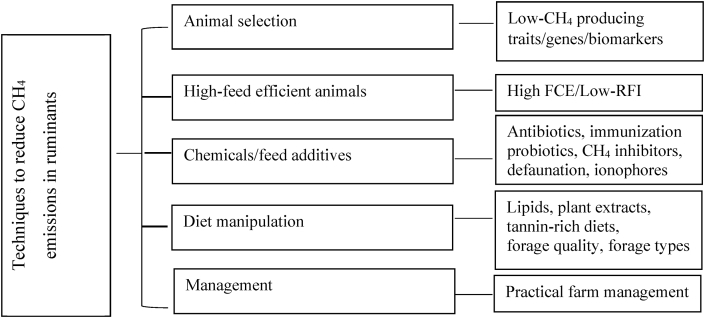
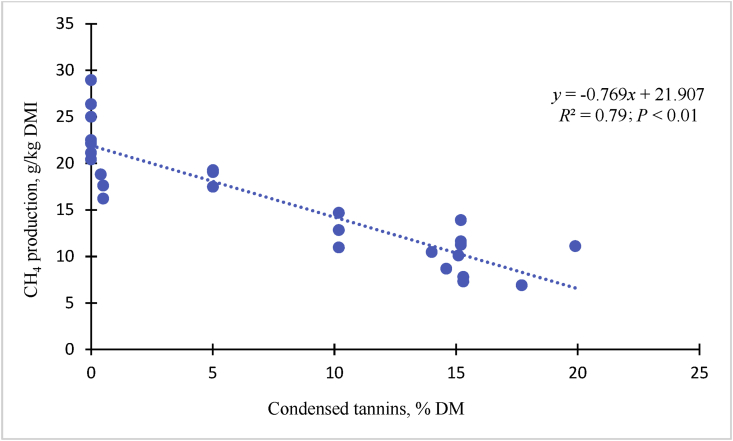
Methane gas from livestock production activities is a significant source of greenhouse gas (GHG) emissions which have been shown to influence climate change. New technologies offer a potential to manipulate the rumen biome through genetic selection reducing CH4 production. Methane production may also be mitigated to varying degrees by various dietary intervention strategies. Strategies to reduce GHG emissions need to be developed which increase ruminant production efficiency whereas reducing production of CH4 from cattle, sheep, and goats. Methane emissions may be efficiently mitigated by manipulation of natural ruminal microbiota with various dietary interventions and animal production efficiency improved. Although some CH4 abatement strategies have shown efficacy in vivo, more research is required to make any of these approaches pertinent to modern animal production systems. The objective of this review is to explain how anti-methanogenic compounds (e.g., plant tannins) affect ruminal microbiota, reduce CH4 emission, and the effects on host responses. Thus, this review provides information relevant to understanding the impact of tannins on methanogenesis, which may provide a cost-effective means to reduce enteric CH4 production and the influence of ruminant animals on global GHG emissions.
Overview
The claims and statistics of this paper haven’t been checked yet.
Run the check — free, no account needed. It reads the open-access text and checks the sources it cites.
Integrity signals
Registry
Cites
Statistics
Figures
Verification
Claims the paper makes
The claims and statistics of this paper haven’t been checked yet.
Run the check — free, no account needed. It reads the open-access text and checks the sources it cites.
Claims other papers make about this one
Each is checked against this paper’s own text: does it say what the citing paper says it does?
The source backs part of the claim, not all of it — or backs it for a different population, condition or comparison.
In the citing paper
“This shows the effective inhibitory effects of tannins on ruminal protein degradation and CH4 emission but requires careful selection of diets and nutrient composition to avoid adverse effects on feed digestibility and efficiency (229).”
From Phytogenic Additives Can Modulate Rumen Microbiome to Mediate Fermentation Kinetics and Methanogenesis Through Exploiting Diet–Microbe Interaction (2020) · cites this paper as [229]
Experimental — accuracy not yet measured
Self-check
Percentages, sums and reported differences re-computed from the paper’s own numbers.
The self-check needs the paper’s full text.
Citations
Cites
Nutritional ecology of the ruminant
Soest, P. J. V. (1995) · Choice Reviews Online · doi:10.5860/choice.32-4505 · Cited by 7,714
World agriculture towards 2030/2050: the 2012 revisionPreprint
Alexandratos, N., & Bruinsma, J. (2012) · RePEc: Research Papers in Economics · doi:10.22004/ag.econ.288998 · Cited by 3,192
Johnson, K. A., & Johnson, D. E. (1995) · Journal of Animal Science · doi:10.2527/1995.7382483x · Cited by 2,714 · cited 1×
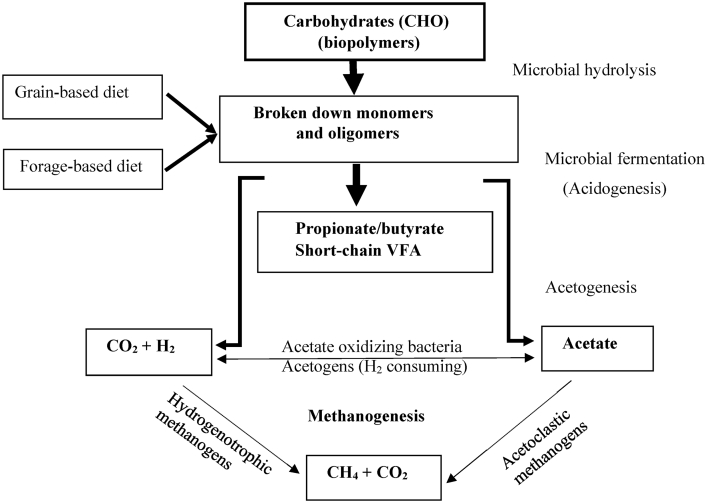
“Fermentation of carbohydrates into volatile fatty acids (VFA), and microbial protein synthesis, are accompanied by the release of gases such as carbon dioxide (CO2) and CH4 (Johnson and Johnson, 1995; Gerber et al., 2013).”
BackgroundHobson, P. N., & Stewart, C. S. (1997) · Springer eBooks · doi:10.1007/978-94-009-1453-7 · Cited by 2,159
Henderson, G., Cox, F., Ganesh, S., Jonker, A., Young, W., Collaborators, G. R. C., Abecia, L., Angarita, E., Aravena, P., Nora Arenas, G., et al. (2015) · Scientific Reports · doi:10.1038/srep14567 · Cited by 1,682
Methane production by ruminants: its contribution to global warming
Moss, A. R., Jouany, J.-P., & Newbold, J. (2000) · Annales de Zootechnie · doi:10.1051/animres:2000119 · Cited by 1,414
Metabolic, Phylogenetic, and Ecological Diversity of the Methanogenic Archaea
Liu, Y., & Whitman, W. B. (2008) · Annals of the New York Academy of Sciences · doi:10.1196/annals.1419.019 · Cited by 1,346
Efficiency of Feed Use in Beef Cattle
Koch, R. M., Swiger, L. A., Chambers, D., & GREGORY, K. E. (1963) · Journal of Animal Science · doi:10.2527/jas1963.222486x · Cited by 1,304
Nutritional management for enteric methane abatement: a review
Beauchemin, K. A., Kreuzer, M., O’Mara, F. P., & McAllister, T. A. (2008) · Australian Journal of Experimental Agriculture · doi:10.1071/ea07199 · Cited by 1,162
Hristov, A. N., Oh, J., Firkins, J. L., Dijkstra, J., Kebreab, E., Waghorn, G. C., Makkar, H. P. S., Adesogan, A. T., Yang, W. Z., Lee, C., et al. (2013) · Journal of Animal Science · doi:10.2527/jas.2013-6583 · Cited by 1,086
Research works printed but not linked: 6
- Broucek, 2018, Options to methane production abatement in ruminants: a review, J Anim Plant Sci, 28, 348
- Lee, 2004, Methane remissions by dairy cows fed increasing proportions of white clover (Trifolium repens) in pasture, Proc NZ Grass Assoc, 66, 151
- Min, 2014, The effect of phytochemical tannins- containing diet on rumen fermentation characteristics and microbial diversity dynamics in goats using 16S rDNA amplicon pyrosequencing, Agri Food Anal Bacteriol, 4, 195
- Tedeschi, 2001, Cornell value discovery system for individual cattle management, Dept. of Animal Science, 130
- Todd, 2016, Pasture-scale methane emissions of grazing cattle, Proc. Grazing CAP Field Res Sym, 46
- Waghorn, 1987, Pasture as a nutrient source, vol. 10, 21
Cited by
Sorted by citations
Tannin in Ruminant Nutrition: Review
Besharati, M., Maggiolino, A., Palangı, V., Kaya, A., Jabbar, M., Eseceli, H., Palo, P. D., & Lorenzo, J. M. (2022) · Molecules · doi:10.3390/molecules27238273 · Cited by 268
Hassan, F.-U., Arshad, M. A., Ebeid, H. M., Rehman, M. S.-U., Khan, M. S., Shahid, S., & Yang, C. (2020) · Frontiers in Veterinary Science · doi:10.3389/fvets.2020.575801 · Cited by 186
Min, B. R., Parker, D. B., Bräuer, D., Waldrip, H. M., Lockard, C. L., Hales, K. E., Akbay, A., & Augytė, S. (2021) · Animal nutrition · doi:10.1016/j.aninu.2021.10.003 · Cited by 154
Self-citationLiu, S., Wang, K., Lin, S., Zhang, Z., Cheng, M., Hu, S., Hu, H., Xiang, J., Chen, F., Li, G., et al. (2023) · Antioxidants · doi:10.3390/antiox12020441 · Cited by 140
Min, B. R., Lee, S., Jung, H.-J., Miller, D. N., & Chen, R. (2022) · Animals · doi:10.3390/ani12080948 · Cited by 131
Self-citationA Review of 3-Nitrooxypropanol for Enteric Methane Mitigation from Ruminant Livestock
Yu, G., Beauchemin, K. A., & Dong, R. (2021) · Animals · doi:10.3390/ani11123540 · Cited by 109
Effect of tannins from tropical plants on methane production from ruminants: A systematic review
Cardoso-Gutiérrez, E., Aranda-Aguirre, E., Jimenez, L. E. R., Castelán-Ortega, O. A., Chay‐Canul, A. J., Foggi, G., Ángeles-Hernández, J. C., Vargas‐Bello‐Pérez, E., & González-Ronquillo, M. (2021) · Veterinary and Animal Science · doi:10.1016/j.vas.2021.100214 · Cited by 109
Management of Enteric Methane Emissions in Ruminants Using Feed Additives: A Review
Palangı, V., & Lackner, M. K. (2022) · Animals · doi:10.3390/ani12243452 · Cited by 102
Orzuna‐Orzuna, J. F., Dorantes-Iturbide, G., Lara-Bueno, A., Martínez, G. D. M., Miranda‐Romero, L. A., & Hernández-García, P. A. (2021) · Sustainability · doi:10.3390/su13137410 · Cited by 102
Moorby, J. M., & Fraser, M. D. (2021) · animal · doi:10.1016/j.animal.2021.100297 · Cited by 99
Strategies to Mitigate Enteric Methane Emissions in Ruminants: A Review
Palangı, V., Taghizadeh, A., Abachi, S., & Lackner, M. K. (2022) · Sustainability · doi:10.3390/su142013229 · Cited by 92
Tannins for food preservation and human health: A review of current knowledge
Özoğul, Y., Uçar, Y., Tadesse, E. E., Rathod, N. B., Kulawik, P., Trif, M., Esatbeyoglu, T., & Özoğul, F. (2025) · Applied Food Research · doi:10.1016/j.afres.2025.100738 · Cited by 87
Rharad, A. A., Aayadi, S. E., Avril, C., Souradjou, A., Sow, F., Camara, Y., Hornick, J., & Boukrouh, S. (2025) · Animals · doi:10.3390/ani15040596 · Cited by 62
Net Zero Dairy Farming—Advancing Climate Goals with Big Data and Artificial Intelligence
Neethirajan, S. R. (2024) · Climate · doi:10.3390/cli12020015 · Cited by 55
Loza, C., Reinsch, T., Loges, R., Taube, F., Gere, J. I., Kluß, C., Hasler, M., & Malisch, C. S. (2021) · Agriculture · doi:10.3390/agriculture11020175 · Cited by 54
Sobanaa, M., Prathiviraj, R., Selvin, J., & Prathaban, M. (2023) · Environmental Science and Pollution Research · doi:10.1007/s11356-023-30601-w · Cited by 53
Carbon sequestration offsets a large share of GHG emissions in dehesa cattle production
Reyes-Palomo, C., Aguilera, E., Llorente, M., Díaz-Gaona, C., Moreno, G., & Rodríguez‐Estévez, V. (2022) · Journal of Cleaner Production · doi:10.1016/j.jclepro.2022.131918 · Cited by 48
Gut Microbiome Studies in Livestock: Achievements, Challenges, and Perspectives
Forcina, G., Pérez-Pardal, L., Carvalheira, J. G. V., & Beja‐Pereira, A. (2022) · Animals · doi:10.3390/ani12233375 · Cited by 46
McGurrin, A., Maguire, J., Tiwari, B. K., & García‐Vaquero, M. (2023) · Journal of Animal Science and Biotechnology/Journal of animal science and biotechnology · doi:10.1186/s40104-023-00946-w · Cited by 54
Verma, S., Taube, F., & Malisch, C. S. (2021) · Sustainability · doi:10.3390/su13052743 · Cited by 44
Potential use of seaweed as a dietary supplement to mitigate enteric methane emission in ruminants
Wanapat, M., Prachumchai, R., Dagaew, G., Matra, M., Phupaboon, S., Sommai, S., & Suriyapha, C. (2024) · The Science of The Total Environment · doi:10.1016/j.scitotenv.2024.173015 · Cited by 53
Mitigating enteric methane emissions: An overview of methanogenesis, inhibitors and future prospects
Xie, X., Cao, Y., Li, Q., Li, Q., Yang, X., Wang, R., Zhang, X., Tan, Z., Lin, B., & Wang, M. (2025) · Animal nutrition · doi:10.1016/j.aninu.2025.02.001 · Cited by 44
Kelly, L., & Kebreab, E. (2023) · Journal of Soil and Water Conservation · doi:10.2489/jswc.2023.00070 · Cited by 42
Seyedin, S. M. V., Zeidi, A., Chamanehpour, E., Nasri, M. H. F., & Vargas‐Bello‐Pérez, E. (2022) · Sustainability · doi:10.3390/su142416897 · Cited by 39
Badgery, W. B., Li, G. D., Simmons, A. T., Wood, J. A., Smith, R. W., Peck, D. M., Ingram, L. J., Durmic, Z., Cowie, A., Humphries, A. W., et al. (2023) · Australian Journal of Agricultural Research · doi:10.1071/cp22299 · Cited by 35
Roldan, M. B., Cousins, G. R., Muetzel, S., Zeller, W. E., Fraser, K., Salminen, J., Blanc, A., Kaur, R., Richardson, K. A., Maher, D., et al. (2022) · Frontiers in Plant Science · doi:10.3389/fpls.2021.777354 · Cited by 36
Life Cycle Assessment of buffalo milk: A case study of three farms in southern Italy
Chirone, R., Paulillo, A., Salatino, P., Salzano, A., Cristofaro, B., Cristiano, T., Campanile, G., & Neglia, G. (2022) · Journal of Cleaner Production · doi:10.1016/j.jclepro.2022.132816 · Cited by 31
Wang, M., Chen, M., Bai, J., Zhang, J., Su, R., Franco, M., Ding, Z., Zhang, X., Zhang, Y., & Guo, X. (2021) · Animal Feed Science and Technology · doi:10.1016/j.anifeedsci.2021.115154 · Cited by 28
Effect of Cistanche deserticola on Rumen Microbiota and Rumen Function in Grazing Sheep
Zhang, X., Liu, X., Chang, S., Zhang, C., Du, W., & Hou, F. (2022) · Frontiers in Microbiology · doi:10.3389/fmicb.2022.840725 · Cited by 28
Sponheimer, M., Daegling, D. J., Ungar, P. S., Bobe, R. L., & Paine, O. (2022) · Quaternary International · doi:10.1016/j.quaint.2022.03.024 · Cited by 26
Eikanger, K. S., Kjær, S. T., Dörsch, P., Iwaasa, A. D., Alemu, A. W., Schei, I., Pope, P. B., Hagen, L. H., & Kidane, A. (2024) · Livestock Science · doi:10.1016/j.livsci.2024.105495 · Cited by 26
Nørskov, N. P., Battelli, M., Curtasu, M. V., Olijhoek, D., Chassé, É., & Nielsen, M. O. (2023) · Scientific Reports · doi:10.1038/s41598-023-43041-w · Cited by 25
Yu, S., Li, L., Zhao, H., Tu, Y., Liu, M., Jiang, L., & Zhao, Y. (2023) · Microbiology Spectrum · doi:10.1128/spectrum.03517-22 · Cited by 22
Chen, X., Lin, J., Tan, K., Pei, Y., & Wang, X. (2023) · Agriculture Ecosystems & Environment · doi:10.1016/j.agee.2023.108406 · Cited by 19
Prathap, P., Chauhan, S. S., Leury, B. J., Cottrell, J. J., & Dunshea, F. R. (2021) · Sustainability · doi:10.3390/su13116081 · Cited by 25
Leitanthem, V. K., Chaudhary, P., Maiti, S., Mohini, M., & Mondal, G. (2022) · Animals · doi:10.3390/ani13010097 · Cited by 18
Magnani, E., da Silva, T. H., Sakamoto, L. S., Manella, M. Q., Dias, F. M. G. N., Mercadante, M. E. Z., Henry, D. D., Marcatto, J. D. O. S., de Paula, E. M., & Branco, R. H. (2023) · Translational Animal Science · doi:10.1093/tas/txad048 · Cited by 18
Thanh, L. P., Kha, P. T. T., Loor, J. J., & Hằng, T. T. T. (2022) · Journal of Animal Science · doi:10.1093/jas/skac039 · Cited by 18
USING NUTRITIONAL STRATEGIES TO MITIGATE RUMINAL METHANE EMISSIONS FROM RUMINANTS
Sun, J. Y., Zhao, G., & Li, M. (2023) · Frontiers of Agricultural Science and Engineering · doi:10.15302/j-fase-2023504 · Cited by 22
Echave, J., Pereira, A. G., Jorge, A. O. S., Barciela, P., Nogueira‐Marques, R., Yuksek, E. N., Oliveira, M. B. P. P., Barros, L., & Prieto, M. A. (2025) · Molecules · doi:10.3390/molecules30132726 · Cited by 14
Loza, C., Davis, H., Malisch, C. S., Taube, F., Loges, R., Magistrali, A., & Butler, G. (2023) · Agriculture · doi:10.3390/agriculture13010181 · Cited by 15
Verma, S., Akpensuen, T. T., Wolffram, S., Salminen, J., Taube, F., Blank, R., Kluß, C., & Malisch, C. S. (2024) · Scientific Reports · doi:10.1038/s41598-024-63434-9 · Cited by 14
Lean, I. J., & Moate, P. J. (2021) · Australian Veterinary Journal · doi:10.1111/avj.13072 · Cited by 15
Urga, Wang, X., Wei, H., & Zhao, G. (2025) · Microorganisms · doi:10.3390/microorganisms13122880 · Cited by 13
Beef cattle methane emissions measured with tracer-ratio and inverse dispersion modelling techniques
Bai, M., Velazco, J., Coates, T., Phillips, F. A., Flesch, T. K., Hill, J., Mayer, D. G., Tomkins, N. W., Hegarty, R. S., & Chen, D. (2021) · Atmospheric measurement techniques · doi:10.5194/amt-14-3469-2021 · Cited by 13
Harnessing plant bioactivity for enteric methane mitigation in Australia
Durmic, Z., Black, J. L., Martin, G. B., & Vercoe, P. E. (2021) · Animal Production Science · doi:10.1071/an21004 · Cited by 18
Mpanza, T. D. E., Dhlamini, T. C., Pierneef, R., & Mbatha, K. R. (2022) · Fermentation · doi:10.3390/fermentation8090434 · Cited by 14
Khejornsart, P., Cherdthong, A., & Wanapat, M. (2021) · Fermentation · doi:10.3390/fermentation7030166 · Cited by 12
Application of fenugreek in ruminant feed: implications for methane emissions and productivity
Zeng, X., Chen, Y., Li, W., & Liu, S. (2024) · PeerJ · doi:10.7717/peerj.16842 · Cited by 15
Niu, X., Xing, Y., Wang, J., Bai, L., Xie, Y., Zhu, S., Sun, M., Yang, J., Li, D., & Liu, Y. (2024) · Frontiers in Microbiology · doi:10.3389/fmicb.2024.1334045 · Cited by 15
Min, B. R., Pinchak, W. E., Hume, M. E., & Anderson, R. C. (2021) · Animals · doi:10.3390/ani11082391 · Cited by 13
Self-citationZhang, X., Du, W., Xie, K., Ran, L., Zhu, W., & Hou, F. (2025) · Animal nutrition · doi:10.1016/j.aninu.2025.08.003 · Cited by 10
Tretola, M., Bee, G., Dohme‐Meier, F., & Silacci, P. (2023) · animal · doi:10.1016/j.animal.2023.100785 · Cited by 10
Zhang, C., Jiang, X., Wu, S., Zhang, J., Wang, Y., Li, Z., & Yao, J. (2024) · Animal nutrition · doi:10.1016/j.aninu.2024.02.004 · Cited by 10
da Silva, T. H., Magnani, E., de Andrade, J. G. P., Amâncio, B. R., Meurer, G. W., Reolon, H. G., Benedeti, P. D. B., de Paula, E. M., & Branco, R. H. (2024) · Animal Feed Science and Technology · doi:10.1016/j.anifeedsci.2024.116046 · Cited by 10
Verma, S., Wolffram, S., Salminen, J., Hasler, M., Susenbeth, A., Blank, R., Taube, F., Kluß, C., & Malisch, C. S. (2022) · Scientific Reports · doi:10.1038/s41598-022-14424-2 · Cited by 11
Kustantinah, K., Hidayah, N., Noviandi, C. T., ASTUTI, A., & Paradhipta, D. H. V. (2023) · Biodiversitas Journal of Biological Diversity · doi:10.13057/biodiv/d231213 · Cited by 10
Pasture management and greenhouse gases emissions
Cardoso, A. D. S., Longhini, V. Z., Berça, A. S., Ongaratto, F., Siniscalchi, D., Reis, R. A., & Ruggieri, A. C. (2022) · Bioscience Journal · doi:10.14393/bj-v38n0a2022-60614 · Cited by 10
Carbon footprint in an educational institution and compensation potential in urban forests
Rocha, T. D. A., Silva, L. B., Alves, E. B. B. M., & Jacovine, L. A. G. (2023) · Environmental Development · doi:10.1016/j.envdev.2023.100860 · Cited by 9
Molina-Botero, I. C., Villegas, D., Montoya, A. J. A., Mazabel, J., Bastidas, M., Ruden, A., Gaviria, H., Peláez, J. D., Chará, J. D., Restrepo, E. M., et al. (2024) · Agroforestry Systems · doi:10.1007/s10457-024-01046-y · Cited by 9
Sultana, N., Das, N. G., Kabir, M. A., Deb, G. K., & Islam, M. T. (2021) · Frontiers in Animal Science · doi:10.3389/fanim.2021.712919 · Cited by 9
Seeno, E., Naumann, H. D., & Ateş, S. (2022) · Animal Feed Science and Technology · doi:10.1016/j.anifeedsci.2022.115324 · Cited by 9
Uniyal, S., Chaudhary, L. C., Kala, A., Agarwal, N., & Chaturvedi, V. B. (2022) · Tropical Animal Health and Production · doi:10.1007/s11250-022-03419-w · Cited by 9
In Vitro Fermentation of Browsable Native Shrubs in New Zealand
Wangui, J. C., Millner, J. P., Kenyon, P. R., Tozer, P. R., Morel, P. C. H., & Pain, S. J. (2022) · Plants · doi:10.3390/plants11162085 · Cited by 9
Min, B. R., Willis, W., Casey, K. D., Castleberry, L., Waldrip, H. M., & Parker, D. B. (2022) · Animals · doi:10.3390/ani12202876 · Cited by 9
Self-citationKHOLIF, A. E., Olafadehan, O. A., & Anele, U. Y. (2026) · Research in Veterinary Science · doi:10.1016/j.rvsc.2026.106181 · Cited by 12
Medjadbi, M., García-Rodríguez, A., Atxaerandio, R., Charef, S. E., Picault, C., Ibarruri, J., Iñarra, B., Martín, D. S., Serrano, B., Alonso, M. J. M., et al. (2024) · Journal of Animal Science · doi:10.1093/jas/skae351 · Cited by 9
Budel, J. C. D. C., de Castro, V. C. G., de Souza, S. M., Nahúm, B. D. S., Barbosa, A. V. C., Rodrigues, L. S., Berndt, A., Rennó, L. N., de Morais, E., da Silva, J. A. R., et al. (2023) · Frontiers in Veterinary Science · doi:10.3389/fvets.2023.1106619 · Cited by 8
Peng, Z., Fujino, M., Anand, M., & Uyeno, Y. (2024) · Microorganisms · doi:10.3390/microorganisms12061067 · Cited by 10
Zhang, R., Bao, X., Shi, X., Jin, S., Meng, Y., Li, Z., Du, Z., & Yan, X. (2025) · Animals · doi:10.3390/ani15111516 · Cited by 7
Ribeiro, L. P. S., Puchała, R., & Goetsch, A. L. (2021) · Small Ruminant Research · doi:10.1016/j.smallrumres.2021.106566 · Cited by 7
Legumes for animal nutrition and dietary energy
Solomon, J. K. Q. (2022) · Elsevier eBooks · doi:10.1016/b978-0-323-85797-0.00026-4 · Cited by 7
Bleke, C. A., Gese, E. M., Roberts, S. B., & Villalba, J. J. (2023) · PLoS ONE · doi:10.1371/journal.pone.0292725 · Cited by 7
Dittmann, M. T., & Leiber, F. (2024) · Animal Feed Science and Technology · doi:10.1016/j.anifeedsci.2024.115884 · Cited by 6
Khejornsart, P., Juntanam, T., Gunun, P., Gunun, N., & Cherdthong, A. (2024) · Animals · doi:10.3390/ani14213092 · Cited by 6
Patrucco, S. G., Lotto, A., Dorigo, M., Fornaciari, R., Sagliano, A., Martinelli, N., Cosani, A., Abid, K., Barbera, S., Kaihara, H., et al. (2025) · Italian Journal of Animal Science · doi:10.1080/1828051x.2025.2450509 · Cited by 7
F3-metabolomics: Integrating feed, fluid, and food metabolomics in dairy production
Rocchetti, G., & Gallo, A. (2026) · Animal Feed Science and Technology · doi:10.1016/j.anifeedsci.2026.116653 · Cited by 6
Mavasa, N. O., Ng’ambi, J. W., & Chitura, T. (2022) · South African Journal of Animal Science · doi:10.4314/sajas.v52i1.2 · Cited by 5
Ferracini, J. G., Lelis, A. L. J., Polli, D., Gasparim, M. B., Feba, L. T., do Prado, I. N., & Millen, D. D. (2024) · Revista Brasileira de Zootecnia · doi:10.37496/rbz5320230104 · Cited by 5
Trade-offs between selection of crude protein and tannins in growing lambs
Braga, M. T., Poli, C. H. E. C., Tontini, J. F., Ahsin, M., van Vliet, S., & Villalba, J. J. (2024) · Journal of Animal Science · doi:10.1093/jas/skae298 · Cited by 5
Muslykhah, U., Phupaboon, S., Suriyapha, C., Sommai, S., Pongsub, S., Dagaew, G., Matra, M., & Wanapat, M. (2024) · Italian Journal of Animal Science · doi:10.1080/1828051x.2024.2436963 · Cited by 8
Battacone, G., Lunesu, M. F., Rassu, S. P. G., Nudda, A., & Pulina, G. (2021) · Animals · doi:10.3390/ani11123605 · Cited by 5
Pena-Bermudez, Y. A., Vincenzi, R., Méo-Filho, P., Sakamoto, L. S., Lobo, R. R., Benetel, G., Lobo, A. A. G., Matos, C., Benetel, V., de Lima, C. G., et al. (2022) · Animals · doi:10.3390/ani12212997 · Cited by 5
Hidayah, N., Maulina, N. W., Noviandi, C. T., Astuti, A., Dono, N. D., & Kustantinah, K. (2022) · IOP Conference Series Earth and Environmental Science · doi:10.1088/1755-1315/1114/1/012003 · Cited by 5
de Oliveira, V. C., da Silva, L. F., Oliveira, C. E. A., Franco, J. R., Rodrigues, S. A., de Souza, C. M. A., Andrade, R. R., Damasceno, F. A., Tinôco, I. D. F. F., & Bambi, G. (2024) · Livestock Science · doi:10.1016/j.livsci.2024.105595 · Cited by 6
Xu, Z.-Y., Liu, C.-H., Chen, B., Liu, L.-L., Lo, J.-L., Kuo, C.-H., & Chiu, K.-H. (2025) · The Science of The Total Environment · doi:10.1016/j.scitotenv.2025.179045 · Cited by 4
Condensed Tannins Attributes: Potential Solution to Fescue Toxicosis?
Poudel, S., Zeller, W. E., Fike, J. H., & Pent, G. J. (2023) · Agriculture · doi:10.3390/agriculture13030672 · Cited by 4
Caradus, J. R., Chapman, D. F., & Rowarth, J. S. (2024) · Animals · doi:10.3390/ani14091353 · Cited by 5
Prommachart, R., Phupaboon, S., Matra, M., Totakul, P., & Wanapat, M. (2024) · Heliyon · doi:10.1016/j.heliyon.2024.e32885 · Cited by 8
Ábrego-García, A., Medina-Mendoza, G. G., & Miranda‐Romero, L. A. (2024) · Fermentation · doi:10.3390/fermentation10080393 · Cited by 4
Gheshlagh, N. S., Paya, H., Taghizadeh, A., Mohammadzadeh, H., Palangı, V., & Mehmannavaz, Y. (2021) · Semina Ciências Agrárias · doi:10.5433/1679-0359.2021v42n3supl1p2005 · Cited by 5
Gaviria, X., Castro-Montoya, J. M., Bolívar, D., Molina-Botero, I. C., Chirinda, N., Dickhoefer, U., Rosales, R. B., & Arango, J. (2022) · Agronomy · doi:10.3390/agronomy12030629 · Cited by 4
Mullik, M. L., Dato, T. O. D., Mulik, Y. M., & Oematan, G. (2024) · Tropical Animal Science Journal · doi:10.5398/tasj.2024.47.1.97 · Cited by 4
Yulistiani, D., Jelan, Z. A., Liang, J. B., Yaakub, H., Norhani, A. N., & Saputra, F. (2024) · South African Journal of Animal Science · doi:10.4314/sajas.v54i3.04 · Cited by 3
Gregorini, P., & Villalba, J. J. (2025) · The Journal of Agricultural Science · doi:10.1017/s0021859625000127 · Cited by 3
Barnes, K., Hayes, M., Miller, F., Yáñez-Ruíz, D. R., Jiménez, E., Dillon, L., Campbell, E., McCarron, P., Pickup, J., Huws, S., et al. (2025) · Journal of the Science of Food and Agriculture · doi:10.1002/jsfa.70016 · Cited by 4
Shimali, Yadav, N., Rajawat, S., Chamoli, S., & Kumar, P. (2025) · Food Bioscience · doi:10.1016/j.fbio.2025.107902 · Cited by 3
Tailoring Australian carbon farming can realise greater co-benefits
Bhattarai, G., Christie, K., Drake, A., Chen, C., Mokany, K., Roberts, G., Burley, H., Garcia, F. C., Doran-Browne, N. A., Ash, R., et al. (2026) · Nature Communications · doi:10.1038/s41467-026-68628-5 · Cited by 3
Ciampi, F., Gandy, J. C., Ciliberti, M. G., Sevi, A., Albenzio, M., & Santillo, A. (2022) · Frontiers in Animal Science · doi:10.3389/fanim.2022.837279 · Cited by 3
Rethinking efficiency: Growth curves as a proxy for inputs and impacts in finishing beef systems
Cooke, A. S., Grice, P. L., McAuliffe, G. A., Lee, M. R. F., & Rivero, M. J. (2022) · Journal of Environmental Management · doi:10.1016/j.jenvman.2022.116418 · Cited by 3
Metadata
- Authors
- Min, B. R., Solaiman, S., Waldrip, H. M., Parker, D., Todd, R. W., & Brauer, D.
- Affiliations
- Agricultural Research Service (US)
- Tuskegee University (US)
- Corresponding author
- Min, Byeng R.
- Venue
- Animal nutrition
- Publisher
- Elsevier BV
- Published
- 2020-09
- Volume
- 6
- Issue
- 3
- Pages
- 231-246
- ISSN
- 2405-6383 (ISSN-L)
- 2405-6545
- PMC
- PMC7503797
- OpenAlex
- W3041141320
- Cited by
- 159
- References
- 209
- Citations by year
- 2026: 30 · 2025: 24 · 2024: 31 · 2023: 22 · 2022: 32 · 2021: 19 · 2020: 1
- FWCI
- 2.50
- Type
- journal article
- Language
- en
- Open access
- gold
- doi.org
- Licence
- Locations
- Animal nutrition (publishedVersion, cc-by-nc-nd)
- PubMed Central (publishedVersion, cc-by-nc-nd)
- PubMed (publishedVersion)
- DOAJ (DOAJ: Directory of Open Access Journals) (submittedVersion, cc-by-sa)
- Topics
- Life Sciences › Agricultural and Biological Sciences › Animal Science and Zoology › Ruminant Nutrition and Digestive Physiology
- Physical Sciences › Environmental Science › Ecology › Agriculture Sustainability and Environmental Impact
- Life Sciences › Agricultural and Biological Sciences › Animal Science and Zoology › Animal Nutrition and Physiology
- Keywords
- enteric methane, ruminants, plant tannins, methane mitigation, rumen microbiota, methanogenesis, greenhouse gas emissions, dietary intervention, cattle, sheep, goats, host response
About these checks
Registry, retraction, Cites and statistics results are computed, not judged, with one exception: a printed reference that no index lists is read once by a model before it counts as a citation error. Claims are extracted by a model and kept only when their quote appears verbatim in the text; each cited source is then checked, with a model’s help, for whether it says what the claim relies on. Those verdicts can be wrong — read the claim’s quote and the cited source before relying on one.
Statistics and arithmetic are recomputed, not judged.
Confidence bands are shown only for fields calibrated on our annotated test set. None is calibrated yet, so no band is shown.
What counts as a claim ›How we measure confidence ›How we check this ›
Are you an author, or do you see a problem with this page? Request a review
