

The DOI matches its Crossref record; 2 of the 2 references it cites were found in a registry or an index.
Spontaneous recurrent seizures in an intra-amygdala kainate microinjection model of temporal lobe epilepsy are differentially sensitive to antiseizure drugs
Published version of a preprint
Overview
The claims and statistics of this paper haven’t been checked yet.
Run the check — free, no account needed. It reads the open-access text and checks the sources it cites.
Integrity signals
Registry
Cites
Statistics
Figures
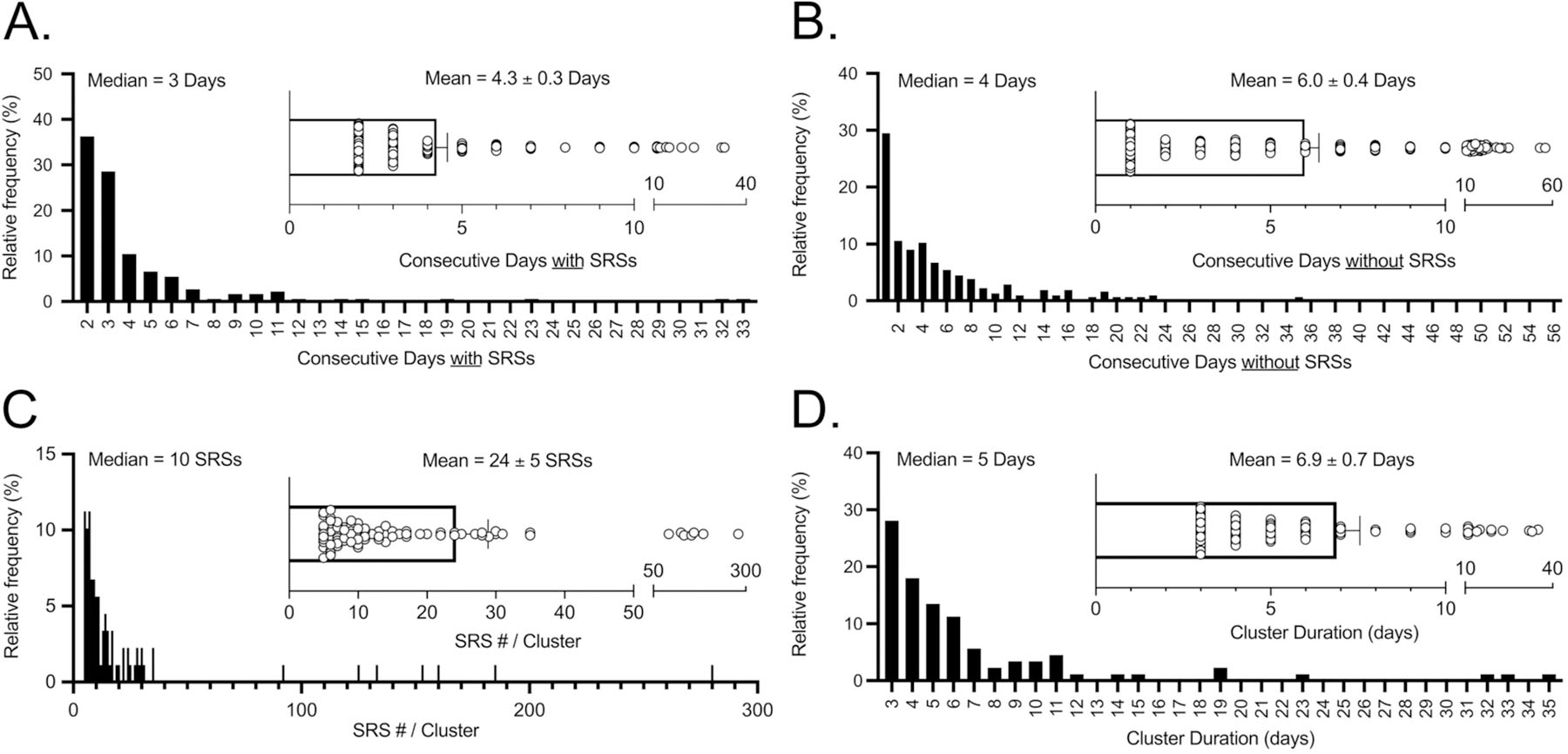
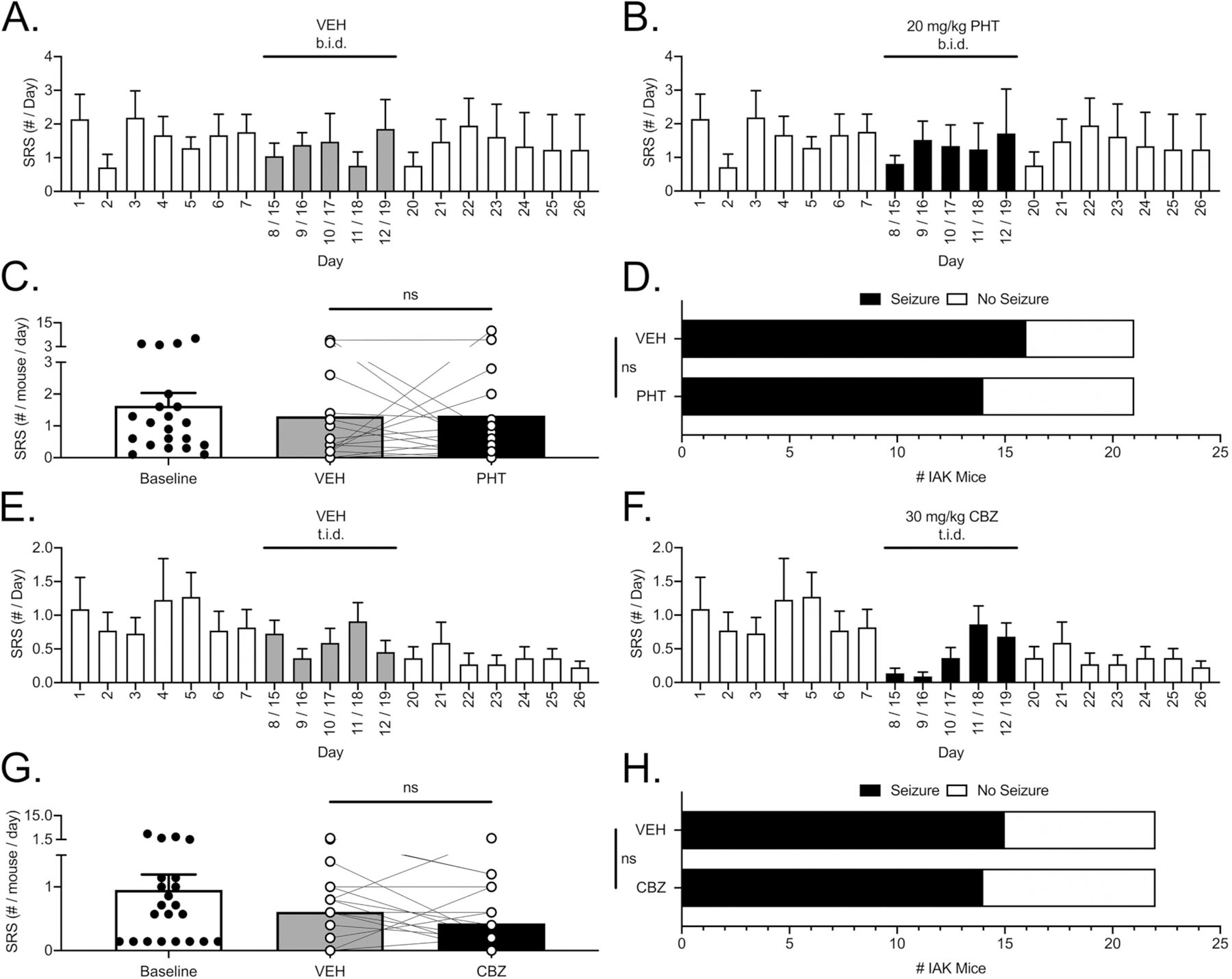
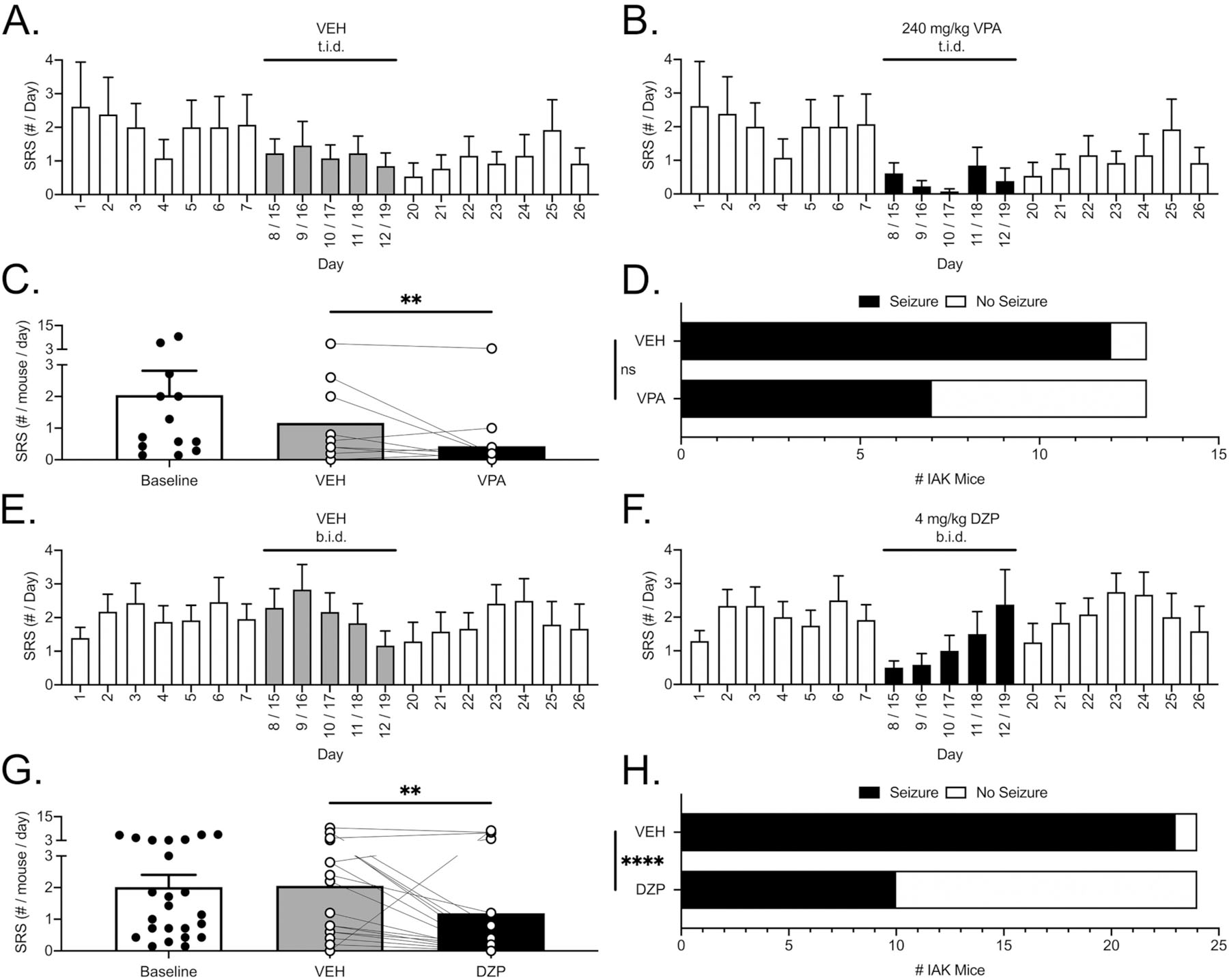
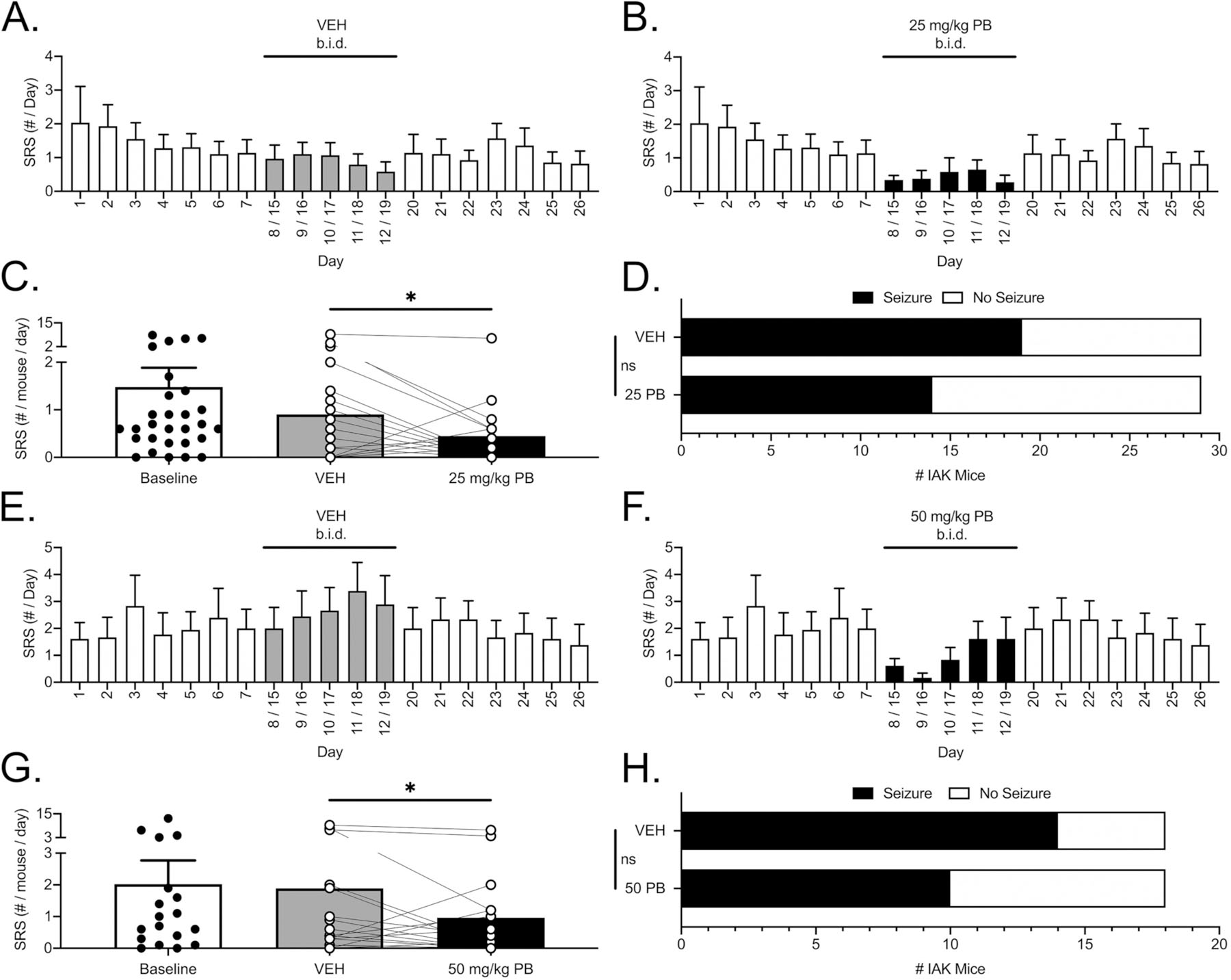
Verification
Claims the paper makes
The claims and statistics of this paper haven’t been checked yet.
Run the check — free, no account needed. It reads the open-access text and checks the sources it cites.
Claims other papers make about this one
Each is checked against this paper’s own text: does it say what the citing paper says it does?
The source backs part of the claim, not all of it — or backs it for a different population, condition or comparison.
In the citing paper
“The model displays typical features of the pathophysiology of TLE including select neuron loss and gliosis within the hippocampus and the emergence of recurrent, spontaneous seizures which are resistant to various anti-seizure medicines (Mouri et al., 2008; West et al., 2022).”
From Brain cell-specific origin of circulating microRNA biomarkers in experimental temporal lobe epilepsy (2023) · cites this paper as West et al., 2022
Experimental — accuracy not yet measuredThe cited source says what the claim attributes to it.
In the citing paper
“This supports the clinical relevance of the mouse model, which is refractory to various anti-seizure medicines (West et al., 2022)”
From Brain cell-specific origin of circulating microRNA biomarkers in experimental temporal lobe epilepsy (2023) · cites this paper as West et al., 2022
In the citing paper
“which is refractory to various anti-seizure medicines (West et al., 2022)”
From Brain cell-specific origin of circulating microRNA biomarkers in experimental temporal lobe epilepsy (2023) · cites this paper as West et al., 2022
Self-check
Percentages, sums and reported differences re-computed from the paper’s own numbers.
The self-check needs the paper’s full text.
Citations
Cites
Faul, F., Erdfelder, E., Lang, A.-G., & Buchner, A. (2007) · Behavior Research Methods · doi:10.3758/bf03193146 · Cited by 65,971
Liu, G., Gu, B., He, X.-P., Joshi, R. B., Wackerle, H. D., Rodriguiz, R. M., Wetsel, W. C., & McNamara, J. O. (2013) · Neuron · doi:10.1016/j.neuron.2013.04.027 · Cited by 210
Research works printed but not linked: 47
- Araki, 2002, Characterization of neuronal death induced by focally evoked limbic seizures in the C57BL/6 mouse, J. Neurosci. Res., 69, 614, 10.1002/jnr.10356 · DOI
- Ben-Ari, 1979, A new model of focal status epilepticus: intra-amygdaloid application of kainic acid elicits repetitive secondarily generalized convulsive seizures, Brain Res., 163, 176, 10.1016/0006-8993(79)90163-X · DOI
- Ben-Ari, 1980, Injections of kainic acid into the amygdaloid complex of the rat: an electrographic, clinical and histological study in relation to the pathology of epilepsy, Neuroscience, 5, 515, 10.1016/0306-4522(80)90049-4 · DOI
- Bethmann, 2007, Resistance to phenobarbital extends to phenytoin in a rat model of temporal lobe epilepsy, Epilepsia, 48, 816, 10.1111/j.1528-1167.2007.00980.x · DOI
- Bortel, 2010, Convulsive status epilepticus duration as determinant for epileptogenesis and interictal discharge generation in the rat limbic system, Neurobiol. Dis., 40, 478, 10.1016/j.nbd.2010.07.015 · DOI
- Brandt, 2004, Striking differences in individual anticonvulsant response to phenobarbital in rats with spontaneous seizures after status epilepticus, Epilepsia, 45, 1488, 10.1111/j.0013-9580.2004.16904.x · DOI
- Diviney, 2015, Comparison of short-term effects of midazolam and lorazepam in the intra-amygdala kainic acid model of status epilepticus in mice, Epilepsy Behav. : E&B, 51, 191, 10.1016/j.yebeh.2015.07.038 · DOI
- Duveau, 2016, Differential effects of antiepileptic drugs on focal seizures in the Intrahippocampal Kainate mouse model of mesial temporal lobe epilepsy, CNS Neurosci. Therapeut., 22, 497, 10.1111/cns.12523 · DOI
- Engel, 2013, CHOP regulates the p53-MDM2 axis and is required for neuronal survival after seizures, Brain, 136, 577, 10.1093/brain/aws337 · DOI
- Faul, 2009, Statistical power analyses using G*Power 3.1: tests for correlation and regression analyses, Behav. Res. Methods, 41, 1149, 10.3758/BRM.41.4.1149 · DOI · Paper page
- Frigerio, 2018, N-3 Docosapentaenoic acid-derived protectin D1 promotes resolution of neuroinflammation and arrests epileptogenesis, Brain, 141, 3130
- Goffin, 2007, Cyclicity of spontaneous recurrent seizures in pilocarpine model of temporal lobe epilepsy in rat, Exp. Neurol., 205, 501, 10.1016/j.expneurol.2007.03.008 · DOI
- Goldstein, 2018, What’s in a (Sub)strain?, Stem Cell Rep, 11, 303, 10.1016/j.stemcr.2018.07.011 · DOI · Paper page
- Haut, 2006, Seizure clustering, Epilepsy Behav., 8, 50, 10.1016/j.yebeh.2005.08.018 · DOI
- Hosford, 2016, Ablation of newly generated hippocampal granule cells has disease-modifying effects in epilepsy, J. Neurosci., 36, 11013, 10.1523/JNEUROSCI.1371-16.2016 · DOI
- Iori, 2016, Blockade of the IL-1R1/TLR4 pathway mediates disease-modification therapeutic effects in a model of acquired epilepsy, Neurobiol. Dis., 99, 12, 10.1016/j.nbd.2016.12.007 · DOI · Paper page
- Jimenez-Pacheco, 2013, Increased neocortical expression of the P2X7 receptor after status epilepticus and anticonvulsant effect of P2X7 receptor antagonist A-438079, Epilepsia, 54, 1551, 10.1111/epi.12257 · DOI
- Jimenez-Pacheco, 2016, Transient P2X7 receptor antagonism produces lasting reductions in spontaneous seizures and gliosis in experimental temporal lobe epilepsy, J. Neurosci., 36, 5920, 10.1523/JNEUROSCI.4009-15.2016 · DOI
- Kang, 2019, C57BL/6J and C57BL/6N substrains differentially influence phenotype severity in the Scn1a+/− mouse model of Dravet syndrome, Epilepsia Open, 4, 164, 10.1002/epi4.12287 · DOI
- Kondratiuk, 2015, Epileptogenesis following kainic acid-induced status epilepticus in cyclin D2 knock-out mice with diminished adult neurogenesis, PLoS One, 10, 10.1371/journal.pone.0128285 · DOI
- Kwan, 2010, Definition of drug resistant epilepsy: consensus proposal by the ad hoc task force of the ILAE commission on therapeutic strategies, Epilepsia, 51, 1069, 10.1111/j.1528-1167.2009.02397.x · DOI
- Lehmkuhle, 2009, A simple quantitative method for analyzing electrographic status epilepticus in rats, J. Neurophysiol., 101, 1660, 10.1152/jn.91062.2008 · DOI
- Lein, 2007, Genome-wide atlas of gene expression in the adult mouse brain, Nature, 445, 168, 10.1038/nature05453 · DOI · Paper page
- Leite, 1995, Effects of conventional antiepileptic drugs in a model of spontaneous recurrent seizures in rats, Epilepsy Res., 20, 93, 10.1016/0920-1211(94)00070-D · DOI
- Li, 2008, Adenosine kinase is a target for the prediction and prevention of epileptogenesis in mice, J. Clin. Invest., 118, 571
- Lim, 2018, Clustering of spontaneous recurrent seizures separated by long seizure-free periods: an extended video-EEG monitoring study of a pilocarpine mouse model, PLoS One, 13, 10.1371/journal.pone.0194552 · DOI
- Long, 2016, 2014 Epilepsy benchmarks: progress and opportunities, Epilepsy Curr./ American Epilepsy Society, 16, 179, 10.5698/1535-7511-16.3.179 · DOI
- Löscher, 2006, Experimental and clinical evidence for loss of effect (tolerance) during prolonged treatment with antiepileptic drugs, Epilepsia, 47, 1253, 10.1111/j.1528-1167.2006.00607.x · DOI
- Löscher, 2017, The relevance of inter- and intrastrain differences in mice and rats and their implications for models of seizures and epilepsy, Epilepsy Behav., 73, 214, 10.1016/j.yebeh.2017.05.040 · DOI
- Mekada, 2021, Substrains matter in phenotyping of C57BL/6 mice, Exp Anim Tokyo, 70, 145, 10.1538/expanim.20-0158 · DOI
- Metcalf, 2017, Development and pharmacologic characterization of the rat 6 Hz model of partial seizures, Epilepsia, 58, 1073, 10.1111/epi.13764 · DOI
- Metcalf, 2019, Evaluation of antiseizure drug efficacy and tolerability in the rat lamotrigine-resistant amygdala kindling model, Epilepsia Open, 4, 452, 10.1002/epi4.12354 · DOI
- Mouri, 2008, Unilateral hippocampal CA3-predominant damage and short latency epileptogenesis after intra-amygdala microinjection of kainic acid in mice, Brain Res., 1213, 140, 10.1016/j.brainres.2008.03.061 · DOI · Paper page
- Pitkänen, 2005, Administration of diazepam during status epilepticus reduces development and severity of epilepsy in rat, Epilepsy Res., 63, 27, 10.1016/j.eplepsyres.2004.10.003 · DOI
- Sapia, 2021, CXCL1-CXCR1/2 signaling is induced in human temporal lobe epilepsy and contributes to seizures in a murine model of acquired epilepsy, Neurobiol. Dis., 158, 10.1016/j.nbd.2021.105468 · DOI
- Shinoda, 2004, Development of a model of seizure-induced hippocampal injury with features of programmed cell death in the BALB/c mouse, J. Neurosci. Res., 76, 121, 10.1002/jnr.20064 · DOI
- Silva, 2016, Distinct behavioral and epileptic phenotype differences in 129/P mice compared to C57BL/6 mice subject to intraamygdala kainic acid-induced status epilepticus, Epilepsy Behav. : E&B, 64, 186, 10.1016/j.yebeh.2016.09.031 · DOI
- Tang, 2017, Drug-resistant epilepsy: multiple hypotheses, few answers, Front. Neurol., 8, 301, 10.3389/fneur.2017.00301 · DOI
- Thomson, 2014, A novel open-source drug-delivery system that allows for first-of-kind simulation of nonadherence to pharmacological interventions in animal disease models, J. Neurosci. Methods, 238, 105, 10.1016/j.jneumeth.2014.09.019 · DOI
- Thomson, 2020, Evaluation of subchronic administration of antiseizure drugs in spontaneously seizing rats, Epilepsia, 61, 1301, 10.1111/epi.16531 · DOI
- Traynelis, 2020, Epilepsy benchmarks area III: improved treatment options for controlling seizures and epilepsy-related conditions without side effects, Epilepsy Curr, 20, 23S, 10.1177/1535759719895279 · DOI
- Welzel, 2020, A face-to-face comparison of the intra-amygdala and intrahippocampal kainate mouse models of mesial temporal lobe epilepsy and their utility for testing novel therapies, Epilepsia, 61, 157, 10.1111/epi.16406 · DOI
- West, 2014, Antiseizure drugs differentially modulate theta-burst induced long-term potentiation in C57BL/6 mice, Epilepsia, 55, 214, 10.1111/epi.12524 · DOI
- West, 2018, Recurrent epileptiform discharges in the medial entorhinal cortex of kainate-treated rats are differentially sensitive to antiseizure drugs, Epilepsia, 59, 2035, 10.1111/epi.14563 · DOI
- Wilcox, 2019, The current approach of the epilepsy therapy screening program contract site for identifying improved therapies for the treatment of pharmacoresistant seizures in epilepsy, Neuropharmacology, 166
- Williams, 2009, Development of spontaneous recurrent seizures after Kainate-induced status epilepticus, J. Neurosci., 29, 2103, 10.1523/JNEUROSCI.0980-08.2009 · DOI
- Wu, 2000, The tissue plasminogen activator (Tpa/plasmin) extracellular proteolytic system regulates seizure-induced hippocampal mossy fiber outgrowth through a proteoglycan substrate, J. Cell Biol., 148, 1295, 10.1083/jcb.148.6.1295 · DOI
Cited by
Sorted by citations
Brain cell-specific origin of circulating microRNA biomarkers in experimental temporal lobe epilepsy
Brindley, E., Heiland, M., Mooney, C., Diviney, M., Mamad, O., Hill, T. D. M., Yan, Y., Venø, M. T., Reschke, C. R., Batool, A., et al. (2023) · Frontiers in Molecular Neuroscience · doi:10.3389/fnmol.2023.1230942 · Cited by 21
Metadata
- Authors
- West, P. J., Thomson, K., Billingsley, P., Pruess, T., Rueda, C., Saunders, G. W., Smith, M. D., Metcalf, C. S., & Wilcox, K. S.
- Venue
- Experimental Neurology
- Publisher
- Elsevier BV
- Published
- 2022-03
- Volume
- 349
- Pages
- 113954
- ISSN
- 0014-4886
- PMC
- PMC8815304
- Cited by
- 35
- References
- 2
- Language
- en
- Licence
- Funders
- NINDS
About these checks
Registry, retraction, Cites and statistics results are computed, not judged, with one exception: a printed reference that no index lists is read once by a model before it counts as a citation error. Claims are extracted by a model and kept only when their quote appears verbatim in the text; each cited source is then checked, with a model’s help, for whether it says what the claim relies on. Those verdicts can be wrong — read the claim’s quote and the cited source before relying on one.
Statistics and arithmetic are recomputed, not judged.
Confidence bands are shown only for fields calibrated on our annotated test set. None is calibrated yet, so no band is shown.
What counts as a claim ›How we measure confidence ›How we check this ›
Are you an author, or do you see a problem with this page? Request a review
How to cite
Cite CoChat for the checks on this page, and the paper for its own findings.
- This page
- CoChat. (2026). Citation check: Spontaneous recurrent seizures in an intra-amygdala kainate microinjection model of temporal lobe epilepsy are differentially sensitive to antiseizure drugs. https://app.cochat.ai/papers/10.1016/j.expneurol.2021.113954
- The paper
- West, P. J., Thomson, K., Billingsley, P., Pruess, T., Rueda, C., Saunders, G. W., Smith, M. D., Metcalf, C. S., & Wilcox, K. S. (2022). Spontaneous recurrent seizures in an intra-amygdala kainate microinjection model of temporal lobe epilepsy are differentially sensitive to antiseizure drugs. Experimental Neurology. https://doi.org/10.1016/j.expneurol.2021.113954
