

Apoptotic Pathway and MAPKs Differentially Regulate Chemotropic Responses of Retinal Growth Cones
Open accessThe DOI matches its Crossref record; 75 of the 75 references it cites were found in a registry or an index.
Abstract
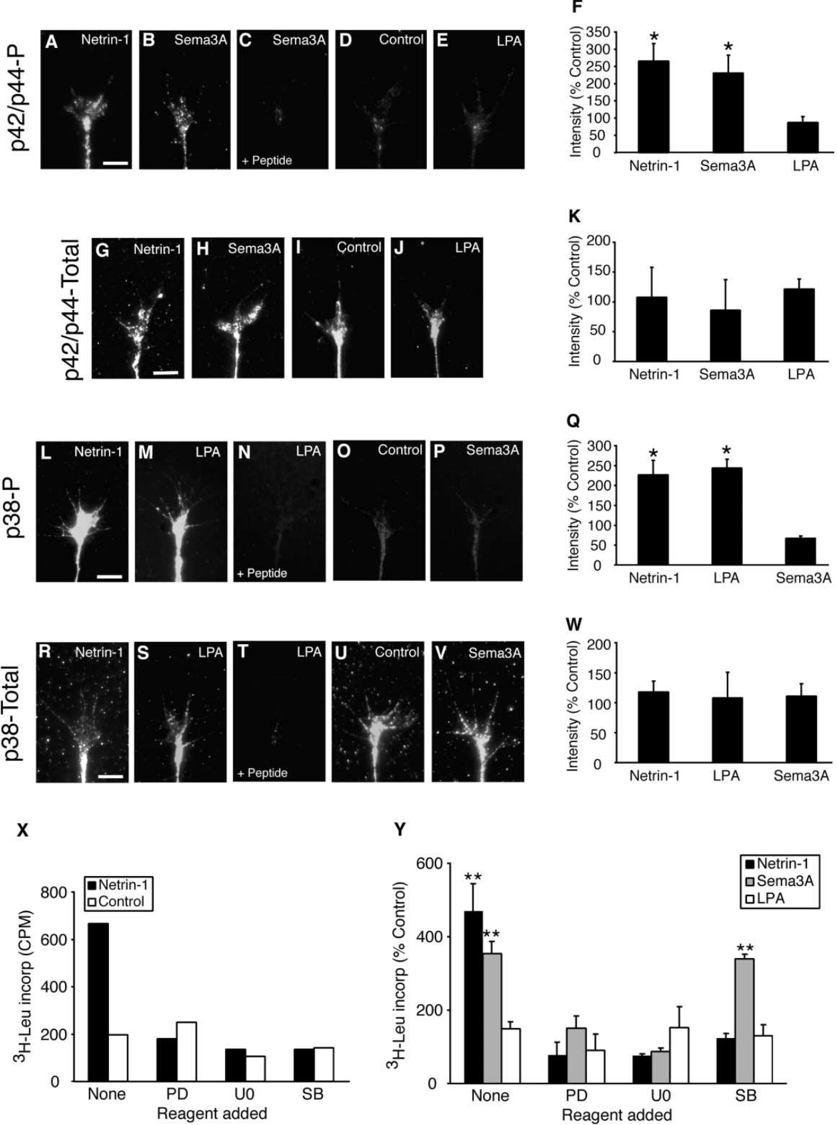
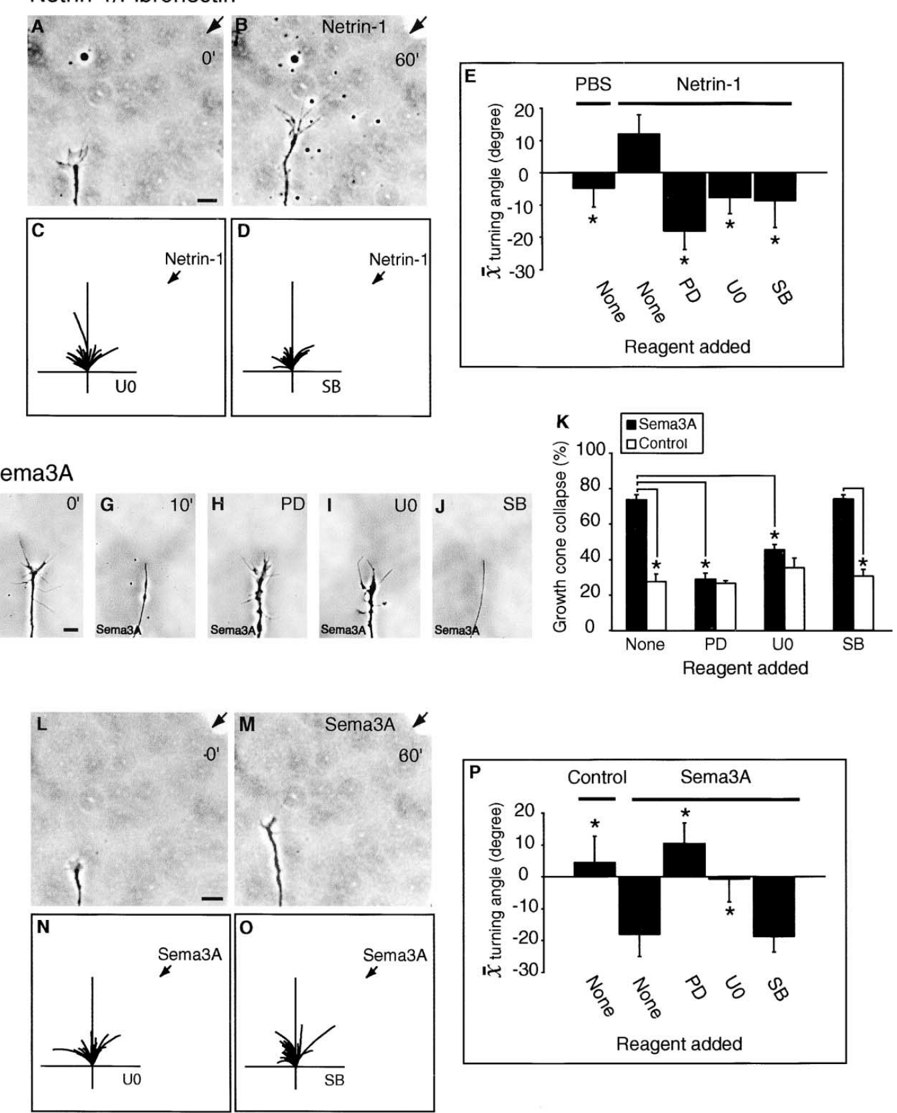
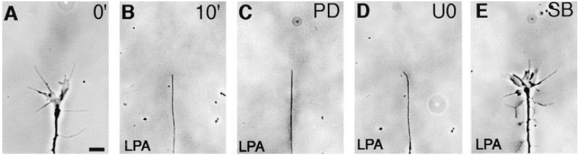
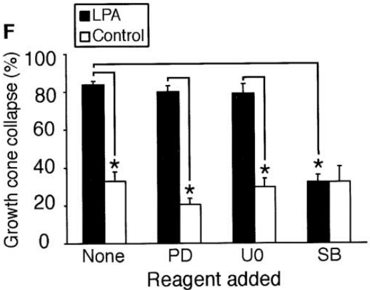
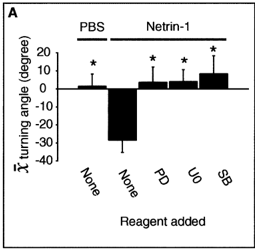
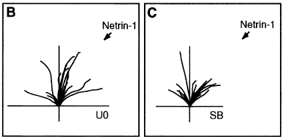
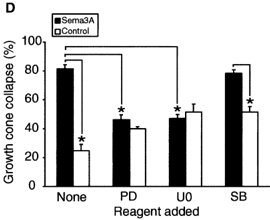
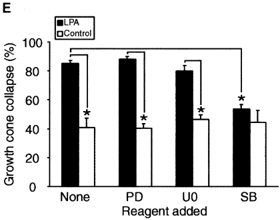
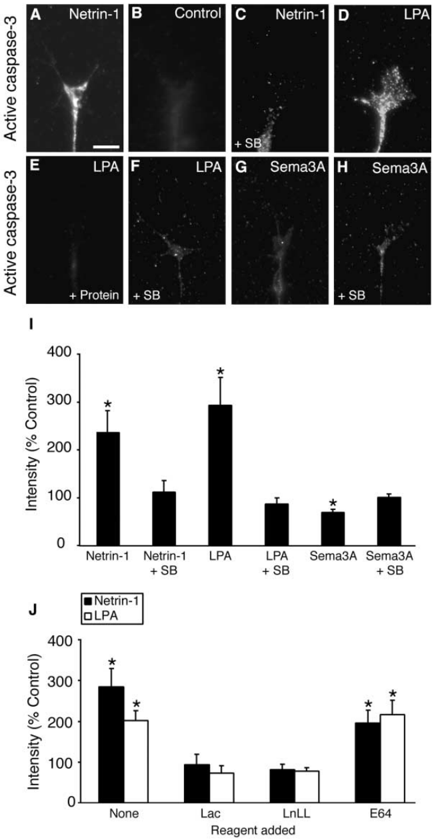
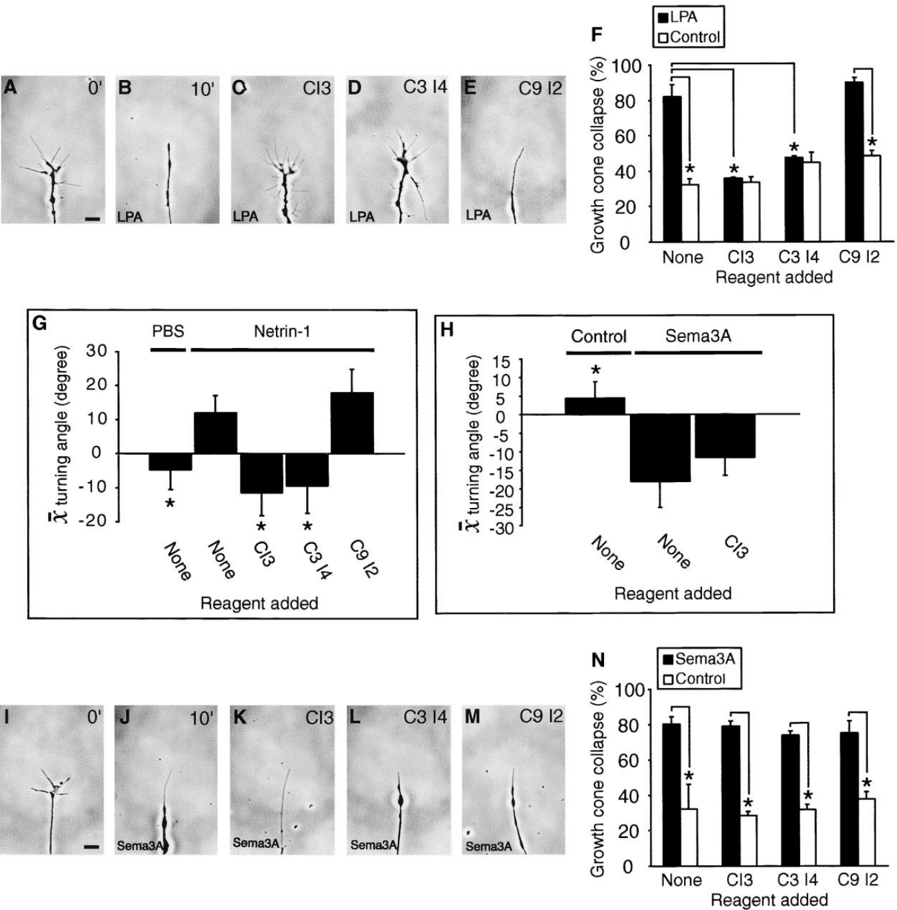
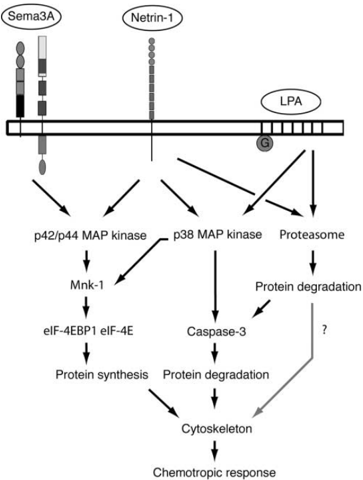
Previous work has shown that guidance cues trigger rapid changes in protein dynamics in retinal growth cones: netrin-1 stimulates both protein synthesis and degradation, while Sema3A elicits synthesis, and LPA induces degradation. What signaling pathways are involved? Our studies confirm that p42/44 MAPK mediates netrin-1 responses and further show that inhibiting its activity blocks cue-induced protein synthesis. Unexpectedly, p38 MAPK is also activated by netrin-1 in retinal growth cones and is required for chemotropic responses and translation. Sema3A- and LPA-induced responses, by contrast, require a single MAPK, p42/p44 and p38, respectively. In addition, we report that caspase-3, an apoptotic protease, is rapidly activated by netrin-1 and LPA in a proteasome- and p38-dependent manner and is required for chemotropic responses. These findings suggest that the apoptotic pathway may be used locally to control protein levels in growth cones and that the differential activation of MAPK pathways may underlie cue-directed migration.
Overview
The claims and statistics of this paper haven’t been checked yet.
Free: it reads the open-access text and checks the first 5 claims that cite a source we can check. Create a free account to check every claim.
Integrity signals
Registry
Cites
Statistics
Figures
Verification
Claims the paper makes
The claims and statistics of this paper haven’t been checked yet.
Free: it reads the open-access text and checks the first 5 claims that cite a source we can check. Create a free account to check every claim.
Claims other papers make about this one
Each is checked against this paper’s own text: does it say what the citing paper says it does?
The cited source says what the claim attributes to it.
In the citing paper
“Also, the ERK1/2 and p338 MAPK pathways are key regulators of growth cone guidance in vitro [ 30 ].”
From MAPK Pathways in Ocular Pathophysiology: Potential Therapeutic Drugs and Challenges (2023) · cites this paper as [30]
Self-check
Percentages, sums and reported differences re-computed from the paper’s own numbers.
The self-check needs the paper’s full text.
Citations
Cites
1 retracted
Stein, E., Zou, Y., Poo, M.-M., & Tessier-Lavigne, M. (2001) · Science · doi:10.1126/science.1059391 · Cited by 242
RetractedOpposing Effects of ERK and JNK-p38 MAP Kinases on Apoptosis
Xia, Z., Dickens, M., Raingeaud, J., Davis, R. J., & Greenberg, M. E. (1995) · Science · doi:10.1126/science.270.5240.1326 · Cited by 5,287
Mammalian MAP kinase signalling cascades
Chang, L., & Karin, M. (2001) · Nature · doi:10.1038/35065000 · Cited by 5,111
Cellular survival: a play in three Akts
Datta, S. R., Brunet, A., & Greenberg, M. E. (1999) · Genes & Development · doi:10.1101/gad.13.22.2905 · Cited by 4,216
The Molecular Biology of Axon Guidance
Tessier-Lavigne, M., & Goodman, C. S. (1996) · Science · doi:10.1126/science.274.5290.1123 · Cited by 3,278
Mammalian Caspases: Structure, Activation, Substrates, and Functions During Apoptosis
Earnshaw, W. C., Martins, L. M., & Kaufmann, S. H. (1999) · Annual Review of Biochemistry · doi:10.1146/annurev.biochem.68.1.383 · Cited by 2,760
A synthetic inhibitor of the mitogen-activated protein kinase cascade.
Dudley, D. T., Pang, L., Decker, S. J., Bridges, A. J., & Saltiel, A. R. (1995) · Proceedings of the National Academy of Sciences · doi:10.1073/pnas.92.17.7686 · Cited by 2,679
eIF4 Initiation Factors: Effectors of mRNA Recruitment to Ribosomes and Regulators of Translation
Gingras, A.-C., Raught, B., & Sonenberg, N. (1999) · Annual Review of Biochemistry · doi:10.1146/annurev.biochem.68.1.913 · Cited by 2,121
(1995) · FEBS Letters · doi:10.1016/0014-5793(95)00357-f · Cited by 2,086
Pagano, M., Tam, S. W., Theodoras, A. M., Beer-Romero, P., Del Sal, G., Chau, V., Yew, P. R., Draetta, G. F., & Rolfe, M. (1995) · Science · doi:10.1126/science.7624798 · Cited by 1,817
Research works printed but not linked: 2
- Bolshakov, V.Y., Carboni, L., Cobb, M.H., Siegelbaum, S.A., and colorectal cancer) defines an alternative mechanism for caspase Belardetti, F. (2000). Dual mitogen-activated protein kinase path- activation. Proc. Natl. Acad. Sci. USA 98, 3416-3421.
- Salvesen, 2002, Apoptosis: IAP proteins, :
Cited by
Items 201–300 of 310
Class A plexin expression in axotomized rubrospinal and facial motoneurons
Spinelli, E., McPhail, L. T., Oschipok, L. W., Teh, J., & Tetzlaff, W. (2006) · Neuroscience · doi:10.1016/j.neuroscience.2006.10.057 · Cited by 16
NF-Protocadherin Regulates Retinal Ganglion Cell Axon Behaviour in the Developing Visual System
Leung, L. C., Harris, W. A., Holt, C. E., & Piper, M. (2015) · PLoS ONE · doi:10.1371/journal.pone.0141290 · Cited by 15
Self-citationKoppers, M., & Holt, C. E. (2022) · Annual Review of Neuroscience · doi:10.1146/annurev-neuro-083021-110015 · Cited by 16
Self-citationHanbali, M., Bernard, F., Berton, C., Gatineau, G., Perraut, M., Aunis, D., Luu, B., & Bagnard, D. (2004) · Journal of Neurochemistry · doi:10.1111/j.1471-4159.2004.02601.x · Cited by 15
Aschrafi, A., Gioio, A. E., Dong, L., & Kaplan, B. B. (2017) · eNeuro · doi:10.1523/eneuro.0385-16.2017 · Cited by 16
“Interestingly, the MAPK family includes signal-transducing enzymes that are involved in many aspects of cellular responses, including cue-mediated local protein synthesis in distal axons and dendrites.”
BackgroundRanchon‐Cole, I., Bonhomme, B., & Doly, M. (2007) · Experimental Eye Research · doi:10.1016/j.exer.2007.08.013 · Cited by 15
Regenerating optic axons restore topography after incomplete optic nerve injury
Dunlop, S. A., Tee, L. B. G., Goossens, M. A. L., Stirling, R. V., Hool, L. C., Rodger, J., & Beazley, L. D. (2007) · The Journal of Comparative Neurology · doi:10.1002/cne.21477 · Cited by 14
“Semaphorins have been shown to be mediators of neuronal apoptosis, while semaphorin 3A and netrin-1 not only guide RGC axons but also to activate antiapoptotic proteases (Shirvan et al., 1999; Campbell and Holt, 2003).”
BackgroundRaivich, G. (2011) · Annals of Anatomy - Anatomischer Anzeiger · doi:10.1016/j.aanat.2011.01.010 · Cited by 16
The E3 ubiquitin ligase TRIM9 regulates synaptic function and actin dynamics in response to netrin-1
McCormick, L. E., Evans, E. B., Barker, N. K., Herring, L. E., Diering, G. H., & Gupton, S. L. (2024) · Molecular Biology of the Cell · doi:10.1091/mbc.e23-12-0476 · Cited by 13
Ito, T., Morita, T., Yoshida, K., Negishi, T., & Yukawa, K. (2014) · International Journal of Molecular Medicine · doi:10.3892/ijmm.2014.1727 · Cited by 15
Dependence receptors: Mechanisms of an announced death
Thibert, C., & Fombonne, J. (2010) · Cell Cycle · doi:10.4161/cc.9.11.11809 · Cited by 13
p120RasGAP Protein Mediates Netrin-1 Protein-induced Cortical Axon Outgrowth and Guidance
Antoine-Bertrand, J., Duquette, P. M., Alchini, R., Kennedy, T. E., Fournier, A. E., & Lamarche-Vane, N. (2016) · Journal of Biological Chemistry · doi:10.1074/jbc.m115.674846 · Cited by 12
Orchestrating Neural Development Through mRNA Translation Regulation
Rodrigue, B., Sajish, M., Salmaso, N., & Aguilar‐Valles, A. (2025) · Journal of Neurochemistry · doi:10.1111/jnc.70128 · Cited by 12
“Axonal guidance during neural development involves attractant and repellant chemotropic cues (e.g., netrin-1, semaphorins, etc.) to direct axon growth cones to appropriate endpoints (Campbell and Holt 2001, 2003) (Figure 4).”
Katow, H., Kanaya, T., Ogawa, T., Egawa, R., & Yawo, H. (2017) · Development Growth & Differentiation · doi:10.1111/dgd.12346 · Cited by 15
“Among them, netlin-1 and lysophosphatidic acid, but not semaphorin 3A, induce the growth cone collapse of retinal neurons through activating caspase 3 (Campbell & Holt 2003).”
BackgroundSelzer, M. E., Clarke, S., Cohen, L. G., Kwakkel, G., & Miller, R. H. (2014) · Cambridge University Press eBooks · doi:10.1017/cbo9780511995590.012 · Cited by 12
Yakovlev, A. A., & Gulyaeva, N. V. (2011) · Biochemistry (Moscow) · doi:10.1134/s0006297911100014 · Cited by 15
Monian, P., & Jiang, X. (2015) · Journal of Biological Chemistry · doi:10.1074/jbc.m115.685008 · Cited by 12
Kurabayashi, N., Tanaka, A., Nguyen, M. D., & Sanada, K. (2018) · Development · doi:10.1242/dev.162529 · Cited by 12
“In dispersed cortical neuron and retinal cultures, LPA causes axonal retraction (Fukushima et al., 2002; Campbell and Holt, 2003).”
BackgroundLocal Protein Synthesis in Axonal Growth Cones: What Is Next?
Šatkauskas, S., & Bagnard, D. (2007) · Cell Adhesion & Migration · doi:10.4161/cam.1.4.5561 · Cited by 18
Arama, E., Baena-López, L. A., & Fearnhead, H. O. (2020) · FEBS Journal · doi:10.1111/febs.15547 · Cited by 12
Fas-Associated Factor 1 as a Regulator of Olfactory Axon Guidance
Cheng, K., Bai, L., & Belluscio, L. (2011) · Journal of Neuroscience · doi:10.1523/jneurosci.0053-11.2011 · Cited by 11
“…p75NTR neurotrophic receptor) to the downstream effectors (e.g., caspase-6 and caspase-3), have all been shown to be present in nerve terminals that are focal points for axon guidance (Gilman and Mattson, 2002; Campbell and Holt, 2003; McLaughlin, 2004; Carson et al., 2005; Nikolaev et al., 2009).”
RGMa can induce skeletal muscle cell hyperplasia via association with neogenin signalling pathway
Costa, A. C., Copola, A. G. L., Souza, C. C. E., Nogueira, J. M., Silva, G. A. B., & Jorge, É. C. (2021) · In Vitro Cellular & Developmental Biology - Animal · doi:10.1007/s11626-021-00555-9 · Cited by 11
The Role of Central Nervous System Development in Late-Onset Neurodegenerative Disorders
Palubinsky, A. M., Martin, J. A., & McLaughlin, B. (2012) · Developmental Neuroscience · doi:10.1159/000336828 · Cited by 11
Jones, J. I., Costa, C. J., Cooney, C., Goldberg, D. C., Ponticiello, M. N., Cohen, M. W., Mellado, W., Ma, T. C., & Willis, D. E. (2021) · Frontiers in Molecular Neuroscience · doi:10.3389/fnmol.2021.728163 · Cited by 10
Guidance for Life, Cell Death, and Colorectal Neoplasia by Netrin Dependence Receptors
Gespach, C. P. (2012) · Advances in cancer research · doi:10.1016/b978-0-12-386503-8.00004-1 · Cited by 9
TRP Channels and Axon Pathfinding
Yuan, X., & Cui, K. (2006) · Frontiers in neuroscience · doi:10.1201/9781420005844.ch4 · Cited by 11
Präklinisches Management von Rückenmarkverletzungen
Bernhard, M., Gries, A., Kremer, P., Martín-Villalba, A., & B�ttiger, B. W. (2005) · Der Anaesthesist · doi:10.1007/s00101-005-0807-4 · Cited by 7
Garcia‐Gil, M., Tozzi, M. G., Balestri, F., Colombaioni, L., & Camici, M. (2015) · Journal of Cellular Biochemistry · doi:10.1002/jcb.25460 · Cited by 7
Role of Lysophosphatidic Acid (LPA) in Behavioral Processes: Implications for Psychiatric Disorders
Estivill-Torrús, G., Santín, L., Pedraza, C., Castilla-Ortega, E., & de Fonseca, F. R. (2013) · Wiley eBooks · doi:10.1002/9781118531426.ch21 · Cited by 7
The role of microtubule-associated protein tau in netrin-1 attractive signaling
Huang, H., Majumder, T., Khot, B., Suriyaarachchi, H., Yang, T., Shao, Q., Tirukovalluru, S., & Liu, G. (2024) · Journal of Cell Science · doi:10.1242/jcs.261244 · Cited by 6
Kusano, R., Fujita, K., Shinoda, Y., Nagaura, Y., Kiyonari, H., Takaya, A., Watanabe, T., Matsui, Y., Fukaya, M., Sakagami, H., et al. (2016) · FEBS Letters · doi:10.1002/1873-3468.12429 · Cited by 6
Weghorst, F., Mirzakhanyan, Y., Hernandez, K. L., Gershon, P. D., & Cramer, K. S. (2022) · Frontiers in Cell and Developmental Biology · doi:10.3389/fcell.2022.844844 · Cited by 5
Lysophospholipids in retinal axon guidance: roles and cell signaling
Birgbauer, E. (2015) · Neural Regeneration Research · doi:10.4103/1673-5374.160091 · Cited by 5
“Fincher et al. (2014) also examined the mitogen-activated protein kinases (MAPK) signaling requirements for LPA and S1P induced growth cone collapse of chick retinal axons compared to previous published work on Xenopus retinal axons (Campbell and Holt, 2003).”
ResultYuan, J., Huang, R., Nao, J., & Dong, X. (2025) · Pharmacological Research · doi:10.1016/j.phrs.2025.107732 · Cited by 4
Heterozygous RB1 mutation enhanced ATP production in human iPSC-derived retinal organoids
Vincent, A., Krishnakumar, S., & Parameswaran, S. (2024) · Molecular Biology Reports · doi:10.1007/s11033-024-09564-9 · Cited by 4
“MAPK pathways (ERK1/2 and p38 MAPK) also reportedly play a role in the regulation of growth cone guidance in vitro [20].”
Bjorklund, G. R., Rees, K. P., Balasubramanian, K., Hewitt, L. T., Nishimura, K. J., & Newbern, J. M. (2024) · Disease Models & Mechanisms · doi:10.1242/dmm.050570 · Cited by 4
Spotlight on plasticity-related genes: Current insights in health and disease
Brandt, N., Köper, F., Hausmann, J., & Bräuer, A. U. (2024) · Pharmacology & Therapeutics · doi:10.1016/j.pharmthera.2024.108687 · Cited by 4
Generation of an Lpar1-EGFP Fusion Knock-in Transgenic Mouse Line
Rivera, R. R., Williams, N., Kennedy, G. G., Sánchez-Pavón, P., & Chun, J. J. M. (2021) · Cell Biochemistry and Biophysics · doi:10.1007/s12013-021-01033-5 · Cited by 4
Differential expression of semaphorin 3A and its receptors during mouse retinal development
Ko, J., Mizuno, Y., Nakamura‐Shibasaki, M., Yamane, K., Chikama, T., Sonoda, K., & Kiuchi, Y. (2012) · Cell Biochemistry and Function · doi:10.1002/cbf.2833 · Cited by 4
Signaling of Secreted Semaphorins in Growth Cone Steering
Shim, S., & Ming, G. (2007) · Advances in experimental medicine and biology · doi:10.1007/978-0-387-70956-7_5 · Cited by 4
Crosstalk Between Cell Adhesion Molecules and the Semaphorin/Neuropilin/Plexin Signalling
Boubakar, L., FaIk, J., & Castellani, V. (2017) · Springer eBooks · doi:10.1007/978-3-319-48824-0_4 · Cited by 3
Sorafenib regulating ERK signals pathway in gastric cancer cell
Juan, L. W., Lin, M., Hao, L., Kai, H. Y., & Huang, J. (2014) · Environmental Toxicology and Pharmacology · doi:10.1016/j.etap.2014.07.012 · Cited by 3
Nakano, A., Yang, X., Kuboyama, T., Inada, Y., & Tohda, C. (2021) · Neurochemical Journal · doi:10.1134/s1819712421040085 · Cited by 3
Stark, D. T., & Caprioli, J. (2016) · Investigative Ophthalmology & Visual Science · doi:10.1167/iovs.16-20748 · Cited by 3
Benlefki, S., Younes, R., Challuau, D., Bernard‐Marissal, N., Hilaire, C., Scamps, F., Bowerman, M., Kothary, R., Schneider, B. L., & Raoul, C. (2023) · Cellular and Molecular Biology · doi:10.14715/cmb/2023.69.10.1 · Cited by 3
Guidance of Axons to Targets in Development and in Disease
Witte, H., & Bradke, F. (2005) · Elsevier eBooks · doi:10.1016/b978-0-7216-9491-7.50024-7 · Cited by 3
Neural Effects of Lysophosphatidic Acid (LPA) Signaling
Fukushima, N. (2013) · Wiley eBooks · doi:10.1002/9781118531426.ch18 · Cited by 2
Strochlic, L., Weinl, C., Piper, M., & Holt, C. E. (2007) · Elsevier eBooks · doi:10.1016/b0-12-370878-8/00118-x · Cited by 2
Self-citationNeurite Development and Neurotoxicity
He, Z., Ferguson, S. A., Patterson, T. A., & Paule, M. G. (2018) · Elsevier eBooks · doi:10.1016/b978-0-12-809405-1.00003-1 · Cited by 2
Neuronal repair: Apoptotic proteins make good
Reina, C. P., Driscoll, M., & Gabel, C. V. (2013) · Worm · doi:10.4161/worm.22285 · Cited by 3
Ghaderzadeh, M., Rahimi-Mianji, G., Nejati‐Javaremi, A., & Shahbazian, N. (2025) · BMC Genomics · doi:10.1186/s12864-025-11300-x · Cited by 2
“This dual functionality is particularly relevant during viral infec - tions, where the immune response triggered by the virus likely activates CASP3 , affecting both cellular defense mechanisms and recovery processes [93].”
Regulation of neural stem cell proliferation and differentiation by apoptosis-relevant factors
dos Santos, D. V. M. (2012) · Portuguese National Funding Agency for Science, Research and Technology (RCAAP Project by FCT) · Cited by 1
Kalil, K., Dent, E. W., & Tang, F. (2007) · Springer eBooks · doi:10.1007/978-0-387-68561-8_12 · Cited by 1
Wiltschko, W., Kramer, B., Winklhofer, M., Lohmann, K. J., Lohmann, C. M. F., Fransson, P., Ioannides, A. A., Boeke, H., Salcedo, E., Restrepo, D., et al. (2008) · Springer eBooks · doi:10.1007/978-3-540-29678-2_13 · Cited by 1
Effect of prostate cancer-related plexin-B1 mutations on cell signalling and function
Zhou, C. (2010) · UCL Discovery (University College London)
Poly-ɛ-lysine dendron aptamers as regulators of angiogenesis in tissue regeneration
Perugini, V. (2013) · University of Brighton Repository (University of Brighton) · Cited by 1
Axon Degeneration: Mechanisms and Consequences
Broom, L. J., & Perry, V. H. (2010) · Springer eBooks · doi:10.1007/978-1-4419-1676-1_10
Spinal Control of Locomotion Developmental and Functional Aspects
Rabe, N. (2010) · Uppsala University Publications (Uppsala University)
Dependence Receptors and Apoptosis
Mehlen, P., & Lourenço, F. C. (2006) · Wiley eBooks · doi:10.1002/9783527619665.ch5
Molecular regulation of forebrain development and neural stem/progenitor cells
Hakanen, J. (2014) · Helda - University of Helsinki Institutional Repository · Cited by 1
A Role for sFRP5 in Adipocyte Biology and Obesity.
Prestwich, T. C. (2009) · Deep Blue (University of Michigan)
Flavonoids as regulators of amyloid precursor protein processing
Cox, C. J. (2014) · The University of Bath Online Publications Store (The University of Bath)
Des signaux mortels qui contrôlent la taille du cerveau
Depaepe, V., & Vanderhaeghen, P. (2005) · médecine/sciences · doi:10.1051/medsci/20052110795
“De façon intrigante, d’autres données récentes ont impliqué des effecteurs ou régulateurs de l’apoptose (comme la caspase 3 ou lAP1) dans le contrôle du guidage axonal et cellulaire [13, 14], suggérant que les voies de transduction pro-apoptotiques et de guidage cellulaire pourraient être liées, peut-être à travers le…”
BackgroundKieselmann, O. (2011) · Universitätsbibliothek der FU Berlin Hochschulschriftenstelle u. Dokumentenserver · doi:10.17169/refubium-16989
Spinal cord injury: mechanisms, cellular and molecular therapies, and human translation
van Niekerk, E. A., & Tuszynski, M. H. (2014) · Cambridge University Press eBooks · doi:10.1017/cbo9780511995590.024
The molecular intersection between axon-specific pruning and neuronal apoptosis
Cusack, C. L. (2014) · Carolina Digital Repository (University of North Carolina at Chapel Hill) · doi:10.17615/rrx2-2p18
The role of ALS associated genes and c-Jun in neurodegeneration
Acosta‐Saltos, A. (2016) · UCL Discovery (University College London)
Lysophosphatidic Acid (LPA) Signaling in Neurogenesis
McDonald, W. S., & Chun, J. J. M. (2017) · Stem cell biology and regenerative medicine · doi:10.1007/978-3-319-49343-5_4
Role of DLG-MAGUKs in surface NMDAR localization and its patho-physiological functions
Samaddar, T. (2014) · eDiss (Georg-August-Universität Göttingen) · doi:10.53846/goediss-4742
RESTRICTION OF APOPTOSIS IN MATURE NEURONS BY MULTIPLE REDUNDANT BRAKES
Annis, R. P. (2016) · Carolina Digital Repository (University of North Carolina at Chapel Hill) · doi:10.17615/c7m7-pe67
Cell death mechanisms—Apoptosis pathways and their implications in toxicology
Madkour, L. H. (2020) · Elsevier eBooks · doi:10.1016/b978-0-12-822481-6.00009-8
Regulation of mRNA Translation in Axons
Patel, P., Sahoo, P. K., Kar, A. N., & Twiss, J. L. (2020) · Oxford University Press eBooks · doi:10.1093/oxfordhb/9780190686307.013.13
Vinton, J., Aninweze, A., & Birgbauer, E. (2021) · Experimental Brain Research · doi:10.1007/s00221-021-06172-y · Cited by 1
Volk, T. (2013) · Faculty Opinions – Post-Publication Peer Review of the Biomedical Literature · doi:10.3410/f.717989956.793475973
mRNA Targeting: Growth Cone Guidance
Lom, B. (2009) · Springer eBooks · doi:10.1007/978-3-540-29678-2_3629
Kiebler, M. A., & Schieweck, R. (2020) · Faculty Opinions – Post-Publication Peer Review of the Biomedical Literature · doi:10.3410/f.736938724.793571987
Spinal Cord Injuries Entering the Fas(t) Lane
LETELLIER, E., & Martín-Villalba, A. (2007) · Neurosurgery · doi:10.1227/01.neu.0000309975.97035.a2
Nguyen, T. M. T. (2022) · theses.fr (ABES) · doi:10.70675/00fcdbf3z09f8z4e95zacf8za4527bded1b5 · Cited by 2
Flamingo/Starry Night in embryonic abdominal sensory axon development of Drosophila
Steinel, M. C. (2008) · Minerva Access (University of Melbourne)
Characterisation of primary cilia in human hypothalamic neurons
Macarelli, V. (2024) · Apollo (University of Cambridge) · doi:10.17863/cam.114179
Higgins, D. M. O., Caliva, M. J., Schroeder, M., Carlson, B. L., Upadhyayula, P. S., Milligan, B. D., Cheshier, S. H., Weissman, I. L., Sarkaria, J. N., Meyer, F. B., et al. (2020) · Figshare · doi:10.6084/m9.figshare.13364019
Higgins, D. M. O., Caliva, M. J., Schroeder, M., Carlson, B. L., Upadhyayula, P. S., Milligan, B. D., Cheshier, S. H., Weissman, I. L., Sarkaria, J. N., Meyer, F. B., et al. (2020) · Figshare · doi:10.6084/m9.figshare.13364025
Higgins, D. M. O., Caliva, M. J., Schroeder, M., Carlson, B., Upadhyayula, P. S., Milligan, B. D., Cheshier, S. H., Weissman, I. L., Sarkaria, J. N., Meyer, F. B., et al. (2020) · Figshare · doi:10.6084/m9.figshare.13364022
Higgins, D. M. O., Caliva, M. J., Schroeder, M., Carlson, B. L., Upadhyayula, P. S., Milligan, B. D., Cheshier, S. H., Weissman, I. L., Sarkaria, J. N., Meyer, F. B., et al. (2020) · Figshare · doi:10.6084/m9.figshare.13364016
Higgins, D. M. O., Caliva, M. J., Schroeder, M., Carlson, B. L., Upadhyayula, P. S., Milligan, B. D., Cheshier, S. H., Weissman, I. L., Sarkaria, J. N., Meyer, F. B., et al. (2020) · Figshare · doi:10.6084/m9.figshare.13364013
Higgins, D. M. O., Caliva, M. J., Schroeder, M., Carlson, B. L., Upadhyayula, P. S., Milligan, B. D., Cheshier, S. H., Weissman, I. L., Sarkaria, J. N., Meyer, F. B., et al. (2020) · Figshare · doi:10.6084/m9.figshare.13364007
Higgins, D. M. O., Caliva, M. J., Schroeder, M., Carlson, B. L., Upadhyayula, P. S., Milligan, B. D., Cheshier, S. H., Weissman, I. L., Sarkaria, J. N., Meyer, F. B., et al. (2020) · Figshare · doi:10.6084/m9.figshare.13364010
Higgins, D. M. O., Caliva, M. J., Schroeder, M., Carlson, B. L., Upadhyayula, P. S., Milligan, B. D., Cheshier, S. H., Weissman, I. L., Sarkaria, J. N., Meyer, F. B., et al. (2020) · Figshare · doi:10.6084/m9.figshare.13364028
Local axonal translation: regulation of neuronal polarity, axon development and survival
Lucci, C. (2020) · Nottingham ePrints (University of Nottingham) · Cited by 1
(2018) · Arizona State University Library Digital Repository (Arizona State University)
Nawabi, H. (2009) · theses.fr (ABES) · doi:10.70675/deb0a9b9zc7a5z4312za23azbee7d3622018
Broutier, L. (2014) · theses.fr (ABES) · doi:10.70675/841f5b63z25d7z4436z877bza5124f732e8b
Impact de la nutrition périnatale sur la mise en place de l'axe somatotrope
Decourtye, L. (2016) · theses.fr (ABES) · doi:10.70675/d38264cbz7e05z402dz8ca5z2595d584df4a
Rama, N. (2011) · theses.fr (ABES) · doi:10.70675/dbed1b55zd440z4daezb765zc9d5f87d283d · Cited by 1
Metadata
- Authors
- Campbell, D. S., & Holt, C. E.
- Affiliations
- University of Cambridge (GB)
- Corresponding author
- Campbell, Douglas S.
- Holt, Christine E.
- Venue
- Neuron
- Publisher
- Elsevier BV
- Published
- 2003-03
- Volume
- 37
- Issue
- 6
- Pages
- 939-952
- ISSN
- 0896-6273 (ISSN-L)
- OpenAlex
- W2084687782
- Semantic Scholar
- d68a3ca0248abb3fdcb8f3e84903fc5762949468
- Cited by
- 303
- References
- 75
- Citations by year
- 2025: 3 · 2024: 8 · 2023: 2 · 2022: 5 · 2021: 8 · 2020: 21 · 2019: 8 · 2018: 9 · 2017: 6 · 2016: 11 · 2015: 17 · 2014: 14 · 2013: 13 · 2012: 17
- FWCI
- 8.91
- Type
- journal article
- Language
- en
- Open access
- hybrid
- doi.org
- Licence
- cc-by
- www.elsevier.com/tdm/userlicense/1.0/ (tdm)
- www.elsevier.com/open-access/userlicense/1.0/ (vor, 3791 d)
- Locations
- Neuron (publishedVersion, cc-by)
- PubMed (publishedVersion)
- Topics
- Life Sciences › Neuroscience › Cellular and Molecular Neuroscience › Axon Guidance and Neuronal Signaling
- Life Sciences › Neuroscience › Developmental Neuroscience › Neurogenesis and neuroplasticity mechanisms
- Life Sciences › Biochemistry, Genetics and Molecular Biology › Molecular Biology › Developmental Biology and Gene Regulation
- Keywords
- netrin-1, semaphorin 3A, lysophosphatidic acid, p44/42 MAPK, p38 MAPK, caspase-3, apoptosis, protein synthesis, protein degradation, translation (biology), axon guidance, proteasome, growth cone migration
- MeSH terms
- Netrin-1, Animals, Carrier Proteins, Enzyme Activation, Enzyme Inhibitors, Lysophospholipids, Nerve Growth Factors, Phosphoproteins, Phosphorylation, Proteins, Retina, Protein Biosynthesis, Xenopus laevis, Apoptosis, Protein Serine-Threonine Kinases, Mitogen-Activated Protein Kinase 1, Caspases, Growth Cones, Mitogen-Activated Protein Kinases, Tumor Suppressor Proteins, Eukaryotic Initiation Factor-4E, Semaphorin-3A, Intracellular Signaling Peptides and Proteins, p38 Mitogen-Activated Protein Kinases, Mitogen-Activated Protein Kinase 3, Caspase 3
About these checks
Registry, retraction, Cites and statistics results are computed, not judged, with one exception: a printed reference that no index lists is read once by a model before it counts as a citation error. Claims are extracted by a model and kept only when their quote appears verbatim in the text; each cited source is then checked, with a model’s help, for whether it says what the claim relies on. Those verdicts can be wrong — read the claim’s quote and the cited source before relying on one.
Statistics and arithmetic are recomputed, not judged.
Confidence bands are shown only for fields calibrated on our annotated test set. None is calibrated yet, so no band is shown.
What counts as a claim ›How we measure confidence ›How we check this ›
Are you an author, or do you see a problem with this page? Request a review
Data sources
Bibliographic data: Semantic Scholar, OpenAlex, Crossref.
Contains information from the Semantic Scholar Academic Graph Datasets, made available under the ODC Attribution License (ODC-BY 1.0).
Semantic Scholar’s data is described in: Kinney, R., et al. (2023). The Semantic Scholar Open Data Platform. arXiv:2301.10140.
