

Genetic determinants of common epilepsies: a meta-analysis of genome-wide association studies
Open accessThe DOI matches its Crossref record; 60 of the 60 references it cites were found in a registry or an index.
Abstract
BACKGROUND: The epilepsies are a clinically heterogeneous group of neurological disorders. Despite strong evidence for heritability, genome-wide association studies have had little success in identification of risk loci associated with epilepsy, probably because of relatively small sample sizes and insufficient power. We aimed to identify risk loci through meta-analyses of genome-wide association studies for all epilepsy and the two largest clinical subtypes (genetic generalised epilepsy and focal epilepsy). METHODS: We combined genome-wide association data from 12 cohorts of individuals with epilepsy and controls from population-based datasets. Controls were ethnically matched with cases. We phenotyped individuals with epilepsy into categories of genetic generalised epilepsy, focal epilepsy, or unclassified epilepsy. After standardised filtering for quality control and imputation to account for different genotyping platforms across sites, investigators at each site conducted a linear mixed-model association analysis for each dataset. Combining summary statistics, we conducted fixed-effects meta-analyses of all epilepsy, focal epilepsy, and genetic generalised epilepsy. We set the genome-wide significance threshold at p<1·66 × 10(-8). FINDINGS: We included 8696 cases and 26 157 controls in our analysis. Meta-analysis of the all-epilepsy cohort identified loci at 2q24.3 (p=8·71 × 10(-10)), implicating SCN1A, and at 4p15.1 (p=5·44 × 10(-9)), harbouring PCDH7, which encodes a protocadherin molecule not previously implicated in epilepsy. For the cohort of genetic generalised epilepsy, we noted a single signal at 2p16.1 (p=9·99 × 10(-9)), implicating VRK2 or FANCL. No single nucleotide polymorphism achieved genome-wide significance for focal epilepsy. INTERPRETATION: This meta-analysis describes a new locus not previously implicated in epilepsy and provides further evidence about the genetic architecture of these disorders, with the ultimate aim of assisting in disease classification and prognosis. The data suggest that specific loci can act pleiotropically raising risk for epilepsy broadly, or can have effects limited to a specific epilepsy subtype. Future genetic analyses might benefit from both lumping (ie, grouping of epilepsy types together) or splitting (ie, analysis of specific clinical subtypes). FUNDING: International League Against Epilepsy and multiple governmental and philanthropic agencies.
Overview
The claims and statistics of this paper haven’t been checked yet.
Free: it reads the open-access text and checks the first 5 claims that cite a source we can check. Create a free account to check every claim.
Integrity signals
Registry
Cites
Statistics
Figures
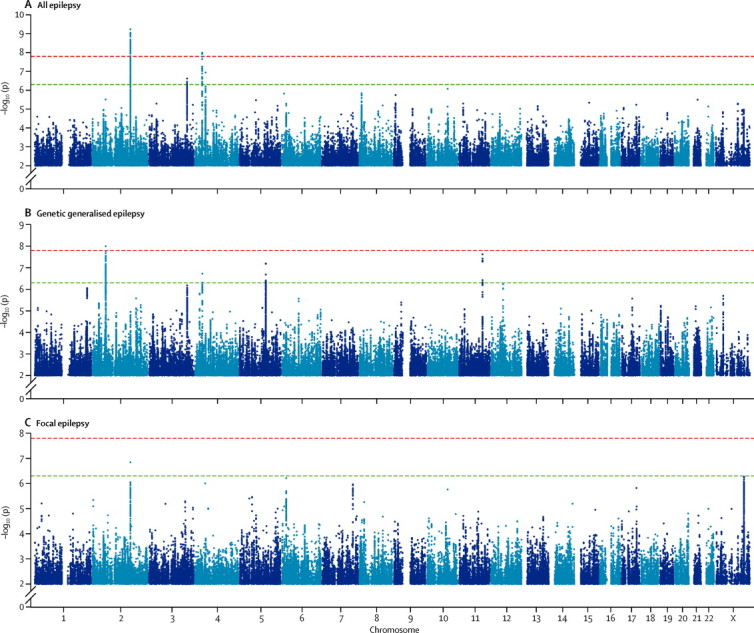
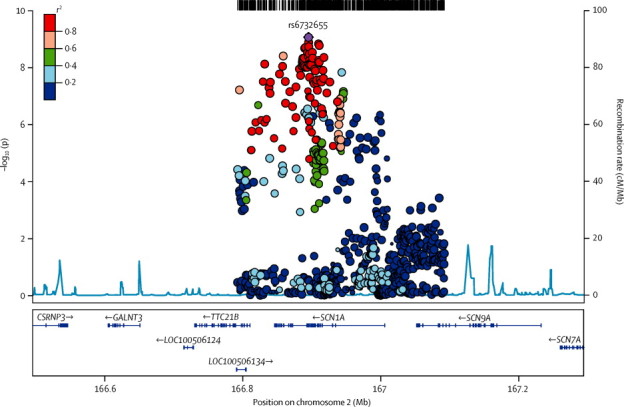
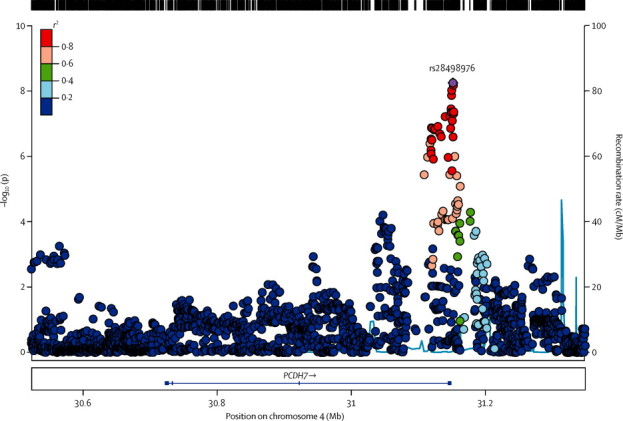
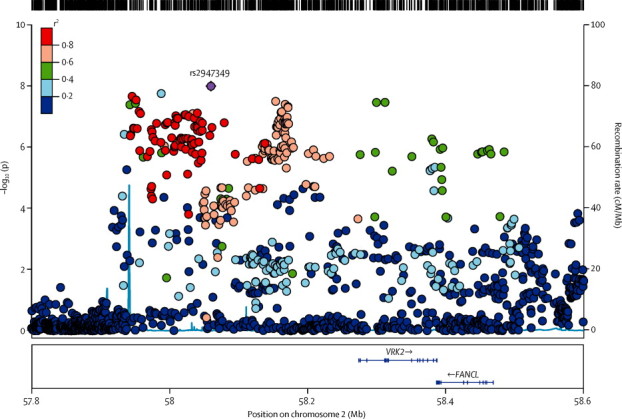
Verification
Claims the paper makes
The claims and statistics of this paper haven’t been checked yet.
Free: it reads the open-access text and checks the first 5 claims that cite a source we can check. Create a free account to check every claim.
Claims other papers make about this one
Each is checked against this paper’s own text: does it say what the citing paper says it does?
The source backs part of the claim, not all of it — or backs it for a different population, condition or comparison.
In the citing paper
“Many SNPs associated with the SCN1A locus map to the first intron46–48.”
From Viral manipulation of functionally distinct interneurons in mice, non-human primates and humans (2020) · cites this paper as [47]
Experimental — accuracy not yet measured
Self-check
Percentages, sums and reported differences re-computed from the paper’s own numbers.
The self-check needs the paper’s full text.
Citations
Cites
PLINK: a tool set for whole-genome association and population-based linkage analyses.
Purcell, S., Neale, B., Todd-Brown, K., Thomas, L., Ferreira, M. A. R., Bender, D., Maller, J., Sklar, P., de Bakker, P. I. W., Daly, M. J., et al. (2007) · The American Journal of Human Genetics · doi:10.1086/519795 · Cited by 34,089
METAL: fast and efficient meta-analysis of genomewide association scans
Willer, C. J., Li, Y., & Abecasis, G. R. (2010) · Bioinformatics · doi:10.1093/bioinformatics/btq340 · Cited by 5,205
Berg, A. T., Berkovic, S. F., Brodie, M. J., Buchhalter, J., Cross, J. H., Van Emde Boas, W., Engel, J., French, J., Glauser, T. A., Mathern, G. W., et al. (2010) · Epilepsia · doi:10.1111/j.1528-1167.2010.02522.x · Cited by 4,363
Genetic risk and a primary role for cell-mediated immune mechanisms in multiple sclerosis
The International Multiple Sclerosis Genetics Consortium & The Wellcome Trust Case Control Consortium 2 (2011) · Nature · doi:10.1038/nature10251 · Cited by 2,697
De novo mutations in epileptic encephalopathies
Epi4K Consortium, & Epilepsy Phenome/Genome Project (2013) · Nature · doi:10.1038/nature12439 · Cited by 1,514
Genome-wide association analysis identifies 13 new risk loci for schizophrenia
Multicenter Genetic Studies of Schizophrenia Consortium, Ripke, S., Psychosis Endophenotypes International Consortium, Wellcome Trust Case Control Consortium 2, O'Dushlaine, C., Chambert, K., Moran, J. L., Kähler, A. K., Akterin, S., Bergen, S. E., et al. (2013) · Nature Genetics · doi:10.1038/ng.2742 · Cited by 1,496
Analysis of immune-related loci identifies 48 new susceptibility variants for multiple sclerosis
International Multiple Sclerosis Genetics Consortium (IMSGC) (2013) · Nature Genetics · doi:10.1038/ng.2770 · Cited by 1,386
De Novo Mutations in the Sodium-Channel Gene SCN1A Cause Severe Myoclonic Epilepsy of Infancy
Claes, L., Del-Favero, J., Ceulemans, B., Lagae, L., Van Broeckhoven, C., & De Jonghe, P. (2001) · The American Journal of Human Genetics · doi:10.1086/320609 · Cited by 1,292
FaST linear mixed models for genome-wide association studies
Lippert, C., Listgarten, J., Liu, Y., Kadie, C. M., Davidson, R. I., & Heckerman, D. (2011) · Nature Methods · doi:10.1038/nmeth.1681 · Cited by 1,209
Cited by
Items 201–300 of 301
Encefalopatias Epilépticas Infantis: O Novo Paradigma do Diagnóstico Genético
Martins, R., Moldovan, O., Sousa, A. B., Levy, A., & Quintas, S. (2020) · Acta Médica Portuguesa · doi:10.20344/amp.12550 · Cited by 5
Yeh, E., & Weiss, L. A. (2016) · Molecular and Cellular Probes · doi:10.1016/j.mcp.2016.10.007 · Cited by 5
Muthaffar, O. Y., Alazhary, N. W., Alyazidi, A. S., Alsubaie, M. A., Bahowarth, S. Y., Odeh, N. B., & Bamaga, A. K. (2024) · PLoS ONE · doi:10.1371/journal.pone.0307454 · Cited by 4
“Molecularly, the SCN1A mutation, which was detected in 19 patients, encodes the alpha subunit of the sodium voltage-gated channel, which plays a crucial role in the generation and propagation of action potentials in neurons [30, 31].”
Liu, T., Wang, S., Tang, Y., Jiang, S., Lin, H.-X., Li, F., Yao, D., Zhu, X., Luo, C., & Li, Q. (2024) · NeuroImage · doi:10.1016/j.neuroimage.2024.120908 · Cited by 4
Common and rare epilepsies share genetic determinants
Striano, P., & Zara, F. (2017) · Nature Reviews Neurology · doi:10.1038/nrneurol.2017.30 · Cited by 4
The association between epilepsy and COVID-19: analysis based on Mendelian randomization and FUMA
You, M., Yuan, P., Li, L., Li, B., Peng, Z., & Xu, H. (2023) · Frontiers in Neuroscience · doi:10.3389/fnins.2023.1235822 · Cited by 4
Huang, S., Liu, Y., Zhang, Y., Wang, Y., Gao, Y., Li, R., Yu, L., Hu, X., & Fang, Q. (2024) · Frontiers in Neurology · doi:10.3389/fneur.2024.1331537 · Cited by 4
“These data were sourced from the International League Against Epilepsy (ILAE) Consortium cohort (refer to Supplementary Table S1) (24, 25).”
A Data Fusion Approach to Enhance Association Study in Epilepsy
Marini, S., Limongelli, I., Rizzo, E., Malovini, A. L., Errichiello, E., Vetro, A., Da, T., Zuffardi, O., & Bellazzi, R. (2016) · PLoS ONE · doi:10.1371/journal.pone.0164940 · Cited by 4
Feng, X., Yao, H., & Xiao, G. (2026) · Brain and Behavior · doi:10.1002/brb3.71267 · Cited by 3
Kim, J.-H., Lee, H. J., Park, H. J., Lee, J. H., & Kim, W. (2025) · Journal of Clinical Neurology · doi:10.3988/jcn.2024.0296 · Cited by 3
Recherche de variants génétiques de vulnérabilité à l’épilepsie chez des familles Algériennes
Chentouf, A., Oubaiche, M. L., & Chaouch, M. (2017) · Journal de la faculté de médecine d Oran · doi:10.51782/jfmo.v1i1.8 · Cited by 3
Kaibara, F. S., de Araujo, T. K., Araújo, P. A. O. R. D. A., Alvim, M. K. M., Yasuda, C. L., Cendes, F., Lopes‐Cendes, Í., & Secolin, R. (2021) · Frontiers in Genetics · doi:10.3389/fgene.2021.672304 · Cited by 3
Benchmarking of univariate pleiotropy detection methods applied to epilepsy
Adesoji, O. M., Schulz, H., May, P., Krause, R., Lerche, H., & Nothnagel, M. (2022) · Human Mutation · doi:10.1002/humu.24417 · Cited by 3
“…2019), linear mixed‐effects models (Laird & Ware, 1982; Verbeke et al., 2010), frailty models (Yang & Wang, 2012), principal component analysis (PCA) (Jolliffe, 2002; Jolliffe & Cadima, 2016), and others (Salinas et al., 2018), depending on population structure, sample size and the type of trait…”
InfluentialIdentification of potential crucial genes and therapeutic targets for epilepsy
Wang, S., Xie, Z., Tian, J., Ma, X., Zhang, M., Rao, F., Xu, H., Lu, J., Ding, X., & Li, Z. (2024) · European journal of medical research · doi:10.1186/s40001-024-01643-8 · Cited by 3
“Several recent studies have identified new epilepsy loci [10–15], and further expanded analysis has revealed additional new loci for epilepsy [16].”
Kınay, D., Oliver, K. L., Tüzün, E., Damiano, J. A., Ulusoy, C. A., Andermann, E., Hildebrand, M. S., Bahlo, M., & Berkovic, S. F. (2018) · Epilepsia · doi:10.1111/epi.14506 · Cited by 3
Antecedent enhancer activity predicts future susceptibility to seizures in mice
Boros, B. D., Gachechiladze, M. A., Guo, J., Galloway, D. A., Mueller, S. M., Shabsovich, M., Yen, A., Chen, X., Cammack, A. J., Shen, T., et al. (2026) · Nature Communications · doi:10.1038/s41467-025-65346-2 · Cited by 2
The genetics of common epilepsies
Karadag, N., Fuhrer, J., Heuser, K., Andreassen, O. A., & Smeland, O. B. (2026) · Genomic psychiatry : · doi:10.61373/gp026y.0027 · Cited by 2
Molecular Architecture and Neurobiology of the Epilepsies
Dhindsa, R. S., Lowenstein, D. H., & Goldstein, D. B. (2016) · Elsevier eBooks · doi:10.1016/b978-0-12-800105-9.00037-8 · Cited by 3
Gui, J., Chu, H., Zhang, J., Li, X., Liu, W., Li, R., Zhang, F., Dong, M., Gao, K., Luo, H., et al. (2025) · Brain and Behavior · doi:10.1002/brb3.70625 · Cited by 3
Thompson, P. M., Hibar, D. P., Stein, J. L., & Jahanshad, N. (2016) · Elsevier eBooks · doi:10.1016/b978-0-12-800105-9.00007-x · Cited by 2
Wang, M., & Stewart, W. C. L. (2017) · Frontiers in Genetics · doi:10.3389/fgene.2017.00049 · Cited by 2
“For comparison, we also show the rank of each gene based on the International League Against Epilepsy (ILAE) meta-analysis (denoted ILAE; Anney et al., 2014), wQLS, and PDT (Table 3).”
Mitroi, A. F., Aşchie, M., Apostol, A., Brînzan, C., Cozaru, G. C., & Mitroi, A. N. (2017) · Medicine · doi:10.1097/md.0000000000009301 · Cited by 2
Genes important for otoneurological diagnostic purposes - current status and future prospects
Pawlak-Osińska, K., Linkowska, K., & Grzybowski, T. (2018) · Acta Otorhinolaryngologica Italica · doi:10.14639/0392-100x-1692 · Cited by 3
Imaging Genetics for Benign Mesial Temporal Lobe Epilepsy
Gambardella, A., & Labate, A. (2019) · Cambridge University Press eBooks · doi:10.1017/9781316257951.006 · Cited by 2
Epileptogenese und Konsequenzen für die Therapie
Hedrich, U. B. S., Koch, H., Becker, A. J., & Lerche, H. (2019) · Der Nervenarzt · doi:10.1007/s00115-019-0749-8 · Cited by 3
“ConsortiumonComplex Epilepsies of the International League Against Epilepsy (2018) Genomewide mega-analysis identifies 16 loci and highlights diverse biological mechanisms in the commonepilepsies.”
da Silva, R. S., Vianna, M. R. M. R., & Bonan, C. D. (2020) · Elsevier eBooks · doi:10.1016/b978-0-12-817528-6.00024-3 · Cited by 2
Diagnostik genetisch bedingter Epilepsien
Lemke, J. R. (2019) · Medizinische Genetik · doi:10.1007/s11825-019-00255-6 · Cited by 3
“International League Against Epilepsy Consortium on Complex Epilepsies (2014) Electronic addresse-auea.”
How We Got to Where We're Going
Poduri, A., George, A. L., Heinzen, E. L., Lowenstein, D. H., & James, S. (2021) · Cambridge University Press eBooks · doi:10.1017/9781009000420 · Cited by 2
Barriers to the use of genetic information for the development of new epilepsy treatments
Ferraro, T. N. (2015) · Expert Review of Neurotherapeutics · doi:10.1586/14737175.2016.1115718 · Cited by 2
Brikell, I. (2018) · Figshare · Cited by 2
Analysis of Blood DNA Methylation in Early-Life Seizures
Bahabry, R., & Lubin, F. D. (2020) · Epiliepsy currents/Epilepsy currents · doi:10.1177/1535759720960476 · Cited by 2
Merikangas, A. K., Kember, R. L., Plawecki, M. H., Kamarajan, C., Chan, G., Bauer, L. O., Meyers, J. L., Nürnberger, J. I., Kramer, J., Porjesz, B., et al. (2022) · medRxiv · doi:10.1101/2022.11.21.22282301 · Cited by 2
Mitchell, B. L., Skelton, M., Wang, R., ter Kuile, A., Murphy, A. E., Morneau‐Vaillancourt, G., Li, D., Assary, E., Hotopf, M. H., Hu, J., et al. (2025) · medRxiv · doi:10.1101/2025.06.15.25329656 · Cited by 3
Richard, M. A., Lupo, P. J., Ehli, E. A., Şahin, M., Krueger, D. A., Wu, J. Y., Bebin, E. M., Au, K. S., Northrup, H., Farach, L. S., et al. (2024) · American Journal of Medical Genetics Part A · doi:10.1002/ajmg.a.63569 · Cited by 1
“…have been found to alter the risk of epilepsy in the general population (International League Against Epilepsy Consortium on Complex Epilepsies [ILAECCE], 2014; Koeleman, 2018; Speed et al., 2014); however, the modification of epilepsy risk by these variants among individuals with TSC has not…”
Identifying co-morbidities and risk in people with epilepsy: The Maltese experience
Pace, A., Watkins, L. V., Fiott, D., Bassett, P., Laugharne, R. A., James, C. J., & Shankar, R. (2024) · Epilepsy & Behavior · doi:10.1016/j.yebeh.2024.109795 · Cited by 1
“[15] Historically genetic testing has not been part of routine practice in this service.”
Chang, A. Y., Huang, C., Tsai, P.-L., Liang, C.-A., Liao, W.-C., Fu, T.-F., & Chang, H. H. (2025) · Frontiers in Nutrition · doi:10.3389/fnut.2025.1539145 · Cited by 1
Epilepsy Associated Gene, Pcdh7, Is Dispensable for Brain Development in Mice
Rakotomamonjy, J., Davies, D., Valencia, X., Son, O., Gómez-Maqueo, X., & Guemez‐Gamboa, A. (2025) · Genes · doi:10.3390/genes16080985 · Cited by 2
“Although much of the research on PCDH7 pathogenic variants has primarily focused on its role in cancer [30,31], genome-wide association studies ( GWAS ) have linked PCDH7 to various neurological disorders, including epilepsy [32,33], schizophrenia [34], PTSD [34], and childhood aggression [35].”
InfluentialZhang, L., Liu, W., Xue, Y., Wang, L., Gong, C., She, Z., & Li, H. (2026) · The Journal of Cardiovascular Aging · doi:10.20517/jca.2026.03 · Cited by 1
Multi-Omics Dissection of the Shared Genetic Architecture Between Sleep Traits and Epilepsy
Wang, T., Li, J., Chen, D., Liu, Y., Fang, C., Wang, X., Song, Z., Guo, M., Wang, Y., Naumovski, N., et al. (2026) · Biology · doi:10.3390/biology15110892 · Cited by 1
“Subsequent large-scale studies have uncovered multiple genome-wide significant loci and gene variants, highlighting both shared and subtype-specific genetic architectures [9,12,13].”
Molck, M. C., dos Santos, L. H. B., Oliveira, T. C. D., & Lopes‐Cendes, Í. (2026) · Genetics and Molecular Biology · doi:10.1590/1678-4685-gmb-2025-0235 · Cited by 1
“1 (Anney et al. , 2014).”
Idiopathische generalisierte Epilepsien und Fotosensitivität: Klinik und Genetik
Winter, N., Muhle, H., & Lerche, H. (2015) · Clinical Epileptology · doi:10.1007/s10309-015-0033-2 · Cited by 1
Protocadherin Mutations in Neurodevelopmental Disorders
Pham, D., Tan, C., Homan, C. C., Jolly, L. A., & Gécz, J. (2016) · Elsevier eBooks · doi:10.1016/b978-0-12-800109-7.00014-5 · Cited by 3
Hirano, S., & Imai-Okano, K. (2016) · Springer eBooks · doi:10.1007/978-4-431-56033-3_15 · Cited by 1
Besondere Bildgebung bei sonstigen genetisch determinierten Epilepsien
Marquetand, J. C., & Lerche, H. (2018) · Clinical Epileptology · doi:10.1007/s10309-017-0167-5 · Cited by 1
Aspetti genetici delle epilessie
Lesca, G. (2018) · EMC - Neurologia · doi:10.1016/s1634-7072(18)41286-x · Cited by 1
WITHDRAWN: Genetics update: Monogenetics, polygene disorders and the quest for modifying genes
Symonds, J. D., & Zuberi, S. M. (2017) · Neuropharmacology · doi:10.1016/j.neuropharm.2017.07.016 · Cited by 2
Molecular genetic management of epilepsy
Lewis‐Smith, D., Craig, D. P., Thomas, N., Hamandi, K., & Thomas, R. H. (2019) · Elsevier eBooks · doi:10.1016/b978-0-12-809356-6.00016-2 · Cited by 1
Zhang, Q., Wang, Z., Zhang, J., Guo, J., Lin, X., & An, L. (2021) · Journal of Integrative Neuroscience · doi:10.31083/j.jin2002039 · Cited by 1
Genetic Counselling in Epilepsy
Zara, F. (2009) · Wiley eBooks · doi:10.1002/9781444316667.ch27 · Cited by 1
Haigh, J. L., Adhikari, A., Copping, N. A., Stradleigh, T. W., Wade, A. A., Catta-Preta, R., Su-Feher, L., Zdilar, I., Morse, S. J., Fenton, T. A., et al. (2019) · bioRxiv (Cold Spring Harbor Laboratory) · doi:10.1101/766634 · Cited by 2
[Therapy of neurotrophic keratopathy in trigeminal schwannoma with radiosurgery].
Ardjomand, N., Can, B., Schaffler‐Schaden, D., Eustacchio, S., Scarpatetti, M., & Pendl, G. (2001) · PubMed · Cited by 1
Ravichandran, P., Parsana, P., Keener, R., Hansen, K. D., & Battle, A. J. (2024) · bioRxiv (Cold Spring Harbor Laboratory) · doi:10.1101/2024.01.20.576447 · Cited by 1
Delanty, N., & White, H. S. (2015) · Wiley eBooks · doi:10.1002/9781118936979.ch55
The Big Picture: Systems Biology Approach to Antiepileptic Drug Discovery
Kearney, J. A. (2017) · Epiliepsy currents/Epilepsy currents · doi:10.5698/1535-7597.17.4.232
Inflammation and neurotransmission in mesial temporal lobe epilepsy
Leal, B. (2017) · Portuguese National Funding Agency for Science, Research and Technology (RCAAP Project by FCT) · doi:10.34626/pfqx-n211
Commentary: The genetic architecture of the epilepsies, as told by 8500 gene panels
Helbig, I. (2018) · Epilepsia · doi:10.1111/epi.14075
ERASE: Extended Randomization for assessment of annotation enrichment in ASE datasetsPreprint
D’Sa, K., Reynolds, R. H., Guelfi, S., Zhang, D., García-Ruiz, S., (SGPD), S. G. O. P. D., Hardy, J., Taliun, S. A. G., Small, K. S., Ryten, M., et al. (2019) · bioRxiv (Cold Spring Harbor Laboratory) · doi:10.1101/600411
Hillary, R. F., McCartney, D. L., Harris, S. E., Stevenson, A. J., Seeboth, A., Zhang, Q., Liewald, D. C. M., Evans, K. L., Ritchie, C. W., Tucker–Drob, E. M., et al. (2019) · University of Edinburgh · doi:10.7488/ds/2581
Finding the Missing Pieces: The Microdeletion Burden in GGE
Mefford, H. C. (2016) · Epiliepsy currents/Epilepsy currents · doi:10.5698/1535-7597-16.1.16
Treatment of Epilepsy : A Practical Guide for Neurosurgeons
Iwasaki, M., Iijima, K., Takayama, Y., Kimura, Y., & Kaneko, Y. (2021) · Japanese Journal of Neurosurgery · doi:10.7887/jcns.30.845
Robens, B. K., McGraw, C. M., & Poduri, A. (2021) · Elsevier eBooks · doi:10.1016/b978-0-12-819641-0.00147-x · Cited by 2
Human Nervous System Disorders
(2019) · Advances in bioinformatics and biomedical engineering book series · doi:10.4018/978-1-5225-8066-9.ch018
Genetic Counselling in Epilepsy
Zara, F. (2015) · Wiley eBooks · doi:10.1002/9781118936979.ch24
Monsalve, D. M., Blanco, S., Fernández, I. F., Vázquez-Cedeira, M., & Lazo, P. A. (2017) · Springer eBooks · doi:10.1007/978-3-319-67199-4_562
Ryvlin, P. (2016) · Current Opinion in Neurology · doi:10.1097/wco.0000000000000312
Lerche, H., & Koko, M. (2019) · Faculty Opinions – Post-Publication Peer Review of the Biomedical Literature · doi:10.3410/f.735560496.793567794
Monsalve, D. M., Blanco, S., Fernández, I. F., Vázquez-Cedeira, M., & Lazo, P. A. (2017) · Springer eBooks · doi:10.1007/978-1-4614-6438-9_562-2
Monsalve, D. M., Blanco, S., Fernández, I. F., Vázquez-Cedeira, M., & Lazo, P. A. (2016) · Springer eBooks · doi:10.1007/978-1-4614-6438-9_562-1
Hillary, R. F., McCartney, D. L., Harris, S. E., Stevenson, A. J., Seeboth, A., Zhang, Q., Liewald, D. C. M., Evans, K. L., Ritchie, C. W., Tucker–Drob, E. M., et al. (2019) · bioRxiv (Cold Spring Harbor Laboratory) · doi:10.1101/558940
Klein, K. M., & Reif, P. S. (2020) · Springer eBooks · doi:10.1007/978-3-662-59198-7_17
The road towards precision therapy for genetic epilepsies
Stevelink, R. (2022) · Utrecht University Repository (Utrecht University) · doi:10.33540/1102
The evolving genetic landscape of febrile seizures and GEFS +
Fuerte, E. P. A., & Mefford, H. C. (2022) · Elsevier eBooks · doi:10.1016/b978-0-323-89932-1.00012-3
Lawrence, C. J., Kernohan, K. D., & Dyment, D. A. (2024) · Elsevier eBooks · doi:10.1016/b978-0-323-99417-0.00029-x
Yu, X.-Y., Sun, Q.-M., Lu, R.-P., Wei, B., Wang, X., & Pan, L.-H. (2024) · Heliyon · doi:10.1016/j.heliyon.2024.e32693
Human Epilepsy Gene Discovery: The Next Decade
Bonkowski, E. S., & Mefford, H. C. (2024) · Oxford University Press eBooks · doi:10.1093/med/9780197549469.003.0041
Tan, G., Li, X., Jiang, P., Lei, D., Liu, F., Xu, Y., Cheng, B., Gong, Q., & Liu, L. (2025) · Neurological Sciences · doi:10.1007/s10072-024-07958-y
Associations between epilepsy-related polygenic risk and brain morphology in childhoodPreprint
Ngo, A., Liu, L., Larivière, S., Kebets, V., Fett, S., Weber, C. F., Royer, J., Yu, E., Rodríguez‐Cruces, R., Zhang, Z., et al. (2025) · bioRxiv (Cold Spring Harbor Laboratory) · doi:10.1101/2025.01.17.633277 · Cited by 1
VRK2 kinase pathogenic pathways in cancer and neurological diseases
Lazo, P. A. (2025) · Biochimica et Biophysica Acta (BBA) - Molecular Cell Research · doi:10.1016/j.bbamcr.2025.119949 · Cited by 1
Epidemiology of Sleep and Circadian Health
Xiao, Q., & Stone, K. L. (2025) · Oxford University Press eBooks · doi:10.1093/oxfordhb/9780197602751.013.12
Analysis of candidate genes for seizure susceptibility in epileptogenesis
O’Brien, B. (2017) · Scholars Archive - University at Albany (University at Albany, State University of New York) · doi:10.54014/84cr-khsv
TMEM14A Gene Affects Hippocampal Sclerosis in Mesial Temporal Lobe Epilepsy
Kim, J.-H., Cho, S., Jeong, K. H., Ha, W., Kim, K. M., Chu, M. K., Lee, J. H., Kim, S., & Kim, W. (2025) · Journal of Clinical Medicine · doi:10.3390/jcm14113810
“These efforts have resulted in the discovery of numerous genetic loci associated with epilepsy, notably in large-scale studies [2–4].”
Evolution of DEE-SWAS into photosensitive epilepsy in a patient with an ASH1L gene mutation
Khachatryan, R. G. (2025) · S S Korsakov Journal of Neurology and Psychiatry · doi:10.17116/jnevro2025125102114
Additional file 2 of Identification of potential crucial genes and therapeutic targets for epilepsy
Wang, S., Xie, Z., Jun, T., Ma, X., Zhang, M., Rao, F., Xu, H., Lu, J., Ding, X., & Li, Z. (2024) · Figshare · doi:10.6084/m9.figshare.24987931
Additional file 3 of Identification of potential crucial genes and therapeutic targets for epilepsy
Wang, S., Xie, Z., Jun, T., Ma, X., Zhang, M., Rao, F., Xu, H., Lu, J., Ding, X., & Li, Z. (2024) · Figshare · doi:10.6084/m9.figshare.26666434
Yousefi, S., Deng, R., Lanko, K., Salsench, E. M., Nikoncuk, A., van der Linde, H. C., Perenthaler, E., van Ham, T. J., Mulugeta, E., & Barakat, T. S. (2021) · Figshare · doi:10.6084/m9.figshare.16829134
Additional file 1 of Identification of potential crucial genes and therapeutic targets for epilepsy
Wang, S., Xie, Z., Jun, T., Ma, X., Zhang, M., Rao, F., Xu, H., Lu, J., Ding, X., & Li, Z. (2024) · Figshare · doi:10.6084/m9.figshare.24987740
Schlögl, M. V., Meitinger, T., & München, T. U. (2023)
Diagnostiquer l'épilepsie à l'aide de l'apprentissage machine appliqué à l'électroencéphalogramme
Lemoine, É. (2025) · PolyPublie (École Polytechnique de Montréal)
A 66-Year-Old Woman Found Unresponsive
Browne, J. D., & Kaplan, P. W. (2026) · NEJM Evidence · doi:10.1056/evidmr2500286
Evolution of DEE-SWAS into Photosensitive Epilepsy in a Patient with a Mutation in the ASH1L Gene
Khachatryan, R. G. (2026) · Neuroscience and Behavioral Physiology · doi:10.1007/s11055-026-01995-0
The Use of Localized Proteomics to Understand the Pathogenesis of Alzheimer's Disease
Pires, G. (2021) · theses.fr (ABES) · doi:10.70675/45826fd6zd2c8z4b3dz91e0za5080544cb17
Deep learning for the rating of atypical anatomical patterns on MRI data
Hemforth, L. (2024) · theses.fr (ABES) · doi:10.70675/55d681f5z7336z405azb73cze53306570ddc · Cited by 1
Ferland, R. J., Lizotte, T., & Becker, K. A. (2026) · bioRxiv (Cold Spring Harbor Laboratory) · doi:10.64898/2026.04.22.720243
Genomic Profiling of Adults with Pharmacoresistant Genetic Generalized Epilepsy
Kidder, B. L., Xu, J., Geng, R., Dlugas, H., Vavilikolanu, A., Chen, W., & Wasade, V. S. (2026) · Brain Sciences · doi:10.3390/brainsci16050521
Decoding Epilepsy Risk: Insights from Genome-Wide Association Studies
Focșa, I. O. (2026) · IntechOpen eBooks · doi:10.5772/intechopen.1016108
Variability in epilepsy polygenic risk prediction across Taiwanese population and clinical cohorts
Ke, Y., Tsai, M., Ho, C.-J., Chou, C.-Y., Chen, H., Stevelink, R., Chen, S., Chen, P. C.-H., Liu, Y., Tung, H., et al. (2026) · Epilepsia · doi:10.1002/epi.70353
Genetic Diagnosis in Epilepsy: Implications for Clinical Management
Schatz, K. S., Lammert, D. B., & Habela, C. W. (2026) · Current Neurology and Neuroscience Reports · doi:10.1007/s11910-026-01514-1
“These risk alleles have been identified in both epilepsy-associated genes and non-epilepsy associated genes [44–48].”
Li, Z., Wu, Q., Yang, Y., Shi, J., Niu, X., Zhang, Y., Luo, Y., Wei, C., Shan, Y., Liu, F., et al. (2026) · CNS Neuroscience & Therapeutics · doi:10.1002/cns.71156
Smit, D. J. A., Bakker, M., Abdellaoui, A., Hoetink, A. E., Vulink, N., & Denys, D. (2023) · doi:10.3389/fnins.2022.971752.s001
Metadata
- Authors
- †
- Affiliations
- Filadelfia (DK)
- Corresponding author
- †
- Venue
- The Lancet Neurology
- Publisher
- Elsevier BV
- Published
- 2014-09
- Volume
- 13
- Issue
- 9
- Pages
- 893-903
- ISSN
- 1474-4422 (ISSN-L)
- PMC
- PMC4189926
- OpenAlex
- W2338208255
- Semantic Scholar
- a360ce41fb4bf887b61a3e63992790bf1d887f23
- Cited by
- 293
- References
- 60
- Citations by year
- 2026: 14 · 2025: 16 · 2024: 21 · 2023: 15 · 2022: 14 · 2021: 29 · 2020: 29 · 2019: 31 · 2018: 26 · 2017: 43 · 2016: 26 · 2015: 23 · 2014: 4
- FWCI
- 4.43
- Type
- journal article
- Language
- en
- Open access
- hybrid
- doi.org
- Licence
- cc-by
- www.elsevier.com/tdm/userlicense/1.0/ (tdm)
- www.elsevier.com/legal/tdmrep-license (tdm)
- creativecommons.org/licenses/by/4.0/ (vor)
- Locations
- The Lancet Neurology (publishedVersion, cc-by)
- Europe PMC (PubMed Central) (publishedVersion, cc-by)
- PubMed Central (publishedVersion, cc-by)
- PubMed (publishedVersion)
- Monash University Research Portal (Monash University) (submittedVersion, other-oa)
- UCL Discovery (University College London) (submittedVersion)
- ORCA Online Research @Cardiff (Cardiff University) (submittedVersion)
- The HKU Scholars Hub (University of Hong Kong) (submittedVersion, cc-by-nc-nd)
- CINECA IRIS Institutial Research Information System (University of Genoa) (submittedVersion)
- Site cant be reached (submittedVersion, cc-by)
- University of Birmingham Research Portal (University of Birmingham) (submittedVersion, cc-by)
- University of Southern Denmark Research Portal (University of Southern Denmark) (submittedVersion, cc-by)
- Spiral (Imperial College London) (submittedVersion, other-oa)
- Funders
- Seventh Framework Programme (602102, EpiPGX 279062)
- Royal Melbourne Hospital Neuroscience Foundation
- Eunice Kennedy Shriver National Institute of Child Health and Human Development (N01HD33348)
- Wellcome Trust (084730)
- Health Research Board
- National Health and Medical Research Council (628952)
- NIHR Great Ormond Street Hospital Biomedical Research Centre
- UCB Pharma
- NIHR Sheffield Biomedical Research Centre (P31753)
- National Institute for Health and Care Research (08-08-SCC)
- European Commission (LSHM-CT-2006-037315)
- European Science Foundation (HE5415/3-1, LE1030/11-1, NU50/8-1, SA434/5-1)
- Deutsche Forschungsgemeinschaft (SA434/4-1/4-2)
- Bundesministerium für Bildung und Forschung (01EY1103)
- Fonds De La Recherche Scientifique - FNRS
- Research Grants Council, University Grants Committee (HKU7623/08M)
- Université Libre de Bruxelles (WT066056)
- Helmholtz Zentrum München
- Münchner Zentrum für Gesundheitswissenschaften, Ludwig-Maximilians-Universität München
- Sanofi
- Children's Hospital of Philadelphia
- National Institutes of Health (R01-NS-49306-01, R01NS064154-01, UL1TR001070)
- Topics
- Health Sciences › Medicine › Clinical Neurology › Epilepsy research and treatment
- Life Sciences › Biochemistry, Genetics and Molecular Biology › Genetics › Genetic Associations and Epidemiology
- Health Sciences › Medicine › Pediatrics, Perinatology and Child Health › Pharmacological Effects and Toxicity Studies
- Keywords
- epilepsy, focal epilepsy, genetic susceptibility loci, SCN1A, PCDH7, VRK2, FANCL, protocadherins, genetic architecture, epilepsy subtypes
- MeSH terms
- Epilepsy, Humans, Genome-Wide Association Study
About these checks
Registry, retraction, Cites and statistics results are computed, not judged, with one exception: a printed reference that no index lists is read once by a model before it counts as a citation error. Claims are extracted by a model and kept only when their quote appears verbatim in the text; each cited source is then checked, with a model’s help, for whether it says what the claim relies on. Those verdicts can be wrong — read the claim’s quote and the cited source before relying on one.
Statistics and arithmetic are recomputed, not judged.
Confidence bands are shown only for fields calibrated on our annotated test set. None is calibrated yet, so no band is shown.
What counts as a claim ›How we measure confidence ›How we check this ›
Are you an author, or do you see a problem with this page? Request a review
Data sources
Bibliographic data: Semantic Scholar, OpenAlex, Crossref.
Contains information from the Semantic Scholar Academic Graph Datasets, made available under the ODC Attribution License (ODC-BY 1.0).
Semantic Scholar’s data is described in: Kinney, R., et al. (2023). The Semantic Scholar Open Data Platform. arXiv:2301.10140.
