

The DOI matches its Crossref record; 33 of the 35 references it cites were found in a registry or an index.
The relationship between cortical glutamate and striatal dopamine in first-episode psychosis: a cross-sectional multimodal PET and magnetic resonance spectroscopy imaging study
Open accessAbstract
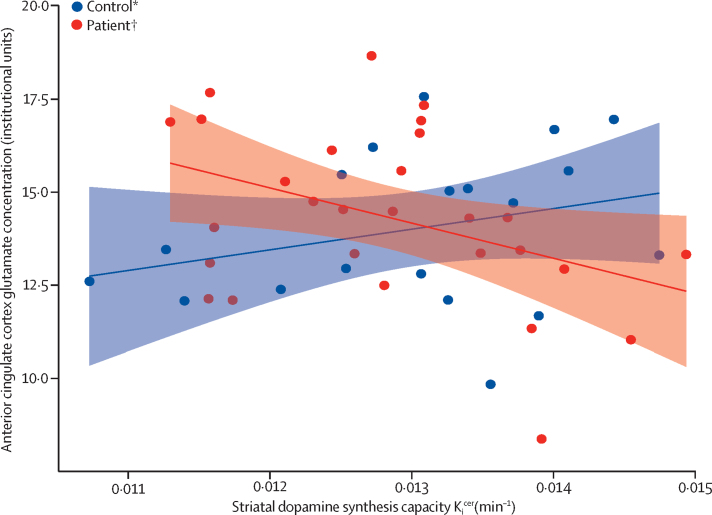
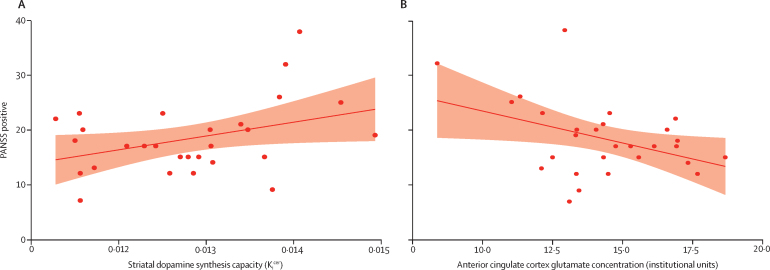
Background The pathophysiology of psychosis is incompletely understood. Disruption in cortical glutamatergic signalling causing aberrant striatal dopamine synthesis capacity is a proposed model for psychosis, but has not been tested in vivo. We therefore aimed to test the relationship between cortical glutamate concentrations and striatal dopamine synthesis capacity, and psychotic symptoms. Methods In this cross-sectional multimodal imaging study, 28 individuals with first-episode psychosis and 20 healthy controls underwent 18 F-DOPA PET (measuring striatal dopamine synthesis capacity), and proton magnetic resonance spectroscopy (measuring anterior cingulate cortex glutamate concentrations). Participants were recruited from first-episode psychosis services in London, UK and were required to be in the first episode of a psychotic illness, with no previous illness or treatment episodes. Exclusion criteria for all participants were: history of substantial head trauma, dependence on illicit substances, medical comorbidity (other than minor illnesses), and contraindications to scanning (such as pregnancy). Symptoms were measured using the Positive and Negative Syndrome Scale. The primary endpoint was the relationship between anterior cingulate cortex glutamate concentrations and striatal dopamine synthesis capacity in individuals with their first episode of psychosis as shown by imaging, examined by linear regression. Linear regression was used to examine relationships between measures. Findings Glutamate concentrations showed a significant inverse relationship with striatal dopamine synthesis capacity in patients with psychosis ( R 2 =0·16, p=0·03, β −1·71 × 10 −4 , SE 0·76 × 10 −4 ). This relationship remained significant after the addition of age, gender, ethnicity, and medication status to the model (p=0·015). In healthy controls, there was no significant relationship between dopamine and glutamate measures ( R 2 =0·04, p=0·39). Positive and Negative Syndrome Scale positive psychotic symptoms were positively associated with striatal dopamine synthesis capacity ( R 2 =0·14, p=0·046, β 2546, SE 1217) and showed an inverse relationship with anterior cingulate glutamate concentrations ( R 2 =0·16, p=0·03, β −1·71 × 10 −4 , SE 7·63 × 10 −5 ). No relationships were seen with negative symptoms (positive symptoms, mean [SD] −18·4 (6·6) negative symptoms, mean [SD] −15·4 [6·1]). Interpretation These observations are consistent with the hypothesis that cortical glutamate dysfunction is related to subcortical dopamine synthesis capacity and psychosis. Although the precise mechanistic relationship between cortical glutamate and dopamine in vivo remains unclear, our findings support further studies to test the effect of modulating cortical glutamate in the treatment of psychosis. Funding Medical Research Council, Wellcome Trust, Biomedical Research Council, South London and Maudsley NHS Foundation Trust, JMAS Sim Fellowship, Royal College of Physicians (Edinburgh) (SJ).
Overview
The claims and statistics of this paper haven’t been checked yet.
Run the check — free, no account needed. It reads the open-access text and checks the sources it cites.
Integrity signals
Registry
Cites
Statistics
Figures
Verification
Claims the paper makes
The claims and statistics of this paper haven’t been checked yet.
Run the check — free, no account needed. It reads the open-access text and checks the sources it cites.
Claims other papers make about this one
Each is checked against this paper’s own text: does it say what the citing paper says it does?
The cited source says what the claim attributes to it.
In the citing paper
“It is widely accepted that dopaminergic dysregulation stands as one of the most supported hypotheses for the pathogenesis of SCZ and psychosis as a whole (Jauhar et al., 2018; McCutcheon et al., 2020).”
From Can epigenetics shine a light on the biological pathways underlying major mental disorders? (2022) · cites this paper as Jauhar et al., 2018
Self-check
Percentages, sums and reported differences re-computed from the paper’s own numbers.
The self-check needs the paper’s full text.
Citations
Cites
The Positive and Negative Syndrome Scale (PANSS) for schizophrenia.
Kay, S. R., Fiszbein, A., & Opler, L. A. (1987) · Schizophrenia Bulletin · doi:10.1093/schbul/13.2.261 · Cited by 21,378
(1998) · The Journal of Clinical Psychiatry · Cited by 19,139
(1998) · PubMed · Cited by 10,216
The Dopamine Hypothesis of Schizophrenia: Version III--The Final Common Pathway
Howes, O. D., & Kapur, S. (2009) · Schizophrenia Bulletin · doi:10.1093/schbul/sbp006 · Cited by 2,693
Self-citationGlutamate receptor dysfunction and schizophrenia
Olney, J. W. (1995) · Archives of General Psychiatry · doi:10.1001/archpsyc.1995.03950240016004 · Cited by 1,685
NIRS-SPM: Statistical parametric mapping for near-infrared spectroscopy
Ye, J., Tak, S., JANG, K., JUNG, J., & JANG, J. (2008) · NeuroImage · doi:10.1016/j.neuroimage.2008.08.036 · Cited by 1,201
Carr, D. B., & Sesack, S. R. (2000) · Journal of Neuroscience · doi:10.1523/jneurosci.20-10-03864.2000 · Cited by 880
Elevated Striatal Dopamine Function Linked to Prodromal Signs of Schizophrenia
Howes, O. D., Montgomery, A. J., Asselin, M.-C., Murray, R. M., Valli, I., Tabraham, P., Bramon-Bosch, E., Valmaggia, L., Johns, L., Broome, M., et al. (2009) · Archives of General Psychiatry · doi:10.1001/archgenpsychiatry.2008.514 · Cited by 744
Self-citationGlutamate and dopamine in schizophrenia: An update for the 21 st century
Howes, O., McCutcheon, R., & Stone, J. (2015) · Journal of Psychopharmacology · doi:10.1177/0269881114563634 · Cited by 702
Self-citationKegeles, L., Abi-Dargham, A., Zea-Ponce, Y., Rodenhiser-Hill, J., Mann, J., Heertum, R. V. V., Cooper, T. B., Carlsson, A., & Laruelle, M. (2000) · Biological Psychiatry · doi:10.1016/s0006-3223(00)00976-8 · Cited by 425
Cited by
Sorted by citations
Jauhar, S., Johnstone, M., & McKenna, P. J. (2022) · The Lancet · doi:10.1016/s0140-6736(21)01730-x · Cited by 1,116
Self-citationDopamine and glutamate in schizophrenia: biology, symptoms and treatment
McCutcheon, R. A., Krystal, J. H., & Howes, O. D. (2020) · World Psychiatry · doi:10.1002/wps.20693 · Cited by 612
Self-citationKaar, S. J., Natesan, S., McCutcheon, R. A., & Howes, O. D. (2019) · Neuropharmacology · doi:10.1016/j.neuropharm.2019.107704 · Cited by 404
Self-citationHowes, O. D., & Shatalina, E. (2022) · Biological Psychiatry · doi:10.1016/j.biopsych.2022.06.017 · Cited by 279
Self-citationSchizophrenia: from neurochemistry to circuits, symptoms and treatments
Howes, O. D., Bukala, B. R., & Beck, K. (2023) · Nature Reviews Neurology · doi:10.1038/s41582-023-00904-0 · Cited by 221
“In support of this theory, higher striatal dopaminergic measures have been associated with lower glutamatergic measures in the frontal cortex in schizophrenia, a relationship not seen in individuals without schizophrenia 76 .”
Self-citationCorrell, C. U., Agid, O., Crespo‐Facorro, B., de Bartolomeis, A., Fagiolini, A. M., Seppälä, N., & Howes, O. D. (2022) · CNS Drugs · doi:10.1007/s40263-022-00932-2 · Cited by 172
Self-citationMerritt, K., McGuire, P. K., Egerton, A., 1H-MRS in Schizophrenia Investigators, Aleman, A., Block, W., Bloemen, O., Borgan, F., Bustillo, J., Capizzano, A. A., et al. (2021) · JAMA Psychiatry · doi:10.1001/jamapsychiatry.2021.0380 · Cited by 142
Self-citationHowes, O. D., Hird, E. J., Adams, R. A., Corlett, P. R., & McGuire, P. (2020) · Biological Psychiatry · doi:10.1016/j.biopsych.2020.03.012 · Cited by 110
Self-citationMizuno, Y., McCutcheon, R. A., Brugger, S. P., & Howes, O. D. (2019) · Neuropsychopharmacology · doi:10.1038/s41386-019-0577-3 · Cited by 116
Self-citationKokkinou, M., Irvine, E. E., Bonsall, D. R., Natesan, S., Wells, L. A., Smith, M., Glegola, J. A., Paul, E. J., Tossell, K., Veronese, M., et al. (2020) · Molecular Psychiatry · doi:10.1038/s41380-020-0740-6 · Cited by 107
Self-citationDempster, K., Jeon, P., Mackinley, M., Williamson, P., Théberge, J., & Palaniyappan, L. K. (2020) · Molecular Psychiatry · doi:10.1038/s41380-020-0704-x · Cited by 94
“relationship between striatal dopamine and prefrontal glutamate [10].”
BackgroundEgerton, A., Murphy, A., Donocik, J. G., Anton, A., Barker, G. J., Collier, T., Deakin, J. F. W., Drake, R., Eliasson, E. T., Emsley, R., et al. (2020) · Schizophrenia Bulletin · doi:10.1093/schbul/sbaa128 · Cited by 94
“psychosis and no significant relationship between these variables in healthy controls.(66) Correlations between striatal glutamate and striatal K i cer have not previously been”
Self-citationStriatal Dopamine and Reward Prediction Error Signaling in Unmedicated Schizophrenia Patients
Katthagen, T., Kaminski, J. A., Heinz, A., Buchert, R., & Schlagenhauf, F. (2020) · Schizophrenia Bulletin · doi:10.1093/schbul/sbaa055 · Cited by 79
Variability and magnitude of brain glutamate levels in schizophrenia: a meta and mega-analysis
Merritt, K., McCutcheon, R. A., Aleman, A., Ashley, S. A., Beck, K., Block, W., Bloemen, O., Borgan, F., Boules, C., Bustillo, J., et al. (2023) · Molecular Psychiatry · doi:10.1038/s41380-023-01991-7 · Cited by 82
Self-citationThe why behind the high: determinants of neurocognition during acute cannabis exposure
Ramaekers, J. G., Mason, N. L., Kloft, L., & Theunissen, E. L. (2021) · Nature reviews. Neuroscience · doi:10.1038/s41583-021-00466-4 · Cited by 76
In Vivo Availability of Cannabinoid 1 Receptor Levels in Patients With First-Episode Psychosis
Borgan, F., Laurikainen, H., Veronese, M., Marques, T. R., Haaparanta‐Solin, M., Solin, O. H., Dahoun, T., Rogdaki, M., Salokangas, R. K. R., Karukivi, M., et al. (2019) · JAMA Psychiatry · doi:10.1001/jamapsychiatry.2019.1427 · Cited by 73
Self-citationSpark, D. L., Fornito, A., Langmead, C. J., & Stewart, G. D. (2022) · Translational Psychiatry · doi:10.1038/s41398-022-01904-2 · Cited by 69
“Interestingly, there is an inverse relationship between cortical glutamate and striatal dopamine, suggesting that differences in presynaptic dopamine function and ACC glutamate between subtypes may also be linked [124, 125].”
BackgroundTarumi, R., Tsugawa, S., Noda, Y., Plitman, E., Honda, S., Matsushita, K., Chavez, S., Sawada, K., Wada, M., Matsui, M., et al. (2019) · Neuropsychopharmacology · doi:10.1038/s41386-019-0589-z · Cited by 56
“Moreover, another PET study reported that, among patients with first-episode psychosis (FEP), dopamine synthesis capacity prior to the commencement of antipsychotic treatment was higher in antipsychotic responders compared with non-responders, suggesting that the identified difference in dopaminergic function between…”
BackgroundVeronese, M., Santangelo, B., Jauhar, S., D’Ambrosio, E., Demjaha, A., Salimbeni, H., Jin, H., McCrone, P., Turkheimer, F., & Howes, O. D. (2020) · Neuropsychopharmacology · doi:10.1038/s41386-020-00866-7 · Cited by 58
“It has also been shown that demographics and environmental factors, such as age, gender, smoking, ethnicity and childhood trauma, may influence dopamine synthesis capacity [87, 88].”
BackgroundSelf-citationCan epigenetics shine a light on the biological pathways underlying major mental disorders?
Alameda, L., Trotta, G., Quigley, H., Rodriguez, V., Gadelrab, R., Dwir, D., Dempster, E., Wong, C. C. Y., & Forti, M. D. (2022) · Psychological Medicine · doi:10.1017/s0033291721005559 · Cited by 60
New Drug Treatments for Schizophrenia: A Review of Approaches to Target Circuit Dysfunction
Howes, O. D., Dawkins, E., Lobo, M. C., Kaar, S. J., & Beck, K. (2024) · Biological Psychiatry · doi:10.1016/j.biopsych.2024.05.014 · Cited by 53
Self-citationMolecular imaging of schizophrenia: Neurochemical findings in a heterogeneous and evolving disorder
Cumming, P. D., Abi‐Dargham, A., & Gründer, G. (2020) · Behavioural Brain Research · doi:10.1016/j.bbr.2020.113004 · Cited by 53
Cannabidiol modulation of hippocampal glutamate in early psychosis
O’Neill, A., Annibale, L., Blest‐Hopley, G., Wilson, R. P., Giampietro, V., & Bhattacharyya, S. (2021) · Journal of Psychopharmacology · doi:10.1177/02698811211001107 · Cited by 37
“This is also consistent with recent multimodal evidence suggesting an inverse relationship between cortical glutamate levels, and both striatal dopamine, and positive psychotic symptoms, in first episode psychosis patients (Jauhar et al., 2018).”
ResultTakado, Y., Takuwa, H., Sampei, K., Urushihata, T., Takahashi, M., Shimojo, M., Uchida, S., Nitta, N., Shibata, S., Nagashima, K., et al. (2021) · Journal of Cerebral Blood Flow & Metabolism · doi:10.1177/0271678x211045449 · Cited by 43
Howes, O. D., Bonoldi, I., McCutcheon, R. A., Azis, M., Antoniades, M., Bossong, M. G., Modinos, G., Pérez, J., Stone, J. M., Santangelo, B., et al. (2019) · Neuropsychopharmacology · doi:10.1038/s41386-019-0541-2 · Cited by 36
Self-citationWen, J., Antoniades, M., Yang, Z., Hwang, G., Skampardoni, I., Wang, R., & Davatzikos, C. A. (2024) · Biological Psychiatry · doi:10.1016/j.biopsych.2024.04.017 · Cited by 38
Sleep quality is related to brain glutamate and symptom severity in schizophrenia
Korenic, S. A., Klingaman, E. A., Wickwire, E. M., Gaston, F. E., Chen, H., Wijtenburg, S. A., & Rowland, L. M. (2019) · Journal of Psychiatric Research · doi:10.1016/j.jpsychires.2019.10.006 · Cited by 35
Kaminski, J. A., Gleich, T., Fukuda, Y., Katthagen, T., Gallinat, J., Heinz, A., & Schlagenhauf, F. (2019) · Biological Psychiatry · doi:10.1016/j.biopsych.2019.07.011 · Cited by 32
Kaminski, J. A., Mascarell-Maricic, L., Fukuda, Y., Katthagen, T., Heinz, A., & Schlagenhauf, F. (2020) · Biological Psychiatry · doi:10.1016/j.biopsych.2020.09.001 · Cited by 34
Takado, Y., Sato, N., Kanbe, Y., Tomiyasu, M., Xin, L., Near, J., Yoshikawa, K., Sahara, N., Higashi, T., Suhara, T., et al. (2019) · Nutrients · doi:10.3390/nu11071649 · Cited by 30
“Indeed, a previous study reported that Glx did not significantly correlate with other clinical parameters, whereas Glu did [35].”
BackgroundGodlewska, B. R., Minichino, A., Emir, U. E., Angelescu, I., Lennox, B., Micunovic, M., Howes, O. D., & Cowen, P. J. (2021) · Translational Psychiatry · doi:10.1038/s41398-021-01477-6 · Cited by 28
Self-citationCholecystokinin-Mediated Neuromodulation of Anxiety and Schizophrenia: A “Dimmer-Switch” Hypothesis
Ballaz, S., & Bourin, M. (2020) · Current Neuropharmacology · doi:10.2174/1570159x18666201113145143 · Cited by 29
“Therefore, dysfunction of CCK [8, 117-121] and glutamate transmission [46] in these pathways may provoke adaptational deficits, impulsive behaviors, and schizophrenia.”
BackgroundMaximo, J. O., Briend, F., Armstrong, W. P., Kraguljac, N. V., & Lahti, A. C. (2021) · NeuroImage Clinical · doi:10.1016/j.nicl.2021.102845 · Cited by 29
“This is of interest given that a similar interaction effect was found when correlating dopamine activity with dACC Glx concentration in FEP patients and HC (Jauhar et al., 2018).”
ResultSousa, B., Martins, J., Castelo-Branco, M. S., & Gonçalves, J. (2022) · Journal of Clinical Medicine · doi:10.3390/jcm11102839 · Cited by 34
“Moreover, MRS studies performed on patients with SCZ have shown altered levels of GABA [46] and glutamate [47], suggesting a possible use for tDCS as a therapy for SCZ.”
BackgroundJensen, K. M., Calhoun, V. D., Fu, Z., Yang, K., Faria, A. V., Ishizuka, K., Sawa, A., Andrés-Camazón, P., Coffman, B. A., Seebold, D., et al. (2024) · NeuroImage Clinical · doi:10.1016/j.nicl.2024.103584 · Cited by 25
“…Flaum et al., 1992; O ’ Connor et al., 2017; Reid et al., 2019), but may also account for when the individual began taking antipsychotic medication (Dempster et al., 2020; Iwashiro et al., 2016; Jauhar et al., 2018; Lencz et al., 2022; Maximo et al., 2021; Salisbury et al., 2022; Wen et al., 2023).”
BackgroundLe, T. T., Vincenzo, J. D. D., Teopiz, K. M., Lee, Y. L., Cha, D. S., Lui, L. M. W., Rodrigues, N. B., Ho, R., Cao, B., Lin, K., et al. (2021) · Psychiatry Research · doi:10.1016/j.psychres.2021.114231 · Cited by 27
Limongi, R., Mackinley, M., Dempster, K., KHAN, A. R., Gati, J. S., & Palaniyappan, L. K. (2020) · European Archives of Psychiatry and Clinical Neuroscience · doi:10.1007/s00406-020-01163-6 · Cited by 29
The neural and molecular basis of working memory function in psychosis: a multimodal PET-fMRI study
Borgan, F., O’Daly, O., Veronese, M., Marques, T. R., Laurikainen, H., Hietala, J. A., & Howes, O. D. (2019) · Molecular Psychiatry · doi:10.1038/s41380-019-0619-6 · Cited by 25
Self-citationChang, X., Zhao, W. D., Kang, J., Xiang, S., Xie, C., Hernández, H. C., Palaniyappan, L. K., & Feng, J. (2022) · Schizophrenia · doi:10.1038/s41537-022-00308-x · Cited by 31
Leung, C. C.-Y., Gadelrab, R., Ntephe, C., McGuire, P. K., & Demjaha, A. (2019) · Frontiers in Psychiatry · doi:10.3389/fpsyt.2019.00601 · Cited by 26
“To address the potential effects of medication or chronicity on these findings, the same group prospectively investigated 4 September 2019 | Volume 10 | Article 601Frontiers in Psychiatry | www.frontiersin.org DSC and ACC glutamate levels in initially medicationnaïve FEP patients and confirmed that although striatal…”
ResultInfluentialSelf-citationSigvard, A. K., Nielsen, M. Ø., GJEDDE, A. H., Bojesen, K. B., Fuglø, D., Tangmose, K., Kumakura, Y., Heltø, K. M. M., Ebdrup, B. H., Jensen, L. T., et al. (2021) · Biological Psychiatry · doi:10.1016/j.biopsych.2021.08.023 · Cited by 24
“In agreement with the present results, the largest of these studies (n = 28, of whom 12 were antipsychotic naïve) did not reveal different estimates of DSC in patients and HC subjects (64), whereas the aforementioned longitudinal study from the same group reported increased Ki cer in a mixed sample of patients with bi…”
ResultMcCutcheon, R. A., Jauhar, S., Pepper, F., Nour, M. M., Rogdaki, M., Veronese, M., Turkheimer, F., Egerton, A., McGuire, P. K., Mehta, M. A., et al. (2020) · Biological Psychiatry Cognitive Neuroscience and Neuroimaging · doi:10.1016/j.bpsc.2020.04.004 · Cited by 26
Self-citationAnand, R., Turolla, A., Chinellato, G., Roy, A., & Hartman, R. D. (2023) · The International Journal of Neuropsychopharmacology · doi:10.1093/ijnp/pyad035 · Cited by 21
Borgan, F., Jauhar, S., McCutcheon, R. A., Pepper, F., Rogdaki, M., Lythgoe, D. J., & Howes, O. D. (2019) · Scientific Reports · doi:10.1038/s41598-019-45018-0 · Cited by 21
Self-citationJayaprakash, G. K., Swamy, B. E. K., Flores‐Moreno, R., & Pineda‐Urbina, K. (2023) · Catalysts · doi:10.3390/catal13010100 · Cited by 20
Cattarinussi, G., Grimaldi, D. A., & Sambataro, F. (2023) · Schizophrenia Bulletin · doi:10.1093/schbul/sbad044 · Cited by 21
The increasing challenge of the possible impact of ethnicity on psychopharmacology
Marazziti, D., Mucci, F., Avella, M. T., Palagini, L., Simoncini, M., & Dell’Osso, L. (2020) · CNS Spectrums · doi:10.1017/s1092852920000073 · Cited by 19
Clinical Strategies and Technical Challenges in Psychoradiology
Li, F. Y., Wu, D., Lui, S., Gong, Q., & Sweeney, J. A. (2019) · Neuroimaging Clinics of North America · doi:10.1016/j.nic.2019.09.001 · Cited by 19
Lähteenvuo, M., Taipale, H. T., Tanskanen, A. J., Mittendorfer‐Rutz, E., & Tiihonen, J. (2021) · Schizophrenia Research · doi:10.1016/j.schres.2021.01.015 · Cited by 19
Sportelli, L., Eisenberg, D. P., Passiatore, R., D’Ambrosio, E., Antonucci, L. A., Bettina, J. S., Chen, Q., Goldman, A. L., Gregory, M. D., Griffiths, K., et al. (2024) · Nature Communications · doi:10.1038/s41467-024-47456-5 · Cited by 19
Self-citationDixon, B. J., Kumar, J., & Danielmeier, C. (2021) · Neuroscience & Biobehavioral Reviews · doi:10.1016/j.neubiorev.2021.11.010 · Cited by 21
McCutcheon, R. A., Pillinger, T., Rogdaki, M., Bustillo, J., & Howes, O. D. (2021) · Translational Psychiatry · doi:10.1038/s41398-021-01455-y · Cited by 20
Self-citationPET Imaging in Psychiatric Disorders
Ferrando, R., Hernandes, D., Ghini, B. G., & Coutinho, A. M. (2025) · Seminars in Nuclear Medicine · doi:10.1053/j.semnuclmed.2025.06.004 · Cited by 20
Eisenberg, D. P., Kohn, P. D., Hegarty, C. E., Smith, N. R., Grogans, S. E., Czarapata, J. B., Gregory, M. D., Apud, J. A., & Berman, K. F. (2021) · Molecular Psychiatry · doi:10.1038/s41380-021-01337-1 · Cited by 17
“, hyperdopaminergic treatmentresponsive versus eu- or hypo-dopaminergic treatment-resistant) [24, 41, 42] and provides a distinct impetus to better delineate the foundations of presynaptic dopamine systems pathology in primary psychotic illness.”
BackgroundYang, K., Chen, Y., Liu, M., Yang, B., & Chou, Y.-H. (2022) · Schizophrenia Research · doi:10.1016/j.schres.2022.09.022 · Cited by 14
Evenamide: A Potential Pharmacotherapeutic Alternative for Treatment-Resistant Schizophrenia
Singh, R., Hahn, M., Bansal, Y., Agarwal, S. M., & Remington, G. J. (2024) · The International Journal of Neuropsychopharmacology · doi:10.1093/ijnp/pyae005 · Cited by 16
“Nonresponders with first episode of psychosis, as well as individuals with TRS, have been shown to demonstrate normal dopamine synthesis (Kim et al., 2017) but higher glutamate levels in the anterior cingulate cortex (Jauhar et al., 2018), encouraging the pursuit of agents targeting NMDAR.”
BackgroundZahid, U., McCutcheon, R. A., Borgan, F., Jauhar, S., Pepper, F., Nour, M. M., Rogdaki, M., Osugo, M., Murray, G. K., Hathway, P., et al. (2022) · Frontiers in Psychiatry · doi:10.3389/fpsyt.2022.967941 · Cited by 18
Self-citationSigvard, A. K., Bojesen, K. B., Ambrosen, K. S., Nielsen, M. Ø., GJEDDE, A. H., Tangmose, K., Kumakura, Y., Edden, R. A. E., Fuglø, D., Jensen, L. T., et al. (2022) · Biological Psychiatry Global Open Science · doi:10.1016/j.bpsgos.2022.05.004 · Cited by 13
“N: 2667-1743 Biological Psych The effect size of the evidence of elevated dopamine synthesis capacity (DSC) in psychosis appears to have lessened over time (3–15), and neither of the 2 largest first-episode studies replicated elevated DSC (16,17).”
BackgroundResultDu, Y., Gao, Y., Wu, G., Li, Z., Du, X., Li, J., Li, X., Liu, Z., Xu, Y., & Liu, S. (2022) · Frontiers in Immunology · doi:10.3389/fimmu.2022.878997 · Cited by 14
Kantrowitz, J. T. (2021) · CNS Drugs · doi:10.1007/s40263-021-00864-3 · Cited by 13
Borgan, F., Veronese, M., Marques, T. R., Lythgoe, D. J., & Howes, O. D. (2020) · European Archives of Psychiatry and Clinical Neuroscience · doi:10.1007/s00406-020-01191-2 · Cited by 13
Self-citationShin, S. H., Jung, W. H., McCutcheon, R. A., Veronese, M., Beck, K., Lee, J., Lee, Y., Howes, O. D., Kim, E., & Kwon, J. S. (2022) · Psychiatry Investigation · doi:10.30773/pi.2022.0033 · Cited by 12
Self-citationDazzan, P., Lawrence, A. J., Reinders, A. A. T. S., Egerton, A., van Haren, N. E. M., Merritt, K., Barker, G. J., Pérez‐Iglesias, R., Sendt, K.-V., Demjaha, A., et al. (2020) · Schizophrenia Bulletin · doi:10.1093/schbul/sbaa115 · Cited by 10
Self-citationThe relationship between glutamate, dopamine, and cortical gray matter: A simultaneous PET-MR study
Rogeau, A., Nordio, G., Veronese, M., Brown, K., Nour, M. M., Osugo, M., Jauhar, S., Howes, O. D., & McCutcheon, R. A. (2022) · Molecular Psychiatry · doi:10.1038/s41380-022-01596-6 · Cited by 11
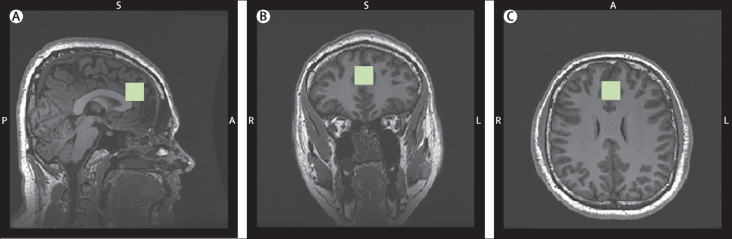
“S1), 13mm above the anterior portion of the corpus callosum genu and perpendicular to the anterior commissure–posterior commissure line to maximize gray matter inclusion [33].”
BackgroundSelf-citationJauhar, S., McCutcheon, R. A., Veronese, M., Borgan, F., Nour, M. M., Rogdaki, M., Pepper, F., Stone, J. M., Egerton, A., Vamvakas, G., et al. (2023) · Translational Psychiatry · doi:10.1038/s41398-023-02479-2 · Cited by 11
“As acknowledged [23], the glutamate signal at 3 T includes a contribution from Glutamnine (10–15%), and there is an inability to differentiate intracellular and extracellular glutamate concentrations.”
BackgroundResultInfluentialSelf-citationPaunova, R., Kandilarova, S., Todeva-Radneva, A., Latypova, A., Kherif, F., & Stoyanov, D. (2022) · Diagnostics · doi:10.3390/diagnostics12020469 · Cited by 11
Jia, X., Wang, J., Jiang, W., Kong, Z., Deng, H., Lai, W., Ye, C., Guan, F., Li, P., Zhao, M., et al. (2022) · NeuroImage Clinical · doi:10.1016/j.nicl.2022.103259 · Cited by 11
“Glutamatergic projections from cortex in turn repress dopamine release from the VTA to limbic area with a top-down control manner (Jauhar et al., 2018).”
Huang, L.-C., Lin, S., Tseng, H., Chen, K. C., & Yang, Y. K. (2020) · Medical Hypotheses · doi:10.1016/j.mehy.2020.110159 · Cited by 10
Monte Carlo study of metabolite correlations originating from spectral overlap
Hong, S., An, L., & Shen, J. (2022) · Journal of Magnetic Resonance · doi:10.1016/j.jmr.2022.107257 · Cited by 10
McCarty, P. J., Pines, A. R., Sussman, B. L., Wyckoff, S. N., Jensen, A., Bunch, R., Boerwinkle, V. L., & Frye, R. E. (2021) · Journal of Personalized Medicine · doi:10.3390/jpm11100969 · Cited by 10
“Current modalities with the capacity to detect alterations in neurotransmitters, such as positron emissions tomography (PET) and magnetic resonance spectroscopy (MRS), are limited in their spatial resolution and sensitivity to pertinent neurotransmitters, respectively [9].”
BackgroundDemler, V. F., Sterner, E., Wilson, M., Zimmer, C., & Knolle, F. (2023) · Scientific Reports · doi:10.1038/s41598-023-39881-1 · Cited by 9
van Hooijdonk, C. V., van der Pluijm, M., Smith, C. L. C., Yaqub, M., van Velden, F. V., Horga, G., Wengler, K., Hoven, M., van Holst, R. V., de Haan, L., et al. (2023) · Neuroscience Applied · doi:10.1016/j.nsa.2023.101134 · Cited by 13
“Additionally, striatal DSC might fl uctuate more over time in patients compared to HC, as striatal DSC is associated with psychotic symptom severity in patients (Jauhar et al., 2017, 2018).”
InfluentialLiddle, P. F., & Sami, M. B. (2024) · Biological Psychiatry · doi:10.1016/j.biopsych.2024.08.007 · Cited by 9
“Glutamate concentration in anterior cingulate cortex is inversely related to striatal dopamine synthesis capacity in patients with psychosis (76).”
BackgroundAnand, R., Turolla, A., Chinellato, G., Roy, A., & Hartman, R. D. (2024) · The International Journal of Neuropsychopharmacology · doi:10.1093/ijnp/pyae061 · Cited by 9
Bojesen, K. B., Ambrosen, K. S., Sigvard, A. K., Nielsen, M. Ø., GJEDDE, A. H., Kumakura, Y., Jensen, L. T., Fuglø, D., Ebdrup, B. H., Rostrup, E., et al. (2025) · Molecular Psychiatry · doi:10.1038/s41380-025-03229-0 · Cited by 10
“This seemingly contrasts earlier fi ndings [15, 34], but the present data do in many ways differ from the data from Jauhar et al. First, all patients in the present study were strictly antipsychotic-naïve and within the schizophrenia spectrum and both medication status and diagnosis might in fl uence…”
InfluentialLopes, J. J., Carruthers, S. P., Meyer, D., Dean, B., & Rossell, S. L. (2024) · Australian & New Zealand Journal of Psychiatry · doi:10.1177/00048674241254216 · Cited by 9
“…did not provide participant means and standard deviations (Aoyama et al., 2011; Briend et al., 2020; Bustillo et al., 2014; Cadena et al., 2018; Chang et al., 2007; Gurler et al., 2021; Hugdahl et al., 2015; Jauhar et al., 2018; Rauchmann et al., 2020; Shakory et al., 2018; Théberge et al., 2003).”
BackgroundEtiopathogenic Models of Psychosis Spectrum Illnesses Must Resolve Four Key Features
Vinogradov, S., Hamid, A., & Redish, A. D. (2022) · Biological Psychiatry · doi:10.1016/j.biopsych.2022.06.024 · Cited by 9
Halff, E. F., Natesan, S., Bonsall, D. R., Veronese, M., Garcia-Hidalgo, A., Kokkinou, M., Tang, S.-P., Riggall, L. J., Gunn, R. N., Irvine, E. E., et al. (2022) · Molecular Imaging · doi:10.1155/2022/4419221 · Cited by 10
“A major advantage of kinetic modelling using Patlak analysis is that outcome values correspond directly to those used in human [(18)F]-FDOPA PET imaging [10, 41].”
MethodSelf-citationXue, T., Sheng, J., Gao, H., Gu, Y., Dai, J., Yang, X., Peng, H., Gao, H., Lu, R., Shen, Y., et al. (2024) · Psychiatry and Clinical Neurosciences · doi:10.1111/pcn.13641 · Cited by 11
“71,72 Meditation may regulate dopamine release 73 and increase glutamate metabolism in the anterior cingulate cortex and left thalamus, 74,75 potentially linked to the reduction of hallucinations and delusions.”
BackgroundCombinations and Temporal Associations Among Precursor Symptoms Before a First Episode of Psychosis
Paquin, V., MALLA, A. K., Iyer, S. N., Lepage, M., Joober, R., & Shah, J. L. (2023) · Schizophrenia Bulletin · doi:10.1093/schbul/sbad152 · Cited by 8
Psychosis in Huntington's disease: a review and comparison with schizophrenia
Badenoch, J., Rickards, H. E., McCutcheon, R. A., & Nair, A. (2025) · Schizophrenia Research · doi:10.1016/j.schres.2025.07.012 · Cited by 7
Self-citationVariability and Magnitude of Brain Glutamate Levels in Schizophrenia: A Meta and Mega-Analysis
Merritt, K., McCutcheon, R. A., Aleman, A., Ashley, S. A., Beck, K., Block, W., Bloemen, O., Borgan, F., Boules, C., Bustillo, J., et al. (2024) · Biological Psychiatry · doi:10.1016/j.biopsych.2024.02.020 · Cited by 7
Self-citationvan Hooijdonk, C. F. M., Tse, D. H. Y., Roosenschoon, J., Ceccarini, J., Booij, J., van Amelsvoort, T., & Vingerhoets, C. (2022) · Genes · doi:10.3390/genes13091672 · Cited by 6
“to findings in patients with psychosis [31], we hypothesized that in 22q11DS, ACC glutamate concentration would be inversely correlated with striatal dopamine D2/3R availability.”
BackgroundResultInfluentialOliver, D., Davies, C., Zelaya, F. O., Selvaggi, P., Micheli, A. D., Catalán, A., Baldwin, H., Arribas, M., Modinos, G., Crossley, N. A., et al. (2023) · Frontiers in Psychiatry · doi:10.3389/fpsyt.2023.1092213 · Cited by 6
Self-citationTakado, Y., Takuwa, H., Sampei, K., Urushihata, T., Takahashi, M., Shimojo, M., Uchida, S., Nitta, N., Shibata, S., Nagashima, K., et al. (2020) · bioRxiv (Cold Spring Harbor Laboratory) · doi:10.1101/2020.10.25.353888 · Cited by 6
Grimaldi, D. A., Patane’, A., Cattarinussi, G., & Sambataro, F. (2025) · Neuroscience & Biobehavioral Reviews · doi:10.1016/j.neubiorev.2025.106179 · Cited by 4
“…based on preclinical findings, the second one supports a more generalized dysfunction within the striatum, based on a large number of in vivo studies reporting an earlier and more widespread dopaminergic dysfunction within the associative striatum (Conn et al., 2020; McCutcheon et al., 2018).”
Positron Emission Tomography Assessments of Phosphodiesterase 10A in Patients With Schizophrenia
Kubota, M., Takahata, K., Matsuoka, K., Sano, Y., Yamamoto, Y., Tagai, K., Tarumi, R., Suzuki, H., Kurose, S., Nakajima, S., et al. (2022) · Schizophrenia Bulletin · doi:10.1093/schbul/sbac181 · Cited by 4
Acute psychosis following baclofen overdose
Mostafa, K., Kelbrick, M., Mustafa, F., Willis, G., & Paduret, G. (2024) · Progress in Neurology and Psychiatry · doi:10.1002/pnp.837 · Cited by 3
“25 GABA-A receptors have been implicated in catatonia in psychosis.”
BackgroundArumuham, A., Nour, M. M., Veronese, M., Beck, K., Onwordi, E. C., Lythgoe, D. J., Jauhar, S., Rabiner, E. A., & Howes, O. D. (2024) · The International Journal of Neuropsychopharmacology · doi:10.1093/ijnp/pyae011 · Cited by 3
“The ACC, which is associated with several cognitive processes (Richard et al., 2004; Vincent et al., 2008), has been found to have alterations of the glutamate system in schizophrenia depending on illness progression (Jauhar et al., 2018).”
BackgroundSelf-citationPET and SPECT Imaging of the Central Dopamine System in Humans
Booij, J., van Wieringen, J., van de Giessen, E., Knol, R. J. J., & Finnema, S. J. (2020) · Springer eBooks · doi:10.1007/978-3-030-53176-8_11 · Cited by 3
Zarghami, T. S. (2023) · Brain Structure and Function · doi:10.1007/s00429-023-02697-w · Cited by 2
Sano, Y., Yamamoto, Y., Kubota, M., Moriguchi, S., Matsuoka, K., Kurose, S., Tagai, K., Endo, H., Yamagata, B., Suzuki, H., et al. (2024) · Translational Psychiatry · doi:10.1038/s41398-024-03107-3 · Cited by 2
“Our data justi fi es future clinical trials to investigate the ef fi cacy of PDE10A stimulators for reducing the recurrence rate of manic and depressive episodes in BD-I.”
MethodGlutamate-dopamine matters in psychosis
Hernaus, D., & van Amelsvoort, T. (2018) · The Lancet Psychiatry · doi:10.1016/s2215-0366(18)30299-2 · Cited by 2
Dopamine and Response to Antipsychotic Medication
Ntephe, C., & Demjaha, A. (2020) · Springer eBooks · doi:10.1007/978-3-030-57231-0_14 · Cited by 2
Kokkinou, M., Irvine, E. E., Bonsall, D. R., Natesan, S., Wells, L. A., Smith, M., Glegola, J. A., Paul, E. J., Tossell, K., Veronese, M., et al. (2019) · bioRxiv (Cold Spring Harbor Laboratory) · doi:10.1101/748665 · Cited by 2
Self-citationZahid, U., Osugo, M., Selvaggi, P., Lythgoe, D. J., Fortunato, C., Diederen, K. M. J., Kiemes, A., Wall, M. B., Whitehurst, T., Onwordi, E. C., et al. (2025) · The British Journal of Psychiatry · doi:10.1192/bjp.2025.10319 · Cited by 1
“These findings align with some human imaging studies showing an inverse relationship between cortical glutamate concentrations and striatal dopamine synthesis capacity in psychosis, 34 although this was not replicated by another study.”
Self-citationNeuropharmacological targets for schizophrenia treatment: An update
de Lima, C. A. C., Barbosa, M. E. O., de Souza-Júnior, F. J. C., Farias, S. V., Fontes-Júnior, E. A., & Maia, C. D. S. F. (2025) · Progress in Neuro-Psychopharmacology and Biological Psychiatry · doi:10.1016/j.pnpbp.2025.111580 · Cited by 1
Hamati, R., Kanaa, N., Chidiac, B., Guimond, S., Cassidy, C., & Tuominen, L. J. (2026) · Schizophrenia · doi:10.1038/s41537-026-00731-4 · Cited by 1
“Moreover, dopamine releasing drugs induce psychosis 23 , dopamine blocking drugs attenuate psychosis 24 and dopamine synthesis capacity correlates with positive symptoms in psychotic illness 25,26 .”
18F-fluorodeoxyglucose PET in Major Psychiatric Disorders
Ferrando, R., & Coutinho, A. M. (2026) · PET Clinics · doi:10.1016/j.cpet.2026.05.007 · Cited by 1
Limongi, R., Mackinley, M., Dempster, K., KHAN, A. R., Gati, J. S., & Palaniyappan, L. K. (2020) · bioRxiv (Cold Spring Harbor Laboratory) · doi:10.1101/2020.02.07.939470 · Cited by 1
Metadata
- Authors
- Jauhar, S., McCutcheon, R., Borgan, F., Veronese, M., Nour, M., Pepper, F., Rogdaki, M., Stone, J., Egerton, A., Turkheimer, F., McGuire, P., & Howes, O. D.
- Affiliations
- King's College London (GB)
- Corresponding author
- Howes, Oliver D
- ORCID
- Venue
- The Lancet Psychiatry
- Publisher
- Elsevier BV
- Published
- 2018-10
- Volume
- 5
- Issue
- 10
- Pages
- 816-823
- ISSN
- 2215-0366 (ISSN-L)
- PMC
- PMC6162342
- OpenAlex
- W2889742508
- Cited by
- 114
- References
- 35
- Citations by year
- 2026: 4 · 2025: 9 · 2024: 14 · 2023: 15 · 2022: 21 · 2021: 14 · 2020: 21 · 2019: 15 · 2018: 1
- FWCI
- 10.03
- Type
- journal article
- Language
- en
- Open access
- hybrid
- doi.org
- Locations
- The Lancet Psychiatry (publishedVersion, cc-by)
- Europe PMC (PubMed Central) (publishedVersion, other-oa)
- PubMed Central (publishedVersion, cc-by)
- PubMed (publishedVersion)
- UCL Discovery (University College London) (submittedVersion)
- Research Portal (King's College London) (submittedVersion, cc-by)
- Padua Research Archive (University of Padova) (submittedVersion)
- Funders
- Wellcome Trust (200102/Z/15/Z)
- National Institute for Health and Care Research (ACF-2016-17-005)
- Topics
- Health Sciences › Medicine › Psychiatry and Mental health › Schizophrenia research and treatment
- Life Sciences › Neuroscience › Cellular and Molecular Neuroscience › Neurotransmitter Receptor Influence on Behavior
- Health Sciences › Medicine › Radiology, Nuclear Medicine and Imaging › Advanced MRI Techniques and Applications
- Keywords
- first-episode psychosis, anterior cingulate cortex, glutamatergic signalling, dopamine-glutamate interaction, 18F-DOPA PET, 1H NMR, positive psychotic symptoms, negative symptoms, psychosis pathophysiology, multimodal neuroimaging
- MeSH terms
- Adult, Corpus Striatum, Cross-Sectional Studies, Dihydroxyphenylalanine, Dopamine, Female, Humans, London, Magnetic Resonance Imaging, Male, Magnetic Resonance Spectroscopy, Psychiatric Status Rating Scales, Psychotic Disorders, Glutamic Acid
About these checks
Registry, retraction, Cites and statistics results are computed, not judged, with one exception: a printed reference that no index lists is read once by a model before it counts as a citation error. Claims are extracted by a model and kept only when their quote appears verbatim in the text; each cited source is then checked, with a model’s help, for whether it says what the claim relies on. Those verdicts can be wrong — read the claim’s quote and the cited source before relying on one.
Statistics and arithmetic are recomputed, not judged.
Confidence bands are shown only for fields calibrated on our annotated test set. None is calibrated yet, so no band is shown.
What counts as a claim ›How we measure confidence ›How we check this ›
Are you an author, or do you see a problem with this page? Request a review
