

Pollution and health: a progress update
Open accessThe DOI matches its Crossref record; 61 of the 61 references it cites were found in a registry or an index.
Abstract
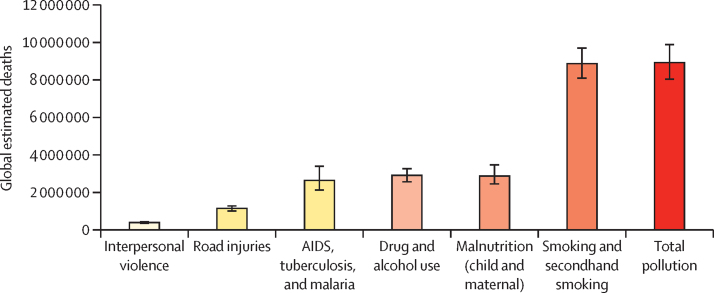
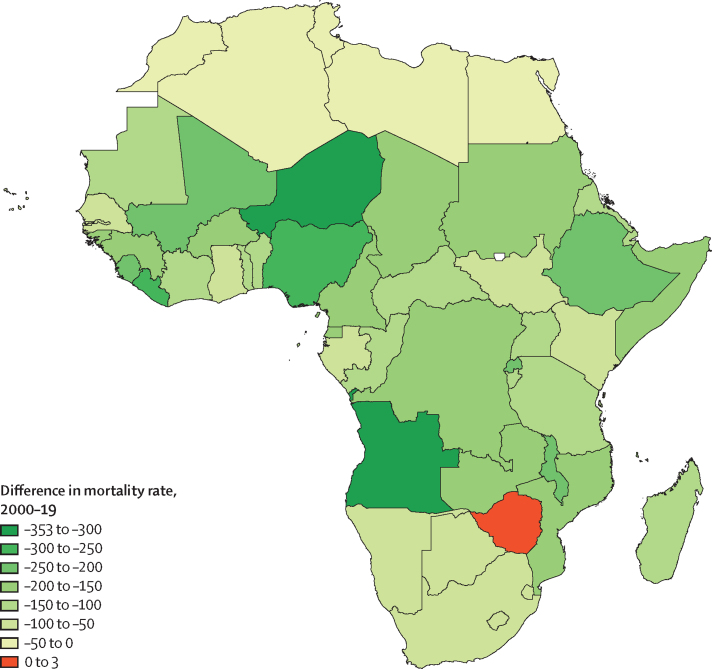
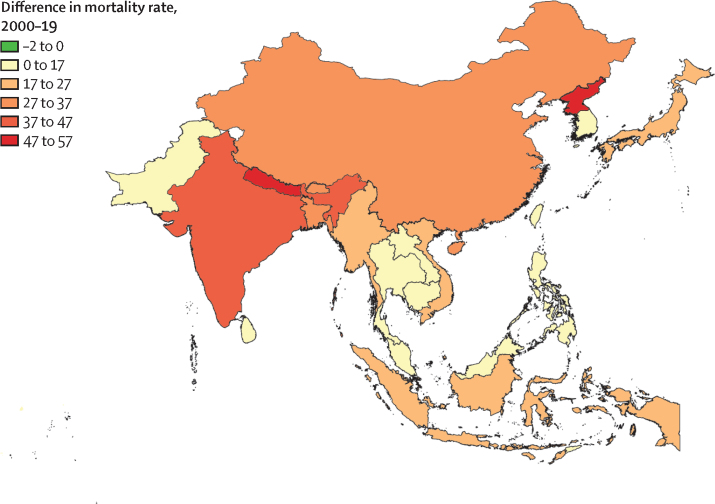
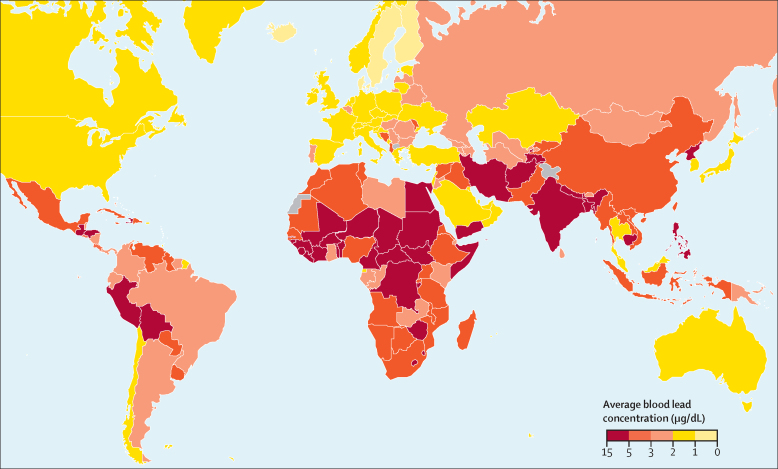
The Lancet Commission on pollution and health reported that pollution was responsible for 9 million premature deaths in 2015, making it the world's largest environmental risk factor for disease and premature death. We have now updated this estimate using data from the Global Burden of Diseases, Injuriaes, and Risk Factors Study 2019. We find that pollution remains responsible for approximately 9 million deaths per year, corresponding to one in six deaths worldwide. Reductions have occurred in the number of deaths attributable to the types of pollution associated with extreme poverty. However, these reductions in deaths from household air pollution and water pollution are offset by increased deaths attributable to ambient air pollution and toxic chemical pollution (ie, lead). Deaths from these modern pollution risk factors, which are the unintended consequence of industrialisation and urbanisation, have risen by 7% since 2015 and by over 66% since 2000. Despite ongoing efforts by UN agencies, committed groups, committed individuals, and some national governments (mostly in high-income countries), little real progress against pollution can be identified overall, particularly in the low-income and middle-income countries, where pollution is most severe. Urgent attention is needed to control pollution and prevent pollution-related disease, with an emphasis on air pollution and lead poisoning, and a stronger focus on hazardous chemical pollution. Pollution, climate change, and biodiversity loss are closely linked. Successful control of these conjoined threats requires a globally supported, formal science-policy interface to inform intervention, influence research, and guide funding. Pollution has typically been viewed as a local issue to be addressed through subnational and national regulation or, occasionally, using regional policy in higher-income countries. Now, however, it is increasingly clear that pollution is a planetary threat, and that its drivers, its dispersion, and its effects on health transcend local boundaries and demand a global response. Global action on all major modern pollutants is needed. Global efforts can synergise with other global environmental policy programmes, especially as a large-scale, rapid transition away from all fossil fuels to clean, renewable energy is an effective strategy for preventing pollution while also slowing down climate change, and thus achieves a double benefit for planetary health.
Overview
The claims and statistics of this paper haven’t been checked yet.
Free: it reads the open-access text and checks the first 5 claims that cite a source we can check. Create a free account to check every claim.
Integrity signals
Registry
Cites
Statistics
Figures
Verification
Claims the paper makes
The claims and statistics of this paper haven’t been checked yet.
Free: it reads the open-access text and checks the first 5 claims that cite a source we can check. Create a free account to check every claim.
Claims other papers make about this one
Each is checked against this paper’s own text: does it say what the citing paper says it does?
The cited source says what the claim attributes to it.
In the citing paper
“pollution remains responsible for approximately 9 million deaths per year”
From Is Pollution the Primary Driver of Infectious Syndemics? (2024) · cites this paper as [17]
The check wasn’t confident either way, so it gives no verdict — never disputed.
In the citing paper
“Inequalities and multimodal exposomal factors were associated with accelerated aging, shedding light on prior individual reports of brain health2,26,27 and aging trajectories24,25.”
From The exposome of healthy and accelerated aging across 40 countries (2025) · cites this paper as [25]
Experimental — accuracy not yet measured
Self-check
Percentages, sums and reported differences re-computed from the paper’s own numbers.
The self-check needs the paper’s full text.
Citations
Cites
Murray, C. J. L., Aravkin, A. Y., Zheng, P., Abbafati, C., Abbas, K. M., Abbasi-Kangevari, M., Abd-Allah, F., Abdelalim, A., Abdollahi, M., Abdollahpour, I., et al. (2020) · The Lancet · doi:10.1016/s0140-6736(20)30752-2 · Cited by 9,854
Self-citationThe Lancet Commission on pollution and health
Landrigan, P. J., Fuller, R., Acosta, N. J. R., Adeyi, O., Arnold, R., Basu, N. (., Baldé, A. B., Bertollini, R., Bose-O'Reilly, S., Boufford, J. I., et al. (2018) · The Lancet · doi:10.1016/s0140-6736(17)32345-0 · Cited by 4,929
Self-citationThe Next Generation of the Penn World Table
Feenstra, R. C., Inklaar, R., & Timmer, M. P. (2015) · American Economic Review · doi:10.1257/aer.20130954 · Cited by 4,799
Evidence-based health policy—lessons from the Global Burden of Disease Study
Murray, C. J. L., & Lopez, A. D. (1996) · Science · doi:10.1126/science.274.5288.740 · Cited by 2,178
Neurobehavioural effects of developmental toxicity
Grandjean, P., & Landrigan, P. J. (2014) · The Lancet Neurology · doi:10.1016/s1474-4422(13)70278-3 · Cited by 1,886
Self-citationTemporal trends in sperm count: a systematic review and meta-regression analysis
Levine, H., Jørgensen, N., Martino-Andrade, A., Mendiola, J., Weksler-Derri, D., Mindlis, I., Pinotti, R., & Swan, S. H. (2017) · Human Reproduction Update · doi:10.1093/humupd/dmx022 · Cited by 1,374
Transboundary health impacts of transported global air pollution and international trade
Zhang, Q., Jiang, X., Tong, D., Davis, S. J., Zhao, H., Geng, G., Feng, T., Zheng, B., Lu, Z., Streets, D. G., et al. (2017) · Nature · doi:10.1038/nature21712 · Cited by 1,056
Self-citationGlobal anthropogenic emissions of particulate matter including black carbon
Klimont, Z., Kupiainen, K., Heyes, C., Purohit, P., Cofala, J., Rafaj, P., Borken-Kleefeld, J., & Schöpp, W. (2017) · Atmospheric Chemistry and Physics · doi:10.5194/acp-17-8681-2017 · Cited by 878
Pandey, A., Brauer, M., Cropper, M. L., Balakrishnan, K., Mathur, P., Dey, S., Turkgulu, B., Kumar, G. A., Khare, M., Beig, G., et al. (2021) · The Lancet Planetary Health · doi:10.1016/s2542-5196(20)30298-9 · Cited by 731
Self-citationChowdhury, R., Ramond, A., O’Keeffe, L. M., Shahzad, S., Kunutsor, S. K., Muka, T., Gregson, J., Willeit, P., Warnakula, S., Khan, H., et al. (2018) · BMJ · doi:10.1136/bmj.k3310 · Cited by 638
Research works printed but not linked: 2
- 24. The Intergovernmental Panel on Climate Change. Cambridge University Press; 2021. Climate Change 2021: the physical science basis: contribution of working group I to the sixth assessment report of the intergovernmental panel on climate change. https://www.ipcc.ch/report/ar6/wg1/#FullReport
- 77. Téllez-Rojo MM, Bautista-Arredondo LF, Trejo-Valdivia B, et al. Reporte nacional de niveles de plomo en sangre y uso de barro vidriado en población infantil vulnerable. Salud Publica Mex. 2019;61:787–797. doi: 10.21149/10555. · DOI
Cited by
Hariram, N. P., Mekha, K. B., Suganthan, V., & Sudhakar, K. (2023) · Sustainability · doi:10.3390/su151310682 · Cited by 705
“Due to rapid industrialization, rapid deforestation, and urbanization, all harming the ecosystems, conditions in developing countries are more dire [75]. countries are more dire [75].”
BackgroundEmerging contaminants: A One Health perspective
Wang, F., Xiang, L., Sze-Yin Leung, K., Elsner, M., Zhang, Y., Guo, Y., Pan, B., Sun, H., An, T., Ying, G., et al. (2024) · The Innovation · doi:10.1016/j.xinn.2024.100612 · Cited by 639
The EAT–Lancet Commission on healthy, sustainable, and just food systems
Rockström, J., Thilsted, S. H., Willett, W. C., Gordon, L. J., Herrero, M., Hicks, C. C., Mason-D'Croz, D., Rao, N., Springmann, M., Wright, E. C., et al. (2025) · The Lancet · doi:10.1016/s0140-6736(25)01201-2 · Cited by 475
Awewomom, J., Dzeble, F., Takyi, Y. D., Ashie, W. B., Ettey, E. N. Y. O., Afua, P. E., Sackey, L. N. A., Opoku, F., & Akoto, O. (2024) · Discover Environment · doi:10.1007/s44274-024-00033-5 · Cited by 341
“Implement mechanisms and standards that reward countries for adopting and enforcing stringent pollution control measures [108].”
Gene–environment interactions and their impact on human health
Virolainen, S. J., VonHandorf, A., Viel, K. C. M. F., Weirauch, M. T., & Kottyan, L. C. (2022) · Genes & Immunity · doi:10.1038/s41435-022-00192-6 · Cited by 301
“More broadly, the Lancet Commission on pollution and health reported that total pollution exposure was a leading risk factor for global estimated deaths in their analysis of the 2019 Global Burden of Diseases, Injuries, and Risk Factors Study data [79], attributing pollution to ~9 million deaths [79].”
BackgroundGlobal Waste Management Outlook 2024 - Beyond an age of waste: Turning rubbish into a resource
United Nations Environment Programme, & International Solid Waste Association (2024) · United Nations Environment Programme eBooks · doi:10.59117/20.500.11822/44939 · Cited by 222
Molecular mechanisms of environmental exposures and human disease
Wu, H., Eckhardt, C. M., & Baccarelli, A. A. (2023) · Nature Reviews Genetics · doi:10.1038/s41576-022-00569-3 · Cited by 273
Larsen, B., & Sánchez-Triana, E. (2023) · The Lancet Planetary Health · doi:10.1016/s2542-5196(23)00166-3 · Cited by 214
Basith, S., Manavalan, B., Shin, T. H., Park, C. B., Lee, W.-S., Kim, J., & Lee, G. (2022) · Nanomaterials · doi:10.3390/nano12152656 · Cited by 202
Li, T., Yu, Y., Sun, Z., & Duan, J. (2022) · Particle and Fibre Toxicology · doi:10.1186/s12989-022-00507-5 · Cited by 201
“7 million premature deaths in 2019 [1].”
The contribution of the exposome to the burden of cardiovascular disease
Münzel, T., Sørensen, M., Hahad, O., Nieuwenhuijsen, M., & Daiber, A. (2023) · Nature Reviews Cardiology · doi:10.1038/s41569-023-00873-3 · Cited by 195
Mortality Attributable to Ambient Air Pollution: A Review of Global Estimates
Pozzer, A., Anenberg, S. C., Dey, S., Haines, A., Lelieveld, J., & Chowdhury, S. (2023) · GeoHealth · doi:10.1029/2022gh000711 · Cited by 181
Gupta, J., Bai, X., Liverman, D. M., Rockström, J., Qin, D., Stewart-Koster, B., Rocha, J. C., Jacobson, L., Abrams, J. F., Andersen, L. S., et al. (2024) · The Lancet Planetary Health · doi:10.1016/s2542-5196(24)00042-1 · Cited by 197
Dzierżyński, E., Gawlik, P. J., Puźniak, D., Flieger, W., Jóźwik, K., Teresiński, G., Forma, A., Wdowiak, P., Baj, J., & Flieger, J. (2024) · Cancers · doi:10.3390/cancers16213703 · Cited by 167
De Domenico, M., Allegri, L., Caldarelli, G., d’Andrea, V., Di Camillo, B., Rocha, L. M., Rozum, J., Sbarbati, R., & Zambelli, F. (2025) · npj Digital Medicine · doi:10.1038/s41746-024-01402-3 · Cited by 159
Air pollution and COPD: GOLD 2023 committee report
Sin, D. D., Doiron, D., Agusti, A., Anzueto, A., Barnes, P. J., Celli, B. R., Criner, G. J., Halpin, D., Han, M. K., Martinez, F. J., et al. (2023) · European Respiratory Journal · doi:10.1183/13993003.02469-2022 · Cited by 175
Breathing in danger: Understanding the multifaceted impact of air pollution on health impacts
Chen, F., Zhang, W., Mfarrej, M. F. B., Saleem, M. H., Khan, K. A., Ma, J., Raposo, A., & Han, H. (2024) · Ecotoxicology and Environmental Safety · doi:10.1016/j.ecoenv.2024.116532 · Cited by 209
Detection of microplastics in human saphenous vein tissue using μFTIR: A pilot study
Rotchell, J. M., Jenner, L. C., Chapman, E., Bennett, R. T., Bolanle, I. O., Loubani, M., Sadofsky, L., Hobkirk, J., & Palmer, T. M. (2023) · PLOS ONE · doi:10.1371/journal.pone.0280594 · Cited by 166
“In 2019, pollution was reported as responsible for approximately 9 million premature deaths, with air pollution (both household and ambient air pollution) being responsible for over 70% [1].”
BackgroundThe Copernicus Atmosphere Monitoring Service: From Research to Operations
Peuch, V., Engelen, R. J., Rixen, M., Dee, D. P., Flemming, J., Suttie, M., Ades, M., Agustí‐Panareda, A., Ananasso, C., Andersson, E., et al. (2022) · Bulletin of the American Meteorological Society · doi:10.1175/bams-d-21-0314.1 · Cited by 199
Waste to energy: Trending key challenges and current technologies in waste plastic management
Vuppaladadiyam, A. K., Vuppaladadiyam, A. K., Sahoo, A., Urgunde, A. B., Murugavelh, S., Šrámek, V., Pohořelý, M., Trakal, L., Bhattacharya, S., Sarmah, A. K., et al. (2023) · The Science of The Total Environment · doi:10.1016/j.scitotenv.2023.169436 · Cited by 176
Air pollution exposure and cardiometabolic risk
Rajagopalan, S., Brook, R. D., Salerno, P. R. V. D. O., Bourges-Sevenier, B., Landrigan, P. J., Nieuwenhuijsen, M. J., Münzel, T. F., Deo, S. V., & Al-Kindi, S. G. (2024) · The Lancet Diabetes & Endocrinology · doi:10.1016/s2213-8587(23)00361-3 · Cited by 179
Self-citationSoil and water pollution and cardiovascular disease
Münzel, T. F., Hahad, O., Lelieveld, J., Aschner, M., Nieuwenhuijsen, M. J., Landrigan, P. J., & Daiber, A. (2024) · Nature Reviews Cardiology · doi:10.1038/s41569-024-01068-0 · Cited by 175
“…of circadian rhythms by oxidation of crucial thiol groups in the key circadian proteins cryptochrome and period circadian protein homologue 1, and redox regulation of factors modulating the activity of transcription factors, such as CLOCK (circadian locomotor output cycles protein kaput)…”
Self-citationAmirjani, A., Amlashi, N. B., & Ahmadiani, Z. S. (2023) · ACS Applied Nano Materials · doi:10.1021/acsanm.3c01671 · Cited by 175
Sharma, A. K., Sharma, M., Sharma, A. K., Sharma, M., & Sharma, M. (2023) · Journal of Geochemical Exploration · doi:10.1016/j.gexplo.2023.107325 · Cited by 173
Zhang, M., Yan, T., Gao, W., Xie, W., & Yu, Z. (2023) · The Science of The Total Environment · doi:10.1016/j.scitotenv.2023.162221 · Cited by 159
Microplastics in human samples: Recent advances, hot-spots, and analytical challenges
Malafaia, G., & Barceló, . (2023) · TrAC Trends in Analytical Chemistry · doi:10.1016/j.trac.2023.117016 · Cited by 143
Gao, X., Jiang, M., Huang, N., Guo, X., & Huang, T. (2023) · Environmental Health Perspectives · doi:10.1289/ehp10391 · Cited by 127
Javan, K., Altaee, A., Banihashemi, S., Darestani, M. T., Zhou, J. L., & Pignatta, G. (2023) · The Science of The Total Environment · doi:10.1016/j.scitotenv.2023.169319 · Cited by 146
“Specifically, air pollution alone accounts for over 6.5 million deaths annually, which continues to rise (Fuller et al., 2022).”
InfluentialVaishnav, S., Saini, T., Chauhan, A., Gaur, G. K., Tiwari, R., Dutt, T., & Tarafdar, A. (2023) · Bioresource Technology · doi:10.1016/j.biortech.2023.129170 · Cited by 145
Scientists’ call to action: Microbes, planetary health, and the Sustainable Development Goals
Crowther, T. W., Rappuoli, R., Corinaldesi, C., Danovaro, R., Donohue, T. J., Huisman, J., Stein, L. Y., Timmis, K. N., Timmis, K. N., Anderson, M. Z., et al. (2024) · Cell · doi:10.1016/j.cell.2024.07.051 · Cited by 148
Moguilner, S., Baez, S., Hernandez, H., Migeot, J., Legaz, A., Gonzalez-Gomez, R., Farina, F. R., Prado, P., Cuadros, J., Tagliazucchi, E., et al. (2024) · Nature Medicine · doi:10.1038/s41591-024-03209-x · Cited by 128
Particulate Matter-Induced Emerging Health Effects Associated with Oxidative Stress and Inflammation
Lim, E. Y., & Kim, G.-D. (2024) · Antioxidants · doi:10.3390/antiox13101256 · Cited by 145
“…with air pollution, a level 2 risk factor, was 11.8%, making it the leading cause of deaths related to environmental pollution at 6.7 million people (95% confidence interval [CI] 5.90 to 7.49) and disability-adjusted life years (DALYs) at 213 million (95% uncertainty intervals [UI] 189 to 240) [3].”
BackgroundInfluentialGalimova, T., Fasihi, M., Bogdanov, D., & Breyer, C. (2023) · Applied Energy · doi:10.1016/j.apenergy.2023.121369 · Cited by 147
Particulate Matter Air Pollution is a Significant Risk Factor for Cardiovascular Disease
Henning, R. J. (2023) · Current Problems in Cardiology · doi:10.1016/j.cpcardiol.2023.102094 · Cited by 136
Exposome in ischaemic heart disease: beyond traditional risk factors
Montone, R. A., Camilli, M., Calvieri, C., Magnani, G., Bonanni, A., Bhatt, D. L., Rajagopalan, S., Crea, F., & Niccoli, G. (2024) · European Heart Journal · doi:10.1093/eurheartj/ehae001 · Cited by 124
“77”
BackgroundInfluentialWater quality modelling using principal component analysis and artificial neural network
Ibrahim, A., Ismail, A., Juahir, H., Iliyasu, A. B., Wailare, B. T., Mukhtar, M., & Aminu, H. (2022) · Marine Pollution Bulletin · doi:10.1016/j.marpolbul.2022.114493 · Cited by 122
Boonupara, T., Udomkun, P., Khan, E., & Kajitvichyanukul, P. (2023) · Toxics · doi:10.3390/toxics11100858 · Cited by 108
“Anthropogenic air pollution poses a severe threat to global public health, causing approximately 9 million deaths annually [1].”
BackgroundHeavy metal concentrations in rice that meet safety standards can still pose a risk to human health
Wei, R., Chen, C., Kou, M., Liu, Z., Wang, Z., Cai, J., & Tan, W. (2023) · Communications Earth & Environment · doi:10.1038/s43247-023-00723-7 · Cited by 113
Jan, S., Mishra, A. K., Bhat, M. A., Bhat, M. A., & Jan, A. T. (2023) · Environmental Science and Pollution Research · doi:10.1007/s11356-023-30302-4 · Cited by 123
“Considering pollution as a planetary threat, it is noteworthy that its effects on health transcend local boundaries and as such require framing of environmental problems at a global scale towards welfare of the residents (Fuller et al. 2022; Ma 2023).”
BackgroundInfluentialPFAS pollution threatens ecosystems worldwide
Sonne, C., Bank, M. S., Jenssen, B. M., Cieseielski, T. M., Rinklebe, J., Lam, S. S., Hansen, M. A., Bossi, R., Gustavson, K., & Dietz, R. (2023) · Science · doi:10.1126/science.adh0934 · Cited by 113
Lead systemic toxicity: A persistent problem for health
González-Villalva, A. E., Lemus, M. R., López-Valdéz, N., Bizarro‐Nevares, P., Guadalupe, M.-R., Casarrubias-Tabarez, B., Eugenia, C.-V. M., Ustarroz-Cano, M., García‐Peláez, I., & Fortoul, T. I. (2025) · Toxicology · doi:10.1016/j.tox.2025.154163 · Cited by 121
Kumar, K., Kumar, R., Kaushal, S., Thakur, N., Umar, A., Akbar, S. A., Ibrahim, A. A., & Baskoutas, S. (2023) · Chemosphere · doi:10.1016/j.chemosphere.2023.140419 · Cited by 107
Single atom catalyst-mediated generation of reactive species in water treatment
Sharma, V. K., Ma, X., & Zbořil, R. (2023) · Chemical Society Reviews · doi:10.1039/d3cs00627a · Cited by 103
Gaps and future directions in research on health effects of air pollution
Vilcassim, R., & Thurston, G. D. (2023) · EBioMedicine · doi:10.1016/j.ebiom.2023.104668 · Cited by 113
An Overview of the Impact of Pharmaceuticals on Aquatic Microbial Communities
Pinto, I. C., Simões, M. V., & Gomes, I. B. (2022) · Antibiotics · doi:10.3390/antibiotics11121700 · Cited by 110
Ghosh, A., Kumar, S., & Das, J. (2023) · Journal of Environmental Management · doi:10.1016/j.jenvman.2023.117708 · Cited by 109
Towards a sustainable tomorrow: advancing green practices in organic chemistry
Sharma, S., Gallou, F., & Handa, S. (2024) · Green Chemistry · doi:10.1039/d4gc01826e · Cited by 104
Air Pollution, Built Environment, and Early Cardiovascular Disease
Zhang, K., Brook, R. D., Li, Y., Rajagopalan, S., & Kim, J. B. (2023) · Circulation Research · doi:10.1161/circresaha.123.322002 · Cited by 97
Galimova, T., Fasihi, M., Bogdanov, D., & Breyer, C. (2023) · Journal of Cleaner Production · doi:10.1016/j.jclepro.2023.139212 · Cited by 107
Global Burden of Disease from Environmental Factors
Clark, S. N., Anenberg, S. C., & Brauer, M. D. (2024) · Annual Review of Public Health · doi:10.1146/annurev-publhealth-071823-105338 · Cited by 92
“Chemical manufacturing is also on the rise, with approximately two-thirds of chemical production in LMICs (32, 48, 82).”
Self-citationEnvironmental Pollution and Cardiovascular Disease
Sagheer, U., Al-Kindi, S. G., Abohashem, S., Phillips, C. T., Rana, J. S., Bhatnagar, A., Gulati, M., Rajagopalan, S., & Kalra, D. K. (2023) · JACC Advances · doi:10.1016/j.jacadv.2023.100805 · Cited by 110
Nain, R., Patel, H., Chahar, M., Kumar, S., Rohilla, D., & Pal, M. (2025) · Discover Chemistry. · doi:10.1007/s44371-025-00203-1 · Cited by 95
“Apart from water pollution, air pollution and toxic chemical pollution also becomes two major contributors for increased death worldwide [5].”
Time to strengthen the governance of new contaminants in the environment
Zhao, X., Wang, X., He, J., Feng, C., Jin, X., Leung, K., Xu, J., Li, C., Wang, J., Liu, S., et al. (2025) · Nature Communications · doi:10.1038/s41467-025-63217-4 · Cited by 101
Abdullahi, M., Li, X., Abdallah, M. A., Stubbings, W. A., Yan, N. D., Barnard, M., Guo, L., Colbourne, J. K., & Orsini, L. (2022) · Environmental Science & Technology · doi:10.1021/acs.est.2c01799 · Cited by 90
Xu, T., Ye, X., Lu, X., Lan, G., Xie, M., Huang, Z., Wang, T., Wu, J., Zhan, Z., & Xie, X. (2023) · Environment International · doi:10.1016/j.envint.2023.107803 · Cited by 80
Monitoring and apportioning sources of indoor air quality using low-cost particulate matter sensors
Bousiotis, D., Alconcel, L.-N. S., Beddows, D. C. S., Harrison, R. M., & Pope, F. D. (2023) · Environment International · doi:10.1016/j.envint.2023.107907 · Cited by 84
Impact of Corporate Culture on Environmental Performance
Costa, M. D., & Opare, S. (2024) · Journal of Business Ethics · doi:10.1007/s10551-024-05674-3 · Cited by 100
“A recent report published in The Lancet Planetary Health shows that air, water and toxic chemical pollutions are causing approximately 9 million premature deaths every year globally (Fuller et al., 2022).”
InfluentialHalim, A. F. M. F., Poinern, G. E. J., Fawcett, D., Sharma, R., Surendran, S., & Rajeshkannan, R. (2024) · CleanMat. · doi:10.1002/clem.15 · Cited by 83
Sarwar, A., Razzaq, A., Zafar, M., Idrees, I., Rehman, F., & Kim, W. Y. (2023) · Results in Physics · doi:10.1016/j.rinp.2023.106253 · Cited by 78
Climate Change, Environmental Health, and Challenges for Nursing Discipline
Santos, O. P. D., Melly, P., Joost, S., & Verloo, H. (2023) · International Journal of Environmental Research and Public Health · doi:10.3390/ijerph20095682 · Cited by 88
“Both its direct effects (extreme weather events, floods, drought, air pollution, extreme temperatures, worsening water quality, malnutrition, dehydration) and indirect effects (increases in allergens and other pollutants, more vector-borne diseases) [11,28,29] are directly linked to Nightingale’s five essential condit…”
BackgroundFilippis, F. D., Valentino, V., Sequino, G., Borriello, G., Riccardi, M. G., Pierri, B., Cerino, P., Pizzolante, A., Pasolli, E., Esposito, M., et al. (2024) · Nature Communications · doi:10.1038/s41467-024-48739-7 · Cited by 92
“Chemicals used in industrialand agriculturalpractices are leading to widespread contamination, and their effects on human, animal and environmental health are a major concern 16 .”
The exposome of healthy and accelerated aging across 40 countries
Hernandez, H., Santamaria-Garcia, H., Moguilner, S., Farina, F. R., Legaz, A., Prado, P., Cuadros, J., Gonzalez, L., Gonzalez-Gomez, R., Migeot, J., et al. (2025) · Nature Medicine · doi:10.1038/s41591-025-03808-2 · Cited by 71
“Country-level exposomes 22,23 —including physical (for example, pollution) 24,25 , social (for example, structural inequalities) 26,27 and sociopolitical (for example, ideological radicalization and threats to democracy) 28,29 factors— have been associated with unhealthy aging.”
A perspective on green, blue, and grey spaces, biodiversity, microbiota, and human health
Potter, J. D., Brooks, C., Donovan, G. H., Cunningham, C. W., & Douwes, J. E. (2023) · The Science of The Total Environment · doi:10.1016/j.scitotenv.2023.164772 · Cited by 83
Inequitable distribution of plastic benefits and burdens on economies and public health
Karasik, R., Lauer, N. E., Baker, A.-E., Lisi, N. E., Somarelli, J. A., Eward, W. C., Fürst, K., & Dunphy‐Daly, M. M. (2023) · Frontiers in Marine Science · doi:10.3389/fmars.2022.1017247 · Cited by 71
“Pollution causes nine million premature deaths annually, with an increasing share of those deaths associated with the chemicals found in plastic (Landrigan et al., 2018; Fuller et al., 2022).”
The Agrivoltaic Potential of Canada
Jamil, U., Bonnington, A. C., & Pearce, J. M. (2023) · Sustainability · doi:10.3390/su15043228 · Cited by 81
“Along with the known health benefits from fresh food, agrivoltaics decreases the many health problems associated with fossil fuel combustion by displacing these fuels [73].”
BackgroundThe Effects of Environmental Factors on General Human Health: A Scoping Review
Sundas, A., Contreras, I., Mujahid, O., Beneyto, A., & Vehí, J. (2024) · Healthcare · doi:10.3390/healthcare12212123 · Cited by 85
“…exacerbations to those as fatal as lung cancer, di ff erent environmental factors have di ff erent levels of association with these diseases depending upon geographical locations and seasons. responsible for the greatest number of deaths pollution-related mortalities, with 11.65% of the total [12].”
BackgroundInfluentialShipping Australian sunshine: Liquid renewable green fuel export
Wang, F., Swinbourn, R., & Li, C. (2023) · International Journal of Hydrogen Energy · doi:10.1016/j.ijhydene.2022.12.326 · Cited by 72
Health Effects of Fossil Fuel–Derived Endocrine Disruptors
Woodruff, T. J. (2024) · New England Journal of Medicine · doi:10.1056/nejmra2300476 · Cited by 80
Air pollution and suicide in rural and urban America: Evidence from wildfire smoke
Molitor, D., Mullins, J. T., & White, C. (2023) · Proceedings of the National Academy of Sciences · doi:10.1073/pnas.2221621120 · Cited by 86
Bismuth-Based Z-Scheme Heterojunction Photocatalysts for Remediation of Contaminated Water
Wakjira, T. L., Belay, A., Kassahun, G. B., Andoshe, D. M., & Tadele, K. (2024) · ACS Omega · doi:10.1021/acsomega.3c08939 · Cited by 71
Pak, A., Rad, A. K., Nematollahi, M. J., & Mahmoudi, M. (2025) · Scientific Reports · doi:10.1038/s41598-024-84342-y · Cited by 72
Bhat, F. A., Tiwari, G. Y., & Verma, A. (2024) · Transport Policy · doi:10.1016/j.tranpol.2024.02.004 · Cited by 74
The Impact of Climate Change, Pollution, and Biodiversity Loss on Digestive Health and Disease
Leddin, D. J. (2024) · Gastro Hep Advances · doi:10.1016/j.gastha.2024.01.018 · Cited by 73
Mercury in the Amazon: The danger of a single story
Lopez, M. E. C., Arrifano, G. D. P., Augusto‐Oliveira, M., Macchi, B. D. M., Lima, R. R., do Nascimento, J. L. M., & de Souza, C. B. A. (2023) · Ecotoxicology and Environmental Safety · doi:10.1016/j.ecoenv.2023.114895 · Cited by 66
Advancing translational exposomics: bridging genome, exposome and personalized medicine
Sarigiannis, D. A., Karakitsios, S., Anesti, O., Stem, A. D., Valvi, D., Sumner, S., Chatzi, L., Snyder, M. P., Thompson, D. C., & Vasiliou, V. (2025) · Human Genomics · doi:10.1186/s40246-025-00761-6 · Cited by 85
“The upper line includes also monitoring and chemical analysis data, but all of them related to environment disadvantaged individuals [110], or those living in regions with known high contamination and pollution [111].”
The impacts of human activities on Earth Critical Zone
Zhou, Y., & Gu, B. (2024) · Earth Critical Zone · doi:10.1016/j.ecz.2024.100004 · Cited by 70
The costs, health and economic impact of air pollution control strategies: a systematic review
Wang, S., Song, R., Xu, Z., Chen, M. S., Tanna, G. L. D., Downey, L. E., Jan, S., & Si, L. (2024) · Global Health Research and Policy · doi:10.1186/s41256-024-00373-y · Cited by 77
“According to the World Health Organisation (WHO), it is among the leading causes of mortality, with exposure to indoor and outdoor air pollution associated with approximately 6.7 million premature deaths in 2019 [2].”
BackgroundInfluentialCáceres, L., Abogunloko, T., Malchow, S., Ehret, F., Merz, J., Li, X., Mitre, L. S., Magnani, N., Tasat, D. R., Mwinyella, T. B.-N., et al. (2023) · Environmental Pollution · doi:10.1016/j.envpol.2023.122997 · Cited by 73
Ren, F., Wang, P., Mei, D., Li, Z., Guo, Z., & Huang, L. (2025) · Environmental Science & Technology · doi:10.1021/acs.est.4c14182 · Cited by 61
Zhu, H., Liu, M., Wang, G., Du, R., Zhao, H., Lu, H., Yang, S., Tang, S. N., Guo, Z., Yang, J., et al. (2023) · Rare Metals · doi:10.1007/s12598-023-02499-3 · Cited by 60
“However, industrial manufacture and human activities have caused Hong-Yang Zhu and Meng-Ting Liu have contributed equally to this work. serious discharge of pollutants resources including toxic organic molecules, heavy metal ions, microplastics, and microorganisms into water [1, 2].”
Outdoor air pollution and brain development in childhood and adolescence
Herting, M. M., Bottenhorn, K. L., & Cotter, D. L. (2024) · Trends in Neurosciences · doi:10.1016/j.tins.2024.06.008 · Cited by 69
The Fate of Chemical Contaminants in Soil with a View to Potential Risk to Human Health: A Review
Petruzzelli, G., Pezzarossa, B., & Pedron, F. (2025) · Environments · doi:10.3390/environments12060183 · Cited by 68
Zhou, H., Yuan, Y., Liu, Z., Xia, M., Lv, Q., Wang, Y., & Lu, M. (2025) · TrAC Trends in Analytical Chemistry · doi:10.1016/j.trac.2025.118355 · Cited by 66
Conflicts of Interest in the Assessment of Chemicals, Waste, and Pollution
Schäffer, A., Groh, K. J., Sigmund, G., Azoulay, D., Backhaus, T., Bertram, M. G., Almroth, B. C., Cousins, I. T., Ford, A. T., Grimalt, J. O., et al. (2023) · Environmental Science & Technology · doi:10.1021/acs.est.3c04213 · Cited by 63
Environmental Pollution and Cardiovascular Disease
Sagheer, U., Al-Kindi, S. G., Abohashem, S., Phillips, C. T., Rana, J. S., Bhatnagar, A., Gulati, M., Rajagopalan, S., & Kalra, D. K. (2024) · JACC Advances · doi:10.1016/j.jacadv.2023.100815 · Cited by 72
van den Brekel, L., Lenters, V. C., Mackenbach, J. D., Hoek, G., Wagtendonk, A., Lakerveld, J., Grobbee, D. E., & Vaartjes, I. C. H. (2024) · The Lancet Planetary Health · doi:10.1016/s2542-5196(23)00258-9 · Cited by 71
COP28: ambitions, realities, and future
Arora, P. (2024) · Environmental Sustainability · doi:10.1007/s42398-024-00304-0 · Cited by 64
“39 Poor air quality is involved in approximately 75% of deaths related to pollution since it increases the risk of strokes, heart disease, and lung cancer (Fuller et al. 2022).”
Agache, I. O., Akdiş, C. A., Akdiş, M., Al-Hemoud, A. M., Annesi‐Maesano, I., Balmes, J. R., Cecchi, L., Damialis, A., Haahtela, T., Haber, A. L., et al. (2024) · Frontiers in Science · doi:10.3389/fsci.2024.1279192 · Cited by 72
Soil pollution in the European Union – An outlook
Vieira, D. C. S., Yunta, F., Baragaño, D., Evrard, O., Reiff, T., Silva, V., de la Torre, A., Zhang, C., Panagos, P., Jones, A., et al. (2024) · Environmental Science & Policy · doi:10.1016/j.envsci.2024.103876 · Cited by 67
Ye, C.-J., Kong, L.-J., Wang, Y.-Y., Dou, C., Zheng, J., Xu, M., Xu, Y., Li, M., Zhao, Z.-Y., Lu, J.-L., et al. (2023) · Nature Human Behaviour · doi:10.1038/s41562-023-01646-1 · Cited by 58
Arrifano, G. D. P., Lopez, M. E. C., Lopes-Araújo, A., Santos-Sacramento, L., Barthelemy, J. L., Leal-Nazaré, C. G., de Freitas, L. G. D. R., & Augusto‐Oliveira, M. (2022) · Neurochemical Research · doi:10.1007/s11064-022-03725-7 · Cited by 64
“It is estimated that pollution is responsible for about 9 million premature deaths every year, which corresponds to one in six deaths [2].”
BackgroundTrabelsi, K., Ammar, A., Boujelbane, M. A., Puce, L., Garbarino, S., Scoditti, E., Boukhris, O. F., Khanfir, S., Clark, C. C. T., Glenn, J. M., et al. (2022) · Frontiers in Nutrition · doi:10.3389/fnut.2022.1036496 · Cited by 75
Woodruff, T. J., Rayasam, S. D. G., Axelrad, D. A., Koman, P. D., Chartres, N., Bennett, D. H., Birnbaum, L. S., Brown, P., Carignan, C. C., Cooper, C., et al. (2023) · Environmental Health · doi:10.1186/s12940-022-00930-3 · Cited by 66
“Additionally, The Lancet Commission on Pollution and Health reported that chemicals are responsible for at least 1.8 million deaths each year globally, the majority of which occur in the Global South [3].”
BackgroundInfluentialPouri, N., Karimi, B., Koolivand, A., & Mirhoseini, S. H. (2023) · The Science of The Total Environment · doi:10.1016/j.scitotenv.2023.168945 · Cited by 59
Microbial bioelectronic sensors for environmental monitoring
Li, S., Zuo, X., Carpenter, M. D., Verduzco, R., & Ajo-Franklin, C. M. (2024) · Nature Reviews Bioengineering · doi:10.1038/s44222-024-00233-x · Cited by 69
Sayed, T. S., Maayah, Z. H., Zeidan, H. A., Agouni, A., & Korashy, H. M. (2022) · Cellular & Molecular Biology Letters · doi:10.1186/s11658-022-00397-7 · Cited by 65
“The development of human activities has resulted in the production and release of numerous chemicals into the air, water, and soil, causing massive environmental pollution [4].”
BackgroundMarín-Palma, D., Fernández, G. J., Ruíz-Saenz, J., Taborda, N. A., Rugeles, M. T., & Hernández, J. C. (2023) · Scientific Reports · doi:10.1038/s41598-023-39921-w · Cited by 61
Microalgal-based bioremediation of emerging contaminants: Mechanisms and challenges
Kumar, N., & Shukla, P. (2023) · Environmental Pollution · doi:10.1016/j.envpol.2023.122591 · Cited by 59
Marchini, T. (2023) · Free Radical Biology and Medicine · doi:10.1016/j.freeradbiomed.2023.10.396 · Cited by 62
Improving 3-day deterministic air pollution forecasts using machine learning algorithms
Johansson, C., Zhang, Z., Engardt, M., Stafoggia, M., & Ma, X. (2024) · Atmospheric chemistry and physics · doi:10.5194/acp-24-807-2024 · Cited by 77
Metadata
- Authors
- Fuller, R., Landrigan, P. J., Balakrishnan, K., Bathan, G., Bose-O'Reilly, S., Brauer, M., Caravanos, J., Chiles, T., Cohen, A., Corra, L., Cropper, M., Ferraro, G., Hanna, J., Hanrahan, D., Hu, H., Hunter, D., Janata, G., Kupka, R., Lanphear, B., Lichtveld, M., Martin, K., Mustapha, A., Sanchez-Triana, E., Sandilya, K., Schaefli, L., Shaw, J., Seddon, J., Suk, W., Téllez-Rojo, M. M., & Yan, C.
- Affiliations
- European Organization for Nuclear Research (CH)
- Boston College (US)
- Sri Ramachandra Institute of Higher Education and Research (IN)
- University of British Columbia (CA)
- New York University (US)
- Health Effects Institute (US)
- University of Maryland, College Park (US)
- Pure Earth (US)
- University of Southern California (US)
- University of Oxford (GB)
- Simon Fraser University (CA)
- University of Pittsburgh (US)
- Consortium of Universities for Global Health (US)
- Nigerian Institute of Medical Research (NG)
- Indiana University Bloomington (US)
- National Institute of Environmental Health Sciences (US)
- Shanghai Jiao Tong University (CN)
- Corresponding author
- Fuller, Richard
- ORCID
- Venue
- The Lancet Planetary Health
- Publisher
- Elsevier BV
- Published
- 2022-06
- Volume
- 6
- Issue
- 6
- Pages
- e535-e547
- ISSN
- 2542-5196 (ISSN-L)
- PMC
- PMC11995256
- OpenAlex
- W4280493402
- Semantic Scholar
- beacc6992a2c7986cea54006be5542f6ce8d431b
- Cited by
- 2,143
- References
- 60
- Citations by year
- 2026: 391 · 2025: 556 · 2024: 590 · 2023: 503 · 2022: 99
- FWCI
- 42.62
- Type
- journal article
- Language
- en
- Update notices
- erratum (2022-07-01)
- Open access
- gold
- doi.org
- Licence
- cc-by-nc-nd
- www.elsevier.com/tdm/userlicense/1.0/ (tdm)
- www.elsevier.com/legal/tdmrep-license (tdm)
- creativecommons.org/licenses/by-nc-nd/4.0/ (vor)
- Locations
- The Lancet Planetary Health (publishedVersion, cc-by-nc-nd)
- PubMed Central (publishedVersion, cc-by-nc-nd)
- PubMed (publishedVersion)
- Greater South Information System
- Funders
- Institute for Health Metrics and Evaluation
- Hellenic Ministry of Environment and Energy
- Bill and Melinda Gates Foundation
- Department for Environment, Food and Rural Affairs, UK Government
- Direktion für Entwicklung und Zusammenarbeit
- Topics
- Physical Sciences › Environmental Science › Health, Toxicology and Mutagenesis › Air Quality and Health Impacts
- Social Sciences › Health › Occupational Health and Global Justice
- Physical Sciences › Environmental Science › Health, Toxicology and Mutagenesis › Public Health and Environmental Issues
- Keywords
- ambient air pollution, household air pollution, water pollution, lead poisoning, environmental risk factors, global burden of disease, science-policy interface, planetary health, fossil fuel transition, climate change, biodiversity loss, low- and middle-income countries
- MeSH terms
- Air Pollution, Fossil Fuels, Humans, Income, Risk Factors, Mortality, Premature
About these checks
Registry, retraction, Cites and statistics results are computed, not judged, with one exception: a printed reference that no index lists is read once by a model before it counts as a citation error. Claims are extracted by a model and kept only when their quote appears verbatim in the text; each cited source is then checked, with a model’s help, for whether it says what the claim relies on. Those verdicts can be wrong — read the claim’s quote and the cited source before relying on one.
Statistics and arithmetic are recomputed, not judged.
Confidence bands are shown only for fields calibrated on our annotated test set. None is calibrated yet, so no band is shown.
What counts as a claim ›How we measure confidence ›How we check this ›
Are you an author, or do you see a problem with this page? Request a review
Data sources
Bibliographic data: Semantic Scholar, OpenAlex, Crossref.
Contains information from the Semantic Scholar Academic Graph Datasets, made available under the ODC Attribution License (ODC-BY 1.0).
Semantic Scholar’s data is described in: Kinney, R., et al. (2023). The Semantic Scholar Open Data Platform. arXiv:2301.10140.
