

A meta-analysis of the prevalence of attention deficit hyperactivity disorder in incarcerated populations
Open accessThe DOI matches its Crossref record; 58 of the 59 references it cites were found in a registry or an index.
Abstract
Background: Studies report the variable prevalence of attention deficit hyperactivity disorder (ADHD) in incarcerated populations. The aim of this meta-analysis was to determine the prevalence of ADHD in these populations. Method: Primary research studies reporting the prevalence (lifetime/current) of ADHD in incarcerated populations were identified. The meta-analysis used a mixed log-binomial model, including fixed effects for each covariate and a random study effect, to estimate the significance of various risk factors. Results: Forty-two studies were included in the analysis. ADHD prevalence was higher with screening diagnoses versus diagnostic interview (and with retrospective youth diagnoses versus current diagnoses). Using diagnostic interview data, the estimated prevalence was 25.5% and there were no significant differences for gender and age. Significant country differences were noted. Conclusions: Compared with published general population prevalence, there is a fivefold increase in prevalence of ADHD in youth prison populations (30.1%) and a 10-fold increase in adult prison populations (26.2%).
Overview
The claims and statistics of this paper haven’t been checked yet.
Free: it reads the open-access text and checks the first 5 claims that cite a source we can check. Create a free account to check every claim.
Integrity signals
Registry
Cites
Statistics
Figures
Verification
Claims the paper makes
The claims and statistics of this paper haven’t been checked yet.
Free: it reads the open-access text and checks the first 5 claims that cite a source we can check. Create a free account to check every claim.
Claims other papers make about this one
Each is checked against this paper’s own text: does it say what the citing paper says it does?
The cited source says what the claim attributes to it.
In the citing paper
“A meta-analysis comprising 21 studies and over 19,500 prison inmates found that the prevalence of ADHD in prisons based on interview diagnoses was 20.5% with no differences observed between males and females or adolescents and adults”
From The World Federation of ADHD International Consensus Statement: 208 Evidence-based conclusions about the disorder (2021) · cites this paper as Young et al., 2015
Self-check
Percentages, sums and reported differences re-computed from the paper’s own numbers.
The self-check needs the paper’s full text.
Citations
Cites
Meta-analysis in clinical trials
DerSimonian, R., & Laird, N. (1986) · Controlled Clinical Trials · doi:10.1016/0197-2456(86)90046-2 · Cited by 39,552 · cited 1×
“For this reason, models that allow for heterogeneity are recommended (DerSimonian & Laird, 1986; van Houwelingen et al. 2002).”
BackgroundLiberati, A., Altman, D. G., Tetzlaff, J., Mulrow, C., Gøtzsche, P. C., Ioannidis, J. P. A., Clarke, M., Devereaux, P. J., Kleijnen, J., & Moher, D. (2009) · PLoS Medicine · doi:10.1371/journal.pmed.1000100 · Cited by 28,164 · cited 1×
“The systematic review was performed in accordance with the Preferred Reporting Items for Systematic reviews and Meta-Analyses (PRISMA; Liberati et al. 2009) guidelines.”
MethodThe worldwide prevalence of ADHD: a systematic review and metaregression analysis
Polanczyk, G., de Lima, M. S., Horta, B. L., Biederman, J., & Rohde, L. A. (2007) · American Journal of Psychiatry · doi:10.1176/ajp.2007.164.6.942 · Cited by 5,346 · cited 4×
“2006), affecting 3–7% of youths (Asherson, 2004; Asherson et al. 2005; Polanczyk et al. 2007; Willcutt, 2012) and 1–5% of adults (Asherson, 2004; Asherson et al.”
BackgroundResultInfluentialKessler, R. C., Adler, L., Barkley, R., Biederman, J., Conners, C. K., Demler, O., Faraone, S. V., Greenhill, L. L., Howes, M. J., Secnik, K., et al. (2006) · American Journal of Psychiatry · doi:10.1176/ajp.2006.163.4.716 · Cited by 3,886 · cited 2×
“A meta-analysis of the prevalence of attention deficit hyperactivity disorder in incarcerated populations”
BackgroundMendelson, G. (1995) · Australian & New Zealand Journal of Psychiatry · doi:10.3109/00048679509064964 · Cited by 2,858
FARAONE, S. V., BIEDERMAN, J., & MICK, E. (2006) · Psychological Medicine · doi:10.1017/s003329170500471x · Cited by 2,267 · cited 2×
“ADHD is a common disorder that often persists into adulthood (Faraone et al. 2006), affecting 3–7% of youths (Asherson, 2004; Asherson et al.”
BackgroundThe Prevalence of DSM-IV Attention-Deficit/Hyperactivity Disorder: A Meta-Analytic Review
Willcutt, E. G. (2012) · Neurotherapeutics · doi:10.1007/s13311-012-0135-8 · Cited by 2,160 · cited 5×
“5:1) is much lower than the observed ratio of 4:1 in youths with ADHD (Montejano et al. 2011; Willcutt, 2012; McCarthy et al. 2012).”
BackgroundInfluentialPrevalence and correlates of adult attention-deficit hyperactivity disorder: meta-analysis
Simon, V., Czobor, P., Bálint, S., Mészáros, Á., & Bitter, I. (2009) · British Journal of Psychiatry · doi:10.1192/bjp.bp.107.048827 · Cited by 1,601 · cited 4×
“2007; Willcutt, 2012) and 1–5% of adults (Asherson, 2004; Asherson et al. 2005, 2012; Kessler et al. 2006; Simon et al. 2009; Willcutt, 2012).”
BackgroundResultInfluentialAdvanced methods in meta‐analysis: multivariate approach and meta‐regression
van Houwelingen, H. C., Arends, L. R., & Stijnen, T. (2002) · Statistics in Medicine · doi:10.1002/sim.1040 · Cited by 1,580 · cited 1×
“For this reason, models that allow for heterogeneity are recommended (DerSimonian & Laird, 1986; van Houwelingen et al. 2002).”
BackgroundFazel, S., Doll, H., & Långström, N. (2008) · Journal of the American Academy of Child & Adolescent Psychiatry · doi:10.1097/chi.obo13e31817eecf3 · Cited by 615 · cited 1×
“In recent years, a high prevalence of psychopathology (depression, psychotic illness, ADHD, conduct disorder) has been recognized in prison inmates (Fazel et al. 2008a,b; Bradley, 2009), and although more comprehensive mental health screens are being developed for use at prison reception to develop…”
BackgroundMedication for Attention Deficit–Hyperactivity Disorder and Criminality
Lichtenstein, P., Halldner, L., Zetterqvist, J., Sjölander, A., Serlachius, E., Fazel, S., Långström, N., & Larsson, H. (2012) · New England Journal of Medicine · doi:10.1056/nejmoa1203241 · Cited by 611 · cited 1×
“Importantly, it was found that the use of ADHD medication reduced the risk of criminality among probands with ADHD: by 32% in men and 41% in women (Lichtenstein et al. 2012).”
BackgroundPrevalence and Correlates of ADHD Symptoms in the National Health Interview Survey
Cuffe, S. P., Moore, C. G., & McKeown, R. E. (2005) · Journal of Attention Disorders · doi:10.1177/1087054705280413 · Cited by 272 · cited 1×
“The general population prevalence indicates a 4:1 ratio of boys to girls with ADHD (Cuffe et al. 2005), yet in the prison population this ratio seems much reduced.”
BackgroundMcCarthy, S., Wilton, L., Murray, M. L., Hodgkins, P., Asherson, P., & Wong, I. C. (2012) · BMC Pediatrics · doi:10.1186/1471-2431-12-78 · Cited by 218 · cited 2×
“5:1) is much lower than the observed ratio of 4:1 in youths with ADHD (Montejano et al. 2011; Willcutt, 2012; McCarthy et al. 2012).”
BackgroundInfluentialSelf-citationUnder Diagnosis of Adult ADHD: Cultural Influences and Societal Burden
Asherson, P., Akehurst, R., Kooij, J. J. S., Huss, M., Beusterien, K., Sasané, R., Gholizadeh, S., & Hodgkins, P. (2012) · Journal of Attention Disorders · doi:10.1177/1087054711435360 · Cited by 189
Self-citationAdolescent clinical outcomes for young people with attention-deficit hyperactivity disorder
Langley, K., Fowler, T., Ford, T., Thapar, A. K., van den Bree, M., Harold, G., Owen, M. J., O'Donovan, M. C., & Thapar, A. (2010) · British Journal of Psychiatry · doi:10.1192/bjp.bp.109.066274 · Cited by 186 · cited 1×
“It has been reported that the onset of offending is at a younger age for youth with ADHD, even as young as 10 years of age (Langley et al. 2010; Young et al. 2010b), and perhaps these young offenders are less likely to be given a custodial sentence and/or are diverted out of the criminal justice…”
Rösler, M., Retz, W., Yaqoobi, K. H. A., Burg, E., & Retz‐Junginger, P. (2008) · European Archives of Psychiatry and Clinical Neuroscience · doi:10.1007/s00406-008-0841-8 · Cited by 171 · cited 2×
“…et al. 2010a,b), gender (Vitelli, 1996), method of assessment of ADHD (Gordon & Moore, 2005), study population (Cahill et al. 2012; Colins et al. 2012) and verification of the incarcerated status of the sample (Langevin, 2003; Rosler et al. 2009; Retz & Rosler, 2010; Lindsay et al. 2012).”
BackgroundMethodBlack, D. W., Gunter, T., Loveless, P., Allen, J., & Sieleni, B. (2010) · Annals of Clinical Psychiatry · doi:10.1177/104012371002200206 · Cited by 169 · cited 1×
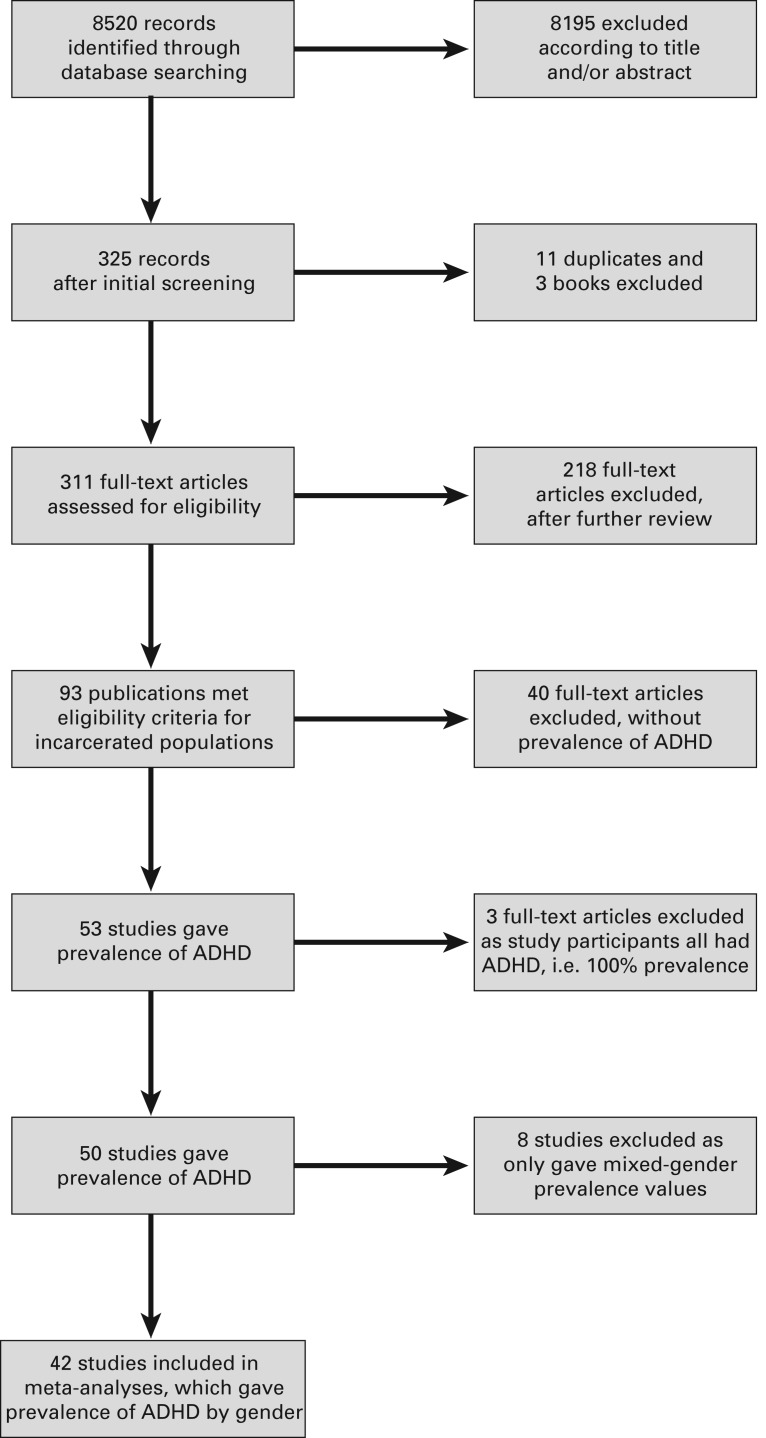
“…eight studies were excluded as they only provided mixed-gender prevalence (Milin et al. 1991; Fulwiler et al. 1997; Rasmussen et al. 2000, 2001; Black et al. 2004, 2010; Anckarsater et al. 2007; Einat & Einat, 2008; Gudjonsson et al. 2009), leaving 42 studies included in the meta-analysis,…”
BackgroundRetz, W., & Rösler, M. (2009) · International Journal of Law and Psychiatry · doi:10.1016/j.ijlp.2009.04.006 · Cited by 148 · cited 1×
“Thus, US prison populations may have an over-representation of those who have been incarcerated for drug crimes, which may not necessarily be related to ‘reactive, impulsive offences’ (e.g. robbery and property crimes) thought to be associated with ADHD (Retz & Rosler, 2009).”
BackgroundAttention deficit hyperactivity disorder and critical incidents in a Scottish prison population
Young, S., Gudjonsson, G. H., Wells, J., Asherson, P. J., Theobald, D., Oliver, B., Scott, C., & Mooney, A. (2008) · Personality and Individual Differences · doi:10.1016/j.paid.2008.10.003 · Cited by 130 · cited 4×
“Three studies (Young et al. 2009a; Ginsberg & Lindefors, 2012; Tidefors & Strand, 2012) were excluded as they used samples composed solely of participants who had ADHD, hence giving a prevalence rate of 100%.”
BackgroundMethodInfluentialSelf-citationPsychopathology among Substance Abusing Juvenile Offenders
Milin, R., Halikas, J. A., Meller, J., & Morse, C. L. (1991) · Journal of the American Academy of Child & Adolescent Psychiatry · doi:10.1097/00004583-199107000-00007 · Cited by 129 · cited 2×
“A further eight studies were excluded as they only provided mixed-gender prevalence (Milin et al. 1991; Fulwiler et al. 1997; Rasmussen et al. 2000, 2001; Black et al. 2004, 2010; Anckarsater et al. 2007; Einat & Einat, 2008; Gudjonsson et al. 2009), leaving 42 studies included in the meta-analysis, reporting prevalen…”
BackgroundAttention?Deficit Hyperactivity Disorder in the post?genomic era
Asherson, P., & and the IMAGE Consortium (2004) · European Child & Adolescent Psychiatry · doi:10.1007/s00787-004-1006-6 · Cited by 124 · cited 4×
“2007; Willcutt, 2012) and 1–5% of adults (Asherson, 2004; Asherson et al. 2005, 2012; Kessler et al. 2006; Simon et al. 2009; Willcutt, 2012).”
BackgroundInfluentialRasmussen, K. B., Almvik, R., & Levander, S. E. (2001) · PubMed · Cited by 119
Young, S., Wells, J., & Gudjonsson, G. (2011) · Journal of Psychopharmacology · doi:10.1177/0269881110370502 · Cited by 114 · cited 4×
“It has been reported that the onset of offending is at a younger age for youth with ADHD, even as young as 10 years of age (Langley et al. 2010; Young et al. 2010b), and perhaps these young offenders are less likely to be given a custodial sentence and/or are diverted out of the criminal justice…”
BackgroundResultInfluentialSelf-citationLangevin, R. (2003) · International Journal of Offender Therapy and Comparative Criminology · doi:10.1177/0306624x03253848 · Cited by 103 · cited 2×
“…et al. 2010a,b), gender (Vitelli, 1996), method of assessment of ADHD (Gordon & Moore, 2005), study population (Cahill et al. 2012; Colins et al. 2012) and verification of the incarcerated status of the sample (Langevin, 2003; Rosler et al. 2009; Retz & Rosler, 2010; Lindsay et al. 2012).”
BackgroundMethodGinsberg, Y., & Lindefors, N. (2012) · British Journal of Psychiatry · doi:10.1192/bjp.bp.111.092940 · Cited by 99 · cited 2×
“Three studies (Young et al. 2009a; Ginsberg & Lindefors, 2012; Tidefors & Strand, 2012) were excluded as they used samples composed solely of participants who had ADHD, hence giving a prevalence rate of 100%.”
BackgroundMethodSenior, J., Birmingham, L., Harty, M. A., Hassan, L., Hayes, A. J., Kendall, K., King, C., Lathlean, J., Lowthian, C., Mills, A., et al. (2013) · Psychological Medicine · doi:10.1017/s0033291712002073 · Cited by 97
Social Consequences of the War on Drugs: the Legacy of Failed Policy
Jensen, E. L., Gerber, J., & Mosher, C. (2004) · Criminal Justice Policy Review · doi:10.1177/0887403403255315 · Cited by 96 · cited 1×
“Following the introduction of tougher laws and penalties surrounding drug crimes by the US government, the number of inmates convicted of a drug crime rose by 1300% in the USA between 1980 and 2001 (Jensen et al. 2004).”
BackgroundBramham, J., Ambery, F., Young, S., Morris, R., Russell, A., Xenitidis, K., Asherson, P., & Murphy, D. (2009) · Autism · doi:10.1177/1362361309103790 · Cited by 95 · cited 2×
“These problems are likely to be associated with underlying deficits in executive dysfunction (Young et al. 2007; Bramham et al. 2009; Rose et al. 2009); in particular, behavioural disinhibition and emotional dysregulation (Gudjonsson et al.”
BackgroundSelf-citationSelf-mutilation and suicide attempt: distinguishing features in prisoners.
Fulwiler, C., Forbes, C., Santangelo, S. L., & Folstein, M. (1997) · PubMed · Cited by 95
Learning Disabilities and Delinquency
Einat, T., & Einat, A. (2007) · International Journal of Offender Therapy and Comparative Criminology · doi:10.1177/0306624x07307352 · Cited by 91
Black, D. W., Arndt, S. V., Hale, N., & Rogerson, R. (2004) · PubMed · Cited by 86
Growing Out of ADHD: The Relationship Between Functioning and Symptoms
Young, S., & Gudjonsson, G. H. (2008) · Journal of Attention Disorders · doi:10.1177/1087054707299598 · Cited by 81
Self-citationYoung, S., Gudjonsson, G., Ball, S., & Lam, J. (2003) · Journal of Forensic Psychiatry & Psychology · doi:10.1080/14789940310001615461 · Cited by 69 · cited 2×
“Compared with other offenders, they present with younger age at first contact, greater recidivism and institutional behaviour disturbance (Young et al. 2003, 2009b, 2011).”
BackgroundSelf-citationRose, E., Bramham, J., Young, S., Paliokostas, E., & Xenitidis, K. (2008) · Research in Developmental Disabilities · doi:10.1016/j.ridd.2008.07.009 · Cited by 64 · cited 2×
“These problems are likely to be associated with underlying deficits in executive dysfunction (Young et al. 2007; Bramham et al. 2009; Rose et al. 2009); in particular, behavioural disinhibition and emotional dysregulation (Gudjonsson et al.”
BackgroundSelf-citationGudjonsson, G. H., Sigurðsson, J. F., Young, S., Newton, A. K., & Peersen, M. (2009) · Personality and Individual Differences · doi:10.1016/j.paid.2009.01.048 · Cited by 63 · cited 3×
“These problems are likely to be associated with underlying deficits in executive dysfunction (Young et al. 2007; Bramham et al. 2009; Rose et al. 2009); in particular, behavioural disinhibition and emotional dysregulation (Gudjonsson et al. 2009, 2012).”
BackgroundSelf-citationPrevalence of ADHD and Its Subtypes in Male and Female Adult Prison Inmates
Cahill, B. S., Coolidge, F. L., Segal, D. L., Klebe, K. J., Marle, P. D., & Overmann, K. A. (2012) · Behavioral Sciences & the Law · doi:10.1002/bsl.2004 · Cited by 62 · cited 3×
“2010a,b), gender (Vitelli, 1996), method of assessment of ADHD (Gordon & Moore, 2005), study population (Cahill et al. 2012; Colins et al. 2012) and verification of the incarcerated status of the sample (Langevin, 2003; Rosler et al.”
BackgroundMethodThe Prevalence of Mental Disorders in Prisoners in the City of Salvador, Bahia, Brazil*
Pondé, M. P., Freire, A. C. C., & Mendonça, M. S. S. (2011) · Journal of Forensic Sciences · doi:10.1111/j.1556-4029.2010.01691.x · Cited by 60 · cited 1×
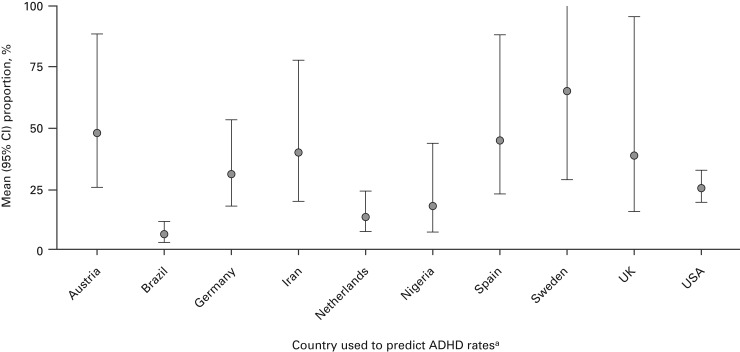
“ADHD prevalence ranged from 6.6% in Brazil (Ponde et al. 2011) to 65.2% in Sweden (Table 1 and Fig.”
BackgroundInfluentialPlanning ability in adults with attention-deficit/hyperactivity disorder
Young, S., Morris, R., Toone, B., & Tyson, C. (2007) · Neuropsychology · doi:10.1037/0894-4105.21.5.581 · Cited by 58 · cited 2×
“These problems are likely to be associated with underlying deficits in executive dysfunction (Young et al. 2007; Bramham et al. 2009; Rose et al. 2009); in particular, behavioural disinhibition and emotional dysregulation (Gudjonsson et al.”
BackgroundSelf-citationAssociation of ADHD with reactive and proactive violent behavior in a forensic population
Retz, W., & Rösler, M. (2010) · ADHD Attention Deficit and Hyperactivity Disorders · doi:10.1007/s12402-010-0037-8 · Cited by 55 · cited 2×
“…et al. 2010a,b), gender (Vitelli, 1996), method of assessment of ADHD (Gordon & Moore, 2005), study population (Cahill et al. 2012; Colins et al. 2012) and verification of the incarcerated status of the sample (Langevin, 2003; Rosler et al. 2009; Retz & Rosler, 2010; Lindsay et al. 2012).”
MethodKonstenius, M., Larsson, H., Lundholm, L., Philips, B., van de Glind, G., Jayaram-Lindström, N., & Franck, J. (2015) · Journal of Attention Disorders · doi:10.1177/1087054712451126 · Cited by 54 · cited 1×
“A recent study from Konstenius et al. (2012) sampled 56 adult incarcerated women who were assessed by diagnostic interview in a Swedish prison, and reported that 29% met DSM-IV criteria for ADHD.”
BackgroundPrevalences and configurations of mental disorders among institutionalized adolescents
Anckarsäter, H. S., Nilsson, T., Ståhlberg, O., Gustafson, M., Saury, J.-M., Råstam, M., & Gillberg, C. (2007) · Developmental Neurorehabilitation · doi:10.1080/13638490600864157 · Cited by 51 · cited 2×
“…as they only provided mixed-gender prevalence (Milin et al. 1991; Fulwiler et al. 1997; Rasmussen et al. 2000, 2001; Black et al. 2004, 2010; Anckarsater et al. 2007; Einat & Einat, 2008; Gudjonsson et al. 2009), leaving 42 studies included in the meta-analysis, reporting prevalence by…”
BackgroundAdult ADHD: prevalence of diagnosis in a US population with employer health insurance
Montejano, L., Sasané, R., Hodgkins, P., Russo, L., & Huse, D. (2011) · Current Medical Research and Opinion · doi:10.1185/03007995.2011.603302 · Cited by 48 · cited 2×
“5:1) is much lower than the observed ratio of 4:1 in youths with ADHD (Montejano et al. 2011; Willcutt, 2012; McCarthy et al. 2012).”
BackgroundInfluentialSelf-citationThe Relationship Between ADHD Symptoms, Mood Instability, and Self-Reported Offending
Gudjonsson, G. H., Sigurdsson, J. F., Adalsteinsson, T. F., & Young, S. (2013) · Journal of Attention Disorders · doi:10.1177/1087054711429791 · Cited by 45 · cited 1×
“These problems are likely to be associated with underlying deficits in executive dysfunction (Young et al. 2007; Bramham et al. 2009; Rose et al. 2009); in particular, behavioural disinhibition and emotional dysregulation (Gudjonsson et al. 2009, 2012).”
BackgroundSelf-citationAsherson, P., Kuntsi, J., & Taylor, E. (2005) · British Journal of Psychiatry · doi:10.1192/bjp.187.2.103 · Cited by 45 · cited 3×
“2006), affecting 3–7% of youths (Asherson, 2004; Asherson et al. 2005; Polanczyk et al. 2007; Willcutt, 2012) and 1–5% of adults (Asherson, 2004; Asherson et al.”
BackgroundYoung, S., Misch, P., Collins, P., & Gudjonsson, G. H. (2011) · Journal of Forensic Psychiatry and Psychology · doi:10.1080/14789949.2010.495991 · Cited by 43 · cited 2×
“Compared with other offenders, they present with younger age at first contact, greater recidivism and institutional behaviour disturbance (Young et al. 2003, 2009b, 2011).”
BackgroundResultSelf-citationGordon, J. A., & Moore, P. M. (2005) · American Journal of Criminal Justice · doi:10.1007/bf02885883 · Cited by 38 · cited 2×
“…relating to age of the study population (Black et al. 2004; Sanz-Garcia et al. 2010a,b), gender (Vitelli, 1996), method of assessment of ADHD (Gordon & Moore, 2005), study population (Cahill et al. 2012; Colins et al. 2012) and verification of the incarcerated status of the sample (Langevin,…”
MethodVitelli, R. (1996) · International Journal of Offender Therapy and Comparative Criminology · doi:10.1177/0306624x96404002 · Cited by 38 · cited 2×
“…communications to ascertain missing information relating to age of the study population (Black et al. 2004; Sanz-Garcia et al. 2010a,b), gender (Vitelli, 1996), method of assessment of ADHD (Gordon & Moore, 2005), study population (Cahill et al. 2012; Colins et al. 2012) and verification of…”
MethodPsychopathology in adolescent and young adult criminal offenders (15–21 years) in Sweden
Fazel, M. S., Långström, N., Grann, M., & Fazel, S. (2007) · Social Psychiatry and Psychiatric Epidemiology · doi:10.1007/s00127-007-0295-8 · Cited by 36 · cited 1×
“In recent years, a high prevalence of psychopathology (depression, psychotic illness, ADHD, conduct disorder) has been recognized in prison inmates (Fazel et al. 2008a,b; Bradley, 2009), and although more comprehensive mental health screens are being developed for use at prison reception to develop…”
BackgroundYoung, S., Gudjonsson, G., Misch, P., Collins, P., Carter, P., Redfern, J., & Goodwin, E. (2010) · Journal of Forensic Psychiatry & Psychology · doi:10.1080/14789940903311566 · Cited by 35 · cited 4×
“It has been reported that the onset of offending is at a younger age for youth with ADHD, even as young as 10 years of age (Langley et al. 2010; Young et al. 2010b), and perhaps these young offenders are less likely to be given a custodial sentence and/or are diverted out of the criminal justice…”
BackgroundMethodResultInfluentialSelf-citationPsychometric properties of the Coolidge Correctional Inventory in a sample of 3,962 prison inmates
Coolidge, F. L., Segal, D. L., Klebe, K. J., Cahill, B. S., & Whitcomb, J. M. (2009) · Behavioral Sciences & the Law · doi:10.1002/bsl.896 · Cited by 34 · cited 2×
“(2012) were included rather than data from an earlier publication of the same population (Coolidge et al. 2009).”
BackgroundColins, O. F., Vermeiren, R. R. J. M., Vahl, P., Markus, M. T., Broekaert, E., & DORELEIJERS, T. A. H. (2011) · European Psychiatry · doi:10.1016/j.eurpsy.2011.01.001 · Cited by 28 · cited 2×
“2010a,b), gender (Vitelli, 1996), method of assessment of ADHD (Gordon & Moore, 2005), study population (Cahill et al. 2012; Colins et al. 2012) and verification of the incarcerated status of the sample (Langevin, 2003; Rosler et al.”
MethodBrooker, C., Gojković, D., Sirdifield, C., & Fox, C. (2009) · International Journal of Prisoner Health · doi:10.1080/17449200903115847 · Cited by 27
Lindsay, W. R., Carson, D. R., Holland, A. J., Michie, A. M., Taylor, J. L., Bambrick, M., O’Brien, G., Wheeler, J. R., & Steptoe, L. R. (2011) · Psychiatry Psychology and Law · doi:10.1080/13218719.2011.615816 · Cited by 21 · cited 2×
“…et al. 2010a,b), gender (Vitelli, 1996), method of assessment of ADHD (Gordon & Moore, 2005), study population (Cahill et al. 2012; Colins et al. 2012) and verification of the incarcerated status of the sample (Langevin, 2003; Rosler et al. 2009; Retz & Rosler, 2010; Lindsay et al. 2012).”
BackgroundMethodYoung, S., Chesney, S., Sperlinger, D., Misch, P., & Collins, P. (2009) · Criminal Behaviour and Mental Health · doi:10.1002/cbm.721 · Cited by 19 · cited 3×
“Three studies (Young et al. 2009a; Ginsberg & Lindefors, 2012; Tidefors & Strand, 2012) were excluded as they used samples composed solely of participants who had ADHD, hence giving a prevalence rate of 100%.”
BackgroundMethodSelf-citationTidefors, I., & Strand, J. (2012) · Journal of Trauma & Dissociation · doi:10.1080/15299732.2011.652344 · Cited by 10
Melle, S. F. I., Friis, S., & Edvard, H. (2000) · Nordic Journal of Psychiatry · doi:10.1080/080394800427573 · Cited by 4
Sanz-Garcia, O., Dueñas, R., Burges, V., Muro, A., & Perez, F. (2010) · European Neuropsychopharmacology · doi:10.1016/s0924-977x(10)70942-1 · Cited by 2 · cited 2×
“…were contacted directly in personal communications to ascertain missing information relating to age of the study population (Black et al. 2004; Sanz-Garcia et al. 2010a,b), gender (Vitelli, 1996), method of assessment of ADHD (Gordon & Moore, 2005), study population (Cahill et al. 2012;…”
MethodSanz-Garcia, O., Dueñas, R., Domenech, N., Ramón, R., Muro, A. D., & Pérez, F. D. S. (2010) · European Neuropsychopharmacology · doi:10.1016/s0924-977x(10)70954-8 · Cited by 1 · cited 1×
“…were contacted directly in personal communications to ascertain missing information relating to age of the study population (Black et al. 2004; Sanz-Garcia et al. 2010a,b), gender (Vitelli, 1996), method of assessment of ADHD (Gordon & Moore, 2005), study population (Cahill et al. 2012;…”
Research works printed but not linked: 4
- WHO (1992). The ICD-10 Classification of Mental and Behavioural Disorders: Clinical Descriptions and Diagnostic Guidelines. World Health Organization: Geneva.
- APA (1994). Diagnostic and Statistical Manual of Mental Disorders, Fourth Edition. DSM-IV. American Psychiatric Association: Washington, DC.
- Bradley K (2009). The Bradley Report. Lord Bradley's review of people with mental health problems or learning disabilities in the criminal justice system. Department of Health: London.
- Rasmussen K, Almvik R, Levander S (2000). ADHD in prisoners: an unfavourable index of criminal careers and a forensic challenge. Nordic Journal of Psychiatry 54 (Suppl. 43), 47.
Cited by
Faraone, S. V., Banaschewski, T., Coghill, D., Zheng, Y., Biederman, J., Bellgrove, M. A., Newcorn, J. H., Gignac, M., Al Saud, N. M., Manor, I., et al. (2021) · Neuroscience & Biobehavioral Reviews · doi:10.1016/j.neubiorev.2021.01.022 · Cited by 1,545
“5 % with no differences observed between males and females or adolescents and adults (Young et al., 2015).”
InfluentialAttention deficit hyperactivity disorder
Thapar, A., & Cooper, M. (2016) · The Lancet · doi:10.1016/s0140-6736(15)00238-x · Cited by 1,043
Mental health of prisoners: prevalence, adverse outcomes, and interventions
Fazel, S., Hayes, A. J., Bartellas, K., Clerici, M., & Trestman, R. (2016) · The Lancet Psychiatry · doi:10.1016/s2215-0366(16)30142-0 · Cited by 992
Updated European Consensus Statement on diagnosis and treatment of adult ADHD
Kooij, J. J. S., Bijlenga, D., Salerno, L., Jaeschke, R., Bitter, I., Balázs, J., Thome, J., Dom, G., Kasper, S., Nunes Filipe, C., et al. (2019) · European Psychiatry · doi:10.1016/j.eurpsy.2018.11.001 · Cited by 686
“5%, without significant differences for gender and age [214].”
BackgroundSelf-citationThe global prevalence of ADHD in children and adolescents: a systematic review and meta-analysis
Salari, N., Ghasemi, H., Abdoli, N., Rahmani, A., Shiri, M. H., Hashemian, A. H., Akbari, H., & Mohammadi, M. (2023) · Italian Journal of Pediatrics · doi:10.1186/s13052-023-01456-1 · Cited by 670
“Furthermore, because the onset of ADHD symptoms in adults is socially problematic, many of these people will be admitted to psychiatric hospitals, affecting the prevalence of ADHD in adults in the general population [82, 83].”
Background
Metadata
- Authors
- Young, S., Moss, D., Sedgwick, O., Fridman, M., & Hodgkins, P.
- Affiliations
- Broadmoor Hospital (GB)
- King's College London (GB)
- Alfred Mann Foundation (US)
- Vertex Pharmaceuticals (United States) (US)
- Corresponding author
- Young, S.
- Venue
- Psychological Medicine
- Publisher
- Cambridge University Press (CUP)
- Published
- 2014-04-07
- Volume
- 45
- Issue
- 2
- Pages
- 247-258
- ISSN
- 0033-2917 (ISSN-L)
- 1469-8978
- PMC
- PMC4301200
- OpenAlex
- W2111356744
- Cited by
- 291
- References
- 59
- Citations by year
- 2026: 20 · 2025: 28 · 2024: 28 · 2023: 32 · 2022: 27 · 2021: 23 · 2020: 31 · 2019: 25 · 2018: 21 · 2017: 23 · 2016: 17 · 2015: 13 · 2014: 3
- FWCI
- 2.58
- Type
- journal article
- Language
- en
- Open access
- hybrid
- doi.org
- Locations
- Psychological Medicine (publishedVersion, cc-by)
- Europe PMC (PubMed Central) (publishedVersion, cc-by)
- PubMed Central (publishedVersion, cc-by)
- PubMed (publishedVersion)
- Research Portal (King's College London) (submittedVersion, other-oa)
- Funders
- Eli Lilly and Company
- National Institute for Health and Care Research
- Topics
- Health Sciences › Medicine › Psychiatry and Mental health › Attention Deficit Hyperactivity Disorder
- Social Sciences › Psychology › Clinical Psychology › Psychopathy, Forensic Psychiatry, Sexual Offending
- Social Sciences › Sociology and Political Science › Criminal Justice and Corrections Analysis
- Keywords
- attention deficit hyperactivity disorder, ADHD prevalence, prison population, youth prisons, adult prisons, risk factors, country differences
- MeSH terms
- Attention Deficit Disorder with Hyperactivity, Female, Humans, Male, Prisoners, Psychiatric Status Rating Scales, Comorbidity, Prevalence, Diagnostic and Statistical Manual of Mental Disorders
About these checks
Registry, retraction, Cites and statistics results are computed, not judged, with one exception: a printed reference that no index lists is read once by a model before it counts as a citation error. Claims are extracted by a model and kept only when their quote appears verbatim in the text; each cited source is then checked, with a model’s help, for whether it says what the claim relies on. Those verdicts can be wrong — read the claim’s quote and the cited source before relying on one.
Statistics and arithmetic are recomputed, not judged.
Confidence bands are shown only for fields calibrated on our annotated test set. None is calibrated yet, so no band is shown.
What counts as a claim ›How we measure confidence ›How we check this ›
Are you an author, or do you see a problem with this page? Request a review
Data sources
Bibliographic data: Semantic Scholar, OpenAlex, Crossref.
Contains information from the Semantic Scholar Academic Graph Datasets, made available under the ODC Attribution License (ODC-BY 1.0).
Semantic Scholar’s data is described in: Kinney, R., et al. (2023). The Semantic Scholar Open Data Platform. arXiv:2301.10140.
