

Sleeping with one eye open: loneliness and sleep quality in young adults
Open accessThe DOI matches its Crossref record; 48 of the 49 references it cites were found in a registry or an index.
Abstract
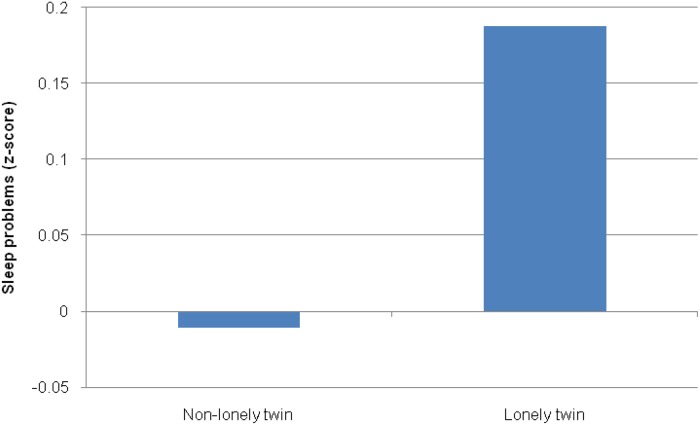
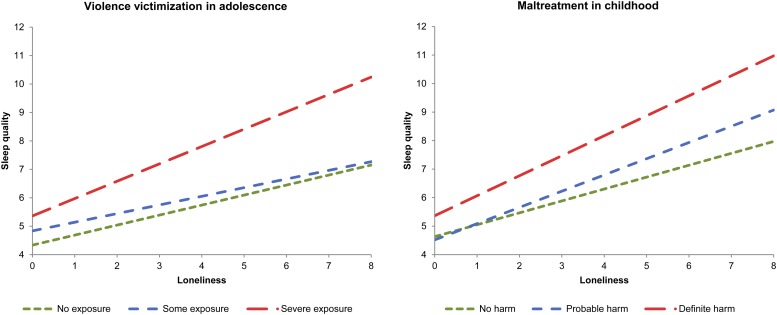
Background: Feelings of loneliness are common among young adults, and are hypothesized to impair the quality of sleep. In the present study, we tested associations between loneliness and sleep quality in a nationally representative sample of young adults. Further, based on the hypothesis that sleep problems in lonely individuals are driven by increased vigilance for threat, we tested whether past exposure to violence exacerbated this association. Method: Data were drawn from the Environmental Risk (E-Risk) Longitudinal Twin Study, a birth cohort of 2232 twins born in England and Wales in 1994 and 1995. We measured loneliness using items from the UCLA Loneliness Scale, and sleep quality using the Pittsburgh Sleep Quality Index. We controlled for covariates including social isolation, psychopathology, employment status and being a parent of an infant. We examined twin differences to control for unmeasured genetic and family environment factors. Results: Feelings of loneliness were associated with worse overall sleep quality. Loneliness was associated specifically with subjective sleep quality and daytime dysfunction. These associations were robust to controls for covariates. Among monozygotic twins, within-twin pair differences in loneliness were significantly associated with within-pair differences in sleep quality, indicating an association independent of unmeasured familial influences. The association between loneliness and sleep quality was exacerbated among individuals exposed to violence victimization in adolescence or maltreatment in childhood. Conclusions: Loneliness is robustly associated with poorer sleep quality in young people, underscoring the importance of early interventions to mitigate the long-term outcomes of loneliness. Special care should be directed towards individuals who have experienced victimization.
Overview
The claims and statistics of this paper haven’t been checked yet.
Free: it reads the open-access text and checks the first 5 claims that cite a source we can check. Create a free account to check every claim.
Integrity signals
Registry
Cites
Statistics
Figures
Verification
Claims the paper makes
The claims and statistics of this paper haven’t been checked yet.
Free: it reads the open-access text and checks the first 5 claims that cite a source we can check. Create a free account to check every claim.
Claims other papers make about this one
Each is checked against this paper’s own text: does it say what the citing paper says it does?
The source backs part of the claim, not all of it — or backs it for a different population, condition or comparison.
In the citing paper
“Loneliness can be directly alleviated through seeking comfort through social media; it can be indirectly alleviated trough sleep deprivation, which serves as a mediator between loneliness and SMA [83,84].”
From Correlations between social media addiction and anxiety, depression, FoMO, loneliness and self-esteem among students: A systematic review and meta-analysis (2025) · cites this paper as [84]
Experimental — accuracy not yet measuredThe source backs part of the claim, not all of it — or backs it for a different population, condition or comparison.
In the citing paper
“Additionally, lonelier individuals experience poorer sleep quality in young adulthood, potentially worsening their long-term mental health [91].”
From The prospective association of adolescent loneliness and low resilience with anxiety and depression in young adulthood: The HUNT study (2025) · cites this paper as [91]
Experimental — accuracy not yet measuredThe check wasn’t confident either way, so it gives no verdict — never disputed.
In the citing paper
“Loneliness can be directly alleviated through seeking comfort through social media; it can be indirectly alleviated trough sleep deprivation, which serves as a mediator between loneliness and SMA [83,84].”
From Correlations between social media addiction and anxiety, depression, FoMO, loneliness and self-esteem among students: A systematic review and meta-analysis (2025) · cites this paper as [84]
Experimental — accuracy not yet measured
Self-check
Percentages, sums and reported differences re-computed from the paper’s own numbers.
The self-check needs the paper’s full text.
Citations
Cites
Diagnostic and Statistical Manual of Mental Disorders
Williams, J. B. W., & First, M. (2013) · Encyclopedia of Social Work · doi:10.1093/acrefore/9780199975839.013.104 · Cited by 109,519
The Pittsburgh Sleep Quality Index: a new instrument for psychiatric practice and research
Buysse, D. J., Reynolds, C. F., Monk, T. H., Berman, S. R., & Kupfer, D. J. (1989) · Psychiatry Research · doi:10.1016/0165-1781(89)90047-4 · Cited by 35,234
The Multidimensional Scale of Perceived Social Support
Zimet, G. D., Dahlem, N. W., Zimet, S. G., & Farley, G. K. (1988) · Journal of Personality Assessment · doi:10.1207/s15327752jpa5201_2 · Cited by 13,339
Genetics of Food Intake Self-Regulation in Childhood: Literature Review and Research Opportunities
Faith, M. S., Carnell, S., & Kral, T. V. E. (2013) · Human Heredity · doi:10.1159/000353879 · Cited by 7,601
Loneliness and Social Isolation as Risk Factors for Mortality: A Meta-Analytic Review
Holt-Lunstad, J., Smith, T. B., Baker, M., Harris, T., & Stephenson, D. (2015) · Perspectives on Psychological Science · doi:10.1177/1745691614568352 · Cited by 6,043
UCLA loneliness scale (version 3): reliability, validity, and factor structure
Russell, D. W. (1996) · Journal of Personality Assessment · doi:10.1207/s15327752jpa6601_2 · Cited by 5,800
Psychometric Characteristics of the Multidimensional Scale of Perceived Social Support
Zimet, G. D., Powell, S. S., Farley, G. K., Werkman, S., & Berkoff, K. A. (1990) · Journal of Personality Assessment · doi:10.1080/00223891.1990.9674095 · Cited by 4,855
Psychometric Characteristics of the Multidimensional Scale of Perceived Social Support
Zimet, G., Powell, S., Farley, G., Werkman, S., & Berkoff, K. (1990) · Journal of Personality Assessment · doi:10.1207/s15327752jpa5503&4_17 · Cited by 4,854
A Note on Robust Variance Estimation for Cluster‐Correlated Data
Williams, R. L. (2000) · Biometrics · doi:10.1111/j.0006-341x.2000.00645.x · Cited by 2,501 · cited 1×
“To correct for this, we used tests based on the Huber–White or sandwich variance (Williams, 2000), which adjusts the estimated standard errors to account for the dependence in the data.”
MethodCacioppo, J. T., Hughes, M. E., Waite, L. J., Hawkley, L. C., & Thisted, R. A. (2006) · Psychology and Aging · doi:10.1037/0882-7974.21.1.140 · Cited by 2,380 · cited 3×
“An evolutionary account of loneliness proposes that for members of a social species, being embedded within a group provides safety, and the perception of being socially cut off gives rise to feelings of vulnerability (Cacioppo et al. 2006a).”
Background
Research works printed but not linked: 5
- Office for National Statistics (2014). Measuring National Well-Being: European Comparisons, 2014. ONS: London.
- Robins L, Cottler L, Bucholz K, Compton W (1995). Diagnostic Interview Schedule for DSM-IV. Washington University School of Medicine: St Louis, MO.
- StataCorp (2015). Stata Statistical Software: Release 14. StataCorp LP: College Station, TX.
- Finkelhor D, Hamby SL, Turner HA, Ormrod RK (2011). The Juvenile Victimization Questionnaire: 2nd Revision (JVQ-R2). Crimes Against Children Research Center: Durham, NH.
- American Psychiatric Association (1994). Diagnostic and Statistical Manual of Mental Disorders, 4th edn American Psychiatric Association: Washington, DC.
Cited by
Loneliness in the Modern Age: An Evolutionary Theory of Loneliness (ETL)
Cacioppo, J. T., & Cacioppo, S. (2018) · Advances in Experimental Social Psychology · doi:10.1016/bs.aesp.2018.03.003 · Cited by 481
Lonely young adults in modern Britain: findings from an epidemiological cohort study
Matthews, T., Danese, A., Caspi, A., Fisher, H. L., Goldman-Mellor, S., Kepa, A., Moffitt, T. E., Odgers, C. L., & Arseneault, L. (2019) · Psychological Medicine · doi:10.1017/s0033291718000788 · Cited by 381
“Furthermore, a previous study using the same cohort (Matthews et al. 2017) found that lonelier individuals had poorer sleep quality in young adulthood, which may further compromise health over time.”
ResultSelf-citationReview: Alleviating loneliness in young people – a meta‐analysis of interventions
Eccles, A. M., & Qualter, P. (2021) · Child and Adolescent Mental Health · doi:10.1111/camh.12389 · Cited by 285
“, 2013) and poor sleep across the life span (Harris, Qualter, & Robinson, 2013; Hawkley, Preacher, & Cacioppo, 2010; Matthews et al., 2017).”
Sleep, Health and Wellness at Work: A Scoping Review
Magnavita, N., & Garbarino, S. (2017) · International Journal of Environmental Research and Public Health · doi:10.3390/ijerph14111347 · Cited by 243
“Confirmation of the association between loneliness and poor sleep quality was found in the Longitudinal Twin Study, a cohort study of 2232 twins born in England [45].”
BackgroundGrossman, E. S., Hoffman, Y. S. G., Palgi, Y., & Shrira, A. (2021) · Personality and Individual Differences · doi:10.1016/j.paid.2020.110371 · Cited by 184
Song, Y., Zhu, C., Shi, B., Song, C., Cui, K., Chang, Z., Gao, G., Jia, L., Fu, R., Dong, Q., et al. (2023) · eClinicalMedicine · doi:10.1016/j.eclinm.2023.102236 · Cited by 162
Hards, E., Loades, M. E., Higson‐Sweeney, N., Shafran, R., Serafimova, T., Brigden, A., Reynolds, S., Crawley, E., Chatburn, E., Linney, C., et al. (2022) · British Journal of Clinical Psychology · doi:10.1111/bjc.12331 · Cited by 162
Loneliness in the lives of Danish adolescents: Associations with health and sleep
Eccles, A. M., Qualter, P., Madsen, K. R., & Holstein, B. E. (2020) · Scandinavian Journal of Public Health · doi:10.1177/1403494819865429 · Cited by 125
“There are only a few studies on loneliness and sleep among adolescents [11,21], but consistent with previous studies, we found a clear association between loneliness and sleep problems.”
BackgroundResultCoping with loneliness at University: A qualitative interview study with students in the UK
Vasileiou, K., Barnett, J. C., Barreto, M., Vines, J., Atkinson, M., Long, K. S., Bakewell, L. L., Lawson, S. W., & Wilson, M. L. (2018) · Mental Health & Prevention · doi:10.1016/j.mhp.2018.11.002 · Cited by 157
“Loneliness is also related to poor physical health outcomes, such as high blood pressure (Hawkley, Thisted, Masi, & Cacioppo, 2010), poor sleep quality (Matthews et al., 2017), an increased likelihood of mortality (Holt-Lunstad, Smith, Baker, Harris, & Stephenson, 2015), and increased risk of developing coronary heart…”
BackgroundMatthews, T., Rasmussen, L. J. H., Ambler, A. P., Danese, A., Eugen‐Olsen, J., Fancourt, D. E., Fisher, H. L., Iversen, K. K., Schultz, M., Sugden, K., et al. (2023) · Brain Behavior and Immunity · doi:10.1016/j.bbi.2023.11.022 · Cited by 124
“Numerous mechanisms for this association have been proposed, ranging from maladaptive health-related behaviours (Kobayashi and Steptoe, 2018), to increased blood pressure (Hawkley et al., 2010) and impaired sleep quality (Matthews et al., 2017).”
BackgroundSelf-citationLongitudinal associations between family identification, loneliness, depression, and sleep quality
Wakefield, J. R. H., Bowe, M., Kellezi, B., Butcher, A., & Groeger, J. A. (2020) · British Journal of Health Psychology · doi:10.1111/bjhp.12391 · Cited by 102
“In their test of the EVL, Matthews et al. (2017) also noted that the association between loneliness and poor sleep quality in the young adults they recruited was especially pronounced for those who had experienced trauma, which they explained as being due to the increase in hypervigilance towards…”
BackgroundResultInfluentialChanges in Sexual Desire and Behaviors among UK Young Adults During Social Lockdown Due to COVID-19
Wignall, L., Portch, E., McCormack, M., Owens, R., Cascalheira, C. J., Attard‐Johnson, J., & Cole, T. (2021) · The Journal of Sex Research · doi:10.1080/00224499.2021.1897067 · Cited by 108
A Meta-Analysis of the Relationship Between Sleep Problems and Loneliness
Hom, M. A., Chu, C., Rogers, M. L., & Joiner, T. E. (2020) · Clinical Psychological Science · doi:10.1177/2167702620922969 · Cited by 126
A longitudinal twin study of victimization and loneliness from childhood to young adulthood
Matthews, T., Caspi, A., Danese, A., Fisher, H. L., Moffitt, T. E., & Arseneault, L. (2022) · Development and Psychopathology · doi:10.1017/s0954579420001005 · Cited by 93
“Childhood maltreatment may nonetheless interact with loneliness to affect other outcomes: for example, previous findings in this cohort show that the association between loneliness and sleep impairments is exacerbated among individuals with a history of physical maltreatment (Matthews et al., 2017).”
ResultSelf-citationSmartphone App to Address Loneliness Among College Students: Pilot Randomized Controlled Trial
Bruehlman-Senecal, E., Hook, C. J., Pfeifer, J. H., FitzGerald, C., Davis, B., Delucchi, K. L., Haritatos, J., & Ramo, D. E. (2020) · JMIR Mental Health · doi:10.2196/21496 · Cited by 80
“Compounding these relationships, loneliness is associated with poorer sleep quality [13-15], which can contribute to poorer emotion regulation [16,17] along with further social withdrawal and loneliness in a self-reinforcing cycle [18].”
BackgroundSleep disturbance and the long-term impact of early adversity
Fuligni, A. J., Chiang, J. J., & Tottenham, N. (2021) · Neuroscience & Biobehavioral Reviews · doi:10.1016/j.neubiorev.2021.03.021 · Cited by 85
Loneliness During the School Years: How It Affects Learning and How Schools Can Help*
Jefferson, R., Barreto, M., Verity, L., & Qualter, P. (2023) · Journal of School Health · doi:10.1111/josh.13306 · Cited by 107
Foulkes, L., McMillan, D., & Gregory, A. M. (2019) · Sleep Health · doi:10.1016/j.sleh.2019.01.003 · Cited by 119
Self-citationReciprocal Effects Between Loneliness and Sleep Disturbance in Older Americans
Griffin, S. C., Williams, A. B., Mladen, S. N., Perrin, P. B., Dzierzewski, J. M., & Rybarczyk, B. D. (2019) · Journal of Aging and Health · doi:10.1177/0898264319894486 · Cited by 80
“…included potential confounds is depression, which attenuated the relationship between loneliness and sleep disturbance across all relevant studies (Cheng et al., 2015; Hayley et al., 2017; Hom et al., 2017; Kurina et al., 2011; Matthews et al., 2017; McHugh et al., 2011; Yu et al., 2017).”
BackgroundFox, R. J., Power, J. M., Coogan, A. N., Beekman, A. T. F., van Tilburg, T. G., & Hyland, P. (2021) · Psychiatry Research · doi:10.1016/j.psychres.2021.113846 · Cited by 76
Kenyon, K., Kinakh, V., & Harrison, J. (2023) · Scientific Reports · doi:10.1038/s41598-023-46494-1 · Cited by 82
Jefferson, R., Barreto, M., Jones, F., Conway, J., Chohan, A., Madsen, K. R., Verity, L., Petersen, K. J., & Qualter, P. (2023) · British Journal of Educational Psychology · doi:10.1111/bjep.12616 · Cited by 86
Kraav, S.-L., Awoyemi, O., Junttila, N., Vornanen, R., Kauhanen, J., Toikko, T., Lehto, S. M., Hantunen, S., & Tolmunen, T. (2021) · Aging & Mental Health · doi:10.1080/13607863.2020.1830945 · Cited by 56
Loneliness in Emerging Adulthood: A Scoping Review
Kirwan, E. M., Burns, A., O’Súilleabháin, P. S., Summerville, S., McGeehan, M., McMahon, J., Gowda, A., & Creaven, A. (2024) · Adolescent Research Review · doi:10.1007/s40894-024-00240-4 · Cited by 105
Czerwiński, S. K., & Atroszko, P. A. (2021) · Current Psychology · doi:10.1007/s12144-021-01554-5 · Cited by 70
Sleep among gender minority adolescents
Levenson, J. C., Thoma, B. C., Hamilton, J. L., Choukas‐Bradley, S., & Salk, R. H. (2020) · SLEEP · doi:10.1093/sleep/zsaa185 · Cited by 53
“Unsupportive peer and family environments also may lead to social isolation and loneliness, which have also been linked with poor sleep [47].”
BackgroundAzizi-Zeinalhajlou, A., Mirghafourvand, M., Nadrian, H., Sis, S. S., & Matlabi, H. (2022) · Sleep and Biological Rhythms · doi:10.1007/s41105-022-00380-x · Cited by 64
Jia, G., & Yuan, P. (2020) · BMC Geriatrics · doi:10.1186/s12877-020-01554-3 · Cited by 52
Childhood Trauma and Sleep Among Young Adults With a History of Depression: A Daily Diary Study
Hamilton, J. L., Brindle, R. C., Alloy, L. B., & Liu, R. T. (2018) · Frontiers in Psychiatry · doi:10.3389/fpsyt.2018.00673 · Cited by 52
“Given research on the effect of loneliness and both social and emotional isolation on sleep disturbance in adulthood (33, 34), it could be that emotional neglect deprives individuals the emotional safety required for restorative sleep (35), and heighten psychophysiological arousal.”
BackgroundAcademic Burden and Emotional Problems Among Adolescents: A Longitudinal Mediation Analysis
Wang, J., Wang, Z., Yang, Y., Wang, T., Lin, H., Zhang, W., Chen, X., & Fu, C. (2025) · Journal of Adolescence · doi:10.1002/jad.12471 · Cited by 40
“People with insomnia tend to have less satisfying social relationships and more severe loneliness, leading to inadequate coping mechanisms for dealing with stress (Basta et al. 2007; Matthews et al. 2017).”
Covid-19 and the impact on young athletes
Fitzgerald, H. T., Rubin, S. T., Fitzgerald, D. A., & Rubin, B. K. (2021) · Paediatric Respiratory Reviews · doi:10.1016/j.prrv.2021.04.005 · Cited by 48
Jing, Z., Yang, W., Lei, Z., Junmei, W., Hui, L., & Tianmin, Z. (2025) · PLOS One · doi:10.1371/journal.pone.0329466 · Cited by 33
“Loneliness can be directly alleviated through seeking comfort through social media; it can be indirectly alleviated trough sleep deprivation, which serves as a mediator between loneliness and SMA [83,84].”
Posttraumatic stress disorder, complex PTSD and subtypes of loneliness among older adults
Fox, R. J., Hyland, P., Coogan, A. N., Cloître, M., & Power, J. M. (2021) · Journal of Clinical Psychology · doi:10.1002/jclp.23225 · Cited by 38
Associations of lifestyle with mental health and well-being in Chinese adults: a nationwide study
Wang, X., Wu, Y., Shi, X., Chen, Y., Xu, Y., Xu, H., Ma, Y., & Zang, S. (2023) · Frontiers in Nutrition · doi:10.3389/fnut.2023.1198796 · Cited by 48
“, decreased sleep duration and poorer sleep quality) (74, 75).”
BackgroundYe, B., Wu, D., Wang, P., Im, H., Liu, M., Wang, X., & Yang, Q. (2021) · International Journal of Behavioral Medicine · doi:10.1007/s12529-021-10026-w · Cited by 35
Depressive symptoms and loneliness among early adolescents: a psychometric network analysis approach
Grygiel, P., Dolata, R., Humenny, G., & Muszyński, M. A. (2023) · Journal of Child Psychology and Psychiatry · doi:10.1111/jcpp.13876 · Cited by 43
Latham, R. M., Quilter, E., Arseneault, L., Danese, A., Moffitt, T. E., Newbury, J. B., & Fisher, H. L. (2020) · Social Psychiatry and Psychiatric Epidemiology · doi:10.1007/s00127-020-01926-5 · Cited by 41
Self-citationMatthews, T., Fisher, H. L., Bryan, B. T., Danese, A., Moffitt, T. E., Qualter, P., Verity, L., & Arseneault, L. (2022) · International Journal of Behavioral Development · doi:10.1177/0165025420979357 · Cited by 30
Self-citationLoneliness and multiple health domains: associations among emerging adults
Perez, L. G., Siconolfi, D. E., Troxel, W., Tucker, J. S., Seelam, R., Rodriguez, A., Shih, R. A., & D’Amico, E. J. (2022) · Journal of Behavioral Medicine · doi:10.1007/s10865-021-00267-1 · Cited by 40
“Finally, in the health behavior domain, loneliness has been linked with several unhealthy behaviors such as physical inactivity, poor diet, and poor sleep (Hawkley & Cacioppo, 2010; Leigh-Hunt et al., 2017; Matthews et al., 2017).”
BackgroundResultLoneliness among adult cancer survivors in the United States: prevalence and correlates
Wheldon, C. W., Shahsavar, Y., Choudhury, A., McCormick, B. P., & Albertorio‐Diaz, J. R. (2025) · Scientific Reports · doi:10.1038/s41598-025-85126-8 · Cited by 35
Life stress, sense of belonging and sleep in American Indian college students
John-Henderson, N. A., Palmer, C. A., & Thomas, A. (2019) · Sleep Health · doi:10.1016/j.sleh.2019.04.001 · Cited by 27
Social Isolation and Sleep: Manifestation During COVID-19 Quarantines
Pilcher, J. J., Dorsey, L. L., Galloway, S. M., & Erikson, D. N. (2022) · Frontiers in Psychology · doi:10.3389/fpsyg.2021.810763 · Cited by 32
“For example, a single night of simulated shift work results in higher blood pressure among young adults at risk for hypertension (McCubbin et al., 2010) and alters respiratory sinus arrhythmia when completing complex tasks (Walker et al., 2009).”
BackgroundPeng, A., Tang, Y., He, S., Ji, S., Dong, B., & Chen, L. (2021) · Sleep Medicine · doi:10.1016/j.sleep.2021.08.008 · Cited by 29
Sleep in times of crises: A scoping review in the early days of the COVID-19 crisis
Simonelli, G., Petit, D., Delage, J. P., Michaud, X., Lavoie, M. D., Morin, C. M., Godbout, R., Robillard, R., Vallières, A., Carrier, J., et al. (2021) · Sleep Medicine Reviews · doi:10.1016/j.smrv.2021.101545 · Cited by 30
Perceived social support, loneliness, and later life telomere length following wartime captivity.
Stein, J. Y., Levin, Y., Lahav, Y., Uziel, O., Abumock, H., & Solomon, Z. (2018) · Health Psychology · doi:10.1037/hea0000669 · Cited by 28
“For instance, loneliness has been associated with poor sleep (e.g., Matthews et al., 2017), which in turn has been associated with shorter TL (Jackowska et al., 2012).”
BackgroundLoneliness and sleep in the American Indian Blackfeet community
John‐Henderson, N. A., Oosterhoff, B. J., Kothe, K. M., Kampf, T. D., Hall, B., Johnson, L. R., Lafromboise, M. E., Malatare, M., Salois, E. M., Adams, A., et al. (2021) · Sleep Health · doi:10.1016/j.sleh.2021.04.005 · Cited by 23
Grey, I. M., Arora, T., & Sanah, A. (2022) · Psychological Reports · doi:10.1177/00332941221079723 · Cited by 23
“The authors measured subjective sleep quality using the Pittsburgh Sleep Quality Index (PSQI) and loneliness using the UCLA Loneliness Scale, and results indicated that loneliness was associated with poorer sleep quality as well as impaired daytime functioning (Matthews et al., 2017).”
BackgroundMethodMadrid‐Valero, J. J., & Gregory, A. M. (2023) · Sleep Medicine Reviews · doi:10.1016/j.smrv.2023.101769 · Cited by 29
“An association between sleep quality and loneliness has also been reported in young adults even when controlling for familial factors [144].”
Self-citationLemay, E. P., Cutri, J. N., & Teneva, N. (2024) · Journal of Personality and Social Psychology · doi:10.1037/pspi0000451 · Cited by 33
Jafarlou, S., Azimi, I., Lai, J., Wang, Y., Labbaf, S., Nguyen, B., Qureshi, H., Marcotullio, C., Borelli, J. L., Dutt, N. D., et al. (2024) · PLoS ONE · doi:10.1371/journal.pone.0298949 · Cited by 29
“Furthermore, loneliness is associated with several sleep and physiological factors [58].”
Trajectories of Early Adolescent Loneliness: Implications for Physical Health and Sleep
Eccles, A. M., Qualter, P., Panayiotou, M., Hurley, R., Boivin, M., & Tremblay, R. E. (2020) · Journal of Child and Family Studies · doi:10.1007/s10826-020-01804-3 · Cited by 32
“In older adolescents, loneliness has been associated with subjective sleep outcomes such as quality and daytime dysfunction (Matthews et al. 2017), but not related to objective measures such as sleep duration and latency (Doane and Thurston 2014).”
BackgroundGao, B., Cai, Y., Zhao, C. K., Qian, Y., Zheng, R., & Liu, C. (2024) · Acta Psychologica · doi:10.1016/j.actpsy.2024.104134 · Cited by 31
The implications of loneliness among school principals
Dor-Haim, P., & Oplatka, İ. (2021) · International Journal of Educational Management · doi:10.1108/ijem-12-2020-0564 · Cited by 23
Manková, D., Dudysová, D., Novák, J. M., Fárková, E., Janků, K., Kliková, M., Bušková, J., Bartoš, A., Šonka, K., & Kopřivová, J. (2021) · BioMed Research International · doi:10.1155/2021/5576348 · Cited by 21
“High values in the overall PSQI score can be explained, especially for young adults, also by the influence of social factors such as demands during university studies [51], loneliness [52], interest in sports activities [53], or the action of blue light when using electronic devices [54].”
BackgroundLeon, M. D. C., Moreira, J. F. G., Saragosa‐Harris, N. M., Waizman, Y. H., Sedykin, A., Peris, T. S., & Silvers, J. A. (2022) · Child Psychiatry & Human Development · doi:10.1007/s10578-022-01416-6 · Cited by 28
Xu, C. L., Lin, N., Shen, Z., Xie, Z., Xu, D., Fu, J., & Yan, W. (2024) · BMC Public Health · doi:10.1186/s12889-024-18019-6 · Cited by 28
“In addition, some individuals experience poor sleep quality throughout their lifespans [41, 42].”
BackgroundLee, Y., Chang, Y., Chiang, T. C., Liu, C., & Shelley, M. (2019) · The International Journal of Aging and Human Development · doi:10.1177/0091415019852777 · Cited by 21
“Among young adults, a robust association between loneliness and poor quality of sleep was observed (Matthews et al., 2017).”
BackgroundVallières, F., Murphy, J., McBride, O., Shevlin, M. E., Gilmore, B., Travers, Á., Nolan, A., Butter, S., Karatzias, T., Bentall, R. P., et al. (2022) · BMC Public Health · doi:10.1186/s12889-022-13954-8 · Cited by 21
“development of sleep disturbances [43, 44], increased stress levels [45], as well as a myriad of adverse health— including mental health – effects, and premature mortality [46, 47].”
BackgroundSpotting Loneliness at School: Associations between Self-Reports and Teacher and Peer Nominations
Geukens, F., Maes, M., Cillessen, A. H. N., Colpin, H., Leeuwen, K. G. V., Verschueren, K., & Goossens, L. (2021) · International Journal of Environmental Research and Public Health · doi:10.3390/ijerph18030971 · Cited by 25
The Effect of Loneliness in Psychological and Behavioral Profile among High School Students in Spain
Martín-Rodríguez, A., Tornero-Aguilera, J. F., López-Pérez, P. J., & Clemente‐Suárez, V. J. (2021) · Sustainability · doi:10.3390/su14010168 · Cited by 21
Harrison, D., Rowland, S., Wood, G., Bakewell, L. L., Petridis, I., Long, K. S., Vasileiou, K., Barnett, J. C., Barreto, M., Wilson, M. L., et al. (2023) · ACM Transactions on Computer-Human Interaction · doi:10.1145/3534961 · Cited by 19
“Indeed, perhaps unsurprisingly, people reporting loneliness also report poorer levels of sleep [54] and engage in unhealthy behaviours that may impact on their physical health further (like smoking cigarettes, and drinking large quantities of alcohol [45]).”
BackgroundAn ethnocultural perspective on loneliness in young adulthood: A population‐based study in Israel
Achdut, N., & Refaeli, T. (2021) · Sociology of Health & Illness · doi:10.1111/1467-9566.13277 · Cited by 18
How does loneliness “get under the skin” to become biologically embedded?
Freilich, C. D. (2023) · Biodemography and Social Biology · doi:10.1080/19485565.2023.2260742 · Cited by 20
“Similar evidence exists for adolescents (Eccles et al. 2020) and young adults (Matthews et al. 2017).”
BackgroundJeon, H. G., Jeong, E. J., Lee, S. J., & Kim, J. A. (2022) · Frontiers in Psychology · doi:10.3389/fpsyg.2021.756328 · Cited by 17
Hunter, S. C., Seth, R., Houghton, S. J., Lawrence, D. M., Zadow, C., Rosenberg, M., Wood, L. J., Qualter, P., & Shilton, T. (2023) · Journal of Youth and Adolescence · doi:10.1007/s10964-023-01925-0 · Cited by 27
“…problems, physical health risk behaviours, poorer employment prospects (Leigh-Hunt et al., 2017; Matthews et al., 2018), poorer sleep quality (Matthews et al., 2017), withdrawal from social activities and relationships (Böger & Huxhold, 2018), suicidal behaviours (Heinrich & Gullone, 2006),…”
BackgroundLien, L., Bonsaksen, T., Stea, T. H., Kleppang, A. L., Steigen, A. M., & Leonhardt, M. (2023) · PLoS ONE · doi:10.1371/journal.pone.0295384 · Cited by 17
Štefan, L., Krističević, T., & Sporiš, G. (2018) · Mental health and physical activity · doi:10.1016/j.mhpa.2018.04.002 · Cited by 25
Chu, C., Nota, J. A., Silverman, A. L., Beard, C., & Björgvinsson, Þ. (2018) · Psychiatry Research · doi:10.1016/j.psychres.2018.11.014 · Cited by 17
Luo, X., & Hu, C. (2022) · Psychology in the Schools · doi:10.1002/pits.22721 · Cited by 24
Hajek, A., & König, H. (2022) · Archives of Gerontology and Geriatrics · doi:10.1016/j.archger.2022.104795 · Cited by 13
Kosendiak, A. A., Adamczak, B. B., Kontek, S., Kuźnik, Z., Roman, M., Gostkowski, M., & Niedziółka, A. (2023) · International Journal of Environmental Research and Public Health · doi:10.3390/ijerph20032406 · Cited by 15
“Other studies present the same findings of associating loneliness with worse overall sleep quality [74].”
Promoting resiliency in adolescents during a pandemic: A guide for clinicians and parents
Rome, E. S., Dinardo, P. B., & Issac, V. E. (2020) · Cleveland Clinic Journal of Medicine · doi:10.3949/ccjm.87a.20055 · Cited by 14
Childhood Loneliness and Cognitive Decline and Dementia Risk in Middle-Aged and Older Adults
Wang, J., Jiao, D., Zhao, X., Tian, Y., Li, H., Li, X., Sheng, C., Tao, L., Chen, H., Wu, Z., et al. (2025) · JAMA Network Open · doi:10.1001/jamanetworkopen.2025.31493 · Cited by 13
Heritability of Sleep and Its Disorders in Childhood and Adolescence
Lewis, K. S., & Gregory, A. M. (2021) · Current Sleep Medicine Reports · doi:10.1007/s40675-021-00216-z · Cited by 13
“There have also been studies in young adults that have examined pre-sleep arousal [65], dysfunctional beliefs about sleep [66], and loneliness [67] as other pathways that affect sleep.”
ResultSelf-citationOu, K., & Ma, N. (2023) · International Journal of Environmental Research and Public Health · doi:10.3390/ijerph20043495 · Cited by 12
“Moreover, the perception of inadequate social interaction would lead to loneliness, which had a robust association with poorer sleep quality [54].”
BackgroundLi, H.-J., Zhong, B., Xu, Y.-M., Zhu, J.-H., & Lü, J. (2017) · Oncotarget · doi:10.18632/oncotarget.20061 · Cited by 10
“com/oncotarget the association between loneliness and poor sleep may also be explained by the heightened vigilance in lonely individuals, because people need a safe social surround to sleep soundly but lonely individuals are driven by increased vigilance for threat [19].”
BackgroundInfluentialİnternet Bağımlılığı, Akıllı Telefon Bağımlılığı ve Psikolojik İyi Oluş: Yalnızlığın Aracı Rolü
TOPAL, N., Odacı, H., & ÖZER, Ş. (2023) · Gazi Üniversitesi Gazi Eğitim Fakültesi Dergisi · doi:10.17152/gefad.1140695 · Cited by 13
Ambiguity potentiates effects of loneliness on feelings of rejection
Restrepo, A., Smith, K. E., Silver, E. M., & Norman, G. J. (2024) · Cognition & Emotion · doi:10.1080/02699931.2024.2385006 · Cited by 15
“For humans, having strong social connections means increased access to shared resources, emotional support, and a protective social network (Cacioppo, Cacioppo, et al., 2015; Matthews et al., 2017).”
Cheng, H. G., Hu, W., Luo, S., Feng, X., Chen, Z., Yu, X., Li, H., Feng, X., Chen, W., & Guo, V. Y. (2024) · Journal of Affective Disorders · doi:10.1016/j.jad.2024.11.006 · Cited by 12
Associations between social loneliness trajectories and chronotype among adolescents
Chang, C.-S., Wu, C.-C., Chang, L., & Chang, H. (2023) · European Child & Adolescent Psychiatry · doi:10.1007/s00787-023-02160-5 · Cited by 11
“Empirical evidence indicates that loneliness negatively affects sleep by contributing to sleep fragmentation and poor sleep quality among other mechanisms [18, 19].”
Zhang, W., Zhou, B., Jiang, C., Jin, Y., Zhu, T., Zhu, F., Cheng, K. K., Lam, T. H., & Xu, L. (2023) · BMC Geriatrics · doi:10.1186/s12877-023-04579-6 · Cited by 13
“According to previous studies, social isolation was associated with both poor sleep quality [43–45] and depression [46–48], indicating that social isolation might be a potential confounding factor.”
MethodBan, Y., Li, M., Bai, H., Liu, L., Gu, Z., Zhang, K., Yang, C. X., & Wu, H. L. (2024) · Psychology Health & Medicine · doi:10.1080/13548506.2024.2344127 · Cited by 11
“Matthews et al. reported that the relationship between loneliness and poor sleep quality in adults was especially performed for those who had experienced traumatic events (Matthews et al., 2017).”
Kasović, M., Štefan, A., & Štefan, L. (2021) · Nature and Science of Sleep · doi:10.2147/nss.s328218 · Cited by 11
“In the same study, similar improvements were observed in both exercising and non-exercising group, pointing out that non-intentional light physical activity, such as walking, may have beneficial effects on sleep.(19) Similar associations have been obtained for older adults,(12,13) where short nighttime sleep and disru…”
BackgroundResultBarrett-Young, A., Ambler, A. P., Cheyne, K. R., Guiney, H., Kokaua, J., Tham, Y. C., Williams, M. J. A., Wilson, G., Wong, T. Y., & Poulton, R. (2023) · Psychosomatic Medicine · doi:10.1097/psy.0000000000001177 · Cited by 9
Jensen‐Campbell, L. A., Dougall, A. L., Heller, A. C., Iyer‐Eimerbrink, P. A., Bland, M. K., & Hull, K. N. (2023) · Brain Sciences · doi:10.3390/brainsci13121691 · Cited by 12
“Emerging adults who experience higher levels of loneliness are significantly more likely to report inferior sleep quality, reduced sleep efficiency, longer wake time before sleep onset, and more significant daytime dysfunction [79,80].”
BackgroundParlikar, N., Strand, L. B., Kvaløy, K., Espnes, G. A., & Moksnes, U. K. (2025) · Social Psychiatry and Psychiatric Epidemiology · doi:10.1007/s00127-025-02888-2 · Cited by 16
“Additionally, lonelier individuals experience poorer sleep quality in young adulthood, potentially worsening their long-term mental health [91].”
Wang, Y., Wang, X., Wang, Q., Liu, G., Wu, C., & Hao, M. (2025) · ALPHA PSYCHIATRY · doi:10.31083/ap44142 · Cited by 13
“This study further found that rumination had a partial mediating effect on loneliness and sleep quality in all the participants, confirming the hypothesis of Matthews et al. [33].”
Latham, R. M., Temple, R., Romeo, C., Danese, A., & Fisher, H. L. (2020) · Journal of Mental Health · doi:10.1080/09638237.2020.1844869 · Cited by 7
“, 2016) and loneliness (Matthews et al., 2017) in adulthood.”
BackgroundSelf-citationAsif, M., Asif, A., Rahman, U. A., Ajmal, H., Jafar, U., & Fatima, O. (2025) · Primary care diabetes · doi:10.1016/j.pcd.2025.03.006 · Cited by 8
We Can Do Better! An Initial Survey Highlighting an Opportunity for More HRI Work on Loneliness
Ananto, R. A., & Young, J. E. (2021) · ACM/IEEE International Conference on Human-Robot Interaction (HRI) · doi:10.1145/3434074.3447213 · Cited by 8
Lu, Y., Gao, M., Zhang, L., Shi, M., Zhou, H., Zhou, H., Che, H., Fei, X., Chen, J., & Li, Y. (2023) · Nursing Open · doi:10.1002/nop2.1883 · Cited by 5
Shen, T., Wan, L., Lin, S., Liu, Y., Zhang, H., Niu, G., & Hao, X. (2024) · Applied Psychology Health and Well-Being · doi:10.1111/aphw.12620 · Cited by 9
Analysis of young students' perception of loneliness: a cross-sectional study
Hernández-Díaz, R., Navarro-Vásquez, L., Aguilar‐Latorre, A., Méndez-López, F., Gascón, S., & Botaya, R. M. (2025) · Frontiers in Psychology · doi:10.3389/fpsyg.2025.1553490 · Cited by 11
Yang, D., Swekwi, U., Dai, X., & Tu, C. C. (2022) · Sustainability · doi:10.3390/su141710602 · Cited by 9
Inazumi, C. K., Andrechuk, C. R. S., Lima, M. G., Zancanella, E., Barros, M. B. D. A., Cardoso, T. A. M. D. O., & Ceolim, M. F. (2020) · Applied Nursing Research · doi:10.1016/j.apnr.2020.151373 · Cited by 6
Nursing Intervention Based on Smart Medical Care on the Sleep Quality of Cardiology Patients
Gao, G., & Jingjing, S. (2021) · Journal of Healthcare Engineering · doi:10.1155/2021/9947438 · Cited by 5
“Sleep disorders also have a negative impact on the quality of life and daytime physical function of patients [23].”
BackgroundRetractedAnxious-Withdrawal and Sleep Problems during Adolescence: The Moderating Role of Peer Difficulties
Bowker, J. C., Gurbacki, J. N., Richard, C. L., & Rubin, K. H. (2023) · Behavioral Sciences · doi:10.3390/bs13090740 · Cited by 5
“In this study [22], it was suggested that peer difficulties are an interpersonal stressor that likely exacerbates the sleep difficulties associated with the individual/intrapersonal risk factors of loneliness.”
BackgroundInfluentialLiu, C. H., Zhang, E., Hyun, S., Wong, G. T. F., & Hahm, H. C. (2021) · Annals of Clinical Psychiatry · doi:10.12788/acp.0033 · Cited by 7
“Further, impaired sleep among those with higher levels of depression and anxiety, 37,38 or greater feelings of loneliness or grief, 39,40 can affect one’s ability to function optimally.”
Zhao, J., Wu, C., Gao, Y., Hao, M., & Zhang, X. (2025) · BMC Public Health · doi:10.1186/s12889-025-22640-4 · Cited by 5
“Studies on loneliness and sleep in young people have revealed associations of only subjective sleep quality and daytime dysfunction with loneliness [59, 60].”
Social Alienation and Psychological Distress in Israeli Adolescents
Savaya, R., Berger, R., Ronen, T., & Roziner, I. (2021) · Child and Adolescent Social Work Journal · doi:10.1007/s10560-021-00786-5 · Cited by 4
Metadata
- Authors
- Matthews, T., Danese, A., Gregory, A. M., Caspi, A., Moffitt, T. E., & Arseneault, L.
- Affiliations
- King's College London (GB)
- National Health Service (GB)
- Goldsmiths University of London (GB)
- Duke University (US)
- Corresponding author
- Arseneault, L.
- Venue
- Psychological Medicine
- Publisher
- Cambridge University Press (CUP)
- Published
- 2017-05-17
- Volume
- 47
- Issue
- 12
- Pages
- 2177-2186
- ISSN
- 0033-2917 (ISSN-L)
- 1469-8978
- PMC
- PMC5551384
- OpenAlex
- W2596330303
- Cited by
- 167
- References
- 49
- Citations by year
- 2026: 18 · 2025: 26 · 2024: 13 · 2023: 29 · 2022: 14 · 2021: 28 · 2020: 17 · 2019: 11 · 2018: 7 · 2017: 4
- FWCI
- 13.79
- Type
- journal article
- Language
- en
- Open access
- hybrid
- doi.org
- Locations
- Psychological Medicine (publishedVersion, cc-by)
- PubMed Central (publishedVersion, cc-by)
- PubMed (publishedVersion)
- Goldsmiths (University of London) (acceptedVersion)
- Funders
- Jacobs Foundation (G1002190, HD077482)
- Medical Research Council (HD077482, G1002190)
- Economic and Social Research Council (ES/P010113/1)
- National Institute on Aging (P30AG034424)
- National Institute of Child Health and Human Development (G1002190, HD077482)
- Eunice Kennedy Shriver National Institute of Child Health and Human Development (R01HD077482)
- Topics
- Social Sciences › Psychology › Experimental and Cognitive Psychology › Sleep and related disorders
- Social Sciences › Health › Health disparities and outcomes
- Social Sciences › Psychology › Clinical Psychology › COVID-19 and Mental Health
- Keywords
- loneliness, sleep quality, young adults, threat vigilance, violent victimization, child abuse, social isolation, daytime dysfunction, subjective sleep quality
- MeSH terms
- Exposure to Violence, Adult Survivors of Child Adverse Events, Adolescent, England, Female, Humans, Loneliness, Longitudinal Studies, Male, Sleep, Sleep Wake Disorders, Wales, Adult Survivors of Child Abuse
About these checks
Registry, retraction, Cites and statistics results are computed, not judged, with one exception: a printed reference that no index lists is read once by a model before it counts as a citation error. Claims are extracted by a model and kept only when their quote appears verbatim in the text; each cited source is then checked, with a model’s help, for whether it says what the claim relies on. Those verdicts can be wrong — read the claim’s quote and the cited source before relying on one.
Statistics and arithmetic are recomputed, not judged.
Confidence bands are shown only for fields calibrated on our annotated test set. None is calibrated yet, so no band is shown.
What counts as a claim ›How we measure confidence ›How we check this ›
Are you an author, or do you see a problem with this page? Request a review
Data sources
Bibliographic data: Semantic Scholar, OpenAlex, Crossref.
Contains information from the Semantic Scholar Academic Graph Datasets, made available under the ODC Attribution License (ODC-BY 1.0).
Semantic Scholar’s data is described in: Kinney, R., et al. (2023). The Semantic Scholar Open Data Platform. arXiv:2301.10140.
