

Clinical research challenges posed by difficult-to-treat depression.
Open accessThe DOI matches its Crossref record; 107 of the 108 references it cites were found in a registry or an index, and 1 are not checked yet.
Abstract
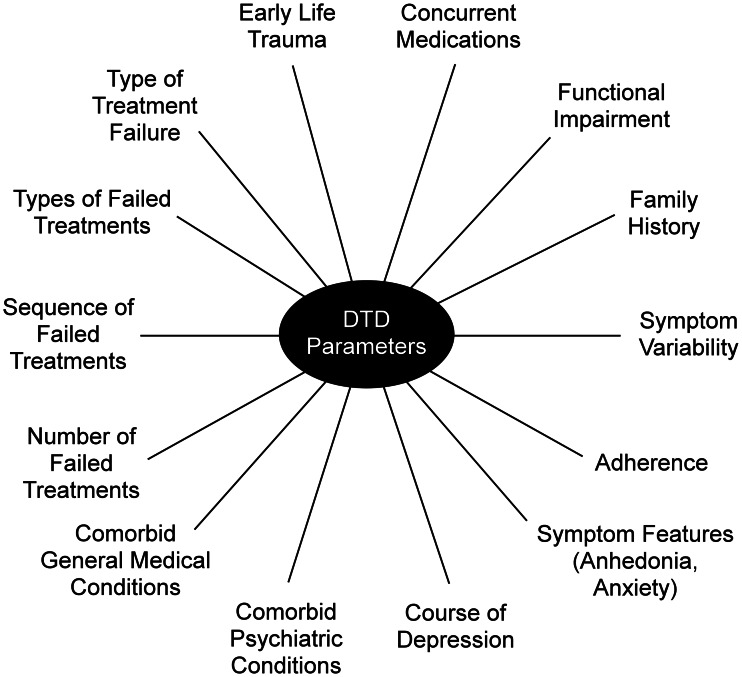
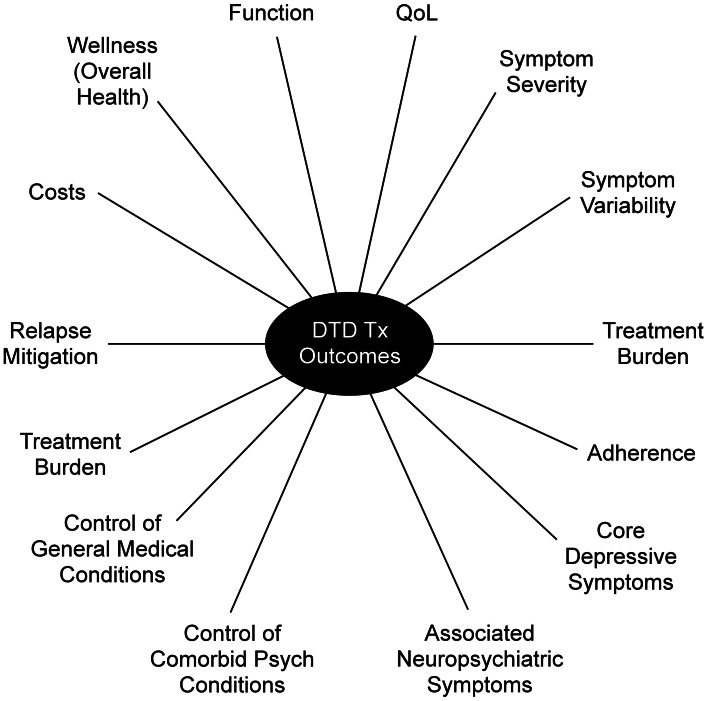
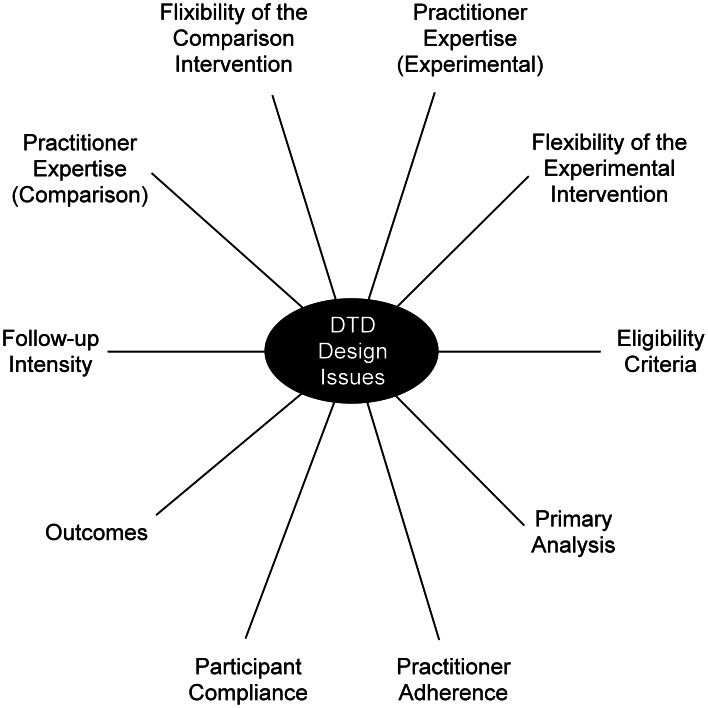
Approximately one-third of individuals in a major depressive episode will not achieve sustained remission despite multiple, well-delivered treatments. These patients experience prolonged suffering and disproportionately utilize mental and general health care resources. The recently proposed clinical heuristic of ‘difficult-to-treat depression’ (DTD) aims to broaden our understanding and focus attention on the identification, clinical management, treatment selection, and outcomes of such individuals. Clinical trial methodologies developed to detect short-term therapeutic effects in treatment-responsive populations may not be appropriate in DTD. This report reviews three essential challenges for clinical intervention research in DTD: (1) how to define and subtype this heterogeneous group of patients; (2) how, when, and by what methods to select, acquire, compile, and interpret clinically meaningful outcome metrics; and (3) how to choose among alternative clinical trial design options to promote causal inference and generalizability. The boundaries of DTD are uncertain, and an evidence-based taxonomy and reliable assessment tools are preconditions for clinical research and subtyping. Traditional outcome metrics in treatment-responsive depression may not apply to DTD, as they largely reflect the only short-term symptomatic change and do not incorporate durability of benefit, side effect burden, or sustained impact on quality of life or daily function. The trial methodology will also require modification as trials will likely be of longer duration to examine the sustained impact, raising complex issues regarding control group selection, blinding and its integrity, and concomitant treatments.
Overview
The claims and statistics of this paper haven’t been checked yet.
Free: it reads the open-access text and checks the first 5 claims that cite a source we can check. Create a free account to check every claim.
Integrity signals
Registry
Cites
Statistics
Figures
Verification
Claims the paper makes
The claims and statistics of this paper haven’t been checked yet.
Free: it reads the open-access text and checks the first 5 claims that cite a source we can check. Create a free account to check every claim.
Claims other papers make about this one
Each is checked against this paper’s own text: does it say what the citing paper says it does?
The cited source says what the claim attributes to it.
In the citing paper
“Instead, DTD is agnostic and rep resents a patient- centered and pragmatic ap proach to identifying therapeutic targets 84 .”
From Treatment‐resistant depression: definition, prevalence, detection, management, and investigational interventions (2023) · cites this paper as [84]
The check wasn’t confident either way, so it gives no verdict — never disputed.
In the citing paper
“A compelling case is made that TRD is potentially judgmental insofar as it may be interpreted as blaming the patient.”
From Treatment‐resistant depression: definition, prevalence, detection, management, and investigational interventions (2023) · cites this paper as [84]
Experimental — accuracy not yet measured
Self-check
Percentages, sums and reported differences re-computed from the paper’s own numbers.
The self-check needs the paper’s full text.
Citations
Cites
1 retracted
Hollon, S. D., DeRubeis, R. J., Fawcett, J., Amsterdam, J. D., Shelton, R. C., Zajecka, J., Young, P. R., & Gallop, R. (2014) · JAMA Psychiatry · doi:10.1001/jamapsychiatry.2014.1054 · Cited by 179 · cited 1×
“…the administration of sequential monotherapies and treatment combinations delivered in a ‘ try and try again ’ approach typically results in diminishing returns and may seem futile to the clinician and patient (DeRubeis et al., 2020; Dunner et al., 2006; Hollon et al., 2014; Rush et al., 2006b).”
Self-citationRetractedRush, A. J., Trivedi, M. H., Wisniewski, S. R., Nierenberg, A. A., Stewart, J. W., Warden, D., Niederehe, G., Thase, M. E., Lavori, P. W., Lebowitz, B. D., et al. (2006) · American Journal of Psychiatry · doi:10.1176/ajp.2006.163.11.1905 · Cited by 5,643 · cited 11×
“Indeed, our understanding of the nat-ural history of mood disorders, the phases of illness, and the phases of treatment (e.g. continuation or maintenance regimens) may not readily apply to DTD (Frank et al., 1991; Rush et al., 2006a).”
InfluentialSelf-citationWang, P. S., Lane, M., Olfson, M., Pincus, H. A., Wells, K. B., & Kessler, R. C. (2005) · Archives of General Psychiatry · doi:10.1001/archpsyc.62.6.629 · Cited by 2,695 · cited 1×
“…in high health costs that often persist for years (Amos et al., 2018; Benson, Szukis, Sheehan, Alphs, & Yuce, 2020; Greenberg, Corey-Lisle, Birnbaum, Marynchenko, & Claxton, 2004; Olfson, Amos, Benson, McRae, & Marcus, 2018; Sussman, O ’ Sullivan, Shah, Olfson, & Menzin, 2019; Wang et al., 2005).”
Mediators and Mechanisms of Change in Psychotherapy Research
Kazdin, A. E. (2007) · Annual Review of Clinical Psychology · doi:10.1146/annurev.clinpsy.3.022806.091432 · Cited by 2,504 · cited 1×
“…predictors based on moderator analyses); (2) estimating the likelihood of benefit of a single treatment (based on baseline features, i.e. prognostic predictors); and (3) identifying mediators of treatment outcome [i.e. processes deemed to be essential to achieving the benefit (Kazdin, 2007)].”
Fiske, A., Wetherell, J. L., & Gatz, M. (2009) · Annual Review of Clinical Psychology · doi:10.1146/annurev.clinpsy.032408.153621 · Cited by 2,353 · cited 1×
“Older depressed persons show a consistent tendency to under self-report symptom severity relative to observer measures (Fiske, Wetherell, & Gatz, 2009; Gallo, Anthony, & Muthén, 1994).”
Frank, E. (1991) · Archives of General Psychiatry · doi:10.1001/archpsyc.1991.01810330075011 · Cited by 1,959 · cited 2×
“Indeed, our understanding of the nat-ural history of mood disorders, the phases of illness, and the phases of treatment (e.g. continuation or maintenance regimens) may not readily apply to DTD (Frank et al., 1991; Rush et al., 2006a).”
O’Reardon, J. P., Solvason, H. B., Janicak, P. G., Sampson, S., Isenberg, K. E., Nahas, Z., McDonald, W. M., Avery, D., Fitzgerald, P. B., Loo, C., et al. (2007) · Biological Psychiatry · doi:10.1016/j.biopsych.2007.01.018 · Cited by 1,910 · cited 1×
“…often cap the number of failed prior treatment trials or the duration of the current episode precisely because greater treatment resistance or chronicity is expected to negatively impact therapeutic outcomes, limiting detection of a therapeutic signal (O ’ Reardon et al., 2007; Rush et al., 2005).”
Self-citationA pragmatic–explanatory continuum indicator summary (PRECIS): a tool to help trial designers
Thorpe, K. E., Zwarenstein, M., Oxman, A. D., Treweek, S., Furberg, C. D., Altman, D. G., Tunis, S., Bergel, E., Harvey, I., Magid, D. J., et al. (2009) · Journal of Clinical Epidemiology · doi:10.1016/j.jclinepi.2008.12.011 · Cited by 1,389
Significance of HbA1c Test in Diagnosis and Prognosis of Diabetic Patients
Sherwani, S. I., Khan, H. A., Ekhzaimy, A., Masood, A., & Sakharkar, M. K. (2016) · Biomarker Insights · doi:10.4137/bmi.s38440 · Cited by 1,381 · cited 1×
“It informs management decisions, and assessment of disease outcomes and complications (Sherwani, Khan, Ekhzaimy, Masood, & Sakharkar, 2016).”
Diagnosis and definition of treatment-resistant depression
Fava, M. (2003) · Biological Psychiatry · doi:10.1016/s0006-3223(03)00231-2 · Cited by 1,380 · cited 3×
“…treatments is not specified (e.g. two selective serotonin reuptake inhibitors (SSRIs) v. one SSRI followed by transcranial magnetic stimulation) (Fava, 2003b; Fekadu et al., 2009), and it is unlikely that all treatments are equivalent in their prognostic implications for insufficient or…”
Research works printed but not linked: 3
- Hofer, S. M., Thurvaldsson, V., & Piccinin, A. M. (2012). Foundational issues of design and measurement in developmental research. In B. Laursen, T. D. Little & N. A. Card (Eds.), Handbook of developmental research methods (pp. 3– 16). New York: Guilford Press.
- Thase, M. E., & Rush, A. J. (1995). Treatment-resistant depression. In F. Bloom & D. Kupfer (Eds.), Psychopharmacology: The fourth generation of progress (pp. 1081– 1098). New York: Raven.
- Agency for Healthcare Research and Policy (AHQR) (Sept 2011). Nonpharmacologic interventions for treatment-resistant depression in adults (comparative effectiveness review number 33). Rockville, MD: AHQR.
Cited by
McIntyre, R. S., Alsuwaidan, M., Baune, B. T., Berk, M., Demyttenaere, K., Goldberg, J. F., Gorwood, P., Ho, R., Kasper, S., Kennedy, S. H., et al. (2023) · World Psychiatry · doi:10.1002/wps.21120 · Cited by 836
Self-citationSingle-Dose Psilocybin Treatment for Major Depressive Disorder: A Randomized Clinical Trial
Raison, C. L., Sanacora, G., Woolley, J., Heinzerling, K., Dunlop, B. W., Brown, R. T., Kakar, R., Hassman, M., Trivedi, R. P., Robison, R., et al. (2023) · JAMA · doi:10.1001/jama.2023.14530 · Cited by 545
Jha, M. K., & Mathew, S. J. (2023) · American Journal of Psychiatry · doi:10.1176/appi.ajp.20230025 · Cited by 114
Domschke, K., Seuling, P. D., Schiele, M. A., Bandelow, B., Batelaan, N. M., Bokma, W. A., Branchi, I., Broich, K., Burkauskas, J., Davies, S. J. C., et al. (2024) · World Psychiatry · doi:10.1002/wps.21177 · Cited by 46
“However, the boundaries of “difficulttotreat” AD are uncertain, and an evidencebased taxonomy as well as reliable assessment tools beyond traditional outcome metrics remain to be established for this condition 89 .”
Self-citationStrawn, J. R., Mills, J. A., Suresh, V., Mayes, T. L., Gentry, M. T., Trivedi, M. H., & Croarkin, P. E. (2023) · Journal of Psychiatric Research · doi:10.1016/j.jpsychires.2023.01.043 · Cited by 50
Biological correlates of treatment resistant depression: a review of peripheral biomarkers
Mancuso, E., Sampogna, G., Boiano, A., Rocca, B. D., Vincenzo, M. D., Lapadula, M. V., Martinelli, F., Lucci, F., & Luciano, M. (2023) · Frontiers in Psychiatry · doi:10.3389/fpsyt.2023.1291176 · Cited by 50
Residual insomnia in major depressive disorder: a systematic review
Kwaśny, A., Włodarczyk, A., Dywel, A., Szarmach, J., Strandberg, O., & Cubała, W. J. (2023) · Frontiers in Psychiatry · doi:10.3389/fpsyt.2023.1190415 · Cited by 38
“The inconsistency in defining TRD and the heterogeneity of the study population poses a plethora of clinical and research challenges (15, 16).”
BackgroundPharmacotherapy for Treatment-Resistant Depression
Vas, C., Jain, A., Trivedi, M., Jha, M. K., & Mathew, S. J. (2023) · Psychiatric Clinics of North America · doi:10.1016/j.psc.2023.02.012 · Cited by 32
New directions in neurosteroid therapeutics in neuropsychiatry
Zorumski, C. F., Covey, D. F., Izumi, Y., Evers, A. S., Maguire, J. L., & Mennerick, S. J. (2025) · Neuroscience & Biobehavioral Reviews · doi:10.1016/j.neubiorev.2025.106119 · Cited by 30
Correll, C. U., Cortese, S., Solmi, M., Boldrini, T., Demyttenaere, K., Domschke, K., Fusar‐Poli, P., Gorwood, P. A. P. M., Harvey, P. D., Keefe, R. S. E., et al. (2025) · World Psychiatry · doi:10.1002/wps.21338 · Cited by 39
“In difficult- to-treat depression, more modest outcomes with respect to functioning may be satisfactory 134,135 .”
Self-citationThe Patient’s Perspective on the Effects of Intranasal Esketamine in Treatment-Resistant Depression
Pepe, M., Bartolucci, G., Marcelli, I., Pesaresi, F., Brugnami, A., Caso, R., Fischetti, A., Grisoni, F., Mazza, M., Camardese, G., et al. (2023) · Brain Sciences · doi:10.3390/brainsci13101494 · Cited by 28
Rush, A. J., Conway, C. R., Aaronson, S. T., George, M. S., Riva‐Posse, P., Dünner, D. L., Zajecka, J., Bunker, M. T., Quevedo, J., Allen, R. M., et al. (2024) · Brain stimulation · doi:10.1016/j.brs.2024.12.1187 · Cited by 27
“Taken together with Conway et al. [9], these findings are consistent with previous recommendations [5,10 – 12, 52] that in more chronic and This study has several limitations.”
Self-citationCosta, T., Menzat, B., Engelthaler, T., Fell, B., Franarin, T., Roque, G., Wei, Y., Zhang, X., & McAllister-Williams, R. H. (2022) · Journal of Psychopharmacology · doi:10.1177/02698811221090628 · Cited by 22
“This basic understanding is a fundamental initial step for the research, design and commission of clinical services for patients with DTD (Martin-Cook et al., 2021; Rush et al., 2022).”
BackgroundSelf-citationThe Downstaging Concept in Treatment-Resistant Depression: Spotlight on Ketamine
Wilkowska, A., & Cubała, W. J. (2022) · International Journal of Molecular Sciences · doi:10.3390/ijms232314605 · Cited by 22
Sackeïm, H. A., Aaronson, S. T., Carpenter, L. L., Hutton, T. M., Pages, K. P., Lucas, L., & Chen, B. (2024) · Brain stimulation · doi:10.1016/j.brs.2024.02.019 · Cited by 21
“Nonetheless, since attainment of remission is the often goal of acute antidepressant treatment [7], documenting our capacity to predict both this outcome and its absence would be of value.”
BackgroundSelf-citationLucido, M. J., & Dunlop, B. W. (2025) · Brain Sciences · doi:10.3390/brainsci15020161 · Cited by 25
“…of clinical trials’ results, include the limitations of short follow-up periods, which may yield uncertainty about the durability of benefits [257,258]; small sample sizes, particularly in relation to genetics, neuroscience, and biomarker research [225,259,260]; and the limited diversity of…”
Han, W., Wang, N., Han, M., Ban, M., Sun, T., & Xu, J. (2022) · Frontiers in Neuroscience · doi:10.3389/fnins.2022.1029495 · Cited by 21
“Although there has been a revolution regarding psychotropic treatments and psychotherapeutics in the last few decades, one-third of patients still do not achieve sustained remission during an MDD episode (Monroe and Harkness, 2022; Rush et al., 2022).”
BackgroundRole of GABAergic system in the comorbidity of pain and depression
Yang, S., Zhang, B., Wang, D., Hu, S.-W., Wang, W., Liu, C., Wu, Z., & Yang, C. (2023) · Brain Research Bulletin · doi:10.1016/j.brainresbull.2023.110691 · Cited by 20
“symptom remission after treatment (Rush et al., 2022).”
Xian, X., Fu, Y., Cao, S., & Niu, T. (2025) · Journal of Affective Disorders · doi:10.1016/j.jad.2025.119442 · Cited by 15
Sackeïm, H. A., Aaronson, S. T., Bunker, M. T., Conway, C. R., George, M. S., McAllister-Williams, H., Prudic, J., Thase, M. E., Young, A. H., & Rush, A. J. (2024) · Journal of Psychiatric Research · doi:10.1016/j.jpsychires.2024.05.046 · Cited by 17
Self-citationCause-specific mortality in treatment-resistant major depression: Population-based cohort study
Gustafsson, T. T., Taipale, H. T., Lähteenvuo, M., Tanskanen, A., Svirskis, T., Huoponen, S., & Tiihonen (2024) · Journal of Affective Disorders · doi:10.1016/j.jad.2024.09.064 · Cited by 19
Paganin, W. (2023) · European Psychiatry · doi:10.1192/j.eurpsy.2023.2448 · Cited by 16
“This spectrum encompasses complete responses, partial responses, and even nonre-sponses, shifting the treatment focus from a curative/remissive model to a disease management model that emphasizes enhancing functionality and quality of life, aiming for optimal symptom control[8,9].”
Sackeïm, H. A., Rush, A. J., Greco, T., Jiang, M., Badejo, S., Bunker, M. T., Aaronson, S. T., Conway, C. R., Demyttenaere, K., Young, A. H., et al. (2023) · Psychological Medicine · doi:10.1017/s0033291722003798 · Cited by 12
“The recently introduced heuristic of difficult-to-treat depression (DTD) is conceptually broader and applies to individuals who do not achieve or sustain remission regardless of cause (McAllister-Williams et al., 2020; Rush et al., 2022; Rush, Thase, & Dube, 2003a).”
Self-citationConway, C. R., Rush, A. J., Aaronson, S. T., Bunker, M. T., Gordon, C., George, M. S., Riva‐Posse, P., Allen, R. M., Nahas, Z. H., Kriedt, C. L., et al. (2026) · The International Journal of Neuropsychopharmacology · doi:10.1093/ijnp/pyaf080 · Cited by 13
“22 Traditionally, therapeutic trials in MDD examine change in depression symptom severity as the sole outcome domain to characterize short-term benefit and its consequent durability.”
Self-citationGenetics, epigenetics, and neurobiology of childhood-onset depression: an umbrella review
Singh, M. K., Gorelik, A. J., Stave, C. D., & Gotlib, I. H. (2023) · Molecular Psychiatry · doi:10.1038/s41380-023-02347-x · Cited by 18
“[31] A comprehensive assessment of all possible associations between an exhaustive list of risk factors and early-onset depression is neither feasible nor particularly clinically informative, especially in dif fi cult-to-treat depression [32].”
Barnhofer, T., Dunn, B. D., Strauss, C., Ruths, F. A., Barrett, B. M., Ryan, M. T., Ladwa, A., Stafford, F., Fichera, R., Baber, H., et al. (2025) · The Lancet Psychiatry · doi:10.1016/s2215-0366(25)00105-1 · Cited by 21
Self-citationLenze, E. J., Torous, J. B., & Areán, P. A. (2023) · Neuropsychopharmacology · doi:10.1038/s41386-023-01664-7 · Cited by 12
“A considerable proportion of those seeking treatment either receive little to no bene fi t in the example of treatment-refractory depression [2] or have residual disability due to illness domains (e.g., cognitive) that are untouched by existing medications in the example of schizophrenia [3].”
BackgroundAaronson, S. T., Sackeïm, H. A., Jiang, M., Badejo, S., Greco, T., Bunker, M. T., Conway, C. R., Demyttenaere, K., Young, A. H., McAllister-Williams, H., et al. (2023) · Australian & New Zealand Journal of Psychiatry · doi:10.1177/00048674231209837 · Cited by 10
“As they do not capture the state of the patient over time (McAllister-Williams et al., 2020; Rush et al., 2022), perhaps not surprisingly, SEP metrics uniformly produced weaker separation of the treatment groups than their respective INT metrics.”
BackgroundResultSelf-citationCBT for difficult-to-treat depression: self-regulation model
Barton, S. B., Armstrong, P. V., Robinson, L. J., & Bromley, E. H. C. (2023) · Behavioural and Cognitive Psychotherapy · doi:10.1017/s1352465822000273 · Cited by 13
“They are sometimes described as clinically complex, treatment-resistant, or, more recently, difficult-to-treat has been proposed as a better way to describe their depression, at least with respect to current treatments (McAllister-Williams et al ., 2020; Rush et al ., 2022).”
Statins in depression: a repurposed medical treatment can provide novel insights in mental health
Giorgi, R. D., Cowen, P. J., & Harmer, C. J. (2022) · International Review of Psychiatry · doi:10.1080/09540261.2022.2113369 · Cited by 10
A revisionist model for treatment-resistant and difficult-to-treat depression
Parker, G. B. (2024) · Australian & New Zealand Journal of Psychiatry · doi:10.1177/00048674241240600 · Cited by 8
Sackeïm, H. A., Conway, C. R., Aaronson, S. T., Bunker, M. T., Gordon, C., Lee, Y.-C. (., Shy, O., Majewski, S., Tran, Q., & Rush, A. J. (2025) · Journal of Affective Disorders · doi:10.1016/j.jad.2025.03.124 · Cited by 8
Self-citationCho, C.-Y., Jeon, J. H., Kang, H., Kim, J., Jhon, M., Lee, J., Kim, S., Shin, I.-S., & Kim, J.-M. (2025) · European Neuropsychopharmacology · doi:10.1016/j.euroneuro.2025.03.004 · Cited by 8
Rush, A. J., Gore‐Langton, R. E., Bart, G. B., Bradley, K. A., Campbell, C. I., McKay, J. R., Oslin, D. W., Saxon, A. J., Winhusen, T. M., Wu, L.-T. T., et al. (2024) · Addiction Science & Clinical Practice · doi:10.1186/s13722-024-00446-w · Cited by 8
Self-citationRethinking treatment-resistant depression to quasi-tenacious depression
Arjmand, S., Grassi‐Oliveira, R., & Wegener, G. (2023) · European Psychiatry · doi:10.1192/j.eurpsy.2022.2353 · Cited by 8
“Moreover, the definition of TRD has relied on having at least two failed treatment responses (considering adequate dosing and optimal time course), which is a rich source of controversies and active debates [4, 8] (in Box 1 we have raised some questions that subsume several drawbacks of this terminology).”
BackgroundLi, G., Huang, B., Wang, Y., Zhou, B., Hu, F., & Wang, L. (2025) · Journal of Affective Disorders · doi:10.1016/j.jad.2025.120424 · Cited by 9
Gao, F., Jia, S., Yin, S., Yin, Z., Guan, W., Ding, F., Wang, X., & Wan, P. (2025) · BMC Psychiatry · doi:10.1186/s12888-025-07310-4 · Cited by 5
“While pharmacotherapy remains a cornerstone of depression management, its therapeutic efficacy is constrained, with response rates of 60–80% and remission rates as low as 30% [19].”
Bridging early life trauma to difficult-to-treat depression: scoping review
Paganin, W., Signorini, S. G., & Sciarretta, A. (2024) · BJPsych Bulletin · doi:10.1192/bjb.2024.75 · Cited by 7
“Subsequently, Rush et al 18 listed a series of considerations regarding the concept of TRD.”
Ploppert, E., Jacob, J. C., Deutsch, A., Watanabe, S., Gillenwater, K., Choe, A., Cruz, G. B., Cabañas, E., Vasquez, M. A., Ayaz, Z., et al. (2022) · Neuroscience · doi:10.1016/j.neuroscience.2022.08.002 · Cited by 5
The profile of symptom change with transcranial magnetic stimulation for major depressive disorder
Hutton, T. M., Aaronson, S. T., Carpenter, L. L., Pages, K. P., Rush, A. J., & Sackeïm, H. A. (2024) · Transcranial magnetic stimulation . · doi:10.1016/j.transm.2024.100074 · Cited by 10
Self-citationConway, C. R., Rush, A. J., Gordon, C., Preskorn, S., Sackeïm, H. A., Aaronson, S. T., McIntyre, R. S., Lee, Y.-C. (., Shy, O., Tran, Q., et al. (2025) · Journal of Mood and Anxiety Disorders · doi:10.1016/j.xjmad.2025.100121 · Cited by 6
Self-citationMulti-omics analysis reveals the mechanism of action of Atractylodin against depression
Bao, S., Feng, M., Zhang, X., Xie, M., & Jing, T. (2025) · Journal of Natural Medicines · doi:10.1007/s11418-025-01930-6 · Cited by 4
“However, challenges such as unclear disease subtypes, a lack of biomarkers, and significant drug side effects still hinder breakthroughs in diagnosis and treatment [5–7].”
Paganin, W. (2024) · Frontiers in Psychiatry · doi:10.3389/fpsyt.2024.1484440 · Cited by 7
“…with the course of depressive disorder, such as psychiatric and medical comorbidities, the presence of childhood trauma, symptom variability — particularly anhedonia and anxiety — concurrent substance abuse, the use of various failed therapeutic strategies, family history, and adherence issues (5).”
Støier, J. F., Jørgensen, T. N., Sparsø, T., Rasmussen, H. B., Kumar, V., Newman, A. H., Blakely, R., Werge, T. M., Gether, U., & Herborg, F. (2023) · medRxiv · doi:10.1101/2023.08.29.23294386 · Cited by 5
Hlynsson, J. I., Kristjánsson, T., Andersson, G., & Carlbring, P. (2025) · Frontiers in Psychology · doi:10.3389/fpsyg.2025.1568141 · Cited by 5
Sociodemographic and clinical characteristics of suspected difficult-to-treat depression
Murao, M., Matsumoto, Y., Kurihara, M., Oe, Y., Nagashima, I., Hayasaka, T., Tsuboi, T., Watanabe, K., & Sakurai, H. (2024) · Frontiers in Psychiatry · doi:10.3389/fpsyt.2024.1371242 · Cited by 4
Echterhoff, J., Kriston, L., Klein, J. P., Härter, M. C., Schramm, E., & Schumacher, L. (2024) · Psychotherapy Research · doi:10.1080/10503307.2024.2320349 · Cited by 3
“Several studies indicated that treatment response to standard forms of psychotherapy was poorer in patients with PDD compared to patients with non-chronic forms of depression (Jobst et al., 2016; Rush et al., 2022; Schramm et al., 2011).”
Paetow, R., & Frodl, T. (2024) · Der Nervenarzt · doi:10.1007/s00115-024-01756-9 · Cited by 4
Regulatory Complexities in MDSAP: Challenges and Pathways for Implantable Medical Device Approval
Kumbhar, S. T., Khadtare, S., Zoman, S., Rane, D., Patel, V. P., & Bhinge, S. (2025) · Biomedical Materials & Devices · doi:10.1007/s44174-025-00367-5 · Cited by 6
CBT for difficult-to-treat depression: single complex case
Barton, S. B., Armstrong, P. V., Holland, S., & Tyson-Adams, H. (2022) · The Cognitive Behaviour Therapist · doi:10.1017/s1754470x22000319 · Cited by 4
Zakaria, M. A. B., Hui, K. O., Subramaniam, H., Mat Rosly, M. B., Gill, J. S., En, L. Y., Sheng, Y. Z., Wong Joon Ip, J., Shanmugam, H., Soon Ken, C., et al. (2025) · Medicina · doi:10.3390/medicina61081404 · Cited by 3
Rush, A. J., Sackeïm, H. A., Lee, Y.-C. (., Conway, C. R., Aaronson, S. T., Bunker, M. T., Quevedo, J., Alva, G., & Carmody, T. (2026) · Journal of Affective Disorders · doi:10.1016/j.jad.2026.121447 · Cited by 4
Self-citationArshad, I., Naseem, S., Mussarat, M., Zanib, A., Al-Otaibi, S. T., Yousif, A., Mahmood, T., & Khan, A. R. (2026) · International Journal of Computational Intelligence Systems · doi:10.1007/s44196-026-01225-y · Cited by 2
“Rush et al. [13 ] underscored the broadening opportunities of the computational and clinical research models to deal with the challenging-to-treat depression, which contributes to the inclusion of digital data sources to assist with the initial diagnosis and ongoing measurement.”
Tabarraei, M., Jabbari, S., Abdi, M., Dadashi, M., & Salehinejad, M. A. (2026) · Journal of Affective Disorders · doi:10.1016/j.jad.2026.121595 · Cited by 2
Conway, C. R., Sackeïm, H. A., Rush, A. J., Bunker, M. T., Gordon, C., Kriedt, C. L., & Aaronson, S. T. (2026) · American Journal of Psychiatry · doi:10.1176/appi.ajp.20251339 · Cited by 2
Self-citationTreatment‐resistant depression: where to find hope?
Souery, D. (2023) · World Psychiatry · doi:10.1002/wps.21141 · Cited by 2
Pittman, R. D., Sutton, S. S., Magagnoli, J., & Cummings, T. H. (2025) · Journal of Comparative Effectiveness Research · doi:10.57264/cer-2024-0187 · Cited by 2
“Clinical trials evaluating the treatment of depression often include observation periods of 6–12 weeks long, and patients with significant comorbidities and of older ages have been excluded from select studies [15 , 16] .”
Perspectives on Personalized Treatment in Difficult‐to‐Treat Depression: A Case Report
Paganin, W., & Signorini, S. (2025) · Case Reports in Psychiatry · doi:10.1155/crps/5538951 · Cited by 4
“F i n a ll y , e v a l u a t i n g w h e t h e r r e f e rr a l t o a h i g h l y s p ec i a l i ze d s e r v i ce i s w a rr a n t e d m a y b e a c r i t i c a l s t e p f o r s o m e p a t i e n t s [ 4 , 9 , 10 ] .”
InfluentialScherb, E. D., & Kerman, B. (2023) · Journal of Clinical Psychology · doi:10.1002/jclp.23507 · Cited by 2
Philip, N. S., & Brunoni, A. R. (2025) · Brain stimulation · doi:10.1016/j.brs.2025.03.001 · Cited by 2
“This report should remind the field that the simple heuristic of a trial being “ positive ” or “ negative ” is an oversimplification that may be a poor fit when evaluating treatments for chronic and highly treatment-resistant psychiatric illnesses [13].”
Rangavajhula, K., Muraleedharan, A., Adaralegbe, N., Clark, F., Nagar, A., Osazuwa‐Peters, N., Babatunde, O. A., & Boakye, E. A. (2025) · Social Psychiatry and Psychiatric Epidemiology · doi:10.1007/s00127-025-03014-y · Cited by 1
“Our findings could help identify target groups for intervention or provide a level of clarity to the challenges in classifying difficult-to-treat depression, as out - lined by Rush et al. [41 ].”
Impact of difficult-to-treat depression for patients and society: a real-world study
Benavente, S., Parra, A., López‐Castromán, J., Conejero, I., Alonso-Torres, P., López, T. C., Arteaga, P. C., & Baca‐García, E. (2025) · Frontiers in Psychiatry · doi:10.3389/fpsyt.2025.1702137 · Cited by 1
Treatment-resistant depression: time to rethink current definitions and clinical practice
Paganin, W. (2026) · Frontiers in Psychiatry · doi:10.3389/fpsyt.2025.1733678 · Cited by 3
“…between the Maudsley and Thase – Rush classi fi cations for “ severe TRD ” is only 60 – 70%, with limited predictive validity for functional or quality-of-life outcomes (3, 19, 28, 29), Most frameworks remain pharmacocentric, overlooking adherence, psychotherapy, and psychosocial determinants.”
Precision psychiatry in depression via mechanism based stratification and therapy
Wang, M., Jiang, Y., Wu, C., Liao, J., Zhou, B., Yuan, Y., & Sun, J. (2026) · Targetome · doi:10.48130/targetome-0026-0014 · Cited by 3
Moser, M., Barrett, A., Woll-Weber, C. F. J., Fonagy, P., Luyten, P., & Campbell, C. (2026) · Depression and Anxiety · doi:10.1155/da/6172409 · Cited by 1
“…clinical evidence highlights that a substantial subset of patients, variously labeled as “ treatment resistant ” [12], “ dif fi cult to treat ” [13], or having “ complex depression ” [14], frequently exhibit comorbidity with other psychiatric disorders, notably anxiety [15, 16] and personality…”
Tracy, D. K., Joyce, D. W., Albertson, D. N., & Shergill, S. S. (2022) · The British Journal of Psychiatry · doi:10.1192/bjp.2022.45 · Cited by 1
Difficult-to-Treat Depression and the Role of Vagus Nerve Stimulation
McAllister-Williams, H., & Costa, T. (2022) · Psychiatric Annals · doi:10.3928/00485713-20220622-01 · Cited by 1
Schreyer, L., Kalocsai, C., Fernando, O., Anderson, M., Lockwood, V., Soklaridis, S., Remington, G. J., Chintoh, A. F., & Berkhout, S. (2024) · SSM - Mental Health · doi:10.1016/j.ssmmh.2024.100350 · Cited by 1
Marcatili, M., Borgonovo, R., Cimminiello, N., Cornaggia, R. D., Casati, G., Pellicioli, C., Maggioni, L., Motta, F. L., Chiara, R., Ledda, L., et al. (2022) · Journal of Personalized Medicine · doi:10.3390/jpm12091524 · Cited by 2
Teamwork solutions for complex problems in psychotherapy: A systems thinking‐based commentary
Botella, L., Scherb, E. D., & Montesano, A. (2023) · Journal of Clinical Psychology · doi:10.1002/jclp.23529
Schoeller, F., Jain, A., Dumitrescu, A., Johnson, M. A., Maes, P., & Reggente, N. (2024) · doi:10.2196/preprints.57317
Maier, H. B., Borchert, A., Neyazi, A., Moschny, N., Schülke, R., Bundies, G. L., Folsche, T., Gaspert, A., Seifert, J., Bleich, S., et al. (2024) · Pharmacopsychiatry · doi:10.1055/a-2292-1438
“This condition is estimated to affect 15–25 % of all patients with MDD [6].”
BackgroundThe role of neuroplasticity in the etiology and treatment of depressive disorders
Konstantinović, I., & Trandafilović, M. (2023) · AFMN Biomedicine · doi:10.5937/afmnai41-48899
Difficult-to-Treat Anxiety: A Neurocomputational Framework
Paulus, M. P., & Stein, M. B. (2025) · Biological Psychiatry Cognitive Neuroscience and Neuroimaging · doi:10.1016/j.bpsc.2025.03.008 · Cited by 1
Barnhofer, T., Niemi, M., Michalak, J., Velana, M., Williams, J. M., Chiesa, A., Eisendrath, S. J., Delucchi, K., Segal, Z. V., Cladder-Micus, M. B., et al. (2025) · medRxiv · doi:10.1101/2025.06.09.25329249
Yan, J., Jia, L., Liu, M., Qin, F., GuangYuan, L. I. U., & Wen, W. (2025) · IEEE Transactions on Computational Social Systems · doi:10.1109/tcss.2025.3636524
“Furthermore, the conventional pharmacological treatments for depression often entail common side effects, and even over one-third of individuals with major depressive disorder (MDD) fail to attain sustained symptom remission after undergoing several treat-ment trials [4].”
Reneses, B., García-Huéscar, M., Argudo, I., Machín, M., Bravo, G., Saz, M., Zamarro, M. L., Díaz‐Marsá, M., & Fraguas, D. (2026) · Journal of Affective Disorders · doi:10.1016/j.jad.2025.121128
Kim, Y.-C., Kang, S.-G., Kim, J.-W., Kang, H.-J., Jhon, M., Lee, J.-Y., Kim, S.-W., Shin, I.-S., & Kim, J. (2026) · Scientific Reports · doi:10.1038/s41598-026-35097-1 · Cited by 1
Afridi, M. F., Zakki, S. A., Rafiullah, R., & Haq, I. U. (2026) · Pharmacotherapy The Journal of Human Pharmacology and Drug Therapy · doi:10.1002/phar.70098
“Some patients attain complete remission, but a substantial proportion of patients either do not or only partially respond to anti-depressant therapy [7].”
Li, X., Li, X., Li, Y., Liu, Z., Cai, Y., Yao, Q., Zhao, S., & Yu, Q. (2026) · Frontiers in Nutrition · doi:10.3389/fnut.2026.1762061 · Cited by 5
“Despite considerable progress in the field of psychopharmacology, traditional antidepressant therapies persistently exhibit significant shortcomings, such as delayed therapeutic onset, suboptimal rates of remission, elevated instances of partial response, and adverse side-effect profiles (2, 3).”
Faimann, P. G., Harrison, B. J., Davey, C. G., Steward, T., & Jamieson, A. J. (2026) · Biological Psychiatry Cognitive Neuroscience and Neuroimaging · doi:10.1016/j.bpsc.2026.05.010
Paribello, P., Isayeva, U., Lazzardi, S., Pinna, M. A., Contu, M., Meloni, A., Pisanu, C., Squassina, A., Baune, B. T., & Manchia, M. (2026) · Frontiers in Pharmacology · doi:10.3389/fphar.2026.1819237
Divergent effects of interleukin-6 and ghrelin on remission and relapse in depression treatment
Kim, J., Kang, H., Kim, J., Jhon, M., Lee, J.-Y., Kim, S., & Shin, I. (2026) · The International Journal of Neuropsychopharmacology · doi:10.1093/ijnp/pyag032
Barnhofer, T., Dunn, B. D., Strauss, C., Ruths, F. A., Ryan, M. T., Ladwa, A., Stafford, F., Fichera, R., Metcalfe, I., Young, A. H., et al. (2026) · Psychological Medicine · doi:10.1017/s0033291726105212
“Such presentations, increasingly conceptualized as difficult-to-treat depression (DTD), are associated with substantial functional impairment, high levels of service use, and ongoing clinical risk (McAllister-Williams et al., 2020; Rush et al., 2022).”
Self-citationSong, Y., Yang, J., & Xiao, F. (2026) · Frontiers in Psychiatry · doi:10.3389/fpsyt.2026.1776230
“…that depend solely upon either pharmacological interventions or psychotherapeutic approaches frequently inadequately address the multidimensional characteristics of depression (27), especially in individuals exhibiting partial responses, residual symptomatology, or resistance to treatment.”
Conway, C. R., Aaronson, S. T., Rush, A. J., Lee, Y.-C. (., Gordon, C., Shy, O., Bunker, M. T., Riva‐Posse, P., George, M. S., Zajecka, J., et al. (2026) · medRxiv · doi:10.64898/2026.07.31.26358854
Self-citationForand, N. R., Nettiksimmons, J., Hardy, C., Anton, M. T., & Green, B. (2026) · Frontiers in Psychology · doi:10.3389/fpsyg.2026.1816893
“Our findings are consistent with previous studies on chronic pain (Williams et al., 2021), comorbid anxiety (Coplan et al., 2015), poor self-rated health (Sato et al., 2013), and diagnostic complexity (Rush et al., 2022).”
Mohammed, H. S. Z., Ghoneim, M. T., Ghareeb, D. A., Masoud, A. A., & Shams, S. S. (2026) · Naunyn-Schmiedeberg s Archives of Pharmacology · doi:10.1007/s00210-026-05831-7
Schoeller, F., Jain, A., Dumitrescu, A., Johnson, M., Maes, P., & Reggente, N. (2024) · JMIR AI · doi:10.2196/57317
Metadata
- Authors
- Rush, A. J., Sackeim, H. A., Conway, C. R., Bunker, M. T., Hollon, S. D., Demyttenaere, K., Young, A. H., Aaronson, S. T., Dibué, M., Thase, M. E., & McAllister-Williams, R. H.
- Affiliations
- Texas Tech University (US)
- Columbia University (US)
- Washington University in St. Louis (US)
- LivaNova (United States) (US)
- Vanderbilt University (US)
- KU Leuven (BE)
- King's College London (GB)
- Sheppard and Enoch Pratt Hospital (US)
- Heinrich Heine University Düsseldorf (DE)
- University of Pennsylvania (US)
- Cumbria Northumberland Tyne and Wear NHS Foundation Trust (GB)
- Corresponding author
- Rush, A. John
- Venue
- Psychological Medicine
- Publisher
- Cambridge University Press (CUP)
- Published
- 2022-01-07
- Volume
- 52
- Issue
- 3
- Pages
- 419-432
- ISSN
- 0033-2917 (ISSN-L)
- 1469-8978
- PMC
- PMC8883824
- OpenAlex
- W4205450793
- Semantic Scholar
- 909420869c621e75872adb16ddaab0d4cb0b22f8
- Cited by
- 89
- References
- 105
- Citations by year
- 2026: 19 · 2025: 23 · 2024: 17 · 2023: 21 · 2022: 9
- FWCI
- 2.51
- Type
- journal article
- Language
- en
- Open access
- hybrid
- doi.org
- Locations
- Psychological Medicine (publishedVersion, cc-by)
- PubMed Central (publishedVersion, cc-by)
- PubMed (publishedVersion)
- Lirias (KU Leuven) (submittedVersion, other-oa)
- Newcastle University ePrints (Newcastle Univesity) (cc-by)
- Funders
- American Foundation for Suicide Prevention
- Bristol-Myers Squibb
- Eli Lilly and Company
- Pfizer
- Patient-Centered Outcomes Research Institute
- Stanley Medical Research Institute
- Foundation for Barnes-Jewish Hospital
- University of Texas Southwestern Medical Center
- Sunovion
- Jazz Pharmaceuticals
- LivaNova
- Neurocrine Biosciences
- Sage Therapeutics
- Assurex Health
- National Institute for Health and Care Research (NIHR202380)
- University of Oxford
- Otsuka Pharmaceutical
- European College of Neuropsychopharmacology
- Servier
- H. Lundbeck A/S
- Allergan
- National Institute of Mental Health
- Taylor Family Institute for Innovative Psychiatric Research, Washington University School of Medicine in St. Louis
- Topics
- Health Sciences › Medicine › Pharmacology (medical) › Treatment of Major Depression
- Social Sciences › Psychology › Experimental and Cognitive Psychology › Anxiety, Depression, Psychometrics, Treatment, Cognitive Processes
- Physical Sciences › Mathematics › Statistics and Probability › Statistical Methods in Clinical Trials
- Keywords
- difficult-to-treat depression, treatment-resistant depression, major depressive disorder, clinical trial design, outcome measures, patient subtyping, quality of life, blinding, control group selection, concomitant treatment, causal inference
- MeSH terms
- Depression, Major Depressive Disorder, Humans, Quality of Life, Treatment Outcome, Uncertainty
About these checks
Registry, retraction, Cites and statistics results are computed, not judged, with one exception: a printed reference that no index lists is read once by a model before it counts as a citation error. Claims are extracted by a model and kept only when their quote appears verbatim in the text; each cited source is then checked, with a model’s help, for whether it says what the claim relies on. Those verdicts can be wrong — read the claim’s quote and the cited source before relying on one.
Statistics and arithmetic are recomputed, not judged.
Confidence bands are shown only for fields calibrated on our annotated test set. None is calibrated yet, so no band is shown.
What counts as a claim ›How we measure confidence ›How we check this ›
Are you an author, or do you see a problem with this page? Request a review
Data sources
Bibliographic data: Semantic Scholar, OpenAlex, Crossref.
Contains information from the Semantic Scholar Academic Graph Datasets, made available under the ODC Attribution License (ODC-BY 1.0).
Semantic Scholar’s data is described in: Kinney, R., et al. (2023). The Semantic Scholar Open Data Platform. arXiv:2301.10140.
