

Clinical research challenges posed by difficult-to-treat depression.
Open accessThe DOI matches its Crossref record; 107 of the 108 references it cites were found in a registry or an index, and 1 are not checked yet.
Abstract
Approximately one-third of individuals in a major depressive episode will not achieve sustained remission despite multiple, well-delivered treatments. These patients experience prolonged suffering and disproportionately utilize mental and general health care resources. The recently proposed clinical heuristic of ‘difficult-to-treat depression’ (DTD) aims to broaden our understanding and focus attention on the identification, clinical management, treatment selection, and outcomes of such individuals. Clinical trial methodologies developed to detect short-term therapeutic effects in treatment-responsive populations may not be appropriate in DTD. This report reviews three essential challenges for clinical intervention research in DTD: (1) how to define and subtype this heterogeneous group of patients; (2) how, when, and by what methods to select, acquire, compile, and interpret clinically meaningful outcome metrics; and (3) how to choose among alternative clinical trial design options to promote causal inference and generalizability. The boundaries of DTD are uncertain, and an evidence-based taxonomy and reliable assessment tools are preconditions for clinical research and subtyping. Traditional outcome metrics in treatment-responsive depression may not apply to DTD, as they largely reflect the only short-term symptomatic change and do not incorporate durability of benefit, side effect burden, or sustained impact on quality of life or daily function. The trial methodology will also require modification as trials will likely be of longer duration to examine the sustained impact, raising complex issues regarding control group selection, blinding and its integrity, and concomitant treatments.
Overview
The claims and statistics of this paper haven’t been checked yet.
Free: it reads the open-access text and checks the first 5 claims that cite a source we can check. Create a free account to check every claim.
Integrity signals
Registry
Cites
Statistics
Figures
Verification
Claims the paper makes
The claims and statistics of this paper haven’t been checked yet.
Free: it reads the open-access text and checks the first 5 claims that cite a source we can check. Create a free account to check every claim.
Claims other papers make about this one
Each is checked against this paper’s own text: does it say what the citing paper says it does?
The cited source says what the claim attributes to it.
In the citing paper
“Instead, DTD is agnostic and rep resents a patient- centered and pragmatic ap proach to identifying therapeutic targets 84 .”
From Treatment‐resistant depression: definition, prevalence, detection, management, and investigational interventions (2023) · cites this paper as [84]
The check wasn’t confident either way, so it gives no verdict — never disputed.
In the citing paper
“A compelling case is made that TRD is potentially judgmental insofar as it may be interpreted as blaming the patient.”
From Treatment‐resistant depression: definition, prevalence, detection, management, and investigational interventions (2023) · cites this paper as [84]
Experimental — accuracy not yet measured
Self-check
Percentages, sums and reported differences re-computed from the paper’s own numbers.
The self-check needs the paper’s full text.
Citations
Cites
1 retracted
Hollon, S. D., DeRubeis, R. J., Fawcett, J., Amsterdam, J. D., Shelton, R. C., Zajecka, J., Young, P. R., & Gallop, R. (2014) · JAMA Psychiatry · doi:10.1001/jamapsychiatry.2014.1054 · Cited by 179 · cited 1×
“…the administration of sequential monotherapies and treatment combinations delivered in a ‘ try and try again ’ approach typically results in diminishing returns and may seem futile to the clinician and patient (DeRubeis et al., 2020; Dunner et al., 2006; Hollon et al., 2014; Rush et al., 2006b).”
Self-citationRetractedRush, A. J., Trivedi, M. H., Wisniewski, S. R., Nierenberg, A. A., Stewart, J. W., Warden, D., Niederehe, G., Thase, M. E., Lavori, P. W., Lebowitz, B. D., et al. (2006) · American Journal of Psychiatry · doi:10.1176/ajp.2006.163.11.1905 · Cited by 5,643 · cited 11×
“Indeed, our understanding of the nat-ural history of mood disorders, the phases of illness, and the phases of treatment (e.g. continuation or maintenance regimens) may not readily apply to DTD (Frank et al., 1991; Rush et al., 2006a).”
InfluentialSelf-citationWang, P. S., Lane, M., Olfson, M., Pincus, H. A., Wells, K. B., & Kessler, R. C. (2005) · Archives of General Psychiatry · doi:10.1001/archpsyc.62.6.629 · Cited by 2,695 · cited 1×
“…in high health costs that often persist for years (Amos et al., 2018; Benson, Szukis, Sheehan, Alphs, & Yuce, 2020; Greenberg, Corey-Lisle, Birnbaum, Marynchenko, & Claxton, 2004; Olfson, Amos, Benson, McRae, & Marcus, 2018; Sussman, O ’ Sullivan, Shah, Olfson, & Menzin, 2019; Wang et al., 2005).”
Mediators and Mechanisms of Change in Psychotherapy Research
Kazdin, A. E. (2007) · Annual Review of Clinical Psychology · doi:10.1146/annurev.clinpsy.3.022806.091432 · Cited by 2,504 · cited 1×
“…predictors based on moderator analyses); (2) estimating the likelihood of benefit of a single treatment (based on baseline features, i.e. prognostic predictors); and (3) identifying mediators of treatment outcome [i.e. processes deemed to be essential to achieving the benefit (Kazdin, 2007)].”
Fiske, A., Wetherell, J. L., & Gatz, M. (2009) · Annual Review of Clinical Psychology · doi:10.1146/annurev.clinpsy.032408.153621 · Cited by 2,353 · cited 1×
“Older depressed persons show a consistent tendency to under self-report symptom severity relative to observer measures (Fiske, Wetherell, & Gatz, 2009; Gallo, Anthony, & Muthén, 1994).”
Frank, E. (1991) · Archives of General Psychiatry · doi:10.1001/archpsyc.1991.01810330075011 · Cited by 1,959 · cited 2×
“Indeed, our understanding of the nat-ural history of mood disorders, the phases of illness, and the phases of treatment (e.g. continuation or maintenance regimens) may not readily apply to DTD (Frank et al., 1991; Rush et al., 2006a).”
O’Reardon, J. P., Solvason, H. B., Janicak, P. G., Sampson, S., Isenberg, K. E., Nahas, Z., McDonald, W. M., Avery, D., Fitzgerald, P. B., Loo, C., et al. (2007) · Biological Psychiatry · doi:10.1016/j.biopsych.2007.01.018 · Cited by 1,910 · cited 1×
“…often cap the number of failed prior treatment trials or the duration of the current episode precisely because greater treatment resistance or chronicity is expected to negatively impact therapeutic outcomes, limiting detection of a therapeutic signal (O ’ Reardon et al., 2007; Rush et al., 2005).”
Self-citationA pragmatic–explanatory continuum indicator summary (PRECIS): a tool to help trial designers
Thorpe, K. E., Zwarenstein, M., Oxman, A. D., Treweek, S., Furberg, C. D., Altman, D. G., Tunis, S., Bergel, E., Harvey, I., Magid, D. J., et al. (2009) · Journal of Clinical Epidemiology · doi:10.1016/j.jclinepi.2008.12.011 · Cited by 1,389
Significance of HbA1c Test in Diagnosis and Prognosis of Diabetic Patients
Sherwani, S. I., Khan, H. A., Ekhzaimy, A., Masood, A., & Sakharkar, M. K. (2016) · Biomarker Insights · doi:10.4137/bmi.s38440 · Cited by 1,381 · cited 1×
“It informs management decisions, and assessment of disease outcomes and complications (Sherwani, Khan, Ekhzaimy, Masood, & Sakharkar, 2016).”
Diagnosis and definition of treatment-resistant depression
Fava, M. (2003) · Biological Psychiatry · doi:10.1016/s0006-3223(03)00231-2 · Cited by 1,380 · cited 3×
“…treatments is not specified (e.g. two selective serotonin reuptake inhibitors (SSRIs) v. one SSRI followed by transcranial magnetic stimulation) (Fava, 2003b; Fekadu et al., 2009), and it is unlikely that all treatments are equivalent in their prognostic implications for insufficient or…”
Diagnosis and complications of Cushing’s syndrome: a consensus statement
Arnaldi, G., Angeli, A., Atkinson, A. B., Bertagna, X., Cavagnini, F., Chrousos, G. P., Fava, G. A., Findling, J. W., Gaillard, R. C., Grossman, A. B., et al. (2003) · The Journal of Clinical Endocrinology & Metabolism · doi:10.1210/jc.2003-030871 · Cited by 1,362 · cited 1×
“For example, depression may be a manifestation of undiagnosed endocrine disorders [e.g. hypothyroidism (Duntas & Maillis, 2013; Hage & Azar, 2012) or Cushing ’ s syndrome (Arnaldi et al., 2003; Pivonello et al., 2016; Sonino, Fava, Raffi, Boscaro, & Fallo, 1998)].”
Sequenced treatment alternatives to relieve depression (STAR*D): Rationale and design
Rush, A. J., Fava, M., Wisniewski, S. R., Lavori, P. W., Trivedi, M. H., Sackeim, H. A., Thase, M. E., Nierenberg, A. A., Quitkin, F. M., Kashner, T. M., et al. (2004) · Controlled Clinical Trials · doi:10.1016/s0197-2456(03)00112-0 · Cited by 1,076 · cited 2×
“This expectational shift became apparent as intervention research moved to real-world patients with broader inclusion and fewer exclusion criteria, and as treatment delivery became less controlled (Bauer et al., 2009; Rush et al., 2004; Uher et al., 2012).”
Self-citationCuijpers, P., Berking, M., Andersson, G., Quigley, L., Kleiboer, A., & Dobson, K. S. (2013) · The Canadian Journal of Psychiatry · doi:10.1177/070674371305800702 · Cited by 1,066 · cited 1×
“…following initial improvement, the durability of benefit is a key consideration in evaluating the therapeutic effects in DTD (Jelovac, Kolshus, & McLoughlin, 2013; Rush et al., 2006b; Sackeim et al., 2007) and considering the relative merits of alternative interventions (Cuijpers et al., 2013).”
Medication Augmentation after the Failure of SSRIs for Depression
Trivedi, M. H., Fava, M., Wisniewski, S. R., Thase, M. E., Quitkin, F., Warden, D., Ritz, L., Nierenberg, A. A., Lebowitz, B. D., Biggs, M. M., et al. (2006) · New England Journal of Medicine · doi:10.1056/nejmoa052964 · Cited by 1,002 · cited 1×
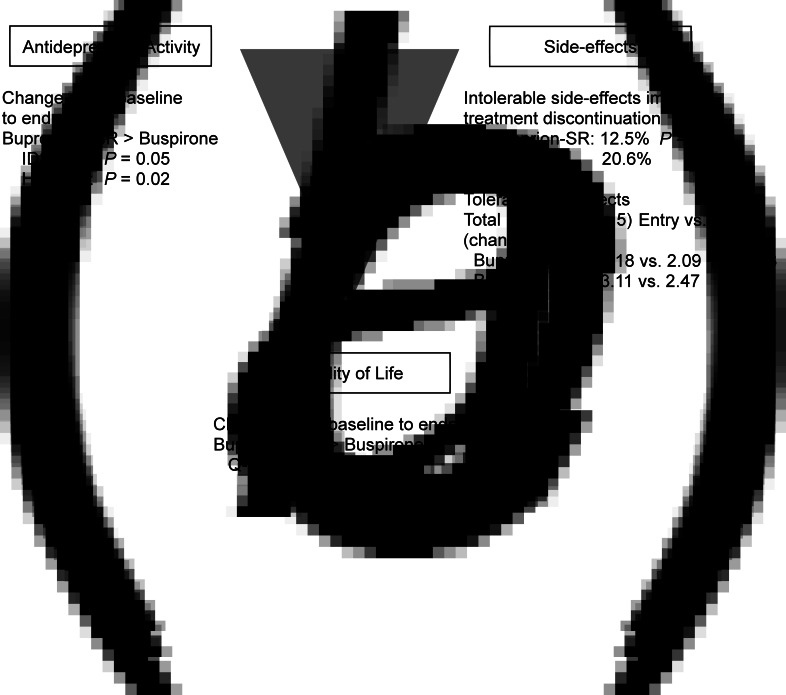
“This approach meaningfully differentiated between buspirone and bupropion as adjunctive agents in depressed outpatients – a difference that was not observed when comparing effects on depressive symptoms alone (Trivedi et al., 2006).”
Self-citationPatterns of treatment response in newly diagnosed epilepsy
Brodie, M. J., Barry, S. J. E., Bamagous, G. A., Norrie, J. D., & Kwan, P. (2012) · Neurology · doi:10.1212/wnl.0b013e3182563b19 · Cited by 931 · cited 2×
“…an estimated 3 – 5% chance of achieving at least 1 year of seizure remission with additional antiepileptic medication treatment, and seizure recurrence is common in those who achieve remission (Brodie, Barry, Bamagous, Norrie, & Kwan, 2012; Callaghan, Anand, Hesdorffer, Hauser, & French, 2007).”
(2001) · PubMed · Cited by 780
Report by the ACNP Task Force on Response and Remission in Major Depressive Disorder
Rush, A. J., Kraemer, H. C., Sackeim, H. A., Fava, M., Trivedi, M. H., Frank, E., Ninan, P. T., Thase, M. E., Gelenberg, A. J., Kupfer, D. J., et al. (2006) · Neuropsychopharmacology · doi:10.1038/sj.npp.1301131 · Cited by 707 · cited 11×
“Indeed, our understanding of the nat-ural history of mood disorders, the phases of illness, and the phases of treatment (e.g. continuation or maintenance regimens) may not readily apply to DTD (Frank et al., 1991; Rush et al., 2006a).”
InfluentialSelf-citationComplications of Cushing's syndrome: state of the art
Pivonello, R., Isidori, A. M., De Martino, M. C., Newell-Price, J., Biller, B. M. K., & Colao, A. (2016) · The Lancet Diabetes & Endocrinology · doi:10.1016/s2213-8587(16)00086-3 · Cited by 641 · cited 1×
“For example, depression may be a manifestation of undiagnosed endocrine disorders [e.g. hypothyroidism (Duntas & Maillis, 2013; Hage & Azar, 2012) or Cushing ’ s syndrome (Arnaldi et al., 2003; Pivonello et al., 2016; Sonino, Fava, Raffi, Boscaro, & Fallo, 1998)].”
Population-based study of first onset and chronicity in major depressive disorder
Eaton, W. W., Shao, H., Nestadt, G., Lee, B. H., Bienvenu, O. J., & Zandi, P. (2008) · Archives of General Psychiatry · doi:10.1001/archpsyc.65.5.513 · Cited by 612 · cited 1×
“Clinical trial findings and care system database analyses (Eaton et al., 2008; Huang et al., 2020; Jaffe et al., 2019; Sussman et al., 2019) suggest that approximately 15 – 25% of depressed patients present with DTD, though its true prevalence and diagnostic boundaries remain uncertain.”
The Link between Thyroid Function and Depression
Hage, M. P., & Azar, S. T. (2012) · Journal of Thyroid Research · doi:10.1155/2012/590648 · Cited by 549 · cited 1×
“For example, depression may be a manifestation of undiagnosed endocrine disorders [e.g. hypothyroidism (Duntas & Maillis, 2013; Hage & Azar, 2012) or Cushing ’ s syndrome (Arnaldi et al., 2003; Pivonello et al., 2016; Sonino, Fava, Raffi, Boscaro, & Fallo, 1998)].”
Defining treatment‐resistant depression
Gaynes, B. N., Lux, L., Gartlehner, G., Asher, G., Forman‐Hoffman, V., Green, J., Boland, E., Weber, R. P., Randolph, C., Bann, C., et al. (2020) · Depression and Anxiety · doi:10.1002/da.22968 · Cited by 447
Resistance to antidepressant medications and short-term clinical response to ECT
(1996) · American Journal of Psychiatry · doi:10.1176/ajp.153.8.985 · Cited by 436 · cited 1×
“…increasing numbers of previously failed acute phase treatment trials (Heijnen, Birkenhager, Wierdsma, & van den Broek, 2010; Lisanby et al., 2009; Prudic et al., 1996; Rush et al., 2006b), while the likelihood of relapse increases if short-term remission is obtained (Prudic et al., 2013;…”
Berlim, M. T., & Turecki, G. (2007) · The Canadian Journal of Psychiatry · doi:10.1177/070674370705200108 · Cited by 412 · cited 2×
“Our current working taxonomy for DTD is based on the des-ignation, TRD, which itself is highly variable in operationalization (Berlim & Turecki, 2007a; Gaynes et al., 2018, 2020).”
McKnight, P. E., & Kashdan, T. B. (2009) · Clinical Psychology Review · doi:10.1016/j.cpr.2009.01.005 · Cited by 400 · cited 1×
“For example, depressive symptom improvement often occurs before the full realization of improvement in function/QoL (McKnight & Kashdan, 2009).”
Age Differences in the Symptoms of Depression: A Latent Trait Analysis
Gallo, J. J., Anthony, J. C., & Muthen, B. O. (1994) · Journal of Gerontology · doi:10.1093/geronj/49.6.p251 · Cited by 386 · cited 1×
“Older depressed persons show a consistent tendency to under self-report symptom severity relative to observer measures (Fiske, Wetherell, & Gatz, 2009; Gallo, Anthony, & Muthén, 1994).”
Aaronson, S. T., Sears, P., Ruvuna, F., Bunker, M., Conway, C. R., Dougherty, D. D., Reimherr, F. W., Schwartz, T. L., & Zajecka, J. M. (2017) · American Journal of Psychiatry · doi:10.1176/appi.ajp.2017.16010034 · Cited by 381 · cited 2×
“One strategy to identify the target sample for new interventions in DTD is the use of patient registries, in which initial testing of an intervention in an open trial identifies the subgroups for which the intervention is more or less effective (Aaronson et al., 2017; Sackeim et al., 2020).”
Self-citationSACKEIM, H. A., PRUDIC, J., DEVANAND, D. P., DECINA, P., KERR, B., & MALITZ, S. (1990) · Journal of Clinical Psychopharmacology · doi:10.1097/00004714-199004000-00004 · Cited by 361 · cited 2×
“…trials (Heijnen, Birkenhager, Wierdsma, & van den Broek, 2010; Lisanby et al., 2009; Prudic et al., 1996; Rush et al., 2006b), while the likelihood of relapse increases if short-term remission is obtained (Prudic et al., 2013; Rasmussen et al., 2009; Rush et al., 2006b; Sackeim et al., 1990).”
Personality Pathology and Treatment Outcome in Major Depression: A Review
Mulder, R. T. (2002) · American Journal of Psychiatry · doi:10.1176/appi.ajp.159.3.359 · Cited by 355 · cited 1×
“This is particularly challenging as concomitant personality disorder and substance addiction significantly impact depression outcomes (Davis et al., 2006; Mulder, 2002).”
Lisanby, S. H., Husain, M. M., Rosenquist, P. B., Maixner, D., Gutierrez, R., Krystal, A., Gilmer, W., Marangell, L. B., Aaronson, S., Daskalakis, Z. J., et al. (2009) · Neuropsychopharmacology · doi:10.1038/npp.2008.118 · Cited by 333 · cited 3×
“…decreases with increasing numbers of previously failed acute phase treatment trials (Heijnen, Birkenhager, Wierdsma, & van den Broek, 2010; Lisanby et al., 2009; Prudic et al., 1996; Rush et al., 2006b), while the likelihood of relapse increases if short-term remission is obtained (Prudic…”
Self-citationLikelihood of seizure remission in an adult population with refractory epilepsy
Callaghan, B. C., Anand, K., Hesdorffer, D., Hauser, W. A., & French, J. A. (2007) · Annals of Neurology · doi:10.1002/ana.21166 · Cited by 312 · cited 2×
“…an estimated 3 – 5% chance of achieving at least 1 year of seizure remission with additional antiepileptic medication treatment, and seizure recurrence is common in those who achieve remission (Brodie, Barry, Bamagous, Norrie, & Kwan, 2012; Callaghan, Anand, Hesdorffer, Hauser, & French, 2007).”
Relapse Following Successful Electroconvulsive Therapy for Major Depression: A Meta-Analysis
Jelovac, A., Kolshus, E., & McLoughlin, D. M. (2013) · Neuropsychopharmacology · doi:10.1038/npp.2013.149 · Cited by 287 · cited 1×
“…high rate of relapse following initial improvement, the durability of benefit is a key consideration in evaluating the therapeutic effects in DTD (Jelovac, Kolshus, & McLoughlin, 2013; Rush et al., 2006b; Sackeim et al., 2007) and considering the relative merits of alternative interventions…”
Trivedi, M. H., McGrath, P. J., Fava, M., Parsey, R. V., Kurian, B. T., Phillips, M. L., Oquendo, M. A., Bruder, G., Pizzagalli, D., Toups, M., et al. (2016) · Journal of Psychiatric Research · doi:10.1016/j.jpsychires.2016.03.001 · Cited by 286 · cited 1×
“From a cost-efficiency perspective, it is less expensive to select candidate measures as potential predictors and mediators early in the conduct of trials, whether observational or randomized, given the overall cost of conducting the trial (Trivedi et al., 2016; Uher et al., 2009).”
Risk factors for chronic depression—a systematic review
Hölzel, L., Härter, M., Reese, C., & Kriston, L. (2011) · Journal of Affective Disorders · doi:10.1016/j.jad.2010.03.025 · Cited by 285 · cited 1×
“These social determinants may alter both the risk of developing and the likelihood of maintaining/recovering from DTD (Holzel, Harter, Reese, & Kriston, 2011; Negele, Kaufhold, Kallenbach, & Leuzinger-Bohleber, 2015; Verhoeven et al., 2020).”
A Multidimensional Tool to Quantify Treatment Resistance in Depression: The Maudsley Staging Method
Fekadu, A., Wooderson, S., Donaldson, C., Markopoulou, K., Masterson, B., Poon, L., & Cleare, A. J. (2009) · The Journal of Clinical Psychiatry · doi:10.4088/jcp.08m04309 · Cited by 281
McAllister-Williams, R. H., Arango, C., Blier, P., Demyttenaere, K., Falkai, P., Gorwood, P., Hopwood, M., Javed, A., Kasper, S., Malhi, G. S., et al. (2020) · Journal of Affective Disorders · doi:10.1016/j.jad.2020.02.023 · Cited by 278 · cited 9×
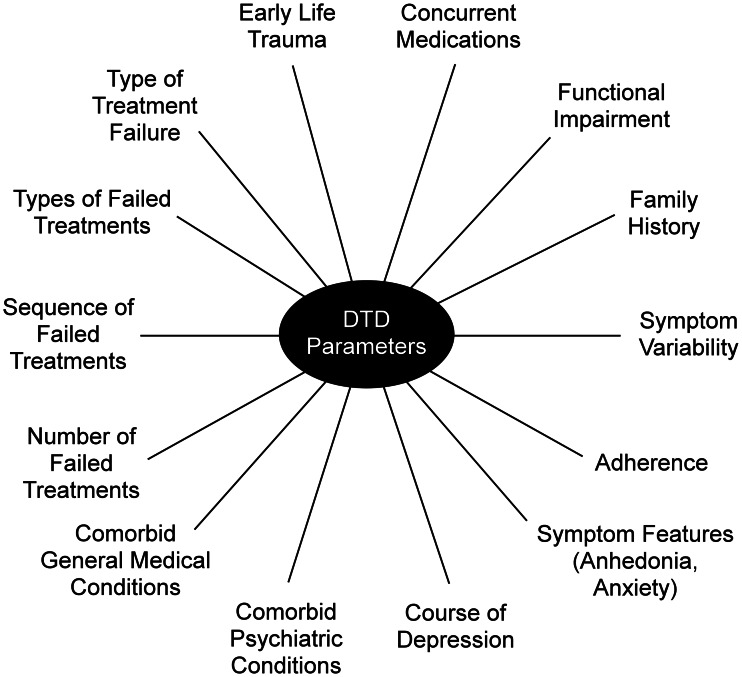
“…non-DTD patient groups (e.g. concurrent general medical problems; types and severity of anxiety symptoms; types, severity and chronicity of environmental stressors; substance use/abuse disorder; history of childhood trauma/ abuse; etc.) (McAllister-Williams et al., 2020; Rush et al., 2019) (Fig.”
InfluentialSelf-citationUher, R., Perlis, R. H., Placentino, A., Dernovšek, M. Z., Henigsberg, N., Mors, O., Maier, W., McGuffin, P., & Farmer, A. (2012) · Depression and Anxiety · doi:10.1002/da.21993 · Cited by 262 · cited 2×
“In typical acute-phase antidepressant trials with pharmacotherapy, psychotherapy, or ECT, there is a relatively moderate correlation between baseline self-report and clinician-ratings of symptom severity, often on the order of only 25% shared variance (Sayer et al., 1993; Uher et al., 2012).”
Berlim, M. T., & Turecki, G. (2007) · European Neuropsychopharmacology · doi:10.1016/j.euroneuro.2007.03.009 · Cited by 249 · cited 2×
“Our current working taxonomy for DTD is based on the des-ignation, TRD, which itself is highly variable in operationalization (Berlim & Turecki, 2007a; Gaynes et al., 2018, 2020).”
Conway, C. R., George, M. S., & Sackeim, H. A. (2017) · JAMA Psychiatry · doi:10.1001/jamapsychiatry.2016.2586 · Cited by 244 · cited 4×
“This dilemma could be addressed, in part, by staging the ‘ level of resistance ’ (analogous to cancer staging) (Conway et al., 2017; Thase & Rush, 1995), based either on a minimum number of specific treatment types (e.g. monoamine reuptake inhibitors; brain stimulation treatments,…”
InfluentialSelf-citationJaffe, D. H., Rive, B., & Denee, T. R. (2019) · BMC Psychiatry · doi:10.1186/s12888-019-2222-4 · Cited by 237 · cited 2×
“In either case, persons with DTD have substantially impaired daily function and poor quality of life (QoL) (Jaffe, Rive, & Denee, 2019; McAllister-Williams et al., 2020; Rush et al., 2019).”
Dunner, D. L., Rush, A. J., Russell, J. M., Burke, M., Woodard, S., Wingard, P., & Allen, J. (2006) · The Journal of Clinical Psychiatry · doi:10.4088/jcp.v67n0501 · Cited by 234 · cited 1×
“…the administration of sequential monotherapies and treatment combinations delivered in a ‘ try and try again ’ approach typically results in diminishing returns and may seem futile to the clinician and patient (DeRubeis et al., 2020; Dunner et al., 2006; Hollon et al., 2014; Rush et al., 2006b).”
Self-citationGenetic predictors of response to antidepressants in the GENDEP project
Uher, R., Huezo-Diaz, P., Perroud, N., Smith, R., Rietschel, M., Mors, O., Hauser, J., Maier, W., Kozel, D., Henigsberg, N., et al. (2009) · The Pharmacogenomics Journal · doi:10.1038/tpj.2009.12 · Cited by 226 · cited 1×
“From a cost-efficiency perspective, it is less expensive to select candidate measures as potential predictors and mediators early in the conduct of trials, whether observational or randomized, given the overall cost of conducting the trial (Trivedi et al., 2016; Uher et al., 2009).”
Heijnen, W. T., Birkenhäger, T. K., Wierdsma, A. I., & van den Broek, W. W. (2010) · Journal of Clinical Psychopharmacology · doi:10.1097/jcp.0b013e3181ee0f5f · Cited by 223 · cited 2×
“…of treatment resistance is an integral part of DTD characterization and has shown predictive power regarding responsivity to subsequent treatment (Heijnen et al., 2010; Lisanby et al., 2009; Rush et al., 2006b) and relapse potential (Prudic et al., 2013; Sackeim et al., 1990), the assessment…”
Can long-term treatment with antidepressant drugs worsen the course of depression?
Fava, G. A. (2003) · The Journal of Clinical Psychiatry · doi:10.4088/jcp.v64n0204 · Cited by 223 · cited 3×
“…treatments is not specified (e.g. two selective serotonin reuptake inhibitors (SSRIs) v. one SSRI followed by transcranial magnetic stimulation) (Fava, 2003b; Fekadu et al., 2009), and it is unlikely that all treatments are equivalent in their prognostic implications for insufficient or…”
Childhood Trauma and Its Relation to Chronic Depression in Adulthood
Negele, A., Kaufhold, J., Kallenbach, L., & Leuzinger-Bohleber, M. (2015) · Depression Research and Treatment · doi:10.1155/2015/650804 · Cited by 222
Sackeim, H. A., Aaronson, S. T., Carpenter, L. L., Hutton, T. M., Mina, M., Pages, K., Verdoliva, S., & West, W. S. (2020) · Journal of Affective Disorders · doi:10.1016/j.jad.2020.08.005 · Cited by 201 · cited 1×
“One strategy to identify the target sample for new interventions in DTD is the use of patient registries, in which initial testing of an intervention in an open trial identifies the subgroups for which the intervention is more or less effective (Aaronson et al., 2017; Sackeim et al., 2020).”
Self-citationPenn, E., & Tracy, D. K. (2012) · Therapeutic Advances in Psychopharmacology · doi:10.1177/2045125312445469 · Cited by 200 · cited 1×
“…clinical utility of anti-depressant medications and psychotherapies in depressive and related mood disorders have been lowered, particularly for individuals who have a history of nonresponse to several standard forms of therapy (Cuijpers, Karyotaki, Reijnders, & Ebert, 2019; Penn & Tracy, 2012).”
Definition of refractory epilepsy: defining the indefinable?
Kwan, P., & Brodie, M. J. (2010) · The Lancet Neurology · doi:10.1016/s1474-4422(09)70304-7 · Cited by 196 · cited 2×
“For example, consensus guidelines in epilepsy recommend consideration of surgical or neuromodulatory interventions following two unsuccessful trials of anticonvulsant medications (Brodie et al., 2012; Callaghan et al., 2007; Jette et al., 2014; Kwan & Brodie, 2010).”
Zeier, Z., Carpenter, L. L., Kalin, N. H., Rodriguez, C. I., McDonald, W. M., Widge, A. S., & Nemeroff, C. B. (2018) · American Journal of Psychiatry · doi:10.1176/appi.ajp.2018.17111282 · Cited by 192 · cited 1×
“Similarly, evidence is currently incomplete regarding the potential of pharmacogenetic/genomic testing to identify or sub-group DTD (Vittengl, Clark, Thase, & Jarrett, 2019; Zeier et al., 2018).”
Effect of treatments for depression on quality of life: a meta-analysis
Hofmann, S. G., Curtiss, J., Carpenter, J. K., & Kind, S. (2017) · Cognitive Behaviour Therapy · doi:10.1080/16506073.2017.1304445 · Cited by 189 · cited 1×
“However, these various potential therapeutic outcomes may manifest at different times (e.g. symptom control may precede functional improvement by weeks or months) (Hofmann, Curtiss, Carpenter, & Kind, 2017; Paykel, 2002).”
Difficult-to-treat rheumatoid arthritis: contributing factors and burden of disease
Roodenrijs, N. M. T., van der Goes, M. C., Welsing, P. M. J., Tekstra, J., Lafeber, F. P. J. G., Jacobs, J. W. G., & van Laar, J. M. (2020) · Rheumatology · doi:10.1093/rheumatology/keaa860 · Cited by 177 · cited 1×
“Multiple differences have been identified in clinical presentation, treatment burden, and co-morbidities between D2T RA and comparison patients, and empirically defined subgroups within D2T RA have been proposed (Roodenrijs et al., 2021).”
Does major depression result in lasting personality change?
(1996) · American Journal of Psychiatry · doi:10.1176/ajp.153.11.1404 · Cited by 174 · cited 1×
“Although a single episode of depression that is responsive to treatment is unlikely to ‘ scar ’ personality (Shea et al., 1996), years of unremitting depression – with or without adequate treat-ment – may alter the clinical course and have taxonomic implications for DTD. Persons with DTD may…”
Was Eysenck right after all? A reassessment of the effects of psychotherapy for adult depression
Cuijpers, P., Karyotaki, E., Reijnders, M., & Ebert, D. D. (2019) · Epidemiology and Psychiatric Sciences · doi:10.1017/s2045796018000057 · Cited by 173 · cited 1×
“…clinical utility of anti-depressant medications and psychotherapies in depressive and related mood disorders have been lowered, particularly for individuals who have a history of nonresponse to several standard forms of therapy (Cuijpers, Karyotaki, Reijnders, & Ebert, 2019; Penn & Tracy, 2012).”
Chandler, G. M., Iosifescu, D. V., Pollack, M. H., Targum, S. D., & Fava, M. (2010) · CNS Neuroscience & Therapeutics · doi:10.1111/j.1755-5949.2009.00102.x · Cited by 158 · cited 2×
“…the Antidepressant Treatment History Form (Sackeim, 2001; Sackeim et al., 2019), Maudsley Staging Method (Fekadu et al., 2009), and Massachusetts General Hospital-Antidepressant Treatment Questionnaire (Chandler, Iosifescu, Pollack, Targum, & Fava, 2010), among others (Gaynes et al., 2018).”
Olin, B., Berry, Broglio, Bunker, Jayewardene, & Rush (2013) · Medical Devices: Evidence and Research · doi:10.2147/mder.s41017 · Cited by 152 · cited 1×
“Other interventions, such as Vagus Nerve Stimulation, require substantially longer time frames (months to years) to fully manifest therapeutic benefit (Aaronson et al., 2017; Berry et al., ).”
Clinical Correlates of Major Depression in Cushing’s Disease
Sonino, N., Fava, G. A., Raffi, A. R., Boscaro, M., & Fallo, F. (1998) · Psychopathology · doi:10.1159/000029054 · Cited by 150 · cited 1×
“For example, depression may be a manifestation of undiagnosed endocrine disorders [e.g. hypothyroidism (Duntas & Maillis, 2013; Hage & Azar, 2012) or Cushing ’ s syndrome (Arnaldi et al., 2003; Pivonello et al., 2016; Sonino, Fava, Raffi, Boscaro, & Fallo, 1998)].”
Ross, E. L., Zivin, K., & Maixner, D. F. (2018) · JAMA Psychiatry · doi:10.1001/jamapsychiatry.2018.0768 · Cited by 150 · cited 1×
“From the care system-resource management perspective, cost efficiency is also an important DTD outcome, given its chronicity (Ross, Zivin, & Maixner, 2018).”
The Economic Burden of Treatment-Resistant Depression
Olchanski, N., McInnis Myers, M., Halseth, M., Cyr, P. L., Bockstedt, L., Goss, T. F., & Howland, R. H. (2013) · Clinical Therapeutics · doi:10.1016/j.clinthera.2012.09.001 · Cited by 146 · cited 1×
“…also high utilizers of mental and general health services in both outpatient and inpatient settings (Kubitz, Mehra, Potluri, Garg, & Cossrow, 2013; Olchanski et al., 2013), resulting in high health costs that often persist for years (Amos et al., 2018; Benson, Szukis, Sheehan, Alphs, & Yuce,…”
Amos, T. B., Tandon, N., Lefebvre, P., Pilon, D., Kamstra, R. L., Pivneva, I., & Greenberg, P. E. (2018) · The Journal of Clinical Psychiatry · doi:10.4088/jcp.17m11725 · Cited by 144
Kubitz, N., Mehra, M., Potluri, R. C., Garg, N., & Cossrow, N. (2013) · PLoS ONE · doi:10.1371/journal.pone.0076882 · Cited by 143 · cited 1×
“They are also high utilizers of mental and general health services in both outpatient and inpatient settings (Kubitz, Mehra, Potluri, Garg, & Cossrow, 2013; Olchanski et al., 2013), resulting in high health costs that often persist for years (Amos et al., 2018; Benson, Szukis, Sheehan, Alphs, &…”
Difficult-to-treat depression: A clinical and research roadmap for when remission is elusive
Rush, A. J., Aaronson, S. T., & Demyttenaere, K. (2019) · Australian & New Zealand Journal of Psychiatry · doi:10.1177/0004867418808585 · Cited by 120 · cited 7×
“…non-DTD patient groups (e.g. concurrent general medical problems; types and severity of anxiety symptoms; types, severity and chronicity of environmental stressors; substance use/abuse disorder; history of childhood trauma/ abuse; etc.) (McAllister-Williams et al., 2020; Rush et al., 2019) (Fig.”
InfluentialSelf-citationDurability of antidepressant response to vagus nerve stimulation (VNS)
Sackeim, H. A., Brannan, S. K., Rush, A. J., George, M. S., Marangell, L. B., & Allen, J. (2007) · The International Journal of Neuropsychopharmacology · doi:10.1017/s1461145706007425 · Cited by 118 · cited 1×
“…following initial improvement, the durability of benefit is a key consideration in evaluating the therapeutic effects in DTD (Jelovac, Kolshus, & McLoughlin, 2013; Rush et al., 2006b; Sackeim et al., 2007) and considering the relative merits of alternative interventions (Cuijpers et al., 2013).”
Self-citationEconomic implications of treatment-resistant depression among employees
Greenberg, P., Corey-Lisle, P. K., Birnbaum, H., Marynchenko, M., & Claxton, A. (2004) · PharmacoEconomics · doi:10.2165/00019053-200422060-00003 · Cited by 113
Sackeim, H. A., Aaronson, S. T., Bunker, M. T., Conway, C. R., Demitrack, M. A., George, M. S., Prudic, J., Thase, M. E., & Rush, A. J. (2019) · Journal of Psychiatric Research · doi:10.1016/j.jpsychires.2019.03.021 · Cited by 109 · cited 3×
“Favoring the concept of TRD is the fact that the degree of resistance seems to be easily assessed (Berlim & Turecki, 2007b; Sackeim et al., 2019).”
Self-citationAndrews, P. W., Kornstein, S. G., Halberstadt, L. J., Gardner, C. O., & Neale, M. C. (2011) · Frontiers in Psychology · doi:10.3389/fpsyg.2011.00159 · Cited by 107 · cited 1×
“…exposure to ineffective or partially effective treatment induces neurobiological change such that treatment responsiveness diminishes and the depression becomes more difficult to treat (Andrews & Amsterdam, 2020; Andrews, Kornstein, Halberstadt, Gardner, & Neale, 2011; Fava, 2003a; Sackeim, 2016).”
Pharmacological Strategies in the Prevention of Relapse After Electroconvulsive Therapy
Prudic, J., Haskett, R. F., McCall, W. V., Isenberg, K., Cooper, T., Rosenquist, P. B., Mulsant, B. H., & Sackeim, H. A. (2013) · The Journal of ECT · doi:10.1097/yct.0b013e31826ea8c4 · Cited by 107
Turkoz, I., Alphs, L., Singh, J., Jamieson, C., Daly, E., Shawi, M., Sheehan, J. J., Trivedi, M. H., & Rush, A. J. (2021) · Acta Psychiatrica Scandinavica · doi:10.1111/acps.13260 · Cited by 104 · cited 1×
“Conveniently and frequently acquired global ratings may be as informative as measures derived from longer questionnaires, especially self-ratings on items or item response patterns that yield clinically meaningful outcome differences (Turkoz et al., 2021).”
Self-citationDavis, L. L., Frazier, E., Husain, M. M., Warden, D., Trivedi, M., Fava, M., Cassano, P., McGrath, P. J., Balasubramani, G. K., Wisniewski, S. R., et al. (2006) · The American Journal on Addictions · doi:10.1080/10550490600754317 · Cited by 100 · cited 1×
“This is particularly challenging as concomitant personality disorder and substance addiction significantly impact depression outcomes (Davis et al., 2006; Mulder, 2002).”
Self-citationFiore, L. D., Brophy, M., Ferguson, R. E., D’Avolio, L., Hermos, J. A., Lew, R. A., Doros, G., Conrad, C. H., O’Neil, J. A. (., Sabin, T. P., et al. (2011) · Clinical Trials · doi:10.1177/1740774511398368 · Cited by 100 · cited 1×
“To acquire large samples of representative DTD patients, point-of-care trials at multiple sites would be preferred with an emphasis on larger numbers of participants and, to contain costs, modest numbers of process and outcome measures (Fiore et al., 2011; Shih, Turakhia, & Lai, 2015).”
The relations between observer-rating and self-report of depressive symptomatology.
Sayer, N. A., Sackeim, H. A., Moeller, J. R., & Prudic, J. (1993) · Psychological Assessment · doi:10.1037//1040-3590.5.3.350 · Cited by 95 · cited 2×
“In typical acute-phase antidepressant trials with pharmacotherapy, psychotherapy, or ECT, there is a relatively moderate correlation between baseline self-report and clinician-ratings of symptom severity, often on the order of only 25% shared variance (Sayer et al., 1993; Uher et al., 2012).”
Bauer, M., Pfennig, A., Linden, M., Smolka, M. N., Neu, P., & Adli, M. (2009) · Journal of Clinical Psychopharmacology · doi:10.1097/jcp.0b013e3181ac4839 · Cited by 94 · cited 1×
“This expectational shift became apparent as intervention research moved to real-world patients with broader inclusion and fewer exclusion criteria, and as treatment delivery became less controlled (Bauer et al., 2009; Rush et al., 2004; Uher et al., 2012).”
Cohen, R. M., Greenberg, J. M., & IsHak, W. W. (2013) · JAMA Psychiatry · doi:10.1001/jamapsychiatry.2013.286 · Cited by 86 · cited 1×
“The utility of combinatorial measures was illustrated by Cohen, Greenberg, and IsHak (2013).”
Improving Depression Outcome by Patient-Centered Medical Management
Rush, A. J., & Thase, M. E. (2018) · American Journal of Psychiatry · doi:10.1176/appi.ajp.2018.18040398 · Cited by 76 · cited 1×
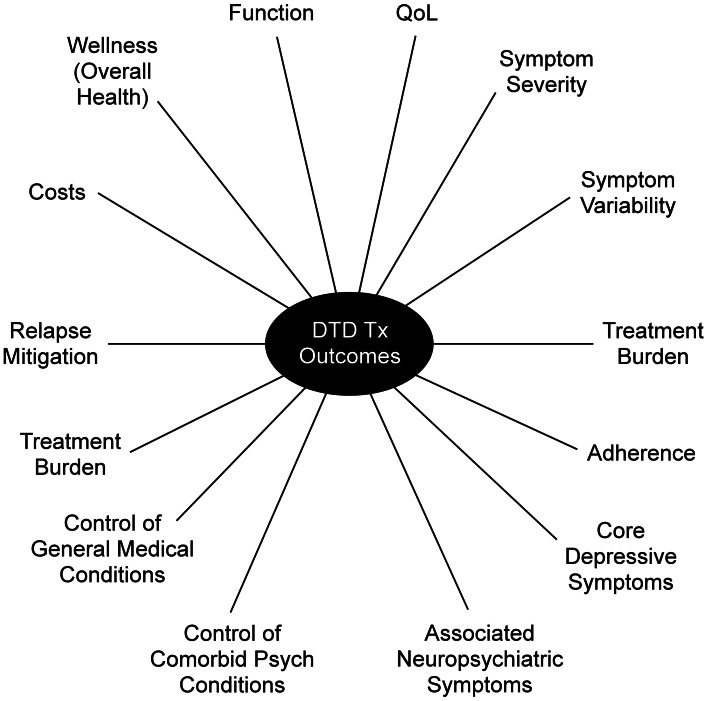
“…treatment burden, enhancing daily function, QoL, or overall mental and physical wellness, mitigating symptomatic worsening, or otherwise reducing mood instability (Fournier, DeRubeis, Amsterdam, Shelton, & Hollon, 2015; McAllister-Williams et al., 2020; Rush & Thase, 2018; Rush et al., 2019) (Fig.”
Self-citationHypothyroidism and depression: salient aspects of pathogenesis and management.
Duntas, L. H., & Maillis, A. N. (2013) · PubMed · Cited by 72
Health-related quality of life following ECT in a large community sample
McCall, W. V., Prudic, J., Olfson, M., & Sackeïm, H. A. (2006) · Journal of Affective Disorders · doi:10.1016/j.jad.2005.12.002 · Cited by 70 · cited 5×
“To illustrate the potential importance of these holistic outcomes, patients who receive ECT are particularly characterized by their level of baseline impairment in social and vocational function and QoL.”
InfluentialSurgical management of epilepsy
Jetté, N., Reid, A. Y., & Wiebe, S. (2014) · Canadian Medical Association Journal · doi:10.1503/cmaj.121291 · Cited by 67 · cited 1×
“For example, consensus guidelines in epilepsy recommend consideration of surgical or neuromodulatory interventions following two unsuccessful trials of anticonvulsant medications (Brodie et al., 2012; Callaghan et al., 2007; Jette et al., 2014; Kwan & Brodie, 2010).”
Rush, A. J., Wisniewski, S. R., Zisook, S., Fava, M., Sung, S. C., Haley, C. L., Chan, H. N., Gilmer, W. S., Warden, D., Nierenberg, A. A., et al. (2012) · Psychological Medicine · doi:10.1017/s0033291711002170 · Cited by 65 · cited 1×
“A course of illness seems to differentially relate to acute and longer-term treatment outcomes in depression (Rush et al., 2012).”
Self-citationEconomic Burden of Treatment-Resistant Depression on the U.S. Health Care System
Sussman, M., O’sullivan, A. K., Shah, A., Olfson, M., & Menzin, J. (2019) · Journal of Managed Care & Specialty Pharmacy · doi:10.18553/jmcp.2019.25.7.823 · Cited by 65 · cited 2×
“Clinical trial findings and care system database analyses (Eaton et al., 2008; Huang et al., 2020; Jaffe et al., 2019; Sussman et al., 2019) suggest that approximately 15 – 25% of depressed patients present with DTD, though its true prevalence and diagnostic boundaries remain uncertain.”
Refractory Depression: Relevance of Psychosocial Factors and Therapies
Thase, M. E., & Howland, R. H. (1994) · Psychiatric Annals · doi:10.3928/0048-5713-19940501-09 · Cited by 63 · cited 1×
“Such ‘ secondary ’ changes in morale, self-efficacy and perceived resilience or grit may provide therapeutic opportunities (Thase & Howland, 1994; Young, 2018), as in helping patients with DTD to identify psychological ‘ negative feedback loops ’ and trigger the use of specific psychotherapeutic…”
Self-citationKetamine for depression: evidence, challenges and promise
Zarate, C. A., & Niciu, M. J. (2015) · World Psychiatry · doi:10.1002/wps.20269 · Cited by 61 · cited 1×
“For example, symptomatic change with (es)ketamine may be observed within hours of the first infusion and, unless treatment is continued at regular intervals, usually wanes over the next 5 – 7 days (Zarate & Niciu, 2015).”
Definition of Treatment-Resistant Depression in the Medicare Population
Bradley N. Gaynes, M. D., Gary Asher, M. D., Gerald Gartlehner, M. D., Valerie Hoffman, P. D., Josh Green, B. A., Erin Boland, M. S. P. H., Linda Lux, M. P. A., Charlotte Randolph, B. A., Carla Bann, P. D., Emmanuel Cokker-Schwimmer, M. P. H., et al. (2018) · Systematic Review Data Repository · doi:10.26300/4j7h-jk02 · Cited by 58
Epidemiology of pharmaceutically treated depression and treatment resistant depression in Taiwan
Fife, D., Feng, Y., Wang, M. Y.-H., Chang, C.-J., Liu, C.-Y., Juang, H.-T., Furnback, W., Singh, J., & Wang, B. (2017) · Psychiatry Research · doi:10.1016/j.psychres.2017.03.006 · Cited by 55 · cited 1×
“In theory, a national electronic health record (EHR) would be optimal in providing universal and uniform data collection (Fife et al., 2017; Gronemann, Jorgensen, Nordentoft, Andersen, & Osler, 2020), but the USA is decades from that possibility.”
Olfson, M., Amos, T. B., Benson, C., McRae, J., & Marcus, S. C. (2018) · Journal of Managed Care & Specialty Pharmacy · doi:10.18553/jmcp.2018.24.3.226 · Cited by 48 · cited 2×
“…settings (Kubitz, Mehra, Potluri, Garg, & Cossrow, 2013; Olchanski et al., 2013), resulting in high health costs that often persist for years (Amos et al., 2018; Benson, Szukis, Sheehan, Alphs, & Yuce, 2020; Greenberg, Corey-Lisle, Birnbaum, Marynchenko, & Claxton, 2004; Olfson, Amos,…”
Gronemann, F. H., Jorgensen, M. B., Nordentoft, M., Andersen, P. K., & Osler, M. (2020) · Journal of Affective Disorders · doi:10.1016/j.jad.2019.10.005 · Cited by 48 · cited 1×
“In theory, a national electronic health record (EHR) would be optimal in providing universal and uniform data collection (Fife et al., 2017; Gronemann, Jorgensen, Nordentoft, Andersen, & Osler, 2020), but the USA is decades from that possibility.”
DeRubeis, R. J., Zajecka, J., Shelton, R. C., Amsterdam, J. D., Fawcett, J., Xu, C., Young, P. R., Gallop, R., & Hollon, S. D. (2020) · JAMA Psychiatry · doi:10.1001/jamapsychiatry.2019.3900 · Cited by 48 · cited 1×
“…the administration of sequential monotherapies and treatment combinations delivered in a ‘ try and try again ’ approach typically results in diminishing returns and may seem futile to the clinician and patient (DeRubeis et al., 2020; Dunner et al., 2006; Hollon et al., 2014; Rush et al., 2006b).”
Self-citationBech, P., Fava, M., Trivedi, M. H., Wisniewski, S. R., & Rush, A. J. (2012) · Acta Psychiatrica Scandinavica · doi:10.1111/j.1600-0447.2011.01791.x · Cited by 46 · cited 2×
“Figure 3 illustrates an attempt at evaluating outcomes using a multidimensional approach (Bech, 2009; Bech, Fava, Trivedi, Wisniewski, & Rush, 2012).”
Self-citationRush, A. J., Marangell, L. B., Sackeim, H. A., George, M. S., Brannan, S. K., Davis, S. M., Howland, R., Kling, M. A., Rittberg, B. R., Burke, W. J., et al. (2005) · Biological Psychiatry · doi:10.1016/j.biopsych.2005.05.025 · Cited by 44 · cited 1×
“…often cap the number of failed prior treatment trials or the duration of the current episode precisely because greater treatment resistance or chronicity is expected to negatively impact therapeutic outcomes, limiting detection of a therapeutic signal (O ’ Reardon et al., 2007; Rush et al., 2005).”
Self-citationRasmussen, K. G., Mueller, M., Rummans, T. A., Husain, M. M., Petrides, G., Knapp, R. G., Fink, M., Sampson, S. M., Bailine, S. H., & Kellner, C. H. (2009) · The Journal of Clinical Psychiatry · doi:10.4088/jcp.08m04092 · Cited by 43 · cited 1×
“…trials (Heijnen, Birkenhager, Wierdsma, & van den Broek, 2010; Lisanby et al., 2009; Prudic et al., 1996; Rush et al., 2006b), while the likelihood of relapse increases if short-term remission is obtained (Prudic et al., 2013; Rasmussen et al., 2009; Rush et al., 2006b; Sackeim et al., 1990).”
Huang, S.-S., Chen, H.-H., Wang, J., Chen, W. J., Chen, H.-C., & Kuo, P.-H. (2020) · BMC Psychiatry · doi:10.1186/s12888-020-02935-z · Cited by 42 · cited 2×
“DTD is also associated with substantial morbidity and mortality (Amital et al., 2013; Huang et al., 2020).”
Achieving gains beyond response
Paykel, E. S. (2002) · Acta Psychiatrica Scandinavica · doi:10.1034/j.1600-0447.106.s415.3.x · Cited by 40 · cited 2×
“symptom control may precede functional improvement by weeks or months) (Hofmann, Curtiss, Carpenter, & Kind, 2017; Paykel, 2002).”
Applied psychometrics in clinical psychiatry: the pharmacopsychometric triangle
Bech, P. (2009) · Acta Psychiatrica Scandinavica · doi:10.1111/j.1600-0447.2009.01445.x · Cited by 38 · cited 2×
“Figure 3 illustrates an attempt at evaluating outcomes using a multidimensional approach (Bech, 2009; Bech, Fava, Trivedi, Wisniewski, & Rush, 2012).”
Lynch, T. R., Hempel, R. J., Whalley, B., Byford, S., Chamba, R., Clarke, P., Clarke, S., Kingdon, D. G., O'Mahen, H., Remington, B., et al. (2020) · The British Journal of Psychiatry · doi:10.1192/bjp.2019.53 · Cited by 38 · cited 1×
“…grit may provide therapeutic opportunities (Thase & Howland, 1994; Young, 2018), as in helping patients with DTD to identify psychological ‘ negative feedback loops ’ and trigger the use of specific psychotherapeutic strategies to mitigate their impact (Eisendrath et al., 2015; Lynch et al., 2020).”
Amital, D., Fostick, L., Silberman, A., Calati, R., Spindelegger, C., Serretti, A., Juven‐Wetzler, A., Souery, D., Mendlewicz, J., Montgomery, S., et al. (2012) · European Neuropsychopharmacology · doi:10.1016/j.euroneuro.2012.09.002 · Cited by 37 · cited 1×
“DTD is also associated with substantial morbidity and mortality (Amital et al., 2013; Huang et al., 2020).”
Gains in employment status following antidepressant medication or cognitive therapy for depression
Fournier, J. C., DeRubeis, R. J., Amsterdam, J., Shelton, R. C., & Hollon, S. D. (2015) · British Journal of Psychiatry · doi:10.1192/bjp.bp.113.133694 · Cited by 36 · cited 2×
“…treatment burden, enhancing daily function, QoL, or overall mental and physical wellness, mitigating symptomatic worsening, or otherwise reducing mood instability (Fournier, DeRubeis, Amsterdam, Shelton, & Hollon, 2015; McAllister-Williams et al., 2020; Rush & Thase, 2018; Rush et al., 2019) (Fig.”
Self-citationMcCall, W. V., Reboussin, D. M., Prudic, J., Haskett, R. F., Isenberg, K. E., Olfson, M., Rosenquist, P. B., & Sackeïm, H. A. (2012) · Journal of Affective Disorders · doi:10.1016/j.jad.2012.10.018 · Cited by 34 · cited 3×
“…trials (Heijnen, Birkenhager, Wierdsma, & van den Broek, 2010; Lisanby et al., 2009; Prudic et al., 1996; Rush et al., 2006b), while the likelihood of relapse increases if short-term remission is obtained (Prudic et al., 2013; Rasmussen et al., 2009; Rush et al., 2006b; Sackeim et al., 1990).”
Eisendrath, S. J., Gillung, E., Delucchi, K., Mathalon, D. H., Yang, T. T., Satre, D. D., Rosser, R., Sipe, W. E. B., & Wolkowitz, O. M. (2015) · Mindfulness · doi:10.1007/s12671-014-0280-8 · Cited by 34 · cited 1×
“…grit may provide therapeutic opportunities (Thase & Howland, 1994; Young, 2018), as in helping patients with DTD to identify psychological ‘ negative feedback loops ’ and trigger the use of specific psychotherapeutic strategies to mitigate their impact (Eisendrath et al., 2015; Lynch et al., 2020).”
Sackeïm, H. A. (2016) · Brain stimulation · doi:10.1016/j.brs.2016.03.006 · Cited by 32 · cited 3×
“…exposure to ineffective or partially effective treatment induces neurobiological change such that treatment responsiveness diminishes and the depression becomes more difficult to treat (Andrews & Amsterdam, 2020; Andrews, Kornstein, Halberstadt, Gardner, & Neale, 2011; Fava, 2003a; Sackeim, 2016).”
Benson, C. J., Szukis, H., Sheehan, J. J., Alphs, L. D., & Yüce, H. (2019) · American Journal of Geriatric Psychiatry · doi:10.1016/j.jagp.2019.10.012 · Cited by 24 · cited 1×
“…Mehra, Potluri, Garg, & Cossrow, 2013; Olchanski et al., 2013), resulting in high health costs that often persist for years (Amos et al., 2018; Benson, Szukis, Sheehan, Alphs, & Yuce, 2020; Greenberg, Corey-Lisle, Birnbaum, Marynchenko, & Claxton, 2004; Olfson, Amos, Benson, McRae, & Marcus,…”
Tachyphylaxis/ tolerance to antidepressive medications: a review.
Katz, G. (2011) · PubMed · Cited by 23
Treatment-Resistant Depression
Young, M. (2018) · Psychiatric Clinics of North America · doi:10.1016/j.psc.2018.01.003 · Cited by 23 · cited 1×
“Such ‘ secondary ’ changes in morale, self-efficacy and perceived resilience or grit may provide therapeutic opportunities (Thase & Howland, 1994; Young, 2018), as in helping patients with DTD to identify psychological ‘ negative feedback loops ’ and trigger the use of specific psychotherapeutic…”
McCall, W. V., Lisanby, S. H., Rosenquist, P. B., Dooley, M. J., Husain, M. M., Knapp, R. G., Petrides, G., Rudorfer, M. V., Young, R. C., McClintock, S. M., et al. (2016) · Journal of Affective Disorders · doi:10.1016/j.jad.2016.11.003 · Cited by 20 · cited 1×
“These deficits are typically as or more critical than symptom severity in leading to ECT referral, and typically resolve fully only with sustained remission following ECT (McCall, Prudic, Olfson, & Sackeim, 2006; McCall et al., 2013, 2017).”
Innovative designs of point-of-care comparative effectiveness trials
Shih, M., Turakhia, M. P., & Lai, T. L. (2015) · Contemporary Clinical Trials · doi:10.1016/j.cct.2015.06.014 · Cited by 19 · cited 1×
“To acquire large samples of representative DTD patients, point-of-care trials at multiple sites would be preferred with an emphasis on larger numbers of participants and, to contain costs, modest numbers of process and outcome measures (Fiore et al., 2011; Shih, Turakhia, & Lai, 2015).”
Sforzini, L. (2021) · Brain Behavior & Immunity - Health · doi:10.1016/j.bbih.2021.100331 · Cited by 15 · cited 1×
“All of these questions can be operationalized and attempts have been made to do this on the basis of a Delphi consensus approach (Sforzini, 2021).”
Andrews, P. W., & Amsterdam, J. D. (2020) · Psychiatria Polska · doi:10.12740/pp/120084 · Cited by 11 · cited 1×
“…exposure to ineffective or partially effective treatment induces neurobiological change such that treatment responsiveness diminishes and the depression becomes more difficult to treat (Andrews & Amsterdam, 2020; Andrews, Kornstein, Halberstadt, Gardner, & Neale, 2011; Fava, 2003a; Sackeim, 2016).”
Improving Depression Outcome by Patient-Centered Medical Management
Rush, A. J., & Thase, M. E. (2020) · FOCUS The Journal of Lifelong Learning in Psychiatry · doi:10.1176/appi.focus.18207 · Cited by 9
Self-citationGetting under the skin: Does biology help predict chronicity of depression?
Verhoeven, J. E., Verduijn, J., van Oppen, P., van Schaik, A., Vinkers, C. H., & Penninx, B. W. J. H. (2020) · Journal of Affective Disorders · doi:10.1016/j.jad.2020.05.098 · Cited by 7 · cited 1×
“These social determinants may alter both the risk of developing and the likelihood of maintaining/recovering from DTD (Holzel, Harter, Reese, & Kriston, 2011; Negele, Kaufhold, Kallenbach, & Leuzinger-Bohleber, 2015; Verhoeven et al., 2020).”
Vittengl, J. R., Clark, L. A., Thase, M. E., & Jarrett, R. B. (2019) · Journal of Consulting and Clinical Psychology · doi:10.1037/ccp0000409 · Cited by 6 · cited 1×
“Similarly, evidence is currently incomplete regarding the potential of pharmacogenetic/genomic testing to identify or sub-group DTD (Vittengl, Clark, Thase, & Jarrett, 2019; Zeier et al., 2018).”
Self-citationSackeïm, H. A. (2021) · Journal of Ect · doi:10.1097/yct.0000000000000745 · Cited by 6 · cited 1×
“The development of a DTD taxonomy could facilitate the identification of more homogeneous subgroups, thereby enhancing trial efficiency and, potentially, intervention targeting and staging (Sackeim, 2021).”
Schwartz, C. E., & Patrick, D. L. (2014) · Journal of Comparative Effectiveness Research · doi:10.2217/cer.14.24 · Cited by 3 · cited 1×
“Multidimensional outcomes assess diverse domains that cannot be easily reflected in a single construct, such as the benefits and costs of an intervention (Schwartz & Patrick, 2014).”
Research works printed but not linked: 3
- Hofer, S. M., Thurvaldsson, V., & Piccinin, A. M. (2012). Foundational issues of design and measurement in developmental research. In B. Laursen, T. D. Little & N. A. Card (Eds.), Handbook of developmental research methods (pp. 3– 16). New York: Guilford Press.
- Thase, M. E., & Rush, A. J. (1995). Treatment-resistant depression. In F. Bloom & D. Kupfer (Eds.), Psychopharmacology: The fourth generation of progress (pp. 1081– 1098). New York: Raven.
- Agency for Healthcare Research and Policy (AHQR) (Sept 2011). Nonpharmacologic interventions for treatment-resistant depression in adults (comparative effectiveness review number 33). Rockville, MD: AHQR.
Cited by
McIntyre, R. S., Alsuwaidan, M., Baune, B. T., Berk, M., Demyttenaere, K., Goldberg, J. F., Gorwood, P., Ho, R., Kasper, S., Kennedy, S. H., et al. (2023) · World Psychiatry · doi:10.1002/wps.21120 · Cited by 836
Self-citationSingle-Dose Psilocybin Treatment for Major Depressive Disorder: A Randomized Clinical Trial
Raison, C. L., Sanacora, G., Woolley, J., Heinzerling, K., Dunlop, B. W., Brown, R. T., Kakar, R., Hassman, M., Trivedi, R. P., Robison, R., et al. (2023) · JAMA · doi:10.1001/jama.2023.14530 · Cited by 545
Jha, M. K., & Mathew, S. J. (2023) · American Journal of Psychiatry · doi:10.1176/appi.ajp.20230025 · Cited by 114
Domschke, K., Seuling, P. D., Schiele, M. A., Bandelow, B., Batelaan, N. M., Bokma, W. A., Branchi, I., Broich, K., Burkauskas, J., Davies, S. J. C., et al. (2024) · World Psychiatry · doi:10.1002/wps.21177 · Cited by 46
“However, the boundaries of “difficulttotreat” AD are uncertain, and an evidencebased taxonomy as well as reliable assessment tools beyond traditional outcome metrics remain to be established for this condition 89 .”
Self-citationStrawn, J. R., Mills, J. A., Suresh, V., Mayes, T. L., Gentry, M. T., Trivedi, M. H., & Croarkin, P. E. (2023) · Journal of Psychiatric Research · doi:10.1016/j.jpsychires.2023.01.043 · Cited by 50
Metadata
- Authors
- Rush, A. J., Sackeim, H. A., Conway, C. R., Bunker, M. T., Hollon, S. D., Demyttenaere, K., Young, A. H., Aaronson, S. T., Dibué, M., Thase, M. E., & McAllister-Williams, R. H.
- Affiliations
- Texas Tech University (US)
- Columbia University (US)
- Washington University in St. Louis (US)
- LivaNova (United States) (US)
- Vanderbilt University (US)
- KU Leuven (BE)
- King's College London (GB)
- Sheppard and Enoch Pratt Hospital (US)
- Heinrich Heine University Düsseldorf (DE)
- University of Pennsylvania (US)
- Cumbria Northumberland Tyne and Wear NHS Foundation Trust (GB)
- Corresponding author
- Rush, A. John
- Venue
- Psychological Medicine
- Publisher
- Cambridge University Press (CUP)
- Published
- 2022-01-07
- Volume
- 52
- Issue
- 3
- Pages
- 419-432
- ISSN
- 0033-2917 (ISSN-L)
- 1469-8978
- PMC
- PMC8883824
- OpenAlex
- W4205450793
- Semantic Scholar
- 909420869c621e75872adb16ddaab0d4cb0b22f8
- Cited by
- 89
- References
- 105
- Citations by year
- 2026: 19 · 2025: 23 · 2024: 17 · 2023: 21 · 2022: 9
- FWCI
- 2.51
- Type
- journal article
- Language
- en
- Open access
- hybrid
- doi.org
- Locations
- Psychological Medicine (publishedVersion, cc-by)
- PubMed Central (publishedVersion, cc-by)
- PubMed (publishedVersion)
- Lirias (KU Leuven) (submittedVersion, other-oa)
- Newcastle University ePrints (Newcastle Univesity) (cc-by)
- Funders
- American Foundation for Suicide Prevention
- Bristol-Myers Squibb
- Eli Lilly and Company
- Pfizer
- Patient-Centered Outcomes Research Institute
- Stanley Medical Research Institute
- Foundation for Barnes-Jewish Hospital
- University of Texas Southwestern Medical Center
- Sunovion
- Jazz Pharmaceuticals
- LivaNova
- Neurocrine Biosciences
- Sage Therapeutics
- Assurex Health
- National Institute for Health and Care Research (NIHR202380)
- University of Oxford
- Otsuka Pharmaceutical
- European College of Neuropsychopharmacology
- Servier
- H. Lundbeck A/S
- Allergan
- National Institute of Mental Health
- Taylor Family Institute for Innovative Psychiatric Research, Washington University School of Medicine in St. Louis
- Topics
- Health Sciences › Medicine › Pharmacology (medical) › Treatment of Major Depression
- Social Sciences › Psychology › Experimental and Cognitive Psychology › Anxiety, Depression, Psychometrics, Treatment, Cognitive Processes
- Physical Sciences › Mathematics › Statistics and Probability › Statistical Methods in Clinical Trials
- Keywords
- difficult-to-treat depression, treatment-resistant depression, major depressive disorder, clinical trial design, outcome measures, patient subtyping, quality of life, blinding, control group selection, concomitant treatment, causal inference
- MeSH terms
- Depression, Major Depressive Disorder, Humans, Quality of Life, Treatment Outcome, Uncertainty
About these checks
Registry, retraction, Cites and statistics results are computed, not judged, with one exception: a printed reference that no index lists is read once by a model before it counts as a citation error. Claims are extracted by a model and kept only when their quote appears verbatim in the text; each cited source is then checked, with a model’s help, for whether it says what the claim relies on. Those verdicts can be wrong — read the claim’s quote and the cited source before relying on one.
Statistics and arithmetic are recomputed, not judged.
Confidence bands are shown only for fields calibrated on our annotated test set. None is calibrated yet, so no band is shown.
What counts as a claim ›How we measure confidence ›How we check this ›
Are you an author, or do you see a problem with this page? Request a review
Data sources
Bibliographic data: Semantic Scholar, OpenAlex, Crossref.
Contains information from the Semantic Scholar Academic Graph Datasets, made available under the ODC Attribution License (ODC-BY 1.0).
Semantic Scholar’s data is described in: Kinney, R., et al. (2023). The Semantic Scholar Open Data Platform. arXiv:2301.10140.
