

A randomized controlled trial of Kundalini yoga in mild cognitive impairment
Open accessThe DOI matches its Crossref record; 45 of the 46 references it cites were found in a registry or an index.
Abstract
BACKGROUND: Global population aging will result in increasing rates of cognitive decline and dementia. Thus, effective, low-cost, and low side-effect interventions for the treatment and prevention of cognitive decline are urgently needed. Our study is the first to investigate the effects of Kundalini yoga (KY) training on mild cognitive impairment (MCI). METHODS: Older participants (≥55 years of age) with MCI were randomized to either a 12-week KY intervention or memory enhancement training (MET; gold-standard, active control). Cognitive (i.e. memory and executive functioning) and mood (i.e. depression, apathy, and resilience) assessments were administered at baseline, 12 weeks and 24 weeks. RESULTS: At baseline, 81 participants had no significant baseline group differences in clinical or demographic characteristics. At 12 weeks and 24 weeks, both KY and MET groups showed significant improvement in memory; however, only KY showed significant improvement in executive functioning. Only the KY group showed significant improvement in depressive symptoms and resilience at week 12. CONCLUSION: KY group showed short- and long-term improvements in executive functioning as compared to MET, and broader effects on depressed mood and resilience. This observation should be confirmed in future clinical trials of yoga intervention for treatment and prevention of cognitive decline (NCT01983930).
Overview
The claims and statistics of this paper haven’t been checked yet.
Free: it reads the open-access text and checks the first 5 claims that cite a source we can check. Create a free account to check every claim.
Integrity signals
Registry
Cites
Statistics
Figures
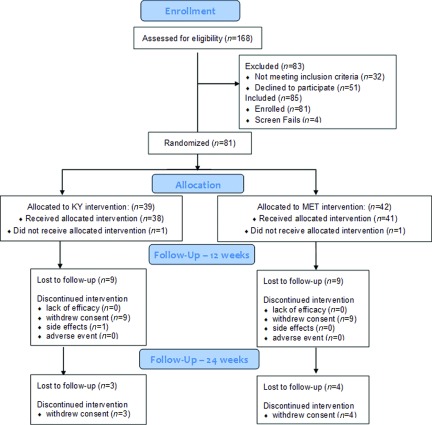
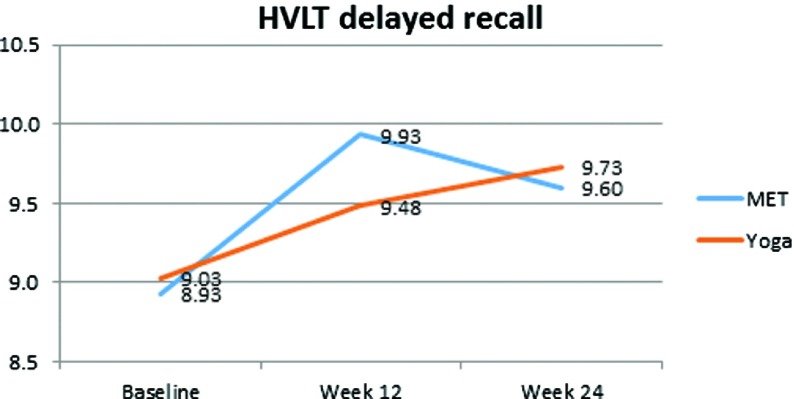
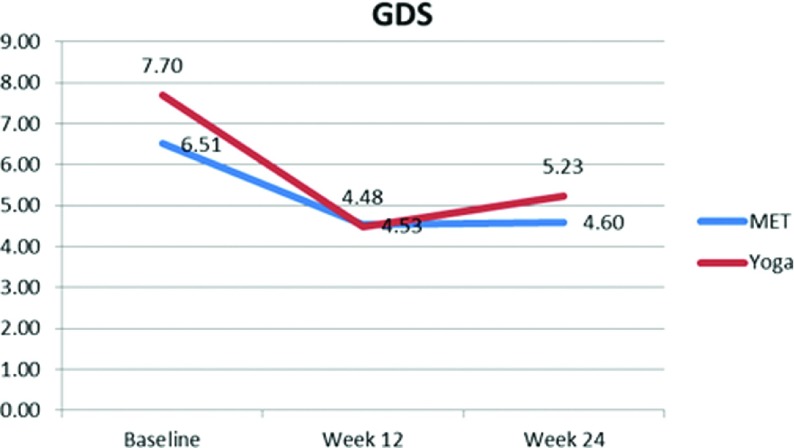
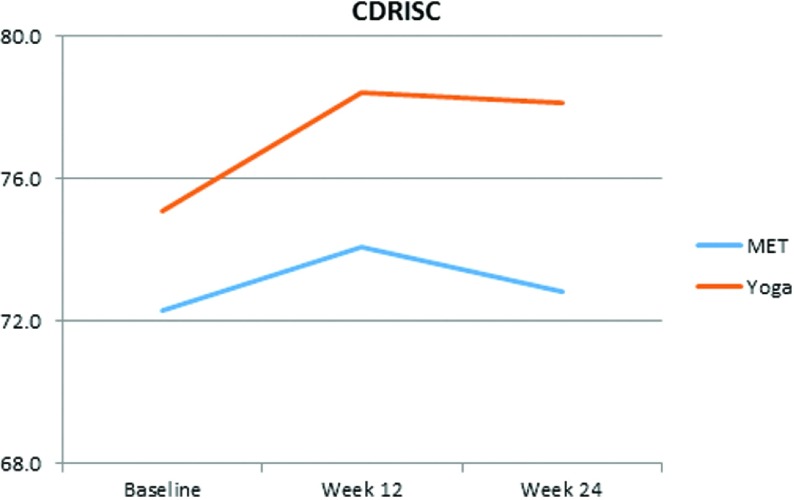
Verification
Claims the paper makes
The claims and statistics of this paper haven’t been checked yet.
Free: it reads the open-access text and checks the first 5 claims that cite a source we can check. Create a free account to check every claim.
Claims other papers make about this one
Each is checked against this paper’s own text: does it say what the citing paper says it does?
In the citing paper
“Intervention research suggests that MBTs (including yoga299,330,331, MBSR332, tai chi333,334, qigong302, and meditation335,336) have potential for improving HPA axis regulation299 and depressive symptoms in older adults with depression283,300–302 as well as in non-depressed older adults330–332,334–336.”
From Psychobiological factors of resilience and depression in late life (2019) · cites this paper as [331]
Self-check
Percentages, sums and reported differences re-computed from the paper’s own numbers.
The self-check needs the paper’s full text.
Citations
Cites
Folstein, M. F., Folstein, S. E., & McHugh, P. R. (1975) · Journal of Psychiatric Research · doi:10.1016/0022-3956(75)90026-6 · Cited by 88,282 · cited 2×
“…visual or hearing impairment); (3) insufficient English proficiency; (4) a diagnosis of dementia per the DSM-5; (5) Mini Mental Health Examination (Folstein et al., 1975) score of 24 or below; (6) use of psychoactive medications; (7) participation in a psychotherapy that involves cognitive…”
BackgroundHirono, N., Mori, E., Ikejiri, Y., Imamura, T., Shimomura, T., Hashimoto, M., Yamashita, H., & Ikeda, M. (1997) · Brain and nerve · Cited by 21,030
Kok, J. S., Berg, I. J., & Scherder, E. J. A. (2013) · Dementia and Geriatric Cognitive Disorders Extra · doi:10.1159/000353441 · Cited by 20,589
Older Adults' Reasons for Using Technology while Aging in Place
Peek, S. T. M., Luijkx, K. G., Rijnaard, M. D., Nieboer, M. E., van der Voort, C. S., Aarts, S., van Hoof, J., Vrijhoef, H. J. M., & Wouters, E. J. M. (2016) · Gerontology · doi:10.1159/000430949 · Cited by 19,690
Sensitivity and False Alarm Rate of a Fall Sensor in Long-Term Fall Detection in the Elderly
Kangas, M., Korpelainen, R., Vikman, I., Nyberg, L., & Jämsä, T. (2015) · Gerontology · doi:10.1159/000362720 · Cited by 18,909
Development and validation of a geriatric depression screening scale: a preliminary report
Yesavage, J. A., Brink, T. L., Rose, T. L., Lum, O., Huang, V., Adey, M., & Leirer, V. O. (1982) · Journal of Psychiatric Research · doi:10.1016/0022-3956(82)90033-4 · Cited by 15,025 · cited 2×
“All participants underwent IRB-approved informed consent procedures prior to enrolling in the study.”
BackgroundMethodDevelopment of a new resilience scale: The Connor-Davidson Resilience Scale (CD-RISC)
Connor, K. M., & Davidson, J. R. T. (2003) · Depression and Anxiety · doi:10.1002/da.10113 · Cited by 11,793 · cited 1×
“Psychological resilience to stress as a target for the mind–body interventions was measured by using the Connor-Davidson Resilience scale (Connor and Davidson, 2003).”
MethodValidity of the Trail Making Test as an Indicator of Organic Brain Damage
Reitan, R. M. (1958) · Perceptual and Motor Skills · doi:10.2466/pms.1958.8.3.271 · Cited by 7,928 · cited 2×
“Individual executive functions were assessed using (1) the Trail Making Test part B (Reitan, 1958) to measure cognitive flexibility, (2) the Stroop Word-Color Test (Golden, 1975) to assess response inhibition and the Animal Naming Test (Sager et al.”
MethodMild cognitive impairment as a diagnostic entity
Petersen, R. C. (2004) · Journal of Internal Medicine · doi:10.1111/j.1365-2796.2004.01388.x · Cited by 7,864 · cited 2×
“Current data suggest that mild cognitive impairment (MCI) ranges between 10% and 20% in samples of older adults (Petersen, 2004).”
BackgroundA New Clinical Scale for the Staging of Dementia
Hughes, C. P., Berg, L., Danziger, W., Coben, L. A., & Martin, R. L. (1982) · British Journal of Psychiatry · doi:10.1192/bjp.140.6.566 · Cited by 7,056 · cited 2×
“5 (Hughes et al., 1982); (4) sufficient English proficiency at the 8th grade level or higher as determined by the word reading subtest of the Wide Range Achievement Test-4 (Wilkinson, 2006) to participate in MET; (5) capacity to provide informed consent.”
MethodInfluential
Research works printed but not linked: 1
- 8. First M. B., Spitzer R. L., Gibbon M. and Williams J. B. W. (2002). Structured Clinical Interview for DSM-IV-TR Axis I Disorders, Research Version, Patient Edition. (SCID-I/P) New York State Psychiatric Institute, NY: Biometrics Research.
Cited by
Psychobiological factors of resilience and depression in late life
Laird, K. T., Krause, B., Funes, C., & Lavretsky, H. (2019) · Translational Psychiatry · doi:10.1038/s41398-019-0424-7 · Cited by 229
Self-citationChen, Y., Liang, N., Li, X., Yang, S.-H., Wang, Y., & Shi, N. (2021) · Frontiers in Neurology · doi:10.3389/fneur.2021.719849 · Cited by 185
Zou, L., Loprinzi, P. D., Yeung, A. S., Zeng, N., & Huang, T. (2019) · Archives of Physical Medicine and Rehabilitation · doi:10.1016/j.apmr.2019.03.009 · Cited by 157
Zhang, Y., Li, C., Zou, L., Liu, X., & Song, W. (2018) · International Journal of Environmental Research and Public Health · doi:10.3390/ijerph15122791 · Cited by 149
“As for delayed recall, the synthesized result from eight trials [25,29,30,32,35,41] suggested that the mind-body exercise was more effective than the control intervention and the effect was close to moderate (Hedges’g = 0.”
BackgroundMethodInfluentialPreventing dementia? Interventional approaches in mild cognitive impairment
Lissek, V. J., & Suchan, B. (2021) · Neuroscience & Biobehavioral Reviews · doi:10.1016/j.neubiorev.2020.12.022 · Cited by 138
Effects of Mind‐Body Exercises on Cognitive Function in Older Adults: A Meta‐Analysis
Wu, C., Yi, Q., Zheng, X., Cui, S., Chen, B., Lu, L., & Tang, C. (2019) · Journal of the American Geriatrics Society · doi:10.1111/jgs.15714 · Cited by 123
Farhang, M., Miranda-Castillo, C., Rubio, M., & Furtado, G. (2019) · International Psychogeriatrics · doi:10.1017/s1041610218002302 · Cited by 106
“A (Eyre et al., 2017; Fogarty et al., 2016; Yang et al., 2016), The Stroop Color and Word Test (SCWT) (Eyre et al., 2017; Yang et al., 2016).”
BackgroundMethodInfluentialImpact of Yoga on cognition and mental health among elderly: A systematic review
Chobe, S. V., Chobe, M. P., Metri, K., Patra, S. K., & Raghuram, N. (2020) · Complementary Therapies in Medicine · doi:10.1016/j.ctim.2020.102421 · Cited by 144
Acevedo, B. P., Santander, T., Marhenke, R., Aron, A. P., & Aron, E. N. (2021) · Neuropsychobiology · doi:10.1159/000513527 · Cited by 103
Self-citationThe Effects of Yoga on Patients with Mild Cognitive Impairment and Dementia: A Scoping Review
Brenes, G. A., Sohl, S. J., Wells, R. E., Befus, D., Campos, C. L., & Danhauer, S. C. (2018) · American Journal of Geriatric Psychiatry · doi:10.1016/j.jagp.2018.10.013 · Cited by 108
Whitty, E., Mansour, H., Aguirre, E., Palomo, M., Charlesworth, G., Ramjee, S., Poppe, M., Brodaty, H., Kales, H. C., Morgan-Trimmer, S., et al. (2020) · Ageing Research Reviews · doi:10.1016/j.arr.2020.101113 · Cited by 84
Bhattacharyya, K. K., Andel, R., & Small, B. J. (2020) · Archives of Gerontology and Geriatrics · doi:10.1016/j.archger.2020.104319 · Cited by 99
Comparison of study samples recruited with virtual versus traditional recruitment methods
Moseson, H., Kumar, S., & Juusola, J. L. (2020) · Contemporary Clinical Trials Communications · doi:10.1016/j.conctc.2020.100590 · Cited by 85
“The four comparator cognitive health studies assessed the association between cognitive function in older adults and water-based exercise [20], yoga and meditation [21], meditation and music [22], and yoga [23].”
BackgroundThe Effects of Mindfulness on Older Adults with Mild Cognitive Impairment
Wong, W. P., Coles, J., Chambers, R., Wu, D. B.-C., & Hassed, C. (2017) · Journal of Alzheimer's Disease Reports · doi:10.3233/adr-170031 · Cited by 74
“Likewise, MCI participants who practiced Kundalini yoga sustained their improved executive functioning at six months, compared with the MET control group [34].”
BackgroundResultInfluentialMarciniak, R., Šumec, R., Vyhnálek, M., Bendíčková, K., Lázničková, P., Forte, G., Jeleník, A., Římalová, V., Frič, J., Hort, J., et al. (2020) · Clinical Interventions in Aging · doi:10.2147/cia.s249196 · Cited by 69
Krause-Sorio, B., Siddarth, P., Kilpatrick, L., Milillo, M. M., Aguilar-Faustino, Y., Ercoli, L., Narr, K. L., Khalsa, D. S., & Lavretsky, H. (2022) · Journal of Alzheimer s Disease · doi:10.3233/jad-215563 · Cited by 72
“In a previous study using the same yoga versus MET paradigm in a group of mixed older men and women with MCI, we found memory improvements in both intervention groups [29].”
MethodSelf-citationTóth, E. E., Ihász, F., Barquín, R. R., & Szabó, A. (2023) · Journal of Aging and Physical Activity · doi:10.1123/japa.2022-0427 · Cited by 60
Mind-Body Therapies for Late-Life Mental and Cognitive Health
Laird, K. T., Paholpak, P., Roman, M., Rahi, B., & Lavretsky, H. (2018) · Current Psychiatry Reports · doi:10.1007/s11920-018-0864-4 · Cited by 54
Self-citationA Randomized Controlled Trial of Tai Chi Chih or Health Education for Geriatric Depression
Lavretsky, H., Milillo, M. M., Kilpatrick, L. A., Grzenda, A. L., Wu, P., Nguyen, S. A., Ercoli, L. M., & Siddarth, P. (2021) · American Journal of Geriatric Psychiatry · doi:10.1016/j.jagp.2021.07.008 · Cited by 54
Self-citationLiu, Q., Ni, W., Zhang, L., Zhao, M., Bai, X., Zhang, S., Ding, Y., Yin, H., & Chen, L. (2023) · Ageing Research Reviews · doi:10.1016/j.arr.2023.102071 · Cited by 55
Wang, S., Yin, H., Jia, Y., Zhao, L., Wang, L., & Chen, L. (2018) · Journal of Nervous & Mental Disease · doi:10.1097/nmd.0000000000000912 · Cited by 49
Reynolds, G., Willment, K., & Gale, S. A. (2020) · The American Journal of Medicine · doi:10.1016/j.amjmed.2020.10.041 · Cited by 51
Tang, L., Zhang, L., Liu, Y., Li, Y., Yang, L., Zou, M., Yang, H., Zhu, L., Du, R., Shen, Y., et al. (2024) · BMC Geriatrics · doi:10.1186/s12877-024-05118-7 · Cited by 51
“However, another commonly effective mind–body exercise, yoga [15–18], was not included in the comparative efficacy assessment.”
BackgroundSelf-citationWells, R. E., Kerr, C., Dossett, M. L., Danhauer, S. C., Sohl, S. J., Sachs, B. C., Feeley, J. W., Wolkin, J., Wall, R., Kaptchuk, T., et al. (2019) · Journal of Alzheimer's Disease · doi:10.3233/jad-190191 · Cited by 47
Henneghan, A. M., Becker, H., Harrison, M., Inselmann, K., Fico, B. G., Schafer, H., King, E., Patt, D. A., & Kesler, S. R. (2020) · Complementary Therapies in Clinical Practice · doi:10.1016/j.ctcp.2020.101228 · Cited by 50
Chobe, S. V., Patra, S. K., Chobe, M. P., & Metri, K. (2020) · Journal of Ayurveda and Integrative Medicine · doi:10.1016/j.jaim.2020.11.003 · Cited by 51
“, 2017, noticed a significant improvement in memory, executive function, and resilience following 12 weeks of Kundalini Yoga intervention among the 81 elderly with MCI [51].”
BackgroundInfluentialGrzenda, A. L., Siddarth, P., Milillo, M. M., Aguilar‐Faustino, Y., Khalsa, D. S., & Lavretsky, H. (2024) · Translational Psychiatry · doi:10.1038/s41398-024-02807-0 · Cited by 50
“Previous clinical trials from our group have demonstrated the ef fi cacy of Kundalini yoga (KY) in older adults with MCI [11 – 14].”
BackgroundMethodSelf-citationHan, A. (2022) · Clinical Gerontologist · doi:10.1080/07317115.2021.1995561 · Cited by 38
“…et al., 2019; Marciniak et al., 2020; Quintana-Hernández et al., 2016; Wells et al., 2013; Yu et al., 2021); a combination of MBSR and MBCT (Churcher Clarke et al., 2017; Larouche, Hudon, & Goulet, 2019); and other variations facilitating mindfulness (Eyre et al., 2016, 2017; Fam et al., 2020).”
BackgroundJie, S., Fu, A., Wang, C., & Rajabi, S. (2025) · Behavioral and Brain Functions · doi:10.1186/s12993-025-00273-2 · Cited by 42
Couch, E., Lawrence, V. C., Co, M., & Prina, M. A. (2020) · BMJ Open · doi:10.1136/bmjopen-2019-035980 · Cited by 43
Spiritual Fitness: A New Dimension in Alzheimer’s Disease Prevention
Khalsa, D. S., & Newberg, A. B. (2021) · Journal of Alzheimer s Disease · doi:10.3233/jad-201433 · Cited by 44
“Moreover, multiple studies have all illumined objective evidence of memory loss reversal when studying KK [21, 60, 87, 89].”
BackgroundSelf-citationWu, Y., Shen, S.-F., Lee, S., Chen, L., & Tung, H. (2023) · Archives of Gerontology and Geriatrics · doi:10.1016/j.archger.2023.104949 · Cited by 34
Zhou, X.-L., Wang, L., Wang, J., Zhou, L., & Shen, X. (2020) · Medicine · doi:10.1097/md.0000000000020105 · Cited by 37
“[Sungkarat 2017]([46]) Y Y Y Y N Y Y Y Y Y Y 10/11 [Suzuki 2013]([48]) Y Y Y N N Y Y Y Y N Y 8/11 [Takao 2012]([39]) Y Y Y N N Y Y Y Y Y Y 9/11 [Hong 2017]([43]) Y N N Y N Y N Y N Y Y 6/11 [Chun 2017]([40]) Y Y Y Y N Y Y N Y N Y 8/11 [Kang 2014]([44]) Y Y N Y N Y N N Y N Y 6/11 [Teresa 2016]([41]) Y Y Y N N Y Y Y Y Y…”
BackgroundInfluentialLeng, M., Liang, B., Zhou, H., Zhang, P., Hu, M., Li, G., Li, F., & Chen, L. (2018) · Journal of Nervous & Mental Disease · doi:10.1097/nmd.0000000000000887 · Cited by 26
“…(Boström et al., 2016; Cancela et al., 2016; Chen et al., 2017; Cheng et al., 2012b; Eggermont et al., 2009; Abd El-Kader and Al-Jiffri, 2016; Eyre et al., 2017; Hoffmann et al., 2016; Lam et al., 2014, 2015; Lautenschlager et al., 2008; Lin, 2017; Maki et al., 2012; Morris et al., 2017;…”
Complementary and Integrative Medicine for Neurocognitive Disorders and Caregiver Health
Nguyen, S. A., Oughli, H. A., & Lavretsky, H. (2022) · Current Psychiatry Reports · doi:10.1007/s11920-022-01355-y · Cited by 33
Self-citationKaramacoska, D., Tan, T., Mathersul, D. C., Sabag, A., de Manincor, M., Chang, D., & Steiner-Lim, G. Z. (2023) · BMC Geriatrics · doi:10.1186/s12877-023-03732-5 · Cited by 34
Emerging Complementary and Integrative Therapies for Geriatric Mental Health
Nguyen, S. A., & Lavretsky, H. (2020) · Current Treatment Options in Psychiatry · doi:10.1007/s40501-020-00229-5 · Cited by 31
Self-citationKhanthong, P., Sriyakul, K., Dechakhamphu, A., Krajarng, A., Kamalashiran, C., & Tungsukruthai, P. (2021) · Journal of Exercise Rehabilitation · doi:10.12965/jer.2142542.271 · Cited by 33
“Mind-body exercises are beneficial to persons with MCI (Brenes et al., 2019; Eyre et al., 2017; Sungkarat et al., 2017); however, a recent study found that mind-body intervention had a small effect and relatively low certainty for the cognitive function of individuals with MCI (Demurtas et al.”
BackgroundResultZhang, T., Liu, W., & Gao, S. (2022) · Frontiers in Neurology · doi:10.3389/fneur.2022.931460 · Cited by 31
“Another randomized controlled trial yielded similar results (47).”
ResultDoorley, J. D., Mace, R. A., Popok, P., Grunberg, V. A., Ragnhildstveit, A., & Vranceanu, A. (2021) · The Gerontologist · doi:10.1093/geront/gnab135 · Cited by 28
Yoga-plus exercise mix promotes cognitive, affective, and physical functions in elderly people
Hishikawa, N., Takahashi, Y., Fukui, Y., Tokuchi, R., Furusawa, J., Takemoto, M., Sato, K., Yamashita, T., Ohta, Y., & Abe, K. (2019) · Neurological Research · doi:10.1080/01616412.2019.1672380 · Cited by 27
“Previous studies reported that yoga and aerobic exercise interventions improved executive function, immediate and delayed recall of verbal, visuospatial memory, attention, working memory, verbal fluency, and processing speed in healthy elderly individuals, MCI and dementia patients [5,6,17–20].”
BackgroundInfluentialEffects of Mindfulness-based Interventions on Dementia Patients: A Meta-analysis
Wang, F. L., Tang, Q. Y., Zhang, L. L., Yang, J., Li, Y., Peng, H., & Wang, S. H. (2020) · Western Journal of Nursing Research · doi:10.1177/0193945920916750 · Cited by 26
“The population of eight studies was at least 55 years old (Berk et al., 2019; Chouinard et al., 2018; Churcher Clarke et al., 2017; Eyre et al., 2016, 2017; Larouche et al., 2019; Paller et al., 2015; Wong et al., 2017), participants in one study ranged in age from 45 to 85 (Berk, Hotterbeekx, et…”
BackgroundInfluentialInnes, K. E., Montgomery, C., Selfe, T. K., Wen, S., Khalsa, D. S., & Flick, M. (2021) · Journal of Alzheimer s Disease Reports · doi:10.3233/adr-200249 · Cited by 24
Self-citationInitial Evidence for the Efficacy of an Everyday Memory and Metacognitive Intervention
Pearman, A. M., Lustig, E., Hughes, M., & Hertzog, C. K. (2020) · Innovation in Aging · doi:10.1093/geroni/igaa054 · Cited by 26
“A cornerstone of implementing a self-regulatory approach is fostering a form of self-reflection or mindfulness (Brown et al., 2016; Eyre et al., 2017; Levy et al., 2001), embodied in a “stop, think, plan, act” method that is designed to override reflexive, habitual behaviors (Wood & Rünger, 2016) by substituting goal-…”
BackgroundMind–Body Therapies in Individuals With Dementia: An Integrative Review
Anderson, J. G., Rogers, C. E., Bossen, A., Testad, I., & Rose, K. M. (2017) · Research in Gerontological Nursing · doi:10.3928/19404921-20170928-01 · Cited by 21
Miller, K. J., Areerob, P., Hennessy, D., Gonçalves-Bradley, D. C., Mesagno, C., & Grace, F. (2021) · F1000Research · doi:10.12688/f1000research.27123.2 · Cited by 20
Bhattacharyya, K. K., Hueluer, G., Meng, H., & Hyer, K. (2021) · Complementary Therapies in Medicine · doi:10.1016/j.ctim.2021.102751 · Cited by 22
Tremont, G. N., Davis, J. D., Ott, B. R., Uebelacker, L. A., Kenney, L. E., Gillette, T., Britton, K. J., & Sanborn, V. E. (2022) · Journal of Integrative and Complementary Medicine · doi:10.1089/jicm.2021.0204 · Cited by 19
“The study by Eyre et al. 21 only measured memory and executive functions and found effects for both domains after the intervention.”
InfluentialBatmyagmar, D., Kundi, M., Ponocny‐Seliger, E., Lukas, I., Lehrner, J. P., Haslacher, H., & Winker, R. (2019) · Scientific Reports · doi:10.1038/s41598-019-41010-w · Cited by 22
Chao, L. L., Lee, J., Martinez, S., Barlow, C., Chesney, M. A., Mehling, W. E., & Barnes, D. E. (2021) · Journal of Alzheimer s Disease · doi:10.3233/jad-210159 · Cited by 19
“[57] may be viewed as a measure of the ability to cope with stress, which is somewhat similar to the self-regulation measure that we examined with the MAIA-2 questionnaire [27].”
BackgroundResultKilpatrick, L. A., Siddarth, P., Krause, B., Milillo, M. M., Aguilar‐Faustino, Y., Ercoli, L. M., Narr, K. L., Khalsa, D. S., & Lavretsky, H. (2023) · Journal of Alzheimer s Disease · doi:10.3233/jad-221159 · Cited by 21
Self-citationLin, R. S. Y., Su, J. J., Abu‐Odah, H., & Bayuo, J. (2023) · International Journal of Geriatric Psychiatry · doi:10.1002/gps.5986 · Cited by 18
“The remaining two reported instances of dizziness among two participants.(37,45) 4.”
BackgroundHong, Y., Tian, Z., Ji, Z., Yang, J. N., & Wang, C. (2024) · Ageing Research Reviews · doi:10.1016/j.arr.2024.102526 · Cited by 17
“Kundalini-like experience as psychopathology: A case series and brief review”
Suchandra, H. H., Bojappen, N., Rajmohan, P., Phurailatpam, S., Murali, L. P., Ok, A. S., Pahuja, E., Bhargav, H., Mehta, U. M., Manjunatha, N., et al. (2020) · Complementary Therapies in Clinical Practice · doi:10.1016/j.ctcp.2020.101285 · Cited by 18
Farhang, M., Rojas, G., Martínez, P., Behrens, M. I., Langer, A. I., Díaz, M., & Miranda‐Castillo, C. (2022) · International Journal of Environmental Research and Public Health · doi:10.3390/ijerph192215374 · Cited by 20
Effects of Hatha yoga on cognitive functions in the elderly: a cross-sectional study
Baklouti, S., Aloui, A., Baklouti, H., Souissi, N., & Jarraya, M. (2022) · Libyan Journal of Medicine · doi:10.1080/19932820.2022.2080799 · Cited by 17
“The present results corroborate previous findings [36,37,39] showing that participants in the mind-body exercise had better Stroop test results in”
ResultPark, J., Wiese, L. K., & Holt, J. (2023) · Clinical Gerontologist · doi:10.1080/07317115.2023.2277333 · Cited by 14
“Yoga has been associated with greater cortical thickness and gray matter volume, improved memory (Eyre et al., 2016; Subramanya & Telles, 2009), and slower age-related cognitive decline (Eyre et al., 2017).”
Yoga perspective on personal excellence and well-being
Chaudhry, N., Bhandari, R. B., & Gaur, V. (2023) · Journal of Ayurveda and Integrative Medicine · doi:10.1016/j.jaim.2023.100717 · Cited by 14
Effects of Multicomponent Exercise on Community-Dwelling Older Adults With Mild Cognitive Impairment
Zhang, J., Yang, C., Pan, Y., & Wang, L. (2024) · Research in Gerontological Nursing · doi:10.3928/19404921-20240112-02 · Cited by 12
Use of Complementary and Integrative Medicine for Alzheimer’s Disease and Cognitive Decline
Nguyen, S. A., Oughli, H. A., & Lavretsky, H. (2023) · Journal of Alzheimer s Disease · doi:10.3233/jad-230710 · Cited by 14
“Although both KY and MET showed overall positive results on cognition, these results show promise for the long-term and more sustained effects of KY on executive functioning [23].”
InfluentialSelf-citationGarcía-García, C., Moreno, L., Alacreu, M., Muñoz–Almaraz, F. J., & Martínez, L. A. (2022) · International Journal of Environmental Research and Public Health · doi:10.3390/ijerph191912911 · Cited by 13
Chen, L., & Kim, S. (2024) · Frontiers in Neurology · doi:10.3389/fneur.2024.1447734 · Cited by 12
Wu, P., Qian, M., Chen, X., Zhu, M., & Liu, J. (2025) · Journal of Psychosomatic Research · doi:10.1016/j.jpsychores.2025.112107 · Cited by 12
Lavretsky, H. (2018) · American Journal of Geriatric Psychiatry · doi:10.1016/j.jagp.2018.11.002 · Cited by 11
Self-citationComplementary and Integrative Therapies in Psychiatry
Varteresian, T. C., & Lavretsky, H. (2018) · FOCUS The Journal of Lifelong Learning in Psychiatry · doi:10.1176/appi.focus.20170056 · Cited by 10
Self-citationConnecting Mind-Body Therapy-Mediated Effects to Pathological Features of Alzheimer’s Disease
Hüttenrauch, M., López‐Noguerola, J. S., & Castro‐Obregón, S. (2020) · Journal of Alzheimer s Disease · doi:10.3233/jad-200743 · Cited by 12
Watanabe, S. (2019) · Biomedical Journal of Scientific & Technical Research · doi:10.26717/bjstr.2019.17.003006 · Cited by 12
“In several studies, intervention with mindfulness training has shown to improve psychological well-being in both healthy subjects and in patients suffering from dementia [11-121].”
BackgroundYoga as Therapy for People With Aphasia
Dietz, A. R., Duncan, E. S., Bislick, L., Stegman, S., Collins, J., Mamlekar, C. R., Gleason, R., & McCarthy, M. J. (2020) · Perspectives of the ASHA Special Interest Groups · doi:10.1044/2020_persp-20-00028 · Cited by 10
Clinical Effectiveness of Treatments for Mild Cognitive Impairment in Adults: A Systematic Review
Cepeda-Pineda, D., Sequeda, G., Carrillo-Sierra, S.-M., Silvera-Cruz, K., Redondo-Chamorro, J., Rozo-Sánchez, A., Bermúdez, V., Contreras-Velásquez, J., Gómez-Charris, Y., & Rivera-Porras, D. (2025) · European Journal of Investigation in Health Psychology and Education · doi:10.3390/ejihpe15110226 · Cited by 12
“These showed promising effects by targeting biological mechanisms related to oxidative stress, brain inflammation, and neural connectivity (Eyre et al., 2017; Fei et al., 2023; Lau et al., 2024; Tan & Tan, 2021).”
InfluentialA fizikai aktivitás hatásai az időskori kognitív működésre
Mile, M., Tatai, C., Fábián, B., & Csiki, Z. (2020) · Orvosi Hetilap · doi:10.1556/650.2020.31643 · Cited by 11
Canlı, S., & Özyurda, F. (2020) · The Journal of Sports Medicine and Physical Fitness · doi:10.23736/s0022-4707.20.10286-x · Cited by 9
Complementary, Alternative, and Integrative Medicine Use is Rising among Aging Baby Boomers
Lavretsky, H. (2017) · American Journal of Geriatric Psychiatry · doi:10.1016/j.jagp.2017.08.004 · Cited by 9
Self-citationWu, J., Wang, C., Qi, S., Qin, Z., Xu, H., & Hong, X. (2023) · Psychogeriatrics · doi:10.1111/psyg.13056 · Cited by 8
Ibrahim, M., Therriault, J., Nair, V. P., Dikaios, E., Rosa‐Neto, P., Walpola, I. C., Rej, S., & Lifshitz, M. (2022) · International Journal of Yoga · doi:10.4103/ijoy.ijoy_25_22 · Cited by 8
“For instance, a 12-week Kundalini yoga program was shown to improve executive functioning and memory in older adults (n = 81) with mild cognitive impairment (MCI).[3] Another study found that an 8-week Kirtan Kriya meditation program (derived from Kundalini yoga) improved mood and decreased anxiety in older adult part…”
BackgroundA systematic review with meta-analysis of Yoga's contributions to neuropsychiatric aspects of aging
Verzili, B., de Arruda, M. V., Herrmann, F., Reyes, M. B., & Galduróz, R. F. (2023) · Behavioural Brain Research · doi:10.1016/j.bbr.2023.114636 · Cited by 7
Minding the Mind–Body Literature: Aging and Cognitive Decline
Wayne, P. M., Yeh, G. Y., & Mehta, D. H. (2018) · The Journal of Alternative and Complementary Medicine · doi:10.1089/acm.2018.29044.pjw · Cited by 7
Britt, K. C., Oh, H., Boateng, A. C. O., Morgan, S., Ashida, S., Nagel, C., Thorpe, R. J., & Koenig, H. G. (2025) · Brain Sciences · doi:10.3390/brainsci15121296 · Cited by 6
“Three of eight studies specified yoga generally [130,142,154], but the other five studies specified the specific type of yoga, such as Hatha yoga [140], Yogic relaxation [149], Kundalini [132,133], and Sahaj yoga [150].”
InfluentialZoila, F., de Stefano, M. I., Sgobbio, A., Panaro, M. A., Maffione, A. B., Antonucci, L., Benameur, T., Massaro, M., Gaban, S. V. F., Filannino, F. M., et al. (2025) · Sports · doi:10.3390/sports13120458 · Cited by 6
“…trial conducted on older adults with MCI demonstrated that Kundalini yoga (KY) exercises performed for 12 weeks had beneficial effects on cognitive function (memory and executive functioning) and mood (depression, apathy, and resilience) compared to memory enhancement training (MET) [102].”
War-Related Mental Health Issues and Need for Yoga Intervention Studies: A Scoping Review
Anand, A., Ghani, A., Sharma, K., Kaur, G., Khosla, R., Devi, C., Podder, V., Sivapuram, M. S., Maity, K., & Kaur, H. (2021) · International Journal of Yoga · doi:10.4103/ijoy.ijoy_60_21 · Cited by 9
“12‐min home practice of Kirtan Kriya meditation Kundalini yoga improves executive functioning, depressed mood, and resilience with greater and sustained improvement in mood compared to memory enhancement training group [116]”
BackgroundBhattacharyya, K. K., Gupta, D. D., Schwartz, S., Molinari, V., & Fauth, E. B. (2023) · Psychogeriatrics · doi:10.1111/psyg.13046 · Cited by 5
“11 Another study found that participants who practiced yoga showed signi fi cant improvement in depression and visuospatial memory compared to participants who practiced memory enhancement training (active control).”
BackgroundKundalini Yoga for Post-Treatment Lyme Disease: A Preliminary Randomized Study
Murray, L. A., Alexander, C., Bennett, C., Kuvaldina, M., Khalsa, G. S., & Fallon, B. A. (2022) · Healthcare · doi:10.3390/healthcare10071314 · Cited by 6
“In one study of adults with mild cognitive impairment, KY led to improvements in memory and executive functioning on formal neurocognitive testing [39].”
BackgroundCan Wim Hof Method breathing induce conscious metabolic waste clearance of the brain?
Chavez, J. A., & Zappaterra, M. (2023) · Medical Hypotheses · doi:10.1016/j.mehy.2023.111118 · Cited by 4
Shi, J., Tian, H., Wei, J., Xu, W., Luo, Q., Peng, J., Xia, J., Huai, W., Xiong, Y., & Chen, Y. (2025) · Frontiers in Public Health · doi:10.3389/fpubh.2025.1524898 · Cited by 7
“…(31, 39–42, 45, 47, 49), MBSR in eight studies (9, 38, 43, 44, 46, 48, 50, 51), mindful awareness practice (MAP) in two studies (10, 33), Kabat-Zinn’s in one study (32), Kirtan Kriya in three studies (14, 34, 36), Kundalini yoga in two study (5, 37), and Tibetan Sound Meditation in one study (35).”
InfluentialStepping Out: A Pilot Program to Reduce Falls Risk in People with Mild Cognitive Impairment
Fischer, B. L., Midden, A. J., Hoffmann, A., Urben, D., DeWitt, L., Kohlman, K., Sherman, K., Myers, S., Clemson, L. M., & Mahoney, J. (2021) · OBM Geriatrics · doi:10.21926/obm.geriatr.2101151 · Cited by 4
Giridharan, S., Kumar, N. V., & Bhana, R. (2024) · Cureus · doi:10.7759/cureus.63161 · Cited by 4
“Five RCTs meeting all inclusion criteria were deemed suitable for review, involving 215 participants [19-23].”
BackgroundResultChristakou, Α., Bouzineki, C., Pavlou, M., Stranjalis, G., & Sakellari, V. (2024) · Brain Sciences · doi:10.3390/brainsci14121260 · Cited by 4
“Symptoms of depression showed significant improvement after participating in a 12-week Kundalini yoga program [38].”
Li, G., Chen, J.-W., & Wang, F. (2025) · Geriatric Nursing · doi:10.1016/j.gerinurse.2025.103394 · Cited by 4
Acevedo, B. P., Marhenke, R., Kosik, K. S., Zarinafsar, S., & Santander, T. (2021) · Aging and Health Research · doi:10.1016/j.ahr.2021.100018 · Cited by 4
Self-citationThe role of modified Mediterranean neuroprotective diet on emotion, cognition, and depression
Singh, R. B., Horiuchi, R., Wilczyńska, A., Suchday, S., Tyagi, G., Magomedova, A. G., Fatima, G., Smail, M. M. A., Isaza, A., Jain, M., et al. (2021) · Elsevier eBooks · doi:10.1016/b978-0-12-819815-5.00030-6 · Cited by 6
Matsumoto, N., Kuroda, Y., Sugimoto, T., Fujita, K., Uchida, K., Kishino, Y., Arai, H., & Sakurai, T. (2023) · Frontiers in Aging Neuroscience · doi:10.3389/fnagi.2023.1169891 · Cited by 4
“However, other studies have found that psychological resilience increases with exercise and treatment (Pakalniskiene et al., 2016; Eyre et al., 2017).”
BackgroundXiong, M., Ma, W., Hu, X., Tong, Y., He, Z., Lei, Q., Koenig, H. G., & Wang, Z. (2024) · Journal of Religion and Health · doi:10.1007/s10943-024-02149-7 · Cited by 4
“According to a randomized controlled trial by Eyre et al. (2017), spiritual practices, especially meditation exercises, had a positive effect on improving cognitive performance such as attention and memory.”
Well-being in dementia and mild cognitive impairment
Aftab, A., & Jeste, D. V. (2019) · International Psychogeriatrics · doi:10.1017/s1041610219000590 · Cited by 4
“It is worth stressing that there is available an arsenal of mind-body interventions at our disposal that can be used to improve the wellbeing of patients with neurocognitive disorders (Eyre et al., 2017).”
BackgroundGoveas, J. S., Hwang, G., McAuliffe, T. L., Blair, N.-O. P., Webber, A. R., Claesges, S. A., Murphy, L. M., Chandler, K., Reynolds, C. F., & Hainsworth, K. R. (2025) · Scientific Reports · doi:10.1038/s41598-025-28397-5 · Cited by 3
Yoga as Advanced Cognitive Training: How Kirtan Kriya In Kundalini Yoga Changes the PTSD Brain
Chou, Y. (2019) · Journal of Yoga and Physiotherapy · doi:10.19080/jyp.2019.07.555722 · Cited by 3
Singh, R. B., Wilczyńska, A., Fedačko, J., Horiuchi, R., Takahashi, T., Fatima, G., Ismail, M. M., & Magomedova, A. G. (2023) · MOJ Public Health · doi:10.15406/mojph.2023.12.00409 · Cited by 3
Allende, S., Mahoney, L., Francisco, J. M., Fitz, K., Keaney, A., Parker-Bridges, K., Mahoney, H., Jo, B., Greenberg, J., & Bayley, P. J. (2024) · Global Advances in Integrative Medicine and Health · doi:10.1177/27536130241240405 · Cited by 5
Reyes, Y. Y. R., & Valbuena, L. P. A. (2021) · Revista Colombiana de Psiquiatría · doi:10.1016/j.rcp.2021.07.002 · Cited by 4
Beversdorf, D. Q., Crosby, H. W., & Shenker, J. I. (2023) · PubMed Central · Cited by 6
Kundalini yoga and kundalini awakenings
Khalsa, S. B. S. (2021) · Complementary Therapies in Clinical Practice · doi:10.1016/j.ctcp.2021.101417 · Cited by 4
Cañete, T., Borras, G., Ramos, S., & Khalsa, D. S. (2019) · MindRxiv (OSF Preprints) · doi:10.31231/osf.io/y6fku · Cited by 3
Self-citation
Metadata
- Authors
- Eyre, H. A., Siddarth, P., Acevedo, B., Van Dyk, K., Paholpak, P., Ercoli, L., St. Cyr, N., Yang, H., Khalsa, D. S., & Lavretsky, H.
- Affiliations
- Deakin University (AU)
- University of California, Los Angeles (US)
- Alzheimer's Research and Prevention Foundation (US)
- Corresponding author
- Eyre, Harris A.
- ORCID
- Venue
- International Psychogeriatrics
- Publisher
- Elsevier BV
- Published
- 2017-04
- Volume
- 29
- Issue
- 4
- Pages
- 557-567
- ISSN
- 1041-6102 (ISSN-L)
- PMC
- PMC5540331
- OpenAlex
- W2579377982
- Cited by
- 142
- References
- 46
- Citations by year
- 2026: 13 · 2025: 11 · 2024: 15 · 2023: 22 · 2022: 11 · 2021: 21 · 2020: 23 · 2019: 12 · 2018: 10 · 2017: 4
- FWCI
- 11.01
- Type
- journal article
- Language
- en
- Open access
- gold
- doi.org
- Licence
- cc-by
- www.elsevier.com/tdm/userlicense/1.0/ (tdm)
- www.elsevier.com/legal/tdmrep-license (tdm)
- creativecommons.org/licenses/by-nc-sa/4.0 (vor)
- Locations
- International Psychogeriatrics (publishedVersion, cc-by)
- PubMed Central (publishedVersion, cc-by-nc-sa)
- PubMed (publishedVersion)
- Minerva Access (University of Melbourne) (submittedVersion, cc-by-nc-sa)
- Adelaide Research & Scholarship (AR&S) (University of Adelaide) (submittedVersion, cc-by)
- Deakin Research Online (Deakin University) (submittedVersion)
- eScholarship (California Digital Library) (submittedVersion)
- Figshare (submittedVersion, cc-by-nc-sa)
- Funders
- Forest Research Institute
- Alzheimer's Research and Prevention Foundation
- National Institutes of Health (MH077650, MH086481, AT009198, AT008383)
- Topics
- Health Sciences › Medicine › Psychiatry and Mental health › Dementia and Cognitive Impairment Research
- Social Sciences › Psychology › Clinical Psychology › Mindfulness and Compassion Interventions
- Social Sciences › Psychology › Experimental and Cognitive Psychology › Cognitive Functions and Memory
- Keywords
- Kundalini yoga, mild cognitive impairment, cognitive decline, executive function, memory, depression, resilience, apathy, older adults, yoga intervention, dementia prevention
- MeSH terms
- Affect, Aged, California, Female, Humans, Learning, Male, Middle Aged, Psychiatric Status Rating Scales, Severity of Illness Index, Yoga, Resilience, Psychological, Executive Function, Cognitive Dysfunction
About these checks
Registry, retraction, Cites and statistics results are computed, not judged, with one exception: a printed reference that no index lists is read once by a model before it counts as a citation error. Claims are extracted by a model and kept only when their quote appears verbatim in the text; each cited source is then checked, with a model’s help, for whether it says what the claim relies on. Those verdicts can be wrong — read the claim’s quote and the cited source before relying on one.
Statistics and arithmetic are recomputed, not judged.
Confidence bands are shown only for fields calibrated on our annotated test set. None is calibrated yet, so no band is shown.
What counts as a claim ›How we measure confidence ›How we check this ›
Are you an author, or do you see a problem with this page? Request a review
Data sources
Bibliographic data: Semantic Scholar, OpenAlex, Crossref.
Contains information from the Semantic Scholar Academic Graph Datasets, made available under the ODC Attribution License (ODC-BY 1.0).
Semantic Scholar’s data is described in: Kinney, R., et al. (2023). The Semantic Scholar Open Data Platform. arXiv:2301.10140.
