

Functional interaction between autophagy and ciliogenesis
Open accessThe DOI matches its Crossref record; 31 of the 31 references it cites were found in a registry or an index.
Abstract
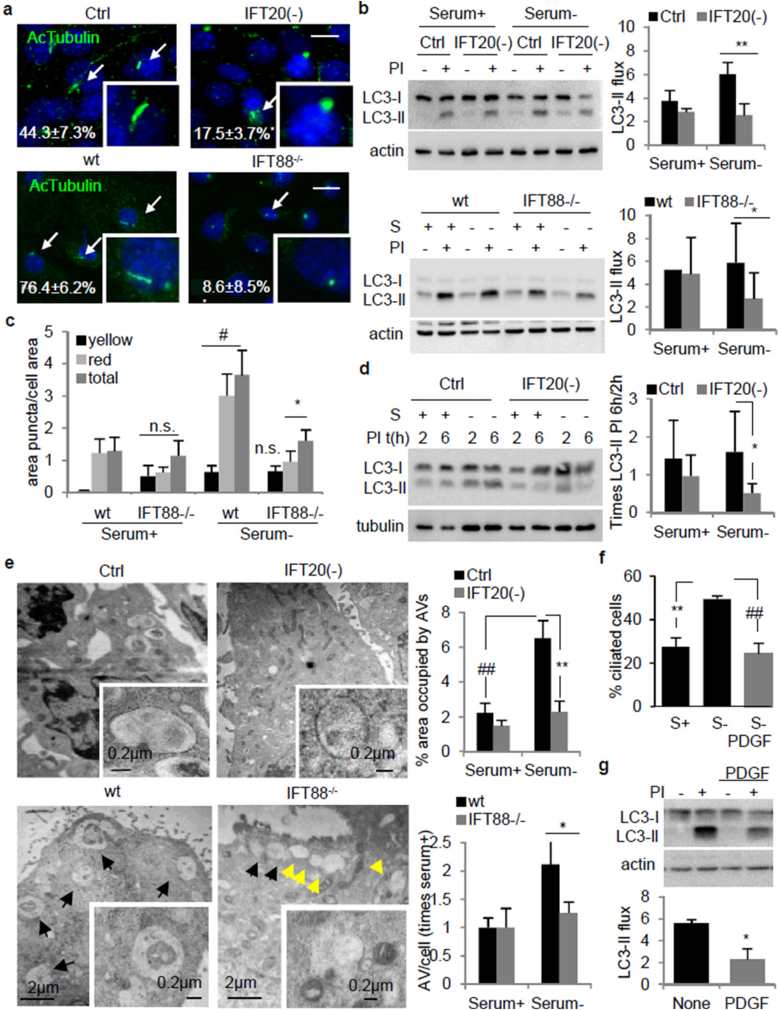
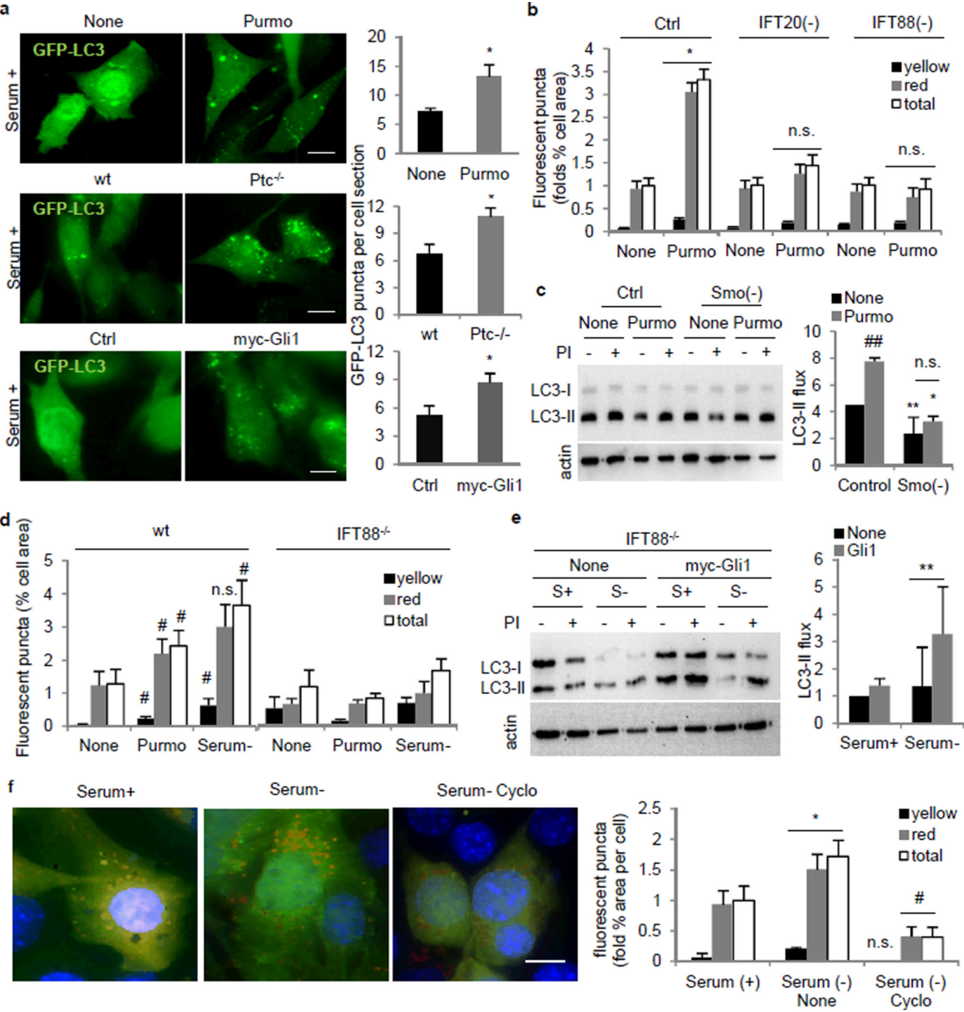
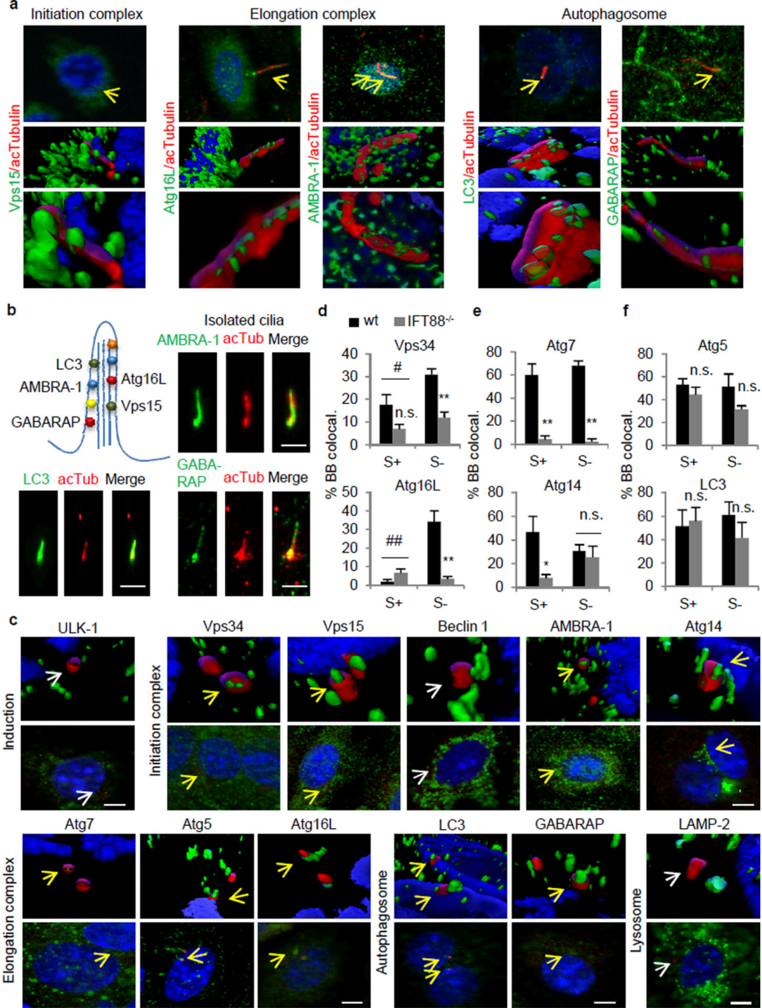
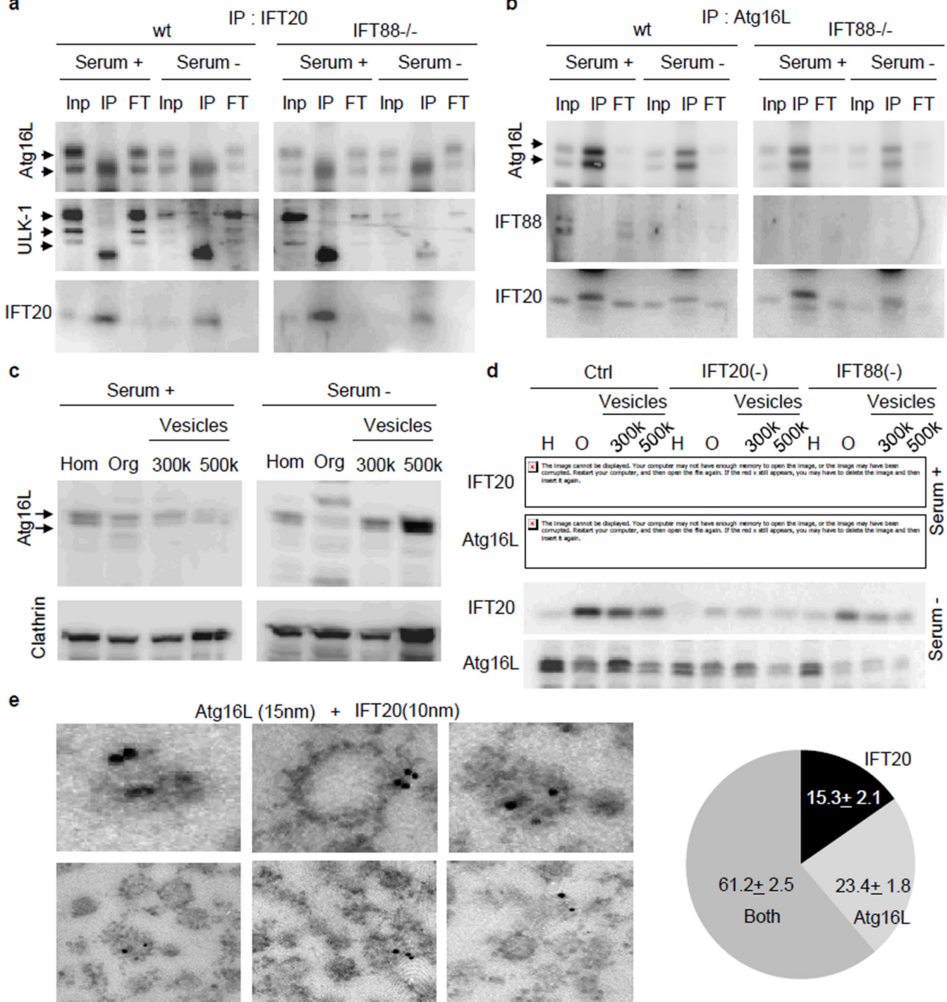
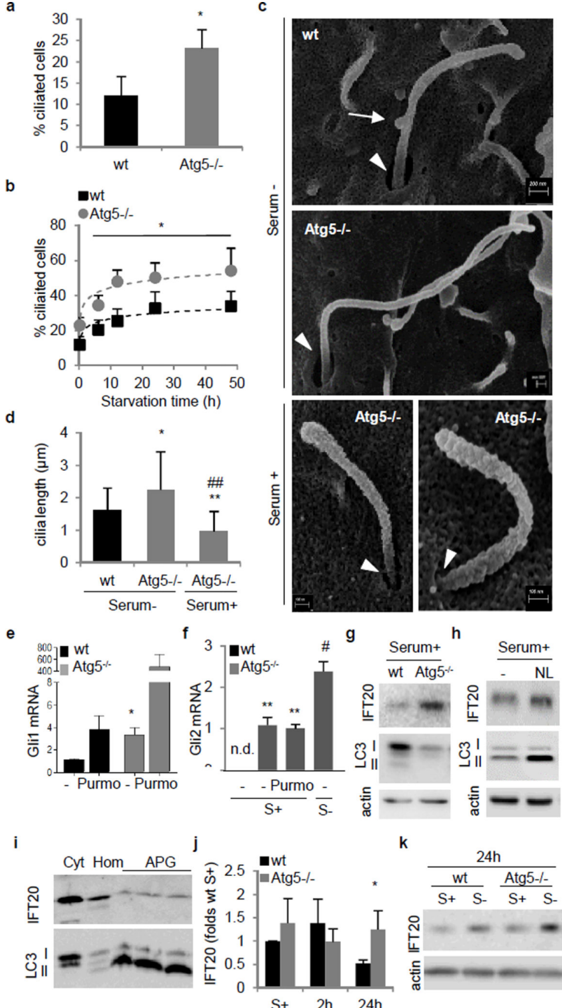
Nutrient deprivation is a stimulus shared by both autophagy and the formation of primary cilia. The recently discovered role of primary cilia in nutrient sensing and signalling motivated us to explore the possible functional interactions between this signalling hub and autophagy. Here we show that part of the molecular machinery involved in ciliogenesis also participates in the early steps of the autophagic process. Signalling from the cilia, such as that from the Hedgehog pathway, induces autophagy by acting directly on essential autophagy-related proteins strategically located in the base of the cilium by ciliary trafficking proteins. Whereas abrogation of ciliogenesis partially inhibits autophagy, blockage of autophagy enhances primary cilia growth and cilia-associated signalling during normal nutritional conditions. We propose that basal autophagy regulates ciliary growth through the degradation of proteins required for intraflagellar transport. Compromised ability to activate the autophagic response may underlie some common ciliopathies.
Overview
The claims and statistics of this paper haven’t been checked yet.
Free: it reads the open-access text and checks the first 5 claims that cite a source we can check. Create a free account to check every claim.
Integrity signals
Registry
Cites
Statistics
Figures
Verification
Claims the paper makes
The claims and statistics of this paper haven’t been checked yet.
Free: it reads the open-access text and checks the first 5 claims that cite a source we can check. Create a free account to check every claim.
Claims other papers make about this one
Each is checked against this paper’s own text: does it say what the citing paper says it does?
The source backs part of the claim, not all of it — or backs it for a different population, condition or comparison.
In the citing paper
“Furthermore, PC are key regulators of autophagy-endolysosomal pathways, and when ciliary-autophagic trafficking is disturbed, ciliary cargo can be redirected toward EV secretion [102,103,104].”
From The Impact of Neurotoxin Proteins Trafficked by Primary Cilia and Extracellular Vesicles in Neurodegenerative Diseases (2025) · cites this paper as [102]
Experimental — accuracy not yet measuredThe source backs part of the claim, not all of it — or backs it for a different population, condition or comparison.
In the citing paper
“In addition, neuronal primary cilia are at the intersection of extracellular and intracellular signaling pathways that control the function of subcellular organelles like the proteasome, autophagosome, and microtubule-rich basal body [6, 57].”
From Abnormal accumulation of extracellular vesicles in hippocampal dystrophic axons and regulation by the primary cilia in Alzheimer's disease (2023) · cites this paper as [57]
Experimental — accuracy not yet measuredThe check wasn’t confident either way, so it gives no verdict — never disputed.
In the citing paper
“Because TNT formation relies on actin-dependent machinery (e.g., M-Sec/RalA/exocyst) and ciliary Shh signaling regulates neuronal actin dynamics, ciliary dysfunction may promote TNT formation, while impaired autophagy increases EV loading, collectively enhancing α-syn dissemination (Figure 3B) [102,149,150,153,154,155].”
From The Impact of Neurotoxin Proteins Trafficked by Primary Cilia and Extracellular Vesicles in Neurodegenerative Diseases (2025) · cites this paper as [102]
Experimental — accuracy not yet measuredThe check wasn’t confident either way, so it gives no verdict — never disputed.
In the citing paper
“Primary cilia, which make use of mitotic spindle-like molecular machinery, may influence the regulation of the cell cycle machinery in neurons [6, 57].”
From Abnormal accumulation of extracellular vesicles in hippocampal dystrophic axons and regulation by the primary cilia in Alzheimer's disease (2023) · cites this paper as [57]
Experimental — accuracy not yet measured
Self-check
Percentages, sums and reported differences re-computed from the paper’s own numbers.
The self-check needs the paper’s full text.
Citations
Cites
Repertoires of Autophagy in the Pathogenesis of Ocular Diseases
Li, Y.-J., Jiang, Q., Cao, G.-F., Yao, J., & Yan, B. (2015) · Cellular Physiology and Biochemistry · doi:10.1159/000373980 · Cited by 16,304
Autophagy fights disease through cellular self-digestion
Mizushima, N., Levine, B., Cuervo, A. M., & Klionsky, D. J. (2008) · Nature · doi:10.1038/nature06639 · Cited by 6,452
Self-citationGuidelines for the use and interpretation of assays for monitoring autophagy
Klionsky, D. J., Abdalla, F. C., Abeliovich, H., Abraham, R. T., Acevedo-Arozena, A., Adeli, K., Agholme, L., Agnello, M., Agostinis, P., Aguirre-Ghiso, J. A., et al. (2012) · Autophagy · doi:10.4161/auto.19496 · Cited by 4,330
Self-citationAutophagy regulates lipid metabolism
Singh, R., Kaushik, S., Wang, Y., Xiang, Y., Novak, I., Komatsu, M., Tanaka, K., Cuervo, A. M., & Czaja, M. J. (2009) · Nature · doi:10.1038/nature07976 · Cited by 3,975
Self-citationMammalian autophagy: core molecular machinery and signaling regulation
Yang, Z., & Klionsky, D. J. (2010) · Current Opinion in Cell Biology · doi:10.1016/j.ceb.2009.11.014 · Cited by 1,956
Patched1 Regulates Hedgehog Signaling at the Primary Cilium
Rohatgi, R., Milenkovic, L., & Scott, M. P. (2007) · Science · doi:10.1126/science.1139740 · Cited by 1,426
Lysosomal turnover, but not a cellular level, of endogenous LC3 is a marker for autophagy
Tanida, I., Minematsu-Ikeguchi, N., Ueno, T., & Kominami, E. (2005) · Autophagy · doi:10.4161/auto.1.2.1697 · Cited by 1,254
Plasma membrane contributes to the formation of pre-autophagosomal structures
Ravikumar, B., Moreau, K., Jahreiss, L., Puri, C., & Rubinsztein, D. C. (2010) · Nature Cell Biology · doi:10.1038/ncb2078 · Cited by 902
PDGFRαα Signaling Is Regulated through the Primary Cilium in Fibroblasts
Schneider, L., Clement, C. A., Teilmann, S. C., Pazour, G. J., Hoffmann, E. K., Satir, P., & Christensen, S. T. (2005) · Current Biology · doi:10.1016/j.cub.2005.09.012 · Cited by 592
Self-citationPazour, G. J., San Agustin, J. T., Follit, J. A., Rosenbaum, J. L., & Witman, G. B. (2002) · Current Biology · doi:10.1016/s0960-9822(02)00877-1 · Cited by 531
Cited by
Items 201–300 of 454
The entangled relationship between cilia and actin
Brücker, L., Kretschmer, V., & May‐Simera, H. (2020) · The International Journal of Biochemistry & Cell Biology · doi:10.1016/j.biocel.2020.105877 · Cited by 29
Circadian oscillation in primary cilium length by clock genes regulates fibroblast cell migration
Nakazato, R., Matsuda, Y., Ijaz, F., & Ikegami, K. (2023) · The EMBO Reports · doi:10.15252/embr.202356870 · Cited by 25
“The functional interaction between primary cilia and autophagy, and the autophagy-induced degradation of proteins essential for ciliogen-esis have been described (Pampliega et al , 2013).”
BackgroundNRF2-dependent gene expression promotes ciliogenesis and Hedgehog signaling
Martín-Hurtado, A., Martin-Morales, R., Robledinos-Antón, N., Blanco, R., Palacios-Blanco, I., Lastres‐Becker, I., Cuadrado, A., & García-Gonzalo, F. R. (2019) · Scientific Reports · doi:10.1038/s41598-019-50356-0 · Cited by 25
Martin, M. D., Calcul, L., Smith, C., Jinwal, U. K., Fontaine, S. N., Darling, A. L., Seeley, K. W., Wojtas, Ł., Narayan, M., Gestwicki, J. E., et al. (2015) · ACS Chemical Biology · doi:10.1021/cb501013w · Cited by 26
Targeting autophagy in thyroid cancers
Wei, W., Hardin, H. A., & Luo, Q. (2019) · Endocrine Related Cancer · doi:10.1530/erc-18-0502 · Cited by 26
Recycling endosomal CD133 functions as an inhibitor of autophagy at the pericentrosomal region
Izumi, H., Li, Y., Shibaki, M., Mori, D., Yasunami, M., Sato, S., Matsunaga, H., Mae, T., Kodama, K., Kamijo, T., et al. (2019) · Scientific Reports · doi:10.1038/s41598-019-39229-8 · Cited by 26
Finetti, F., Cassioli, C., Cianfanelli, V., Zevolini, F., Onnis, A., Gesualdo, M., Brunetti, J., Cecconi, F., & Baldari, C. T. (2021) · Frontiers in Cell and Developmental Biology · doi:10.3389/fcell.2021.634003 · Cited by 25
Wang, Z., Shi, Y., Ma, S., Huang, Q., Yap, Y. T., Shi, L., Zhang, S., Zhou, T., Li, W., Hu, B., et al. (2019) · American Journal of Physiology-Cell Physiology · doi:10.1152/ajpcell.00517.2018 · Cited by 26
Multiple ciliary localization signals control INPP5E ciliary targeting
Cilleros-Rodriguez, D., Martin-Morales, R., Barbeito, P., Deb Roy, A., Loukil, A., Sierra-Rodero, B., Herranz, G., Pampliega, O., Redrejo-Rodriguez, M., Goetz, S. C., et al. (2022) · eLife · doi:10.7554/elife.78383 · Cited by 23
“…to the ciliary base ( Humbert et al., 2012 ; Xu et al., 2016 ; Cajanek and Nigg, 2014 ; Schmidt et al., 2012 ; Graser et al., 2007 ), and the autophagy-related protein 16-like 1 (ATG16L1), also implicated in ciliogenesis and ciliary trafficking ( Boukhalfa et al., 2021 ; Pampliega et al., 2013 ).”
Self-citationKim, E. S., Shin, J. H., Park, S. J., Jo, Y. K., Kim, J., Kang, I.-H., Nam, J.-B., Chung, D.-Y., Cho, Y., Lee, E. H., et al. (2015) · PLoS ONE · doi:10.1371/journal.pone.0118190 · Cited by 25
“Recently, two controversial studies have reported relationship between autophagy and ciliogenesis [25, 27].”
BackgroundInfluentialThe Role of Primary Cilia in the Crosstalk between the Ubiquitin–Proteasome System and Autophagy
Wiegering, A., Rüther, U., & Gerhardt, C. (2019) · Cells · doi:10.3390/cells8030241 · Cited by 28
“Cilia-mediated HH signalling is able to activate autophagy in MEFs and mouse kidney epithelial cells [155].”
BackgroundAutophagy transduces physical constraints into biological responses
Dupont, N., & Codogno, P. (2016) · The International Journal of Biochemistry & Cell Biology · doi:10.1016/j.biocel.2016.08.021 · Cited by 24
Self-citationAllegra, A., Mirabile, G., Caserta, S., Stagno, F., Russo, S., Pioggia, G., & Gangemi, S. (2024) · Antioxidants · doi:10.3390/antiox13040461 · Cited by 28
“It also helps cells survive under stressful conditions [141].”
BackgroundThe HOPS complex subunit VPS39 controls ciliogenesis through autophagy
Iaconis, D., Crina, C., Brillante, S., Indrieri, A., Morleo, M., & Franco, B. (2020) · Human Molecular Genetics · doi:10.1093/hmg/ddaa029 · Cited by 23
“(32) demonstrated that basal autophagy acts as a negative regulator of ciliogenesis by degrading IFT20, a protein essential for cilia formation and assembly (33).”
BackgroundInfluentialThe role of autophagy in morphogenesis and stem cell maintenance
Offei, E. B., Yang, X., & Brand‐Saberi, B. (2018) · Histochemistry and Cell Biology · doi:10.1007/s00418-018-1751-0 · Cited by 23
EV duty vehicles: Features and functions of ciliary extracellular vesicles
Vinay, L., & Belleannée, C. (2022) · Frontiers in Genetics · doi:10.3389/fgene.2022.916233 · Cited by 23
Primary cilia: Structure, dynamics, and roles in cancer cells and tumor microenvironment
Guan, Y., Zhang, C., Zhang, H., Wei, W., Yue, W., Zhao, W., & Zhang, D. (2023) · Journal of Cellular Physiology · doi:10.1002/jcp.31092 · Cited by 25
Tong, Y., Park, S. H., Wu, D., Xu, W., Guillot, S. J., Jin, L., Li, X. J., Wang, Y., Lin, C., & Fu, Z. (2017) · FEBS Letters · doi:10.1002/1873-3468.12644 · Cited by 21
Jang, J., Yeo, S., Baek, S., Jung, H. J., Lee, M. S., Choi, S. H., & Choe, Y. (2023) · Acta Neuropathologica Communications · doi:10.1186/s40478-023-01637-3 · Cited by 20
“Primary cilia, which make use of mitotic spindle-like molecular machinery, may influence the regulation of the cell cycle machinery in neurons [6, 57].”
BackgroundChao, Y., Huang, B., Peng, I., Lee, P., Lai, Y., Chiu, W., Lin, Y., Lin, S., Chang, J., Chen, P., et al. (2022) · Journal of Cellular Physiology · doi:10.1002/jcp.30898 · Cited by 21
Primary cilia presence and implications in bladder cancer progression and invasiveness
Iruzubieta, P., Castiella, T., Monleón, E., Berga, C., Muñoz, G., & Junquera, C. (2021) · Histochemistry and Cell Biology · doi:10.1007/s00418-021-01965-2 · Cited by 23
Wang, S., Zhuang, S., & Dong, Z. (2021) · American Journal of Physiology-Renal Physiology · doi:10.1152/ajprenal.00672.2020 · Cited by 20
The complex web of canonical and non‐canonical Hedgehog signaling
Akhshi, T. K., Shannon, R., & Trimble, W. S. (2022) · BioEssays · doi:10.1002/bies.202100183 · Cited by 20
“[59] This is also consistent with a previous study indicating that while activation of autophagy promotes cilia formation, once cilia are formed, they further elevate the levels of active autophagy.[60] In addition, our findings that non-canonical Hh promotes both ciliogenesis and autophagy raises the possibility that…”
ResultChaves, R. S., Kazi, A. I., Silva, C. M., Almeida, M. F., Lima, R. S., Carrettiero, D. C., Demasi, M., & Ferrari, M. (2016) · IBRO Reports · doi:10.1016/j.ibror.2016.09.001 · Cited by 22
Cilia and Cancer: From Molecular Genetics to Therapeutic Strategies
Carotenuto, P., Gradilone, S. A., & Franco, B. (2023) · Genes · doi:10.3390/genes14071428 · Cited by 21
Xu, Q., Liu, W., Liu, X., Otkur, W., Hayashi, T., Yamato, M., Fujisaki, H., Hattori, S., Tashiro, S., & Ikejima, T. (2017) · Journal of Bioscience and Bioengineering · doi:10.1016/j.jbiosc.2017.07.012 · Cited by 19
Autophagy alteration prevents primary cilium disassembly in RPE1 cells
Maharjan, Y., Lee, J. N., Kwak, S., Lim, H.-W., Dutta, R. K., Liu, Z., So, H., & Park, R. (2018) · Biochemical and Biophysical Research Communications · doi:10.1016/j.bbrc.2018.04.051 · Cited by 19
Tumor Treating Fields Suppression of Ciliogenesis Enhances Temozolomide Toxicity
Shi, P., Tian, J., Ulm, B. S., Mallinger, J. C., Khoshbouei, H., Deleyrolle, L. P., & Sarkisian, M. R. (2022) · Frontiers in Oncology · doi:10.3389/fonc.2022.837589 · Cited by 19
“In addition, we observed microtubuleassociated proteins 1A/1B light chain 3B (LC3B) and phosphoAMPK (pAMPK) recruitment to basal bodies after single and repeated TTFields application (Figure S4) consistent with reports that autophagy proteins are recruited to primary cilia (51, 55).”
Abramowicz, I., Carpenter, G., Alfieri, M., Colnaghi, R., Outwin, E. A., Parent, P., Thauvin‐Robinet, C., Iaconis, D., Franco, B., & O’Driscoll, M. (2016) · Human Molecular Genetics · doi:10.1093/hmg/ddw364 · Cited by 20
Trp53 and Rb1 regulate autophagy and ligand-dependent Hedgehog signaling
Cochrane, C. R., Vaghjiani, V., Szczepny, A., Jayasekara, W. S. N., González-Rajal, Á., Kikuchi, K., McCaughan, G. W., Burgess, A., Gough, D. J., Watkins, D. N., et al. (2020) · Journal of Clinical Investigation · doi:10.1172/jci132513 · Cited by 22
“Although the implications of our work for a model in which primary cilia are required for the initiation of autophagy are unclear (14), we believe that our results provide sound experimental and translational framework in which a role for ligand-dependent Hh signaling in cancers like SCLC, which lack both TP53 and RB1…”
BackgroundMethodInfluentialAutophagy Regulates Formation of Primary Cilia in Mefloquine-Treated Cells
Shin, J. H., Bae, D., Kim, E. S., Kim, H. B., Park, S. J., Jo, Y. K., Jo, D. S., Jo, D., Kim, S., & Cho, D. (2015) · Biomolecules & Therapeutics · doi:10.4062/biomolther.2015.025 · Cited by 20
“In contrast, Pampliega et al. suggested a controversial result that inhibition of autophagy enhances the growth of primary http://dx.doi.org/10.4062/biomolther.2015.025 cilia and cilia-associated signaling while activation of autophagy reduces the growth of cilia (Pampliega et al., 2013).”
BackgroundInfluentialMustafa, R., Kreiner, G., Kamińska, K., Wood, A.-E. J., Kirsch, J., Tucker, K. L., & Parlato, R. (2019) · Frontiers in Cellular Neuroscience · doi:10.3389/fncel.2019.00565 · Cited by 18
“In general, about 80 cells per mouse were measured by the ImageJ software after tracing the ACIII signal in line with established protocols (Miyoshi et al., 2014; Parker et al., 2016).”
MethodTubulin Post-translational Modifications: Potential Therapeutic Approaches to Heart Failure
Liu, C., Chen, Y., Xie, Y., & Xiang, M. (2022) · Frontiers in Cell and Developmental Biology · doi:10.3389/fcell.2022.872058 · Cited by 23
C21ORF2 mutations point towards primary cilia dysfunction in amyotrophic lateral sclerosis
Decker, M. D., Zelina, P., Moens, T. G., Beckers, J., Contardo, M., Dittlau, K. S., Schoor, E. V., Ronisz, A., Eggermont, K., Moisse, M., et al. (2024) · Brain · doi:10.1093/brain/awae331 · Cited by 23
“Of 74-77 While further research is needed, we provide evidence that the impairment of this overlooked organelle in ALS contributes to the complex pathobiology of this disease.”
Hernandez, S. J., Fote, G., Reyes-Ortiz, A. M., Steffan, J. S., & Thompson, L. M. (2021) · Matrix Biology Plus · doi:10.1016/j.mbplus.2021.100089 · Cited by 17
“Mouse embryonic fibroblasts (MEFs) and kidney epithelial cells were used to show that functional primary cilia and active Hedgehog signaling are required for autophagosome formation under starvation conditions [240], suggesting that primary cilia participate in the regulation of autophagosome biogenesis.”
BackgroundRetinal Organoids: Innovative Tools for Understanding Retinal Degeneration
Galindo‐Cabello, N., Caballano‐Infantes, E., Benites, G., Pastor‐Idoate, S., Diaz-Corrales, F. J. J., & Usategui‐Martín, R. (2025) · International Journal of Molecular Sciences · doi:10.3390/ijms26073263 · Cited by 19
“Some studies have reported a link between autophagy and primary cilium biogenesis [60–62].”
Role of lipids in the control of autophagy and primary cilium signaling in neurons
Hernández‐Cáceres, M. P., Pinto-Núñez, D., Rivera, P., Burgos, P., Díaz‐Castro, F., Criollo, A., Yañez, M. J., & Morselli, E. (2023) · Neural Regeneration Research · doi:10.4103/1673-5374.377414 · Cited by 16
“We will focus on these two aspects together, as a body of research has demonstrated that a crosstalk exists between autophagy and the PC in different cell types, as well as in neurons (Pampliega et al., 2013; Ávalos et al., 2017, 2022; Larsen and Moller, 2020; Claude-Taupin et al., 2022).”
BackgroundInfluentialRegulation of cardiomyocyte autophagy by calcium
Shaikh, S., Troncoso, R., Criollo, A., Bravo, R., García, L., Morselli, E., Cifuentes, M., Quest, A. F. G., Hill, J. A., & Lavandero, S. (2016) · American Journal of Physiology-Endocrinology and Metabolism · doi:10.1152/ajpendo.00374.2015 · Cited by 17
“The first steps of this process take place at the phagophore assembly site (PAS), which in eukaryotic cells may form at different cellular locations, such as the ER-mitochondria contact points or in specific regions of the plasma membrane (30, 50).”
BackgroundThe Mitochondrial Connection: The Nek Kinases’ New Functional Axis in Mitochondrial Homeostasis
Basei, F. L., Silva, I. R. E., Dias, P. R. F., Ferezin, C., de Oliveira, A. P., Issayama, L. K., Moura, L. A. R., Silva, F. R., & Kobarg, J. (2024) · Cells · doi:10.3390/cells13060473 · Cited by 18
“…colleagues (2013) demonstrated that autophagy triggers the biogenesis of the primary cilium [216], and on the other hand, Pampliega and colleagues (2013) showed that the genetic inhibition of autophagy enhances cilia-associated signaling such as Hedgehog (Hh) signaling under serum starvation [217].”
BackgroundInterplay Between Primary Cilia and Autophagy and Its Controversial Roles in Cancer
Ko, J. Y., Lee, E. J., & Park, J. H. (2019) · Biomolecules & Therapeutics · doi:10.4062/biomolther.2019.056 · Cited by 15
“The relationship between primary cilia and autophagy still requires further studies; however, primary cilia are generally known to have a positive effect on autophagy regulation (Pampliega et al., 2013; Wang et al., 2015) (Fig.”
BackgroundInfluentialKaplan, N., Wang, S., Wang, J., Yang, W., Ventrella, R., Majekodunmi, A., White, B. E. P., Getsios, S., Mitchell, B. J., Peng, H., et al. (2021) · The Ocular Surface · doi:10.1016/j.jtos.2021.06.006 · Cited by 15
Function of Centriolar Satellites and Regulation by Post-Translational Modifications
Renaud, C. C. N., & Bidère, N. (2021) · Frontiers in Cell and Developmental Biology · doi:10.3389/fcell.2021.780502 · Cited by 15
“Regulation by Autophagy In 2013, two pioneer studies revealed an unexpected role for autophagy, a fundamental eukaryotic process that orchestrates the safe disposal of damaged proteins and organelles to lysosomes, in either restricting or promoting the formation of the primary cilium, notably by targeting centriolar s…”
BackgroundMasyuk, A. I., Masyuk, T. V., Trussoni, C. E., Pirius, N., & LaRusso, N. F. (2021) · Hepatology · doi:10.1002/hep.32298 · Cited by 16
Primary cilia suppress Ripk3-mediated necroptosis
Kieckhöfer, E., Slaats, G. G. G., Ebert, L. K., Albert, M., Dafinger, C., Kashkar, H., Benzing, T. R., & Schermer, B. (2022) · Cell Death Discovery · doi:10.1038/s41420-022-01272-2 · Cited by 16
Zhang, W., Wei, P., Liu, L., Ding, T., Yang, Y., Jin, P., Zhang, L., Zhao, Z., Wang, M., Hu, B., et al. (2023) · Autophagy · doi:10.1080/15548627.2023.2235197 · Cited by 14
Ding, X., Cao, S., Wang, Q., Du, B., Lu, K., Qi, S., Cheng, Y., Tuo, Q., Liang, W., & Lei, P. (2024) · Advanced Science · doi:10.1002/advs.202306399 · Cited by 21
A review of CDKL: An underestimated protein kinase family
Li, C., Liu, Y., Luo, S., Yang, M. J., Li, L., & Sun, L. (2024) · International Journal of Biological Macromolecules · doi:10.1016/j.ijbiomac.2024.133604 · Cited by 16
Barsch, F., Niedermair, T., Mamilos, A., Schmitt, V. H., Grevenstein, D., Babel, M., Burgoyne, T., Shoemark, A., & Brochhausen, C. (2020) · International Journal of Molecular Sciences · doi:10.3390/ijms21144959 · Cited by 16
“Autophagy, in turn, has the capacity to suppress ciliogenesis [66,67].”
BackgroundAutophagic Flux Is Regulated by Interaction Between the C-terminal Domain of PATCHED1 and ATG101
Chen, X., Morales-Alcala, C. C., & Galdo, N. A. R. (2018) · Molecular Cancer Research · doi:10.1158/1541-7786.mcr-17-0597 · Cited by 16
“autophagy block imposed by PTCH1 and activation of a proautophagic signal from SMO (28).”
BackgroundYang, D. J., Wu, X., Wang, W., Zhou, Y., & Wang, Z. (2021) · Advanced Science · doi:10.1002/advs.202102568 · Cited by 16
Hantel, F., Liu, H., Fechtner, L., Neuhaus, H., Ding, J., Arlt, D., Walentek, P., Villavicencio‐Lorini, P., Gerhardt, C., Hollemann, T., et al. (2022) · Journal of Cell Science · doi:10.1242/jcs.259209 · Cited by 14
The Role of HDAC6 in Glioblastoma Multiforme: A New Avenue to Therapeutic Interventions?
Spallotta, F., & Illi, B. (2024) · Biomedicines · doi:10.3390/biomedicines12112631 · Cited by 14
“To date, three HDAC6i, namely ricolinostat, citarinostat, and KA2507, entered clinical trials for multiple myelomas [343] and solid cancers [316–318 , 344 ].”
Chen, S.-L., Chou, H., Lin, K.-C., Yang, J., Xie, R., Chen, C., Liu, X.-Y., Chung, J. H.-Y., & Chen, G. (2021) · Materials Today Bio · doi:10.1016/j.mtbio.2021.100182 · Cited by 13
BIX-01294-induced autophagy regulates elongation of primary cilia
Shin, J. H., Kim, P. S., Kim, E. S., Park, S. J., Jo, Y. K., Hwang, J. J., Park, T. J., Chang, J. W., Seo, J.-H., & Cho, D. (2015) · Biochemical and Biophysical Research Communications · doi:10.1016/j.bbrc.2015.03.050 · Cited by 13
Amagai, Y., Itoh, T., Fukuda, M., & Mizuno, K. (2015) · The Journal of Biochemistry · doi:10.1093/jb/mvv032 · Cited by 15
Cilia, mitochondria, and cardiac development
Chaudhry, B., & Henderson, D. J. (2019) · Journal of Clinical Investigation · doi:10.1172/jci129827 · Cited by 13
“Signaling through cyclic AMP, calcium release (8), and autophagy (9) are closely linked with cilial length.”
BackgroundMany faces and functions of GSKIP: a temporospatial regulation view
Wu, N.-S., Lin, Y., Ma, I. C., Ko, H.-J., & Hong, Y. (2022) · Cellular Signalling · doi:10.1016/j.cellsig.2022.110391 · Cited by 13
Phosphoinositides: Functions in autophagy-related stress responses
Claude‐Taupin, A., & Morel, É. (2021) · Biochimica et Biophysica Acta (BBA) - Molecular and Cell Biology of Lipids · doi:10.1016/j.bbalip.2021.158903 · Cited by 15
Crosstalk between the mTOR pathway and primary cilia in human diseases
Prosseda, P. P., Prosseda, S. D., Tran, M., Liton, P. B., & Sun, Y. (2023) · Current topics in developmental biology/Current Topics in Developmental Biology · doi:10.1016/bs.ctdb.2023.09.004 · Cited by 13
Liu, L., Sheng, J., Wang, M.-R., Gan, Y., Wu, X., Liao, J., Tian, D., He, X., & Li, P. (2019) · BioMed Research International · doi:10.1155/2019/5202750 · Cited by 13
“Interestingly, in mouse embryonic fibroblasts (MEFs) or kidney epithelial cells (KECs), primary cilia may be necessary for starvation-induced autophagy reversely [33].”
BackgroundInfluentialFinetti, F., Capitani, N., & Baldari, C. T. (2019) · Frontiers in Cell and Developmental Biology · doi:10.3389/fcell.2019.00292 · Cited by 12
Upadhyai, P., Guleria, V. S., & Udupa, P. (2020) · PeerJ · doi:10.7717/peerj.9799 · Cited by 11
“Interestingly, primary cilia length modulation has been suggested to control autophagic activity in some contexts (Pampliega et al., 2013).”
BackgroundA live-imaging protocol for tracking receptor dynamics in single cells
Huang, Y., Takahashi, T., Gaisano, H. Y., Rakugi, H., & Yamamoto, K. I. (2022) · STAR Protocols · doi:10.1016/j.xpro.2022.101347 · Cited by 11
Autophagy and the primary cilium in cell metabolism: What’s upstream?
Claude‐Taupin, A., Dupont, N., & Codogno, P. (2022) · Frontiers in Cell and Developmental Biology · doi:10.3389/fcell.2022.1046248 · Cited by 11
“autophagosome formation following primary cilium sensing, it has been reported that many ATGs (except ULK1 and Beclin1) can be recruited at the primary cilium upon serum starvation or shear stress (Pampliega et al., 2013; Boukhalfa et al., 2020).”
BackgroundInfluentialSelf-citationXu, Q., Liu, W., Liu, X., Liu, W., Wang, H., Yao, G., Zang, L., Hayashi, T., Tashiro, S., Onodera, S., et al. (2016) · Molecular and Cellular Biochemistry · doi:10.1007/s11010-016-2766-2 · Cited by 12
“Decreased autophagy enhances primary cilia growth and cilia-associated signalling during normal nutritional conditions [12].”
The conserved ancestral signaling pathway from cilium to nucleus
Satir, P., & Satir, B. H. (2019) · Journal of Cell Science · doi:10.1242/jcs.230441 · Cited by 12
Self-citationNRF2 and Primary Cilia: An Emerging Partnership
Martín-Hurtado, A., Lastres‐Becker, I., Cuadrado, A., & García-Gonzalo, F. R. (2020) · Antioxidants · doi:10.3390/antiox9060475 · Cited by 12
“Moreover, NRF2 is shown to repress the expression of ciliogenic genes and proteins (KIF3A, IFT88 and IFT20), and to reduce the levels of two ciliary proteins, ARL13B and acetylated tubulin (AcTub) [59].”
BackgroundInfluentialMetabolic reprogramming in polycystic kidney disease and other renal ciliopathies
Clerici, S., & Boletta, A. (2025) · EMBO Molecular Medicine · doi:10.1038/s44321-025-00239-x · Cited by 9
“Further work also demonstrated that primary cilia regulate authophagy in a cell-autonomous manner (Pampliega et al, 2013).”
Lee, J., Cho, J.-Y., Thuy, P. X., & Moon, E. (2022) · International Journal of Molecular Sciences · doi:10.3390/ijms232314500 · Cited by 12
Proteome balance in ciliopathies: the OFD1 protein example
Morleo, M., Pezzella, N., & Franco, B. (2022) · Trends in Molecular Medicine · doi:10.1016/j.molmed.2022.11.007 · Cited by 11
Satir, B. H., Wyroba, E., Liu, L., Lethan, M., Satir, P., & Christensen, S. T. (2014) · Cell Biology International · doi:10.1002/cbin.10337 · Cited by 10
Self-citationPrimary cilia mechanosensing triggers autophagy-regulated cell volume control
Takács, Z., & Proikas‐Cezanne, T. (2016) · Nature Cell Biology · doi:10.1038/ncb3366 · Cited by 10
DAB2IP modulates primary cilia formation associated with renal tumorigenesis
Lin, C., Dang, A., Hernández, E., & Hsieh, J. (2020) · Neoplasia · doi:10.1016/j.neo.2020.12.002 · Cited by 10
Cilia Grow by Taking a Bite out of the Cell
Pierce, N. W., & Nachury, M. V. (2013) · Developmental Cell · doi:10.1016/j.devcel.2013.10.013 · Cited by 10
The SZT2 Interactome Unravels New Functions of the KICSTOR Complex
Cattelani, C., Lesiak, D., Liebscher, G., Singer, I. I., Stasyk, T., Wallnöfer, M. H., Heberle, A. M., Corti, C., Hess, M. W., Pfaller, K., et al. (2021) · Cells · doi:10.3390/cells10102711 · Cited by 10
“Interestingly, Rapamycin treatment does not affect ciliogenesis under basal conditions, whereas ablation of ATG proteins effectively promotes it [121].”
Zhao, Z., Liu, W., Guo, S., Bai, R., & Yan, J. (2020) · Orthopaedic Surgery · doi:10.1111/os.12630 · Cited by 11
“Taking both studies together, selective elimination of IFT20 during cell growth and proliferation hinders cilia formation while degradation of OFD1 during growth arrest promotes cilia formation.”
BackgroundIFT20: An Eclectic Regulator of Cellular Processes beyond Intraflagellar Transport
Finetti, F., Onnis, A., & Baldari, C. T. (2022) · International Journal of Molecular Sciences · doi:10.3390/ijms232012147 · Cited by 11
“have shown to be regulated by IFT20 in ciliated cells [76].”
BackgroundAutosomal Dominant Polycystic Kidney Disease: Is There a Role for Autophagy?
Ponticelli, C., Moroni, G. L., & Reggiani, F. (2023) · International Journal of Molecular Sciences · doi:10.3390/ijms241914666 · Cited by 11
Carpentieri, G., Cecchetti, S., Bocchinfuso, G., Radio, F. C., Leoni, C., Onesimo, R., Calligari, P. A., Pietrantoni, A., Ciolfi, A., Ferilli, M., et al. (2024) · Human Genetics and Genomics Advances · doi:10.1016/j.xhgg.2024.100349 · Cited by 15
Modes of Action of Arjunolic Acid and Derivatives on Trypanosoma cruzi Cells
de Souza-Neta, L. C., Menezes, D., Lima, M., de Cerqueira, M. D., Cruz, F., Martins, D., & Vannier-Santos, M. A. (2014) · Current Topics in Medicinal Chemistry · doi:10.2174/1568026614666140324122800 · Cited by 9
“In both mammalian and kinetoplastid cells these surface structures accomplish sensory roles [91, 104] and may be related to autophagy [105].”
BackgroundLee, J.-W., Thuy, P. X., Han, H., & Moon, E. (2021) · International Journal of Medical Sciences · doi:10.7150/ijms.53595 · Cited by 9
“5% FBS) [5-7] in many types of cells [5, 8].”
BackgroundLigand-dependent hedgehog signaling maintains an undifferentiated, malignant osteosarcoma phenotype
Vaghjiani, V., Cochrane, C. R., Jayasekara, W. S. N., Chong, W. C., Szczepny, A., Kumar, B., Martelotto, L. G., McCaw, A., Carey, K. T., Kansara, M., et al. (2023) · Oncogene · doi:10.1038/s41388-023-02864-7 · Cited by 8
“Cg-Prkdc scid Il2rg tm1Wjl /SzJ (NSG) and BALB/c-Fox1nu/Ausb (BALB/c Nude) mice were purchased from Australian BioResources.”
InfluentialWang, Q., Su, W., Liu, J., & Zhao, D. (2023) · Medicine · doi:10.1097/md.0000000000036390 · Cited by 10
Actin cytoskeletal regulation of ciliogenesis in development and disease
Hufft‐Martinez, B. M., Wang, H. H., Saadi, I., & Tran, P. V. (2024) · Developmental Dynamics · doi:10.1002/dvdy.724 · Cited by 11
Autophagy and ciliogenesis come together
Wrighton, K. H. (2013) · Nature Reviews Molecular Cell Biology · doi:10.1038/nrm3686 · Cited by 10
Primary cilium-dependent autophagy in the response to shear stress
Morel, É., Dupont, N., & Codogno, P. (2021) · Biochemical Society Transactions · doi:10.1042/bst20210810 · Cited by 9
Self-citationMolecular targets of primary cilia defects in cancer (Review)
Yin, F., Wei, Z., Chen, F., Xin, C., & Chen, Q. (2022) · International Journal of Oncology · doi:10.3892/ijo.2022.5388 · Cited by 9
A historical perspective of macroautophagy regulation by biochemical and biomechanical stimuli
Dupont, N., Claude‐Taupin, A., & Codogno, P. (2023) · FEBS Letters · doi:10.1002/1873-3468.14744 · Cited by 8
“A decade has elapsed since the Cuervo and Zhong laboratories have paved the way for research into the interplay between autophagy and PC [129,130].”
BackgroundSelf-citationMacroautophagy supports Sonic Hedgehog signaling by promoting Patched1 degradation
Yang, X. P., Jin, N., Wang, Y., Yao, Y., Wang, Y., Li, T., Liu, C., Yu, T., Yin, H., Zhang, Z., et al. (2021) · Biochimica et Biophysica Acta (BBA) - Molecular Cell Research · doi:10.1016/j.bbamcr.2021.119124 · Cited by 9
Ciliary Inclusion Disease: Report of a New Primary Ciliary Dyskinesia Variant
Wartchow, E. P., Jaffe, R., & Mierau, G. W. (2014) · Pediatric and Developmental Pathology · doi:10.2350/14-06-1504-oa.1 · Cited by 8
“The inclusions did not resemble autophagic vacuoles or the smaller and more numerous endosomal vesicles associated with cilia resorption [8].”
BackgroundOsmotic Stress Blocks Mobility and Dynamic Regulation of Centriolar Satellites
Nielsen, J. C., Nordgaard, C., Tollenaere, M. A. X., & Bekker‐Jensen, S. (2018) · Cells · doi:10.3390/cells7070065 · Cited by 8
“Cross-talk between the autophagy system and CS has been reported in a number of publications [18,34,35,42].”
BackgroundCiliopathic micrognathia is caused by aberrant skeletal differentiation and remodeling
Paese, C. L. B., Brooks, E. C., Aarnio, M., & Brugmann, S. A. (2021) · Development · doi:10.1242/dev.194175 · Cited by 9
The Multifaceted Roles of Autophagy in Infectious, Obstructive, and Malignant Airway Diseases
Carinci, M., Palumbo, L., Pellielo, G., Agyapong, E. D., Morciano, G., Patergnani, S., Giorgi, C., Pinton, P., & Rimessi, A. (2022) · Biomedicines · doi:10.3390/biomedicines10081944 · Cited by 12
Protein quality control in lung disease: it’s all about cloud networking
Meiners, S., & Greene, C. M. (2014) · European Respiratory Journal · doi:10.1183/09031936.00105214 · Cited by 8
Nair, S. V., Jaimon, E., Adhikari, A., Nikoloff, J. M., & Pfeffer, S. R. (2025) · Proceedings of the National Academy of Sciences · doi:10.1073/pnas.2504774122 · Cited by 9
“Note that autophagy is linked to ciliogenesis ( 38 , 39 ), thus lysosome dysfunction caused by Lewy Body formation is likely to also impact Shh signaling.”
Selective autophagy in kidney health and disease
Fu, Y. W., Livingston, M. J., Dong, G., Chen, A., Cai, J., & Dong, Z. (2026) · Nature Reviews Nephrology · doi:10.1038/s41581-026-01082-0 · Cited by 9
“Mechanical cues from urinary flow are integrated into the selective autophagy network via primary cilia, which modulate AMPK–mTORC1 signalling and cellular metabolism in response to fluid shear stress 164–169 .”
Cardioprotective effects of preconditioning exercise in the female tumor bearing mouse
Parry, T. L., Tichy, L., & Brantley, J. T. (2022) · Frontiers in Cell and Developmental Biology · doi:10.3389/fcell.2022.950479 · Cited by 7
“Images were quantified in five to ten random fields (representing all walls of the ventricles) from each animal and then analyzed using ImageJ algorithm (Pampliega et al., 2013).”
MethodTian, Z., Zhang, Y., Xu, J., Yang, Q., Hu, D., Feng, J. H., & Gai, C. (2024) · Frontiers in Aging Neuroscience · doi:10.3389/fnagi.2024.1451655 · Cited by 10
“Serum-deprived cells’ ability to undergo autophagy is suppressed by the interference with ciliogenesis and Hh signaling (Pampliega et al., 2013).”
BackgroundTian, S., Du, S., Wang, C., Zhang, Y., Wang, H., Fan, Y., Gao, Y., Gu, L., Huang, Q., Wang, B., et al. (2024) · Cell Death and Disease · doi:10.1038/s41419-024-07085-8 · Cited by 7
“Many studies advocated that the primary cilium is required for autophagy activation [17, 18] while some cancer cells such as pancreatic ductal adenocarcinoma and thyroid Hürthle cell carcinoma (XTC.UC1) showed increased autophagy activity despite absence of primary cilia [19].”
Tet2 loss and enhanced ciliogenesis suppress α-synuclein pathology
Emmanuel, Q., Vatsa, N., Ensink, E., Brown, J., Cave, T., Aguileta, M., Kuhn, E., Lindquist, A., Gilliland, C., Steiner, J. A., et al. (2025) · Acta Neuropathologica Communications · doi:10.1186/s40478-025-01988-z · Cited by 7
“Conversely, reducing SHH signaling and ciliogenesis via SMO knockdown or the SHH antagonist cyclopamine suppresses autophagy [58].”
Metadata
- Authors
- Pampliega, O., Orhon, I., Patel, B., Sridhar, S., Díaz-Carretero, A., Beau, I., Codogno, P., Satir, B. H., Satir, P., & Cuervo, A. M.
- Affiliations
- Albert Einstein College of Medicine (US)
- Université Paris-Sud (FR)
- Corresponding author
- Satir, Peter
- ORCID
- Venue
- Nature
- Published
- 2013-10
- Volume
- 502
- Issue
- 7470
- Pages
- 194-200
- ISSN
- 0028-0836 (ISSN-L)
- 1476-4687
- PMC
- PMC3896125
- OpenAlex
- W2030430693
- Cited by
- 424
- References
- 31
- Citations by year
- 2026: 17 · 2025: 25 · 2024: 25 · 2023: 22 · 2022: 37 · 2021: 50 · 2020: 45 · 2019: 41 · 2018: 23 · 2017: 24 · 2016: 40 · 2015: 38 · 2014: 32 · 2013: 5
- FWCI
- 25.41
- Type
- journal article
- Language
- en
- Open access
- green
- www.ncbi.nlm.nih.gov
- Licence
- www.springer.com/tdm (tdm)
- Locations
- Nature (publishedVersion)
- PubMed (publishedVersion)
- Europe PMC (PubMed Central) (acceptedVersion)
- PubMed Central (acceptedVersion)
- RePEc: Research Papers in Economics (submittedVersion)
- Funders
- Eusko Jaurlaritza
- Institut National Du Cancer
- National Institutes of Health
- National Institute on Aging (R37AG021904, P01AG031782, AG031782, P30AG038072, AG038072)
- National Institute of Diabetes and Digestive and Kidney Diseases (DK-098408, R01DK098408)
- Institute of Cancer Research
- Topics
- Life Sciences › Biochemistry, Genetics and Molecular Biology › Genetics › Genetic and Kidney Cyst Diseases
- Life Sciences › Biochemistry, Genetics and Molecular Biology › Cell Biology › Autophagy in Disease and Therapy
- Health Sciences › Medicine › Pulmonary and Respiratory Medicine › Cystic Fibrosis Research Advances
- Keywords
- autophagy, ciliogenesis, primary cilia, nutrient sensing, Hedgehog signaling, intraflagellar transport, OFD1, centriolar satellites, starvation-induced autophagy, ciliopathies
- MeSH terms
- Animals, Autophagy, Carrier Proteins, Cell Line, Cilia, Signal Transduction, Protein Transport, Mice, Hedgehog Proteins
About these checks
Registry, retraction, Cites and statistics results are computed, not judged, with one exception: a printed reference that no index lists is read once by a model before it counts as a citation error. Claims are extracted by a model and kept only when their quote appears verbatim in the text; each cited source is then checked, with a model’s help, for whether it says what the claim relies on. Those verdicts can be wrong — read the claim’s quote and the cited source before relying on one.
Statistics and arithmetic are recomputed, not judged.
Confidence bands are shown only for fields calibrated on our annotated test set. None is calibrated yet, so no band is shown.
What counts as a claim ›How we measure confidence ›How we check this ›
Are you an author, or do you see a problem with this page? Request a review
Data sources
Bibliographic data: Semantic Scholar, OpenAlex, Crossref.
Contains information from the Semantic Scholar Academic Graph Datasets, made available under the ODC Attribution License (ODC-BY 1.0).
Semantic Scholar’s data is described in: Kinney, R., et al. (2023). The Semantic Scholar Open Data Platform. arXiv:2301.10140.
