

Functional interaction between autophagy and ciliogenesis
Open accessThe DOI matches its Crossref record; 31 of the 31 references it cites were found in a registry or an index.
Abstract
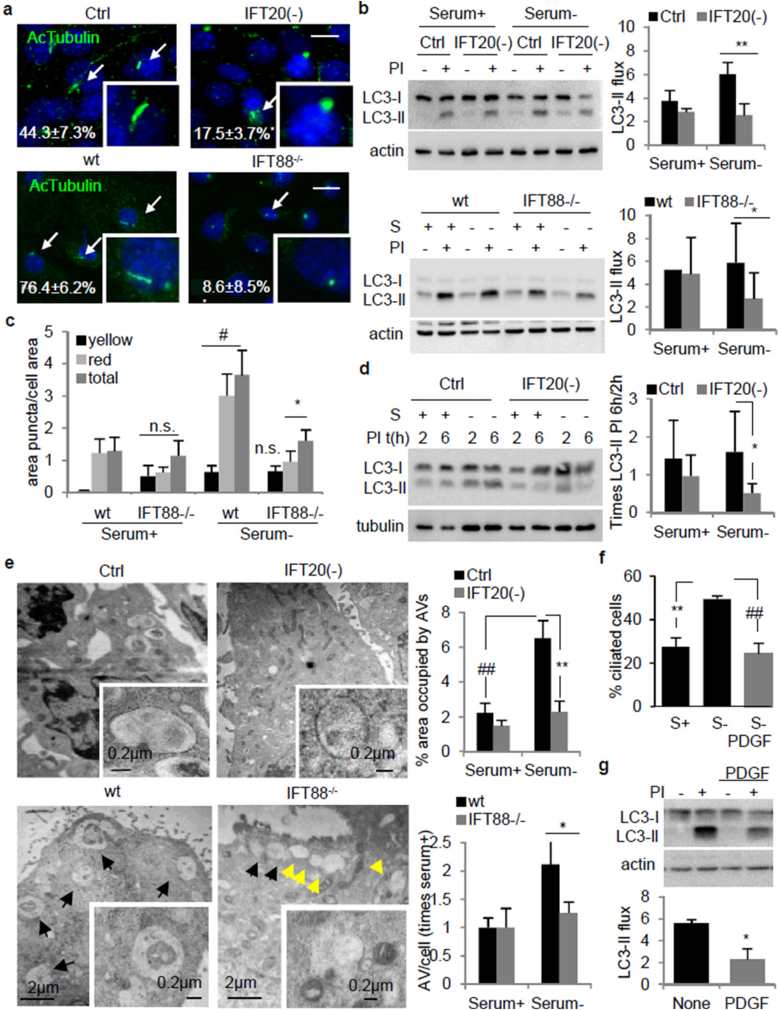
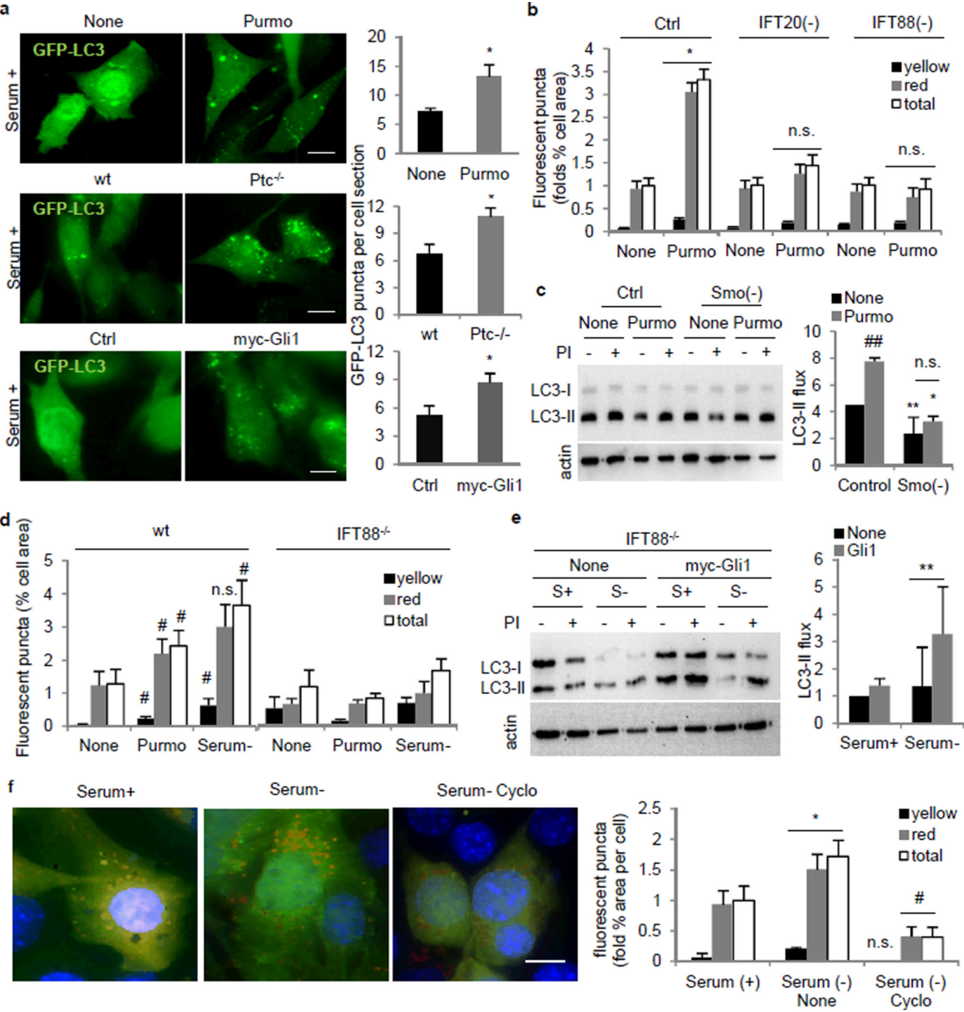
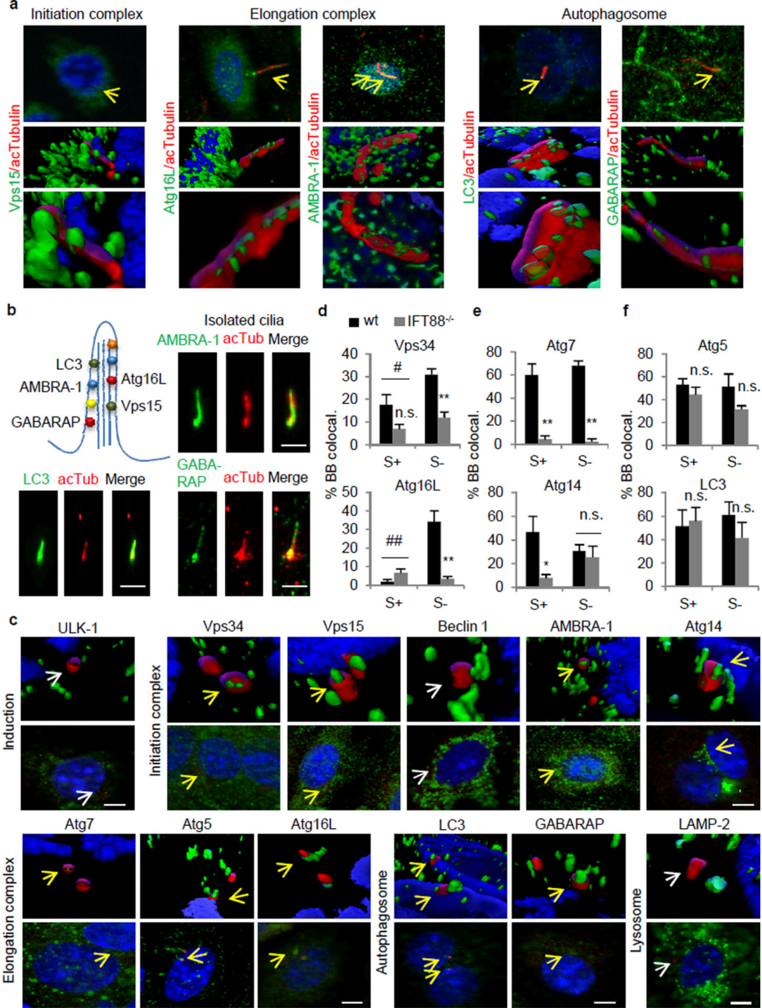
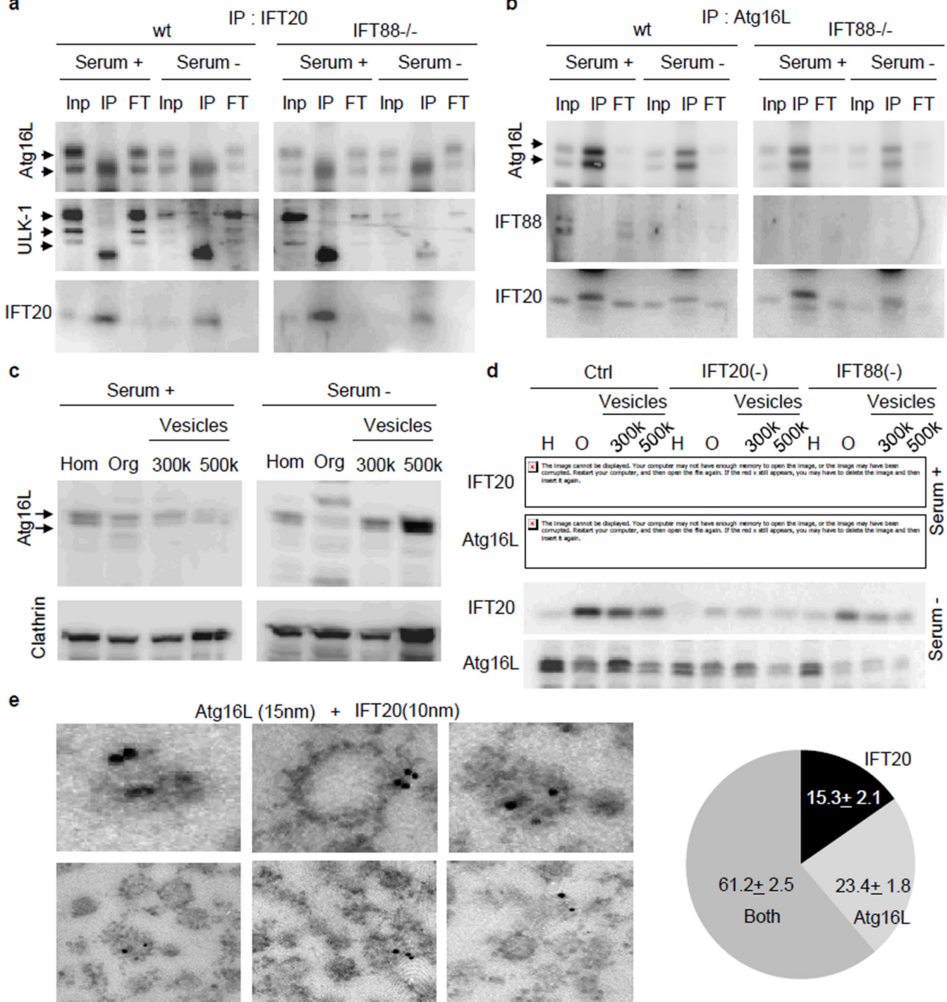
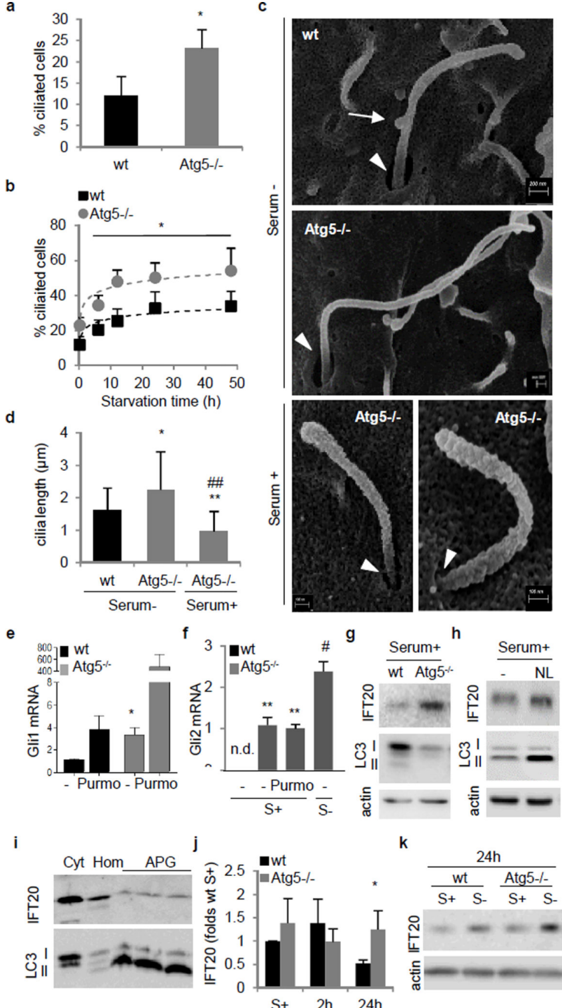
Nutrient deprivation is a stimulus shared by both autophagy and the formation of primary cilia. The recently discovered role of primary cilia in nutrient sensing and signalling motivated us to explore the possible functional interactions between this signalling hub and autophagy. Here we show that part of the molecular machinery involved in ciliogenesis also participates in the early steps of the autophagic process. Signalling from the cilia, such as that from the Hedgehog pathway, induces autophagy by acting directly on essential autophagy-related proteins strategically located in the base of the cilium by ciliary trafficking proteins. Whereas abrogation of ciliogenesis partially inhibits autophagy, blockage of autophagy enhances primary cilia growth and cilia-associated signalling during normal nutritional conditions. We propose that basal autophagy regulates ciliary growth through the degradation of proteins required for intraflagellar transport. Compromised ability to activate the autophagic response may underlie some common ciliopathies.
Overview
The claims and statistics of this paper haven’t been checked yet.
Free: it reads the open-access text and checks the first 5 claims that cite a source we can check. Create a free account to check every claim.
Integrity signals
Registry
Cites
Statistics
Figures
Verification
Claims the paper makes
The claims and statistics of this paper haven’t been checked yet.
Free: it reads the open-access text and checks the first 5 claims that cite a source we can check. Create a free account to check every claim.
Claims other papers make about this one
Each is checked against this paper’s own text: does it say what the citing paper says it does?
The source backs part of the claim, not all of it — or backs it for a different population, condition or comparison.
In the citing paper
“Furthermore, PC are key regulators of autophagy-endolysosomal pathways, and when ciliary-autophagic trafficking is disturbed, ciliary cargo can be redirected toward EV secretion [102,103,104].”
From The Impact of Neurotoxin Proteins Trafficked by Primary Cilia and Extracellular Vesicles in Neurodegenerative Diseases (2025) · cites this paper as [102]
Experimental — accuracy not yet measuredThe source backs part of the claim, not all of it — or backs it for a different population, condition or comparison.
In the citing paper
“In addition, neuronal primary cilia are at the intersection of extracellular and intracellular signaling pathways that control the function of subcellular organelles like the proteasome, autophagosome, and microtubule-rich basal body [6, 57].”
From Abnormal accumulation of extracellular vesicles in hippocampal dystrophic axons and regulation by the primary cilia in Alzheimer's disease (2023) · cites this paper as [57]
Experimental — accuracy not yet measuredThe check wasn’t confident either way, so it gives no verdict — never disputed.
In the citing paper
“Because TNT formation relies on actin-dependent machinery (e.g., M-Sec/RalA/exocyst) and ciliary Shh signaling regulates neuronal actin dynamics, ciliary dysfunction may promote TNT formation, while impaired autophagy increases EV loading, collectively enhancing α-syn dissemination (Figure 3B) [102,149,150,153,154,155].”
From The Impact of Neurotoxin Proteins Trafficked by Primary Cilia and Extracellular Vesicles in Neurodegenerative Diseases (2025) · cites this paper as [102]
Experimental — accuracy not yet measuredThe check wasn’t confident either way, so it gives no verdict — never disputed.
In the citing paper
“Primary cilia, which make use of mitotic spindle-like molecular machinery, may influence the regulation of the cell cycle machinery in neurons [6, 57].”
From Abnormal accumulation of extracellular vesicles in hippocampal dystrophic axons and regulation by the primary cilia in Alzheimer's disease (2023) · cites this paper as [57]
Experimental — accuracy not yet measured
Self-check
Percentages, sums and reported differences re-computed from the paper’s own numbers.
The self-check needs the paper’s full text.
Citations
Cites
Repertoires of Autophagy in the Pathogenesis of Ocular Diseases
Li, Y.-J., Jiang, Q., Cao, G.-F., Yao, J., & Yan, B. (2015) · Cellular Physiology and Biochemistry · doi:10.1159/000373980 · Cited by 16,304
Autophagy fights disease through cellular self-digestion
Mizushima, N., Levine, B., Cuervo, A. M., & Klionsky, D. J. (2008) · Nature · doi:10.1038/nature06639 · Cited by 6,452
Self-citationGuidelines for the use and interpretation of assays for monitoring autophagy
Klionsky, D. J., Abdalla, F. C., Abeliovich, H., Abraham, R. T., Acevedo-Arozena, A., Adeli, K., Agholme, L., Agnello, M., Agostinis, P., Aguirre-Ghiso, J. A., et al. (2012) · Autophagy · doi:10.4161/auto.19496 · Cited by 4,330
Self-citationAutophagy regulates lipid metabolism
Singh, R., Kaushik, S., Wang, Y., Xiang, Y., Novak, I., Komatsu, M., Tanaka, K., Cuervo, A. M., & Czaja, M. J. (2009) · Nature · doi:10.1038/nature07976 · Cited by 3,975
Self-citationMammalian autophagy: core molecular machinery and signaling regulation
Yang, Z., & Klionsky, D. J. (2010) · Current Opinion in Cell Biology · doi:10.1016/j.ceb.2009.11.014 · Cited by 1,956
Patched1 Regulates Hedgehog Signaling at the Primary Cilium
Rohatgi, R., Milenkovic, L., & Scott, M. P. (2007) · Science · doi:10.1126/science.1139740 · Cited by 1,426
Lysosomal turnover, but not a cellular level, of endogenous LC3 is a marker for autophagy
Tanida, I., Minematsu-Ikeguchi, N., Ueno, T., & Kominami, E. (2005) · Autophagy · doi:10.4161/auto.1.2.1697 · Cited by 1,254
Plasma membrane contributes to the formation of pre-autophagosomal structures
Ravikumar, B., Moreau, K., Jahreiss, L., Puri, C., & Rubinsztein, D. C. (2010) · Nature Cell Biology · doi:10.1038/ncb2078 · Cited by 902
PDGFRαα Signaling Is Regulated through the Primary Cilium in Fibroblasts
Schneider, L., Clement, C. A., Teilmann, S. C., Pazour, G. J., Hoffmann, E. K., Satir, P., & Christensen, S. T. (2005) · Current Biology · doi:10.1016/j.cub.2005.09.012 · Cited by 592
Self-citationPazour, G. J., San Agustin, J. T., Follit, J. A., Rosenbaum, J. L., & Witman, G. B. (2002) · Current Biology · doi:10.1016/s0960-9822(02)00877-1 · Cited by 531
Cited by
Items 301–400 of 454
Xu, W., Li, C., Ma, B., Lu, Z., Wang, Y., Jiang, H., Luo, Y., Yang, Y., Wang, X. Q., Liao, T., et al. (2021) · Frontiers in Oncology · doi:10.3389/fonc.2021.641851 · Cited by 11
“Other studies have shown that cilia formation is closely related to autophagy (56); therefore, high expression of cilia formation-related proteins (DNAH7, TAPT1, and BBS1) in the low-risk group may be due to exuberant autophagy activity (Supplementary Figure 7D).”
BackgroundManipulation of the Tubulin Code Alters Directional Cell Migration and Ciliogenesis
Müller, M., Gorek, L.-S., Kamm, N., & Jacob, R. (2022) · Frontiers in Cell and Developmental Biology · doi:10.3389/fcell.2022.901999 · Cited by 7
“Further evidence suggests that the regulation of cilia length encompasses components of the cellular machinery for autophagy (Pampliega et al., 2013; Tang et al., 2013).”
Progress in Tuberous Sclerosis Complex Renal Disease
Bissler, J. J., Batchelor, D., & Kingswood, J. C. (2022) · Critical Reviews™ in Oncogenesis · doi:10.1615/critrevoncog.2022042857 · Cited by 10
Urinary proteomics for the study of genetic kidney diseases
Raimondo, F., Cerra, D., Magni, F., & Pitto, M. (2015) · Expert Review of Proteomics · doi:10.1586/14789450.2016.1136218 · Cited by 7
Autophagosome–lysosome fusion: PIs to the rescue
Li, L., & Zhong, Q. (2016) · The EMBO Journal · doi:10.15252/embj.201695134 · Cited by 9
“INPP5E is well known for its effect on primary cilia (Bielas et al , 2009; Jacoby et al , 2009), and ciliogenesis is highly related to autophagy (Pampliega et al , 2013; Tang et al , 2013)”
FEAT enhances INSL3 expression in testicular Leydig cells
Li, Y., KOBAYASHI, K., Murayama, K., Kawahara, K., Shima, Y., Suzuki, A., Tani, K., & Takahashi, A. (2018) · Genes to Cells · doi:10.1111/gtc.12644 · Cited by 7
“Recent studies have shown that primary cilia enhance autophagy through hedgehog signaling (Pampliega et al., 2013).”
BackgroundIslet cilia and glucose homeostasis
Melena, I., & Hughes, J. W. (2022) · Frontiers in Cell and Developmental Biology · doi:10.3389/fcell.2022.1082193 · Cited by 7
“Primary cilia are dynamic sensors of nutrient abundance and are themselves regulated during the cell cycle and times of energy starvation (Boehlke et al., 2010; Pampliega et al., 2013).”
BackgroundBCAP is a centriolar satellite protein and inhibitor of ciliogenesis
de Saram, P., Iqbal, A., Murdoch, J. N., & Wilkinson, C. J. (2017) · Journal of Cell Science · doi:10.1242/jcs.196642 · Cited by 7
Costa, L. D. M., Debnath, D., Harmon, A. C., Araújo, S. D. S., Souza, H. D. D. S., Filho, P. F. D. A., Wischral, Á., Filho, M. A. G., & Mathis, J. M. (2020) · Oncology Letters · doi:10.3892/ol.2020.11763 · Cited by 7
“Autophagy is also associated with the induction of programmed cell death (44), and also contributes to functions as a tumor suppressor by degrading damaged mitochondria that would otherwise contribute to ROS accumulation (45).”
Lin, M., Zhu, Q., Li, Y., & Pan, J. (2021) · Planta Medica · doi:10.1055/a-1348-1634 · Cited by 8
“In contrast, mTOR positively regulates autophagy by phosphorylating its substrates, including 4E‐BP1, p70S6K, and S6 [30].”
BackgroundShear stress turns on the primary cilium and lipophagy
Martínez-López, N., & Singh, R. (2020) · Nature Cell Biology · doi:10.1038/s41556-020-0571-3 · Cited by 7
Xu, T., Deng, Y.-Y., Yu, X., Li, M., & Fu, Y. (2024) · Acta Pharmacologica Sinica · doi:10.1038/s41401-024-01356-y · Cited by 9
“At baseline, autophagy may be critical to enhance primary cilia growth [30].”
Lysosomal physiology and pancreatic lysosomal stress in diabetes mellitus
Hao, M., Sebag, S. C., Qian, Q., & Yang, L. (2024) · eGastroenterology · doi:10.1136/egastro-2024-100096 · Cited by 10
Son, J., Park, J., Jeong, J., Lee, S. H., & Kim, J. (2025) · The International Journal of Biochemistry & Cell Biology · doi:10.1016/j.biocel.2025.106754 · Cited by 6
Primate differential redoxome (PDR) – A paradigm for understanding neurodegenerative diseases
Venkatachalam, N., Bakavayev, S., Engel, D., Barak, Z., & Engel, S. (2020) · Redox Biology · doi:10.1016/j.redox.2020.101683 · Cited by 6
Yao, Y., Li, T., Yu, T., Yang, X., Wang, Y., Cai, J., Cheng, S. Y., Liu, C., & Yue, S. (2023) · Biochemistry and Cell Biology · doi:10.1139/bcb-2022-0345 · Cited by 6
Wang, X., Tian, W., Xu, W., Lu, X., Zhang, Y., Li, L., & Chang, F. (2021) · Cartilage · doi:10.1177/19476035211044820 · Cited by 6
Single Gene Mutations in Pkd1 or Tsc2 Alter Extracellular Vesicle Production and Trafficking
Kumar, P., Zadjali, F., Yao, Y., Köttgen, M., Hofherr, A., Gross, K. W., Mehta, D., & Bissler, J. J. (2022) · Biology · doi:10.3390/biology11050709 · Cited by 6
Pallet, N. (2017) · médecine/sciences · doi:10.1051/medsci/20173303014 · Cited by 6
Primary cilia-associated signalling in squamous cell carcinoma of head and neck region
Putnová, I., Putnová, B. M., Hurník, P., Štembírek, J., Buchtová, M., & Kolísková, P. (2024) · Frontiers in Oncology · doi:10.3389/fonc.2024.1413255 · Cited by 5
The primary cilium as a multifunctional organelle: emerging roles and unanswered questions
Corbeil, D., Thamm, K., Karbanová, J., Fargeas, C. A., & Jászai, J. (2025) · Cell Communication and Signaling · doi:10.1186/s12964-025-02403-9 · Cited by 10
“2D) [118, 164, 165] (reviewed in Refs [86, 163]).”
Autophagic response to cell culture stress in pluripotent stem cells
Gregory, S., Swamy, S. N., Hewitt, Z., Wood, A., Weightman, R., & Moore, H. D. M. (2015) · Biochemical and Biophysical Research Communications · doi:10.1016/j.bbrc.2015.09.080 · Cited by 5
Review: Intraflagellar transport proteins in the retina.
Kannabiran, C. (2020) · Molecular vision · Cited by 6
Polycystic kidney disease: new knowledge and future promises
Foo, J. N., & Xia, Y. F. (2019) · Current Opinion in Genetics & Development · doi:10.1016/j.gde.2019.06.007 · Cited by 5
Upadhyai, P., Radhakrishnan, P., Guleria, V. S., Kausthubham, N., Nayak, S. S., Superti‐Furga, A., & Girisha, K. M. (2021) · Human Mutation · doi:10.1002/humu.24235 · Cited by 5
“Since IFT20 regulates autophagy in a primary cilia‐dependent manner (Pampliega et al., 2013) we monitored the endogenous microtubule‐associated”
BackgroundInfluentialZhang, Y. J., Yang, C., Wang, W., Harafuji, N., Stasiak, P., Bell, P. D., Caldovic, L., Sztul, E. S., Guay‐Woodford, L. M., & Bebok, Z. M. (2023) · The FASEB Journal · doi:10.1096/fj.202300100r · Cited by 4
Lee, C., Tsai, Y., Chen, T., Chao, Y., Lin, R., Tsai, H., Wen, J., Tang, T. K., Tsai, P., Kuo, P., et al. (2025) · The FASEB Journal · doi:10.1096/fj.202500961rr · Cited by 4
“The activation of ciliogenesis has been shown to induce autophagy, and conversely, autophagy plays a regulatory role in ciliogenesis [45].”
García‐Navarrete, C., Kretschmar, C., Toledo, J. A., Gutiérrez, K., Hernández‐Cáceres, M. P., Budini, M., Parra, V., Burgos, P. V., Lavandero, S., Morselli, E., et al. (2024) · Biochimica et Biophysica Acta (BBA) - Molecular Basis of Disease · doi:10.1016/j.bbadis.2024.167256 · Cited by 5
The Autophagy Regulator p62 Controls PTEN-Dependent Ciliogenesis
Mun, H., Lee, E. J., Park, M., Oh, G. T., & Park, J. H. (2020) · Frontiers in Cell and Developmental Biology · doi:10.3389/fcell.2020.00465 · Cited by 4
Reduction of organelle motility by removal of potassium and other solutes
Murray, J. W., Yin, D., & Wolkoff, A. W. (2017) · PLoS ONE · doi:10.1371/journal.pone.0184898 · Cited by 4
Emerging roles of the ciliary-mitochondrial axis in cellular homeostasis and neuroprotection
Miller, E., Bambakidis, P., Templin, P., Paul, B. D., & Pieper, A. A. (2025) · Molecular Neurodegeneration Advances · doi:10.1186/s44477-025-00005-w · Cited by 4
“Cilia also act as scaffolds for autophagy machinery, concentrating proteins such as ATG16L, AMBRA1, LC3, GABARAP and VPS15 [90].”
Shin, J., Tighanimine, K., Cormerais, Y., Rosenthal, D. M., Niroula, P., Lapp, S. C., Kalafut, K. C., Cissé, M. Y., Schrötter, S., & Manning, B. D. (2025) · iScience · doi:10.1016/j.isci.2025.114204 · Cited by 3
“74 37 Since primary cilia are assembled during G0/G1 and disassembled upon cell-cycle re-entry, it is critical to account for cell-cycle state when assessing primary cilia formation or length.”
Knockout of the BRAP homolog in mice leads to abnormal tracheal cilia
Wang, H. Z., Zuo, S., Zheng, J., Peng, Z. F., Yao, X., Wang, J., Weber, H. C., Qin, X., Xiang, Y., Liu, C., et al. (2023) · FEBS Letters · doi:10.1002/1873-3468.14734 · Cited by 3
“And disruption of IFT attenuates autophagy activity [46].”
BackgroundTichy, L., & Parry, T. L. (2024) · JCSM Communications · doi:10.1002/rco2.103 · Cited by 3
“ImageJ algorithm was used to analyse images, which were quantified in 5 to 10 random fields from each animal [25].”
Sudhindar, P. D., Olinger, E. G., Sentell, Z. T., Mabillard, H. R., Dicka, B., Wood, K. M., Rutland, D., Collins, C., Trevisán-Herraz, M., Sayer, J. A., et al. (2025) · Journal of Cell Science · doi:10.1242/jcs.264141 · Cited by 4
Insight on the role of RKIP in cancer through key protein partners and cellular protrusions
Schoentgen, F. (2020) · Elsevier eBooks · doi:10.1016/b978-0-12-819612-0.00001-8 · Cited by 4
Is autophagy the culprit of cystogenesis in polycystic kidney disease?
Wang, S., & Dong, Z. (2020) · EBioMedicine · doi:10.1016/j.ebiom.2020.103043 · Cited by 3
Mechanobiology of Autophagy: The Unexplored Side of Cancer
Hernández‐Cáceres, M. P., Munoz, L., Pradenas, J., Pena, F., Lagos, P., Aceitón, P., Owen, G. I., Morselli, E., Criollo, A., Ravasio, A., et al. (2021) · Vide Leaf, Hyderabad eBooks · doi:10.37247/pacr.1.2021.40 · Cited by 3
Du, C., Mu, D.-L., Gao, X., Luo, S., Wang, J., Jin, S., & Zhu, J. (2022) · Journal of Ocean University of China · doi:10.1007/s11802-022-4881-x · Cited by 4
“As a cargo of KIF3A/3B, IFT20 directs autophagy (Pampliega et al., 2013).”
BackgroundLee, J., Thuy, P. X., Koo, J. H., & Moon, E. (2022) · Scientific Reports · doi:10.1038/s41598-022-24596-6 · Cited by 3
Nakazato, R., Otani, H., Ijaz, F., & Ikegami, K. (2023) · Methods in cell biology · doi:10.1016/bs.mcb.2022.10.003 · Cited by 4
Balijepalli, P., Yue, G., Prasad, B., & Meier, K. E. (2024) · International Journal of Molecular Sciences · doi:10.3390/ijms25042067 · Cited by 3
“These include FAM92B/ciBAR1, a protein that plays essential roles in ciliogenesis [30] and autophagy [31].”
BackgroundNecrosulfonamide causes oxidation of PCM1 and impairs ciliogenesis and autophagy
Renaud, C. C. N., Nicolau, C. A., Maghe, C., Trillet, K., Jardine, J., Escot, S., David, N. B., Gavard, J., & Bidère, N. (2024) · iScience · doi:10.1016/j.isci.2024.109580 · Cited by 4
“We found that some proteins such as CEP131, CEP72, OFD1, and to a lesser extent CEP290 formed ROS-dependent aggregates, whereas others including MIB1 and g -tubulin were essentially monomeric.”
BackgroundDutta, S., & Avasthi, P. (2017) · mSphere · doi:10.1128/msphere.00003-17 · Cited by 3
“increasing time, the deflagellation-induced protein synthesis and incorporation program (which decreases as a function of time and flagellar length) may be overcome by other regulating factors such as disassembly, mechanical force, proteosomal degradation, feedback control or autophagy (60-64) (Fig.”
BackgroundMethods to Study Interactions Between Ciliogenesis and Autophagy
Satir, B. H., & Pampliega, O. (2016) · Methods in molecular biology · doi:10.1007/978-1-4939-3789-9_4 · Cited by 3
Self-citationZhang, Z., Li, W., Zhang, Y., Zhang, L., Teves, M. E., Liu, H., Liu, J., Strauss, J. F., Pazour, G. J., Foster, J. A., et al. (2016) · bioRxiv (Cold Spring Harbor Laboratory) · doi:10.1101/051219 · Cited by 3
“Recent studies demonstrated that part of the molecular machinery involved in ciliogenesis also participates in autophagy (Pampliega et al., 2013).”
BackgroundInfluentialDanna, R., Kondle, S., Amar, O., Mabourakh, M., Chen, G., Fadol, W. B., & Mohieldin, A. M. (2025) · Biology · doi:10.3390/biology14121787 · Cited by 2
“…relies on actin-dependent machinery (e.g., M-Sec/RalA/exocyst) and ciliary Shh signaling regulates neuronal actin dynamics, ciliary dysfunction may promote TNT formation, while impaired autophagy increases EV loading, collectively enhancing α -syn dissemination (Figure 3B) [102,149,150,153–155].”
The molecular pathogenesis of placenta accreta spectrum disorder and its clinical applications
Zhao, M., Sun, L., & Wu, D. (2025) · Archives of Gynecology and Obstetrics · doi:10.1007/s00404-025-08221-1 · Cited by 3
“The autophagic process in the placenta can promote the placental growth and functional balance by regulating intracellular nutrients and signaling pathways [56].”
Tichy, L., & Parry, T. L. (2025) · Cancers · doi:10.3390/cancers18010138 · Cited by 2
“54) [29] was used to objectively analyze autophagosome and autolysosome content in each sample represented by yellow and red puncta.”
Nieto, Y. C., Pereira, A. G. F., Pedro, L. V.-S., Paredes, S. B., Pérez‐Cobas, A. E., Pérez-Lanzón, M., Durand, S., Moreno-Cruz, P., Manrique, L., Benítez‐Fernández, R., et al. (2026) · Nature Communications · doi:10.1038/s41467-025-66235-4 · Cited by 3
Tichy, L., & Parry, T. L. (2026) · Scientific Reports · doi:10.1038/s41598-025-34379-4 · Cited by 2
“All images were analyzed using the Green and Red Puncta Colocalization Macro for ImageJ 27 to objectively analyze autophagosome and autophagolysosome content to measure autophagic flux.”
InfluentialTarget Autophagy as a Novel Therapeutic Strategy in Autoimmune Diseases
Wilhelm, M., & Muller, S. (2016) · Springer eBooks · doi:10.1007/978-3-319-30079-5_13 · Cited by 2
La lipide-kinase cachée derrière le PI3P: Dialogue entre cil primaire et machinerie autophagique
Codogno, P., Dupont, N., & Morel, É. (2021) · médecine/sciences · doi:10.1051/medsci/2020248 · Cited by 2
Self-citationPrimary cilium and its role in tumorigenesis
Hongmei, M. A. O., & Sun, Y. (2021) · Journal of Zhejiang University (Medical Sciences) · doi:10.3724/zdxbyxb-2021-0048 · Cited by 3
mTORC1 hampers Hedgehog signaling in Tsc2 deficient cells
Larsen, L. J., Østergaard, E., & Møller, L. B. (2024) · Life Science Alliance · doi:10.26508/lsa.202302419 · Cited by 3
“The primary cilium, an antenna-like structure which extends from the cell surface of almost all quiescent cells, coordinates a large number of signaling pathways, including mTORC1 and Hh signaling (10, 12).”
BackgroundMartín‐Lacave, I., Vázquez‐Román, V., Pérez-Fernández, B., & Fernández-Santos, J. M. (2025) · Histochemistry and Cell Biology · doi:10.1007/s00418-025-02432-y · Cited by 2
“The relationship between autophagy and the PC has been controversial, with some studies suggesting a positive regulation (Suzuki et al. 1999a, b, 2011), while others propose a negative regulation of primary ciliogenesis by autophagy (Pampliega et al. 2013).”
Molecular clearance at the cell's antenna
Cianfanelli, V., & Cecconi, F. (2013) · Nature · doi:10.1038/nature12693 · Cited by 3
The function of the ATG8 in the cilia and cortical microtubule maintenance of Euplotes amieti
Wu, J., Sheng, Y., Mai, S., Zhong, Y., Dai, S., Luo, Y., & Sheng, X. (2024) · PROTOPLASMA · doi:10.1007/s00709-024-01957-8 · Cited by 2
“As a microtubule-associated protein, ATG8 was reported to be located at the MTOC (microtubule organizing center) on the base of primary cilia in human cells and colocalized with centrin in the outermost membrane of apicoplast in Toxo-plasma gondii (Pampliega et al. 2013; Lévêque et al. 2015).”
Finetti, F., Pan, J., Qin, H., & Delaval, B. (2020) · Frontiers in Cell and Developmental Biology · doi:10.3389/fcell.2020.615588 · Cited by 2
Amyloid beta oligomers modulate neuronal autophagy through the primary ciliumPreprint
Pampliega, O., Soria, F. N., Pineda-Ramírez, N., & Bézard, E. (2021) · bioRxiv (Cold Spring Harbor Laboratory) · doi:10.1101/2021.06.02.446758 · Cited by 2
Self-citationAutophagy and primary cilium: A dynamic duo in cellular homeostasis and disease
Acevedo-Valdivieso, J., Sandoval-Valenzuela, C., Pinto-Núñez, D., Reyes-Risso, I., Cheuquemilla, Y., Acuña-Catalán, D., Burgos, P. V., & Morselli, E. (2025) · International review of cytology · doi:10.1016/bs.ircmb.2025.08.005 · Cited by 1
CEP76 impairment at the centrosome-cilium interface contributes to a spectrum of ciliopathies
Khan, K., Tavares, E. S., Bishara, K., Ozantürk, A., Qebibo, L., Frangakis, S. G., Calame, D. G., Meunier, I., Bocquet, B., Płoski, R., et al. (2025) · Science Advances · doi:10.1126/sciadv.adw3717 · Cited by 3
Tian, Y., Li, J., Kang, J., Xu, X., Wang, B., Lou, S., Li, J., Yang, Y., Zhang, Y., Zheng, Y., et al. (2025) · Advanced Science · doi:10.1002/advs.202504665 · Cited by 2
Fu, Y., Ye, C., Xu, H., Zhu, Y., Zhou, W., Zhou, K., Li, Z., Qi, J., & Lin, P. (2025) · Archives of Biochemistry and Biophysics · doi:10.1016/j.abb.2025.110716 · Cited by 2
A narrative review on the role of autophagy in male infertility-associated sperm abnormalities
Jin, Y., Gao, D., Li, C.-Y., Sun, D.-L., Mo, H., & Jin, B. (2026) · Asian Journal of Andrology · doi:10.4103/aja202589 · Cited by 2
“62 One study revealed that IFT20 plays a dual role in male germ cell development: it facilitates sperm flagellum formation via the IFT machinery and mediates the removal of residual cytoplasmic components.”
Erickson, R. P., & Fiorenza, M. T. (2026) · American Journal of Medical Genetics Part A · doi:10.1002/ajmga.70078 · Cited by 1
“Activation of Shh signaling inhibits the autophagy pathway (Jimenez-Sanchez et al. 2012) and inhibition of ciliogenesis partially inhibits autophagy (Pampliega et al. 2013).”
EXOC6B promotes cilial elongation via autophagy-dependent protein turnover
Chand, K., Sabbu, S., Agrawal, D., Kosuri, T., Girisha, K. M., & Parsa, K. V. L. (2026) · Biochemical and Biophysical Research Communications · doi:10.1016/j.bbrc.2026.153828 · Cited by 1
Wang, C., Chao, Y., Chen, T.-Y., Lin, R., Tsai, H.-M., Huang, H.-H., Chen, Z.-R., Lu, F., Su, Y., & Chung, B. (2026) · Cell Communication and Signaling · doi:10.1186/s12964-026-02953-6 · Cited by 1
“Primary cilia are closely linked to autophagy, particularly under conditions of metabolic stress such as serum starvation [14].”
Midbody remnant regulates the formation of primary cilia and their roles in tumor growth
Li, Z., Zhao, H., Li, S., & Jiao, Z. (2024) · Journal of Zhejiang University (Medical Sciences) · doi:10.3724/zdxbyxb-2023-0461 · Cited by 2
Satir, P. (2014) · Molecular Biology of the Cell · doi:10.1091/mbc.e14-05-1014 · Cited by 1
“Together with Ana Maria Cuervo and her laboratory, we showed a reciprocal relationship between the two processes—where cilia growth up-regulates autophagy, which eventually shuts down growth (Pampliega et al., 2013).”
BackgroundSelf-citationThe Role of Autophagy in Lung Disease
Davies, M. P. A., & Wilson, C. M. (2016) · InTech eBooks · doi:10.5772/64167 · Cited by 1
“Previous studies have shown that a block in autophagy promotes cilia growth [90].”
BackgroundWilliantarra, I., Richardo, T., Sudibjo, I. K., & Devanthi, P. V. P. (2021) · Malaysian Journal of Fundamental and Applied Sciences · doi:10.11113/mjfas.v17n5.2284 · Cited by 1
Mahavadi, P., Korfei, M., & Günther, A. (2021) · Elsevier eBooks · doi:10.1016/b978-0-12-822003-0.00017-6 · Cited by 1
Extracellular vesicles in ciliary signalling
Gerhardt, C., & Pfirrmann, T. (2022) · Trillium Extracellular Vesicles · doi:10.47184/tev.2022.01.07 · Cited by 1
p53 and RB1 regulate Hedgehog responsiveness via autophagy-mediated ciliogenesis
Cain, J. E., & Watkins, D. N. (2020) · Molecular & Cellular Oncology · doi:10.1080/23723556.2020.1805095 · Cited by 1
Astrocyte Autophagy Response Upon Neuronal Cilia Loss in the Aging BrainPreprint
Heras-García, L. D. L., & Pampliega, O. (2022) · bioRxiv (Cold Spring Harbor Laboratory) · doi:10.1101/2022.06.14.496086 · Cited by 1
“We have previously shown that signaling pathways in the PC modulate autophagy [13] and that in the hippocampus, neuronal ciliary pathways control autophagy in an age-dependent manner [14].”
BackgroundSelf-citationBirla, P., Yang, L., Shan, W., Minamisawa, S., Dhaygude, O., Manoj, H. P., Zheng, Y., Fan, H., Beauregard, H. E., Smith, K. N., et al. (2025) · bioRxiv (Cold Spring Harbor Laboratory) · doi:10.1101/2025.11.25.690539 · Cited by 1
Ciliary sensing in tanycytes couples nutrient availability to metabolic regulationPreprint
Rivagorda, M., Kienle, C., Chandrasekar, A., Dori, S., Grünberg, S., Nampoothiri, S. S., Özorhan, Ü., Brandt, W., Rotter, J., Feller, N., et al. (2025) · bioRxiv (Cold Spring Harbor Laboratory) · doi:10.64898/2025.12.31.697168 · Cited by 1
Chaves, R. D. S. (2016) · Digital Library of Theses and Dissertations (Universidade de São Paulo) · doi:10.11606/t.5.2016.tde-05012016-154631
CILIOPATÍAS: BASES MOLECULARES Y CELULARES
Zubia, D. F., Carmenate, Z. R., & Núñez, L. (2015) · 16 de abril/Revista 16 de abril
Regulation of Autophagy by mTORC1 and ULK1
Doubleday, P. F. (2015) · ORCA Online Research @Cardiff (Cardiff University)
Rôle du cil primaire au cours de la différenciation adipocytaire
Forcioli-Conti, N. (2015) · theses.fr (ABES) · doi:10.70675/3aaca85ezf2c0z4f6dza030z6d71a2a6263d
Primary ciliaとciliopathies:—ヘッジホッグシグナリングの新たな展開と小児神経疾患—
藤井, 克. (2015) · 脳と発達 · doi:10.11251/ojjscn.47.259
Etude de la migration du corps basal au cours de la ciliogénèse
Pitaval, A. (2016) · theses.fr (ABES) · doi:10.70675/a408290fzb709z4a42z9bc6z17f8300a49bd
Defining the role of folliculin and its interacting partners
Seifan, S. (2016) · ORCA Online Research @Cardiff (Cardiff University)
Pathophysiologic Role of Autophagy in Human Airways
Sica, V., & Izzo, V. (2016) · Springer eBooks · doi:10.1007/978-3-319-30079-5_16
“Conversely, Hedgehog (HH) signalling from primary cilia promotes autophagy [ 70 ] and autophagy promotes ciliogenesis by degrading OFD1 (oral facial digital syndrome) at centriolar satellites [ 95 ] .”
BackgroundNecrobiology of Liver Cancer: Autophagy and Cellular Senescence
Zimmermann, A. (2016) · Springer eBooks · doi:10.1007/978-3-319-26587-2_179-1
Autophagy and Autosomal Dominant Polycystic Kidney Disease
黄, 明. (2015) · Biophysics · doi:10.12677/jps.2015.34004
Jannig, P. R. (2018) · Digital Library of Theses and Dissertations (Universidade de São Paulo) · doi:10.11606/t.39.2018.tde-03012018-094243 · Cited by 1
Monteillet, L. (2019) · theses.fr (ABES) · doi:10.70675/e81d5d41z63f6z4620za1ccz4e8ad6a0bfdc · Cited by 2
Role of ATG16L1-IFT20 crosstalk in autophagy and primary cilium interplay
Boukhalfa, A. (2019) · theses.fr (ABES) · doi:10.70675/574be8d4z23c0z4abdzb8dez0404c0ed8337
Čajánek, L. (2020) · Journal of Biological Chemistry · doi:10.1074/jbc.h120.015887
THE OFD1 PROTEIN CONTROLS AUTOPHAGOSOME BIOGENESIS THROUGH SELECTIVE AUTOPHAGY
Brillante, S. (2020) · Archivio Istituzionale della Ricerca (Universita Degli Studi Di Milano) · doi:10.13130/brillante-simona_phd2020-12-11
077 Isoform-specific aPKC maintains Hedgehog signaling in the absence of primary cilia
Nguyen, T. T. L., Wong, K. N., Jeon, U. S., Jhumkhawala, V., Luy, D., Tan, K. C., Wickramatunga, I., Kumar, V., England, W., Doan, L. T., et al. (2021) · Journal of Investigative Dermatology · doi:10.1016/j.jid.2021.02.094
Exploring a role for a Par3/CaMKII protein complex in photoreceptor cell polarity and ciliogenesis
Ezhova, Y. (2020) · Papyrus : Institutional Repository (Université de Montréal) · doi:10.71781/28570
Birt-Hogg-Dubé syndrome: from patient to protein
Vernooij, M. (2018) · Research Publications (Maastricht University) · doi:10.26481/dis.20181019ms
Fry, A. M. (2014) · Faculty Opinions – Post-Publication Peer Review of the Biomedical Literature · doi:10.3410/f.718304645.793492539
Metadata
- Authors
- Pampliega, O., Orhon, I., Patel, B., Sridhar, S., Díaz-Carretero, A., Beau, I., Codogno, P., Satir, B. H., Satir, P., & Cuervo, A. M.
- Affiliations
- Albert Einstein College of Medicine (US)
- Université Paris-Sud (FR)
- Corresponding author
- Satir, Peter
- ORCID
- Venue
- Nature
- Published
- 2013-10
- Volume
- 502
- Issue
- 7470
- Pages
- 194-200
- ISSN
- 0028-0836 (ISSN-L)
- 1476-4687
- PMC
- PMC3896125
- OpenAlex
- W2030430693
- Cited by
- 424
- References
- 31
- Citations by year
- 2026: 17 · 2025: 25 · 2024: 25 · 2023: 22 · 2022: 37 · 2021: 50 · 2020: 45 · 2019: 41 · 2018: 23 · 2017: 24 · 2016: 40 · 2015: 38 · 2014: 32 · 2013: 5
- FWCI
- 25.41
- Type
- journal article
- Language
- en
- Open access
- green
- www.ncbi.nlm.nih.gov
- Licence
- www.springer.com/tdm (tdm)
- Locations
- Nature (publishedVersion)
- PubMed (publishedVersion)
- Europe PMC (PubMed Central) (acceptedVersion)
- PubMed Central (acceptedVersion)
- RePEc: Research Papers in Economics (submittedVersion)
- Funders
- Eusko Jaurlaritza
- Institut National Du Cancer
- National Institutes of Health
- National Institute on Aging (R37AG021904, P01AG031782, AG031782, P30AG038072, AG038072)
- National Institute of Diabetes and Digestive and Kidney Diseases (DK-098408, R01DK098408)
- Institute of Cancer Research
- Topics
- Life Sciences › Biochemistry, Genetics and Molecular Biology › Genetics › Genetic and Kidney Cyst Diseases
- Life Sciences › Biochemistry, Genetics and Molecular Biology › Cell Biology › Autophagy in Disease and Therapy
- Health Sciences › Medicine › Pulmonary and Respiratory Medicine › Cystic Fibrosis Research Advances
- Keywords
- autophagy, ciliogenesis, primary cilia, nutrient sensing, Hedgehog signaling, intraflagellar transport, OFD1, centriolar satellites, starvation-induced autophagy, ciliopathies
- MeSH terms
- Animals, Autophagy, Carrier Proteins, Cell Line, Cilia, Signal Transduction, Protein Transport, Mice, Hedgehog Proteins
About these checks
Registry, retraction, Cites and statistics results are computed, not judged, with one exception: a printed reference that no index lists is read once by a model before it counts as a citation error. Claims are extracted by a model and kept only when their quote appears verbatim in the text; each cited source is then checked, with a model’s help, for whether it says what the claim relies on. Those verdicts can be wrong — read the claim’s quote and the cited source before relying on one.
Statistics and arithmetic are recomputed, not judged.
Confidence bands are shown only for fields calibrated on our annotated test set. None is calibrated yet, so no band is shown.
What counts as a claim ›How we measure confidence ›How we check this ›
Are you an author, or do you see a problem with this page? Request a review
Data sources
Bibliographic data: Semantic Scholar, OpenAlex, Crossref.
Contains information from the Semantic Scholar Academic Graph Datasets, made available under the ODC Attribution License (ODC-BY 1.0).
Semantic Scholar’s data is described in: Kinney, R., et al. (2023). The Semantic Scholar Open Data Platform. arXiv:2301.10140.
