

Explosive cell lysis as a mechanism for the biogenesis of bacterial membrane vesicles and biofilms
Open accessThe DOI matches its Crossref record; 67 of the 67 references it cites were found in a registry or an index.
Abstract
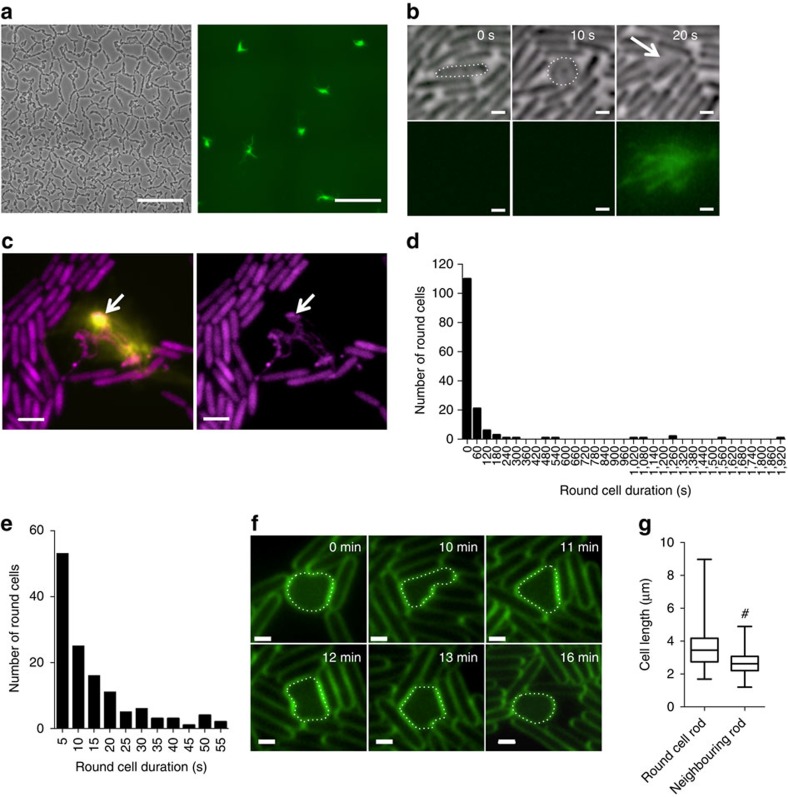
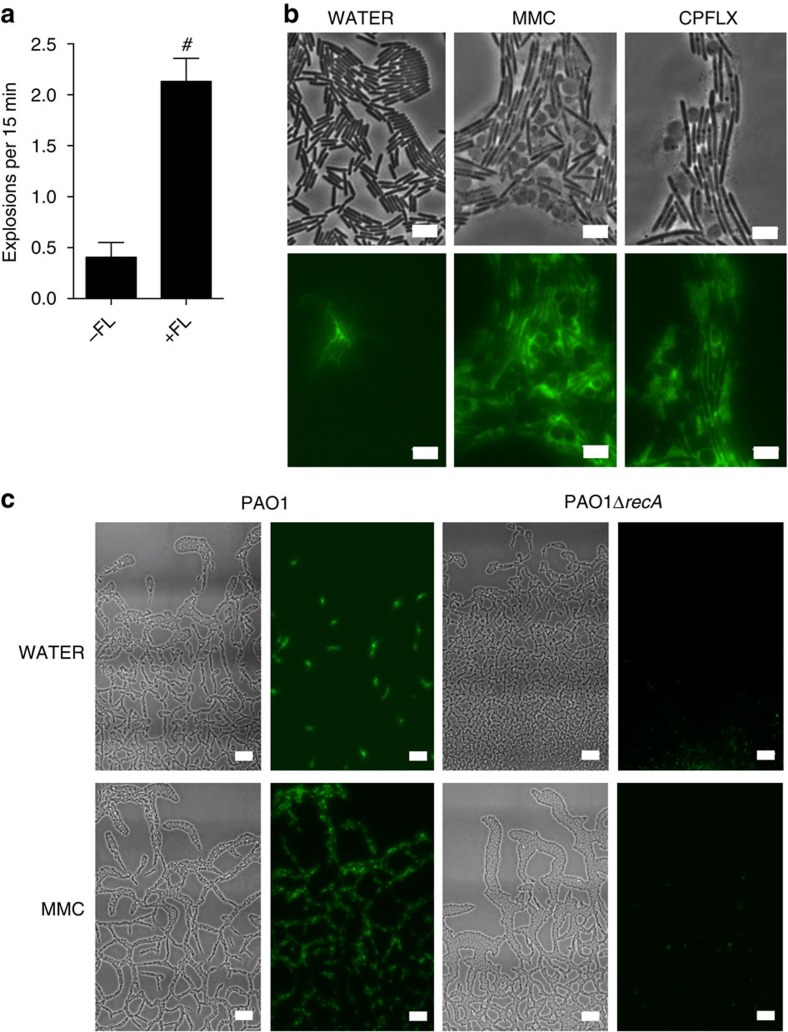
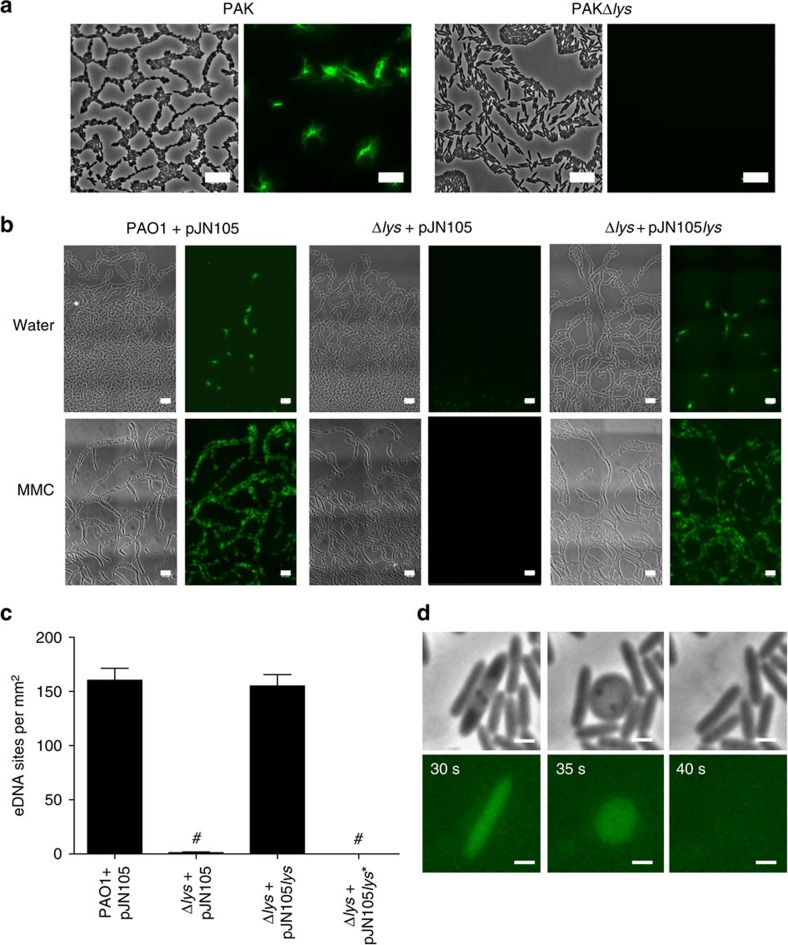
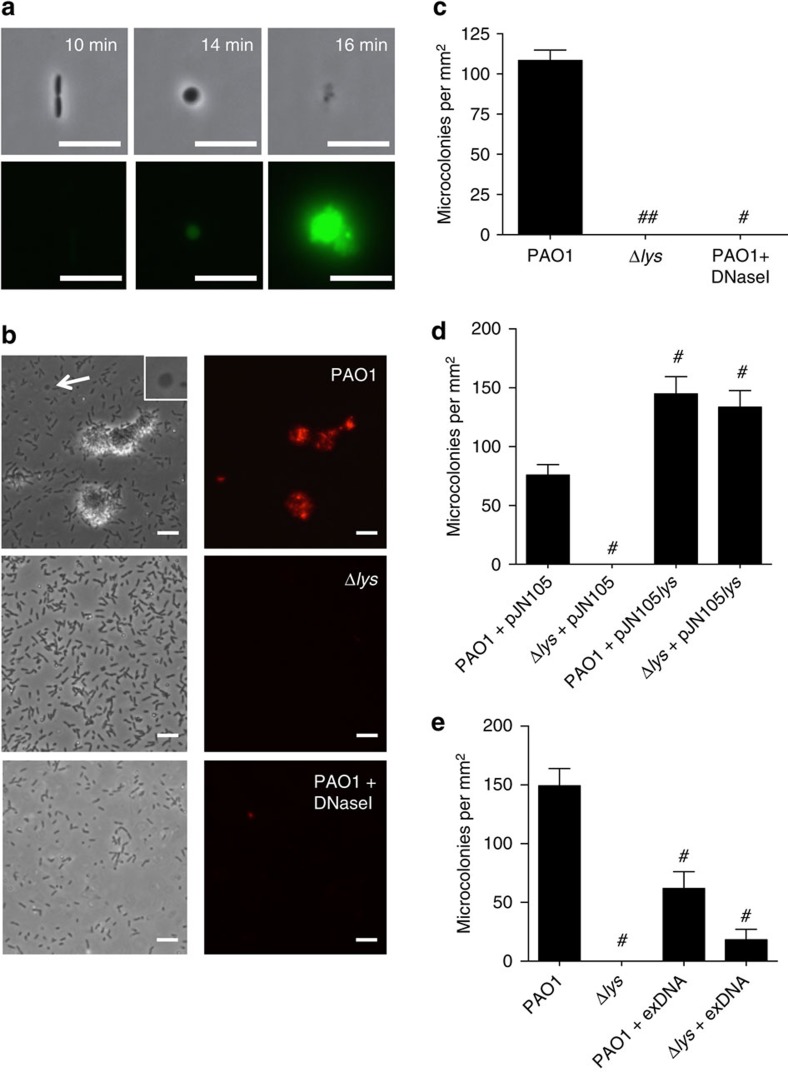
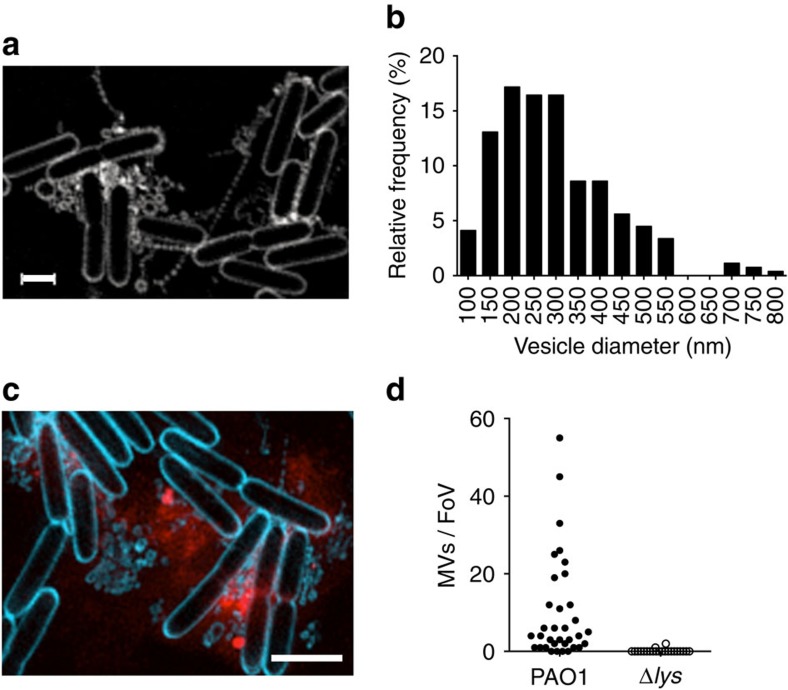
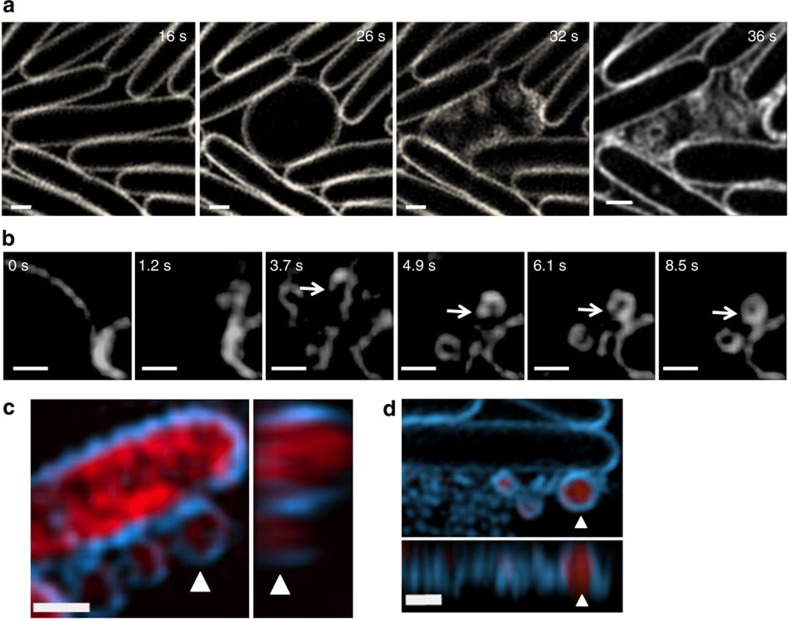
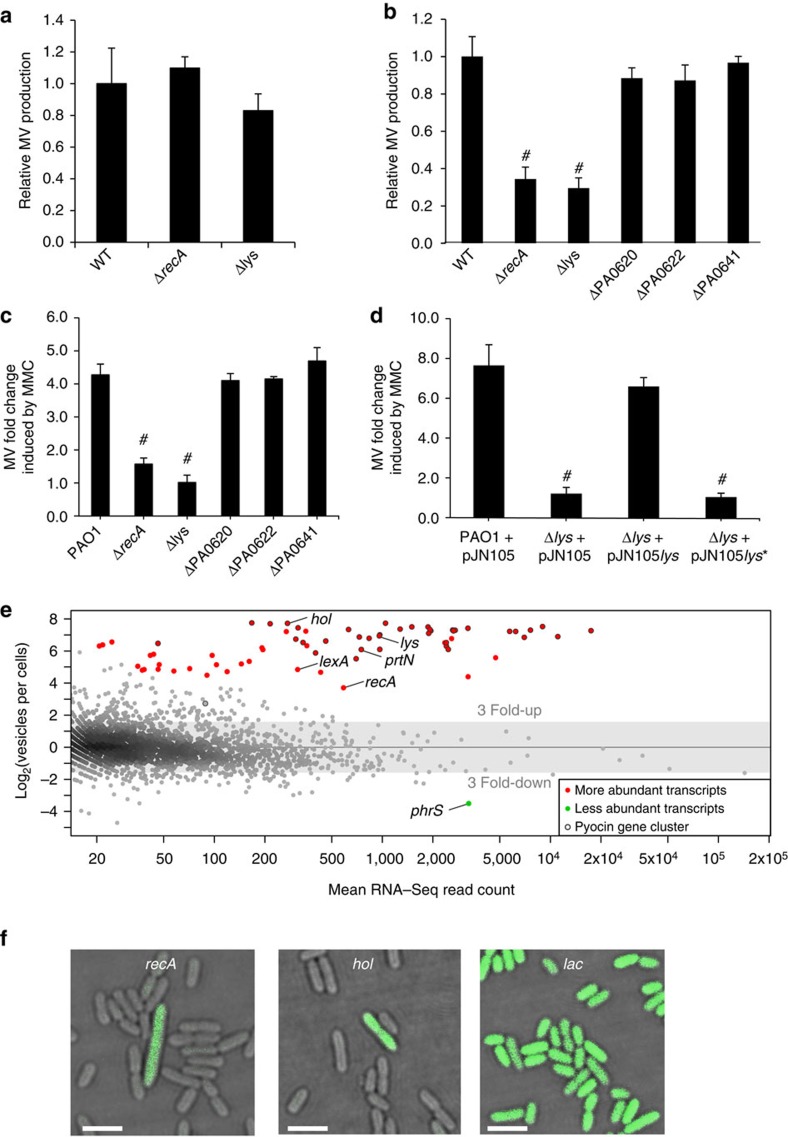
Many bacteria produce extracellular and surface-associated components such as membrane vesicles (MVs), extracellular DNA and moonlighting cytosolic proteins for which the biogenesis and export pathways are not fully understood. Here we show that the explosive cell lysis of a sub-population of cells accounts for the liberation of cytosolic content in Pseudomonas aeruginosa biofilms. Super-resolution microscopy reveals that explosive cell lysis also produces shattered membrane fragments that rapidly form MVs. A prophage endolysin encoded within the R- and F-pyocin gene cluster is essential for explosive cell lysis. Endolysin-deficient mutants are defective in MV production and biofilm development, consistent with a crucial role in the biogenesis of MVs and liberation of extracellular DNA and other biofilm matrix components. Our findings reveal that explosive cell lysis, mediated through the activity of a cryptic prophage endolysin, acts as a mechanism for the production of bacterial MVs.
Overview
The claims and statistics of this paper haven’t been checked yet.
Free: it reads the open-access text and checks the first 5 claims that cite a source we can check. Create a free account to check every claim.
Integrity signals
Registry
Cites
Statistics
Figures
Verification
Claims the paper makes
The claims and statistics of this paper haven’t been checked yet.
Free: it reads the open-access text and checks the first 5 claims that cite a source we can check. Create a free account to check every claim.
Claims other papers make about this one
Each is checked against this paper’s own text: does it say what the citing paper says it does?
The cited source says what the claim attributes to it.
In the citing paper
“In P. aeruginosa, explosive cell lysis of a subpopulation of cells, driven by the bacteriophage-like endolysin Lys, rapidly releases extracellular vesicles and liberates extracellular DNA into the biofilm matrix.229”
From The dental plaque biofilm matrix (2021) · cites this paper as [229]
In the citing paper
“eDNA, released by cellular lysis84,85, promotes biofilm formation, stability and tolerance towards positively charged antibiotics such as aminoglycosides and antimicrobial peptides.”
From Pseudomonas aeruginosa: ecology, evolution, pathogenesis and antimicrobial susceptibility (2025) · cites this paper as [85]
Self-check
Percentages, sums and reported differences re-computed from the paper’s own numbers.
The self-check needs the paper’s full text.
Citations
Cites
Fiji: an open-source platform for biological-image analysis
Schindelin, J., Arganda-Carreras, I., Frise, E., Kaynig, V., Longair, M., Pietzsch, T., Preibisch, S., Rueden, C., Saalfeld, S., Schmid, B., et al. (2012) · Nature Methods · doi:10.1038/nmeth.2019 · Cited by 66,890
A Threshold Selection Method from Gray-Level Histograms
Otsu, N. (1979) · IEEE Transactions on Systems, Man, and Cybernetics · doi:10.1109/tsmc.1979.4310076 · Cited by 43,398
A new mathematical model for relative quantification in real-time RT-PCR
Pfaffl, M. W. (2001) · Nucleic Acids Research · doi:10.1093/nar/29.9.e45 · Cited by 34,610
Differential expression analysis for sequence count data
Anders, S., & Huber, W. (2010) · Genome Biology · doi:10.1186/gb-2010-11-10-r106 · Cited by 15,581
Flemming, H.-C., & Wingender, J. (2010) · Nature Reviews Microbiology · doi:10.1038/nrmicro2415 · Cited by 10,137
Protein structure prediction on the Web: a case study using the Phyre server
Kelley, L. A., & Sternberg, M. J. E. (2009) · Nature Protocols · doi:10.1038/nprot.2009.2 · Cited by 4,175
Extracellular DNA Required for Bacterial Biofilm Formation
Whitchurch, C. B., Tolker-Nielsen, T., Ragas, P. C., & Mattick, J. S. (2002) · Science · doi:10.1126/science.295.5559.1487 · Cited by 2,203
Self-citationOuter-membrane vesicles from Gram-negative bacteria: biogenesis and functions
Schwechheimer, C., & Kuehn, M. J. (2015) · Nature Reviews Microbiology · doi:10.1038/nrmicro3525 · Cited by 1,922
Gustafsson, M. G. L., Shao, L., Carlton, P. M., Wang, C. J. R., Golubovskaya, I. N., Cande, W. Z., Agard, D. A., & Sedat, J. W. (2008) · Biophysical Journal · doi:10.1529/biophysj.107.120345 · Cited by 1,557
Schermelleh, L., Carlton, P. M., Haase, S., Shao, L., Winoto, L., Kner, P., Burke, B., Cardoso, M. C., Agard, D. A., Gustafsson, M. G. L., et al. (2008) · Science · doi:10.1126/science.1156947 · Cited by 1,123
Research works printed but not linked: 2
- Vallotton P.. in Image and Vision Computing New Zealand, 2009 IVCNZ '09 24th International Conference (IEEE) (2009).
- He X.-C. & Yung N. H. in Pattern Recognition, 2004. ICPR 2004. Proceedings of the 17th International Conference on. 791-794 (IEEE).
Cited by
Items 401–500 of 746
Low, K. E., Gheorghita, A. A., Tammam, S. D., Whitfield, G. B., Li, Y. E., Riley, L. M., Weadge, J. T., Caldwell, S. J., Chong, P. A., Walvoort, M. T. C., et al. (2023) · Journal of Biological Chemistry · doi:10.1016/j.jbc.2023.105314 · Cited by 11
“Bio fi lms are communities of bacterial cells surrounded and protected by a self-produced matrix containing lipids, exopo-lysaccharides, extracellular DNA, and proteins, and more complex structures such as membrane vesicles, bacteriophage, and amyloid fi bers (1 – 3).”
BackgroundWang, M., Yao, Y., Yang, Y., Zhu, D., Wang, M., Jia, R., Chen, S., Zhao, X., Yang, Q., Wu, Y., et al. (2024) · Poultry Science · doi:10.1016/j.psj.2024.104730 · Cited by 11
“Currently, it has been indicated that there are two types of OMVs that can encapsulate cytoplasmic contents (P ´ erez-Cruz et al., 2015; Turnbull et al., 2016).”
InfluentialLi, G., Pu, S., You, L., Gao, Y., Zhong, Y., Zhao, H., Dong, F., & Lu, X. (2025) · Pharmaceutics · doi:10.3390/pharmaceutics17010058 · Cited by 14
“…stress; damage to the DNA of a bacterial chromosome can induce an oxidative stress response and trigger cell death and cleavage, causing cell membrane fragments to recirculate, gather, and randomly wrap cytoplasmic substances to form explosive outer membrane vesicles (EOMVs) [35] (Figure 1).”
Microbiome engineering: unlocking therapeutic potential in inflammatory bowel disease
Chen, K., Huang, L.-B., Yang, M., Yue, N.-N., Luo, D., Zhang, Y., Tian, C., Song, Y., Wei, D., Shi, R., et al. (2025) · Frontiers in Microbiology · doi:10.3389/fmicb.2025.1610029 · Cited by 17
Canalejo-Marco, G., Arruebo, M., & Sebastián, V. (2025) · Colloids and Surfaces B Biointerfaces · doi:10.1016/j.colsurfb.2025.115235 · Cited by 12
Franke, R., Overwin, H., Häußler, S., & Brönstrup, M. (2021) · mSystems · doi:10.1128/msystems.00610-21 · Cited by 12
“Evolutionarily, this altruistic suicide (36) of a bacterial subpopulation only makes sense by providing a survival advantage for the whole population, e.”
BackgroundLin, T., Pan, J., Gregory, C., Wang, Y., Tincher, C., Rivera, C. E., Lynch, M., Long, H., & Zhang, Y. (2023) · Marine Life Science & Technology · doi:10.1007/s42995-023-00185-y · Cited by 11
“Data for the wild-type strain and lexA3 strains are from this study; those of the Δ mutS and the Δ mutY strains are from our previous study (Long et 2007; Turnbull et al. 2016).”
ResultThe Russian Doll Model: How Bacteria Shape Successful and Sustainable Inter-Kingdom Relationships
Pessione, E. (2020) · Frontiers in Microbiology · doi:10.3389/fmicb.2020.573759 · Cited by 12
The Heritability of Behaviors Associated With the Host Gut Microbiota
Manterola, M., Palominos, M. F., & Calixto, A. (2021) · Frontiers in Immunology · doi:10.3389/fimmu.2021.658551 · Cited by 11
Shishpal, P., Patel, V. V., Singh, D., & Bhor, V. M. (2021) · Frontiers in Microbiology · doi:10.3389/fmicb.2021.723909 · Cited by 11
Secreted bacterial RNA: an unexplored avenue
Ghosal, A. (2018) · FEMS Microbiology Letters · doi:10.1093/femsle/fny036 · Cited by 11
Low, K. E., Gheorghita, A. A., Tammam, S. D., Whitfield, G. B., Li, Y. E., Riley, L. M., Weadge, J. T., Caldwell, S. J., Chong, P. A., Walvoort, M. T. C., et al. (2023) · doi:10.1101/2023.07.25.550544 · Cited by 11
Wang, H., Beier, N., Boedeker, C., Sztajer, H., Henke, P., Neumann-Schaal, M., Mansky, J., Rohde, M., Overmann, J., Petersen, J., et al. (2021) · mSystems · doi:10.1128/msystems.00693-20 · Cited by 10
“No free DNA, which is common in biofilms, could be detected [36].”
BackgroundNgako, T. S. K., Bouttier, S., Domenichini, S., Saunier, J., Coullon, H., Simons, A., & Janoir, C. (2025) · npj Biofilms and Microbiomes · doi:10.1038/s41522-025-00751-5 · Cited by 10
“In addition, extracellular vesicles have been shown in other bacteria to be used for the transport and release of EPS into the matrix 56,57 .”
Thoma, J., & Burmann, B. M. (2020) · BIO-PROTOCOL · doi:10.21769/bioprotoc.3853 · Cited by 10
“…be collected before bacterial growth ceases and cultures enter the stationary phase, because this will substantially increase contaminations with cytoplasmic proteins, inner membranes, and cell debris resulting from stressinduced explosive cell lysis (Turnbull et al., 2016; Thoma et al., 2018).”
BackgroundStochastic effects in bacterial communication mediated by extracellular vesicles
Weaver, B. P., Haselwandter, C. A., & Boedicker, J. Q. (2023) · Physical review. E · doi:10.1103/physreve.107.024409 · Cited by 10
Hare, P. J., Gonzalez, J. R., Quelle, R. M., Wu, Y., & Mok, W. W. K. (2023) · Microbiology Spectrum · doi:10.1128/spectrum.03567-23 · Cited by 11
Mechanisms of horizontal gene transfer and DNA recombination
Blakely, G. W. (2024) · Elsevier eBooks · doi:10.1016/b978-0-12-818619-0.00043-5 · Cited by 15
Zhu, A., Jiang, Y., Pan, L., Li, J., Huang, Y., Shi, M., Di, L., Wang, L., & Wang, R. (2024) · Journal of Controlled Release · doi:10.1016/j.jconrel.2024.11.013 · Cited by 10
Roy, R., You, R.-I., Chang, C.-H., Yang, C., & Lin, N. (2021) · Microorganisms · doi:10.3390/microorganisms9061336 · Cited by 12
“aeruginosa, probably caused by rapid loss of the structural integrity of cell wall PG [15].”
BackgroundOuter Membrane Vesicle-Host Cell Interactions
Cecil, J. D., Sirisaengtaksin, N., O’brien-simpson, N. M., & Krachler, A. M. (2019) · ASM Press eBooks · doi:10.1128/9781683670285.ch17 · Cited by 10
Remotely Controllable Engineered Bacteria for Targeted Therapy of Pseudomonas aeruginosa Infection
Gao, Y., Wei, J., Pu, L., Fu, S., Xing, X., Zhang, R., & Jin, F. (2023) · ACS Synthetic Biology · doi:10.1021/acssynbio.2c00655 · Cited by 11
PHARMACOGNOSTIC EVALUATION OF KATPHALA (The bark of Myrica esculenta Buch - Ham).
Singh, J., Lan, V. K., & Trivedi, V. P. (1986) · PubMed Central · Cited by 18
Ichikawa, S., Ogawa, S., Nishida, A., Kobayashi, Y., Kurosawa, T., & Karita, S. (2019) · FEMS Microbiology Letters · doi:10.1093/femsle/fnz145 · Cited by 12
Goreham, R. V., Ayed, Z., Amin, Z. M., & Dobhal, G. S. (2020) · Nano Futures · doi:10.1088/2399-1984/ab8bca · Cited by 10
Deciphering the immunomodulatory cross-talk: Bacterial extracellular vesicles in gut homeostasis
Yi, H., Li, M., Xu, L., & Mao, H. (2025) · Virulence · doi:10.1080/21505594.2025.2566255 · Cited by 9
“The membrane fragments produced by explosive cleavage can reassemble and randomly wrap the cytoplasmic components forming vesicles called EOMVs [29].”
Single-cell lysis patterns morphogenesis of eDNA in the matrix of Pseudomonas aeruginosa biofilms
Squyres, G. R., & Newman, D. K. (2025) · Proceedings of the National Academy of Sciences · doi:10.1073/pnas.2514210122 · Cited by 10
“In early - stage and interstitial biofilms, lysis is driven predominantly by the endolysin Lys, encoded in the R/F pyocin in a DNA damage - activated pathway ( 29 ).”
InfluentialFu, Y., Shi, Y., Zhou, Z., Huang, Y., Song, Y., & Li, C. (2025) · Microorganisms · doi:10.3390/microorganisms13102413 · Cited by 9
“This mechanism releases both single-membrane BEVs and O-IMVs in Gram-negative species [42–46].”
Extracellular vesicles in bone aging: therapeutic strategies and applications
Tang, L., Wang, P., Sheng, S., Yang, H., Jiang, Y., Jing, Y., Liu, H., & Su, J. (2025) · Extracellular Vesicles and Circulating Nucleic Acids · doi:10.20517/evcna.2025.58 · Cited by 12
Gabaran, S. G., Hassani, S., Mahmoodi, M., Salehi, M., & Rezaie, J. (2026) · Cell Communication and Signaling · doi:10.1186/s12964-025-02634-w · Cited by 10
“The classification of OMVs and OIMVs can be further refined to include explosive OMVs (EOMVs) and explosive OIMVs (EOIMVs) when their biogenesis involves a rapid, burst-like event [26, 36].”
Bacterial outer membrane vesicles: a smart platform for biomedical applications
Wang, J., Liu, Q., Huang, F., Wang, S., Wu, C., Yang, C., Huang, S., Liang, Y., & Pan, X. (2026) · Cell Communication and Signaling · doi:10.1186/s12964-025-02645-7 · Cited by 11
“The first model suggests that vesiculation originates from local degradation of the peptidoglycan layer by endolysins [10].”
New insights into outer membrane vesicles in Gram-negative bacteria from biogenesis to applications
Kim, B., Son, Y., Yang, J., & Park, W. (2026) · Communications Biology · doi:10.1038/s42003-026-10562-9 · Cited by 10
“The production of lytic OMVs is triggered by antibiotics and genotoxic stress, which activate the expression of prophage-derived endolysin, resulting in the degradation of the peptidoglycan (PG) layer 30 .”
Droplet duos on water display pairing, autonomous motion, and periodic eruption
Sumino, Y., Yamashita, R., Miyaji, K., Ishikawa, H., Otani, M., Yamamoto, D., Okita, E., Okamoto, Y., Krafft, M. P., Yoshikawa, K., et al. (2023) · Scientific Reports · doi:10.1038/s41598-023-39094-6 · Cited by 9
Bacteriophages and bacterial extracellular vesicles, threat or opportunity?
Meidaninikjeh, S., Mohammadı, P., & Elikaei, A. (2024) · Life Sciences · doi:10.1016/j.lfs.2024.122749 · Cited by 9
Chapagain, P., Ali, A., Kidane, D. T., Farone, M. B., & Salem, M. (2024) · Journal of Extracellular Biology · doi:10.1002/jex2.161 · Cited by 12
“Previous studies have demonstrated the presence of DNA, peptidoglycan and lipopolysaccharides (LPS) in OMVs purified from bacterial cultures (Renelli et al., 2004, Turnbull et al., 2016).”
BackgroundLiu, C., Udawatte, N. S., Liaw, A., Staples, R., Salomón, C., Seneviratne, C. J., Ivanovski, S., & Han, P. (2025) · Advanced Healthcare Materials · doi:10.1002/adhm.202403300 · Cited by 10
Cho, E., Kim, J., Won, T., Ryu, S., & Jeon, B. (2025) · The Journal of Infectious Diseases · doi:10.1093/infdis/jiaf035 · Cited by 10
Extracellular Vesicles in the Environment
Biller, S. J. (2020) · Springer eBooks · doi:10.1007/978-3-030-36331-4_4 · Cited by 9
Protect thy host: Pf4 phages shield Pseudomonas aeruginosa from antibiotics
Wettstadt, S. (2020) · Environmental Microbiology · doi:10.1111/1462-2920.15046 · Cited by 10
Tashiro, Y. (2022) · Bioscience Biotechnology and Biochemistry · doi:10.1093/bbb/zbac066 · Cited by 13
RNA language in Caenorhabditis elegans and bacteria interspecies communication and memory
Legüe, M., & Calixto, A. (2018) · Current Opinion in Systems Biology · doi:10.1016/j.coisb.2018.08.005 · Cited by 9
Biogenesis of Gram-Negative OMVs
Zingl, F. G., Leitner, D. R., & Schild, S. (2020) · Springer eBooks · doi:10.1007/978-3-030-36331-4_2 · Cited by 13
Budding and explosive membrane vesicle production by hypervesiculating Escherichia coli strain ΔrodZ
Ojima, Y., Toda, K., Sawabe, T., Kumazoe, Y., Tahara, Y. O., Miyata, M., & Azuma, M. (2024) · Frontiers in Microbiology · doi:10.3389/fmicb.2024.1400434 · Cited by 10
Pseudomonas aeruginosa Cryptic Prophage Endolysin Is a Highly Active Muramidase
Edvardsen, P. K. T., Englund, A. N., Røhr, Å. K., Mesnage, S., & Vaaje‐Kolstad, G. (2025) · Biochemistry · doi:10.1021/acs.biochem.5c00142 · Cited by 8
Zhang, B., Liu, M., Jiang, L., Chen, Z., Tian, W., Li, K., Yu, B., Zhang, W., Li, S., Zhou, Y., et al. (2025) · Current Microbiology · doi:10.1007/s00284-025-04474-w · Cited by 8
Unveiling Oral Anaerobic Bacteria Outer Membrane Vesicles: A Comprehensive Systematic Review
Castro-Vargas, P., Barloy-Hubler, F., & Acuña-Amador, L. (2024) · Odovtos - International Journal of Dental Sciences · doi:10.15517/ijds.2024.59287 · Cited by 9
Alvarado-Ocampo, J., Abrahams‐Sandí, E., & Moreira, L. R. (2024) · Memórias do Instituto Oswaldo Cruz · doi:10.1590/0074-02760240073 · Cited by 8
“(38,39) Regarding their physiology and clinical relevance, OMVs have been involved not only in bacterial communication processes, horizontal gene transfer and influence on the microenvironment, (17) but also their cargo has been employed as an arsenal to interact with the host; in fact, TLRs have…”
BackgroundDynamics of bacterial biofilm development imaged using light sheet fluorescence microscopy
Šmerdová, L., Füzik, T., Valentová, L., Bárdy, P., Procházková, M., Pařenicová, M., & Plevka, P. (2025) · Biochemistry and Biophysics Reports · doi:10.1016/j.bbrep.2025.102127 · Cited by 9
“It was shown previously that a subpopulation of cells in a P. aeruginosa biofilm undergo cell lysis accompanied by the liberation of cytosolic content that can serve as nutrients for other cells and boost their growth [48].”
Bucki, R., & Janmey, P. A. (2016) · Current Opinion in Colloid & Interface Science · doi:10.1016/j.cocis.2016.08.006 · Cited by 8
New insights in the early extracellular events in hydrocarbon and lipid biodegradation
Espinosa‐Urgel, M., & Marqués, S. (2017) · Environmental Microbiology · doi:10.1111/1462-2920.13608 · Cited by 8
What will membrane vesicles (MVs) bring to bacterial communication?
Toyofuku, M., & Nomura, N. (2017) · Microbes and Environments · doi:10.1264/jsme2.me3203rh · Cited by 8
“anoxoic conditions and biofilm formation (29, 30).”
BackgroundSelf-citationYokoyama, F., Imai, T., Aoki, W., Ueda, M., Kawamoto, J., & Kurihara, T. (2021) · Frontiers in Microbiology · doi:10.3389/fmicb.2021.629023 · Cited by 8
“16 released into the culture supernatant as a result of explosive cell lysis (Turnbull et al., 2016).”
BackgroundBairoliya, S., Goel, A., Mukherjee, M., Xiang, J. K. Z., & Cao, B. (2022) · Environmental Science & Technology · doi:10.1021/acs.est.2c06632 · Cited by 8
Schoof, M., O’Callaghan, M., Hefer, C. A., Glare, T. R., Paulson, A. R., & Hurst, M. R. H. (2023) · Microbiology Spectrum · doi:10.1128/spectrum.00364-23 · Cited by 8
Pf bacteriophages hinder sputum antibiotic diffusion via electrostatic binding
Chen, Q., Cai, P. C., Chang, T. H. W., Burgener, E. B., Kratochvil, M. J., Gupta, A., Hargil, A., Secor, P. R., Nielsen, J. E., Barron, A. E., et al. (2024) · Science Advances · doi:10.1126/sciadv.adl5576 · Cited by 10
Xie, Z.-X., Chen, F., Zhang, S., Wang, M., Zhang, H., Kong, L., Dai, M., Hua-sheng, H., Lin, L., & Wang, D. (2017) · Environmental Microbiology · doi:10.1111/1462-2920.13937 · Cited by 8
Delivery of Virulence Factors by Bacterial Membrane Vesicles to Mammalian Host Cells
Nadeem, A., Oscarsson, J., & Wai, S. N. (2020) · Springer eBooks · doi:10.1007/978-3-030-36331-4_7 · Cited by 9
Loss of cell wall integrity genes cpxA and mrcB causes flocculation in Escherichia coli
Sugawara, K., Toyoda, H., Kimura, M., Hayasaka, S., Saito, H., Kobayashi, H., Ihara, K., Ida, T., Akaike, T., Ando, E., et al. (2020) · Biochemical Journal · doi:10.1042/bcj20200723 · Cited by 8
ECF Sigma Factor HxuI Is Critical for In Vivo Fitness of Pseudomonas aeruginosa during Infection
Cai, Z., Yang, F., Shao, X., Yue, Z., Li, Z., Song, Y., Pan, X., Jin, Y., Cheng, Z., Ha, U., et al. (2022) · Microbiology Spectrum · doi:10.1128/spectrum.01620-21 · Cited by 8
“DNA which structurally supports biofilm formation (26).”
Introduction, History, and Discovery of Bacterial Membrane Vesicles
Zavan, L., Bitto, N. J., & Kaparakis‐Liaskos, M. (2020) · Springer eBooks · doi:10.1007/978-3-030-36331-4_1 · Cited by 14
Hirayama, S., & Nakao, R. (2021) · Methods in molecular biology · doi:10.1007/978-1-0716-1900-1_13 · Cited by 8
Bacterial programmed cell death and toxin-antitoxin system in bacteria
Rafiq, I., Mohiuddin, M., & Waqar, M. (2025) · Archives of Microbiology · doi:10.1007/s00203-025-04397-x · Cited by 7
Zhang, L., Shen, Z., Chen, Y., Ma, C., Huang, M. N., He, Y., Wang, G., Huang, D. Y., Su, B., Jiang, B.-G., et al. (2025) · Journal of Extracellular Vesicles · doi:10.1002/jev2.70151 · Cited by 7
“Explosive cell lysis represents another pathway for generating EV containing chromosomal DNA (Baeza et al. 2021; Turnbull et al. 2016).”
InfluentialAyala-García, P., Castro, N. M., Jiménez‐Guerrero, I., Müsken, M., Arce‐Rodríguez, A., Pérez‐Montaño, F., & Acuña, J. M. B. (2024) · Methods in molecular biology · doi:10.1007/978-1-0716-3617-6_14 · Cited by 7
Marine Delivery Vehicles: Molecular Components and Applications of Bacterial Extracellular Vesicles
Casillo, A., D’Amico, R., Lanzetta, R., & Corsaro, M. M. (2024) · Marine Drugs · doi:10.3390/md22080363 · Cited by 7
“So far, two ways in which Gram-negative bacteria generate vesicles have been identified: the blebbing of the outer membrane (B-type or non-lytic EVs) [31] and explosive cell lysis (E-type or lytic EVs) (Figure 2) [32].”
BackgroundNucleic Acids in the Biofilm Matrix
Meyer, R. L., Minero, G. A. S., Seviour, T. W., Ajunwa, O. M., & Evans, D. C. S. (2024) · Springer series on biofilms · doi:10.1007/978-3-031-70476-5_2 · Cited by 8
Kikuchi, Y., Toyofuku, M., Ichinaka, Y., Kiyokawa, T., Obana, N., Nomura, N., & Taoka, A. (2022) · Microbiology Spectrum · doi:10.1128/spectrum.02165-22 · Cited by 7
“, outer membrane blebbing (11–14), explosive cell lysis (15), and bubbling cell death (16).”
BackgroundSelf-citationA Robust Protocol to Isolate Outer Membrane Vesicles from Nontypeable Haemophilus influenzae
Libardo, M. D. J., Dürr, E., & Hernandez, L. D. (2023) · Methods and Protocols · doi:10.3390/mps6020042 · Cited by 7
“This method isolates all vesicles (nOMVs) that were spontaneously released to the spent growth medium by the growing and lysed bacteria [7,14,18].”
MethodXu, Z., Chen, Y., Wu, Z. L., Li, D., Li, X., Feng, X., Deng, H., Chen, H., Zhang, B., & Lin, Z. (2023) · Water Research · doi:10.1016/j.watres.2023.120229 · Cited by 7
More than just a gel: the extracellular matrixome of Pseudomonas aeruginosa
Nazeer, R. R., Wang, M., & Welch, M. (2023) · Frontiers in Molecular Biosciences · doi:10.3389/fmolb.2023.1307857 · Cited by 7
Precise Therapy Using the Selective Endogenous Encapsidation for Cellular Delivery Vector System
Tatarūnas, V., Čiapienė, I., & Giedraitienė, A. (2024) · Pharmaceutics · doi:10.3390/pharmaceutics16020292 · Cited by 8
“O-IMVs are double-bilayer vesicles described as budding/blebbing cells of Shewanella vesiculosa that mediate the transfer of local intracellular components [44].”
BackgroundAuty, J. M., Jenkins, C. H., Hincks, J., Straatman-Iwanowska, A. A., Allcock, N., Turapov, O. A., Galyov, E. E., Harding, S. V., & Mukamolova, G. V. (2022) · Microbiology Spectrum · doi:10.1128/spectrum.02110-21 · Cited by 7
Schoof, M., O’Callaghan, M., Sheen, C. R., Glare, T. R., & Hurst, M. R. H. (2022) · PLoS ONE · doi:10.1371/journal.pone.0263019 · Cited by 8
“Indirect mechanisms such as cell lysis [4, 5] or the release of membrane vesicles (MV) [6–8] have also been reported.”
BackgroundBiological Functions and Applications of Virus-Related Bacterial Nanoparticles: A Review
Nagakubo, T. (2022) · International Journal of Molecular Sciences · doi:10.3390/ijms23052595 · Cited by 7
“As these nanoparticles are of similar sizes and may be co-precipitated by ultracentrifugation, which is a standard method to isolate phage tail-like nanostructures and MVs [73], the contamination of eCIS solutions with MVs and other nanoparticles, such as bacteriocins and phage particles during purification procedures…”
BackgroundInfluentialOprF functions as a latch to direct outer membrane vesicle release in Pseudomonas aeruginosa
Mathur, S., Gopal, C., Erickson, S. K., Goldberg, L. R., Hills, S., Radin, A. G. B., & Schertzer, J. W. (2026) · mBio · doi:10.1128/mbio.01017-26 · Cited by 8
Biogenesis and Function of Extracellular Vesicles in Gram-Positive Bacteria, Mycobacteria, and Fungi
Palacios, A., Coelho, C., Maryam, M., Luque-Garcia, J. L., Casadevall, A., & Prados‐Rosales, R. (2020) · Springer eBooks · doi:10.1007/978-3-030-36331-4_3 · Cited by 8
Bursting and Reassembly of Giant Double Emulsion Drops Form Polymer Vesicles
da Silva, L. C., Cao, S., & Landfester, K. (2021) · ACS Macro Letters · doi:10.1021/acsmacrolett.0c00849 · Cited by 7
Strong segregation promotes self-destructive cooperation
Wen, L., Bai, Y., Lan, Y., Shen, Y., She, X., Dong, P., Wang, T., Fu, X., & Huang, S. (2025) · The ISME Journal · doi:10.1093/ismejo/wraf043 · Cited by 7
“This scenario mirrored the life cycle of biofilms, where dense bacterial communities develop from a limited number of initial cells and expand until encountering environmental stress [16–26],suggesting SDCs might naturally evolve under such conditions.”
Stress-induced toxic genomic R-loops support biofilm extracellular matrix formation
Mugunthan, S., Dong, Z., Chotirmall, S. H., Kjelleberg, S. J., & Seviour, T. W. (2025) · Nature Communications · doi:10.1038/s41467-025-66315-5 · Cited by 6
González, E., & Falcón‐Pérez, J. M. (2025) · Journal of Extracellular Biology · doi:10.1002/jex2.70101 · Cited by 7
“…proteins and extracellular DNA, helping to promote adherence to surfaces and stabilize the structure (Toyofuku et al. 2023; Schooling and Beveridge 2006). bEVs are also involved in intercellular communication and nutrient transport, key for biofilm grow and maintenance (Turnbull et al. 2016).”
Bioengineering modification and application of bacterial outer membrane vesicles
Wen, Y., Si, Y., Jia, X., Han, Z., Zhou, Z., Wu, Z., & Zheng, J. (2026) · International Journal of Medical Sciences · doi:10.7150/ijms.116432 · Cited by 9
“This degradation causes cell rupture, and the resulting membrane fragments aggregate and assemble into OMVs [6] .”
Bacterial Membrane Vesicles: Biogenesis, Functions, and Emerging Biotechnological Applications
Zhang, L., He, Y., Wang, G. S., Sun, J., Chen, Y., & Wang, Z. (2026) · Microorganisms · doi:10.3390/microorganisms14030689 · Cited by 8
“Beyond regulated outer membrane blebbing, Gram-negative bacteria can also generate BMVs through two alternative pathways: explosive cell lysis and inner membrane blebbing [6,24].”
InfluentialBacterial Extracellular Vesicles in Biomedical Research and Clinical Translation
Arce‐Rodríguez, A., Noya, J. D. L. P., & Acuña, J. M. B. (2026) · Microbial Biotechnology · doi:10.1111/1751-7915.70350 · Cited by 7
“These agents shatter the cell wall and cause membrane fragments to spontaneously re-circularize, encapsulating nearby cytosolic material and, crucially, the lytic elicitors themselves (Turnbull et al. 2016; Abe et al. 2021; Jiang, Wang, et al. 2022).”
Extracellular vesicles—Potential link between periodontal disease and diabetic complications
Huang, S., Lin, J., & Han, X. (2024) · Molecular Oral Microbiology · doi:10.1111/omi.12449 · Cited by 6
Feix, A. S., Tabaie, E. Z., Singh, A. N., Wittenberg, N. J., Wilson, E. H., & Joachim, A. (2024) · Microbiology and Molecular Biology Reviews · doi:10.1128/mmbr.00037-24 · Cited by 8
“(39) reported that O-IMVs pro duced by P. aeruginosa also incorporate endolysin, an enzyme that aids in the break down of peptidoglycans (39).”
BackgroundDinçer, S., Özdenefe, M. S., & Takci, H. A. M. (2025) · IntechOpen eBooks · doi:10.5772/intechopen.1005710 · Cited by 7
Zhu, W., Yuan, Y., Guan, X., Xie, Q., Sun, X., & Dong, Z. (2025) · Life Sciences · doi:10.1016/j.lfs.2025.123750 · Cited by 7
Takano, S., Takenawa, S., Naradasu, D., Yan, K., Wen, X., Maehara, T., Nomura, N., Obana, N., Toyofuku, M., Usui, M., et al. (2025) · The ISME Journal · doi:10.1093/ismejo/wraf193 · Cited by 7
“Although membrane blebbing and explosive lysis followed by recircularization are reportedly major mechanisms of BEV formation [14, 46, 47], the mechanism of DNA packaging into BEVs remains debatable.”
Self-citationEnhancement of membrane vesicle production by disrupting the degP gene in Meiothermus ruber H328
Asano, Y., Onishi, M., Nishi, K., Kawasaki, K., & Watanabe, K. (2021) · AMB Express · doi:10.1186/s13568-021-01328-z · Cited by 6
O’Connell, L., Marcoux, P. R., Perlemoine, P., & Roupioz, Y. (2023) · ACS Biomaterials Science & Engineering · doi:10.1021/acsbiomaterials.2c00386 · Cited by 6
Wang, H., Xie, G., & Huang, J. (2024) · Virology · doi:10.1016/j.virol.2024.110087 · Cited by 6
Active interface bulging in Bacillus subtilis swarms promotes self-assembly and biofilm formation
Liu, S., Li, Y., Xu, H., Kearns, D. B., & Wu, Y. (2024) · Proceedings of the National Academy of Sciences · doi:10.1073/pnas.2322025121 · Cited by 9
Berking, B. B., Rijpkema, S. J., Zhang, B. H. E., Sait, A., Amatdjais‐Groenen, H. I. V., & Wilson, D. A. (2024) · ACS Biomaterials Science & Engineering · doi:10.1021/acsbiomaterials.4c01177 · Cited by 7
Impact of c-di-GMP on the Extracellular Proteome of Rhizobium etli
Lorite, M. J., Casas-Román, A., Girard, L., Encarnación‐Guevara, S., Díaz‐Garrido, N., Badía, J., Baldomà, L., Pérez‐Mendoza, D., & Sanjuán, J. (2022) · Biology · doi:10.3390/biology12010044 · Cited by 6
“Although the presence of cytoplasmic proteins in extracellular compartments has been presumed to originate from cell lysis [18] or to be part of the cargo in outer membrane vesicles (OMVs; [17], many authors support that certain cytoplasmic proteins can be secreted outside the cell by yet unknown, so-called non-classi…”
BackgroundHigh productivity of immunostimulatory membrane vesicles of Limosilactobacillus antri using glycine
Yamasaki-Yashiki, S., SAKAMOTO, Y., NISHIMURA, K., Saika, A., Ito, T., Kunisawa, J., & Katakura, Y. (2023) · Bioscience of Microbiota Food and Health · doi:10.12938/bmfh.2023-029 · Cited by 6
David, A., Louis, M., Tahrioui, A., Rodrigues, S., Labbé, C., Maillot, O., Barreau, M., Lesouhaitier, O., Cornélis, P., Chevalier, S., et al. (2024) · Biofilm · doi:10.1016/j.bioflm.2024.100191 · Cited by 5
“Finally, overexpression of cmpX leads to increase the proportion of injured cells within the biofilm, which may explain the significant eDNA abundance, since the release of eDNA is enabled by cell lysis within the biofilm [43].”
BackgroundRaja, M., Ramamurthy, K., Sudhakaran, G., Guru, A., & Arockiaraj, J. (2025) · Archives of Microbiology · doi:10.1007/s00203-025-04294-3 · Cited by 5
“This process can be triggered by antibiotics like ciprofloxacin, which induce a cellular SOS response, a bacterial stress response activated by DNA damage that leads to endolysin expression and vesicle formation (Turnbull et al. 2016).”
Yue, G., Dai, X., Shi, H., Shen, J., Guo, H., Liang, R., Dai, Z., Li, Y., Gao, S., Dong, G., et al. (2025) · Biomaterials Science · doi:10.1039/d5bm00537j · Cited by 5
The density of Braun’s Lipoprotein determines vesicle production in E. coli
Weaver, B. P., Zhao, F., Gao, Y., Boedicker, J. Q., & Haselwandter, C. A. (2025) · PLoS ONE · doi:10.1371/journal.pone.0332156 · Cited by 5
“Bacterial vesicle biogenesis can be the result of outer membrane blebbing, although other pathways for bacterial vesicle formation have also been reported, including explosive cell lysis [12,13].”
Zhang, J., Zhi, Y., Lu, Y., & Ma, F. (2026) · Frontiers in Immunology · doi:10.3389/fimmu.2026.1707391 · Cited by 6
Metadata
- Authors
- Turnbull, L., Toyofuku, M., Hynen, A. L., Kurosawa, M., Pessi, G., Petty, N. K., Osvath, S. R., Cárcamo-Oyarce, G., Gloag, E. S., Shimoni, R., Omasits, U., Ito, S., Yap, X., Monahan, L. G., Cavaliere, R., Ahrens, C. H., Charles, I. G., Nomura, N., Eberl, L., & Whitchurch, C. B.
- Affiliations
- University of Technology Sydney (AU)
- University of Tsukuba (JP)
- University of Zurich (CH)
- ETH Zurich (CH)
- SIB Swiss Institute of Bioinformatics (CH)
- Corresponding author
- Toyofuku, Masanori
- Eberl, Leo
- Whitchurch, Cynthia B.
- ORCID
- Venue
- Nature Communications
- Published
- 2016-04-14
- Volume
- 7
- Issue
- 1
- Pages
- 11220-11220
- ISSN
- 2041-1723 (ISSN-L)
- PMC
- PMC4834629
- OpenAlex
- W2335807995
- Cited by
- 709
- References
- 67
- Citations by year
- 2026: 86 · 2025: 87 · 2024: 91 · 2023: 83 · 2022: 67 · 2021: 88 · 2020: 64 · 2019: 38 · 2018: 41 · 2017: 45 · 2016: 18
- FWCI
- 24.61
- Type
- journal article
- Language
- en
- Open access
- gold
- doi.org
- Licence
- cc-by
- creativecommons.org/licenses/by/4.0 (tdm)
- creativecommons.org/licenses/by/4.0 (vor)
- Locations
- Nature Communications (publishedVersion, cc-by)
- PubMed Central (publishedVersion, cc-by)
- PubMed (publishedVersion)
- Institutional Repositories DataBase (IRDB) (publishedVersion, cc-by)
- Zurich Open Repository and Archive (University of Zurich) (acceptedVersion, cc-by)
- RePEc: Research Papers in Economics (submittedVersion)
- DOAJ (DOAJ: Directory of Open Access Journals) (submittedVersion, cc-by-sa)
- UTS ePRESS (University of Technology Sydney) (submittedVersion)
- Terrestrial Environment Research Center (University of Tsukuba) (submittedVersion, cc-by)
- UEA Digital Repository (University of East Anglia) (submittedVersion)
- Repository for Publications and Research Data (ETH Zurich) (submittedVersion, cc-by)
- Zurich Open Repository and Archive (University of Zurich) (submittedVersion, cc-by)
- ETH Zürich Research Collection (cc-by)
- Zurich Open Repository and Archive (University of Zurich)
- Funders
- National Science Foundation
- Ministry of Education, Culture, Sports, Science and Technology (25701012, 60292520, CREST)
- Schweizerischer Nationalfonds zur Förderung der Wissenschaftlichen Forschung (143773, 31003A, 130723)
- Monash University
- National Health and Medical Research Council (571905)
- Japan Society for the Promotion of Science (25701012)
- Japan Science and Technology Agency (CREST, 60292520, 25701012)
- Comisión Nacional de Investigación Científica y Tecnológica
- Core Research for Evolutional Science and Technology
- Exploratory Research for Advanced Technology
- Advanced Low Carbon Technology Research and Development Program
- Topics
- Life Sciences › Biochemistry, Genetics and Molecular Biology › Molecular Biology › Bacterial biofilms and quorum sensing
- Life Sciences › Biochemistry, Genetics and Molecular Biology › Genetics › Bacterial Genetics and Biotechnology
- Life Sciences › Immunology and Microbiology › Virology › Bacteriophages and microbial interactions
- Keywords
- membrane vesicles, bacterial biofilms, Pseudomonas aeruginosa, extracellular DNA, biofilm matrix, super-resolution microscopy
- MeSH terms
- Bacteriolysis, Organelle Biogenesis, Cell Membrane, DNA, Bacterial, Extracellular Space, Endopeptidases, Pseudomonas aeruginosa, Pyocins, Stress, Physiological, Quinolones, Biofilms
About these checks
Registry, retraction, Cites and statistics results are computed, not judged, with one exception: a printed reference that no index lists is read once by a model before it counts as a citation error. Claims are extracted by a model and kept only when their quote appears verbatim in the text; each cited source is then checked, with a model’s help, for whether it says what the claim relies on. Those verdicts can be wrong — read the claim’s quote and the cited source before relying on one.
Statistics and arithmetic are recomputed, not judged.
Confidence bands are shown only for fields calibrated on our annotated test set. None is calibrated yet, so no band is shown.
What counts as a claim ›How we measure confidence ›How we check this ›
Are you an author, or do you see a problem with this page? Request a review
Data sources
Bibliographic data: Semantic Scholar, OpenAlex, Crossref.
Contains information from the Semantic Scholar Academic Graph Datasets, made available under the ODC Attribution License (ODC-BY 1.0).
Semantic Scholar’s data is described in: Kinney, R., et al. (2023). The Semantic Scholar Open Data Platform. arXiv:2301.10140.
