

Explosive cell lysis as a mechanism for the biogenesis of bacterial membrane vesicles and biofilms
Open accessThe DOI matches its Crossref record; 67 of the 67 references it cites were found in a registry or an index.
Abstract
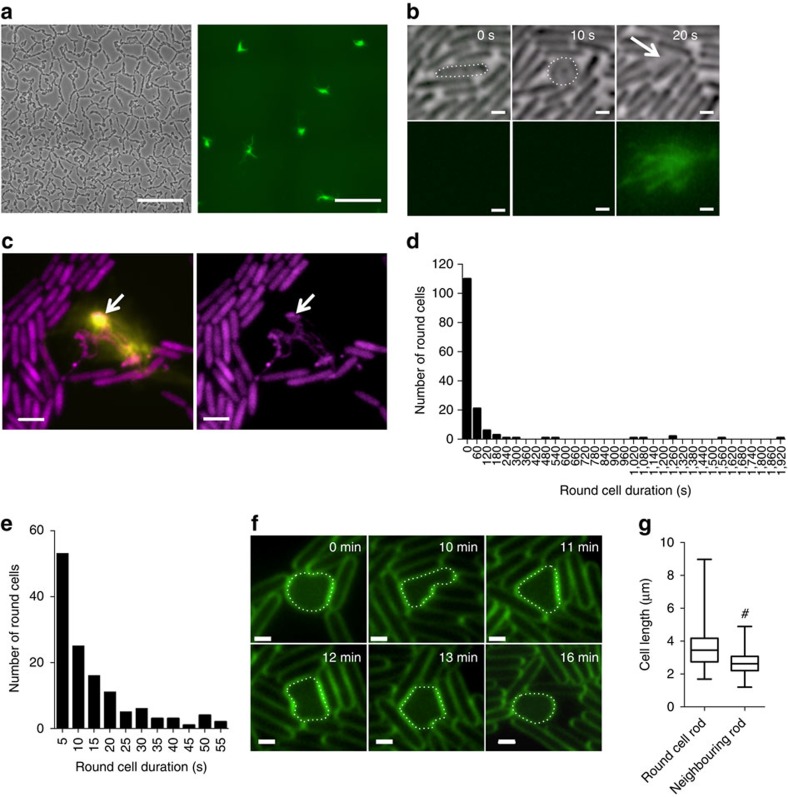
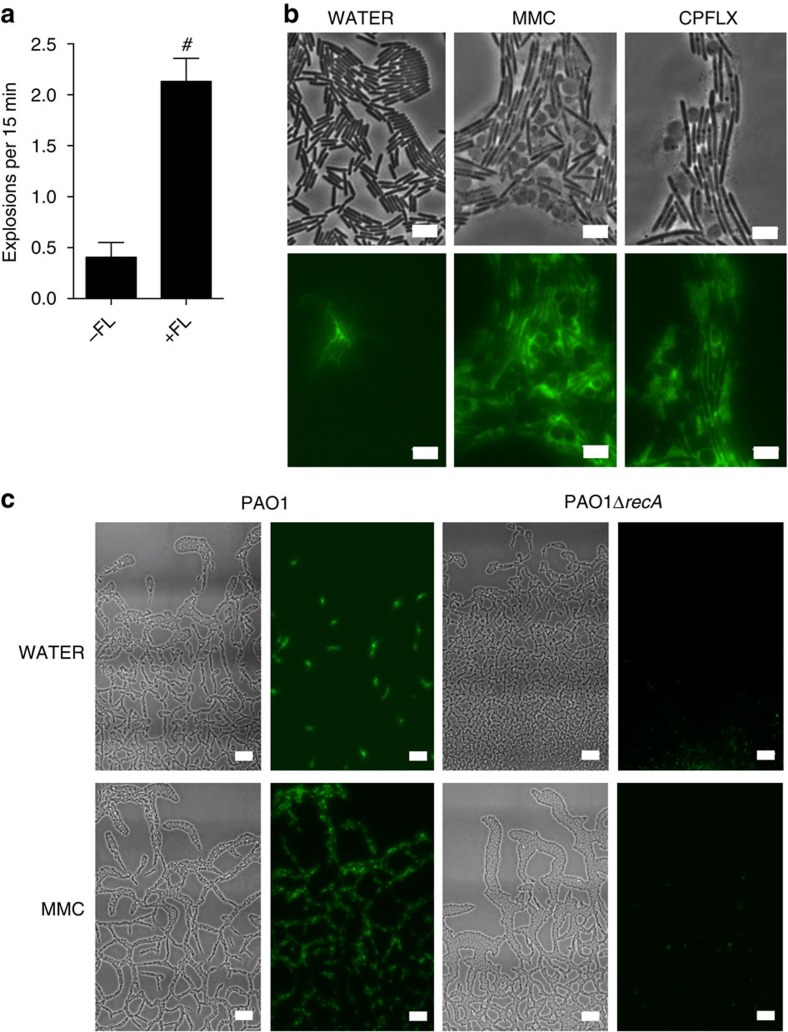
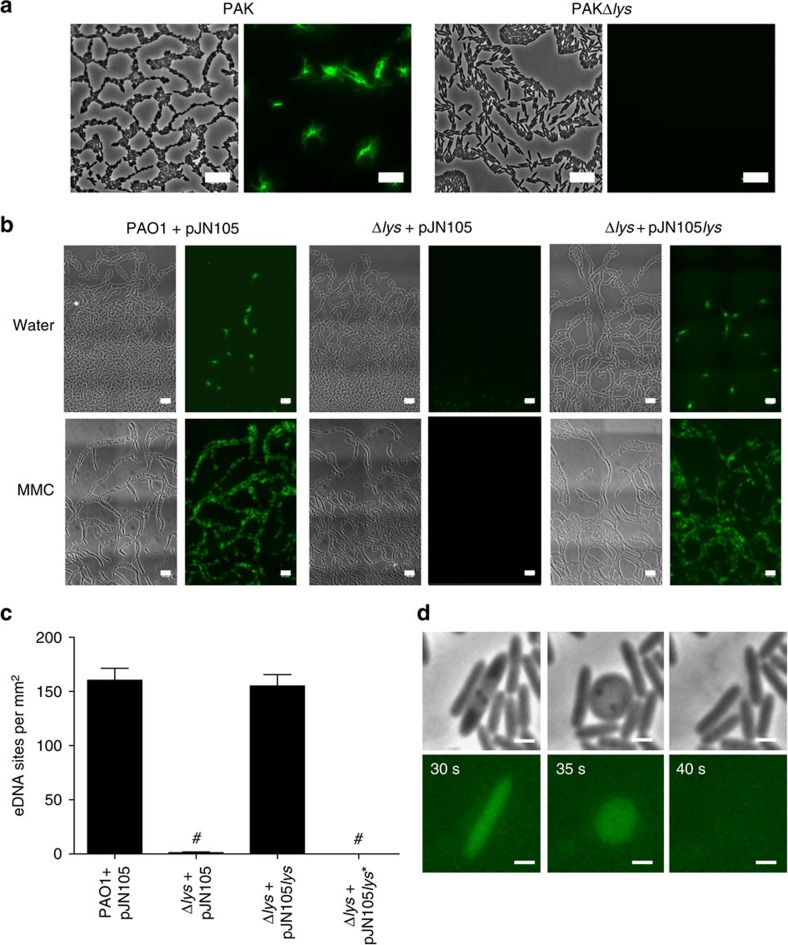
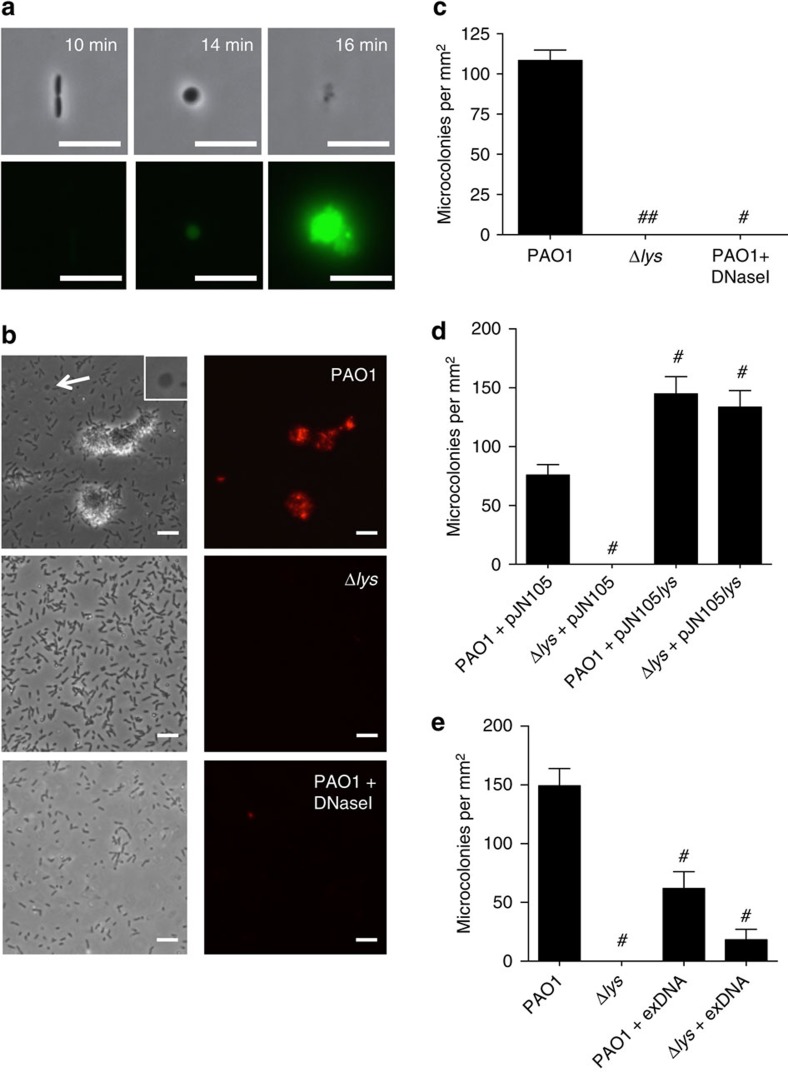
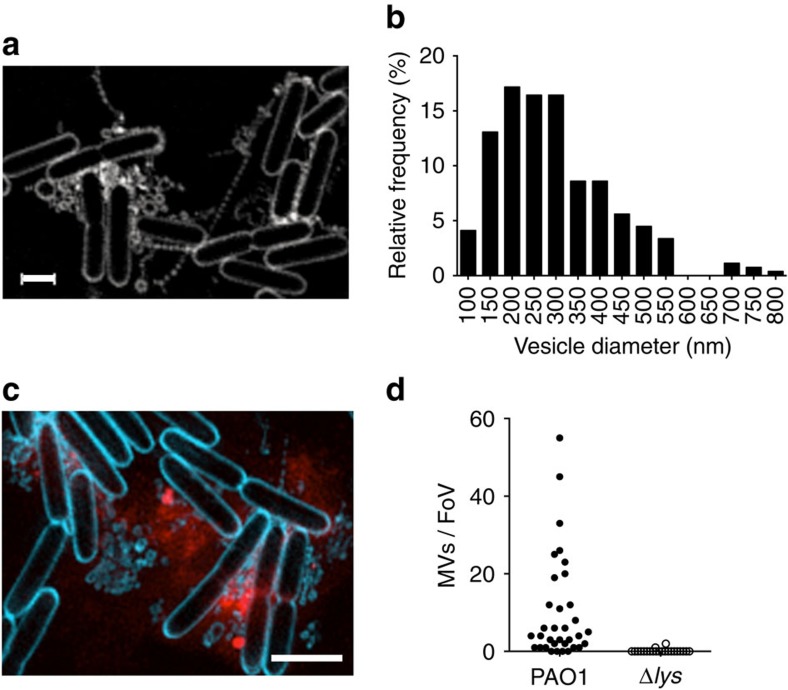
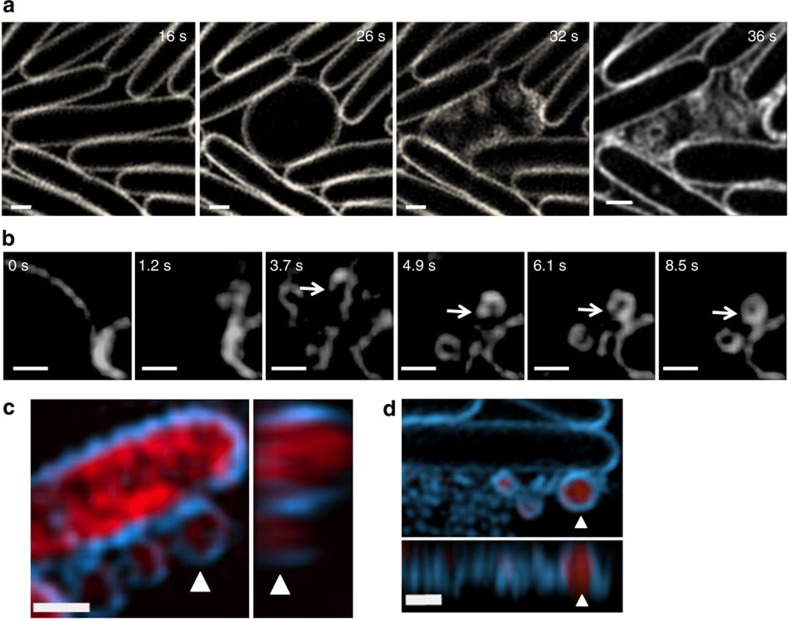
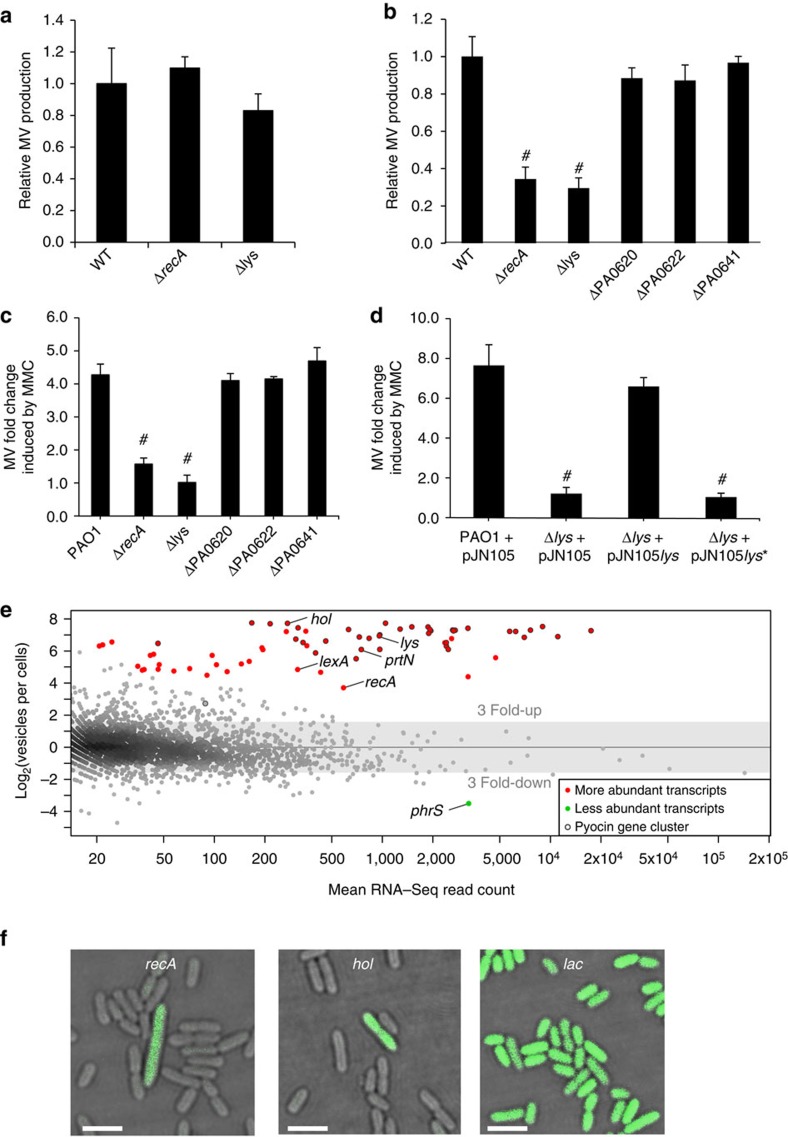
Many bacteria produce extracellular and surface-associated components such as membrane vesicles (MVs), extracellular DNA and moonlighting cytosolic proteins for which the biogenesis and export pathways are not fully understood. Here we show that the explosive cell lysis of a sub-population of cells accounts for the liberation of cytosolic content in Pseudomonas aeruginosa biofilms. Super-resolution microscopy reveals that explosive cell lysis also produces shattered membrane fragments that rapidly form MVs. A prophage endolysin encoded within the R- and F-pyocin gene cluster is essential for explosive cell lysis. Endolysin-deficient mutants are defective in MV production and biofilm development, consistent with a crucial role in the biogenesis of MVs and liberation of extracellular DNA and other biofilm matrix components. Our findings reveal that explosive cell lysis, mediated through the activity of a cryptic prophage endolysin, acts as a mechanism for the production of bacterial MVs.
Overview
The claims and statistics of this paper haven’t been checked yet.
Free: it reads the open-access text and checks the first 5 claims that cite a source we can check. Create a free account to check every claim.
Integrity signals
Registry
Cites
Statistics
Figures
Verification
Claims the paper makes
The claims and statistics of this paper haven’t been checked yet.
Free: it reads the open-access text and checks the first 5 claims that cite a source we can check. Create a free account to check every claim.
Claims other papers make about this one
Each is checked against this paper’s own text: does it say what the citing paper says it does?
The cited source says what the claim attributes to it.
In the citing paper
“In P. aeruginosa, explosive cell lysis of a subpopulation of cells, driven by the bacteriophage-like endolysin Lys, rapidly releases extracellular vesicles and liberates extracellular DNA into the biofilm matrix.229”
From The dental plaque biofilm matrix (2021) · cites this paper as [229]
In the citing paper
“eDNA, released by cellular lysis84,85, promotes biofilm formation, stability and tolerance towards positively charged antibiotics such as aminoglycosides and antimicrobial peptides.”
From Pseudomonas aeruginosa: ecology, evolution, pathogenesis and antimicrobial susceptibility (2025) · cites this paper as [85]
Self-check
Percentages, sums and reported differences re-computed from the paper’s own numbers.
The self-check needs the paper’s full text.
Citations
Cites
Fiji: an open-source platform for biological-image analysis
Schindelin, J., Arganda-Carreras, I., Frise, E., Kaynig, V., Longair, M., Pietzsch, T., Preibisch, S., Rueden, C., Saalfeld, S., Schmid, B., et al. (2012) · Nature Methods · doi:10.1038/nmeth.2019 · Cited by 66,890
A Threshold Selection Method from Gray-Level Histograms
Otsu, N. (1979) · IEEE Transactions on Systems, Man, and Cybernetics · doi:10.1109/tsmc.1979.4310076 · Cited by 43,398
A new mathematical model for relative quantification in real-time RT-PCR
Pfaffl, M. W. (2001) · Nucleic Acids Research · doi:10.1093/nar/29.9.e45 · Cited by 34,610
Differential expression analysis for sequence count data
Anders, S., & Huber, W. (2010) · Genome Biology · doi:10.1186/gb-2010-11-10-r106 · Cited by 15,581
Flemming, H.-C., & Wingender, J. (2010) · Nature Reviews Microbiology · doi:10.1038/nrmicro2415 · Cited by 10,137
Protein structure prediction on the Web: a case study using the Phyre server
Kelley, L. A., & Sternberg, M. J. E. (2009) · Nature Protocols · doi:10.1038/nprot.2009.2 · Cited by 4,175
Extracellular DNA Required for Bacterial Biofilm Formation
Whitchurch, C. B., Tolker-Nielsen, T., Ragas, P. C., & Mattick, J. S. (2002) · Science · doi:10.1126/science.295.5559.1487 · Cited by 2,203
Self-citationOuter-membrane vesicles from Gram-negative bacteria: biogenesis and functions
Schwechheimer, C., & Kuehn, M. J. (2015) · Nature Reviews Microbiology · doi:10.1038/nrmicro3525 · Cited by 1,922
Gustafsson, M. G. L., Shao, L., Carlton, P. M., Wang, C. J. R., Golubovskaya, I. N., Cande, W. Z., Agard, D. A., & Sedat, J. W. (2008) · Biophysical Journal · doi:10.1529/biophysj.107.120345 · Cited by 1,557
Schermelleh, L., Carlton, P. M., Haase, S., Shao, L., Winoto, L., Kner, P., Burke, B., Cardoso, M. C., Agard, D. A., Gustafsson, M. G. L., et al. (2008) · Science · doi:10.1126/science.1156947 · Cited by 1,123
Research works printed but not linked: 2
- Vallotton P.. in Image and Vision Computing New Zealand, 2009 IVCNZ '09 24th International Conference (IEEE) (2009).
- He X.-C. & Yung N. H. in Pattern Recognition, 2004. ICPR 2004. Proceedings of the 17th International Conference on. 791-794 (IEEE).
Cited by
Implant infections: adhesion, biofilm formation and immune evasion
Arciola, C. R., Campoccia, D., & Montanaro, L. (2018) · Nature Reviews Microbiology · doi:10.1038/s41579-018-0019-y · Cited by 2,241
Biofilm Matrixome: Extracellular Components in Structured Microbial Communities
Karygianni, L., Ren, Z., Koo, H., & Thurnheer, T. (2020) · Trends in Microbiology · doi:10.1016/j.tim.2020.03.016 · Cited by 1,487
Types and origins of bacterial membrane vesicles
Toyofuku, M., Nomura, N., & Eberl, L. (2019) · Nature Reviews Microbiology · doi:10.1038/s41579-018-0112-2 · Cited by 1,303
Self-citationOral Biofilms: Pathogens, Matrix, and Polymicrobial Interactions in Microenvironments
Bowen, W. H., Burne, R. A., Wu, H., & Koo, H. (2018) · Trends in Microbiology · doi:10.1016/j.tim.2017.09.008 · Cited by 1,059
Pseudomonas aeruginosa Biofilms
Thi, M. T. T., Wibowo, D., & Rehm, B. H. A. (2020) · International Journal of Molecular Sciences · doi:10.3390/ijms21228671 · Cited by 911
“The released eDNA, cytosolic proteins and particularly RNA are subsequently encapsulated into membrane vesicles (MVs) which are formed via membrane fragments originating from the lysed cells [45].”
BackgroundComposition and functions of bacterial membrane vesicles
Toyofuku, M., Schild, S., Kaparakis-Liaskos, M., & Eberl, L. (2023) · Nature Reviews Microbiology · doi:10.1038/s41579-023-00875-5 · Cited by 597
Self-citationCystic Fibrosis and Pseudomonas aeruginosa: the Host-Microbe Interface
Malhotra, S., Hayes, D., & Wozniak, D. J. (2019) · Clinical Microbiology Reviews · doi:10.1128/cmr.00138-18 · Cited by 515
“aeruginosa, all three holins could potentially partner with Lys, thereby hypothesizing that deletion of one holin-encoding gene may not be sufficient to abrogate autolysis (103).”
BackgroundInfluentialExtracellular membrane vesicles in the three domains of life and beyond
Gill, S., Catchpole, R., & Forterre, P. (2019) · FEMS Microbiology Reviews · doi:10.1093/femsre/fuy042 · Cited by 500
Molecular and Evolutionary Determinants of Bacteriophage Host Range
de Jonge, P. A., Nobrega, F. L., Brouns, S. J. J., & Dutilh, B. E. (2019) · Trends in Microbiology · doi:10.1016/j.tim.2018.08.006 · Cited by 475
“Phage-induced cell lysis promotes formation of membrane vesicles [45], some of which contain the SPP1 receptor.”
BackgroundThe dental plaque biofilm matrix
Jakubovics, N. S., Goodman, S. D., Mashburn‐Warren, L., Stafford, G. P., & Cieplik, F. (2021) · Periodontology 2000 · doi:10.1111/prd.12361 · Cited by 488
Abe, K., Nomura, N., & Suzuki, S. (2020) · FEMS Microbiology Ecology · doi:10.1093/femsec/fiaa031 · Cited by 467
Self-citationMicrobiota‐derived extracellular vesicles in interkingdom communication in the gut
Díaz‐Garrido, N., Badia, J., & Baldomà, L. (2021) · Journal of Extracellular Vesicles · doi:10.1002/jev2.12161 · Cited by 405
Extracellular polymeric substances of biofilms: Suffering from an identity crisis
Seviour, T., Derlon, N., Dueholm, M. S., Flemming, H.-C., Girbal-Neuhauser, E., Horn, H., Kjelleberg, S., van Loosdrecht, M. C. M., Lotti, T., Malpei, M. F., et al. (2019) · Water Research · doi:10.1016/j.watres.2018.11.020 · Cited by 370
Bacterial membrane vesicles transport their DNA cargo into host cells
Bitto, N. J., Chapman, R., Pidot, S., Costin, A., Lo, C., Choi, J., D’Cruze, T., Reynolds, E. C., Dashper, S. G., Turnbull, L., et al. (2017) · Scientific Reports · doi:10.1038/s41598-017-07288-4 · Cited by 378
Self-citationProphage-triggered membrane vesicle formation through peptidoglycan damage in Bacillus subtilis
Toyofuku, M., Cárcamo-Oyarce, G., Yamamoto, T., Eisenstein, F., Hsiao, C.-C., Kurosawa, M., Gademann, K., Pilhofer, M., Nomura, N., & Eberl, L. (2017) · Nature Communications · doi:10.1038/s41467-017-00492-w · Cited by 330
Self-citationLiving together in biofilms: the microbial cell factory and its biotechnological implications
Berlanga, M., & Guerrero, R. (2016) · Microbial Cell Factories · doi:10.1186/s12934-016-0569-5 · Cited by 322
“Indeed the composition of the ECM may be as diverse as that of the biofilms themselves, and it contributes significantly to the organization of the community [3, 19].”
BackgroundExtracellular Vesicles—Connecting Kingdoms
Woith, E., Fuhrmann, G., & Melzig, M. F. (2019) · International Journal of Molecular Sciences · doi:10.3390/ijms20225695 · Cited by 329
Ibáñez de Aldecoa, A. L., Zafra, O., & González-Pastor, J. E. (2017) · Frontiers in Microbiology · doi:10.3389/fmicb.2017.01390 · Cited by 310
“However, it is still not clear if under normal conditions this process is due to fratricide or to altruistic suicide (Turnbull et al., 2016).”
BackgroundExtracellular Vesicle Biogenesis and Functions in Gram-Positive Bacteria
Briaud, P., & Carroll, R. K. (2020) · Infection and Immunity · doi:10.1128/iai.00433-20 · Cited by 297
“In Gram-negative bacteria, a process called explosive cell lysis has also been shown to participate in OMV production (39).”
BackgroundSpatial transcriptomics of planktonic and sessile bacterial populations at single-cell resolution
Dar, D., Dar, N., Cai, L., & Newman, D. K. (2021) · Science · doi:10.1126/science.abi4882 · Cited by 299
“However, in contrast to antibiotics, these phage tail–like structures are released into the environment through explosive lysis events that kill the producer and spray the toxin locally to inhibit nearby competitors (72, 73).”
BackgroundThe Pseudomonas Quinolone Signal (PQS): Not Just for Quorum Sensing Anymore
Lin, J., Cheng, J., Wang, Y., & Shen, X. (2018) · Frontiers in Cellular and Infection Microbiology · doi:10.3389/fcimb.2018.00230 · Cited by 272
“Nevertheless, some other studies have demonstrated that PQS is not necessary for OMV generation in planktonic cultures under stressed or unstressed conditions (Tashiro et al., 2009; Macdonald and Kuehn, 2013; Toyofuku et al., 2014; Turnbull et al., 2016).”
BackgroundMicrobiota–host communications: Bacterial extracellular vesicles as a common language
Ñahui Palomino, R. A., Vanpouille, C., Costantini, P. E., & Margolis, L. (2021) · PLOS Pathogens · doi:10.1371/journal.ppat.1009508 · Cited by 274
“This asymmetry may originate from a decrease in protein linkages between the outer membrane and peptidoglycan or the shape of the transmembrane proteins; (ii) EVs are released by turgor pressure produced by the accumulations of unfolded proteins and/or fragments of peptidoglycans in the periplasmic space; (iii) the st…”
BackgroundMultifaceted Interfaces of Bacterial Competition
Stubbendieck, R. M., & Straight, P. D. (2016) · Journal of Bacteriology · doi:10.1128/jb.00275-16 · Cited by 248
Podlesek, Z., & Žgur Bertok, D. (2020) · Frontiers in Microbiology · doi:10.3389/fmicb.2020.01785 · Cited by 242
Host- and Microbiota-Derived Extracellular Vesicles, Immune Function, and Disease Development
Macia, L., Nanan, R., Hosseini-Beheshti, E., & Grau, G. E. (2019) · International Journal of Molecular Sciences · doi:10.3390/ijms21010107 · Cited by 237
Microbial Interactions With Dissolved Organic Matter Drive Carbon Dynamics and Community Succession
Wu, X., Wu, L., Liu, Y., Zhang, P., Li, Q., Zhou, J., Hess, N. J., Hazen, T. C., Yang, W., & Chakraborty, R. (2018) · Frontiers in Microbiology · doi:10.3389/fmicb.2018.01234 · Cited by 224
Pseudomonas aeruginosa: ecology, evolution, pathogenesis and antimicrobial susceptibility
Letizia, M., Diggle, S. P., & Whiteley, M. (2025) · Nature Reviews Microbiology · doi:10.1038/s41579-025-01193-8 · Cited by 231
“Along with EPS, the ECM also contains eDNA and proteins. eDNA, released by cellular lysis 84,85 , promotes biofilm formation, stability and tolerance towards positively charged antibiotics such as amino-glycosides and antimicrobial peptides.”
The Diverse Functional Roles of Elongation Factor Tu (EF-Tu) in Microbial Pathogenesis
Harvey, K. L., Jarocki, V. M., Charles, I. G., & Djordjevic, S. P. (2019) · Frontiers in Microbiology · doi:10.3389/fmicb.2019.02351 · Cited by 215
Self-citationExtracellular Vesicle RNA: A Universal Mediator of Microbial Communication?
Tsatsaronis, J. A., Franch-Arroyo, S., Resch, U., & Charpentier, E. (2018) · Trends in Microbiology · doi:10.1016/j.tim.2018.02.009 · Cited by 215
Environmentally controlled bacterial vesicle-mediated export
Orench-Rivera, N., & Kuehn, M. J. (2016) · Cellular Microbiology · doi:10.1111/cmi.12676 · Cited by 205
“This is in contrast to the wileyonlinelibrary.c generation of vesicles that result from the encapsulation of soluble material by lysed bacterial membranes whose function in biofilms has been described recently (Turnbull et al., 2016).”
BackgroundResultPseudomonas predators: understanding and exploiting phage–host interactions
De Smet, J., Hendrix, H., Blasdel, B. G., Danis-Wlodarczyk, K., & Lavigne, R. (2017) · Nature Reviews Microbiology · doi:10.1038/nrmicro.2017.61 · Cited by 202
Liu, H., Zhang, Q., Wang, S., Weng, W., Jing, Y., & Su, J. (2022) · Bioactive Materials · doi:10.1016/j.bioactmat.2021.12.006 · Cited by 204
“Evidence has accumulated that ciprofloxacin can induce the cellular SOS response, which triggers the expression of endolysins and stimulates explosive cell lysis [52,53].”
BackgroundOuter Membrane Vesicle-Host Cell Interactions
Cecil, J. D., Sirisaengtaksin, N., O’Brien-Simpson, N. M., & Krachler, A. M. (2019) · Microbiology Spectrum · doi:10.1128/microbiolspec.psib-0001-2018 · Cited by 188
“The exception is the recently described mechanism of vesicle formation by “explosive” cell lysis, which is initiated by a prophage endolysin (12).”
BackgroundPanlilio, H., & Rice, C. V. (2021) · Biotechnology and Bioengineering · doi:10.1002/bit.27760 · Cited by 189
Resch, U., Tsatsaronis, J. A., Le Rhun, A., Stübiger, G., Rohde, M., Kasvandik, S., Holzmeister, S., Tinnefeld, P., Wai, S. N., & Charpentier, E. (2016) · mBio · doi:10.1128/mbio.00207-16 · Cited by 181
“This hypothesis is supported by recent evidence of a subpopulation of Pseudomonas aeruginosa strains that contribute to MV formation via explosive cell lysis (37).”
ResultMembrane vesicle-mediated bacterial communication
Toyofuku, M., Morinaga, K., Hashimoto, Y., Uhl, J., Shimamura, H., Inaba, H., Schmitt-Kopplin, P., Eberl, L., & Nomura, N. (2017) · The ISME Journal · doi:10.1038/ismej.2017.13 · Cited by 187
“The amount of MVs released into the supernatant was found to be directly proportional to the MMC concentration that is added to the culture (Figure 1f).”
BackgroundSelf-citationScholl, D. (2017) · Annual Review of Virology · doi:10.1146/annurev-virology-101416-041632 · Cited by 183
Bacterial membrane vesicles: Biogenesis, immune regulation and pathogenesis
Pathirana, R. D., & Kaparakis-Liaskos, M. (2016) · Cellular Microbiology · doi:10.1111/cmi.12658 · Cited by 178
Cracking Open Bacterial Membrane Vesicles
Nagakubo, T., Nomura, N., & Toyofuku, M. (2020) · Frontiers in Microbiology · doi:10.3389/fmicb.2019.03026 · Cited by 171
Self-citationPolymeric antibacterial materials: design, platforms and applications
Luo, H., Yin, X.-Q., Tan, P.-F., Gu, Z.-P., Liu, Z.-M., & Tan, L. (2021) · Journal of Materials Chemistry B · doi:10.1039/d1tb00109d · Cited by 176
Pseudomonas aeruginosa biofilms and their partners in crime
Cendra, M. D. M., & Torrents, E. (2021) · Biotechnology Advances · doi:10.1016/j.biotechadv.2021.107734 · Cited by 176
Acquisition of Phage Sensitivity by Bacteria through Exchange of Phage Receptors
Tzipilevich, E., Habusha, M., & Ben-Yehuda, S. (2017) · Cell · doi:10.1016/j.cell.2016.12.003 · Cited by 168
The extracellular vesicle generation paradox: a bacterial point of view
McMillan, H. M., & Kuehn, M. J. (2021) · The EMBO Journal · doi:10.15252/embj.2021108174 · Cited by 161
“In P. aeruginosa , vesicle production can also result from explosive cell lysis triggered by endolysins, yielding so-called explosive OMVs (EOMVs) (Fig 3F) (Turnbull et al , 2016; Toyofuku et al , 2019).”
Outer Membrane Vesicles: Biogenesis, Functions, and Issues
Juodeikis, R., & Carding, S. R. (2022) · Microbiology and Molecular Biology Reviews · doi:10.1128/mmbr.00032-22 · Cited by 172
“However, recent evidence suggests that these vesicles are a complex mixture of lytic BEVs arising from cell lysis (127).”
BackgroundSeyama, M., Yoshida, K., Yoshida, K., Fujiwara, N., Ono, K., Eguchi, T., Kawai, H., Guo, J., Weng, Y., Haoze, Y., et al. (2020) · Biochimica et Biophysica Acta (BBA) - Molecular Basis of Disease · doi:10.1016/j.bbadis.2020.165731 · Cited by 145
Outer membrane vesicles from Neisseria gonorrhoeae target PorB to mitochondria and induce apoptosis
Deo, P., Chow, S. H., Hay, I. D., Kleifeld, O., Costin, A. J., Elgass, K., Jiang, J., Ramm, G., Gabriel, K., Dougan, G., et al. (2018) · PLoS Pathogens · doi:10.1371/journal.ppat.1006945 · Cited by 155
Bacterial biofilm inhibitors: An overview
Kalia, V. C., Patel, S. K. S., & Lee, J.-K. (2023) · Ecotoxicology and Environmental Safety · doi:10.1016/j.ecoenv.2023.115389 · Cited by 161
Furuyama, N., & Sircili, M. P. (2021) · BioMed Research International · doi:10.1155/2021/1490732 · Cited by 152
“So the endolysin expression is induced and triggering the degradation of the peptidoglycan layer [53, 111].”
BackgroundSantos, R. S., Figueiredo, C., Azevedo, N. F., Braeckmans, K., & Smedt, S. C. D. (2017) · Advanced Drug Delivery Reviews · doi:10.1016/j.addr.2017.12.010 · Cited by 164
Andreoni, F., Toyofuku, M., Menzi, C., Kalawong, R., Shambat, S. M., François, P., Zinkernagel, A. S., & Eberl, L. (2018) · Antimicrobial Agents and Chemotherapy · doi:10.1128/aac.01439-18 · Cited by 158
“CMVs were isolated and quantified as described previously (36).”
MethodSelf-citationYu, Y.-J., Wang, X., & Fan, G. (2017) · Acta Pharmacologica Sinica · doi:10.1038/aps.2017.82 · Cited by 151
Big Impact of the Tiny: Bacteriophage–Bacteria Interactions in Biofilms
Hansen, M. F., Svenningsen, S. L., Røder, H. L., Middelboe, M., & Burmølle, M. (2019) · Trends in Microbiology · doi:10.1016/j.tim.2019.04.006 · Cited by 155
Membrane Vesicle Production as a Bacterial Defense Against Stress
Mozaheb, N., & Mingeot‐Leclercq, M. (2020) · Frontiers in Microbiology · doi:10.3389/fmicb.2020.600221 · Cited by 155
Dynamic cell–matrix interactions modulate microbial biofilm and tissue 3D microenvironments
Koo, H., & Yamada, K. M. (2016) · Current Opinion in Cell Biology · doi:10.1016/j.ceb.2016.05.005 · Cited by 140
“Recently, 3D-structured illumination super-resolution microscopy revealed a coordinated ‘explosive cell lysis’ by sub-population of Pseudomonas aeruginonas cells, releasing eDNA and other biofilm matrix constituents that are critical for microcolony development [33].”
BackgroundMechanisms of biofilm stimulation by subinhibitory concentrations of antimicrobials
Ranieri, M. R., Whitchurch, C. B., & Burrows, L. L. (2018) · Current Opinion in Microbiology · doi:10.1016/j.mib.2018.07.006 · Cited by 132
Self-citationThe Therapeutic Benefit of Bacterial Membrane Vesicles
Bitto, N. J., & Kaparakis‐Liaskos, M. (2017) · International Journal of Molecular Sciences · doi:10.3390/ijms18061287 · Cited by 147
“Recent findings in the litera ure suggest that OMVs can be pr duced by spontan ous explosiv cell lysis, wh reby membrane fragments of the lysed bacteria form closed vesicles that e ulf the surrounding cellular components [40].”
BackgroundMethodBoth toxic and beneficial effects of pyocyanin contribute to the lifecycle of Pseudomonas aeruginosa
Meirelles, L. A., & Newman, D. K. (2018) · Molecular Microbiology · doi:10.1111/mmi.14132 · Cited by 133
Regulation of Biofilm Exopolysaccharide Biosynthesis and Degradation in Pseudomonas aeruginosa
Luyan, Z., Wang, D., Liu, Y., Zhang, Z., & Wozniak, D. J. (2022) · Annual Review of Microbiology · doi:10.1146/annurev-micro-041320-111355 · Cited by 152
Elongation factor Tu is a multifunctional and processed moonlighting protein
Widjaja, M., Harvey, K. L., Hagemann, L., Berry, I. J., Jarocki, V. M., Raymond, B. B. A., Tacchi, J. L., Gründel, A., Steele, J. R., Padula, M. P., et al. (2017) · Scientific Reports · doi:10.1038/s41598-017-10644-z · Cited by 131
Self-citationBacterial extracellular vesicles and their novel therapeutic applications in health and cancer
Hosseini-Giv, N., Basas, A., Hicks, C., El-Omar, E. M., El‐Assaad, F., & Hosseini‐Beheshti, E. (2022) · Frontiers in Cellular and Infection Microbiology · doi:10.3389/fcimb.2022.962216 · Cited by 133
Tashiro, Y., Hasegawa, Y., Shintani, M., Takaki, K., Ohkuma, M., Kimbara, K., & Futamata, H. (2017) · Frontiers in Microbiology · doi:10.3389/fmicb.2017.00571 · Cited by 129
“…in Microbiology | www.frontiersin.org 1 April 2017 | Volume 8 | Article 571 and contain proteins, DNA, RNA and, in some cases, quorum sensing signals (Mashburn and Whiteley, 2005; Kulp and Kuehn, 2010; Toyofuku et al., 2014; Schwechheimer and Kuehn, 2015; Turnbull et al., 2016).”
BackgroundBiller, S. J., McDaniel, L. D., Breitbart, M., Rogers, E., Paul, J. H., & Chisholm, S. W. (2017) · The ISME Journal · doi:10.1038/ismej.2016.134 · Cited by 116
Dell’Annunziata, F., Dell’Aversana, C., Doti, N., Donadio, G., Piaz, F. D., Izzo, V., Filippis, A. D., Galdiero, M., Altucci, L., Boccia, G., et al. (2021) · International Journal of Molecular Sciences · doi:10.3390/ijms22168732 · Cited by 120
“Although many aspects of vesicular biogenesis and regulation of their composition remain unclear, the biological functions associated with OMVs release have been extensively described [20,21].”
BackgroundCooke, A. C., Nello, A. V., Ernst, R. K., & Schertzer, J. W. (2019) · PLoS ONE · doi:10.1371/journal.pone.0212275 · Cited by 124
Genetic cargo and bacterial species set the rate of vesicle-mediated horizontal gene transfer
Tran, F., & Boedicker, J. Q. (2017) · Scientific Reports · doi:10.1038/s41598-017-07447-7 · Cited by 107
Seviour, T. W., Winnerdy, F. R., Wong, L. L., Shi, X., Mugunthan, S., Foo, Y. H., Castaing, R., Adav, S. S., Subramoni, S., Kohli, G. S., et al. (2021) · npj Biofilms and Microbiomes · doi:10.1038/s41522-021-00197-5 · Cited by 121
Induction of Invertebrate Larval Settlement; Different Bacteria, Different Mechanisms?
Freckelton, M. L., Nedved, B. T., & Hadfield, M. G. (2017) · Scientific Reports · doi:10.1038/srep42557 · Cited by 119
“The observation of budding also allows confirmation that the vesicles observed in the centrifugal preparations are not artifacts of the isolation process, despite a report that vesicles can form spontaneously from cell lysis 56 .”
Bacterial extracellular vesicles: Modulation of biofilm and virulence properties
Jeong, G., Khan, F., Tabassum, N., Cho, K., & Kim, Y. (2024) · Acta Biomaterialia · doi:10.1016/j.actbio.2024.02.029 · Cited by 119
Rüter, C., & Bielaszewska, M. (2020) · Frontiers in Cellular and Infection Microbiology · doi:10.3389/fcimb.2020.00091 · Cited by 121
Grande, R., Celia, C., Mincione, G., Stringaro, A., Marzio, L. D., Colone, M., Marcantonio, M. C. D., Savino, L., Puca, V., Santoliquido, R., et al. (2017) · Frontiers in Microbiology · doi:10.3389/fmicb.2017.01040 · Cited by 107
“…on several mechanisms, including the excretion of small vesicles from the outer membranes (Renelli et al., 2004; Manning and Kuehn, 2013), Recently, Turnbull et al. (2016) demonstrated that OMVs of P. aeruginosa, generated by an “explosive cell lysis mediated through the activity of a cryptic…”
The structural role of bacterial eDNA in the formation of biofilm streamers
Secchi, E., Savorana, G., Vitale, A., Eberl, L., Stocker, R., & Rusconi, R. (2022) · Proceedings of the National Academy of Sciences · doi:10.1073/pnas.2113723119 · Cited by 112
“Explosive cell lysis is triggered by the SOS response that is induced by genotoxic stress, such as ultraviolet radiation or treatment with sub-MIC (minimum inhibitory concentration) of fluoroquinolone antibiotics, including ciprofloxacin (60).”
BackgroundSelf-citationLiu, H., Zhang, H., Han, Y., Hu, Y., Geng, Z., & Su, J. (2022) · Theranostics · doi:10.7150/thno.78034 · Cited by 106
“plasmids, RNA, DNA, endolysins, virulence factors, and phages [39, 46].”
Optical and force nanoscopy in microbiology
Xiao, J., & Dufrêne, Y. F. (2016) · Nature Microbiology · doi:10.1038/nmicrobiol.2016.186 · Cited by 102
Fang, Y., Wang, Z., Liu, X., & Tyler, B. M. (2022) · Frontiers in Microbiology · doi:10.3389/fmicb.2022.817844 · Cited by 106
Natural and engineered bacterial outer membrane vesicles
Qing, G., Gong, N., Chen, X., Chen, J., Zhang, H., Wang, Y., Wang, R., Zhang, S., Zhang, Z., Zhao, X., et al. (2019) · Biophysics Reports · doi:10.1007/s41048-019-00095-6 · Cited by 99
Wong, G. C. L., Antani, J. D., Lele, P. P., Chen, J., Nan, B., Kühn, M. J., Persat, A., Bru, J.-L., Høyland‐Kroghsbo, N. M., Siryaporn, A., et al. (2021) · Physical Biology · doi:10.1088/1478-3975/abdc0e · Cited by 106
“MVs appear to be highly diverse [108], and thus one of the most promising ways to determine the impact of MVs on bacteria and eukaryotic host cells will be to track the fate of single MV particles in real time.”
BackgroundInfluentialSelf-citationCooke, A. C., Florez, C., Dunshee, E. B., Lieber, A. D., Terry, M. L., Light, C. J., & Schertzer, J. W. (2020) · mSphere · doi:10.1128/msphere.01109-20 · Cited by 92
Malhotra, S., Limoli, D. H., English, A. E., Parsek, M. R., & Wozniak, D. J. (2018) · mBio · doi:10.1128/mbio.00275-18 · Cited by 80
The functional RNA cargo of bacterial membrane vesicles
Dauros‐Singorenko, P., Blenkiron, C., Phillips, A. R. J., & Swift, S. (2018) · FEMS Microbiology Letters · doi:10.1093/femsle/fny023 · Cited by 91
Bacterial Membrane Vesicles: Physiological Roles, Infection Immunology, and Applications
Gan, Y., Zhao, G., Wang, Z., Zhang, X., Wu, M. X., & Lu, M. (2023) · Advanced Science · doi:10.1002/advs.202301357 · Cited by 89
Current Status of In Vitro Models and Assays for Susceptibility Testing for Wound Biofilm Infections
Bahamondez-Canas, T. F., Heersema, L. A., & Smyth, H. D. C. (2019) · Biomedicines · doi:10.3390/biomedicines7020034 · Cited by 81
“It works as a rese voir of nutrients, debris materials [67], and membrane vesicles 68]; and provides a medium for cell-to-cell communication [69], exchange of genetic information [70], and extracellular enzymatic digestion of nutrients [71].”
BackgroundBacterial Excretion of Cytoplasmic Proteins (ECP): Occurrence, Mechanism, and Function
Ebner, P., & Götz, F. (2019) · Trends in Microbiology · doi:10.1016/j.tim.2018.10.006 · Cited by 83
Extracellular Vesicles Produced by Bifidobacterium longum Export Mucin-Binding Proteins
Nishiyama, K., Takaki, T., Sugiyama, M., Fukuda, I., Aiso, M., Mukai, T., Odamaki, T., Xiao, J., Osawa, R., & Okada, N. (2020) · Applied and Environmental Microbiology · doi:10.1128/aem.01464-20 · Cited by 87
“Bacterial cell lysis and bubbling cell death are well-characterized mechanisms underlying EV formation (24, 40).”
BackgroundPłotka, M., Kapusta, M., Dorawa, S., Kaczorowska, A., & Kaczorowski, T. (2019) · Viruses · doi:10.3390/v11070657 · Cited by 84
“As a consequence, endolysin-treated Pseudomonas cells become round and burst due to osmotic imbalance, releasing the cell contents and membrane fragments, which rapidly form membrane vesicles (MVs) [56,57].”
BackgroundEngineered bacterial extracellular vesicles for osteoporosis therapy
Liu, H., Li, M., Zhang, T., Liu, X., Zhang, H., Geng, Z., & Su, J. (2022) · Chemical Engineering Journal · doi:10.1016/j.cej.2022.138309 · Cited by 82
Owen, S. V., Wenner, N., Canals, R., Makumi, A., Hammarlöf, D. L., Gordon, M. A., Aertsen, A., Feasey, N., & Hinton, J. C. D. (2017) · Frontiers in Microbiology · doi:10.3389/fmicb.2017.00235 · Cited by 91
“More recently spontaneous prophage induction was shown to modulate Pseudomonas aeruginosa biofilm formation by stimulating biogenesis of membrane vesicles (Turnbull et al., 2016).”
BackgroundSahoo, P. K., Janissen, R., Monteiro, M. P., Cavalli, A., Murillo, D. M., Merfa, M. V., Cesar, C. L., Carvalho, H. F., de Souza, A. A., Bakkers, E. P. A. M., et al. (2016) · Nano Letters · doi:10.1021/acs.nanolett.6b01998 · Cited by 81
Sartorio, M. G., Pardue, E. J., Scott, N. E., & Feldman, M. F. (2023) · Proceedings of the National Academy of Sciences · doi:10.1073/pnas.2306314120 · Cited by 85
“Indeed, some reports suggest that vesicles are formed by “explo-sive bacterial lysis” (31), and most of the proposed mechanisms for OMVs biogenesis involve destabilization of the OM (32).”
Multitasking functions of bacterial extracellular DNA in biofilms
Sharma, D. K., & Rajpurohit, Y. S. (2024) · Journal of Bacteriology · doi:10.1128/jb.00006-24 · Cited by 81
“The lysis-dependent release of eDNA can be triggered by program med bacterial apoptosis or fratricide-induced death, which is influenced by quorum sensing (QS) systems or specific stressors (12, 54, 58–62).”
BackgroundAskarian, F., Lapek, J. D., Dongre, M., Tsai, C., Kumaraswamy, M., Kousha, A., Valderrama, J. A., Ludviksen, J. K., Cavanagh, J. P., Uchiyama, S., et al. (2018) · Frontiers in Microbiology · doi:10.3389/fmicb.2018.00262 · Cited by 80
Jones, E. C. A., & Uphoff, S. (2021) · Nature Microbiology · doi:10.1038/s41564-021-00930-y · Cited by 86
Bitto, N. J., Zavan, L., Johnston, E. L., Stinear, T. P., Hill, A. F., & Kaparakis‐Liaskos, M. (2021) · Microbiology Spectrum · doi:10.1128/spectrum.01273-21 · Cited by 77
“vesicles (O-IMVs) (58) or BMVs produced by explosive cell lysis (59), which have been shown to differ in DNA content compared to BMVs produced by blebbing from the outer mem-”
BackgroundQuorum sensing controls Vibrio cholerae multicellular aggregate formation
Jemielita, M., Wingreen, N. S., & Bassler, B. L. (2018) · eLife · doi:10.7554/elife.42057 · Cited by 78
Molecular genetics for probiotic engineering: dissecting lactic acid bacteria
Suissa, R., Oved, R., Jankelowitz, G., Turjeman, S., Koren, O., & Kolodkin‐Gal, I. (2021) · Trends in Microbiology · doi:10.1016/j.tim.2021.07.007 · Cited by 81
Jeong, D., Kim, M., Park, Y., Chung, J., Kweon, H., Kang, N., Hwang, S. J., Youn, S. H., Hwang, B. K., & Kim, D. (2022) · BMC Biology · doi:10.1186/s12915-022-01472-3 · Cited by 78
Bouzo, D., Cokcetin, N. N., Li, L., Ballerin, G., Bottomley, A. L., Lazenby, J., Whitchurch, C. B., Paulsen, I. T., Hassan, K. A., & Harry, E. J. (2020) · mSystems · doi:10.1128/msystems.00106-20 · Cited by 81
“4E), along with the unique expression of the cytoplasmic membrane depolarizing gene hol (60, 61), we hypothesized that manuka honey affects the proton motive force (PMF) of P.”
Self-citationEnvironmental DNA (eDNA): A review of ecosystem biodiversity detection and applications
Çevik, T., & Çevik, N. (2025) · Biodiversity and Conservation · doi:10.1007/s10531-025-03112-y · Cited by 86
“Lysis-associated eDNA release can be triggered by various factors, including bacterial endolysins (Hynen et al. 2021; Turnbull et al. 2016), prophages (Das et al. 2013), virulence factors (Hynen et al. 2021; Thomas 2008 ), or antibiotics (Hsu et al. 2011).”
Bacterially produced metabolites protect C. elegans neurons from degeneration
Urrutia, A., García-Angulo, V. A., Fuentes, A., Caneo, M., Legüe, M., Urquiza, S., Delgado, S. E., Ugalde, J., Burdisso, P., & Calixto, A. (2020) · PLOS Biology · doi:10.1371/journal.pbio.3000638 · Cited by 71
“This releases bacteria contents into the gut of the worm, a process that may also occur by explosive lysis [38,39] Nonetheless, a number of dietary bacteria survive this initial interaction to live and colonize the worm’s digestive tract [40].”
BackgroundMicrobial extracellular vesicles contribute to antimicrobial resistance
Jiang, B., Lai, Y., Xiao, W., Zhong, T., Liu, F., Gong, J., & Huang, J. (2024) · PLoS Pathogens · doi:10.1371/journal.ppat.1012143 · Cited by 76
Biofilm matrix: a multifaceted layer of biomolecules and a defensive barrier against antimicrobials
Ragupathi, H., Pushparaj, M. M., Gopi, S. M., Govindarajan, D. K., & Kandaswamy, K. (2024) · Archives of Microbiology · doi:10.1007/s00203-024-04157-3 · Cited by 70
“To date, there were five well-studied mechanisms for eDNA release in biofilms (1) Autolysis [22, 23], (2) Explosive cell lysis [24], (3) formation of membrane vesicles [25], (4) Quorum Sensing (QS) induced release [26], and (5) Gene transfer events [27].”
Influential
Metadata
- Authors
- Turnbull, L., Toyofuku, M., Hynen, A. L., Kurosawa, M., Pessi, G., Petty, N. K., Osvath, S. R., Cárcamo-Oyarce, G., Gloag, E. S., Shimoni, R., Omasits, U., Ito, S., Yap, X., Monahan, L. G., Cavaliere, R., Ahrens, C. H., Charles, I. G., Nomura, N., Eberl, L., & Whitchurch, C. B.
- Affiliations
- University of Technology Sydney (AU)
- University of Tsukuba (JP)
- University of Zurich (CH)
- ETH Zurich (CH)
- SIB Swiss Institute of Bioinformatics (CH)
- Corresponding author
- Toyofuku, Masanori
- Eberl, Leo
- Whitchurch, Cynthia B.
- ORCID
- Venue
- Nature Communications
- Published
- 2016-04-14
- Volume
- 7
- Issue
- 1
- Pages
- 11220-11220
- ISSN
- 2041-1723 (ISSN-L)
- PMC
- PMC4834629
- OpenAlex
- W2335807995
- Semantic Scholar
- 3d17bfdccde091cef9d1dc95ffc365ecfed053da
- Cited by
- 709
- References
- 67
- Citations by year
- 2026: 86 · 2025: 87 · 2024: 91 · 2023: 83 · 2022: 67 · 2021: 88 · 2020: 64 · 2019: 38 · 2018: 41 · 2017: 45 · 2016: 18
- FWCI
- 24.61
- Type
- journal article
- Language
- en
- Open access
- gold
- doi.org
- Licence
- cc-by
- creativecommons.org/licenses/by/4.0 (tdm)
- creativecommons.org/licenses/by/4.0 (vor)
- Locations
- Nature Communications (publishedVersion, cc-by)
- PubMed Central (publishedVersion, cc-by)
- PubMed (publishedVersion)
- Institutional Repositories DataBase (IRDB) (publishedVersion, cc-by)
- Zurich Open Repository and Archive (University of Zurich) (acceptedVersion, cc-by)
- RePEc: Research Papers in Economics (submittedVersion)
- DOAJ (DOAJ: Directory of Open Access Journals) (submittedVersion, cc-by-sa)
- UTS ePRESS (University of Technology Sydney) (submittedVersion)
- Terrestrial Environment Research Center (University of Tsukuba) (submittedVersion, cc-by)
- UEA Digital Repository (University of East Anglia) (submittedVersion)
- Repository for Publications and Research Data (ETH Zurich) (submittedVersion, cc-by)
- Zurich Open Repository and Archive (University of Zurich) (submittedVersion, cc-by)
- ETH Zürich Research Collection (cc-by)
- Zurich Open Repository and Archive (University of Zurich)
- Funders
- National Science Foundation
- Ministry of Education, Culture, Sports, Science and Technology (25701012, 60292520, CREST)
- Schweizerischer Nationalfonds zur Förderung der Wissenschaftlichen Forschung (143773, 31003A, 130723)
- Monash University
- National Health and Medical Research Council (571905)
- Japan Society for the Promotion of Science (25701012)
- Japan Science and Technology Agency (CREST, 60292520, 25701012)
- Comisión Nacional de Investigación Científica y Tecnológica
- Core Research for Evolutional Science and Technology
- Exploratory Research for Advanced Technology
- Advanced Low Carbon Technology Research and Development Program
- Topics
- Life Sciences › Biochemistry, Genetics and Molecular Biology › Molecular Biology › Bacterial biofilms and quorum sensing
- Life Sciences › Biochemistry, Genetics and Molecular Biology › Genetics › Bacterial Genetics and Biotechnology
- Life Sciences › Immunology and Microbiology › Virology › Bacteriophages and microbial interactions
- Keywords
- membrane vesicles, bacterial biofilms, Pseudomonas aeruginosa, extracellular DNA, biofilm matrix, super-resolution microscopy
- MeSH terms
- Bacteriolysis, Organelle Biogenesis, Cell Membrane, DNA, Bacterial, Extracellular Space, Endopeptidases, Pseudomonas aeruginosa, Pyocins, Stress, Physiological, Quinolones, Biofilms
About these checks
Registry, retraction, Cites and statistics results are computed, not judged, with one exception: a printed reference that no index lists is read once by a model before it counts as a citation error. Claims are extracted by a model and kept only when their quote appears verbatim in the text; each cited source is then checked, with a model’s help, for whether it says what the claim relies on. Those verdicts can be wrong — read the claim’s quote and the cited source before relying on one.
Statistics and arithmetic are recomputed, not judged.
Confidence bands are shown only for fields calibrated on our annotated test set. None is calibrated yet, so no band is shown.
What counts as a claim ›How we measure confidence ›How we check this ›
Are you an author, or do you see a problem with this page? Request a review
Data sources
Bibliographic data: Semantic Scholar, OpenAlex, Crossref.
Contains information from the Semantic Scholar Academic Graph Datasets, made available under the ODC Attribution License (ODC-BY 1.0).
Semantic Scholar’s data is described in: Kinney, R., et al. (2023). The Semantic Scholar Open Data Platform. arXiv:2301.10140.
