

A1AT dysregulation of metabolically stressed hepatocytes by Kupffer cells drives MASH and fibrosis
Open accessThe DOI matches its Crossref record; 60 of the 62 references it cites were found in a registry or an index.
Abstract
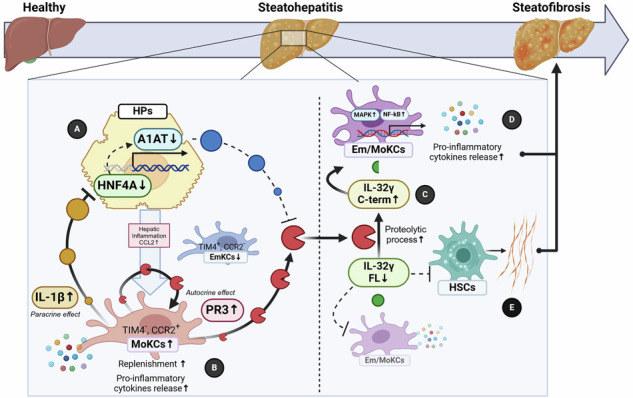
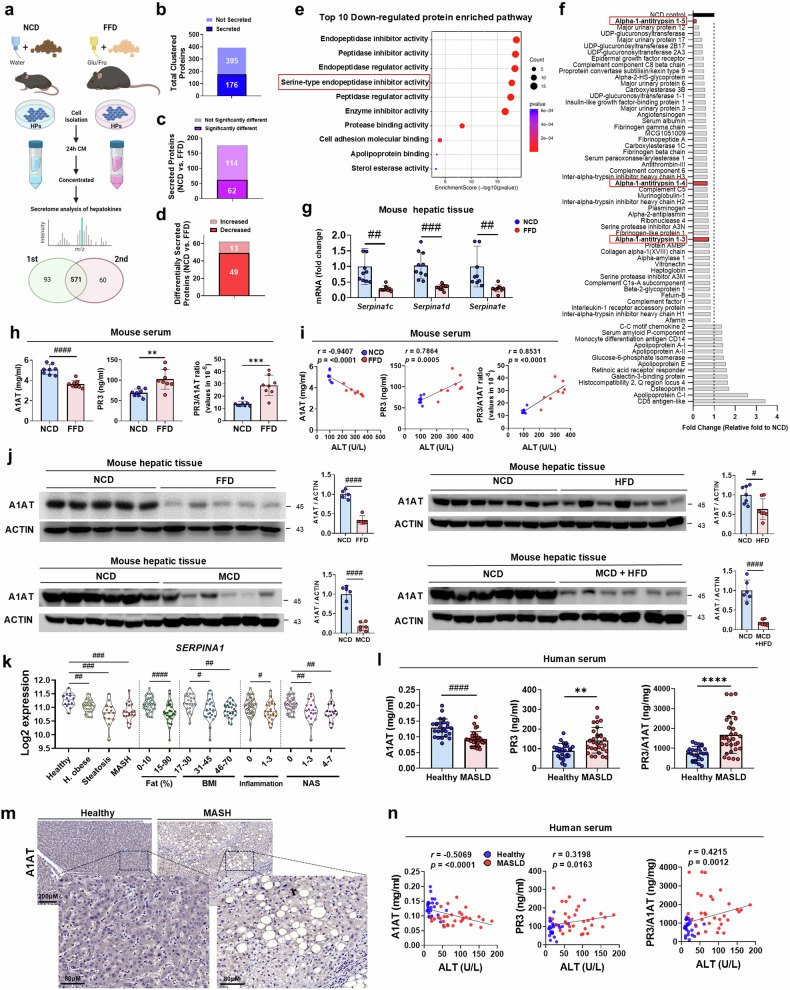
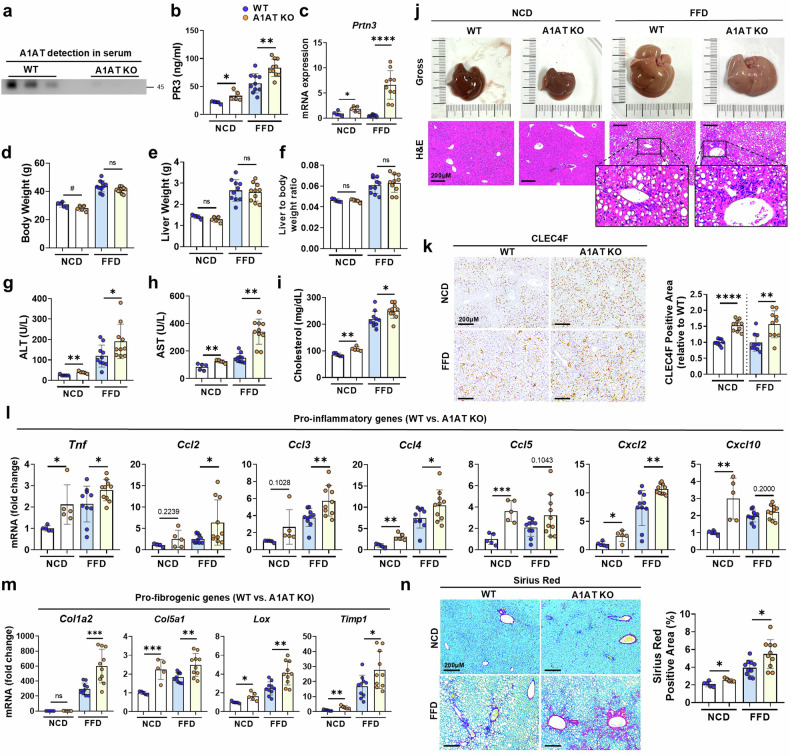
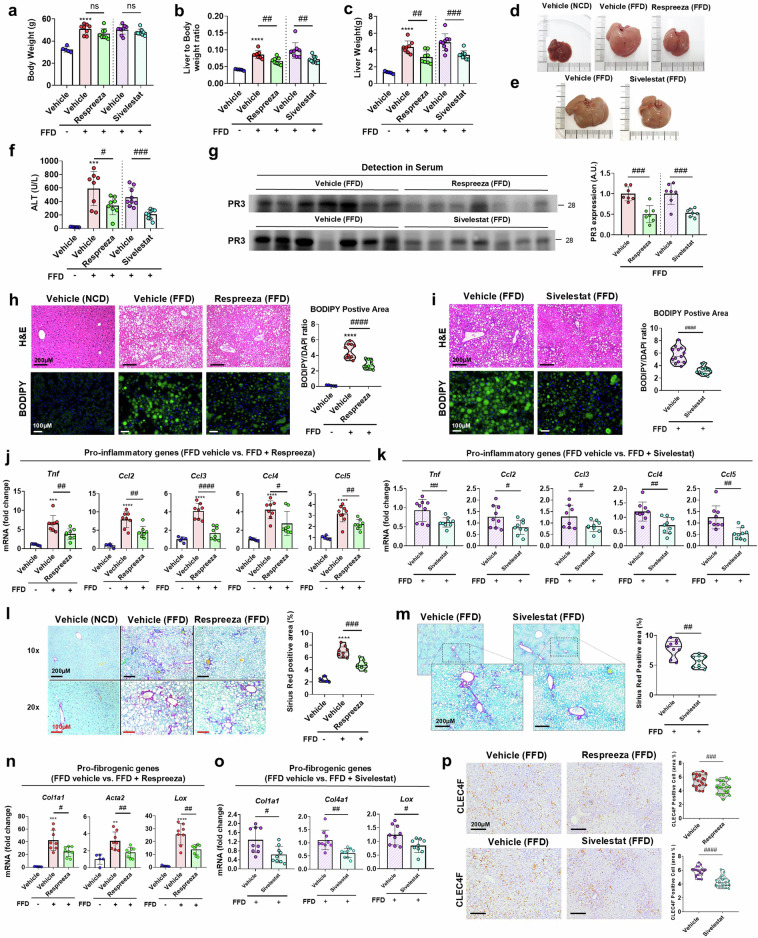
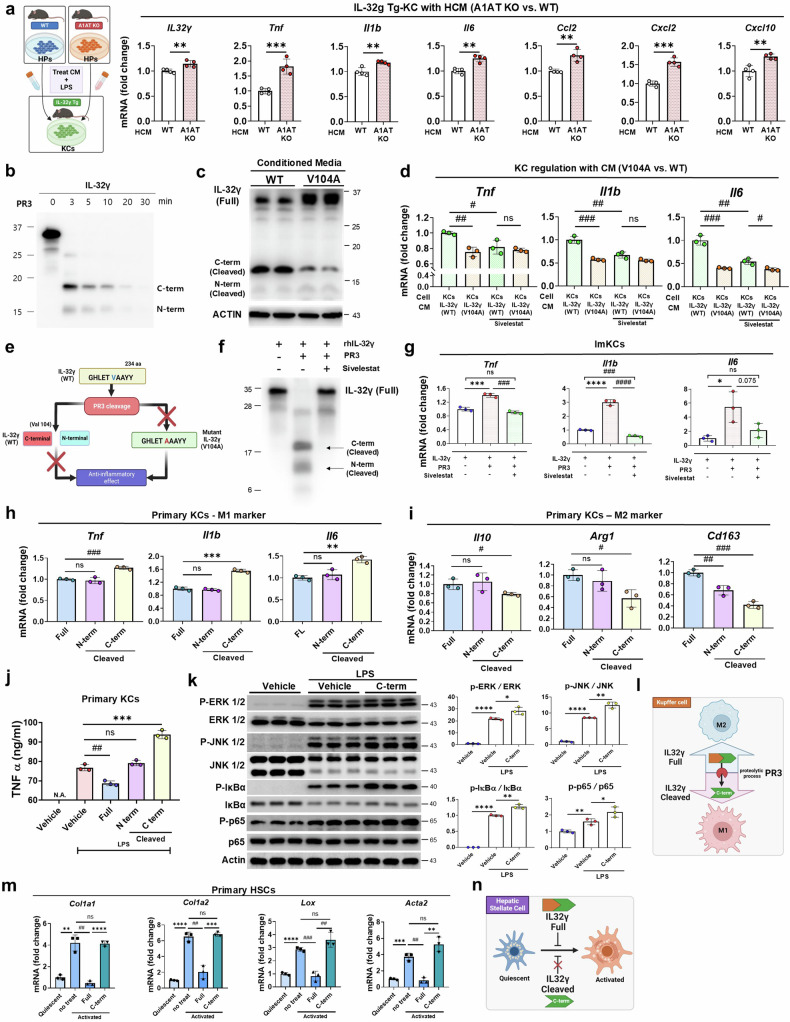
Metabolic dysfunction-associated steatohepatitis (MASH) is associated with the activation of Kupffer cells (KCs) and hepatic stellate cells, at which point a metabolically stressed hepatocyte becomes integral to the progression of the disease. We observed a significant reduction in the level of alpha-1-antitrypsin (A1AT), a hepatocyte-derived secreted factor, in both patients with MASH and mice fed a fast-food diet (FFD). KC-mediated hepatic inflammation, most notably IL-1β, led to the transcriptional inhibition of A1AT by HNF4α. In quintuple Serpina1a–e knockout mice, ablation of A1AT worsened MASH through increased activity of proteinase 3 (PR3), a proinflammatory protease produced by F4/80 hi/CD11b low/TIM4−/CCR2+ monocyte-derived KCs (MoKCs). Conversely, A1AT restoration or PR3 inhibition mitigated MASH progression. A PR3-bound cytokine array identified IL-32 as a key factor associated with MASH. Combining IL-32 with SERPINA1, the gene encoding A1AT, synergistically predicted patients at risk of MASH through univariate logistic regression analysis. Furthermore, in vivo overexpression of IL-32γ alleviated MASH induced by FFD. However, additional knockout of A1AT increased PR3 activity, consequently abolishing the anti-MASH effects of IL-32γ. Blocking PR3-mediated IL-32γ cleavage via the V104A mutation sustained its protective actions, while the PR3-cleaved C-terminal fragment activated KCs. Additionally, after cleavage, the antifibrogenic effect of IL-32γ is lost, resulting in a failure to prevent the activation of hepatic stellate cells. This study highlights the critical role of hepatocyte-derived A1AT in the PR3/IL-32γ axis during MASH development. Strategies to correct A1AT dysregulation, such as A1AT supplementation or PR3 inhibition with sivelestat, may offer protection against the development and progression of MASH and fibrosis.
Overview
The claims and statistics of this paper haven’t been checked yet.
Free: it reads the open-access text and checks the first 5 claims that cite a source we can check. Create a free account to check every claim.
Integrity signals
Registry
Cites
Statistics
Figures
Verification
Claims the paper makes
The claims and statistics of this paper haven’t been checked yet.
Free: it reads the open-access text and checks the first 5 claims that cite a source we can check. Create a free account to check every claim.
Self-check
Percentages, sums and reported differences re-computed from the paper’s own numbers.
The self-check needs the paper’s full text.
Citations
Cites
ShinyGO: a graphical gene-set enrichment tool for animals and plants
Ge, S. X., Jung, D., & Yao, R. (2020) · Bioinformatics · doi:10.1093/bioinformatics/btz931 · Cited by 5,270 · cited 1×
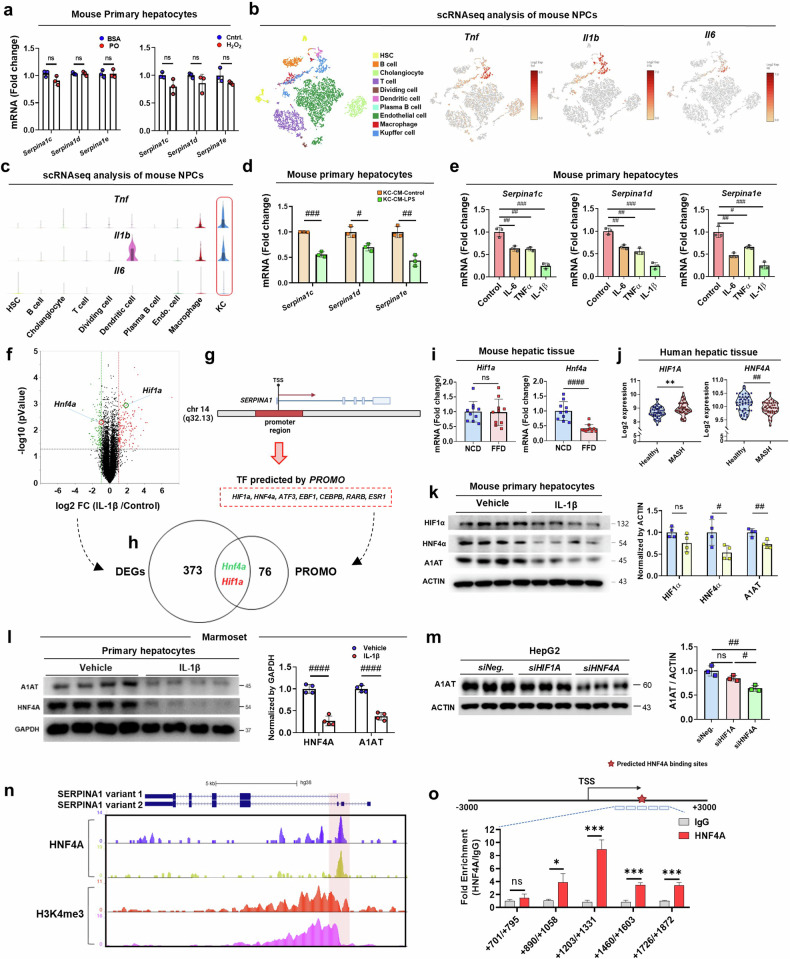
“The enrichment analysis 27 of the upregulated proteins revealed associations with diabetes and MASLD-related pathways, including cholesterol metabolism, fat digestion and absorption, complement and coagulation cascades, and lipids and atherosclerosis (Supplementary Fig.”
A multisociety Delphi consensus statement on new fatty liver disease nomenclature
Rinella, M. E., Lazarus, J. V., Ratziu, V., Francque, S. M., Sanyal, A. J., Kanwal, F., Romero, D., Abdelmalek, M. F., Anstee, Q. M., Arab, J. P., et al. (2023) · Hepatology · doi:10.1097/hep.0000000000000520 · Cited by 3,476
Mapping and analysis of chromatin state dynamics in nine human cell types
Ernst, J., Kheradpour, P., Mikkelsen, T. S., Shoresh, N., Ward, L. D., Epstein, C. B., Zhang, X., Wang, L., Issner, R., Coyne, M., et al. (2011) · Nature · doi:10.1038/nature09906 · Cited by 2,898
Estes, C., Razavi, H., Loomba, R., Younossi, Z., & Sanyal, A. J. (2018) · Hepatology · doi:10.1002/hep.29466 · Cited by 2,399 · cited 2×
“The increasing prevalence, progression and serious consequences of MASLD have escalated it to become a global health priority 2,3 .”
Human Fatty Liver Disease: Old Questions and New Insights
Cohen, J. C., Horton, J. D., & Hobbs, H. H. (2011) · Science · doi:10.1126/science.1204265 · Cited by 2,089 · cited 1×
“The increasing prevalence, progression and serious consequences of MASLD have escalated it to become a global health priority 2,3 .”
Neutrophil serine proteases: specific regulators of inflammation
Pham, C. T. N. (2006) · Nature Reviews Immunology · doi:10.1038/nri1841 · Cited by 1,022
Neutrophil Elastase, Proteinase 3, and Cathepsin G as Therapeutic Targets in Human Diseases
Korkmaz, B., Horwitz, M. S., Jenne, D. E., & Gauthier, F. (2010) · Pharmacological Reviews · doi:10.1124/pr.110.002733 · Cited by 870 · cited 1×
“Previous studies have established that neutrophils are the primary source of PR3 secretion 11,12 .”
Hepatokines: Linking nonalcoholic fatty liver disease and insulin resistance
Meex, R. C. R., & Watt, M. J. (2017) · Nature Reviews Endocrinology · doi:10.1038/nrendo.2017.56 · Cited by 631
Increased Hepatic and Circulating Interleukin-6 Levels in Human Nonalcoholic Steatohepatitis
Wieckowska, A., Papouchado, B. G., Li, Z., Lopez, R., Zein, N. N., & Feldstein, A. E. (2008) · The American Journal of Gastroenterology · doi:10.1111/j.1572-0241.2007.01774.x · Cited by 597
Immune cell-mediated features of non-alcoholic steatohepatitis
Huby, T., & Gautier, E. L. (2022) · Nature Reviews Immunology · doi:10.1038/s41577-021-00639-3 · Cited by 573
Understanding lipotoxicity in NAFLD pathogenesis: is CD36 a key driver?
Rada, P., González-Rodríguez, Á., García-Monzón, C., & Valverde, Á. M. (2020) · Cell Death & Disease · doi:10.1038/s41419-020-03003-w · Cited by 518 · cited 2×
“Initially, we challenged hepatocytes with palmitic acid and H 2 O 2 , which are stimuli associated with the unfolded protein response (UPR) and endoplasmic reticulum (ER) stress in MASLD 29 .”
InfluentialProteolytic Processing of Interleukin-1 Family Cytokines: Variations on a Common Theme
Afonina, I. S., Müller, C., Martin, S. J., & Beyaert, R. (2015) · Immunity · doi:10.1016/j.immuni.2015.06.003 · Cited by 490
Charlton, M., Krishnan, A., Viker, K., Sanderson, S., Cazanave, S., McConico, A., Masuoko, H., & Gores, G. (2011) · American Journal of Physiology-Gastrointestinal and Liver Physiology · doi:10.1152/ajpgi.00145.2011 · Cited by 444
Liver macrophages in health and disease
Guilliams, M., & Scott, C. L. (2022) · Immunity · doi:10.1016/j.immuni.2022.08.002 · Cited by 395 · cited 1×
“5c, d) 34,35 .”
Machado, M. V., Michelotti, G. A., Xie, G., de Almeida, T. P., Boursier, J., Bohnic, B., Guy, C. D., & Diehl, A. M. (2015) · PLOS ONE · doi:10.1371/journal.pone.0127991 · Cited by 380
Adaptive immunity: an emerging player in the progression of NAFLD
Sutti, S., & Albano, E. (2020) · Nature Reviews Gastroenterology & Hepatology · doi:10.1038/s41575-019-0210-2 · Cited by 374 · cited 1×
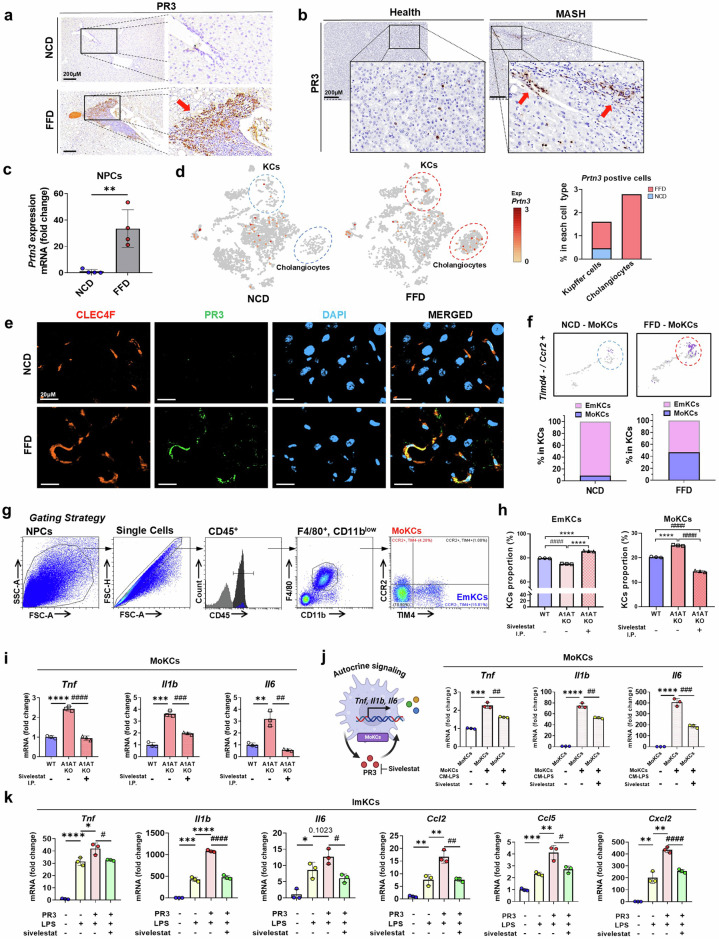
“In MASH, there is an in fl ux of immune cells and a notable increase in the number of monocyte-derived Kupffer cells (MoKCs), resulting from the replacement of embryo-derived Kupffer cells (EmKCs) with MoKCs, which leads to an ampli fi ed in fl ammatory response 1,7,8 .”
Environmental allergens induce allergic inflammation through proteolytic maturation of IL-33
Cayrol, C., Duval, A., Schmitt, P., Roga, S., Camus, M., Stella, A., Burlet-Schiltz, O., Gonzalez-de-Peredo, A., & Girard, J.-P. (2018) · Nature Immunology · doi:10.1038/s41590-018-0067-5 · Cited by 340
The aftermath of the interplay between the endoplasmic reticulum stress response and redox signaling
Bhattarai, K. R., Riaz, T. A., Kim, H.-R., & Chae, H.-J. (2021) · Experimental & Molecular Medicine · doi:10.1038/s12276-021-00560-8 · Cited by 333 · cited 1×
“Previous research has predominantly linked the diminished secretion of hepatokines to the UPR and ER stress 54,55 .”
Ibrahim, S. H., Hirsova, P., & Gores, G. J. (2018) · Gut · doi:10.1136/gutjnl-2017-315691 · Cited by 278
Fetuin B is a secreted hepatocyte factor linking steatosis to impaired glucose metabolism
Meex, R. C., Hoy, A. J., Morris, A., Brown, R. D., Lo, J. C. Y., Burke, M., Goode, R. J. A., Kingwell, B. A., Kraakman, M. J., Febbraio, M. A., et al. (2015) · Cell Metabolism · doi:10.1016/j.cmet.2015.09.023 · Cited by 255 · cited 1×
“Using an algorithm that identi fi es secreted proteins with an N-terminal signal sequence 26 , we detected 176 secreted proteins out of a total of 571 proteins (Fig.”
Ren, Y., Zhao, H., Yin, C., Lan, X., Wu, L., Du, X., Griffiths, H. R., & Gao, D. (2022) · Frontiers in Endocrinology · doi:10.3389/fendo.2022.873699 · Cited by 244
Zhang, X., Shen, J., Man, K., Chu, E. S. H., Yau, T. O., Sung, J. C. Y., Go, M. Y. Y., Deng, J., Lu, L., Wong, V. W. S., et al. (2014) · Journal of Hepatology · doi:10.1016/j.jhep.2014.07.006 · Cited by 221
Interleukin-5 (IL-5) Augments the Progression of Liver Fibrosis by Regulating IL-13 Activity
Reiman, R. M., Thompson, R. W., Feng, C. G., Hari, D., Knight, R., Cheever, A. W., Rosenberg, H. F., & Wynn, T. A. (2006) · Infection and Immunity · doi:10.1128/iai.74.3.1471-1479.2006 · Cited by 206
Identification of the most active interleukin‐32 isoform
Choi, J., Bae, S., Hong, J., Azam, T., Dinarello, C. A., Her, E., Choi, W., Kim, B., Lee, C., Yoon, D., et al. (2009) · Immunology · doi:10.1111/j.1365-2567.2008.02917.x · Cited by 180
Self-citationA proteo-transcriptomic map of non-alcoholic fatty liver disease signatures
Govaere, O., Hasoon, M., Alexander, L., Cockell, S., Tiniakos, D., Ekstedt, M., Schattenberg, J. M., Boursier, J., Bugianesi, E., Ratziu, V., et al. (2023) · Nature Metabolism · doi:10.1038/s42255-023-00775-1 · Cited by 178 · cited 1×
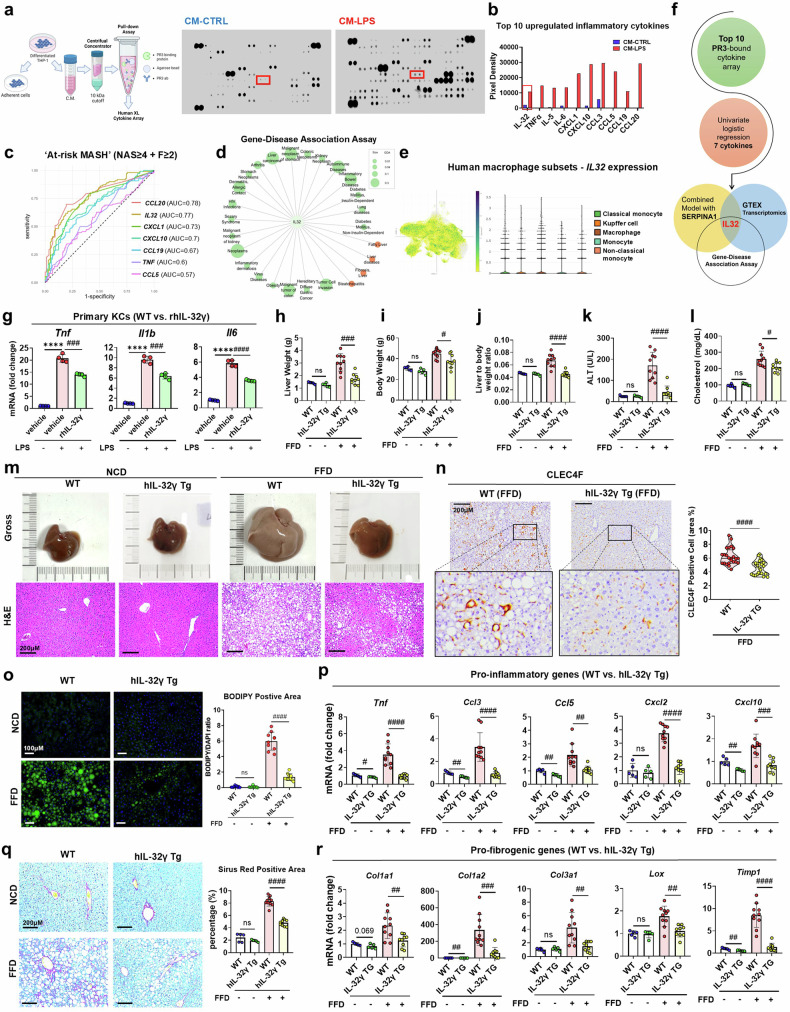
“To further narrow down the key molecular markers of PR3 binding targets related to steatohepatitis and advanced fi brosis, we conducted univariate logistic regression analysis to predict patients with ‘ at-risk MASH ’ 45 , de fi ned as those with a NAS ≥ 4 and a fi brosis score of F ≥ 2.”
Interleukin‐22 Ameliorates Neutrophil‐Driven Nonalcoholic Steatohepatitis Through Multiple Targets
Hwang, S., He, Y., Xiang, X., Seo, W., Kim, S., Ma, J., Ren, T., Park, S. H., Zhou, Z., Feng, D., et al. (2020) · Hepatology · doi:10.1002/hep.31031 · Cited by 177
Self-citationInterleukin 32, inflammation and cancer
Hong, J. T., Son, D. J., Lee, C. K., Yoon, D.-Y., Lee, D. H., & Park, M. H. (2017) · Pharmacology & Therapeutics · doi:10.1016/j.pharmthera.2017.02.025 · Cited by 170
Self-citationKakino, S., Ohki, T., Nakayama, H., Yuan, X., Otabe, S., Hashinaga, T., Wada, N., Kurita, Y., Tanaka, K., Hara, K., et al. (2017) · Hormone and Metabolic Research · doi:10.1055/s-0043-118666 · Cited by 164
Baselli, G. A., Dongiovanni, P., Rametta, R., Meroni, M., Pelusi, S., Maggioni, M., Badiali, S., Pingitore, P., Maurotti, S., Montalcini, T., et al. (2020) · Gut · doi:10.1136/gutjnl-2019-319226 · Cited by 106 · cited 2×
“Recent studies have correlated IL-32 with non-alcoholic fatty liver disease activity score (NAS), insulin resistance and aminotransferase levels, suggesting a close association with MASLD 20,21 .”
Editing out five Serpina1 paralogs to create a mouse model of genetic emphysema
Borel, F., Sun, H., Zieger, M., Cox, A., Cardozo, B., Li, W., Oliveira, G., Davis, A., Gruntman, A., Flotte, T. R., et al. (2018) · Proceedings of the National Academy of Sciences · doi:10.1073/pnas.1713689115 · Cited by 98
IL-32γ inhibits cancer cell growth through inactivation of NF-κB and STAT3 signals
Oh, J., Cho, M.-C., Kim, J., Lee, S. Y., Kim, H. J., Park, E. S., Ban, J. O., Kang, J.-W., Lee, D.-H., Shim, J.-H., et al. (2011) · Oncogene · doi:10.1038/onc.2011.52 · Cited by 96
Self-citationTownsend, S. A., Edgar, R. G., Ellis, P., Kantas, D., Newsome, P. N., & Turner, A. M. (2018) · Alimentary Pharmacology & Therapeutics · doi:10.1111/apt.14537 · Cited by 95
Insights into the role of IL-32 in cancer
Sloot, Y. J. E., Smit, J. W. A., Joosten, L. A. B., & Netea-Maier, R. T. (2018) · Seminars in Immunology · doi:10.1016/j.smim.2018.03.004 · Cited by 89 · cited 1×
“IL-32, a key modulator in various in fl ammatory diseases, including asthma, neuronal diseases, metabolic disorders and cancers, has nine identi fi ed isoforms 15,16 .”
Xu, L., Chen, Y., Nagashimada, M., Ni, Y., Zhuge, F., Chen, G., Li, H., Pan, T., Yamashita, T., Mukaida, N., et al. (2021) · Metabolism · doi:10.1016/j.metabol.2021.154914 · Cited by 81
Antisense oligonucleotide treatment ameliorates alpha-1 antitrypsin–related liver disease in mice
Guo, S., Booten, S. L., Aghajan, M., Hung, G., Zhao, C., Blomenkamp, K., Gattis, D., Watt, A. T., Freier, S. M., Teckman, J. H., et al. (2013) · Journal of Clinical Investigation · doi:10.1172/jci67968 · Cited by 79 · cited 1×
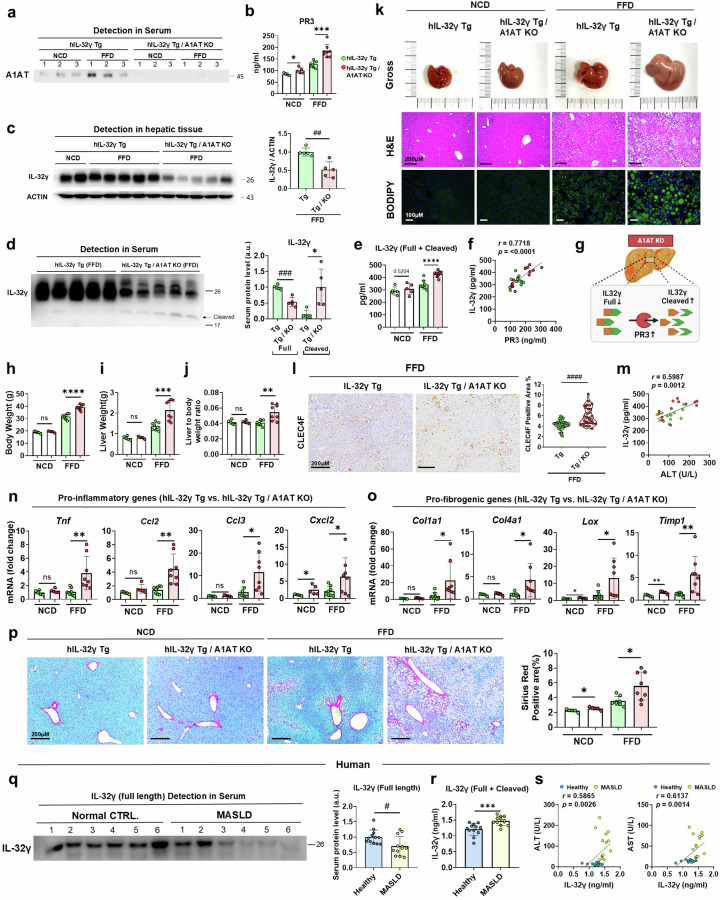
“The PiZ Tg mouse strain, which expresses human Glu342Lys-mutated A1AT transgenes, has been used to study the pathogenesis of A1AT de fi ciency, given the accumulation of A1AT protein aggregates and hepatocyte death 58 .”
Mirea, A.-M., Toonen, E. J. M., van den Munckhof, I., Munsterman, I. D., Tjwa, E. T. T. L., Jaeger, M., Oosting, M., Schraa, K., Rutten, J. H. W., van der Graaf, M., et al. (2019) · Molecular Medicine · doi:10.1186/s10020-019-0084-3 · Cited by 77 · cited 1×
“Accumulating evidence suggests that excessive and poorly regulated protease activity is strongly associated with in fl ammatory diseases and is well characterized in patients with MASLD 49 – 51 .”
Monocyte-derived Kupffer cells dominate in the Kupffer cell pool during liver injury
Li, W., Yang, Y., Yang, L., Chang, N., & Li, L. (2023) · Cell Reports · doi:10.1016/j.celrep.2023.113164 · Cited by 74 · cited 1×
“5c, d) 34,35 .”
Self-citationLi, B.-H., He, F.-P., Yang, X. T., Chen, Y., & Fan, J. (2016) · Translational research · doi:10.1016/j.trsl.2016.08.006 · Cited by 67
Lee, Y. S., Han, S., Ham, H. J., Park, J. H., Lee, J. S., Hwang, D. Y., Jung, Y. S., Yoon, D. Y., & Hong, J. T. (2020) · Journal of Allergy and Clinical Immunology · doi:10.1016/j.jaci.2019.12.905 · Cited by 62
Self-citationInterleukin‐32 Contributes to Human Nonalcoholic Fatty Liver Disease and Insulin Resistance
Dali‐Youcef, N., Vix, M., Costantino, F., Saghire, H. E., Lhermitte, B., Callari, C., D’Agostino, J., Perretta, S., Paveliu, S., Gualtierotti, M., et al. (2019) · Hepatology Communications · doi:10.1002/hep4.1396 · Cited by 58 · cited 3×
“Notably, most of the top ten upregulated proin fl ammatory cytokines are known to be associated with MASLD progression 21,36 – 44 (Fig.”
Digestive Inflammation: Role of Proteolytic Dysregulation
Mariaule, V., Kriaa, A., Soussou, S., Rhimi, S., Boudaya, H., Hernandez, J. L., Maguin, E., Lesner, A., & Rhimi, M. (2021) · International Journal of Molecular Sciences · doi:10.3390/ijms22062817 · Cited by 53
Daigo, K., Kawamura, T., Ohta, Y., Ohashi, R., Katayose, S., Tanaka, T., Aburatani, H., Naito, M., Kodama, T., Ihara, S., et al. (2011) · Journal of Biological Chemistry · doi:10.1074/jbc.m110.154732 · Cited by 48 · cited 6×
“Chromatin immunoprecipitation with sequencing (ChIP-seq) analysis of HepG2 cells revealed signi fi cant enrichment of HNF4A 32 and H3K4me3 (ref.”
InfluentialIncreased monocyte transcription of the proteinase 3 gene in small vessel vasculitis
Ohlsson, S., Hellmark, T., Pieters, K., Sturfelt, G. K., Wieslander, J., & Segelmark, M. (2005) · Clinical & Experimental Immunology · doi:10.1111/j.1365-2249.2005.02819.x · Cited by 40 · cited 1×
“Notably, monocyte-derived PR3 has been implicated in exacerbating conditions such as cystic fi brosis and small vessel vasculitis 13,14 .”
Korkmaz, B., Lesner, A., Guarino, C., Wysocka, M., Kellenberger, C., Watier, H., Specks, U., Gauthier, F., & Jenne, D. E. (2016) · Pharmacological Reviews · doi:10.1124/pr.115.012104 · Cited by 38
Yang, B., Lu, L., Zhou, D., Fan, W., Barbier‐Torres, L., Steggerda, J. A., Yang, H., & Yang, X. (2022) · Frontiers in Endocrinology · doi:10.3389/fendo.2022.1007944 · Cited by 37 · cited 1×
“However, emerging evidence suggests that an alternative pathway is mediated by in fl ammatory cytokines 56,57 .”
Proteinase 3: the odd one out that became an autoantigen
Martin, K., & Witko‐Sarsat, V. (2017) · Journal of Leukocyte Biology · doi:10.1189/jlb.3mr0217-069r · Cited by 34 · cited 2×
“Next, we focused on establishing a cause-and-effect relationship between dysregulated PR3 activity and the proteolytic processing of various proin fl ammatory cytokines 9,10 (Fig.”
Zaidan, S. M., Leyre, L., Bunet, R., Larouche-Anctil, E., Turcotte, I., Sylla, M., Chamberland, A., Chartrand‐Lefebvre, C., Ancuța, P., Routy, J., et al. (2019) · JAIDS Journal of Acquired Immune Deficiency Syndromes · doi:10.1097/qai.0000000000002185 · Cited by 33
Hanson, A., Piras, I. S., Wilhelmsen, D., Still, C. D., Chu, X., Petrick, A. T., Gerhard, G. S., & DiStefano, J. K. (2019) · Cytokine · doi:10.1016/j.cyto.2019.154789 · Cited by 32
Granel, J., Korkmaz, B., Nouar, D., Weiß, S. A. I., Jenne, D. E., Lemoine, R., & Hoarau, C. (2021) · Frontiers in Immunology · doi:10.3389/fimmu.2021.571933 · Cited by 32 · cited 1×
“Previous studies have established that neutrophils are the primary source of PR3 secretion 11,12 .”
Aass, K. R., Mjelle, R., Kastnes, M. H., Tryggestad, S. S., van den Brink, L. M., Roseth, I. A., Westhrin, M., Zahoor, M., Moen, S. H., Nedal, T. M. V., et al. (2021) · iScience · doi:10.1016/j.isci.2021.103605 · Cited by 30
Proteinase 3-processed form of the recombinant IL-32 separate domain
Kim, S., Lee, S., Her, E., Bae, S., Choi, J., Hong, J., Jaekal, J., Yoon, D., Azam, T., Dinarello, C. A., et al. (2008) · BMB Reports · doi:10.5483/bmbrep.2008.41.11.814 · Cited by 29 · cited 1×
“Accumulating evidence suggests that IL-32 γ plays a pivotal role in in fl ammation and immune responses 19,52,53 and that the A1AT/PR3 axis regulates the immunomodulatory function of IL-32 γ .”
Self-citationJust, J., Moog‐Lutz, C., Houzel-Charavel, A., Canteloup, S., Grimfeld, A., Witko‐Sarsat, V., & Cayre, Y. E. (1999) · FEBS Letters · doi:10.1016/s0014-5793(99)01098-4 · Cited by 28 · cited 1×
“Notably, monocyte-derived PR3 has been implicated in exacerbating conditions such as cystic fi brosis and small vessel vasculitis 13,14 .”
Zhao, J., Wang, Y., Wu, X., Tong, P., Yue, Y., Gao, S., Huang, D., & Huang, J. (2018) · Molecular Medicine Reports · doi:10.3892/mmr.2018.9490 · Cited by 28
Krajewski, J., Batmunkh, C., JELKMANN, W. E. B., & Hellwig‐Bürgel, T. (2007) · Cellular and Molecular Life Sciences · doi:10.1007/s00018-007-6561-9 · Cited by 27
Role of IL-32 Gamma on Bone Metabolism in Autoimmune Arthritis
Kwon, O. C., Kim, S., Hong, S., Lee, C., Yoo, B., Chang, E., & Kim, Y. (2018) · Immune Network · doi:10.4110/in.2018.18.e20 · Cited by 22 · cited 1×
“Among these, IL-32 γ is reported to be the most active and plays a crucial role in immune modulation 17 – 19 .”
Beyond the lungs: Alpha-1 antitrypsin’s potential role in human gestation
Jezela‐Stanek, A., & Chorostowska‐Wynimko, J. (2019) · Advances in Clinical and Experimental Medicine · doi:10.17219/acem/103668 · Cited by 18
Monocyte-derived KCs (MoKCs) contribute to the KC pool in NASH
Wang, Y., & Gao, L. (2020) · Cellular and Molecular Immunology · doi:10.1038/s41423-020-00606-3 · Cited by 17 · cited 1×
“In MASH, there is an in fl ux of immune cells and a notable increase in the number of monocyte-derived Kupffer cells (MoKCs), resulting from the replacement of embryo-derived Kupffer cells (EmKCs) with MoKCs, which leads to an ampli fi ed in fl ammatory response 1,7,8 .”
Proteinase 3 phosphonic inhibitors
Grzywa, R., Lesner, A., Korkmaz, B., & Sieńczyk, M. (2019) · Biochimie · doi:10.1016/j.biochi.2019.03.005 · Cited by 12 · cited 2×
“Next, we focused on establishing a cause-and-effect relationship between dysregulated PR3 activity and the proteolytic processing of various proin fl ammatory cytokines 9,10 (Fig.”
Bano, S., Copeland, M. A., Stoops, J. W., Orr, A. V., Jain, S., Paranjpe, S., Mooli, R. G. R., Ramakrishnan, S. K., Locker, J. D., Mars, W. M., et al. (2024) · Cellular and Molecular Gastroenterology and Hepatology · doi:10.1016/j.jcmgh.2024.101380 · Cited by 11
Lee, S., Choi, D.-K., Kwak, A., Kim, S., Nguyen, T. T., Gil, G., Kim, E., Yoo, K. H., Kim, I. A., Lee, Y.-M., et al. (2017) · Immune Network · doi:10.4110/in.2017.17.2.116 · Cited by 9
Self-citation
Cited by
Zhang, C.-Y., Liu, S., Sui, Y., & Yang, M. J. (2025) · World Journal of Hepatology · doi:10.4254/wjh.v17.i11.113756 · Cited by 15
Boesch, M., Anak, S., Abyad, D. E., Ostyn, T., Antoranz, A., Van, T. M., Newhouse, D., Myers, C., Melkebeke, L. V., Palmer, J. M., et al. (2026) · Nature Genetics · doi:10.1038/s41588-026-02600-3 · Cited by 18
Ouyang, R., Li, X., Hao, J., Lin, J., Lan, H. Y., Peng, J., Li, X., Tian, Z., & Sun, Y. (2025) · Frontiers in Pharmacology · doi:10.3389/fphar.2025.1708240 · Cited by 5
Hu, K., Liu, S., Sheng, S., Zhang, S., Li, B., Sun, B., & Xia, A. (2026) · iLiver · doi:10.1016/j.iliver.2026.100234 · Cited by 6
“47 As the disease progresses, hepatocyte lipotoxicity intensifies, and necrosis and cellular stress trigger the release of substantial inflammatory signals and chemokines, including C –”
Se-Ran, Y., & Kim, H. (2025) · International Journal of Molecular Sciences · doi:10.3390/ijms26178504 · Cited by 4
“Moreover, Serpina1a-e knockout mice, ablation of A1AT worsened metabolic dysfunction-associated steatohepatitis through increased activity of proteinase 3 and F4/80 hi /CD11b low /TIM4 − /CCR2 + monocyte-derived KCs [55].”
Metadata
- Authors
- Park, J.-S., Lee, J., Wang, F., Ma, H., Zhou, Z., Lee, Y.-S., Oh, K., Lee, H., Sui, G., Lee, S., Yang, Y. M., Lee, J.-W., Ji, Y.-H., Park, C.-W., Yoo, H.-S., Hwang, B.-Y., Han, S.-B., Song, N., Oh, S., Kim, B., Seki, E., Hong, J. T., & Roh, Y. S.
- Affiliations
- Chungbuk National University (KR)
- Fujian Medical University (CN)
- Ministry of Food and Drug Safety (KR)
- Korea University (KR)
- Sungkyunkwan University (KR)
- Kangwon National University (KR)
- University of California San Diego (US)
- Jeonbuk National University (KR)
- Cedars-Sinai Medical Center (US)
- Corresponding author
- Hong, Jin Tae
- Roh, Yoon Seok
- ORCID
- Venue
- Experimental & Molecular Medicine
- Published
- 2025-02-12
- Volume
- 57
- Issue
- 2
- Pages
- 450-465
- ISSN
- 1226-3613 (ISSN-L)
- 2092-6413
- PMC
- PMC11873038
- OpenAlex
- W4407419411
- Cited by
- 15
- References
- 62
- Citations by year
- 2026: 8 · 2025: 7
- FWCI
- 10.33
- Type
- journal article
- Language
- en
- Open access
- gold
- doi.org
- Licence
- cc-by
- creativecommons.org/licenses/by/4.0 (tdm)
- creativecommons.org/licenses/by/4.0 (vor)
- Locations
- Experimental & Molecular Medicine (publishedVersion, cc-by)
- PubMed Central (publishedVersion, cc-by)
- PubMed (publishedVersion)
- eScholarship (California Digital Library) (submittedVersion, cc-by)
- DOAJ (DOAJ: Directory of Open Access Journals) (submittedVersion)
- Funders
- American Association for the Study of Liver Diseases
- National Research Foundation (2021RIS‐001, 2017R1A5A2015541)
- Konkuk University
- National Research Foundation of Korea (2021RIS-001, 2019R1A2C1090178, 2017R1A5A2015541)
- Fujian Medical University
- Topics
- Health Sciences › Medicine › Hepatology › Liver Disease Diagnosis and Treatment
- Health Sciences › Medicine › Hepatology › Liver physiology and pathology
- Life Sciences › Pharmacology, Toxicology and Pharmaceutics › Pharmacology › Drug-Induced Hepatotoxicity and Protection
- Keywords
- alpha-1 antitrypsin deficiency, Pr3+, neutrophil elastase, Kupffer cells, MASH, liver fibrosis, hepatic stellate cell activation, HNF4α, IL-1β, sivelestat, liver inflammation
- MeSH terms
- alpha 1-Antitrypsin, Animals, Humans, Interleukins, Kupffer Cells, Liver Cirrhosis, Male, Mice, Inbred C57BL, Mice, Knockout, Hepatocytes, Mice
About these checks
Registry, retraction, Cites and statistics results are computed, not judged, with one exception: a printed reference that no index lists is read once by a model before it counts as a citation error. Claims are extracted by a model and kept only when their quote appears verbatim in the text; each cited source is then checked, with a model’s help, for whether it says what the claim relies on. Those verdicts can be wrong — read the claim’s quote and the cited source before relying on one.
Statistics and arithmetic are recomputed, not judged.
Confidence bands are shown only for fields calibrated on our annotated test set. None is calibrated yet, so no band is shown.
What counts as a claim ›How we measure confidence ›How we check this ›
Are you an author, or do you see a problem with this page? Request a review
Data sources
Bibliographic data: Semantic Scholar, OpenAlex, Crossref.
Contains information from the Semantic Scholar Academic Graph Datasets, made available under the ODC Attribution License (ODC-BY 1.0).
Semantic Scholar’s data is described in: Kinney, R., et al. (2023). The Semantic Scholar Open Data Platform. arXiv:2301.10140.
