

What is the pipeline for future medications for obesity?
Open accessThe DOI matches its Crossref record; 112 of the 124 references it cites were found in a registry or an index; 80 of the 161 sources its claims cite were checked for support.
Abstract
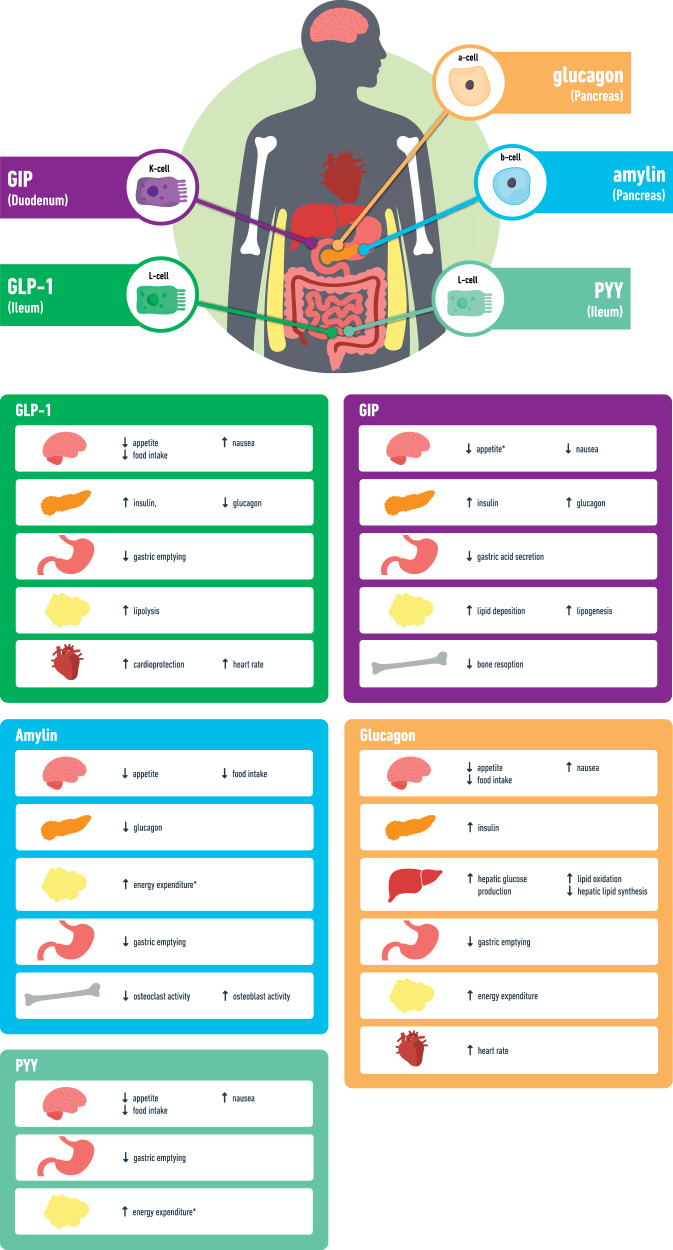
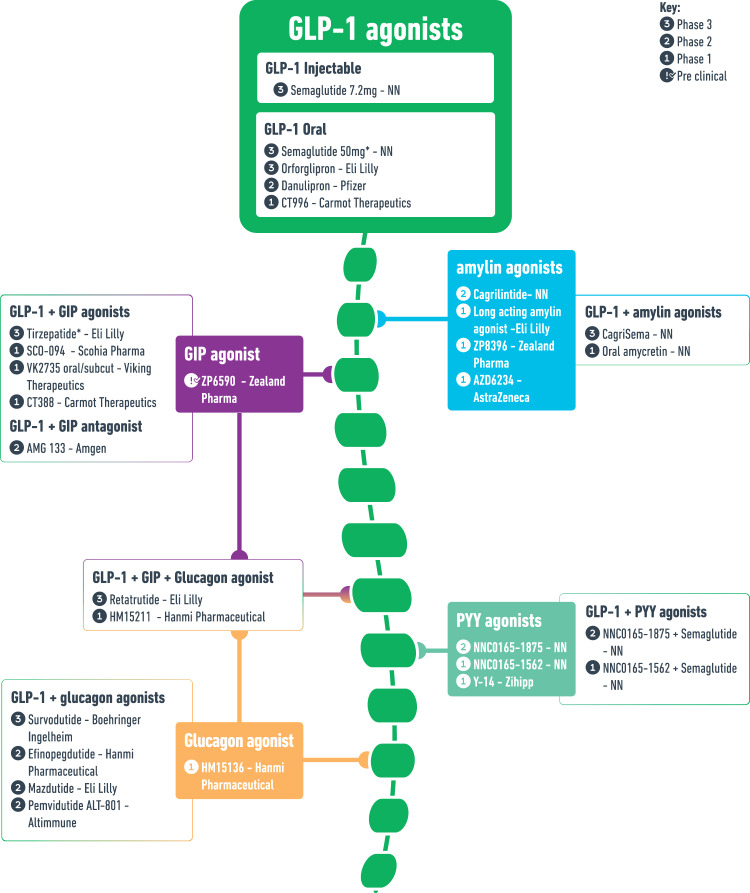
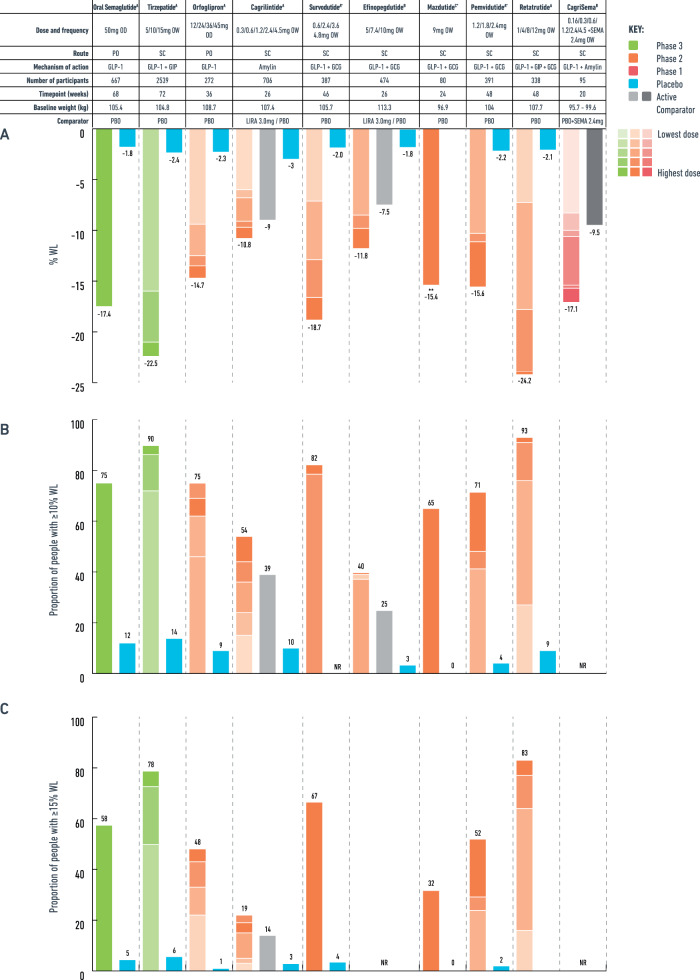
Obesity pipeline review. Semaglutide 2.4mg results in 15-17% weight loss. Tirzepatide leads up to 22.5% WL in phase 3. Retatrutide (GLP-1/GIP/glucagon RA) progressed to phase 3 trials. Early data suggests retatrutide may lead to even greater WL than tirzepatide.
Overview
CoChat Summary
## TL;DR
This review maps the rapidly expanding obesity drug pipeline, emphasizing that combinations of entero-pancreatic hormones are producing weight loss that can approach bariatric surgery. It highlights tirzepatide as the first approved dual agonist for chronic weight management and notes several oral, dual, and triple agonists in late-phase development.
## Key findings
- Semaglutide 2.4 mg once weekly, an approved GLP-1 receptor agonist, produces 15–17% mean weight loss and has evidence of cardioprotection; the SELECT trial reported a 20% reduction in major adverse cardiovascular events (MACE) vs placebo after 39.8 months of follow-up.
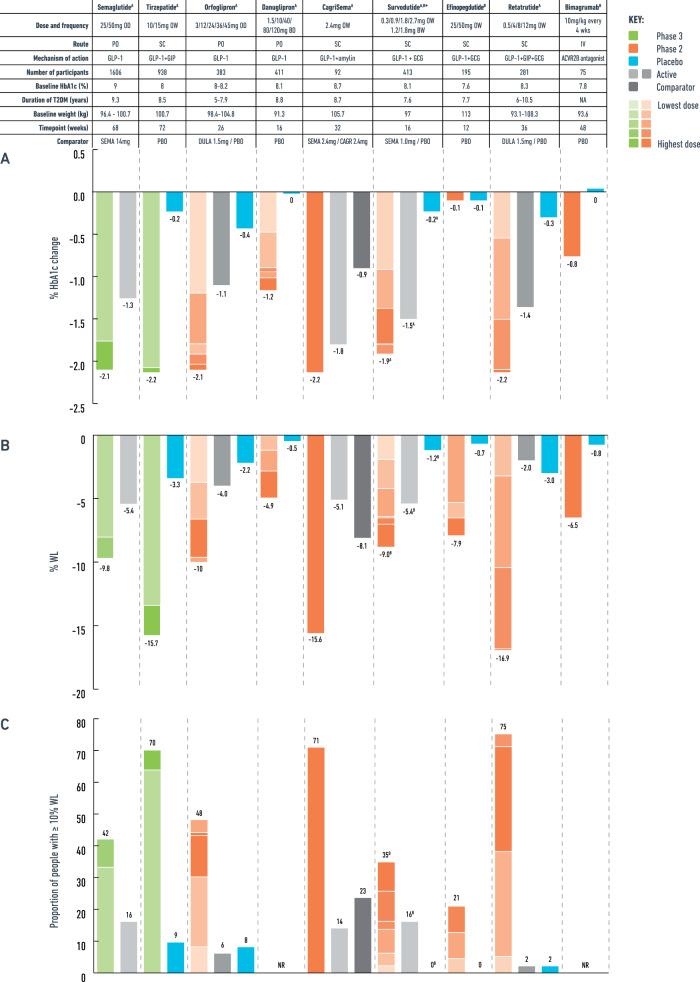
- In obesity without T2D, oral semaglutide 50 mg produced 17.4% weight loss vs 1.8% with placebo at 68 weeks in OASIS-1; in T2D, it produced 9.8% weight loss vs 5.4% with oral semaglutide 14 mg and reduced HbA1c by −2.1% vs −1.3% at 68 weeks.
- Tirzepatide (dual GLP-1/GIP agonist) achieved 16–22.5% mean weight loss at 72 weeks in SURMOUNT-1 and up to 15.7% in SURMOUNT-2; in SURMOUNT-4, participants maintained/continued to lose weight, with 25.9% of placebo vs 84.1% of tirzepatide participants achieving ≥15% weight loss at 88 weeks from baseline.
- Retatrutide (triple GLP-1/GIP/glucagon agonist) produced up to 24.2% weight loss at 48 weeks in a phase 2 obesity study; 36–48% of participants on the 8 mg and 12 mg doses achieved ≥25% weight loss.
## Methods
- Narrative review of the pipeline of obesity pharmacotherapies, with a focus on entero-pancreatic hormone-based molecules and selected non-hormonal agents.
- Synthesizes data from early- and late-phase clinical trials in people with and without T2D, and also considers effects on glycaemia, liver fat content (MASLD/MASH), and cardiovascular outcomes.
- Main analysis is descriptive comparison of efficacy, safety, and development stage across agents; Not stated in the paper as a formal systematic review or meta-analysis.
## Limitations
- The paper states that the full potential benefits and risks of the new obesity pharmacotherapies still need to be better understood, and that robust cost-effectiveness data are lacking.
- It explicitly notes that cardiovascular outcome trials are still needed for several agents, including combinations of GLP-1 with other hormones and oral GLP-1 receptor agonists.
- Evident from the text: much of the pipeline relies on phase 1/2 data, press releases, or abstract data, so some reported efficacy and safety findings are preliminary (say which: evident from the text).
Model-written summary. Check it against the paper before relying on it.
Integrity signals
Registry
Cites
Statistics
Figures
Verification
Claims the paper makes
66 Valid · 1 Not valid · 63 Not checked · 13 Own results and interpretations
The sources with a verdict support this claim; the rest weren’t checked yet, have no full text we could read, or their verdicts aren’t rated yet.
In the paper
“Despite that 5–10% WL is clinically beneficial, greater WL may be required for the individual to improve or achieve remission of some obesity-related complications [7, 8].”
§ What is the pipeline for future medications for obesity? > Introduction
What the sources say
- Supportedcites [7] Timothy Garvey W. New Horizons. A new paradigm for treating to target with second-generation obesity medications. J Clin Endocrinol Metab. 2022;107:E1339–47. 34865050 PMC8947217 source
The “Obesity, Complications, and Adiposity-based Chronic Disease” section says that the weight loss needed for clinical benefit varies by complication: 5%–10% reduces liver steatosis, while more than 10% is required to improve inflammation and fibrosis in nonalcoholic steatohepatitis. The section on using percent weight loss as a biomarker also says treatment targets should be individualized to the complications present in each patient. (LLM, conf=0.94)
- Not checked — no full text of the sourcecites [8] Tahrani AA, Morton J. Benefits of weight loss of 10% or more in patients with overweight or obesity: a review. Obesity. 2022;30:802–40. 35333446 source
hedgedstates a possible cause- Asserted: passes — The authors put it forward as true.
- Checkable: passes — It can be checked against evidence.
- Load-bearing: passes — The paper’s conclusions depend on it.
- Based: passes — The paper gives a reason why it holds.
- Supported
The cited sources support only part of this claim — read each source’s verdict below.
In the paper
“More specifically, orforglipron is a potent partial GLP-1 RA which is biased towards G-protein activation over to β-arrestin recruitment at the GLP-1 receptor [23].”
§ What is the pipeline for future medications for obesity? > Pipeline of obesity pharmacotherapies > Orforglipron
What the sources say
- Partly supportedcites [23] Kawai T, Sun B, Yoshino H, Feng D, Suzuki Y, Fukazawa M, et al. Structural basis for GLP-1 receptor activation by LY3502970, an orally active nonpeptide agonist. Proc Natl Acad Sci USA. 2020;117:29959–67. 33177239 PMC7703558 sourceExperimental — accuracy not yet measured
The Results and Discussion section (In Vitro and In Vivo Activity of LY3502970; page unavailable) describes LY3502970 as a potent partial GLP-1R agonist that stimulates cAMP accumulation without detectable β-arrestin recruitment. Our copy does not name orforglipron or establish that it is LY3502970, so it does not fully support the claim about the named drug. (LLM, conf=0.82)
plain- Asserted: passes — The authors put it forward as true.
- Checkable: passes — It can be checked against evidence.
- Load-bearing: unclear — It is unclear whether the paper’s conclusions depend on it.
- Based: passes — The paper gives a reason why it holds.
- Partly supported
The cited sources support only part of this claim — read each source’s verdict below.
In the paper
“Additionally, oral semaglutide 50 mg reduced the HbA1c by −2.1% at 68 weeks compared to −1.3% with oral semaglutide 14 mg (Fig. 4) [22].”
§ What is the pipeline for future medications for obesity? > Pipeline of obesity pharmacotherapies > Oral semaglutide 50 mg
What the sources say
- Partly supportedcites [22] Aroda VR, Aberle J, Bardtrum L, Christiansen E, Knop FK, Gabery S, et al. Efficacy and safety of once-daily oral semaglutide 25 mg and 50 mg compared with 14 mg in adults with type 2 diabetes (PIONEER PLUS): a multicentre, randomised, phase 3b trial. Lancet. 2023;402:693–704. 37385279 sourceExperimental — accuracy not yet measured
The Findings and Results report greater HbA1c reduction with oral semaglutide 50 mg than with 14 mg: −2.0 versus −1.5 percentage points at week 52. The Discussion says the reductions were largely sustained through week 68, but the passages from our copy do not establish the claimed week-68 values of −2.1% and −1.3%. (LLM, conf=0.85)
plainstates a cause- Asserted: passes — The authors put it forward as true.
- Checkable: passes — It can be checked against evidence.
- Load-bearing: unclear — It is unclear whether the paper’s conclusions depend on it.
- Based: passes — The paper gives a reason why it holds.
- Partly supported
Every source the paper cites for this claim was checked and supports it.
In the paper
“Moreover, preclinical and early phase clinical trials have confirmed the therapeutic potential of entero-pancreatic hormone combinations in obesity and/or metabolic complications such as T2D [33].”
§ What is the pipeline for future medications for obesity? > Other entero-pancreatic hormones and combination of entero-pancreatic hormones in the management of obesity
What the sources say
- Supportedcites [33] Baggio LL, Drucker DJ. Glucagon-like peptide-1 receptor co-agonists for treating metabolic disease. Mol Metab. 2021;46:101090. 32987188 PMC8085566 source
The Introduction says that multiple preclinical studies and emerging clinical data support the therapeutic potential of combinatorial peptide therapy for metabolic disorders. The Tirzepatide section reports early-phase trials showing improvements in weight and glucose measures, including in people with T2D. The paper cautions that clinical development remains limited, but the claim concerns therapeutic potential rather than established treatment efficacy. (LLM, conf=0.91)
boostedstates a cause- Asserted: passes — The authors put it forward as true.
- Checkable: passes — It can be checked against evidence.
- Load-bearing: passes — The paper’s conclusions depend on it.
- Based: passes — The paper gives a reason why it holds.
- Supported
The sources with a verdict support this claim; the rest weren’t checked yet, have no full text we could read, or their verdicts aren’t rated yet.
In the paper
“as the simultaneous activation of GLP-1 and GIP receptors in preclinical models results in greater WL and glucose-lowering efficacy compared to activation of each receptor alone [38–40]”
§ What is the pipeline for future medications for obesity? > GIP agonism
What the sources say
- Supportedcites [38] Gault VA, Kerr BD, Harriott P, Flatt PR. Administration of an acylated GLP-1 and GIP preparation provides added beneficial glucose-lowering and insulinotropic actions over single incretins in mice with Type 2 diabetes and obesity. Clin Sci. 2011;121:107–17. 21332446 source
In the Results section on ob/ob mice (page unavailable), the combined Lira-AcGIP preparation significantly reduced body weight, while either incretin mimetic alone did not. A separate Results section reports significantly better glucose control with the preparation than with either mimetic alone. (LLM, conf=0.92)
- Not checked — no full text of the sourcecites [39] Nørregaard PK, Deryabina MA, Tofteng Shelton P, Fog JU, Daugaard JR, Eriksson PO, et al. A novel GIP analogue, ZP4165, enhances glucagon-like peptide-1-induced body weight loss and improves glycaemic control in rodents. Diabetes Obes Metab. 2018;20:60–8. 28598027 source
- Not checked — no full text of the sourcecites [40] Finan B, Ma T, Ottaway N, Müller TD, Habegger KM, Heppner KM, et al. Unimolecular dual incretins maximize metabolic benefits in rodents, monkeys, and humans. Sci Transl Med. 2013;5:209ra151. 24174327 source
plainstates a cause- Asserted: passes — The authors put it forward as true.
- Checkable: passes — It can be checked against evidence.
- Load-bearing: passes — The paper’s conclusions depend on it.
- Based: passes — The paper gives a reason why it holds.
- Supported
64 more claims · 25 with their cited sources checked
Create a free account to see all 143 claims and to verify the 2 references still open.
- It may state two separate claims as one. 71
- Probably not a substantial claim. 7
Claims other papers make about this one
Each is checked against this paper’s own text: does it say what the citing paper says it does?
The source backs part of the claim, not all of it — or backs it for a different population, condition or comparison.
In the citing paper
“In summary, dual and triple agonists related to GLP-1 represent significant advances in the field of diabetes treatment,167,168 demonstrating the future trend of enhancing therapeutic effects by targeting multiple biomarkers.136,169,170”
From Glucagon-like peptide-1 receptor: mechanisms and advances in therapy (2024) · cites this paper as [169]
Experimental — accuracy not yet measuredThe source backs part of the claim, not all of it — or backs it for a different population, condition or comparison.
In the citing paper
“the Nutrient Stimulated Hormones being targeted have effects on muscle protein synthesis and even energy expensiture [42–44].”
From New drugs for the treatment of obesity: do we need approaches to preserve muscle mass? (2025) · cites this paper as [44]
Experimental — accuracy not yet measuredThe source backs part of the claim, not all of it — or backs it for a different population, condition or comparison.
In the citing paper
“MariTide is a monthly subcutaneous glucose-dependent insulinotropic polypeptide receptor (GIPR) antagonist conjugated to analog peptide of GLP-1.84”
From GLP-1 single, dual, and triple receptor agonists for treating type 2 diabetes and obesity: a narrative review (2024) · cites this paper as [84]
Experimental — accuracy not yet measuredThe source backs part of the claim, not all of it — or backs it for a different population, condition or comparison.
In the citing paper
“GLP-1/glucagon dual agonists promote glucose and body weight reduction via regulation of hunger/appetite and increasing energy expenditure.”
From GLP-1 single, dual, and triple receptor agonists for treating type 2 diabetes and obesity: a narrative review (2024) · cites this paper as [84]
Experimental — accuracy not yet measuredThe source backs part of the claim, not all of it — or backs it for a different population, condition or comparison.
In the citing paper
“In mice models, pemvidutide lowered body weight and liver enzymes while promoting better blood glucose control, improved liver steatosis, inflammation and fibrosis superior to semaglutide.84”
From GLP-1 single, dual, and triple receptor agonists for treating type 2 diabetes and obesity: a narrative review (2024) · cites this paper as [84]
Experimental — accuracy not yet measured
14 more claims about this paper
Create a free account to see every claim other papers make about this one.
Citations
Cites
Pushko, P., Pumpens, P., & Grens, E. (2013) · Intervirology · doi:10.1159/000346773 · Cited by 5,950
Once-Weekly Semaglutide in Adults with Overweight or Obesity
Wilding, J. P. H., Batterham, R. L., Calanna, S., Davies, M., Van Gaal, L. F., Lingvay, I., McGowan, B. M., Rosenstock, J., Tran, M. T. D., Wadden, T. A., et al. (2021) · New England Journal of Medicine · doi:10.1056/nejmoa2032183 · Cited by 5,205 · cited 3×
“Semaglutide 2.4 mg once weekly is the latest approved GLP-1 RA for obesity management (2021) and results in 15 – 17% mean WL through appetite reduction [11, 12].”
InfluentialSelf-citationTirzepatide Once Weekly for the Treatment of Obesity
Jastreboff, A. M., Aronne, L. J., Ahmad, N. N., Wharton, S., Connery, L., Alves, B., Kiyosue, A., Zhang, S., Liu, B., Bunck, M. C., et al. (2022) · New England Journal of Medicine · doi:10.1056/nejmoa2206038 · Cited by 3,838 · cited 2×
“In SURMOUNT-1, 72 weeks of tirzepatide induced mean WL of 16 – 22.5% in people without diabetes compared to 2.4% with placebo, with no sign of the weight plateauing, suggesting that there may be further WL with long-term use [46].”
InfluentialEstruch, R., Ros, E., Salas-Salvadó, J., Covas, M.-I., Corella, D., Arós, F., Gómez-Gracia, E., Ruiz-Gutiérrez, V., Fiol, M., Lapetra, J., et al. (2018) · New England Journal of Medicine · doi:10.1056/nejmoa1800389 · Cited by 3,616 · cited 1×
“…to optimise health outcomes regardless of WL – increased levels of physical activity have multiple health bene fi ts including improvement of body composition, physical function and cardiorespiratory fi tness, and a balanced Mediterranean diet may be associated with cardiovascular bene fi ts [105].”
Semaglutide and Cardiovascular Outcomes in Obesity without Diabetes
Lincoff, A. M., Brown-Frandsen, K., Colhoun, H. M., Deanfield, J., Emerson, S. S., Esbjerg, S., Hardt-Lindberg, S., Hovingh, G. K., Kahn, S. E., Kushner, R. F., et al. (2023) · New England Journal of Medicine · doi:10.1056/nejmoa2307563 · Cited by 3,236 · cited 3×
“The SELECT trial is the fi rst study providing long-term data on the safety and ef fi cacy of semaglutide 2.4 mg [110].”
InfluentialDavies, M. J., Aroda, V. R., Collins, B. S., Gabbay, R. A., Green, J., Maruthur, N. M., Rosas, S. E., Del Prato, S., Mathieu, C., Mingrone, G., et al. (2022) · Diabetes Care · doi:10.2337/dci22-0034 · Cited by 2,104 · cited 1×
“…with T2D and established cardiovascular disease, the international guidelines for T2D recommend the use of GLP-1 RA or sodium glucose co-transporters 2 inhibitors (SGLT-2i) as fi rst-line treatment (independent of HbA1c), based on multiple trials demonstrating their cardio-renal bene fi ts [109].”
Self-citationTirzepatide versus Semaglutide Once Weekly in Patients with Type 2 Diabetes
Frías, J. P., Davies, M. J., Rosenstock, J., Pérez Manghi, F. C., Fernández Landó, L., Bergman, B. K., Liu, B., Cui, X., & Brown, K. (2021) · New England Journal of Medicine · doi:10.1056/nejmoa2107519 · Cited by 2,096 · cited 1×
“…has been approved for T2D management - the mean HbA1c reduction in SURPASS programme ranged between 1.9 and 2.6% across the trials and 40 – 69% of participants achieved ≥ 10% WL with the higher doses (10 and 15 mg), despite that there was no additional support for lifestyle intervention [16, 43].”
InfluentialSelf-citationLean, M. E., Leslie, W. S., Barnes, A. C., Brosnahan, N., Thom, G., McCombie, L., Peters, C., Zhyzhneuskaya, S., Al-Mrabeh, A., Hollingsworth, K. G., et al. (2018) · The Lancet · doi:10.1016/s0140-6736(17)33102-1 · Cited by 2,095 · cited 1×
“…and behavioural changes) are the cornerstone of obesity management with diverse bene fi ts, but even the most intensive lifestyle interventions result in up to 10% mean weight loss (WL) and weight maintenance remains a challenge, as 80% of WL is expected to be regained over the next 5 years [4, 5].”
Glucagon-like peptide-1 7–36: a physiological incretin in man
Kreymann, B., Ghatei, M. A., Williams, G., & Bloom, S. R. (1987) · The Lancet · doi:10.1016/s0140-6736(87)91194-9 · Cited by 1,928 · cited 1×
“1) [17, 18].”
(2019) · Nature Communications · doi:10.1038/41467.2041-1723 · Cited by 1,914
Research works printed but not linked: 2
- Pfizer announces topline phase 2b results of oral GLP-1R agonist, danuglipron, in adults with obesity | Pfizer. 2023. https://www.pfizer.com/news/press-release/press-release-detail/pfizer-announces-topline-phase-2b-results-oral-glp-1r
- Pfizer Provides Update on GLP-1-RA clinical development program for adults with obesity and type 2 diabetes mellitus | Pfizer. 2023. https://www.pfizer.com/news/press-release/press-release-detail/pfizer-provides-update-glp-1-ra-clinical-development
Cited by
Items 101–200 of 327
Obesity phenotypes and atherogenic dyslipidemias
Choe, H. J., Almas, T., Neeland, I. J., Lim, S. K., & Després, J. (2025) · European Journal of Clinical Investigation · doi:10.1111/eci.70151 · Cited by 18
Bonet, M. L., Ribot, J., Sánchez, J., Palou, A., & Picó, C. (2024) · Cells · doi:10.3390/cells13100870 · Cited by 12
“New gut–brain axis knowledge and recent pharmacological developments have revolutionized the way in how to treat obesity [5], but recurrent weight recovery after any weight loss continues to be the biggest problem [6,7].”
BackgroundNutrient-Stimulating Hormone-Based Therapies for Obesity
Cristancho, C., Kim, D. W., & Apovian, C. M. (2024) · Endocrinology and Metabolism Clinics of North America · doi:10.1016/j.ecl.2024.10.006 · Cited by 8
Zupec, J. F., Munger, R., Scaletta, A., & Quinn, D. H. (2025) · Nutrition in Clinical Practice · doi:10.1002/ncp.11279 · Cited by 9
Nutrition support whilst on glucagon-like peptide-1 based therapy. Is it necessary?
Chavez, A. M., Barria, R. C., & León-Sanz, M. (2025) · Current Opinion in Clinical Nutrition & Metabolic Care · doi:10.1097/mco.0000000000001130 · Cited by 31
Sonne, N., Roque, M., Zachariassen, L. F., Porsgaard, T., Pors, S. E., Cavalera, M., Jones, C., Osborn, O., Thorbek, D. D., Riis, M. L., et al. (2026) · EBioMedicine · doi:10.1016/j.ebiom.2026.106121 · Cited by 9
Hoffmann, K., Michalak, M., Rizzo, M., Maggio, V., & Paczkowska, A. (2026) · Expert Opinion on Drug Safety · doi:10.1080/14740338.2025.2586703 · Cited by 8
“New combination drugs with multi-directional actions are the future of effective and safe treatment of obesity [76,77].”
Goldney, J., & Davies, M. J. (2024) · Nature Reviews Gastroenterology & Hepatology · doi:10.1038/s41575-024-00977-2 · Cited by 7
“Again, similar weight loss was seen with pipeline medications in phase II trials, such as survodutide and retatrutide, albeit without a plateau, suggesting greater maximal weight loss 2 .”
InfluentialSelf-citationOld and new anti-obesity drugs
Dodangeh, S., & Hasani‐Ranjbar, S. (2024) · Journal of Diabetes & Metabolic Disorders · doi:10.1007/s40200-024-01512-5 · Cited by 8
“…to the next generation of obesity treatments, combinations of GLP-1 with other entero-pancreatic hormones with complementary actions and/or synergistic potential (such as GIP, glucagon, and amylin) are under investigation to enhance the weight loss and cardiometabolic benefits of GLP-1 RA [79].”
Efficacy and safety of incretin co-agonists: Transformative advances in cardiometabolic healthcare
Bhat, S., Fernandez, C. J., Lakshmi, V., & Pappachan, J. M. (2025) · World Journal of Cardiology · doi:10.4330/wjc.v17.i8.107991 · Cited by 9
Sun, Y., Zhang, M., Liu, H., & Wang, H. (2025) · Expert Opinion on Drug Delivery · doi:10.1080/17425247.2025.2587940 · Cited by 11
“Representative examples include Sanofi’s Lantus ™ recombinant insulin for diabetes and recently approved GLP-1 receptor agonists from Eli Lilly and Novo Nordisk for obesity and cardiovascular risk management [198].”
The effect of berberine on obesity indices: a systematic review and meta-analysis
Vahed, I. E., Shahir-Roudi, E., Nojumi, S., Golmohammadi, S., Shahrebabak, M. M., Moghadam, N. S. T., Bagheryan, A. S., Moftakhar, M., Shamsipour, F., Jafari, M., et al. (2025) · International Journal of Obesity · doi:10.1038/s41366-025-01943-x · Cited by 10
“There have also been other solutions as invasive as bariatric surgeries, as well as patented or off-label administration of medications like semaglutide, metformin, and orlistat with varying degrees of effectiveness [8, 9].”
Amylin receptors as therapeutic targets in obesity: Emerging peptide-based strategies
Rejili, M. S., Hussain, M. S., Khan, Y., Haouala, F., Ganesan, S., Sahoo, S., Pal, A., & Arora, V. (2025) · Vascular Pharmacology · doi:10.1016/j.vph.2025.107563 · Cited by 7
Obesity and Obesity-Related Disorders—Editorial
Nowicka, G. (2024) · International Journal of Molecular Sciences · doi:10.3390/ijms25147954 · Cited by 10
“It should be emphasized that new drugs effectively reducing body weight [13,14] are now available; therefore, it is particularly relevant to understand their effects on adipose tissue functionality.”
BackgroundEngineering Supramolecular Nanofiber Depots from a Glucagon-Like Peptide-1 Therapeutic
Chen, W., Xian, S., Webber, B., DeWolf, E. L., Schmidt, C. R., Kilmer, R., Liu, D., Power, E. M., & Webber, M. J. (2024) · ACS Nano · doi:10.1021/acsnano.4c10248 · Cited by 8
Decoding Obesity Management Medications and the Journey to Informed Treatment Choices for Patients
Koball, A. M., Ames, G. E., Grothe, K. B., Clark, M. M., Collazo–Clavell, M. L., & Elli, E. F. (2024) · Mayo Clinic Proceedings · doi:10.1016/j.mayocp.2024.10.003 · Cited by 6
The management of hypothalamic obesity in craniopharyngioma
Dimitri, P. (2025) · Best Practice & Research Clinical Endocrinology & Metabolism · doi:10.1016/j.beem.2025.102018 · Cited by 6
Saito, Y., Tateishi, K., Kato, K., Kitahara, H., & Kobayashi, Y. (2025) · Internal Medicine · doi:10.2169/internalmedicine.5950-25 · Cited by 8
“Although obesity pharmacotherapy is a rapidly moving field, the clinical inequity of access to such treatments must be im-Intern proved (69).”
Obesity and Metabolic Syndrome: Current Insights and Future Directions
Zarkasi, Z., Mudaliar, R. N., Majeed, W., & Syed, A. A. (2025) · British Journal of Hospital Medicine · doi:10.12968/hmed.2025.0127 · Cited by 12
Park, C., Kim, Y., Raygani, S., & Grunvald, E. L. (2025) · Frontiers in Endocrinology · doi:10.3389/fendo.2025.1630199 · Cited by 7
McMath, A. L., & Gallagher, D. (2025) · Obesity Reviews · doi:10.1111/obr.70041 · Cited by 8
“With increased understanding of the importance of SMM to health and the development of drug therapies for muscular atrophy from degenerative conditions and aging, there is interest in developing AOMs to optimize fat mass loss while preserving SMM during weight loss [100, 101].”
Cordova, F., & Malaga, N. C. (2025) · Surgery for Obesity and Related Diseases · doi:10.1016/j.soard.2025.11.024 · Cited by 9
Kowalska, M. K., El‐Mallul, A., Hudecka, W., Lubojańska, J. E., Lubojański, P. J., Orłowska, S. M., & Bednarczyk, Ł. (2026) · International Journal of Molecular Sciences · doi:10.3390/ijms27041886 · Cited by 10
Fat, muscle, and anti-obesity medications in cardiovascular disease prevention
Khan, M. S., Dawood, M. H., Handelsman, Y., Anker, S. D., Coats, A. J. S., Green, J. B., & Butler, J. (2026) · European Heart Journal · doi:10.1093/eurheartj/ehag201 · Cited by 9
2026 ESC Guidelines on cardiac rehabilitation
Bäck, M., Wilhelm, M., Marcin, T., Machado, F. V. C., Sandberg, A., Buccheri, S., Conde, A. C., Czapla, M., Rosa, S. D., Gibson, I., et al. (2026) · European Heart Journal · doi:10.1093/eurheartj/ehag099 · Cited by 44
Shareef, L. G., Khalid, S. S., Raheem, M. F., Al‐Hussainy, A. F., Al-Khayyat, N. S., Arajy, A. Z. A., Noori, M. M., Qasim, M. U., & Jasim, H. H. (2024) · Cureus · doi:10.7759/cureus.71569 · Cited by 14
“…condition characterized by excessive adiposity that deteriorates health; various metabolic issues, including type 2 diabetes, metabolic-dysfunction associated steatotic liver disease, heart disease, arthritis, and obstructive sleeping apnea, are more likely to develop as a result of obesity [1-3].”
Pharmacodynamic and pharmacokinetic profiles of a novel GLP-1 receptor biased agonist-SAL0112
Sun, J., Xiao, Y., Xing, W., Jiang, W., Hu, X., Li, H., Liu, Z., Jin, Q., Ren, P., Zhang, H., et al. (2024) · Biomedicine & Pharmacotherapy · doi:10.1016/j.biopha.2024.116965 · Cited by 9
Obesity management with next-generation drugs
Pasarica, M., Dhurandhar, N. V., & Stensel, D. J. (2025) · International Journal of Obesity · doi:10.1038/s41366-025-01734-4 · Cited by 6
The Role of GLP-1RA Medications in Medical Weight Loss and the Positive Impacts on Lipid Management
Suter, B., Rhodes, A. L., Bigeh, A., Frommeyer, T. C., & Mehta, L. S. (2025) · Current Cardiovascular Risk Reports · doi:10.1007/s12170-025-00761-0 · Cited by 8
Weight management treatment in obesity
Rubio, M. Á., & Carreiro, S. M. (2025) · Medicina Clínica (English Edition) · doi:10.1016/j.medcli.2025.107152 · Cited by 7
Pharmacotherapy for Obesity: Recent Updates
Fredrick, T. W., Camilleri, M., & Acosta, A. J. (2025) · Clinical Pharmacology Advances and Applications · doi:10.2147/cpaa.s497904 · Cited by 33
Beyond metabolism: sexual dysfunction and weight-loss drugs
Fuentes‐Mendoza, J. M., Concepción‐Zavaleta, M. J., Mendoza-Godoy, J. J., Urteaga, L. A. C., Paz‐Ibarra, J., & Arroyo, J. (2025) · Sexual Medicine Reviews · doi:10.1093/sxmrev/qeaf074 · Cited by 10
Abdelrahman, R. M., Musa, T. H., Arbab, I. A., Ahmed, E. O., Gasmallah, S. I., Jalal, M., Mgbechidinma, C. L., & Ahmed, W. R. (2026) · Obesity Medicine · doi:10.1016/j.obmed.2026.100699 · Cited by 11
From obesity to cardiovascular disease: pathological basis and clinical implications
Nardin, M., Mehran, R., Oliva, A., Kedhi, E., Galasso, G., Nardin, S., Savonitto, S., Condorelli, G., & Luca, G. D. (2026) · The American Journal of Medicine · doi:10.1016/j.amjmed.2026.04.041 · Cited by 7
Innovative Glucagon-based Therapies for Obesity
Belay, K. E., Jemal, R. H., & Tuyizere, A. (2024) · Journal of the Endocrine Society · doi:10.1210/jendso/bvae197 · Cited by 8
Amiri, P., Hosseini, S. A., Saghafi‐Asl, M., Naserkiadeh, A. A., Zavieh, S. A. J., Arefhosseini, S., Asghari, S., & Roshanravan, N. (2024) · Journal of Functional Foods · doi:10.1016/j.jff.2024.106645 · Cited by 5
Obesity Management for Patients with Coronary Artery Disease and Heart Failure
Syed, A. A., Adam, S., Miller, C., & Alkhaffaf, B. H. (2025) · Heart Failure Clinics · doi:10.1016/j.hfc.2024.12.006 · Cited by 6
Pharmacotherapies for Binge Eating Disorder: Systematic Review and Network Meta‐Analysis
Costa, G. P. A., de Assunção, B. R., Belfort‐DeAguiar, R., & Nunes, J. C. (2025) · Obesity Reviews · doi:10.1111/obr.13936 · Cited by 12
“Tirzepatide, for instance, targets both GLP-1 and glucose-dependent insulinotropic polypeptide (GIP) receptors, potentially offering enhanced metabolic benefits [101].”
López, G. P. (2025) · Medicina Clínica · doi:10.1016/j.medcli.2025.107122 · Cited by 5
Khan, T., Tsipas, S., Loustalot, F., Zasadzinski, L., Myftari, K., Goodman, A. B., & Wozniak, G. D. (2025) · Journal of the American Heart Association · doi:10.1161/jaha.125.043137 · Cited by 4
Targeting cardiometabolic risk in type 1 diabetes through incretin physiology
Frampton, R., HOCKING, S. L., SNAITH, J. R., & Greenfield, J. R. (2025) · Trends in Endocrinology and Metabolism · doi:10.1016/j.tem.2025.06.004 · Cited by 4
Zahid, S., Peng, A. W., Razavi, A. C., Yao, Z., Blumenthal, R. S., & Blaha, M. J. (2025) · American Journal of Preventive Cardiology · doi:10.1016/j.ajpc.2025.101281 · Cited by 6
“Conversely, BMI can over diagnose obesity in high performance athletes with increased lean mass and minimal fat [17].”
Islam, M. S., Monir, S. B., Haque, N., Vabna, M. A., Fan, J., Li, Y., Nime, I., Feroz, F., Acharjee, M., & Pan, F. (2025) · Frontiers in Endocrinology · doi:10.3389/fendo.2025.1710157 · Cited by 12
Katsanos, C. S., Liu, Z., & Atherton, P. J. (2026) · Comprehensive physiology · doi:10.1002/cph4.70126 · Cited by 8
Lempesis, I. G., & Dalamaga, Μ. (2026) · Metabolism Open · doi:10.1016/j.metop.2026.100463 · Cited by 8
“The most transformative and anticipated agents currently in development are multi-receptor agonists, notably those that activate GLP-1, GIP, and glucagon receptors [34,37,62 – 66].”
Obesity and Heart Failure With Reduced Ejection Fraction
Khan, M. S., Javaid, S. S., Petrie, M. C., Zieroth, S. R., Anker, S. D., & Butler, J. (2026) · Journal of the American College of Cardiology · doi:10.1016/j.jacc.2026.02.5083 · Cited by 12
AMPK-Mediated Multi-Organ Protective Effects of GLP-1 Receptor Agonists
Wang, X., & Wang, L. (2025) · Health and Metabolism · doi:10.53941/hm.2025.100004 · Cited by 8
“Additionally, GLP-1RAs have shown promise as effective weight-loss agents [28-30] .”
Luo, Y., Mu, Y., Chen, W., Wang, H., Zhao, D., Liu, D., Zhang, J., & Ji, L. (2025) · Diabetes Obesity and Metabolism · doi:10.1111/dom.16369 · Cited by 4
Access to GLP-1s: Where Do Employers Fit in?
Imboden, M. T. (2025) · American Journal of Health Promotion · doi:10.1177/08901171251335507 · Cited by 4
The Critical Role of Lifestyle With the Use of Contemporary Obesity Management Medications
Rogers, R. J., Hosking, M., Burridge, K., Orr, M., & Bantham, A. (2025) · American Journal of Health Promotion · doi:10.1177/08901171251335507c · Cited by 4
Temnik, M., Gurin, S., Balakin, A., Byshovets, R., Kalmukova, O., Vovk, T. B., Halenova, T., Raksha, N., Falalyeyeva, T. M., & Savchuk, О. (2025) · Frontiers in Pharmacology · doi:10.3389/fphar.2025.1543166 · Cited by 5
“Current obesity treatments often cause side effects and only modest weight loss, underscoring the need for safer, more effective therapies with both preventive and curative potential (Melson et al., 2024).”
Obesity Alters the Vascular Morphology and VEGF‐A Signaling in Adipose Tissue
Lee, Y., Tukei, K. L., Fang, Y., Kuila, S., Liu, X., & Imoukhuede, P. I. (2025) · FASEB BioAdvances · doi:10.1096/fba.2025-00027 · Cited by 9
Treating obesity to optimize women’s health outcomes
Rubino, D., & Schon, S. B. (2025) · Menopause The Journal of The North American Menopause Society · doi:10.1097/gme.0000000000002595 · Cited by 4
Ozempic v Mounjaro: what is the difference between semaglutide and tirzepatide?
Lang, K. (2025) · BMJ · doi:10.1136/bmj.q2636 · Cited by 4
Human Sports Drug Testing: Analytical Challenges and Solutions
Thevis, M., Walpurgis, K., & Thomas, A. (2025) · Analytical Chemistry · doi:10.1021/acs.analchem.5c00339 · Cited by 5
Gabery, S., Glendorf, T., Ballarín-González, B., Pedersen, K., Kruse, T., Raun, K., & Kuhre, R. E. (2025) · Life Sciences · doi:10.1016/j.lfs.2025.123845 · Cited by 4
Larsen, A. T., Melander, S. A., Mohamed, K. E., Petersen, E. A., Benmarce, M., Karsdal, M. A., & Henriksen, K. (2025) · Biomedicine & Pharmacotherapy · doi:10.1016/j.biopha.2025.118388 · Cited by 3
Guo, C., Luo, T., Dong, Y., Lu, J., Xu, Z., Bian, J., Feng, X., Chen, A., Chen, D., & Feng, J. (2025) · Bioorganic Chemistry · doi:10.1016/j.bioorg.2025.109370 · Cited by 3
Polu, P. R. (2026) · Obesity Medicine · doi:10.1016/j.obmed.2026.100686 · Cited by 7
Hu, W., Gu, M., Li, H., Li, H., Kan, J., Zhang, L., Ding, Q., & Zhu, Y. Z. (2026) · Pharmacological Reviews · doi:10.1016/j.pharmr.2026.100125 · Cited by 5
Tentolouris, A., Koufakis, T., & Fousteris, E. (2026) · Current Obesity Reports · doi:10.1007/s13679-026-00693-9 · Cited by 5
“Currently, several pharmacological agents are approved for the management of obesity, and additional therapies are anticipated in the coming years [73].”
Herman, J. L., Dornbos, P., Landheer, K., Geraghty, B. J., Egerman, M. A., Phan, D., Germino, M., Mastaitis, J. W., Walls, J. R., Lotta, L. A., et al. (2026) · Nature Communications · doi:10.1038/s41467-026-70422-2 · Cited by 9
“Clinical trials are now underway to determine whether antibodies to ActRII, or to myostatin +/ − ActA, can prevent muscle loss while improving fat loss in humans 30,31 .”
Triple Agonist Therapy: A New Frontier in Treating Type 2 Diabetes and Obesity
Whitley, H. P. (2025) · Clinical Diabetes · doi:10.2337/cd25-0018 · Cited by 3
Montgomery, M. K., Lin, S., Yang, C.-H., Prasad, K., Cheng, Z. J., Bayliss, J. A., Leeming, M. G., Williamson, N. A., Loh, K., Dong, L., et al. (2025) · Diabetologia · doi:10.1007/s00125-025-06413-7 · Cited by 5
Beneficial effects of ginger on prevention of obesity through Modulation of gut microbiota
Ghashghaei, N., Kemmak, A. R., Goli, E., Astaneh, S. S., Dahri, M., & Habibi, M. R. M. (2025) · Journal of Health Population and Nutrition · doi:10.1186/s41043-025-00953-9 · Cited by 7
Therapy for HFpEF: A step forward brings new hope for people with obesity and diabetes
Lim, L., & Khunti, K. (2024) · Med · doi:10.1016/j.medj.2024.06.011 · Cited by 4
Energy balance and obesity: the emerging role of glucagon like peptide-1 receptor agonists
Beauregard, N., McInnis, K., Goldfield, G. S., & Doucet, É. (2024) · Current Opinion in Clinical Nutrition & Metabolic Care · doi:10.1097/mco.0000000000001064 · Cited by 11
Future Medications for Obesity and Clinical Implications
Garvey, W. T. (2024) · Diabetes Spectrum · doi:10.2337/dsi24-0004 · Cited by 3
Sardà, H., Genua, I., & Miñambres, I. (2025) · Medicina Clínica · doi:10.1016/j.medcli.2025.106951 · Cited by 6
Zhang, S., Wu, S., Yueyao, L., Keyuan, L., Xioawen, G., Kou, G., & Ullah, A. (2025) · Journal of Future Foods · doi:10.1016/j.jfutfo.2024.12.011 · Cited by 4
From science to society: Exploring the nexus between obesity research and public awareness in Brazil
Pinto, S. L., Miyabara, R. A., Ghimouz, R., Dobre, M. A., Brateanu, A., Campos, L. A., & Baltatu, O. C. (2024) · Heliyon · doi:10.1016/j.heliyon.2024.e37968 · Cited by 6
“For instance, the approval of new weight-loss medications such as semaglutide (Wegovy) in 2021 has garnered significant attention globally [24].”
BackgroundBredum, S. K., Jacobsen, J. M., Cirera, S., & Christoffersen, B. Ø. (2025) · Laboratory Animal Research · doi:10.1186/s42826-024-00233-3 · Cited by 2
“New incretin-based therapies that target appetite centers in the brain have induced a significant weight loss of more than 20% [2].”
Beak, J. Y., Lee, K., Im, B. N., Kwon, T. K., Im, H. T., Cho, J. H., & Cho, H. J. (2025) · Journal of Pharmaceutical Investigation · doi:10.1007/s40005-025-00752-8 · Cited by 2
“Additionally, strict administration guidelines mandate intake at least 30 min before the first meal or beverage, with no more than 120 mL of water (Melson et al. 2024).”
Mesarič, K. K., Kodrič, J., Bogataj, Š., Pernat, A. M., Kuzmanovski, A., Zakrajšek, B. L., & Pajek, J. (2025) · Journal of Behavioral Medicine · doi:10.1007/s10865-025-00583-w · Cited by 4
“…sodium-glu - cose cotransporter-2 (SGLT2) inhibitors and glucagon-like peptide-1 (GLP-1) receptor agonists and dual GIP/GLP-1 receptor agonists demonstrating effectiveness in weight loss in patients with obesity and/or type 2 diabetes (Iqbal et al., 2023 ; Ma et al., 2023 ; Melson et al., 2024 ).”
Borah, A. K., Nag, S., Chetri, M., Talukdar, A., Singh, C. S., Chutia, H., Subramaniyan, V., & Das, A. K. (2025) · Phytotherapy Research · doi:10.1002/ptr.70076 · Cited by 3
Abdelrahman, Z. R., Maaliah, M. S., & Abdalla, S. (2025) · Food Science & Nutrition · doi:10.1002/fsn3.70934 · Cited by 4
The Obesity Drug Revolution: New Frontiers in Pharmacotherapy
Manoria, P. C. (2025) · Cureus · doi:10.7759/cureus.96713 · Cited by 9
“Companies including Novo Nordisk, Eli Lilly, and Amgen are spearheading development, with over 30 agents across various stages [59].”
Nicolau, J., Dotres, K., & Anesto, J. B. (2026) · Medicina Clínica (English Edition) · doi:10.1016/j.medcli.2026.107364 · Cited by 4
Nielsen, C. K., Pálsson, T. G., Forman, J. L., Lukacova, M., Jensen, B. A., Mathiesen, D. S., Englund, A., Gether, I. M., Johansen, N. J., Pedersen, M. G., et al. (2026) · EClinicalMedicine · doi:10.1016/j.eclinm.2026.103801 · Cited by 3
“14 Nevertheless, besides treat-ment durability, receptor desensitisation, or long-term tolerability, 15 challenges still remain, particularly concerning targeting obesity-associated systemic inflammation characterised by increased circulating levels of acute phase proteins and inflammatory…”
Ostrominski, J. W., Ortega-Montiel, J., Wexler, D. J., Everett, B. M., CROMER, S. J., Byrne, C. F., Glynn, R. J., Paik, J. M., & Patorno, E. (2026) · Diabetes Care · doi:10.2337/dc25-3063 · Cited by 2
Hurka, K. L., Movva, A. K., Sunkara, A., Kalala, S., Sohn, M., Mitra, K., & Anastasio, A. T. (2026) · Diabetology · doi:10.3390/diabetology7030054 · Cited by 2
“Additionally, development of accelerated protocols utilizing combination therapies could reduce time to surgery while maintaining safety, particularly relevant for urgent cases [87,89].”
InfluentialAmin, S. M., Abdallah, H. M. M., Zoromba, M. A., Ghayth, E. I., Alkubati, S. A., Alqarawi, N., Atta, M. H. R., Alasqah, I., AbouZeid, N. A., Abdelaliem, S. M. F., et al. (2026) · Frontiers in Psychology · doi:10.3389/fpsyg.2026.1714323 · Cited by 3
“Interventions should address hypoglycemia fear through counseling and other supportive approaches to reduce anxiety, alleviate avoidance behaviors, and restore confidence in self-management (Melson et al., 2025; Strain et al., 2021).”
Khachaturov, M., & Goulis, D. G. (2026) · Diabetes Obesity and Metabolism · doi:10.1111/dom.70822 · Cited by 3
Pharmacotherapy of obesity: State of the art and perspectives
Sićović, K., & Micov, A. M. (2024) · Arhiv za farmaciju · doi:10.5937/arhfarm74-50625 · Cited by 3
Diagnosis and Management of Hypertension in Adolescents with Obesity
Chhabria, S. M., LeBron, J., Ronis, S. D., & Batt, C. E. (2024) · Current Cardiovascular Risk Reports · doi:10.1007/s12170-024-00740-x · Cited by 8
“…of obesity in both the adult and adolescent populations including tirzepatide, a GLP1/ glucose-dependent insulinotropic polypeptide (GIP) co-agonist which is approved in adult patients and currently undergoing trials in adolescents as well as novel amylin agonists and peptide YY agonists [49].”
BackgroundGabe, M. B. N., Fuhr, R., Sinn, A., Eliasen, A., Berthelsen, K. K., Kuhlman, A. B., Bækdal, T. A., & Nejad, A. S. (2024) · Diabetes Obesity and Metabolism · doi:10.1111/dom.15951 · Cited by 3
Innovative approaches to the treatment of obesity: from pharmacotherapy to nanomedicine
Romantsova, T. I. (2024) · Obesity and metabolism · doi:10.14341/omet13184 · Cited by 6
Turchetto, J. M., Faria, G., & Ferreira, E. D. F. (2025) · Revista Foco · doi:10.54751/revistafoco.v18n3-068 · Cited by 2
Awad, A. A., Abouelmagd, A. A., Mohammed, F., Elettreby, A. M., Marey, M. M., Aldemerdash, M. A., Soliman, S. M., Belal, M. M., & Abosheaishaa, H. M. (2025) · Baylor University Medical Center Proceedings · doi:10.1080/08998280.2025.2480512 · Cited by 4
Sedrak, P., Verma, R., Verma, M., & Connelly, K. A. (2025) · Canadian Journal of Cardiology · doi:10.1016/j.cjca.2025.03.037 · Cited by 6
Bantham, A., Hosking, M., & Rogers, R. J. (2025) · American Journal of Health Promotion · doi:10.1177/08901171251335507d · Cited by 3
“7,8 According to an independent poll, more than 3 in 4 adults who are taking OMMs access them through their primary care provider or a specialist.”
Incretins for management of obesity and obstructive sleep apnea
Hu, X., Yee, B. J., Phillips, C. L., Chapman, J. L., & Grunstein, R. R. (2025) · Expert Review of Respiratory Medicine · doi:10.1080/17476348.2025.2513516 · Cited by 2
“Several other potential molecular targets are in development along the incretin axis [92].”
Sardà, H., Genua, I., & Miñambres, I. (2025) · Medicina Clínica (English Edition) · doi:10.1016/j.medcle.2025.106951 · Cited by 4
Challenges in Modelling the Cost Effectiveness of Pharmacotherapies for Obesity
Pennington, B., Cummins, E., Chandler, A., & Fotheringham, J. (2025) · PharmacoEconomics · doi:10.1007/s40273-025-01520-0 · Cited by 4
“Amylin agonists such as pramlintide and cagrilintide work in isolation [4].”
Upadhyaya, S. R., Bashyal, J., Raut, B. K., & Parajuli, N. (2025) · Discover Chemistry. · doi:10.1007/s44371-025-00266-0 · Cited by 4
“Lifestyle interventions, encompassing dietary adjustments, physical activity, and behavioral modifications, entail the primary approach to managing obesity [5].”
Crespo, J., Fernández‐Rodríguez, C., Martín‐Arranz, M. D., Téllez, L., Argüelles‐Arias, F., Orive, A., & Espinet, E. (2025) · Revista Española de Enfermedades Digestivas · doi:10.17235/reed.2025.11636/2025 · Cited by 2
Rai, S. K., Patil, R. I., Ali, S., Kumar, R., Khan, M. I., Panwar, A., Reddy, S., Ahsan, M., Iyer, S. S., & Kumar, A. (2025) · Journal of Medicinal Chemistry · doi:10.1021/acs.jmedchem.5c00540 · Cited by 2
An obesity care curriculum improves residents’ self-efficacy and clinical practice habits
Laudenslager, M., Chae, K., Tackett, S. A., Bertram, A. K., & Gudzune, K. A. (2025) · Obesity Pillars · doi:10.1016/j.obpill.2025.100223 · Cited by 2
“More obesity medications are also in the development pipeline [29].”
Liu, L., Nahata, M., Shi, H., Sun, Y., & Xie, M. (2024) · Research Square · doi:10.21203/rs.3.rs-4184273/v1 · Cited by 2
Metadata
- Authors
- Melson, E., Ashraf, U., Papamargaritis, D., & Davies, M. J.
- Affiliations
- University of Leicester (GB)
- Corresponding author
- Papamargaritis, Dimitris
- Venue
- International Journal of Obesity
- Published
- 2024-02-01
- Volume
- 49
- Issue
- 3
- Pages
- 433-451
- ISSN
- 0307-0565 (ISSN-L)
- 1476-5497
- PMC
- PMC11971045
- OpenAlex
- W4391440666
- Cited by
- 332
- References
- 124
- Citations by year
- 2026: 100 · 2025: 155 · 2024: 76
- FWCI
- 20.67
- Type
- journal article
- Language
- en
- Open access
- hybrid
- doi.org
- Licence
- cc-by
- creativecommons.org/licenses/by/4.0 (tdm)
- creativecommons.org/licenses/by/4.0 (vor)
- Locations
- International Journal of Obesity (publishedVersion, cc-by)
- Europe PMC (PubMed Central) (publishedVersion, cc-by)
- PubMed Central (publishedVersion, cc-by)
- PubMed (publishedVersion)
- Figshare (submittedVersion, cc-by)
- Funders
- National Institute for Health and Care Research (ACF-2022-11-007)
- NIHR Leicester Biomedical Research Centre
- Topics
- Health Sciences › Medicine › Pharmacology (medical) › Pharmacology and Obesity Treatment
- Life Sciences › Neuroscience › Endocrine and Autonomic Systems › Regulation of Appetite and Obesity
- Health Sciences › Medicine › Endocrinology, Diabetes and Metabolism › Diabetes Treatment and Management
- Keywords
- obesity pharmacotherapy, GLP-1 receptor agonists, semaglutide, tirzepatide, GIP receptor agonist, glucagon, amylin, retatrutide, bimagrumab, weight loss, drug development pipeline, gut-brain axis
- MeSH terms
- Glucagon-Like Peptide-1 Receptor Agonists, Semaglutide, Glucagon-Like Peptides, Humans, Obesity, Anti-Obesity Agents, Glucagon-Like Peptide 1
About these checks
Registry, retraction, Cites and statistics results are computed, not judged, with one exception: a printed reference that no index lists is read once by a model before it counts as a citation error. Claims are extracted by a model and kept only when their quote appears verbatim in the text; each cited source is then checked, with a model’s help, for whether it says what the claim relies on. Those verdicts can be wrong — read the claim’s quote and the cited source before relying on one.
The claim verdicts this report counts are experimental: their accuracy is not yet measured.
A language model drew the claims from the paper on 2026-09-28, under version 3 of the claim definition (model deepseek-v4.1-flash, prompt extract-v3).
A second model labelled each claim on 2026-09-28 (model jev-1.13-20260917, definition revision gold-guideline-v0.2).
Cited sources are checked with a language model’s help (gpt-6-sol).
Statistics and arithmetic are recomputed, not judged.
Confidence bands are shown only for fields calibrated on our annotated test set. None is calibrated yet, so no band is shown.
What counts as a claim ›How we measure confidence ›How we check this ›
Are you an author, or do you see a problem with this page? Request a review
Data sources
Bibliographic data: Semantic Scholar, OpenAlex, Crossref.
Contains information from the Semantic Scholar Academic Graph Datasets, made available under the ODC Attribution License (ODC-BY 1.0).
Semantic Scholar’s data is described in: Kinney, R., et al. (2023). The Semantic Scholar Open Data Platform. arXiv:2301.10140.
