

Artemisinins inhibit oral candidiasis caused by Candida albicans through the repression on its hyphal development
Open accessThe DOI matches its Crossref record; 78 of the 78 references it cites were found in a registry or an index.
Abstract
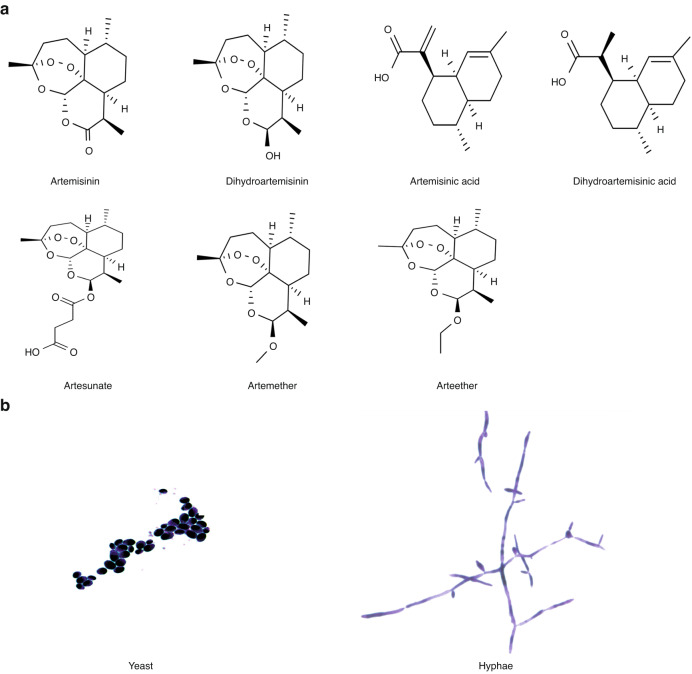
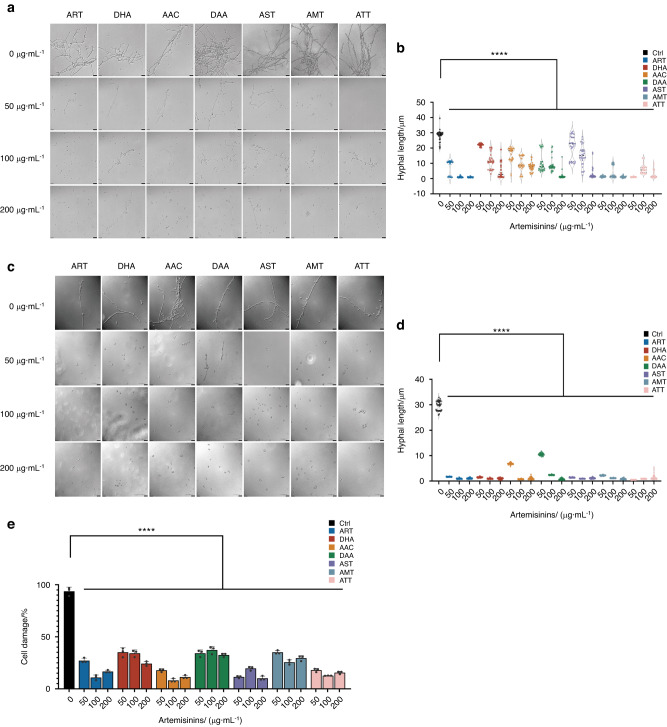
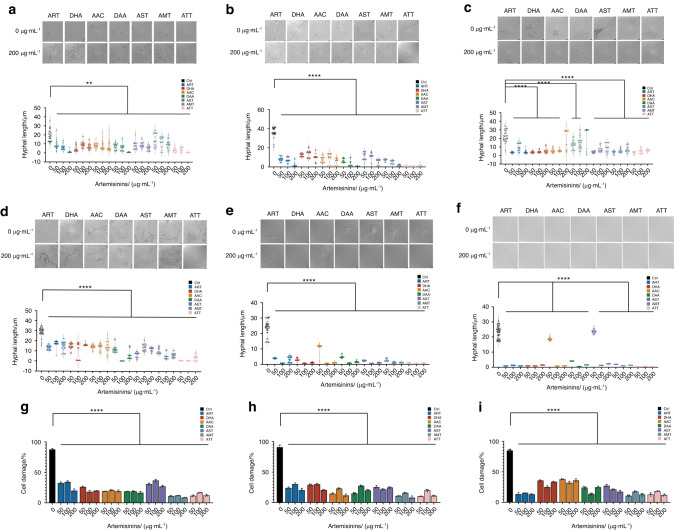
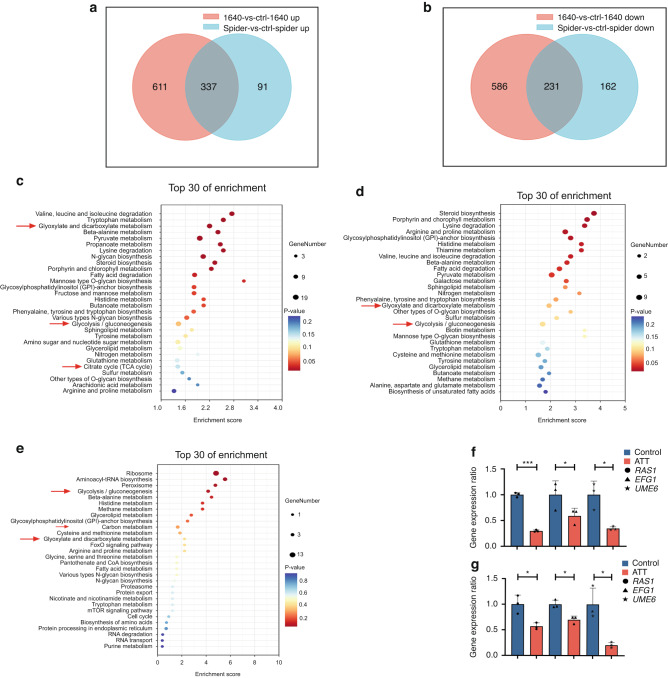
Candida albicans is the most abundant fungal species in oral cavity. As a smart opportunistic pathogen, it increases the virulence by switching its forms from yeasts to hyphae and becomes the major pathogenic agent for oral candidiasis. However, the overuse of current clinical antifungals and lack of new types of drugs highlight the challenges in the antifungal treatments because of the drug resistance and side effects. Anti-virulence strategy is proved as a practical way to develop new types of anti-infective drugs. Here, seven artemisinins, including artemisinin, dihydroartemisinin, artemisinic acid, dihydroartemisinic acid, artesunate, artemether and arteether, were employed to target at the hyphal development, the most important virulence factor of C. albicans. Artemisinins failed to affect the growth, but significantly inhibited the hyphal development of C. albicans, including the clinical azole resistant isolates, and reduced their damage to oral epithelial cells, while arteether showed the strongest activities. The transcriptome suggested that arteether could affect the energy metabolism of C. albicans. Seven artemisinins were then proved to significantly inhibit the productions of ATP and cAMP, while reduced the hyphal inhibition on RAS1 overexpression strain indicating that artemisinins regulated the Ras1-cAMP-Efg1 pathway to inhibit the hyphal development. Importantly, arteether significantly inhibited the fungal burden and infections with no systemic toxicity in the murine oropharyngeal candidiasis models in vivo caused by both fluconazole sensitive and resistant strains. Our results for the first time indicated that artemisinins can be potential antifungal compounds against C. albicans infections by targeting at its hyphal development.
Overview
The claims and statistics of this paper haven’t been checked yet.
Free: it reads the open-access text and checks the first 5 claims that cite a source we can check. Create a free account to check every claim.
Integrity signals
Registry
Cites
Statistics
Figures
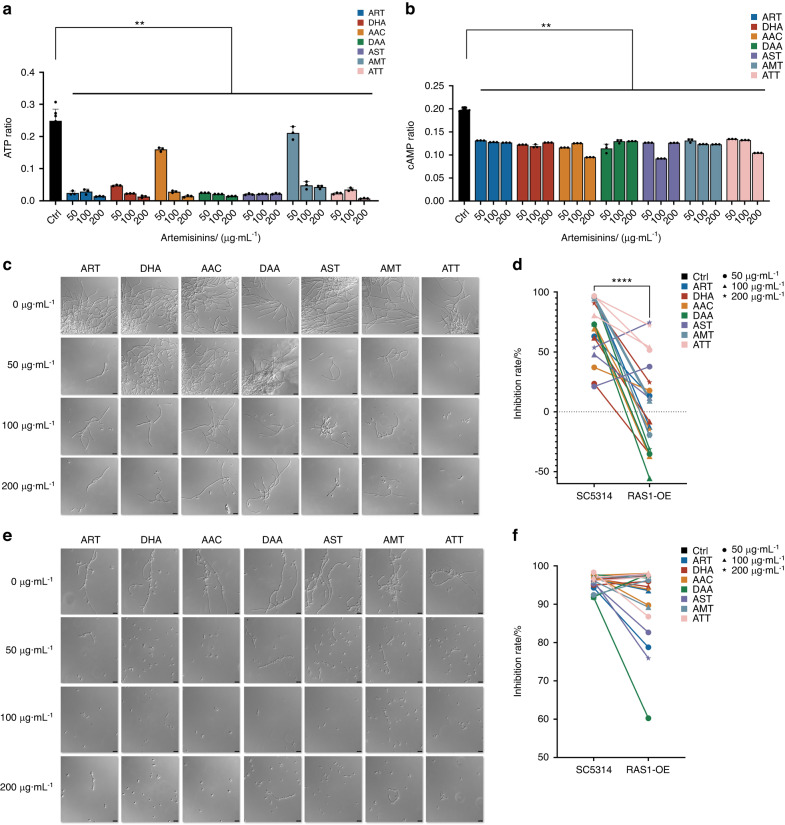
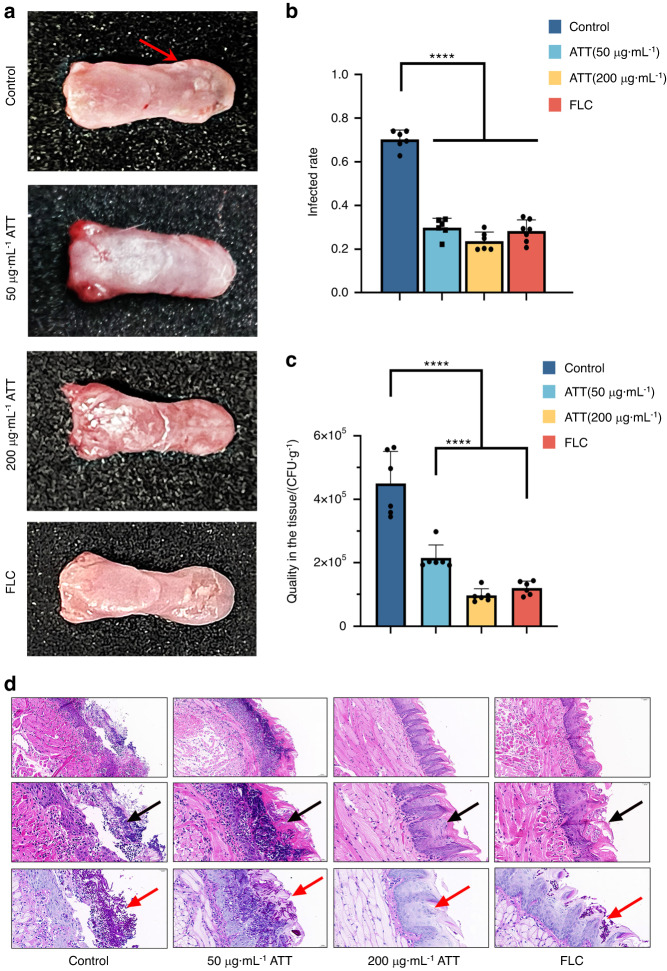
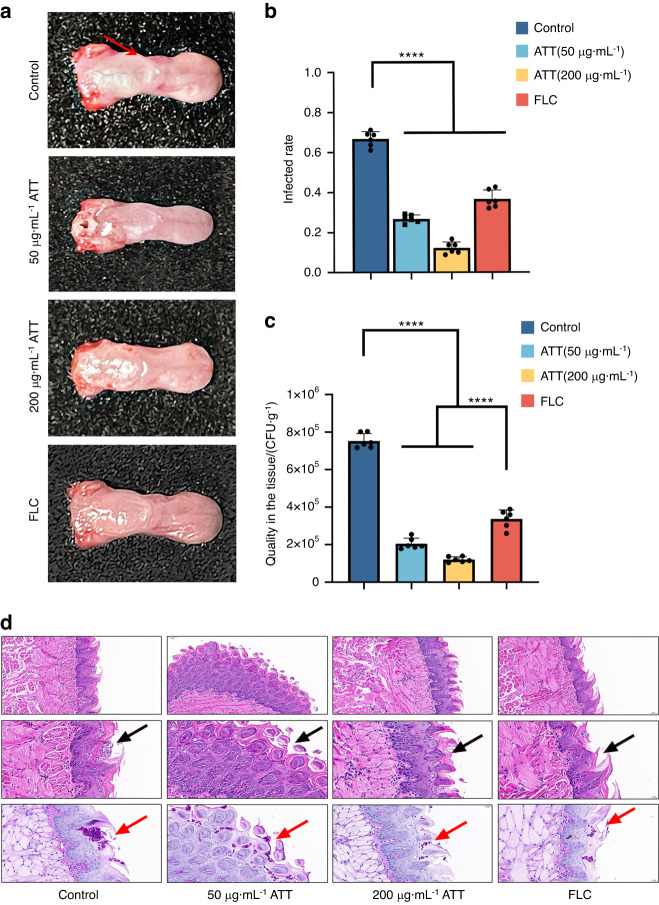
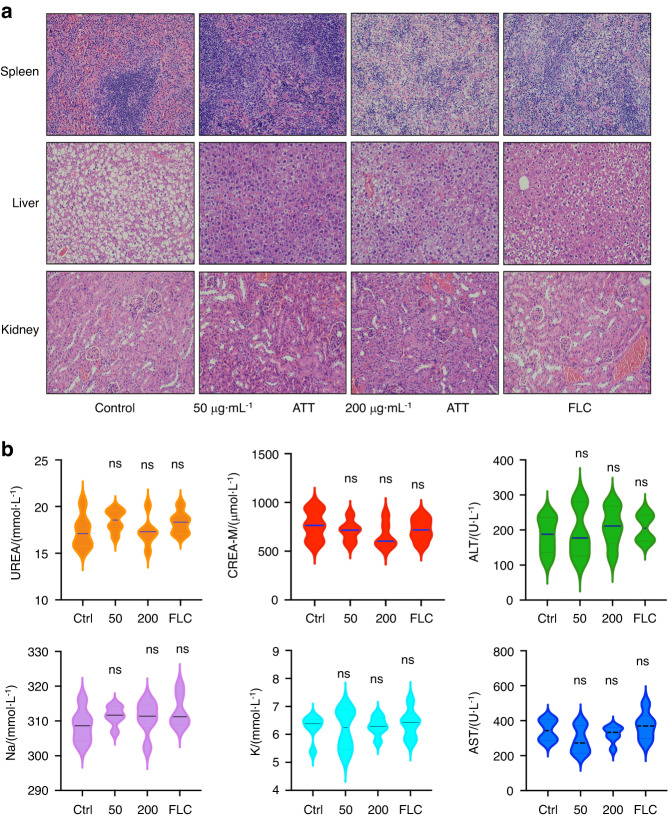
Verification
Claims the paper makes
The claims and statistics of this paper haven’t been checked yet.
Free: it reads the open-access text and checks the first 5 claims that cite a source we can check. Create a free account to check every claim.
Self-check
Percentages, sums and reported differences re-computed from the paper’s own numbers.
The self-check needs the paper’s full text.
Citations
Cites
Hidden Killers: Human Fungal Infections
Brown, G. D., Denning, D. W., Gow, N. A. R., Levitz, S. M., Netea, M. G., & White, T. C. (2012) · Science Translational Medicine · doi:10.1126/scitranslmed.3004404 · Cited by 4,284
Tackling the emerging threat of antifungal resistance to human health
Fisher, M. C., Alastruey-Izquierdo, A., Berman, J., Bicanic, T., Bignell, E. M., Bowyer, P., Bromley, M., Brüggemann, R., Garber, G., Cornely, O. A., et al. (2022) · Nature Reviews Microbiology · doi:10.1038/s41579-022-00720-1 · Cited by 1,179
Characterization of the oral fungal microbiome (mycobiome) in healthy individuals
Ghannoum, M. A., Jurevic, R. J., Mukherjee, P. K., Cui, F., Sikaroodi, M., Naqvi, A., & Gillevet, P. M. (2010) · PLoS Pathogens · doi:10.1371/journal.ppat.1000713 · Cited by 1,150 · cited 1×
“INTRODUCTION Candida albicans is one of the most common fungal species from human mycobiome.(1,2) It can colonize at multiple body sites, such as oral cavity, skin, gastrointestinal and vaginal tracts.”
BackgroundThe global problem of antifungal resistance: prevalence, mechanisms, and management
Perlin, D. S., Rautemaa-Richardson, R., & Alastruey-Izquierdo, A. (2017) · The Lancet Infectious Diseases · doi:10.1016/s1473-3099(17)30316-x · Cited by 1,055
Artemisinins target the SERCA of Plasmodium falciparum
Eckstein-Ludwig, U., Webb, R. J., van Goethem, I. D. A., East, J. M., Lee, A. G., Kimura, M., O'Neill, P. M., Bray, P. G., Ward, S. A., & Krishna, S. (2003) · Nature · doi:10.1038/nature01813 · Cited by 1,027 · cited 1×
“…activities on the of ATP and cAMP indicating that the endo-peroxide bridge, which is the major molecular portion against malarial parasite, 71,72 was not the key structure for the actions of artemisinins on C. albicans , suggesting new promising bioactivities of artemisinins, especially on…”
BackgroundCandidalysin is a fungal peptide toxin critical for mucosal infection
Moyes, D. L., Wilson, D., Richardson, J. P., Mogavero, S., Tang, S. X., Wernecke, J., Höfs, S., Gratacap, R. L., Robbins, J., Runglall, M., et al. (2016) · Nature · doi:10.1038/nature17625 · Cited by 942
Emerging opportunistic yeast infections
Miceli, M. H., Díaz, J. A., & Lee, S. A. (2011) · The Lancet Infectious Diseases · doi:10.1016/s1473-3099(10)70218-8 · Cited by 811 · cited 1×
“…populations, including HIV infected patients, cancer patients after the radiation and chemotherapy, organ transplantation patients, etc. 5 – 7 C. albicans can induce the super fi cial infection in skin or oral cavity, but it can also cause the systematic infection, such as candidemia.”
BackgroundAntifungal Drug Resistance: Molecular Mechanisms in Candida albicans and Beyond
Lee, Y., Puumala, E., Robbins, N., & Cowen, L. E. (2021) · Chemical Reviews · doi:10.1021/acs.chemrev.0c00199 · Cited by 801
Different drugs for bad bugs: antivirulence strategies in the age of antibiotic resistance
Dickey, S. W., Cheung, G. Y. C., & Otto, M. (2017) · Nature Reviews Drug Discovery · doi:10.1038/nrd.2017.23 · Cited by 799 · cited 1×
“In recent years, anti-virulence therapy has been proved to be a practical and promising strategy for infectious diseases by reducing the inductions of drug resistance, toxicities and effects on the balance of human microbiome.(55,56) The anti-virulence therapy can block the infectious process of pathogens and their in…”
BackgroundCandida albicans—The Virulence Factors and Clinical Manifestations of Infection
Talapko, J., Juzbašić, M., Matijević, T., Pustijanac, E., Bekić, S., Kotris, I., & Škrlec, I. (2021) · Journal of Fungi · doi:10.3390/jof7020079 · Cited by 794 · cited 1×
“albicans can induce the superficial infection in skin or oral cavity, but it can also cause the systematic infection, such as candidemia.(8) Oral candidiasis is the most common fungal infectious disease in oral cavity, especially in elderly population, newborn, denture wearers, AIDs patients and head neck cancer patie…”
Background
Cited by
Fangchinoline inhibits growth and biofilm of Candida albicans by inducing ROS overproduction
Yang, L., Wang, X., Ma, Z., Sui, Y., & Liu, X. (2024) · Journal of Cellular and Molecular Medicine · doi:10.1111/jcmm.18354 · Cited by 20
Artesunate—multiple pharmacological effects beyond treating malaria
Chang, Y., Lyu, T., Luan, X., Yang, Y., Cao, Y., Qiu, Y., & Feng, H. (2025) · European Journal of Medicinal Chemistry · doi:10.1016/j.ejmech.2025.117292 · Cited by 24
Şumlu, E., Aydın, M., Korucu, E. N., Alyar, S., & Nsangou, A. M. (2024) · Antibiotics · doi:10.3390/antibiotics13040310 · Cited by 22
“Moreover, Liang et al. showed that artemisinin reduced Candida damage to oral epithelial cells to confirm whether hyphal inhibition could suppress infection capacity [25].”
BackgroundResultInfluentialYang, L., Li, W., Zhong, J., & Liu, X. (2024) · Biomedicine & Pharmacotherapy · doi:10.1016/j.biopha.2024.117352 · Cited by 18
Wang, J., Shen, J., Chen, D., Liao, B., Chen, X., Zong, Y., Wei, Y., Shi, Y., Liu, Y., Gou, L., et al. (2024) · Applied Microbiology and Biotechnology · doi:10.1007/s00253-024-13063-z · Cited by 13
“The hyphal development was analyzed as described previously (Lemberg et al. 2022; Liang et al. 2023).”
Self-citationLactoferrin as a potential therapeutic for the treatment of Candida-associated denture stomatitis
Krupińska, A. M., & Bogucki, Z. A. (2024) · Journal of Oral Biosciences · doi:10.1016/j.job.2024.05.007 · Cited by 12
Janeczko, M., Kochanowicz, E., Górka, K., & Skrzypek, T. (2024) · Microbiology Spectrum · doi:10.1128/spectrum.03652-23 · Cited by 9
Gao, T., Yu, C., Shi, X., Hu, Y., Chang, Y., Zhang, J., Wang, Y., Zhai, Z., Jia, X., & Mao, Y. (2024) · Frontiers in Pharmacology · doi:10.3389/fphar.2024.1345380 · Cited by 14
Fatima, I., Wakade, G., & Daniell, H. (2025) · Plant Biotechnology Journal · doi:10.1111/pbi.70046 · Cited by 9
Liao, B., Zhang, C., Shen, J., Chen, D., Wang, J., Chen, X., Zhou, Y., Wei, Y., Shi, Y., Gou, L., et al. (2025) · Applied Microbiology and Biotechnology · doi:10.1007/s00253-025-13411-7 · Cited by 7
“Similarly, our prior research showed that arteether significantly reduced fungal burden in murine models of oro-pharyngeal candidiasis without C. albicans growth inhibition in vitro (Liang et al. 2023).”
InfluentialSelf-citationLiu, C., & Shao, J. (2024) · Fitoterapia · doi:10.1016/j.fitote.2024.106139 · Cited by 6
Liu, J., Xia, W., Cheng, J., Geng, Y., Li, W., & Fan, Y. (2025) · Frontiers in Cellular and Infection Microbiology · doi:10.3389/fcimb.2025.1585020 · Cited by 7
Bao, K., Li, Y., Li, Y., Wu, S., Ni, S., Zhao, X., Wang, Y., Liang, Y., Chen, Q., Duan, X., et al. (2025) · Acta Biomaterialia · doi:10.1016/j.actbio.2025.09.003 · Cited by 6
Shen, M., Han, W., Cai, L., Gong, W., & Li, Q. (2025) · Chinese Medical Journal · doi:10.1097/cm9.0000000000003788 · Cited by 4
“[34,35] Notably, several studies have demonstrated that DHA is equipped with endoperoxide bridges that may enhance health conditions by triggering cellular ferroptosis.”
Effect of the Sho1 gene on the pathogenicity of Candida albicans and immune function in vivo
Li, M., Wang, H., Zhao, H., Jiang, M., Cui, M., Jia, K., Lei, D., & Wang, F. (2024) · Heliyon · doi:10.1016/j.heliyon.2024.e38219 · Cited by 4
“C. albicans infection can affect multiple tissues or organs throughout the body, resulting in lesions in various anatomical sites, including oral candidiasis [31], cutaneous candidiasis [32], candidal vaginitis [33], cystitis [34], and candidemia [35].”
BackgroundWei, Y., Zhao, X., Li, C., Fu, J., Gao, W., & Mao, X. (2025) · Microbial Cell Factories · doi:10.1186/s12934-025-02721-0 · Cited by 4
“However, the limited clinical antifungals and the emergence of drug-resistant C. albicans highlight the challenges in the anti-fungal treatments [25].”
Zhao, X. L., Wu, Q., Weng, C., Xu, S., Wang, Y., Yuan, W., Xiong, X., Chen, W., & Wei, X. (2025) · Mycopathologia · doi:10.1007/s11046-025-00990-2 · Cited by 3
“The single colony was then cultured overnight in YPD liquid medium at 200 rpm at 37 °C in a shaker [19].”
Potential Cosmetic Applications of Dihydroartemisinin
Zhao, Y., Chen, M., Zheng, Y., Zhu, L., Wu, C., Ma, Y., Zhao, Y., Zhang, D., Jia, H., & Yang, L. (2026) · Molecules · doi:10.3390/molecules31020228 · Cited by 2
“Previous studies have shown that artemisinins can inhibit Candida albicans hyphal development [26] and disrupt mitochondrial energy metabolism in Saccharomyces cerevisiae by interfering with cellular metabolism [27].”
Yang, H., Hao, M., Wang, X., Zhang, N. S., Ma, T., Zhang, C., Shan, Z., & Shi, C. M. (2026) · Food Control · doi:10.1016/j.foodcont.2026.112164 · Cited by 2
Li, Q., Zhang, Y., Zhu, J., Xu, L., Wang, S., Yang, M., & Zhou, W. (2026) · Chemical Engineering Journal · doi:10.1016/j.cej.2026.175128 · Cited by 1
Wang, S., Zhang, Q., Li, Q., Wang, G., Tan, X., Liang, Y., & Zhu, C. G. (2026) · Mycopathologia · doi:10.1007/s11046-026-01092-3 · Cited by 1
“Hyphal Formation Assay Hyphal development was induced using serum-containing medium [23].”
Self-citationBeje, S., & Mbulawa, Z. Z. A. (2026) · Mycopathologia · doi:10.1007/s11046-026-01069-2 · Cited by 1
Hamron, A. M., Barakat, A. H., Qaed, H. M., Emran, F., & Kushlaf, N. A. (2026) · Al-Farooq Journal of Sciences · doi:10.65405/95gkdw08 · Cited by 6
Shen, J., Zhang, C., Lin, Y., Zhang, C., Zhou, J., Zhou, Y., Gou, L., Liao, G., Zhu, Z., Cheng, L., et al. (2026) · Applied Microbiology and Biotechnology · doi:10.1007/s00253-026-13740-1
“It can also disrupt C. albicans metabolism, leading to downregulation of the cAMP–PKA signaling pathway and inhibition of the yeast-to-hypha transition (Liang et al. 2023).”
Self-citationBADER, S. J., & Hamied, A. S. (2025) · Anais da Academia Brasileira de Ciências · doi:10.1590/0001-3765202520250187
Bader, S. J., Hamied, A. S., & Baqer, N. N. (2025) · Journal of Molecular Histology · doi:10.1007/s10735-025-10650-w
“Microdilution method was used according Liang et al. (2023).”
InfluentialHuang, L., Xi, Y., Yu, M., Li, L., & Chen, P. (2026) · Frontiers in Medicine · doi:10.3389/fmed.2026.1747908
Yang, M., Liu, Y., Xu, K., Wang, P., Wang, A., Zhu, B., Su, L., Zeng, Y., & Zhang, Q. (2026) · International Journal of Antimicrobial Agents · doi:10.1016/j.ijantimicag.2026.107875
Yi, J., Xie, L., Shui, X., Tan, X., Mu, Y., Fei, W., Xiao(李晓), L., Tian, W., & Guo, J. (2026) · Chemical Engineering Journal · doi:10.1016/j.cej.2026.178445
Sun, Y., Li, R., Yin, K., Zhang, J., Zhang, R., Wang, T., Wang, H., Ming, Y., Yang, H., Bi, S., et al. (2026) · Journal of Medicinal Chemistry · doi:10.1021/acs.jmedchem.5c03652
Kang, R., Zhang, Z. X., Sun, P., Xu, X., Djomptchouang, H. T., Bi, Y., Prusky, D., & Kuffi, K. D. (2026) · International Journal of Food Microbiology · doi:10.1016/j.ijfoodmicro.2026.111925 · Cited by 1
Zhou, J., Zhou, Z., Shen, J., Lin, Y., Lei, L., Gou, L., Meng, Z., Zhou, Y., Liao, B., Cheng, L., et al. (2026) · Frontiers in Cellular and Infection Microbiology · doi:10.3389/fcimb.2026.1950360
“Arteether showed particularly strong antihyphal activity and decreased fungal burden and hyphal invasion in vivo (Liang et al., 2023).”
Self-citationWang, Z., 龙胜兰, Du, H., Liu, X., Li, Y., Jiang, Q., Cai, L., Zhou, J., & Yang, D. (2026) · Journal of Oral Microbiology · doi:10.1080/20002297.2026.2739029
“As previously described [28,30] On the day of infection, the mice were intraperitoneally injected with 5% chloral hydrate (10 mL/kg).”
Self-citationFlores-Maldonado, O. E., Treviño‐Rangel, R. D. J., Alvarado-Cortes, R., Prado-Martínez, S., & Ríos-López, A. L. (2026) · Medicina e Investigación Universidad Autónoma del Estado de México · doi:10.36677/medicinainvestigacion.v14i2.26248
“13 14-17 Similarly, quinic acid and undecanoic acid have shown activity in blocking hyphal growth of C. albicans and Candida tropicalis .”
Metadata
- Authors
- Liang, X., Chen, D., Wang, J., Liao, B., Shen, J., Ye, X., Wang, Z., Zhu, C., Gou, L., Zhou, X., Cheng, L., Ren, B., & Zhou, X.
- Affiliations
- Sichuan University (CN)
- Corresponding author
- Ren, Biao
- Zhou, Xuedong
- Venue
- International Journal of Oral Science
- Published
- 2023-09-12
- Volume
- 15
- Issue
- 1
- Pages
- 40-40
- ISSN
- 1674-2818 (ISSN-L)
- 2049-3169
- PMC
- PMC10497628
- OpenAlex
- W4386638324
- Semantic Scholar
- 7bf7fcf57c910f4115dfe6576fe53583a0db02fa
- Cited by
- 32
- References
- 78
- Citations by year
- 2026: 13 · 2025: 10 · 2024: 9
- FWCI
- 6.59
- Type
- journal article
- Language
- en
- Open access
- gold
- doi.org
- Licence
- cc-by
- creativecommons.org/licenses/by/4.0 (tdm)
- creativecommons.org/licenses/by/4.0 (vor)
- Locations
- International Journal of Oral Science (publishedVersion, cc-by)
- PubMed Central (publishedVersion, cc-by)
- PubMed (publishedVersion)
- DOAJ (DOAJ: Directory of Open Access Journals) (submittedVersion, cc-by-sa)
- Funders
- National Natural Science Foundation of China (82071106, 81870778, 82201046, 82271033, 81991500, 81991501)
- Department of Science and Technology of Sichuan Province (2021YFQ0064)
- Basic Research Programs of Sichuan Province (2020YJ0227)
- Topics
- Health Sciences › Medicine › Infectious Diseases › Antifungal resistance and susceptibility
- Life Sciences › Biochemistry, Genetics and Molecular Biology › Molecular Biology › Fungal and yeast genetics research
- Health Sciences › Medicine › Infectious Diseases › Fungal Infections and Studies
- Keywords
- artemisinin, oral candidiasis, Candida albicans, hyphal development, anti-virulence strategies, arteether, azole resistance, energy metabolism, antifungal resistance, oropharyngeal candidiasis, transcriptome
- MeSH terms
- Animals, Antifungal Agents, Candida albicans, Candidiasis, Oral, Hyphae, Artemisinins, Mice
About these checks
Registry, retraction, Cites and statistics results are computed, not judged, with one exception: a printed reference that no index lists is read once by a model before it counts as a citation error. Claims are extracted by a model and kept only when their quote appears verbatim in the text; each cited source is then checked, with a model’s help, for whether it says what the claim relies on. Those verdicts can be wrong — read the claim’s quote and the cited source before relying on one.
Statistics and arithmetic are recomputed, not judged.
Confidence bands are shown only for fields calibrated on our annotated test set. None is calibrated yet, so no band is shown.
What counts as a claim ›How we measure confidence ›How we check this ›
Are you an author, or do you see a problem with this page? Request a review
Data sources
Bibliographic data: Semantic Scholar, OpenAlex, Crossref.
Contains information from the Semantic Scholar Academic Graph Datasets, made available under the ODC Attribution License (ODC-BY 1.0).
Semantic Scholar’s data is described in: Kinney, R., et al. (2023). The Semantic Scholar Open Data Platform. arXiv:2301.10140.
