

Artemisinins inhibit oral candidiasis caused by Candida albicans through the repression on its hyphal development
Open accessThe DOI matches its Crossref record; 78 of the 78 references it cites were found in a registry or an index.
Abstract
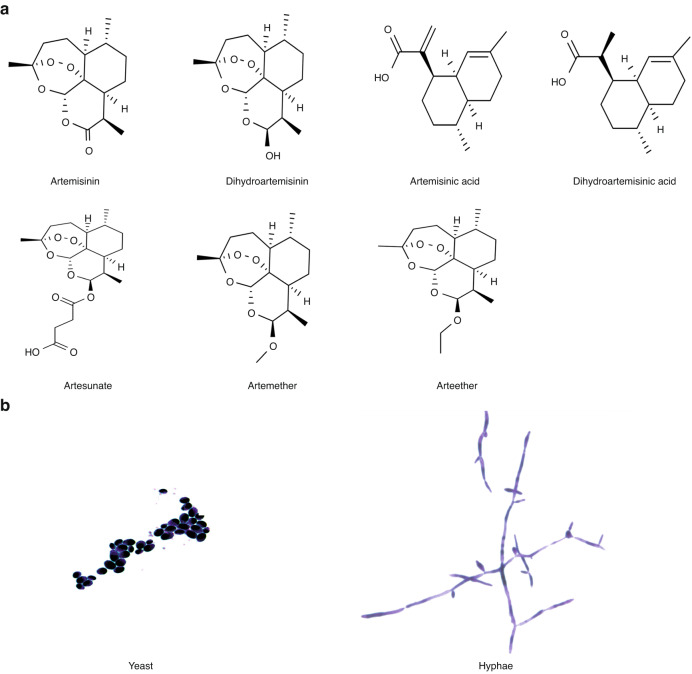
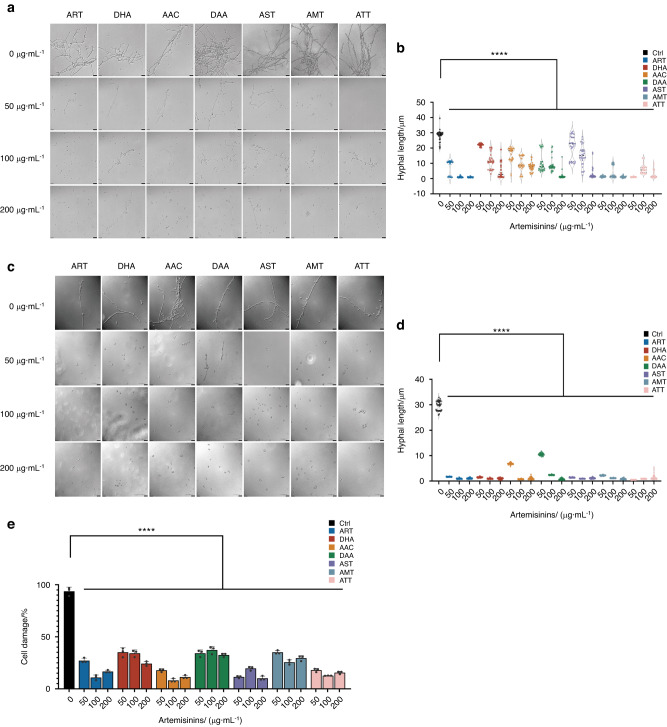
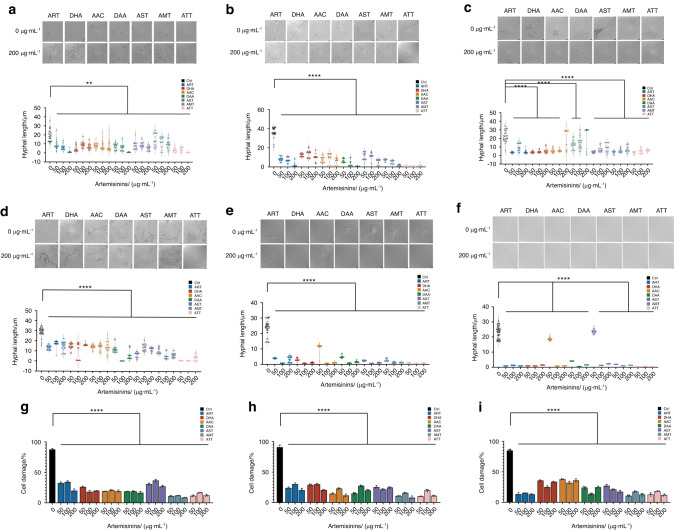
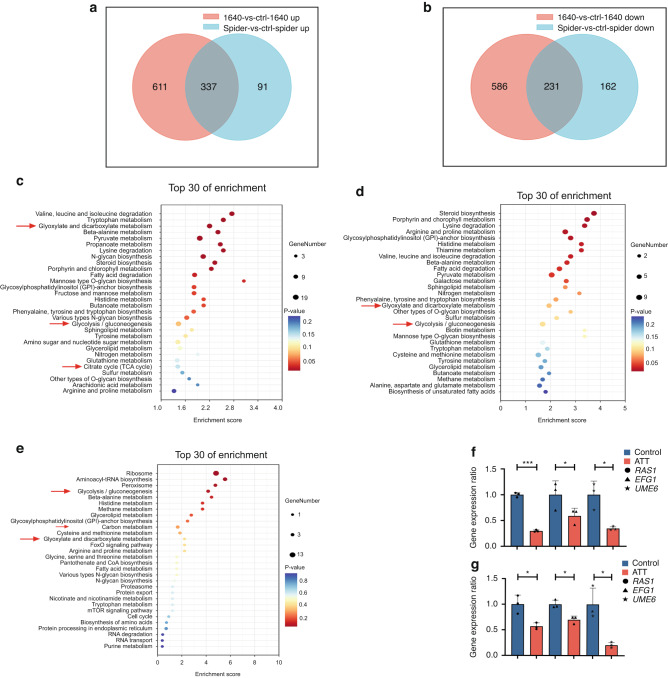
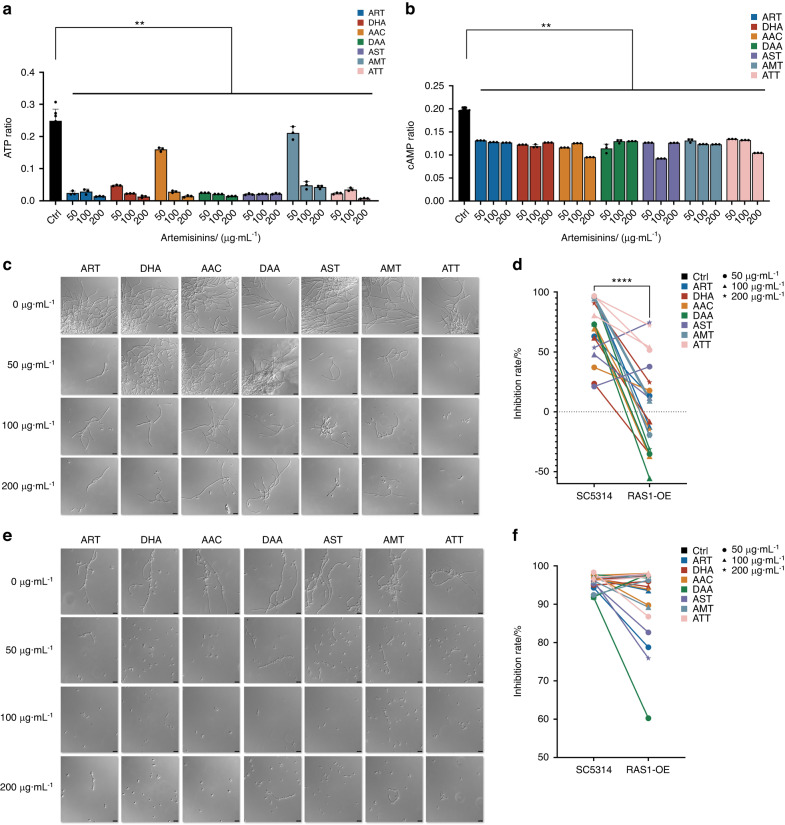
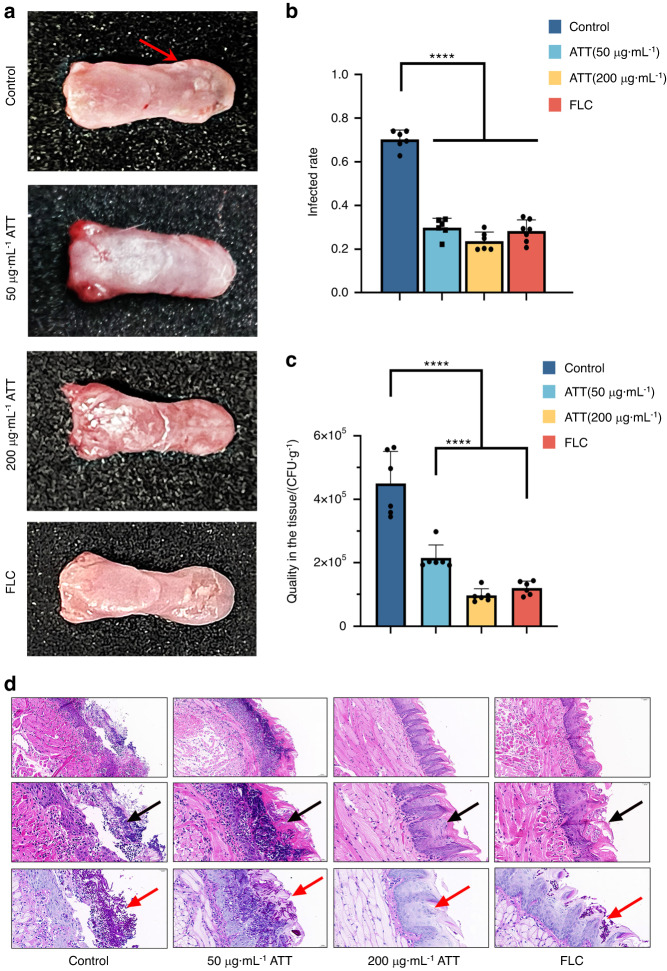
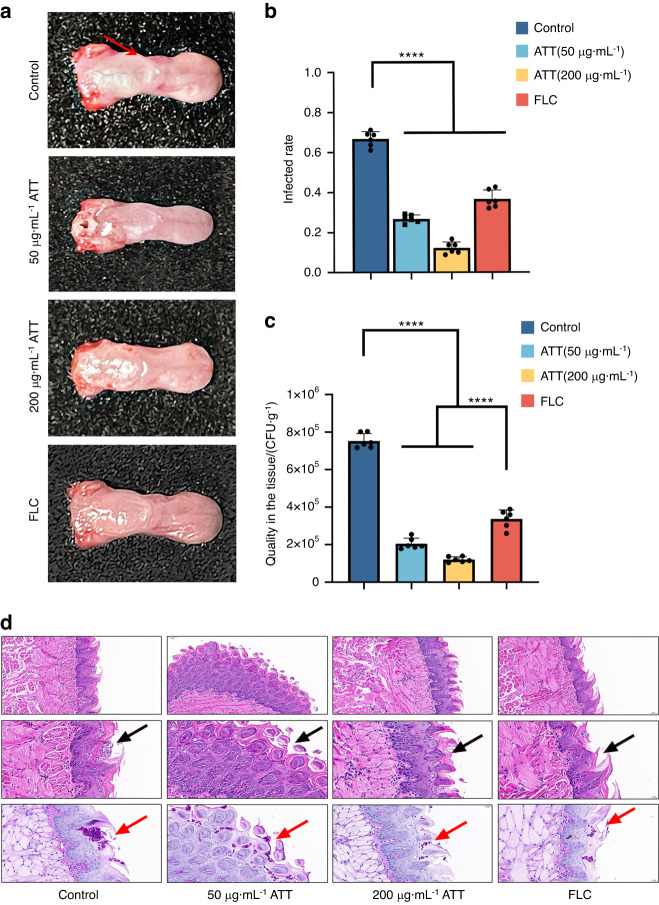
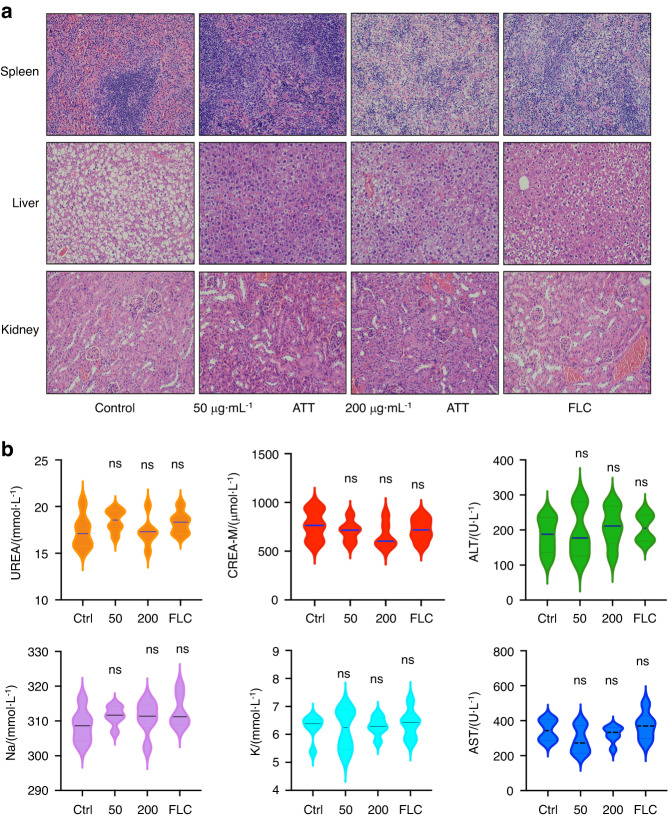
Candida albicans is the most abundant fungal species in oral cavity. As a smart opportunistic pathogen, it increases the virulence by switching its forms from yeasts to hyphae and becomes the major pathogenic agent for oral candidiasis. However, the overuse of current clinical antifungals and lack of new types of drugs highlight the challenges in the antifungal treatments because of the drug resistance and side effects. Anti-virulence strategy is proved as a practical way to develop new types of anti-infective drugs. Here, seven artemisinins, including artemisinin, dihydroartemisinin, artemisinic acid, dihydroartemisinic acid, artesunate, artemether and arteether, were employed to target at the hyphal development, the most important virulence factor of C. albicans. Artemisinins failed to affect the growth, but significantly inhibited the hyphal development of C. albicans, including the clinical azole resistant isolates, and reduced their damage to oral epithelial cells, while arteether showed the strongest activities. The transcriptome suggested that arteether could affect the energy metabolism of C. albicans. Seven artemisinins were then proved to significantly inhibit the productions of ATP and cAMP, while reduced the hyphal inhibition on RAS1 overexpression strain indicating that artemisinins regulated the Ras1-cAMP-Efg1 pathway to inhibit the hyphal development. Importantly, arteether significantly inhibited the fungal burden and infections with no systemic toxicity in the murine oropharyngeal candidiasis models in vivo caused by both fluconazole sensitive and resistant strains. Our results for the first time indicated that artemisinins can be potential antifungal compounds against C. albicans infections by targeting at its hyphal development.
Overview
The claims and statistics of this paper haven’t been checked yet.
Free: it reads the open-access text and checks the first 5 claims that cite a source we can check. Create a free account to check every claim.
Integrity signals
Registry
Cites
Statistics
Figures
Verification
Claims the paper makes
The claims and statistics of this paper haven’t been checked yet.
Free: it reads the open-access text and checks the first 5 claims that cite a source we can check. Create a free account to check every claim.
Self-check
Percentages, sums and reported differences re-computed from the paper’s own numbers.
The self-check needs the paper’s full text.
Citations
Cites
Hidden Killers: Human Fungal Infections
Brown, G. D., Denning, D. W., Gow, N. A. R., Levitz, S. M., Netea, M. G., & White, T. C. (2012) · Science Translational Medicine · doi:10.1126/scitranslmed.3004404 · Cited by 4,284
Tackling the emerging threat of antifungal resistance to human health
Fisher, M. C., Alastruey-Izquierdo, A., Berman, J., Bicanic, T., Bignell, E. M., Bowyer, P., Bromley, M., Brüggemann, R., Garber, G., Cornely, O. A., et al. (2022) · Nature Reviews Microbiology · doi:10.1038/s41579-022-00720-1 · Cited by 1,179
Characterization of the oral fungal microbiome (mycobiome) in healthy individuals
Ghannoum, M. A., Jurevic, R. J., Mukherjee, P. K., Cui, F., Sikaroodi, M., Naqvi, A., & Gillevet, P. M. (2010) · PLoS Pathogens · doi:10.1371/journal.ppat.1000713 · Cited by 1,150 · cited 1×
“INTRODUCTION Candida albicans is one of the most common fungal species from human mycobiome.(1,2) It can colonize at multiple body sites, such as oral cavity, skin, gastrointestinal and vaginal tracts.”
BackgroundThe global problem of antifungal resistance: prevalence, mechanisms, and management
Perlin, D. S., Rautemaa-Richardson, R., & Alastruey-Izquierdo, A. (2017) · The Lancet Infectious Diseases · doi:10.1016/s1473-3099(17)30316-x · Cited by 1,055
Artemisinins target the SERCA of Plasmodium falciparum
Eckstein-Ludwig, U., Webb, R. J., van Goethem, I. D. A., East, J. M., Lee, A. G., Kimura, M., O'Neill, P. M., Bray, P. G., Ward, S. A., & Krishna, S. (2003) · Nature · doi:10.1038/nature01813 · Cited by 1,027 · cited 1×
“…activities on the of ATP and cAMP indicating that the endo-peroxide bridge, which is the major molecular portion against malarial parasite, 71,72 was not the key structure for the actions of artemisinins on C. albicans , suggesting new promising bioactivities of artemisinins, especially on…”
BackgroundCandidalysin is a fungal peptide toxin critical for mucosal infection
Moyes, D. L., Wilson, D., Richardson, J. P., Mogavero, S., Tang, S. X., Wernecke, J., Höfs, S., Gratacap, R. L., Robbins, J., Runglall, M., et al. (2016) · Nature · doi:10.1038/nature17625 · Cited by 942
Emerging opportunistic yeast infections
Miceli, M. H., Díaz, J. A., & Lee, S. A. (2011) · The Lancet Infectious Diseases · doi:10.1016/s1473-3099(10)70218-8 · Cited by 811 · cited 1×
“…populations, including HIV infected patients, cancer patients after the radiation and chemotherapy, organ transplantation patients, etc. 5 – 7 C. albicans can induce the super fi cial infection in skin or oral cavity, but it can also cause the systematic infection, such as candidemia.”
BackgroundAntifungal Drug Resistance: Molecular Mechanisms in Candida albicans and Beyond
Lee, Y., Puumala, E., Robbins, N., & Cowen, L. E. (2021) · Chemical Reviews · doi:10.1021/acs.chemrev.0c00199 · Cited by 801
Different drugs for bad bugs: antivirulence strategies in the age of antibiotic resistance
Dickey, S. W., Cheung, G. Y. C., & Otto, M. (2017) · Nature Reviews Drug Discovery · doi:10.1038/nrd.2017.23 · Cited by 799 · cited 1×
“In recent years, anti-virulence therapy has been proved to be a practical and promising strategy for infectious diseases by reducing the inductions of drug resistance, toxicities and effects on the balance of human microbiome.(55,56) The anti-virulence therapy can block the infectious process of pathogens and their in…”
BackgroundCandida albicans—The Virulence Factors and Clinical Manifestations of Infection
Talapko, J., Juzbašić, M., Matijević, T., Pustijanac, E., Bekić, S., Kotris, I., & Škrlec, I. (2021) · Journal of Fungi · doi:10.3390/jof7020079 · Cited by 794 · cited 1×
“albicans can induce the superficial infection in skin or oral cavity, but it can also cause the systematic infection, such as candidemia.(8) Oral candidiasis is the most common fungal infectious disease in oral cavity, especially in elderly population, newborn, denture wearers, AIDs patients and head neck cancer patie…”
BackgroundThe biology and future prospects of antivirulence therapies
Cegelski, L., Marshall, G. R., Eldridge, G. R., & Hultgren, S. J. (2008) · Nature Reviews Microbiology · doi:10.1038/nrmicro1818 · Cited by 788 · cited 2×
“55,56 The anti-virulence therapy can block the infectious process of pathogens and their interactions with the host without directly killing or affecting their growth.”
BackgroundCandida auris: Epidemiology, biology, antifungal resistance, and virulence
Du, H., Bing, J., Hu, T., Ennis, C. L., Nobile, C. J., & Huang, G. (2020) · PLOS Pathogens · doi:10.1371/journal.ppat.1008921 · Cited by 609
Amphotericin primarily kills yeast by simply binding ergosterol
Gray, K. C., Palacios, D. S., Dailey, I., Endo, M. M., Uno, B. E., Wilcock, B. C., & Burke, M. D. (2012) · Proceedings of the National Academy of Sciences · doi:10.1073/pnas.1117280109 · Cited by 608 · cited 1×
“46 Echinocandins inhibit the enzyme activity of 1,3-β -D-glucan synthase to block the cell wall biosynthesis.”
BackgroundA Candida auris Outbreak and Its Control in an Intensive Care Setting
Eyre, D. W., Sheppard, A. E., Madder, H., Moir, I., Moroney, R., Quan, T. P., Griffiths, D., George, S., Butcher, L., Morgan, M., et al. (2018) · New England Journal of Medicine · doi:10.1056/nejmoa1714373 · Cited by 517 · cited 1×
“…drugs with novel mechanisms and overuse of current clinical antifungal drugs have challenged current treatments and increased the fungal infections caused by drug resistant strains, and even new natural resistant species have been identi fi ed in clinical, such as C. auris 62,63 and C. vulturna .”
BackgroundAntifungal drug resistance: evolution, mechanisms and impact
Revie, N. M., Iyer, K. R., Robbins, N., & Cowen, L. E. (2018) · Current Opinion in Microbiology · doi:10.1016/j.mib.2018.02.005 · Cited by 516
Pathogenesis and virulence of Candida albicans
Lopes, J. P., & Lionakis, M. S. (2022) · Virulence · doi:10.1080/21505594.2021.2019950 · Cited by 477 · cited 1×
“It can colonize at multiple body sites, such as oral cavity, skin, gastrointestinal and vaginal tracts.(3,4) The fungal infectious diseases caused by C.”
BackgroundThe Antifungal Pipeline: Fosmanogepix, Ibrexafungerp, Olorofim, Opelconazole, and Rezafungin
Hoenigl, M., Sprute, R., Egger, M., Arastehfar, A., Cornely, O. A., Krause, R., Lass-Flörl, C., Prattes, J., Spec, A., Thompson, G. R., et al. (2021) · Drugs · doi:10.1007/s40265-021-01611-0 · Cited by 467
A pan-cancer mycobiome analysis reveals fungal involvement in gastrointestinal and lung tumors
Dohlman, A. B., Klug, J., Mesko, M., Gao, I. H., Lipkin, S. M., Shen, X., & Iliev, I. D. (2022) · Cell · doi:10.1016/j.cell.2022.09.015 · Cited by 413 · cited 1×
“9,10 13 During the infectious process, the hyphal development of C. albicans is the most important virulent factors.”
BackgroundThe WHO fungal priority pathogens list as a game-changer
Fisher, M. C., & Denning, D. W. (2023) · Nature Reviews Microbiology · doi:10.1038/s41579-023-00861-x · Cited by 399
Ras Signaling Is Required for Serum-Induced Hyphal Differentiation in Candida albicans
Feng, Q., Summers, E., Guo, B., & Fink, G. (1999) · Journal of Bacteriology · doi:10.1128/jb.181.20.6339-6346.1999 · Cited by 346
Fleitas Martínez, O., Cardoso, M. H., Ribeiro, S. M., & Franco, O. L. (2019) · Frontiers in Cellular and Infection Microbiology · doi:10.3389/fcimb.2019.00074 · Cited by 304 · cited 1×
“The anti-virulence therapy can block the infectious process of pathogens and their interactions with the host without directly killing or affecting their growth.(55,57) Traditional Chinese Medicines (TCMs) are efficacious resources for the development of anti-virulence drugs due to its abundant structures, low toxicit…”
BackgroundKasper, L., König, A., Koenig, P.-A., Gresnigt, M. S., Westman, J., Drummond, R. A., Lionakis, M. S., Groß, O., Ruland, J., Naglik, J. R., et al. (2018) · Nature Communications · doi:10.1038/s41467-018-06607-1 · Cited by 297
Xu, X.-L., Lee, R. T. H., Fang, H.-M., Wang, Y.-M., Li, R., Zou, H., Zhu, Y., & Wang, Y. (2008) · Cell Host & Microbe · doi:10.1016/j.chom.2008.05.014 · Cited by 289 · cited 1×
“33 38 The cAMP level in C. albicans cells is the key signal for the activation of Ras1-cAMP-Efg1 pathway.”
BackgroundKöhler, J. R., & Fink, G. R. (1996) · Proceedings of the National Academy of Sciences · doi:10.1073/pnas.93.23.13223 · Cited by 283
The regulation of hyphae growth in Candida albicans
Chen, H., Zhou, X., Ren, B., & Cheng, L. (2020) · Virulence · doi:10.1080/21505594.2020.1748930 · Cited by 277 · cited 2×
“11,15,16 22 Several pathways have been identi fi ed to involve in the regulation of C. albicans hyphal development, 14 including Cek MAPK (mitogen-activated protein kinase) pathway, 23 pH-response pathway, 24 Hog MAPK pathway, 25,26 Tup1-mediated pathway 27 and Ras1-cAMP-Efg1 pathway.”
BackgroundSelf-citationDavis‐Hanna, A., Piispanen, A. E., Stateva, L. I., & Hogan, D. A. (2008) · Molecular Microbiology · doi:10.1111/j.1365-2958.2007.06013.x · Cited by 250 · cited 1×
“28 The Ras1-cAMP-Efg1 pathway plays key roles in the morphological development of C. albicans for the response to energy metabolism, glycogen biosynthesis, mitochondrial metabolism, etc. 29 – 32 Brie fl y, Ras1 can activate the adenylyl cyclase (Cyr1) to hydrolyze the ATP to produce cAMP.”
BackgroundTranscriptional control of dimorphism in Candida albicans
Liu, H. (2001) · Current Opinion in Microbiology · doi:10.1016/s1369-5274(01)00275-2 · Cited by 244
Adaptation to environmental pH in Candida albicans and its relation to pathogenesis
Davis, D. (2003) · Current Genetics · doi:10.1007/s00294-003-0415-2 · Cited by 196
Synergistic combinations of antifungals and anti-virulence agents to fight against Candida albicans
Cui, J., Ren, B., Tong, Y., Dai, H., & Zhang, L. (2015) · Virulence · doi:10.1080/21505594.2015.1039885 · Cited by 171
Self-citationOral Cavity and Candida albicans: Colonisation to the Development of Infection
Patel, M. (2022) · Pathogens · doi:10.3390/pathogens11030335 · Cited by 170 · cited 1×
“albicans is the major pathogenic agent.(9,10) C.”
Sundstrom, P. (1999) · Current Opinion in Microbiology · doi:10.1016/s1369-5274(99)80062-9 · Cited by 167 · cited 1×
“albicans can enhance the adhesion to oral epithelial cells by produce adhesins, such as agglutinin-like sequence (Als) family of proteins.(11,15,16) It also penetrates the oral epithelial cells through the mechanical damage and the secretion of fungal toxin, such as candidalysin.”
BackgroundCandida albicans–epithelial interactions and induction of mucosal innate immunity
Naglik, J. R., König, A., Hube, B., & Gaffen, S. L. (2017) · Current Opinion in Microbiology · doi:10.1016/j.mib.2017.10.030 · Cited by 163 · cited 1×
“11,15,16 22 Several pathways have been identi fi ed to involve in the regulation of C. albicans hyphal development, 14 including Cek MAPK (mitogen-activated protein kinase) pathway, 23 pH-response pathway, 24 Hog MAPK pathway, 25,26 Tup1-mediated pathway 27 and Ras1-cAMP-Efg1 pathway.”
BackgroundEmerging Antifungal Targets and Strategies
Ivanov, M., Ćirić, A., & Stojković, D. (2022) · International Journal of Molecular Sciences · doi:10.3390/ijms23052756 · Cited by 160 · cited 2×
“39,40 43 There are three major types of antifungal drugs in clinical, including azoles, polyenes and echinocandins.”
BackgroundJo, E., Jang, H., Yang, K. E., Jang, M. S., Huh, Y. H., Yoo, H., Park, J.-S., Jang, I., & Park, S.-J. (2020) · BMC Complementary Medicine and Therapies · doi:10.1186/s12906-019-2780-5 · Cited by 154
Hartwig, C. L., Rosenthal, A. S., D’Angelo, J. G., Griffin, C. E., Posner, G. H., & Cooper, R. A. (2008) · Biochemical Pharmacology · doi:10.1016/j.bcp.2008.10.015 · Cited by 147
Artemisinins: activities and actions
Haynes, R. K., & Krishna, S. (2004) · Microbes and Infection · doi:10.1016/j.micinf.2004.09.002 · Cited by 140 · cited 1×
“69,70 Previously, we have revealed for the fi rst time that ART could upregulate the ergosterol biosynthesis pathway to enhance the ergosterol levels and then increase the binding between C. albicans cells and polyene antifungals to synergize with amphotericin B against oral candidiasis.”
BackgroundThe Future of Antifungal Drug Therapy: Novel Compounds and Targets
Mota Fernandes, C., Dasilva, D., Haranahalli, K., McCarthy, J. B., Mallamo, J., Ojima, I., & Del Poeta, M. (2021) · Antimicrobial Agents and Chemotherapy · doi:10.1128/aac.01719-20 · Cited by 124
Echinocandin inhibition of 1,3‐β‐D‐glucan synthase from Candida albicans
Sawistowska-Schröder, E. T., Kerridge, D., & Perry, H. (1984) · FEBS Letters · doi:10.1016/0014-5793(84)81032-7 · Cited by 123 · cited 1×
“47,48 49 – 51 In 2021, FDA has approved a novel class of antifungal drug for vulvovaginal candidiasis named “ Ibrexafungerp ” , a triterpenoids compound, but it has the similar action with echinocandins targeting at 1,3-β -D-glucan synthase with different binding site.”
BackgroundMultiple roles and diverse regulation of the Ras/cAMP/protein kinase A pathway in Candida albicans
Huang, G., Huang, Q., Wei, Y., Wang, Y., & Du, H. (2019) · Molecular Microbiology · doi:10.1111/mmi.14148 · Cited by 116 · cited 3×
“30,32,39,40 ATP and cAMP are critical signaling molecules to activate this pathway.”
BackgroundOropharyngeal Candidiasis: Fungal Invasion and Epithelial Cell Responses
Swidergall, M., & Filler, S. G. (2017) · PLOS Pathogens · doi:10.1371/journal.ppat.1006056 · Cited by 112 · cited 1×
“albicans is the major pathogenic agent.(9,10) C.”
The Human Mycobiome: Colonization, Composition and the Role in Health and Disease
Belvoncikova, P., Splichalova, P., Videnska, P., & Gardlik, R. (2022) · Journal of Fungi · doi:10.3390/jof8101046 · Cited by 110
Wang, H., Chu, W., Ye, C., Gaëta, B. A., Tao, H., Wang, M., & Qiu, Z. (2018) · Applied Microbiology and Biotechnology · doi:10.1007/s00253-018-9482-7 · Cited by 105
Echinocandins: structural diversity, biosynthesis, and development of antimycotics
Hüttel, W. (2021) · Applied Microbiology and Biotechnology · doi:10.1007/s00253-020-11022-y · Cited by 105
Circuit diversification in a biofilm regulatory network
Huang, M. Y., Woolford, C. A., May, G., McManus, C. J., & Mitchell, A. P. (2019) · PLOS Pathogens · doi:10.1371/journal.ppat.1007787 · Cited by 104
Zeidler, U., Lettner, T., Lassnig, C., Müller, M., Lajko, R., Hintner, H., Breitenbach, M., & Bito, A. (2009) · FEMS Yeast Research · doi:10.1111/j.1567-1364.2008.00459.x · Cited by 101
Mitochondrial proline catabolism activates Ras1/cAMP/PKA-induced filamentation in Candida albicans
Silao, F. G. S., Ward, M., Ryman, K., Wallström, A., Brindefalk, B., Udekwu, K., & Ljungdahl, P. O. (2019) · PLOS Genetics · doi:10.1371/journal.pgen.1007976 · Cited by 93 · cited 1×
“ATP and cAMP are critical signaling molecules to activate this pathway.(29,32,40) In this study, we for the first time found themechanism of artemisinins on C.”
BackgroundFang, H., & Wang, Y. (2006) · Molecular Microbiology · doi:10.1111/j.1365-2958.2006.05248.x · Cited by 83
The Interactions Between Candida albicans and Mucosal Immunity
Zhou, Y., Cheng, L., Lei, Y. L., Ren, B., & Zhou, X. (2021) · Frontiers in Microbiology · doi:10.3389/fmicb.2021.652725 · Cited by 77 · cited 1×
“albicans can enhance the adhesion to oral epithelial cells by produce adhesins, such as agglutinin-like sequence (Als) family of proteins.(11,15,16) It also penetrates the oral epithelial cells through the mechanical damage and the secretion of fungal toxin, such as candidalysin.”
BackgroundSelf-citationOpportunities for plant natural products in infection control
Salam, A. M., & Quave, C. L. (2018) · Current Opinion in Microbiology · doi:10.1016/j.mib.2018.08.004 · Cited by 74 · cited 1×
“68 Artemisinins, traditional antimalarial drugs, have also showed different actions on microbial pathogens.”
BackgroundThe HOG MAPK pathway in Candida albicans: more than an osmosensing pathway
Román, E., Correia, I., Prieto, D., Alonso, R., & Pla, J. (2020) · International Microbiology · doi:10.1007/s10123-019-00069-1 · Cited by 73 · cited 1×
“11,15,16 22 Several pathways have been identi fi ed to involve in the regulation of C. albicans hyphal development, 14 including Cek MAPK (mitogen-activated protein kinase) pathway, 23 pH-response pathway, 24 Hog MAPK pathway, 25,26 Tup1-mediated pathway 27 and Ras1-cAMP-Efg1 pathway.”
BackgroundCloutier, M. (2003) · Fungal Genetics and Biology · doi:10.1016/s1087-1845(02)00520-0 · Cited by 72 · cited 1×
“cAMP then activates the protein kinase A, including Tpk1 and Tpk2 to regulate the activities of the transcription factor Efg1.(34,35) Efg1 furtherly regulates the expression of Ume6, a master regulator of hypha associated genes.”
BackgroundSaftien, A., Puschhof, J., & Elinav, E. (2023) · Gut · doi:10.1136/gutjnl-2022-327952 · Cited by 70
One population, multiple lifestyles: Commensalism and pathogenesis in the human mycobiome
Proctor, D. M., Drummond, R. A., Lionakis, M. S., & Segre, J. A. (2023) · Cell Host & Microbe · doi:10.1016/j.chom.2023.02.010 · Cited by 68 · cited 2×
“albicans is the most important virulent factors.(4,14) The hyphal forms of C.”
BackgroundZhou, Y., Liao, M., Zhu, C., Hu, Y., Tong, T., Peng, X., Li, M., Feng, M., Cheng, L., Ren, B., et al. (2018) · International Journal of Oral Science · doi:10.1038/s41368-018-0013-2 · Cited by 64 · cited 1×
“Murine oropharyngeal candidiasis model The murine oropharyngeal candidiasis model was constructed and performed as previously described.(18,73,75,77) The female BALB/c mice, aged 4–6 weeks and weighing approximately 20 g, provided by the Experimental Animal Center of Sichuan University, were infected by both C.”
MethodSelf-citationZhu, C., Liao, B., Ye, X., Zhou, Y., Chen, X., Liao, M., Cheng, L., Zhou, X., & Ren, B. (2021) · International Journal of Antimicrobial Agents · doi:10.1016/j.ijantimicag.2021.106394 · Cited by 60 · cited 5×
“albicans and increased its activities against oral candidiasis.(60) We also found that artemisinin might affect the hyphal formation of C.”
BackgroundMethodInfluentialSelf-citationAustermeier, S., Kasper, L., Westman, J., & Gresnigt, M. S. (2020) · Current Opinion in Microbiology · doi:10.1016/j.mib.2020.05.007 · Cited by 55
Zhou, Y., Yang, H., Zhou, X., Luo, H., Tang, F., Yang, J., Alterovitz, G., Cheng, L., & Ren, B. (2018) · Applied Microbiology and Biotechnology · doi:10.1007/s00253-018-8959-8 · Cited by 54 · cited 1×
“Antifungal susceptibility testing The antifungal activity of drugs was tested according to the Clinical and Laboratory Standards Institute document M27A as previously described.(60,74) Briefly, overnight cultured C.”
MethodSelf-citationTargeting Virulence Factors of Candida albicans with Natural Products
Bu, Q., Bao, M.-Y., Yang, Y., Wang, T.-M., & Wang, C. (2022) · Foods · doi:10.3390/foods11192951 · Cited by 54
König, A., Hube, B., & Kasper, L. (2020) · Toxins · doi:10.3390/toxins12080469 · Cited by 49 · cited 1×
“11,15,16 22 Several pathways have been identi fi ed to involve in the regulation of C. albicans hyphal development, 14 including Cek MAPK (mitogen-activated protein kinase) pathway, 23 pH-response pathway, 24 Hog MAPK pathway, 25,26 Tup1-mediated pathway 27 and Ras1-cAMP-Efg1 pathway.”
BackgroundOral Ibrexafungerp: An Investigational Agent for the Treatment of Vulvovaginal Candidiasis
Azie, N., Angulo, D., Dehn, B., & Sobel, J. D. (2020) · Expert Opinion on Investigational Drugs · doi:10.1080/13543784.2020.1791820 · Cited by 46
Lachat, J., Pascault, A., Thibaut, D., Borgne, R. L., Verbavatz, J., & Weiner, A. (2022) · Nature Communications · doi:10.1038/s41467-022-31237-z · Cited by 46
Chi, Y., Wang, Y., Ji, M., Li, Y., Zhu, H., Yan, Y., Fu, D., Zou, L., & Ren, B. (2022) · Frontiers in Microbiology · doi:10.3389/fmicb.2022.955459 · Cited by 41 · cited 1×
“Traditional Chinese Medicines (TCMs) are efficacious resources for the development of anti-virulence drugs due to its abundant structures, low toxicities, multiple bioactivities.(58,59) In our previous study, we found that artemisinin, one of the most famous TCMs against malaria, can increase the ergosterol levels of…”
BackgroundSelf-citationFungal Colonization and Infections—Interactions with Other Human Diseases
Mahalingam, S. S., Jayaraman, S., & Pandiyan, P. (2022) · Pathogens · doi:10.3390/pathogens11020212 · Cited by 40
Reinforcement amid genetic diversity in the Candida albicans biofilm regulatory network
Cravener, M. V., Do, E., May, G. E., Żarnowski, R., Andes, D. R., McManus, C. J., & Mitchell, A. P. (2023) · PLoS Pathogens · doi:10.1371/journal.ppat.1011109 · Cited by 38
The two-component signal transduction system and its regulation in Candida albicans
Liao, B., Ye, X., Chen, X., Zhou, Y., Cheng, L., Zhou, X., & Ren, B. (2021) · Virulence · doi:10.1080/21505594.2021.1949883 · Cited by 33
Self-citationWei, Y., Wang, Z., Liu, Y., Liao, B., Zong, Y., Shi, Y., Liao, M., Wang, J., Zhou, X., Cheng, L., et al. (2022) · Applied Microbiology and Biotechnology · doi:10.1007/s00253-022-12300-7 · Cited by 31 · cited 1×
“Oral epithelial cell damage assay The oral epithelial cell damage assay was performed by the Roche cytotoxicity detection kit as previously described.(75,76) Briefly, the oral epithelial cell Human Oral Keratinocytes (HOK) isolated from the normal oral mucosa was cultured in a 5% CO2 incubator at 37 °C.”
MethodSelf-citationProtein kinase A governs growth and virulence in Candida tropicalis
Lin, C.-J., Wu, C.-Y., Yu, & Chen, Y.-L. (2018) · Virulence · doi:10.1080/21505594.2017.1414132 · Cited by 30
Chen, H., Zhou, Y., Zhou, X., Liao, B., Xu, H. H. K., Chu, C.-H., Cheng, L., & Ren, B. (2020) · Applied Microbiology and Biotechnology · doi:10.1007/s00253-020-10496-0 · Cited by 28 · cited 1×
“Murine oropharyngeal candidiasis model The murine oropharyngeal candidiasis model was constructed and performed as previously described.(18,73,75,77) The female BALB/c mice, aged 4–6 weeks and weighing approximately 20 g, provided by the Experimental Animal Center of Sichuan University, were infected by both C.”
MethodSelf-citationIs Candida albicans an opportunistic oncogenic pathogen?
Sultan, A. S., Theofilou, V. I., Alfaifi, A. A., Montelongo‐Jauregui, D., & Jabra‐Rizk, M. A. (2022) · PLoS Pathogens · doi:10.1371/journal.ppat.1010413 · Cited by 28
Artemisinin displays bactericidal activity via copper-mediated DNA damage
Chung, I.-Y., Jang, H., Yoo, Y.-J., Hur, J., Oh, H.-Y., Kim, S., & Cho, Y. (2022) · Virulence · doi:10.1080/21505594.2021.2021643 · Cited by 27 · cited 1×
“69,70 Previously, we have revealed for the fi rst time that ART could upregulate the ergosterol biosynthesis pathway to enhance the ergosterol levels and then increase the binding between C. albicans cells and polyene antifungals to synergize with amphotericin B against oral candidiasis.”
BackgroundPu, Z., Tang, H., Long, N., Qiu, M., Gao, M., Sun, F., & Dai, M. (2020) · BMC Complementary Medicine and Therapies · doi:10.1186/s12906-020-03114-z · Cited by 26
Bai, C. G., Xu, X., Wang, H., Wang, Y., Chan, F. Y., & Wang, Y. (2011) · Molecular Microbiology · doi:10.1111/j.1365-2958.2011.07859.x · Cited by 23 · cited 3×
“30,32,39,40 ATP and cAMP are critical signaling molecules to activate this pathway.”
BackgroundZeng, L., Lin, F., & Ling, B. (2023) · Frontiers in Pharmacology · doi:10.3389/fphar.2023.1135180 · Cited by 21
Candida vulturna Outbreak Caused by Cluster of Multidrug-Resistant Strains, China
Du, H., Bing, J., Xiao-hong, X., Zheng, Q., Hu, T., Hao, Y., Li, S., Nobile, C. J., Zhan, P., & Huang, G. (2023) · Emerging infectious diseases · doi:10.3201/eid2907.230254 · Cited by 20
cAMP regulates vegetative growth and cell cycle in Candida albicans
Singh, A., Sharma, S., & Khuller, G. K. (2007) · Molecular and Cellular Biochemistry · doi:10.1007/s11010-007-9516-4 · Cited by 19 · cited 2×
“30,32,39,40 ATP and cAMP are critical signaling molecules to activate this pathway.”
BackgroundZhou, Y., Cheng, L., Liao, B., Shi, Y., Niu, Y., Zhu, C., Ye, X., Zhou, X., & Ren, B. (2021) · Applied Microbiology and Biotechnology · doi:10.1007/s00253-021-11187-0 · Cited by 17 · cited 2×
“Murine oropharyngeal candidiasis model The murine oropharyngeal candidiasis model was constructed and performed as previously described.(18,73,75,77) The female BALB/c mice, aged 4–6 weeks and weighing approximately 20 g, provided by the Experimental Animal Center of Sichuan University, were infected by both C.”
MethodSelf-citationZhang, K., Sun, I. G., Liao, B., Yang, Y., Ma, H., Jiang, A., Chen, S., Guo, Q., & Ren, B. (2023) · International Journal of Antimicrobial Agents · doi:10.1016/j.ijantimicag.2023.106855 · Cited by 10 · cited 3×
“ATP and cAMP extraction and measurement The extractions and measurements of ATP and cAMP were performed as previously described.(73) Different concentrations of artemisinins at 50, 100, and 200 μg·mL were added to treat the fungal cells for 6 h, while DMSO was served as control.”
MethodSelf-citationPotential Of Traditional Chinese Medicines To Treat Drug-Resistant Bacterial Infections: A Review
Cao, Z., & Cock, I. E. (2021) · Pharmacognosy Communications · doi:10.5530/pc.2021.4.38 · Cited by 4
Cited by
Fangchinoline inhibits growth and biofilm of Candida albicans by inducing ROS overproduction
Yang, L., Wang, X., Ma, Z., Sui, Y., & Liu, X. (2024) · Journal of Cellular and Molecular Medicine · doi:10.1111/jcmm.18354 · Cited by 20
Artesunate—multiple pharmacological effects beyond treating malaria
Chang, Y., Lyu, T., Luan, X., Yang, Y., Cao, Y., Qiu, Y., & Feng, H. (2025) · European Journal of Medicinal Chemistry · doi:10.1016/j.ejmech.2025.117292 · Cited by 24
Şumlu, E., Aydın, M., Korucu, E. N., Alyar, S., & Nsangou, A. M. (2024) · Antibiotics · doi:10.3390/antibiotics13040310 · Cited by 22
“Moreover, Liang et al. showed that artemisinin reduced Candida damage to oral epithelial cells to confirm whether hyphal inhibition could suppress infection capacity [25].”
BackgroundResultInfluentialYang, L., Li, W., Zhong, J., & Liu, X. (2024) · Biomedicine & Pharmacotherapy · doi:10.1016/j.biopha.2024.117352 · Cited by 18
Wang, J., Shen, J., Chen, D., Liao, B., Chen, X., Zong, Y., Wei, Y., Shi, Y., Liu, Y., Gou, L., et al. (2024) · Applied Microbiology and Biotechnology · doi:10.1007/s00253-024-13063-z · Cited by 13
“The hyphal development was analyzed as described previously (Lemberg et al. 2022; Liang et al. 2023).”
Self-citation
Metadata
- Authors
- Liang, X., Chen, D., Wang, J., Liao, B., Shen, J., Ye, X., Wang, Z., Zhu, C., Gou, L., Zhou, X., Cheng, L., Ren, B., & Zhou, X.
- Affiliations
- Sichuan University (CN)
- Corresponding author
- Ren, Biao
- Zhou, Xuedong
- Venue
- International Journal of Oral Science
- Published
- 2023-09-12
- Volume
- 15
- Issue
- 1
- Pages
- 40-40
- ISSN
- 1674-2818 (ISSN-L)
- 2049-3169
- PMC
- PMC10497628
- OpenAlex
- W4386638324
- Cited by
- 32
- References
- 78
- Citations by year
- 2026: 13 · 2025: 10 · 2024: 9
- FWCI
- 6.59
- Type
- journal article
- Language
- en
- Open access
- gold
- doi.org
- Licence
- cc-by
- creativecommons.org/licenses/by/4.0 (tdm)
- creativecommons.org/licenses/by/4.0 (vor)
- Locations
- International Journal of Oral Science (publishedVersion, cc-by)
- PubMed Central (publishedVersion, cc-by)
- PubMed (publishedVersion)
- DOAJ (DOAJ: Directory of Open Access Journals) (submittedVersion, cc-by-sa)
- Funders
- National Natural Science Foundation of China (82071106, 81870778, 82201046, 82271033, 81991500, 81991501)
- Department of Science and Technology of Sichuan Province (2021YFQ0064)
- Basic Research Programs of Sichuan Province (2020YJ0227)
- Topics
- Health Sciences › Medicine › Infectious Diseases › Antifungal resistance and susceptibility
- Life Sciences › Biochemistry, Genetics and Molecular Biology › Molecular Biology › Fungal and yeast genetics research
- Health Sciences › Medicine › Infectious Diseases › Fungal Infections and Studies
- Keywords
- artemisinin, oral candidiasis, Candida albicans, hyphal development, anti-virulence strategies, arteether, azole resistance, energy metabolism, antifungal resistance, oropharyngeal candidiasis, transcriptome
- MeSH terms
- Animals, Antifungal Agents, Candida albicans, Candidiasis, Oral, Hyphae, Artemisinins, Mice
About these checks
Registry, retraction, Cites and statistics results are computed, not judged, with one exception: a printed reference that no index lists is read once by a model before it counts as a citation error. Claims are extracted by a model and kept only when their quote appears verbatim in the text; each cited source is then checked, with a model’s help, for whether it says what the claim relies on. Those verdicts can be wrong — read the claim’s quote and the cited source before relying on one.
Statistics and arithmetic are recomputed, not judged.
Confidence bands are shown only for fields calibrated on our annotated test set. None is calibrated yet, so no band is shown.
What counts as a claim ›How we measure confidence ›How we check this ›
Are you an author, or do you see a problem with this page? Request a review
Data sources
Bibliographic data: Semantic Scholar, OpenAlex, Crossref.
Contains information from the Semantic Scholar Academic Graph Datasets, made available under the ODC Attribution License (ODC-BY 1.0).
Semantic Scholar’s data is described in: Kinney, R., et al. (2023). The Semantic Scholar Open Data Platform. arXiv:2301.10140.
