

Molecular mechanisms underlying the antidepressant actions of arketamine: beyond the NMDA receptor
Open accessThe DOI matches its Crossref record; 189 of the 191 references it cites were found in a registry or an index.
Abstract
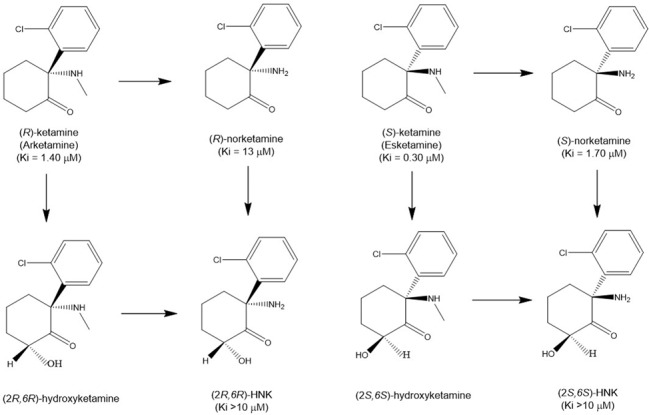
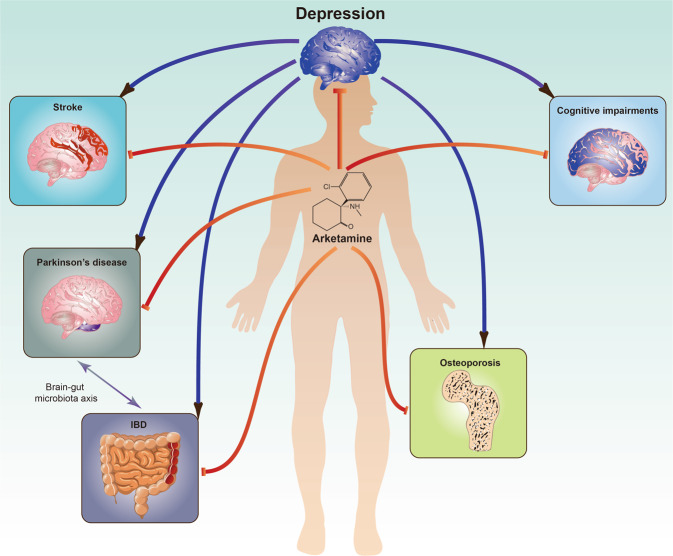
The discovery of robust antidepressant actions exerted by the N -methyl-D-aspartate receptor (NMDAR) antagonist ( R,S )-ketamine has been a crucial breakthrough in mood disorder research. ( R,S )-ketamine is a racemic mixture of equal amounts of ( R )-ketamine (arketamine) and ( S )-ketamine (esketamine). In 2019, an esketamine nasal spray from Johnson & Johnson was approved in the United States of America and Europe for treatment-resistant depression. However, an increasing number of preclinical studies show that arketamine has greater potency and longer-lasting antidepressant-like effects than esketamine in rodents, despite the lower binding affinity of arketamine for the NMDAR. In clinical trials, non-ketamine NMDAR-related compounds did not exhibit ketamine-like robust antidepressant actions in patients with depression, despite these compounds showing antidepressant-like effects in rodents. Thus, the rodent data do not necessarily translate to humans due to the complexity of human psychiatric disorders. Collectively, the available studies indicate that it is unlikely that NMDAR plays a major role in the antidepressant action of ( R,S )-ketamine and its enantiomers, although the precise molecular mechanisms underlying antidepressant actions of ( R,S )-ketamine and its enantiomers remain unclear. In this paper, we review recent findings on the molecular mechanisms underlying the antidepressant actions of ( R,S )-ketamine and its potent enantiomer arketamine. Furthermore, we discuss the possible role of the brain–gut–microbiota axis and brain–spleen axis in stress-related psychiatric disorders and in the antidepressant-like action of arketamine. Finally, we discuss the potential of arketamine as a treatment for cognitive impairment in psychiatric disorders, Parkinson’s disease, osteoporosis, inflammatory bowel diseases, and stroke.
Overview
The claims and statistics of this paper haven’t been checked yet.
Free: it reads the open-access text and checks the first 5 claims that cite a source we can check. Create a free account to check every claim.
Integrity signals
Registry
Cites
Statistics
Figures
Verification
Claims the paper makes
The claims and statistics of this paper haven’t been checked yet.
Free: it reads the open-access text and checks the first 5 claims that cite a source we can check. Create a free account to check every claim.
Claims other papers make about this one
Each is checked against this paper’s own text: does it say what the citing paper says it does?
In the citing paper
“For now, the therapeutic primacy of NMDAR inhibition and resultant AMPAR potentiation appears a temporary frontrunner in the dynamic glutamatergic antidepressant landscape [75,76].”
From Pharmacotherapies Targeting GABA-Glutamate Neurotransmission for Treatment-Resistant Depression (2023) · cites this paper as [75]
Self-check
Percentages, sums and reported differences re-computed from the paper’s own numbers.
The self-check needs the paper’s full text.
Citations
Cites
Vos, T., Lim, S. S., Abbafati, C., Abbas, K. M., Abbasi, M., Abbasifard, M., Abbasi-Kangevari, M., Abbastabar, H., Abd-Allah, F., Abdelalim, A., et al. (2020) · The Lancet · doi:10.1016/s0140-6736(20)30925-9 · Cited by 19,358
Molecular Mechanisms of Depression: Perspectives on New Treatment Strategies
Lang, U. E., & Borgwardt, S. (2013) · Cellular Physiology and Biochemistry · doi:10.1159/000350094 · Cited by 8,475
Cryan, J. F., O'Riordan, K. J., Cowan, C. S. M., Sandhu, K. V., Bastiaanssen, T. F. S., Boehme, M., Codagnone, M. G., Cussotto, S., Fulling, C., Golubeva, A. V., et al. (2019) · Physiological Reviews · doi:10.1152/physrev.00018.2018 · Cited by 5,286
Antidepressant effects of ketamine in depressed patients
Berman, R. M., Cappiello, A., Anand, A., Oren, D. A., Heninger, G. R., Charney, D. S., & Krystal, J. H. (2000) · Biological Psychiatry · doi:10.1016/s0006-3223(99)00230-9 · Cited by 3,856 · cited 1×
“[19] demonstrated that a single intravenous infusion of (R,S)-ketamine (0.”
BackgroundA randomized trial of an N-methyl-D-aspartate antagonist in treatment-resistant major depression.
Zarate, C. A., Singh, J. B., Carlson, P. J., Brutsche, N. E., Ameli, R., Luckenbaugh, D. A., Charney, D. S., & Manji, H. K. (2006) · Archives of General Psychiatry · doi:10.1001/archpsyc.63.8.856 · Cited by 3,766
The role of short-chain fatty acids in microbiota–gut–brain communication
Dalile, B., Van Oudenhove, L., Vervliet, B., & Verbeke, K. (2019) · Nature Reviews Gastroenterology & Hepatology · doi:10.1038/s41575-019-0157-3 · Cited by 3,357
Krystal, J. H. (1994) · Archives of General Psychiatry · doi:10.1001/archpsyc.1994.03950030035004 · Cited by 3,330
Nestler, E. J., Barrot, M., DiLeone, R. J., Eisch, A. J., Gold, S. J., & Monteggia, L. M. (2002) · Neuron · doi:10.1016/s0896-6273(02)00653-0 · Cited by 3,217
Recent advances in the phencyclidine model of schizophrenia
(1991) · American Journal of Psychiatry · doi:10.1176/ajp.148.10.1301 · Cited by 2,904 · cited 1×
“It is well accepted that NMDAR antagonists such as ketamine and PCP cause detrimental side effects, including psychosis and dissociation in humans in proportion to their potency at the NMDAR [97], and the difference in NMDAR potency between the two ketamine enantiomers may explain the divergence in their dissociative…”
BackgroundmTOR-Dependent Synapse Formation Underlies the Rapid Antidepressant Effects of NMDA Antagonists
Li, N., Lee, B., Liu, R.-J., Banasr, M., Dwyer, J. M., Iwata, M., Li, X.-Y., Aghajanian, G., & Duman, R. S. (2010) · Science · doi:10.1126/science.1190287 · Cited by 2,881
Research works printed but not linked: 1
- Press release: Perception Neuroscience’s PCN-101 (R-ketamine) demonstrates tolerability in phase 1 single ascending dose study. https://www.perceptionns.com/news.
Cited by
Brain–gut–microbiota axis in depression: A historical overview and future directions
Chang, L., Wei, Y., & Hashimoto, K. (2022) · Brain Research Bulletin · doi:10.1016/j.brainresbull.2022.02.004 · Cited by 377
“depression despite various side effects, delayed clinical onset, and high non-response rates (Galecki et al., 2018; Hoyer, 2020; Wei et al., 2021).”
InfluentialSelf-citationCheng, J., Hu, H., Ju, Y., Liu, J., Wang, M., Liu, B., & Zhang, Y. (2024) · General Psychiatry · doi:10.1136/gpsych-2023-101374 · Cited by 196
“177 Previous research also revealed alterations in the gut microbiota during ketamine treatment.”
BackgroundMicroglial ERK-NRBP1-CREB-BDNF Signaling in Sustained Antidepressant Actions of (R)-Ketamine
Yao, W., Cao, Q., Luo, S., He, L., Yang, C., Chen, J., Qi, Q., Hashimoto, K., & Zhang, J.-C. (2022) · Molecular Psychiatry · doi:10.1038/s41380-021-01377-7 · Cited by 216
“Further study using these mice with depression-like phenotypes is needed [24].”
BackgroundSelf-citationQiu, D., Wang, X.-M., Yang, J.-J., Chen, S., Yue, C.-B., Hashimoto, K., & Yang, J.-J. (2022) · JAMA Network Open · doi:10.1001/jamanetworkopen.2022.44514 · Cited by 192
“The esketamine group had a longer median (IQR) laryngeal mask removal time (14 [8-20] vs 10 [8-14] minutes; P = .”
BackgroundSelf-citationGut Microbiota in Anxiety and Depression: Unveiling the Relationships and Management Options
Kumar, A., Pramanik, J., Goyal, N., Chauhan, D., Sivamaruthi, B. S., Prajapati, B. G., & Chaiyasut, C. (2023) · Pharmaceuticals · doi:10.3390/ph16040565 · Cited by 154
“These results confirm that the brain–gut– microbiota axis influences stress resiliency and vulnerability [123,127].”
ResultThe vagus nerve: An old but new player in brain–body communication
Ma, L., Wang, H., & Hashimoto, K. (2024) · Brain Behavior and Immunity · doi:10.1016/j.bbi.2024.11.023 · Cited by 166
Self-citationEmerging role of the host microbiome in neuropsychiatric disorders: overview and future directions
Hashimoto, K. (2023) · Molecular Psychiatry · doi:10.1038/s41380-023-02287-6 · Cited by 158
Self-citationFeng, X., Jia, M., Cai, M., Zhu, T., Hashimoto, K., & Yang, J. (2025) · Molecular Psychiatry · doi:10.1038/s41380-025-03085-y · Cited by 156
“Arketamine shows promise for longer-lasting antidepressant effects with fewer dissociative side effects [109, 226].”
Self-citationBrain-spleen axis in health and diseases: A review and future perspective
Wei, Y., Wang, T., Liao, L., Fan, X., Chang, L., & Hashimoto, K. (2022) · Brain Research Bulletin · doi:10.1016/j.brainresbull.2022.02.008 · Cited by 134
Self-citationWang, S., Ishima, T., Qu, Y., Shan, J., Chang, L., Wei, Y., Zhang, J., Pu, Y., Fujita, Y., Tan, Y., et al. (2021) · Journal of Affective Disorders · doi:10.1016/j.jad.2021.06.006 · Cited by 121
Self-citationArketamine, a new rapid-acting antidepressant: A historical review and future directions
Zhang, J.-C., Yao, W., & Hashimoto, K. (2022) · Neuropharmacology · doi:10.1016/j.neuropharm.2022.109219 · Cited by 99
Self-citationWang, T., Weng, H., Zhou, H., Yang, Z., Tian, Z., Xi, B., & Li, Y. (2022) · Journal of Affective Disorders · doi:10.1016/j.jad.2022.03.072 · Cited by 88
Chen, Y., Guo, Y., Wu, H., Tang, Y.-J., Sooranna, S. R., Zhang, L., Chen, T., Xie, X., Qiu, L., & Wu, X. (2024) · JAMA Network Open · doi:10.1001/jamanetworkopen.2024.0953 · Cited by 91
Wang, S., Deng, C.-M., Zeng, Y., Chen, X., Li, A.-Y., Feng, S., Xu, L., Chen, L., Yuan, H., Hu, H., et al. (2024) · BMJ · doi:10.1136/bmj-2023-078218 · Cited by 99
Ketamine as a therapeutic agent for depression and pain: mechanisms and evidence
Subramanian, S., Haroutounian, S., Palanca, B. J. A., & Lenze, E. J. (2022) · Journal of the Neurological Sciences · doi:10.1016/j.jns.2022.120152 · Cited by 77
Ketamine; history and role in anesthetic pharmacology
Hirota, K., & Lambert, D. G. (2022) · Neuropharmacology · doi:10.1016/j.neuropharm.2022.109171 · Cited by 73
Johnston, J. N., Kadriu, B., Allen, J., Gilbert, J. R., Henter, I. D., & Zarate, C. A. (2023) · Neuropharmacology · doi:10.1016/j.neuropharm.2023.109422 · Cited by 76
Zhang, J., Ma, L., Wan, X., Shan, J., Qu, Y., & Hashimoto, K. (2021) · Psychopharmacology · doi:10.1007/s00213-021-05889-6 · Cited by 71
Self-citationWang, X., Chang, L., Wan, X., Tan, Y., Qu, Y., Shan, J., Yang, Y., Ma, L., & Hashimoto, K. (2022) · Neurobiology of Disease · doi:10.1016/j.nbd.2022.105635 · Cited by 64
Self-citationKetamine and its metabolites: Potential as novel treatments for depression
Zhang, K., Yao, Y., & Hashimoto, K. (2022) · Neuropharmacology · doi:10.1016/j.neuropharm.2022.109305 · Cited by 72
Self-citationKawczak, P., Feszak, I. J., & Bączek, T. (2024) · Biomedicines · doi:10.3390/biomedicines12102283 · Cited by 73
“However, its mechanisms of action remain unclear, requiring further research to explore its molecular pathways and identify new therapeutic targets [39–44].”
BackgroundChakraborty, P., Dey, A., Gopalakrishnan, A. V., Swati, K., Ojha, S. K., Prakash, A., Kumar, D., Ambasta, R. K., Jha, N. K., Jha, S. K., et al. (2023) · Ageing Research Reviews · doi:10.1016/j.arr.2022.101838 · Cited by 69
Molecular Basis of Late-Life Depression
Kuo, C.-Y., Lin, C., & Lane, H. (2021) · International Journal of Molecular Sciences · doi:10.3390/ijms22147421 · Cited by 67
Guo, J., Qiu, D., Gu, H., Wang, X., Hashimoto, K., Zhang, G.-F., & Yang, J. (2023) · Molecular Psychiatry · doi:10.1038/s41380-023-01945-z · Cited by 75
“In future clinical practice, the optimal approach for achieving the best antidepressant effect of ketamine with minimal adverse effects remains a major challenge.”
BackgroundSelf-citation(R)-ketamine as prophylactic and therapeutic drug for neurological disorders: Beyond depression
Wang, X., Yang, J., & Hashimoto, K. (2022) · Neuroscience & Biobehavioral Reviews · doi:10.1016/j.neubiorev.2022.104762 · Cited by 63
Self-citationWan, X., Eguchi, A., Fujita, Y., Ma, L., Wang, X., Yang, Y. H., Qu, Y., Chang, L., Zhang, J., Mori, C., et al. (2022) · Neuropharmacology · doi:10.1016/j.neuropharm.2022.109139 · Cited by 62
Self-citationLiu, Q.-R., Zong, Q.-K., Ding, L., Dai, H.-Y., Sun, Y., Dong, Y.-Y., Ren, Z.-Y., Hashimoto, K., & Yang, J. (2023) · Journal of Affective Disorders · doi:10.1016/j.jad.2023.07.103 · Cited by 63
Self-citationEffects of splenectomy on skin inflammation and psoriasis-like phenotype of imiquimod-treated mice
Shinno-Hashimoto, H., Eguchi, A., Sakamoto, A., Wan, X., Hashimoto, Y., Fujita, Y., Mori, C., Hatano, M., Matsue, H., & Hashimoto, K. (2022) · Scientific Reports · doi:10.1038/s41598-022-18900-7 · Cited by 59
Self-citationHashimoto, K. (2024) · European Archives of Psychiatry and Clinical Neuroscience · doi:10.1007/s00406-024-01770-7 · Cited by 63
“Considering the role of NMDAR inhibition in the side effects (such as dissociative symptoms) of NMDAR antagonists [73, 74], it seems unlikely that NMDAR plays a crucial role in the antidepressant effects of ketamine [9–11, 13–17, 75].”
Self-citationHashimoto, K. (2023) · Progress in brain research · doi:10.1016/bs.pbr.2023.01.003 · Cited by 58
Self-citationPu, Y., Zhang, Q., Tang, Z., Lu, C., Wu, L. L., Zhong, Y., Chen, Y., Hashimoto, K., Luo, Y., & Liu, Y. (2022) · Translational Psychiatry · doi:10.1038/s41398-022-01993-z · Cited by 59
Self-citationYang, Y. H., Eguchi, A., Wan, X., Chang, L., Wang, X., Qu, Y., Mori, C., & Hashimoto, K. (2022) · Progress in Neuro-Psychopharmacology and Biological Psychiatry · doi:10.1016/j.pnpbp.2022.110652 · Cited by 55
Self-citationMa, L., Zhang, J., Fujita, Y., Qu, Y., Shan, J., Wan, X., Wang, X., Ishima, T., Kobayashi, K., Wang, L., et al. (2022) · Translational Psychiatry · doi:10.1038/s41398-022-01803-6 · Cited by 57
“It is possible that brain–spleen axis may play a role in the beneficial effects of (R)-ketamine on depression-like phenotype and splenomegaly [19, 22], although further study is needed.”
BackgroundSelf-citationMa, L., Zhang, J., Fujita, Y., Shinno-Hashimoto, H., Shan, J., Wan, X., Qu, Y., Chang, L., Wang, X., & Hashimoto, K. (2022) · Journal of Affective Disorders · doi:10.1016/j.jad.2022.08.087 · Cited by 52
Self-citationTargeting metaplasticity mechanisms to promote sustained antidepressant actions
Brown, K. A., & Gould, T. D. (2024) · Molecular Psychiatry · doi:10.1038/s41380-023-02397-1 · Cited by 49
“This leads to the conclusion that NMDAR antagonism is not solely responsible for the antidepressant effects of ketamine [43].”
Pharmacotherapies Targeting GABA-Glutamate Neurotransmission for Treatment-Resistant Depression
Vecera, C. M., C. Courtes, A., Jones, G., Soares, J. C., & Machado-Vieira, R. (2023) · Pharmaceuticals · doi:10.3390/ph16111572 · Cited by 48
“For now, the therapeutic primacy of NMDAR inhibition and resultant AMPAR potentiation appears a temporary frontrunner in the dynamic glutamatergic antidepressant landscape [75,76].”
BackgroundKetamine: anesthetic, psychotomimetic, antidepressant, or anthelmintic?
Hashimoto, K. (2022) · Molecular Psychiatry · doi:10.1038/s41380-022-01587-7 · Cited by 47
“1962: Chemical synthesis of racemic ketamine by Dr. Stevens 1964: First human administration of racemic ketamine by Dr. Domino 2000: First placebocontrolled study of racemic ketamine in MDD patients by Dr. Berman 1970: Approved in the USA 1985: WHO’s List of Essential Medicines 2019: Esketamine nasal spray was approve…”
BackgroundResultSelf-citationDeyama, S., & Kaneda, K. (2022) · Neuropharmacology · doi:10.1016/j.neuropharm.2022.109335 · Cited by 49
Qu, Y., Chang, L., Ma, L., Wan, X., & Hashimoto, K. (2022) · Pharmacology Biochemistry and Behavior · doi:10.1016/j.pbb.2022.173500 · Cited by 48
Self-citationMurayama, R., Cai, Y., Nakamura, H., & Hashimoto, K. (2025) · Neuroscience & Biobehavioral Reviews · doi:10.1016/j.neubiorev.2025.106209 · Cited by 45
“In the field of mood disorder research, the anesthetic ( R,S )-ke- tamine has drawn significant attention for its rapid and durable anti-depressant impact on treatment-resistant patients with MDD (Hashimoto, 2019; 2020; 2022; Hashimoto et al., 2024; Ma and Hashi-moto, 2022; Wei et al., 2022a).”
Self-citationMa, L., Wang, L., Chang, L., Shan, J., Qu, Y., Wang, X., Wan, X., Fujita, Y., & Hashimoto, K. (2022) · Translational Psychiatry · doi:10.1038/s41398-022-02192-6 · Cited by 45
“Collectively, (R)ketamine would be a novel antidepressant without side effects of (R,S)-ketamine [11, 14, 17, 42, 43].”
BackgroundSelf-citationArketamine for cognitive impairment in psychiatric disorders
Hashimoto, K. (2023) · European Archives of Psychiatry and Clinical Neuroscience · doi:10.1007/s00406-023-01570-5 · Cited by 43
“The figure was modified from references [36, 44].”
BackgroundSelf-citationMa, L., Wang, L., Chang, L., Shan, J., Qu, Y., Wang, X., Fujita, Y., & Hashimoto, K. (2022) · Neuropharmacology · doi:10.1016/j.neuropharm.2022.109250 · Cited by 45
Self-citationAhmad, A. V. D., Khan, S. W., Ali, S., & Yasar, Q. (2024) · Scientific Reports · doi:10.1038/s41598-024-58877-z · Cited by 50
Hashimoto, K., Zhao, M., Zhu, T., Wang, X., & Yang, J. (2024) · Journal of Anesthesia and Translational Medicine · doi:10.1016/j.jatmed.2024.07.001 · Cited by 43
“13 Ketamine is known to cause several behavioral abnormalities in humans, such as psychotomimetic effects, dissociation, and potential for abuse.”
InfluentialSelf-citationSoluble Epoxide Hydrolase as a Therapeutic Target for Neuropsychiatric Disorders
Shan, J., & Hashimoto, K. (2022) · International Journal of Molecular Sciences · doi:10.3390/ijms23094951 · Cited by 44
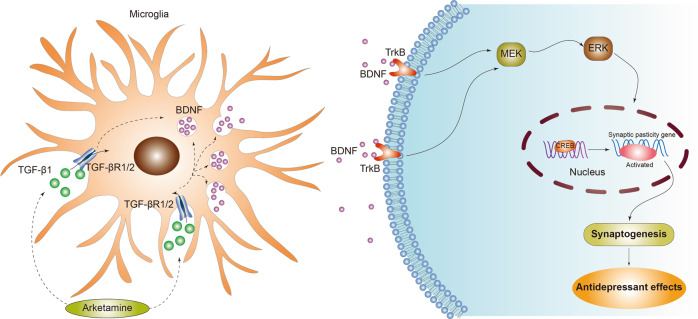
“Furthermore, EETs induce the expression of BDNF which binds to its receptor TrkB, resulting in the MEK–ERK–CREB signaling pathway [45,137].”
BackgroundSelf-citationLi, S., Zhuo, Z., Li, R., & Guo, K.-K. (2024) · BMC Anesthesiology · doi:10.1186/s12871-024-02436-6 · Cited by 44
“Nevertheless, the utilization of ketamine in a therapeutic setting as an antidepressant is constrained by its adverse effects, which include dissociative and psychotomimetic manifestations, as well as the potential for addiction [11–13].”
BackgroundMohan, M., Mannan, A., Kakkar, C., & Singh, T. G. (2024) · Current Drug Targets · doi:10.2174/0113894501320839240918110656 · Cited by 41
Artin, H., Bentley, S., Mehaffey, E., Liu, F. X., Sojourner, K., Bismark, A. W., Printz, D., Lee, E., Martis, B., Peralta, S. D., et al. (2022) · EClinicalMedicine · doi:10.1016/j.eclinm.2022.101439 · Cited by 41
Impact of broad-spectrum antibiotics on the gut–microbiota–spleen–brain axis
Wan, X., Eguchi, A., Sakamoto, A., Fujita, Y., Yang, Y. H., Qu, Y., Hatano, M., Mori, C., & Hashimoto, K. (2022) · Brain Behavior & Immunity - Health · doi:10.1016/j.bbih.2022.100573 · Cited by 40
Self-citationHua, H., Huang, C., Liu, H., Xu, X., Xu, X., Wu, Z., Liu, C., Wang, Y. Y., & Yang, C. (2022) · Neuropharmacology · doi:10.1016/j.neuropharm.2022.109272 · Cited by 37
Fan, Y., Luan, X., Wang, X., Li, H., Zhao, H., Li, S., Li, X., & Qiu, Z. (2024) · Brain Research Bulletin · doi:10.1016/j.brainresbull.2024.111143 · Cited by 37
“In the CNS, NMDARs are glutamate-gated ion channels that are essential for excitatory synaptic transmission (Wei et al., 2022).”
The Quest for Secondary Pharmaceuticals: Drug Repurposing/Chiral-Switches Combination Strategy
D’Acquarica, I., & Agranat, I. (2023) · ACS Pharmacology & Translational Science · doi:10.1021/acsptsci.2c00151 · Cited by 34
Wang, Y. Y., Jiang, R., Wu, Z., Zhou, L., Xu, J., Huang, C., Yang, L., Zhu, B., Yan, E., Liu, C., et al. (2021) · Pharmacology Biochemistry and Behavior · doi:10.1016/j.pbb.2021.173226 · Cited by 37
Yang, Y. H., Ishima, T., Wan, X., Wei, Y., Chang, L., Zhang, J., Qu, Y., & Hashimoto, K. (2021) · European Archives of Psychiatry and Clinical Neuroscience · doi:10.1007/s00406-021-01325-0 · Cited by 33
Self-citationThe therapeutic role of ketamine and esketamine in treating psychopathological domains of depression
Jawad, M. Y., Vincenzo, J. D. D., Badulescu, S., Teopiz, K. M., Tabassum, A., Ceban, F., Mckenzie, A., Meshkat, S., Rosenblat, J. D., Ho, R., et al. (2022) · Neuropharmacology · doi:10.1016/j.neuropharm.2022.109299 · Cited by 36
An integrative view on the cell-type-specific mechanisms of ketamine's antidepressant actions
Lewis, V., Rurak, G. M., Salmaso, N., & Aguilar‐Valles, A. (2024) · Trends in Neurosciences · doi:10.1016/j.tins.2023.12.004 · Cited by 33
(R)-(-)-Ketamine: The Promise of a Novel Treatment for Psychiatric and Neurological Disorders
Shafique, H. S., Demers, J. C., Biesiada, J., Golani, L. K., Cerne, R., Smith, J. L., Szostak, M., & Witkin, J. M. (2024) · International Journal of Molecular Sciences · doi:10.3390/ijms25126804 · Cited by 34
“Among the rationale for this line of think-Int ing are (1) differences in NMDAR affinity differences of ( R )- and ( S )-ketamine and their comparative antidepressant-like effects [38], and (2) differences that have been observed between ( R )- and ( S )-ketamine [50,80,81,83,91].”
BackgroundChen, S., Yang, J.-J., Zhang, Y., Lei, L., Qiu, D., Lv, H.-M., Sun, Z., Hashimoto, K., & Yang, J. (2023) · European Archives of Psychiatry and Clinical Neuroscience · doi:10.1007/s00406-023-01611-z · Cited by 32
Self-citationMechanisms of the Rapid Effects of Ketamine on Depression and Sleep Disturbances: A Narrative Review
Song, B., & Zhu, J. (2021) · Frontiers in Pharmacology · doi:10.3389/fphar.2021.782457 · Cited by 32
Zhang, L., Wu, Z., Liu, J.-Z., Li, Y., Lv, J., Wang, L., Shan, Y.-D., Song, R., Miao, H., Zhang, W., et al. (2022) · Journal of Psychiatric Research · doi:10.1016/j.jpsychires.2022.12.010 · Cited by 32
Kawatake-Kuno, A., Li, H., Inaba, H., Hikosaka, M., Ishimori, E., Ueki, T., Garkun, Y., Morishita, H., Narumiya, S., Oishi, N., et al. (2024) · Neuron · doi:10.1016/j.neuron.2024.01.023 · Cited by 32
Wei, Y., Chang, L., & Hashimoto, K. (2021) · European Neuropsychopharmacology · doi:10.1016/j.euroneuro.2021.04.010 · Cited by 30
Self-citationZhang, J., Ma, L., Hashimoto, Y., Wan, X., Shan, J., Qu, Y., & Hashimoto, K. (2021) · Life Sciences · doi:10.1016/j.lfs.2021.119882 · Cited by 31
Self-citationKetamine and the Disinhibition Hypothesis: Neurotrophic Factor-Mediated Treatment of Depression
Borsellino, P., Krider, R. I., Chea, D., Grinnell, R., & Vida, T. A. (2023) · Pharmaceuticals · doi:10.3390/ph16050742 · Cited by 34
Yang, Y. H., Eguchi, A., Wan, X., Mori, C., & Hashimoto, K. (2023) · Journal of Affective Disorders · doi:10.1016/j.jad.2023.10.142 · Cited by 30
Self-citationYang, Y. H., Eguchi, A., Mori, C., & Hashimoto, K. (2024) · Neurobiology of Disease · doi:10.1016/j.nbd.2024.106433 · Cited by 30
Self-citationChaki, S., & Watanabe, M. (2022) · Neuropharmacology · doi:10.1016/j.neuropharm.2022.109348 · Cited by 30
Wei, Y., Chang, L., Liu, G., Wang, X., Yang, Y. H., & Hashimoto, K. (2022) · The Journal of Nutritional Biochemistry · doi:10.1016/j.jnutbio.2022.109098 · Cited by 30
Self-citationChen, W., Chen, Y., Cheng, W., Li, P., Shen, J., Tong, T., Lai, L., Yan, S., Huang, Z., Li, J., et al. (2023) · Biochemical and Biophysical Research Communications · doi:10.1016/j.bbrc.2023.01.046 · Cited by 32
Yokoyama, R., Ago, Y., Igarashi, H., Higuchi, M., Tanuma, M., Shimazaki, Y., Kawai, T., Seiriki, K., Hayashida, M., Yamaguchi, S., et al. (2024) · Molecular Psychiatry · doi:10.1038/s41380-024-02419-6 · Cited by 28
Self-citationKawatake-Kuno, A., Murai, T., & Uchida, S. (2021) · Frontiers in Behavioral Neuroscience · doi:10.3389/fnbeh.2021.749180 · Cited by 28
“Since potential mechanisms underlying the rapid antidepressant actions of ketamine and its metabolites have been reviewed elsewhere (Fukumoto et al., 2017; Yang C. et al., 2018; Duman et al., 2019; Krystal et al., 2019; Sial et al., 2020; Highland et al., 2021; Shinohara et al., 2021; Wei et al., 2021; Xia et al., 202…”
BackgroundInfluentialLe, T. T., Vincenzo, J. D. D., Teopiz, K. M., Lee, Y. L., Cha, D. S., Lui, L. M. W., Rodrigues, N. B., Ho, R., Cao, B., Lin, K., et al. (2021) · Psychiatry Research · doi:10.1016/j.psychres.2021.114231 · Cited by 28
Blood-derived factors to brain communication in brain diseases
He, J., Zhang, Y., Guo, Y., Guo, J., Chen, X., Xu, S., Xu, X., Wu, C., Liu, C., Chen, J., et al. (2024) · Science Bulletin · doi:10.1016/j.scib.2024.09.022 · Cited by 27
Shan, J., Qu, Y., Wang, S., Wei, Y., Chang, L., Ma, L., & Hashimoto, K. (2021) · Brain Research Bulletin · doi:10.1016/j.brainresbull.2021.09.009 · Cited by 27
Self-citation(R)-ketamine ameliorates the progression of experimental autoimmune encephalomyelitis in mice
Wang, X., Chang, L., Tan, Y., Qu, Y., Shan, J., & Hashimoto, K. (2021) · Brain Research Bulletin · doi:10.1016/j.brainresbull.2021.10.013 · Cited by 26
Self-citationMa, L., Wang, L., Qu, Y., Wan, X., & Hashimoto, K. (2023) · Translational Psychiatry · doi:10.1038/s41398-023-02564-6 · Cited by 28
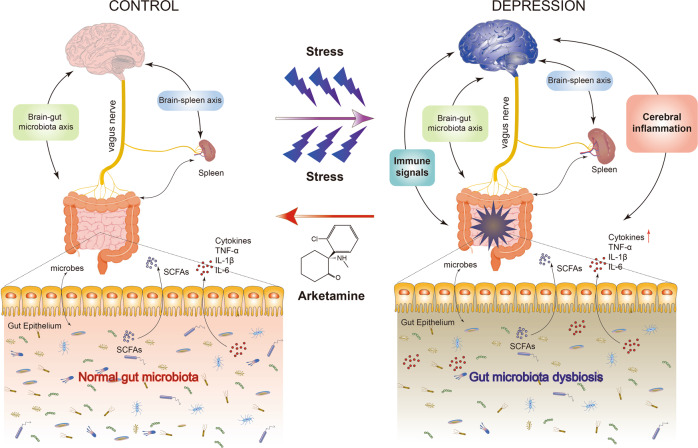
“Considering the crucial role of the spleen as an immune organ, it is likely that the brain–spleen axis might play a role in the beneficial effects of arketamine on splenomegaly in mice with depression-like behaviors [23, 26, 41, 43], although further study is needed.”
BackgroundSelf-citationJiang, Y., Wang, X., Chen, J., Zhang, Y., Hashimoto, K., Yang, J., & Zhou, Z. (2024) · Gut Microbes · doi:10.1080/19490976.2024.2310603 · Cited by 28
“In addition, the beneficial effects of repeated ( S )-ketamine treatment in CCI mice were blocked by the TrkB antagonist ANA-12.”
BackgroundSelf-citationChang, L., Wei, Y., Qu, Y., Zhao, M., Zhou, X., Long, Y., & Hashimoto, K. (2024) · Neurobiology of Disease · doi:10.1016/j.nbd.2024.106573 · Cited by 27
Self-citationWan, X., Eguchi, A., Chang, L., Mori, C., & Hashimoto, K. (2023) · Neuropharmacology · doi:10.1016/j.neuropharm.2023.109466 · Cited by 25
Self-citationThe role of hippocampal KCNQ2 channel in antidepressant actions of ketamine
Ma, L., & Hashimoto, K. (2022) · Neuron · doi:10.1016/j.neuron.2022.05.027 · Cited by 24
Self-citationRen, L. (2024) · Progress in Neuro-Psychopharmacology and Biological Psychiatry · doi:10.1016/j.pnpbp.2023.110910 · Cited by 23
Kritzer, M. D., Pae, C., & Masand, P. S. (2022) · Expert Opinion on Drug Safety · doi:10.1080/14740338.2022.2069749 · Cited by 23
“Additionally, as the S-enantiomer of ketamine was gaining clinical interest as ‘esketamine,’ the R-enantiomer (referred to as ‘arketamine’) was gaining preclinical interest as it appeared to elicit antidepressant effects without NMDA-blockade [28], and therefore without the dissociative experience.”
The effect of ketamine and D-cycloserine on the high frequency resting EEG spectrum in humans
Nottage, J. F., Gabay, A. S., Meyer, K. D., Herrik, K. F., Bastlund, J. F., Christensen, S. R., Gijsen, S., & Mehta, M. A. (2022) · Psychopharmacology · doi:10.1007/s00213-022-06272-9 · Cited by 23
Xu, D., Liu, G., Zhao, M., Wan, X., Qu, Y., Murayama, R., & Hashimoto, K. (2024) · Journal of Affective Disorders · doi:10.1016/j.jad.2024.08.222 · Cited by 23
Self-citationTan, Y., Fujita, Y., Pu, Y., Chang, L., Qu, Y., Wang, X., & Hashimoto, K. (2022) · European Archives of Psychiatry and Clinical Neuroscience · doi:10.1007/s00406-021-01365-6 · Cited by 22
“5 mg/kg) showed significant improvements in cognitive impairment in treatment-resistant patients with depression, although (R,S)-ketamine did not worsen cognitive function in depressed patients [41, 60].”
BackgroundSelf-citationWan, X., Eguchi, A., Qu, Y., Yang, Y., Chang, L., Shan, J., Mori, C., & Hashimoto, K. (2022) · European Archives of Psychiatry and Clinical Neuroscience · doi:10.1007/s00406-022-01437-1 · Cited by 21
Self-citationPilc, A., Machaczka, A., Kawalec, P., Smith, J. L., & Witkin, J. M. (2022) · Expert Opinion on Drug Discovery · doi:10.1080/17460441.2022.2111415 · Cited by 21
“In preclinical model, (R)-ketamine has demonstrated more potent and longer-lasting antidepressant-like effects than (S)-ketamine [124] and its actions have been described by Hashimoto’s group as possibly not involving NMDA receptors [125].”
BackgroundAcevedo, J., & Siegel, J. A. (2022) · Behavioural Brain Research · doi:10.1016/j.bbr.2022.114049 · Cited by 22
Lv, S., Zhao, Y., Wang, L., Yu, Y., Li, J., Huang, Y., Xu, W., Sun, G., Dai, W., Zhao, T., et al. (2022) · BioMed Research International · doi:10.1155/2022/1024693 · Cited by 23
“…Western medicine treatments such as the use of selective serotonin reuptake inhibitors are the main treatment for depression, but most of these compounds have issues that include delayed e ff ects, high nonresponse rates, nausea, headaches, chronic sexual dysfunction, and weight gain [1 – 3].”
Voute, M., Lambert, C., Pereira, B., & Pickering, G. P. (2023) · JAMA Network Open · doi:10.1001/jamanetworkopen.2023.14406 · Cited by 21
“of pain paroxysms, median (IQR) (n = 206) 4 (3-8) 4 (2-8) 4 (3-10)”
Han, M., Zeng, D., Tan, W., Chen, X.-X., Bai, S.-Y., Wu, Q., Chen, Y., Wei, Z., Mei, Y., & Zeng, Y. (2024) · Neural Regeneration Research · doi:10.4103/nrr.nrr-d-23-01419 · Cited by 23
“The antidepressant effects of ketamine are blocked by an anti-BDNF-neutralizing antibody (Duman et al., 2019, 2021), a TrkB inhibitor (Deyama and Duman, 2020; Carli et al., 2021; Wei et al., 2022), or conditional BDNF knockout (Deyama and Duman, 2020; Carli et al., 2021).”
BackgroundLewis, V., Rodrigue, B., Arsenault, E., Zhang, M., Taghavi‐Abkuh, F., Silva, W. C. C., Myers, M., Matta‐Camacho, E., & Aguilar‐Valles, A. (2022) · Journal of Neurochemistry · doi:10.1111/jnc.15652 · Cited by 21
“In pre- clinical models, ketamine induces behavioural effects related to depressed mood symptoms and synaptic plasticity, largely depending on neuronal protein synthesis induction (Aguilar- Valles et al., 2021; Wei et al., 2022; Workman et al., 2018).”
BackgroundKetamine, benzoate, and sarcosine for treating depression
Cheng, Y., Lin, C., & Lane, H. (2022) · Neuropharmacology · doi:10.1016/j.neuropharm.2022.109351 · Cited by 21
Du, Z., Zang, Z., Luo, J., Liu, T., Yang, L., Cai, Y., Wang, L., Zhang, D., Zhao, J., Gao, J., et al. (2023) · Journal of Hazardous Materials · doi:10.1016/j.jhazmat.2023.131379 · Cited by 20
Lou, X.-J., Qiu, D., Ren, Z.-Y., Hashimoto, K., Zhang, G.-F., & Yang, J. (2024) · Asian Journal of Psychiatry · doi:10.1016/j.ajp.2024.103997 · Cited by 20
Self-citationLucido, M. J., & Dunlop, B. W. (2025) · Brain Sciences · doi:10.3390/brainsci15020161 · Cited by 25
“Arketamine (PCN-101), the R -enantiomer of ketamine, appears to exert its effect primarily through AMPAR activation and, after demonstrating tolerability with limited dissociative effects in a Phase 1 study, moved to a Phase 2 clinical trial [110].”
Chen, B. K., & Denny, C. A. (2022) · Neuropharmacology · doi:10.1016/j.neuropharm.2022.109345 · Cited by 19
Microglial BDNF modulates arketamine’s antidepressant-like effects through cortico-accumbal pathways
He, L., Wang, X., Luo, S., Jiang, N., Yan, Y., Xie, M., Chen, Y., Yang, C., Yao, W., Hashimoto, K., et al. (2025) · Science Advances · doi:10.1126/sciadv.adv5986 · Cited by 18
“Brain-derived neurotrophic factor (BDNF) plays a crucial role in the antidepressant-like effects of ( R,S )- ketamine and its enantiomers in rodent models ( 5 – 7 , 17 , 19 , 35 ).”
Self-citationLiu, G., Ma, L., Qu, Y., Wan, X., Xu, D., Zhao, M., Murayama, R., & Hashimoto, K. (2023) · Pharmacology Biochemistry and Behavior · doi:10.1016/j.pbb.2023.173659 · Cited by 19
Self-citation
Metadata
- Authors
- Wei, Y., Chang, L., & Hashimoto, K.
- Affiliations
- Chiba University (JP)
- Corresponding author
- Hashimoto, Kenji
- Venue
- Molecular Psychiatry
- Published
- 2021-05-07
- Volume
- 27
- Issue
- 1
- Pages
- 559-573
- ISSN
- 1359-4184 (ISSN-L)
- 1476-5578
- PMC
- PMC8960399
- OpenAlex
- W3158143766
- Cited by
- 248
- References
- 191
- Citations by year
- 2026: 23 · 2025: 51 · 2024: 58 · 2023: 43 · 2022: 55 · 2021: 18
- FWCI
- 5.51
- Type
- journal article
- Language
- en
- Open access
- hybrid
- doi.org
- Licence
- cc-by
- creativecommons.org/licenses/by/4.0 (tdm)
- creativecommons.org/licenses/by/4.0 (vor)
- Locations
- Molecular Psychiatry (publishedVersion, cc-by)
- PubMed Central (publishedVersion, cc-by)
- PubMed (publishedVersion)
- Funders
- Japan Agency for Medical Research and Development (JP20dm0107119)
- National Natural Science Foundation of China (31701009)
- Topics
- Health Sciences › Medicine › Pharmacology (medical) › Treatment of Major Depression
- Life Sciences › Neuroscience › Cellular and Molecular Neuroscience › Neuroscience and Neuropharmacology Research
- Life Sciences › Neuroscience › Biological Psychiatry › Tryptophan and brain disorders
- Keywords
- esketamine, antidepressant mechanism, NMDA receptor, treatment-resistant depression, brain-gut-microbiota axis, stress-related psychiatric disorders, cognitive impairment, Parkinson's disease, osteoporosis, inflammatory bowel disease, stroke
- MeSH terms
- Antidepressive Agents, Depression, Humans, Ketamine, Receptors, N-Methyl-D-Aspartate, Depressive Disorder, Treatment-Resistant
About these checks
Registry, retraction, Cites and statistics results are computed, not judged, with one exception: a printed reference that no index lists is read once by a model before it counts as a citation error. Claims are extracted by a model and kept only when their quote appears verbatim in the text; each cited source is then checked, with a model’s help, for whether it says what the claim relies on. Those verdicts can be wrong — read the claim’s quote and the cited source before relying on one.
Statistics and arithmetic are recomputed, not judged.
Confidence bands are shown only for fields calibrated on our annotated test set. None is calibrated yet, so no band is shown.
What counts as a claim ›How we measure confidence ›How we check this ›
Are you an author, or do you see a problem with this page? Request a review
Data sources
Bibliographic data: Semantic Scholar, OpenAlex, Crossref.
Contains information from the Semantic Scholar Academic Graph Datasets, made available under the ODC Attribution License (ODC-BY 1.0).
Semantic Scholar’s data is described in: Kinney, R., et al. (2023). The Semantic Scholar Open Data Platform. arXiv:2301.10140.
