

Molecular mechanisms underlying the antidepressant actions of arketamine: beyond the NMDA receptor
Open accessThe DOI matches its Crossref record; 189 of the 191 references it cites were found in a registry or an index.
Abstract
The discovery of robust antidepressant actions exerted by the N -methyl-D-aspartate receptor (NMDAR) antagonist ( R,S )-ketamine has been a crucial breakthrough in mood disorder research. ( R,S )-ketamine is a racemic mixture of equal amounts of ( R )-ketamine (arketamine) and ( S )-ketamine (esketamine). In 2019, an esketamine nasal spray from Johnson & Johnson was approved in the United States of America and Europe for treatment-resistant depression. However, an increasing number of preclinical studies show that arketamine has greater potency and longer-lasting antidepressant-like effects than esketamine in rodents, despite the lower binding affinity of arketamine for the NMDAR. In clinical trials, non-ketamine NMDAR-related compounds did not exhibit ketamine-like robust antidepressant actions in patients with depression, despite these compounds showing antidepressant-like effects in rodents. Thus, the rodent data do not necessarily translate to humans due to the complexity of human psychiatric disorders. Collectively, the available studies indicate that it is unlikely that NMDAR plays a major role in the antidepressant action of ( R,S )-ketamine and its enantiomers, although the precise molecular mechanisms underlying antidepressant actions of ( R,S )-ketamine and its enantiomers remain unclear. In this paper, we review recent findings on the molecular mechanisms underlying the antidepressant actions of ( R,S )-ketamine and its potent enantiomer arketamine. Furthermore, we discuss the possible role of the brain–gut–microbiota axis and brain–spleen axis in stress-related psychiatric disorders and in the antidepressant-like action of arketamine. Finally, we discuss the potential of arketamine as a treatment for cognitive impairment in psychiatric disorders, Parkinson’s disease, osteoporosis, inflammatory bowel diseases, and stroke.
Overview
The claims and statistics of this paper haven’t been checked yet.
Free: it reads the open-access text and checks the first 5 claims that cite a source we can check. Create a free account to check every claim.
Integrity signals
Registry
Cites
Statistics
Figures
Verification
Claims the paper makes
The claims and statistics of this paper haven’t been checked yet.
Free: it reads the open-access text and checks the first 5 claims that cite a source we can check. Create a free account to check every claim.
Claims other papers make about this one
Each is checked against this paper’s own text: does it say what the citing paper says it does?
In the citing paper
“For now, the therapeutic primacy of NMDAR inhibition and resultant AMPAR potentiation appears a temporary frontrunner in the dynamic glutamatergic antidepressant landscape [75,76].”
From Pharmacotherapies Targeting GABA-Glutamate Neurotransmission for Treatment-Resistant Depression (2023) · cites this paper as [75]
Self-check
Percentages, sums and reported differences re-computed from the paper’s own numbers.
The self-check needs the paper’s full text.
Citations
Cites
Vos, T., Lim, S. S., Abbafati, C., Abbas, K. M., Abbasi, M., Abbasifard, M., Abbasi-Kangevari, M., Abbastabar, H., Abd-Allah, F., Abdelalim, A., et al. (2020) · The Lancet · doi:10.1016/s0140-6736(20)30925-9 · Cited by 19,358
Molecular Mechanisms of Depression: Perspectives on New Treatment Strategies
Lang, U. E., & Borgwardt, S. (2013) · Cellular Physiology and Biochemistry · doi:10.1159/000350094 · Cited by 8,475
Cryan, J. F., O'Riordan, K. J., Cowan, C. S. M., Sandhu, K. V., Bastiaanssen, T. F. S., Boehme, M., Codagnone, M. G., Cussotto, S., Fulling, C., Golubeva, A. V., et al. (2019) · Physiological Reviews · doi:10.1152/physrev.00018.2018 · Cited by 5,286
Antidepressant effects of ketamine in depressed patients
Berman, R. M., Cappiello, A., Anand, A., Oren, D. A., Heninger, G. R., Charney, D. S., & Krystal, J. H. (2000) · Biological Psychiatry · doi:10.1016/s0006-3223(99)00230-9 · Cited by 3,856 · cited 1×
“[19] demonstrated that a single intravenous infusion of (R,S)-ketamine (0.”
BackgroundA randomized trial of an N-methyl-D-aspartate antagonist in treatment-resistant major depression.
Zarate, C. A., Singh, J. B., Carlson, P. J., Brutsche, N. E., Ameli, R., Luckenbaugh, D. A., Charney, D. S., & Manji, H. K. (2006) · Archives of General Psychiatry · doi:10.1001/archpsyc.63.8.856 · Cited by 3,766
The role of short-chain fatty acids in microbiota–gut–brain communication
Dalile, B., Van Oudenhove, L., Vervliet, B., & Verbeke, K. (2019) · Nature Reviews Gastroenterology & Hepatology · doi:10.1038/s41575-019-0157-3 · Cited by 3,357
Krystal, J. H. (1994) · Archives of General Psychiatry · doi:10.1001/archpsyc.1994.03950030035004 · Cited by 3,330
Nestler, E. J., Barrot, M., DiLeone, R. J., Eisch, A. J., Gold, S. J., & Monteggia, L. M. (2002) · Neuron · doi:10.1016/s0896-6273(02)00653-0 · Cited by 3,217
Recent advances in the phencyclidine model of schizophrenia
(1991) · American Journal of Psychiatry · doi:10.1176/ajp.148.10.1301 · Cited by 2,904 · cited 1×
“It is well accepted that NMDAR antagonists such as ketamine and PCP cause detrimental side effects, including psychosis and dissociation in humans in proportion to their potency at the NMDAR [97], and the difference in NMDAR potency between the two ketamine enantiomers may explain the divergence in their dissociative…”
BackgroundmTOR-Dependent Synapse Formation Underlies the Rapid Antidepressant Effects of NMDA Antagonists
Li, N., Lee, B., Liu, R.-J., Banasr, M., Dwyer, J. M., Iwata, M., Li, X.-Y., Aghajanian, G., & Duman, R. S. (2010) · Science · doi:10.1126/science.1190287 · Cited by 2,881
NMDA receptor blockade at rest triggers rapid behavioural antidepressant responses
Autry, A. E., Adachi, M., Nosyreva, E., Na, E. S., Los, M. F., Cheng, P.-F., Kavalali, E. T., & Monteggia, L. M. (2011) · Nature · doi:10.1038/nature10130 · Cited by 1,926 · cited 1×
“[116] demonstrated that (R,S)ketamine did not cause antidepressant-like effects in inducible Bdnf knockout (KO) mice, suggesting that the rapid”
BackgroundBrain-derived neurotrophic factor produces antidepressant effects in behavioral models of depression
Shirayama, Y., Chen, A. C.-H., Nakagawa, S., Russell, D. S., & Duman, R. S. (2002) · The Journal of Neuroscience · doi:10.1523/jneurosci.22-08-03251.2002 · Cited by 1,654 · cited 1×
“[113] reported in a rat LH model that a single bilateral infusion of BDNF into the hippocampal dentate gyrus produced rapid antidepressant-like effects that were sustained for at least 10 days, indicating a key role for BDNF in antidepressant mechanisms.”
BackgroundNMDAR inhibition-independent antidepressant actions of ketamine metabolites
Zanos, P., Moaddel, R., Morris, P. J., Georgiou, P., Fischell, J., Elmer, G. I., Alkondon, M., Yuan, P., Pribut, H. J., Singh, N. S., et al. (2016) · Nature · doi:10.1038/nature17998 · Cited by 1,609 · cited 4×
“pharmacokinetic profile of the two ketamine enantiomers was similar [49, 50], indicating that pharmacokinetic differ-”
BackgroundInfluentialDepression Is the Leading Cause of Disability Around the World
Friedrich, M. J. (2017) · JAMA · doi:10.1001/jama.2017.3826 · Cited by 1,459 · cited 1×
“than 264 million people from teenagers through to older adults [1, 2].”
BackgroundMillan, M. J., Agid, Y., Brüne, M., Bullmore, E. T., Carter, C. S., Clayton, N. S., Connor, R., Davis, S., Deakin, B., DeRubeis, R. J., et al. (2012) · Nature Reviews Drug Discovery · doi:10.1038/nrd3628 · Cited by 1,292 · cited 1×
“autism spectrum disorder, attention-deficit hyperactivity disorder, and panic disorder [165].”
BackgroundKetamine and Ketamine Metabolite Pharmacology: Insights into Therapeutic Mechanisms
Zanos, P., Moaddel, R., Morris, P. J., Riggs, L. M., Highland, J. N., Georgiou, P., Pereira, E. F. R., Albuquerque, E. X., Thomas, C. J., Zarate, C. A., et al. (2018) · Pharmacological Reviews · doi:10.1124/pr.117.015198 · Cited by 1,260
Post-Stroke Depression: A Review
Robinson, R. G., & Jorge, R. E. (2016) · American Journal of Psychiatry · doi:10.1176/appi.ajp.2015.15030363 · Cited by 1,125 · cited 1×
“Importantly, poststroke depression occurs in a number of patients with stroke, leading to greater disability as well as increased mortality [183].”
BackgroundMaeng, S., Zarate, C. A., Du, J., Schloesser, R. J., McCammon, J., Chen, G., & Manji, H. K. (2008) · Biological Psychiatry · doi:10.1016/j.biopsych.2007.05.028 · Cited by 1,103
Duman, R. S., Sanacora, G., & Krystal, J. H. (2019) · Neuron · doi:10.1016/j.neuron.2019.03.013 · Cited by 1,026 · cited 1×
“It has been recognized that the rapid-acting antidepressantlike effects of (R,S)-ketamine are mediated through blockade of NMDARs located on γ-aminobutyric acid (GABA) ergic inhibitory interneurons, and that subsequent activation of the α-amino-3-hydroxy-5-methyl-4-isoxazolepropionic acid receptor (AMPAR) is required…”
BackgroundFrom gut dysbiosis to altered brain function and mental illness: mechanisms and pathways
Rogers, G. B., Keating, D. J., Young, R. L., Wong, M.-L., Licinio, J., & Wesselingh, S. (2016) · Molecular Psychiatry · doi:10.1038/mp.2016.50 · Cited by 969
Diazgranados, N., Ibrahim, L., Brutsche, N. E., Newberg, A., Kronstein, P., Khalife, S., Kammerer, W. A., Quezado, Z., Luckenbaugh, D. A., Salvadore, G., et al. (2010) · Archives of General Psychiatry · doi:10.1001/archgenpsychiatry.2010.90 · Cited by 963
BDNF - a key transducer of antidepressant effects
Björkholm, C., & Monteggia, L. M. (2016) · Neuropharmacology · doi:10.1016/j.neuropharm.2015.10.034 · Cited by 958
Targeting the glutamatergic system to develop novel, improved therapeutics for mood disorders
Sanacora, G., Zarate, C. A., Krystal, J. H., & Manji, H. K. (2008) · Nature Reviews Drug Discovery · doi:10.1038/nrd2462 · Cited by 894
Castrén, E., & Rantamäki, T. (2010) · Developmental Neurobiology · doi:10.1002/dneu.20758 · Cited by 864
Zarate, C. A., Brutsche, N. E., Ibrahim, L., Franco-Chaves, J., Diazgranados, N., Cravchik, A., Selter, J., Marquardt, C. A., Liberty, V., & Luckenbaugh, D. A. (2012) · Biological Psychiatry · doi:10.1016/j.biopsych.2011.12.010 · Cited by 811
The neurobiology of psychedelic drugs: implications for the treatment of mood disorders
Vollenweider, F. X., & Kometer, M. (2010) · Nature Reviews Neuroscience · doi:10.1038/nrn2884 · Cited by 723
Ketamine Pharmacology: An Update ( Pharmacodynamics and Molecular Aspects, Recent Findings )
Mion, G., & Villevieille, T. (2013) · CNS Neuroscience & Therapeutics · doi:10.1111/cns.12099 · Cited by 711
Wilkinson, S. T., Ballard, E. D., Bloch, M. H., Mathew, S. J., Murrough, J. W., Feder, A., Sos, P., Wang, G., Zarate, C. A., & Sanacora, G. (2018) · American Journal of Psychiatry · doi:10.1176/appi.ajp.2017.17040472 · Cited by 696
Antidepressant drugs act by directly binding to TRKB neurotrophin receptors
Casarotto, P. C., Girych, M., Fred, S. M., Kovaleva, V., Moliner, R., Enkavi, G., Biojone, C., Cannarozzo, C., Sahu, M. P., Kaurinkoski, K., et al. (2021) · Cell · doi:10.1016/j.cell.2021.01.034 · Cited by 663
How do antidepressants work? New perspectives for refining future treatment approaches
Harmer, C. J., Duman, R. S., & Cowen, P. J. (2017) · The Lancet Psychiatry · doi:10.1016/s2215-0366(17)30015-9 · Cited by 616
Feder, A., Parides, M. K., Murrough, J. W., Perez, A. M., Morgan, J. E., Saxena, S., Kirkwood, K., aan het Rot, M., Lapidus, K. A. B., Wan, L.-B., et al. (2014) · JAMA Psychiatry · doi:10.1001/jamapsychiatry.2014.62 · Cited by 613
Increased Levels of Glutamate in Brains from Patients with Mood Disorders
Hashimoto, K., Sawa, A., & Iyo, M. (2007) · Biological Psychiatry · doi:10.1016/j.biopsych.2007.03.017 · Cited by 609
Self-citationR-ketamine: a rapid-onset and sustained antidepressant without psychotomimetic side effects
Yang, C., Shirayama, Y., Zhang, J.-C., Ren, Q., Yao, W., Ma, M., Dong, C., & Hashimoto, K. (2015) · Translational Psychiatry · doi:10.1038/tp.2015.136 · Cited by 605
Self-citationKetamine and other NMDA antagonists: early clinical trials and possible mechanisms in depression.
Newport, D. J., Carpenter, L. L., McDonald, W. M., Potash, J. B., Tohen, M., Nemeroff, C. B., & The APA Council of Research Task Force on Novel Biomarkers and Treatments (2015) · American Journal of Psychiatry · doi:10.1176/appi.ajp.2015.15040465 · Cited by 598
A Consensus Statement on the Use of Ketamine in the Treatment of Mood Disorders
Sanacora, G., Frye, M. A., McDonald, W., Mathew, S. J., Turner, M. S., Schatzberg, A. F., Summergrad, P., Nemeroff, C. B., & for the American Psychiatric Association (APA) Council of Research Task Force on Novel Biomarkers and Treatments (2017) · JAMA Psychiatry · doi:10.1001/jamapsychiatry.2017.0080 · Cited by 576
Inflammasome signaling affects anxiety- and depressive-like behavior and gut microbiome composition
Wong, M.-L., Inserra, A., Lewis, M. D., Mastronardi, C. A., Leong, L., Choo, J., Kentish, S., Xie, P., Morrison, M., Wesselingh, S. L., et al. (2016) · Molecular Psychiatry · doi:10.1038/mp.2016.46 · Cited by 568
Zhang, J.-C., Yao, W., & Hashimoto, K. (2016) · Current Neuropharmacology · doi:10.2174/1570159x14666160119094646 · Cited by 538
Self-citationCritical Role of Brain-Derived Neurotrophic Factor in Mood Disorders
Hashimoto, K., Shimizu, E., & Iyo, M. (2004) · Brain Research Reviews · doi:10.1016/j.brainresrev.2004.02.003 · Cited by 522
Self-citationDomino, E. F., & Warner, D. S. (2010) · Anesthesiology · doi:10.1097/aln.0b013e3181ed09a2 · Cited by 520 · cited 1×
“clidine (PCP) are well known to produce dissociation, such as an “out-of-body experience”, in humans [91, 92].”
BackgroundTargeting glutamate signalling in depression: progress and prospects
Murrough, J. W., Abdallah, C. G., & Mathew, S. J. (2017) · Nature Reviews Drug Discovery · doi:10.1038/nrd.2017.16 · Cited by 482
Singh, J. B., Fedgchin, M., Daly, E., Xi, L., Melman, C., De Bruecker, G., Tadic, A., Sienaert, P., Wiegand, F., Manji, H., et al. (2016) · Biological Psychiatry · doi:10.1016/j.biopsych.2015.10.018 · Cited by 466
Ketamine: A Paradigm Shift for Depression Research and Treatment
Krystal, J. H., Abdallah, C. G., Sanacora, G., Charney, D. S., & Duman, R. S. (2019) · Neuron · doi:10.1016/j.neuron.2019.02.005 · Cited by 455
Garcia, L. S. B., Comim, C. M., Valvassori, S. S., Réus, G. Z., Barbosa, L. M., Andreazza, A. C., Stertz, L., Fries, G. R., Gavioli, E. C., Kapczinski, F., et al. (2008) · Progress in Neuro-Psychopharmacology and Biological Psychiatry · doi:10.1016/j.pnpbp.2007.07.027 · Cited by 454 · cited 1×
“[114] reported that ketamine (10 and 15mg/kg) increased hippocampal BDNF, which may contribute to the antidepressant-like effect of BDNF in rats.”
BackgroundVollenweider, F. X., Leenders, K. L., Øye, I., Hell, D., & Angst, J. (1997) · European Neuropsychopharmacology · doi:10.1016/s0924-977x(96)00042-9 · Cited by 413 · cited 1×
“utilization in the healthy human brain [59].”
Bahji, A., Vazquez, G. H., & Zarate, C. A. (2021) · Journal of Affective Disorders · doi:10.1016/j.jad.2020.09.071 · Cited by 408 · cited 1×
“A recent meta-analysis concluded that intravenous (R,S)ketamine appears more efficacious than intranasal esketamine for the treatment of depression [85], although the route of administration is different.”
BackgroundHashimoto, K. (2010) · Psychiatry and Clinical Neurosciences · doi:10.1111/j.1440-1819.2010.02113.x · Cited by 388
Self-citationEmerging role of glutamate in the pathophysiology of major depressive disorder
Hashimoto, K. (2009) · Brain Research Reviews · doi:10.1016/j.brainresrev.2009.05.005 · Cited by 381
Self-citationBrain control of humoral immune responses amenable to behavioural modulation
Zhang, X., Lei, B., Yuan, Y., Zhang, L., Hu, L., Jin, S., Kang, B., Liao, X., Sun, W., Xu, F., et al. (2020) · Nature · doi:10.1038/s41586-020-2235-7 · Cited by 367 · cited 1×
“Moreover, stress-activated corticotropin-releasing hormone neurons control adaptive immunity in the spleen by direct innervation, suggesting a brain–spleen axis in the regulation of humoral immunity [161, 162].”
BackgroundKishimoto, T., Chawla, J. M., Hagi, K., Zarate, C. A., Kane, J. M., Bauer, M., & Correll, C. U. (2016) · Psychological Medicine · doi:10.1017/s0033291716000064 · Cited by 359
R (−)-ketamine shows greater potency and longer lasting antidepressant effects than S (+)-ketamine
Zhang, J.-C., Li, S.-X., & Hashimoto, K. (2014) · Pharmacology Biochemistry and Behavior · doi:10.1016/j.pbb.2013.11.033 · Cited by 357
Self-citationKoike, H., Iijima, M., & Chaki, S. (2011) · Behavioural Brain Research · doi:10.1016/j.bbr.2011.05.035 · Cited by 346
Hashimoto, K. (2019) · Psychiatry and Clinical Neurosciences · doi:10.1111/pcn.12902 · Cited by 335
Self-citationEsketamine for Treatment-Resistant Depression — First FDA-Approved Antidepressant in a New Class
Kim, J., Farchione, T., Potter, A., Chen, Q., & Temple, R. (2019) · New England Journal of Medicine · doi:10.1056/nejmp1903305 · Cited by 333 · cited 1×
“in the USA and Europe for treatment-resistant depression [34, 35], although several concerns about the efficacy and the”
BackgroundKetamine for rapid reduction of suicidal ideation: a randomized controlled trial
Murrough, J. W., Soleimani, L., DeWilde, K. E., Collins, K. A., Lapidus, K. A., Iacoviello, B. M., Lener, M., Kautz, M., Kim, J., Stern, J. B., et al. (2015) · Psychological Medicine · doi:10.1017/s0033291715001506 · Cited by 297
Acute suppression of spontaneous neurotransmission drives synaptic potentiation
Nosyreva, E., Szabla, K., Autry, A. E., Ryazanov, A. G., Monteggia, L. M., & Kavalali, E. T. (2013) · The Journal of Neuroscience · doi:10.1523/jneurosci.4998-12.2013 · Cited by 283 · cited 1×
“[135] proposed that eEF2K plays a role in mediating the antidepressant-like effects of (R,S)-ketamine, which did not show antidepressant-like effects in Eef2k KO mice; however, it is noted that these mice did not display a depression-like phenotype [136].”
BackgroundDo the dissociative side effects of ketamine mediate its antidepressant effects?
Luckenbaugh, D. A., Niciu, M. J., Ionescu, D. F., Nolan, N. M., Richards, E. M., Brutsche, N. E., Guevara, S., & Zarate, C. A. (2014) · Journal of Affective Disorders · doi:10.1016/j.jad.2014.02.017 · Cited by 283 · cited 1×
“(R,S)-ketamine infusion might be associated with the antidepressant action in MDD patients [93].”
BackgroundEbert, B., Mikkelsen, S., Thorkildsen, C., & Borgbjerg, F. M. (1997) · European Journal of Pharmacology · doi:10.1016/s0014-2999(97)01116-3 · Cited by 270 · cited 2×
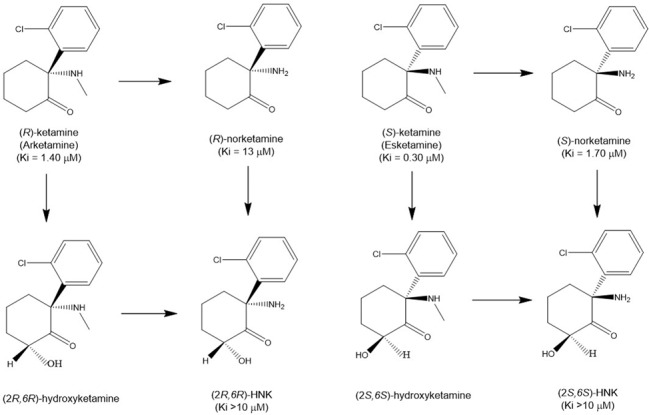
“1) [46] and subsequently converted to (2 S,6 S)-HNK (Fig.”
BackgroundIntravenous arketamine for treatment-resistant depression: open-label pilot study
Leal, G. C., Bandeira, I. D., Correia-Melo, F. S., Telles, M., Mello, R. P., Vieira, F., Lima, C. S., Jesus-Nunes, A. P., Guerreiro-Costa, L. N. F., Marback, R. F., et al. (2021) · European Archives of Psychiatry and Clinical Neuroscience · doi:10.1007/s00406-020-01110-5 · Cited by 257 · cited 3×
“5 mg/kg) caused rapid and sustained antidepressant effects in patients with treatment-resistant MDD, although sample size (n= 7) was small [87].”
BackgroundInfluentialAntidepressant Potential of (R)-Ketamine in Rodent Models: Comparison with (S)-Ketamine
Fukumoto, K., Toki, H., Iijima, M., Hashihayata, T., Yamaguchi, J.-I., Hashimoto, K., & Chaki, S. (2017) · The Journal of Pharmacology and Experimental Therapeutics · doi:10.1124/jpet.116.239228 · Cited by 252 · cited 1×
“pharmacokinetic profile of the two ketamine enantiomers was similar [49, 50], indicating that pharmacokinetic differ-”
BackgroundSelf-citationKetamine has distinct electrophysiological and behavioral effects in depressed and healthy subjects
Nugent, A. C., Ballard, E. D., Gould, T. D., Park, L. T., Moaddel, R., Brutsche, N. E., & Zarate, C. A. (2019) · Molecular Psychiatry · doi:10.1038/s41380-018-0028-2 · Cited by 250 · cited 1×
“Importantly, in healthy control subjects, (R,S)ketamine caused depressive symptoms such as anhedonia rather than antidepressant effects [78].”
BackgroundThe Neuroprotective Functions of Transforming Growth Factor Beta Proteins
Dobolyi, A., Vincze, C., Pál, G., & Lovas, G. (2012) · International Journal of Molecular Sciences · doi:10.3390/ijms13078219 · Cited by 250
Yang, C., Ren, Q., Qu, Y., Zhang, J.-C., Ma, M., Dong, C., & Hashimoto, K. (2018) · Biological Psychiatry · doi:10.1016/j.biopsych.2017.05.016 · Cited by 250 · cited 1×
“effects of esketamine, but may not play such a role for arketamine [51].”
BackgroundSelf-citationFeder, A., Costi, S., Rutter, S. B., Collins, A. B., Govindarajulu, U., Jha, M. K., Horn, S. R., Kautz, M., Corniquel, M., Collins, K. A., et al. (2021) · American Journal of Psychiatry · doi:10.1176/appi.ajp.2020.20050596 · Cited by 246
Ketamine: A tale of two enantiomers
Jelen, L. A., Young, A. H., & Stone, J. M. (2021) · Journal of Psychopharmacology · doi:10.1177/0269881120959644 · Cited by 246
Garcia, L. S. B., Comim, C. M., Valvassori, S. S., Réus, G. Z., Stertz, L., Kapczinski, F., Gavioli, E. C., & Quevedo, J. (2009) · Progress in Neuro-Psychopharmacology and Biological Psychiatry · doi:10.1016/j.pnpbp.2009.01.004 · Cited by 237 · cited 1×
“However, neither acute nor chronic administration of ketamine altered hippocampal BDNF levels in rats exposed to stress [115].”
BackgroundMolecular mechanisms of the rapid-acting and long-lasting antidepressant actions of (R)-ketamine
Hashimoto, K. (2020) · Biochemical Pharmacology · doi:10.1016/j.bcp.2020.113935 · Cited by 236 · cited 2×
“A slight modification from the previous report [44].”
BackgroundMethodSelf-citationFrolkis, A. D., Vallerand, I. A., Shaheen, A.-A., Lowerison, M. W., Swain, M. G., Barnabe, C., Patten, S. B., & Kaplan, G. G. (2019) · Gut · doi:10.1136/gutjnl-2018-317182 · Cited by 228 · cited 1×
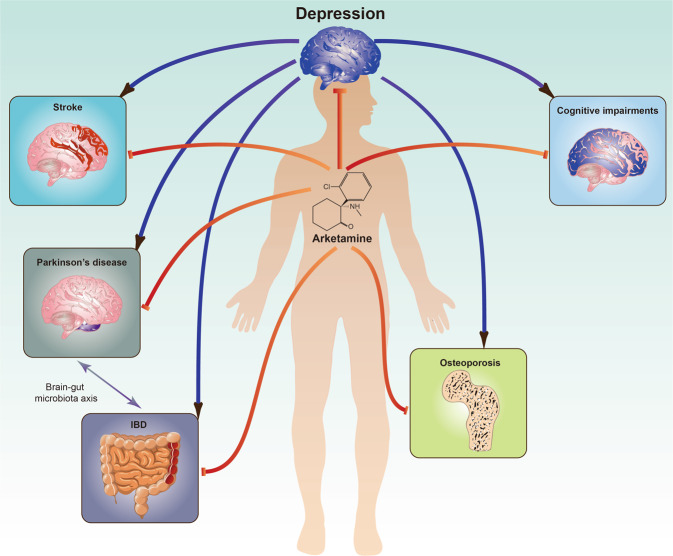
“Depression is a common symptom in patients with UC, and is itself a risk factor for IBDs [180].”
BackgroundYang, C., Qu, Y., Fujita, Y., Ren, Q., Ma, M., Dong, C., & Hashimoto, K. (2017) · Translational Psychiatry · doi:10.1038/s41398-017-0031-4 · Cited by 223
Self-citationThe role of dissociation in ketamine’s antidepressant effects
Ballard, E. D., & Zarate, C. A. (2020) · Nature Communications · doi:10.1038/s41467-020-20190-4 · Cited by 220 · cited 2×
“However, Ballard and Zarate [94] recently reported that dissociation is not necessary for the antidepressant response to (R,S)-ketamine and a recent systematic review showed that the association between (R,S)-ketamine-induced dissociation and its antidepressant effects was inconsistent [95].”
BackgroundGlutamate modulators as potential therapeutic drugs in schizophrenia and affective disorders
Hashimoto, K., Malchow, B., Falkai, P., & Schmitt, A. (2013) · European Archives of Psychiatry and Clinical Neuroscience · doi:10.1007/s00406-013-0399-y · Cited by 219
Self-citationSu, T.-P., Chen, M.-H., Li, C.-T., Lin, W.-C., Hong, C.-J., Gueorguieva, R., Tu, P.-C., Bai, Y.-M., Cheng, C.-M., & Krystal, J. H. (2017) · Neuropsychopharmacology · doi:10.1038/npp.2017.94 · Cited by 209
Zhang, J., Ma, L., Chang, L., Pu, Y., Qu, Y., & Hashimoto, K. (2020) · Translational Psychiatry · doi:10.1038/s41398-020-00878-3 · Cited by 208 · cited 1×
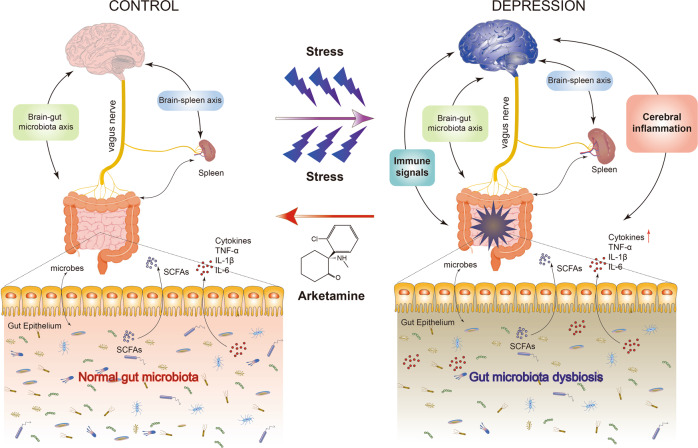
“Depression-like behaviors, increased spleen volume, and abnormal composition of gut microbiota following injection of lipopolysaccharide (LPS) in mice were attenuated after subdiaphragmatic vagotomy, further suggesting a role of the brain–gut–microbiota axis via the vagus nerve [159].”
BackgroundSelf-citationKetamine and rapid-acting antidepressants: a new era in the battle against depression and suicide
Duman, R. S. (2018) · F1000Research · doi:10.12688/f1000research.14344.1 · Cited by 207
Hashimoto, K. (2013) · Progress in Neurobiology · doi:10.1016/j.pneurobio.2012.09.001 · Cited by 207
Self-citationZheng, P., Wu, J., Zhang, H., Perry, S. W., Yin, B., Tan, X., Chai, T., Liang, W., Huang, Y., Li, Y., et al. (2021) · Molecular Psychiatry · doi:10.1038/s41380-020-0744-2 · Cited by 205
Bifidobacterium in the gut microbiota confer resilience to chronic social defeat stress in mice
Yang, C., Fujita, Y., Ren, Q., Ma, M., Dong, C., & Hashimoto, K. (2017) · Scientific Reports · doi:10.1038/srep45942 · Cited by 202
Self-citationThe role of eukaryotic elongation factor 2 kinase in rapid antidepressant action of ketamine
Monteggia, L. M., Gideons, E., & Kavalali, E. T. (2013) · Biological Psychiatry · doi:10.1016/j.biopsych.2012.09.006 · Cited by 198 · cited 1×
“[135] proposed that eEF2K plays a role in mediating the antidepressant-like effects of (R,S)-ketamine, which did not show antidepressant-like effects in Eef2k KO mice; however, it is noted that these mice did not display a depression-like phenotype [136].”
BackgroundCorreia-Melo, F. S., Leal, G. C., Vieira, F., Jesus-Nunes, A. P., Mello, R. P., Magnavita, G., Caliman-Fontes, A. T., Echegaray, M. V. F., Bandeira, I. D., Silva, S. S., et al. (2020) · Journal of Affective Disorders · doi:10.1016/j.jad.2019.11.086 · Cited by 193
d-glutamate and Gut Microbiota in Alzheimer’s Disease
Chang, C.-H., Lin, C.-H., & Lane, H.-Y. (2020) · International Journal of Molecular Sciences · doi:10.3390/ijms21082676 · Cited by 191
Yang, C., Yang, J., Luo, A., & Hashimoto, K. (2019) · Translational Psychiatry · doi:10.1038/s41398-019-0624-1 · Cited by 190
Self-citationFukumoto, K., Fogaça, M. V., Liu, R.-J., Duman, C., Kato, T., Li, X.-Y., & Duman, R. S. (2019) · Proceedings of the National Academy of Sciences · doi:10.1073/pnas.1814709116 · Cited by 188 · cited 1×
“In contrast, several groups reported antidepressantlike effects of (2R,6R)-HNK in naive rodents without a depression-like phenotype, although the effects of the parent compound arketamine were not compared in the same model [76, 77].”
BackgroundModulation of the antidepressant effects of ketamine by the mTORC1 inhibitor rapamycin
Abdallah, C. G., Averill, L. A., Gueorguieva, R., Goktas, S., Purohit, P., Ranganathan, M., Sherif, M., Ahn, K.-H., D’Souza, D. C., Formica, R., et al. (2020) · Neuropsychopharmacology · doi:10.1038/s41386-020-0644-9 · Cited by 184 · cited 1×
“5mg/kg) in patients with treatment-resistant MDD [134].”
Detecting depression in Parkinson disease: A systematic review and meta-analysis
Goodarzi, Z., Mrklas, K. J., Roberts, D. J., Jette, N., Pringsheim, T., & Holroyd-Leduc, J. (2016) · Neurology · doi:10.1212/wnl.0000000000002898 · Cited by 184
Yang, B., Ren, Q., Zhang, J.-C., Chen, Q.-X., & Hashimoto, K. (2017) · Translational Psychiatry · doi:10.1038/tp.2017.95 · Cited by 181 · cited 1×
“In addition, using postmortem tissues, we reported correlations between BDNF propeptide in the brain and spleen [163], and a negative correlation between CSF1R and transcription factor PU.”
MethodSelf-citationZheng, W., Zhou, Y.-L., Liu, W.-J., Wang, C.-Y., Zhan, Y.-N., Li, H.-Q., Chen, L.-J., Li, M. D., & Ning, Y.-P. (2018) · Journal of Psychiatric Research · doi:10.1016/j.jpsychires.2018.09.013 · Cited by 180
Chang, L., Zhang, K., Pu, Y., Qu, Y., Wang, S.-M., Xiong, Z., Ren, Q., Dong, C., Fujita, Y., & Hashimoto, K. (2019) · Pharmacology Biochemistry and Behavior · doi:10.1016/j.pbb.2019.04.008 · Cited by 176 · cited 1×
“Behavioral abnormalities in rodents (hyperlocomotion, prepulse inhibition, and abuse liability) were induced less by arketamine than by esketamine [48, 52].”
BackgroundSelf-citationKoike, H., & Chaki, S. (2014) · Behavioural Brain Research · doi:10.1016/j.bbr.2014.05.065 · Cited by 175 · cited 1×
“ketamine [101–103], and post treatment with NBQX reversed the effects of (R,S)-ketamine [104].”
BackgroundCaraci, F., Spampinato, S. F., Morgese, M. G., Tascedda, F., Salluzzo, M. G., Giambirtone, M. C., Caruso, G., Munafò, A., Torrisi, S. A., Leggio, G. M., et al. (2018) · Pharmacological Research · doi:10.1016/j.phrs.2018.02.007 · Cited by 172
Wang, S., Ishima, T., Zhang, J., Qu, Y., Chang, L., Pu, Y., Fujita, Y., Tan, Y., Wang, X., & Hashimoto, K. (2020) · Journal of Neuroinflammation · doi:10.1186/s12974-020-01916-z · Cited by 171
Self-citationPu, Y., Tan, Y., Qu, Y., Chang, L., Wang, S., Wei, Y., Wang, X., & Hashimoto, K. (2021) · Brain, Behavior, and Immunity · doi:10.1016/j.bbi.2020.12.032 · Cited by 170 · cited 1×
“Furthermore, the brain–gut–microbiota axis acts via the vagus nerve to play a key role in depression-like phenotypes in mice after transplantation of “depressionrelated microbes” [150, 151].”
BackgroundSelf-citationLiu, W., Wang, J., Xie, Z.-M., Xu, N., Zhang, G.-F., Jia, M., Zhou, Z., Hashimoto, K., & Yang, J. (2015) · Psychopharmacology · doi:10.1007/s00213-015-4128-2 · Cited by 169 · cited 1×
“Moreover, the regulation of astrocytic glutamate transporter 1 by TrkB signaling plays a role in the antidepressant-like effects of (R,S)-ketamine in a chronic unpredictable mild stress model [117].”
BackgroundSelf-citationYang, C., Qu, Y., Abe, M., Nozawa, D., Chaki, S., & Hashimoto, K. (2017) · Biological Psychiatry · doi:10.1016/j.biopsych.2016.12.020 · Cited by 162
Self-citationLi, C.-T., Yang, K.-C., & Lin, W.-C. (2019) · Frontiers in Psychiatry · doi:10.3389/fpsyt.2018.00767 · Cited by 162
A historical review of antidepressant effects of ketamine and its enantiomers
Wei, Y., Chang, L., & Hashimoto, K. (2020) · Pharmacology Biochemistry and Behavior · doi:10.1016/j.pbb.2020.172870 · Cited by 157
Self-citationEsketamine for treatment-resistant depression: seven concerns about efficacy and FDA approval
Turner, E. H. (2019) · The Lancet Psychiatry · doi:10.1016/s2215-0366(19)30394-3 · Cited by 156
Yao, W., Zhang, J.-C., Ishima, T., Dong, C., Yang, C., Ren, Q., Ma, M., Han, M., Wu, J., Suganuma, H., et al. (2016) · Scientific Reports · doi:10.1038/srep30659 · Cited by 154 · cited 1×
“signaling in the PFC and hippocampus [118].”
Self-citationKato, M., Hori, H., Inoue, T., Iga, J., Iwata, M., Inagaki, T., Shinohara, K., Imai, H., Murata, A., Mishima, K., et al. (2021) · Molecular Psychiatry · doi:10.1038/s41380-020-0843-0 · Cited by 152 · cited 1×
“Delayed effects (lag time) and treatment failure through high nonresponse rates are the disadvantages of existing antidepressants such as selective serotonin-reuptake inhibitors and serotonin norepinephrine-reuptake inhibitors [3, 4].”
BackgroundInflammatory bowel disease and Parkinson’s disease: common pathophysiological links
Lee, H.-S., Lobbestael, E., Vermeire, S., Sabino, J., & Cleynen, I. (2021) · Gut · doi:10.1136/gutjnl-2020-322429 · Cited by 151
Antidepressant actions of ketamine engage cell-specific translation via eIF4E
Aguilar-Valles, A., De Gregorio, D., Matta-Camacho, E., Eslamizade, M. J., Khlaifia, A., Skaleka, A., Lopez-Canul, M., Torres-Berrio, A., Bermudez, S., Rurak, G. M., et al. (2021) · Nature · doi:10.1038/s41586-020-03047-0 · Cited by 144
Getachew, B., Aubee, J. I., Schottenfeld, R. S., Csoka, A. B., Thompson, K. M., & Tizabi, Y. (2018) · BMC Microbiology · doi:10.1186/s12866-018-1373-7 · Cited by 134
Molecular Pharmacology and Neurobiology of Rapid-Acting Antidepressants
Gould, T. D., Zarate, C. A., & Thompson, S. M. (2019) · Annual Review of Pharmacology and Toxicology · doi:10.1146/annurev-pharmtox-010617-052811 · Cited by 133 · cited 1×
“It has been recognized that the rapid-acting antidepressantlike effects of (R,S)-ketamine are mediated through blockade of NMDARs located on γ-aminobutyric acid (GABA) ergic inhibitory interneurons, and that subsequent activation of the α-amino-3-hydroxy-5-methyl-4-isoxazolepropionic acid receptor (AMPAR) is required…”
BackgroundAn update on ketamine and its two enantiomers as rapid-acting antidepressants
Zhang, K., & Hashimoto, K. (2019) · Expert Review of Neurotherapeutics · doi:10.1080/14737175.2019.1554434 · Cited by 132
Self-citationPham, T. H., Defaix, C., Xu, X., Deng, S.-X., Fabresse, N., Alvarez, J.-C., Landry, D. W., Brachman, R. A., Denny, C. A., & Gardier, A. M. (2018) · Biological Psychiatry · doi:10.1016/j.biopsych.2017.10.020 · Cited by 131
Musil, R., Schwarz, M., Riedel, M. J., Dehning, S., Cerovecki, A., Spellmann, I., Arolt, V., & Müller, N. (2011) · Journal of Affective Disorders · doi:10.1016/j.jad.2011.05.047 · Cited by 131
Hashimoto, K., Kakiuchi, T., Ohba, H., Nishiyama, S., & Tsukada, H. (2017) · European Archives of Psychiatry and Clinical Neuroscience · doi:10.1007/s00406-016-0692-7 · Cited by 127 · cited 1×
“5 mg/kg), reduced the binding availability of the dopamine D2/3 receptor in the conscious monkey striatum [56], suggesting that esketamine, but not arketamine, can cause dopamine release in the striatum.”
BackgroundSelf-citationQu, Y., Yang, C., Ren, Q., Ma, M., Dong, C., & Hashimoto, K. (2017) · Scientific Reports · doi:10.1038/s41598-017-16060-7 · Cited by 127
Self-citationAMPA Receptor Activation–Independent Antidepressant Actions of Ketamine Metabolite (S)-Norketamine
Yang, C., Kobayashi, S., Nakao, K., Dong, C., Han, M., Qu, Y., Ren, Q., Zhang, J.-C., Ma, M., Toki, H., et al. (2018) · Biological Psychiatry · doi:10.1016/j.biopsych.2018.05.007 · Cited by 125 · cited 2×
“CSDS model, nor did (S)-norketamine enhance AMPARmediated neurotransmission in hippocampal neurons [80].”
BackgroundSelf-citationNMDAR-independent, cAMP-dependent antidepressant actions of ketamine
Wray, N. H., Schappi, J. M., Singh, H., Senese, N. B., & Rasenick, M. M. (2019) · Molecular Psychiatry · doi:10.1038/s41380-018-0083-8 · Cited by 123 · cited 1×
“dependent antidepressant-like actions [60].”
Zhang, K., Yang, C., Chang, L., Sakamoto, A., Suzuki, T., Fujita, Y., Qu, Y., Wang, S., Pu, Y., Tan, Y., et al. (2020) · Translational Psychiatry · doi:10.1038/s41398-020-0733-x · Cited by 119
Self-citationRoles of glutamate signaling in preclinical and/or mechanistic models of depression
Tokita, K., Yamaji, T., & Hashimoto, K. (2011) · Pharmacology Biochemistry and Behavior · doi:10.1016/j.pbb.2011.04.016 · Cited by 111
Self-citationShirayama, Y., & Hashimoto, K. (2018) · International Journal of Neuropsychopharmacology · doi:10.1093/ijnp/pyx108 · Cited by 111
Self-citationOhgi, Y., Futamura, T., & Hashimoto, K. (2015) · Current Molecular Medicine · doi:10.2174/1566524015666150330143008 · Cited by 107
Self-citation(2R,6R)-Hydroxynorketamine is not essential for the antidepressant actions of (R)-ketamine in mice
Yamaguchi, J.-I., Toki, H., Qu, Y., Yang, C., Koike, H., Hashimoto, K., Mizuno-Yasuhira, A., & Chaki, S. (2018) · Neuropsychopharmacology · doi:10.1038/s41386-018-0084-y · Cited by 105 · cited 2×
“It should be noted that the dose at which arketamine produced antidepressant-like effects was lower in the presence of CYP inhibitors than in their absence, which is consistent with antidepressant-like effects being dependent upon exposure levels of arketamine but not (2 R,6R)-HNK [68].”
BackgroundSelf-citationChou, D., Peng, H.-Y., Lin, T.-B., Lai, C.-Y., Hsieh, M.-C., Wen, Y.-C., Lee, A.-S., Wang, H.-H., Yang, P.-S., Chen, G.-D., et al. (2018) · Neuropharmacology · doi:10.1016/j.neuropharm.2018.06.033 · Cited by 104
Huang, N., Hua, D., Zhan, G., Li, S., Zhu, B., Jiang, R., Yang, L., Bi, J., Xu, H., Hashimoto, K., et al. (2019) · Pharmacology Biochemistry and Behavior · doi:10.1016/j.pbb.2018.12.001 · Cited by 103
Self-citationZhang, K., Fujita, Y., Chang, L., Qu, Y., Pu, Y., Wang, S., Shirayama, Y., & Hashimoto, K. (2019) · Translational Psychiatry · doi:10.1038/s41398-019-0571-x · Cited by 98
Self-citationMathai, D. S., Meyer, M. J., Storch, E. A., & Kosten, T. R. (2020) · Journal of Affective Disorders · doi:10.1016/j.jad.2019.12.023 · Cited by 97 · cited 1×
“depressant effects was inconsistent [95].”
Educating Religious Leaders Increases Male Circumcision Rates in Tanzania
Friedrich, M. J. (2017) · JAMA · doi:10.1001/jama.2017.3828 · Cited by 95
Wang, S., Qu, Y., Chang, L., Pu, Y., Zhang, K., & Hashimoto, K. (2020) · Journal of Affective Disorders · doi:10.1016/j.jad.2019.09.064 · Cited by 94
Self-citationGill, H., Gill, B., Rodrigues, N. B., Lipsitz, O., Rosenblat, J. D., El-Halabi, S., Nasri, F., Mansur, R. B., Lee, Y., & McIntyre, R. S. (2021) · Neuroscience & Biobehavioral Reviews · doi:10.1016/j.neubiorev.2020.11.020 · Cited by 93
Yang, C., Han, M., Zhang, J.-C., Ren, Q., & Hashimoto, K. (2016) · Psychiatry Research · doi:10.1016/j.psychres.2016.03.034 · Cited by 91
Self-citationHashimoto, K., Bruno, D., Nierenberg, J., Marmar, C. R., Zetterberg, H., Blennow, K., & Pomara, N. (2016) · Translational Psychiatry · doi:10.1038/tp.2016.8 · Cited by 90
Self-citationRush, G., O’Donovan, A., Nagle, L., Conway, C., McCrohan, A., O’Farrelly, C., Lucey, J. V., & Malone, K. M. (2016) · Journal of Affective Disorders · doi:10.1016/j.jad.2016.06.035 · Cited by 86
Zhou, Y., Zheng, W., Liu, W., Wang, C., Zhan, Y., Li, H., Chen, L., Li, M., & Ning, Y. (2018) · Brain, Behavior, and Immunity · doi:10.1016/j.bbi.2018.09.007 · Cited by 86
Farmer, C. A., Gilbert, J. R., Moaddel, R., George, J., Adeojo, L., Lovett, J., Nugent, A. C., Kadriu, B., Yuan, P., Gould, T. D., et al. (2020) · Neuropsychopharmacology · doi:10.1038/s41386-020-0663-6 · Cited by 85 · cited 1×
“5 mg/kg) in patients with treatment-resistant MDD showed an inverse relationship between (2R,6R;2 S,6 S)-HNK concentration and antidepressant response [88], suggesting that (2R,6 R)-HNK might not contribute to the antidepressant action of (R,S)ketamine [89].”
BackgroundDepression researchers rethink popular mouse swim tests
Reardon, S. (2019) · Nature · doi:10.1038/d41586-019-02133-2 · Cited by 82
Phencyclidine/Schizophrenia: One View Toward the Past, The Other to the Future
Domino, E. F., & Luby, E. D. (2012) · Schizophrenia Bulletin · doi:10.1093/schbul/sbs011 · Cited by 80 · cited 1×
“clidine (PCP) are well known to produce dissociation, such as an “out-of-body experience”, in humans [91, 92].”
BackgroundTargeting of NMDA receptors in the treatment of major depression
Dang, Y.-H., Ma, X.-C., Zhang, J.-C., Ren, Q., Wu, J., Gao, C.-G., & Hashimoto, K. (2014) · Current Pharmaceutical Design · doi:10.2174/1381612819666140110120435 · Cited by 79
Self-citationShirayama, Y., & Hashimoto, K. (2016) · European Archives of Psychiatry and Clinical Neuroscience · doi:10.1007/s00406-016-0718-1 · Cited by 79
Self-citationZhou, Y., Zheng, W., Liu, W., Wang, C., Zhan, Y., Li, H., Chen, L., Li, M., & Ning, Y. (2018) · Journal of Psychopharmacology · doi:10.1177/0269881118798614 · Cited by 73
Kadriu, B., Gold, P. W., Luckenbaugh, D. A., Lener, M. S., Ballard, E. D., Niciu, M. J., Henter, I. D., Park, L. T., De Sousa, R. T., Yuan, P., et al. (2018) · Molecular Psychiatry · doi:10.1038/mp.2017.109 · Cited by 70 · cited 1×
“[176] reported that bone inflammation markers might be involved in the”
BackgroundSometani, A., Kataoka, H., Nitta, A., Fukumitsu, H., Nomoto, H., & Furukawa, S. (2001) · Journal of Neuroscience Research · doi:10.1002/jnr.1229 · Cited by 69
Ketamine’s antidepressant action: beyond NMDA receptor inhibition
Hashimoto, K. (2016) · Expert Opinion on Therapeutic Targets · doi:10.1080/14728222.2016.1238899 · Cited by 68
Self-citationEsketamine is approved in Europe for treating resistant major depressive disorder
Mahase, E. (2019) · BMJ · doi:10.1136/bmj.l7069 · Cited by 67 · cited 1×
“in the USA and Europe for treatment-resistant depression [34, 35], although several concerns about the efficacy and the”
BackgroundYokoyama, R., Higuchi, M., Tanabe, W., Tsukada, S., Naito, M., Yamaguchi, T., Chen, L., Kasai, A., Seiriki, K., Nakazawa, T., et al. (2020) · Pharmacology Biochemistry and Behavior · doi:10.1016/j.pbb.2020.172876 · Cited by 65 · cited 2×
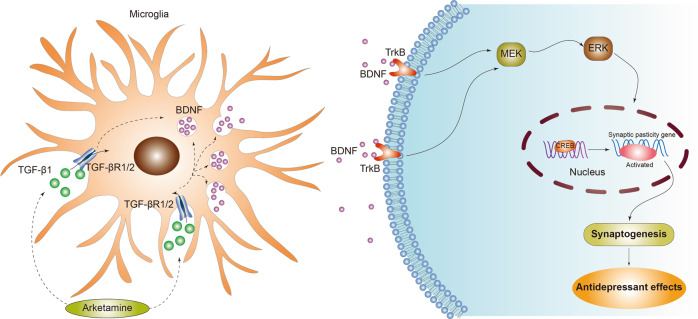
“(2 S,6 S)-HNK, binds to the transmembrane domain of TrkB, although it should be noted that (2 S,6 S)-HNK, but not (2 R,6 R)-HNK, showed antidepressant-like effects in chronic corticosterone-treated mice [70].”
BackgroundSelf-citationTombácz, D., Maróti, Z., Kalmár, T., Csabai, Z., Balázs, Z., Takahashi, S., Palkovits, M., Snyder, M., & Boldogkői, Z. (2017) · Scientific Reports · doi:10.1038/s41598-017-06522-3 · Cited by 65
Zhang, K., Sakamoto, A., Chang, L., Qu, Y., Wang, S., Pu, Y., Tan, Y., Wang, X., Fujita, Y., Ishima, T., et al. (2021) · European Archives of Psychiatry and Clinical Neuroscience · doi:10.1007/s00406-019-01092-z · Cited by 63
Self-citationNeuregulin 1: an intriguing therapeutic target for neurodevelopmental disorders
Shi, L., & Bergson, C. M. (2020) · Translational Psychiatry · doi:10.1038/s41398-020-00868-5 · Cited by 61
Antidepressant drugs act by directly binding to TRKB neurotrophin receptors
Casarotto, P. C., Girych, M., Fred, S. M., Kovaleva, V. D., Moliner, R., Enkavi, G., Biojone, C., Cannarozzo, C., Sahu, M. P., Kaurinkoski, K., et al. (2021) · NORA - Norwegian Open Research Archives · Cited by 61
Guerrera, C. S., Furneri, G., Grasso, M., Caruso, G., Castellano, S., Drago, F., Di Nuovo, S., & Caraci, F. (2020) · Frontiers in Psychology · doi:10.3389/fpsyg.2020.00857 · Cited by 58
Antidepressant Effects of (+)-MK-801 and (-)-MK-801 in the Social Defeat Stress Model
Yang, B., Ren, Q., Ma, M., Chen, Q.-X., & Hashimoto, K. (2016) · International Journal of Neuropsychopharmacology · doi:10.1093/ijnp/pyw080 · Cited by 57 · cited 1×
“rapid antidepressant-like effects in a preclinical CSDS model [83].”
BackgroundSelf-citationFujita, A., Fujita, Y., Pu, Y., Chang, L., & Hashimoto, K. (2019) · Psychopharmacology · doi:10.1007/s00213-019-05346-5 · Cited by 56 · cited 1×
“with repeated intranasal administration of arketamine, but not esketamine [175].”
BackgroundSelf-citationHashimoto, K. (2016) · Psychological Medicine · doi:10.1017/s0033291716000969 · Cited by 54
Self-citationAre we repeating mistakes of the past? A review of the evidence for esketamine
Horowitz, M. A., & Moncrieff, J. (2021) · The British Journal of Psychiatry · doi:10.1192/bjp.2020.89 · Cited by 53
Qu, Y., Zhang, K., Pu, Y., Chang, L., Wang, S., Tan, Y., Wang, X., Zhang, J., Ohnishi, T., Yoshikawa, T., et al. (2020) · Journal of Affective Disorders · doi:10.1016/j.jad.2020.03.095 · Cited by 50
Self-citationXiong, Z., Fujita, Y., Zhang, K., Pu, Y., Chang, L., Ma, M., Chen, J., & Hashimoto, K. (2019) · Behavioural Brain Research · doi:10.1016/j.bbr.2019.111904 · Cited by 49 · cited 1×
“Moreover, arketamine, but not its metabolite (2 R,6 R)-HNK, ameliorated the decreased bone mineral density in CSDS-susceptible mice [178].”
BackgroundSelf-citationLack of metabolism in (R)-ketamine’s antidepressant actions in a chronic social defeat stress model
Zhang, K., Fujita, Y., & Hashimoto, K. (2018) · Scientific Reports · doi:10.1038/s41598-018-22449-9 · Cited by 49
Self-citationPassie, T., Adams, H.-A., Logemann, F., Brandt, S. D., Wiese, B., & Karst, M. (2021) · European Neuropsychopharmacology · doi:10.1016/j.euroneuro.2021.01.005 · Cited by 49 · cited 3×
“012 mg/kg/min for 60min) produced significant psychopathological and neurocognitive impairment compared to the placebo [167].”
BackgroundInfluentialZhang, K., Dong, C., Fujita, Y., Fujita, A., & Hashimoto, K. (2018) · International Journal of Neuropsychopharmacology · doi:10.1093/ijnp/pyx100 · Cited by 48
Self-citationShiroma, P. R., Thuras, P., Wels, J., Albott, C. S., Erbes, C., Tye, S., & Lim, K. O. (2020) · Journal of Affective Disorders · doi:10.1016/j.jad.2020.08.058 · Cited by 46
Tan, Y., Fujita, Y., Qu, Y., Chang, L., Pu, Y., Wang, S., Wang, X., & Hashimoto, K. (2020) · Pharmacology Biochemistry and Behavior · doi:10.1016/j.pbb.2019.172839 · Cited by 45 · cited 1×
“deficits in mice were ameliorated after subsequent repeated intermittent administration of arketamine, but not esketamine, and that these effects were mediated by BDNF–TrkB activation [173].”
BackgroundSelf-citationCan, N. Ö., Can, Ö. D., Osmaniye, D., & Özkay, Ü. D. (2018) · Molecules · doi:10.3390/molecules23040716 · Cited by 45 · cited 1×
“Delayed effects (lag time) and treatment failure through high nonresponse rates are the disadvantages of existing antidepressants such as selective serotonin-reuptake inhibitors and serotonin norepinephrine-reuptake inhibitors [3, 4].”
BackgroundQu, Y., Shan, J., Wang, S., Chang, L., Pu, Y., Wang, X., Tan, Y., Yamamoto, M. P., & Hashimoto, K. (2020) · European Archives of Psychiatry and Clinical Neuroscience · doi:10.1007/s00406-020-01208-w · Cited by 44
Self-citation(R)‐ and (S)‐ketamine induce differential fMRI responses in conscious rats
Masaki, Y., Kashiwagi, Y., Watabe, H., & Abe, K. (2019) · Synapse · doi:10.1002/syn.22126 · Cited by 44 · cited 2×
“antidepressant effects, is not dependent upon NMDAR inhibition [58].”
BackgroundWei, I.-H., Chen, K.-T., Tsai, M.-H., Wu, C.-H., Lane, H.-Y., & Huang, C.-C. (2017) · Journal of Agricultural and Food Chemistry · doi:10.1021/acs.jafc.7b04217 · Cited by 42
Hashimoto, K. (2014) · Clinical Psychopharmacology and Neuroscience · doi:10.9758/cpn.2014.12.1.72 · Cited by 42
Self-citationWei, Y., Chang, L., Ishima, T., Wan, X., Ma, L., Wuyun, G., Pu, Y., & Hashimoto, K. (2021) · Brain Behavior & Immunity - Health · doi:10.1016/j.bbih.2021.100198 · Cited by 42 · cited 1×
“We recently reported an abnormality in the composition of mouse gut microbiota and SCFAs after splenectomy, suggesting a role for spleen in the brain–gut–microbiota axis [157].”
BackgroundSelf-citationThe effect of bacteriophage T2 infection on the synthesis of transfer RNA in Escherichia coli
Tillack, T. W., & Smith, D. W. (1968) · Virology · doi:10.1016/0042-6822(68)90138-4 · Cited by 42
Xiong, Z., Chang, L., Qu, Y., Pu, Y., Wang, S., Fujita, Y., Ishima, T., Chen, J., & Hashimoto, K. (2020) · Pharmacology Biochemistry and Behavior · doi:10.1016/j.pbb.2020.172904 · Cited by 41 · cited 1×
“(1 and 24 h after MCAO) of arketamine but not of esketamine [184].”
BackgroundSelf-citationEvaluation of ketamine HCl for anti-depressant activity.
Sofia, R. D., & Harakal, J. J. (1975) · PubMed · Cited by 41
What is hydroxynorketamine and what can it bring to neurotherapeutics?
Singh, N. S., Zarate, C. A., Moaddel, R., Bernier, M., & Wainer, I. W. (2014) · Expert Review of Neurotherapeutics · doi:10.1586/14737175.2014.971760 · Cited by 38
Considerations on the Off-label Use of Ketamine as a Treatment for Mood Disorders
Wilkinson, S. T., & Sanacora, G. (2017) · JAMA · doi:10.1001/jama.2017.10697 · Cited by 38
Is (S)-norketamine an alternative antidepressant for esketamine?
Hashimoto, K., & Yang, C. (2019) · European Archives of Psychiatry and Clinical Neuroscience · doi:10.1007/s00406-018-0922-2 · Cited by 37
Self-citationZhang, J., Chang, L., Pu, Y., & Hashimoto, K. (2020) · Journal of Affective Disorders · doi:10.1016/j.jad.2020.03.128 · Cited by 36 · cited 2×
“1 (SPI1) [164], suggesting a role for the brain–spleen axis in psychiatric disorders such as depression.”
BackgroundSelf-citationDetrimental Side Effects of Repeated Ketamine Infusions in the Brain
Hashimoto, K. (2016) · American Journal of Psychiatry · doi:10.1176/appi.ajp.2016.16040411 · Cited by 35
Self-citationZhang, K., Toki, H., Fujita, Y., Ma, M., Chang, L., Qu, Y., Harada, S., Nemoto, T., Mizuno‐Yasuhira, A., Yamaguchi, J., et al. (2018) · Psychopharmacology · doi:10.1007/s00213-018-5017-2 · Cited by 33
Self-citationChen, M.-H., Kao, C.-F., Tsai, S.-J., Li, C.-T., Lin, W.-C., Hong, C.-J., Bai, Y.-M., Tu, P.-C., & Su, T.-P. (2021) · Genomics · doi:10.1016/j.ygeno.2020.12.030 · Cited by 33 · cited 1×
“A recent gene-based genome-wide association study in Taiwan showed the predictive role of BDNF–TrkB signaling, glutamatergic signaling, and GABAergic signaling in the antidepressant actions of (R,S)-ketamine in patients with treatment-resistant MDD [122].”
BackgroundWhat Are the Causes for Discrepancies of Antidepressant Actions of (2R,6R)-Hydroxynorketamine?
Hashimoto, K., & Shirayama, Y. (2017) · Biological Psychiatry · doi:10.1016/j.biopsych.2017.12.007 · Cited by 32
Self-citationWei, Y., Chang, L., & Hashimoto, K. (2021) · European Neuropsychopharmacology · doi:10.1016/j.euroneuro.2021.04.010 · Cited by 30
Self-citationZhang, K., Ma, M., Dong, C., & Hashimoto, K. (2018) · International Journal of Neuropsychopharmacology · doi:10.1093/ijnp/pyy065 · Cited by 30 · cited 4×
“Kadriu et al. [176] reported that bone inflammation markers might be involved in the antidepressant actions of (R,S)-ketamine in patients with treatment-resistant MDD. Arketamine, but not esketamine, significantly attenuated the increased plasma levels of receptor activator of nuclear factor κB ligand (RANKL) observed…”
BackgroundInfluentialSelf-citationAnderzhanova, E., Hafner, K., Genewsky, A. J., Soliman, A., Pöhlmann, M. L., Schmidt, M. V., Blum, R., Wotjak, C. T., & Gassen, N. C. (2020) · Neurobiology of Stress · doi:10.1016/j.ynstr.2020.100239 · Cited by 29 · cited 1×
“[120] reported that injection of esketamine (10 or 50 mg/ kg) stimulated extracellular levels of mature BDNF in the”
BackgroundTan, Y., & Hashimoto, K. (2020) · Journal of Affective Disorders · doi:10.1016/j.jad.2020.03.040 · Cited by 28 · cited 1×
“Furthermore, repeated intermittent administration of esketamine, but not arketamine, in mice caused a reduction in parvalbumin (PV) immunoreactivity in the prefrontal cortex (PFC) [54] and an increase in locomotion after methamphetamine administration [55].”
BackgroundSelf-citationChen, X., Wang, M., Hu, Y., Zhan, Y., Zhou, Y., Zheng, W., Liu, W., Wang, C., Zhong, X., Li, H., et al. (2021) · European Archives of Psychiatry and Clinical Neuroscience · doi:10.1007/s00406-020-01221-z · Cited by 27 · cited 1×
“Furthermore, it was suggested that the improvement in working memory may be predictive of the anti-suicidal-ideation response to (R,S)-ketamine in patients with treatmentresistant MDD [172].”
BackgroundZhu, J., Hawkins, E., Phillips, K., & Deshpande, L. S. (2020) · International Journal of Environmental Research and Public Health · doi:10.3390/ijerph17134710 · Cited by 27 · cited 1×
“Furthermore, arketamine acted with greater potency than esketamine for depressionlike behaviors in an organophosphate-exposed rat model of Gulf War illness [53].”
BackgroundFujita, Y., Hashimoto, Y., Hashimoto, H., Chang, L., & Hashimoto, K. (2021) · European Journal of Pharmacology · doi:10.1016/j.ejphar.2021.173954 · Cited by 27 · cited 1×
“not esketamine, significantly ameliorated the DSS-induced inflammation and colitis through TrkB activation [182].”
BackgroundSelf-citationGrieco, S. F., Qiao, X., Johnston, K. G., Chen, L., Nelson, R. R., Lai, C., Holmes, T. C., & Xu, X. (2021) · Translational Psychiatry · doi:10.1038/s41398-021-01255-4 · Cited by 24 · cited 13×
“(S)-norketamine did not cause the behavioral and biochemical abnormalities such as prepulse inhibition deficits, reward effects, loss of PV immunoreactivity in the PFC, and baseline γ-band oscillation increase that have been observed with esketamine [80].”
BackgroundInfluentialLópez‐Díaz, Á., Murillo-Izquierdo, M., & Moreno-Mellado, E. (2019) · The British Journal of Psychiatry · doi:10.1192/bjp.2019.102 · Cited by 23
Xu, D., Zhang, Y., Xie, B., Yao, H., Yuan, Y., Yuan, S., & Zhang, J. (2020) · Aging · doi:10.18632/aging.103659 · Cited by 23
Fujita, Y., & Hashimoto, K. (2020) · Neuropsychopharmacology Reports · doi:10.1002/npr2.12132 · Cited by 20
Self-citationAre NMDA and opioid receptors involved in the antidepressant actions of ketamine?
Hashimoto, K. (2020) · Proceedings of the National Academy of Sciences · doi:10.1073/pnas.2001264117 · Cited by 19
Self-citationA Brain-Spleen Axis Regulates Humoral Immunity
Zhang, B., Zhong, J., & Gao, Z. (2020) · Neuroscience Bulletin · doi:10.1007/s12264-020-00610-7 · Cited by 19 · cited 1×
“Moreover, stress-activated corticotropin-releasing hormone neurons control adaptive immunity in the spleen by direct innervation, suggesting a brain–spleen axis in the regulation of humoral immunity [161, 162].”
BackgroundAbdallah, C. G. (2020) · Neuropsychopharmacology · doi:10.1038/s41386-020-0668-1 · Cited by 17 · cited 1×
“5 mg/kg) in patients with treatment-resistant MDD showed an inverse relationship between (2R,6R;2 S,6 S)-HNK concentration and antidepressant response [88], suggesting that (2R,6 R)-HNK might not contribute to the antidepressant action of (R,S)ketamine [89].”
BackgroundRapid Antidepressant Activity of Ketamine Beyond NMDA Receptor
Hashimoto, K. (2017) · Springer eBooks · doi:10.1007/978-3-319-49795-2_4 · Cited by 17
Self-citationAssociation Between FoxO1, A2M, and TGF-β1, Environmental Factors, and Major Depressive Disorder
Zhao, M., Chen, L., Qiao, Z., Zhou, J., Zhang, T., Zhang, W., Ke, S., Zhao, X., Qiu, X., Song, X., et al. (2020) · Frontiers in Psychiatry · doi:10.3389/fpsyt.2020.00675 · Cited by 13
The Role of Gut Microbiota in the Antidepressant Effects of Ketamine
Wang, Y., Xu, X., Luo, A., & Yang, C. (2020) · Springer eBooks · doi:10.1007/978-981-15-2902-3_8 · Cited by 10
Is the History Repeated? Can (2 R ,6 R )-Hydroxynorketamine be Another Antidepressant?
Chaki, S., & Yamaguchi, J. (2018) · Journal of Experimental Neuroscience · doi:10.1177/1179069518815445 · Cited by 9
Neural rhythm in the retrosplenial cortex during ketamine-induced dissociation
Hashimoto, K. (2021) · European Archives of Psychiatry and Clinical Neuroscience · doi:10.1007/s00406-020-01226-8 · Cited by 5 · cited 1×
“Nonetheless, it will be of great interest to compare the antidepressant and dissociative effects of arketamine and esketamine in MDD patients [98].”
BackgroundSelf-citationNew Rapid-acting Antidepressants
(2021) · Contemporary clinical neuroscience · doi:10.1007/978-3-030-79790-4 · Cited by 5
Chaki, S., & Yamaguchi, J. (2021) · Elsevier eBooks · doi:10.1016/b978-0-12-817933-8.00011-6 · Cited by 3
Research works printed but not linked: 1
- Press release: Perception Neuroscience’s PCN-101 (R-ketamine) demonstrates tolerability in phase 1 single ascending dose study. https://www.perceptionns.com/news.
Cited by
Brain–gut–microbiota axis in depression: A historical overview and future directions
Chang, L., Wei, Y., & Hashimoto, K. (2022) · Brain Research Bulletin · doi:10.1016/j.brainresbull.2022.02.004 · Cited by 377
“depression despite various side effects, delayed clinical onset, and high non-response rates (Galecki et al., 2018; Hoyer, 2020; Wei et al., 2021).”
InfluentialSelf-citationCheng, J., Hu, H., Ju, Y., Liu, J., Wang, M., Liu, B., & Zhang, Y. (2024) · General Psychiatry · doi:10.1136/gpsych-2023-101374 · Cited by 196
“177 Previous research also revealed alterations in the gut microbiota during ketamine treatment.”
BackgroundMicroglial ERK-NRBP1-CREB-BDNF Signaling in Sustained Antidepressant Actions of (R)-Ketamine
Yao, W., Cao, Q., Luo, S., He, L., Yang, C., Chen, J., Qi, Q., Hashimoto, K., & Zhang, J.-C. (2022) · Molecular Psychiatry · doi:10.1038/s41380-021-01377-7 · Cited by 216
“Further study using these mice with depression-like phenotypes is needed [24].”
BackgroundSelf-citationQiu, D., Wang, X.-M., Yang, J.-J., Chen, S., Yue, C.-B., Hashimoto, K., & Yang, J.-J. (2022) · JAMA Network Open · doi:10.1001/jamanetworkopen.2022.44514 · Cited by 192
“The esketamine group had a longer median (IQR) laryngeal mask removal time (14 [8-20] vs 10 [8-14] minutes; P = .”
BackgroundSelf-citationGut Microbiota in Anxiety and Depression: Unveiling the Relationships and Management Options
Kumar, A., Pramanik, J., Goyal, N., Chauhan, D., Sivamaruthi, B. S., Prajapati, B. G., & Chaiyasut, C. (2023) · Pharmaceuticals · doi:10.3390/ph16040565 · Cited by 154
“These results confirm that the brain–gut– microbiota axis influences stress resiliency and vulnerability [123,127].”
Result
Metadata
- Authors
- Wei, Y., Chang, L., & Hashimoto, K.
- Affiliations
- Chiba University (JP)
- Corresponding author
- Hashimoto, Kenji
- Venue
- Molecular Psychiatry
- Published
- 2021-05-07
- Volume
- 27
- Issue
- 1
- Pages
- 559-573
- ISSN
- 1359-4184 (ISSN-L)
- 1476-5578
- PMC
- PMC8960399
- OpenAlex
- W3158143766
- Cited by
- 248
- References
- 191
- Citations by year
- 2026: 23 · 2025: 51 · 2024: 58 · 2023: 43 · 2022: 55 · 2021: 18
- FWCI
- 5.51
- Type
- journal article
- Language
- en
- Open access
- hybrid
- doi.org
- Licence
- cc-by
- creativecommons.org/licenses/by/4.0 (tdm)
- creativecommons.org/licenses/by/4.0 (vor)
- Locations
- Molecular Psychiatry (publishedVersion, cc-by)
- PubMed Central (publishedVersion, cc-by)
- PubMed (publishedVersion)
- Funders
- Japan Agency for Medical Research and Development (JP20dm0107119)
- National Natural Science Foundation of China (31701009)
- Topics
- Health Sciences › Medicine › Pharmacology (medical) › Treatment of Major Depression
- Life Sciences › Neuroscience › Cellular and Molecular Neuroscience › Neuroscience and Neuropharmacology Research
- Life Sciences › Neuroscience › Biological Psychiatry › Tryptophan and brain disorders
- Keywords
- esketamine, antidepressant mechanism, NMDA receptor, treatment-resistant depression, brain-gut-microbiota axis, stress-related psychiatric disorders, cognitive impairment, Parkinson's disease, osteoporosis, inflammatory bowel disease, stroke
- MeSH terms
- Antidepressive Agents, Depression, Humans, Ketamine, Receptors, N-Methyl-D-Aspartate, Depressive Disorder, Treatment-Resistant
About these checks
Registry, retraction, Cites and statistics results are computed, not judged, with one exception: a printed reference that no index lists is read once by a model before it counts as a citation error. Claims are extracted by a model and kept only when their quote appears verbatim in the text; each cited source is then checked, with a model’s help, for whether it says what the claim relies on. Those verdicts can be wrong — read the claim’s quote and the cited source before relying on one.
Statistics and arithmetic are recomputed, not judged.
Confidence bands are shown only for fields calibrated on our annotated test set. None is calibrated yet, so no band is shown.
What counts as a claim ›How we measure confidence ›How we check this ›
Are you an author, or do you see a problem with this page? Request a review
Data sources
Bibliographic data: Semantic Scholar, OpenAlex, Crossref.
Contains information from the Semantic Scholar Academic Graph Datasets, made available under the ODC Attribution License (ODC-BY 1.0).
Semantic Scholar’s data is described in: Kinney, R., et al. (2023). The Semantic Scholar Open Data Platform. arXiv:2301.10140.
