

Advances in human oxytocin measurement: challenges and proposed solutions
Open accessThe DOI matches its Crossref record; 161 of the 161 references it cites were found in a registry or an index.
Abstract
Oxytocin, a neuropeptide known for its role in reproduction and socioemotional processes, may hold promise as a therapeutic agent in treating social impairments in patient populations. However, research has yet to uncover precisely how to manipulate this system for clinical benefit. Moreover, inconsistent use of standardized and validated oxytocin measurement methodologies—including the design and study of hormone secretion and biochemical assays—present unresolved challenges. Human studies measuring peripheral (i.e., in plasma, saliva, or urine) or central (i.e., in cerebrospinal fluid) oxytocin concentrations have involved very diverse methods, including the use of different assay techniques, further compounding this problem. In the present review, we describe the scientific value in measuring human endogenous oxytocin concentrations, common issues in biochemical analysis and study design that researchers face when doing so, and our recommendations for improving studies using valid and reliable methodologies.
Overview
The claims and statistics of this paper haven’t been checked yet.
Free: it reads the open-access text and checks the first 5 claims that cite a source we can check. Create a free account to check every claim.
Integrity signals
Registry
Cites
Statistics
Figures
Verification
Claims the paper makes
The claims and statistics of this paper haven’t been checked yet.
Free: it reads the open-access text and checks the first 5 claims that cite a source we can check. Create a free account to check every claim.
Claims other papers make about this one
Each is checked against this paper’s own text: does it say what the citing paper says it does?
The source backs part of the claim, not all of it — or backs it for a different population, condition or comparison.
In the citing paper
“The discrepancies may arise from differences in participant characteristics, types of music-based intervention, study designs, OXT measurements, and contextual factors (Engel et al., 2019; MacLean et al., 2019; Tabak et al., 2023).”
From Music's context-dependent influence on oxytocin, social bonding, and emotion regulation: a systematic review (2026) · cites this paper as Tabak et al., 2023
Experimental — accuracy not yet measured
Self-check
Percentages, sums and reported differences re-computed from the paper’s own numbers.
The self-check needs the paper’s full text.
Citations
Cites
Kirschbaum, C., Pirke, K.-M., & Hellhammer, D. H. (2008) · Neuropsychobiology · doi:10.1159/000119004 · Cited by 6,093 · cited 1×
“a Changes in human oxytocin concentrations in the Trier Social Stress Test (TSST; [159]) based on scale.”
Oxytocin increases trust in humans
Kosfeld, M., Heinrichs, M., Zak, P. J., Fischbacher, U., & Fehr, E. (2005) · Nature · doi:10.1038/nature03701 · Cited by 3,690 · cited 1×
“Psychological research on oxytocin was catalyzed following a report that intranasal administration of oxytocin increased human trust [8], which led the media to brand oxytocin as a social elixir [9].”
BackgroundOxytocin, vasopressin, and the neurogenetics of sociality
Donaldson, Z. R., & Young, L. J. (2008) · Science · doi:10.1126/science.1158668 · Cited by 1,645 · cited 1×
“Based on these studies, there is good reason to believe that a greater understanding of the oxytocin system may have translational potential for humans, particularly in the treatment of social impairments [6, 7].”
BackgroundEvoked axonal oxytocin release in the central amygdala attenuates fear response
Knobloch, H. S., Charlet, A., Hoffmann, L. C., Eliava, M., Khrulev, S., Cetin, A. H., Osten, P., Schwarz, M. K., Seeburg, P. H., Stoop, R., et al. (2012) · Neuron · doi:10.1016/j.neuron.2011.11.030 · Cited by 1,049
The oxytocin receptor: from intracellular signaling to behavior
Jurek, B., & Neumann, I. D. (2018) · Physiological Reviews · doi:10.1152/physrev.00031.2017 · Cited by 999 · cited 5×
“THE VALUE IN MEASURING OXYTOCIN CONCENTRATIONS Studies in non-human species have shown that peripheral oxytocin is secreted in tandem with central oxytocin in certain contexts [1, 40].”
BackgroundInfluentialSelf-citationUvnäs-Moberg, K. (1998) · Psychoneuroendocrinology · doi:10.1016/s0306-4530(98)00056-0 · Cited by 966 · cited 1×
“In addition to the brain [58], oxytocin receptors (OXTR) are expressed in most organs throughout the body, including the reproductive tissues, heart, kidney, bone, and autonomic nervous system [1], suggesting that oxytocin’s effects on the periphery may also contribute to changes in behavior [33, 59].”
BackgroundNeumann, I. D., & Landgraf, R. (2012) · Trends in Neurosciences · doi:10.1016/j.tins.2012.08.004 · Cited by 954 · cited 5×
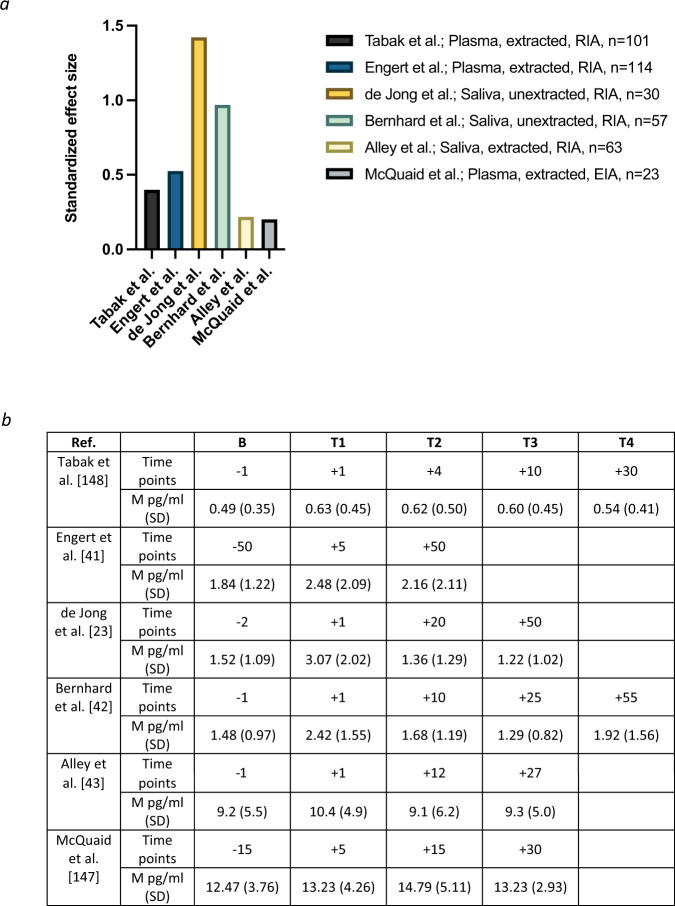
“2a show pre-post (i.e., the difference between baseline levels and levels during the first assessment post-task) changes in oxytocin that range from 13.04% up to 106.67% in the context of the TSST [131].”
BackgroundInfluentialSelf-citationThe Social Salience Hypothesis of Oxytocin
Shamay-Tsoory, S. G., & Abu-Akel, A. (2016) · Biological Psychiatry · doi:10.1016/j.biopsych.2015.07.020 · Cited by 904 · cited 2×
“, connection, bonding, threat, stress) may provide valuable information about individual differences in the activity of the oxytocin system and its sensitivity to stress and socioemotional stimuli—a concept described in the “social salience hypothesis” of oxytocin [26].”
BackgroundOxytocin and the Neural Mechanisms Regulating Social Cognition and Affiliative Behavior
Ross, H. E., & Young, L. J. (2009) · Frontiers in Neuroendocrinology · doi:10.1016/j.yfrne.2009.05.004 · Cited by 856
Saliva Composition and Functions: A Comprehensive Review
Azevedo, L. R., De Lima, A. A. S., Machado, M. Â. N., Grégio, A. M. T., & de Almeida, P. D. V. (2008) · The Journal of Contemporary Dental Practice · doi:10.5005/jcdp-9-3-72 · Cited by 850 · cited 1×
“The rate of saliva production must also be considered, as it can vary depending on psychological and physiological states [110].”
Background
Research works printed but not linked: 1
- Kirschbaum C Pirke KM Hellhammer DH The ‘Trier Social Stress Test’—a tool for investigating psychobiological stress responses in a laboratory setting Neuropsychobiology. 1993 28 76 81 8255414 · DOI · Paper page
Cited by
Items 101–178 of 178
Oxytocin in Lactation and Parturition
Leng, G. (2024) · Masterclass in neuroendocrinology · doi:10.1007/978-3-031-51138-7_6 · Cited by 4
Self-citationDevelopment of a Smartphone-Linked Immunosensing System for Oxytocin Determination
Sarubo, M., Suzuki, Y., Numazaki, Y., & Kudo, H. (2025) · Biosensors · doi:10.3390/bios15040261 · Cited by 3
“Although prior studies have established relationships between OXT and social behavior or psychological changes, the mechanisms of secretion and the kinetics remain unclear [7–9].”
Yılmazer, E., Çınaroğlu, M., Köse, S. K., Ülker, S. V., & Tarlacı, S. (2025) · Journal of Clinical Medicine · doi:10.3390/jcm14196760 · Cited by 2
“OXT release is pulsatile and sensitive to context [34], so a single time-point measure may capture transient peaks or troughs unrelated to a person’s typical level [35].”
Oxytocin Reactivity during a Wilderness Program without Parents in Adolescents
Morita, A., Shikano, A., Nakamura, K., Noi, S., & Fujiwara, T. (2022) · International Journal of Environmental Research and Public Health · doi:10.3390/ijerph192315437 · Cited by 3
Validation of two immunoassays for oxytocin measurements in human saliva
López-Arjona, M., Cerón, J. M. C., Mateo, S. V., Contreras-Aguilar, M. D., & Martínez-Subiela, S. (2024) · PLoS ONE · doi:10.1371/journal.pone.0297539 · Cited by 4
Coté, J. J., Coté, R. D., Dilsaver, D. B., Stessman, H. A. F., Watson, C., Handelzalts, J. E., Doehrman, P., Walters, R. W., & Badura-Brack, A. S. (2023) · Hormones and Behavior · doi:10.1016/j.yhbeh.2024.105560 · Cited by 2
Li, M. (2024) · Frontiers in Veterinary Science · doi:10.3389/fvets.2024.1394201 · Cited by 2
“This negative finding may be due the fact that salivary oxytocin does not necessarily reflect central oxytocin function (137), and other methodological issues (e.g., stress) may have masked this relation.”
BackgroundBelal, M., Moussa, S. S., Omnia, R. A., & Fakher, W. (2025) · Middle East Current Psychiatry · doi:10.1186/s43045-025-00540-y · Cited by 3
Polk, R. J., Wright, K. A., Lin, T., Krol, K. M., Perkeybile, A. M., Nazarloo, H. P., Carter, C. S., Connelly, J. J., & Ebner, N. C. (2025) · Scientific Reports · doi:10.1038/s41598-025-07353-3 · Cited by 2
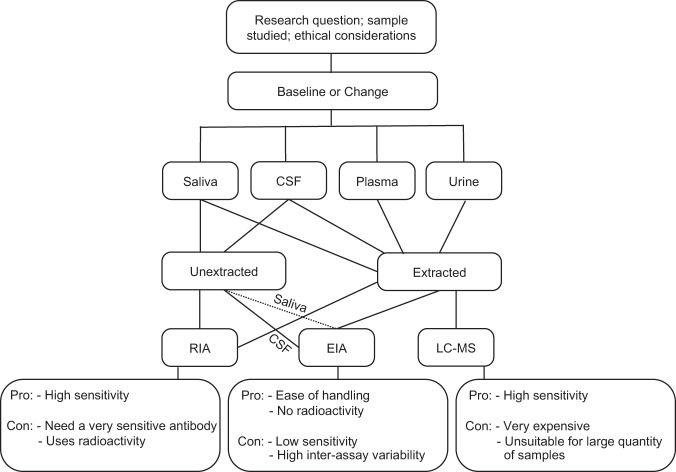
“When OT is measured from blood plasma or saliva, extraction is a process whereby non-OT molecules are removed 48 .”
Vaslavski, A., Harwood-Gross, A., Israel, S., & Peled‐Avron, L. (2025) · Neuroscience & Biobehavioral Reviews · doi:10.1016/j.neubiorev.2025.106324 · Cited by 4
Rizwan, K., Aslam, M., Azhar, Q., Hussain, M. I., Dastgir, H., & Saleem, M. (2023) · The Healer Journal of Physiotherapy and Rehabilitation Sciences · doi:10.55735/hjprs.v3i2.125 · Cited by 1
Association between oxytocin and S100B in community‐dwelling older adults
Orihashi, R., Fujino, N., & Mizoguchi, Y. (2025) · Psychiatry and Clinical Neurosciences Reports · doi:10.1002/pcn5.70130 · Cited by 1
“64,65 Future studies should validate our findings using alternative quantification techniques, such as mass spectrometry or radioimmunoassay.”
Oxytocin dynamics in interpersonal sensorimotor synchrony: Controlled experiments in humans
Сергеевна, Ц. Э., Mararitsa, L. V., Gorina, Y. V., Avliyakulyeva, A. M., Kindyakova, E., Koltsova, O. Y., & Lopatina, O. L. (2025) · Hormones and Behavior · doi:10.1016/j.yhbeh.2025.105817 · Cited by 1
Volkos, P., Stachteas, P., Linardakis, M. K., Skouradaki, E., Baritaki, S., Koutonen, S., Malliaraki, N. E., Kampa, M., & Symvoulakis, E. K. (2025) · EXPLORE · doi:10.1016/j.explore.2025.103263 · Cited by 1
Paparella, R., Bei, A., Bernabei, I., Fiorentini, C., Iafrate, N., Lucibello, R., Marchetti, L., Pastore, F., Maglione, V., Niceta, M., et al. (2025) · Current Issues in Molecular Biology · doi:10.3390/cimb47120982 · Cited by 1
“Circulating OXT is present at extremely low concentrations, has a plasma half-life of only a few minutes, and follows a pulsatile secretion pattern that complicates interpretation of single measurements [16,118].”
Harrison, T., Tao, A. S., Vo, P., Kim, S., & Kim, S. (2026) · Frontiers in Psychiatry · doi:10.3389/fpsyt.2025.1636616 · Cited by 1
Old and new pituitary biomarkers: evidence for sex-specificity
Schweizer, J. R. D. O. L., & Schilbach, K. (2026) · Pituitary · doi:10.1007/s11102-026-01650-4 · Cited by 1
Arbogast, D. M., Freeman, E. W., Donelan, E. M., Jones, M. K., Rispoli, L. A., Roth, T. L., & Metrione, L. C. (2026) · Theriogenology Wild · doi:10.1016/j.therwi.2026.100155 · Cited by 1
Doua, S., Germain, N., Merabet, M., Redouté, J., Boutet, C., Schneider, F., Hammour, A., Gay, A., Massoubre, C., Estour, B., et al. (2024) · European Eating Disorders Review · doi:10.1002/erv.3125 · Cited by 1
“Challenges persist in oxytocin assay complexities, and the validity of plasma oxytocin levels in reflecting oxytocin release, especially in patients with anorexia nervosa, remains uncertain (Tabak et al., 2023).”
Oxytocin as a modulator of adaptive behavior: integrating ingestive and social mechanisms
Moseley, P. E., Hammock, E. A. D., & Williams, D. L. (2025) · Physiology & Behavior · doi:10.1016/j.physbeh.2025.114992 · Cited by 2
Serres‐Corral, P., Almagro, V., Carbonell, L., Borragan, S., Martínez‐Nevado, E., Quevedo, M. Á., Fernández-Bellón, H., Carbajal, A., & López‐Béjar, M. (2025) · Animals · doi:10.3390/ani15162409 · Cited by 1
“This complexity raises questions about whether peripheral OT levels accurately reflect central activity [20–22] and the biological relevance of OT measurements across biological matrices [9,23].”
Paul, S., Verma, J., & Mehan, S. (2026) · Neuropeptides · doi:10.1016/j.npep.2026.102597 · Cited by 1
Absence of detectable circadian rhythmicity of neurophysin I, a surrogate marker for oxytocin
Atila, C., Murugesu, R., Rudin, D., Luethi, D., Liechti, M. E., & Christ‐Crain, M. (2026) · Pituitary · doi:10.1007/s11102-026-01670-0 · Cited by 1
Us against them: oxytocin response to competition in a small-scale human society
Debras, C. C., Colby, A. E., Martin, J. S., Baettig, V., Jud, D. C., Ista, A. C., Tayo, L. C., Trumble, B., Scaff, C., & Jaeggi, A. V. (2026) · Proceedings of the Royal Society B Biological Sciences · doi:10.1098/rspb.2026.0242 · Cited by 1
Manca, C., Paulus, J. P., Almeida, A. J. D., Caceres, A., Sosnowski, M. J., Hobson, B. A., Ferrer, E. E., Chaudhari, A. J., & Bales, K. L. (2026) · Neuroscience · doi:10.1016/j.neuroscience.2026.06.028 · Cited by 1
Multilevel dynamics of the brain, hormones, mind, and behavior in social human-robot interaction
Topoglu, Y., Krüeger, F., Joshi, S., Rothstein, N. J., Franke, A. A., Li, X., Gratch, J. S., de Visser, E. J., & Ayaz, H. (2026) · Science Robotics · doi:10.1126/scirobotics.aec1762 · Cited by 1
The Association between Oxytocin and Lower Limb Osteoarthritis: A Prospective Cohort Study
Roux, C. H., Rousseau, A., Iannelli, A., Gautier, N., Ferrero, S., Hinault, C., Chinetti, G., Sime, W. N., Guillemin, F., & Amri, E. (2023) · International Journal of Molecular Sciences · doi:10.3390/ijms24119750 · Cited by 1
Pintusov, A., & Radchenko, H. (2025) · PROBLEMS OF SYSTEMIC APPROACH IN THE ECONOMY · doi:10.32782/2520-2200/2025-3-16 · Cited by 2
Tales from the life and lab of a female social neuroscientist
Parker, K. J. (2023) · Comprehensive Psychoneuroendocrinology · doi:10.1016/j.cpnec.2023.100202 · Cited by 1
“Endogenous oxytocin is labile and requires fastidious care in its collection, handling, processing, storage, shipment, and quantification [63].”
BackgroundSelf-citationInfants' salivary oxytocin and positive affective reactions to people
Zeng, G., Leung, T. S., Maylott, S. E., Malik, A., Adornato, A. A., Lebowitz, M., Messinger, D. S., Szeto, A., Feldman, R., & Simpson, E. A. (2023) · Hormones and Behavior · doi:10.1016/j.yhbeh.2024.105579 · Cited by 14
Self-citationRevival of neurophysin-I as a complementary biomarker for circulating oxytocin
Lawson, E. A. (2026) · Pituitary · doi:10.1007/s11102-026-01745-y · Cited by 1
“Measurement of circulating OXT in humans is challenging [ 23, 24 ].”
Schneider, E., Hopf, D., Aguilar‐Raab, C., Scheele, D., Neubauer, A., Sailer, U., Hurlemann, R., Eckstein, M., & Ditzen, B. (2023) · eLife · doi:10.7554/elife.81241.sa2
Endocrine Consequences of Prader-Willi Syndrome
(2023) · Frontiers research topics · doi:10.3389/978-2-8325-3652-0
Rodebaugh, T. L., Frumkin, M. R., Bogdan, R., & Oltmanns, T. F. (2023) · PsyArXiv (OSF Preprints) · doi:10.31234/osf.io/t9phv
Parturition Detection Using Oxytocin Secretion Level and Uterine Muscle Contraction Intensity
Harshavardhan, D., Saisree, K., & Ragavarshini, S. (2023) · Data & Metadata · doi:10.56294/dm2023195
A Pilot Study of Urine Oxytocin as an Objective Biomarker for Chronic Pain
Ono, D., Matsusaki, T., MATSUOKA, Y., Kaku, R., & Morimatsu, H. (2024) · Annals of Neurosciences · doi:10.1177/09727531231224141 · Cited by 3
Værøy, H., Skar-Fröding, R., Hareton, E., & Fetissov, S. O. (2024) · Frontiers in Psychiatry · doi:10.3389/fpsyt.2024.1419574
“In other studies, OT has been characterised as a stress hormone, and there are reports linking elevated OT concentrations in human plasma to psychosocial stress in situations with the presence of unknown persons (183, 213).”
BackgroundGoulter, N., Kaouar, S., & Kimonis, E. R. (2024) · OSF Preprints (OSF Preprints) · doi:10.31219/osf.io/yu9wv_v1
Goulter, N., Kaouar, S., & Kimonis, E. R. (2025) · OSF Preprints (OSF Preprints) · doi:10.31219/osf.io/yu9wv_v2
Cazorla, L., Alaux, S., Amberger, C., Mabilais, C., Furtado, L., Buchard, A., Thorens, G., Penzenstadler, L. E., ZULLINO, D. F., & Brakha, T. A. (2025) · Psychoactives · doi:10.3390/psychoactives4030026 · Cited by 1
“While the methodological reliability of salivary oxytocin measures is subject to some debate [23], evidence suggests that repeated measurements, particularly when analyzed using radioimmunoassay (RIA), can enhance the consistency and reliability of such assessments [23–25].”
Translational pharmacology and biomarkers applied to GPCR
Özcelik, D., Andreetta, F., & van der Kam, E. L. (2025) · Elsevier eBooks · doi:10.1016/b978-0-443-29808-0.00036-4
Gizaw, T. Z. (2025) · Research Square · doi:10.21203/rs.3.rs-7317406/v1 · Cited by 1
Pekmez, H. O., Gamlı, İ. S., & Karakuş, O. B. (2025) · Children · doi:10.3390/children12101367 · Cited by 2
“Oxytocin levels are commonly measured using biological samples such as saliva, plasma, serum, or cerebrospinal fluid, each offering distinct advantages and limitations in reflecting peripheral or central oxytocin activity [55].”
Altered association of plasmatic oxytocin with affective stress response in alcohol use disorder
Mayer, A. V., Schwarze, Y., Stierand, J., Voges, J. F., Schröder, A., von der Gablentz, J., Junghanns, K., Voß, O., Krach, S., Paulus, F. M., et al. (2025) · Translational Psychiatry · doi:10.1038/s41398-025-03522-0
Boissel, L., Benarous, X., Mariana, C., Scoury, D., Corde, P., Crovetto, C., Kongolo, G., Wallois, F., Bonaiuto, J. J., Rayson, H., et al. (2025) · Scientific Reports · doi:10.1038/s41598-025-20448-1 · Cited by 1
“The samples will be stored at −80 °C, freeze-dried, and kept overnight at −20 °C before immunoassay analysis 43 .”
Peysachov, G., Tchizick, A., Delgadillo, J., Shamay‐Tsoory, S., & Zilcha‐Mano, S. (2025) · Psychotherapy and Psychosomatics · doi:10.1159/000549729
Matsui, T., Yamaguchi, T., Dobashi, S., Takahashi, S., Tachibana, Y., Takamizawa, R., Kosugi, W., & Mizuno, S. (2026) · bioRxiv (Cold Spring Harbor Laboratory) · doi:10.64898/2026.01.05.697802
“…during spectatorship, with lower salivary concentrations at sampling reflecting transient release followed by rapid clearance and/or receptor-level regulation rather than reduced involvement (Tabak et al., 2023; Quintana et al., 2018; Lefevre et al., 2017; Modi et al., 2016; Smith et al., 2006).”
Zhang, X., Fralick, L., & Ethun, K. F. (2026) · Biomedical Chromatography · doi:10.1002/bmc.70349
Huc, M., Nikolic, M., Power, L., McQuaid, R. J., & Jaworska, N. (2026) · Neuroscience & Biobehavioral Reviews · doi:10.1016/j.neubiorev.2026.106610
Manca, C., Paulus, J. P., Almeida, A. J. D., Caceres, A., Sosnowski, M. J., Hobson, B. A., Ferrer, E. E., Chaudhari, A. J., & Bales, K. L. (2026) · bioRxiv (Cold Spring Harbor Laboratory) · doi:10.64898/2026.02.17.706461
The role of oxytocin in music interventions: A systematic review
Busse, P., Anheyer, D., Stronski, J., & Ostermann, T. (2026) · Musicae Scientiae · doi:10.1177/10298649261419786 · Cited by 2
“A variety of measuring methods are used to determine peripheral and central oxytocin, including different biochemical assays and assay techniques as well as different approaches to sample collection, sample preparation and sample storage (MacLean et al., 2019; Tabak et al., 2023).”
InfluentialOmaru, M., Fujita, F., Kajiwara, S., Wakamatsu, E., Kuroishi, S., Ochiai, Y., & Morokuma, S. (2026) · Early Human Development · doi:10.1016/j.earlhumdev.2026.106539
Chaiko, P. A., & Stadnikov, A. A. (2026) · Journal of Anatomy and Histopathology · doi:10.18499/2225-7357-2026-15-1-72-77
Neurophysin-I dynamics upon different pituitary provocation tests in healthy participants
Nikaj, A., Atila, C., Rudin, D., Luethi, D., Sailer, C. O., Winzeler, B. F., Urwyler, S. A., Refardt, J. C., Liechti, M. E., & Christ‐Crain, M. (2026) · Endocrine Connections · doi:10.1530/ec-25-0929 · Cited by 2
Kacprzyk, M., Tobolski, D., Kiełbik, P., Grzędzicka‐Agko, J., Milczek-Haduch, D., Stefanik, E., Dąbrowska, I., Pawliński, B., Gołębiewski, M., & Witkowska‐Piłaszewicz, O. (2026) · BMC Veterinary Research · doi:10.1186/s12917-026-05507-7
“Accordingly, we interpret serum oxytocin primarily as a within-study marker and avoid strong cross-study comparisons unless analytical workflows and validation are comparable [51].”
Kikuchi, M., Yoshimura, Y., Tanaka, S., Okanemasa, Y., Furuhara, K., Higashida, H., & Tsuji, C. (2026) · Research Square · doi:10.21203/rs.3.rs-9139008/v1
Ouyang, J., León, G. A., Rinne, G. R., & Saxbe, D. (2026) · Psychoneuroendocrinology · doi:10.1016/j.psyneuen.2026.107901 · Cited by 1
Kotrschal, K. M. (2026) · Frontiers in Psychology · doi:10.3389/fpsyg.2026.1800617
Gao, Z., Sun, M., Xun, G., Li, Z., Pan, Z., Li, Y., Kendrick, K. M., Li, N., Xu, X., Becker, B., et al. (2026) · Science China Chemistry · doi:10.1007/s11426-025-3338-6 · Cited by 2
On Superpowers, Oxytocin, and Sciences—Reflections on a Challenging Field
Ostermann, T., & Busse, P. K. (2026) · Journal of Integrative and Complementary Medicine · doi:10.1177/27683605261464822
“18,19 In my work, I have taken a closer look at the signi fi cance of oxytocin in music-based interventions.”
Winters, C., Gorssen, W., Ulbrich, S. E., & Goumon, S. (2026) · Psychoneuroendocrinology · doi:10.1016/j.psyneuen.2026.107950
Malaluan, M. R. V., Bolinas, D. K. M., & Dalmacio, L. M. M. (2026) · Clinical and Translational Neuroscience · doi:10.3390/ctn10030018
“Although plasma has been widely used, serum was also noted to be a potential proxy [7].”
Influentialde Courten, B., & Wallace, R. K. (2026) · Psychology of Consciousness Theory Research and Practice · doi:10.1037/cns0000484
Circuit logic of oxytocin and vasopressin complementary actions
Jeanneteau, F. D., Chakraborty, P., Petitjean, H., & Charlet, A. (2026) · Frontiers in Neuroscience · doi:10.3389/fnins.2026.1875731
“12 Limitations and future directions peptide binding to plasma proteins, with poor correspondence between peripheral and central concentrations (Veening and Olivier, 2013; MacLean et al., 2017; Martins et al., 2020; Tabak et al., 2023).”
Paulus, J. P., Manca, C., Almeida, A. J. D., Caceres, A., Sosnowski, M. J., Hobson, B. A., Chaudhari, A. J., & Bales, K. L. (2026) · bioRxiv (Cold Spring Harbor Laboratory) · doi:10.64898/2026.07.30.739928
Li, Q., Zhao, W., Xu, D., Le, J., Kou, J., Lan, C., Xu, X., Meng, F., Li, X., Shou, X., et al. (2026) · Frontiers in Psychiatry · doi:10.3389/fpsyt.2026.1854532
“One study has also reported associations between OT concentrations and pragmatic language (21), although they used unextracted samples in the OT assays, which may contain substances other than OT and are therefore dif fi cult to interpret (22).”
Demily, C., & Soumier, A. (2026) · Molecular Psychiatry · doi:10.1038/s41380-026-03811-0
Oxytocin as regulator of stress and inflammation in aging
Wright, K. D., Horta, M., Hayes, A., & Ebner, N. C. (2026) · Neuroscience & Biobehavioral Reviews · doi:10.1016/j.neubiorev.2026.106924
Cinepathy: A translational framework bridging neurocinematics and clinical therapy
Das, S., & Deogaonkar, M. (2026) · Behavioural Brain Research · doi:10.1016/j.bbr.2026.116468
Operationalising the arts exposome
Sacco, P. L., & Fancourt, D. E. (2026) · Current Opinion in Psychology · doi:10.1016/j.copsyc.2026.102460
Orihashi, R., Fujino, N., & Mizoguchi, Y. (2026) · Archives of Gerontology and Geriatrics Plus · doi:10.1016/j.aggp.2026.100339
Kato, I., Haku, A., Konishi, Y., Koyano, K., Kondo, S., Nishida, T., Miake, J., & Kusaka, T. (2026) · Psychoneuroendocrinology · doi:10.1016/j.psyneuen.2026.108031
Poyares, D. R., Brown, R. E., & Basheer, R. (2026) · Frontiers research topics · doi:10.3389/978-2-8325-8786-7
Huang, Y., Liu, Y., Liu, Y., Liang, H., Tong, Y., Li, R., Zhang, X., Wang, Y., Deng, Y., Wu, J., et al. (2026) · Science Advances · doi:10.1126/sciadv.adt4995
“Since female mice exhibit periodic fluctuations in sex hormones during the estrous cycle, which have been shown to substantially influence OT levels ( 36 , 37 ) as well as social behavior patterns ( 38 ), we exclusively used male mice for all behavioral experiments.”
Boström, A. E. D., Chatzittofis, A., Andersson, P. S. G., Savard, J., Öberg, K. G., Arver, S., Flanagan, J. N., & Jokinen, J. (2026) · Frontiers in Neuroscience · doi:10.3389/fnins.2026.1946302
Bribiescas, R. G. (2026) · American Journal of Human Biology · doi:10.1002/ajhb.70358
Metadata
- Authors
- Tabak, B. A., Leng, G., Szeto, A., Parker, K. J., Verbalis, J. G., Ziegler, T. E., Lee, M. R., Neumann, I. D., & Mendez, A. J.
- Affiliations
- Southern Methodist University (US)
- University of Edinburgh (GB)
- University of Miami (US)
- Stanford Medicine (US)
- Georgetown University Medical Center (US)
- University of Wisconsin–Madison (US)
- Washington DC VA Medical Center (US)
- University of Regensburg (DE)
- Corresponding author
- Tabak, Benjamin A.
- ORCID
- Venue
- Molecular Psychiatry
- Published
- 2022-08-23
- Volume
- 28
- Issue
- 1
- Pages
- 127-140
- ISSN
- 1359-4184 (ISSN-L)
- 1476-5578
- PMC
- PMC9812775
- OpenAlex
- W4292738033
- Semantic Scholar
- c86cfcd5deac2a782770d774052da8d72f986e62
- Cited by
- 170
- References
- 161
- Citations by year
- 2026: 37 · 2025: 51 · 2024: 41 · 2023: 34 · 2022: 7
- FWCI
- 4.98
- Type
- journal article
- Language
- en
- Open access
- hybrid
- doi.org
- Licence
- cc-by
- creativecommons.org/licenses/by/4.0 (tdm)
- creativecommons.org/licenses/by/4.0 (vor)
- Locations
- Molecular Psychiatry (publishedVersion, cc-by)
- PubMed Central (publishedVersion, cc-by)
- PubMed (publishedVersion)
- University of Regensburg Publication Server (University of Regensburg) (submittedVersion)
- Funders
- Jerry M. Lewis, M.D. Mental Health Research Foundation (GA2017-010)
- Topics
- Life Sciences › Neuroscience › Endocrine and Autonomic Systems › Neuroendocrine regulation and behavior
- Life Sciences › Neuroscience › Behavioral Neuroscience › Stress Responses and Cortisol
- Life Sciences › Neuroscience › Cellular and Molecular Neuroscience › Neuropeptides and Animal Physiology
- Keywords
- oxytocin, plasma oxytocin, assay validation, research design, social dysfunction
- MeSH terms
- Humans, Neuropeptides, Oxytocin, Plasma, Research Design, Saliva
About these checks
Registry, retraction, Cites and statistics results are computed, not judged, with one exception: a printed reference that no index lists is read once by a model before it counts as a citation error. Claims are extracted by a model and kept only when their quote appears verbatim in the text; each cited source is then checked, with a model’s help, for whether it says what the claim relies on. Those verdicts can be wrong — read the claim’s quote and the cited source before relying on one.
Statistics and arithmetic are recomputed, not judged.
Confidence bands are shown only for fields calibrated on our annotated test set. None is calibrated yet, so no band is shown.
What counts as a claim ›How we measure confidence ›How we check this ›
Are you an author, or do you see a problem with this page? Request a review
Data sources
Bibliographic data: Semantic Scholar, OpenAlex, Crossref.
Contains information from the Semantic Scholar Academic Graph Datasets, made available under the ODC Attribution License (ODC-BY 1.0).
Semantic Scholar’s data is described in: Kinney, R., et al. (2023). The Semantic Scholar Open Data Platform. arXiv:2301.10140.
