

Advances in human oxytocin measurement: challenges and proposed solutions
Open accessThe DOI matches its Crossref record; 161 of the 161 references it cites were found in a registry or an index.
Abstract
Oxytocin, a neuropeptide known for its role in reproduction and socioemotional processes, may hold promise as a therapeutic agent in treating social impairments in patient populations. However, research has yet to uncover precisely how to manipulate this system for clinical benefit. Moreover, inconsistent use of standardized and validated oxytocin measurement methodologies—including the design and study of hormone secretion and biochemical assays—present unresolved challenges. Human studies measuring peripheral (i.e., in plasma, saliva, or urine) or central (i.e., in cerebrospinal fluid) oxytocin concentrations have involved very diverse methods, including the use of different assay techniques, further compounding this problem. In the present review, we describe the scientific value in measuring human endogenous oxytocin concentrations, common issues in biochemical analysis and study design that researchers face when doing so, and our recommendations for improving studies using valid and reliable methodologies.
Overview
The claims and statistics of this paper haven’t been checked yet.
Free: it reads the open-access text and checks the first 5 claims that cite a source we can check. Create a free account to check every claim.
Integrity signals
Registry
Cites
Statistics
Figures
Verification
Claims the paper makes
The claims and statistics of this paper haven’t been checked yet.
Free: it reads the open-access text and checks the first 5 claims that cite a source we can check. Create a free account to check every claim.
Claims other papers make about this one
Each is checked against this paper’s own text: does it say what the citing paper says it does?
The source backs part of the claim, not all of it — or backs it for a different population, condition or comparison.
In the citing paper
“The discrepancies may arise from differences in participant characteristics, types of music-based intervention, study designs, OXT measurements, and contextual factors (Engel et al., 2019; MacLean et al., 2019; Tabak et al., 2023).”
From Music's context-dependent influence on oxytocin, social bonding, and emotion regulation: a systematic review (2026) · cites this paper as Tabak et al., 2023
Experimental — accuracy not yet measured
Self-check
Percentages, sums and reported differences re-computed from the paper’s own numbers.
The self-check needs the paper’s full text.
Citations
Cites
Kirschbaum, C., Pirke, K.-M., & Hellhammer, D. H. (2008) · Neuropsychobiology · doi:10.1159/000119004 · Cited by 6,093 · cited 1×
“a Changes in human oxytocin concentrations in the Trier Social Stress Test (TSST; [159]) based on scale.”
Oxytocin increases trust in humans
Kosfeld, M., Heinrichs, M., Zak, P. J., Fischbacher, U., & Fehr, E. (2005) · Nature · doi:10.1038/nature03701 · Cited by 3,690 · cited 1×
“Psychological research on oxytocin was catalyzed following a report that intranasal administration of oxytocin increased human trust [8], which led the media to brand oxytocin as a social elixir [9].”
BackgroundOxytocin, vasopressin, and the neurogenetics of sociality
Donaldson, Z. R., & Young, L. J. (2008) · Science · doi:10.1126/science.1158668 · Cited by 1,645 · cited 1×
“Based on these studies, there is good reason to believe that a greater understanding of the oxytocin system may have translational potential for humans, particularly in the treatment of social impairments [6, 7].”
BackgroundEvoked axonal oxytocin release in the central amygdala attenuates fear response
Knobloch, H. S., Charlet, A., Hoffmann, L. C., Eliava, M., Khrulev, S., Cetin, A. H., Osten, P., Schwarz, M. K., Seeburg, P. H., Stoop, R., et al. (2012) · Neuron · doi:10.1016/j.neuron.2011.11.030 · Cited by 1,049
The oxytocin receptor: from intracellular signaling to behavior
Jurek, B., & Neumann, I. D. (2018) · Physiological Reviews · doi:10.1152/physrev.00031.2017 · Cited by 999 · cited 5×
“THE VALUE IN MEASURING OXYTOCIN CONCENTRATIONS Studies in non-human species have shown that peripheral oxytocin is secreted in tandem with central oxytocin in certain contexts [1, 40].”
BackgroundInfluentialSelf-citationUvnäs-Moberg, K. (1998) · Psychoneuroendocrinology · doi:10.1016/s0306-4530(98)00056-0 · Cited by 966 · cited 1×
“In addition to the brain [58], oxytocin receptors (OXTR) are expressed in most organs throughout the body, including the reproductive tissues, heart, kidney, bone, and autonomic nervous system [1], suggesting that oxytocin’s effects on the periphery may also contribute to changes in behavior [33, 59].”
BackgroundNeumann, I. D., & Landgraf, R. (2012) · Trends in Neurosciences · doi:10.1016/j.tins.2012.08.004 · Cited by 954 · cited 5×
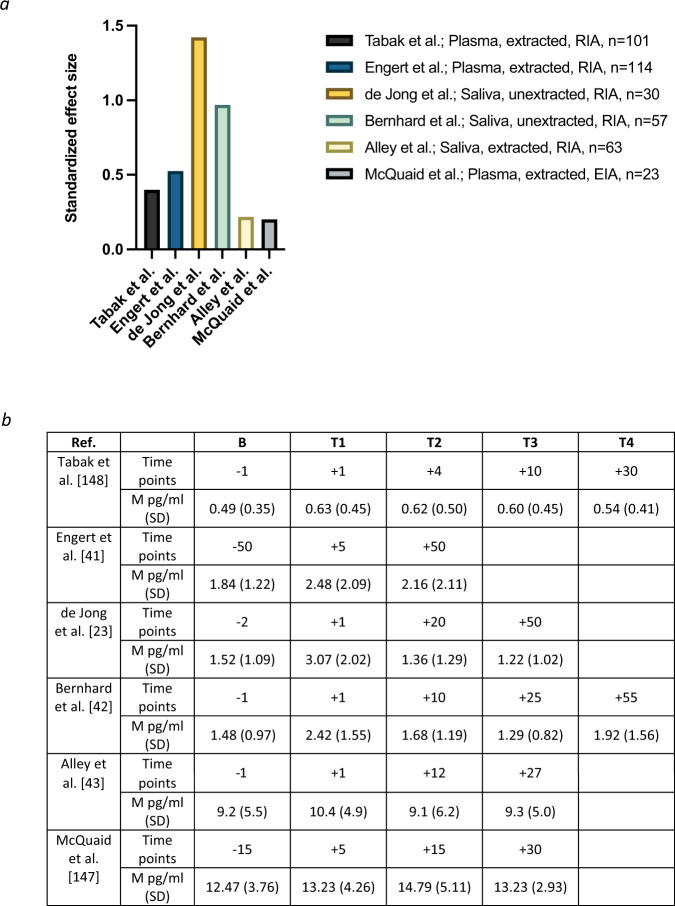
“2a show pre-post (i.e., the difference between baseline levels and levels during the first assessment post-task) changes in oxytocin that range from 13.04% up to 106.67% in the context of the TSST [131].”
BackgroundInfluentialSelf-citationThe Social Salience Hypothesis of Oxytocin
Shamay-Tsoory, S. G., & Abu-Akel, A. (2016) · Biological Psychiatry · doi:10.1016/j.biopsych.2015.07.020 · Cited by 904 · cited 2×
“, connection, bonding, threat, stress) may provide valuable information about individual differences in the activity of the oxytocin system and its sensitivity to stress and socioemotional stimuli—a concept described in the “social salience hypothesis” of oxytocin [26].”
BackgroundOxytocin and the Neural Mechanisms Regulating Social Cognition and Affiliative Behavior
Ross, H. E., & Young, L. J. (2009) · Frontiers in Neuroendocrinology · doi:10.1016/j.yfrne.2009.05.004 · Cited by 856
Saliva Composition and Functions: A Comprehensive Review
Azevedo, L. R., De Lima, A. A. S., Machado, M. Â. N., Grégio, A. M. T., & de Almeida, P. D. V. (2008) · The Journal of Contemporary Dental Practice · doi:10.5005/jcdp-9-3-72 · Cited by 850 · cited 1×
“The rate of saliva production must also be considered, as it can vary depending on psychological and physiological states [110].”
Background
Research works printed but not linked: 1
- Kirschbaum C Pirke KM Hellhammer DH The ‘Trier Social Stress Test’—a tool for investigating psychobiological stress responses in a laboratory setting Neuropsychobiology. 1993 28 76 81 8255414 · DOI · Paper page
Cited by
Detection, processing and reinforcement of social cues: regulation by the oxytocin system
Menon, R., & Neumann, I. D. (2023) · Nature Reviews Neuroscience · doi:10.1038/s41583-023-00759-w · Cited by 100
“These include ASD, anxiety disorders (including social anxiety disorder (SAD)), schizophrenia, borderline personality disorder and major depression disorder (MDD).”
BackgroundInfluentialSelf-citationEnhancing precision in human neuroscience
Nebe, S., Reutter, M., Baker, D. H., Bölte, J., Domes, G., Gamer, M., Gärtner, A., Gießing, C., Gurr, C., Hilger, K., et al. (2023) · eLife · doi:10.7554/elife.85980 · Cited by 82
The psychophysiology of music-based interventions and the experience of pain
Arnold, C. A., Bagg, M. K., & Harvey, A. R. (2024) · Frontiers in Psychology · doi:10.3389/fpsyg.2024.1361857 · Cited by 81
Affectionate touch and diurnal oxytocin levels: An ecological momentary assessment study
Schneider, E., Hopf, D., Aguilar‐Raab, C., Scheele, D., Neubauer, A., Sailer, U., Hurlemann, R., Eckstein, M., & Ditzen, B. (2023) · eLife · doi:10.7554/elife.81241 · Cited by 55
McCormack, S. E., Wang, Z., Wade, K. L., Dedio, A., Cilenti, N., Crowley, J., Plessow, F., Bamba, V., Roizen, J. D., Jiang, Y., et al. (2023) · Journal of the Endocrine Society · doi:10.1210/jendso/bvad037 · Cited by 37
“Social function (adults) or peer interaction (children) 48 [41, 59] 0 [−3.”
BackgroundIntertwined associations between oxytocin, immune system and major depressive disorder
Jiang, J., Yang, M., Tian, M., Chen, Z., Xiao, L., & Gong, Y. (2023) · Biomedicine & Pharmacotherapy · doi:10.1016/j.biopha.2023.114852 · Cited by 43
An Update on Advances in Hypopituitarism: Etiology, Diagnosis, and Current Management
Iglesias, P. (2024) · Journal of Clinical Medicine · doi:10.3390/jcm13206161 · Cited by 44
“Recent research suggests that patients with HP, particularly those with AVP deficiency, may also have an associated oxytocin deficiency, which may contribute to alterations in cognitive empathy [146].”
BackgroundThe Oxytocin System and Implications for Oxytocin Deficiency in Hypothalamic-Pituitary Disease
Aulinas, A., & Lawson, E. A. (2025) · Endocrine Reviews · doi:10.1210/endrev/bnaf008 · Cited by 35
Marchand, W. R. (2023) · International Journal of Environmental Research and Public Health · doi:10.3390/ijerph20146377 · Cited by 36
“HRV is a non-invasive measure of autonomic nervous system (ANS) regulation of cardiovascular function, which can be used to evaluate acute and chronic stress responses in both horses and humans [191,192].”
BackgroundBienboire‐Frosini, C., Marcet‐Rius, M., Orihuela, A., Domínguez-Oliva, A., Mora‐Medina, P., Olmos-Hernández, A. S., Casas-Alvarado, A., & Mota‐Rojas, D. (2023) · Animals · doi:10.3390/ani13030532 · Cited by 28
Mbiydzenyuy, N. E., Hemmings, S. M. J., Shabangu, T. W., & Qulu-Appiah, L. (2024) · Heliyon · doi:10.1016/j.heliyon.2024.e27501 · Cited by 22
Navigating Central Oxytocin Transport: Known Realms and Uncharted Territories
Parmaksiz, D., & Kim, Y. (2024) · The Neuroscientist · doi:10.1177/10738584241268754 · Cited by 26
The ecology of ageing in wild societies: linking age structure and social behaviour
Woodman, J. P., Gokcekus, S., Beck, K. B., Green, J. P., Nussey, D. H., & Firth, J. A. (2024) · Philosophical Transactions of the Royal Society B Biological Sciences · doi:10.1098/rstb.2022.0464 · Cited by 25
Oztan, O., Zyga, O., Stafford, D. E. J., & Parker, K. J. (2022) · Neuroscience & Biobehavioral Reviews · doi:10.1016/j.neubiorev.2022.104870 · Cited by 18
Self-citationHormonal changes in first-time human fathers in relation to paternal investment
Rilling, J. K., Lee, M., Zhou, C., Jung, E., Arrant, E. J., Davenport-Nicholson, A., Zhang, X., & Ethun, K. F. (2025) · Hormones and Behavior · doi:10.1016/j.yhbeh.2025.105740 · Cited by 23
Self-citationOxytocin and cortisol concentrations in urine and saliva in response to physical exercise in humans
Wirobski, G., Crockford, C., Deschner, T., & Neumann, I. D. (2024) · Psychoneuroendocrinology · doi:10.1016/j.psyneuen.2024.107144 · Cited by 22
Self-citationInaccuracies in plasma oxytocin extraction and enzyme immunoassay techniques
Gan, H.-W., Leeson, C., Aitkenhead, H., & Dattani, M. (2023) · Comprehensive Psychoneuroendocrinology · doi:10.1016/j.cpnec.2023.100188 · Cited by 15
Neurophysin I is an analytically robust surrogate biomarker for oxytocin
MacLean, E. L., Carranza, E., Gnanadesikan, G. E., King, K. M., Allen, A. M., Linde-Krieger, L. B., Feldman, R., White‐Traut, R. C., Hammock, E. A. D., Carter, C. S., et al. (2023) · Psychoneuroendocrinology · doi:10.1016/j.psyneuen.2023.106951 · Cited by 18
Self-citationMicrobes, oxytocin and stress: Converging players regulating eating behavior
Cuesta‐Marti, C., Uhlig, F., Muguerza, B., Hyland, N. P., Clarke, G. A., & Schellekens, H. (2023) · Journal of Neuroendocrinology · doi:10.1111/jne.13243 · Cited by 20
“67,68 72 Furthermore, Oxt has a short half-life (around 4 – 6 min), 73,74 is broken down by tissue proteases and binds to plasma proteins which makes the quantification of Oxt levels, particularly in plasma, challenging.”
Tsingotjidou, A. (2022) · Biomolecules · doi:10.3390/biom12111603 · Cited by 19
Neurophysin I: a reliable, novel, and robust biomarker for oxytocin
Atila, C., Nikaj, A., Leibnitz, S., Liechti, M. E., & Christ‐Crain, M. (2025) · European Journal of Endocrinology · doi:10.1093/ejendo/lvaf078 · Cited by 18
Close encounters with oxytocin
Carter, C. S. (2023) · Comprehensive Psychoneuroendocrinology · doi:10.1016/j.cpnec.2023.100189 · Cited by 15
“small samples and also in real time, are available [74,75].”
BackgroundSunahara, C. S., Wilson, S. J., Rosenfield, D., Alvi, T., Szeto, A., Mendez, A. J., & Tabak, B. A. (2022) · Psychoneuroendocrinology · doi:10.1016/j.psyneuen.2022.105897 · Cited by 13
Self-citationZagoory‐Sharon, O., Yirmiya, K., Peleg, I., Shimon-Raz, O., Sanderlin, R., & Feldman, R. (2023) · Comprehensive Psychoneuroendocrinology · doi:10.1016/j.cpnec.2023.100219 · Cited by 13
“Several studies tested OT from various sources, including saliva, blood, urine [38,62,63], and recently also from sweat [55].”
BackgroundHohl, C. H., Zilcha‐Mano, S., & Delgadillo, J. (2024) · Neuroscience & Biobehavioral Reviews · doi:10.1016/j.neubiorev.2024.105935 · Cited by 13
Social Psychopharmacology: Novel Approaches to Treat Deficits in Social Motivation in Schizophrenia
Bershad, A. K., & de Wit, H. (2023) · Schizophrenia Bulletin · doi:10.1093/schbul/sbad094 · Cited by 12
Oxytocin and autism: Insights from clinical trials and animal models
Xing, C., & Yu, X. (2025) · Current Opinion in Neurobiology · doi:10.1016/j.conb.2025.103015 · Cited by 11
Kunitake, Y., Mizoguchi, Y., Imamura, Y., Kunitake, H., Orihashi, R., Matsushima, J., Tateishi, H., Murakawa‐Hirachi, T., Yamada, S., & Monji, A. (2022) · Comprehensive Psychoneuroendocrinology · doi:10.1016/j.cpnec.2022.100166 · Cited by 11
“Single measurements of baseline levels of endogenous oxytocin in plasma were not stable in typical laboratory conditions [36], therefore, it would be best practice to record multiple measures across a short time period to create an average for baseline samples [30].”
BackgroundInfluentialA systematic review of associations between hormone levels in hair and peripartum depression
Hill, K. E., Cárdenas, E. F., Yu, E., Hammond, R., Humphreys, K. L., & Kujawa, A. (2024) · Psychoneuroendocrinology · doi:10.1016/j.psyneuen.2024.107194 · Cited by 13
Klumpe, S., Mitchell, K. C., Cox, E., Katz, J. S., Lazarowski, L., Deshpande, G., Gratch, J., de Visser, E. J., Ayaz, H., Li, X., et al. (2025) · PLOS One · doi:10.1371/journal.pone.0324312 · Cited by 11
“…variable named hormonal phase because oral contraceptive pills contain estrogen and/or progesterone, leading to a steady hormonal balance if taken consistently and, therefore, make up another hormonal composition comparable to menstrual cycle phases, both potentially influencing OXT levels [51].”
Tsomokos, D. I., & Dunbar, R. I. M. (2024) · Religion, Brain & Behavior · doi:10.1080/2153599x.2023.2248230 · Cited by 10
“The debate continues partly because of the technical challenges involved in measuring oxytocin levels (Tabak et al., 2023), and partly because of the inherent complexity in completely disentan-gling trust from other prosocial, cooperative behaviors (Helliwell et al., 2017).”
Effects of human-animal interaction on salivary and urinary oxytocin in children and dogs
Gnanadesikan, G. E., King, K. M., Carranza, E., Flyer, A. C., Ossello, G., Smith, P. G., Steklis, N. G., Steklis, H. D., Carter, C. S., Connelly, J. J., et al. (2024) · Psychoneuroendocrinology · doi:10.1016/j.psyneuen.2024.107147 · Cited by 15
“…for urine and saliva, the different sampling timelines for the two matrices in this study, differences in the biological processes through which oxytocin or its metabolites reach urine or saliva, or other unknown factors related to sample storage, processing, or analysis (Tabak et al., 2023).”
BackgroundSalivary oxytocin and amygdalar alterations in functional neurological disorders
Weber, S., Stoffel, N., Ansede‐Bermejo, J. J., Cruz, R., Bolt, Á. D. R., Bruckmaier, R. M., Carracedo, Á., & Aybek, S. (2024) · Brain Communications · doi:10.1093/braincomms/fcae455 · Cited by 11
“65,67 We thus decided to allow the menstrual cycle to remain a continuous variable representing the dynamics across the cycle, while adding the subpopulation without the menstrual cycle–based fluctuation into the same variable.”
Berendzen, K. M., Bales, K. L., & Manoli, D. S. (2023) · Neuroscience & Biobehavioral Reviews · doi:10.1016/j.neubiorev.2023.105339 · Cited by 10
Oxytocin in the Treatment of Psychiatric Disorders
Kağızman, S. Ç., & Hocaoğlu, Ç. (2023) · Medeniyet Medical Journal · doi:10.4274/mmj.galenos.2023.13707 · Cited by 12
Rzepczyk, S., Nijakowski, K., Jankowski, J., Nowicki, F., & Żaba, C. (2024) · Legal Medicine · doi:10.1016/j.legalmed.2024.102501 · Cited by 10
Oxytocin deficiency — a ‘new’ human disorder?
Verbalis, J. G. (2023) · Nature Reviews Endocrinology · doi:10.1038/s41574-023-00870-z · Cited by 11
Self-citationMeyer, N., Ratinho, L. R., Greive, S. J., Bacri, L., Thiébot, B., della Rocca, B. M., Chinappi, M., Pelta, J., & Cressiot, B. (2025) · ACS Nano · doi:10.1021/acsnano.5c08031 · Cited by 12
Using Nonverbal Cues in Empathic Multi-Modal LLM-Driven Chatbots for Mental Health Support MHCI039
Schmidmaier, M., Rupp, J., Harrich, C., & Mayer, S. (2025) · Proceedings of the ACM on Human-Computer Interaction · doi:10.1145/3743724 · Cited by 15
Arginine Vasopressin Deficiency and Oxytocin Deficiency in the Endocrine Clinic
Atila, C., Refardt, J. C., & Christ‐Crain, M. (2025) · The Journal of Clinical Endocrinology & Metabolism · doi:10.1210/clinem/dgaf651 · Cited by 14
Værøy, H., Lahaye, E., Dubessy, C., Bénard, M., Nicol, M., Cherifi, Y., Takhlidjt, S., do Rego, J. L., do-Rego, J.-C., Chartrel, N., et al. (2023) · Discover Mental Health · doi:10.1007/s44192-023-00048-z · Cited by 11
“These results indicate that when assayed in native plasma, some OT escapes detection, probably because it was washed away bound to IgG during peptide extraction from plasma by C18 columns, representing one of the common challenges for the accurate OT plasma assay [25].”
MethodHigashida, H., Oshima, Y., & Yamamoto, Y. (2024) · Peptides · doi:10.1016/j.peptides.2024.171230 · Cited by 10
Chu, T.-H., & Tsai, C.-G. (2026) · Frontiers in cognition · doi:10.3389/fcogn.2025.1678665 · Cited by 8
Mehta, R. V. (2025) · Infant Behavior and Development · doi:10.1016/j.infbeh.2025.102055 · Cited by 16
Asla, Q., Garrido, M., Urgell, E., Terzan, S., Vives, A. S., Varghese, N., Atila, C., Biagetti, B., Plessow, F., Christ‐Crain, M., et al. (2025) · The Journal of Clinical Endocrinology & Metabolism · doi:10.1210/clinem/dgaf201 · Cited by 11
Goh, K. K., Kanahara, N., Chiu, Y.-H., & Lu, M. (2023) · Psychological Medicine · doi:10.1017/s003329172300274x · Cited by 8
Potential role of oxytocin in the regulation of memories and treatment of memory disorders
Walia, V., Wal, P., Mishra, S., Agrawal, A., Kosey, S., & Patil, A. D. (2024) · Peptides · doi:10.1016/j.peptides.2024.171222 · Cited by 11
Atila, C., Mekkattu, S., Murugesu, R., Gaisl, O., Varghese, N., Eckert, A., & Christ‐Crain, M. (2024) · Endocrine · doi:10.1007/s12020-024-03920-2 · Cited by 9
“Consensus among experts emphasizes standardized analytical procedures to preserve accuracy and reproducibility, entailing cooled plasma samples, batch measurement, and sample extraction — methods followed in our study [36].”
MethodBie, P. (2024) · Acta Physiologica · doi:10.1111/apha.14200 · Cited by 9
Rice, L. J., Agu, J., Carter, C. S., Harris, J. C., Nazarloo, H. P., Naanai, H., & Einfeld, S. (2023) · Frontiers in Endocrinology · doi:10.3389/fendo.2023.1183525 · Cited by 8
“Known confounders of endogenous OT levels include sex, time of day, age and menstrual cycle variation (62, 63).”
BackgroundDiurnal changes of salivary oxytocin in healthy and psychiatric adolescents
Gizunterman, A., Zagoory‐Sharon, O., Avirame, K., Mevorach, T., Foul, Y. A., Feldman, R., & Eitan, R. (2025) · Journal of Psychiatric Research · doi:10.1016/j.jpsychires.2025.04.007 · Cited by 7
Behavioural Endocrinology in the Social Sciences
Botzet, L. J., Kordsmeyer, T. L., Ostermann, S., Ruß, J., & Penke, L. (2024) · KZfSS Kölner Zeitschrift für Soziologie und Sozialpsychologie · doi:10.1007/s11577-024-00945-3 · Cited by 8
“Human studies face methodological challenges regarding the reliability and validity of oxytocin measurement (Quintana 2022; Tabak et al. 2022).”
Oxytocin and women’s health in midlife
Dunietz, G. L., Tittle, L. J., Mumford, S. L., O'Brien, L. M., Baylín, A., Schisterman, E. F., Chervin, R. D., & Young, L. J. (2024) · Journal of Endocrinology · doi:10.1530/joe-23-0396 · Cited by 10
From Parental Behavior to Sexual Function: Recent Advances in Oxytocin Research
Dale, J. K., Harberson, M. T., & Hill, J. W. (2024) · Current Sexual Health Reports · doi:10.1007/s11930-024-00386-1 · Cited by 7
“Recent articles advise the use of standardized methods and study pre-registration to improve oxytocin measurement precision [58, 113, 145].”
BackgroundWu, G., Ou, Y., Feng, Z., Xiong, Z., Li, K., Che, M., Qi, S., & Zhou, M. (2024) · Translational Psychiatry · doi:10.1038/s41398-024-02930-y · Cited by 8
“To achieve accurate quanti fi cation of blood OXT contents, we performed additional sample extraction steps before Elisa testing as previously described [36, 37].”
MethodRole of oxytocin and vasopressin in alcohol use disorder
Scarboro, S. M., López, M. F., & Becker, H. C. (2024) · International review of neurobiology · doi:10.1016/bs.irn.2024.08.006 · Cited by 7
Oxytocin and eating disorders: Knowledge gaps and future directions
Russell, J. D., & Hunt, G. E. (2023) · Psychoneuroendocrinology · doi:10.1016/j.psyneuen.2023.106290 · Cited by 7
van Sleeuwen, C., van Zuiden, M., Koch, S. B. J., Frijling, J. L., Veltman, D. J., Olff, M., & Nawijn, L. (2023) · European Journal of Psychotraumatology · doi:10.1080/20008066.2023.2281187 · Cited by 7
“Furthermore Furthermore, concerning the salivary oxytocin assessment, recent recommendations for measuring trait-like levels of basal endogenous oxytocin suggest to include several measurements at different days and take the average to increase reliability (Martins et al., 2020; Tabak et al., 2023).”
BackgroundFunctional role of immunoglobulin G as an oxytocin-carrier protein
Lahaye, E., & Fetissov, S. O. (2024) · Peptides · doi:10.1016/j.peptides.2024.171221 · Cited by 9
“Indeed, as was recently reviewed by Tabak and collaborators, who highlighted the advances in human oxytocin measurement, there are several recurrent issues in measuring plasma oxytocin, including the problem of a protein-bound oxytocin fraction [12].”
BackgroundThe Role of Oxytocin in Polycystic Ovary Syndrome: A Systematic Review
Cera, N., Pinto, J., & Pignatelli, D. (2024) · Current Issues in Molecular Biology · doi:10.3390/cimb46060313 · Cited by 7
Gnanadesikan, G. E., Bray, E. E., Cook, E. N., Levy, K., Douglas, L. E. L. C., Kennedy, B. S., Tecot, S. R., & MacLean, E. L. (2024) · Hormones and Behavior · doi:10.1016/j.yhbeh.2024.105612 · Cited by 6
Oxytocin for maintaining mental health in older adults
Orihashi, R., & Mizoguchi, Y. (2024) · Archives of Gerontology and Geriatrics Plus · doi:10.1016/j.aggp.2024.100090 · Cited by 7
Colonnello, E., Flavia, L., Masi, D., Ignazia, C. M., Massetti, C., Gandini, O., Gangitano, E., Watanabe, M., Mariani, S., Gnessi, L., et al. (2025) · Eating and Weight Disorders - Studies on Anorexia Bulimia and Obesity · doi:10.1007/s40519-024-01698-w · Cited by 10
“…in concentrations 100 million to ten billion times lower (pg/ml vs. g/l) than albumin in human plasma, measuring the concentrations of OX accurately has proven difficult, with a lack of a standardized measurement protocol and a consensus as to the optimum assay conditions that should be used [42].”
Jung, Y., Yang, K.-Y., & Yoon, M. (2025) · Domestic Animal Endocrinology · doi:10.1016/j.domaniend.2025.106937 · Cited by 8
Circadian Variation of Salivary Oxytocin in Young Adult Women
de Almeida, M. F. R., Quattrocchi, L., Perroud, N. A., & Brakha, T. A. (2025) · Psychophysiology · doi:10.1111/psyp.70139 · Cited by 6
Orihashi, R., Imamura, Y., Yamada, S., Monji, A., & Mizoguchi, Y. (2023) · Psychiatry and Clinical Neurosciences Reports · doi:10.1002/pcn5.97 · Cited by 7
“33 However, the debate on sample extraction before oxytocin assay 34 is important.”
BackgroundOxytocin: an expansive review of its mechanisms, functions, and therapeutic potential
Ueda, Y. (2023) · World Journal of Advanced Research and Reviews · doi:10.30574/wjarr.2023.19.1.1499 · Cited by 5
“For example, the difficulty in consolidating our present understanding of the impact of oxytocin on human social processes and psychiatric disorders arises from variations in methodologies and the absence of standardized approaches in investigating endogenous oxytocin levels in both humans and non-human animals [72].”
BackgroundBitsika, V., & Sharpley, C. F. (2024) · Advances in Neurodevelopmental Disorders · doi:10.1007/s41252-023-00364-z · Cited by 5
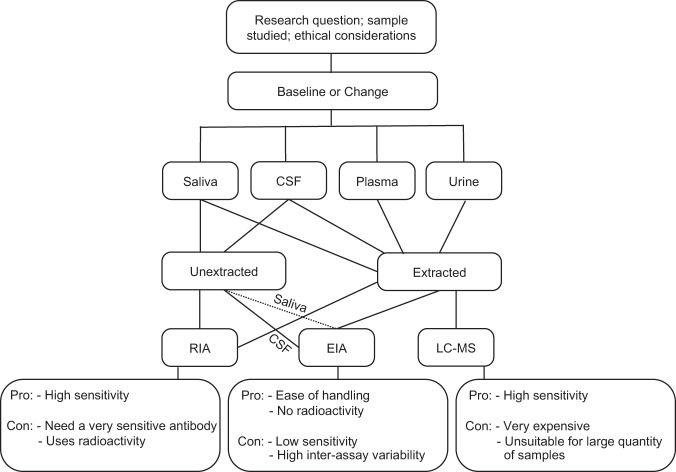
“Tabak and colleagues (Tabak et al., 2023) have provided a valuable state-of-the-art review regarding methodological issues in oxytocin efficacy studies, including the tissue source from which oxytocin is collected (saliva, plasma, urine, cerebro-spinal fluid), the methods of extracting oxytocin…”
Moscovice, L. R., Sobczak, B., Niittynen, T., Koski, S. E., & Gimsa, U. (2024) · Frontiers in Physiology · doi:10.3389/fphys.2024.1370557 · Cited by 6
The oxytocin system in patients with craniopharyngioma: A systematic review
Mann, A., Kalitsi, J., Jani, K., Martins, D., Kapoor, R. R., & Paloyelis, Y. (2024) · Frontiers in Neuroendocrinology · doi:10.1016/j.yfrne.2024.101170 · Cited by 7
Salivary hormones in depression: the future in diagnosis and treatment
Harsányi, Š., Kupcová, I., Csöbönyeiová, M., & Klein, M. (2025) · Annals of General Psychiatry · doi:10.1186/s12991-025-00548-y · Cited by 7
Schneider, E., Hernández, C., Brock, R., Eckstein, M., Bodenmann, G., Heinrichs, M., Ehlert, U., Läuchli, S., & Ditzen, B. (2025) · JAMA Psychiatry · doi:10.1001/jamapsychiatry.2025.3705 · Cited by 11
Song, D., & Wang, Z. (2025) · Behavioural Brain Research · doi:10.1016/j.bbr.2025.115985 · Cited by 9
The association between salivary oxytocin, age, and puberty in children with and without OCD
Mora‐Jensen, A. C., Clemmensen, L. K. H., Grønberg, M. G., Lebowitz, E. R., Quintana, D. S., Jørgensen, N. R., Larsen, C. S., Bak, L. K., Christensen, G. L., Pretzmann, L., et al. (2024) · Scientific Reports · doi:10.1038/s41598-024-80194-8 · Cited by 5
“Presence or absence of psychiatric diagnoses were based on the Kiddie-Schedule for Affective Disorders and Schizophrenia – Present and Lifetime Version (K-SADS-PL) 16 and the criteria for International Classification of Diseases-10 (ICD-10) 17 .”
Salivary oxytocin and anxiety in older adults during the COVID-19 pandemic: A cross-sectional study
Kunitake, Y., Imamura, Y., Kunitake, H., Ohishi‐Fukuchi, J., Tateishi, H., Matsushima, J., Murakawa‐Hirachi, T., Kojima, R., Shiraishi, T., Orihashi, R., et al. (2025) · Psychoneuroendocrinology · doi:10.1016/j.psyneuen.2025.107502 · Cited by 3
Goulter, N., Kaouar, S., & Kimonis, E. R. (2025) · Neuroscience & Biobehavioral Reviews · doi:10.1016/j.neubiorev.2025.106259 · Cited by 4
Goetz, L., Jarvers, I., Schleicher, D., Ecker, A., Neumann, I. D., Brunner, R. M., & Kandsperger, S. (2026) · Scientific Reports · doi:10.1038/s41598-026-44831-8 · Cited by 4
Self-citationCorrelation between brain-derived neurotrophic factor and oxytocin in older adults
Orihashi, R., Imamura, Y., Kunitake, Y., & Mizoguchi, Y. (2024) · Archives of Gerontology and Geriatrics Plus · doi:10.1016/j.aggp.2024.100059 · Cited by 5
Edwards, H. K., Buisman‐Pijlman, F. T. A., Esterman, A., Phillips, C., Orgeig, S., & Gordon, A. L. (2024) · Comprehensive Psychoneuroendocrinology · doi:10.1016/j.cpnec.2024.100262 · Cited by 5
“Ultimately, this highlights – and supports similar previous assertions [40,43] – the need for a stand-ardised methodology for peripheral oxytocin measurement, including biological sample, number of samples required, and analytical process, that can then be applied to future research investigating…”
Grifnée, E., Mackowiak, A., Demeuse, J., Schoumacher, M., Huyghebaert, L., Determe, W., Dubrowski, T., Massonnet, P., Peeters, S. D., Scantamburlo, G., et al. (2025) · Journal of Mass Spectrometry and Advances in the Clinical Lab · doi:10.1016/j.jmsacl.2025.02.002 · Cited by 5
Schneider-Schmid, U., Morgado, A., Heim, C. C., Klawitter, H., Hellmeyer, L., & Entringer, S. (2025) · Psychoneuroendocrinology · doi:10.1016/j.psyneuen.2025.107564 · Cited by 5
von Au, S., Marsh, N., Jeske, V., Hurlemann, R., & Lausberg, H. (2025) · Physiology & Behavior · doi:10.1016/j.physbeh.2025.115061 · Cited by 4
Fam, J. P., Holmes, N. M., & Westbrook, R. F. (2023) · Psychoneuroendocrinology · doi:10.1016/j.psyneuen.2023.106917 · Cited by 5
A quantification method for trace level of oxytocin in food matrices using LC-MS/MS
Kumar, D., Azad, R. M. R., Oulkar, D. P., Oberoi, H. S., Jacob, S., Koner, B. C., & Sonkar, S. C. (2022) · Frontiers in Analytical Science · doi:10.3389/frans.2022.1039606 · Cited by 4
“But, it is not available in many settings due to its high cost—in the low resource settings countries, its cost is nearly 20 times that of existing assays of estimation traces of oxytocin contaminations (Tabak et al., 2022).”
BackgroundGerred, K., & Kapoor, A. (2024) · Biochemistry and Biophysics Reports · doi:10.1016/j.bbrep.2024.101666 · Cited by 7
“All of these comparisons only included data from samples that were extracted as others have demonstrated that measurement of OT in non-extracted samples results in inflated values, presumably due to non-specific binding [13,14].”
BackgroundMethodResultInfluentialChanges in peripheral oxytocin and vasopressin during a silent month-long Insight meditation retreat
Conklin, Q. A., Zanesco, A. P., King, B. G., Epel, E. S., & Saron, C. D. (2024) · Frontiers in Endocrinology · doi:10.3389/fendo.2024.1345527 · Cited by 4
“Given these limitations, many of which are discussed in greater detail by Tabak and colleagues (34), it is critical that our fi ndings be replicated with more reliable measurement methods.”
BackgroundBusse, P. K., Neugebauer, L., Kaschubowski, G., Anheyer, D., & Ostermann, T. (2025) · Frontiers in Behavioral Neuroscience · doi:10.3389/fnbeh.2024.1504229 · Cited by 4
Oxytocin and opioid antagonists: A dual approach to improving social behavior
Monte, O. D., Gangopadhyay, P., Putnam, P. T., & Chang, S. W. C. (2025) · Annals of the New York Academy of Sciences · doi:10.1111/nyas.15376 · Cited by 3
“125 129 Theseconcernscallfortheneedtodevelopstandard-ized and validated OT assays to enhance cross-study comparability 130 and precise investigations into dose–response relationships to disentangle the pharmacological and physiological effects of intranasal OT administration.”
Lee, M., & Rilling, J. K. (2025) · Neuroscience & Biobehavioral Reviews · doi:10.1016/j.neubiorev.2025.106457 · Cited by 4
Self-citationLong, J., Niu, M., Liao, X., Han, K., Chen, J., Su, W., Wang, X., Liu, J., Zhang, Y., & Zhang, H. (2025) · Frontiers in Psychiatry · doi:10.3389/fpsyt.2025.1549982 · Cited by 3
Dissecting social decision-making: A spotlight on oxytocinergic transmission
Coccia, G., Greca, F. L., Luca, M. D., & Scheggia, D. (2022) · Frontiers in Molecular Neuroscience · doi:10.3389/fnmol.2022.1061934 · Cited by 4
“This would require an acknowledgment of the relationship between the exogenous ways of administration and the endogenous oxytocin (Mierop et al., 2020; Quintana and Guastella, 2020; Tabak et al., 2022).”
BackgroundInfluentialOxytocin Enhances Time-Dependent Responses in the Aggressive Zebrafish (Danio rerio)
Robea, M. A., Oprea, G., Plavan, G. I., Nicoară, M., Mavroudis, I. A., Burlui, V., & Ciobica, A. S. (2024) · Brain Sciences · doi:10.3390/brainsci14030203 · Cited by 4
“For instance, measuring the OT levels in human plasma, saliva, urine, or in cerebrospinal liquid requires a lot of attention from specialists, taking into account the diversity of assay techniques for quantifying OT [49].”
Mora‐Jensen, A. C., Thoustrup, C. L., Lebowitz, E. R., Hagstrøm, J., Pretzmann, L., Korsbjerg, N. L. J., Thorsen, E. D., Uhre, V., Christensen, S. H., Uhre, C. F., et al. (2025) · Journal of Anxiety Disorders · doi:10.1016/j.janxdis.2025.102996 · Cited by 3
The interplay between cortisol and oxytocin in aggressive adolescents: The role of trauma
Meulenbeek, K., Fragkaki, I., Spagnuolo, F., Frankenberger, L., & Cima, M. (2025) · Journal of Traumatic Stress · doi:10.1002/jts.23161 · Cited by 2
“Measuring “free” oxytocin may better reflect bioactive oxytocin (Tabak et al., 2023).”
Prinsen, J., & Alaerts, K. (2025) · Autism · doi:10.1177/13623613251335730 · Cited by 2
“Specifically, given variability in adopted biological matrices, assay techniques and intra-individual differences (Tabak et al., 2023), along with the influence of contextual factors (e.g. circadian rhythms), establishing benchmarks for delineating (autistic) subgroups with “low” versus “high”…”
Jacob, R., Otto, A., Jarvers, I., Kandsperger, S., Ecker, A., Schleicher, D., Malloni, W. M., Neumann, I. D., & Brunner, R. M. (2025) · BMC Psychiatry · doi:10.1186/s12888-025-07689-0 · Cited by 2
“Chronic stress has been linked to dysregulation of key stress-responsive systems, particularly the hypothalamic-pituitary-adrenal (HPA) axis [10] and the oxytocinergic system [11, 12], both critical for emotion regulation and social functioning [13, 14].”
Self-citationA narrative review on oxytocin at the intersection of sleep, stress, and social behavior
Boccalaro, I. L., Rillosi, E., Ramírez‐Plascencia, O. D., Luca, R. D., & Mahoney, C. E. (2026) · Frontiers in Neuroscience · doi:10.3389/fnins.2026.1745281 · Cited by 2
Oxytocin and autism – A precision medicine framework to unpack mechanisms and evidence
Boulton, K., & Guastella, A. J. (2026) · Neuroscience & Biobehavioral Reviews · doi:10.1016/j.neubiorev.2026.106746 · Cited by 3
Matsui, T., Yamaguchi, T., Funabashi, D., Takahashi, S., Matsuoka, H., Takamizawa, R., Tachibana, Y., Dobashi, S., Kigoshi, K., Yamada, S., et al. (2026) · Translational Psychiatry · doi:10.1038/s41398-026-04265-2 · Cited by 4
“Together, these limitations highlight a translational need for scalable, non-pharmacological strategies that can engage endogenous oxytocin-linked systems in everyday life, without relying on exogenous administration [12, 13].”
Measuring oxytocin release in response to gavage: Computational modelling and assay validation
Hassan, S., Baradey, H. E., Madi, M. M., Shebl, M., Leng, G., Lozić, M., Ludwig, M., Menzies, J. R. W., & MacGregor, D. J. (2023) · Journal of Neuroendocrinology · doi:10.1111/jne.13303 · Cited by 2
“…they can be circumvented by extracting plasma samples to eliminate the high molecular weight elements that interfere with assay performance, 20 but this entails larger sample volumes, an additional processing step, and some loss of signal, as between 10% and 40% of the oxytocin in plasma…”
BackgroundSelf-citation
Metadata
- Authors
- Tabak, B. A., Leng, G., Szeto, A., Parker, K. J., Verbalis, J. G., Ziegler, T. E., Lee, M. R., Neumann, I. D., & Mendez, A. J.
- Affiliations
- Southern Methodist University (US)
- University of Edinburgh (GB)
- University of Miami (US)
- Stanford Medicine (US)
- Georgetown University Medical Center (US)
- University of Wisconsin–Madison (US)
- Washington DC VA Medical Center (US)
- University of Regensburg (DE)
- Corresponding author
- Tabak, Benjamin A.
- ORCID
- Venue
- Molecular Psychiatry
- Published
- 2022-08-23
- Volume
- 28
- Issue
- 1
- Pages
- 127-140
- ISSN
- 1359-4184 (ISSN-L)
- 1476-5578
- PMC
- PMC9812775
- OpenAlex
- W4292738033
- Cited by
- 170
- References
- 161
- Citations by year
- 2026: 37 · 2025: 51 · 2024: 41 · 2023: 34 · 2022: 7
- FWCI
- 4.98
- Type
- journal article
- Language
- en
- Open access
- hybrid
- doi.org
- Licence
- cc-by
- creativecommons.org/licenses/by/4.0 (tdm)
- creativecommons.org/licenses/by/4.0 (vor)
- Locations
- Molecular Psychiatry (publishedVersion, cc-by)
- PubMed Central (publishedVersion, cc-by)
- PubMed (publishedVersion)
- University of Regensburg Publication Server (University of Regensburg) (submittedVersion)
- Funders
- Jerry M. Lewis, M.D. Mental Health Research Foundation (GA2017-010)
- Topics
- Life Sciences › Neuroscience › Endocrine and Autonomic Systems › Neuroendocrine regulation and behavior
- Life Sciences › Neuroscience › Behavioral Neuroscience › Stress Responses and Cortisol
- Life Sciences › Neuroscience › Cellular and Molecular Neuroscience › Neuropeptides and Animal Physiology
- Keywords
- oxytocin, plasma oxytocin, assay validation, research design, social dysfunction
- MeSH terms
- Humans, Neuropeptides, Oxytocin, Plasma, Research Design, Saliva
About these checks
Registry, retraction, Cites and statistics results are computed, not judged, with one exception: a printed reference that no index lists is read once by a model before it counts as a citation error. Claims are extracted by a model and kept only when their quote appears verbatim in the text; each cited source is then checked, with a model’s help, for whether it says what the claim relies on. Those verdicts can be wrong — read the claim’s quote and the cited source before relying on one.
Statistics and arithmetic are recomputed, not judged.
Confidence bands are shown only for fields calibrated on our annotated test set. None is calibrated yet, so no band is shown.
What counts as a claim ›How we measure confidence ›How we check this ›
Are you an author, or do you see a problem with this page? Request a review
Data sources
Bibliographic data: Semantic Scholar, OpenAlex, Crossref.
Contains information from the Semantic Scholar Academic Graph Datasets, made available under the ODC Attribution License (ODC-BY 1.0).
Semantic Scholar’s data is described in: Kinney, R., et al. (2023). The Semantic Scholar Open Data Platform. arXiv:2301.10140.
