

Advances in human oxytocin measurement: challenges and proposed solutions
Open accessThe DOI matches its Crossref record; 161 of the 161 references it cites were found in a registry or an index.
Abstract
Oxytocin, a neuropeptide known for its role in reproduction and socioemotional processes, may hold promise as a therapeutic agent in treating social impairments in patient populations. However, research has yet to uncover precisely how to manipulate this system for clinical benefit. Moreover, inconsistent use of standardized and validated oxytocin measurement methodologies—including the design and study of hormone secretion and biochemical assays—present unresolved challenges. Human studies measuring peripheral (i.e., in plasma, saliva, or urine) or central (i.e., in cerebrospinal fluid) oxytocin concentrations have involved very diverse methods, including the use of different assay techniques, further compounding this problem. In the present review, we describe the scientific value in measuring human endogenous oxytocin concentrations, common issues in biochemical analysis and study design that researchers face when doing so, and our recommendations for improving studies using valid and reliable methodologies.
Overview
The claims and statistics of this paper haven’t been checked yet.
Free: it reads the open-access text and checks the first 5 claims that cite a source we can check. Create a free account to check every claim.
Integrity signals
Registry
Cites
Statistics
Figures
Verification
Claims the paper makes
The claims and statistics of this paper haven’t been checked yet.
Free: it reads the open-access text and checks the first 5 claims that cite a source we can check. Create a free account to check every claim.
Claims other papers make about this one
Each is checked against this paper’s own text: does it say what the citing paper says it does?
The source backs part of the claim, not all of it — or backs it for a different population, condition or comparison.
In the citing paper
“The discrepancies may arise from differences in participant characteristics, types of music-based intervention, study designs, OXT measurements, and contextual factors (Engel et al., 2019; MacLean et al., 2019; Tabak et al., 2023).”
From Music's context-dependent influence on oxytocin, social bonding, and emotion regulation: a systematic review (2026) · cites this paper as Tabak et al., 2023
Experimental — accuracy not yet measured
Self-check
Percentages, sums and reported differences re-computed from the paper’s own numbers.
The self-check needs the paper’s full text.
Citations
Cites
Kirschbaum, C., Pirke, K.-M., & Hellhammer, D. H. (2008) · Neuropsychobiology · doi:10.1159/000119004 · Cited by 6,093 · cited 1×
“a Changes in human oxytocin concentrations in the Trier Social Stress Test (TSST; [159]) based on scale.”
Oxytocin increases trust in humans
Kosfeld, M., Heinrichs, M., Zak, P. J., Fischbacher, U., & Fehr, E. (2005) · Nature · doi:10.1038/nature03701 · Cited by 3,690 · cited 1×
“Psychological research on oxytocin was catalyzed following a report that intranasal administration of oxytocin increased human trust [8], which led the media to brand oxytocin as a social elixir [9].”
BackgroundOxytocin, vasopressin, and the neurogenetics of sociality
Donaldson, Z. R., & Young, L. J. (2008) · Science · doi:10.1126/science.1158668 · Cited by 1,645 · cited 1×
“Based on these studies, there is good reason to believe that a greater understanding of the oxytocin system may have translational potential for humans, particularly in the treatment of social impairments [6, 7].”
BackgroundEvoked axonal oxytocin release in the central amygdala attenuates fear response
Knobloch, H. S., Charlet, A., Hoffmann, L. C., Eliava, M., Khrulev, S., Cetin, A. H., Osten, P., Schwarz, M. K., Seeburg, P. H., Stoop, R., et al. (2012) · Neuron · doi:10.1016/j.neuron.2011.11.030 · Cited by 1,049
The oxytocin receptor: from intracellular signaling to behavior
Jurek, B., & Neumann, I. D. (2018) · Physiological Reviews · doi:10.1152/physrev.00031.2017 · Cited by 999 · cited 5×
“THE VALUE IN MEASURING OXYTOCIN CONCENTRATIONS Studies in non-human species have shown that peripheral oxytocin is secreted in tandem with central oxytocin in certain contexts [1, 40].”
BackgroundInfluentialSelf-citationUvnäs-Moberg, K. (1998) · Psychoneuroendocrinology · doi:10.1016/s0306-4530(98)00056-0 · Cited by 966 · cited 1×
“In addition to the brain [58], oxytocin receptors (OXTR) are expressed in most organs throughout the body, including the reproductive tissues, heart, kidney, bone, and autonomic nervous system [1], suggesting that oxytocin’s effects on the periphery may also contribute to changes in behavior [33, 59].”
BackgroundNeumann, I. D., & Landgraf, R. (2012) · Trends in Neurosciences · doi:10.1016/j.tins.2012.08.004 · Cited by 954 · cited 5×
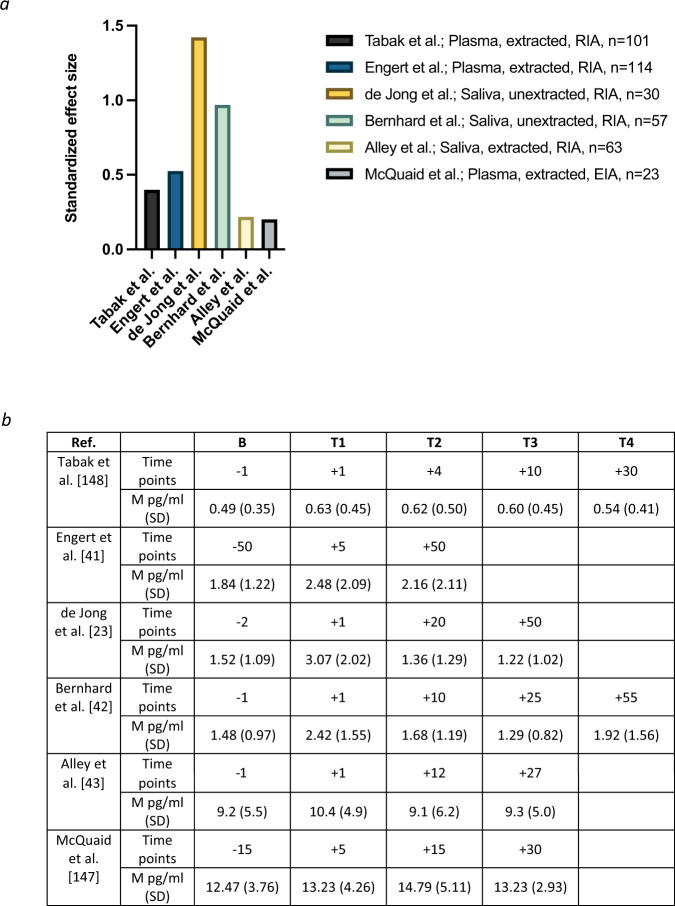
“2a show pre-post (i.e., the difference between baseline levels and levels during the first assessment post-task) changes in oxytocin that range from 13.04% up to 106.67% in the context of the TSST [131].”
BackgroundInfluentialSelf-citationThe Social Salience Hypothesis of Oxytocin
Shamay-Tsoory, S. G., & Abu-Akel, A. (2016) · Biological Psychiatry · doi:10.1016/j.biopsych.2015.07.020 · Cited by 904 · cited 2×
“, connection, bonding, threat, stress) may provide valuable information about individual differences in the activity of the oxytocin system and its sensitivity to stress and socioemotional stimuli—a concept described in the “social salience hypothesis” of oxytocin [26].”
BackgroundOxytocin and the Neural Mechanisms Regulating Social Cognition and Affiliative Behavior
Ross, H. E., & Young, L. J. (2009) · Frontiers in Neuroendocrinology · doi:10.1016/j.yfrne.2009.05.004 · Cited by 856
Saliva Composition and Functions: A Comprehensive Review
Azevedo, L. R., De Lima, A. A. S., Machado, M. Â. N., Grégio, A. M. T., & de Almeida, P. D. V. (2008) · The Journal of Contemporary Dental Practice · doi:10.5005/jcdp-9-3-72 · Cited by 850 · cited 1×
“The rate of saliva production must also be considered, as it can vary depending on psychological and physiological states [110].”
BackgroundThe social brain in psychiatric and neurological disorders
Kennedy, D. P., & Adolphs, R. (2012) · Trends in Cognitive Sciences · doi:10.1016/j.tics.2012.09.006 · Cited by 791 · cited 1×
“Most psychiatric and neurodevelopmental disorders involve interpersonal disruption that results from social cognitive impairments that are part of the disorder itself [144], and/or are symptoms of the disorder that strain social relationships [145].”
BackgroundAdult attachment predicts maternal brain and oxytocin response to infant cues.
Strathearn, L., Fonagy, P., Amico, J., & Montague, P. R. (2009) · Neuropsychopharmacology · doi:10.1038/npp.2009.103 · Cited by 773 · cited 1×
“For example, higher plasma oxytocin concentrations have been associated with neural reward activation in mothers viewing images of their infants [16], and in fathers after playing with their babies [17].”
BackgroundTate, J. R., & Ward, G. (2004) · PubMed Central · Cited by 769
Oxytocin pathways and the evolution of human behavior
Carter, C. S. (2014) · Annual Review of Psychology · doi:10.1146/annurev-psych-010213-115110 · Cited by 714 · cited 2×
“Although oxytocin impacts numerous processes beyond those that are social in nature [4], recent research has focused on manipulating this biological system to alter social behaviors [5].”
BackgroundFeldman, R., Gordon, I., Schneiderman, I., Weisman, O., & Zagoory-Sharon, O. (2010) · Psychoneuroendocrinology · doi:10.1016/j.psyneuen.2010.01.013 · Cited by 638
DeSilva, B., Smith, W., Weiner, R., Kelley, M., Smolec, J., Lee, B., Khan, M., Tacey, R., Hill, H., & Celniker, A. (2003) · Pharmaceutical Research · doi:10.1023/b:pham.0000003390.51761.3d · Cited by 623
Intranasal Oxytocin: Myths and Delusions
Leng, G., & Ludwig, M. (2016) · Biological Psychiatry · doi:10.1016/j.biopsych.2015.05.003 · Cited by 616 · cited 3×
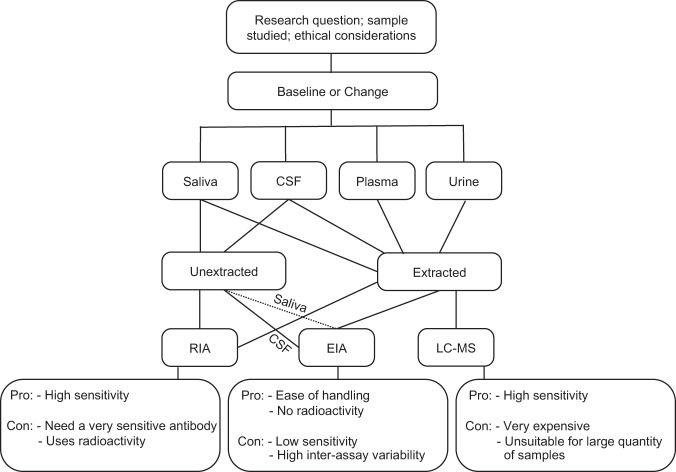
“RIA methods of measuring oxytocin with an extraction procedure have been in use over decades and specificity has been verified through evaluations of cross-reactivity of molecules such as vasopressin, confirmation via bioassay, and through chromatographic separation [33, 36], which has rarely been done for EIA.”
BackgroundMethodSelf-citationGenomic and epigenetic evidence for oxytocin receptor deficiency in autism
Gregory, S. G., Connelly, J. J., Towers, A. J., Johnson, J., Biscocho, D., Markunas, C. A., Lintas, C., Abramson, R. K., Wright, H. H., Ellis, P., et al. (2009) · BMC Medicine · doi:10.1186/1741-7015-7-62 · Cited by 576
A practical guide to immunoassay method validation
Andreasson, U., Perret-Liaudet, A., van Waalwijk van Doorn, L. J. C., Blennow, K., Chiasserini, D., Engelborghs, S., Fladby, T., Genc, S., Kruse, N., Kuiperij, H. B., et al. (2015) · Frontiers in Neurology · doi:10.3389/fneur.2015.00179 · Cited by 546 · cited 1×
“Glossary of technical terms involved in oxytocin measurement (many definitions adapted from [101]):”
BackgroundDitzen, B., Neumann, I. D., Bodenmann, G., von Dawans, B., Turner, R. A., Ehlert, U., & Heinrichs, M. (2007) · Psychoneuroendocrinology · doi:10.1016/j.psyneuen.2007.03.011 · Cited by 525
Self-citationThe social consequences of psychiatric disorders, III: probability of marital stability
Kessler, R. C., Walters, E. E., & Forthofer, M. S. (1998) · American Journal of Psychiatry · doi:10.1176/ajp.155.8.1092 · Cited by 518 · cited 1×
“Most psychiatric and neurodevelopmental disorders involve interpersonal disruption that results from social cognitive impairments that are part of the disorder itself [144], and/or are symptoms of the disorder that strain social relationships [145].”
BackgroundIncreased brain and plasma oxytocin after nasal and peripheral administration in rats and mice
Neumann, I. D., Maloumby, R., Beiderbeck, D. I., Lukas, M., & Landgraf, R. (2013) · Psychoneuroendocrinology · doi:10.1016/j.psyneuen.2013.03.003 · Cited by 511
Self-citationFeldman, R., Gordon, I., & Zagoory‐Sharon, O. (2011) · Developmental Science · doi:10.1111/j.1467-7687.2010.01021.x · Cited by 486 · cited 1×
“There is mixed evidence for an association between human oxytocin in urine and in plasma, with some studies showing a positive correlation [121] and others showing no relationship [106].”
BackgroundOxytocin in general anxiety and social fear: a translational approach
Neumann, I. D., & Slattery, D. A. (2016) · Biological Psychiatry · doi:10.1016/j.biopsych.2015.06.004 · Cited by 468 · cited 2×
“However, oxytocin has also been characterized as a stress hormone [15], and higher plasma oxytocin concentrations have also been associated with psychosocial stress in the presence of unfamiliar others [41] (also reflected by increased salivary oxytocin concentrations [23, 42, 43]), and greater post-conflict relationa…”
BackgroundSelf-citationStriepens, N., Kendrick, K. M., Hanking, V., Landgraf, R., Wüllner, U., Maier, W., & Hurlemann, R. (2013) · Scientific Reports · doi:10.1038/srep03440 · Cited by 452 · cited 1×
“Furthermore, participants in studies collecting CSF often have medical conditions that reduce the generalizability of findings [55, 56].”
BackgroundProblems with measuring peripheral oxytocin: can the data on oxytocin and human behavior be trusted?
McCullough, M. E., Churchland, P. S., & Mendez, A. J. (2013) · Neuroscience & Biobehavioral Reviews · doi:10.1016/j.neubiorev.2013.04.018 · Cited by 416
Self-citationEliava, M., Melchior, M., Knobloch-Bollmann, H. S., Wahis, J., da Silva Gouveia, M., Tang, Y., Ciobanu, A. C., Triana del Rio, R., Roth, L. C., Althammer, F., et al. (2016) · Neuron · doi:10.1016/j.neuron.2016.01.041 · Cited by 409
Windle, R. J., Kershaw, Y. M., Shanks, N., Wood, S. A., Lightman, S. L., & Ingram, C. D. (2004) · The Journal of Neuroscience · doi:10.1523/jneurosci.3432-03.2004 · Cited by 408
How to study the menstrual cycle: Practical tools and recommendations
Schmalenberger, K. M., Tauseef, H. A., Barone, J. C., Owens, S. A., Lieberman, L., Jarczok, M. N., Girdler, S. S., Kiesner, J., Ditzen, B., & Eisenlohr-Moul, T. A. (2021) · Psychoneuroendocrinology · doi:10.1016/j.psyneuen.2020.104895 · Cited by 404 · cited 2×
“The best methods to account for menstrual cycle variation involve a combination of biological and self-report assessments [138], or (if the sample is large enough) separating participants based on menstrual cycle phase and/or use of hormonal contraception.”
BackgroundMethodSaliva composition and functions: a comprehensive review.
de Almeida, P. D. V., Grégio, A. M. T., Machado, M. A. N., de Lima, A. A. S., & Azevedo, L. R. (2008) · PubMed · Cited by 395
Heinrichs, M., Meinlschmidt, G., Neumann, I., Wagner, S., Kirschbaum, C., Ehlert, U., & Hellhammer, D. H. (2001) · The Journal of Clinical Endocrinology & Metabolism · doi:10.1210/jcem.86.10.7919 · Cited by 386
Self-citationMens, W. B. J., Witter, A., & Van Wimersma Greidanus, T. B. (1983) · Brain Research · doi:10.1016/0006-8993(83)90478-x · Cited by 360 · cited 1×
“In sum, in certain contexts, there is evidence that changes in peripheral oxytocin concentrations are likely to be associated with oxytocin release in the brain; however, the dynamics of clearance from CSF and plasma differs, so single point measurements in plasma are likely to be poor predictors of CSF levels [60, 61…”
BackgroundA review of safety, side-effects and subjective reactions to intranasal oxytocin in human research
MacDonald, E., Dadds, M. R., Brennan, J. L., Williams, K., Levy, F., & Cauchi, A. J. (2011) · Psychoneuroendocrinology · doi:10.1016/j.psyneuen.2011.02.015 · Cited by 359 · cited 1×
“OTHER METHODS OF STUDYING OXYTOCIN IN HUMAN SOCIAL PROCESSES Intranasal administration studies The potential use of oxytocin as a treatment for neuropsychiatric disorders, and the lack of reported side-effects [63], has led to numerous human studies involving intranasal oxytocin administration [1].”
BackgroundOxytocin pathway gene networks in the human brain
Quintana, D. S., Rokicki, J., van der Meer, D., Alnæs, D., Kaufmann, T., Córdova-Palomera, A., Dieset, I., Andreassen, O. A., & Westlye, L. T. (2019) · Nature Communications · doi:10.1038/s41467-019-08503-8 · Cited by 354 · cited 2×
“In addition to the brain [58], oxytocin receptors (OXTR) are expressed in most organs throughout the body, including the reproductive tissues, heart, kidney, bone, and autonomic nervous system [1], suggesting that oxytocin’s effects on the periphery may also contribute to changes in behavior [33, 59].”
BackgroundIntranasal oxytocin treatment for social deficits and biomarkers of response in children with autism
Parker, K. J., Oztan, O., Libove, R. A., Sumiyoshi, R. D., Jackson, L. P., Karhson, D. S., Summers, J. E., Hinman, K. E., Motonaga, K. S., Phillips, J. M., et al. (2017) · Proceedings of the National Academy of Sciences · doi:10.1073/pnas.1705521114 · Cited by 349 · cited 2×
“There may be certain human populations that require fewer assessments to reliably index basal oxytocin levels [19, 94].”
BackgroundSelf-citationWotjak, C. T., Ganster, J., Kohl, G., Holsboer, F., Landgraf, R., & Engelmann, M. (1998) · Neuroscience · doi:10.1016/s0306-4522(97)00683-0 · Cited by 345
Evaluation of enzyme immunoassay and radioimmunoassay methods for the measurement of plasma oxytocin
Szeto, A., McCabe, P. M., Nation, D. A., Tabak, B. A., Rossetti, M. A., McCullough, M. E., Schneiderman, N., & Mendez, A. J. (2011) · Psychosomatic Medicine · doi:10.1097/psy.0b013e31821df0c2 · Cited by 330 · cited 9×
“Assessments of peripheral oxytocin bioactivity, secretion rate, and clearance [2], and evaluations of cross-reactivity of molecules such as vasopressin and antigen specificity through chromatographic separation have all been conducted in plasma [2, 33, 35, 36].”
BackgroundResultInfluentialSelf-citationHelmerhorst, E. J., & Oppenheim, F. G. (2007) · Journal of Dental Research · doi:10.1177/154405910708600802 · Cited by 330 · cited 1×
“In addition, proteolytic enzymes, which exist in large quantities in saliva [108], may break down peptides such as oxytocin in saliva [109] but have little effect on steroid hormones.”
BackgroundDoes Oxytocin Increase Trust in Humans? A Critical Review of Research
Nave, G., Camerer, C., & McCullough, M. (2015) · Perspectives on Psychological Science · doi:10.1177/1745691615600138 · Cited by 316
Characterization of the oxytocin system regulating affiliative behavior in female prairie voles
Ross, H. E., Cole, C. D., Smith, Y., Neumann, I. D., Landgraf, R., Murphy, A. Z., & Young, L. J. (2009) · Neuroscience · doi:10.1016/j.neuroscience.2009.05.055 · Cited by 309
Self-citationValstad, M., Alvares, G. A., Egknud, M., Matziorinis, A. M., Andreassen, O. A., Westlye, L. T., & Quintana, D. S. (2017) · Neuroscience & Biobehavioral Reviews · doi:10.1016/j.neubiorev.2017.04.017 · Cited by 277 · cited 3×
“Furthermore, paradigms such as these may also better approximate central oxytocin levels as shown in meta-analytic evidence of correspondence between peripheral and central compartments following a challenge paradigm in non-human species [53].”
BackgroundTaylor, S. E., Gonzaga, G. C., Klein, L. C., Hu, P., Greendale, G. A., & Seeman, T. E. (2006) · Psychosomatic Medicine · doi:10.1097/01.psy.0000203242.95990.74 · Cited by 275
Quintana, D. S., Lischke, A., Grace, S., Scheele, D., Ma, Y., & Becker, B. (2021) · Molecular Psychiatry · doi:10.1038/s41380-020-00864-7 · Cited by 263 · cited 3×
“Reviews of these approaches typically note that understanding interactions with endogenous oxytocin would be of significant value [68, 79, 86].”
BackgroundJong, T. R. D., Menon, R., Bludau, A., Grund, T., Biermeier, V., Klampfl, S. M., Jurek, B., Bosch, O. J., Hellhammer, J., & Neumann, I. D. (2015) · Psychoneuroendocrinology · doi:10.1016/j.psyneuen.2015.08.027 · Cited by 250 · cited 20×
“Although RIA has greater sensitivity, its disadvantages are the care and cost of handling the radioactive compound, the use of specialized equipment, and the fact that many commercially available kits have problems with cross-reactivity with vasopressin or include an antibody without sufficient sensitivity to measure…”
BackgroundMethodResultInfluentialSelf-citationSocial touch promotes interfemale communication via activation of parvocellular oxytocin neurons
Tang, Y., Benusiglio, D., Lefevre, A., Hilfiger, L., Althammer, F., Bludau, A., Hagiwara, D., Baudon, A., Darbon, P., Schimmer, J., et al. (2020) · Nature Neuroscience · doi:10.1038/s41593-020-0674-y · Cited by 249 · cited 2×
“THE VALUE IN MEASURING OXYTOCIN CONCENTRATIONS Studies in non-human species have shown that peripheral oxytocin is secreted in tandem with central oxytocin in certain contexts [1, 40].”
BackgroundSelf-citationMaternal plasma levels of oxytocin during breastfeeding—A systematic review
UvnäsMoberg, K., Ekström-Bergström, A., Buckley, S., Massarotti, C., Pajalic, Z., Luegmair, K., Kotlowska, A., Lengler, L., Olza, I., Grylka-Baeschlin, S., et al. (2020) · PLOS ONE · doi:10.1371/journal.pone.0235806 · Cited by 246 · cited 1×
“, estrogen administration [128], and possibly breastfeeding [129]) will improve assay validation.”
BackgroundMeasuring Oxytocin and Vasopressin: Bioassays, Immunoassays and Random Numbers
Leng, G., & Sabatier, N. (2016) · Journal of Neuroendocrinology · doi:10.1111/jne.12413 · Cited by 237 · cited 9×
“Oxytocin that binds to larger molecules such as immunoglobulins or albumin may accumulate in high concentrations (greater than 100 times the level of “free” plasma oxytocin) [2], but these binding proteins will vary from person to person, and in different physiological states, rendering it difficult to determine the s…”
BackgroundInfluentialSelf-citationWang, Z., Xiong, G., Tsang, W. C., Schätzlein, A. G., & Uchegbu, I. F. (2019) · The Journal of Pharmacology and Experimental Therapeutics · doi:10.1124/jpet.119.258152 · Cited by 231
Evidence of dysregulated peripheral oxytocin release among depressed women
Cyranowski, J. M., Hofkens, T. L., Frank, E., Seltman, H., Cai, H.-M., & Amico, J. A. (2008) · Psychosomatic Medicine · doi:10.1097/psy.0b013e318188ade4 · Cited by 220 · cited 1×
“Consequently, urine levels may reflect the cumulative secretion of oxytocin over a long period of time [123, 124].”
BackgroundParker, K. J., Garner, J. P., Libove, R. A., Hyde, S. A., Hornbeak, K. B., Carson, D. S., Liao, C.-P., Phillips, J. M., Hallmayer, J. F., & Hardan, A. Y. (2014) · Proceedings of the National Academy of Sciences · doi:10.1073/pnas.1402236111 · Cited by 215 · cited 1×
“There may be certain human populations that require fewer assessments to reliably index basal oxytocin levels [19, 94].”
BackgroundSelf-citationAn Allostatic Theory of Oxytocin
Quintana, D. S., & Guastella, A. J. (2020) · Trends in Cognitive Sciences · doi:10.1016/j.tics.2020.03.008 · Cited by 215 · cited 1×
“Recent theories have provided models for understanding how the human oxytocin system can play such diverse roles [25] in social [13, 26] and non-social [27, 28] contexts.”
BackgroundOxytocin signaling in the lateral septum prevents social fear during lactation
Menon, R., Grund, T., Zoicas, I., Althammer, F., Fiedler, D., Biermeier, V., Bosch, O. J., Hiraoka, Y., Nishimori, K., Eliava, M., et al. (2018) · Current Biology · doi:10.1016/j.cub.2018.02.044 · Cited by 211
Self-citationFuchs, A.-R., Romero, R., Keefe, D., Parra, M., Oyarzun, E., & Behnke, E. (1991) · American Journal of Obstetrics and Gynecology · doi:10.1016/0002-9378(91)90399-c · Cited by 205 · cited 2×
“Moreover, an apparent mismatch between CSF and blood oxytocin levels may arise when secretion is pulsatile, as found during birth and parturition [62], since oxytocin pulses may be “missed” in plasma measurement due to the shorter half-life in plasma relative to CSF [54].”
BackgroundMethodKusui, C., Kimura, T., Ogita, K., Nakamura, H., Matsumura, Y., Koyama, M., Azuma, C., & Murata, Y. (2001) · Biochemical and Biophysical Research Communications · doi:10.1006/bbrc.2001.6024 · Cited by 199 · cited 1×
“Epigenetic association studies Building on evidence that higher levels of OXTR DNA methylation are associated with decreased OXTR gene expression in humans [84, 85], and a preliminary link between higher levels of OXTR DNA methylation in individuals with autism spectrum disorder [86], studies have increasingly examine…”
BackgroundOxytocin receptor gene methylation: converging multilevel evidence for a role in social anxiety
Ziegler, C., Dannlowski, U., Bräuer, D., Stevens, S., Laeger, I., Wittmann, H., Kugel, H., Dobel, C., Hurlemann, R., Reif, A., et al. (2015) · Neuropsychopharmacology · doi:10.1038/npp.2015.2 · Cited by 193 · cited 1×
“, neuroimaging, neurophysiology, and assessments of social anxiety), lower blood levels of OXTR gene methylation were found among individuals with social anxiety disorder [87].”
BackgroundOxytocin increases anxiety to unpredictable threat
Grillon, C., Krimsky, M., Charney, D. R., Vytal, K., Ernst, M., & Cornwell, B. (2013) · Molecular Psychiatry · doi:10.1038/mp.2012.156 · Cited by 192
Brain oxytocin: how puzzle stones from animal studies translate into psychiatry
Grinevich, V., & Neumann, I. D. (2021) · Molecular Psychiatry · doi:10.1038/s41380-020-0802-9 · Cited by 190 · cited 2×
“Based on these studies, there is good reason to believe that a greater understanding of the oxytocin system may have translational potential for humans, particularly in the treatment of social impairments [6, 7].”
BackgroundSelf-citationBrain oxytocin in social fear conditioning and its extinction: involvement of the lateral septum
Zoicas, I., Slattery, D. A., & Neumann, I. D. (2014) · Neuropsychopharmacology · doi:10.1038/npp.2014.156 · Cited by 189
Self-citationResponses to laboratory psychosocial stress in postpartum women
Altemus, M., Redwine, L. S., Leong, Y.-M., Frye, C. A., Porges, S. W., & Sue Carter, C. (2001) · Psychosomatic Medicine · doi:10.1097/00006842-200109000-00015 · Cited by 187
Paloyelis, Y., Doyle, O. M., Zelaya, F. O., Maltezos, S., Williams, S. C., Fotopoulou, A., & Howard, M. A. (2016) · Biological Psychiatry · doi:10.1016/j.biopsych.2014.10.005 · Cited by 187
Crockford, C., Deschner, T., Ziegler, T. E., & Wittig, R. M. (2014) · Frontiers in Behavioral Neuroscience · doi:10.3389/fnbeh.2014.00068 · Cited by 187 · cited 1×
“If we are to better understand the origin of inconsistencies in reported outcomes of intranasal administration studies, intervention studies may need to be based on a more sophisticated understanding of the endogenous human oxytocin system [78].”
BackgroundSelf-citationYamasue, H., Okada, T., Munesue, T., Kuroda, M., Fujioka, T., Uno, Y., Matsumoto, K., Kuwabara, H., Mori, D., Okamoto, Y., et al. (2020) · Molecular Psychiatry · doi:10.1038/s41380-018-0097-2 · Cited by 185 · cited 1×
“Finally, reports showing null effects of intranasal oxytocin administration on socioemotional processes in healthy [74, 75] and clinical populations [76, 77] have raised the question of whether previously reported effects of intranasal oxytocin are false positives.”
BackgroundPeters, S., Slattery, D. A., Uschold-Schmidt, N., Reber, S. O., & Neumann, I. D. (2014) · Psychoneuroendocrinology · doi:10.1016/j.psyneuen.2014.01.021 · Cited by 183 · cited 1×
“Also, the effectiveness of chronic oxytocin administration in humans needs to be studied further as adverse behavioral and cellular effects of chronic oxytocin treatment have been shown in rodents [69, 70].”
BackgroundSelf-citationChallenges for measuring oxytocin: the blind men and the elephant?
MacLean, E. L., Wilson, S. R., Martin, W. L., Davis, J. M., Nazarloo, H. P., & Carter, C. S. (2019) · Psychoneuroendocrinology · doi:10.1016/j.psyneuen.2019.05.018 · Cited by 183 · cited 2×
“, concentrations measured after extraction) is likely to be the best method of measurement when examining acute changes in oxytocin levels [37], which presumably includes following a stressor.”
Oxytocin in Human Plasma: Correlation with Neurophysin and Stimulation with Estrogen*
AMICO, J. A., SEIF, S. M., & ROBINSON, A. G. (1981) · The Journal of Clinical Endocrinology & Metabolism · doi:10.1210/jcem-52-5-988 · Cited by 177 · cited 2×
“Last, as the provasopressin fragment copeptin is measured as a surrogate for the assessment of vasopressin [130], neurophysin 1 could also be measured as a surrogate for oxytocin secretion [128] since it has a much longer half-life than oxytocin and its larger size makes it amenable to development of a sandwich EIA.”
BackgroundEmotional Stress Triggers Intrahypothalamic But Not Peripheral Release of Oxytocin in Male Rats
Engelmann, Ebner, Landgraf, Holsboer, & Wotjak (1999) · Journal of Neuroendocrinology · doi:10.1046/j.1365-2826.1999.00403.x · Cited by 170 · cited 2×
“Indeed, a common issue facing researchers in this area is that a study designed for oxytocin assessment often contains assessments of other aspects of physiology such as cortisol responses, which have much longer response times [44] and require time points to be further apart.”
BackgroundSex as a Biological Variable: Who, What, When, Why, and How
Bale, T. L., & Epperson, C. N. (2017) · Neuropsychopharmacology · doi:10.1038/npp.2016.215 · Cited by 165 · cited 1×
“Excluding female participants is problematic for numerous reasons [139].”
BackgroundPreliminary evidence that plasma oxytocin levels are elevated in major depression
Parker, K. J., Kenna, H. A., Zeitzer, J. M., Keller, J., Blasey, C. M., Amico, J. A., & Schatzberg, A. F. (2010) · Psychiatry Research · doi:10.1016/j.psychres.2009.09.017 · Cited by 163
Self-citationHarari-Dahan, O., & Bernstein, A. (2014) · Neuroscience & Biobehavioral Reviews · doi:10.1016/j.neubiorev.2014.10.007 · Cited by 153 · cited 1×
“Recent theories have provided models for understanding how the human oxytocin system can play such diverse roles [25] in social [13, 26] and non-social [27, 28] contexts.”
BackgroundOxytocin and HPA stress axis reactivity in postpartum women
Cox, E. Q., Stuebe, A., Pearson, B., Grewen, K., Rubinow, D., & Meltzer-Brody, S. (2015) · Psychoneuroendocrinology · doi:10.1016/j.psyneuen.2015.02.009 · Cited by 151
Key elements of bioanalytical method validation for macromolecules
Kelley, M. M., & Desilva, B. S. (2007) · The AAPS Journal · doi:10.1208/aapsj0902017 · Cited by 151
Maud, C., Ryan, J., McIntosh, J. E., & Olsson, C. A. (2018) · BMC Psychiatry · doi:10.1186/s12888-018-1740-9 · Cited by 151 · cited 3×
“Reviews of these approaches typically note that understanding interactions with endogenous oxytocin would be of significant value [68, 79, 86].”
BackgroundRutigliano, G., Rocchetti, M., Paloyelis, Y., Gilleen, J., Sardella, A., Cappucciati, M., Palombini, E., Dell’Osso, L., Caverzasi, E., Politi, P., et al. (2016) · Psychiatry Research · doi:10.1016/j.psychres.2016.04.117 · Cited by 149 · cited 1×
“Methodological differences and a lack of standardization across studies of human (and nonhuman animal) endogenous oxytocin concentrations have made it challenging to synthesize our current state of knowledge of the role of oxytocin in human social processes and psychiatric illness [142].”
BackgroundOlson, B. R., Hoffman, G. E., Sved, A. F., Stricker, E. M., & Verbalis, J. G. (1992) · Brain Research · doi:10.1016/0006-8993(92)90635-m · Cited by 147 · cited 1×
“In comparison with work in non-human species showing methods of inducing robust oxytocin responses [51], studies involving extracted human plasma or saliva in paradigms such as these have revealed similarly small increases in oxytocin of <3 pg/ml [22, 23, 43, 136].”
ResultSelf-citationValentin, M., Ma, S., Zhao, A., Legay, F., & Avraméas, A. (2011) · Journal of Pharmaceutical and Biomedical Analysis · doi:10.1016/j.jpba.2011.03.033 · Cited by 147
Jones, P. M., & Robinson, I. C. A. F. (1982) · Neuroendocrinology · doi:10.1159/000123316 · Cited by 147 · cited 1×
“In sum, in certain contexts, there is evidence that changes in peripheral oxytocin concentrations are likely to be associated with oxytocin release in the brain; however, the dynamics of clearance from CSF and plasma differs, so single point measurements in plasma are likely to be poor predictors of CSF levels [60, 61…”
BackgroundBrockington, G., Moreira, A. P. G., Buso, M. S. D. L., da Silva, S. G., Altszyler, E., Fischer, R. D., & Moll, J. (2021) · Proceedings of the National Academy of Sciences · doi:10.1073/pnas.2018409118 · Cited by 147 · cited 1×
“In contrast, increases of several hundred pg/ml or more have been found in unextracted saliva [137] and plasma [91] samples using the EIA assay from Enzo Life Sciences.”
MethodGrewen, K. M., Davenport, R. E., & Light, K. C. (2010) · Psychophysiology · doi:10.1111/j.1469-8986.2009.00968.x · Cited by 146
Engel, S., Klusmann, H., Ditzen, B., Knaevelsrud, C., & Schumacher, S. (2018) · Frontiers in Neuroendocrinology · doi:10.1016/j.yfrne.2018.11.002 · Cited by 140
Pierrehumbert, B., Torrisi, R., Laufer, D., Halfon, O., Ansermet, F., & Beck Popovic, M. (2010) · Neuroscience · doi:10.1016/j.neuroscience.2009.12.016 · Cited by 139
Landgraf, R., Neumann, I., & Schwarzberg, H. (1988) · Brain Research · doi:10.1016/0006-8993(88)90689-0 · Cited by 137
Self-citationA registered replication study on oxytocin and trust
Declerck, C. H., Boone, C., Pauwels, L., Vogt, B., & Fehr, E. (2020) · Nature Human Behaviour · doi:10.1038/s41562-020-0878-x · Cited by 137
Relations between plasma oxytocin and cortisol: The stress buffering role of social support
McQuaid, R. J., McInnis, O. A., Paric, A., Al-Yawer, F., Matheson, K., & Anisman, H. (2016) · Neurobiology of Stress · doi:10.1016/j.ynstr.2016.01.001 · Cited by 135 · cited 1×
“[154] also included a baseline time point at −1, but this occurred before TSST onset, rather than before the instructions were provided—thus, we provide the baseline timepoint before instructions to be consistent with the other studies.”
ResultSnowdon, C. T., Pieper, B. A., Boe, C. Y., Cronin, K. A., Kurian, A. V., & Ziegler, T. E. (2010) · Hormones and Behavior · doi:10.1016/j.yhbeh.2010.06.014 · Cited by 133 · cited 1×
“[122] found increases in urinary oxytocin concentrations in non-human primates, and Francis et al.”
BackgroundSelf-citationLabeled oxytocin administered via the intranasal route reaches the brain in rhesus macaques
Lee, M. R., Shnitko, T. A., Blue, S. W., Kaucher, A. V., Winchell, A. J., Erikson, D. W., Grant, K. A., & Leggio, L. (2020) · Nature Communications · doi:10.1038/s41467-020-15942-1 · Cited by 132
Self-citationZhang, B., Qiu, L., Xiao, W., Ni, H., Chen, L., Wang, F., Mai, W., Wu, J., Bao, A., Hu, H., et al. (2021) · Neuron · doi:10.1016/j.neuron.2020.10.032 · Cited by 131
Identification of human placental leucine aminopeptidase as oxytocinase
Tsujimoto, M., Mizutani, S., Adachi, H., Kimura, M., Nakazato, H., & Tomoda, Y. (1992) · Archives of Biochemistry and Biophysics · doi:10.1016/0003-9861(92)90007-j · Cited by 130 · cited 1×
“Plasma: (1) Collect blood in chilled vacutainer tubes with EDTA and a protease inhibitor (since oxytocin may degrade quickly [3] especially in pregnancy when circulating levels of oxytocinase are increased [62, 146]), then place into an ice bath and refrigerate.”
MethodMartins, D. A., Mazibuko, N., Zelaya, F., Vasilakopoulou, S., Loveridge, J., Oates, A., Maltezos, S., Mehta, M., Wastling, S., Howard, M., et al. (2020) · Nature Communications · doi:10.1038/s41467-020-14845-5 · Cited by 129
Bethlehem, R. A. I., Baron-Cohen, S., van Honk, J., Auyeung, B., & Bos, P. A. (2014) · Frontiers in Behavioral Neuroscience · doi:10.3389/fnbeh.2014.00048 · Cited by 120 · cited 1×
“Recent theories have provided models for understanding how the human oxytocin system can play such diverse roles [25] in social [13, 26] and non-social [27, 28] contexts.”
BackgroundProteomics tools reveal startlingly high amounts of oxytocin in plasma and serum
Brandtzaeg, O. K., Johnsen, E., Roberg-Larsen, H., Seip, K. F., MacLean, E. L., Gesquiere, L. R., Leknes, S., Lundanes, E., & Wilson, S. R. (2016) · Scientific Reports · doi:10.1038/srep31693 · Cited by 120 · cited 1×
“, 1–10 pg/ml) as those reported by RIA with extraction [95, 96]; however, one study using LC-MS found much higher levels of oxytocin following reduction and alkylation of plasma samples [97].”
MethodOxytocin facilitates the sensation of social stress
Eckstein, M., Scheele, D., Weber, K., Stoffel‐Wagner, B., Maier, W., & Hurlemann, R. (2014) · Human Brain Mapping · doi:10.1002/hbm.22508 · Cited by 119
A Time-Dependent Peak of Oxytocin Exists in Cerebrospinal Fluid but Not in Plasma of Humans
AMICO, J. A., TENICELA, R., JOHNSTON, J., & ROBINSON, A. G. (1983) · The Journal of Clinical Endocrinology & Metabolism · doi:10.1210/jcem-57-5-947 · Cited by 116 · cited 16×
“Importantly, because baseline levels of plasma oxytocin show considerable intra-individual variability [34], and the half-life of oxytocin is much longer in CSF than in plasma, future studies comparing levels of central and peripheral oxytocin in humans will require numerous assessments—ideally over a 24-h period to a…”
BackgroundInfluentialAdult attachment representations predict cortisol and oxytocin responses to stress
Pierrehumbert, B., Torrisi, R., Ansermet, F., Borghini, A., & Halfon, O. (2012) · Attachment & Human Development · doi:10.1080/14616734.2012.706394 · Cited by 116
Oxytocin indexes relational distress following interpersonal harms in women
Tabak, B. A., McCullough, M. E., Szeto, A., Mendez, A. J., & McCabe, P. M. (2011) · Psychoneuroendocrinology · doi:10.1016/j.psyneuen.2010.07.004 · Cited by 116 · cited 6×
“(2) Once samples are collected, standard protocols to separate EDTA plasma from whole blood in a refrigerated centrifuge can be used [22].”
BackgroundMethodResultInfluentialSelf-citationThe Effects of Oxytocin on Appetite Regulation, Food Intake and Metabolism in Humans
Kerem, L., & Lawson, E. A. (2021) · International Journal of Molecular Sciences · doi:10.3390/ijms22147737 · Cited by 114 · cited 1×
“Although oxytocin impacts numerous processes beyond those that are social in nature [4], recent research has focused on manipulating this biological system to alter social behaviors [5].”
BackgroundHew-Butler, T., Noakes, T. D., Soldin, S. J., & Verbalis, J. G. (2008) · European Journal of Endocrinology · doi:10.1530/eje-08-0064 · Cited by 113
Self-citationOxytocin is not a valid biomarker when measured in saliva by immunoassay
Horvat-Gordon, M., Granger, D. A., Schwartz, E. B., Nelson, V. J., & Kivlighan, K. T. (2005) · Physiology & Behavior · doi:10.1016/j.physbeh.2005.01.007 · Cited by 111 · cited 1×
“In addition, proteolytic enzymes, which exist in large quantities in saliva [108], may break down peptides such as oxytocin in saliva [109] but have little effect on steroid hormones.”
BackgroundSeltzer, L. J., Ziegler, T., Connolly, M. J., Prososki, A. R., & Pollak, S. D. (2014) · Child Development · doi:10.1111/cdev.12136 · Cited by 106
Self-citationAMICO, J. A., ULBRECHT, J. S., & ROBINSON, A. G. (1987) · The Journal of Clinical Endocrinology & Metabolism · doi:10.1210/jcem-64-2-340 · Cited by 105 · cited 2×
“[112] showed that 30–60 min after intravenous infusion of oxytocin in humans, some oxytocin was detected in the urine, but only about 1% of the exogenously infused oxytocin.”
BackgroundLefevre, A., Mottolese, R., Dirheimer, M., Mottolese, C., Duhamel, J.-R., & Sirigu, A. (2017) · Scientific Reports · doi:10.1038/s41598-017-17674-7 · Cited by 105 · cited 4×
“Thus, as shown previously [35], across studies, there is a considerable difference between levels of oxytocin following extraction in plasma, a smaller difference in saliva, but relatively little differences in levels of CSF oxytocin regardless of extraction—suggesting that there is little if any loss of oxytocin thro…”
BackgroundInfluentialSteinman, M. Q., Duque-Wilckens, N., & Trainor, B. C. (2019) · Biological Psychiatry · doi:10.1016/j.biopsych.2018.10.008 · Cited by 105 · cited 1×
“Recent theories have provided models for understanding how the human oxytocin system can play such diverse roles [25] in social [13, 26] and non-social [27, 28] contexts.”
BackgroundLaraway, S., Snycerski, S., Pradhan, S., & Huitema, B. E. (2019) · Perspectives on Behavior Science · doi:10.1007/s40614-019-00193-3 · Cited by 104 · cited 1×
“CONCLUSION The replication crisis in psychology [140] results, in part, from a lack of standardization and valid measurement methodology— including in biochemical assays [141].”
BackgroundMartins, D., Gabay, A. S., Mehta, M. A., & Paloyelis, Y. (2020) · eLife · doi:10.7554/elife.62456 · Cited by 104 · cited 8×
“Importantly, because baseline levels of plasma oxytocin show considerable intra-individual variability [34], and the half-life of oxytocin is much longer in CSF than in plasma, future studies comparing levels of central and peripheral oxytocin in humans will require numerous assessments—ideally over a 24-h period to a…”
BackgroundResultInfluentialEngert, V., Koester, A. M., Riepenhausen, A., & Singer, T. (2016) · Psychoneuroendocrinology · doi:10.1016/j.psyneuen.2016.08.029 · Cited by 103 · cited 1×
“However, oxytocin has also been characterized as a stress hormone [15], and higher plasma oxytocin concentrations have also been associated with psychosocial stress in the presence of unfamiliar others [41] (also reflected by increased salivary oxytocin concentrations [23, 42, 43]), and greater post-conflict relationa…”
BackgroundAlgoe, S. B., Kurtz, L. E., & Grewen, K. (2017) · Psychological Science · doi:10.1177/0956797617716922 · Cited by 103 · cited 1×
“In addition, higher urinary oxytocin levels have been associated with positive relationship-promoting perceptions in response to one’s romantic partner [18].”
BackgroundAlvares, G. A., Quintana, D. S., & Whitehouse, A. J. O. (2017) · Autism Research · doi:10.1002/aur.1692 · Cited by 91 · cited 3×
“Nonetheless, there continues to be discrepancies regarding the precise dosage, optimal incubation periods [9], and exactly how long the effects last [68].”
BackgroundDoom, J. R., Doyle, C. M., & Gunnar, M. R. (2017) · Social Neuroscience · doi:10.1080/17470919.2016.1149095 · Cited by 81 · cited 1×
“Reliance on urine to measure human oxytocin concentrations prevents the examination of changes over short periods of time, such as before and after a relatively short stress paradigm or presentation of stimuli (but see [115]).”
BackgroundZhang, G., Zhang, Y., Fast, D. M., Lin, Z., & Steenwyk, R. (2011) · Analytical Biochemistry · doi:10.1016/j.ab.2011.04.041 · Cited by 79 · cited 2×
“While oxytocin is stable in plasma (other than in pregnancy) after separation from whole blood [35, 95], stability in whole blood has not been described, thus use of a protease inhibitor may prevent peptide degradation during collection and prior to processing.”
BackgroundMethodWeckesser, L. J., Plessow, F., Pilhatsch, M., Muehlhan, M., Kirschbaum, C., & Miller, R. (2014) · Psychoneuroendocrinology · doi:10.1016/j.psyneuen.2014.04.012 · Cited by 72 · cited 1×
“In addition, within-subject plasma levels of oxytocin at rest can vary by 33–51% [123], and the stress associated with venipuncture [126] may confound the reliance on a single time point.”
BackgroundChristensen, J. C., Shiyanov, P. A., Estepp, J. R., & Schlager, J. J. (2014) · PLoS ONE · doi:10.1371/journal.pone.0116172 · Cited by 69
Oztan, O., Garner, J. P., Constantino, J. N., & Parker, K. J. (2020) · Proceedings of the National Academy of Sciences · doi:10.1073/pnas.1919050117 · Cited by 65 · cited 1×
“Measure endogenous concentrations of vasopressin in addition to oxytocin to bolster the validity of the oxytocin assay and to demonstrate specificity of oxytocin reactivity over vasopressin or vice versa [148].”
BackgroundSelf-citationHorta, M., Kaylor, K., Feifel, D., & Ebner, N. C. (2020) · Neuroscience & Biobehavioral Reviews · doi:10.1016/j.neubiorev.2019.10.012 · Cited by 63 · cited 1×
“Also, the effectiveness of chronic oxytocin administration in humans needs to be studied further as adverse behavioral and cellular effects of chronic oxytocin treatment have been shown in rodents [69, 70].”
BackgroundPlasma vasopressin and oxytocin in response to exercise and during a day-night cycle in man.
Landgraf, R., Häcker, R., & Buhl, H. (1982) · PubMed · Cited by 61
Plasma, salivary, and urinary oxytocin in anorexia nervosa: A pilot study
Hoffman, E. R., Brownley, K. A., Hamer, R. M., & Bulik, C. M. (2012) · Eating Behaviors · doi:10.1016/j.eatbeh.2012.02.004 · Cited by 55 · cited 1×
“There is mixed evidence for an association between human oxytocin in urine and in plasma, with some studies showing a positive correlation [121] and others showing no relationship [106].”
BackgroundMoons, W. G., Way, B. M., & Taylor, S. E. (2014) · Emotion · doi:10.1037/a0035503 · Cited by 55
Grund, T., Tang, Y., Benusiglio, D., Althammer, F., Probst, S., Oppenländer, L., Neumann, I. D., & Grinevich, V. (2019) · Psychoneuroendocrinology · doi:10.1016/j.psyneuen.2019.03.019 · Cited by 55
Self-citationAulinas, A., Plessow, F., Asanza, E., Silva, L., Marengi, D. A., Fan, W., Abedi, P., Verbalis, J., Tritos, N. A., Nachtigall, L., et al. (2019) · The Journal of Clinical Endocrinology & Metabolism · doi:10.1210/jc.2018-02608 · Cited by 54 · cited 1×
“, hypopituitarism and diabetes insipidus [127]).”
Self-citationRobinson, K. J., Hazon, N., Lonergan, M., & Pomeroy, P. P. (2014) · Journal of Neuroscience Methods · doi:10.1016/j.jneumeth.2014.01.019 · Cited by 52
Quintana, D. S., Westlye, L. T., Smerud, K. T., Mahmoud, R. A., Andreassen, O. A., & Djupesland, P. G. (2018) · Hormones and Behavior · doi:10.1016/j.yhbeh.2018.05.004 · Cited by 52 · cited 3×
“, it is 3–4 times larger than cortisol or testosterone), and the fact that unlike cortisol which is lipid-soluble and enters saliva from peripheral circulation by passive diffusion, oxytocin diffusion from the circulation may be more limited because it is lipid insoluble [98].”
BackgroundMethodThe endogenous oxytocin system in depressive disorders: A systematic review and meta-analysis
Engel, S., Laufer, S., Knaevelsrud, C., & Schumacher, S. (2019) · Psychoneuroendocrinology · doi:10.1016/j.psyneuen.2018.11.011 · Cited by 52 · cited 1×
“seven studies that did not provide information on whether or not an extraction procedure was performed [143].”
BackgroundAlley, J. C., Diamond, L. M., Lipschitz, D. L., & Grewen, K. (2019) · Psychoneuroendocrinology · doi:10.1016/j.psyneuen.2019.03.031 · Cited by 51 · cited 3×
“In comparison with work in non-human species showing methods of inducing robust oxytocin responses [51], studies involving extracted human plasma or saliva in paradigms such as these have revealed similarly small increases in oxytocin of <3 pg/ml [22, 23, 43, 136].”
BackgroundMethodResultOxytocin secretion is pulsatile in men and is related to social-emotional functioning
Baskaran, C., Plessow, F., Silva, L., Asanza, E., Marengi, D., Eddy, K. T., Sluss, P. M., Johnson, M. L., Misra, M., & Lawson, E. A. (2017) · Psychoneuroendocrinology · doi:10.1016/j.psyneuen.2017.07.486 · Cited by 50 · cited 2×
“Consequently, urine levels may reflect the cumulative secretion of oxytocin over a long period of time [123, 124].”
BackgroundEngel, S., Laufer, S., Miller, R., Niemeyer, H., Knaevelsrud, C., & Schumacher, S. (2019) · Frontiers in Neuroendocrinology · doi:10.1016/j.yfrne.2019.100775 · Cited by 50 · cited 5×
“A recent meta-analysis showed differences in predicted mean baseline levels of oxytocin based on the type of sample collected and whether an extraction procedure was used [38].”
BackgroundMethodResultInfluentialAdolescent oxytocin response to stress and its behavioral and endocrine correlates
Bernhard, A., van der Merwe, C., Ackermann, K., Martinelli, A., Neumann, I. D., & Freitag, C. M. (2018) · Hormones and Behavior · doi:10.1016/j.yhbeh.2018.08.010 · Cited by 49 · cited 15×
“Although RIA has greater sensitivity, its disadvantages are the care and cost of handling the radioactive compound, the use of specialized equipment, and the fact that many commercially available kits have problems with cross-reactivity with vasopressin or include an antibody without sufficient sensitivity to measure…”
BackgroundMethodInfluentialSelf-citationUrinary and plasma oxytocin changes in response to MDMA or intranasal oxytocin administration
Francis, S. M., Kirkpatrick, M. G., de Wit, H., & Jacob, S. (2016) · Psychoneuroendocrinology · doi:10.1016/j.psyneuen.2016.08.011 · Cited by 48 · cited 2×
“Thus, measuring oxytocin in human urine should not be viewed as equivalent to measuring oxytocin in plasma [119].”
BackgroundKranz, T. M., Kopp, M., Waltes, R., Sachse, M., Duketis, E., Jarczok, T. A., Degenhardt, F., Görgen, K., Meyer, J., Freitag, C. M., et al. (2016) · Autism Research · doi:10.1002/aur.1597 · Cited by 46 · cited 1×
“Meta-analyses have found some evidence that variants in the OXTR gene are associated with antisocial behavior [80], empathy [81], and autism spectrum disorder [82].”
BackgroundPhysical touch during father-infant interactions is associated with paternal oxytocin levels
Morris, A. R., Turner, A., Gilbertson, C. H., Corner, G. W., Mendez, A. J., & Saxbe, D. (2021) · Infant Behavior and Development · doi:10.1016/j.infbeh.2021.101613 · Cited by 46 · cited 1×
“For example, higher plasma oxytocin concentrations have been associated with neural reward activation in mothers viewing images of their infants [16], and in fathers after playing with their babies [17].”
BackgroundSelf-citationFranke, A. A., Li, X., Menden, A., Lee, M. R., & Lai, J. F. (2019) · Drug Testing and Analysis · doi:10.1002/dta.2475 · Cited by 45 · cited 1×
“, [103, 104]), in the present review, we focus on and recommend using plasma when possible, and to include an extraction phase (Table 1 and Fig.”
BackgroundSelf-citationA Novel Role of CD38 and Oxytocin as Tandem Molecular Moderators of Human Social Behavior
Tolomeo, S., Chiao, B., Lei, Z., Chew, S. H., & Ebstein, R. P. (2020) · Neuroscience & Biobehavioral Reviews · doi:10.1016/j.neubiorev.2020.04.013 · Cited by 44 · cited 3×
“Reviews of these approaches typically note that understanding interactions with endogenous oxytocin would be of significant value [68, 79, 86].”
BackgroundTabak, B. A., Teed, A. R., Castle, E., Dutcher, J. M., Meyer, M. L., Bryan, R., Irwin, M. R., Lieberman, M. D., & Eisenberger, N. I. (2019) · Psychoneuroendocrinology · doi:10.1016/j.psyneuen.2019.04.019 · Cited by 43 · cited 1×
“Finally, reports showing null effects of intranasal oxytocin administration on socioemotional processes in healthy [74, 75] and clinical populations [76, 77] have raised the question of whether previously reported effects of intranasal oxytocin are false positives.”
BackgroundSelf-citationSaxbe, D., Khaled, M., Horton, K. T., & Mendez, A. J. (2019) · Biological Psychology · doi:10.1016/j.biopsycho.2019.107718 · Cited by 42 · cited 2×
“If this is not feasible, investigators have imputed values based on the lower limit of sensitivity for the sample [98], used zero or a level close to zero [93], or performed analyses with and without these samples to examine their correspondence [22].”
BackgroundMethodSelf-citationHigh serum oxytocin is associated with metabolic syndrome in older men – The MINOS study
Szulc, P., Amri, E., Varennes, A., Panaïa‐Ferrari, P., Fontas, É., Goudable, J., Chapurlat, R. D., & Breuil, V. (2016) · Diabetes Research and Clinical Practice · doi:10.1016/j.diabres.2016.09.022 · Cited by 41 · cited 1×
“, [103, 104]), in the present review, we focus on and recommend using plasma when possible, and to include an extraction phase (Table 1 and Fig.”
BackgroundMoerkerke, M., Bonte, M.-L., Daniëls, N., Chubar, V., Alaerts, K., Steyaert, J. G., & Boets, B. (2021) · Research in Autism · doi:10.1016/j.rasd.2021.101785 · Cited by 40 · cited 1×
“In contrast, greater levels of OXTR DNA methylation have been associated with autism traits in adults [88].”
BackgroundAssociation of HPA axis hormones with copeptin after psychological stress differs by sex
Spanakis, E. K., Wand, G. S., Ji, N., & Golden, S. H. (2015) · Psychoneuroendocrinology · doi:10.1016/j.psyneuen.2015.10.009 · Cited by 38 · cited 1×
“Last, as the provasopressin fragment copeptin is measured as a surrogate for the assessment of vasopressin [130], neurophysin 1 could also be measured as a surrogate for oxytocin secretion [128] since it has a much longer half-life than oxytocin and its larger size makes it amenable to development of a sandwich EIA.”
BackgroundChu, C., Hammock, E. A. D., & Joiner, T. E. (2020) · Journal of Psychiatric Research · doi:10.1016/j.jpsychires.2019.11.015 · Cited by 38 · cited 1×
“In contrast, increases of several hundred pg/ml or more have been found in unextracted saliva [137] and plasma [91] samples using the EIA assay from Enzo Life Sciences.”
MethodOxytocin and social salience: a call for gene-environment interaction research
Tabak, B. A. (2013) · Frontiers in Neuroscience · doi:10.3389/fnins.2013.00199 · Cited by 36 · cited 1×
“Moving beyond the simplistic idea that increasing central oxytocin levels is unilaterally helpful for human sociality, conceptualizing a state-dependent role for oxytocin as a mediator of both positive and negative socioemotional experiences may be more accurate [14].”
BackgroundSelf-citationReyes, T. L., Galinsky, A. M., Hoffmann, J. N., You, H. M., Ziegler, T. E., & McClintock, M. K. (2014) · The Journals of Gerontology Series B · doi:10.1093/geronb/gbu104 · Cited by 35 · cited 1×
“Although measuring oxytocin in urine reduces problems associated with protein interference, elevated electrolytes [2] and the acidity of the urine [118] can impact accuratemeasurement, and extraction is needed [79, 83, 86].”
BackgroundSelf-citationSmith, T. W., Uchino, B. N., MacKenzie, J., Hicks, A. M., Campo, R. A., Reblin, M., Grewen, K. M., Amico, J. A., & Light, K. C. (2013) · International Journal of Psychophysiology · doi:10.1016/j.ijpsycho.2012.04.006 · Cited by 35 · cited 1×
“Many paradigms have been used to elicit an oxytocin response in humans, including other types of social stress paradigms [22, 132], exercise [23, 133–135], and sexual arousal [23, 43].”
MethodIsgett, S. F., Kok, B. E., Baczkowski, B. M., Algoe, S. B., Grewen, K. M., & Fredrickson, B. L. (2017) · Emotion · doi:10.1037/emo0000301 · Cited by 35
Structure-function relationships of the disease-linked A218T oxytocin receptor variant
Meyer, M., Jurek, B., Alfonso‐Prieto, M., Ribeiro, R. P., Milenkovic, V. M., Winter, J. J., Hoffmann, P., Wetzel, C. H., Giorgetti, A., Carloni, P., et al. (2022) · Molecular Psychiatry · doi:10.1038/s41380-021-01241-8 · Cited by 34
Self-citationBioanalytical inaccuracy: A threat to the integrity and efficiency of research
Young, S. N., & Anderson, G. M. (2010) · Journal of Psychiatry and Neuroscience · doi:10.1503/jpn.090171 · Cited by 31 · cited 1×
“CONCLUSION The replication crisis in psychology [140] results, in part, from a lack of standardization and valid measurement methodology— including in biochemical assays [141].”
BackgroundPerception of social interaction compresses subjective duration in an oxytocin-dependent manner
Liu, R., Yuan, X., Chen, K., Jiang, Y., & Zhou, W. (2018) · eLife · doi:10.7554/elife.32100 · Cited by 31
Chander, R. J., Mather, K. A., Cleary, R., Grainger, S. A., Thalamuthu, A., Numbers, K. T., Kochan, N. A., Armstrong, N. J., Brodaty, H., Henry, J. D., et al. (2021) · Reviews in the Neurosciences · doi:10.1515/revneuro-2021-0038 · Cited by 31 · cited 1×
“Meta-analyses have found some evidence that variants in the OXTR gene are associated with antisocial behavior [80], empathy [81], and autism spectrum disorder [82].”
BackgroundGnanadesikan, G. E., Hammock, E. A. D., Tecot, S. R., Carter, C. S., & MacLean, E. L. (2021) · Psychoneuroendocrinology · doi:10.1016/j.psyneuen.2021.105368 · Cited by 29 · cited 1×
“Results from a recent study suggested that the measurement of oxytocin in unextracted mouse plasma correlates well with levels in extracted samples, but it was dependent on the enzyme immunoassay kit and antibody [147].”
BackgroundUrinary oxytocin as a non-invasive biomarker for neurohypophyseal hormone secretion
Polito, A. B., Goldstein, D. L., Sanchez, L. S., Cool, D. R., & Morris, M. (2006) · Peptides · doi:10.1016/j.peptides.2006.05.007 · Cited by 26
Measuring peripheral oxytocin and vasopressin in nonhuman primates
Ziegler, T. E. (2018) · American Journal of Primatology · doi:10.1002/ajp.22871 · Cited by 26 · cited 3×
“One additional issue when measuring oxytocin in saliva is that saliva samples are often lyophilized and concentrated for assay [3], but this is inconsistently described in the literature.”
BackgroundMethodSelf-citationThe Association of Oxytocin Receptor Gene (OXTR) Polymorphisms Antisocial Behavior: A Meta-analysis
Poore, H. E., & Waldman, I. D. (2020) · Behavior Genetics · doi:10.1007/s10519-020-09996-6 · Cited by 26 · cited 1×
“Meta-analyses have found some evidence that variants in the OXTR gene are associated with antisocial behavior [80], empathy [81], and autism spectrum disorder [82].”
BackgroundStraccia, M. A., Teed, A. R., Katzman, P. L., Tan, K. M., Parrish, M. H., Irwin, M. R., Eisenberger, N. I., Lieberman, M. D., & Tabak, B. A. (2021) · Psychological Medicine · doi:10.1017/s0033291721004104 · Cited by 26 · cited 1×
“Finally, reports showing null effects of intranasal oxytocin administration on socioemotional processes in healthy [74, 75] and clinical populations [76, 77] have raised the question of whether previously reported effects of intranasal oxytocin are false positives.”
BackgroundSelf-citationSocial anxiety is associated with greater peripheral oxytocin reactivity to psychosocial stress
Tabak, B. A., Rosenfield, D., Sunahara, C. S., Alvi, T., Szeto, A., & Mendez, A. J. (2022) · Psychoneuroendocrinology · doi:10.1016/j.psyneuen.2022.105712 · Cited by 26
Self-citationBOYD, N. R. H., JACKSON, D. B., HOLLINGSWORTH, S., FORSLING, M. L., & CHARD, T. (1972) · Journal of Endocrinology · doi:10.1677/joe.0.0520059 · Cited by 25
Albantakis, L., Brandi, M., Brückl, T. M., Gebert, D., Auer, M. K., Kopczak, A., Stalla, G. K., Neumann, I. D., & Schilbach, L. (2021) · Comprehensive Psychoneuroendocrinology · doi:10.1016/j.cpnec.2021.100027 · Cited by 23
Self-citationOxytocin levels in response to pituitary provocation tests in healthy volunteers
Sailer, C. O., Winzeler, B. F., Urwyler, S. A., Schnyder, I., Refardt, J. C., Eckert, A., Varghese, N., Faßnacht, M., Chifu, I. O., Lawson, E. A., et al. (2021) · European Journal of Endocrinology · doi:10.1530/eje-21-0346 · Cited by 23 · cited 1×
“In comparison with work in non-human species showing methods of inducing robust oxytocin responses [51], studies involving extracted human plasma or saliva in paradigms such as these have revealed similarly small increases in oxytocin of <3 pg/ml [22, 23, 43, 136].”
ResultSelf-citationProfessor Zak’s empirical studies on trust and oxytocin
Conlisk, J. (2011) · Journal of Economic Behavior & Organization · doi:10.1016/j.jebo.2011.01.002 · Cited by 22
Glenk, L. M., Kothgassner, O. D., Felnhofer, A., Gotovina, J., Pranger, C. L., Jensen, A. N., Mothes-Luksch, N., Goreis, A., Palme, R., & Jensen-Jarolim, E. (2020) · Stress · doi:10.1080/10253890.2019.1675629 · Cited by 18
Leng, G., & Russell, J. A. (2016) · Journal of Neuroendocrinology · doi:10.1111/jne.12331 · Cited by 14
Self-citationOxytocin modulates human chemosensory decoding of sex in a dose-dependent manner
Chen, K., Ye, Y., Troje, N. F., & Zhou, W. (2021) · eLife · doi:10.7554/elife.59376 · Cited by 13 · cited 1×
“Furthermore, pharmacological approaches to understanding the effects of oxytocin on human social processes have relied almost entirely on oxytocin agonists, as only two of such studies have included an oxytocin antagonist [71, 72].”
BackgroundDwyer, K., Andrea, A. M., Savage, C. L. G., Orth, R. D., Shan, L., Strauss, G. P., Adams, H. A., Kelly, D. L., Weiner, E., Gold, J. M., et al. (2020) · Schizophrenia Bulletin Open · doi:10.1093/schizbullopen/sgaa001 · Cited by 10 · cited 1×
“Finally, reports showing null effects of intranasal oxytocin administration on socioemotional processes in healthy [74, 75] and clinical populations [76, 77] have raised the question of whether previously reported effects of intranasal oxytocin are false positives.”
BackgroundValidation of a commercial enzyme immunoassay to assess urinary oxytocin in humans
Schaebs, F. S., Wirobski, G., Marshall‐Pescini, S., Range, F., & Deschner, T. (2021) · Endocrine Connections · doi:10.1530/ec-20-0583 · Cited by 10 · cited 2×
“Extracted samples can then be stored at −20 degrees C until assay [125].”
BackgroundMethodSaito, A., Hamada, H., Kikusui, T., Mogi, K., Nagasawa, M., Mitsui, S., Higuchi, T., Hasegawa, T., & Hiraki, K. (2014) · Frontiers in Neuroscience · doi:10.3389/fnins.2014.00217 · Cited by 9
Bridges, T. E., & Marino, V. (1987) · Life Sciences · doi:10.1016/0024-3205(87)90427-9 · Cited by 7 · cited 1×
“Extraction is a process that eliminates potentially interfering molecules, reduces sample matrix effects, and concentrates the analyte before assay [35, 36, 89].”
BackgroundOxytocin Analysis from Human Serum by LCMS after Derivatization
Franke, A. A., Dabalos, C. L., Custer, L. J., Li, X., & Lai, J. F. (2019) · The FASEB Journal · doi:10.1096/fasebj.2019.33.1_supplement.636.6 · Cited by 4 · cited 2×
“A recent report questioned the validity of this finding, by indicating that the presence of non-oxytocin molecules having a similar but distinct molecular mass may have accounted at least partially for the high levels detected [96].”
BackgroundMethod
Research works printed but not linked: 1
- Kirschbaum C Pirke KM Hellhammer DH The ‘Trier Social Stress Test’—a tool for investigating psychobiological stress responses in a laboratory setting Neuropsychobiology. 1993 28 76 81 8255414 · DOI · Paper page
Cited by
Detection, processing and reinforcement of social cues: regulation by the oxytocin system
Menon, R., & Neumann, I. D. (2023) · Nature Reviews Neuroscience · doi:10.1038/s41583-023-00759-w · Cited by 100
“These include ASD, anxiety disorders (including social anxiety disorder (SAD)), schizophrenia, borderline personality disorder and major depression disorder (MDD).”
BackgroundInfluentialSelf-citationEnhancing precision in human neuroscience
Nebe, S., Reutter, M., Baker, D. H., Bölte, J., Domes, G., Gamer, M., Gärtner, A., Gießing, C., Gurr, C., Hilger, K., et al. (2023) · eLife · doi:10.7554/elife.85980 · Cited by 82
The psychophysiology of music-based interventions and the experience of pain
Arnold, C. A., Bagg, M. K., & Harvey, A. R. (2024) · Frontiers in Psychology · doi:10.3389/fpsyg.2024.1361857 · Cited by 81
Affectionate touch and diurnal oxytocin levels: An ecological momentary assessment study
Schneider, E., Hopf, D., Aguilar‐Raab, C., Scheele, D., Neubauer, A., Sailer, U., Hurlemann, R., Eckstein, M., & Ditzen, B. (2023) · eLife · doi:10.7554/elife.81241 · Cited by 55
McCormack, S. E., Wang, Z., Wade, K. L., Dedio, A., Cilenti, N., Crowley, J., Plessow, F., Bamba, V., Roizen, J. D., Jiang, Y., et al. (2023) · Journal of the Endocrine Society · doi:10.1210/jendso/bvad037 · Cited by 37
“Social function (adults) or peer interaction (children) 48 [41, 59] 0 [−3.”
Background
Metadata
- Authors
- Tabak, B. A., Leng, G., Szeto, A., Parker, K. J., Verbalis, J. G., Ziegler, T. E., Lee, M. R., Neumann, I. D., & Mendez, A. J.
- Affiliations
- Southern Methodist University (US)
- University of Edinburgh (GB)
- University of Miami (US)
- Stanford Medicine (US)
- Georgetown University Medical Center (US)
- University of Wisconsin–Madison (US)
- Washington DC VA Medical Center (US)
- University of Regensburg (DE)
- Corresponding author
- Tabak, Benjamin A.
- ORCID
- Venue
- Molecular Psychiatry
- Published
- 2022-08-23
- Volume
- 28
- Issue
- 1
- Pages
- 127-140
- ISSN
- 1359-4184 (ISSN-L)
- 1476-5578
- PMC
- PMC9812775
- OpenAlex
- W4292738033
- Cited by
- 170
- References
- 161
- Citations by year
- 2026: 37 · 2025: 51 · 2024: 41 · 2023: 34 · 2022: 7
- FWCI
- 4.98
- Type
- journal article
- Language
- en
- Open access
- hybrid
- doi.org
- Licence
- cc-by
- creativecommons.org/licenses/by/4.0 (tdm)
- creativecommons.org/licenses/by/4.0 (vor)
- Locations
- Molecular Psychiatry (publishedVersion, cc-by)
- PubMed Central (publishedVersion, cc-by)
- PubMed (publishedVersion)
- University of Regensburg Publication Server (University of Regensburg) (submittedVersion)
- Funders
- Jerry M. Lewis, M.D. Mental Health Research Foundation (GA2017-010)
- Topics
- Life Sciences › Neuroscience › Endocrine and Autonomic Systems › Neuroendocrine regulation and behavior
- Life Sciences › Neuroscience › Behavioral Neuroscience › Stress Responses and Cortisol
- Life Sciences › Neuroscience › Cellular and Molecular Neuroscience › Neuropeptides and Animal Physiology
- Keywords
- oxytocin, plasma oxytocin, assay validation, research design, social dysfunction
- MeSH terms
- Humans, Neuropeptides, Oxytocin, Plasma, Research Design, Saliva
About these checks
Registry, retraction, Cites and statistics results are computed, not judged, with one exception: a printed reference that no index lists is read once by a model before it counts as a citation error. Claims are extracted by a model and kept only when their quote appears verbatim in the text; each cited source is then checked, with a model’s help, for whether it says what the claim relies on. Those verdicts can be wrong — read the claim’s quote and the cited source before relying on one.
Statistics and arithmetic are recomputed, not judged.
Confidence bands are shown only for fields calibrated on our annotated test set. None is calibrated yet, so no band is shown.
What counts as a claim ›How we measure confidence ›How we check this ›
Are you an author, or do you see a problem with this page? Request a review
Data sources
Bibliographic data: Semantic Scholar, OpenAlex, Crossref.
Contains information from the Semantic Scholar Academic Graph Datasets, made available under the ODC Attribution License (ODC-BY 1.0).
Semantic Scholar’s data is described in: Kinney, R., et al. (2023). The Semantic Scholar Open Data Platform. arXiv:2301.10140.
