

The functional connectome in obsessive-compulsive disorder: resting-state mega-analysis and machine learning classification for the ENIGMA-OCD consortium
Open accessThe DOI matches its Crossref record; 71 of the 71 references it cites were found in a registry or an index.
Abstract
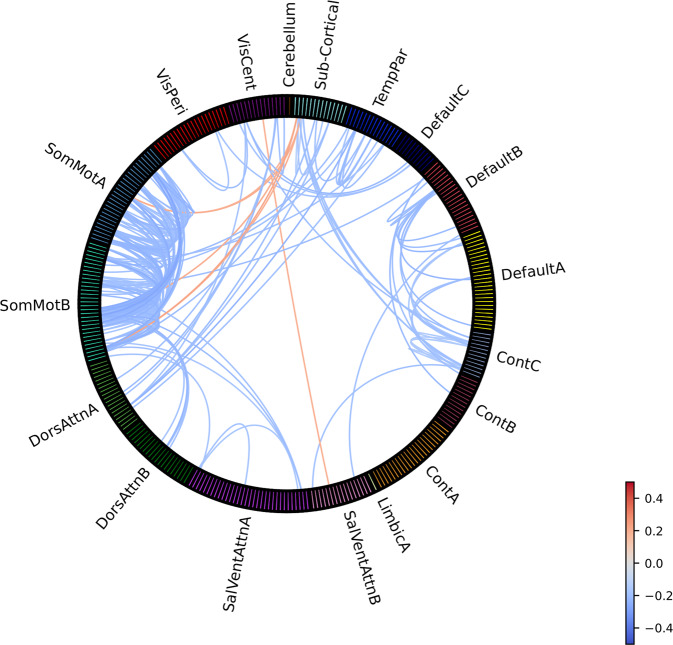
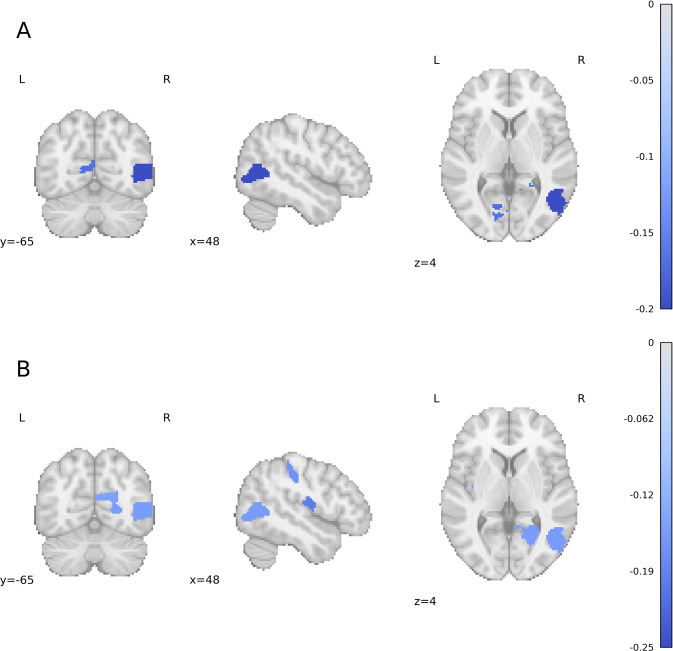
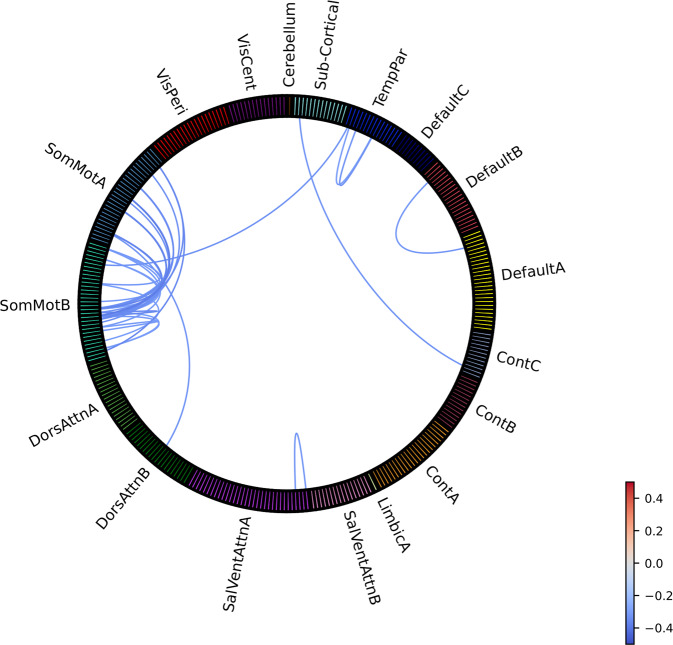
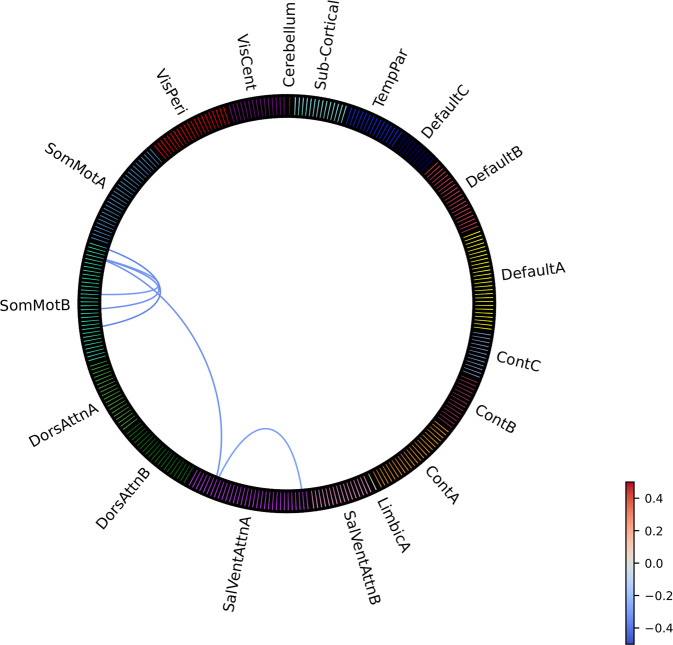
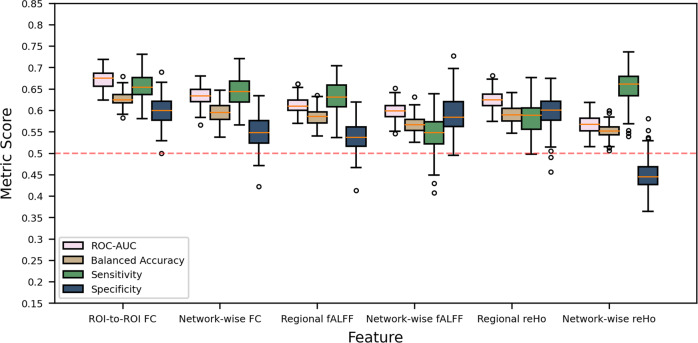
Current knowledge about functional connectivity in obsessive-compulsive disorder (OCD) is based on small-scale studies, limiting the generalizability of results. Moreover, the majority of studies have focused only on predefined regions or functional networks rather than connectivity throughout the entire brain. Here, we investigated differences in resting-state functional connectivity between OCD patients and healthy controls (HC) using mega-analysis of data from 1024 OCD patients and 1028 HC from 28 independent samples of the ENIGMA-OCD consortium. We assessed group differences in whole-brain functional connectivity at both the regional and network level, and investigated whether functional connectivity could serve as biomarker to identify patient status at the individual level using machine learning analysis. The mega-analyses revealed widespread abnormalities in functional connectivity in OCD, with global hypo-connectivity (Cohen’s d : -0.27 to -0.13) and few hyper-connections, mainly with the thalamus (Cohen’s d : 0.19 to 0.22). Most hypo-connections were located within the sensorimotor network and no fronto-striatal abnormalities were found. Overall, classification performances were poor, with area-under-the-receiver-operating-characteristic curve (AUC) scores ranging between 0.567 and 0.673, with better classification for medicated (AUC = 0.702) than unmedicated (AUC = 0.608) patients versus healthy controls. These findings provide partial support for existing pathophysiological models of OCD and highlight the important role of the sensorimotor network in OCD. However, resting-state connectivity does not so far provide an accurate biomarker for identifying patients at the individual level.
Overview
The claims and statistics of this paper haven’t been checked yet.
Free: it reads the open-access text and checks the first 5 claims that cite a source we can check. Create a free account to check every claim.
Integrity signals
Registry
Cites
Statistics
Figures
Verification
Claims the paper makes
The claims and statistics of this paper haven’t been checked yet.
Free: it reads the open-access text and checks the first 5 claims that cite a source we can check. Create a free account to check every claim.
Claims other papers make about this one
Each is checked against this paper’s own text: does it say what the citing paper says it does?
The cited source doesn’t support the claim as written.
In the citing paper
“Recent neuroimaging studies have implicated imbalances in CSTC loops (210, 219), where altered functional connectivity between OFC and striatum (220, 221) perpetuates habit dominance (220), reducing flexibility in adapting to new contingencies and fostering compulsive rituals.”
From Neural mechanisms underlying cognitive inflexibility in obsessive-compulsive disorder: a review (2026) · cites this paper as [210]
Checked by a reasoning model — may be wrong.
Experimental — accuracy not yet measuredThe source backs part of the claim, not all of it — or backs it for a different population, condition or comparison.
In the citing paper
“Integrating these models indicates that frontoparietal network abnormalities are pivotal to OCD’s core symptoms, providing key insights into underlying neural mechanisms (207, 210).”
From Neural mechanisms underlying cognitive inflexibility in obsessive-compulsive disorder: a review (2026) · cites this paper as [210]
Experimental — accuracy not yet measured
Self-check
Percentages, sums and reported differences re-computed from the paper’s own numbers.
The self-check needs the paper’s full text.
Citations
Cites
Hosmer, D. W., Lemeshow, S., & Sturdivant, R. X. (2013) · Wiley Series in Probability and Statistics · doi:10.1002/9781118548387 · Cited by 13,861
Desikan, R. S., Ségonne, F., Fischl, B., Quinn, B. T., Dickerson, B. C., Blacker, D., Buckner, R. L., Dale, A. M., Maguire, R. P., Hyman, B. T., et al. (2006) · NeuroImage · doi:10.1016/j.neuroimage.2006.01.021 · Cited by 13,324 · cited 1×
“…Effect (LME) models were used to assess between-group differences, accounting for data clustering within samples with sample-varying effects, with diagnosis ( fi xed factor, OCD versus HC) as the variable of interest, age, sex, and head motion as covariates, and sample ID as a random intercept.”
MethodFunctional connectivity in the motor cortex of resting human brain using echo‐planar mri
Biswal, B., Zerrin Yetkin, F., Haughton, V. M., & Hyde, J. S. (1995) · Magnetic Resonance in Medicine · doi:10.1002/mrm.1910340409 · Cited by 9,812 · cited 2×
“Patients showed widespread ROI-to-ROI hypo-connectivity which largely resembled those seen in main analysis ( − 0.31 d − 0.15), however the number of signi fi cant hypo-connections increased by 64% ( N = 319 for matched sample comparison, N = 194 for main analyses) (Supplementary Figs.”
BackgroundResultInfluentialParallel organization of functionally segregated circuits linking basal ganglia and cortex
Alexander, G. E., DeLong, M. R., & Strick, P. L. (1986) · Annual Review of Neuroscience · doi:10.1146/annurev.ne.09.030186.002041 · Cited by 8,527
The Yale-Brown Obsessive Compulsive Scale: I. Development, Use, and Reliability
Goodman, W. K. (1989) · Archives of General Psychiatry · doi:10.1001/archpsyc.1989.01810110048007 · Cited by 7,712 · cited 1×
“Preproces-sing included motion correction, slice timing and susceptibility distortion correction (if slice timing details and fi eld maps were available), and spatial normalization.”
The organization of the human cerebellum estimated by intrinsic functional connectivity
Buckner, R. L., Krienen, F. M., Castellanos, A., Diaz, J. C., & Yeo, B. T. T. (2011) · Journal of Neurophysiology · doi:10.1152/jn.00339.2011 · Cited by 7,304 · cited 1×
“Effect sizes (Cohen ’ s d ) and signi fi cance ( p values) were calculated for each ROI and network-level feature [41] (see Supplementary Methods).”
MethodLarge-scale brain networks and psychopathology: a unifying triple network model
Menon, V. (2011) · Trends in Cognitive Sciences · doi:10.1016/j.tics.2011.08.003 · Cited by 4,168
fMRIPrep: A robust preprocessing pipeline for functional MRI
Esteban, O., Markiewicz, C. J., Blair, R. W., Moodie, C. A., Isik, A. I., Erramuzpe, A., Kent, J. D., Goncalves, M., DuPre, E., Snyder, M., et al. (2019) · Nature Methods · doi:10.1038/s41592-018-0235-4 · Cited by 3,905 · cited 1×
“Time series from ROIs of participants with less than 80% voxel coverage were excluded, reducing the number of ROIs available for analysis (see Supplementary Methods).”
MethodEffect size, confidence interval and statistical significance: a practical guide for biologists
Nakagawa, S., & Cuthill, I. C. (2007) · Biological Reviews · doi:10.1111/j.1469-185x.2007.00027.x · Cited by 3,835 · cited 1×
“Strati fi ed K-fold splits were made by preserving the proportion of patients and controls from each sample.”
Large-scale automated synthesis of human functional neuroimaging data.
Yarkoni, T., Poldrack, R. A., Nichols, T. E., Van Essen, D. C., & Wager, T. D. (2011) · Nature Methods · doi:10.1038/nmeth.1635 · Cited by 3,686 · cited 1×
“…patients with and without current use of psychotropic medication at time of scanning, patients with lower severity (Y-BOCS< = 25; mild-moderate [42]) or higher severity of symptoms (Y-BOCS> 25; moderate-severe) based on the median, and adult patients with early (<18 years) and late ( ≥ 18 years)…”
Background
Cited by
From compulsivity to compulsion: the neural basis of compulsive disorders
Robbins, T. W., Banca, P., & Belin, D. (2024) · Nature reviews. Neuroscience · doi:10.1038/s41583-024-00807-z · Cited by 160
“A large recent meta-analysis of OCD rs-fc studies failed to reveal definitive evidence of the fronto-striatal changes described earlier, perhaps because of patient heterogeneity 134 .”
Challenges in the measurement and interpretation of dynamic functional connectivity
Laumann, T. O., Snyder, A. Z., & Gratton, C. (2024) · Imaging Neuroscience · doi:10.1162/imag_a_00366 · Cited by 52
Caeyenberghs, K., Imms, P. E., Irimia, A., Monti, M. M., Esopenko, C., de Souza, N. L., D, J. F. D., Newsome, M. R., Dobryakova, E., Cwiek, A. P., et al. (2024) · NeuroImage Clinical · doi:10.1016/j.nicl.2024.103585 · Cited by 19
Self-citationIsolation of Distinct Networks Driving Action and Cognition in Psychomotor Processes
Moussa‐Tooks, A. B., Beermann, A., Felix, K. M., Coleman, M., Bouix, S., Holt, D. J., Lewandowski, K. E., Öngür, D., Breier, A. F., Shenton, M. E., et al. (2024) · Biological Psychiatry · doi:10.1016/j.biopsych.2024.02.1013 · Cited by 23
A closer look to neural pathways and psychopharmacology of obsessive compulsive disorder
Gargano, S. P., Santos, M. G., Taylor, S. M., & Pastis, I. (2023) · Frontiers in Behavioral Neuroscience · doi:10.3389/fnbeh.2023.1282246 · Cited by 18
Neuromodulation and neural networks in psychiatric disorders: current status and emerging prospects
Michalopoulou, P. G., Meshreky, K. M., Hommerich, Z., & Shergill, S. S. (2025) · Psychological Medicine · doi:10.1017/s003329172510158x · Cited by 20
“The triple model networks (DMN, FPN, SN) exhibit hypoconnectivity in OCD, potentially related to difficulties switching between repetitive thoughts and goal-directed actions (Bruin et al., 2023).”
Wankhede, N. L., Koppula, S., Umare, P. D., Umare, M. D., Lokhande, S. K., Taksande, B. G., Upaganlawar, A. B., Umekar, M. J., Kopalli, S. R., & Kale, M. B. (2025) · Brain Disorders · doi:10.1016/j.dscb.2025.100222 · Cited by 22
Precision Functional Mapping to Advance Developmental Psychiatry Research
Labonte, A. K., Camacho, M. C., Moser, J., Koirala, S., Laumann, T. O., Marek, S. A., Fair, D. A., & Sylvester, C. M. (2024) · Biological Psychiatry Global Open Science · doi:10.1016/j.bpsgos.2024.100370 · Cited by 19
Cheng, J., Wang, Y., Tang, Y., Lin, L., Gao, J., & Wang, Z. (2024) · Journal of Psychiatric Research · doi:10.1016/j.jpsychires.2024.06.034 · Cited by 18
Self-citationObsessive-compulsive disorder – A state-of-the-art review
Endres, D., Schiele, M. A., von Zedtwitz, K., Dressle, R. J., Maier, A., Hohagen, F., Baldermann, J. C., Coenen, V. A., Jelinek, L., Domschke, K., et al. (2025) · Neuroscience & Biobehavioral Reviews · doi:10.1016/j.neubiorev.2025.106320 · Cited by 11
Big connectome imaging data in psychiatric disorders
Xia, M., Sun, X., Bu, X., Li, Q., & He, Y. (2024) · Medicine Plus · doi:10.1016/j.medp.2024.100038 · Cited by 11
Artificial Intelligence in Obsessive-Compulsive Disorder: A Systematic Review
Kim, J., Pacheco, J. P. G., Golden, A., Aboujaoude, E. N., van Roessel, P., Gandhi, A., Mukunda, P., Avanesyan, T., Xue, H., Adeli, E., et al. (2025) · Current Treatment Options in Psychiatry · doi:10.1007/s40501-025-00359-8 · Cited by 17
“Although some consistent connectivity alterations were observed (e.g., hypoconnectivity in sensorimotor networks and hyper - connectivity involving the thalamus), these did not translate into reliable individual-level markers [65].”
Vicheva, P., Osborne, C., Krieg, S. M., Ahmadi, R., & Shotbolt, P. (2024) · Progress in Neuro-Psychopharmacology and Biological Psychiatry · doi:10.1016/j.pnpbp.2024.111147 · Cited by 16
A comprehensive review for machine learning on neuroimaging in obsessive-compulsive disorder
Li, X., Kang, Q., & Gu, H. (2023) · Frontiers in Human Neuroscience · doi:10.3389/fnhum.2023.1280512 · Cited by 14
Echevarria, M. A. N., Batistuzzo, M. C., Silva, R. M. F., Brunoni, A. R., Sato, J. R., Miguel, E. C., Hoexter, M. Q., & Shavitt, R. G. (2024) · Journal of Affective Disorders · doi:10.1016/j.jad.2024.03.141 · Cited by 10
Self-citationSeyedmirzaei, H., Bayan, N., Ohadi, M. A. D., Cattarinussi, G., & Sambataro, F. (2024) · Psychiatry Research Neuroimaging · doi:10.1016/j.pscychresns.2024.111842 · Cited by 12
Tubío-Fungueiriño, M., Cernadas, E., Fernández-Delgado, M., Arrojo, M., Bertolín, S., Real, E., Menchón, J. M., Carracedo, Á., Alonso, P., Fernández‐Prieto, M., et al. (2024) · Revista de Psiquiatría y Salud Mental · doi:10.1016/j.sjpmh.2024.11.001 · Cited by 10
Self-citationDžinalija, N., Vriend, C., Waller, L., Simpson, H. B., Ivanov, I., Agarwal, S. M., Alonso, P., Backhausen, L. L., Balachander, S., Broekhuizen, A., et al. (2024) · Biological Psychiatry · doi:10.1016/j.biopsych.2024.12.011 · Cited by 11
Self-citationKato, K., Tomiyama, H., Murayama, K., Mizobe, T., Matsuo, A., Nishida, N., Matukuma, K., Kang, M., Sashikata, K., Kikuchi, K., et al. (2024) · Frontiers in Psychiatry · doi:10.3389/fpsyt.2024.1399062 · Cited by 7
Self-citationRuan, H., Rodriguez-Manrique, D., Winkelmann, C., Haun, J., Berberich, G., Zimmer, C., & Koch, K. (2025) · Journal of Affective Disorders · doi:10.1016/j.jad.2025.01.055 · Cited by 9
Self-citationvan de Mortel, L. A., Bruin, W. B., Alonso, P., Bertolín, S., Feusner, J. D., Guo, J. Y., Hagen, K., Hansen, B. K. A., Thorsen, A. L., Martínez‐Zalacaín, I., et al. (2025) · Journal of Affective Disorders · doi:10.1016/j.jad.2025.119729 · Cited by 7
Self-citationBakay, H., Ulaşoğlu-Yıldız, Ç., Kurt, E., Demıralp, T., & Tükel, R. (2023) · Psychiatry Research Neuroimaging · doi:10.1016/j.pscychresns.2023.111763 · Cited by 8
Vincenzo, C. D., Demaria, F., Bertoncini, I., Menghini, D., Antonietti, A., Vicari, S., & Pontillo, M. (2026) · Frontiers in Psychiatry · doi:10.3389/fpsyt.2025.1750938 · Cited by 6
Catanzaro, M. J., Rizzo, S., Kopchick, J. J., Chowdury, A., Rosenberg, D. R., Bubenik, P., & Diwadkar, V. A. (2023) · Neuroinformatics · doi:10.1007/s12021-023-09645-3 · Cited by 10
“Most of these approaches focus on resting-state functional connectivity (Bruin et al., 2023), yet the study of task-driven differences in regional brain profiles remains highly valuable because tasks drive the brain and therefore, drive fMRI signals (Logothetis, 2008).”
Yin, L., Yu, Y., & Wang, Q. (2026) · Nonlinear Dynamics · doi:10.1007/s11071-026-12613-6 · Cited by 5
“At the macroscopic scale, whole-brain connectome models enable simulation of stimulus propagation and synchronization across regions [95, 96].”
Aljebreen, W. S., Alturaiqi, N. A., Almushyti, M., Alhasson, H. F., & Alharbi, S. S. (2026) · Psychiatry Research Neuroimaging · doi:10.1016/j.pscychresns.2026.112137 · Cited by 4
Artificial intelligence role in advancement of human brain connectome studies
Shekouh, D., Kaboli, H. S., Ghaffarzadeh-Esfahani, M., Khayamdar, M., Hamedani, Z., Oraee‐Yazdani, S., Zali, A., & Jajin, E. A. (2024) · Frontiers in Neuroinformatics · doi:10.3389/fninf.2024.1399931 · Cited by 5
Xu, C., Hou, G., He, T., Ruan, Z., Guo, X., Chen, J., Wei, Z., Seger, C. A., Chen, Q., & Peng, Z. (2023) · Psychological Medicine · doi:10.1017/s0033291723002386 · Cited by 3
Analysis of Mental Health Disorders from Survey Reports using Time Series based Linear Regression
Mishra, A., Singh, A., Singh, A. P., Chauhan, M., & Kamboj, D. (2024) · International Conference on Networking, Embedded and Wireless Systems (ICNEWS) · doi:10.1109/icnews60873.2024.10730817 · Cited by 3
“In [19], the authors illustrated a linear Support Vector Machine based models for a multivariate classification on the data collected by ENIGMA-OCD group from 24 research institutes worldwide.”
BackgroundTomiyama, H., Murayama, K., Kato, K., Matsuo, A., Nishida, N., Matsukuma, K., Kawahito, M., Kang, M., Sashikata, K., Yamashita, K., et al. (2025) · Journal of Psychiatric Research · doi:10.1016/j.jpsychires.2025.03.055 · Cited by 4
Self-citationInvestigating brain structure and tDCS response in obsessive-compulsive disorder
Harika‐Germaneau, G., Gosez, J., Bokam, P., Guillevin, R., Doolub, D., Thirioux, B., Wassouf, I., Germaneau, A., Langbour, N., & Jaafari, N. (2024) · Journal of Psychiatric Research · doi:10.1016/j.jpsychires.2024.06.053 · Cited by 4
Serra-Blasco, M., Miquel-Giner, N., Vicent-Gil, M., Casteràs, D. P., Martínez‐Zalacaín, I., Cano, M., la Peña‐Arteaga, V. D., Mar‐Barrutia, L., Alemany-Navarro, M., Soriano‐Mas, C., et al. (2025) · Psychotherapy and Psychosomatics · doi:10.1159/000548961 · Cited by 5
“Dysfunction within these loops may contribute to aberrant salience attribution [23, 28], impaired inhibitory control [23, 29], and habit-biased compulsive behaviours [30–32].”
InfluentialSelf-citationZaboski, B. A., Fineberg, S. K., Skosnik, P. D., Kichuk, S. A., Fitzpatrick, M., & Pittenger, C. (2026) · Computational Psychiatry · doi:10.5334/cpsy.149 · Cited by 4
Self-citationDžinalija, N., Veer, I. M., Simpson, H. B., Ivanov, I., Balachander, S., Benedetti, F., Calesella, F., Fitzsimmons, S., Grützmann, R., Hagen, K., et al. (2026) · Biological Psychiatry Cognitive Neuroscience and Neuroimaging · doi:10.1016/j.bpsc.2026.02.007 · Cited by 3
Self-citationBai, T., Wang, Y., Ruan, H., Zhang, G., Gao, J., Zheng, Z., Li, D., Zhao, Q., Han, H., Fan, Q., et al. (2026) · Neuropsychopharmacology · doi:10.1038/s41386-026-02375-5 · Cited by 2
“Although historically overlooked, the sensorimotor circuit was recently demonstrated by a mega-analysis from the Enhancing Neuro-Imaging and Genetics through Meta-Analysis (ENIGMA) OCD consortium to exhibit widespread hypoconnectivity across 28 cohorts [13].”
Self-citationLarge-Scale Neuroimaging of Mental Illness
Ching, C. R. K., Kang, M. J. Y., & Thompson, P. M. (2024) · Current topics in behavioral neurosciences · doi:10.1007/7854_2024_462 · Cited by 3
Self-citationChen, Z., Adegboro, A. A., Gu, L., & Li, X. (2024) · Insights into Imaging · doi:10.1186/s13244-024-01848-9 · Cited by 2
Ikemizu, Y., Isobe, Y., Sudo, Y., Ota, J., Chhatkuli, R. B., Sasaki, T., Kurita, K., Yoshida, T., Matsumoto, K., Kuno, M., et al. (2025) · Neuroimage Reports · doi:10.1016/j.ynirp.2025.100275 · Cited by 4
Self-citationJin, Y., Guo, Y., Koller, J. M., Grossen, S., Uhlmann, A., Forde, N. J., Zouki, J., Torrecuso, R., Mueller, K., Martin‐Rodríguez, J. F., et al. (2026) · medRxiv · doi:10.64898/2026.05.16.26353368 · Cited by 2
Self-citationShao, C., Zhao, X., Chen, G., Yu, W., Zhang, X., Sun, Y., Li, J., Zhang, X., Jiang, W., & Liu, N. (2025) · Journal of Psychiatric Research · doi:10.1016/j.jpsychires.2025.06.024 · Cited by 4
Suo, X., Zhang, Y., Li, X., Xu, Z., Zeng, L., Lei, L., Zhang, M., Luo, Z., Xia, L., Zeng, X., et al. (2025) · Behavioural Brain Research · doi:10.1016/j.bbr.2025.115962 · Cited by 1
Thorsen, A. L., Brecke, V., Alnæs, D., Mataix‐Cols, D., Kwon, J. S., Menchón, J. M., Abe, Y., Sakai, Y., Phillips, M., Hansen, B. K. A., et al. (2026) · Molecular Psychiatry · doi:10.1038/s41380-026-03500-y · Cited by 2
“Anincreasing number of studies have used machine learning methods on neuroimaging data to classify individuals with OCD versus healthy controls, with the aim of aiding diagnosis in the future [20 – 22].”
Self-citationLi, K., Yuan, X., Zhang, C., Li, R., Chen, A., Qian, L., Zhou, C., & Zhang, K. (2026) · Behavioural Brain Research · doi:10.1016/j.bbr.2026.116168 · Cited by 1
Gouveia, F. V., Elias, G. J. B., Wong, E. H. Y., Yang, A., Beyn, M. E., Mesich, A., Omere, U., Iskin, S. A., Bai, Y., Hu, C., et al. (2026) · Nature Mental Health · doi:10.1038/s44220-026-00586-9 · Cited by 1
Tomiyama, H., Murayama, K., Nemoto, K., Kato, K., Nishida, N., Matsukuma, K., Kawahito, M., Kamio, T., Tsunoda, K., Kang, M., et al. (2026) · Journal of Psychiatry and Neuroscience · doi:10.1139/jpn-2025-0245 · Cited by 1
Self-citationÖzsoy, F., Tasci, G., Taşçı, B., Doğan, Ş., & Tuncer, T. (2026) · World Journal of Psychiatry · doi:10.5498/wjp.118161 · Cited by 1
Corticostriatal connectivity in monozygotic twin pairs discordant for obsessive-compulsive disorder
Beucke, J. C., May, L., Diez, I. P., Franke, J., Kaufmann, C., Pol-Fuster, J., de la Cruz, L. F., de Schipper, E. J., Brander, G., Remnélius, K. L., et al. (2026) · Brain · doi:10.1093/brain/awag198 · Cited by 1
“It Doesn’t Matter Where OCD Comes From,” or Does It?
Pinciotti, C. M., McCarty, R. J., & Ponzini, G. T. (2026) · Current Psychiatry Reports · doi:10.1007/s11920-026-01708-x · Cited by 1
“Indeed, larger scale multisite machine learning investigations using neuro-imaging findings to predict cases of OCD have to date only achieved low-to-moderate classification accuracy [ 55, 57].”
Džinalija, N., van den Heuvel, O. A., Simpson, H. B., Ivanov, I., Araújo, A. I., Balachander, S., Beucke, J. C., Brandeis, D., Brem, S., Bruin, W. B., et al. (2026) · Biological Psychiatry · doi:10.1016/j.biopsych.2026.09.021 · Cited by 3
Self-citationKoch, K., Rodriguez-Manrique, D., Gigl, S., Ruan, H., Gürsel, D. A., Rus-Oswald, G., Reeß, T. J., & Berberich, G. (2025) · Biological Psychiatry Cognitive Neuroscience and Neuroimaging · doi:10.1016/j.bpsc.2025.01.013 · Cited by 1
Self-citationNeural mechanisms underlying cognitive inflexibility in obsessive-compulsive disorder: a review
Guo, W., Neo, P. S.-H., & McNaughton, N. (2026) · Frontiers in Psychiatry · doi:10.3389/fpsyt.2026.1795436
“Integrating these models indicates that frontoparietal network abnormalities are pivotal to OCD ’ s core symptoms, providing key insights into underlying neural mechanisms (207, 210).”
Characterization and Features of Neural Oscillations in Mental Disorders
Hirano, Y., & Atagün, M. İ. (2024) · Springer eBooks · doi:10.1007/978-3-031-32035-4_90-1
Self-citationBrecke, V., Thorsen, A. L., Huyser, C., de Joode, N. T., Hansen, B. K. A., Hagen, K., Kvale, G., Vriend, C., van den Heuvel, O. A., & Ousdal, O. T. (2025) · Journal of Affective Disorders Reports · doi:10.1016/j.jadr.2025.100872
Self-citationAyyıldız, B., Rodriguez-Manrique, D., Ayyıldız, S., Çolak, T., & Koch, K. (2025) · Psychological Medicine · doi:10.1017/s0033291725100998 · Cited by 1
“Similarly, a hyper-connectivity pattern in the thalamus has been previously reported by Bruin et al. in their large sample size study (Bruin et al., 2023).”
Self-citationDeep brain stimulation modulates directional limbic connectivity in major depressive disorder
Fridgeirsson, E. A., Bergfeld, I. O., de Kwaasteniet, B. P., Luigjes, J., van Laarhoven, J., Notten, P., Beute, G. N., van den Munckhof, P., Schuurman, R., Denys, D. A. J. P., et al. (2025) · Psychological Medicine · doi:10.1017/s0033291725100767 · Cited by 3
“However, more recent large-scale multicenter studies showed that restingstate connectivity is reduced throughout the brain in both MDD as well as OCD, with the exception of primarily thalamic hyperconnectivity(Bruin et al., 2023; Gallo et al., 2023; Javaheripour et al., 2021).”
Self-citationCharacterization and Features of Neural Oscillations in Mental Disorders
Hirano, Y., & Atagün, M. İ. (2025) · Springer eBooks · doi:10.1007/978-3-031-73368-0_90
Self-citationSaward, J. B., Cobden, A. L., Gates, P., D, J. F. D., & Caeyenberghs, K. (2025) · medRxiv · doi:10.1101/2025.09.19.25336219
“For example, the ENIGMA Obsessive Compulsive Disorder (OCD) study used this toolbox across 28 sites (1024 OCD patients vs 1028 controls) and showed widespread FC disruptions, particularly global hypoconnectivity in sensorimotor networks [87].”
Widespread alterations of white matter integrity in medication-free obsessive-compulsive disorder
Chai, S., Jiang, J., Li, H., Cao, L., Zhou, H., Gong, Q., Li, B., & Huang, X. (2025) · Translational Psychiatry · doi:10.1038/s41398-025-03689-6 · Cited by 2
“Region-of interest (ROI)-based tractography, which tracks white matter pathways between speci fi c brain regions, may address this limitation in future studies by enabling the investigation of relevant circuits.”
Postma, T. S., Fitzsimmons, S., & van den Heuvel, O. A. (2025) · Handbook of behavioral neuroscience · doi:10.1016/b978-0-443-26602-7.00022-1
Advances in Neuroimaging Studies of Obsessive-Compulsive Disorder
Ikemizu, Y. (2025) · Anxiety Disorder Research · doi:10.14389/jsad.17.1_1
Lee, T., Park, S.-S., Chang‐Hwan, I., & Lee, S.-H. (2026) · Journal of Affective Disorders · doi:10.1016/j.jad.2025.121110
Vriend, C., Broekhuizen, A., Wolf, N., van Oppen, P., van den Heuvel, O. A., & Visser, H. A. D. (2026) · medRxiv · doi:10.64898/2026.02.10.26345974
Self-citationRegional Cerebellar Volumetrics in Obsessive-Compulsive Disorder: An ENIGMA-OCD Study
Balachander, S., Narayanaswamy, J. C., Shivakumar, V., Abe, Y., Alonso, P., Backhausen, L. L., Banaj, N., Batistuzzo, M. C., Benedetti, F., Bollettini, I., et al. (2026) · Biological Psychiatry Cognitive Neuroscience and Neuroimaging · doi:10.1016/j.bpsc.2026.02.006 · Cited by 4
Self-citationMapping Higher-Order Topology in OCD Brain Networks with Hodge LaplacianPreprint
Ruan, H., Chung, M. K., Bruin, W. B., Džinalija, N., Abe, Y., Alonso, P., Anticevic, A., Balachander, S., Batistuzzo, M. C., Benedetti, F., et al. (2026) · bioRxiv (Cold Spring Harbor Laboratory) · doi:10.64898/2026.03.04.709586 · Cited by 2
Self-citationLearning Mechanisms in Alcohol Use Disorders
Heinz, A., Icoez, S., Treusch, Y., Chiara, G. D., & Halil, M. G. (2026) · Addiction Biology · doi:10.1111/adb.70168 · Cited by 1
“Significant differences in the neurobiological correlates of OCD and addiction [131, 138, 139] were detected, for example, increases versus decreases in frontal glucose utilization or differences in functional connectivity [131, 138, 139].”
Vriend, C., Broekhuizen, A., Wolf, N., van Oppen, P., van den Heuvel, O. A., & Visser, H. A. D. (2026) · Journal of Affective Disorders · doi:10.1016/j.jad.2026.122145
Self-citationHow Do Similar Thalamocortical Circuits Produce Psychosis Versus Compulsivity?
Seif, P. (2026) · Biological Psychiatry Cognitive Neuroscience and Neuroimaging · doi:10.1016/j.bpsc.2026.06.007
Zhang, Y. Q., Liu, Z. H., Chen, Y., Wang, C., Qian, L., Liao, H., Cai, S., & Zhong, M. (2026) · Journal of Affective Disorders · doi:10.1016/j.jad.2026.122212
Moon, H., Kim, J., Kim, G., Kim, H., Kim, T., & Hur, J. (2026) · Journal of Affective Disorders · doi:10.1016/j.jad.2026.122238
Jakobsen, L., Ousdal, O. T., Hansen, B. K. A., Kvale, G., Hagen, K., Vriend, C., van den Heuvel, O. A., & Thorsen, A. L. (2026) · Translational Psychiatry · doi:10.1038/s41398-026-04192-2
“Although the pathophysiology of OCD remains incompletely understood, prevailing neurobiological models have implicated dysfunction within and between cortico-striato-thalamo-cortical (CSTC) brain circuits [1, 4 – 7].”
Self-citationLauro, P. M., Palmer, C. F., Nambiar, M. M., Muller, U., Qiu, L., Halpern, C. H., & Scangos, K. W. (2026) · Frontiers in Psychiatry · doi:10.3389/fpsyt.2026.1828620
Altered Resting-State Co-Activation Patterns in Obsessive-Compulsive Disorder
Chang, Y., Ruan, H., & Koch, K. (2026) · NeuroImage · doi:10.1016/j.neuroimage.2026.122128
Self-citationİnaltekin, A., Rahim, F., Örs, A., Çakır, Ö., & Sayyah, M. (2026) · Psychiatry Research Neuroimaging · doi:10.1016/j.pscychresns.2026.112312
Wang, X., Hu, H., Zhang, W., Men, W., Xu, H., Zhu, Y., Yang, K., Jiang, Z., Liu, Z., Wang, J., et al. (2026) · European Child & Adolescent Psychiatry · doi:10.1007/s00787-026-03194-1
Mari, M., Stingl, M., Hanewald, B., & Mulert, C. (2026) · Journal of Clinical Medicine · doi:10.3390/jcm15187155
Licht, C., Schuhmann, T., Struckmann, J., Sack, A. T., & Neuner, I. (2026) · Psychiatry Research Case Reports · doi:10.1016/j.psycr.2026.100352
Uysal, E. (2026) · IntechOpen eBooks · doi:10.5772/intechopen.1017564
Yan, H., Han, Y., Guo, W., Guo, W., & Cao, H. (2026) · Neurotherapeutics · doi:10.1016/j.neurot.2026.e01089
“Such variability has hindered the ability to consistently localize OCD to specific brain regions or brain networks across individual studies, meta-analyses [1 – 5], or even mega-analyses [6 – 8].”
Vandevelde, A., Dollfus, S., & Gagnepain, P. (2026) · Psychiatry and Clinical Neurosciences · doi:10.1111/pcn.70155
Zhang, G., Han, H., Cheng, J., Luo, Q., Stern, E. R., & Wang, Z. (2026) · Biological Psychiatry · doi:10.1016/j.biopsych.2026.10.014
Self-citation
Metadata
- Authors
- Bruin, W. B., Abe, Y., Alonso, P., Anticevic, A., Backhausen, L. L., Balachander, S., Bargallo, N., Batistuzzo, M. C., Benedetti, F., Bertolin Triquell, S., Brem, S., Calesella, F., Couto, B., Denys, D. A. J. P., Echevarria, M. A. N., Eng, G. K., Ferreira, S., Feusner, J. D., Grazioplene, R. G., Gruner, P., Guo, J. Y., Hagen, K., Hansen, B., Hirano, Y., Hoexter, M. Q., Jahanshad, N., Jaspers-Fayer, F., Kasprzak, S., Kim, M., Koch, K., Bin Kwak, Y., Kwon, J. S., Lazaro, L., Li, C.-S. R., Lochner, C., Marsh, R., Martínez-Zalacaín, I., Menchon, J. M., Moreira, P. S., Morgado, P., Nakagawa, A., Nakao, T., Narayanaswamy, J. C., Nurmi, E. L., Zorrilla, J. C. P., Piacentini, J., Picó-Pérez, M., Piras, F., Piras, F., Pittenger, C., Reddy, J. Y. C., Rodriguez-Manrique, D., Sakai, Y., Shimizu, E., Shivakumar, V., Simpson, B. H., Soriano-Mas, C., Sousa, N., Spalletta, G., Stern, E. R., Evelyn Stewart, S., Szeszko, P. R., Tang, J., Thomopoulos, S. I., Thorsen, A. L., Yoshida, T., Tomiyama, H., Vai, B., Veer, I. M., Venkatasubramanian, G., Vetter, N. C., Vriend, C., Walitza, S., Waller, L., Wang, Z., Watanabe, A., Wolff, N., Yun, J.-Y., Zhao, Q., van Leeuwen, W. A., van Marle, H. J. F., van de Mortel, L. A., van der Straten, A., van der Werf, Y. D., ENIGMA-OCD Working Group, Arai, H., Bollettini, I., Escalona, R. C., Coelho, A., Colombo, F., Darwich, L., Fontaine, M., Ikuta, T., Ipser, J. C., Juaneda-Seguí, A., Kitagawa, H., Kvale, G., Machado-Sousa, M., Morer, A., Nakamae, T., Narumoto, J., O’Neill, J., Okawa, S., Real, E., Roessner, V., Sato, J. R., Segalàs, C., Shavitt, R. G., Veltman, D. J., Yamada, K., van Leeuwen, W. A., van Marle, H. J. F., van de Mortel, L. A., van der Straten, A., van der Werf, Y. D., van den Heuvel, O. A., van Wingen, G. A., Thompson, P. M., Stein, D. J., van den Heuvel, O. A., & van Wingen, G. A.
- Affiliations
- Amsterdam UMC Location University of Amsterdam (NL)
- Kyoto Prefectural University of Medicine (JP)
- Instituto de Salud Carlos III (ES)
- Yale University (US)
- Technische Universität Dresden (DE)
- National Institute of Mental Health and Neurosciences (IN)
- Universidade de São Paulo (BR)
- Vita-Salute San Raffaele University (IT)
- University of Zurich (CH)
- Clinical Academic Center of Braga (PT)
- Nathan Kline Institute for Psychiatric Research (US)
- Centre for Addiction and Mental Health (CA)
- University of California San Diego (US)
- Norwegian University of Science and Technology (NO)
- Haukeland University Hospital (NO)
- Chiba University (JP)
- University of Southern California (US)
- Amsterdam UMC Location Vrije Universiteit Amsterdam (NL)
- Seoul National University (KR)
- TUM Klinikum (DE)
- Columbia University Irving Medical Center (US)
- University of Minho (PT)
- Kyushu University (JP)
- Goulburn Valley Health (AU)
- University of California, Los Angeles (US)
- Consorci Institut D'Investigacions Biomediques August Pi I Sunyer (ES)
- Fondazione Santa Lucia (IT)
- Kanazawa University (JP)
- Baylor College of Medicine (US)
- James J. Peters VA Medical Center (US)
- Sir Run Run Shaw Hospital (CN)
- IRCCS Ospedale San Raffaele (IT)
- University of Amsterdam (NL)
- MSB Medical School Berlin (DE)
- Amsterdam Neuroscience (NL)
- Humboldt-Universität zu Berlin (DE)
- Shanghai Jiao Tong University (CN)
- Universitat de Barcelona (ES)
- South African Medical Research Council (ZA)
- Corresponding author
- Bruin, Willem B.
- ORCID
- Bruin, Willem B.
- Abe, Yoshinari
- Alonso, Pino
- Anticevic, Alan
- Backhausen, Lea L.
- Balachander, Srinivas
- Batistuzzo, Marcelo C.
- Benedetti, Francesco
- Bertolin Triquell, Sara
- Brem, Silvia
- Calesella, Federico
- Couto, Beatriz
- Denys, Damiaan A. J. P.
- Echevarria, Marco A. N.
- Eng, Goi Khia
- Ferreira, Sónia
- Feusner, Jamie D.
- Grazioplene, Rachael G.
- Gruner, Patricia
- Guo, Joyce Y.
- Hagen, Kristen
- Hansen, Bjarne
- Hirano, Yoshiyuki
- Hoexter, Marcelo Q.
- Jahanshad, Neda
- Jaspers-Fayer, Fern
- Kasprzak, Selina
- Kim, Minah
- Koch, Kathrin
- Kwon, Jun Soo
- Lazaro, Luisa
- Li, Chiang-Shan R.
- Lochner, Christine
- Marsh, Rachel
- Martínez-Zalacaín, Ignacio
- Menchon, Jose M.
- Moreira, Pedro S.
- Morgado, Pedro
- Nakao, Tomohiro
- Narayanaswamy, Janardhanan C.
- Nurmi, Erika L.
- Piacentini, John
- Piras, Fabrizio
- Piras, Federica
- Pittenger, Christopher
- Rodriguez-Manrique, Daniela
- Sakai, Yuki
- Shimizu, Eiji
- Shivakumar, Venkataram
- Soriano-Mas, Carles
- Sousa, Nuno
- Spalletta, Gianfranco
- Stern, Emily R.
- Evelyn Stewart, S.
- Szeszko, Philip R.
- Tang, Jinsong
- Thomopoulos, Sophia I.
- Thorsen, Anders L.
- Yoshida, Tokiko
- Tomiyama, Hirofumi
- Vai, Benedetta
- Veer, Ilya M.
- Venkatasubramanian, Ganesan
- Vetter, Nora C.
- Vriend, Chris
- Walitza, Susanne
- Waller, Lea
- Wang, Zhen
- Watanabe, Anri
- Yun, Je-Yeon
- Zhao, Qing
- Arai, Honami
- Bollettini, Irene
- Escalona, Rosa Calvo
- Coelho, Ana
- Colombo, Federica
- Ikuta, Toshikazu
- Ipser, Jonathan C.
- Juaneda-Seguí, Asier
- Kvale, Gerd
- Morer, Astrid
- Nakamae, Takashi
- Narumoto, Jin
- O’Neill, Joseph
- Okawa, Sho
- Real, Eva
- Roessner, Veit
- Segalàs, Cinto
- Shavitt, Roseli G.
- Veltman, Dick J.
- Yamada, Kei
- Thompson, Paul M.
- Stein, Dan J.
- Venue
- Molecular Psychiatry
- Published
- 2023-05-02
- Volume
- 28
- Issue
- 10
- Pages
- 4307-4319
- ISSN
- 1359-4184 (ISSN-L)
- 1476-5578
- PMC
- PMC10827654
- OpenAlex
- W4367677608
- Semantic Scholar
- bc8ba0031924dae0bc0cf906ad11141531ccfbb1
- Cited by
- 81
- References
- 71
- Citations by year
- 2026: 36 · 2025: 21 · 2024: 19 · 2023: 5
- FWCI
- 23.43
- Type
- journal article
- Language
- en
- Update notices
- correction (2023-08-15)
- Open access
- hybrid
- doi.org
- Licence
- cc-by
- creativecommons.org/licenses/by/4.0 (tdm)
- creativecommons.org/licenses/by/4.0 (vor)
- Locations
- Molecular Psychiatry (publishedVersion, cc-by)
- PubMed Central (publishedVersion, cc-by)
- PubMed (publishedVersion)
- Amsterdam UMC (VU Amsterdam) - Institutional Repository (publishedVersion, other-oa)
- eScholarship (California Digital Library) (submittedVersion, cc-by)
- Archivio Istituzionale della Ricerca - Università Vita-Salute San Raffaele (submittedVersion, cc-by)
- UvA-DARE (University of Amsterdam) (submittedVersion, cc-by)
- mediaTUM – the media and publications repository of the Technical University Munich (Technical University Munich) (submittedVersion)
- Pure Amsterdam UMC (submittedVersion, cc-by)
- Repositori UJI (Universitat Jaume I) (submittedVersion, cc-by)
- SUNScholar (Stellenbosch University) (submittedVersion)
- Zurich Open Repository and Archive (University of Zurich) (submittedVersion, cc-by)
- Data Archiving and Networked Services (DANS) (submittedVersion, other-oa)
- Funders
- National Science Foundation (P41 EB015922)
- Yale University
- Biogen
- University of Southern California
- International OCD Foundation (K23 MH115206)
- Tourette Association of America
- Norges Teknisk-Naturvitenskapelige Universitet
- Japan Agency for Medical Research and Development (JP22dm0307002, 22H01090, 19K03309, R01MH117601, JP22dm0307008)
- National Alliance for Research on Schizophrenia and Depression (R01MH117601, U54 EB020403, R01MH116147)
- Wellcome Trust (500236/Z/11/Z, IA/CRC/19/1/610005, U54 EB020403, 610005)
- BC Children's Hospital
- Myriad Genetics
- Sir Run Run Shaw Hospital
- Kanazawa University
- National Institute of Mental Health and Neurosciences
- Amsterdam University Medical Centers
- Michael Smith Health Research BC
- University of Cambridge
- European Commission (2020 ‘, NORTE-01-0145-FEDER-000023, U54 EB020403, NORTE-01-0145-FEDER-000013, NORTE2020, 610005)
- National Research Foundation
- South African Medical Research Council (R01MH117601)
- Department of Biotechnology, Ministry of Science and Technology, India (BT/06/IYBA/2012., 500236/ Z/11/Z)
- Department of Science and Technology, Ministry of Science and Technology, India (IFA 12-LSBM 26, SR/S0/HS/0016/2011, 2020., IFA-12)
- Deutsche Forschungsgemeinschaft (VE 892/2-1, 892/2-1, U54 EB020403, KO 3744/11-1, R01MH116147, P41EB015922, R01MH121246)
- Schweizerischer Nationalfonds zur Förderung der Wissenschaftlichen Forschung (50026, 130237, R01MH116147, 320030)
- National Natural Science Foundation of China (82071518, 81871057, 82171495, U54 EB020403)
- ZonMw (165.610.002, 917.15.318, 016.156.318)
- Universiteit van Amsterdam
- Vrije Universiteit Amsterdam
- Seoul National University
- Technische Universität Dresden
- Eidgenössische Technische Hochschule Zürich
- Ministero della Salute (2018-, 2018-4, RC19-20-21-22/A)
- Nederlandse Organisatie voor Wetenschappelijk Onderzoek (165.610.002, 016.156.318, 917-15-318)
- Conselho Nacional de Desenvolvimento Científico e Tecnológico (2018‐4, 303754/2018-4)
- Karolinska Institutet
- Helse Vest (911880, 911754)
- Seoul National University Hospital
- Heidehof Stiftung
- Universiteit Stellenbosch
- Universitat Jaume I
- Zhejiang University
- Shanghai Jiao Tong University
- Universitetet i Bergen
- University of Fukui
- Universidade de São Paulo
- Technische Universität München
- Universitat de Barcelona (303754)
- Humboldt-Universität zu Berlin
- Universität Zürich
- Centro de Investigación Biomédica en Red de Salud Mental
- University of Cape Town
- Fundação Luso-Americana para o Desenvolvimento
- Freie Universität Berlin
- Chiba University
- Universidade do Minho (UIDB/50026/2020, UIDP/50026/2020, NORTE-01-0145-FEDER-000023, NORTE-01-0145-FEDER-000013)
- The Wellcome Trust DBT India Alliance (IA/CPHE/18/1/503956, 500236/Z/11/Z, IA/CRC/19/1/610005)
- Haukeland Universitetssjukehus
- Amsterdam Neuroscience (CIA-2019-03-A)
- National Institutes of Health (EB020403, UL1TR001863)
- University of California, San Diego
- Department of Psychiatry, Columbia University
- Irving Medical Center, Columbia University
- Department of Psychiatry, University of Toronto
- NYU Grossman School of Medicine
- College of Medicine, Seoul National University
- Department of Psychiatry, Faculty of Medicine, University of British Columbia
- Medical Research Council (U54 EB020403)
- Japan Society for the Promotion of Science (19K03309, 23K22361, 18K15523, 50026, 22H01090, 16K04344, 22K07598, 21K03084, 22K15766, 23K14825, 21K07547)
- Fundação para a Ciência e a Tecnologia (01-0145, NORTE-01–0145-FEDER-000013, UIDB/50026/2020, R21MH101441, R01MH104648, NORTE‐01‐0145‐FEDER‐000023, PORTUGAL 2020, UIDP/50026/2020, NORTE2020, NORTE-01-0145, 2020.07946, UIDB/50026/2020 and UIDP/50026/2020, /2009)
- Instituto de Salud Carlos III (PI11/, CM21/00278, PI19/01171, FI17/00294, PI18/00856)
- School of Medicine, Shanghai Jiao Tong University
- European Regional Development Fund (NORTE-01-0145-FEDER-000013 and NORTE-01-0145-FEDER-000023, 2020.07946, FI17/00294, 01-0145-FEDER-000013, UIDP/50026/2020, NORTE-01-0145-FEDER-000023, 01-0145, NORTE-01-0145-FEDER-000013, PORTUGAL2020, UIDB/50026/2020, NORTE-2020)
- Key Technologies Research and Development Program (2022YFE0103700)
- Neuroscience Center Zurich, University of Zurich
- National Institute on Aging (R01AG059874, R01AG058854)
- National Institute of Mental Health (R01MH111794, R01MH116147, R01MH123163, R01MH104648, R21MH101441, K24MH121571, R01MH121246, R01MH085900, R21MH093889, R01MH116038, R01MH081864, K23MH115206, R33MH107589, RF1MH123163, R01MH117601, R01MH121520, R01MH126213, R01MH126981)
- National Institute of Neurological Disorders and Stroke (R01NS107513)
- National Institute of Biomedical Imaging and Bioengineering (U54EB020403, P41EB015922)
- NIH Clinical Center
- National Center for Advancing Translational Sciences
- Jane and Terry Semel Institute for Neuroscience and Human Behavior, University of California, Los Angeles
- European Social Fund (NORTE-01-0145-FEDER-000023, NORTE 2020)
- Graduate School of Systemic Neurosciences
- Ministerio de Universidades (MAZ/2021/11)
- NextGenerationEU
- Topics
- Social Sciences › Psychology › Clinical Psychology › Obsessive-Compulsive Spectrum Disorders
- Life Sciences › Neuroscience › Cognitive Neuroscience › Functional Brain Connectivity Studies
- Social Sciences › Psychology › Experimental and Cognitive Psychology › Mental Health Research Topics
- Keywords
- obsessive-compulsive disorder, resting-state functional connectivity, whole-brain connectivity, mega-analysis, thalamus, sensorimotor network, fronto-striatal network, hyperconnectivity, machine learning classification, biomarkers, pathophysiological model
- MeSH terms
- Brain, Brain Mapping, Humans, Magnetic Resonance Imaging, Neural Pathways, Obsessive-Compulsive Disorder, Biomarkers, Connectome
About these checks
Registry, retraction, Cites and statistics results are computed, not judged, with one exception: a printed reference that no index lists is read once by a model before it counts as a citation error. Claims are extracted by a model and kept only when their quote appears verbatim in the text; each cited source is then checked, with a model’s help, for whether it says what the claim relies on. Those verdicts can be wrong — read the claim’s quote and the cited source before relying on one.
Statistics and arithmetic are recomputed, not judged.
Confidence bands are shown only for fields calibrated on our annotated test set. None is calibrated yet, so no band is shown.
What counts as a claim ›How we measure confidence ›How we check this ›
Are you an author, or do you see a problem with this page? Request a review
Data sources
Bibliographic data: Semantic Scholar, OpenAlex, Crossref.
Contains information from the Semantic Scholar Academic Graph Datasets, made available under the ODC Attribution License (ODC-BY 1.0).
Semantic Scholar’s data is described in: Kinney, R., et al. (2023). The Semantic Scholar Open Data Platform. arXiv:2301.10140.
